FDA advisers debate standards for a coronavirus vaccine for young children #SootinClaimon.Com

#SootinClaimon.Com : ขอบคุณแหล่งข้อมูล : หนังสือพิมพ์ The Nation.

https://www.nationthailand.com/life/40001888

FDA advisers debate standards for a coronavirus vaccine for young children


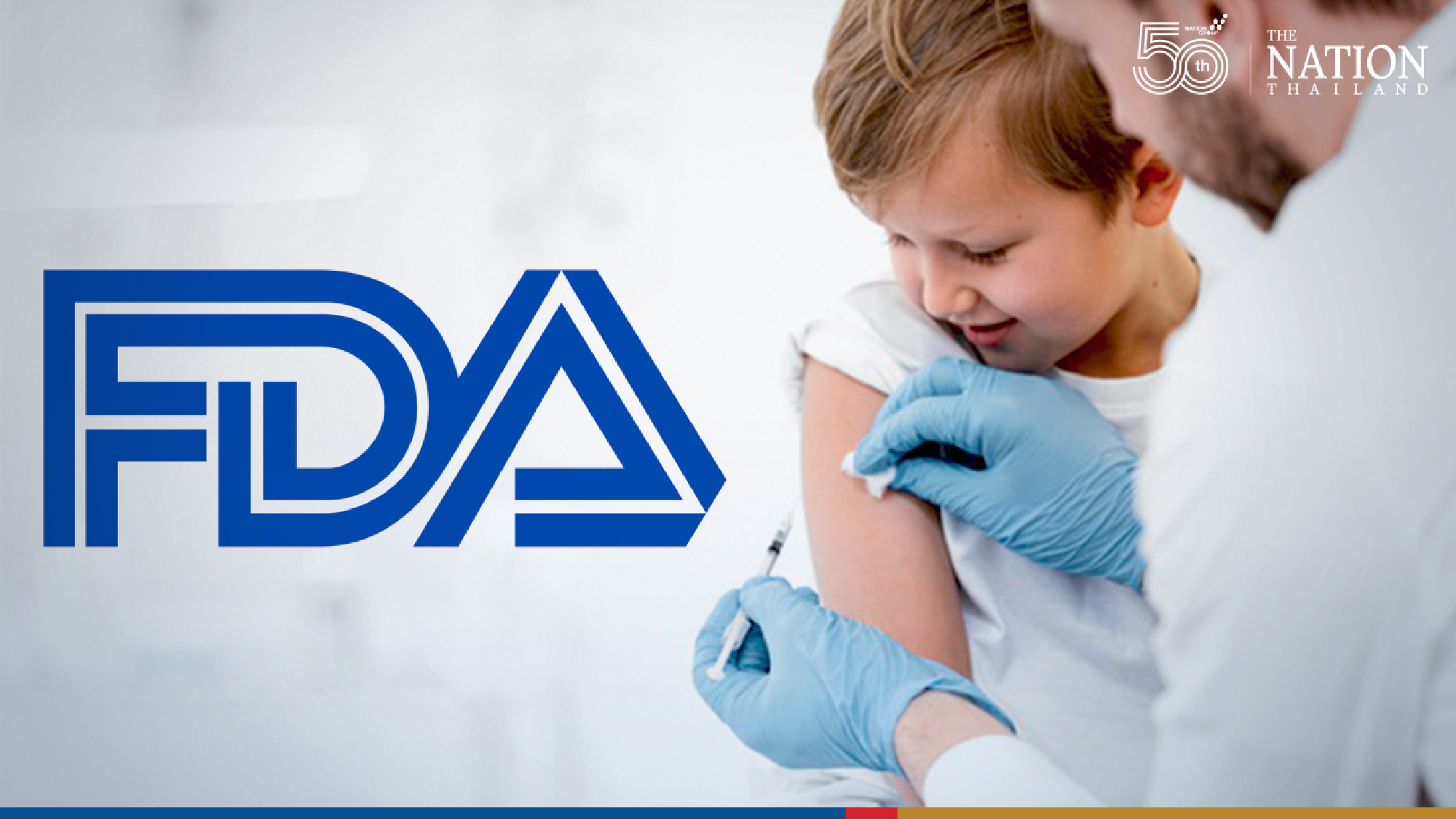
WASHINGTON – With coronavirus vaccines available to adolescents and adults, regulators are now turning their attention to younger children and the level of proof needed before authorizing shots for children as young as six months.
FDA advisers debate standards for a coronavirus vaccine for young children

On Thursday, many members of a panel that advises the Food and Drug Administration on vaccines argued that faster authorization should be an option because of uncertainties about virus variants and a potential fall surge in cases.

The discussion was not centered on a particular vaccine, and it unfolded as Pfizer-BioNTech and Moderna conduct trials of their vaccines in children.

The Pfizer-BioNTech vaccine is already authorized for adolescents as young as 12, and Moderna announced Thursday it had submitted an application to the FDA for authorization for adolescents. Executives from Pfizer and Moderna have said that data showing whether their vaccines are effective in younger children are expected by fall.

The timeline is welcome news to many families eager to go back to normal and gain confidence about in-person school. But the expert discussion included many points of disagreement and often strayed into currently unanswerable questions about the future, reflecting how the question about vaccines for children may become emotional and tricky in the fall. Because covid-19, the disease caused by the virus, rarely results in serious illness in young children, several of the advisers argued that a longer and more conventional review of the vaccine should take place.

But A. Oveta Fuller, associate professor of microbiology and immunology at the University of Michigan Medical School, said that as the country opens up, she fears that unvaccinated children who have been largely insulated from the virus would begin to bear the burden of disease.

“We haven’t seen it for the children because they have been isolated, or there are other mitigations,” Fuller said at the meeting of vaccine advisers. As mitigation measures are relaxed, she said, the virus could take root in unvaccinated populations. “I think we are in an emergency situation, and we will be going into winter.”

Children can suffer a rare inflammatory condition after infection, and about 300 children and adolescents are among the nearly 600,000 people in the United States who have died of covid-19.

The risk to children varies with age: Data presented at the meeting showed that children under age 5 were less likely to be infected or to have illness with symptoms compared with older children. But hospitalization rates – although low compared to adults – were similar.

The role that children play in transmission is still poorly understood, but Hannah Kirking, a medical epidemiologist at the respiratory viruses branch of the Centers for Disease Control and Prevention, presented unpublished data that suggests children of all ages play a role similar to adults in transmission and infection.

“I very strongly believe that we need a vaccine for adolescents and children, but I want to be sure that the risk of the vaccine is lower than the risk of hospitalization” from covid-19, said Cody Meissner, an infectious-diseases physician at Tufts Medical Center, noting that vaccines can carry risks and young children have a very low risk of being hospitalized. “As we generate herd immunity, this disease is disappearing, between the vaccine and natural immunity.”

The meeting included a review of evolving data on rare cases of inflammation of the heart muscle – known as myocarditis – that most often occur days after the second dose of the Moderna or Pfizer-BioNTech vaccine, predominantly in younger men. Public health officials have not drawn a link to the shot, but are investigating. Israeli health officials have said there is a probable link.

Tom Shimabukuro, a CDC official, presented slides showing that half of the 528 cases reported in a safety database occurred in people 12 to 24 years old, even though they represent only 9% of vaccine recipients. He also showed that the cases in younger age groups are occurring more frequently than would normally be expected.

Some experts said that untangling whether there is a link between the vaccines and the myocarditis cases is necessary before making a vaccine more widely available to children.

Coronavirus cases have been plummeting in the United States, and the summer is expected to bring further relief, with much of the eligible population vaccinated. But the fall and winter present an unknown, and many on the panel did not share Meissner’s confidence that the virus would not be a threat in autumn.

With the virus continuing to circulate globally and children returning to in-person school, many of the FDA advisers expressed concern that the virus would take hold among people who are not vaccinated – sickening some children and resulting in transmission to other vulnerable people. Others pointed out that children are routinely vaccinated for diseases far more rare than covid-19.

“We still vaccinate children in this country for polio, even though we have not had a case since the 1970s,” said Paul Offit, a vaccine expert at Children’s Hospital of Philadelphia. “The notion that we are not going to have to vaccinate children going forward, I think, is wrong.”

For full approval, the FDA would typically require six months of follow-up of 3,000 children ages 6 months to 12 years. But because of the health emergency, the agency has authorized coronavirus vaccines in other age groups based on two months of median follow-up of study participants. Granting emergency authorization would make it theoretically possible for children to have access to the vaccine as soon as this fall.

“I’d hate to not have the tool,” said Eric Rubin, an infectious-disease expert at the Harvard T.H. Chan School of Public Health. He said he feared what might happen when children return to school and people head back indoors, especially in swaths of the country with low rates of vaccination.

Doran Fink, an FDA vaccine expert, said increasing the size of pediatric vaccine trials would not necessarily flag rare events. Such reactions often are not detected until vaccines are used in millions of people.

Several experts recommended that infants and toddlers should be studied in slightly larger numbers given their especially low risk of covid-19 and because vaccine side effects that are manageable in adults, such as fever, could cause seizures.

Trials in children aim to figure out the protective dose – which may be lower – in progressively younger age groups. In the adult trials, researchers had to wait to see whether people who received the vaccine were less likely to fall ill than those who received a placebo. But the pediatric trials are immune bridging trials, designed to check whether children’s immune systems muster an equivalent immune response to people who were protected against illness in older age groups.

Pfizer announced this week that children between 5 and 11 years old will receive one-third the dose given to adults, with testing in that group starting this week. Children 6 months to 5 years old will receive a dose that is one-tenth of the adult dose, with studies likely to begin later in June. The Pfizer trial will include 4,500 children total in the United States, Finland, Poland and Spain. Two-thirds will receive the vaccine, and the rest will receive a placebo.

ADVERTISEMENT

Moderna’s 6,750-person trial began in March and follows a similar format, finding the right dose in three age clusters. The researchers start with a low dose and gradually increase it to a safe and tolerable level. Then, the researchers will test the safety and effectiveness of the vaccine in each age group.

Published : June 11, 2021

By : The Washington Post · Carolyn Y. Johnson

Cancer patients should get inactivated Covid vaccine, says hospital director #SootinClaimon.Com

#SootinClaimon.Com : ขอบคุณแหล่งข้อมูล : หนังสือพิมพ์ The Nation.

https://www.nationthailand.com/life/40001882

Cancer patients should get inactivated Covid vaccine, says hospital director


A hospital director has advised cancer patients to choose inactivated Covid-19 vaccine to protect their weakened immune systems.

Cancer patients should get inactivated Covid vaccine, says hospital director

The only inactivated Covid-19 vaccine currently available in Thailand is the Sinovac brand.

Live attenuated vaccines elicit strong immune responses but are not suitable for people with a weakened immune system, said Dr Thanut Kuai-Charoenpanich, director of Chewamitra Hospital in Ubon Ratchathani.

Due to their lowered immunity, cancer patients, the elderly and those with congenital diseases are considered to be at high risk of developing severe symptoms when infected with Covid-19. They also take longer to rehabilitate than other Covid patients, Dr Thanut said.

These people need to get the Covid-19 vaccine to build immunity and reduce the risk of infection and severe symptoms, he added.

The American Cancer Society recommends that most patients with cancer or a history of cancer should get a Covid-19 vaccination but says factors to be considered include the type of vaccine, type of cancer, and treatment process.

Cancer patients who have completed treatment can be vaccinated immediately, Thanut said. However, cancer patients who are still being treated for the disease must consult their doctor to help determine the appropriate time for vaccination and also reduce the risk of side effects.

Published : June 11, 2021

By : The Nation

Thailand’s Covid quarantine policy should keep families together, says Unicef #SootinClaimon.Com

#SootinClaimon.Com : ขอบคุณแหล่งข้อมูล : หนังสือพิมพ์ The Nation.

https://www.nationthailand.com/life/40001838

Thailand’s Covid quarantine policy should keep families together, says Unicef


The United Nations Children’s Fund (Unicef) is advising Thai authorities on how to prevent unnecessary separation of families under third-wave quarantine and isolation measures.

Thailand’s Covid quarantine policy should keep families together, says Unicef

“Separation of child and parent or primary caregiver when either one has tested positive for Covid-19 may worsen the psychological toll on children as well as expose them to greater risks of neglect or violence,” said Kyungsun Kim, Unicef representative for Thailand.

“No child should be left on their own and families must remain together wherever possible.”

If a child must be quarantined, isolated or treated at a hospital or hospitel, a parent or caregiver must be allowed to accompany them, the Unicef guideline advises. If not possible, the child must be placed in a facility close to their family and allowing for regular communication. The child and family’s contact details and information must be recorded before any separation takes place.

ADVERTISEMENT

“Children’s overall physical and mental wellbeing, in addition to protection, must be a primary consideration in all policies and decisions on Covid-19 measures for health and safety,” Kim said.

Unicef also advises that if a parent or caregiver must be quarantined, isolated or treated at a hospital or hospitel, children should stay with a relative or responsible guardian in agreement with the parent or caregiver. If a child has been left on their own, neighbours or witnesses must immediately contact the government hotline 1300 to help ensure the child’s safety and the provision of appropriate services and living arrangements.

ADVERTISEMENT

Published : June 09, 2021

By : The Nation

FDA approves first drug to slow decline of Alzheimers disease #SootinClaimon.Com

#SootinClaimon.Com : ขอบคุณแหล่งข้อมูล : หนังสือพิมพ์ The Nation.

https://www.nationthailand.com/life/40001783

FDA approves first drug to slow decline of Alzheimers disease


WASHINGTON – The Food and Drug Administration on Monday approved the first Alzheimers treatment intended to slow cognitive decline, a move hailed by patients and advocates but sharply criticized by others who argued there was not sufficient evidence the drug works.

FDA approves first drug to slow decline of Alzheimers disease

The medication, called aducanumab, is the first drug cleared for Alzheimer’s that is designed to alter the course of the disease by slowing the deterioration of brain function – not just to ease symptoms. No Alzheimer’s treatment has been approved since 2003, reflecting the extraordinarily high failure rate of drugs developed for the illness.

But, in an explicit acknowledgment of the uncertainties about the effectiveness of the drug, the FDA did not grant the medication full approval. Instead, the agency cleared the drug – its brand name will be Aduhelm – based on its ability to reduce clumps of amyloid beta in the brain, a hallmark of the disease. It ordered the drug’s maker, the biotech giant Biogen, to conduct a post-approval study confirming that the medicine actually slows cognitive deterioration. If the medication does not provide such a clinical benefit, the FDA’s approval could be withdrawn.

Patrizia Cavazzoni, director of the FDA’s Center for Drug Evaluation and Research, said officials believe it is “reasonably likely” that the reduction in amyloid clumps will confer “important benefits to patients.”

Monday’s FDA decision was the most contentious in years, and followed prolonged debate among researchers, doctors, patients and advocates about whether the medication works – a consequence of the drug’s complicated history. One of the biggest points of disagreement is whether a reduction in amyloid beta, a sticky compound that many scientists believe damages communication between brain cells and eventually kills them, results in a slowdown in cognitive decline.

Advocacy groups and patients praised the FDA decision, citing the paucity of drugs to help patients and saying the approval would stimulate newfound interest and investment in researching therapies for the progressive, terminal illness and give patients valuable time to be with their families and to perform everyday tasks.

The decision “is a victory for people living with Alzheimer’s and their families,” said Harry Johns, president and chief executive of the Alzheimer’s Association.

Jeff Borghoff, 57, who was diagnosed with early-stage Alzheimer’s five years ago and has received aducanumab in clinical trials, expressed elation about the FDA decision.

“This is epic news,” said Borghoff, a resident of Forked River, N.J., who credits the drug with keeping his condition stable. “Now, I may have time to watch my kids get married. My wife said, ‘I have more time with you now.'”

But critics assailed the decision, arguing that data on the drug’s effectiveness is weak and that the FDA approval represents a dangerous lowering of standards in response to pressure from patients and advocacy groups.

“I’m surprised and disappointed,” said Caleb Alexander, an internist and epidemiologist at the Johns Hopkins Bloomberg School of Public Health and a member of the FDA advisory committee that last fall resoundingly rejected the drug.

“I think this product was driven across the line by the magnitude of unmet need, which is enormous,” he said. “But unmet needs can’t trump regulatory standards, and my concern is that in this instance they may have.”

Alexander also noted that other amyloid-reducing drugs have not been shown to improve cognition – a point disputed by FDA officials, who said an internal agency study indicated that eliminating amyloid clumps could be helpful to patients.

Public Citizen, a watchdog group and frequent critic of the FDA, said in a statement Monday that the agency’s close collaboration with Biogen before and after the company’s application seeking approval “dangerously compromised the integrity of the agency’s review.”

The FDA’s Cavazzoni said she was satisfied the interaction between the staff and the company “was appropriate and necessary” given the FDA’s questions and the complexity of Biogen’s application.

The intravenous treatment does not cure Alzheimer’s disease or reverse it. On Monday, Biogen said it would charge $56,000 a year per patient, making it a blockbuster product for the company and adding billions of dollars to the nation’s health tab. Its stock rose 38 percent.

A Boston group that assesses the value of treatments – the Institute for Clinical and Economic Review – said earlier this year that aducanumab, to be cost effective, should be priced at $2,500 to $8,000 a year per patient.

Medicare is likely to shoulder much of the cost of the drug, given the age of people with Alzheimer’s, but it has not indicated its plans for coverage. Private payers will be under intense pressure to pay for the treatment but may push back on the price. It’s not clear yet how much patients on government or private insurance will have to pay in cost-sharing.

The medication is a monoclonal antibody, a protein made in the laboratory that can bind to substances – in this case, clumps of amyloid beta. It is designed to trigger an immune response that reduces the plaques.

About 6.2 million Americans have Alzheimer’s, a number projected to more than double by 2050, barring breakthroughs in treatment, according to the Alzheimer’s Association.

The drug was tested in people with the earliest stages of disease – those with mild cognitive impairment or early-stage dementia who had undergone testing to confirm the presence of amyloid clumps in their brains. Several doctors said Monday they were preparing to offer the drug to their patients and would focus on that population in using the drug. Biogen said Monday up to 2 million people in the United States might be eligible for the treatment.

The FDA did not restrict which patient groups could get the drug. Peter Stein, director of the Office of New Drugs in the drug center, said in an interview that there was “no particular reason” why the reduction of amyloid clumps would benefit patients at one stage of the disease and not others, and said physicians should discuss the medication with their patients and decide on the best course.

Ronald Petersen, director of the Mayo Clinic’s Alzheimer’s Disease Research Center, called the FDA’s conditional approval “a good outcome to a complicated situation.” He said the decision means patients will be able to receive the treatment outside of clinical trials, but that because of the “equivocal nature” of the efficacy data, the company will have to conduct another trial proving the therapy works.

If the FDA had required such a trial before granting approval, he said, the drug would not have been available to patients outside of studies for another three to five years, an outcome he viewed as undesirable. He also predicted Aduhelm will be just one element in an anti-Alzheimer’s arsenal in coming years as researchers develop combinations that are more effective than single medications.

Jason Karlawish, a neurologist at the University of Pennsylvania’s Perelman School of Medicine, had a starkly different view. He wrote in a May 30 column for Stat News, a news site that covers medicine and health, that he would not prescribe aducanumab if approved, because the data were incomplete and the therapy had not been properly studied.

On Monday, after the FDA announcement, he expressed continued reservations about the drug but said he would discuss it with his patients and respect their choices. But he said some patients and colleagues had expressed discomfort about the FDA’s decision, saying evidence that lowering amyloid and improving cognition was thin. And he said he was concerned it would be difficult to conduct the follow-up study on the drug once it is widely available outside of clinical trials.

The FDA has used its accelerated approval program many times for cancer drugs, clearing therapies, for example, that shrink tumors and then requiring a follow-up study showing whether the drug improves survival. But getting pharmaceutical companies to comply with mandates to conduct the post-approval studies has at times been difficult, and the agency has sometimes been slow to yank approved drugs from the market, even when the follow-up studies fail or aren’t completed.

The drug has followed a rocky road. In 2019, Biogen halted two late-stage trials halfway through after an assessment concluded the studies would not reach their goals of slowing cognitive and functional impairment in Alzheimer’s patients. But, in a sharp reversal, a company analysis with additional data released several months later came to a different conclusion.

In one of the clinical trials, that analysis found, people given the drug declined 22 percent more slowly than those who received a placebo. The other trial failed to reach its goal, though the company was encouraged by data from a subset of study participants who got more of the drug. Biogen concluded a key to effectiveness was giving patients a high enough dose for a long enough time.

Critics, however, said the data had been selected to make the drug look better than it was. In an acrimonious meeting last fall, an FDA advisory committee recommended against the drug’s approval, and harshly rebuked the agency’s review staff for supporting the medication so strongly and working closely with the company.

But supporters of the drug Monday were ecstatic about what they called a watershed moment following years of crushing disappointments in trying to find a way to treat the devastating disease.

Michel Vounatsos, chief executive at Biogen, called the decision a “historic moment” that would “transform the treatment of people living with Alzheimer’s disease and spark continuous innovation in the years to come.”

The approval bolsters the long-debated theory proposed in the early 1990s that targeting amyloid plaques can be an effective way to treat Alzheimer’s. Detractors have complained that the focus on amyloid has squeezed out work on other important approaches such as targeting a protein called tau or examining the role of inflammation.

Supporters counter that while multiple approaches should be pursued, the aducanumab approval shows that anti-amyloid treatments can be beneficial.

Aduhelm can sometimes cause side effects, the FDA said, including temporary swelling of the brain that usually does not cause symptoms, though some people may have headache, confusion and dizziness. Other potential complications are tiny bleeds in the brain and disorientation.

Published : June 08, 2021

By : The Washington Post · Laurie McGinley

What we know about the highly infectious coronavirus delta variant #SootinClaimon.Com

#SootinClaimon.Com : ขอบคุณแหล่งข้อมูล : หนังสือพิมพ์ The Nation.

https://www.nationthailand.com/life/40001778

What we know about the highly infectious coronavirus delta variant


The coronavirus variant labeled “delta” was first recorded in India, where a slow vaccination drive and complacency about pandemic rules helped spark a record-breaking covid-19 surge this spring.

What we know about the highly infectious coronavirus delta variant

Since then the variant has spread, and as new cases rise in Britain, it has become dominant, despite one of the most successful vaccination programs anywhere. Its newfound prevalence could upend plans for a return to normalcy.

On Monday, British Health Secretary Matt Hancock said the country was still evaluating the data to see whether it can reopen fully by June 21 as planned, with a deadline to decide by next Monday.

“I know that these restrictions have not been easy, and with our vaccination program moving at such pace, I am confident that one day soon freedom will return,” he told Parliament.

Britain has fully vaccinated more than 41 percent of its population, while more than 60 percent have received at least one shot. But over recent weeks, the number of new cases recorded daily has ticked slowly but surely up, while health authorities confirmed last week the delta variant had come to dominate new infections.

The situation could have significant impact for vaccination and reopening plans around the world – including in the United States, where rates of vaccination have slowed despite the Biden administration’s target of having 70 percent of the country vaccinated by July 4.

Q: What is the delta variant?

A: Also known by the scientific name B. 1.617, the variant was first identified in Maharashtra, India, in October 2020. It became the delta variant after the World Health Organization implemented a new naming system based on Greek letters earlier this month.

Though it is just one of many variants to have arisen during the pandemic, it is considered one of the most alarming. The World Health Organization has labeled it a “variant of concern.”

It has splintered into several sub-variants – including one, known as B. 1.617.2, that is widespread in Britain.

While scientists are still studying the variant to better understand it, its impact can be seen in India, where it contributed to a surge in cases in recent months that led to daily death tolls topping a record 4,500.

On Monday, Hancock said before Parliament that the British government believed that the delta variant was 40 percent more transmissible than the alpha variant, also known as B.1.1.7, which was first detected in Britain. Scientists are still studying the matter.

A model released by a team of researchers at the University of Warwick last month warned that if the delta variant were 50 percent more transmissible than the alpha variant, it could lead to Britain’s biggest wave of hospitalizations yet: around 10,000 a day.

Q: What about vaccinations?

A: British data shows that the majority of new cases in the country are among those not yet vaccinated. Nearly all serious cases were recorded among the unvaccinated or partially vaccinated.

As of June 3, according to data Hancock cited, only three fully vaccinated people infected with the new variant had been hospitalized.

“The jabs are working,” Hancock said. “We have to keep coming forward to get them and that includes vitally that second jab which we know gives better protection against the Delta variant.”

A preprint publication by Public Health England put released last month found that one dose of a Pfizer or AstraZeneca vaccine was only 33 percent effective against the delta variant, compared to 50 percent for the alpha variant. That gap closed with a second dose.

In Britain, where two-dose vaccines produced by Pfizer, Moderna and AstraZeneca are commonly used, the government has focused on getting first shots out to a wide number of people, with second doses sometimes becoming available months after the first.

The concern is bigger, however, in countries vaccinating less swiftly than Britain is, or using vaccines with lower rates of efficacy, such as the Chinese-produced Sinopharm vaccine.

Q: Where has the delta variant been found?

A: Britain is among the world leaders in sequencing viruses, which is one reason it is so focused on variants. Other nations, including the United States and India, have lagged behind in this aspect of virus-tracking.

As of last month, according to the WHO, cases of the Delta variant had been confirmed in 62 countries. That includes the United States, where it made up 3 percent of covid-19 cases as of May 8, according to the Centers for Disease Control and Prevention.

WHO officials have warned that variants, combined with reopening plans, could lead to outbreaks.

“Relaxation of public health and social measures, increased social mobility, virus variants and inequitable vaccination are a very dangerous combination,” Maria Van Kerkhove, the WHO’s covid-19 technical lead, said at a briefing last week.

Published : June 08, 2021

By : The Washington Post · Adam Taylor

Getting a jab each of AstraZeneca and Sinovac offers greater immunity #SootinClaimon.Com

#SootinClaimon.Com : ขอบคุณแหล่งข้อมูล : หนังสือพิมพ์ The Nation.

https://www.nationthailand.com/life/40001727

Getting a jab each of AstraZeneca and Sinovac offers greater immunity


People who received doses of both the Sinovac and AstraZeneca vaccines have better immunity against Covid-19 than those who received both shots of the same brand, according to the Centre of Excellence in Clinical Virology research.

Getting a jab each of AstraZeneca and Sinovac offers greater immunity

Chulalongkorn University virology specialist and chief of the Centre of Excellence in Clinical Virology, Dr Yong Poovorawan, said in a Facebook post on Sunday that research had been done on five samples.

“However, in practice, receiving different brands of Covid-19 vaccine is not recommended because it is a new vaccine,” he said.

According to the research, four samples who received first the Sinovac vaccine and the second dose of AstraZeneca had higher immunity than people who received both shots of Sinovac.

Meanwhile, one sample who received AstraZeneca first and then Sinovac also had higher immunity than the average.

Dr Yong added that the centre would continue its research based on safety, as it would be another way to use Covid-19 vaccines amid the vaccine shortage, or stimulate immunity after receiving the second shot.

Published : June 06, 2021

By : The Nation

วิธีการตรวจคัดกรองมะเร็งเต้านมแต่ละแบบ #SootinClaimon.Com

#SootinClaimon.Com : ขอบคุณแหล่งข้อมูล : หนังสือพิมพ์โพสต์ทูเดย์

https://www.posttoday.com/life/healthy/654771

วันที่ 06 มิ.ย. 2564 เวลา 08:30 น.

วิธีการตรวจคัดกรองมะเร็งเต้านมแต่ละแบบมะเร็งเต้านม : แพทย์หญิงพรพรหม ตั้งคติขจรกิจ รังสีแพทย์เฉพาะทางด้านรังสีวิทยาวินิจฉัยขั้นสูงด้านเต้านมและรังสีร่วมรักษาของเต้านม โรงพยาบาลเวชธานี อธิบายวิธีการตรวจคัดกรองมะเร็งเต้านมมาตรฐาน และการทำแมมโมแกรมดิจิทัล 3 มิติ

ยังคงครองสถิติการเสียชีวิตเป็นอันดับ 1 ของมะเร็งในผู้หญิงไทยติดต่อกันหลายปี สำหรับโรคมะเร็งเต้านม การตรวจคัดกรองด้วยเครื่องแมมโมแกรม (Mammogram) ร่วมกับอัลตราซาวน์เต้านมด้วยเครื่องที่มีความคมชัดสูง จึงมีความสำคัญ ทำให้พบเจอโรคได้ตั้งแต่ระยะเริ่มแรก และมีโอกาสรักษาหายขาด

แพทย์หญิงพรพรหม ตั้งคติขจรกิจ รังสีแพทย์เฉพาะทางด้านรังสีวิทยาวินิจฉัยขั้นสูงด้านเต้านมและรังสีร่วมรักษาของเต้านม โรงพยาบาลเวชธานี อธิบายว่า วิธีการตรวจคัดกรองมะเร็งเต้านมที่เป็นมาตรฐาน มีดังนี้

1. การคลำเต้านมด้วยตัวเอง เดือนละ 1 ครั้ง หลังจากประจำเดือนมาวันแรก 5-10 วัน

2. การทำแมมโมแกรมและอัลตราซาวน์ คัดกรองมะเร็งเต้านมปีละ 1 ครั้ง ตั้งแต่อายุ 40 ปีขึ้นไป

สำหรับการทำแมมโมแกรม เป็นการตรวจที่ช่วยทำให้เห็นหินปูนที่มีความผิดปกติในเนื้อเต้านมได้ ขนาดเล็กถึงระดับมิลลิเมตร ซึ่งไม่สามารถเจอได้จากการคลำหรืออัลตราซาวน์ ดังนั้นการทำแมมโมแกรมจะมีประโยชน์ในการเห็นมะเร็งเต้านมในระยะเริ่มแรก และลดอัตราการเสียชีวิตจากมะเร็งเต้านมได้มากถึง 30 %

ในปัจจุบันได้มีการพัฒนาเครื่องดิจิทัลแมมโมแกรมให้เป็นแบบ 3 มิติ (Digital breast tomosynthesis) ใช้เวลาถ่ายภาพเอกซเรย์เพียง 3.7 วินาทีต่อท่า และสามารถแยกก้อนเนื้อออกมาจากการทับซ้อนกันของเนื้อเต้านมได้ โดยเฉพาะในคนไข้ที่มีเนื้อเต้านมที่แน่น (dense breast) ส่งผลให้เห็นก้อนเนื้อหรือหินปูนที่ผิดปกติได้ชัดเจนขึ้นและยังได้ภาพที่ละเอียดมากกว่าเดิม นอกจากนี้ยังสามารถพบมะเร็งเต้านมได้ดีกว่าเครื่องแมมโมแกรม 2 มิติ

ส่วนการทำอัลตราซาวน์ จะทำให้เห็นก้อนเนื้อหรือถุงน้ำในเต้านมได้ หากพบว่ามีก้อนเนื้อจะสามารถบอกขนาดและขอบเขตของก้อนเนื้อได้ว่าเรียบร้อยดี หรือค่อนไปทางมะเร็ง ซึ่งจะช่วยให้วินิจฉัยได้ละเอียดและแม่นยำยิ่งขึ้น

หากพบว่ามีความผิดปกติในเต้านม สามารถเจาะชื้นเนื้อเพื่อการวินิจฉัยได้ทันที โดยการฉีดยาชา ไม่ต้องดมยาสลบ มีแผลขนาดเล็กเท่ากับเข็ม เจ็บตัวน้อย และไม่ต้องนอนโรงพยาบาล การเจาะชิ้นเนื้อด้วยเข็ม (Core Needle biopsy) ในเต้านมสามารถทำได้ 2 วิธี คือ

1. Ultrasound-guided core needle biopsy คือ การเจาะโดยสอดเข็มผ่านผิวหนัง เพื่อไปยังก้อนที่เต้านม โดยแพทย์มองเห็นเข็มและก้อนเนื้ออย่างชัดเจน ผ่านทางจอภาพอัลตราซาวน์ ทำให้มั่นใจได้ว่าเจาะตรงตำแหน่งก้อนที่ต้องการ

2. Stereotactic-guided vacuum-assisted core needle biopsy คือการเจาะความผิดปกติที่เห็น ได้จากแมมโมแกรม เช่น หินปูนขนาดเล็ก โดยใช้คอมพิวเตอร์กำหนดพิกัดแบบ 3 มิติ ทำให้ได้พิกัดที่แม่นยำสูง และใช้เครื่องมือเจาะดูดชิ้นเนื้อแบบสุญญากาศ

การวินิจฉัยมะเร็งเต้านมนั้น ถ้ารู้ไว ก็สามารถรักษาได้ไว การตรวจเต้านมที่ โรงพยาบาลเวชธานีนั้น สามารถรู้ผลตรวจได้ภายในวันที่ทำการตรวจ สามารถเจาะชิ้นเนื้อได้ทันที ทำให้สะดวก และลดความกังวลใจของคนไข้ได้

“มะเร็งเต้านมเป็นมะเร็งที่พบมากที่สุดในผู้หญิงไทย ยังไม่มีวิธีการป้องกันเหมือนมะเร็งบางชนิด ดังนั้นการป้องกันที่ดีที่สุดคือ การตรวจคัดกรองอย่างสม่ำเสมอ” แพทย์หญิงพรพรหม กล่าว

ภาวะอ้วนในไทย ส่งผลโควิดระลอกใหม่รุนแรงขึ้น #SootinClaimon.Com

#SootinClaimon.Com : ขอบคุณแหล่งข้อมูล : หนังสือพิมพ์โพสต์ทูเดย์

https://www.posttoday.com/life/healthy/654770

วันที่ 06 มิ.ย. 2564 เวลา 07:30 น.

ภาวะอ้วนในไทย ส่งผลโควิดระลอกใหม่รุนแรงขึ้นโควิด 19 ระลอกใหม่ พบผู้เสียชีวิตส่วนใหญ่มีภาวะโรคอ้วนและมีอายุเฉลี่ยน้อยลงกว่าทุกรอบ แซงกลุ่มผู้สูงอายุและกลุ่มโรค NCDs สาธารณสุขเตือนคนไทยลดความอ้วน ลดป่วยรุนแรง เมื่อเป็นโรคโควิด 19

กองสุขศึกษา กรมสนับสนุนบริการสุขภาพ กระทรวงสาธารณสุข เปิดเผยว่า การระบาดของโควิด 19 ระลอกใหม่โดยภาพรวมในช่วง 2-3 เดือนที่ผ่านมา (เมย.-มิย.2564) พบว่า ผู้เสียชีวิตส่วนใหญ่มีน้ำหนักตัวมากจนถึงภาวะโรคอ้วนหลายรายและมีอายุน้อยยังอยู่ในวัยทำงานโดยเฉลี่ยอายุ 29 ปี ต่างจากระลอกที่ผ่านมา ซึ่งผู้เสียชีวิตส่วนใหญ่เป็นผู้สูงอายุและยังเป็นกลุ่มโรค NCDs (Non-Communicable diseases) หรือกลุ่มโรคไม่ติดต่อเรื้อรัง ซึ่งเป็นกลุ่มโรคที่ไม่ได้มีสาเหตุจากการติดเชื้อหรือพาหะนำโรค แต่เกิดจากการเสื่อมสภาพของร่างกาย โดยเฉพาะพฤติกรรมการใช้ชีวิตที่นิยมการบริโภคอาหารที่มีรสหวาน มัน เค็ม และดื่มแอลกอฮอล์ ที่มีปัจจัยเสี่ยงต่อการเสียชีวิตมากกว่าคนปกติทั่วไปถึง 7 เท่า หากเป็นโรคโควิด 19

โดยคนอ้วนหรือผู้ที่มีภาวะน้ำหนักเกินมีโอกาสเป็นโรคเหล่านี้มากกว่าปกติ 2-3 เท่า นอกจากนี้ ภาวะโรคอ้วนในประเทศไทยมีแนวโน้มจะขยายตัวเพิ่มขึ้นอีกในอนาคต จากผลการสำรวจสุขภาพประชาชนไทยโดยการตรวจร่างกายพบคนไทยอายุ 15 ปีขึ้นไปหรือมากกว่า 1 ใน 3 อยู่ในภาวะน้ำหนักเกินและอ้วนเพิ่มขึ้นสองเท่าตัวเมื่อเทียบกับในช่วง 2 ทศวรรษที่ผ่านมา และหากเปรียบเทียบในระดับภูมิภาคอาเซียนพบว่าคนไทยอ้วนสูงสุดเป็นอันดับ 2 จากทั้งหมด 10 ประเทศอาเซียน รองจากประเทศมาเลเซียเท่านั้น โดยมีคนไทยอ้วนถึงร้อยละ 8.5 (ประมาณ 5.6 ล้านคน) และพบว่าคนไทยร้อยละ 0.9 เข้าเกณฑ์เป็นโรคอ้วนที่พึงได้รับการผ่าตัด (ประมาณ 6.7 แสนคน)

ดังนั้น ในสถานการณ์โควิด 19 ที่รุนแรงระลอกนี้ ทุกเพศทุกวัยไม่เฉพาะวัยทำงานต่างมีความเสี่ยงต่อการเป็นโรคโควิด 19 หากประมาท การ์ดตก โดยเฉพาะวัยทำงานที่มีพฤติกรรมการใช้ชีวิต (lifestyle) ที่มักรับประทานอาหารรสจัด เน้นหวาน มัน และเค็ม ประกอบกับไม่ค่อยมีเวลาออกกำลังกาย ดื่มแอลกอฮอล์ และสูบบุหรี่ ก็จะมีความเสี่ยงต่อการเป็นโรคต่าง ๆ โดยเฉพาะโรคอ้วน โรคเบาหวาน โรคความดันโลหิตสูง โรคหัวใจและหลอดเลือด เพื่อความปลอดภัย จึงมีข้อแนะนำในการดูแลสุขภาพ 2 เรื่องคือ พฤติกรรมการบริโภคอาหารและพฤติกรรมการออกกำลังกาย ดังนี้

1. พฤติกรรมการบริโภคอาหาร เพื่อสุขภาพเสริมสร้างร่างกาย และปลอดภัยจากโรค

– ควรทานอาหารที่หลากหลาย ไม่ซ้ำซาก จำเจ

– เน้นทานผักหลากหลายสีและผลไม้สด

– กินอาหารไม่หวานจัด ไม่เค็มจัดและไม่มีไขมันสูง

– กินอาหารสุก สะอาด ปราศจากเชื้อโรคและสารเคมี

2. พฤติกรรมการออกกำลังกายเสริมสร้างสมรรถภาพทางกายและจิตใจ

– ควรเคลื่อนไหวออกแรง/ออกกำลังระดับปานกลางที่ทำให้หายใจแรงขึ้น (ไม่จำเป็นต้องถึงขั้นหายใจหอบ) ทำให้ได้อย่างน้อยวันละ 30 นาที สัปดาห์ละ 5 วัน อาจออกกำลังต่อเนื่อง 30 นาทีหรือแบ่งเป็นช่วง ๆ ช่วงละ 10-15 นาที เป็นต้น

D-M-H-T-T-A คือ เว้นระยะห่าง-สวมหน้ากากทุกครั้ง-ล้างมือบ่อยๆ-ตรวจวัดอุณหภูมิ-ตรวจเร็วควบคุมไว-ไปไหนสแกนไทยชนะ ทั้งนี้ประชาชนสามารถสอบถามรายละเอียดเพิ่มเติมได้ที่ กรมสนับสนุนบริการสุขภาพ ได้ที่สายด่วน สบส.คอลเซ็นเตอร์1426 และเว็บไซต์กรมสนับสนุนบริการสุขภาพ https://hss.moph.go.th

แหล่งข้อมูล

ผศ. นพ.สมเกียรติ แสงวัฒนาโรจน์” หัวหน้าสาขาวิชาโรคหัวใจและหลอดเลือด ภาควิชาอายุรศาสตร์ คณะแพทยศาสตร์ จุฬาฯ

ศ.นพ.ประสิทธิ์ วัฒนาภา คณบดีคณะแพทยศาสตร์ศิริราชพยาบาล มหาวิทยาลัยมหิดล

กองสุขศึกษา กรมสนับสนุนบริการสุขภาพ กระทรวงสาธารณสุข

การผ่าตัดในยุค COVID-19 #SootinClaimon.Com

#SootinClaimon.Com : ขอบคุณแหล่งข้อมูล : หนังสือพิมพ์โพสต์ทูเดย์

https://www.posttoday.com/life/healthy/654617

วันที่ 03 มิ.ย. 2564 เวลา 14:01 น.

การผ่าตัดในยุค COVID-19โดย นพ.ศิระ เลาหทัย แพทย์ผู้เชี่ยวชาญศัลยศาสตร์ทรวงอกเฉพาะทางด้านผ่าตัดส่องกล้อง โรงพยาบาลวชิรพยาบาล

จากสถานการณ์บ้านเมืองที่นับวันผู้ป่วยที่ติดเชื้อโควิดสูงมากขึ้นเรื่อย ๆ แต่ในทางกลับกันโรคอื่น ๆ ก็ยังไม่ห่างหายไป ทางหน่วยงานของโรงพยาบาลทั้งภาครัฐและเอกชนยังคงต้องรักษาโรคทั่วไปอยู่ รวมไปถึงการผ่าตัดในผู้ป่วยที่เร่งด่วน เช่น ผู้ป่วยที่ได้รับการวินิจฉัยว่าเป็นมะเร็งหรือโรคที่ต้องได้รับการผ่าตัดโรคอื่น ๆ

นพ.ศิระ เลาหทัย แพทย์ผู้เชี่ยวชาญ ศัลยศาสตร์ทรวงอกเฉพาะทางด้านผ่าตัดส่องกล้อง โรงพยาบาลวชิรพยาบาล กล่าวว่า การผ่าตัดแต่ละครั้งต้องใช้บุคลากรค่อนข้างมากตั้งแต่แพทย์ผ่าตัด แพทย์ผู้ช่วยผ่าตัด แพทย์ดมยา วิสัญญีพยาบาล พยาบาลห้องผ่าตัดและทีมงานอื่น ๆ ที่มีส่วนร่วมแต่ไม่ได้กล่าวถึง ดังนั้นการคัดกรองนับเป็นสิ่งที่สำคัญในยุคโควิด-19 ผู้ป่วยทุกรายควรต้องได้รับการผ่าตัดตรวจคัดกรองความเสี่ยงก่อนผ่าตัดทุกราย ถึงแม้จะไม่มีอาการใด ๆ หรือเข้าพื้นที่เสี่ยงก็ตาม เพื่อป้องกันทั้งบุคลากรและผู้ป่วยรอบข้างติดเชื้อ ผู้ป่วยทุกคนที่จะเข้ารับการผ่าตัดควรได้รับการคัดกรองความเสี่ยง โดยแนวปฏิบัติการทำหัตถการและการผ่าตัดในสถานการณ์การระบาดของโรคติดเชื้อไวรัสโคโรนา 2019 ได้แนะนำว่า

กลุ่มที่ผู้ป่วยมีความเสี่ยง

ได้แก่ ผู้ป่วยที่มีประวัติมีไข้ หรือ วัดอุณหภูมิได้ตั้งแต่ 37.5 องศาเซลเซียสขึ้นไป ร่วมกับอาการระบบทางเดินหายใจอย่างใดอย่างหนึ่ง และ มีประวัติในช่วง 14 วันก่อนวันเริ่มมีอาการ โดยมีประวัติดังนี้

1.เดินทางไปมา หรือ อาศัยในพื้นที่ที่มีการระบาดต่อเนื่อง

2.สัมผัสกับผู้ป่วยยืนยัน หรือ สารคัดหลั่งจากระบบทางเดินหายใจของผู้ป่วยสงสัย หรือ ยืนยันโรคติดเชื้อ COVID-19 โดยไม่ใส่อุปกรณ์ป้องกันตนเองที่เหมาะสม

3.เป็นบุคลากรทางการแพทย์ที่มีโอกาสใกล้ชิดหรือสัมผัสผู้ป่วย COVID-19

4.เป็นผู้ประกอบอาชีพที่เกี่ยวข้องกับนักท่องเที่ยว สถานที่แออัด หรือ ติดต่อกับคนจำนวนมาก

ซึ่งผู้ป่วยทุกคนควรต้องตรวจคัดกรองโดยทำ nasopharyngeal และ throat swab โดยวิธี rRT-PCR ถ้าผู้ป่วยได้รับวินิจฉัยว่าพบเชื้อ แนะนำให้เลื่อนการผ่าตัดออกไปก่อน จนกว่าจะหายอย่างน้อย 1 เดือนนับจากวันที่ตรวจโดยทางแนวทางการรักษาสามารถได้แบ่งเป็นกลุ่มผ่าตัดที่รีบด่วนกับกลุ่มผ่าตัดแบบไม่รีบด่วน

กลุ่มผ่าตัดแบบไม่รีบด่วน

แบ่งเป็นกลุ่มที่มีประวัติความเสี่ยง และไม่มีประวัติความเสี่ยง

1.กลุ่มที่มีประวัติความเสี่ยง ถ้าไม่มีอาการ และ ความผิดปกติ แนะนำให้เลื่อน และ รอดูอาการที่บ้านจนครบอย่างน้อย 1 เดือน แล้วประเมินเพื่อทำการผ่าตัดใหม่

2.กลุ่มที่มีประวัติความเสี่ยง แต่มีอาการหรือ มีความผิดปกติ ( อาการ หมายถึง ไข้หรือประวัติไข้ หรือมีอาการไอ น้ำมูกเจ็บคอ ปวดกล้ามเนื้อ หายใจเร็ว ได้กลิ่นลดลงหรือรับรสผิดปกติ โดยไม่สามารถอธิบายได้ด้วยสาเหตุอื่น ส่วนความผิดปกติหมายถึง ตรวจร่างกายพบติดเชื้อในทางเดินของระบบหายใจ ค่าความอิ่มตัวของออกซิเจนในเลือดน้อยกว่า 95% หรือ ภาพรังสีวิทยาปอดเข้าได้กับปอดอักเสบ) แนะนำให้ไปปรึกษาทีมแพทย์

3.กลุ่มที่ไม่มีประวัติความเสี่ยงและไม่มีอาการและความผิดปกติ ต้องได้รับการตรวจโดยการทำ COVID-19 PCR ถ้าตรวจไม่พบสามารถผ่าตัดได้การปกติ

4.กลุ่มที่ไม่มีประวัติความเสี่ยง แต่มีอาการ หรือ ความผิดปกติ แนะนำให้เลื่อนผ่าตัด 2 สัปดาห์หลังจากหายป่วยกรณี มีอาการสงสัยติดเชื้อจากทางเดินหายใจส่วนบนและแนะนำให้เลื่อนผ่าตัด 4 สัปดาห์ในผู้ป่วยที่สงสัยติดเชื้อจากทางเดินหายใจส่วนล่าง

กลุ่มผ่าตัดแบบรีบด่วน

แบ่งเป็นกลุ่มที่มีประวัติความเสี่ยงและไม่มีประวัติความเสี่ยง ถ้ารอผลได้ให้รอผลก่อน ถ้ารอไม่ได้ให้ผ่าตัดในห้องที่ใช้ผ่าตัดเฉพาะ COVID-19 และทั้งหน่วยงานต้องใส่ชุดป้องกันอย่างครบครันอย่างไรก็ตามการเตรียมตัวก่อนผ่าตัดแต่ละครั้งต้องปรึกษาหลายทีมทั้งทีมผ่าตัด ทีมวิสัญญีและ หน่วยงานต่างๆ เพื่อเข้ามาดูแลและป้องกันให้บุคลากรและบุคคลรอบข้างได้รับความเสี่ยงจากโรคนี้น้อยที่สุด สำหรับผู้ป่วยที่จะเข้ารับการผ่าตัดในยุคนี้ ควรต้องระมัดระวัง หลีกเลี่ยงพฤติกรรมเสี่ยง เช่น ไปสถานที่เสี่ยง และเวลาออกจากบ้านรักษาระยะห่าง สวมหน้ากากอนามัย เพื่อป้องกันไม่ให้ติดจากโรคนี้

ได้ภูมิก่อนคือกำไร วัคซีน = ตัวช่วยลดความเสี่ยงโรคโควิด #SootinClaimon.Com

#SootinClaimon.Com : ขอบคุณแหล่งข้อมูล : หนังสือพิมพ์โพสต์ทูเดย์

https://www.posttoday.com/life/healthy/654421

วันที่ 01 มิ.ย. 2564 เวลา 19:10 น.

ได้ภูมิก่อนคือกำไร วัคซีน = ตัวช่วยลดความเสี่ยงโรคโควิดแพทย์โรคหัวใจ ไขข้อสงสัยการฉีดวัคซีนป้องกันโควิด-19 กับผู้ป่วยกลุ่มเสี่ยงและผู้สูงวัย

เรื่อง : ทีมข่าวโพสต์ทูเดย์

“ป่วยโรคหัวใจ” ฉีดวัคซีนป้องกันการติดเชื้อไวรัสโคโรนาสายพันธุ์ใหม่ (โควิด-19) ได้ไหม : นี่คงเป็นคำถามที่ผู้ป่วยหรือญาติกังวลก่อนเข้ารับการฉีดวัคซีนป้องกันโควิด-19 เพราะจากข้อมูลที่ถูกส่งต่อในโลกออนไลน์มักคิดว่าฉีดแล้วอาจทำให้ลิ่มเลือดอุดตันและเสียชีวิต

โพสต์ทูเดย์ มีโอกาสพูดคุยกับ นพ.ระพีพล กุญชร ณ อยุธยา อายุรแพทย์ด้านโรคหัวใจ โรงพยาบาลวิชัยยุทธ ถึงข้อสงสัยที่หลายคนกังวล รวมถึงการเตรียมตัวก่อนและหลังฉีด เพื่อให้ผู้ที่กำลังจะไปฉีดวัคซีนเตรียมตัวและคลายกังวล

นพ.ระพีพล กุญชร ณ อยุธยา อายุรแพทย์ด้านโรคหัวใจ โรงพยาบาลวิชัยยุทธ

วัคซีนป้องกันโควิด-19 ภูมิคุ้มกันที่ประโยชน์มหาศาล

แพทย์ผู้เชี่ยวชาญด้านโรคหัวใจ เริ่มต้นอธิบายถึงประโยชน์ของการฉีดวัคซีคป้องกันโควิด-19 ว่า มีประโยชน์มากมายมหาศาล เพราะการได้รับวัคซีนจะเป็นการช่วยลดความรุนแรงของโรค ป้องกันอาการป่วยที่ต้องเข้านอนรับการรักษาในโรงพยาบาล ซึ่งหากไม่ได้รับวัคซีนอาการอาจอยู่ในระยะต้องรักษาในไอซียู แต่ถ้าได้รับวัคซีนแล้วอาจเพียงแค่นอนรักษาตัวห้องปกติก็เป็นได้ และที่สำคัญคือยังช่วยป้องกันการเสียชีวิตจากโควิด-19 ได้

ฉะนั้นการได้รับวัคซีนไม่ว่ายี่ห้ออะไร ประโยชน์ของมันช่วยทั้งลดความรุนแรงและการเสียชีวิตได้อย่างชัดเจน หรือหากเปรียบเทียบให้เห็นภาพชัด วัคซีนป้องกันโควิดช่วยทำให้อาการสำหรับผู้ได้รับเชื้อจากหนักเป็นเบา

สำหรับการฉีดวัคซีนในผู้ป่วยโรคหัวใจหรือกลุ่มเสี่ยง นพ.ระพีพล ยืนยันไม่ว่าจะเป็นผู้ป่วยโรคหัวใจหรือมีโรคกลุ่มเสี่ยง อาทิ โรคหลอดเลือดสมอง อัมพฤกษ์ อัมพาต ความดันโลหิตสูง ฯลฯ. สามารถฉีดวัคซีนป้องโควิด-19ได้ปกติ พร้อมแนะนำว่าจำเป็นต้องฉีดอย่างยิ่ง เพราะกลุ่มโรคนี้มักพบมากในกลุ่มผู้สูงอายุ ซึ่งหากได้รับเชื้อทั้งที่ยังไม่ได้รับวัคซีนนั้นมีโอกาสเสียชีวิตสูงมากขึ้น

1 ในล้าน ผลข้างเคียงทางตรงจากวัคซีน

สำหรับการเตรียมตัวของผู้ป่วยโรคหัวใจหรือกลุ่มที่มีความเสี่ยงก่อนไปฉีดวัคซีน นพ.ระพีพล แนะนำว่า ไม่จำเป็นต้องเตรียมอะไรเป็นพิเศษ เพียงปฏิบัติตามคําแนะนำทั่วไป อาทิ พักผ่อนให้เพียงพอ งดออกกำลังกายหนักๆ งดเครื่องดื่มที่มีคาเฟอีน และไม่จำเป็นต้องหยุดรับประทานยาโรคประจำตัว ให้ใช้ชีวิตเหมือนปกติ

ขณะภายหลังการรับวัคซีนไม่แตกต่างจากบุคคลทั่วไป ซึ่งอาการเบื้องต้นหลังการฉีดวัคซีนอาจมีปวดบริเวณจุดที่ฉีดหรือไข้ต่ำ ซึ่งเป็นอาการปกติไม่ต้องกังวล กินเพียงยาพาราเซตามอลเพื่อบรรเทาอาการก็สามารถช่วยได้

ส่วนอาการไม่พึงประสงค์ที่หลายคนกังวล คือปฏิกิริยาแพ้ชนิดรุนแรง เช่น ความดันโลหิตต่ำ หน้าหรือริมฝีปากมีการบวม หายใจลำบาก เป็นต้น นั้นพบได้น้อยมาก จากรายงานพบว่าโอกาสมีอาการหลอดเลือดอุดตันจากวัคซีนมีเพียง 1 ถึง 4 ในล้านคน หรือฉีดไปล้านคนจะพบเพียงแค่ 1 คน และที่พบเจอนั้นก็คือในกลุ่มพิเศษมีอาการหลอดเลือดอุดตันร่วมกับอาการเกล็ดเลือดต่ำ

แต่ถึงอย่างไร ภายหลังการฉีดวัคซีนแพทย์และเจ้าหน้าที่สาธารณสุข จะมีการให้รอสังเกตอาการซึ่งเวลามาตรฐานราว 10-15 นาที แต่ประเทศไทยให้เพิ่มมากขึ้นถึง 30 นาที ซึ่งตรงนี้ถือว่าเป็นการเตรียมพร้อมที่บุคลากรทางการแพทย์จะดูแลอย่างใกล้ชิดหากเกิดปัญหาได้ทันท่วงที

ได้ภูมิก่อนคือกำไร 

แพทย์ผู้เชี่ยวชาญด้านโรคหัวใจ ทิ้งท้ายว่า อยากแนะนำให้คนทั่วไปโดยเฉพาะกลุ่มเสี่ยง ควรฉีดวัคซีนป้องกันโควิด-19 ให้ครบ โดยไม่ต้องกังวลว่ายี่ห้ออะไร เพราะโควิดเป็นโรคที่รุนแรงและน่ากลัว โดยเฉพาะกลุ่มผู้สูงอายุ หากเกิดได้รับเชื้อในขณะที่ยังไม่ได้รับวัคซีนก็สุ่มเสี่ยงที่จะมีอาการหนัก แต่ถ้าหากได้รับวัคซีนแล้วก็ลดความเสี่ยงไปได้มาก

“ควรฉีดดีกว่าครับ แทบไม่มีข้อห้ามอะไรเลยในการรับวัคซีน ได้ภูมิก่อนก็มีกำไร ได้ภูมิก่อนช่วยลดความเสี่ยงในการเกิดความรุนแรงของโรคได้”