All persons aged 12 and older must be prepared to show proof of full COVID-19 vaccination or a negative test taken within 72 hours of visit, prior to entry to Universal Studios Hollywood, said the theme park.
Universal Studios Hollywood, one of the most visited tourist attractions in Los Angeles County, in the U.S. state California, will require all eligible visitors to show proof of COVID-19 vaccination, or a negative COVID test result, starting Thursday.
Per LA County’s Public Health order, all persons aged 12 and older must be prepared to show proof of full COVID-19 vaccination or a negative test taken within 72 hours of visit, prior to entry to Universal Studios Hollywood, said the theme park in its updated safety guidelines.
ADVERTISEMENT
Park officials pointed out that full COVID-19 vaccination means that two weeks have passed since receipt of the second dose in a 2-dose series or since receipt of a single-dose vaccine.
Visitors aged 18 and over must also show photo ID. Regardless of vaccination status, face coverings are required to be worn at all times, both indoors and outdoors, when visiting the theme park, according to the park’s safety guidelines.
Universal Studios Hollywood, which reportedly drew more than 9.15 million visitors in 2019, reopened with limited capacity in April after being closed for more than a year amid the COVID-19 pandemic.
Another popular theme park in Los Angeles County, Six Flags Magic Mountain, also asks visitors for full vaccination verification or a negative COVID-19 test on select days.
Vaccination verification requirements will take effect late Thursday night for anyone aged 12 and over at outdoor mega events and indoor portions of bars, lounges, nightclubs, breweries, wineries, and distilleries in Los Angeles County, the most populous county in the country with over 10 million residents. County public health officials encouraged everyone unvaccinated against COVID-19 to get vaccinated ahead of time to be fully protected for the holidays.
California Governor Gavin Newsom announces the reopening of the Universal Studios Hollywood in Los Angeles, California, the United States, June 15, 2021. (Xinhua)
Over 6.4 billion vaccine doses have now been administered globally. However, low-income countries have received less than half of one percent of the worlds vaccines. In Africa, less than five percent of people are fully vaccinated, according to WHOs data.
The World Health Organization (WHO) announced on Thursday an initiative to vaccinate 40 percent of the population of every country against COVID-19 by the end of 2021 and 70 percent by mid-2022, by prioritizing vaccine delivery to low-income countries, particularly those in Africa.
“Today, WHO is launching the Strategy to Achieve Global COVID-19 Vaccination by mid-2022,” said WHO Director-General Tedros Adhanom Ghebreyesus at a press briefing. “The strategy outlines the road we must all take together to achieve our targets of vaccinating 40 percent of the population of every country by the end of this year, and 70 percent by the middle of next year.”
ADVERTISEMENT
According to Tedros, achieving these targets will require at least 11 billion vaccine doses, which is an allocation problem instead of a supply problem.
“With global vaccine production now at nearly 1.5 billion doses per month, there is enough supply to achieve our targets, provided they are distributed equitably,” he said.
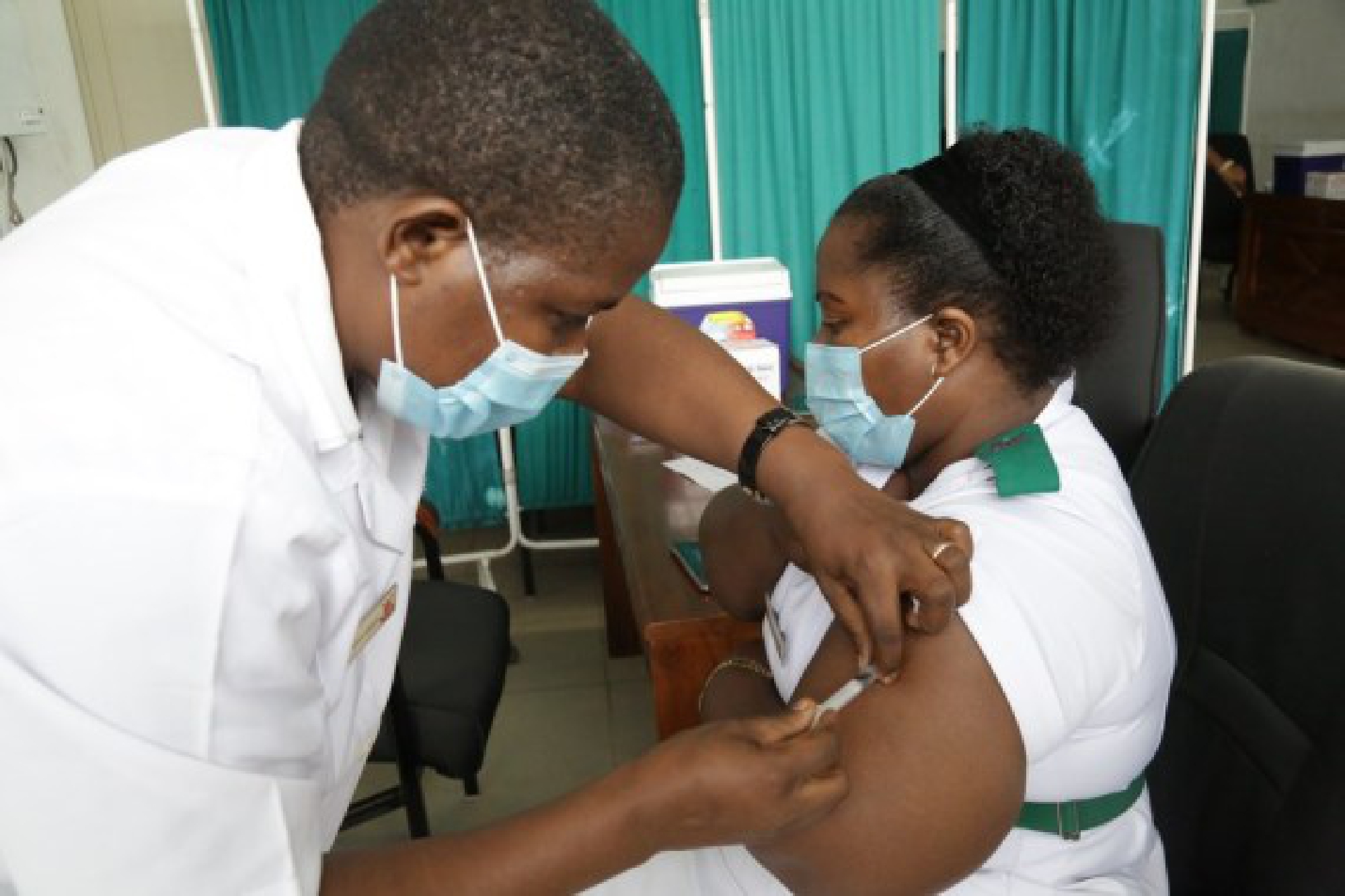
A medical worker receives a dose of the COVID-19 vaccine in Dar es Salaam, Tanzania, Aug. 3, 2021. (Photo by Herman Emmanuel/Xinhua)
According to WHO’s records, more than 6.4 billion vaccine doses have now been administered globally, and almost one-third of the world’s population is fully vaccinated against COVID-19. However, low-income countries have received less than half of one percent of the world’s vaccines. In Africa, less than five percent of people are fully vaccinated.
Earlier this year, WHO set a target for all countries to vaccinate ten percent of their populations by the end of September, but 56 countries didn’t make it. That has prompted UN Secretary-General Antonio Guterres to join the WHO chief to launch the latest strategy.
“Vaccine inequality is the best ally of the COVID-19 pandemic,” said Guterres, but “through dose sharing, swaps, technology transfers and other priority actions, it is possible to reduce deaths and minimize suffering, prevent health systems from being overwhelmed, resume social and economic activities, and reduce the risk of dangerous new variants.”
The UN chief also renewed his appeal to G20 for help, adding that “their meeting later this month will be an opportunity to deliver.”
“I urge all global stakeholders to step up, mobilize their resources and turn this strategy into a reality,” he said.
An elderly person receives a dose of COVID-19 vaccine at a vaccination site in Johannesburg, South Africa, May 17, 2021. (Photo by Yeshiel/Xinhua)
On Wednesday, NATO announced the expulsion of eight members of Russias mission to the military alliance in Brussels, calling them “undeclared Russian intelligence officers.”
Moscow would retaliate following the decision made by the North Atlantic Treaty Organization (NATO) to expel eight Russian diplomats, the Russian Foreign Ministry said on Thursday.
“NATO’s reluctance to interact has become obvious, and this seems to be definitive and irrevocable. We will proceed from this when developing response measures, which will follow,” said Russia Foreign Ministry Spokesperson Maria Zakharova during her weekly press briefing.
She added that while the alliance’s decision did not come as a surprise, it was nonetheless an arrogant and hypocritical move, especially as no official explanations were provided.
Meanwhile, Kremlin Spokesman Dmitry Peskov said Thursday the bloc’s decision to expel the Russian diplomats in response to alleged “malign activities” completely undermined the prospects for the normalization of Russia’s ties with the alliance.
On Wednesday, NATO announced the expulsion of eight members of Russia’s mission to the military alliance in Brussels, calling them “undeclared Russian intelligence officers.” Additionally, the number of Russian staff at the mission was reduced by half from 20 to 10 employees.
Pfizer and BioNTech said that they are seeking the U.S. Food and Drug Administration emergency use authorization for their COVID-19 vaccine for children ages 5 to 11. If authorized, this would be the first COVID-19 vaccine for younger children.
Staggering into the 19th month of its fight against the coronavirus, as both cases and deaths trend down, the United States is sustaining its efforts on triple fronts: vaccination, mandate and test, expecting to further contain the pandemic during the upcoming winter.
On Thursday, the U.S. Centers for Disease Control and Prevention (CDC) updated that 216,012,495 people have received at least one dose of COVID-19 vaccine, making up 65.1 percent of the whole U.S. population; fully vaccinated people stood at 186,385,751, accounting for 56.1 percent of the total. A total of 6,372,007 people, or 3.4 percent of the fully vaccinated group, received booster shots.
ADVERTISEMENT
Meanwhile, according to The New York Times’ (NYT) data analysis, the seven-day average of confirmed cases of the pandemic stood at 101,262 nationwide on Wednesday, with its 14-day change striking a 23-percent fall. The COVID-19-related deaths were 1,810 on Wednesday, with the 14-day change realizing a 13-percent decrease.
Photo taken on Aug. 23, 2021 shows Pfizer signage at Pfizer
Pfizer and BioNTech said on Thursday that they are seeking the U.S. Food and Drug Administration (FDA) emergency use authorization (EUA) for their COVID-19 vaccine for children ages 5 to 11.
If authorized, this would be the first COVID-19 vaccine for younger children. The Pfizer/BioNTech vaccine has been approved for people age 16 and older and has an EUA for people ages 12 to 15.
Last month, Pfizer released details of a Phase 2/3 trial that showed its COVID-19 vaccine was safe and generated a “robust” antibody response in children ages 5 to 11.
Officials in Britain, Norway and other countries have recommended a single dose of the Pfizer-BioNTech vaccine for children ages 12 and older, providing partial protection from the virus, but without the potential harms occasionally observed after two doses.
Health officials in those countries are particularly worried about increasing data suggesting that myocarditis, an inflammation of the heart, may be more common among adolescents and young adults after vaccination than had been thought, reported NYT on Thursday.
The risk remains very small, and significant only after the second dose of an mRNA vaccine. But the numbers have changed the risk-benefit calculus in countries where new infections are mostly lower than in the United States, it added.
TESTS, MANDATES
The White House (WH) announced on Wednesday that it will buy 1 billion U.S. dollars worth of rapid, at-home coronavirus tests to address ongoing shortages, “a plan hailed by public health experts who called the move long overdue,” reported The Washington Post.
The actions will quadruple the number of tests available to Americans by December, according to Jeff Zients, the WH coronavirus response coordinator. The news followed Monday’s decision by the FDA to allow the sale of an antigen test from U.S.-based Acon Laboratories.
“This is a big deal,” Scott Becker, chief executive of the Association of Public Health Laboratories, was quoted as saying. “The White House is beginning to take testing as seriously as they’ve taken vaccinations.”
On Thursday, U.S. President Joe Biden is traveling to Chicago to talk about vaccine mandates. Chicago was picked in part because it is the home of United Airlines, one of the first major carriers to require shots for its 67,000 U.S. employees.
Biden said last month that he would use his presidential powers to require two-thirds of American workers be vaccinated against the coronavirus. That included a private sector to mandate that all companies with more than 100 workers require vaccination or weekly testing.
He also moved to mandate shots for health care workers, federal contractors and most federal workers, who could face disciplinary measures if they decline to be inoculated.
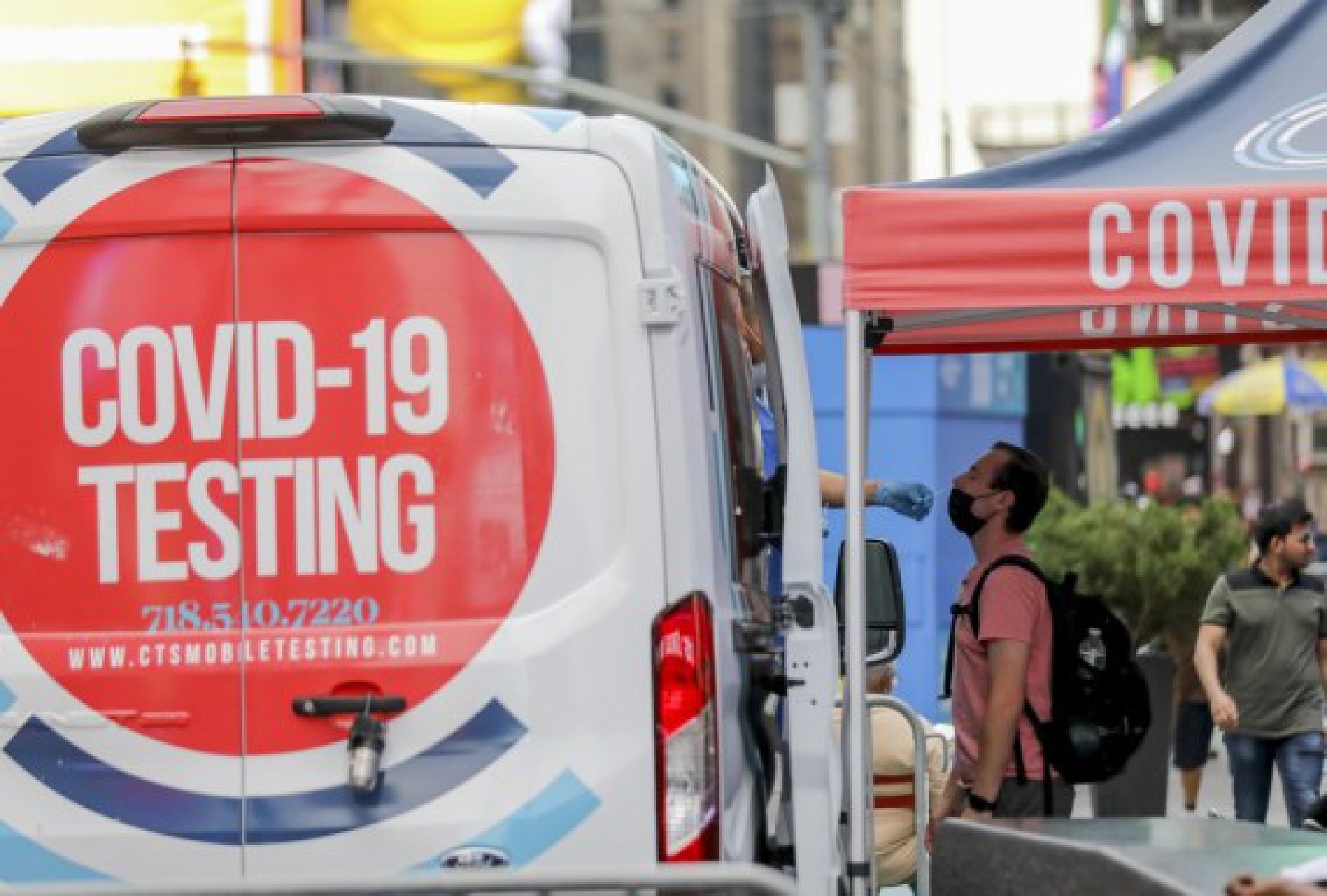
A man receives COVID-19 test at a mobile testing site in New York, the United States, on Aug. 31, 2021. (Xinhua/Wang Ying)
Israels Ministry of Health on Thursday reported 2,369 new coronavirus cases, bringing the countrys total infections to 1,300,126.
The death toll from the virus rose by 12 to 7,867, while the number of patients in serious condition decreased from 487 to 475.
The total recoveries rose to 1,259,215 after 5,220 newly recovered cases were added, while active cases decreased to 33,044.
ADVERTISEMENT
The number of people who have received the first doses of COVID-19 vaccines in Israel surpassed 6.16 million, or 65.6 percent of its total population, while over 5.6 million have taken two doses and over 3.6 million have got three jabs, according to the ministry.
An Israeli man shows his Green Pass before entering a restaurant amid COVID-19 pandemic in central Israeli city of Modiin, on Oct. 7, 2021. (Xinhua/Gil Cohen Magen)
“We have to beat this thing,” President Joe Biden said. “So while I didnt race to do it right away, thats why I had to move toward requirements that everyone get vaccinated where I had the authority to do that.”
U.S. President Joe Biden on Thursday urged large companies and other organizations to implement his government’s new COVID-19 vaccination mandates which have sparked concern and pushback.
“These requirements work … More people are getting vaccinated. More lives are being saved,” said Biden in suburban Chicago at an event promoting the requirements.
ADVERTISEMENT
Biden was in Elk Grove Village where he toured a construction site being run by Clayco. The company announced Thursday it would be implementing a vaccination or testing requirement for its employees moving forward.
“We have to beat this thing,” Biden said. “So while I didn’t race to do it right away, that’s why I had to move toward requirements that everyone get vaccinated where I had the authority to do that.”
Biden, who prioritized handling the pandemic after assuming office, announced in September sweeping new federal vaccine requirements for as many as 100 million Americans, including private-sector employees as well as health care workers and federal contractors.
The vaccine mandates, however, faced pushback from Republicans and other critics, who argue it smacks of government overreach and takes away people’s rights to make their own medical decisions.
Recent weeks also saw the Consumer Brands Association, which represents 1,700 U.S. brands, urge the Biden administration to accelerate federal guidelines and clarify how businesses are expected to implement the new vaccine orders.
The business groups were also concerned about how vaccination status should be verified, how to deal with religious exemptions, whether those working at home will need to be vaccinated, and who will pay for testing.
As of Thursday, the COVID-19 fatalities in the United States topped 709,000 with over 44 million infections, according to a tally by the Johns Hopkins University.
About 56.2 percent of the U.S. population have been fully vaccinated as of Thursday, showed the U.S. Centers for Disease Control and Prevention (CDC) data.
Like thousands of eateries across Sydney, Bistecca, near the famous Opera House, went from packing in diners to “zero trade” in June as Australias biggest city endured one of the worlds strictest Covid lockdowns after an outbreak of the delta variant.
Now, with virus-related measures in Australia’s most populous state, New South Wales, to begin easing on Oct. 11, bookings are streaming in. “We are pretty much opening up to almost our full trading hours right off the bat,” said co-owner James Bradey. “It is going gangbusters.”
He’s not the only one preparing to get back to business. NSW Premier Dominic Perrottet announced on Thursday that life is set to start returning to normal, after the vaccination rate for people over the age of 16 hit 70%. In the initial reopening stage, non-essential retail stores, pubs and gyms will be allowed to reopen to fully vaccinated patrons, with capacity limits.
ADVERTISEMENT
“We know that this is not just a health crisis, it’s an economic crisis, too,” Perrottet said at a press conference. “If we continue to make the effort and make the sacrifices that we have all been making, New South Wales will be open again.”
Schools will begin returning Oct. 18, with vaccines mandatory for teachers and masks required for staff and high school students, state education minister Sarah Mitchell said. Government schools would not mandate vaccines for students, she said.
The reopening comes despite the state recording 587 virus cases on Thursdsay, after the government abandoned its formerly strong commitment to a Covid Zero stance. This departure is dividing Australia as some other states remain steadfastly committed to keeping their borders closed.
As other parts of the world including the U.S. and U.K. were overwhelmed by Covid last year, life in Sydney went on largely as normal, bolstered by the state’s strict quarantine and contact tracing systems. The months of lockdown, spurred by an outbreak of the highly contagious delta variant in June, sent residents reeling in a city that had been seen as a rare global success story in halting the spread of the virus. Eventually, masks became largely mandatory outdoors. Police patrolled Sydney’s famous beaches.
Under the NSW roadmap, once the adult vaccination rate hits 80%, expected by the end of the month, a further relaxation of rules will be applicable for vaccinated residents, including mask mandates being scrapped for offices. A third lifting on Dec. 1 will include eased restrictions on venue capacity for offices and nightclubs, as well as freedoms for unvaccinated residents.
In November, Sydney will also start to welcome flights full of thousands of Australians who have been stranded abroad — and others who have been unable to leave the country since early 2020 — as strict international border controls begin lifting.
“We’re in the home stretch and we’re moving towards that line,” Prime Minister Scott Morrison told reporters Thursday, adding that “81% of over-16s right around the country are now first-dose vaccinated.”
Pockets of Sydney’s economy managed to remain buoyant during lockdown. Still, the consensus among economists is that the initial bounce in the economy from restrictions easing will be slower than last year, since authorities who once dealt with few cases are trying to vaccinate the population sufficiently to allow people to live with Covid.
For economists, the government’s plan to conclude emergency payments two weeks after a state reaches the 80% vaccination level is likely to weigh on the recovery. Former recipients will be in limbo until they secure a job and regular income — and in the interim they’re likely to stay cautious. Further, one-fifth of the population will still be unvaccinated when restrictions lift, suggesting even the vaccinated will be wary when moving about.
Bill Evans, chief economist at Westpac Banking Corp., said that only when inoculations reach 90% and people return to earning regular salaries will the shackles truly lift from activity.
“Maybe there’ll be an initial rush, but then I think things will be more cautious until we get to 90% and we get the very, very confident information around the hospitals that things are settling down,” he said. He predicted demand for workers will be so great that by the end of 2022 unemployment will be at 3.8%, a level unseen since 1975.
While plenty of Sydneysiders are planning activities as lockdown lifts, Evans sees a transition of a few months before the economy takes off — predicting economic growth of 1.4% in the final three months of the year after a 4% contraction in the third quarter.
Still, Sydney’s central business district may not look like it did before the pandemic, with office workers now expecting to be able to work at home at least some of the time, said Ben Hamer, the Future of Work Lead at PricewaterhouseCoopers Australia. Just 10% of people want to return to the office full time, according to a survey from the firm.
The move to hybrid working would see the emergence of the “Neighborhood Business District,” Hamer said. But “hybrid working does not spell the death of the CBD. Instead, it will see vacancy rates drive down cost and allow a more diverse mix of tenants, previously priced out, to take up central occupancy.”
David Sokulsky, the Sydney-based chief executive officer of Carrara Capital, said workers in the financial center would be planning limited time off in the short term despite many accruing a bank of annual leave during the lockdown, as they try to get back to normal office routines.
Preet Maan, beauty therapist and owner of Pree Salon in Bondi Junction — close to the area that first triggered the outbreak — said she hasn’t worked for the duration of the lockdown and was excited to return. Still, she said, inoculation mandates and other restrictions could continue to hit business.
“When the lockdown happened we were the first ones to shut down, as beauty therapists, so zero income,” she said. “But I think some people are still scared, and a few of them, my clients, aren’t vaccinated — so I can’t allow them to come in.”
The United Arab Emirates has become the first of the Persian Gulfs petrostates to commit to eliminating planet-warming emissions within its borders.
“We are committed to seize the opportunity to cement our leadership on climate change within our region and take this key economic opportunity to drive development, growth and new jobs,” said Sheikh Mohammed bin Rashid Al Maktoum, prime minister of UAE and ruler of Dubai. He added that country would invest almost $165 billion in clean energy by 2050.
The new target aligns the UAE with most major economies and the deadline scientists say gives the world some chance of avoiding the worst effects of global warming. The commitment is the latest from countries ahead of United Nations-sponsored climate talks starting later this month in Glasgow, Scotland, and known as COP26.
ADVERTISEMENT
It’s a bet that will probably play well with the U.S., European Union and U.K., who have pushed fossil-fuel producers to accelerate plans to reduce their emissions. It could also put pressure on neighboring Saudi Arabia, the world’s biggest oil exporter, to make a similar pledge.
“This is an historic announcement,” the U.K.’s COP26 president, Alok Sharma, said on Twitter. “I look to others in the region to also announce ambitious climate action commitments ahead of #COP26.”
The UAE relies heavily on the export of oil and gas, which makes up about 30% of its gross domestic product, despite decades of efforts to diversify the economy. The nation of 10 million people also has one of the world’s highest emissions rates per capita — ahead of the likes of Australia and the U.S.
It’s a “very ambitious step,” said Jim Krane, author of ‘Energy Kingdoms: Oil and Political Survival in the Persian Gulf’ and a fellow at Houston’s Rice University. “For one of the world’s most oil-dominated economies to declare a net-zero goal is really a sign of the times. It’s going to buy it a lot of influence.”
The government doesn’t plan to move away from fossil fuels any time soon. State energy giant Abu Dhabi National Oil Co. is set to increase its oil-production capacity to 5 million barrels a day from just over 4 million within a decade.
Yet that expansion could still be compatible with a net-zero goal as defined by UN rules, which only account for emissions generated within a country’s borders. The UAE would only be responsible for implementing measures to cut emissions from the extraction and processing of exported fuel.
“That’s the messaging: oil and gas are part of our future, but we’ll provide a cleaner product,” said Karen Young, senior fellow at the Middle East Institute in Washington D.C. The UAE “wants to see itself as different and forward-looking within the region.”
In mapping out a scenario for the world to reach net-zero, the International Energy Agency still sees the planet consuming as much as 24 million barrels of oil a day by 2050 — down from around 100 million now. The idea is that by then any remaining emissions will be balanced out by capturing and burying carbon dioxide or planting trees.
The UAE is a member of the Organization of the Petroleum Exporting Countries, which has a more bullish outlook for the future of oil. The cartel thinks fossil-fuel demand will only plateau in the 2040s under a business-as-usual scenario. International oil companies such as BP plc and TotalEnergies SE forecast that consumption has already peaked or will do so within a decade.
“A net-zero goal for the entire economy is a major step forward,” said Randolph Bell, senior director at the Atlantic Council. “It will put additional pressure on Saudi Arabia to do so.”
The UAE has already taken steps to build its green credentials. Abu Dhabi is home to the International Renewable Energy Agency headquarters, and the city’s $240 billion sovereign wealth fund Mubadala has invested heavily in its renewable-energy arm Masdar. Adnoc has started test shipments of blue hydrogen, a fuel seen as crucial to the energy transition.
The decision could bolster the UAE’s bid to host COP28. The only other country in contention to host the 2023 climate talks is South Korea, which already has a net-zero goal. Still, the move will remain a largely symbolic one until policy makers announce short-term measure that show how the UAE’s carbon-neutrality target can be met.
“For years, Gulf countries kind of ignored climate concerns and pretended that they weren’t realistic or were decades off,” said Ben Cahill, senior fellow at the Center for Strategic and International Studies. “There’s been a sea-change in the approach, and the UAE’s net-zero goal is a big symbol of it.”
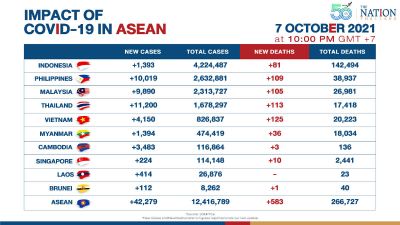
The number of Covid-19 cases crossed 12.41 million across Southeast Asia, with 42,279 new cases reported on Thursday (October 7), lower than Wednesday’s tally at 41,066. New deaths are at 583, increasing from Wednesday’s number of 472. Total Covid-19 deaths in Asean are now at 266,727.
Singapore’s Ministry of Education announced that year-end examinations for Primary 3 and 4 pupils will be cancelled due to rising Covid-19 infections in the community. The measure will affect about 79,000 pupils in Primary 3 and Primary 4 this year. However, Primary 5 year-end examinations will continue under safe management measures.
Meanwhile, Vietnam is planning to allow vaccinated travellers to visit key tourist destinations from December 2021 under certain restrictions. The attractions include the UNESCO world heritage site Halong Bay, highland town Hoi An, and the beaches of Nha Trang. This is in addition to the government’s plan to reopen the resort island of Phu Quoc to tourists in November 2021, a move which is already delayed from October due to low vaccination rates in the country.
The Saudi International Falcons and Hunting Exhibition, which kicked off on Oct. 1 in Riyadh, will run until Oct. 10.
The exhibition hosts major local and international companies specialized in the manufacture of hunting weapons, which will be offered for sale for visitors, provided that the buyer obtains a license for weapons from the Ministry of Interior.
Moreover, the visitors can also buy weapons and ammunition, and apply for a license to carry or acquire a weapon license.
ADVERTISEMENT
Leading hunting weapons manufacturing companies are participating in the exhibition, offering pistols, sniper weapons, shotguns, hunting rifles, semi-automatic rifles, as well as the best products and equipment pertinent to hunting and falconry.
Visitors look at guns during the Saudi International Falcons and Hunting Exhibition at the headquarters of the Saudi Falcon Club in Mulham, north of Riyadh, Saudi Arabia, on Oct. 5, 2021. (Xinhua/Wang Haizhou)
Photo taken on Oct. 5, 2021 shows a visitor handled a pistol for trying at the hunting exhibition, in the headquarters of the Saudi Falcon Club in Mulham, north of Riyadh, Saudi Arabia. (Xinhua/Wang Haizhou)
Photo taken on Oct. 5, 2021 shows a Saudi visitor handled a shotgun for trying at the hunting exhibition, in the headquarters of the Saudi Falcon Club in Mulham, north of Riyadh, Saudi Arabia. (Xinhua/Wang Haizhou)
Photo taken on Oct. 5, 2021 shows Saudi visitors picked guns at the hunting exhibition, in the headquarters of the Saudi Falcon Club in Mulham, north of Riyadh, Saudi Arabia. (Xinhua/Wang Haizhou)


 California Governor Gavin Newsom announces the reopening of the Universal Studios Hollywood in Los Angeles, California, the United States, June 15, 2021. (Xinhua)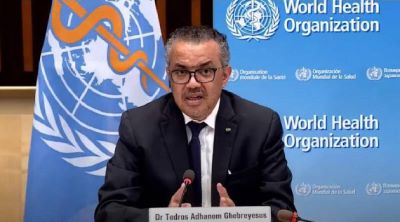
 A medical worker receives a dose of the COVID-19 vaccine in Dar es Salaam, Tanzania, Aug. 3, 2021. (Photo by Herman Emmanuel/Xinhua)
 An elderly person receives a dose of COVID-19 vaccine at a vaccination site in Johannesburg, South Africa, May 17, 2021. (Photo by Yeshiel/Xinhua)

 A man receives COVID-19 test at a mobile testing site in New York, the United States, on Aug. 31, 2021. (Xinhua/Wang Ying)
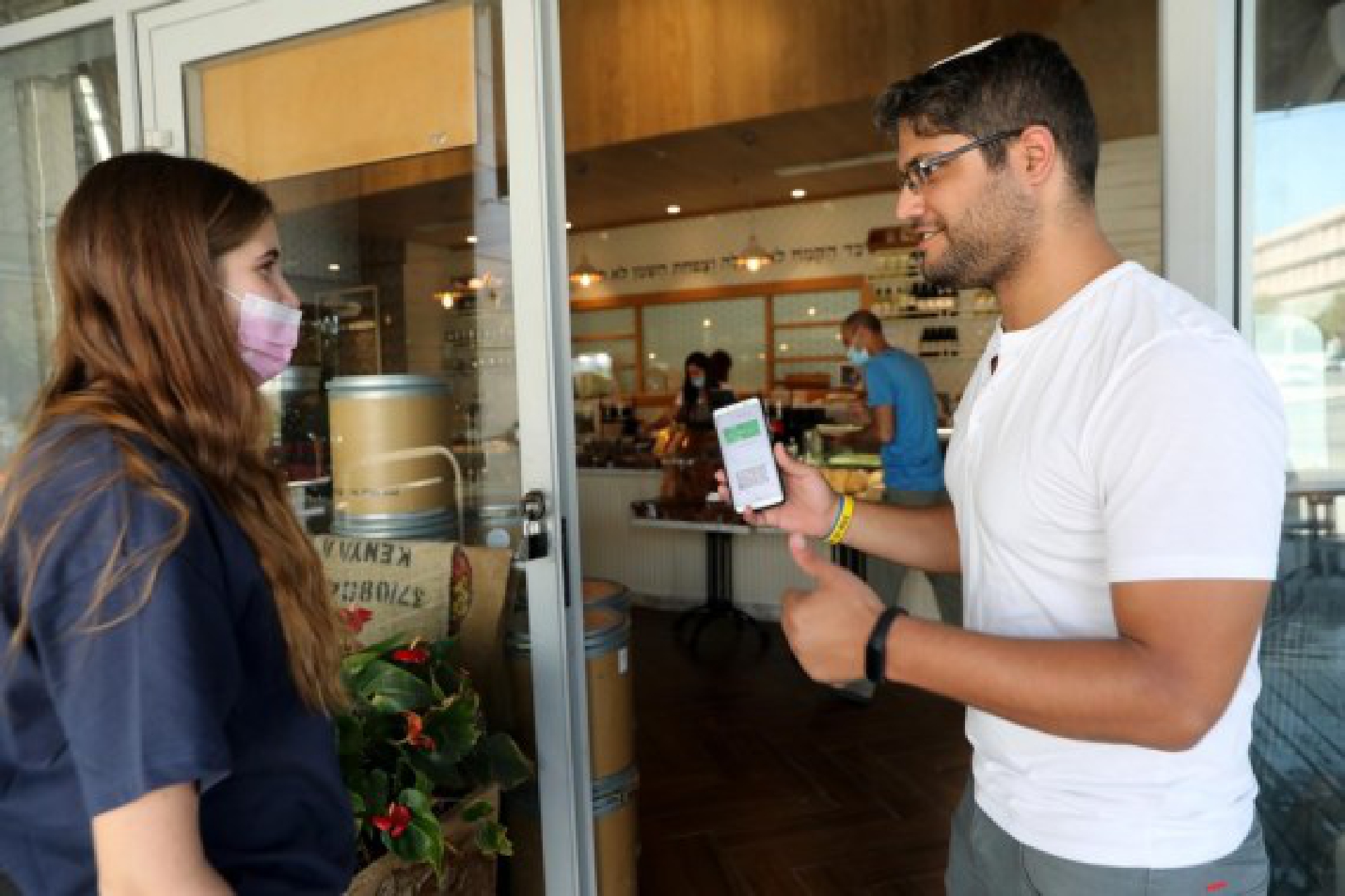 An Israeli man shows his Green Pass before entering a restaurant amid COVID-19 pandemic in central Israeli city of Modiin, on Oct. 7, 2021. (Xinhua/Gil Cohen Magen)

 Visitors look at guns during the Saudi International Falcons and Hunting Exhibition at the headquarters of the Saudi Falcon Club in Mulham, north of Riyadh, Saudi Arabia, on Oct. 5, 2021. (Xinhua/Wang Haizhou)
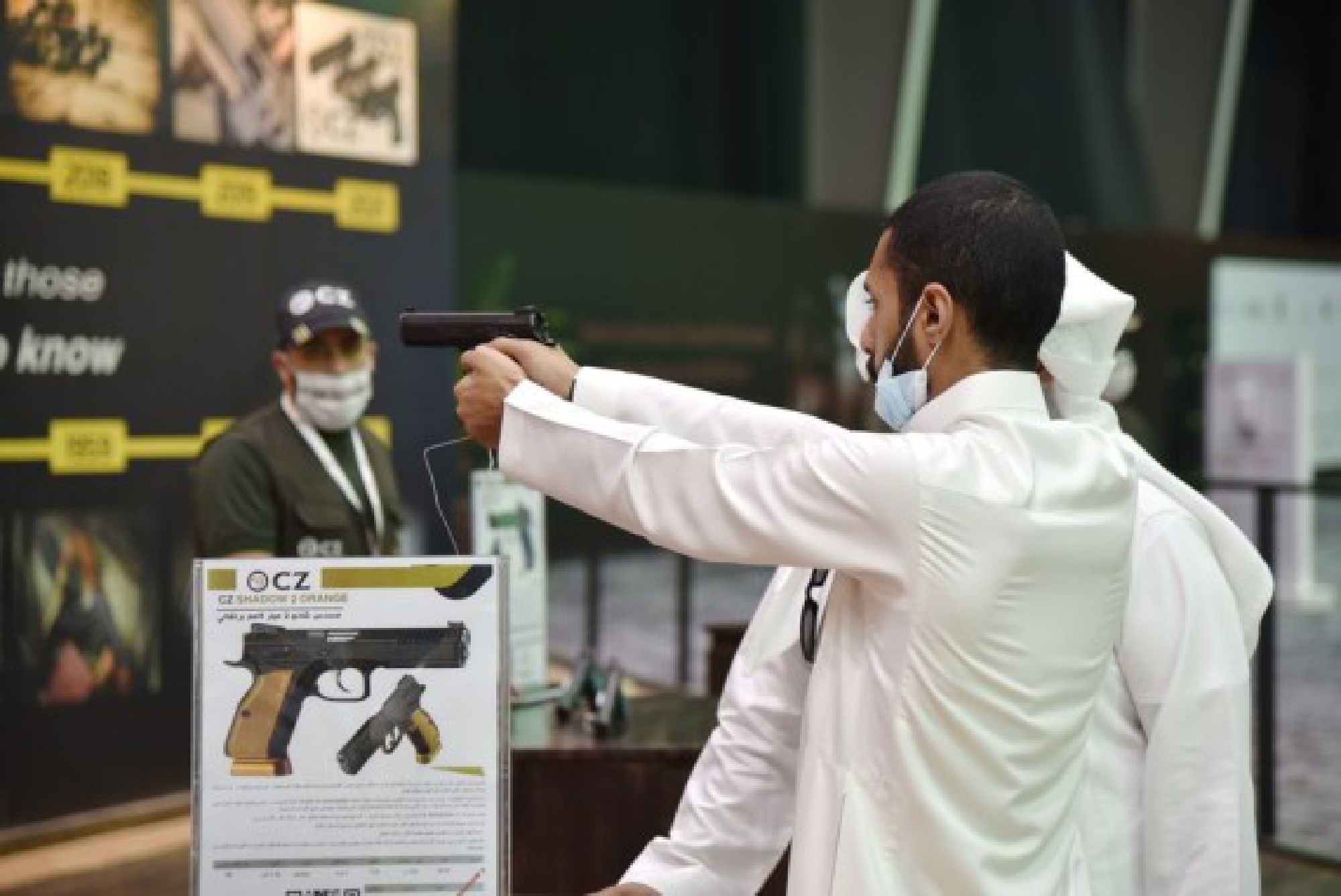 Photo taken on Oct. 5, 2021 shows a visitor handled a pistol for trying at the hunting exhibition, in the headquarters of the Saudi Falcon Club in Mulham, north of Riyadh, Saudi Arabia. (Xinhua/Wang Haizhou)
 Photo taken on Oct. 5, 2021 shows a Saudi visitor handled a shotgun for trying at the hunting exhibition, in the headquarters of the Saudi Falcon Club in Mulham, north of Riyadh, Saudi Arabia. (Xinhua/Wang Haizhou)
 Photo taken on Oct. 5, 2021 shows Saudi visitors picked guns at the hunting exhibition, in the headquarters of the Saudi Falcon Club in Mulham, north of Riyadh, Saudi Arabia. (Xinhua/Wang Haizhou)
