iPhone maker expects China plants to return to normal in coming weeks #ศาสตร์เกษตรดินปุ๋ย

#ศาสตร์เกษตรดินปุ๋ย : ขอบคุณแหล่งข้อมูล : หนังสือพิมพ์ The Nation

https://www.nationthailand.com/edandtech/30383300?utm_source=category&utm_medium=internal_referral

iPhone maker expects China plants to return to normal in coming weeks

Mar 04. 2020
By Bloomberg · Debby Wu, Gao Yuan · BUSINESS, WORLD, US-GLOBAL-MARKETS

Hon Hai Precision Industry Co., Apple’s most important manufacturing partner, expects its Chinese plants to begin operating normally by the end of March after resolving severe labor shortages brought on by the coronavirus outbreak.

The Taiwanese company, which assembles the majority of the world’s iPhones from China, joins a growing number of corporations envisaging a return to normalcy in the world’s No. 2 economy. Beijing has curbed the spread of an epidemic that erupted in January and forced millions to work from home, tangled up logistics and dented economic growth. Hon Hai said Tuesday its factories are now operating at about 50% of seasonal capacity but that should ramp up over the course of the month as workers stream back into its plants.

Still, Chairman Young Liu warned it remained difficult to quantify the full impact of a weeks-long disruption, or gauge the effect on final demand for the swathe of consumer electronics it makes from laptops to game consoles. Business across all of Hon Hai’s four major divisions should decline in the March quarter compared with the previous year, meaning sales in the first half could end up being flat, Liu told investors and reporters on a conference call.

“There’s not a huge hit on demand yet so far, but I dare not and don’t want to predict the outlook of the outbreak,” Liu said. “We don’t see a huge issue with our suppliers and we are helping them to secure resources.”

As China’s largest private employer and a key partner to many of the world’s most recognizable consumer brands, Hon Hai — known also as Foxconn — has become a symbol of how the outbreak could disrupt the global supply of made-in-China electronics. Apple scrapped its revenue guidance for the March quarter because of the work slowdowns and worsening demand, showing the outbreak was taking a bigger-than-predicted toll on one of the world’s most valuable companies.

Foxconn has already slashed its 2020 revenue projections in the wake of the epidemic. The contagion has disrupted Apple’s carefully calibrated production chain: Hon Hai was forced to postpone the reopening of its “iPhone City” mega-complex in the central city of Zhengzhou while it imposed strict quarantine measures on thousands of laborers. But Foxconn has since sharply raised signing bonuses to attract the new workers it needs to assemble its products.

The first quarter is typically a lull for Apple and Foxconn, because most iPhone sales occur over the holiday season. But Foxconn’s supply chain turmoil coincided with the envisioned launch of Apple’s cheaper iPhone SE2, slated for launch as early as this month. On Tuesday, Liu deflected questions about the gadget, saying only that Foxconn’s product research and development efforts were proceeding.

Liu also said Foxconn was considering reducing its annual revenue outlook, confirming a Bloomberg News report. Hon Hai is projecting a sales increase of 1% to 3% this year, Liu told Bloomberg News in a text message last month. That’s down from a Jan. 22 forecast for 3% to 5% before the epidemic spread around the globe and lagged the average of analysts’ projections at the time. Analysts expect Hon Hai to post 4.9% topline growth in 2020.

Still, Chinese companies have begun to return to work, heeding a call to safeguard economic growth — though often not at full capacity. Hon Hai, which also makes products for companies from HP to Sony, has said it is restarting facilities throughout China in an orderly manner. Other key tech and Apple suppliers with major Chinese operations, such as Quanta Computer, Inventec and LG Display, are also gradually bringing their factories back online.

“As of today, the production resumption has reached 50% of seasonal required capacity. Based on the current schedule, we shall be able to reach full seasonal capacity by the end of March,” Hon Hai said in a stock exchange filing. “There are still plenty of uncertainties which we cannot quantify around the potential impact on the full year.”

Read more: Apple’s Cook Sees Minor Supply Chain Changes in Wake of Virus

Apple’s China-focused supply chain has faced two major tests — first from trade tensions and more recently from manufacturing suspensions spurred by the spread of the coronavirus. China is also Apple’s biggest international market, and smartphone sales there are expected to take a big hit from the outbreak after government-imposed containment measures snarled logistics and closed stores.

Research firms vary in their estimates of how big the shipments drop-off will be but agree it will hurt. Strategy Analytics forecasts a 32% decline in Chinese shipments in the first quarter, to 60 million from roughly 89 million shipments a year earlier. Canalys, starting from a similar estimate for 2019, scythes its expectations down to 42.5 million shipments.


Samsung’s Q4 smartphone share rises in Europe #ศาสตร์เกษตรดินปุ๋ย

#ศาสตร์เกษตรดินปุ๋ย : ขอบคุณแหล่งข้อมูล : หนังสือพิมพ์ The Nation

https://www.nationthailand.com/edandtech/30383249?utm_source=category&utm_medium=internal_referral

Samsung’s Q4 smartphone share rises in Europe

Mar 03. 2020
(Yonhap)

(Yonhap)
By The Korea Herald/ANN

Samsung Electronics Co.’s share of the European smartphone market advanced slightly in the fourth quarter of last year, benefiting from rival Huawei Technologies Co.’s struggle with a US trade ban, data showed Tuesday.

Samsung had a 27 percent market share in Europe in the fourth quarter, up 2 percentage points from a year earlier, according to market researcher Counterpoint Research.

Samsung, the world’s largest smartphone maker, apparently enlarged its presence after Huawei was barred from installing Google services on its phones, Counterpoint said.

However, Samsung’s market share in other regions fell slightly due to aggressive marketing from mid-tier Chinese smartphone vendors such as Oppo and Realme, according to the research firm.


Samsung’s market share in the Middle East-Africa region slid from 22 percent to 20 percent in the fourth quarter, while its presence in the Central and South American market fell from 36 percent to 34 percent in the same period. Its market share in North America also slipped from 22 percent to 20 percent in the fourth quarter, according to the data.

According to Counterpoint Research, Samsung had the lion’s share in countries like Ukraine, Chile, Portugal, Italy and Peru.

In particular, the South Korean tech giant had a 49 percent share in Ukraine, up 23.2 percentage points from a year ago.

“Samsung’s smartphone business is likely to see stable growth this year,” said Park Jin-suk, an analyst at Counterpoint Research.

“Even though competition with Chinese brands appears to be fierce in the Middle East, Africa and Southeast Asia regions, Samsung is able to supply differentiated products with its technology, so the company will stay competitive.” (Yonhap)

Xerox starts tender offer in hostile takeover bid for HP #ศาสตร์เกษตรดินปุ๋ย

#ศาสตร์เกษตรดินปุ๋ย : ขอบคุณแหล่งข้อมูล : หนังสือพิมพ์ The Nation

https://www.nationthailand.com/edandtech/30383247?utm_source=category&utm_medium=internal_referral

Xerox starts tender offer in hostile takeover bid for HP

Mar 03. 2020
By Syndication Washington Post, Bloomberg · Nico Grant · BUSINESS, US-GLOBAL-MARKETS 

HP Inc. said that rival Xerox Holdings Corp. has started an unsolicited offer for all outstanding shares of HP, escalating a battle for control of the personal computer giant.

Xerox has pitched HP investors on a cash-and-stock offer worth $24 a share. For each HP share, a holder would receive $18.40 in cash and 0.149 Xerox shares. The photocopying pioneer has said combining the companies would yield $2 billion in cost savings and more than $1 billion in additional revenue growth. Both hardware companies have invented technologies still in use by consumers and office workers, and have struggled in a world increasingly driven by software.

HP’s board has rejected Xerox’s offer as undervaluing the Palo Alto, California-based company, and said last week it will return $16 billion to shareholders in an effort to show it can stand on its own. HP executives, however, said they will engage Xerox to discuss a potential combination on their terms.

On Monday, HP said in a statement that it will review Xerox’s offer over 10 business days before advising the best course of action for shareholders.

Two Chinese nationals charged in cryptocurrency scheme linked to North Korea #ศาสตร์เกษตรดินปุ๋ย

#ศาสตร์เกษตรดินปุ๋ย : ขอบคุณแหล่งข้อมูล : หนังสือพิมพ์ The Nation

https://www.nationthailand.com/edandtech/30383235?utm_source=category&utm_medium=internal_referral

Two Chinese nationals charged in cryptocurrency scheme linked to North Korea

Mar 03. 2020
By The Washington Post · Spencer S. Hsu, Ellen Nakashima · NATIONAL, WORLD, COURTSLAW, ASIA-PACIFIC 

WASHINGTON — The United States on Monday charged two Chinese nationals with laundering more than $100 million in stolen cryptocurrency from a 2018 cyberattack linked to North Korea’s illicit nuclear missile and weapons development program.

The new indictment, accompanied by sanctions and a civil forfeiture complaint seizing 113 cryptocurrency accounts filed in federal court in Washington, marks the first and largest enforcement action of its kind by the United States to deter North Korea’s cryptocurrency financing.

“The hacking of virtual currency exchanges and related money laundering for the benefit of North Korean actors poses a grave threat to the security and integrity of the global financial system,” said Timothy Shea, U.S. attorney for Washington.

The charges come after a U.N. sanctions monitoring panel reported last summer that North Korea has raised up to $2 billion for its weapons development program through cyberattacks, including “increasingly sophisticated” raids against financial institutions and cryptocurrency exchanges to steal, launder and generate funds.

Large-scale attacks by North Korea on cryptocurrency exchanges that deal in virtual money such as bitcoin and Ethereum and rely on blockchain technology “generate income in ways that are harder to trace and subject to less government oversight and regulation than the traditional banking sector,” the U.N. expert panel reported in August.

“The United States will continue to protect the global financial system by holding accountable those who help North Korea engage in cybercrime,” Treasury Secretary Steven Mnuchin said.

The charges and enforcement actions Monday are linked to an estimated $250 million in stolen funds. About $68 million of the funds laundered by the two defendants flowed to nine named Chinese banks, the government said. The case underscores the role played by China’s banking system that has agitated relations between Beijing and Washington, people familiar with the case said.

The U.S. Treasury Department’s Office of Foreign Assets Control alleged that Tian Yinyin and Li Jiadong provided material support for “a malicious, cyber-enabled activity” and assisted an attack by Lazarus Group, a North Korean government cyber group that has carried out the bulk of North Korea’s malicious hacks against U.S. and foreign banks, corporations and other targets.

The Trump administration in September sanctioned the group, whose accused exploits include an attempted ransomware attack on hundreds of thousands of WannaCry users in 2017, and the 2014 hack of Sony Pictures after it backed a satirical movie depicting the assassination of North Korean leader Kim Jong Un.

The Treasury Department at that time sanctioned the Lazarus Group and two subgroups dubbed Bluenoroff and Andariel, saying all three are controlled by North Korea’s primary intelligence agency, the Reconnaissance General Bureau.

North Korea has resorted to hacks against financial institutions to obtain income in the face of global sanctions imposed over its nuclear program that have starved its access to foreign currency and the world banking system, experts say.

The U.S. indictment, handed up Thursday and unsealed Monday, comes amid a renewed rise in tensions over North Korea’s missile threat. North Korea on Monday launched two short-range projectiles off its east coast in its first weapons test in three months. The test came a year after Kim’s failed summit meeting with President Donald Trump and amid allegations that nuclear talks have broken down.

Pyongyang has pledged never to give up its nuclear weapons, which the United States and its allies say must be the goal of any negotiations. North Korea has separately denied allegations of orchestrating cyberattacks and cyberheists.

The U.S. actions will be seen by North Korea as part of the administration’s “hostile policy,” said Jung Pak, a senior fellow at the Brookings Institution and a former CIA analyst. “It highlights that the two countries are on parallel tracks. . . . They’re going to lob missiles. We’re going to do what we’re doing, which is designate, investigate,” Pak said.

The U.S. charges appear to bolster the U.N. panel’s accusations on Pyongyang’s “deceptive practices” and exploitation of weak enforcement by cryptocurrency exchanges and foreign banks.

U.S. criminal filings allege that Tian and Li received funds from North Korean co-conspirators who had attacked four cryptocurrency exchanges since 2017. Court documents do not name the exchanges, but the details link them to publicly reported hacks that the U.N. panel tied to North Korea’s revenue generation efforts. They include a December 2017 hack on Youbit that took 17% of its assets and sent it into bankruptcy, a $49 million hack on Upbit in November 2019, and $30 million stolen in June 2018 from Bithumb — all three of South Korea.

Much of the laundered money came from a nearly $250 million, previously undisclosed hack in 2018 of another Asian exchange, court documents said. The intrusion came after an employee unwittingly downloaded malware while communicating with a potential client, the documents said.

U.S. court documents allege that Tian and Li sent roughly 2,500 deposits with $67.3 million in stolen funds to nine Chinese banks: China Guangfa Bank, Agricultural Bank of China, China Everbright Bank, China CITIC Bank, China Minsheng Bank, Huaxia Bank, Industrial Bank, Pingan Bank and Shanghai Pudong Development Bank.

Tian and Li are not in U.S. custody and are assumed by U.S. authorities to be in China.

U.S. court filings did not accuse the banks of any wrongdoing. Regulators said banks are typically required under “know your customer” regulations to question clients and identify the source of such large deposits, and to report suspicious transactions, several people familiar with the process said.

Commercial blockchain analysis firms helped U.S. investigators trace hacked funds, knowing that although cryptocurrencies are known to attract criminals seeking anonymity, all transactions to individual accounts are recorded in public ledgers that can be amassed into large data sets.

One such firm, Chainalysis, profiled Lazarus in a January report on the state of crypto-crime that said the North Korean-linked entity had conducted one of the “most elaborate phishing schemes” the industry has ever seen.

Monday’s actions are likely to be “just the first” of U.S. government actions to follow the money from its Lazarus revelations, Chainalysis spokeswoman Maddie Kennedy said. The firm estimated that seized cryptocurrency accounts still hold about $15 million, and it is advising clients of any exposure to accounts named by the U.S. government.

“A not insubstantial part of North Korea’s gross domestic product is based on stealing cryptocurrency funds,” Kennedy said. U.S. authorities are “showing that . . . anyone who helps facilitate those who are stealing illicit funds are going to be held responsible.”

The investigation was a massive and complex undertaking. After identifying accounts that received tens of thousands of related transactions, U.S. investigators followed up with requests for associated customer financial account and communications records under domestic and foreign legal authorities from more than 100 private entities.

“These are not the only two individuals we’re aware of that are involved in this type of activities,” IRS Criminal Investigation Special Agent Christopher Janczewski said.

The case was cracked when unidentified North Korean co-conspirators made a key error covering their tracks, according to court documents.

Court filings said attackers layered — or “peeled” — transfers through more than 5,000 transactions, including by using one-time use cryptocurrency wallets, through multiple countries before converting proceeds to government-backed currencies.

But they failed to “peel” one bulk transfer worth about $1.6 million, which investigators traced to a North Korean-linked source, the charges said. Separately investigators traced North Korean co-conspirators logging in from Pyongyang and using North Korean cellphone infrastructure, according to court documents.

The same North Korean co-conspirators involved, the U.S. alleged, were also engaged at that time in a massive phishing campaign posing as advertisers for a Los Angeles firm or prospective clients or developers for cryptocurrency exchanges. The co-conspirators, court documents said, had a fake Twitter and LinkedIn page created with the name “Waliy Darwish” and Celas LLC, which produced a malicious software code that gave direct access to the downloader’s system.

Celas shared a server and IP address with known malware named Fallchill that the FBI and Homeland Security Department have associated with the government of North Korea, and the Celas application used a language code associated with North Korea, court documents said.

The phishing campaign targeted thousands of work and personal email accounts at exchanges around the world, including of prominent executives in the industry, court documents said.

Ken Gause, a North Korean expert and director of the adversary analytics program at C.N.A., a think tank, cautioned against assuming that all hacked funds go to North Korea’s nuclear program saying the Kim family, a wider elite, and civilian economy all likely benefit.

Gause warned that enforcement actions may not disrupt evolving attacks, which he called “an unending game of whack-a-mole.”

Boeing goes on hiring spree in high-stakes gamble on 737 Max #ศาสตร์เกษตรดินปุ๋ย

#ศาสตร์เกษตรดินปุ๋ย : ขอบคุณแหล่งข้อมูล : หนังสือพิมพ์ The Nation

https://www.nationthailand.com/edandtech/30383207?utm_source=category&utm_medium=internal_referral

Boeing goes on hiring spree in high-stakes gamble on 737 Max

Mar 02. 2020
File Photo /Syndication Washington Post, Bloomberg

File Photo /Syndication Washington Post, Bloomberg
By Syndication Washington Post, Bloomberg · Julie Johnsson · BUSINESS, US-GLOBAL-MARKETS 

In the weeks before Boeing halted 737 Max production in January, company executives took a hard look at all the personnel who’d be left with little to do when the last jets rolled out of their Seattle-area factory.

The conclusion they came to, though, was surprising: The problem wasn’t that there’d be too many mechanics idly milling around for months on end, but rather too few of them.

Sure, there’d be a cost to having them on payroll, but what worried managers more was the thought of not having enough workers around when they finally restart output of the Max. That task will be made more difficult by the need to simultaneously maintain the hundreds of Max jets that Boeing built last year but was forced to keep in storage until airlines can start flying them.

So on Dec. 13, Boeing welcomed 115 new mechanics and assembly-line workers to its Pacific Northwest manufacturing hub. Another 122 new employees started Jan. 10, and 143 the week after that, while only 31 machinists left the company that month. All told, union figures show, Boeing has hired about 730 of these workers, a figure that is almost entirely net additions, according to IAM District 751, the company’s biggest labor union.

It’s a big gamble. Boeing executives currently plan to restart the factory in the next couple months, on the expectation that by around midyear regulators will lift the flight ban they imposed on the Max in early 2019 following two deadly crashes. If Boeing’s timetable proves too optimistic, as its earlier predictions have, the costs will pile up — not just from the new hires, but also from the 3,000 other Max assembly workers the company has kept on the payroll since shutting down production.

“There’s some major risks,” said George Ferguson, an analyst with Bloomberg Intelligence. “If you’re Boeing and you want a share of the market in the future, you’re going to need to make sure you go out and protect it now.”

To make matters worse, the push to ramp output back up comes just as concern is mounting that the coronavirus will curb air travel and dissuade airlines from taking the planes they’ve already ordered — let alone buying new ones. Boeing’s stock was hard hit in last week’s global equity sell-off, sinking 17%. It’s now down 37% over the past year.

Once Boeing starts to emerge from the Max crisis, it will need the extra employees to mount a commercial comeback for the plane — both in the factory and in the parking lots where the company and airlines have stored about 800 aircraft.

Without the new workers, labor shortages could disrupt Boeing’s production and enable Airbus SE to widen its lead in the crucial market for single-aisle jets.

There are already signs that some of Boeing’s suppliers are preparing to snap out of their hibernation. Spirit AeroSystems Holdings Inc., which jettisoned 3,200 jobs because of the production pause, said last week that it would resume making 737 Max fuselages for Boeing this month.

In the middle of March, with the Max’s grounding hitting the one-year mark, Boeing Chief Executive Officer Dave Calhoun is expected to speak before suppliers. Uncertainty and financial strain are starting to pile up at the partsmakers, posing another risk to Boeing.

While Boeing is spending heavily in anticipation of a Max comeback, it’s far from certain when or whether the strategy will pay off. The Chicago-based planemaker projected in January that it will absorb about $4 billion in “abnormal” costs related to the production halt, primarily in 2020. That’s on top of the $14.6 billion in other Max costs outlined by the company.

About 200 of the machinists hired by Boeing since December have been assigned to the 737 Max program, according to the company. More of the newcomers may be needed when Boeing starts up its 737 factory and the thousands of workers who have been lent to other programs “go back on the line,” said Ken Herbert, an analyst with Canaccord Genuity.

The recent Max hires are primarily tending to newly built planes that Boeing can’t deliver until the grounding ends. The parked narrow-body jets — taped up against the elements in storage lots in Texas and California as well as the Seattle area and an Eastern Washington airport in Moses Lake — represent about $20 billion of inventory for Boeing, Bloomberg Intelligence estimated.

Inside the 737 factory in Renton, the east and west final assembly lines have been empty since Boeing rolled out the last Max in January. There are still aircraft on the center line, frozen in place since production was shut down.

Engineers and mechanics are using that as a lab to study every step in making the plane to how the manufacturing flow can be streamlined and improved, Alder said. For example, the toolkits have been matched to the work that will be performed by every mechanic along the line for each two-hour segment of their day.

“We’ve maintained our staffing levels on the 737 program to focus on factory initiatives, while temporarily assigning some employees,” said Doug Alder, a Boeing spokesman.

But getting the Max production back into high gear will involve a delicate balancing act, since Boeing won’t want to add to its inventory of 400 or so planes built during the grounding and never shipped to customers. Then there’s the risk of disruption as the 600 suppliers who provide parts and structures for the Max make their own calculations as to when the plane will return — and whether they’ll be able to stay afloat until then.

Especially hard hit are smaller operators whose working capital was clipped when Boeing adopted 120-day payments several years ago, said aerospace consultant Kevin Michaels.

“If you’re a supplier that sees your revenue cut in half, that could be enough to put you out of business,” said Michaels, who is managing director of AeroDynamic Advisory. “It only takes one supplier to muck it up,” he added of the parts shortages that can cause production snarls.

Tool Gauge, which makes complex plastic and metal parts and assemblies for Boeing and other aerospace manufacturers, is among those anxiously monitoring Boeing’s plans for the 737.

The Tacoma, Washington-based company has built a new factory that more than doubles its footprint to 80,000 square feet and invested in automation. Now it is waiting for the payoff: a chance to rapidly scale its work on Boeing jets such as the Max and the 777X, which is months behind schedule.

“Is it stressful? Absolutely,” Jim Lee, Tool Gauge’s general manager, said at a supplier convention outside of Seattle last month. “More stressful than it’s ever been.”

Diaper vending machines get parental seal of approval in Japan #ศาสตร์เกษตรดินปุ๋ย

#ศาสตร์เกษตรดินปุ๋ย : ขอบคุณแหล่งข้อมูล : หนังสือพิมพ์ The Nation

https://www.nationthailand.com/edandtech/30383199?utm_source=category&utm_medium=internal_referral

Diaper vending machines get parental seal of approval in Japan

Mar 02. 2020
A vending machine offers beverages and diapers in Tokyo. MUST CREDIT: Japan News-Yomiuri photo

A vending machine offers beverages and diapers in Tokyo. MUST CREDIT: Japan News-Yomiuri photo
By Syndication Washington Post, Japan News-Yomiuri · No Author · BUSINESS, WORLD, TECHNOLOGY, CAREER-WORKPLACE, ASIA-PACIFIC

TOKYO – Vending machines that sell small batches of diapers are popping up at roadside stations and commercial facilities, drawing praise from moms and dads looking to buy just a few when they’re out with baby.

A vending machine stocked with disposable diapers has stood next to a changing table in the baby lounge at the Olynas Kinshicho shopping mall in Sumida Ward, Tokyo, since last October. The paper diapers come in two sizes and are wrapped in a cylindrical shape like a beverage can. Each pack contains two diapers and sells for 220 yen ($2.04 U.S.).

A package of diapers is delivered from a Tokyo vending machine. MUST CREDIT: Japan News-Yomiuri photo

A package of diapers is delivered from a Tokyo vending machine. MUST CREDIT: Japan News-Yomiuri photo

“It’s such a relief when I forget to bring diapers or run out,” said a 24-year-old woman who entered the lounge to change her baby. “I don’t have to worry when I go out with my son now.”

According to the employee in charge of the lounge, the machine sells about 20 packs a month.

“Many customers shop with small children, so we thought about how we could make the lounge more convenient,” he said. “The diapers have sold better than expected, assuring us of the need for them.”

When they’re outside with their children, many parents would like to purchase just a few diapers when they run out. Diapers are usually sold in bags of about 20 to 100, and the idea to sell small batches from beverage vending machines was inspired by this inconvenience.

Beverage maker Dydo Drinco teamed up last year with diaper maker Daio Paper Corp. to install vending machines for disposable diapers at roadside stations and commercial facilities such as Olynas, in response to the Land, Infrastructure, Transport and Tourism Ministry’s target to sell single diapers at 220 expressway rest areas nationwide, as well as all government-arranged roadside stations by 2021.

The companies aim to install 200 machines nationwide.

Kirin Beverage Co. has also set up vending machines for diapers with Kao Corp. since 2017. To date they have installed about 30 such machines at airports and commercial facilities around the country.

Selling for 200 yen, the diapers come in sets of two and are available in two sizes. Many of the machines also have wipes.

The move came after a Kirin subsidiary consulted with Welcome Baby Project, a Yokohama-based nonprofit organization that supports child-rearing. Sales from some of the machines will be used to fund the project’s activities.

A project leader who is also a member of the nonprofit organization Comachiplus said: “Vending machines are accessible 24 hours a day and are very convenient. We’d like to expand this project as part of our efforts to create a community that’s friendly to families with children.

It’s elementary, but family matters #ศาสตร์เกษตรดินปุ๋ย

#ศาสตร์เกษตรดินปุ๋ย : ขอบคุณแหล่งข้อมูล : หนังสือพิมพ์ The Nation

https://www.nationthailand.com/edandtech/30383135?utm_source=category&utm_medium=internal_referral

It’s elementary, but family matters

Mar 01. 2020
First-grader Emma Boyes recently lost a tooth, which she shows to school social worker Sarah King. One of King's tasks at the Colorado campus is connecting families with housing and food. MUST CREDIT: Photo by Caralee Adams via The Hechinger Report

First-grader Emma Boyes recently lost a tooth, which she shows to school social worker Sarah King. One of King’s tasks at the Colorado campus is connecting families with housing and food. MUST CREDIT: Photo by Caralee Adams via The Hechinger Report
By Special to The Washington Post · Caralee Adams · NATIONAL, FEATURES, EDUCATION, KIDS,

PARENTING LOVELAND, Colo. – Soft instrumental music played in the background as families walked into the gym at Laurene Edmondson Elementary School about 5:30 in the evening. Dani Roquett, a school psychologist, held four colors of notes as she greeted kindergartner Ellison Hutt: “Hey, love. Do you remember what the zones are?”

Each morning, kids at Edmondson pick a color for the “zone” they’re in that day – green for happy, blue for sad, red for mad and yellow for scared. This evening, the children showed their parents the routine. Ellison and her dad picked green; Ellison’s mom took yellow, signaling to her daughter it was OK to be a little nervous at the big event.


The evening event was not the classic school fundraiser or social. No one from the PTA begged for donations; the kids didn’t dance across the stage in costumes. The goal was to connect with busy families in a more meaningful way: showing parents what’s happening in the classroom and, critically, how they can support learning at home.

The school calls the events, held twice a year, GET Togethers – Guaranteed Education Teams. The name captures Edmondson’s intention to elevate parents as team members in their child’s education.

In keeping with that spirit, the evenings are designed to be far more interactive than a typical curriculum night, in which teachers run through what they’ll be teaching that year. Last fall, the students explained new homework policies. At another event, teachers taught parents math games to play with their children. In January, adults could attend two 30-minute workshops on topics including how to set limits and understanding trauma – topics the parents had suggested themselves.

Investing time and creativity in getting parents involved often pays off. Out-of-school factors weigh heavily on student success, studies show, and research indicates family engagement can lead to higher grades and test scores, improved attendance and better behavior.

And yet surveys suggest most teachers find it challenging to connect with families.

Many schools rely on traditional back-to-school nights or parent-teacher conferences to gauge whether parents are engaged in their children’s learning. At schools where parents don’t show up for PTA meetings or volunteer to chaperone field trips, it can be a blame game: Teachers think parents don’t care, and families say they don’t feel welcome or valued.

Laurene Edmondson Elementary wants parents to be partners in their child's education. MUST CREDIT: Photo by Caralee Adams via The Hechinger Report

Laurene Edmondson Elementary wants parents to be partners in their child’s education. MUST CREDIT: Photo by Caralee Adams via The Hechinger Report

But at Edmondson, the focus on building relationships is grounded in research showing that trusting relationships with families can improve learning outcomes. The 220-student school extends personal invitations to events, solicits parent input, communicates in Spanish and works to get families basic resources, including groceries, when they need it. In some cases, teachers and school staff even visit families at home, a practice that’s gaining traction in schools, such as Edmondson, that serve vulnerable populations.

Laurene Edmondson Elementary wants parents to be partners in their child's education. MUST CREDIT: Photo by Caralee Adams via The Hechinger Report

Laurene Edmondson Elementary wants parents to be partners in their child’s education. MUST CREDIT: Photo by Caralee Adams via The Hechinger Report

“I have never met a parent who didn’t care about their children or value education – but they may not show it in ways that white, middle-class people would expect,” said Anne Henderson, a senior consultant for the National Association for Family, School, and Community Engagement, based in Alexandria, Virginia.

One study of 71 high-poverty schools found that when teachers were active in outreach to families, students’ reading and math scores improved at a 50 percent faster rate in reading and a 40 percent faster rate for math. What worked? Meeting every family face to face, sending materials home for parents to use to help their children and staying in regular touch with families on kids’ progress.

“The more we can educate parents and are all speaking the same language, the more powerful it is going to be for kids and easier to be moving toward the same goals,” said Trish Malik, Edmondson’s principal.

Initially, Malik relied on traditional meetings to get parent feedback. She convened a “school accountability committee” an hour before PTA meetings to make attendance convenient, but turnout was low. Malik said it felt like she was presenting information for a stamp of approval rather than having a dialogue.

“I felt very fraudulent saying I was going to get input from my parents when only one or two people showed up and they, honestly, didn’t represent the majority of my population,” she said.

At the same time, the school population was changing. By 2016, almost 70 percent of Edmondson’s students received a free or reduced-price lunch and came from low-income families. A decade ago, less than a third of the school’s students came from low-income families.

Malik brainstormed with her team about a more creative way to reach families. One that centered on listening. The idea for the GET Togethers emerged from parents’ suggestions. They wanted meetings to be more interactive and to equip them to help their children with academics. Feedback generated changes in traffic patterns for drop-off and pickup and triggered the addition of more after-school programs.

The whole staff has embraced the effort to be more hospitable. The school’s office manager, April Hoyland, says a cheerful hello to everyone who walks through the front door. “One of my goals is to learn every student’s name and every parent’s name,” said Hoyland, who last year turned her desk to face the entryway to be more welcoming.

Colorado has been a leader in family engagement policy and provides support to districts to promote evidence-based practices. Last year, it established an Office of Family, School and Community Partnerships in its education department, led by Darcy Hutchins, who said having a dedicated role at the state level and legislation gives the issue traction.

“If a district is doing a family night or a carnival, I say that’s a great starting point,” Hutchins said. “I encourage them to look at the overall school population. Are you getting the two-parent white family, or are you getting everybody? When we say every, we mean every.”

Several studies demonstrate the positive link between family engagement and student achievement. An analysis of 100 public schools in Chicago with strong parental involvement found that students were four times more likely to improve in reading and 10 times more likely to improve in math than at schools in which ties to community were weak.

Last year, Edmondson began offering home visits to all kindergarten families. About half of the families agreed to the 30-minute informal chats. Kindergarten teacher Erik Hagan said the meetings were invaluable to establish rapport and get a glimpse into his students’ world. “Some parents can be intimidated by school and by us going to their home first and visiting with them, I feel it’s more comfortable,” Hagan said.

Once those relationships are established, educators said it’s easier for teachers and parents to tackle challenges that may arise.

Tiffany Rodriguez and her husband are raising four children, along with three nieces and nephews, ages 3 to 16. She doesn’t hesitate to text or call to alert the school before drop-off if her nephew is having a rough morning. “They are always on top of it, getting back to me if he still has a bad day, texting me, calling me – or letting him call me,” she said. “They are respectful and kind and they love the kids.”


Maria Carsi, another Edmondson parent, said she learned how to better communicate with her four children – and especially manage bedtime struggles – in parenting classes sponsored by the school district and promoted by family engagement liaisons at Edmondson. The six-week session, conducted in Spanish, her primary language, was held at the Loveland Public Library. As a bonus, the location prompted her to get library cards for the family.

Since trying these approaches to connect with families at Edmondson, informal parent perception surveys show the school is on the right track. While there have been no big boosts in test scores, growth rates in student achievement have increased slightly in recent years and the school has begun to meet state performance measures.

Robin Campbell, the mother of a fifth-grader at Edmondson, moved from California to Loveland because of its small-town community vibe. She and her husband regularly volunteer and attend Edmondson’s evening events, because the message is clear that parents are welcome. “It’s always, ‘How we can help you at home and how you at home can help us at school,’ ” Campbell said. “It’s a collaboration.”

Ice cream and Thai curries are about to fly through Irish skies #ศาสตร์เกษตรดินปุ๋ย

#ศาสตร์เกษตรดินปุ๋ย : ขอบคุณแหล่งข้อมูล : หนังสือพิมพ์ The Nation

https://www.nationthailand.com/edandtech/30383126?utm_source=category&utm_medium=internal_referral

Ice cream and Thai curries are about to fly through Irish skies

Mar 01. 2020
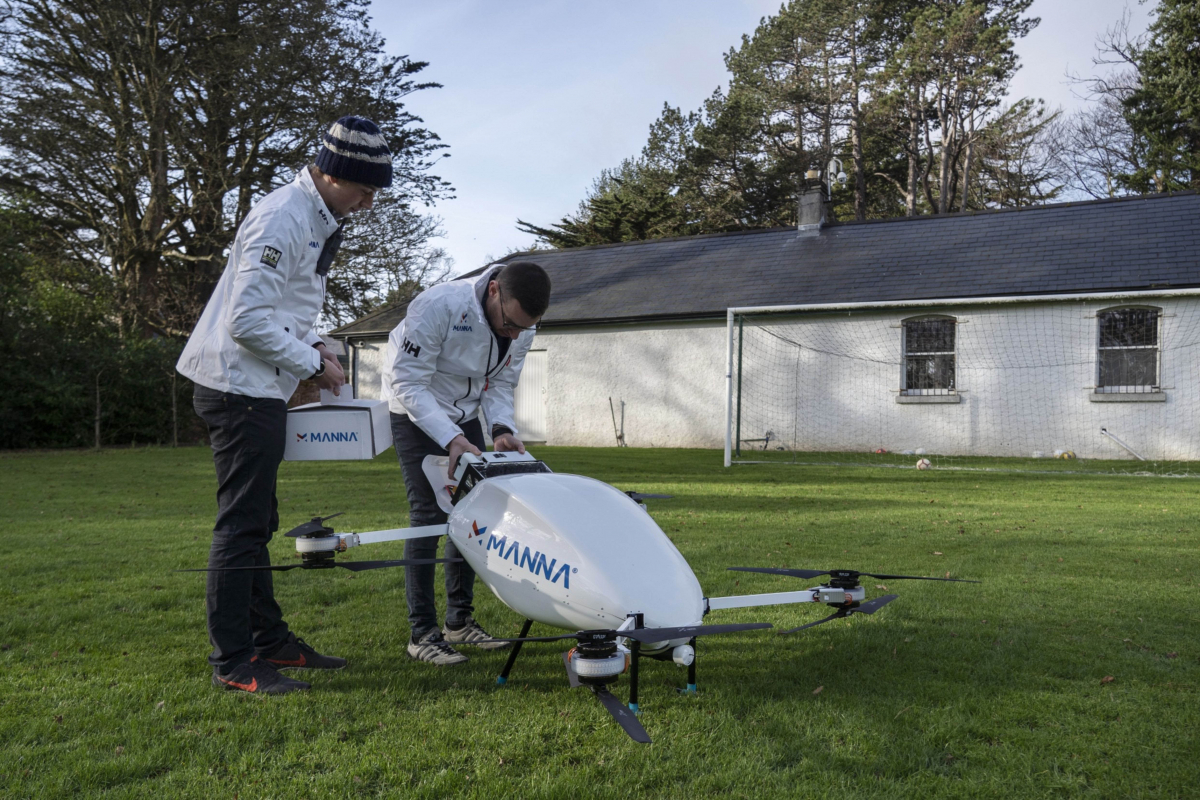
The Manna Aero MNA-1090 drone delivers a parcel of food during a flight demonstration in Dublin on Jan. 30, 2020. MUST CREDIT: Bloomberg photo by Paulo Nunes dos Santos.

The Manna Aero MNA-1090 drone delivers a parcel of food during a flight demonstration in Dublin on Jan. 30, 2020. MUST CREDIT: Bloomberg photo by Paulo Nunes dos Santos.
By Syndication Washington Post, Bloomberg · Natalia Drozdiak · WORLD, TECHNOLOGY, EUROPE 

In the suburbs of Dublin on a windy, overcast day in January, several alumni of Airbus and the U.K.’s Royal Air Force watched as a flying object, shaped a bit like a crouching frog, hovered about 10 meters (33 feet) up in the air.

The craft, called MNA-1090, opened its cargo bay door, and lowered a package — about the size of a shoebox — to the ground on a string. The robotics engineers who’d helped design the vehicle opened the carton, looked inside, and smiled: the dozen-or-so pots of Ben & Jerry’s ice cream were still perfectly frozen.

Manna Aero employees load a parcel of food into the MNA-1090 delivery drone during a flight demonstration in Dublin on Jan. 30, 2020. MUST CREDIT: Bloomberg photo by Paulo Nunes dos Santos.

Manna Aero employees load a parcel of food into the MNA-1090 delivery drone during a flight demonstration in Dublin on Jan. 30, 2020. MUST CREDIT: Bloomberg photo by Paulo Nunes dos Santos.

In late March, customers on the outskirts of Dublin, far from the dense metropolises that make services like Uber Eats and Deliveroo viable in terms of revenue, will get to try ordering food and drink the same way.

Manna.aero built the MNA-1090 drone to be an airborne replacement for the human-and-bicycle formula used the world over by food-delivery apps, and is preparing to run a couple of hundred test flights per day over several weeks to lay the groundwork for a permanent service for small Irish towns. Ben & Jerry’s, U.K. food delivery firm Just Eat, and local Irish restaurant chain Camile Thai are signed up to participate in the pilot that will take place at the University College Dublin campus.

Bobby Healy, chief executive officer of Manna Aero, poses for a photograph next to the MNA-1090 delivery drone at his home in Dublin on Jan. 30, 2020. MUST CREDIT: Bloomberg photo by Paulo Nunes dos Santos.

Bobby Healy, chief executive officer of Manna Aero, poses for a photograph next to the MNA-1090 delivery drone at his home in Dublin on Jan. 30, 2020. MUST CREDIT: Bloomberg photo by Paulo Nunes dos Santos.

“In five years, it’s going to be the most normal thing you can imagine,” Manna Chief Executive Officer Bobby Healy says.

If you live in a city, having a hot meal delivered to your doorstep in under an hour has never been easier or cheaper. For about the price of a small coffee, a human being will cycle to a restaurant, collect your freshly baked pizza and bring it to your apartment. Innovations in smartphones, mapping and gig-economy logistics have catalyzed growth of the sector, which research firm Frost & Sullivan estimates will be worth $200 billion by 2025.

But the margins are tiny for the companies handling the delivery, and the competition fierce. In October, Grubhub Inc. executives told shareholders they didn’t believe it was even possible to generate significant profit from food delivery. The cost of paying people to drive food around was just too much, they said.

Companies are looking for an alternative, and a roster of investors believe Healy might have a model that could work: a drones-as-a-service for restaurants and delivery apps.

Here’s how Healy said it will work: Manna will partner with restaurants or food courts that have a high-throughput of orders and a small outdoor space to house a drone-loading team. The Manna craft itself is about the size of a computer printer and will carry meals weighing around 2 kilograms (4.4 pounds) more than 2 kilometers (1.2 miles) in under three minutes, even in wind and rain.

Upon arriving at its destination, the drone will hover and wait for the customer to accept delivery using an app, having indicated when ordering exactly where they want their food to land — on the lawn, an outdoor dining table or just in the driveway. The drone will descend and lower the food parcel that, Healy said, will still be “piping hot.”

Manna’s vehicle has been designed to travel for 100 million hours without a problem, Healy said in an interview. But, alongside space for three 10-inch pizzas, it also has a backup battery and two parachutes, just in case.

The 51-year-old Irish entrepreneur is a mobility veteran: In 2003, he sold off travel software firm Eland Technologies to industry titan Sita.Aero. He then helped build CarTrawler into a transportation platform used by more than 100 international airlines. Healy’s got some well-known names putting $5.2 million behind Manna, including billionaire Peter Thiel’s Founders Fund, Dynamo venture capital, and FFVC, among others.

For food platforms, Manna says the service is more than just a gimmick — it will lower delivery costs and allow them to scale to currently under-served suburban areas in a profitable way. Healy said Manna’s drone delivery will cost platforms $3 to $5 per delivery.

Fabricio Bloisi, CEO of online delivery platform iFood in Brazil, said the use of drones is a “great breakthrough” for the industry because of their efficiency and ability to travel relatively large distances. He said his company’s working with Sao Paulo-based Speedbird to reduce delivery time by combining the use of drones with bicycles and motorbikes.

Uber’s testing a drone for food delivery in the San Diego area, and Alphabet Inc.’s Wing is already delivering coffee, food, medicine and household items directly to homes in Finland, Australia and the state of Virginia.

Amazon.com is also developing its Prime Air service, with a view to delivering parcels, not necessarily food, of up to five pounds via drone. The company’s bidding for a stake in the U.K.’s Deliveroo.

Healy isn’t worried. He’s pitching Manna as a business-to-business company, where its drones are used by food delivery companies, not end consumers. To the entrepreneur, Wing isn’t his rival. “We’re arming their competitors.”

Still, not everyone is so rosy about the drone delivery trend. In a sign of how divided views are on the technology, Dutch food delivery firm Takeaway.com — which recently bought Just Eat, one of Manna’s partners for the March pilot — said it thinks drone delivery for food is a “fantasy.”

“We just don’t see any way how it can work currently from a technical perspective,” said Joris Wilton, a spokesman for Takeaway. “We will not be investing in developing it in-house.”

Miki Kuusi, co-founder and CEO of Helsinki-based food delivery company Wolt, said his company has tested drone deliveries, but, “it’s been more PR than actually about a business case.”

That partly has to do with complexities around picking up the food orders, he said. Drone services have to be deeply integrated with the restaurants to ensure that drones are loaded in the right way, something “most restaurants in a hectic environment are not equipped to do.”

Then there’s the tricky issue of regulation. Airspace authorities have tightened restrictions on drone usage as their popularity with consumers and troublemakers has grown. People also express discomfort at the idea of machinery whizzing above their homes — both for privacy and safety reasons. Add to that the complexity of hauling hot food in the sky over several kilometres and it’s an uphill battle for any startup to launch a service.

Healy recognizes that changing the industry won’t come overnight, given the need to safely test the technology, get approvals from regulators at each new stage as well as from the local communities.

Still, he expects to have completed between 20,0000 and 50,000 successful deliveries by year-end.

“With this industry it’s ‘crawl, walk, run,'” Healy said, “and we want to crawl for a little while, we want everyone to feel good about it.”

“พนันออนไลน์” ภัยใกล้ตัวเด็กยุคโซเชียล #ศาสตร์เกษตรดินปุ๋ย

#ศาสตร์เกษตรดินปุ๋ย : ขอบคุณแหล่งข้อมูล : หนังสือพิมพ์คมชัดลึก

https://www.komchadluek.net/news/lifestyle/419411?utm_source=category&utm_medium=internal_referral&utm_campaign=lifestyle

“พนันออนไลน์” ภัยใกล้ตัวเด็กยุคโซเชียล

2 มีนาคม 2563 – 00:00 น.
การพนันออนไลน์
เปิดอ่าน 358 ครั้ง

“พนันออนไลน์” ภัยใกล้ตัวเด็กยุคโซเชียล คอลัมน์… อินโนสเปซ    โดย.. บัซซี่บล็อก

“การพนันออนไลน์” เป็นธุรกิจที่โตสวนกระแสเศรษฐกิจโลกอย่างแท้จริง จากรายงานฉบับล่าสุดของบริษัทวิจัย แกรนด์วิว (Grand View Research) คาดการณ์มูลค่าตลาดไว้ว่าจะสูงถึงกว่า 1 แสนล้านดอลลาร์สหรัฐ ภายในปี 2568 มีอัตราเติบโตเฉลี่ยต่อปี 11.5% หนึ่งในลูกค้ารุ่นใหม่กลุ่มสำคัญก็คือ นักพนันหน้าใหม่วัยใส และจำนวนผู้ใช้งานสมาร์ทโฟนที่เฟื่องฟูต่อเนื่องในเอเชียแปซิฟิก ส่งผลให้การเล่นพนันทางออนไลน์ กลายเป็นภัยใกล้ตัวเด็กยุคโซเชียล อย่างที่หลายฝ่ายไม่เคยคาดคิดมาก่อน

ขณะเดียวกัน เว็บไซต์พนันก็ผุดเพิ่มขึ้นทุกวัน เฉพาะข้อมูลอย่างเป็นทางการของ American Gaming Association (AGA) ซึ่งเป็นตัวแทนผู้ให้บริการกาสิโนเชิงพาณิชย์ในอเมริกา พบว่าเมื่อปี 2561 มีจำนวนเว็บไซต์พนันออนไลน์ที่กิจการคึกคักอยู่ราว 2,800 เว็บไซต์ ถือว่าได้เป็นตัวเลขที่น่าวิตก เพราะเว็บพนันเหล่านี้ก็เปรียบเสมือนบ่อนการพนันไร้พรมแดนนั่นเอง โดยเฉพาะอย่างยิ่งเมื่ออีเวนท์ใหญ่อย่างการแข่งขันฟุตบอลชิงแชมป์แห่งชาติยุโรป 2020 (ยูโร 2020) และการแข่งขันกีฬาโอลิมปิกฤดูร้อน 2020 กำลังขยับใกล้เข้ามา (กรณีที่ไม่สะดุดพิษไวรัสโคโรนา) ซึ่งคาดว่าจะมีเงินสะพัดในวงการพนันทายผลการแข่งขันจำนวนมหาศาล

ล่าสุด มีความเคลื่อนไหวจากเครือข่ายองค์กรเด็กและเยาวชนทั่วประเทศ 6 องค์กรที่ขับเคลื่อนเรื่องการพนันออนไลน์ ได้เข้าพบกับผู้บริหารกระทรวงดิจิทัลเพื่อเศรษฐกิจและสังคม เพื่อนำเสนอปัญหา และหารือแนวทางที่จะนำไปสู่การสร้างความร่วมมือของทุกภาคส่วนช่วยกันลดปัญหา และร่วมปกป้องเด็กและเยาวชนให้ปลอดภัยจากการพนัน โดยเฉพาะการพนันออนไลน์ ซึ่งเป็นภัยร้ายใกล้ตัวที่มีผลกระทบในหลายมิติ

โดยทั้ง 6 องค์กร ประกอบด้วย สภาเด็กและเยาวชนแห่งประเทศไทย สถาบันยุวทัศน์แห่งประเทศไทย สมาคมผู้บำเพ็ญประโยชน์แห่งประเทศไทย ในพระบรมราชินูปถัมภ์ สมาคมไอเซคพัฒนาผู้นำนักศึกษาระหว่างประเทศ (AIESEC) เครือข่ายเด็กรุ่นใหม่ไม่พนัน และเครือข่ายเพื่อนเยาวชนเพื่อการพัฒนา

ทั้งนี้ จากผลสำรวจความคิดเห็นและพฤติกรรมของเยาวชนทั่วประเทศ 4,677 คน เกี่ยวกับสถานการณ์ปัญหาการพนันผ่านช่องทางออนไลน์ เมื่อปี 2562 พบว่าร้อยละ 42.38 ของเด็กและเยาวชนเข้าสู่วงจรการพนัน โดยมีปัจจัยชักจูงให้เข้าสู่การเล่นการพนันออนไลน์ คือ สื่อโซเชียลมีเดีย โดยเฟซบุ๊ก และเว็บไซต์ดูหนังฟังเพลง เป็นสื่อที่มีอิทธิพลสูงสุด ส่วนการพนันออนไลน์ยอดนิยม 3 อันดับแรก ได้แก่ ไพ่ประเภทต่างๆ เกม/สลอตแมชชีน และเล่นพนันฟุตบอล/พนันกีฬา ตามลำดับ

สอดคล้องกับผลสำรวจสถานการณ์การเล่นพนันในสังคมไทย ปี 2562 ของศูนย์ศึกษาปัญหาการพนัน คณะเศรษฐศาสตร์ จุฬาลงกรณ์มหาวิทยาลัย ระบุว่า คนไทยอายุ 15 ปีขึ้นไป จำนวน 3.19 ล้านคน เล่นการพนันผ่านช่องทางออนไลน์ มีเงินหมุนเวียนสะพัดถึง 20,152 ล้านบาท โดยช่องทางหลักที่ใช้เล่นพนันออนไลน์ คือ โทรศัพท์มือถือ (ร้อยละ 97.1)

นายเนวินธุ์ ช่อชัยทิพฐ์ ผู้ช่วยรัฐมนตรีประจำกระทรวงดิจิทัลเพื่อเศรษฐกิจและสังคม กล่าวว่า ทางเครือข่ายองค์กรด้านเด็กและเยาวชนทั้ง 6 องค์กร ได้มีข้อเสนอต่อกระทรวงดิจิทัลฯ 4 ข้อ เพื่อสนับสนุนการขับเคลื่อนให้ทุกภาคส่วนเข้ามาทำงานร่วมกัน ในการป้องกันและปราบปรามปัญหาพนันออนไลน์ ประกอบด้วย 1.ขอให้กระทรวงประกาศนโยบายป้องกันและแก้ไขปัญหาการพนันออนไลน์ในเด็กและเยาวชนเป็นวาระเร่งด่วน เพื่อหยุดยั้งปัญหาและลดผลกระทบอย่างทันทีทันใดและยั่งยืน 2.ขอให้กระทรวงและกองบังคับการปราบปรามการกระทำความผิดเกี่ยวกับอาชญากรรมทางเทคโนโลยี (บก.ปอท.) ประสานความร่วมมือกับสำนักงานตำรวจแห่งชาติ กรมสอบสวนคดีพิเศษ (ดีเอสไอ) กระทรวงการพัฒนาสังคมและความมั่นคงของมนุษย์ และกระทรวงสาธารณสุข พัฒนากลไกและมาตรการในการแก้ปัญหาการพนันออนไลน์อย่างจริงจังและเป็นรูปธรรม

3.ขอให้มีการแก้ไขปรับปรุงกฎหมายใน พ.ร.บ.ว่าด้วยการกระทำความผิดเกี่ยวกับคอมพิวเตอร์ โดยระบุลักษณะความผิดอันเกี่ยวกับการพนันออนไลน์ ให้ครอบคลุมชัดเจน และกำหนดเพิ่มบทลงโทษสำหรับการกระทำความผิดดังกล่าว และ 4.ขอให้พัฒนาช่องทางร้องเรียน และประชาสัมพันธ์ให้ประชาชนได้มีส่วนร่วมแจ้งเบาะแส และข้อมูลข่าวสาร หากพบการกระทำความผิดเกี่ยวกับการพนันออนไลน์

โดยส่วนหนึ่งของข้อมูลที่ได้รับฟังจากเครือข่ายองค์กรด้านเด็กและเยาวชน ทำให้ทราบด้วยว่า สาเหตุที่การพนันออนไลน์ได้รับความนิยม เนื่องจากกลุ่มธุรกิจพนันมีการพัฒนาก้าวล้ำไปกับยุคดิจิทัล นิยมใช้สื่อโซเชียลมีเดียเป็นช่องทางโฆษณาเชิญชวนเด็กและเยาวชน ผ่านเฟซบุ๊ก ไลน์ ยูทูบ ทวิตเตอร์ เว็บไซต์ ในรูปแบบต่างๆ โดยใช้บุคคลผู้มีชื่อเสียงและเน็ตไอดอล ซึ่งมีอิทธิพลต่อการตัดสินใจของเยาวชน รวมถึงว่าจ้างให้เยาวชนรีวิวเว็บไซต์พนัน เพื่อแนะนำบอกต่อเชิญชวนกันเองด้วย

นายภุชพงค์ โนดไธสง รองปลัดกระทรวงดิจิทัลฯ บอกว่า กระทรวงมองการทำงานในเรื่องนี้ไว้ 3 ขั้นตอน คือ ป้องกัน ปราบปราม และแก้ไข โดยในส่วนของการป้องกัน การทำงานร่วมกันหรือเครือข่าย จะเป็นปัจจัยสำคัญที่สุดในการสร้างความรับรู้และการตระหนักรู้ เกี่ยวกับผลกระทบและปัญหาการพนันออนไลน์ โดยมุ่งเน้นการสร้างองค์ความรู้ให้เยาวชนในเรื่องการใช้ประโยชน์จากอินเทอร์เน็ตอย่างเหมาะสม (Digital Literacy)

สำหรับการปราบปราม กระทรวงดิจิทัลฯ ไม่ได้มีหน้าที่ปราบปรามโดยตรง แต่ก็มีกฎหมายซึ่งสามารถใช้เป็นเครื่องมือเพื่อเก็บข้อมูลเป็นหลักฐานทางกฎหมาย หรือ Digital Forensic ให้กับหน่วยงานที่เกี่ยวข้อง ได้แก่ บก.ปอท. ดีเอสไอ เพื่อไปดำเนินการต่อไป

ส่วนเรื่องการแก้ไข ต้องมีการบูรณาการเพื่อร่วมกันออกมาตรการในการแก้ไขปัญหา ปัจจุบันการพนันออนไลน์ถือเป็นความผิดตาม พ.ร.บ.การพนัน พ.ศ. 2478 มาตรา 4 ทวิ และผู้ที่ทำการโฆษณาหรือชักชวนผู้อื่นเล่นพนัน มีความผิดตาม พ.ร.บ.การพนัน ตามมาตรา 12 (2) และมีความผิดตาม พ.ร.บ.ว่าด้วยการกระทำความผิดเกี่ยวกับคอมพิวเตอร์ พ.ศ. 2550 (แก้ไข พ.ศ. 2560) มาตรา 14 (4) และมาตรา 20 (3) อย่างไรก็ตาม เนื่องจากปัจจุบัน พ.ร.บ.คอมพิวเตอร์ฯ ในมาตรา 20 ไม่ได้ให้อำนาจกระทรวงในเรื่องนี้ แต่ระบุให้ต้องมีหน่วยงานอื่นต้องมาแจ้งความก่อน และบทลงโทษต้องใช้กฎหมายอื่นมาประกอบ

เหตุการณ์โคราช สนั่นโซเชียล จุดพลิก(ให้)สื่อคิดใหม่-ทำใหม่ #ศาสตร์เกษตรดินปุ๋ย

#ศาสตร์เกษตรดินปุ๋ย : ขอบคุณแหล่งข้อมูล : หนังสือพิมพ์คมชัดลึก

https://www.komchadluek.net/news/lifestyle/417912?utm_source=category&utm_medium=internal_referral&utm_campaign=lifestyle

เหตุการณ์โคราช สนั่นโซเชียล จุดพลิก(ให้)สื่อคิดใหม่-ทำใหม่

24 กุมภาพันธ์ 2563 – 00:00 น.
เทอร์มินอล 21 โคราช,สื่อทีวี,สื่อออนไลน์
เปิดอ่าน 378 ครั้ง

เหตุการณ์โคราช สนั่นโซเชียล จุดพลิก(ให้)สื่อคิดใหม่-ทำใหม่ คอลัมน์… อินโนสเปซ โดย… บัซซี่บล็อก

แม้ผ่านมาแล้วร่วม 2 สัปดาห์ของเหตุการณ์ “กราดยิงโคราช” แต่ร่องรอยความสูญเสียและความเสียใจยังไม่จางหายไปอย่างสิ้นเชิง ซึ่งรวมถึงกระแสเรียกร้องของสังคมส่วนใหญ่ที่สะท้อนผ่านช่องทางโซเชียลทุกแพลตฟอร์ม ขอให้สื่อทบทวนตัวเองเกี่ยวกับบทบาทการทำงานว่า ถึงเวลาแล้วหรือยังสำหรับการคิดใหม่-ทำใหม่

ต้องยอมรับว่าเงื่อนไขข้อหนึ่งที่ทำให้เหตุการณ์ครั้งนี้ไม่ “ถูกลืม” ไปในระยะเวลาสั้นๆ อย่างที่เป็นมากับหลายข่าวดังในอดีต ก็เพราะความแรงของ 2 องค์ประกอบสำคัญในยุคการสื่อสารตรงเป้าหมายในยุคโซเชียลครองโลก คือ เรื่องราว (สตอรี่) และเนื้อหา (คอนเทนต์) ทั้งของตัวเหตุการณ์เอง และวิธีการนำเสนอของสื่อ จนปลุกกระแสความสนใจให้แผ่เป็นวงกว้างอย่างรวดเร็วเป็นประวัติการณ์

โดยในช่วงคาบเกี่ยวของการเกิดเหตุการณ์#กราดยิงโคราช วันที่ 8-9 กุมภาพันธ์ ที่ผ่านมา ในโลกออนไลน์และโซเชียล มียอดการโพสต์หัวข้อนี้ถึง 1.2 ล้านข้อความ ภายใน 24 ชั่วโมง และมีการแชร์ต่อมากถึง 66 ล้านครั้ง (ข้อมูลจากบริษัท ไวท์ไซท์ (ประเทศไทย) ผู้ให้บริการวิเคราะห์บิ๊กดาต้าชั้นนำของประเทศไทย)

ข้อมูลข้างต้นนี้กระตุ้นให้ภาคส่วนที่เกี่ยวข้องเร่งหาแนวทางทำงานร่วมกันเพื่อหาทางออกและรับมือสถานการณ์ในลักษณะเดียวกันนี้ที่อาจเกิดขึ้นอีกในอนาคต โดยมีจุดมุ่งหมายเพื่อไม่ให้สังคมเกิดความตื่นตระหนกหรือผลกระทบด้านจิตใจจากการเสพสื่อแบบไร้ทิศทางและสับสนเพราะมีช่องทางสื่อให้เลือกมากเกินไป ทั้งสื่อกระแสหลัก สื่อออนไลน์ใต้สังกัดสื่อกระแสหลักและสื่อออนไลน์อิสระ โดยคาดหวังจะที่สร้างให้สื่อทุกรูปแบบเหล่านี้ทำงานอยู่ภายใต้กฎกติกาเดียวกันอย่างยุติธรรมและไม่มีการลิดรอนสิทธิเสรีภาพผู้ใด

จึงเป็นที่มาของการจัดเวทีระดมความคิดเห็นเรื่อง “รู้เท่าทัน-วางกฎเหล็ก Mass Shooting – สังหารหมู่ซ้ำ บนสื่อทีวี-ออนไลน์” ร่วมกันระหว่างกระทรวงดิจิทัลเพื่อเศรษฐกิจและสังคม (ดีอีเอส) สำนักงานคณะกรรมการกิจการกระจายเสียง กิจการโทรทัศน์ และกิจการโทรคมนาคมแห่งชาติ (กสทช.) และสถาบันอิศรา มูลนิธิพัฒนาสื่อมวลชนแห่งประเทศไทย เมื่อต้นสัปดาห์

ในงานนี้ผู้บริหารของไวท์ไซท์ (ประเทศไทย) จำกัด ได้นำเสนอข้อมูลเพิ่มเติมที่เก็บรวบรวมด้วยวิธีการ social listening พบว่าเนื้อหาที่ได้รับความสนใจมากที่สุด 5 อันดับ ได้แก่ ประมวลภาพการทำงานของตำรวจ (เพจอีจัน), เรียกร้องให้ไม่นำเสนอชื่อคนร้าย (เพจณอน บูรณะหิรัญ), ประมวลภาพความเสียใจของญาติผู้เสียชีวิต (เพจอีจัน), รายงานด่วนวิสามัญคนร้าย (เพจอีจัน) และภาพวิดีโอนาทีวิสามัญคนร้าย (เพจเฟซบุ๊กข่าวช่อง 7) ตามลำดับ ซึ่งจากการจัดอันดับครั้งนี้เห็นได้ว่ามีสื่อกระแสหลักเพียงหนึ่งเดียวที่ติดอันดับ

ส่วนกระแสสังคมที่มีต่อสื่อกระแสหลัก แฮชแท็ก#กราดยิงโคราช พบมากสุด แฮชแท็กที่เกี่ยวข้องกับสื่อได้แก่ คำว่า#สื่อไร้จรรยาบรรณ ขณะที่สื่อกระแสหลักที่ได้รับการปฏิสัมพันธ์บนเฟซบุ๊กมากสุดได้แก่ ไทยรัฐ ข่าวสด ช่อง 8 ช่องวัน ช่อง 7 และช่องอัมรินทร์ 34

และเมื่อเจาะลึกโครงสร้างกลุ่มข้อความแสดงความเห็น (คอมเมนต์) จำนวน 60,000 ข้อความที่มีต่ออินฟลูเอนเซอร์ หรือผู้ทรงอิทธิพลบนสื่อโซเชียล พบว่า ประชาชนติดตามเรื่องบนสื่อสังคมออนไลน์กันจำนวนมาก โดยไม่ได้แยกสื่อไหนเป็นสื่อกระแสหลัก สื่อออนไลน์ หรือเป็นการแสดงความคิดเห็นของตัวอินฟลูเอนเซอร์เอง

นายระวี ตะวันธรงค์ นายกสมาคมผู้ผลิตข่าวออนไลน์ กล่าวในเวทีระดมความคิดเห็น ว่าภูมิทัศน์สื่อออนไลน์กลายเป็นหลักในปัจจุบัน เพราะอินเทอร์เน็ตเข้าถึงคนทั้งประเทศแล้ว ดังนั้นมีโจทย์ว่าภาคส่วนที่เกี่ยวข้องจะดูแลการบริหารจัดการสื่ออย่างไร โดยส่วนตัวเห็นด้วยว่าควรมีการแบ่งกลุ่มเป็นสื่อกระแสหลัก และสื่อออนไลน์ เพราะปัจจุบันจำนวนผู้ใช้งานอินเทอร์เน็ตมีสัดส่วนถึง 60% ที่เสพสื่อกระแสหลักผ่านออนไลน์ เนื่องจากสื่อกระแสหลักยุคนี้ก็ทำสื่อออนไลน์ควบคู่ไปด้วย

ในส่วนของสื่อออนไลน์ ที่ผ่านมาสมาคมพยายามสนับสนุนให้มีจรรยาบรรณในการเสนอข่าวเช่นเดียวกับที่สื่อหลักได้ทำหน้าที่เพื่อให้ทำเนื้อหาที่เน้นความถูกต้องมากกว่าถูกใจ เพราะยุคนี้ทุกคนสามารถเป็นสื่อออนไลน์ได้แต่ก็ไม่มีกระบวนการกลั่นกรองที่เหมาะสม

อย่างไรก็ตาม มองว่าหลังจากพ.ร.บ.คุ้มครองข้อมูลส่วนบุคคล พ.ศ.2562 มีผลบังคับใช้ในเดือนพฤษภาคมปีนี้ จะทำให้เกิดความเปลี่ยนแปลงและการคัดกรอง (Screen) ข้อมูลนำเสนอบนสื่อออนไลน์ได้อย่างหมาะสม โดยจะครอบคลุมถึงการคุ้มครองการนำวิดีโอจากช่องทางออนไลน์ต่างๆ ไปเสนอเป็นสื่อออนไลน์ แล้วทำให้ผู้ที่อยู่ในวิดีโอเสื่อมเสีย ผู้ที่เสียหายก็สามารถฟ้องร้องต่อสื่อออนไลน์ที่ทำหน้าที่ได้ โดยจะมีการลงโทษกันในต่างกรณี เช่น เอาไปโพสต์ทั้งเฟซบุ๊กและทวิตเตอร์ ผู้เสียหายก็จะสามารถฟ้องร้องได้ทั้ง 2 ช่องทางนั้น ช่องทางละ 5 แสนบาท เป็นต้น ดังนั้นน่าจะช่วยเพิ่มระดับให้สื่อออนไลน์มีความรับผิดชอบมากขึ้น

ขณะที่ นายไตรลุจน์ นวะมะรัตน นายกสมาคมมีเดียเอเยนซีและธุรกิจสื่อแห่งประเทศไทย (MAAT) บอกว่า ประเด็นสำคัญที่พูดกันบนเวทีนี้ คือ เนื้อหา (คอนเทนต์) เป็นการทำสงครามของสื่อเพื่อแย่งผู้ชม และเนื้อหาก็คืออาวุธของสงครามครั้งนี้เพื่อให้ได้คนดูแยะกว่า (Popularity) โดยคาดหวังการดึงดูดเงินโฆษณาเข้าช่อง ซึ่งสมัยก่อนจะไปตกอยู่กับ 2 ช่องที่มีรายการได้รับความนิยมจากผู้ชมจำนวนมาก บางครั้งได้เรตติ้งสูงถึง 20 อย่างไรก็ตามสื่อทีวีไทยปัจจุบันมีถึง 17 ช่อง เรตติ้งจึงกระจายกันไป แม้จะได้รับความนิยมก็ยังได้แค่เลขหลักเดียว ทำให้เกิดการกระจายโฆษณาไปหลายช่อง เพื่อกระจายจับกลุ่มเป้าหมาย แต่ขณะเดียวกันต้องเป็นรายการที่ไม่ทำให้เกิดเสียงวิพากษ์วิจารณ์ในทางลบด้วย

“ดังนั้นยุคนี้เรตติ้งไม่ใช่เหตุผลเพราะตัวคอนเทนต์จะถูกนำมาพิจารณาด้วยเพื่อไม่ให้เสียภาพลักษณ์แบรนด์

ควรเรียนรู้จากบทเรียนเหตุการณ์นี้ว่าแค่ไหนที่ทำได้ เพื่อแสดงความรับผิดชอบต่อสังคม ควรมีการขีดเส้นว่าอะไรไม่ควรทำ เพราะสังคมจะเป็นเสียงสะท้อนผ่านแฮชแท็ก หรือคอมเมนต์ที่ออกมาผ่านโซเชียล ซึ่งปัจจุบันเริ่มเห็นชัดเจนขึ้น”

นายพุทธิพงษ์ ปุณณกันต์ รัฐมนตรีว่าการกระทรวงดิจิทัลเพื่อเศรษฐกิจและสังคม (ดีอีเอส) กล่าวว่า การจัดเวทีระดมความคิดเห็นครั้งนี้เพื่อหาทางออกที่เหมาะสมร่วมกันในการดูแลและจัดระเบียบสื่อสังคมออนไลน์ในประเทศไทยและนำไปสู่การสร้างแนวปฏิบัติในอนาคตในการรับมือและวางกฎระเบียบของแต่ละภาคส่วนที่เกี่ยวข้อง เพราะปัจจุบันพระราชบัญญัติหลายฉบับยังไม่ครอบคลุมแพลตฟอร์มหรือเทคโนโลยีใหม่ๆ

ทั้งนี้เขายังนำเสนอระหว่างการระดมความคิดเห็นว่า ในกรณีสถานการณ์วิกฤติอย่างเหตุการณ์ที่ผ่านมา ควรมีการแต่งตั้งให้มีผู้บัญชากการและผู้บัญชาการด้านการสื่อสาร เพราะต้องยอมรับว่าประชาชนสนใจอยากรู้ อยากติดตามข่าวสาร แต่เลือกไม่ถูกเพราะมีสื่อหลากหลาย นอกจากนี้รัฐควรประกาศช่องทางชัดเจน เช่น ให้สื่อกระแสหลักที่เป็นช่องของรัฐ เป็นช่องหลักในการกระจายข่าวสารข้อมูลที่ได้รับการยืนยันแล้ว โดยช่องอื่นๆ มาเอาข้อมูลจากที่นี่เพื่อไม่ให้เกิดความสับสน และทุกคนต้องตระหนักว่า การที่เอาข้อมูลจากคนอื่นมาเผยแพร่ต่อต้องมีความรับผิดชอบ ซึ่งแนวทางนี้สามารถใช้ได้กับทุกเหตุการณ์วิกฤติในอนาคต