Apple goes for the 11

ศาสตร์เกษตรดินปุ๋ย : ขอบคุณแหล่งข้อมูล : หนังสือพิมพ์ The Nation

https://www.nationthailand.com/edandtech/30376054

Apple goes for the 11

Sep 11. 2019
By The Nation

285 Viewed

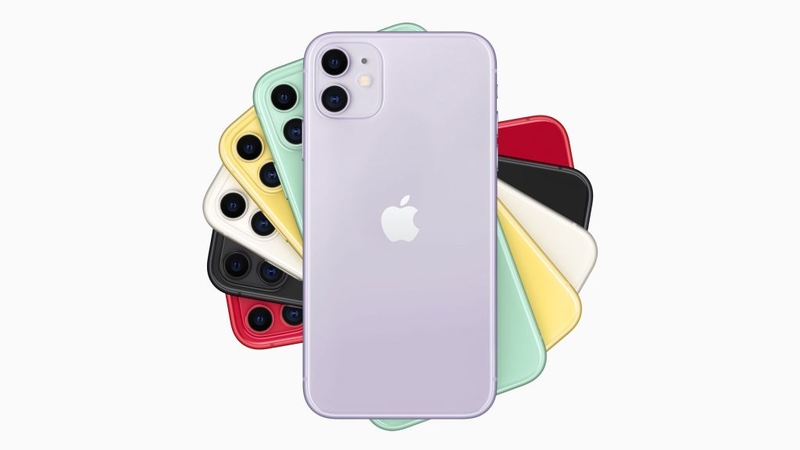
Apple has confirmed the release of the iPhone 11,  sequel to the iPhone XR,  this week alongside the iPhone 11 Pro and iPhone 11 Pro Max.

The new iPhone 11 is available in Purple, White, Yellow, Green, Black and Product Red. The rear of the phone is glass, and there’s a Lightning connector on the bottom edge. However, there’s no 3.5mm headphone jack on this device as Apple has dropped the port.

It comes with a 6.1-inch Liquid Retina display, which is the same size as the screen on 2018’s iPhone XR. The notch remains at the top of the screen, and overall the device looks remarkably like last year’s phone.

The dimensions of the phone are 150.9mm x 75.7mm x 8.3mm, and it weighs in at 194 grams. It’s water resistant, coming with an IP68 rating, and  can survive in up to two metres of water.

For the first time on the cheaper iPhone, the 12MP wide camera with a 26mm lens is paired with a 12MP ultra-wide camera with 120 degree field of view. Night Mode returns for low light conditions, and it comes turned on automatically on the iPhone 11.

The selfie camera is a 12MP TrueDepth camera, and allows users to rotate the phone to take wider images. It’s also the first time Apple has included 4K video recording on the selfie camera.

The chipset inside the iPhone 11 is called the A13 Bionic and Apple claims it has the fastest CPU and GPU in a smartphone with this device.

The battery inside the iPhone 11 is said to last an hour longer than the iPhone XR.

The device comes with iOS 13 software featuring a system-wide Dark Mode for the first time.

The phone will be available in 64GB, 128GB or 256GB options. Pre-orders open this weekend and the phone goes on sale in Thailand as elsewhere on September 20. Prices starts from $699.

Gadget review: There’s an app for that … and that

ศาสตร์เกษตรดินปุ๋ย : ขอบคุณแหล่งข้อมูล : หนังสือพิมพ์ The Nation

https://www.nationthailand.com/edandtech/30376053

Gadget review: There’s an app for that … and that

Sep 11. 2019
By Paisal Chuenprasaeng
The Nation

208 Viewed

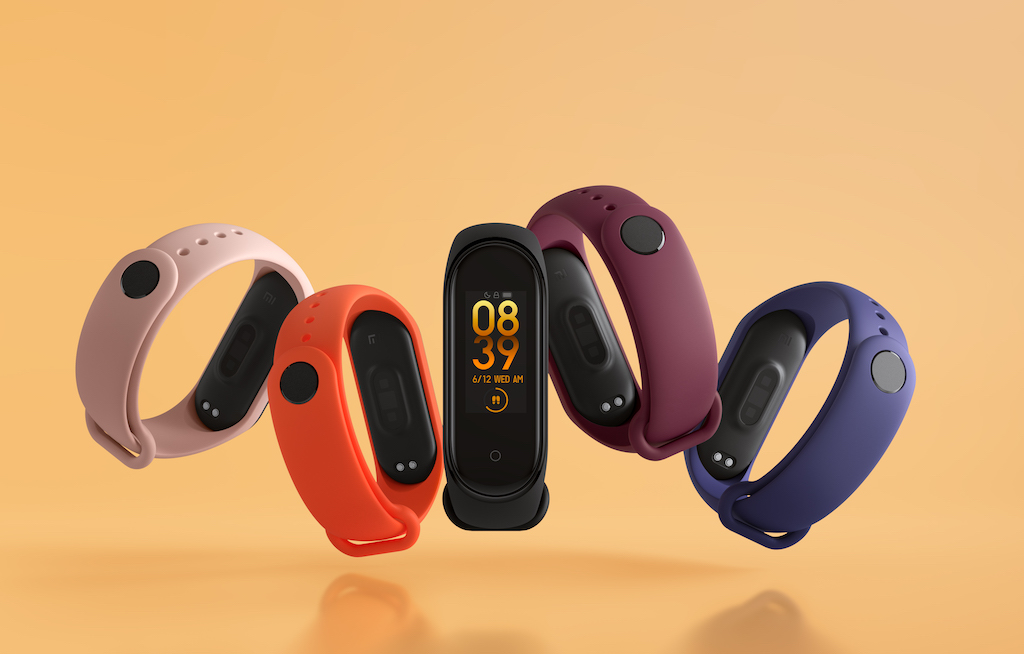
If you’re looking for a fitness tracker that monitors your daily steps, your heart rate and sleep quality and also provides useful exercise modes but can’t afford to pay much more than Bt1,000, the Xiaomi Mi Smart Band could well meet your needs.

The tracker weighs just 22.1 grammes and comes with an adjustable wrist strap, which is about 18mm wide and 155-216mm long. My only gripe is that the tracker is a little too thick, which made it look like it was physically protruding from my wrist. That said, it’s certainly the best value tracker around and lab tests of its battery have shown it will last up to 20 days on one charge.

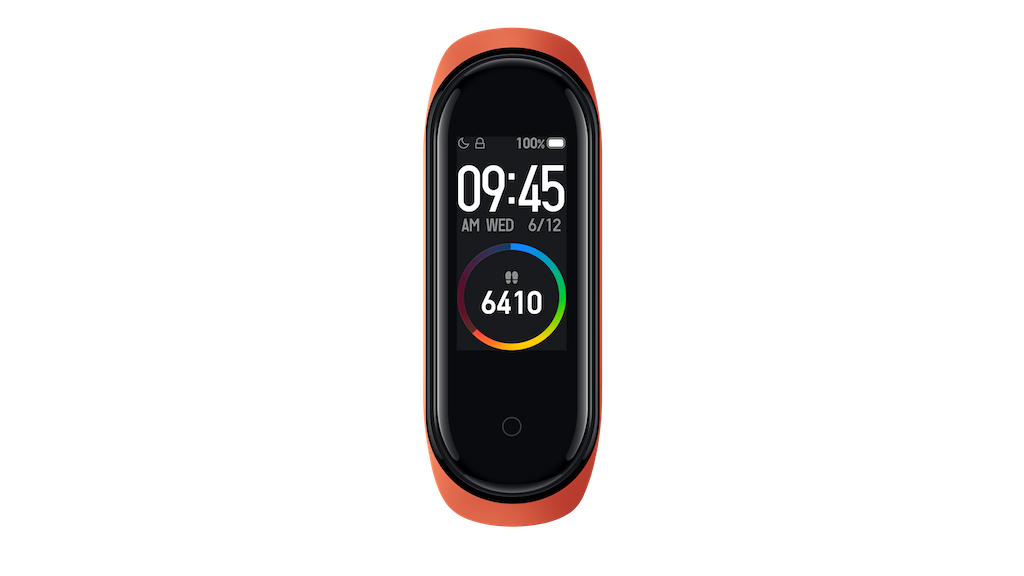
The Mi Smart Band 4 comes with a 0.95-inch AMOLED display with 120×240 pixel resolution, which is bright and easy to read even when the sun is shining. It comes with five levels of brightness and the all-new full0colour display is 39.9 per cent larger and brighter than previous models.

Mi Smart Band 4 is easy to set up. You must first download and install the Mi Fit app and then sign up for an account with Xiaomi for storing your tracked fitness data. You need to specify your gender, birthday, height and weight, statistics that will be used by the tracker to calculate the calories you have burned during your daily activities and exercises. Next, use the app to add the Mi Smart 4 band and the tracker will be Bluetooth linked to your smartphone.

During my test, I had no problem pairing the tracker with my smartphone and once this was completed, the app also upgraded firmware to the tracker. Once the upgrade was done, the tracker was ready to track my activities though I immediately noticed that several of the tracking and alert options remained turned off as part of the factory setting. If that happens to you, just go back to the Mi Fit app to turn them on.

For example, I used the app to have the tracker alert me of incoming calls to my smartphone that is connected to the tracker.

You can also use the app to have the Mi Smart Band 4 alert you to get up and move every hour from 8 am to 9 pm or between any hours of your choice so that you don’t sit screw up your spine by sitting for too long.

You can also use the app to set schedules and alarms for the Mi Smart Band 4 to alert you. The app can also be used to have other apps send their alerts to the tracker as well as turn on the SMS alert and have all the texts received on your phone sent to the tracker for viewing.

I also found that I needed to use the Mi Fit app to turn on the 24-hour heart rate detection feature as well as to set the tracker to automatically detect my exercise and monitor my heart rate. Another useful function is that the tracker can alert you when your heart rate reaches a dangerous level, such as 150 beats per second, reminding you to slow down and avoid a heart attack.

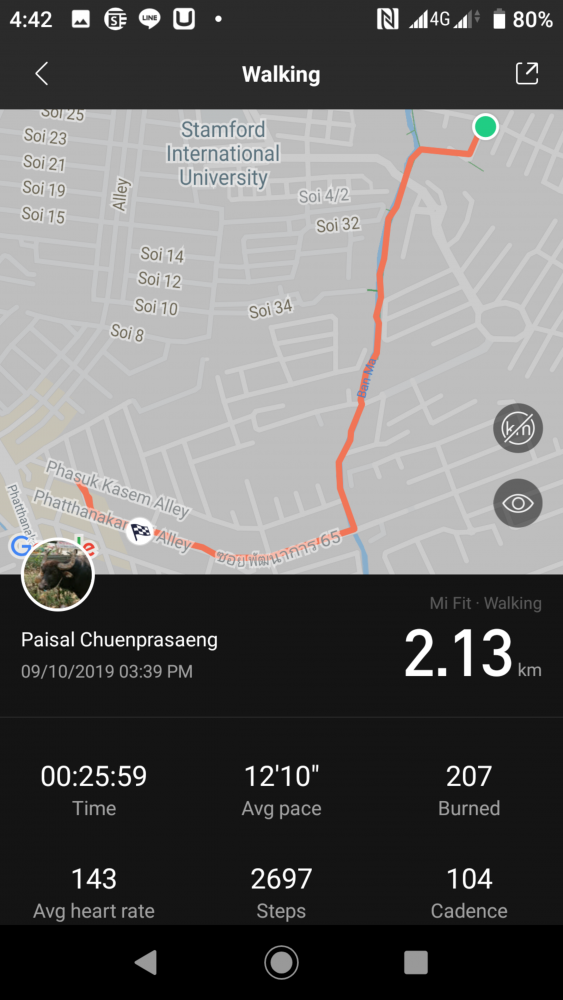
The Mi Smart Band 4 has six workout modes: Treadmill, exercise, outdoor running, cycling, walking, and swimming. You can select the workout modes from the tracker by swiping and tapping the display. I tried it with a short walk in my neighbourhood and the tracker linked to my smartphone to accurately use its GPS to locate and record the walk distance.

During the test, I found that Mi Smart Band 4 recorded and displayed steps I made per day and the number of hours I slept. The number of steps recorded was almost the same as that recorded by my Fitbit tracker. The Mi Smart Band 4 recorded 11,187 steps while Fitbit reported 11,180 steps.

Xiaomi Mi Smart Band 4 has a suggested retail price of Bt1,290.

Key specs:

Weight: 22.1g

Water Resistance Rating: 5 ATM

Display Type: AMOLED

Screen Size: 0.95 inch

Resolution: 120 x 240 RGB

Screen Brightness: Up to 400 nits (max brightness), brightness adjustable

Button: Single touch button (wake up, go back)

Wrist strap type: Removable wrist strap

Wristband width: 18mm

Memory: 512KB

Storage: 16MB

Sensors: 3-axis accelerometer + 3-axis gyroscope; PPG heart rate sensor; Capacitive proximity sensor

Wireless connectivity: BT5.0 BLE

Battery: LiPo, 135mAh; 2-hour charging; Up to 20-day battery life

Huawei claims world’s first commercialized 5G SoC

ศาสตร์เกษตรดินปุ๋ย : ขอบคุณแหล่งข้อมูล : หนังสือพิมพ์ The Nation

https://www.nationthailand.com/edandtech/30375971

Huawei claims world’s first commercialized 5G SoC

Sep 09. 2019
Huawei CEO Richard Yu introduces the Kirin 990 5G SoC. (Lim Jeong-yeo/The Korea Herald)

Huawei CEO Richard Yu introduces the Kirin 990 5G SoC. (Lim Jeong-yeo/The Korea Herald)
By Korea Herald/ANN

310 Viewed

Huawei gets around US ban with redesigned ‘new’ versions of existing phone decked with Android 10

BERLIN — Huawei CEO Richard Yu announced the world’s first commercialized 5G system-on-chip during his keynote speech at IFA 2019, darting ahead of competitors Samsung and Qualcomm in the race.

The flagship Kirin 990 and its 5G version will power Huawei’s Mate 30 when the new phone is unveiled in Munich, Germany, on Sept. 19.

“We don’t know when Samsung’s chip will be available — our chipset is available now,” said Yu on the opening day of IFA 2019, calling the Kirin 990 “the best 5G solution today” with less board area and improved power consumption efficiency with ultra-speed downloads.

Samsung was considered to be ahead in the game when it announced the Exynos 980 chipset with built-in 5G earlier in September. The Korean tech giant had promised the chip’s commercialization within the year, but Huawei’s imminent launch of the Kirin 990 next week appears to have overshadowed excitement for the Exynos 980 for now.

As for US chip producer Qualcomm, its Chairman Cristian Amon introduced in a subsequent keynote address following Huawei’s that the upcoming Snapdragon 7 series platform with integrated 5G is expected to be commercially ready by the fourth quarter of 2019.

Leading smartphone makers like Oppo, realme, Redmi, Vivo, Motorola, HMD and LG Electronics are all set to incorporate Qualcomm’s upcoming 5G chipset.


Qualcomm Chairman Cristian Amon introduces Snapdragon 7 series platform with integrated 5G (Lim Jeong-yeo/The Korea Herald)

Qualcomm Chairman Cristian Amon introduces Snapdragon 7 series platform with integrated 5G (Lim Jeong-yeo/The Korea Herald)

Meanwhile, Huawei’s next new smartphone Mate 30 with the 5G SoC has drawn attention, as it will not come with Google apps and services due to the US White House’s ban on US companies’ businesses with Huawei.

How Huawei will cope in the smartphone business without the Android interface has sparked questions among consumers.

Making the most out of the grace period before the full-on ban, Huawei used the IFA 2019 as an opportunity to announce newly designed versions of its existing smartphone Huawei P30 Pro, with the preinstalled Android 10 interface.

It also introduced the upgraded wireless earphones Huawei FreeBuds 3 with a noise cancellation feature, and a home internet router that enhances network connectivity in every corner of a big house.

By Lim Jeong-yeo (kaylalim@heraldcorp.com)

Korea Herald correspondent

http://www.koreaherald.com/view.php?ud=20190908000112

Gadget review: Better exercise, better sleep

ศาสตร์เกษตรดินปุ๋ย : ขอบคุณแหล่งข้อมูล : หนังสือพิมพ์ The Nation

https://www.nationthailand.com/edandtech/30375967

Gadget review: Better exercise, better sleep

Sep 09. 2019
By Samsung’s Galaxy Fit lets you keep an ear on the heart and an eye on the time 

139 Viewed

Paisal Chuenprasaeng The Nation

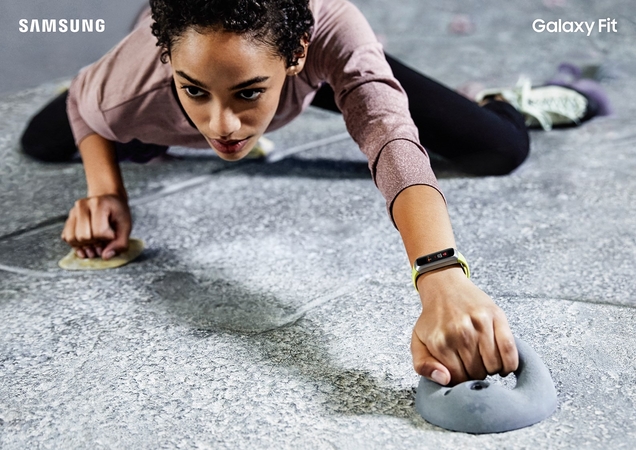
Like its little sibling the Galaxy Fit e reviewed here last week, the Samsung Galaxy Fit is a light fitness tracker with a heart rate sensor and functions that let you monitor your activity all day long but also offers a larger and more colourful display, more memory and an additional sensor for better fitness data accuracy.

Galaxy Fit uses a 0.95-inch AMOLED display with 120×240 pixels in 16 million colours, compared to Fit e’s monochrome 0.74-inch PMOLED display with 128×64 pixels resolution.

Galaxy Fit has 2 megabytes of memory, compared to the Fit e’s128 kilobytes, and also boasts a gyro sensor on top of the accelerometer and HR sensor also used in Fit e.

Despite its larger size and weighing a little more, I found Galaxy Fit is comfortable to wear – even when I went to bed. The size is right for a man’s wrist I think, and the larger display is easier to read. The display has good brightness and it is easy to read outdoors too.

The Galaxy Fit is tough, not least because it complies with military-grade durability standards, and comes with a water resistance of 5 ATM so you can use it outdoors even when it’s pouring with rain.

Two apps are required for use with Galaxy Fit. First, you need to install the Samsung Galaxy Wearable app that will connect the Fit to your smartphone and download all the interface software necessary to communicate with the fitness tracker. Then, you will need to install the Samsung Health app to allow the fitness data from the tracker to be transferred to the cloud storage of your Samsung Health account.

The Galaxy Wearable app will guide you to link Galaxy Fit to your smartphone using a Bluetooth connection. Once connected, the fitness tracker will relay notifications from your smartphone to the Fit. You can use the app to adjust which app can send notifications to the tracker.

You can also use the Galaxy Wearable app to set alarms on the tracker, which will vibrate when the scheduled times come round.

The Galaxy Wearable is also used to select the location for weather data to be sent to your Galaxy Fit.

Unlike Fit e that is buttonless, Galaxy Fit has a multi-purpose side key, which can be used to turn the tracker on and off. When the tracker is on and but the display is turned off, you simply press the side key to turn it on. Once you’ve done that, you tap the touchscreen to navigate it, launch an app or select a menu item. You can swipe the screen left or right or up or down to view panels. You can also touch and hold an item and then drag it to a new location.

The first screen of the tracker, which is called clock face, shows the current time and the current heart rate. Some 20 more clock faces can be downloaded to replace the default one.

The factory setting on the watch has four widgets, Health Summary, Exercise, Sleep and Weather. The Health Summary reports current accumulated steps, your burned calories, and your heart rate. The Sleep reports the length of your sleep and the Weather report – as you will have guessed – tells you what the weather is doing at any given time.

Use the Galaxy Wearable app to add seven more widgets including calendar, stopwatch and timer or remove the ones already installed. You cycle through the installed widgets by swiping the display.

Galaxy Fit starts tracking up to six activities automatically. Select and customise up to 10 preferred activities from more than 90 workouts on the Samsung Health app including aerobics, crunches and dancing. You can also register a favourite activity for a quick start by pressing and holding the side key.

Apart from having the tracker automatically record exercises that last at least 20 minutes, you can use the Exercise widget to select Walking, Running, Cycling and Swimming for the tracker to start recording.

The first time you use Samsung Health, you should specify your birth date, gender, height and weight so that the tracker can accurately calculate the calories you have burned.

The Samsung Health app sets the goal of 6,000 steps each day. The app will display a dashboard that shows your progress towards that goal, the amount of active time spent and the number of calories you have burned and as well as how long you slept the previous night.

You can also use the app to update your weight and the number of glasses of water you have drunk and the amount of calories you have consumed.

The Galaxy Fit automatically tracks your sleep and analyses your sleeping patterns throughout three stages of sleep by detecting the movements of your body.

During the test, I wore Galaxy Fit to walk to the mouth of my soi to exercise and buy food. The tracker automatically detected my walk and recorded it, and also detected my stopping and waiting for the food and saved the activity automatically. The distance calculated by the tracker was quite accurate.

The tracker has a good battery life. One full charge lets you use the tracker for seven or eight days.

Samsung Galaxy Fitness is available in white and black for Bt3,290.

Key specs:

OS: FreeRTOS

Bluetooth: Bluetooth v5.0

Display: 0.95-inch AMOLED with 120×240 pixels, 16M colour depth

Memory: 2 MB RAM, 32 MB ROM

Sensors: Accelerometer, Gyro Sensor,HR Sensor

Battery: 120 mAH, 7-8 days typical usage time

Dimensions: 45.1 x 18.3 mm

Weight: 23g

South Korea’s biggest video games Nexon to roll out new role-playing game V4

ศาสตร์เกษตรดินปุ๋ย : ขอบคุณแหล่งข้อมูล : หนังสือพิมพ์ The Nation

https://www.nationthailand.com/edandtech/30375949

South Korea’s biggest video games Nexon to roll out new role-playing game V4

Sep 08. 2019
Image of V4’s gameplay. Nexon

Image of V4’s gameplay. Nexon
By Korea Herald/ANN

273 Viewed

South Korea’s biggest video games company, Nexon, is seeking to launch its new mobile role-playing game “V4” later this month.

According to Nexon, V4 is to be released to the public on Sep. 27 with a press event for journalists and influencers. More than 100 participants will gather to watch the game’s demonstration and discuss its user interfaces, the company said Sunday.

Short for Victory Four, “V4,” is one of Nexon’s most highly anticipated massively multiplayer online role-playing games. Riding on its success of other mobile action games such as “HIT” and “OVERHIT,” the company aims to attract users here and abroad.

“Through several rounds of in-house tests, we have verified how much the gaming content will be fun and whether the gaming server will be stable,” said Park Young-hyun, CEO of NAT Games, an affiliate of Nexon.

Last week, Nexon released a gameplay footage on YouTube, where players engaged in a massive battle against virtual monsters on a great battlefield.

As of Sunday, the footage has surpassed about 8.6 million views on YouTube.

The virtual battle experience will be delivered through the “Inter Server” system, which allows users to play on five different internet servers, Nexon noted. The company also used high-definition computer graphics to depict characters and battlefields.

http://www.koreaherald.com/view.php?ud=20190908000114

Healthcare sector highly vulnerable to cyber attach: Kaspersky

ศาสตร์เกษตรดินปุ๋ย : ขอบคุณแหล่งข้อมูล : หนังสือพิมพ์ The Nation

https://www.nationthailand.com/edandtech/30375890

Healthcare sector highly vulnerable to cyber attach: Kaspersky

Sep 06. 2019
By JIRAPAN BOONNOON
THE NATION
Yangon, Myanmar

138 Viewed

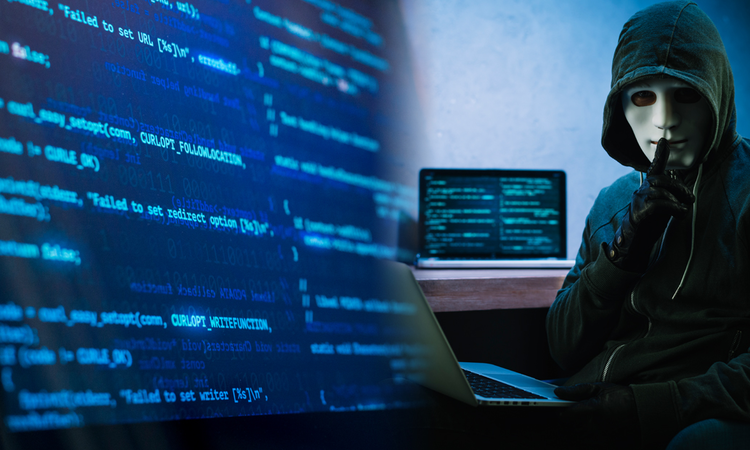
Anti-virus software company Kaspersky has diagnosed a series of cyberthreats plaguing the healthcare sector and says hackers for hire are constantly dangling attacks against medical organisations on the dark web.

The firm adds that it expects to generate revenue growth in Thailand where it will bring its expertise to the healthcare, banking and financial services, telecoms and government industy sectors.

Stephan Neumeier, managing director for Asia Pacific at Kaspersky, said that confidential medical records are being breached in Asia Pacific and globally. As rapid digitalisation penetrates the healthcare sector, cybercriminals are seeing more opportunities to attack this lucrative and critical industry, which is not adequately equipped to face this virtual danger.

“Attacks against hospitals and pharmaceutical giants have been happening worldwide, especially in the more advanced countries in the west. In recent years, however, we have seen the threat creeping towards APAC. Kaspersky Reports have even projected that the medical industry in the region can incur economic losses of up to US$23.3 million from cybersecurity incidents,” he noted.

Singapore, which is considered the technology and business hub of Asia, has suffered four data breaches concerning healthcare organisations in just 12 months, he added,

To further reveal the latest threat statistics against the healthcare sector, key cybersecurity experts from Kaspersky’s Global Research and Analysis Team (GReAT) will be unmasking new campaigns creeping towards medical facilities and organisations in APAC and beyond.

The dark web is made of anything that is not commonly indexed on the surface web. To be able to get into this hidden part of the web, a user uses special software such as Tor. Tor stands for “the onion router” and is a method for anonymizing data.

Based on the research of the global cybersecurity company, hospital and healthcare infiltrations are among the newest services being offered by anonymous hacking groups, alongside targeted attacks and cyberespionage against specific countries as well as infections to gain energy and maritime information.

“With the healthcare sector lagging behind in terms of their cybersecurity capabilities, we observe that hacking groups are now off to exploit this fact by adding medical information and hospital attacks to their services list that’s publicly available on the dark web. Any organisations, individuals, and companies can be their potential customers since these cybercriminals are offering various services,” said Seongsu Park, security researcher at Kaspersky.

Park also added that medical records can be considered more valuable than a simple credit card. This is because a hospital generally requires a patient’s personal and financial credentials before a check-up or an admission.

Meanwhile, Yeo Siang, general manager at Kaspersky Lab South East Asia, said that Thailand represented a high-potential growth market for the Russia-headquartered business.

He said that the main target markets in Thailand are the banking, financial, government, telecoms and healthcare sectors.

Factors driving market growth come from the awareness of business about cyber-security, the Thailand 4.0 scheme, smart city projects, users’ concerns, as well as awareness over cybersecurity and cyber-threats in the above-mentioned sectors.

Kaspersky Lab is considering establishing a branch office in Thailand. It also expects that by the end of this year, growth in revenue will be in the double digits.

Hackers now eyeing pharmaceutical industry, Kaspersky warns

ศาสตร์เกษตรดินปุ๋ย : ขอบคุณแหล่งข้อมูล : หนังสือพิมพ์ The Nation

https://www.nationthailand.com/edandtech/30375886

Hackers now eyeing pharmaceutical industry, Kaspersky warns

Sep 05. 2019
By Jirapan Boonnoon
The Nation
Yangon, Myanmar

204 Viewed

Global cybersecurity company Kaspersky revealed an alarming trend in the pharmaceutical industry – a steady increase in the number of devices being attacked by cybercriminals. From 44 per cent of devices infected in 2017 and just a 1 per cent increase in 2018, the number of detected attempts this year shows that nearly every five in 10 devices inside a pharmaceutical facility is being targeted.

The countries that logged the highest number of attacks are Pakistan with 54 per cent, Egypt 53 per cent, Mexico 47 per cent, Indonesia 46 per cent and Spain 45 per cent. Four more countries in the Asia Pacific region cap the top 15 nations with the highest number of devices infected. These include India, Bangladesh, Hong Kong and Malaysia with more or less four in every 10 machines with malicious attempts detected.

“While it is a known fact that money-hungry cybercriminals can earn easily by attacking banks, we have also observed that these hackers as well as cyberespionage groups are slowly paying a lot of attention to the industry of advanced medicine,” said Yury Namestnikov, head of Kaspersky’s global research and analysis team in Russia. “They are slowly realising that pharmaceutical companies house a treasure trove of highly valuable data such as the latest drugs and vaccines, the newest researches, as well as medical secrets. The rise of internet-connected operational technology [OT] inside these pharmaceutical firms also contributes to the widening attack surface inside this sector.”

Among the advanced persistent threat (APT) groups that have been waging a sophisticated spying war in the global pharmaceutical industry globally are Cloud Atlas and APT10, also known as MenuPass.

“Based on our monitoring of several APT actors’ movements in the Asia Pacific and globally, we figured that these groups infect servers and exfiltrate data from pharmaceutical companies. Their attack techniques and behaviour also prove that these attackers’ apparent goal is to get their hands on intellectual properties related to the latest medical formulas and research results as well as the business plans of their victims,” Namestnikov said.

Vulnerabilities in open source EMR-systems and its dangers

Denis Makrushin, security architect at Ingram Micro, pointed out the risks that come along with the steady migration of hospitals from paper-based data storage to electronic medical record (EMR) systems. He further noted that healthcare organisations, scrambling to digitise their data storage, consider open-source EMR web-portals as an easy and quick option, despite the known security challenges.

“We are seeing fewer printed or hand-written medical books inside hospitals and clinics worldwide due to the advent of open source. Given their limited internal IT workforce, healthcare institutions opt to use convenient services such as OpenEMR, OpenMRS or similar web applications. This technology’s rapid adoption triggers an increase in threats against this widely-used services,” Makrushin said.

OpenEMR and OpenMRS are open platforms for medical practice management. Any organisation can use this product for business without restriction. The source code of this product is also available for any developer. In addition, this software has certifications from trusted organisations.

“Their free and open nature make these EMR-applications highly sensitive to cyberattacks. There have been a lot of security patches released as researchers unmask one exploit after another. I, myself, have discovered vulnerabilities in these applications. A hacker can inject malicious code at the initial stage of registration, and portray himself as a patient. From this, malicious actors can infect the portal’s page and collect medical information from all users of the portal, including doctors and admins. These data can be easily exfiltrated,” he added.

To secure this platform, Makrushin suggests healthcare facilities to:

• Conduct secure software development lifecycle (Secure SDLC)

• Regularly perform architecture analysis, conduct penetration testing, security code review on systems being use

• Control the attack surface

• Periodically update the installed software and remove unwanted applications

• Try to remove all exposure nodes that process medical data

• Raise security awareness for every person involved

• Conduct regular cybersecurity awareness training for all staff and even patients

จับกระแส “สมาร์ท ฟาร์มมิ่ง” : อนาคตเกษตรกร

ศาสตร์เกษตรดินปุ๋ย : ขอบคุณแหล่งข้อมูล : หนังสือพิมพ์คมชัดลึก

http://www.komchadluek.net/news/lifestyle/386178

จับกระแส “สมาร์ท ฟาร์มมิ่ง” : อนาคตเกษตรกร

วันที่ 2 กันยายน 2562 – 02:25 น.
อินโนสเปซ,ไอที วิทยาการ
เปิดอ่าน 937 ครั้ง

คอลัมน์ “อินโนสเปซ” โดย “บัซซี่บล็อก” หนังสือพิมพิมพ์คมชัดลึก

เกษตรอัจฉริยะ” หรือสมาร์ท ฟาร์มมิ่ง (Smart Farming) เป็นคำที่คุ้นหูสำหรับเกษตรกรไทยมากขึ้นเรื่อยๆ ส่วนหนึ่งต้องขอยกเครดิตให้กับภาคราชการหลายส่วน ได้แก่ กระทรวงเกษตรและสหกรณ์ และกระทรวงดิจิทัลเพื่อเศรษฐกิจและสังคม (ดีอี)

ซึ่งขับเคลื่อนผ่านหน่วยงานในสังกัด เดินหน้าทุ่มเท ผลักดัน สร้างความเข้าใจและสนับสนุนให้เกษตรกรสามารถเข้าถึงและใช้ประโยชน์จากเทคโนโลยีด้านการเกษตรมากขึ้น เพื่อลดต้นทุน เพิ่มประสิทธิผลทางการผลิต และปริมาณผลผลิตต่อไร่ให้ได้สูงสุด และในทางอ้อมยังเป็นการปฏิวัติวงการเกษตรของไทยสู่รูปแบบ “เกษตรรักษ์โลก”

เป็นที่คาดการณ์ว่า สมาร์ท ฟาร์มมิ่ง จะมีความสำคัญอย่างยิ่งที่จะช่วยให้ภาคเกษตร สามารถผลิตอาหารป้อนประชากรโลกได้พอเพียงกับความต้องการของปริมาณชาวโลกที่เพิ่มจำนวนขึ้นในแต่ละปี

โดยมีตัวเลขประมาณการณ์ว่า ในช่วงปี 2010-2050 ผลผลิตทางการเกษตรจะเพิ่มสูงขึ้นในอัตรา 69% เพื่อให้พอเพียงกับการเลี้ยงดูจำนวนประชากรไม่ต่ำกว่า 9 พันล้านคนทั่วโลก ขณะที่ การนำเทคโนโลยีด้านการเกษตร (Agri-Tech) เข้ามาใช้ในการทำกษตรอัจฉริยะ จะช่วยลดต้นทุนให้กับเกษตรกรได้ 10-30%

เกษตรยุคใหม่ต้อง “แม่นยำ”

ต้องยอมรับว่า ปัญหาสากลที่คุกคามและเป็นความท้าทายสำหรับเกษตรกรทั่วทุกมุมโลก ก็คือ ความไม่แน่นอนของสภาพดินฟ้าอากาศ คุณภาพและความอุดมสมบูรณ์ของพื้นที่เพาะปลูก การโจมตีจากแมลงศัตรูพืช และความผันผวนด้านราคาผลผลิต

ซึ่งทุกข้อเหล่านี้เป็นปัญหาที่ ‘เอาชนะ’ ได้ด้วยเทคโนโลยีการพยากรณ์ ที่ใช้ประโยชน์จากข้อมูลบิ๊กดาต้า และการมีเครื่องมือรวบรวมฐานข้อมูลมหาศาลเหล่านั้น มาวิเคราะห์ คาดการณ์ และช่วยวางแผนการผลิต(ทางการเกษตร) เปิดมิติใหม่สู่การเกษตรแม่นยำ

ข้อมูลที่จัดทำโดย Reports And Data ประเมินไว้ว่า ตลาดเกษตรแม่นยำ (Precision Farming) จะเติบโตในอัตรา 12.7% ต่อปี จาก 5.3 พันล้านดอลลาร​สหรัฐเมื่อปีผ่านมา เป็น 14.1 พันล้านดอลลาร์สหรัฐ ภายในปี 2026

โดยปัจจัยขับเคลื่อนสำคัญมาจากการนำ ‘ไอโอที’ เข้ามาใช้งานในภาคเกษตรมากขึ้น เกษตรกรใช้ประโยชน์จากอุปกรณ์ที่มีความสามารถเชื่อมต่อกับอินเทอร์เน็ต เช่น เซ็นเซอร์ระบบนำทางด้วยดาวเทียมและระบุพิกัด (GPS & GNSS systems) และ automated steering systems เป็นต้น เพื่อเก็บรวบรวมตัวอย่างดินในพื้นที่เพาะปลูก ตรวจสอบอุณหภูมิ การจัดทำแผนที่สนาม การบริหารจัดการน้ำ เป็นต้น

เทคโนโลยีที่ได้รับความนิยมแพร่หลายในการใช้บริหารจัดการตามแนวทางเกษตรอัจฉริยะ ก็คือ อินเทอร์เน็ตในทุกสิ่ง หรือไอโอที (IoT) และโดรน (Drone) จากแนวโน้มราคาต้นทุนอุปกรณ์ที่ลดลงตามจำนวนความนิยมใช้งาน ขณะที่ ในส่วนของโดรน ก็เริ่มมีการให้บริการผ่าน Service Provider ซึ่งคิดค่าบริการต่อไร่ ทำให้เกษตรกรสามารถเข้าถึงเทคโนโลยีเหล่านี้ได้ทั่วถึงยิ่งขึ้น จากอดีตที่ต้อง ‘ติดกับดัก’ อยู่กับข้อจำกัดด้านเงินทุน อีกทั้งลดปัญหาการขาดแคลนแรงงานภาคเกษตร

“ไอโอที” ด้านการเกษตรโตฝ่าศก.โลก

ในส่วนของเทคโนโลยีด้านไอโอที ได้มีการเผยแพร่รายงาน “IoT in Smart Farming Market in Global Industry: Market Development, Analysis and Overview 2019 “ ผ่านเว็บไซต์ Qurateresearch ศึกษาโอกาสตลาดในอนาคตของเทคโนโลยีด้านไอโอที ในภาคเกษตรอัจฉริยะไว้ว่า ตลาดนี้จะยังรักษาระดับการเติบโตได้อย่างต่อเนื่อง ท่ามกลางภาวะชะลอตัวของเศรษฐกิจโลกในปัจจุบัน

ทั้งนี้ช่วงระหว่างปี 2014-2017 ตลาดไอโอทีสำหรับเกษตรอัจฉริยะ เติบโตเฉลี่ย 20-39% ต่อปี จาก 980 ล้านดอลลาร์สหรัฐ เป็น 1,710 ล้านดอลลาร์สหรัฐ ขณะที่ นักวิเคราะห์เชื่อว่าในอีก 2-3 ปีข้างหน้า ตลาดนี้ยังขยายตัวได้ต่อเนื่อง และจะแตะหลัก 3,620 ล้านดอลลาร​สหรัฐ ในปี 2020

ขณะที่ คณะกรรมาธิการยุโรป (European Commission) คาดการณ์ไว้ว่าแนวคิดเรื่อง อินเทอร์เน็ตในอาหารและการเกษตร 2020 (IoF2020 )

ซึ่งเป็นส่วนหนึ่งของโครงการความร่วมมือด้านการวิจัยและนวัตกรรมของสหภาพยุโรปเพื่อความเป็นผู้นำทางอุตสาหกรรม “Horizon 2020 Industrial Leadership” คือ โอกาสของเทคโนโลยีด้านไอโอที สำหรับอุตสาหกรรมเกษตรและอาหารของยุโรป

.ฉะเชิงเทรา ใช้บริการโดรนช่วยทำนา 3 พันไร่

ปัจจุบัน เกษตรกรในบ้านเราจำนวนมาก เริ่มสนใจนำเทคโนโลยีเกษตรอัจริยะเข้ามาใช้ในพื้นที่ทำเกษตรมากขึ้น จากแรงกดดันทั้งปัญหาขาดแคลนแรงงานภาคเกษตร ปัญหาผลผลิต/ราคาตกต่ำ และความต้องการลดการสารเคมีในภาคเกษตร เป็นต้น

ล่าสุด นายพุทธิพงษ์ ปุณณกันต์ รัฐมนตรีว่าการกระทรวงดิจิทัลเพื่อเศรษฐกิจและสังคม (ดีอี) ได้นำทีมผู้บริหารในสังกัด ลงพื้นที่ตรวจเยี่ยมความสำเร็จการใช้ประโยชน์จุดติดตั้งเน็ตประชารัฐ บ้านวังสะแก จ.ฉะเชิงเทรา

ซึ่งประชาชนทั้งที่หมู่บ้านนี้ และพื้นที่ใกล้เคียง ได้ต่อยอดการใช้ประโยชน์จากเครือข่ายอินเทอร์เน็ตความเร็วสูง (บรอดแบนด์) และไวไฟความเร็วสูงของเน็ตประชารัฐ ไปสู่การทำเกษตรอัจฉริยะ (สมาร์ท ฟาร์มมิ่ง)

ทั้งนี้ ในพื้นที่ได้มีการสาธิตเทคโนโลยีอากาศยานไร้คนขับ (โดรน) สำหรับฉีดพ่นสารเหลวในพื้นที่เกษตร ซึ่งกำลังเป็นเครื่องมือใหม่ ที่ช่วยให้กษตรกรปลูกข้าวใน จ.ฉะเชิงเทรา เข้าถึงการใช้ดิจิทัลลดต้นทุนการผลิต เพิ่มประสิทธิภาพการผลิตต่อแปลง

นายธีรพงษ์ กาญจนกันติกุล กรรมการผู้จัดการ บริษัท เทวดา คอร์ป สตาร์ทอัพสายยูเอวี (UAV) หรือ อากาศยานไร้คนขับผู้ให้บริการโดรนด้านการเกษตร และชีวภัณฑ์ ซึ่งเป็นผู้ให้บริการ (เซอร์วิส โพรไวเดอร์) โดรนสำหรับการเกษตร กล่าวว่า ปัจจุบันมีเกษตรกรปลูกข้าวภายใน จ.ฉะเชิงทรา ประมาณ 100 ราย เริ่มเข้ามาใช้บริการโดรนเพื่อช่วยพ่นยาในแปลงข้าว โดยมีพื้นที่แปลงข้าวรวมกันไม่ต่ำกว่า 3,000 ไร่ คิดค่าบริการอยู่ที่ 80-100 บาทต่อไร่

ทั้งนี้ การให้บริการจะครอบคลุมทั้ง การใช้โดรนในการฉีดพ่น สำรวจแปลงข้าว วัดปริมาณปุ๋ยในแปลง เพื่อจะให้ปุ๋ยได้อย่างถูกต้องตามความต้องการของพืช จากเดิมเกษตรกร ไม่มีเครื่องมือวัด มักซื้อปุ๋ยตามร้าน

เราเข้ามาปรับเปลี่ยนกระบวนการ ด้วยการวัดความต้องการก่อนให้ปุ๋ย ซึ่งสูตรของสารชีวภัณฑ์จะถูกปรับเปลี่ยนไปตามสภาพที่ดินว่า ขาดสารอะไร เพื่อเกิดความเหมาะสม ดังนั้น ประโยชน์สำหรับเกษตรกร ก็คือ การลดต้นทุนการผลิตต่อไร่

และในทางกลับกันก็เพิ่มผลผลิตต่อไร่ อีกทั้งประเด็นสำคัญที่สุด คือ การลดความเสี่ยงของแรงงานหรือเกษตรกรจากการที่ต้องสัมผัสกับสารเคมีที่ใช้ฉีดพ่นในพื้นที่เกษตร

“จากประสบการณ์ที่เคยทำในพื้นที่แปลงนาข้าวอินทรีย์ใน ต.ท่าไข่ อ.เมือง จ.ฉะเชิงทรา จากเดิมมีผลผลิต 200 กิโลกรัมต่อไร่ เพิ่มเป็น 600 กิโลกรัมต่อไร่ ที่จังหวัดนี้เราให้บริการมาได้ 1 ปีแล้ว

นอกจากนี้ ยังมีเกษตรกรในจังหวัดอื่นๆ สมัครใช้บริการของเรา เช่น ปทุมธานี อยุธยา อุบลราชธานี เป็นต้น อีกทั้งขยายการให้บริการโดรนกับแปลงพืชผักสวนครัวด้วย ช่วยเพิ่มผลผลิตได้”

นอกจากนี้ ในพื้นที่ฉะเชิงทรา ยังได้เริ่มปรับเปลี่ยนการให้สารเคมีของเกษตรกรด้วย โดยเปลี่ยนเป็นใช้สารชีวภัณฑ์ที่ไม่อันตราย เป็นมิตรกับสิ่งแวดล้อมและสุขภาพของเกษตรกร ซึ่งตอนนี้ มากกว่า 50% ได้ปรับเปลี่ยนตามคำแนะนำ และได้รับเสียงตอบรับที่ดีจากเกษตรกรว่า ได้ผลดีกว่าสารเคมีแบบเก่า

ไทยต้องไปให้ถึง “เกษตรอัจฉริยะ”

กรรมการผู้จัดการของ เทวดา คอร์ป พูดถึงบทบาทความสำคัญและประโยชน์ของเทคโนโลยี ที่จะช่วยเกษตรกรไทย และโอกาสในการก้าวไปสู่การทำเกษตรอัจฉริยะว่า

ปัจจุบัน สภาพอากาศทั้งโลกเริ่มมีแนวโน้มแย่ลง อากาศร้อนมากขึ้น การทำเกษตรจะได้รับผลผกระทบมาก ทั่วโลกในตอนนี้เริ่มหันมาใช้เทคโนโลยีในการทำการเกษตรมากขึ้นเรื่อยๆ และประเทศไทย ซึ่งเป็น 1 ในสถานที่ ที่เหมาะสมกับการเกษตรมากที่สุดในโลก หรือ สุวรรณภูมิ ซึ่งเราทำการเกษตรเป็นเศรษฐกิจหลักของประเทศ

จากแนวโน้มดังกล่าว การนำนวัตกรรมและเทคโนโลยี มาช่วยแก้ปัญหาด้านแรงงาน ช่วยลดต้นทุน ช่วยเพิ่มผลผลิต ยกระดับคุณภาพมาตรฐานผลิตภัณฑ์การเกษตร นับว่าเป็นสิ่งที่สำคัญอย่างยิ่งในปัจจุบัน จากที่ได้ทำงานร่วมกับเกษตรกรมาในหลากหลายพืช เช่น ข้าว มันสำปะหลัง อ้อย พืชผักสวนครัวต่างๆ ประสบกับปัญหาเหมือนๆ กัน

คือ ขาดแคลนแรงงาน แรงงานมีความแม่นยำต่ำ การสูญเสียสูง ใช้สารเคมีสิ้นเปลือง/ไม่เต็มประสิทธิภาพ/ไม่ถูกต้อง ทำให้สินค้าเกษตรไม่มีคุณภาพ ทั้งที่ตลาดในประเทศและในต่างประเทศมีความต้องการสูงขึ้นเรื่อยๆ ตามอัตราการเจริญเติบโตของประชากรโลก นวัตกรรมการเกษตร ระบบ Smart Farming จะช่วยให้เกษตรกรเอาชนะปัญหาและความท้าทายเหล่านี้ได้”

อีกข้อเสนอแนะสำคัญ คือ ประเทศไทย ต้องรีบเร่งในการสร้างความรู้ความเข้าใน และพัฒนาเกษตรกรรุ่นใหม่ ให้เห็นถึง นวัตกรรมการเกษตร ซึ่งจะช่วยให้ครอบครัวหรือชุมชนของเกษตรกรเดิม ได้มีรายได้มากขึ้น เศรษฐกิจชุมชนเข้มแข็ง สังคมเข้มแข็ง นำไปสู่ความยั่งยืนของประเทศชาติอย่างแท้จริง

วีทูบเบอร์ (VTuber) เทรนด์ใหม่ที่จะมาเบียดยูทูบเบอร์

ศาสตร์เกษตรดินปุ๋ย : ขอบคุณแหล่งข้อมูล : หนังสือพิมพ์คมชัดลึก

http://www.komchadluek.net/news/lifestyle/384887

วีทูบเบอร์ (VTuber) เทรนด์ใหม่ที่จะมาเบียดยูทูบเบอร์

วันที่ 26 สิงหาคม 2562 – 02:05 น.
ไอที,วิทยาการ,อินโนสเปซ,บัซซี่บล็อก,ไลฟ์สไตล์
เปิดอ่าน 2,063 ครั้ง

คอลัมน์ “อินโนสเปซ” โดย ” “บัซซี่บล็อก” หนังสือพิมพ์คมชัดลึก

*************************

ความเฟื่องฟูของแพลตฟอร์มยูทูบ (You Tube) สามารถสร้างให้หลายๆ คนกลายเป็นผู้ทรงอิทธิพล (Influencer) ได้ในฉับพลันที่เขาหรือเธอคนนั้นกลายเป็น ยูทูบเบอร์ (YouTuber) หรือ ‘คนดัง’ บนยูทูบ

แต่นับจากนี้ไปคนทั้งโลกจะได้รู้จักกับอีกปรากฎการณ์ที่กำลังมาแรงของ ยูทูเบอร์เสมือนจริง หรือวีทูบเบอร์ (Virtual YouTuber : VTuber) ซึ่งถือกำเนิดขึ้นในประเทศญี่ปุ่นเมื่อราวกลางปี 2560 และภายในเวลาเพียง ปี มีจำนวน VTuber เพิ่มจาก 50 ราย เป็น 7,000 ราย มีจำนวนแฟนติดตามมากกว่า 12 ล้านคน จำนวนการเข้าชมทะลุ 720 ล้านครั้ง

หนุนฐานให้ญี่ปุ่น กลายเป็นหัวหอกของวงการยูทูบเบอร์เสมือนจริง และยังแพร่กระจายความนิยมไปทั่วโลก ไม่ว่าจะเป็นสหรัฐ ไต้หวัน อินโดนีเซีย รวมถึงประเทศไทย

จากข้อมูลของ SocialBook Blog ระบุว่า Virtual Influencer และ VTuber คือหนึ่งในเทรนด์การตลาดอินฟลูเอ็นเซอร์บนยูทูบ ที่กำลังมาแรงแห่งปี 2562

ทำความรู้จักกับ VTuber

ในงานมหกรรมดิจิทัลคอนเทนต์ “Bangkok International Digital Content Festival 2019” หรือ BIDC 2019 ประเทศไทยได้มีโอกาสต้อนรับ มร.คริสโตเฟอร์ เฉิน ประธานสมาคมวีทูบเบอร์แห่งไต้หวัน (Taiwan VTuber Association)

และเป็นผู้จัดงาน VTuber Hackathon ครั้งแรกในไต้หวัน ได้กล่าวในหัวข้อ VTuber, a new digital form of performance orginated from Asia” เล่าถึงปรากฎการณ์ของ VTuber หรือเป็นการสร้าง YouTube Channel ที่ไม่ได้ใช้คนเป็นผู้แสดง แต่ใช้ตัวละครหรือคาแรคเตอร์ต่างๆ ซึ่งกำลังเป็นกระแสที่ได้รับความสนใจทั่วเอเชีย

มร.คริสโตเฟอร์ เฉิน ประธานสมาคมวีทูบเบอร์แห่งไต้หวัน ให้คำจำกัดความง่ายๆ ว่า วีทูเบอร์ (VTuber) ก็คือ ยูทูเบอร์เสมือนจริง โดยแทนที่ผู้ชมจะได้เจอกับโฉมหน้ายูทูบเบอร์ตัวเป็นๆ ผู้ชมเหล่านั้นจะพบกับตัวคาแรคเตอร์อนิเมะน่ารักๆ โดยการใช้อุปกรณ์ตรวจจับการเคลื่อนไหว (Motion Capturing Equipment) ในการบันทึกหรือผลิตโปรแกรมไลฟ์ ซึ่งกล่าวได้ว่าอะไรที่ยูทูเบอร์ทำได้ VTuber ก็ทำได้เช่นกัน

ทั้งนี้ เบื้องหลังของคาแรคเตอร์ VTuber ก็คือตัวอวาตาร (Avatar) ของยูทูบเบอร์นั้นๆ นั่นเอง เพียงแต่เขา/เธอ ต้องสวมใส่ชุด Motion Capture และมีกล้อง Motion Camera และนำภาพที่ได้มาทำ motion แบบสามมิติ ใส่คาแรกเตอร์ลงไปจนกลายเป็นตัวละครอวตาร ที่มีการเคลื่อนไหวเป็นธรรมชาติ สามารถตอบสนองและสื่อสารได้เหมือนกับมนุษย์

เปิดโลกอินฟลูเอ็นเซอร์ข้ามพรมแดน

VTuber เป็นเทรนด์ที่น่าสนใจ สามารถถ่ายทอดสิ่งที่อยากนำเสนอไปสู่แฟนๆ ได้ทั่วโลก แม้ว่าคนทำจะอยู่ในประเทศใดๆ ก็ตาม ไม่ต้องมีต้นทุนค่าเดินทางไปถ่ายทำรายการ ไม่ต้องกังวลกับข้อจำกัดด้านรูปลักษณ์ หรือรูปร่างหน้าตา เพราะไม่มีใครเห็นว่าหน้าตาเราเป็นอย่างไร

แต่พวกเขาจะเห็นอนิเมะที่เป็นคาแรคเตอร์ที่สร้างขึ้นมา”

กระแสความนิยมของ VTuber ถือว่าเป็นการเปลี่ยนแปลงครั้งใหญ่ (Paradigm Shift) ที่สำคัญอย่างยิ่ง เพราะปัจจุบัน VTuber คือปรากฎการณ์ข้ามพรมแดน (Cross-border) เพราะไม่ว่าจะเป็นคนชาติไหน ภาษาไหน ก็สามารถเผยแพร่ช่อง (Channel) ไปสู่แฟนๆ และสร้างให้เกิดผู้ติดตามได้ทั่วโลก

ไม่ต้องกังวลเกี่ยวกับอุปสรรคด้านภาษา เพราะ VTuber คือตัวคาแรคเตอร์ ยกตัวอย่าง ถ้าคุณเป็นคนไทยและอยากนำเสนอไปยังผู้ชมในญี่ปุ่น ก็สามารถจ้างชาวญี่ปุ่นในไทยให้มาช่วยลงเสียงให้ได้

คาแรคเตอร์ VTuber ของคุณก็จะสื่อสารเป็นภาษาญี่ปุ่นกับแฟนๆ ชาวญี่ปุ่น ขณะที่ ในกรณีการสื่อสารกับแฟนๆ ในประเทศอื่นๆ ก็เช่นเดียวกัน นี่คือโอกาส”

โอกาส ‘หน้าใหม่’ ชิงพื้นที่โซเชียลจากยูทูเบอร์

เนื่องจาก VTuber สามารถทำได้ทุกสิ่งอย่างเหมือน YouTuber ดังนั้น นี่จึงเป็นโอกาสที่น่าสนใจยิ่งสำหรับคนในแวดวงแอนิเมชั่น ซึ่งมีความคุ้นชินกับเทคโนโลยี Motion Capture อยู่แล้ว

โดย มร.เฉิน ได้ให้คำแนะนำถึงการแปลงเทรนด์นี้มาสู่โอกาสทางการตลาดใน ได้แก่ การผลิตคอนเทนต์ในรูปแบบ VTuber จะช่วยลดต้นทุนการผลิตทั้งด้านเวลา และเงินทุน จากเดิมการทำแอนิเมชั่นเพียง ตอน ต้องอาศัยขั้นตอนการผลิตที่ค่อนข้างยุ่งยาก อาจใช้เวลาเป็นเดือน

แต่คอนเทนต์อย่าง VTuber สามารถทำเสร็จได้ภายใน วัน อีกทั้ง ราคาของเครื่องมืออุปกรณ์ที่ใช้ทำ VTuber ปัจจุบันมีราคาไม่แพง แต่เปี่ยมด้วยประสิทธิภาพ

นอกจากนี้ ยังเป็นอีกช่องทางที่น่าสนใจสำหรับกลยุทธ์ทางการตลาดของแบรนด์ เพราะ VTuber มีความแปลกใหม่ และช่วยเพิ่มการจดจำที่ดี อีกข้อที่น่าจับตา ก็คือ VTuber สามารถพัฒนาจนกลายเป็นอินฟลูเอนเซอร์เหมือนกับ YouTuber ที่เป็นบุคคลทั่วไป ผ่านการรีวิวสินค้า ผลิตภัณฑ์ ที่มีตลาดเป็นกลุ่มเด็กวัยรุ่น

โดยผลการสำรวจของบริษัทญี่ปุ่นระบุว่า กลุ่มผู้ชม VTuber ส่วนใหญ่อายุจะอยู่ในช่วง 15-24 ปี กลุ่มเป้าหมายนี้จะดูวิดีโอหลังเลิกเรียน/หลังเลิกงาน และก่อนนอน โดยหนึ่งในกิจกรรมผ่อนคลายสำหรับกลุ่มนี้ก็คือ การดูช่องวิดีโอของ VTuber คนโปรดของพวกเขานั่นเอง

จับกระแส VTuber สัญชาติไทย

.ส เฉลิมรัตน์ ติบรรณ์ ผู้อำนวยการฝ่านพัฒนาธุรกิจ บริษัท ไอคอม เทค จำกัด กล่าวว่า บริษัทตั้งเป้าหมายที่จะเป็นรายแรกในประเทศไทย ที่สร้างช่อง VTuber สัญชาติไทย ในระดับ Production ที่เทียบเท่ากับต่างประเทศ

ปัจจุบันอยู่กระบวนในการทำงานเพื่อเดินหน้าสู่เป้าดังกล่าว คาดว่าจะสามารถเปิดให้คอโซเชียลเมืองไทยติดตามช่อง VTuber สัญชาติไทย ได้ในเร็วๆ ล่าสุด ได้เปิดช่องทางให้สามารถติดตามข่าวสาร และความคืบหน้าของโครงการได้ที่เฟซบุ๊ก 3D SoftThai

โดย VTuber ในช่องที่กำลังจะเกิดขึ้นนี้ จะเน้นนำเสนอคอนเทนท์ในรูปแบบของการถ่ายทอด Life style ต่าง ๆ ของคนไทย โดยใช้ตัวละครแทนนักแสดงจริง และใช้ฉากเป็นสถานที่จริง ทั้งเรื่องการพูดคุยในเรื่องที่กำลังเกาะกระแส การทำ Challenge ต่าง ๆ หรือแม้แต่การเล่นเกม

แนวทางคล้าย ๆ กับ VTuber ของทางต่างประเทศ แต่เราจะมีเรื่องของความไกล้ชิดทั้งทางด้านภาษา วัฒนธรรม และ เทรนด์ ที่เกาะกระแสสังคมไทยมาเป็นจุดเด่น ต่างจาก VTuber เจ้าอื่น ๆ โดยมุ่งเน้นที่จะสร้างความสามารถเสมือนจริงเช่นเดียวกับนักแสดงตัวจริง”

“กลุ่มเป้าหมายก็คือ น้องๆ วัยเรียน จนถึงวัยทำงาน และกลุ่มที่ติดตามการดู VTuber หรือผู้ที่สนใจงานแอนิเมชั่น” น.ส เฉลิมรัตน์กล่าว

ทั้งนี้ เธอได้พูดถึงมุมมองที่มีต่อเทรนด์ของ VTuber ในไทยว่า เริ่มเห็นกระแสการมีผู้ติดตามสื่อ VTuber มากขึ้น ซึ่งยอมรับว่าส่วนมากยังเป็นช่องของทางต่างประเทศ ส่วนผู้สร้างยังคงมีไม่มากนัก

ดังนั้นยังมีโอกาสทางธุรกิจอีกมาก เนื่องจากเทคโนโลยี Motion Capture มีราคาที่ถูกลงกว่าแต่ก่อนมาก ขณะที่ เมื่อประเมินจากปรากฎการณ์ VTuber ในระดับสากล ตลาดโตต่อเนื่องมากระยะหนึ่งแล้ว

โดยตลาดที่โตที่สุดจะเป็นทางฝั่งญี่ปุ่น VTuber เปิดตัวที่ญี่ปุ่นตั้งแต่กลางเดือน ธันวาคม 2561 และมีการเติบโตต่อเนื่อง ข้อมูลล่าสุดถึง 30 มิถุนายนปีนี้ เรามี VTuber มากถึง 7,000 ราย และมีแนวโน้มเติบโตขึ้นเรื่อยๆ เพราะมีการพัฒนาอย่างต่อเนื่อง สามารถเข้าถึงกลุ่มผู้บริโภคได้ง่าย”

เฟซบุ๊ก “ฉาว” ขโมยข้อมูล “เสียง” ผู้ใช้งาน

ศาสตร์เกษตรดินปุ๋ย : ขอบคุณแหล่งข้อมูล : หนังสือพิมพ์คมชัดลึก

http://www.komchadluek.net/news/lifestyle/384159

เฟซบุ๊ก “ฉาว” ขโมยข้อมูล “เสียง” ผู้ใช้งาน

วันที่ 19 สิงหาคม 2562 – 09:25 น.
เฟซบุ๊ก,กูเกิ้ล,ไอที,อินโนสเปซ,ไลฟ์สไตล์,ไอที วิทยาการ,คมชัดลึก
เปิดอ่าน 1,474 ครั้ง

คอลัมน์ “อินโนสเปซ” โดย “บัซซี่บล็อก” หนังสือพิมพ์คมชัดลึก

**************************

เมื่อต้นเดือนเพิ่งเขียนถึงความ ‘เข้ม’ ของกฎหมายคุ้มครองข้อมูลส่วนบุคคลของสหภาพยุโรป หรือ GDPR (General Data Protection Regulation) ซึ่งมีผลบังคับใช้มาได้แค่ปีกว่าๆ แต่ก็กวาดเงินค่าปรับจากผู้ละเมิดซึ่งรวมถึงบริษัทระดับโลกหลายรายไปได้แล้วหลักหมื่นล้านบาท

และยังไม่รวมถึงกรณีเฟซบุ๊ก ที่เมื่อวันที่ 24 กรกฎาคมปีนี้ ก็ถูกลงโทษจากคณะกรรมาธิการการค้าแห่งสหพันธรัฐ (Federal Trade Commission : FTC) ให้จ่ายค่าปรับ พันล้านดอลลาร์สหรัฐ จากข้อหาการละเมิดระเบียบในเรื่องการหลอกลวงผู้ใช้เกี่ยวกับความสามารถในการควบคุมความเป็นส่วนตัวในข้อมูลส่วนบุคคล

อีกทั้งยักษ์โซเชียลเบอร์หนึ่งของโลกรายนี้ ยังมีชื่อติดอยู่ในกระบวนการสอบสวนการละเมิดกฎหมาย GDPR ถึง 19 กรณี

หัวใจ” ของกฎหมาย GDPR ก็คือ กำหนดหลักเกณฑ์ให้ทุกผู้ประกอบการต้องเก็บรวบรวมหรือประมวลผลข้อมูลส่วนบุคคลของบุคคลที่มีสัญชาติหรือที่มีถิ่นพำนักในสหภาพยุโรปให้ได้ตามมาตรฐาน

มิฉะนั้นแล้วจะถูกดำเนินคดีที่มีเพดานค่าปรับสูงถึง 20 ล้านยูโร หรือ 4% ของรายได้รวมทั้งปีของธุรกิจ แล้วแต่ว่าจำนวนใดจะมากกว่า

สื่อใหญ่รุม ‘แฉ’ เฟซบุ๊กขโมย ‘เสียง’ ผู้ใช้

ล่าสุด เฟซบุ๊ก เจอมรสุมลูกใหญ่อีกครั้ง หลังถูกเปิดโปงจนต้องยอมรับกับสำนักสื่อใหญ่อย่าง ‘บลูมเบิร์ก’ ว่า ได้ส่งต่อ ‘เสียงพูด (Speech)’ ของผู้ใช้แอพเมสเซนเจอร์ (Messenger) ของเฟซบุ๊ก ไปให้บุคคลภายนอกซึ่งเป็นพนักงานของบริษัทที่รับงานจากเฟซบุ๊ก ‘ฟัง’ เพื่อถอดความและพิมพ์ออกมาเป็นตัวอักษร (Text)

ประเด็นสำคัญก็คือ บุคคลที่เป็นเจ้าของเสียงพูดรายนั้นๆ ไม่รู้ตัวเลยว่ามีพฤติกรรมนี้เกิดขึ้น

ปัจจุบันในจำนวนสาวกเฟซบุ๊กกว่า 2.38 พันล้านคน มีจำนวนผู้ใช้ Messenger ไม่ต่ำกว่า 1.3 พันล้านคน และด้วยความที่มีโปรแกรมอำนวยความสะดวกให้คนขี้เกียจพิมพ์อย่าง Speech Recognition หรือระบบคอมพิวเตอร์ที่สามารถแปลงเสียงพูด (Audio File) เป็นข้อความตัวอักษร (Text)

โดยสามารถแจกแจงคำพูดต่างๆ ที่มนุษย์สามารถพูดใส่ไมโครโฟน โทรศัพท์หรืออุปกรณ์อื่นๆ และเข้าใจคำศัพท์ทุกคำอย่างถูกต้องเกือบ 100% ทำให้หลายๆ คนนิยมใช้งานโปรแกรมนี้

ตามความเข้าใจของคนทั่วไป รวมถึงที่มีการสื่อสารออกมาของเฟซบุ๊ก ตลอดจนบริษัทยักษ์ใหญ่หลายรายในวงการนี้ ก็คือ ‘สิ่ง’ ที่รับฟังเสียงเราและพิมพ์ออกมาก็คือ โปรแกรมปัญญาประดิษฐ์ (AI) มั่นใจได้ว่าร้อยทั้งร้อยไม่เคยจินตนาการไปถึงขั้นที่ว่าจะมีการ ‘จ้าง’ คนมาฟัง

ดังนั้น ข่าวที่บลูมเบิร์กเปิดโปงออมาครั้งนี้จึง ‘กระหึ่ม’ และสำนักสื่อใหญ่ๆ ทั่วโลกช่วยกันโหมกระพือข่าวกันอย่างไม่ยั้งมือ ยกตัวอย่างเช่น บีบีซีฟอร์บส์เทคครันซ์ (TechCrunch) เป็นต้น

อีกข้อที่น่าวิตกสำหรับกรณีเฟซบุ๊กก็คือ เบอร์ แพลตฟอร์มเครือข่ายสังคมออนไลน์ของโลกรายนี้ กำลังพิจารณาการผนวกรวมสมาชิกที่เป็นผู้ใช้งานแอพในกลุ่มโปรแกรมสนทนา (แชทอย่าง WhatsApp ที่ซื้อเข้ามาอยู่ใต้ชายคาเฟซบุ๊ก ตั้งแต่ปี 2557

และปัจจุบันมีจำนวนผู้ใช้งานทั่วโลกทะลุ 1.5 พันล้านคน เข้าไว้ด้วยกันกับ Messenger ดังนั้น จำเป็นอย่างยิ่งที่ต้องเคลียร์ตัวเองให้หลุดจากการถูกจับตามอง ในประเด็นการละเมิดข้อมูลส่วนบุคคลของผู้ใช้งาน

เสียง’ คือข้อมูลส่วนตัวที่ต้องได้รับการคุ้มครอง

ในรายงานข่าวของบลูมเบิร์ก ยังอ้างอิงคำให้สัมภาษณ์ของพนักงานบริษัทภายนอกที่เฟซบุ๊กว่าจ้างเข้ามาทำงานนี้ ว่า ข้อความเสียงที่พวกเขาทำงานด้วยนั้นได้มาจากแอพ Messenger

ซึ่งบทสนทนาเหล่านั้นจะถูกนำมาจับคู่กับสิ่งที่พวกเขาถอดข้อความเสียงออกมา และเทียบเคียงกับที่ได้จากระบบ AI ของเฟซบุ๊ก เพื่อดูว่า AI คลาดเคลื่อนหรือไม่

ทั้งนี้ พนักงานจากภายนอกที่ทำงานนี้ให้กับเฟซบุ๊ก ก็ตระหนักดีว่า งานนี้ผิดจรรยาบรรณ เนื่องจากเฟซบุ๊กไม่ได้เปิดเผยให้ผู้ใช้ทราบว่า มีบุคคล/บริษัทภายนอกได้รับฟังเสียงพูด/ข้อความสนทนาของพวกเขาด้วย และในประกาศนโยบายความเป็นส่วนตัว ก็ไม่ได้ระบุถึงเรื่องที่อาจมีการฟังเสียงที่บันทึกไว้ของผู้ใช้

ขณะที่ ในหน้าศูนย์ช่วยเหลือก็บอกว่า การแปลงเสียงไปสู่ข้อความโดยใช้แมชชีนเลิร์นนิ่ง (Voice to Text uses machine learning) ไม่ได้บอกว่ามีการใช้คนมาฟังด้วย

จนถึงวันนี้ ในส่วนของเฟซบุ๊กเอง ก็ไม่มีคำตอบที่ชัดเจนว่า จะนำข้อมูลเหล่านั้นไปใช้ประโยชน์อะไร อย่างไรก็ตาม ล่าสุดโฆษกของเฟซบุ๊ก ได้ออกแถลงการณ์ว่า ยกเลิกการว่าจ้างบริษัทภายนอกมากถอดข้อความเสียงของลูกค้าแล้ว เมื่อต้นเดือนสิงหาคมนี้

เฟซบุ๊ก ไม่ใช่รายแรกที่ขโมย ‘เสียง’

ด้านโฆษกของคณะกรรมการคุ้มครองข้อมูล (Data Protection Commission) ประเทศไอร์แลนด์ ที่กำกับดูแลเฟซบุ๊ก เนื่องจากสำนักงานใหญ่เฟซบุ๊ก ตั้งอยู่ที่กรุงดับลิน ในประเทศนี้ บอกว่า กำลังขอข้อมูลรายละเอียดเกี่ยวกับการทำงานของฟีเจอร์แปลงเสียงเป็นข้อความ และวิธีการทำงานที่สอดคล้องกับกฎหมายของสหภาพยุโรป โดยก่อนหน้านี้ ก็ดำเนินการลักษณะเดียวกันนี้กับ กูเกิล แอปเปิล ไมโครซอฟท์

ซึ่งล้วนเป็นบริษัทไอทีระดับโลก เพราะพฤติกรรมนี้ถือเป็นการประมวลผลข้อมูลส่วนบุคคล ซึ่งจำเป็นต้องปฏิบัติตามที่กฎหมาย GDPR กำหนดไว้

การแข่งขันการพัฒนาความสามารถขั้นเทพ ให้แก่โปรแกรมที่เป็นระบบซอฟต์แวร์ควบคุมด้วยเสียง (Voice Command System) หรือการใช้แชทบอท มาเป็นผู้ช่วยในการพูดคุยโต้ตอบ รับฟังและแนะนำการแก้ไขปัญหาให้แก่ผู้ใช้งาน

ไม่ว่าจะเป็น Alexa ของ Amazon, โปรแกรม Google Assistant ของกูเกิล และสิริ (Siri) ของแอปเปิ้ล ซึ่งในการทำงานจริงไม่ใช่ด้วยความสามารถของ AI ทั้ง 100%

ล่าสุดก็ได้หยุดใช้คนในการรีวิวเช่นกัน เพื่อหลีกเลี่ยงจากการถูกลงดาบด้วยกฎหมาย GDPR

หันกลับไปฟังเฟซบุ๊ก ได้ชี้แจงเบื้องต้นว่า ข้อมูลเสียงที่ส่งไปยังบริษัทภายนอกนั้น มีการปกปิดและไม่ระบุตัวตนของเจ้าของเสียง และการรวบรวมข้อมูลเสียงก็ทำเฉพาะกรณีผู้ใช้ Messenger เลือกใช้ฟีเจอร์แปลงเสียงเป็นข้อความ (Voice to Text)

และอนุญาตให้มีการเข้าถึงข้อมูลการใช้งานไมโครโฟนเท่านั้น ไม่เคยดักฟังจากไมโครโฟนของผู้ใช้งาน โดยไม่ได้รับอนุญาตจากอุปกรณ์หรือการเปิดใช้งานที่ชัดเจนของผู้ใช้

ขณะที่ ในฝั่งของผู้เชี่ยวชาญด้านกฎหมาย ก็มองว่า การถอดข้อความเสียงนั้น แม้จะทำโดยโปรแกรม AI ก็อาจเป็นประเด็นปัญหาได้เช่นกัน เนื่องจากในเสียงที่ถูกบันทึกไว้นั้น ยังอาจมีเนื้อหาที่เป็นข้อมูลส่วนบุคคลของ ‘บุคคลที่ 3’ รวมอยู่ด้วย (นั่นหมายความว่า แม้จะได้รับอนุญาต

จากการยอมรับในหน้าศูนย์ช่วยเหลือที่ระบุแจ้งไว้ว่า “การแปลงเสียงไปสู่ข้อความโดยใช้แมชชีนเลิร์นนิง (Voice to Text uses machine learning)” แต่ในส่วนที่เกี่ยวกับบุคคลที่ ซึ่งปรากฏอยู่ในบันทึกเสียงนั้นด้วยล่ะ จะทำอย่างไร

พร้อมยกตัวอย่างกรณี ไฟล์เสียงที่ ‘หลุด’ จากระบบผู้ช่วยเสียง (Google Assistant) ไปถึงสื่อเบลเยียม ซึ่งแค่ได้ยินเนื้อหา นักข่าวก็สามารถระบุข้อมูลส่วนบุคคลได้แล้ว โดยเฉพาะถ้ามีการเอ่ยชื่อ

โดยเมื่อเดือนกรกฎาคมที่ผ่านมา ได้มีคลิปเสียงภาษาดัตช์หลุดออกมา โดยสื่อสำนักหนึ่งของเบลเยียมได้รับคลิปเสียงมากกว่า 1,000 คลิป ในนั้นมีราว 150 คลิป ที่ถูกบันทึกโดยไม่ได้ตั้งใจ


ทำให้ในที่สุด กูเกิล ออกมายอมรับว่าพนักงานสามารถเข้าไฟล์เสียงการพูดคุยที่ทาง Google Assistant บันทึกไว้ได้ โดยกำลังสืบสวนอยู่ว่าหลุดออกมาได้อย่างไร

ทั้งนี้ กูเกิล บอกว่า ทีมงานรีวิวบทสนทนาบน Google Assistant (หมายเหตุ เวลาที่เราใช้งาน Google Assistant ระบบจะทำการบันทึกเสียงอัตโนมัติ เมื่อเราพูดว่า “OK, Google”

ซึ่งทางบริษัทบอกว่า เก็บข้อมูลเพื่อให้เข้าใจภาษาพูดให้ดียิ่งขึ้นถูกตั้งขึ้นมาเพื่อช่วยให้ซอฟต์แวร์ของกูเกิล ทำงานได้หลายภาษา และเป็นส่วนสำคัญของกระบวนการสร้างเทคโนโลยีวิเคราะห์เสียงพูด (Speech Technology)

จ่อ’ โดนค่าปรับหลายหมื่นล้านบาท

กรณีของเฟซบุ๊ก ก็มีการรายงานล่าสุดจากวอลล์สตรีท เจอร์นัล (WSJ) ว่า ค่าปรับอาจทะลุหลักพันล้านยูโร หรือหลายหมื่นล้านบาท

ทั้งนี้ ต้องรอผลการตัดสินใจอย่างเป็นทางการซึ่งทางคณะกรรมการคุ้มครองข้อมูลของไอร์แลนด์ จะส่งไปยังหน่วยงานกำกับดูแลของสหภาพยุโรป ในปลายเดือนกันยายนนี้

ขณะเดียวกัน สหภาพยุโรป ก็ระบุว่า ใกล้ได้ข้อยุติผลการสืบสวนเฟซบุ๊ก ในหลายข้อหาที่เกี่ยวกับการละเมิดข้อมูลส่วนบุคคล ตามกฎหมาย GDPR ทั้งนี้ ทางไอร์แลนด์ เป็นผู้ยื่นข้อหาทั้งหมด 11 ข้อหาให้ทางอียูสอบสวน

ซึ่งบางส่วนผลจะออกมาปลายกันยายนนี้ โดยมีทั้งกรณีที่ต้องจ่ายค่าปรับ และมีมาตรการลงโทษ

คาดว่าผู้บริหารเฟซบุ๊ก รวมทั้งผู้ถือหุ้น คงหนาวๆ ร้อนๆ กับผลประกอบการปีนี้ที่น่าจะหดหายลงไปแยะ

เพราะเมื่อไม่นานนี้ก็เพิ่งโดนค่าปรับในข้อหาลักษณะเดียวกันในบ้านตัวเองไปแล้วถึง พันล้านดอลลาร์สหรัฐ (ประมาณ1.5 แสนล้านบาทซึ่งถือว่าสูงเป็นประวัติการณ์เลยทีเดียว