‘ไทยแลนด์ แจ๊ซ เวิร์กช็อป’

ศาสตร์เกษตรดินปุ๋ย : ขอบคุณแหล่งข้อมูล : หนังสือพิมพ์โพสต์ทูเดย์

https://www.posttoday.com/life/life/544458

  • วันที่ 15 มี.ค. 2561 เวลา 11:39 น.

‘ไทยแลนด์ แจ๊ซ เวิร์กช็อป’

เรื่อง : วราภรณ์ ภาพ : อมรเทพ โชติเฉลิมพงษ์, วิทยาลัยดนตรี มหาวิทยาลัยรังสิต

ผู้คนจากหลากหลายประเทศที่สนใจดนตรีแจ๊ซ มาร่วมกันเล่นคอนเสิร์ตบนเวที Thailand Jazz Workshop ซึ่งเป็นโครงการที่ก่อตั้งขึ้นตั้งแต่ปี 2556 โดยวิทยาลัยดนตรี มหาวิทยาลัยรังสิต ร่วมกับ Jazz Education Abroad, Los Angeles College of Music, Jamey Aebersold โดยมีจุดประสงค์เพื่อเผยแพร่ความรู้เกี่ยวกับดนตรีแจ๊ซ และความเข้าใจต่างๆ ในดนตรีแจ๊ซ ให้กับนักเรียน นักศึกษา เยาวชน และบุคคลทั่วไปที่สนใจได้ฝึกทั้งภาคปฏิบัติและทฤษฎีจากกูรูด้านดนตรีจากสหรัฐ ปีนี้มีมามากถึง 12 คนในแต่ละชนิดดนตรี

ปีนี้ยังพิเศษกว่าทุกปี เพราะได้มอบโอกาสในการเผยแพร่ความรู้ให้แก่เยาวชนผู้ด้อยโอกาสจากโรงเรียนสอนคนตาบอด Bangkok School for Blind โดยทางโครงการได้นำอาจารย์เข้าไปสอนภายในโรงเรียนเป็นระยะเวลา 2 เดือน สำหรับเครื่องดนตรีที่สอนคือ “แซ็กโซโฟน” กุญแจเชื่อมโยงเพื่อให้เด็กๆ ได้พัฒนาศักยภาพด้านดนตรีของตนเอง

ในหลวงรัชกาลที่ 9 แรงบันดาลใจด้านดนตรีแจ๊ซ

ด้วยพระราชอัจฉริยภาพด้านดนตรีแจ๊ซของพระบาทสมเด็จพระปรมินทรมหาภูมิพลอดุลยเดช ทำให้มหาวิทยาลัยต่างๆ เปิดสอนทางด้านดนตรีสากลเมื่อ 10 ปีที่ผ่านมา เพื่อผลิตบุคลากรด้านดนตรีอย่างจริงจัง ทำให้ดนตรีแจ๊ซเป็นที่รู้จักในบ้านเรา วิทยาลัยดนตรี มหาวิทยาลัยรังสิต ซึ่งมีบุคลากรทางด้านดนตรีแจ๊ซที่มีความรู้ความสามารถได้ตระหนักถึงหน้าที่ในการผลิตบุคลากรทางด้านดนตรีแจ๊ซออกไปเพื่อจะพัฒนาและขับเคลื่อนให้วงการดนตรีแจ๊ซในประเทศก้าวหน้าต่อไปได้ในระดับสากล จึงได้จัดโครงการ “Thailand Jazz Workshop” เพื่อเป็นการเผยแพร่ทักษะความรู้ทางดนตรีแจ๊ซแก่เยาวชน นักเรียน นักศึกษา ตลอดจนบุคคลทั่วไปที่สนใจดนตรี ทั้งนี้ยังเป็นการยกระดับมาตรฐานการศึกษาด้านดนตรีแจ๊ซของไทยให้เข้าสู่ระดับมาตรฐานสากลต่อไป

ช้างต้น กุญชร ณ อยุธยา รองคณบดีฝ่ายบริหารวิทยาลัยดนตรี มหาวิทยาลัยรังสิต และหัวหน้าโครงการ Thailand Jazz Workshop 2018 กล่าวถึงการประสบความสำเร็จของการจัดเวิร์กช็อปติดต่อกันอย่างดีตลอด 5 ปี โดยมี ดร.จีน อิทกิ้น ผู้ก่อตั้ง Jazz Education Abroad บุคคลสำคัญให้การสนับสนุนจัดโครงการนี้ติดต่อกันเป็นปีที่ 5 แล้ว

ตลอดระยะเวลา 5 ปีที่จัดโครงการ ได้รับการตอบรับจากผู้เข้าร่วมทั้งคนไทยและต่างชาติเป็นจำนวนมาก อาทิ ฮ่องกง ไต้หวัน มาเลเซีย สิงคโปร์ ราวๆ 30 คน รวมคนไทยไม่จำกัดอายุ รวมทั้งสิ้นจำนวน 200 คน ฯลฯ เรียนวันละ 4 คลาสตามเครื่องดนตรี เรียนภาคทฤษฎีและปฏิบัติ คนที่เริ่มต้นเล่นดนตรีก็สามารถมาเรียนได้ด้วย

สำหรับหัวข้อในการอบรม แบ่งเป็น Instrumental Masterclass : เรียนรู้เกี่ยวกับเครื่องดนตรีของตนเอง โดยมีอาจารย์ที่เชี่ยวชาญในเครื่องมือนั้นๆ คอยแนะนำ เพื่อพัฒนาการเล่นให้ได้ดีที่สุด

Jazz Theory and Improvisation : เรียนรู้เกี่ยวกับทฤษฎีดนตรีแจ๊ซ และการนำทฤษฎีนั้นไปประยุกต์ใช้กับการอิมโพรไวส์ รวมไปถึงวิธีการฝึกซ้อมที่ถูกต้องเพื่อที่จะนำไปสู่การอิมโพรไวส์ที่ดี

Jazz Combo : วง Combo เป็นวงขนาดเล็กขนาด 5-8 คน ในวง Combo นี้จะได้เรียนรู้เพลง Jazz Standard ต่างๆ และมีโอกาสได้นำความรู้ด้านการอิมโพรไวส์มาใช้อย่างเต็มที่

Jazz Big Band : การเล่นในวง Big Band จะทำให้ได้เรียนรู้การเล่นดนตรีร่วมกับคนจำนวนมาก นอกจากนั้นยังทำให้พัฒนาในเรื่องของภาษาแจ๊ซ เป็นต้น

มอบโอกาสให้เด็กตาบอดสัมผัสดนตรีแจ๊ซ

พิเศษกว่าทุกปีที่ปีนี้โครงการได้มอบโอกาสในการเผยแพร่ความรู้ให้แก่เยาวชนผู้ด้อยโอกาส โรงเรียนสอนคนตาบอด Bangkok School for Blind โดยทางโครงการได้นำอาจารย์เข้าไปสอนเล่นแซ็กโซโฟน ภายในโรงเรียนเป็นระยะเวลา 2 เดือน โดยได้รับการสนับสนุนเครื่องดนตรีสำหรับการเรียนการสอนจากบริษัท ธีระมิวสิค

“นับเป็นโอกาสที่ดีที่ Thailand Jazz Workshop เปิดโอกาสให้เด็กตาบอดมาร่วมเล่นแซ็กโซโฟนด้วย ซึ่งเป็นโครงการที่ ดร.จีน เคยทำมาแล้วก่อนหน้านี้ที่เนปาล และจีน ซึ่งโรงเรียนสอนคนตาบอดมีการสอนดนตรีให้เด็กๆ อยู่แล้ว ยกเว้นแซ็กโซโฟน เพราะขาดอุปกรณ์ เราได้ อาจารย์ยงสิทธิ์ ยงค์กมล นักดนตรีคลาสสิกที่สอนทั้งคนตาดีและคนตาบอดเล่นดนตรี ไปสอนน้องๆ ก่อนหน้าที่จะมาร่วมเล่นคอนเสิร์ตตั้งแต่เดือน ม.ค. การที่เลือกแซ็กโซโฟนให้น้องๆ เล่นเพราะเป็นเครื่องดนตรีที่เล่นง่ายในการเรียนรู้ดนตรีแจ๊ซ เพราะเสียงแซ็กโซโฟนมักเป็นลีดเดอร์ในวงดนตรีแจ๊ซ พอถึงระยะเวลาเข้าค่าย 5 วัน ก็ให้เด็กๆ มาทำงานร่วมกันในค่ายทั้งเล่นเฉพาะกลุ่มและเล่นร่วมกับทั้งวง” อาจารย์ช้างต้น กล่าว

นักเรียนจากโรงเรียนสอนคนตาบอด Bangkok School for Blind เข้าร่วมจำนวน 5 คน ได้แก่ น้อย มีเมตตา ก้องกิดากร ขำรัก ปุณยวีร์ หวังผล และพสิษฐ์ วงกำภู เป็นเด็กนักเรียนชั้นประถม 4 ถึงชั้นประถม 5 ที่เรียนดนตรีอยู่แล้ว เด็กๆ จะได้ทั้งเรียนรู้และฝึกทักษะการเล่นแซ็กโซโฟนจนมีความรู้ความสามารถในระดับหนึ่ง และนักเรียนทั้ง 5 คน ได้เข้าร่วมแสดงคอนเสิร์ตไปเมื่อวันที่ 10 มี.ค.ที่ผ่านมา ณ ศาลาดนตรีสุริยเทพ มหาวิทยาลัยรังสิตด้วย

เข้าถึงดนตรีแจ๊ซ ผ่าน “แซ็กโซโฟน”

การเล่นแซ็กโซโฟนในเด็กตาบอด เครื่องดนตรีชนิดนี้จะเข้าไปช่วยพัฒนาศักยภาพของเด็กตาบอดได้อย่างไร อาจารย์ช้างต้น กล่าวว่า แซ็กโซโฟนเป็นเครื่องดนตรีมีเสียงเดียว ผู้เล่นจึงไม่จำเป็นต้องเห็นคอร์สของเครื่องดนตรี ถ้าได้ฟังโน้ตทั้งหมดแล้ว เพียงใช้หูฟังแล้วก็เล่น จึงเป็นสิ่งที่ง่ายสำหรับเด็กๆ ตาบอดที่จะจับเสียงได้เร็ว

“เด็กไทยที่ตาดีอ่านโน้ตแล้วเล่นอย่างเดียว แต่จริงๆ ดนตรีควรเรียนรู้ด้วยการฟัง ซึ่งคนตาบอดเขามองไม่เห็น แต่เขาจะใช้ประสาทสัมผัสคือการฟังของเขาอย่างเต็มที่ เขาจึงโฟกัสในการฟังมาก หูเขาจึงดี ซึ่งเป็นสิ่งที่ดี เราควรใช้ความรู้สึกนั้นมาเรียนดนตรีด้วย ดังนั้นการเล่นดนตรีไม่จำเป็นต้องมองเห็น แค่ฟังแล้วก็เล่นออกมาแบบที่ฟังให้ดี เพราะดนตรีคือการฟังว่าเล่นออกมาแล้วดนตรีเสียงดีหรือยัง” อาจารย์ช้างต้น กล่าว

ด้านอาจารย์ยงสิทธิ์ อาจารย์ผู้สอนเด็กตาบอดเล่นดนตรี กล่าวว่า ขั้นตอนการสอนเด็กตาดีกับเด็กตาบอด ถ้าเป็นเด็กที่มองเห็นเขาจะใช้โน้ตดนตรีเป็นหลัก แต่แรกๆ เขาจะสอนให้เด็กรู้จักเครื่องดนตรีก่อน ด้วยการให้เด็กตาบอดลองจับเครื่องดนตรี ซึ่งการมองเห็นของเด็กตาปกติ เด็กๆ สามารถต่อโน้ต และประกอบเครื่องเล่นได้เลย

“ขั้นตอนการถ่ายทอดบทเพลง ถ้าเด็กมองเห็นปกติจะสอนโน้ตให้อ่านโน้ตก่อน นิ้วกับโน้ตมาพร้อมๆ กัน ส่วนเสียงเด็กตาดีได้ยินเสียงพร้อมเห็นโน้ต แต่เด็กตาบอดอ่านโน้ตไม่ได้ ตอนผมเรียนดนตรีใหม่ๆ อาจารย์ของผมจะใข้วิธีเป่าให้ผมฟังก่อน สอนว่านิ้วนี้กดออกมาแบบนี้เสียงจะออกมาอย่างไร ผมจะฟังอาจารย์เป่าก่อน แล้วผมก็เป่าตามขั้นตอนการเรียนการสอนจึงแตกต่างกันระหว่างเด็กตาดีกับเด็กตาบอด” อาจารย์ยงสิทธิ์ กล่าวต่อว่า ดนตรีแจ๊ซใช้การฟังและอินเนอร์ข้างในเป็นสิ่งสำคัญ เด็กตาบอดหูจะดีมาก เทียบกับเด็กปกติในการเริ่มต้นที่เท่ากัน เด็กตาดีบางครั้งอาจเรียนรู้ได้ช้าหน่อยหากเขาไม่มีเซนส์ด้านดนตรีที่ดี แต่เด็กตาดีจะไปได้เร็วเพราะเขาสามารถอ่านโน้ตได้เอง แต่เด็กตาบอดจะเรียนรู้ได้เร็วจากการฟัง

“เด็กตาดีจะได้เปรียบเรื่องการอ่านโน้ต เช่น โน้ตบิกแบรนด์เห็นโน้ตปุ๊บเด็กตาดีอ่านได้เลย แต่เด็กตาบอดคุณครูต้องนำโน้ตมาเป่าให้เด็กๆ ฟังก่อน น้องๆ ก็ต้องจำ แล้วซ้อมเล่น ฝึกฝนจนชำนาญ ซึ่งจะเรียนรู้และจดจำได้ช้าในขั้นตอนนี้ แต่ตัวช่วยที่ทำให้เขาเล่นได้คือการที่ได้รับโอกาสที่ดี และได้รับบทเพลงที่เหมาะกับตัวเขา หูที่ดีที่เร็วของเด็กตาบอดจะเป็นตัวช่วยสำหรับเด็กที่มองไม่เห็นอย่างมากในการเรียนดนตรี ตอนนี้แซ็กโซโฟนได้พัฒนาให้สามารถเล่นกับเครื่องดนตรีชนิดต่างๆ ได้ แม้แต่เล่นกับดนตรีร็อกก็เล่นได้ การที่เด็กๆ ได้มาเรียนแซ็กโซโฟนเหมือนเขาได้รับดอกไม้เกิดขึ้นในดวงใจ คือความสนุกที่ได้เล่นดนตรี การได้รู้จักศิลปินระดับโลก เพื่อนๆ ศิลปินวัยเดียวกันถือเป็นคุณค่าด้านดนตรีที่คนกลุ่มนี้ได้รับยาก และดนตรีเป็นภาษาสากลที่เข้าถึงใจคนได้ทั่วโลก เด็กๆ จะได้ความคิดบวก ได้รู้จักแซ็กโซโฟน สามารถนำความรู้ด้านแซ็กโซนไปประกอบอาชีพในอนาคตได้ด้วย” อาจารย์ยงสิทธิ์ บอก

ด้านเด็กนักเรียนตาบอด บีม-พสิทธิ์ วงค์กำภู วัย 15 ปี กล่าวว่า เขาเล่นเปียโนตั้งแต่เรียนชั้นประถม 1 ถึงปัจจุบันเรียนชั้นประถม 5 พอได้เรียนแซ็กโซโฟนแจ๊ซ เขารู้สึกว่าสนุกและเป็นเสียงที่มีเสน่ห์มีความไพเราะมาก อีกทั้งยังได้เรียนรู้สเกลการเล่นที่น่าทึ่ง

“แรกๆ เรียนแซ็กโซโฟนรู้สึกว่าเล่นยาก พอผ่านไป 2 เดือนแล้วรู้สึกว่าเล่นง่ายขึ้น ระหว่างเปียโนกับแซ็กโซโฟนก็เล่นง่ายทั้งคู่ ต่อไปผมจะไม่ทิ้งแซ็กโซโฟนและจะเล่นควบคู่กันไประหว่างเครื่องดนตรี 2 ชนิดนี้” พสิทธิ์ กล่าว

ศักยภาพ เด็กตาบอดไทย ไม่แพ้ใคร

ดร.จีน บุคคลสำคัญของโครงการนี้กล่าวถึงประสบการณ์สนับสนุนให้เด็กตาบอดเล่นดนตรีแจ๊ซทั้งในประเทศเนปาลและประเทศจีนประสบความสำเร็จมาก และคาดหวังว่าจะประสบความสำเร็จในประเทศไทยด้วยเช่นกัน ศักยภาพเด็กไทยเป็นอย่างไรในสายตาของนักดนตรีมืออาชีพอย่างเขา ดร.จีน กล่าวว่า เด็กเหล่านี้เรียนแซ็กโซโฟนเพียงแค่ 2 เดือนเท่านั้น แต่ทำผลงานได้เกินความคาดหมาย

“ผมคิดว่าการเล่นและเสียงแซ็กโซโฟนจะเข้าไปช่วยเรื่องความมั่นใจ ความคิดสร้างสรรค์ การทำงานเป็นทีมเวิร์ก เหมือนเปิดโลกใหม่ให้พวกเขา ผมต้องขอบคุณ 3 คน ได้แก่ Jamey Aebersold ที่ทำเรื่องการศึกษาดนตรีแจ๊ซที่อเมริกา ทำสื่อสอนดนตรีแจ๊ซเยอะมาก ช่วยเป็นสปอนเซอร์ทำให้โครงการนี้เกิดขึ้น จิมมี่ ลี นักแซ็กโซโฟนที่มาร่วมสอนในครั้งนี้ด้วย นอกจากนี้ยังมีบริษัท ธีระมิวสิค ที่บริจาคแซ็กโซโฟนให้เด็กได้ใช้ และมหาวิทยาลัยรังสิต จริงๆ แล้วทั้งที่เนปาลและจีน การให้โอกาสเด็กตาบอดได้เรียนแซ็กโซโฟนประสบความสำเร็จมากเมื่อ 3 ปีที่ผ่านมา เพราะปัจจุบันรัฐบาลจีนได้เปิดโรงเรียนสอนดนตรีแจ๊ซให้คนตาบอดโดยเฉพาะ ตอนนี้ไม่ใช่เล่นดนตรีอย่างเดียวแล้ว ยังมีนักร้อง เพราะมีคนสนับสนุนเขา ถือเป็นโปรเจกต์ที่ดี”

ดร.จีน กล่าวอีกว่า เด็กตาบอดไทยมีเซนส์การฟังที่ดี แซ็กโซโฟนเปรียบเหมือนเสียงร้องมากที่สุด มีเสียงที่หนักเบา ทุ้มแหลม และในหลวงรัชกาลที่ 9 ก็ทรงแซ็กโซโฟน ดังนั้นแซ็กโซโฟนจึงใกล้ชิดกับคนไทยมาก อีกทั้งแซ็กโซโฟนเป็นเสียงที่มีความอบอุ่น เสียงนี้น่าจะเข้าไปถึงจิตใจของเด็กๆ ได้ง่ายกว่าเครื่องดนตรีชนิดอื่น

ดนตรีจะช่วยพัฒนาเรื่องจิตใจของเด็กๆ และพัฒนาเรื่องบุคลิก เขาจะเป็นคนที่อ่อนโยนขึ้น และเข้าใจอารมณ์ความรู้สึก คนที่ไม่ได้เล่นดนตรีจะไม่รู้สึกถึงอารมณ์ความอ่อนโยน อีกทั้งเด็กๆ หากอยากเป็นนักดนตรีที่เก่งจะต้องรู้จักการแบ่งเวลาในการฝึกซ้อม การซ้อมจะทำให้นักดนตรีเก่ง ดังนั้นจึงต้องมีระเบียบวินัยในตัวเองเป็นอย่างมาก จึงจะประสบความสำเร็จในอาชีพนักดนตรีได้

3 สิ่งถ้าเลี่ยงได้ ผู้ชายจะอายุยืน!

ศาสตร์เกษตรดินปุ๋ย : ขอบคุณแหล่งข้อมูล : หนังสือพิมพ์โพสต์ทูเดย์

https://www.posttoday.com/life/life/544454

  • วันที่ 15 มี.ค. 2561 เวลา 11:24 น.

3 สิ่งถ้าเลี่ยงได้ ผู้ชายจะอายุยืน!

เรื่อง ภาดนุ ภาพ รอยเตอร์ส

การมีสุขภาพดี อายุยืนยาว เป็นสิ่งที่หลายคนปรารถนา แต่ก่อนจะมีสุขภาพที่ดีได้ นอกจากต้องดูแลตัวเองด้วยการกินที่ถูกสุขลักษณะ ออกกำลังกายสม่ำเสมอแล้ว การหลีกเลี่ยงจากสิ่งที่ก่อให้เกิดความเสี่ยงหรือกระตุ้นให้เกิดโรคภัยก็สำคัญไม่แพ้กัน ลองไปดู 3 สิ่งถ้าหลีกเลี่ยงได้ จะทำให้ผู้ชายมีอายุที่ยืนยาวขึ้นกันดีกว่า1.ระวังสารพิษในภาชนะพลาสติก

จากผลการศึกษาในหนูทดลองของวิทยาลัยแพทยศาสตร์แห่งมหาวิทยาลัยเซาท์ดาร์โกตา พบว่าสารเคมีปริมาณต่ำที่พบในภาชนะพลาสติกและกระป๋องดีบุก เพิ่มความเสี่ยงต่อการเกิดความผิดปกติของต่อมลูกหมาก

เรื่องนี้นักวิจัยเตือนว่า แม้การทดลองครั้งนี้จะทำในสัตว์ แต่ผลดังกล่าวก็อาจเกิดขึ้นกับผู้ชายได้เช่นเดียวกัน เพราะระดับสารที่สัตว์ทดลองได้รับในการศึกษาครั้งนี้ มีขนาดต่ำกว่าระดับที่ทารกได้รับมาก

ระดับสารประกอบบิสฟีนอล-เอ (Bisphenol  A) ในเลือดที่ต่ำกว่าระดับที่ US Environmental Protection Agency เชื่อว่าปลอดภัยนั้น พบว่า ทำให้เกิดความผิดปกติของต่อมลูกหมากในสัตว์ที่กำลังเจริญเติบโต และความผิดปกตินี้อาจนำไปสู่การเป็นมะเร็งต่อมลูกหมากเมื่อสัตว์เหล่านี้โตเต็มวัย

จากการศึกษายังพบอีกว่า ตัวอ่อนเพศผู้ที่ได้รับสารบิสฟีนอล-เอ จะมีท่อต่อมลูกหมากที่โตมากผิดปกติ ทำให้มีความเสี่ยงต่อภาวะคล้ายคลึงกับต่อมลูกหมากโตในเพศชาย

2.ระดับสารตะกั่วมีผลต่อสุขภาพ

คณะวิจัยจากวิทยาลัยการสาธารณสุขฮาร์วาร์ด รายงานว่าการได้รับสารตะกั่วในระดับต่ำๆ จากสิ่งแวดล้อมเป็นประจำ อาจนำไปสู่ความเสื่อมถอยทางสติปัญญาเมื่อคุณผู้ชายอายุมากขึ้น

จากการติดตามผู้ชายอายุเฉลี่ย 67 ปี จำนวน 466 คน พบว่ายิ่งระดับสารตะกั่วที่พบในลูกสะบ้าหัวเข่า (ตัวชี้วัดในกระดูกถึงค่าการสะสมของสารตะกั่วที่ได้รับ) สูงเท่าไร ผู้ชายก็จะยิ่งทำแบบทดสอบความจำ ความสนใจ ภาษา และทักษะอื่นๆ ของสมองได้คะแนนน้อยลง

นอกจากนี้ นักวิจัยจาก Brigham and Women’s Hospital ยังพบว่า การสะสมของสารตะกั่วเพิ่มความเสี่ยงต่อการเกิดต้อกระจก ซึ่งเป็นสาเหตุสำคัญที่ทำให้ตาบอดได้ โดยคณะวิจัยได้ติดตามผู้ชายอายุ 60 ปีขึ้นไปจำนวน 642 ราย เป็นเวลา 5 ปี พบว่า ผู้ที่เป็นโรคต้อกระจกจะมีระดับสารตะกั่วสูงในกระดูก

ในผู้สูงอายุที่มีโอกาสเกิดโรคกระดูกพรุน จะได้รับอันตรายจากสารตะกั่วมากกว่าคนทั่วๆ ไป  เนื่องจากสารพิษชนิดนี้จะตกค้างอยู่ในรูของกระดูก และจะค่อยๆ ถูกปล่อยเข้าสู่กระแสเลือดในระยะยาว และจะทำลายเนื้อเยื่อของร่างกาย

ปัจจุบันยังพบผลิตภัณฑ์ที่มีส่วนผสมของสารตะกั่วในหลายๆ ประเทศ แม้แต่น้ำดื่มก็อาจปนเปื้อนด้วยสารตะกั่ว เพราะสารพิษชนิดนี้มักตกค้างอยู่ในท่อน้ำประปา

3.หยุดสูบบุหรี่ หยุดยั้งอัมพาต

การสูบบุหรี่เป็นปัจจัยเสี่ยงหลักที่ป้องกันได้ของการเกิดอัมพาต เพราะสารนิโคตินและคาร์บอน มอนอกไซด์ในควันบุหรี่จะลดปริมาณออกซิเจนในเลือดลง ทั้งยังทำลายผนังหลอดเลือดจนมีโอกาสเกิดลิ่มเลือดได้

เมื่อเราเลิกสูบบุหรี่ ร่างกายจะเริ่มเปลี่ยนแปลงตามลำดับ ข้อมูลจากสมาคมปอดแห่งสหรัฐ พบว่าหลังหยุดสูบบุหรี่ 20 นาที ความดันโลหิตและชีพจรจะลดลง หลังหยุดสูบบุหรี่ 8 ชั่วโมง ระดับคาร์บอนมอนอกไซด์ในเลือดจะลดลงจนเป็นปกติ และเมื่อหยุดสูบบุหรี่ได้เกือบ 24 ชั่วโมง ความเสี่ยงต่อการเกิดอัมพาต หรือกล้ามเนื้อหัวใจตายเฉียบพลันก็จะหมดไป

นอกจากนี้ ผลการวิจัยยังระบุว่า มะนาวช่วยเลิกบุหรี่ได้ภายใน 2 สัปดาห์ โดยให้หั่นมะนาวเป็นชิ้นเล็กๆ พร้อมเปลือกแล้วนำมาเคี้ยวขณะอยากสูบบุหรี่ จากนั้นให้ดื่มน้ำตามอีก 1 อึก จะช่วยให้อาการอยากนิโคตินลดลง และไม่อยากสูบบุหรี่ในที่สุด

อนาคตสดใส

ศาสตร์เกษตรดินปุ๋ย : ขอบคุณแหล่งข้อมูล : หนังสือพิมพ์โพสต์ทูเดย์

https://www.posttoday.com/life/life/544453

  • วันที่ 15 มี.ค. 2561 เวลา 11:08 น.

อนาคตสดใส

เรื่อง ราตรีแต่ง

มีเหตุผลอะไรถึงต้องทำประกันชีวิต? การเสียเงินก้อนหนึ่ง ซึ่งก็ไม่ใช่น้อยๆ ต่อปี นับเป็นอีกช่องทางการสร้างความมั่นคงกับบั้นปลายชีวิต และการที่จะต้องเตรียมจ่ายเงินก้อนใหญ่ 5 หลักขึ้นไปเป็นประจำทุกๆ ปี จะมีผลดีต่ออนาคตการเงินอย่างไร? หลายคนที่กำลังตัดสินใจ “ลงทุน” จ่ายเงินก้อนใหญ่ จ่ายเพื่อความมั่นคงในชีวิตคงมีคำถามเหล่านี้เกิดขึ้นมากมาย

คำตอบแรกก็คือการจ่ายเงินประกันชีวิต เป็นอีกหนทางหนึ่งของการวางแผนการใช้เงิน หรือกระทั่งการใช้ชีวิตให้เป็นระบบระเบียบ ประชากรในประเทศที่มีวินัยสูงสร้างชาติจนเป็นประเทศพัฒนาแล้ว อย่างเช่น ประชากรญี่ปุ่น มีข้อมูลจาก Insurance where is center ติดอันดับทำประกันชีวิตวงเงินคุ้มครองสูงสุดถึง 8.9 หมื่นดอลลาร์สหรัฐ แสดงให้เห็นถึงความใส่ใจ และตระหนักถึงความสำคัญในการสร้างความมั่นคงด้วยการจ่ายเงินประกัน

ตัวเลขการทำประกันชีวิตของคนไทยจากสำนักงานคณะกรรมการกำกับและส่งเสริมการประกอบธุรกิจประกันภัย หรือ คปภ. อยู่ที่ 38% หรือเรียกว่าจำนวนกรมธรรม์ต่อจำนวนประชากรในประเทศไทย ซึ่งถือว่ายังอยู่ในระดับต่ำ ทั้งที่การทำประกันชีวิตเป็นทั้งการประกันความเสี่ยงในอนาคต ทั้งชีวิต สุขภาพ และครอบครัว รวมถึงเป็นการลงทุนด้วย

ลองสำรวจนิสัยการสร้างความมั่นคงทางการเงิน โดยมองหาความต้องการที่แท้จริงในการทำประกันชีวิต เพื่อทำความเข้าใจ เพื่อพิจารณา ประกันรูปแบบใด ถึงจะคุ้มค่า และความต้องการของตัวเองที่สุด เช่น

Family Security สร้างความมั่นคงให้ครอบครัวไม่ว่าจะออมเงินเก่งแค่ไหน การจะออมให้เพียงพอที่จะปกป้องครอบครัวทั้งหมด เมื่อเกิดเรื่องไม่คาดฝันที่เลวร้ายสุดๆ เกิดขึ้น มนุษย์รับเงินเดือนทั่วไปก็แทบจะเป็นไปไม่ได้เลย จุดนี้ที่ประกันชีวิต และประกันสุขภาพจะเข้ามาช่วยชีวิตเราได้จริงๆ แล้วเป็นการแสดงถึงความรัก ความรับผิดชอบ ต่อครอบครัวอีกด้วย

ประกันชีวิตคือการโอนความเสี่ยงของเราไปให้คนอื่น เช่น ถ้าเราเสียชีวิตกะทันหัน ไม่มีคนดูแลพ่อแม่ชรา การซื้อประกันชีวิตคือคำตอบเรื่องนี้ เพื่อเตรียมหลักประกันในด้านความพร้อมในสิ่งที่ไม่คาดฝัน หรือหากเกิดอะไรขึ้น สามารถมีเงินให้ลูกหลานไว้จัดงานศพ หรือเลี้ยงชีพ เพื่อปกป้องรายได้ที่อาจสูญเสียไปหากหัวหน้าครอบครัวต้องจากไปก่อน

Health & Medical Expense ด้านสุขภาพ

ถ้าต้องขับรถทุกวัน การลดความกังวลเรื่องรถชน ไม่มีเงินซ่อมก็ให้ซื้อประกันรถยนต์ ซึ่งก็เป็นหลักการเดียวกัน ถ้ากังวลเรื่องความเจ็บป่วยไม่มีเงินรักษา ก็ซื้อประกันสุขภาพ สำหรับคนที่มีรายได้ไม่มั่นคงนัก ก็ควรต้องทำประกันชีวิตเอาไว้ก่อนให้อุ่นใจ จะได้ไม่ต้องเป็นห่วง หรือรับภาระค่ารักษามากนัก นี่คือสิ่งที่ควรทำให้ตัวเอง กับการได้รับผลประโยชน์จากการเคลมค่ารักษาพยาบาล

อีกเรื่องที่ไม่คาดฝันเกิดได้กับทุกๆ คน คือ อุบัติเหตุ ผลการเสียชีวิตในประเทศไทยนับเป็นอันดับ 3 ที่ประชากรเสียชีวิตจากอุบัติเหตุ เรื่องที่คาดไม่ถึง เป็นสิ่งที่ไม่มีใครอยากให้เกิดขึ้น ดังนั้น การป้องกันไว้ก่อนจึงเป็นเรื่องที่สำคัญมาก ไม่ว่าจะเพื่อตัวเอง หรือเพื่อคนรอบข้างในครอบครัวก็ตาม เพื่อไม่ต้องรับภาระค่าใช้จ่ายที่อาจก้อนใหญ่จนคาดไม่ถึง และเป็นเงินสำรองเผื่อต้องเกิดทุพพลภาพหรือพิการ

Saving & Tax Efficient ด้านเงินออม และการลดหย่อนภาษี

ประกันสะสมทรัพย์ คืออีกบัญชีเงินออมที่มั่นคง ประกันชีวิตลดหย่อนภาษี เป็นรากฐานให้ครอบครัว การทำประกันชีวิต เป็นการวางแผนที่ดีวิธีหนึ่ง นอกจากจะคุ้มครอง และช่วยลดหย่อนภาษีแล้ว ยังช่วยออมเงินอีกด้วย เรียกได้ว่าเตรียมพร้อมตั้งแต่วัยรุ่น ไปยันวัยเกษียณ โดยทั่วไปแล้ว สิทธิในการลดหย่อนภาษีจากเบี้ยประกันชีวิตมีอยู่ด้วยกัน 2 ประเภท คือ เบี้ยประกันชีวิตแบบคุ้มครองตั้งแต่ 10 ปีขึ้นไป ลดหย่อนภาษีได้สูงสุดไม่เกิน 1 แสนบาท เบี้ยประกันชีวิตแบบบำนาญ ลดหย่อนภาษีได้ 15% ของเงินได้ที่ต้องเสียภาษี สูงสุดไม่เกิน 2 แสนบาท

Retirement ความมั่นคงหลังเกษียณอายุ

จะมีเงินใช้หลังเกษียณเพียงพอไหม? นับเป็นความกังวลของคนทำงานรับเงินเดือนทุกๆ คน ชีวิตหลังเกษียณแล้ว เราจะเอาเงินจากที่ไหนใช้จ่าย ทั้งในเรื่องปัจจัยสี่ และการจับจ่ายสารพัดเพื่อการใช้ชีวิตสุขสบาย ไม่อัตคัด ในยุคสมัยนี้ที่มีเรื่องต้องจ่ายเงินออกจากกระเป๋าไม่เว้นแต่ละวัน การทำประกันชีวิตแบบบำนาญ คือคำตอบนี้ ซึ่งจะทำให้เรามีเงินใช้หลังเกษียณทุกๆ เดือน แถมยังมีการคุ้มครองกรณีเสียชีวิตอีกด้วย

การเลือกออมโดยใช้ทั้งประกันชีวิต LTF และ RMF (ใน RMF ก็เลือกลงทุนทั้งที่เป็นกองที่ลงทุนในหุ้น ตราสารหนี้ อสังหาริมทรัพย์ ทั้งในไทยและต่างประเทศ กระจายกันออกไป) เป็นการกระจายความเสี่ยงดังกล่าวออกไป (หากตัวใดตัวหนึ่งแย่ ยังมีตัวอื่นๆ ที่ยังดีอยู่) เพื่อให้แน่ใจว่า ในวันที่เราเกษียณ เราจะมีเงินออมจากหลายๆ แหล่งไว้เป็นรายได้ให้กับเราหลังเกษียณได้อย่างแน่นอน

วัยเกษียณเป็นช่วงเวลาที่หลายคนเกรงกลัว เมื่อวันนั้นมาถึง เพราะถึงแม้ว่าเราจะได้หยุดพักทำงานจากการตรากตรำทำงานหนักมาตลอด 30 กว่าปี แต่เราก็ยังอดกังวลไม่ได้ว่า “เราจะมีเงินใช้เพียงพอหลังเกษียณหรือไม่?” ในวันที่เราไม่มีรายได้จากการทำงานอีกต่อไป อย่างไรก็ตาม ก่อนที่คิดจะทำประกันใดๆ ก็ตาม ควรศึกษาข้อมูลโดยเริ่มต้นที่อ่านกรมธรรม์ประกันภัยให้เข้าใจก่อน

What we can learn from other Asian cities to save a decaying Manila

ศาสตร์เกษตรดินปุ๋ย : ขอบคุณแหล่งข้อมูล : หนังสือพิมพ์ The Nation

http://www.nationmultimedia.com/detail/lifestyle/30355177

Singapore has created the world's smartest and most sustainable city.
Singapore has created the world’s smartest and most sustainable city.

What we can learn from other Asian cities to save a decaying Manila

lifestyle September 25, 2018 13:52

By David Nugent
The Philippine Daily Inquirer
Asia News Network
Manila

2,278 Viewed

At 6:30 a.m. on Dec. 1, 2016, my 9-year old labrador retriever, Anya, suffered cardiac arrest as I was fixing breakfast. Panicking, my friend and I hurried to the nearest clinic a couple of kilometers away.

But we didn’t account for the debilitating traffic jam that confronted us outside the gates of our village in southern Metro Manila. Desperate pleas to the traffic officers manning the intersection to proceed went ignored.

So a much-loved dog, whose life could have been saved, died in my arms while stuck in one of Manila’s interminable traffic jams.

Later that day, sitting outside the crematorium, awaiting my dog’s ashes, I told myself that I just couldn’t live in Manila anymore. The traffic, the pollution, the decayed infrastructure and the equally low level of national discourse had become just too much for me to take—just as I know it is for so many millions of Manileños.

I did leave, and in May 2017, I joined the staff of a United States-headquartered, global infrastructure company, AECOM.

Over the past year and a half, I’ve been fortunate to work with an amazing group of people imagining and designing the next generation of the world’s cities.

From our Southeast Asia regional headquarters in Singapore, I’ve extensively traveled across Asia. These trips have enabled me to undertake a deep dive into the issues confronting Asia’s megacities.

For many Filipinos, any trip abroad is sobering. From the moment they land at the visited country’s airport, they confront world-class infrastructure and technological connectivity and mobility.

Each visit is a reminder of how far the rest of the world is racing ahead, and how we will continue to be left behind.

Amazing models

What are Asia’s cities doing right?

Singapore and Hong Kong are amazing models to study.

When I worked for a former employer in the 2000s, I would marvel at how efficiently I could go from Hong Kong International Airport to our office at Exchange Square within 30 minutes.

Today, when I land at Singapore’s Changi Airport (currently ranked the world’s best), I go through the automated immigration in about 10 seconds.

Singapore and Hong Kong are examples of how the challenges of high density, connectivity and mobility are being successfully addressed.

Jakarta in Indonesia is a megacity long plagued by massive traffic. But when the government made the decision to address infrastructure issues, the game changed.

In February, the Harvard Graduate School of Design and AECOM launched a national conversation about the future of Manila and other Philippine cities.

The city’s first heavy-stock rail line is already on trial run, and the second line will open in just a few years. Soekarno-Hatta International Airport has been successfully expanded.

In Kuala Lumpur, Malaysia, investments have been made, from the expansive trains and sparkling stations of the Klang Valley Mass Rapid Transit, to the River of Life Project, a multi-year project to regenerate the city’s Klang and Gombok Rivers.

Not only has the project brought about the biological rebirth of the river, it has also reinvigorated Kuala Lumpur’s once blighted downtown.

The delivery partner for this project has been AECOM, and I encourage you to visit the project in downtown Kuala Kumpu.

There are many examples in our literal backyard that we could—and should—draw from to reimagine a new trajectory for the future growth of our cities.

The common denominators I see across all these great cities is the general sense of purpose and civic discipline that national and local political leaders, businesses and residents share.

Much of my career in Asia has been invested in Philippine urbanization. In the early 2000s, I was in the management of Metro Pacific, the original proponent for Bonifacio Global City (BGC).

A new way

I still clearly recall my beloved former boss, Manny Pangilinan (now better known to the nation as “MVP”), relating how, when he was “the original OFW” building First Pacific in Hong Kong, how much he wanted to deliver a new way of urban living to Manila.

That drive is what led his consortia then to invest billions of dollars in the acquisition of the original BGC site, and deploy massive infrastructure investments.

BGC was a project that required incredible discipline to get off the ground. In the years since they took over the project, Ayala Corporation and Ayala Land have taken it to glittering new heights.

It’s that kind of discipline that needs to be deployed today, but on a much larger scale and more complicated palette, if Manila is to be truly saved and improved for the future.

I propose a path for Metro Manila to move ahead.

First, decide that enough is enough! Filipinos need to decide that two-, three-, four-hour traffic jams, decrepit infrastructure, no public parks, blight and decay are completely unacceptable .

Today, when I drive across Metro Manila and see ambulances attempting to carve a path in bumper-to-bumper traffic, I pray for the passenger inside.

Second, we must agree that Metro Manila needs to become a city for all Filipinos. BGC, Rockwell, Alabang, Makati, Ortigas—Metro Manila will never progress if it continues to exist with fabulous pockets of extreme wealth and privilege, disconnected by tremendous swathes of urban blight and poverty.

In 1905, Daniel Burnham, the American designer and planner of Chicago, presented a plan for Manila that sought to create a grand and elegant capital city, with inner city trams, public parks and the attendant infrastructure to support an aspiring middle class. When creating that plan, he didn’t perceive Philippine society to be divided between the privileged and the “masses.”

Gentrification

Metro Manila can only be “saved” once we review the whole of the city. We must convince the leadership of the City of Manila, for example, that a more sustainable and value-creating future can only be created by urban regeneration, versus building isolated islands in Manila Bay.

The revitalization of the Pasig River, and gentrification of areas such as Baseco Compound or North Harbor, will in fact bring in higher earnings and leave a more lasting legacy.

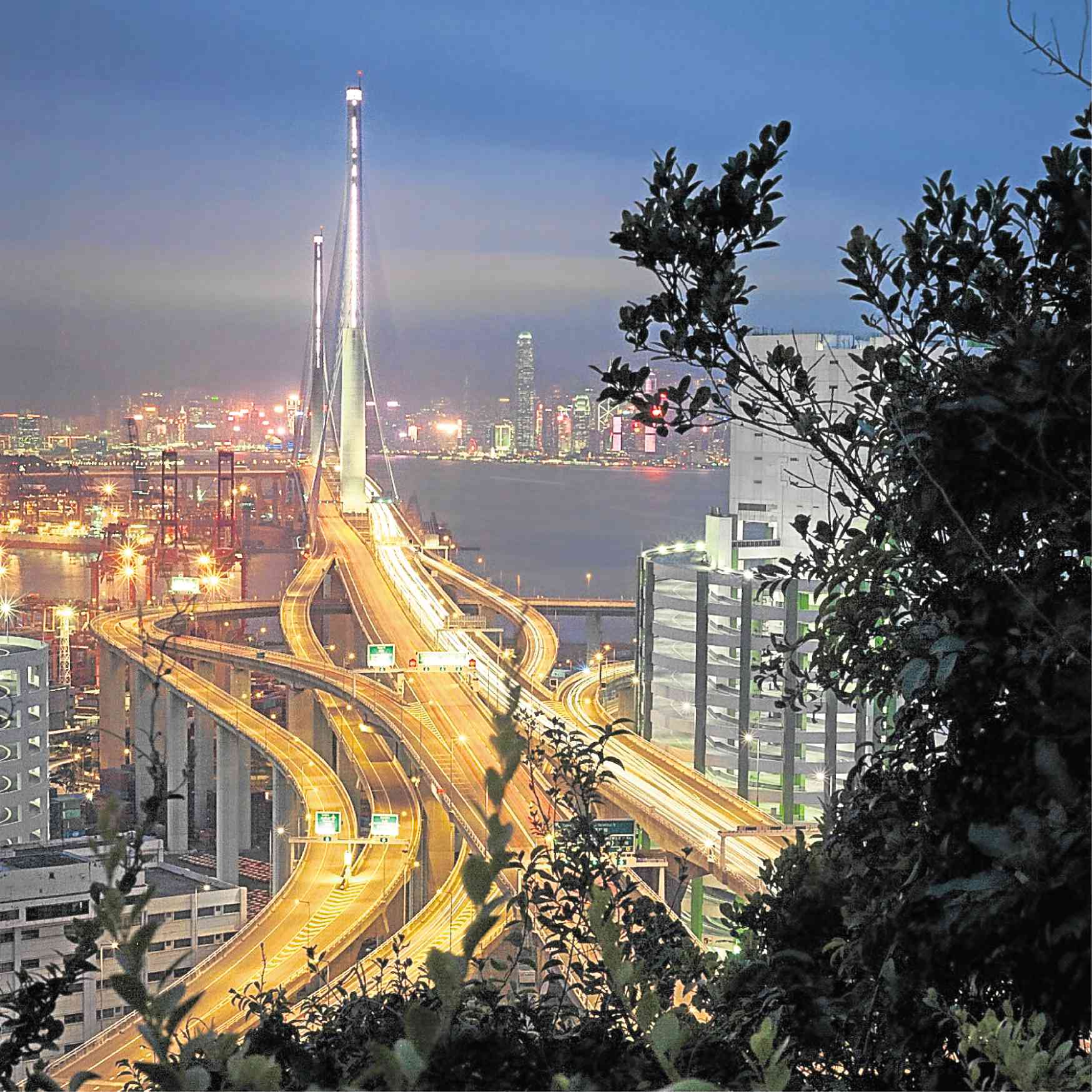
Hong Kong’s infrastructure is iconic and world-leading.

Third, to do this, government, business and civil society need to come together. In our charged local political environment, this may seem unrealistic. But if we don’t want to lose any more competitiveness—or lives—it’s absolutely necessary.

A national task force focused on fixing Metro Manila, examining the critical challenges our cities face, should be convened and empowered. And this task force should be given the resources to implement transformative solutions.

Fourth, infrastructure projects need to be approved faster and incentivized to be delivered on time. Recently, I was thrilled to traverse the portion of the completed connector road beyond Buendia in Makati. After about 20 seconds when the road ended, I was dismayed to find myself crawling again on South Super Highway.

In most of fast-growing emerging Asia, governments have established “coordinating ministries” that ensure red tape gets cut and projects are completed. It’s a crime that the Philippines is paying fees today for projects we have failed to complete, and we need to fix this.

Fifth, all of this must be addressed via a real, comprehensive and long-term plan. Metro Manila is 16 independent cities and one municipality, each with its own unique governance. It can be saved only if we recognize that this system does not work anymore.

All of Metro Manila needs to be considered as one urban fabric. The strengths of one city can help improve the weaknesses of another.

Sixth, we must recognize that we need outside help. Across Asia, national and local governments are turning to global companies, think tanks, universities and other institutions and crafting uniquely local fixes. It is a not an adverse commentary on our nationalism to say that we need to bring in international ideas and expertise.

As it turns out, just like the Hotdog song, “I keep coming back to Manila.” It is our home, and it needs urgent and comprehensive surgery if we are to save her, and prepare her for future generations.

On Sept. 27, visit “Manila: Future Habitations,” a presentation by the Harvard University Graduate School of Design (the world’s premier school for architecture, urban planning and landscape design) and AECOM on proposed future solutions Manila could consider.

A public forum will be held from 2-4:30 p.m. at the Jesuit Mission House, corner Arzobispo and Anda Streets, Intramuros, Manila.

After the forum, an exhibit of proposed ideas by the students of the Harvard Graduate School of Design will be held from 4:30-6 p.m. at the adjacent San Ignacio Church Exhibition space.

Both events are open to the public. For registration, visit the Facebook page Manila Studio 2018, or e-mail RafaelAudric.Imperial@aecom.com.

This program is brought to Metro Manila in conjunction with the Intramuros Administration and the Department of Tourism. –CONTRIBUTED

The author led the external communications practice for AECOM across Asia. All the opinions, reflections and recommendations are his own and in no way reflect those of the Harvard Graduate School of Design or AECOM.

Traditional crafts with a modern twist

ศาสตร์เกษตรดินปุ๋ย : ขอบคุณแหล่งข้อมูล : หนังสือพิมพ์ The Nation

http://www.nationmultimedia.com/detail/lifestyle/30355117

  • Mudmee silk from Khon Kaen gets a makeover from Kris Yensudjai
  • The Sukwan pendant light by Tavorn Tavornchotivong represents the fourth trend, “Surreal Hospitality”. /Nation photo
  • Sacict’s Amparwom Pichalai initiated the concept “Retelling the Detailing” which seeks to communicate past crafts from a different standpoint.

Traditional crafts with a modern twist

lifestyle September 25, 2018 01:00

By KUPLUTHAI PUNGKANON
THE NATION

2,134 Viewed

The support arts and crafts international centre of Thailand adopts new approaches to sustaining the Thai heritage.

In a world where digital is king and disruptors are changing life as we knew it, the importance of retaining the intricacies of traditional crafts while embracing the modern cannot be overstated. It is for this reason that the Support Arts and Crafts International Centre of Thailand (Sacict) under the patronage of Her Majesty Queen Sirikit has adopted as one of the trends in its strategy for 2019 a “Retelling the Detailing” concept in the making of new craft products that are both eye-catching and creative.

To get its point across, the centre recently hosted the “Sacict Craft Trend 2019 Open House” at its Craft Gallery in Ayutthaya where it unveiled the mechanisms for creating and presenting the richness of original work and traditional knowledge while increasing the perceived value of handicrafts.

“The story has to be told in a way that’s more appropriate to modern values. We believe that making innovative crafts a part of people’s lives is crucial to passing down the value of Thai arts and crafts to the new generations while simultaneously contributing to the strengths of the community in a sustainable way,” says Sacict’s chief executive says Amparwon Pichalai.

Millennials, she adds, already make up the most influential consumer group in the tourism and service industry. Ever eager to experience a different kind of lifestyle, this segment of society will continue to research what they are buying while comparing prices and quality, and pay attention to the origins from which product is sourced.

The “Tropical Dreams” trend brings nature into the home.

The “Retelling the Detailing” concept communicates contemporary designs in line with modern lifestyles. It represents the richness of original works in ways never seen before and preserves and transfers traditional knowledge to a new generation while enabling manufacturers, designers, local artisans to take pride and raise the value of the products bestowed upon them by ancestors.

“Retelling the Detailing” thus responds to Sacict’s initiative campaign, “Today’s Life Crafts – smart craft, craft studio, and craft society”. The other three trends for 2019 are “Tropical Dream”, “Righteous Crafts”, and “Surreal Hospitality”.

The trend book explains that storytelling provides an opportunity to communicate a good value that will lead a consumer to choose a specific product. And so, retelling the story provides an avenue to highlight new details about the manufacturing process including the material selection, designs, and a series of events associated with a specific product. It can be a story about how a brand was born or the history of a community craft passed on from generation to generation and which continues to flourish in even more attractive physical forms.

Part of the exhibition showcase in the gallery, “Grid Collection: Vastly Patterned” features a network of decorative diamond shapes with floral ornaments designed by Pornphun Sutthipraph. The delicate network of intersecting lines is redesigned and gets a contemporary look in Thai Benjarong (five-colour design) tableware. “Headphones” designed by Kris Putpim and Boonyarat Benjarong, stand out from other listening devices thanks to hoods concealing the drivers that are adorned with a criss-cross pattern symbolic of the Thai Benjarong traditional design.

“Patchwork” by Parsuree Wirachwiboolkit transforms the everpresent plastic chair into a seat everyone will love. 

With silk a manifestation of the Thai culture, designer Kris Yesudjai proudly presents the new work from the Mudmee silk Weavers Group of Baan Hua Fai, in Khon Kaen province. “Patchwork” is about transforming the common plastic chair into exciting new form, colour, and texture by upholstering it in multi-colour patchwork. Designed by Parsuree Wirachwiboolkit, it gives an ordinary object an entirely new meaning.

Thanavat Klongvishar and Prapanpong Suksawanf’s award-winning chair named “Where are you from?” is a great example of “Retailing the Detailing”. The pair, who won the Innovative Craft Award, used materials common in craft making such as rattan, wood, ceramics to build furniture that inspires and connects.

The second trend, “Tropical Dreams” refers to an attitude that has become entrenched in the mindsets of the new generation, with the “green is the new gold” code increasingly being adopted for home and workplace decor. Alternative materials are being pressed into service to mimic a natural environment and rising to the challenge is the “Bamboo Low Stool” designed by Plural Designs and the Bamboo Works Group of Baan Sri Pan Krua, Chiang Mai, which uses bamboo strands tightly wound up in a coil. The natural fibre stool is created out of four coils, three for the legs, and one for the seat.

Urbanites are also showing a preference for wood, with wooden lamps turning the room into a relaxing place and a wooden leaf chair adding to the impression of being part of nature.

The third trend known as “Righteous Crafts” is an attempt to show that what matters most consumers nowadays is the origin of products – the source of the raw materials. It is something both manufacturers and new-generation consumers are taking into consideration. In this way, they are able to repay or reward the community for their role in the development and preservation of handicrafts. The Bamboo Basket by Plural Designs has been working with the Bamboo weaving group from Baan Kai Noi, Mae Tang district, Chiang Mai province on this trend too, coming up with a raw material that not only has no environmental impact but which also generates more income for the locals. Also part of this trend are smart and casual outfits made from crafted cotton hand-dyed with organic substances that are nature-friendly.

Millennials enjoy luxury but are also keen on possessing an “experience”. The fourth trend ‘Surreal Hospitality’ caters to this new generation of travellers.

“Hotels these days often make their accommodations more exciting to entice Millennials to visit and experience new places rather than going to popular tourist destinations,” says Damrong Leevairoj, editor in chief of Room Magazine, who also curates the gallery.

“They often use handicrafts to add atmosphere. Crafts are works of art; they take time, manpower, and substantial amounts of money to make and this has turned them into items of luxury. If a hotel owner can work jointly with the artists and craftsmen in the community in creating outstanding pieces, they are sure to benefit and have interesting stories to tell.”

Highlight pieces include “Su-kwan” a suspended luminaire by Takorn Tavornchotivong that draws on the traditional welcome ceremony, Bai-sri-su-kwan, which is adorned with folded banana leaf, and a pendant wrapped in countless shimmering pieces of sheet metal folded and affixed to the enclosing boundary.

“Passion of Craft on the Wall” by designer Kritsanalak Pakkhakuntawi, features a papyrus floor mat that embodies the skill and knowledge of the traditional handicrafts found in all regions.

Healthcare: What the future holds in store

ศาสตร์เกษตรดินปุ๋ย : ขอบคุณแหล่งข้อมูล : หนังสือพิมพ์ The Nation

http://www.nationmultimedia.com/detail/lifestyle/30355121

  • Dr Jozica Habijanic
  • photo courtesy of Roche

Healthcare: What the future holds in store

lifestyle September 25, 2018 01:00

By DR JOZICA HABIJANIC
SPECIAL TO THE NATION

2,098 Viewed

With an ageing population in Asia and a scenario that foresees an increase in cancers, cardiovascular diseases and diabetes, shouldn’t we be looking at ‘clinical utopia’?

 The increasing prevalence of non-communicable diseases and an ageing population means healthcare resources will continue to struggle to meet the growing demand.

In the next decade, more Asians will suffer from chronic diseases such as cancers, cardiovascular diseases and diabetes, which will put strain on healthcare systems across Asia Pacific. It is expected that by 2040 there will be 350 million diabetics living in Asia, an increase of 110 million in about 20 years. By 2025 about 80 per cent of the deaths in the developed countries in Asia will be due to non-communicable diseases, while in emerging markets dual-disease dynamics will still be observed.

In parallel, we will see the number of elderly in Asia continue to rise. It is expected that the expenditure for elderly care in the region will increase fivefold by 2030 compared to that of 2015 . This again will put additional strain on healthcare systems and economies across Asia. In Thailand for instance, the growing number of elderly will undoubtedly lead to higher expenditure in health care, affecting the size of Thai economy by as much as 4.4 per cent in the next decade.

And with the middle-class continuing to grow, by 2030, Asia could represent two thirds of the global middle class population, creating an even greater demand for quality healthcare .

Meeting this demand however, will prove to be a challenge. The next 10 years will see a shortfall of nearly 18 million healthcare professionals in Asia Pacific. This will be exacerbated by a lack of efficient management in public health, insufficient infrastructure and restricted healthcare funding, especially in emerging markets. The gap between demand and supply is expected to increase in the coming years.

To address this challenge, healthcare providers and the industry as a whole will have to transform business models by using innovative technologies to make healthcare provision more efficient while also improving access. To this end, many countries have already embarked on Smart Health initiatives in various forms.

Many of these initiatives aim to move healthcare services for chronic disease management from hospitals to the community, closer to the patient. This will not only decrease overcrowding in hospitals, but make healthcare more affordable, efficient and patient-oriented. This is being enabled by innovation in digital technologies and platforms. A widely used platform is mHealth (Mobile Health), which allows doctors to diagnose patients through the use of smartphones. It is expected that 40 per cent of the doctor-patient consultations in the future will move from face to face to digital mHealth. This also includes remote diagnostics.

Another exciting trend in healthcare provision is Internet Hospitals, which are taking centre stage in the US and China. In this model, the majority of healthcare delivery is provided by digital means, except in the case of surgery or emergency cases where patients will still need to physically see medical professionals in a traditional setting. This is a rapidly evolving trend across Asia Pacific with South Korea and Australia planning similar models.

While many of these models are already being implemented, the rapidly evolving healthcare environment presents both challenges and opportunities. To understand this in greater detail, Roche Diagnostics Asia Pacific recently conducted an extensive study on the future of healthcare in Asia Pacific focusing especially on in vitro diagnostics (IVD).

The study has been conducted through collaboration with numerous stakeholders within and outside healthcare industry and across various Asian markets. The aim was to understand what the ideal healthcare environment – where every individual has access to high quality, affordable healthcare – would look like. The study also delved into what would constitute the patient journey in this “clinical utopia”.

In this “clinical utopia”, we will know much more about a baby through non-invasive foetal testing. By the time baby is born, its baseline healthcare profile will already be established. Before or at birth, the baby will have an embedded sensor. This device will monitor various health parameters in real-time which will be uploaded onto a personalised, highly secure cloud. The person will have control and ownership of his/her profile. Based on the information collected, this person will obtain real-time advice provided by artificial intelligence on how to manage his or her health and lifestyle in order to keep healthy.

In case of sickness, a person will get an alert with crucial information to manage the illness and recommendations from their healthcare providers. What will be truly game-changing is that an individual’s personal intelligence cloud could also feed into a larger population gathering database. This is where the public sector will access information.

In case of serious illness, the person will be sent to a hospital, which will be equipped with the latest technologies and robots and where care will be provided on-the-spot and efficiently. In the clinical utopia environment, a majority of the diagnosis will be done through sensors and people will be kept out of healthcare system thanks to an efficient and preventive healthcare model. We will see a marked shift from the reactive, episodic care we receive today. As a result, there will be a significant decrease in healthcare costs.

Ultimately, our ability to effectively harness technology will determine the future of healthcare. Patients today want easier access to care and demand better service, and this trend is here to stay. With this, patient centricity has become, and will continue to be, a focal point for innovation and healthcare delivery, now and well into the future.

Dr Jozica Habijanic is Country Manager at Roche Diagnostics Philippines and led the study in her former role as Head of Strategic Development at Roche Diagnostics Asia Pacific.

Inside the ‘Baby Factory’

ศาสตร์เกษตรดินปุ๋ย : ขอบคุณแหล่งข้อมูล : หนังสือพิมพ์ The Nation

http://www.nationmultimedia.com/detail/lifestyle/30355119

An Afghan woman swaddles a newborn baby at the Doctors Without Borders (MSF) maternity hospital in Khost province./AFP Photo

Inside the ‘Baby Factory’

lifestyle September 25, 2018 01:00

By AGENCE FRANCE-PRESSE

More than 60 infants are born every day at this small doctors-without-borders clinic in Afghanistan

The mother was admitted at 9.30am, the birth recorded at 9.35. Women often arrive in extremis at the Doctors Without Borders maternity hospital in southeastern Afghanistan, one of the most active in the world, with more than 60 babies born daily.

The early hours of the morning are the most feverish for the hospital – affectionately known by the NGO as “the baby factory” – just a stone’s throw from Pakistan’s tribal areas, in Khost province.

The Taleban are active in the region and roads are often dangerous after dark, so when 25-year-old Asmad Fahri felt her contractions begin at night she knew she would have to wait until daybreak to begin the three-hour journey to the hospital.

Finally she is resting, her infant tightly swaddled and asleep between her knees.

On average new mothers are kept in the ward for six hours, but she has asked to leave after just three, to ensure she reaches home before darkness falls again.

Sometimes the mothers have to travel for days, in pain and bleeding, over unpaved, insecure roads in carts or by whatever mode of transportation they can find.

In an opposite wing, the delivery tables continuously welcome newcomers.

Most only have time to lift the long layers of clothing hiding their bodies and wedge their coloured veils between their teeth, too rushed even to change into MSF’s standard red pyjamas.

The Khost Maternity Hospital (KMH) opened at the end of 2012 in a medical desert in the conflict-riven country with one of the highest infant and maternal mortality rates in the world.

It was an overnight success, with nearly 12,000 deliveries in its first full year in 2013.

By 2017 that figure had nearly doubled, to 23,000.

This year the hospital is on track to deliver 24,000 babies, says Dr Rasha Khoury, a Palestinian gynaecologist who is medical officer at the site.

If so that puts it within crying distance of the busiest maternity wards in the United States, where the Northside Hospital in Atlanta delivered 27,000 babies in 2016, the highest number in the country that year.

“Here we are saving lives for free,” smiles Safia Khan, 24, the assistant manager of the midwifery team.

Behind her, a young mother of twins searches her skirts and hands her a folded banknote. It is a traditional gesture of gratitude after delivery, at times required in some hospitals but politely declined here. “It’s forbidden,” insists Khan.

The UN and the World Bank put maternal mortality at around 396 deaths per 100,000 live births in Afghanistan.

But the figure is disputed, with experts pointing out it is an improbable fall from the 1,600 per 100,000 recorded in 2002.

Such a decline would mean Afghanistan would have reached its Millennium Development Goal set by the UN some five years early, a study published in the medical journal the Lancet noted in 2017.

The authors of that study say more credible figures released by the Afghan government in partnership with USAid suggest maternal mortality could still be as high as 1,291 per 100,000 – meaning that giving birth is around five times more deadly for Afghan women than the conflict itself.

If so, it is a staggering figure 17 years after the fall of the Taleban regime, despite billions of dollars in international aid, in a country with one of the youngest, fastest-growing populations in the world.

Dr Khoury says that MSF facilitates around 40 per cent of the births in Khost, which has an estimated 1.5 million inhabitants.

But to make a real dent in the mortality rates in the face of these challenges they would need “three hospitals like MSF”, she says.

On top of war, poverty, and a galloping population, the medical staff face a further obstacle: the Pashtunwali, the patriarchal social code of honour that dictates life in the conservative Pashtun tribal region where Khost lies.

Under the Pashtunwali the genders must be segregated, and a woman must never show her face to a stranger.

As such, medical staff at the hospital are exclusively female, with the exception of some anaesthetists and the director of the neonatology department. Even so, a little persuasion has at times been necessary, says Salamat Khan Mandozai, a respected local figure who deals with security for the hospital and has also acted as a community liaison.

“In this rural environment, some women still prefer to give birth at home,” he notes.

Going to hospital embarrasses them, agrees Safia Khan – birth is a private matter.

Dr Khoury says the hospital is aware that many women are not coming to them, but adds that the families who do come do so “without hesitation”.

For many, she adds, obstacles are not about culture, but finances – namely, paying for transportation – or safety and security, especially at night.

Women must also wait until a man of the family is available to accompany them, she says.

But once inside the hospital power returns to the mothers-in-law who escort the patients until they reach the doors of the delivery room.

“We are really reaching people at the margin of the society in Afghanistan,” says Dr Khoury.

“It’s a success story.”

A diet that sharpens the mind

ศาสตร์เกษตรดินปุ๋ย : ขอบคุณแหล่งข้อมูล : หนังสือพิมพ์ The Nation

http://www.nationmultimedia.com/detail/lifestyle/30355103

A diet that sharpens the mind

lifestyle September 24, 2018 12:07

By The Nation

A new health study shows the consumption of a Mediterranean diet, characterised by nutritious foods such as vegetables and olive oil, is associated with a higher score in core school subjects and verbal skills in adolescents.

Undertaken by Jaume I University in Spain, researchers found that adherence to Mediterranean diet improved teenagers’ school performance because of the eating plan’s ability to promote brain development, increased by healthy fats found in olive oil and fish, and overall better sleep quality.

“Academic performance during adolescence has a significant influence on future health and work conditions,” said the research authors at Jaume I University in Castellon, Spain.

In the study, published in Acta Paediatrica, 269 teenagers of an average age of 13.9 were recruited in Castellon, Spain. Analysis of the data showed closer adherence to the Mediterranean diet was linked to better scores in core subjects, language and verbal ability, as well as higher grade point averages.

According to the Centre for Educational Neuroscience in London, nutrition affects children’s performance in school for more mentally demanding tasks, short-term memory, and in the case of children who are poorly nourished in general.

Supporting the research is the fact that the Mediterranean diet is filled with wholesome foods such as fresh fruits, vegetables, whole grains, nuts, olive oil and fish – which provide a beneficial amount of vitamins, fats, and minerals to allow the body and brains of growing students to function at an optimum level.

Thai parents can also support their children’s learning abilities by monitoring diets, which plays a proven part of helping to increase the ability to learn. Incorporating nutrient-rich ingredients found in the Mediterranean diet in easy Thai home-made recipes cooked with olive oil, such as salmon fried rice, stir-fried vegetables, stir-fried noodle with shrimps can easily support brain capacity for Thai children.

“The health benefits of olive oil, such as high antioxidants and the ability to lower cholesterol and protect against heart disease are well-known around the world. The fact that research continues to reveal new ways that olive oil can help support good health, is a testament to its centuries of usage. If the Mediterranean diet and olive oil consumption can help teenagers and children reach their full scholastic abilities, then we are very proud to be able to offer the best quality olive oils to our Thai consumers,” says Alberto Perez Martin, head of Bertolli Thailand.

According to Board Certified Naturopathic Doctor Erica Steele of Holistic Family Practice in Virginia, USA, olive oil’s role in this study is closely linked to brain development.

“The Mediterranean diet has a positive outcome on brain health and brain development due to its high amount of omega-3 fatty acids, which are considered ‘smart fats.’ These fats supply building material for the brain and offer substantial memory-protective qualities.” In a study published in the Neurology Paper, scientists discovered that those with lower blood concentrations of omega-3 fatty acids performed worse on assessments and thinking tests that involved memory and problem-solving. The heart-healthy MedDiet also seems to be good for the brain.”

Making the most of life

ศาสตร์เกษตรดินปุ๋ย : ขอบคุณแหล่งข้อมูล : หนังสือพิมพ์ The Nation

http://www.nationmultimedia.com/detail/lifestyle/30354989

  • Kanya Sesser uses skateboarding to get around and is delighted to demonstrate her skills in front of an audience at Indoor Stadium Hua Mark.
  • Kanya Sesser uses skateboarding to get around and is delighted to demonstrate her skills in front of an audience at Indoor Stadium Hua Mark.

Making the most of life

lifestyle September 24, 2018 01:00

By Jintana Panyaarvudh
The Nation

6,096 Viewed

Born with what many would consider a severe disability, Kanya Sesser is living proof that we can all be anything we wish

SHE WAS born without legs and abandoned by her parents but Thai-born Kanya Sesser neither curses her destiny nor lets her disability stop her from living life her own way.

The 26-year-old celebrity is determined to lead an ordinary life. Instead of a wheelchair, Sesser, whose motto is “No Legs, No Limits”, uses a skateboard to get around and also walks on her hands. Her talents include sports, acting, modelling and serving as a motivational speaker.

She is a professional skateboarder and surfer and has appeared in “Hawaii Five-0”, “Walking Dead” and “The Fear of The Walking Dead.” Oh, and she also models lingerie and sportswear.

 Kanya Sesser uses skateboarding to get around and is delighted to demonstrate her skills in front of an audience at Indoor Stadium Hua Mark.

Sesser was born in Pak Chong District, Nakhon Ratchsima province and left on steps of a Buddhist temple when she was only one week old. The monks at the temple took care of her before she was transferred to a hospital then the child adoption centre, Holt Sahathai Foundation.

She lived with foster parents – she refers to them as her grandparents – for a few years and at the age of five was adopted by American couple and taken to Portland, Oregon.

Today Sesser lives in Los Angeles and is currently spending her vacation in Thailand. This is her second visit to her hometown – the first was last year. Apart from visiting the nurses who took care of her when she was a baby and her foster parents, she also donned her motivational speaker hat and shared her inspiration and love of life with Thai disabled athletes at a recent event organised by US embassy.

A visually impaired participant asked her whether she has ever blamed God for being born disabled. “I’ve been asked this question many times and the answer is no. Everything grows differently. Flowers grow differently. And this is life.”

Sesser also took time out from her busy schedule to share her story with The Nation and explain how she manages her disability to live life to the fullest.

HOW HARD WAS IT BEING FIVE YEARS OLD AND ARRIVING IN THE US FOR THE FIRST TIME?

It was hard at first because I didn’t know English or any people. It’s like I had to adapt to whole new environment and new people who I had never seen before.

WHAT HELPED YOU GET THROUGH IT?

My amazing family, the love and support around me, and the amazing friends I have met since living in America. It’s been wonderful. I’m so glad that I’m American and also Thai. These connect together to make the person I am today.

HOW DO YOU MANAGE TO LIVE WITHOUT LEGS?

I keep saying that everybody is different. I don’t have legs but I still have my arms and I still use my bottom or skateboard to get around. My arms are pretty strong. I still use my chair, for instance to go shopping. My lifestyle has created who I am today. And all the nurses, my adopted family, the friends around me, and people who I’ve met or who are just like me and understand me as well as the foundation have encouraged and helped me too.

WHAT WAS YOUR BEST MOMENT IN YOUR LIFE?

My best moment would have to be winning so many first place medals in Track and Field events at the junior Olympics and Paralympics. That started when I was 15 and continued until I turned 20. So together those would be my best golden year.

I feel like when I was younger everything that happened was exciting. I got to meet everybody and everyone.

Sesser poses with a group of disabled athletes.

WHAT ABOUT THE WORST MOMENT?

Probably in my mid twenties. I kind of lost myself in a way and I did not know what to do with my life. I guess reality hit and I wanted to give up.

But then maybe God played his hand. I never expected I would become a motivational speaker. I certainly never expected to become an actress. I think in life we have to go through the bad to get to the good. That’s just the way it is.

AND THAT WAS WHY YOU WERE ABLE TO GET BACK TO YOUR LIFE?

Yes. I’m the kind of person who can just go on. Because I have so much stability in life, I can do whatever. That’s why I never stop. Sometimes I doubt myself and have negative feelings but I try to dismiss them. And I learn from that.

HOW DID YOU DISCOVER YOURSELF OR REALISE WHAT YOU WANTED TO DO OR BECOME?

Ever since I was young, my parents have said that I know what I want, what I expect to have and that I never listen to people. And it’s true. I’m my own boss. So, it’s my stubbornness. As a child, I felt free and very adventurous.

As a kid, you try to find yourself but when you reach your mid-twenties you learn from what you do or you struggle. Now I’m 26, I’ve learned how to be calmer, more chilled out.

 Sesser chats with disabled athletes.

WHAT ADVICE DO YOU GIVE TO MOTIVATE DISABLED PEOPLE?

I like to say I’m just like them. We are all together and you are not alone. When people stare at you, just know that another 500,000 people like you are being stared at too every day.

But don’t let any negatives influence you in a way that makes you want to give up on yourself and don’t let anybody talk you down. There are so many opportunities in life. There are people around who know people who can help you too.

And when we are together in wheelchairs or whatever, that’s a family. It’s nice to be comfortable with people who are around us because they understand us.

Our body is just the house but our soul connects us together. Even though we are different physically or mentally we all can connect and we are actually not alone.

I walk through obstacles and challenges in my own way. And I’m pretty sure all of you guys, whether able-bodied, physically disabled or mentally disabled, have your own ways of living your lives.

YOU HAVE SEVERAL ROLES – ATHLETE, ACTRESS, AND MODEL. WHICH IS YOUR FAVOURITE?

I don’t have a favourite. I couldn’t choose one of them. Everything I have done is for a purpose. I love them all because they all give me such amazing experiences.

I love being an athlete because I can stay fit and healthy. I love being an actress because I can be in front of the screen and get to see how everything is done. And I love being a model or skater. Everything is real for me. I am just so fortunate that I get these opportunities. But even I didn’t have those opportunities, I believe that if there is the will, then there is a way.

HOW DO YOU MANAGE YOUR TIME SO YOU CAN DO ALL THESE ACTIVITIES?

I’m a busy woman. I feel like I keep doing everything that I can. So I just do a lot of stuff and I always find the time.

WHAT DO YOU WANT TO DO OR BECOME NEXT?

I really want to travel more to different countries and be an advocate for the disabled and give them a chance to get equipment or accessibility. I also would like to be in a big movie, maybe a Thai movie. Who knows?

WHAT WILL BE YOUR NEXT ROLE IN THAILAND IF YOU VISIT THE KINGDOM AGAIN?

Maybe I can advocate for something in Thailand or work with agencies or industry here. That will be amazing. I hope to come back next summer.

ซัมเมอร์นี้พาลูกไปเข้าค่ายที่ไหนดี

ศาสตร์เกษตรดินปุ๋ย : ขอบคุณแหล่งข้อมูล : หนังสือพิมพ์โพสต์ทูเดย์

https://www.posttoday.com/life/life/544349

  • วันที่ 14 มี.ค. 2561 เวลา 08:13 น.

ซัมเมอร์นี้พาลูกไปเข้าค่ายที่ไหนดี

เรื่อง วรธาร ทัดแก้ว

ปิดเทอมยาวหน้าร้อนทุกปี เป็นช่วงเวลาที่เด็กๆ และพ่อแม่ผู้ปกครองต่างมองหาค่ายหรือแคมป์ดีๆ ให้กับตัวเองและลูกหลาน อันเป็นการใช้เวลาว่างในช่วงดังกล่าวให้เกิดประโยชน์ ขณะที่เด็กๆ ได้พัฒนาตัวเองด้านทักษะต่างๆ โดยจะมีความพิเศษด้านไหนนั้นขึ้นอยู่กับรูปแบบและการจัดกิจกรรมของแต่ละค่ายเป็นสำคัญ

ปัจจุบันมีค่ายต่างๆ เกิดขึ้นมากมาย ทั้งระยะสั้น ระยะยาว ทั้งจัดในประเทศและพาไปต่างประเทศ เพื่อรองรับความต้องการของเด็กๆ และพ่อแม่ผู้ปกครองที่ต้องการส่งลูกหลานไปเรียนรู้สิ่งใหม่ๆ เช่น ค่ายภาษา ค่ายวิทยาศาสตร์ ค่ายคณิตศาสตร์ ค่ายอนุรักษ์ ค่ายอาสา ค่ายดนตรี ค่ายศิลปะ ค่ายคอมพิวเตอร์-ไอที เป็นต้น


เด็กสมัยนี้เก่งอย่างเดียวไม่พอ

พ่อแม่ผู้ปกครองยุคใหม่ต่างเห็นความสำคัญของการเข้าค่ายเพราะมองว่ามีประโยชน์และส่งเสริมศักยภาพของลูกๆ ซึ่งจะเห็นได้จากเด็กบางคนพอกลับจากเข้าค่ายแล้วนิสัยและพฤติกรรมเปลี่ยนไปในทางที่ดีขึ้น เช่น จากที่เป็นคนเอาแต่ใจ หรือไม่ชอบใจอะไรแล้วมักใช้อารมณ์ ก็เปลี่ยนมาเป็นคนที่ใช้เหตุผล ใจนิ่งสุขุมขึ้น เรียกว่าทัศนคติเปลี่ยนไปในทางที่ดี

คิม จงสถิตย์วัฒนา กรรมการผู้จัดการ บริษัท นานมีบุ๊คส์ คนรุ่นใหม่ที่เชื่อว่า การเข้าค่ายตอบโจทย์การศึกษาของเด็กในยุคปัจจุบัน ให้มุมมองว่า โลกทุกวันนี้เปลี่ยนไปเร็วมาก ทำให้การเลี้ยงลูกมีความท้าทายอย่างยิ่ง การเลี้ยงให้เก่งหรือเน้นการแข่งขันอย่างเดียวไม่ใช่ค่านิยมของคนรุ่นใหม่อีกต่อไป และไม่ใช่สิ่งที่สำคัญที่สุดของชีวิตอีกต่อไปด้วย แต่สิ่งสำคัญคือทำอย่างไรให้เด็กๆ เป็นคนเก่ง คนดี รับผิดชอบตัวเองและรับผิดชอบต่อสังคมได้ นี่คือนิยามที่เรียกว่าแอ็กทีฟ ซิติเซน (Active Citizen)

คิม กล่าวต่อว่า การเป็นคนเก่ง คนดีและรับผิดชอบตัวเองและสังคมได้นั้นเป็นสิ่งที่สังคมและชาติถวิลหา ในฐานะที่นานมีบุ๊คส์นอกจากทำหนังสือและจัดค่ายต่างๆ มานาน จึงเห็นว่าการเป็นแอ็กทีฟ ซิติเซนจำเป็นต้องพร้อมด้วย 7 ทักษะ ประกอบด้วย 1.การมีจิตสำนึกพลเมืองดี เกิดมาต้องตอบแทนสังคมและต้องเคารพความคิดเห็นที่แตกต่าง 2.การมีทักษะประกอบวิชาชีพ ควรมีแพสชั่นหรือเรื่องใดเรื่องหนึ่งที่ต้องเก่งพิเศษ 3.ใส่ใจสิ่งแวดล้อม รักธรรมชาติและแผ่นดิน อยู่กับสิ่งแวดล้อมอย่างสุนทรีย์ 4.รู้จักคิดวิเคราะห์ ไม่ใช่คิดเก่งแต่ต้องทำเป็นและแก้ปัญหาเป็นด้วย 5.สร้างสรรค์ต่อยอด คิดนอกกรอบ 6.มีภาวะผู้นำ มุ่งมั่น รับผิดชอบ กล้าตัดสินใจ มีอุดมการณ์ โดยจะมีอุดมการณ์ในเรื่องใดก็ได้ เช่น เรื่องสัตว์ ผู้หญิง สิ่งแวดล้อม เป็นต้น 7.ต้องสื่อสารอย่างมีประสิทธิภาพ ไม่ใช่พูดเก่งอย่างเดียว แต่ควรจะสามารถแสดงทัศนคติของตัวเองอย่างสร้างสรรค์ได้ รู้ทั้งภาษาไทยและภาษาต่างประเทศ ทั้งหมดนี้เป็นทักษะที่จำเป็นของแอ็กทีฟ ซิติเซน

          ค่ายไหนน่าไปบ้าง

สำหรับระดับอนุบาล พ่อแม่ผู้ปกครองที่มีลูกหลานอยู่ในวัยเตรียมอนุบาลถึงอนุบาลที่ 3 หากกำลังมองหาค่ายให้ลูกอยู่ โรงเรียนสาธิตกรุงเทพธนบุรี เป็นตัวเลือกหนึ่งที่น่าสนใจ โดยได้จัดโปรแกรมไว้สำหรับผู้ปกครองที่ไม่ต้องการให้บุตรหลานอยู่บ้านเฉยๆ แต่อยากให้ต่อยอดและเติมเต็มความรู้ ประสบการณ์ ตลอดจนพัฒนาการและความสนุกสนาน กับกิจกรรมปิดเทอมหรรษา ซัมเมอร์คอร์ส (Summer course)

จิรวรรณ ชัยรุ่งเรือง รองผู้จัดการ โรงเรียนสาธิตกรุงเทพธนบุรี กล่าวว่า กิจกรรมนี้กำลังอยู่ในช่วงของการจัดรอบแรก แต่รอบสองจะจัดวันที่ 2-30 เม.ย. ซึ่งมีหลายกิจกรรม เช่น กิจกรรมศิลปะสร้างสรรค์ กิจกรรมกระดาษหรรษา กิจกรรมการประดิษฐ์ วาดภาพ ระบายสี กิจกรรมกลางแจ้ง กิจกรรมคุกกิ้ง กิจกรรมเสริมทักษะเตรียมความพร้อมและเชาว์ปัญญา กิจกรรมสนุกกับภาษาอังกฤษ กิจกรรมสนุกกับภาษาจีน เป็นต้น พ่อแม่ผู้ปกครองที่สนใจสามารถลงทะเบียนให้ลูกๆ ได้ตั้งแต่วันนี้ สอบถามข้อมูลได้ที่ 02-408-1919 ทุกวัน หรือ www.satitbtu.ac.thขณะที่ค่ายระดับประถมศึกษาก็มีจัดหลายที่ หนึ่งในนั้นคือของบริษัท นานมีบุ๊คส์ ก็ถือว่าน่าสนใจ โดยปีนี้นานมีบุ๊คส์มีกำหนดจัดค่ายทั้งหมด 23 ครั้ง ในช่วงซัมเมอร์นี้ได้มีการแบ่งค่ายออกเป็น 2 ประเภท ได้แก่ ค่ายแฮร์รี่ พอตเตอร์ ในธีมที่เกี่ยวกับแฮร์รี่ พอตเตอร์ มีทั้งหมด 5 ธีม ประเภทที่ 2 ค่ายโกจีเนียส มี 5 แบบเช่นกัน

คิม กล่าวว่า ค่ายแฮร์รี่ พอตเตอร์ เป็นค่ายภาษาอังกฤษ โดยเจ้าของภาษา คอนเซ็ปต์ค่ายเป็นการถอดกิจกรรมจากหนังสือแฮร์รี่ พอตเตอร์ แต่ละเล่มออกมาเป็นกิจกรรมสร้างสรรค์ให้เด็กๆ ให้ความสำคัญกับทักษะทางสังคมและมิตรภาพ ความคิดสร้างสรรค์ การสร้างภาวะผู้นำ ตลอดจนการทำงานเป็นทีม โดยค่ายที่ 1 คือ แฮร์รี่ พอตเตอร์ กับศิลาอาถรรพ์ ทุกคนที่เข้าค่ายจะได้รับตุ๊กตานกฮูก ซึ่งในแฮร์รี่ พอตเตอร์ จะมีสัตว์ประจำกาย หนึ่งอย่าง และสัตว์ประจำกายของแฮร์รี่ พอตเตอร์ คือนกฮูก สีขาวที่ใช้ในการส่งสาส์น และไม้กายสิทธิ์ 1 อัน กิจกรรมมีหลายอย่างเหมือนในแฮร์รี่ พอตเตอร์ มีการแบ่งเป็น 4 บ้าน เด็กที่เข้ามาต้องใส่หมวกคัดสรร โดยหมวกจะบอกว่าใครอยู่บ้านหลังไหน ซึ่งทั้งสี่บ้านจะมีการแข่งขันระหว่างปี นักเรียนคนไหน บ้านหลังไหนทำได้ดี เช่น เก็บกวาดบ้านสะอาดมากก็จะได้ 1 แต้ม หรือใครชอบแกล้งเพื่อนก็โดนหัก 1 แต้ม การค้นหาศิลาอาถรรพ์ต้องผ่านด่านหลายภารกิจ เป็นต้น

ขณะค่ายที่ 2 แฮร์รี่ พอตเตอร์ กับห้องแห่งความลับ ซึ่งห้องแห่งความลับนี้เด็กๆ ต้องผ่านภารกิจลับต่างๆ ไปให้ได้ ค่ายนี้จะสอนให้เด็กๆ ได้รู้คุณค่าของเงินโดยจะมีการแจกเงินปลอมให้เด็กไปจ่ายตลาด ซื้อสัตว์เลี้ยงของตัวเอง ซึ่งตลาดในโลกเวทมนตร์ไม่เหมือนตลาดทั่วไป ตลาดที่ดังในแฮร์รี่ พอตเตอร์ ชื่อตรอกไดแอกอน เด็กๆ ก็จะไปซื้อสัตว์เลี้ยงที่ตรอกนี้ ได้ฝึกเรียนรู้เรื่องการประมูล เช่น การประมูลไม้กายสิทธิ์ของตัวเอง ได้ฝึกคิดเลข ได้เล่นกีฬาควิดดิชแต่ด้วยการขี่ไม้กวาด เป็นต้น ทั้งสองค่ายนี้เคยจัดมาแล้ว น้องๆ อายุ 8-12 ปีที่สนใจยังสามารถสมัครได้อยู่

“นอกจากนี้ ปีนี้เรายังได้เปิดตัวค่ายที่ 3 แฮร์รี่ พอตเตอร์ กับนักโทษแห่งอัซคาบัน ซึ่งกิจกรรมต่างๆ ที่เราจัดขึ้นก็จะอยู่ในเนื้อหาหนังสือในเล่มที่ 3 เช่น การผจญภัยไปกับแผนที่ตัวกวน ย้อนเวลาตามหาและพิชิตภารกิจที่แสนท้าทาย ตามหาสัตว์ลึกลับในห้องแห่งความลับ การปรุงยาในศาสตร์ชั้นสูง และกิจกรรมอื่นๆ ที่น่าตื่นตาตื่นใจอีกมาก”

ค่ายแรก แฮร์รี่ พอตเตอร์ กับศิลาอาถรรพ์ จะจัดขึ้นในวันที่ 24-26 มี.ค. และวันที่ 21-23 เม.ย. 2561 ค่ายที่ 2 แฮร์รี่ พอตเตอร์ กับห้องแห่งความลับ จัดในวันที่ 6-8 เม.ย. และวันที่ 24-26 เม.ย. ส่วนค่ายที่ 3 จัดวันที่ 27-29 เม.ย. 2561 ทั้งหมดจะจัดที่ โกจีเนียส เลิร์นนิ่ง เซ็นเตอร์ เขาใหญ่ จ.นครราชสีมา

นอกจากค่ายแฮร์รี่ พอตเตอร์แล้วยังมีค่าย โกจีเนียส ซึ่งเป็นค่ายวิทยาศาสตร์ ตอนสุดยอดภารกิจเอาชีวิตรอดแดนมหัศจรรย์ รุ่นหนึ่งจะเริ่มวันที่ 31 มี.ค.-2 เม.ย. 2561 ซึ่งมีภารกิจหลายอย่างให้เด็กได้สนุกเพลิดเพลิน เช่น การประดิษฐ์เตาพลังงานแสงอาทิตย์ การเอาชีวิตรอดจากสถานการณ์ต่างๆ การทำเมนูอาหาร การเรียนรู้ขอความช่วยเหลือด้วยสัญญาณ การสร้างหอคอยทรงพลัง เป็นต้น


ขณะที่อีกค่ายโกจีเนียส หนึ่งที่น่าสนใจคือ Fining Me Project เป็นค่ายที่ให้เด็กๆ ได้ฝึกเคารพกฎระเบียบของสังคม ฝึกความอดทนและความพยายาม ฝึกให้กล้าแสดงออก ฝึกทำงานและอยู่ร่วมกับคนอื่น ฝึกให้เสนอความคิดเห็น ฝึกให้เป็นผู้นำ ได้รู้จักการเปิดใจ เปิดเผยความรู้สึก การฝึกให้รู้จักการตั้งเป้าหมาย การสร้างแรงบันดาลใจ เป็นต้น ค่ายนี้จะเหมาะกับเด็กอายุ 11-12 ปี โดยจัดขึ้นในวันที่ 9-11 เม.ย. 2561 สนใจสามารถสอบถามรายละเอียดหรือสมัครเข้าค่ายได้ที่ 02-2662-3000 ต่อ 5226, 4425

สำหรับนักเรียนมัธยมไปจนถึงมหาวิทยาลัยที่สนใจเข้าค่ายในช่วงซัมเมอร์นี้ก็มีค่ายต่างๆ ให้เลือกมากมาย สามารถเข้าไปดูรายละเอียดได้ที่เว็บไซต์ www.camphub.in.th เลือกค่ายที่ตัวเองชอบและอยากไปได้เลย.