สำหรับคนที่อยากเริ่มต้นการวิ่งเพื่อสร้างสุขภาพที่ดี ช่วงนี้มีแคมเปญงานวิ่งเสมือนจริงที่ยิ่งใหญ่ระดับเอเชียแปซิฟิก Get Moving With Good Nutrition โดยจะมีกิจกรรม Asia Pacific Get Moving With Good Nutrition 2021 Virtual Run ในเดือนตุลาคมนี้ เพื่อส่งเสริมให้ทุกคนออกกำลังกายในรูปแบบใหม่ที่จะได้ทั้งสุขภาพและความสนุกสนานในเวลาเดียวกัน และเพื่อตอกย้ำภาพลักษณ์ในความเป็นผู้เชี่ยวชาญด้านโภชนาการและพันธกิจที่ต้องการทำให้ผู้คนมีสุขภาพที่ดีขึ้น พบหลากหลายเคล็ดลับดีๆ ได้ที่ เฟซบุ๊ก Herbalife Nutrition และอินสตาแกรม HerbalifeThailand
Virologists checking to see if third jab effective against new variants
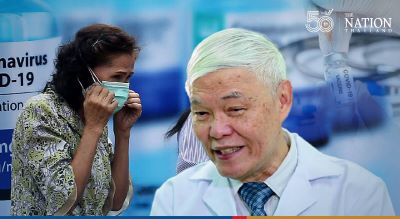
Dr Yong Poovorawan, chief of Chulalongkorn University’s Centre of Excellence in Clinical Virology, said his team was studying to see if administering third jabs would help cope with new Covid-19 variants effectively.
In a Facebook post on Friday, Dr Yong said the Delta variant has been spreading quickly worldwide, citing the US and Israel where infections have soared despite people being vaccinated.
“Israel has been getting nearly 10,000 new cases daily even though 80 per cent of its population has been vaccinated,” he said. “According to the Centres for Disease Control and Prevention’s Covid Data Tracker on Thursday, the US reported 153,728 infections and 1,209 deaths.”
He pointed out that the vaccines administered in Thailand can reduce the risk of developing severe symptoms and death even though their efficacy in preventing infections is greatly decreased.
Thai-made Baiya vaccine enters 1st human trial this month
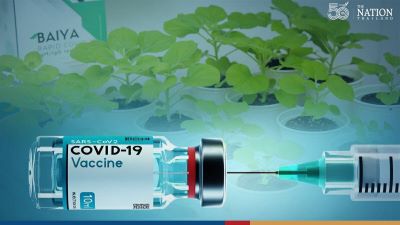
Baiya Phytopharm will launch the first human trials of its Covid-19 vaccine this month.
The sub-unit Baiya vaccine will be tested on volunteers once the Food and Drug Administration (FDA) gives the green light, said the company’s co-founder and chief technology officer, Waranyu Pooncharoen.
If results from human trials meet expectations, production of the vaccine can begin in mid-2022, she added.
The Baiya vaccine uses a genetically engineered tobacco extract to trigger an immune response against Covid-19.
The company plans to manufacture the vaccine at Asia’s first plant-based vaccine factory, located in Chulalongkorn University.
Waranyu also revealed that Baiya Phytopharm may adjust the formula for its second-generation booster vaccine to fight emerging variants such as Delta, which is the dominant strain in Thailand. However, the company will check results of the Phase 1 human trial before deciding whether to reformulate the booster.
Baiya is one of four Covid-19 vaccines being developed in Thailand. The others are Chulalongkorn University’s ChulaCov19 (Phase 2 human trials), the Government Pharmaceutical Organisation’s HXP-GPO Vac, and Biotech’s nasal-spray vaccine.
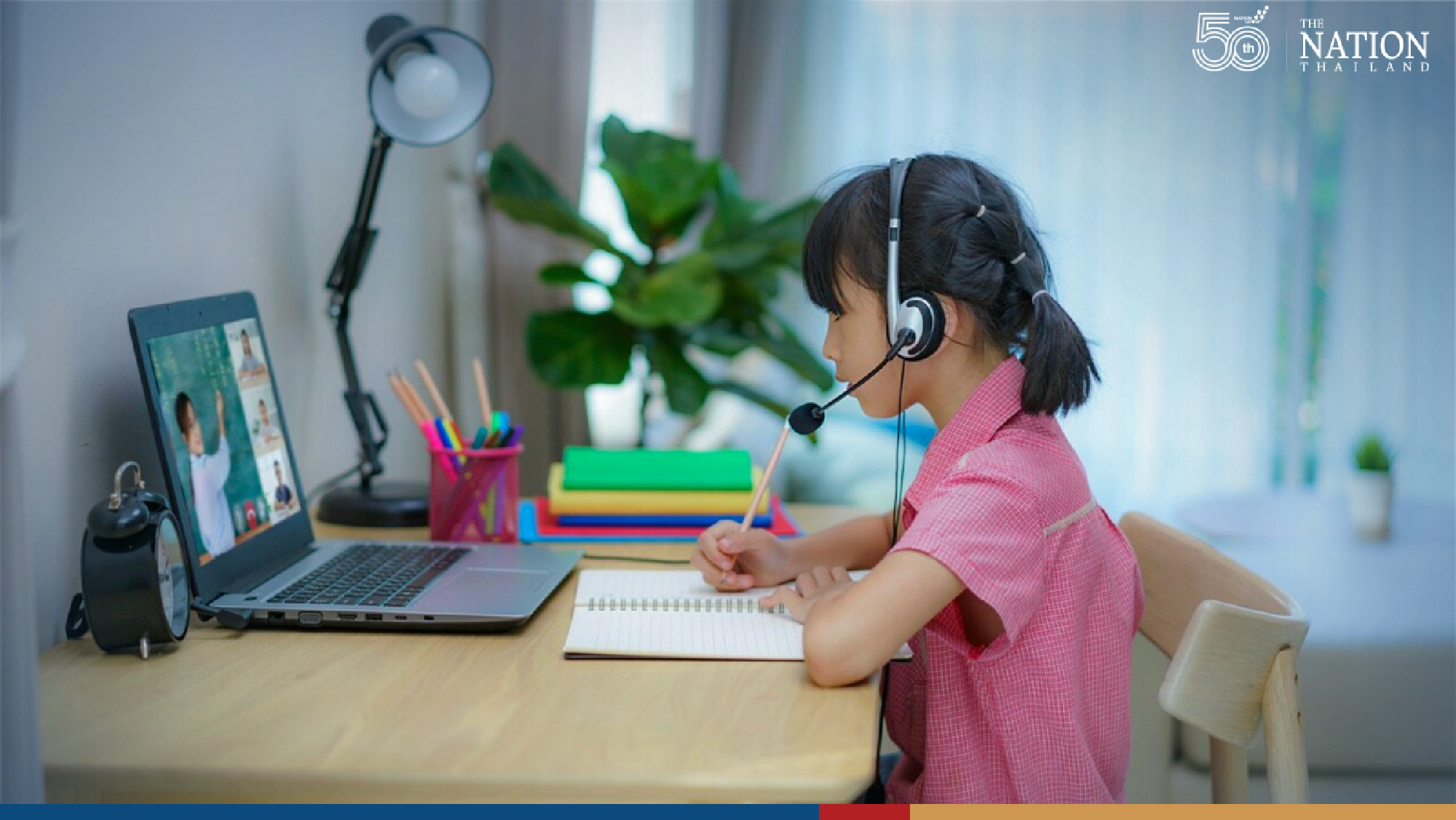
The role parents play with children attending classes at home
Owing to the Covid-19 pandemic, Thailand’s educational sector has had to transition from classrooms to online learning. As per the Office of the Basic Education Commission (Obec), schools must continue using online learning/teaching methods through the first semester of the 2021 academic year given the surge in infections.
For this new system to be successful, cooperation is required between the Education Ministry, school principals, teachers, students and most importantly, parents, who need to spend more time understanding the change in their children’s needs.
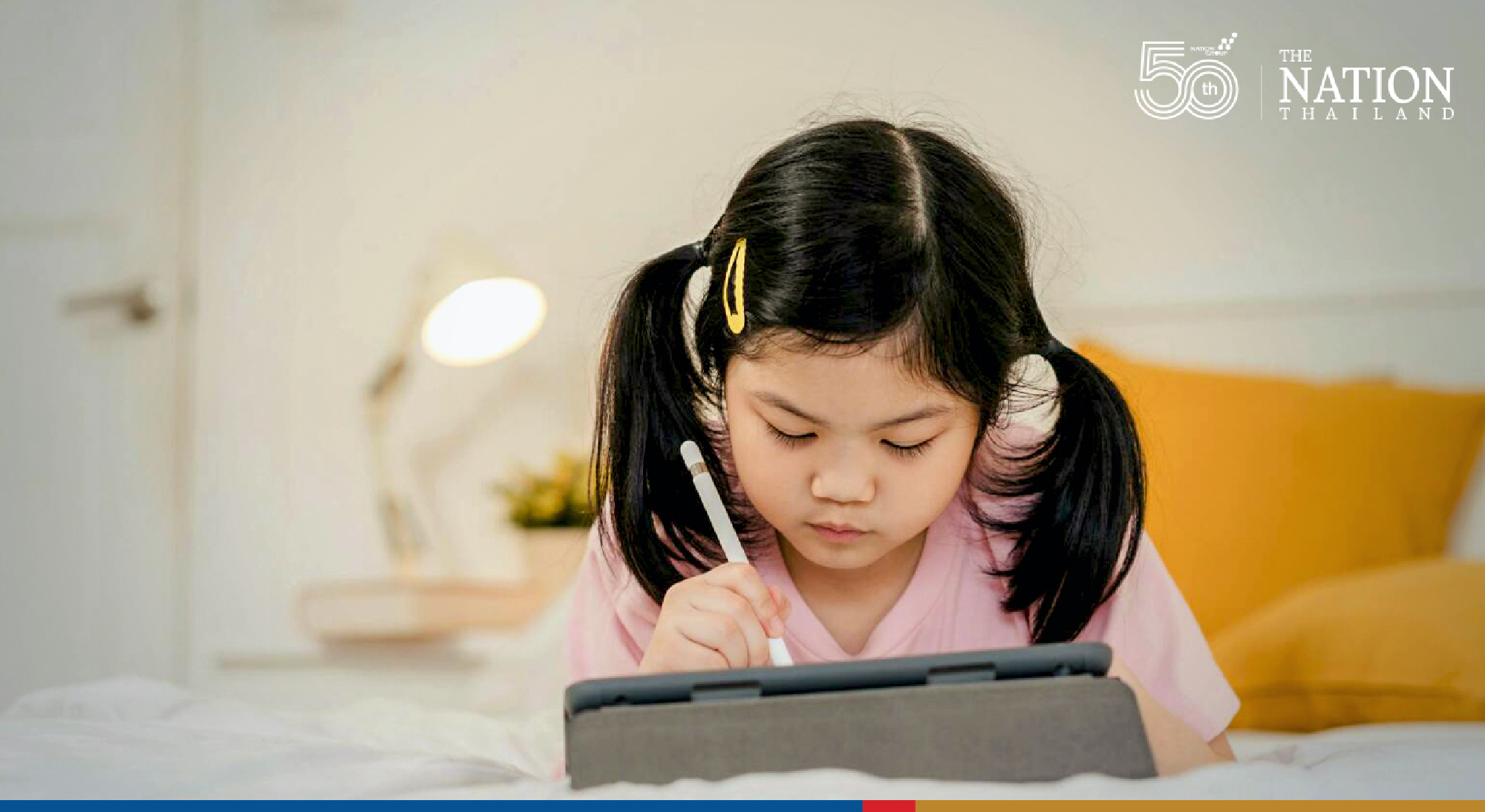
When a child, especially the very young, has to study online, it inevitably becomes the parents’ duty to provide the resources and manage the setup. This in many cases becomes challenging because remote study is still a new concept.
The role parents play with children attending classes at homeThe role parents play with children attending classes at home
Children also must adapt to the new set up and change in their learning environment. Also, the lack of physical activity may cause additional stress for children. Online learning may not be suitable for young children, but most of us have no chance but to adapt to the “new normal”.
To make online learning effective for young children, parents must develop methods and techniques to get their kids happily involved in learning by doing the following:
The role parents play with children attending classes at home
Start with an open mind
Parents must open their minds to online learning, so they can make adjustments to ensure positive outcomes.
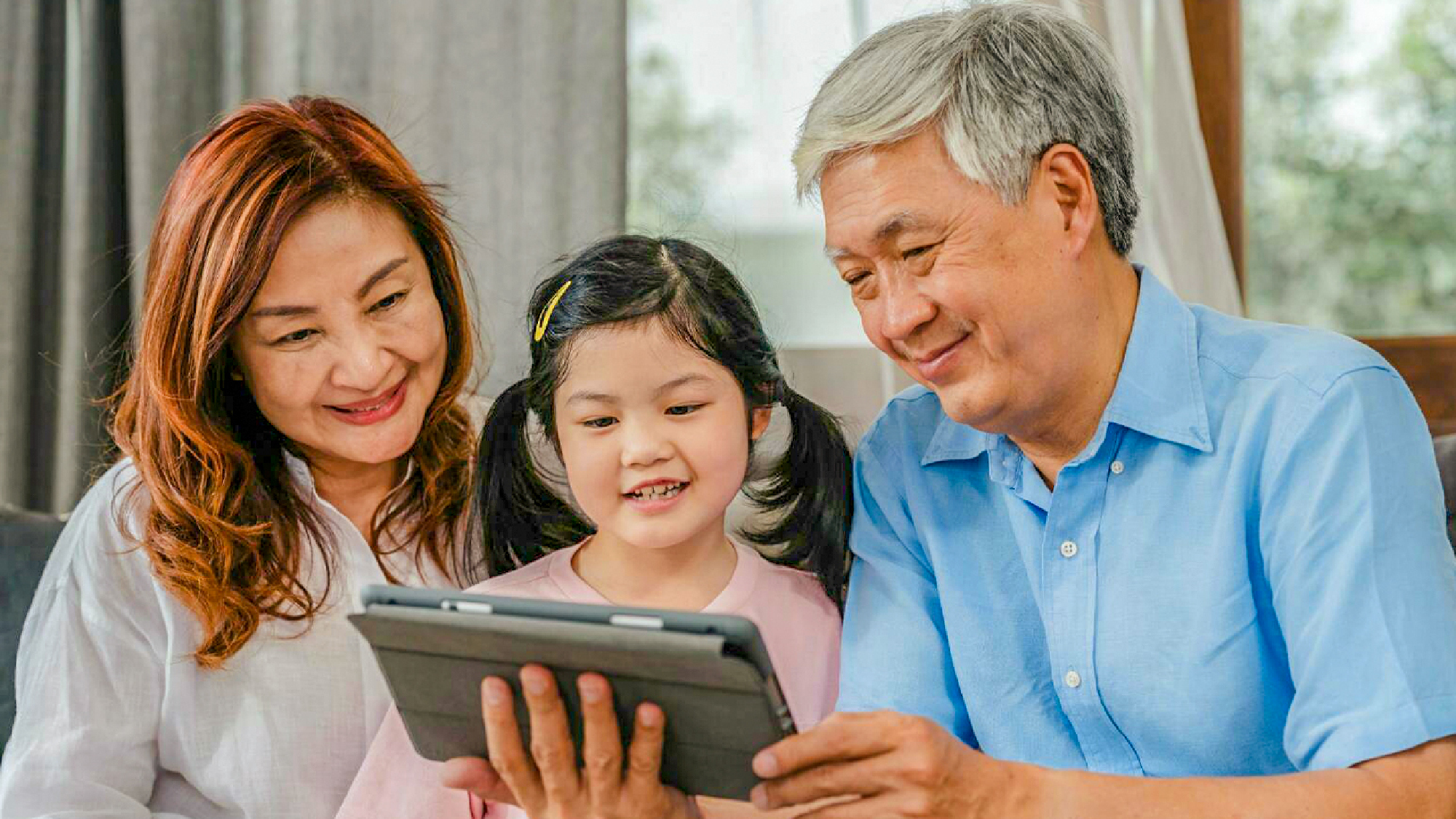
They should encourage their children to practice social skills, albeit virtually, by interacting with their teachers and friends.
Online learning also helps develop children’s IT skills and parents should set up a variety of online activities daily.
With the absence of school, children may start losing the discipline of waking up early, getting to school and sitting in their classroom focusing on what the teacher is saying. Parents, however, must be open-minded and accept that learning online can be more difficult, especially when children do not have other classmates sitting with them.
The role parents play with children attending classes at home
Setting up a schedule
Firstly, parents must know and understand their children’s concentration and attention level, as well as ability to learn certain subjects.
Without the need to go to school, a child’s daily life changes completely. They have more free time, and they may become fussy or refuse to pay attention when their class begins. To avoid this, parents should set up a daily “activity schedule” for their children.
Getting children involved in setting up a schedule that covers activities like waking up, studying, playing, eating, bathing, resting and going to bed will also give them a sense of purpose.
The role parents play with children attending classes at home
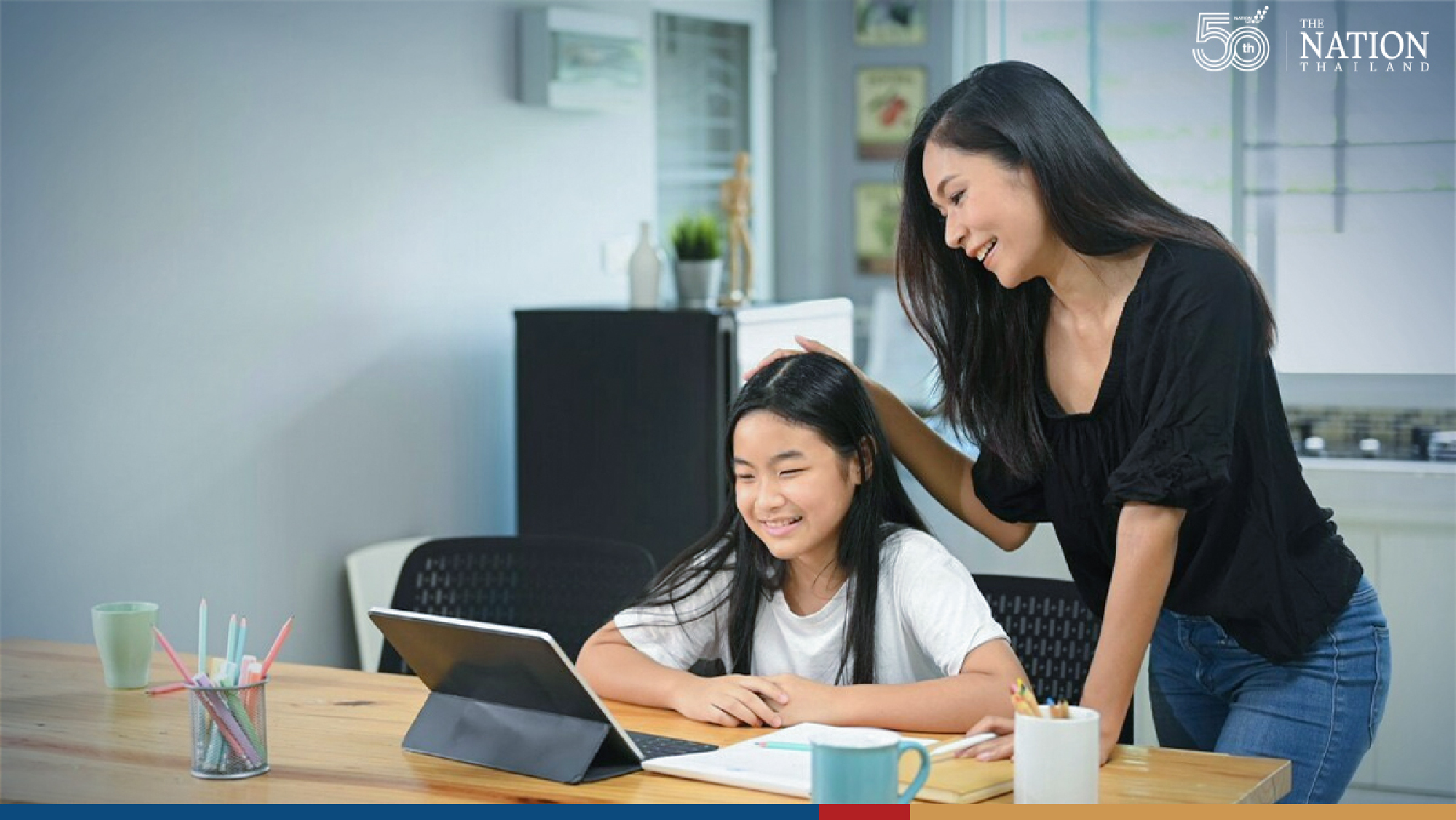
The second factor is setting up the right environment. Parents need to provide a suitable spot for their children to sit and study. The desk and chair should be of the right size to ensure the child has the correct sitting posture. The study area should also be quiet, not crowded or have any stimuli that may distract the child. School supplies should also be available and ready to use.
Parents must also understand teaching styles and coordinate with teachers to learn about their children’s potential, so appropriate arrangements can be made.
Parents also need to understand technology because online learning can be conducted via different devices, including computers, notebooks and tablets.
These devices and learning methods may be new to both parents and children, and it may take time for them to learn about the applications required for distance learning. Parents must also have to learn how to set up parental controls on the internet, but most importantly, they must set up rules for their children to follow.
The role parents play with children attending classes at homePay attention
Parents must also explore their own physical and emotional readiness, including their stress levels. Keep in mind that being irritated, stressed or losing your temper can affect your children’s studies. If parents are able to control their emotions, stay calm and cope with situations, children will also learn to do the same.
Pay special attention to preparing your child for online classes. Normally, children have activities before starting classes such as breakfast with friends, playing and doing morning exercise routines.
Parents should also set up similar activities for children to do before they start their online classes, such as doing some cardio exercise.
Spending at least 20 minutes on physical activity, such as running, cycling or kicking a football will help prepare the body and stimulate the brain to release dopamine and norepinephrine, key neurotransmitters associated with attention, concentration and self-control. However, do not do too much heavy exercise or it may make the child tired and sleepy.
Parents must also understand that children cannot be expected to always focus on the screen. In classrooms, children have a lot of distractions, and it is normal sometimes for them to lose interest in what is being taught.
Hence, parents should focus on what will keep their kids engaged as well as whether their children are understanding the lesson and if they can answer questions.
Parents should also do away with negative words like “no, don’t, not or stop” to prevent children from developing a bad attitude towards learning. For instance, sentences like “why don’t you listen to your teacher” or “don’t be silly, baby” will make them anxious and stop them from wanting to learn.
Instead, parents should show appreciation to their children for focusing on their studies and completing their assignments.
The role parents play with children attending classes at homeMany parents think their children get to interact with their teachers and classmates during classes, so no other activities need to be planned.
However, activities are necessary, not just for helping children relax after school but to also help them develop and strengthen familial bonds.
However, the most important thing is caring and realizing that online classes alone cannot help with children’s cognitive development.
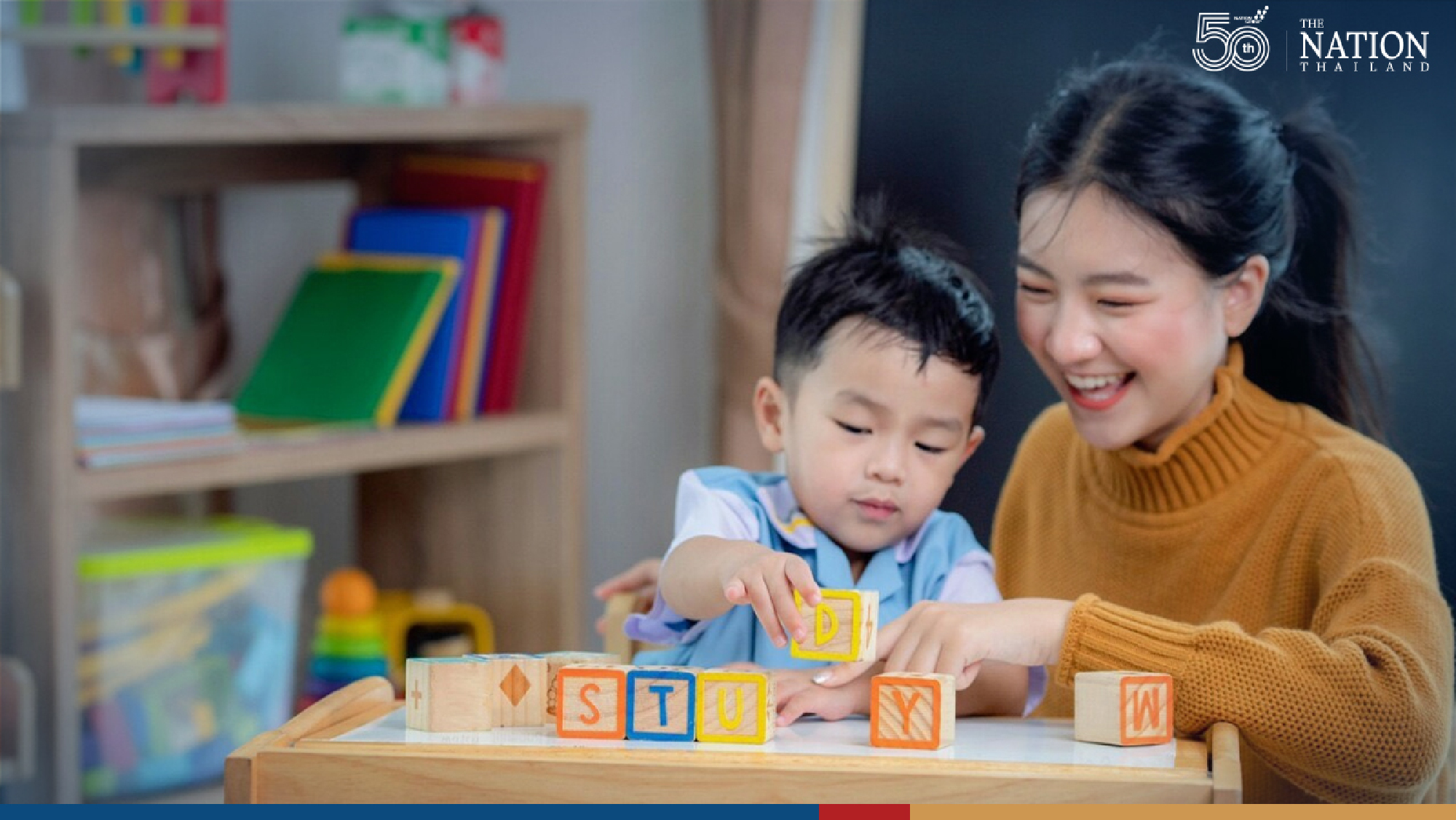
For this, parents can invite their children to read, describe the environment around them or practice daily routines. Children should also be given simple household chores.
But the most important job for parents is to be by their children’s side when they are in trouble because for children, their parents are always their “important teachers, friends and toys”.
The role parents play with children attending classes at home
Recovered Covid patients now losing their hair, doctor finds
A respiratory specialist in Bangkok said “hair loss” is a new symptom found to be affecting people who have recovered from Covid-19.
However, he said, people should not worry because the hair will stop falling within four months and eventually grow back.
Dr Manoon Leechawengwongs, a pulmonologist with Vichaiyut Hospital, said in a Facebook post on Wednesday that many Covid-19 patients began losing their hair two to three months after recovery. The message was posted on his Facebook page “Moh Manoon Leechawengwongs FC”.
The doctor explained that this hair-loss problem is not directly caused by the virus, but is the consequence of high fever, stress and anxiety. He cited the case of a 65-year-old woman who recovered from Covid-19 after two weeks in hospital. He said two and a half months after recovery, the woman found herself losing hair in clumps. This continued for about two months. The woman’s daughter, who had also contracted Covid-19, suffered a similar problem but to a lower degree.
“People normally lose approximately 100 hairs daily, but after two to three months of recovery, they may lose up to 300 strands per day and this problem may last for six months. Most of the hair will gradually grow back and the patient should have a full head of hair within six to nine months. I urge patients not to panic as hair loss will stop in four months, and things will soon return to normal,” Dr Manoon said.
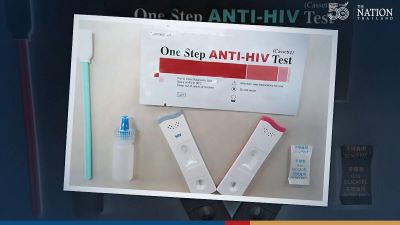
HIV self-test kits rolled out in pharmacies nationwide
HIV self-testing kits are available at pharmacies from today under a new measure to help Thailand meet its commitment to end HIV-Aids by 2030.
Two types of test kit have been registered by the Thai Food and Drug Administration to encourage people to check their own infection status.
The first uses a drop of blood from the fingertip and delivers results within one minute.
The second uses a sample of saliva and produces a result in 20 minutes.
The kits will be sold by pharmacies nationwide to encourage people who are reluctant or unable to visit hospitals because of Covid-19, to test themselves.
Thailand has pledged to eradicate HIV-Aids in nine years via three goals, said Dr Preecha Prempree, deputy director of the Department of Disease Control. The goals are to reduce the number of new HIV infections to no more than 1,000 per year, cut Aids-related deaths to no more than 4,000 per year, and reduce stigmatisation and discrimination against infected people by 90 per cent.
The Thai public may start getting booster doses by October as large vaccine shipments are expected to start arriving soon.
The original plan was to start administering booster shots in November.
Dr Opas Karnkawinpong, director-general of the Department of Disease Control, said the Public Health Ministry should approve the plan by the end of the month before it is announced officially by the Centre of Covid-19 Situation Administration (CCSA).
Opas said some 20 million doses of the Covid-19 vaccine will be available by October, so it should be possible to provide booster shots to people who have already received their two jabs.
He explained that the third or booster dose should be of a different sort. For instance, recipients of two doses of the inactivated Sinovac jab will possibly get a viral vector vaccine like AstraZeneca or an mRNA one like Pfizer.
However, he said, this combination will be confirmed after it has been considered at the next CCSA meeting.
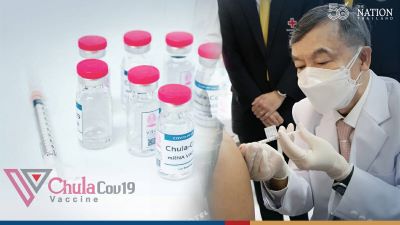
Chula mRNA vaccine in line for April rollout after Delta success
Chulalongkorn University researchers have launched the second human trial of Chula-Cov19 mRNA vaccine, after the Phase 1 trial greatly boosted volunteers’ antibodies against the Covid virus.
The vaccine proved effective against all four variants of the virus in Phase 1 and is expected to be registered by the Thai Food and Drug Administration (FDA) in April next year, said Chula.
The vaccine “can induce a very strong antibody response, [which is] as good as Pfizer”, said Dr Kiat Ruxrungtham, director of the Chula-Cov19 mRNA development programme and founder of the Chula Vaccine Research Centre behind ChulaCov-19.
On Saturday, researchers declared “satisfactory” results from the first trial on 72 volunteers – 36 aged 18-55 and 36 aged 65-75. After being injected with the mRNA vaccine, Phase 1 volunteers developed 94-per-cent protection against Covid-19 symptoms, with high antibody activation. The vaccine also stimulated T-cell immunity, which helps to kill the virus in the cells of infected people.
The vaccine was effective against the original strain as well as its four main variants, namely Alpha, Beta, Gamma and Delta. Delta currently accounts for more than 90 per cent of new infections in Thailand.
Volunteers experienced mild to moderate side effects in the seven days after vaccination. Most of the symptoms – pain at the injection spot, fatigue, low fever and chills – occurred after the second shot and lasted 1-3 days. The vaccine is now on track to become Southeast Asia’s first mRNA jab. Chula-Cov19 has a longer storage life than other mRNA vaccines, said Dr Kiat.
The vaccine can also be produced quickly as it does not require large production facilities. Results of previous tests in mice indicated that the vaccine is non-toxic, can prevent symptoms, reduces the viral load in the nose and lungs, and halts its spread into the bloodstream.
The second phase involves a 2a trial on 150-300 volunteers followed by a 2b trial on 5,000 volunteers in October. If all goes well, a third and final-phase trial will be conducted on 15,000-30,000 volunteers. “The vaccine should be registered by April 2022 if possible,” said Kiat.
 “รูทวารตีบ” ภาวะแทรกซ้อนที่พบได้จากการรักษาโรคริดสีดวงทวารผิดวิธี ทำให้เกิดความทุกข์ทรมานเวลาขับถ่าย ผู้ป่วยที่มีภาวะรูทวารตีบควรได้รับการรักษาจากแพทย์เฉพาะทางอย่างถูกวิธี และยิ่งรู้ตัวเร็ว รักษาไว จะยิ่งทำให้การรักษาไม่มีความซับซ้อน
 คุณหมอชวนรู้ 5 ประโยชน์ของการวิ่งที่ใครได้อ่านแล้วรับรองว่า…ไม่วิ่งไม่ได้แล้ว!! โดย นพ.กรกฎ พานิช แพทย์ผู้เชี่ยวชาญด้านเวชศาสตร์การกีฬา และคณะกรรมการที่ปรึกษาด้านโภชนาการของเฮอร์บาไลฟ์ นิวทริชั่น


 หลังจากเชื้อไวรัสโคโรน่าสายพันธุ์ใหม่ หรือโควิด -19 (COVID-19) ระบาดหนัก เราทำงานที่บ้านกันมากขึ้น หลายคนเจออาการออฟฟิศซินโดรมตามมาถึงบ้าน ปวดคอ ปวดหลัง ไหล่ บางคนถึงกับมีอาการหมอนรองกระดูกเสื่อม กระดูกต้นคอเสื่อมกันเลยทีเดียว


 The role parents play with children attending classes at home
 The role parents play with children attending classes at home
 The role parents play with children attending classes at home
 The role parents play with children attending classes at home
 The role parents play with children attending classes at home
 The role parents play with children attending classes at homePay attention
 The role parents play with children attending classes at homeMany parents think their children get to interact with their teachers and classmates during classes, so no other activities need to be planned.
 The role parents play with children attending classes at home
 SootinClaimon.Com