Eat, learn and play amid nature at InDoi Festival #ศาสตร์เกษตรดินปุ๋ย

#ศาสตร์เกษตรดินปุ๋ย : ขอบคุณแหล่งข้อมูล : หนังสือพิมพ์ The Nation

https://www.nationthailand.com/travel/30380271?utm_source=category&utm_medium=internal_referral

Eat, learn and play amid nature at InDoi Festival

Jan 09. 2020
By The Nation

A whole world of fun and learning awaits children at the sixth InDoi Festival on January 11-12 in Chiang Rai province.

Organised at the Mae Fah Luang Foundation, there will be six zones of activities and free snacks.

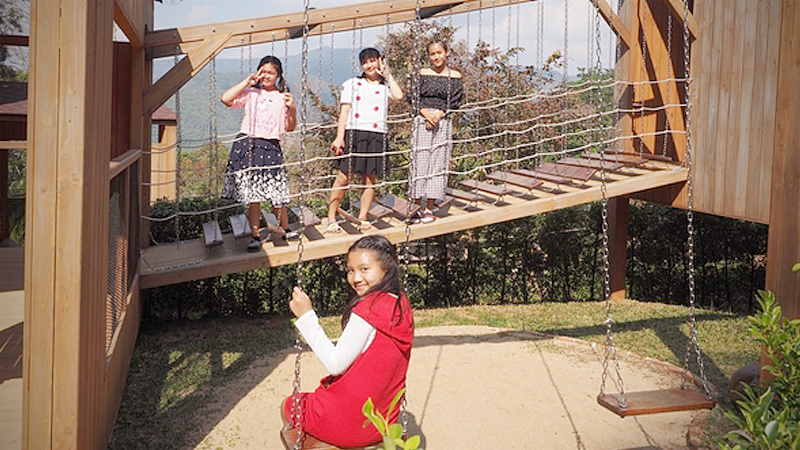
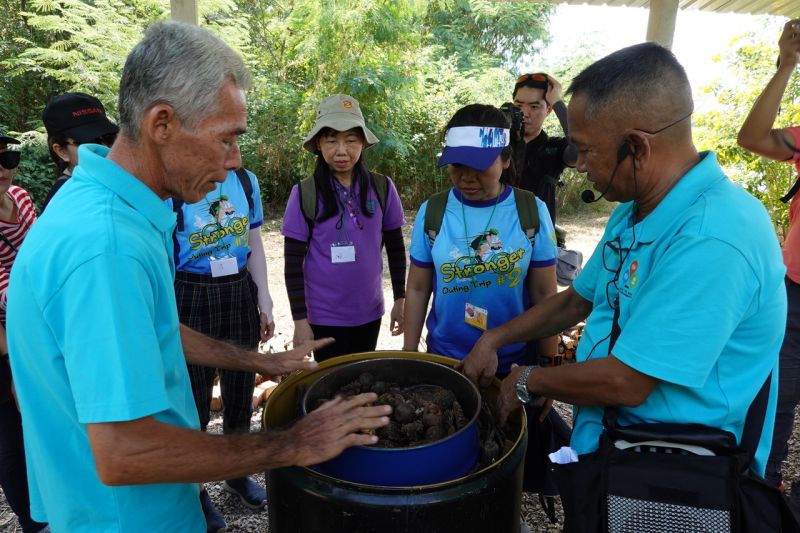
The DoiTung Playground zone was created to serve as more than a playground, but for physical and sensory development of children. There are many activities such as slider, mini zip line for kids, mini rock-climbing, and rope bridge setting amid the mountain views and flower garden of the foundation.

Nature-loving kids can walk on a treetop or ride the 297-metre long zip line, which is capable of carrying 100kg for free. For adventurous kids, there is a wooden cart formula racing; there are staff to guard and take care of equipment safety. On the special occasion, the racing will open two additional rounds.

Young artists can take part in handicraft workshops to unleash their imagination such as doll crafts with nipplefruit eggplant, do-it-yourself terrarium, fabric bag painting, ceramics hand-building, and banana leaf plant dish press, which could be brought back home.

While kids enjoy the activities, the adults and grown-ups can enjoy shopping the fabric craft by local students such as fabric bags, jackets, hair rubber bands, keychains, ear-rings, or wallets.

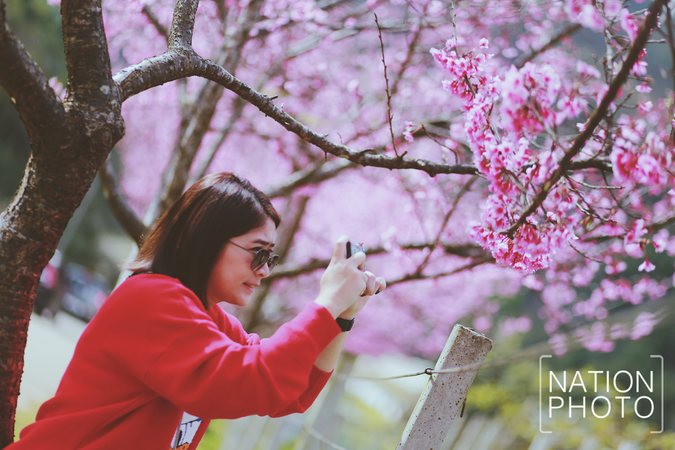
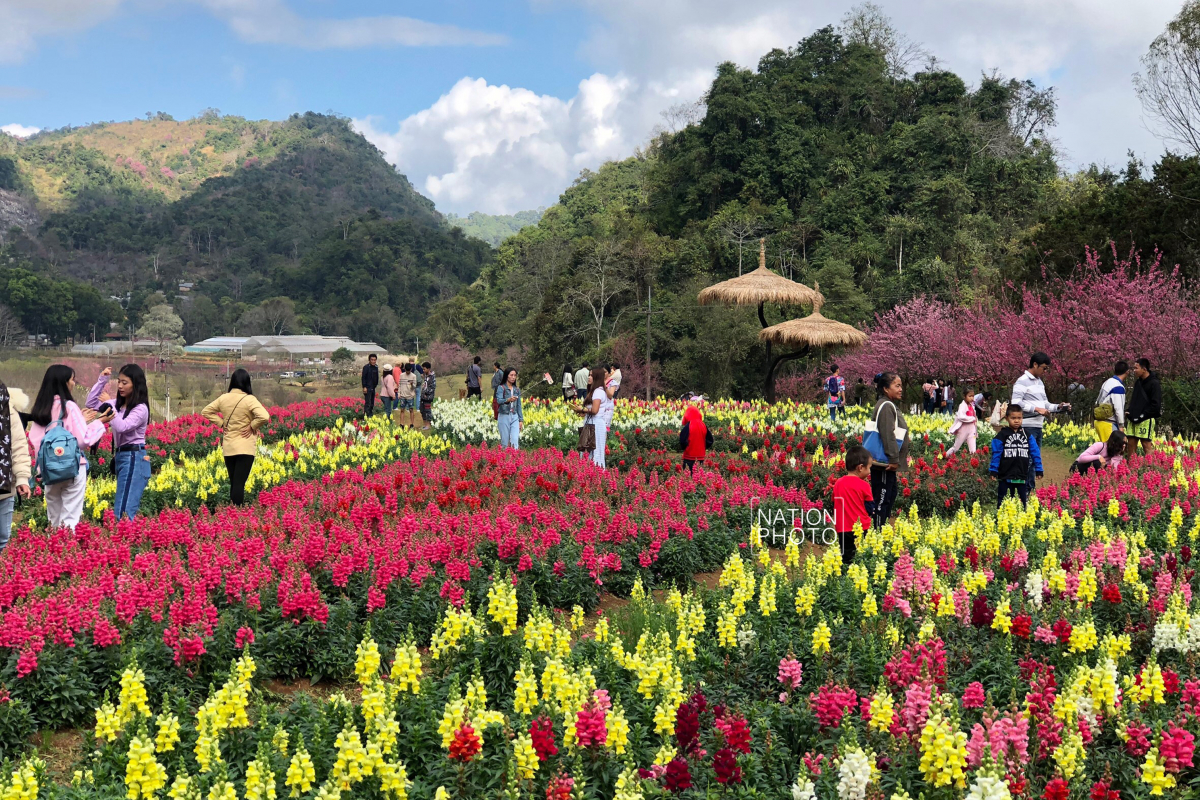
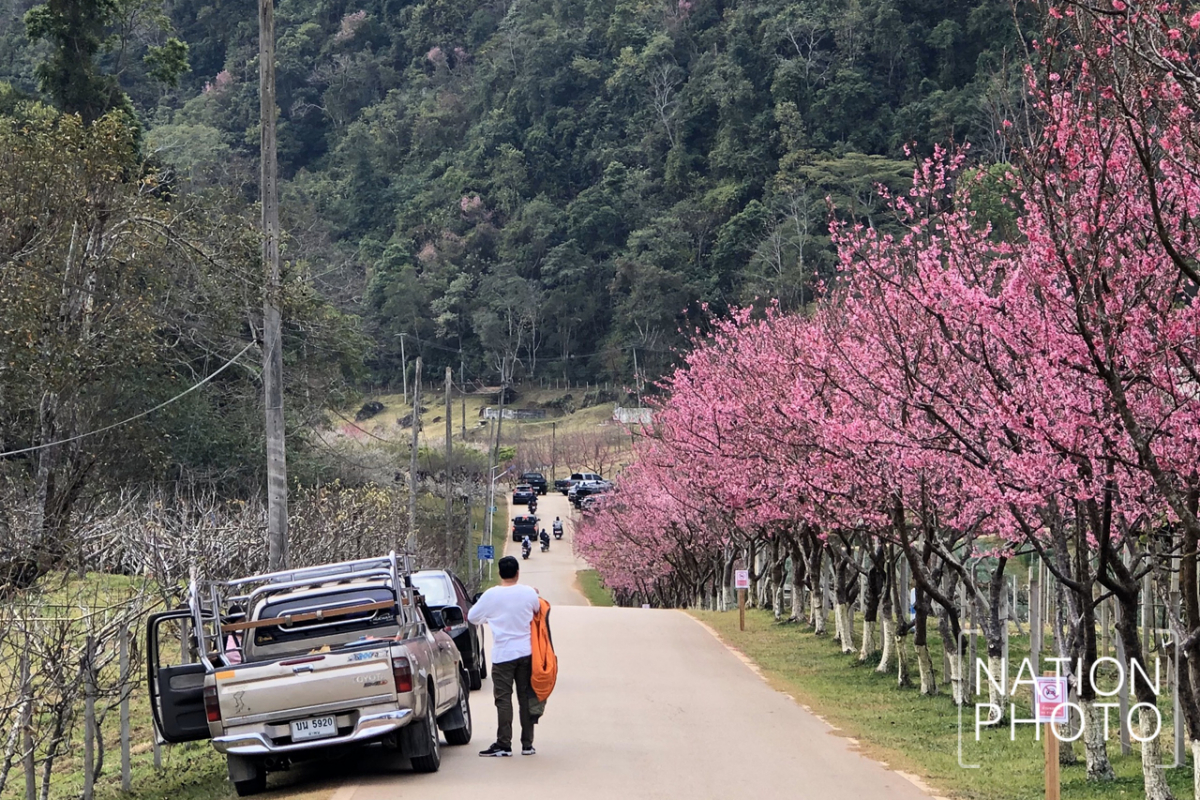
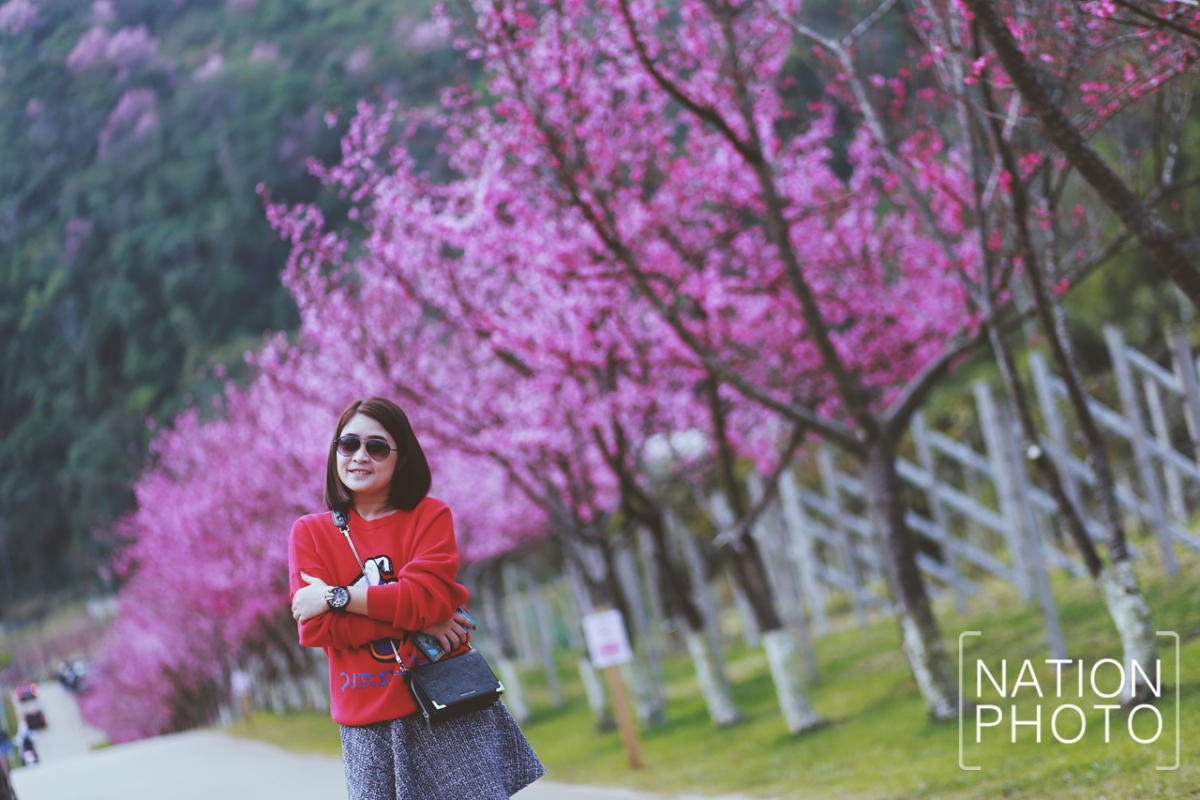
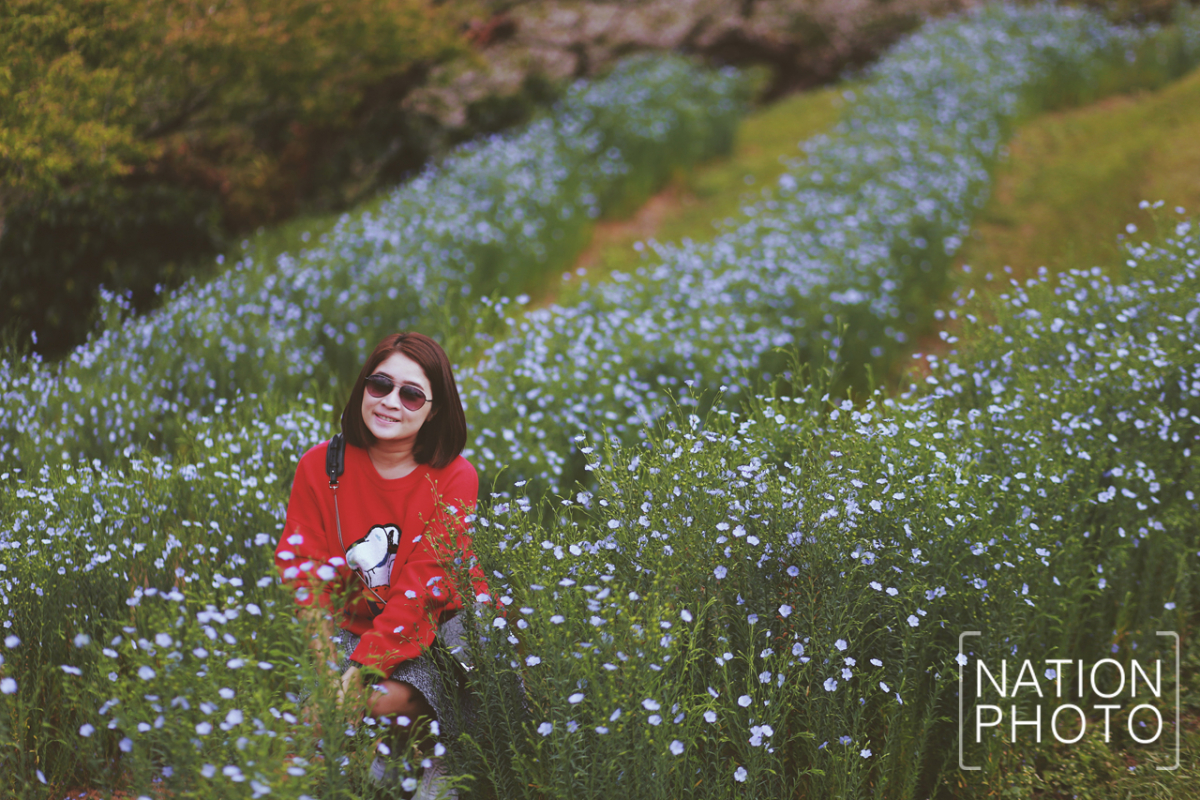
The Mae Fah Luang Arboretum at Doi Chang Moob is situated on the peak of Nang Non Range. The Chang Moob area is 1,500 metres above sea level, which is cool the year round. Once it was the largest opium-growing area and a major drug trafficking route in the region. It is now abloom with a variety of flowers such as Ardisia, Chamomile leaves, Azalea, Himalayan cherry trees, and Mona Lavender.

Doi Chang Mub, the highest viewpoint of Doi Tung, will teach the little ones more about nature while mums and dads can relax with a cup of coffee or tea at Faidee Café.

Rare ‘Pink Lady’ rice field draws visitors #ศาสตร์เกษตรดินปุ๋ย

#ศาสตร์เกษตรดินปุ๋ย : ขอบคุณแหล่งข้อมูล : หนังสือพิมพ์ The Nation

https://www.nationthailand.com/travel/30380254?utm_source=category&utm_medium=internal_referral

Rare ‘Pink Lady’ rice field draws visitors

Jan 08. 2020
By The Nation

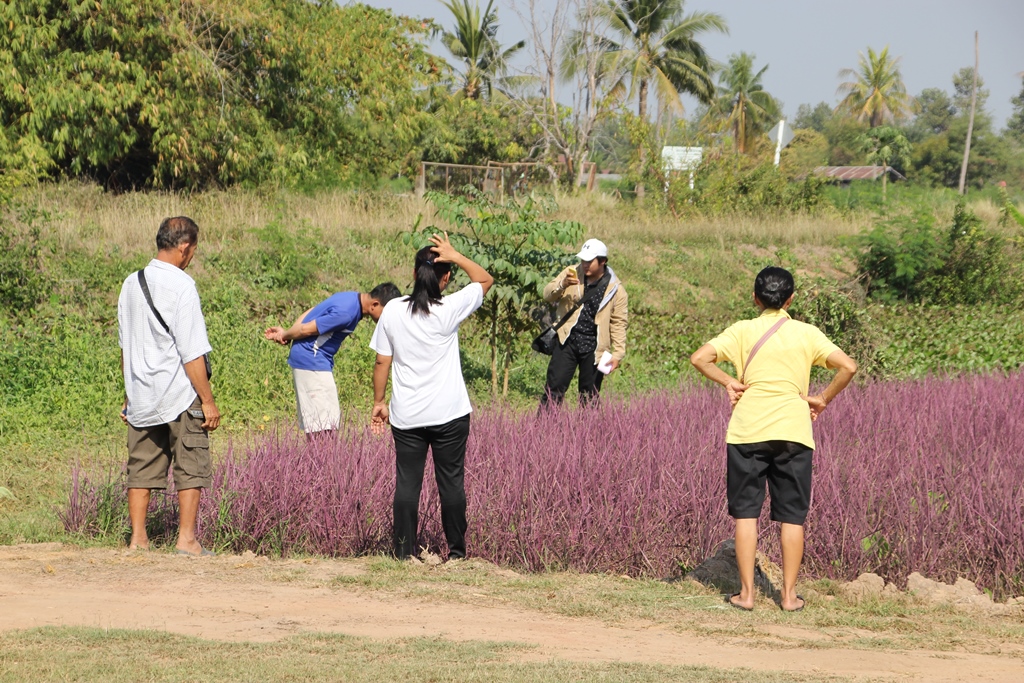
Netizens have widely shared a phenomenal photo of a pink rice field in Phitsanulok, wondering if it was for real. It certainly is.

The pink rice field is owned by Naresuan University alumnus Jaturong Chomphusa, who turned his back on an office job three years ago to become a farmer.

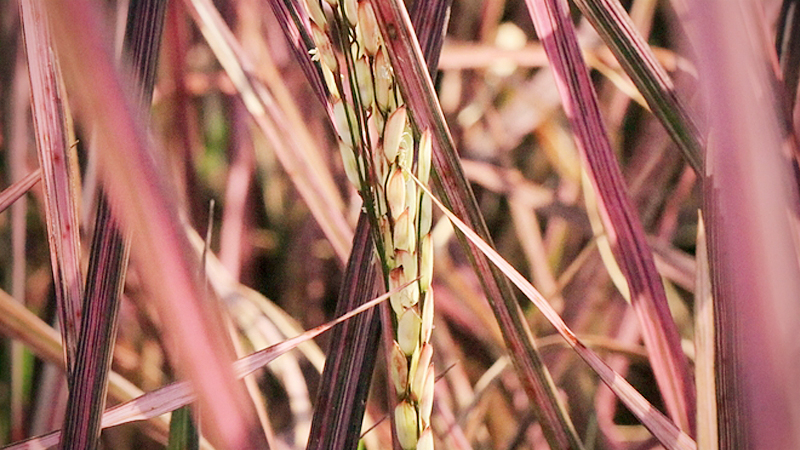
During harvesting, he found pink Riceberry rice in his field and conducted an experiment four times on the strain, resulting in a four-square-metre pink rice field. He named the variety Pink Lady.

After planting, Pink Lady took 120 days to be ready for harvesting.

The rice seeds are plump and short in length, similar to Japanese rice but plumper. Each kilogram fetches a price of Bt80.

Jaturong said Rice Research Centre staff came to inspect the quality of the rice and found that the grains mutated into an exciting colour. The staff took a picture and uploaded it to social media, which has drawn the attention of netizens.

Now people and even villagers are travelling to the rice field daily to catch a glimpse of the rare Pink Lady.

Suphanburi ready to put on spectacular Chinese New Year show #ศาสตร์เกษตรดินปุ๋ย

#ศาสตร์เกษตรดินปุ๋ย : ขอบคุณแหล่งข้อมูล : หนังสือพิมพ์ The Nation

https://www.nationthailand.com/travel/30380166?utm_source=category&utm_medium=internal_referral

Suphanburi ready to put on spectacular Chinese New Year show

Jan 05. 2020
By The Nation

Suphanburi is organising a special Chinese New Year celebration on January 25-26, marking the 12th year of the miracle of the heavenly dragon event.

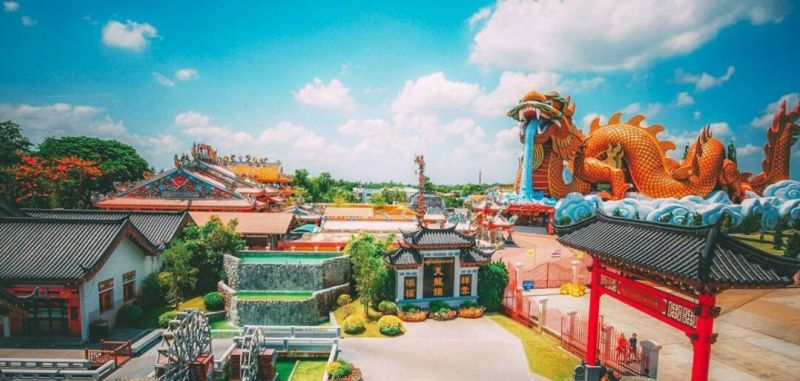
The Suphanburi admission office in collaboration with the Suphan Buri City Pillar Shrine Committee and the Tourism Authority of Thailand’s Suphanburi office is holding the “Chinese New Year Suphanburi; a miracle of 12 years of the heavenly dragon” at the Dragon Descendants Museum, which is situated in the City Pillar Shrine area.

The event is organised annually to promote tourism during the Chinese New Year, good relations between Thailand and China and preserve cultural traditions, which are auspicious festivals for Chinese people and Chinese-Thais who have sttled down in Suphanburi province.

The highlights of the event will be the majestic and grandeur creation of the Suphanburi colourful light garden, light and sound show, Thai-Chinese cultural performances of schools in Suphanburi province with Chinese actors, such as the Thousand-Hand Guan Yin performance, Tibetan dance, drums shows, kung fu battles, and a show of tiny dragons.

Tourists can enjoy the beautifully decorated photo corners throughout the Paradise Dragon Park and Dragon Descendants Museum.

Angkhan Royal Agricultural Station offers floral treat to visitors #ศาสตร์เกษตรดินปุ๋ย

#ศาสตร์เกษตรดินปุ๋ย : ขอบคุณแหล่งข้อมูล : หนังสือพิมพ์ The Nation

https://www.nationthailand.com/travel/30380161?utm_source=category&utm_medium=internal_referral

Angkhan Royal Agricultural Station offers floral treat to visitors

Jan 05. 2020
By The Nation

In the fading days of winter, people tend to travel to the North for sightseeing, to enjoy the cool weather. One of the popular places is the royal project station where many flowers have been planted.

The main attraction is Doi Ang Khang, located on the mountain range of Chiang Mai, Mae Ngon subdistrict, where the Angkhang Royal Agricultural Station is located. It is the first royal project of His Majesty the late King Bhumibol Adulyadej His Majesty who established a royal initiative to be used as a research and experimentation station for growing various kinds of winter plants, such as vegetables, fruit trees, flowers and temperate flowers. The project aimed to encourage hill tribe farmers to grow these plants for financial returns instead of making money from opium.

As the various winter flowers spread their beauty, the royal agricultural station later developed into a tourist attraction.

Tourists can visit the station by private car or use the tour tram of the station. The entrance fee is Bt50 per person for the entire day. A ride costs Bt50.

For those who love to take photos, the place offers plenty of opportunities, but the main attraction is the Suan Somdet garden, located in front of the entrance near the breeding house of roses while the flower house is opposite the garden. The visit ends with a trip to the Plum Garden and the vegetable collection house which is opposite the Plum Garden.

The temperate flowers in Somdet Gardens change every year, varying according to the season. Therefore, each year you will see different floral arrangements.

During January, visitors can see real cherry blossoms, not Wild Himalayan Cherry.

Wild cherry trees to bloom a month early #ศาสตร์เกษตรดินปุ๋ย

#ศาสตร์เกษตรดินปุ๋ย : ขอบคุณแหล่งข้อมูล : หนังสือพิมพ์ The Nation

https://www.nationthailand.com/travel/30379996?utm_source=category&utm_medium=internal_referral

Wild cherry trees to bloom a month early

Dec 30. 2019
By The Nation

Thailand’s answer to Japan’s sakura – Himalayan cherry trees– will bloom earlier than usual, an official National Parks and Protected Areas Innovation Centre of Department of National Parks, Wildlife and Plant Conservation revealed on Monday (December 30).

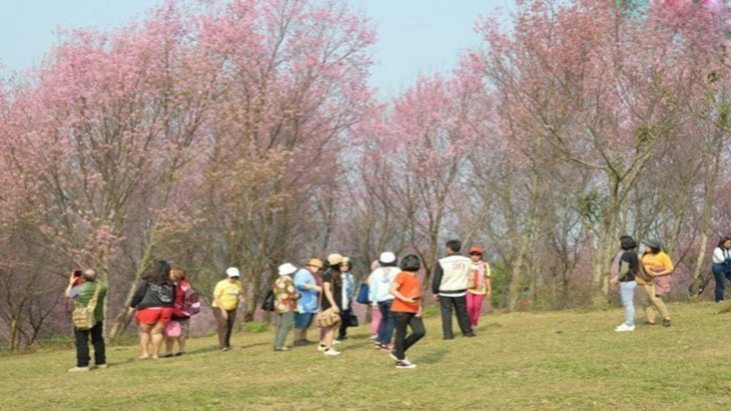
The official forecast that wild Himalayan trees will bloom throughout Doi Khun Sathan mountaintop and Khun Sathan Water Source Research Station at the beginning of January with the flowers starting to be visible between January 1 and 5.

“Normally, these trees bloom in late January,” the official said. “This year, the weather has been cold, with the temperature plummeting to 4 degrees Celsius during December 5-7 and no rain.”

The official invited tourists to enjoy the beauty of wild Himalayan cherry blossoms and the cold weather of 10-15 degrees Celsius at Khun Sathan National Park in Nan.

“Tourists can buy winter vegetables and fruits grown in the Royal project, as well as visit the Hmong hilltribes in Khun Sathan,” he said, adding that further information could be obtained by calling the national park’s tourist information centre at (087) 173 9549 and (095) 148 1645.

Khun Sathan National Park is located in Na Noi and Na Muen district and is spread over 285,826 rai. It features a variety of forested areas including deciduous, dry dipterocarp, pine, tropical rain and dry evergreen.

Wildlife includes tigers, Asiatic black bear, the Northern red muntjac, Siamese hare, hill myna, racket-tailed drongoes and butterfly lizards.

To get there by car, take Highway 101 (Yontrakit Koson Road) from Phrae for 50 kilometres, then turn right at Huai Kaet village into Highway 1216 and go through Khun Sathan village. The park headquarters are about 24 km further on.

Songkhla prepared to host tourists for New Year #ศาสตร์เกษตรดินปุ๋ย

#ศาสตร์เกษตรดินปุ๋ย : ขอบคุณแหล่งข้อมูล : หนังสือพิมพ์ The Nation

https://www.nationthailand.com/travel/30379971?utm_source=category&utm_medium=internal_referral

Songkhla prepared to host tourists for New Year

Dec 29. 2019
Photo Credit to Charoon Thongnual

Photo Credit to Charoon Thongnual
By The Nation

Tourist attractions on Samila Beach in Songkhla province were crowded with several residents jogging on Sunday morning (December 29) and enjoying the sunlight to celebrate the coming New Year.

Songkhla Governor Jaruwat Kliangklao has surveyed the readiness of the province to support the locals and tourists who will celebrate their New Year holidays there.

Officials and private organisations together have set up check-in spots at Koh Noo and Koh Maew for tourists to take pictures and created sculptures of rats and cats, since the next year will be the Year of the Rat in the Chinese zodiac.

A trip to Thailand’s silk route #ศาสตร์เกษตรดินปุ๋ย

#ศาสตร์เกษตรดินปุ๋ย : ขอบคุณแหล่งข้อมูล : หนังสือพิมพ์ The Nation

https://www.nationthailand.com/travel/30379968?utm_source=category&utm_medium=internal_referral

A trip to Thailand’s silk route

Dec 29. 2019
By The Nation

Fashion fabrics may come and go, but “Thai traditional fabric” has an enduring quality about it.

It looks chic on its own, irrespective of whether it is mixed and matched with another fabric. With changing times, the design and cutting of Thai clothes have also been modernised to suit the tastes of teenagers and working people. In olden days, the northern cities were famous for weaving and there was weaving by tribes living on mountain tops. Today, northeastern-style woven fabrics are equally trendy too.

When did Thai people learn to weave?

There is no clear evidence of the origins of weaving in Thailand. It could be said that “weaving” is one of the oldest of arts and crafts that ancient humans seem to have had from prehistoric times.

Going back about 7,000-8,000 years in the prehistoric era, it was found that the ancient humans had decorated terracotta pots with rope marks and gauze marks at Ban Chiang in Udon Thani province. Therefore, it is assumed that humans must have known how to make ropes and nets by using fibrous plants to slit into ropes and then tied the ropes or knitted them into a net, which possibly developed into a simple technique of weaving: a rope is tied to the wood or is held up as a standing thread, then another rope is dashed against the thread of the warp until it becomes a rough sackcloth.

Another important archaeological evidence in the Ban Chiang area is the bronze bracelets. They are rusty but show evidence of a piece of cloth stuck to the rust stains. Scientists explain that rust is a corrosive metal but fabric has preservation qualities. A spindle whorl, a simple spinning device with an engraved roller, for making patterns are also seen. Therefore, it can be assumed that humans who lived in Ban Chiang around 5,000 years ago knew thread spinning, weaving, dyeing and printing patterns on the fabric as well.

Woven fabrics during the Rama VI era

Thai people traditionally knew the art of weaving cloth for making clothes at home by using simple weaving tools using the most natural technique in the world — tying a warp thread to one finger and then using the other hand knitted with other thread; some may use a needle or bone to help. This method is called finger weaving, which produces a narrow and long fabric, such as a sash that can be sewn into clothing.

Looms are found to have been used by Thai people only during the reign of King Rama VI. Chinese people who lived in the Sampeng region imported them into Thailand in order to weave more quantities for sale to the townspeople. However, many are still weaving with looms.

Later, in 1935, the Ministry of Defence established a textile factory for military use, known as the “Siam Cotton Factory”, to produce clothing and cotton wool for the military. Orders were placed with foreign suppliers for textile and cotton machinery, marking the beginning of the weaving industry. The machine produced a large quantity of fabric without patterns in traditional fabric and the textile weaving industry in Thailand expanded greatly. Thailand was able to export a large number of machine-made textiles every year, but at the same time the patterns and methods of weaving using Thai wisdom gradually faded away.

“Hand-woven fabrics” and Indigo-dyed fabrics, northeastern style

The present era is a flourishing phase for “Thai fabric”, both hand-woven cotton and hand-woven silk due to the revival of the hand-weaving method. Thai fabric patterns of the olden days have come back to life to meet the lifestyles of people of the modern people who are valuing Thai fabrics, especially in the northeastern region, where many agencies have helped to spotlight the northeastern woven fabric. People who love and admire “Thai fabric”, should not miss seeing the northeastern-style handwoven fabric that is a result of traditional wisdom and skill. Moreover, these are handmade products at almost every step, whether it be raising silk, making silk threads, dyeing them, and selling it at a good price, which can generate additional income for the villagers.

There are three places on the Khon Kaen-Udon Thani travel route we would like to recommend on the “Isaan Weaving” trail:
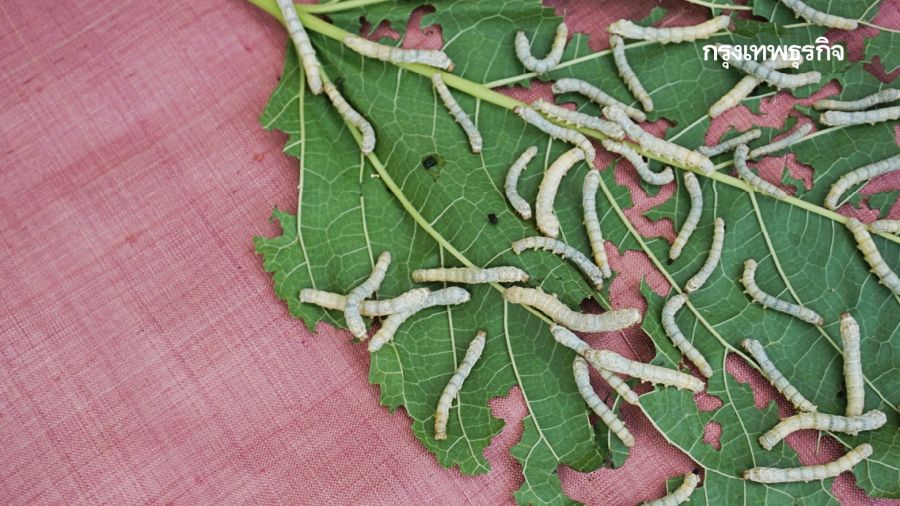
Natural-colour silk in Khon Kaen

Begin the trip at “Pure Silk Thread at Mae Tho”, Ban Na ham, in Ban Meng subdistrict, Nong Ruea district.

These are groups of villagers who engage in silk-weaving by hand, which is sold on a pre-order basis. Suthat Saen-Ong-ard said that the silkworm weaving was founded in 2015. There are 28 members and the name Mai Tah Tee Mae Tho [Pure silk of Mother Weaving] was chosen to indicate pride in the older generation who taught them to make silk. The traditional silk-mulberry cultivation methods and the high quality are still maintained.

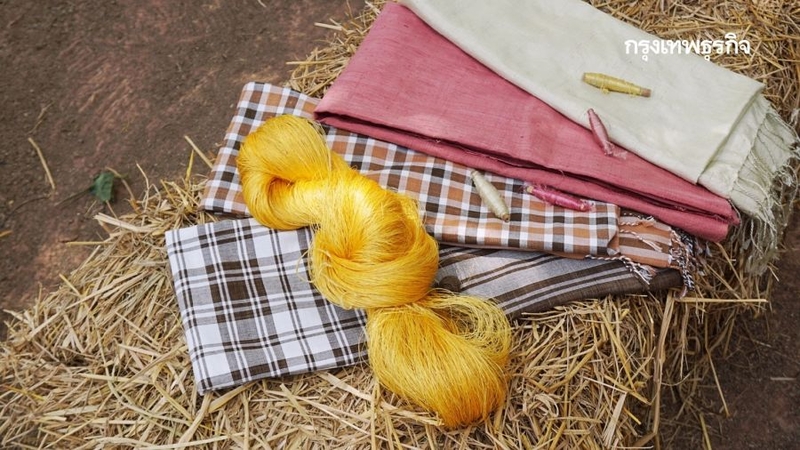
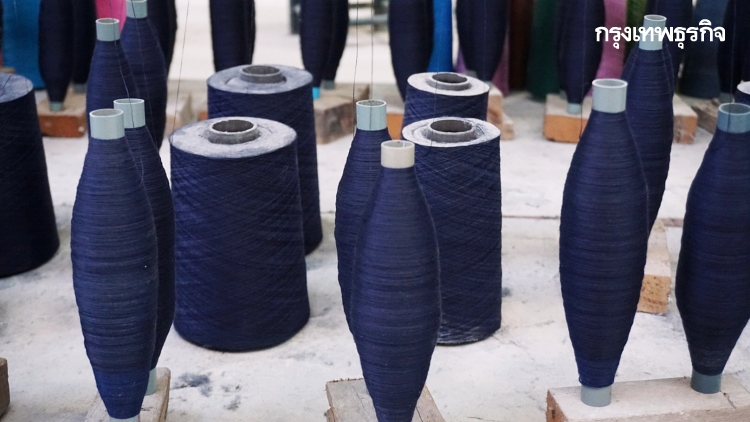
Silk threads are produced from silkworms, which raise themselves, and can have a 100 per cent natural dyeing from fruit peels and leaves such as ebony, neem, eucalyptus, and shellac, cultivated in homes and within the community. Aside from seeing the pure silk that the villagers make, they also make silk threads, dye their own colours and weave. Tourists can walk around to see how different kinds of plants are chosen for different colours by the villagers for dyeing the silk threads as well as learn the way of folk wisdom.

This group focuses on natural plain silk. Each colour is different and depends on nature. Sometimes, even though the same bark is used for dyeing, it may acquire a different shade — the only colour of silk in the world. The unique colour of the silk here is a “sugarcane leaf” shade, which produces a light greenish-yellow colour.

Indigo-dyed woven fabric at Ban Chiang

Next, take a trip to the Ban Chiang community, located in the Ban Daeng subdistrict in the Phibun Rak district of Udon Thani province. The people in this area are of Tai Phuan descent, an ethnic group that wears unique and distinct clothing, who bring the wisdom of their ancestors to continue to create valuable workpieces. With the creation of patterns from prehistoric pottery, there are many other ancient patterns. Tai Phuan fabric patterns are different from other local tribal tapestries.

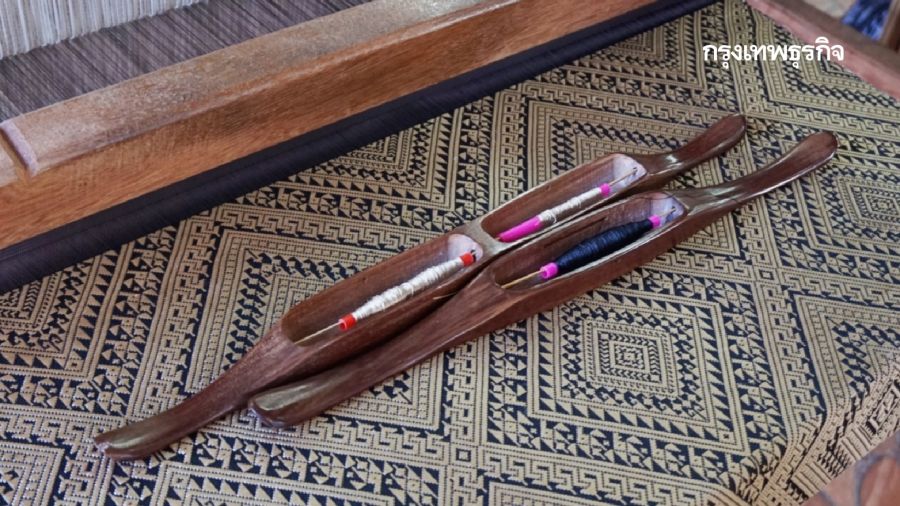
A group of Ban Chiang native women have been engaged in weaving since 1971. Some 30-50 women inherited the ancient weaving loom but changed to use modern weaving loops, which makes weaving faster and more convenient. Cotton thread is used for weaving, which is dyed in indigo to give it a bright blue colour. In the village, there are indigo dyeing workshops and a shop for selling products.

In the past, the villagers made indigo dyeing cotton clothes only to be worn within the village. Later they began to learn to make patterns with the process of Mudmee, or Ikat Fabric, in various designs using their imagination. Indigo-dyed cotton made in Ban Chiang is widely popular in Thailand, creating jobs, income and careers for villagers and also Ban Chiang’s reputation for weaving.
Lotus petals dyed woven fabric at Ban Nong Kok

Witness and shop for beautiful northeastern-woven clothes in Udon Thani province, especially the “Ban Non Kok Ancient Weaving Group [Dyed red lotus petals]” at Nong Na Kham subdistrict in Muang Udon Thani. They have their own weaving shop and dyeing factory. There is also a tourist area spacious enough to accommodate visitors and buyers of lotus-petal-dyed woven fabrics of the villagers. Travellers can sit and rest comfortably amid cool breeze.

This weaving group was established in 2013 by Apichat Poolbuakai, or Teacher Ton, a descendant of Ban Non Kok who wrote a thesis on the careers of the villagers. The weaving uses traditional wisdom of the Non Kok villagers. The village began to weave with naturally dyed threads, using local material and got more feedback from customers. Thus the idea emerged to establish a weaving group to expand the weaving work and create jobs and income for the community.

Inside the weaving shop, there is a demonstration of dyeing or silk threads with red lotus petals. The colour obtained from the red lotus flower is 100 per cent natural, without any chemical colouring as lotus petals can be boiled in water straight away. In addition, the colour works well and the quality meets required standards
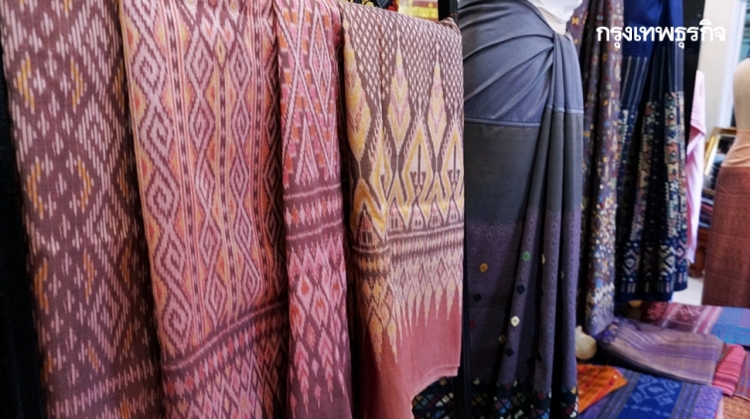
There are many types of dyeing and many colours are available. For example, when fresh lotus petals are used to dye with cold technique, you get a light pale pink and purple. When dried lotus petals are boiled and dyed using hot technique, the fabric gets a golden colour. Dried lotus stems when boiled and dyed in hot water, yield grey. All three colours produce unique woven fabrics, especially as the pattern of the fabric is unique as well. Some hand-made silk fabrics are worth up to Bt140,000.

Samut Sakhon community offers rare eco-tourist attraction #ศาสตร์เกษตรดินปุ๋ย

#ศาสตร์เกษตรดินปุ๋ย : ขอบคุณแหล่งข้อมูล : หนังสือพิมพ์ The Nation

https://www.nationthailand.com/travel/30379956?utm_source=category&utm_medium=internal_referral

Samut Sakhon community offers rare eco-tourist attraction

Dec 28. 2019
By THE NATION

At merely an hour’s journey from Bangkok lies the Bang Ya Phrak community, an eco-tourist attraction in Samut Sakhon province.

This community is located near Tha Chin River, which flows through the province. Most people in this community are fishermen, earning revenue from catching aquatic animals in the river. It is a common sight to see people gathering to repair their fishing nets on holidays.

The starting point of travel to this community is Suttiwat Wararam temple. Travellers can take a boat here to travel along Ao (bay) Maha Chai, taking in the sights of a mangrove forest where white mangroves grow abundantly.

Presently, this mangrove forest is preserved and cared for by Charoen Pokphand Foods, the local people, and civil society.

If travellers visit the mangrove forest during October and November, migratory birds will be visible. Those birds, namely, are the great sandpiper, the common red-necked seabird, the small-headed sandpiper, and the black-backed bird.

In addition, those who visit this community can learn to make Thai traditional desserts at Ban Na Chaba, as well as have memorable meals from the local menu, such as fried mangrove leaves.

There are outstanding handicraft items made in the Bang Ya Phrak community such as models of fishing boats, by a former fisherman named Chatchawal Chowsamut. Meanwhile, Prannee Homthong’s salt field allows tourists to visit and see the processing procedure in making

salt.

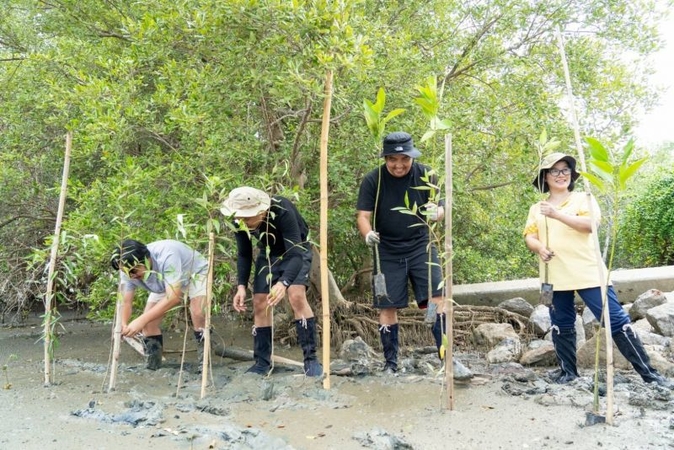
Lastly, to end this trip memorably, travellers can participate in mangrove forest planting and garbage collection activities at Ao Mahachai Mangrove Forest Natural Education Centre. These activities allow participants to see the beautiful landscape of the forest.

Dining out on longans #ศาสตร์เกษตรดินปุ๋ย

#ศาสตร์เกษตรดินปุ๋ย : ขอบคุณแหล่งข้อมูล : หนังสือพิมพ์ The Nation

https://www.nationthailand.com/travel/30379906?utm_source=category&utm_medium=internal_referral

Dining out on longans

Dec 27. 2019
By The Nation

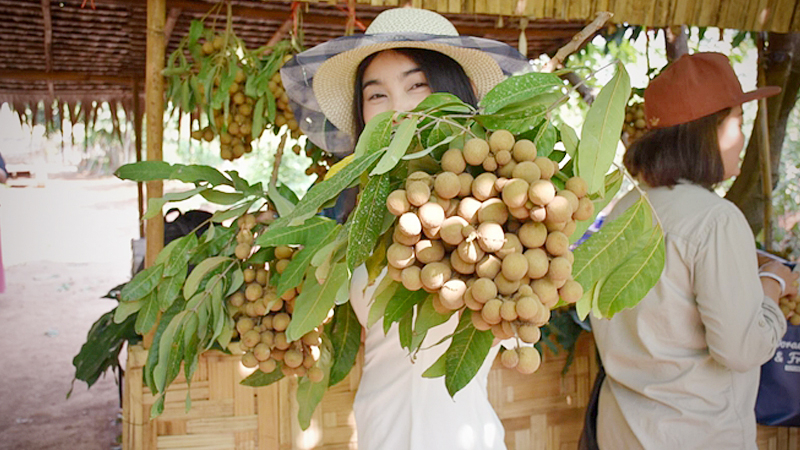
Tourists who cannot resist sweet and juicy fruits have a good reason to head to Kanchanaburi province over the next couple of weeks as Maple Gardens, located on the 323 road (Kanchanaburi – Sai Yok), near Ban Kao Intersection, a short drive from Kanchanaburi Rajabhat University, is hosting a longan buffet in its flower gardens until January 12. Most of the longans grown in Thailand are exported, so this is indeed a rare treat for anyone who likes them.

San, the owner of the Maple Gardens, is inviting all comers to munch on as much fruit as they can stomach while walking around the beautiful gardens filled with flowers in all their cool season finery. A range of agricultural products including ornamental flowers and various fruits are on sale. Admission to the garden complete with the longan buffet is Bt99 per adults with kids under 12 allowed of free. Pets are welcome but must be kept under control and on a leash at all times.

Sparkling lights honour the King and usher in 2020 in Khon Kaen #ศาสตร์เกษตรดินปุ๋ย

#ศาสตร์เกษตรดินปุ๋ย : ขอบคุณแหล่งข้อมูล : หนังสือพิมพ์ The Nation

https://www.nationthailand.com/travel/30379872?utm_source=category&utm_medium=internal_referral

Sparkling lights honour the King and usher in 2020 in Khon Kaen

Dec 26. 2019
By The Nation

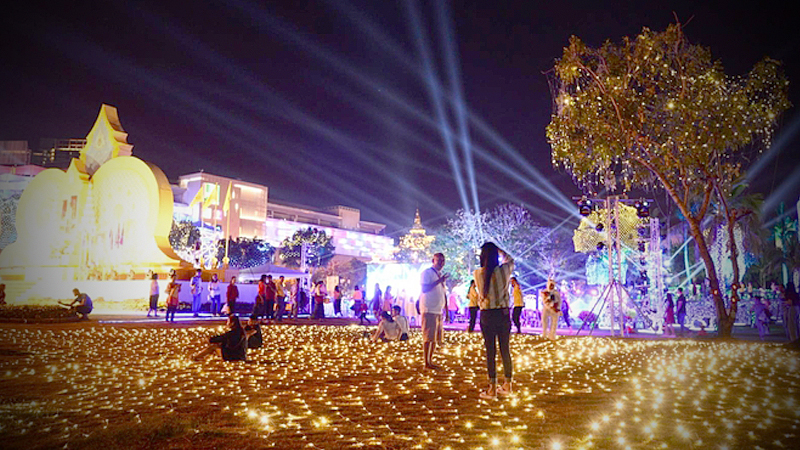
Khon Kaen governor Somsak Jungtrakul officially opened an illuminated garden honouring His Majesty King Rama X on Wednesday evening (December 25) at the Khon Kaen city gate park along with Theerasak Thikayuphan, Mayor of Khon Kaen and Sittikul Phukhamwong, Vice President of Khon Kaen Provincial Administrative Organization.

Mini Krathongs, candles and incense sticks have been set out for those wanting to pay their respects to the Monarch in front of his royal image and visitors can also enjoy a performance telling the story of Phra Suthon Manora .

The illuminations will be on every night through December 31. More than a million sparkling lights are spread over 5 zones: Thepdanthip [God in the heaven]; Thaloengsok Amnuay Chai [blessing for the new beginning]; Chalerm Chat Sanosorn [All glory to the king]; Russamee Dara Shai [Radius of starlight]; and Pok Kset Pracha [The protector of people]; with lighting design shows in three colours of 30-minutes duration taking place at 7.30, 8.30 and 9.30 pm. Visitors can also feast on food and drinks and shop for DIY products and hand-made items.

On New Year’s Eve, all are invited to join the Khon Kaen Countdown 2020 on the theme “Celebrating 222 Years of Khon Kaen” featuring concerts by Big Ass, Lomosonic, Tattoo Color, Greasy Cafe, DCNXTR, along with folk songs, and art performances at the central stage at Srichan Road. The celebrations will end with an alms giving ceremony on January 1 at the Khon Kaen City Pillar Shrine.