The weather authorities have called on people to be prepared for flash floods and runoffs in several parts of Thailand on Sunday.
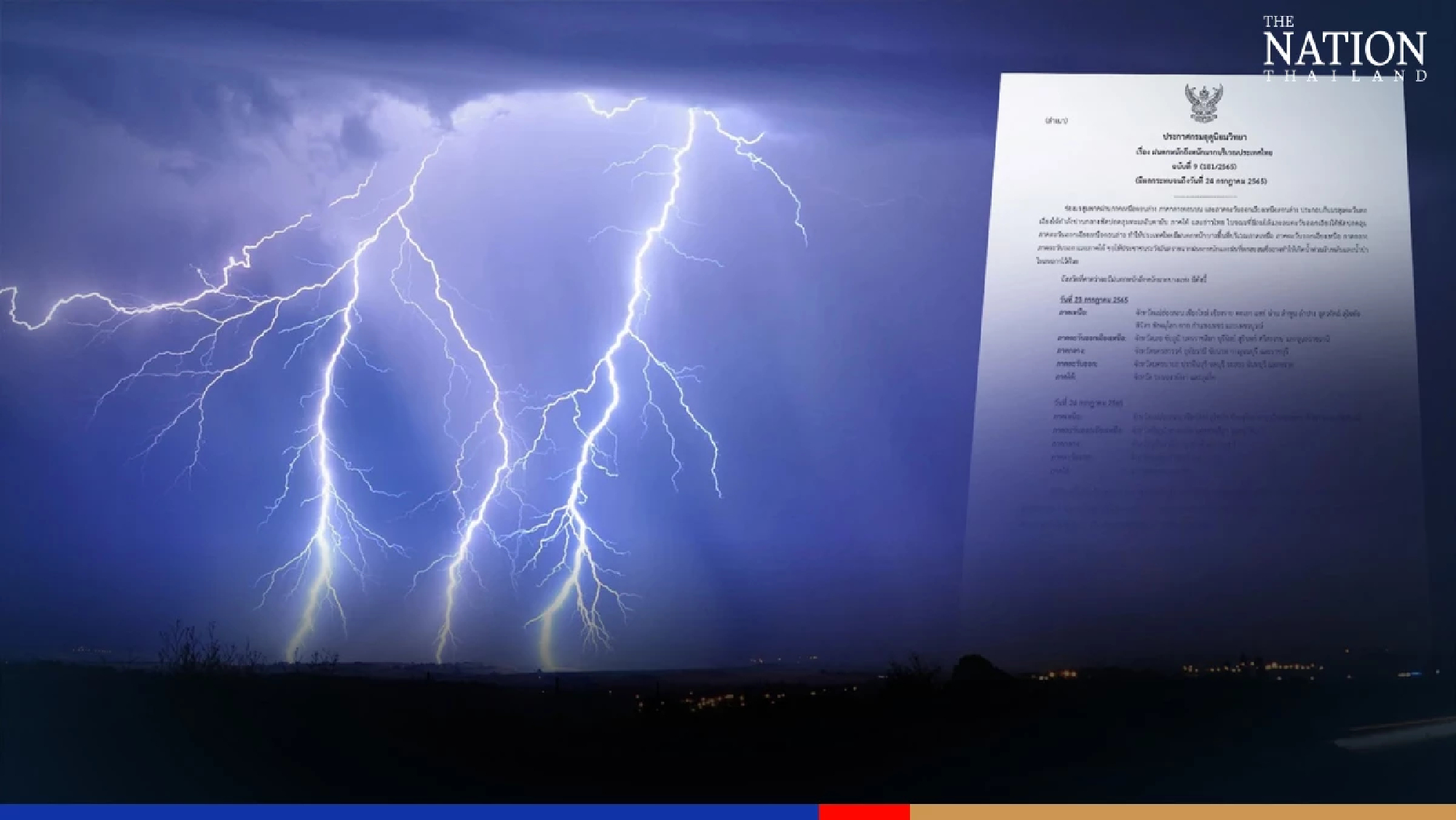
The Thai Meteorological Department said that though less rain is expected overall, isolated heavy showers will hit some parts of the North, Northeast, Central, East and South (western coast) regions.
“People should beware of severe conditions that may cause flash floods and overflows,” the department said.
The areas that can be affected are:
• North: Mae Hong Son, Chiang Mai, Phichit, Phitsanulok, Tak, Kamphaeng Phet and Phetchabun.
• Northeast: Chaiyaphum, Khon Kaen, Nakhon Ratchasima, Buri Ram, Surin, Si Sa Ket and Ubon Ratchathani
• Central: Nakhon Sawan, Uthai Thani, Kanchanaburi and Ratchaburi.
• East: Chachoengsao, Sa Kaew, Rayong, Chanthaburi and Trat.
• South: Ranong and Phang Nga.
The department also forecast 2-metre-high waves in the upper portions of the Andaman Sea, high waves in the lower part of the sea and the Gulf of Thailand and expects thundershowers to make the waves even higher.
“All ships should proceed with caution,” the department added.
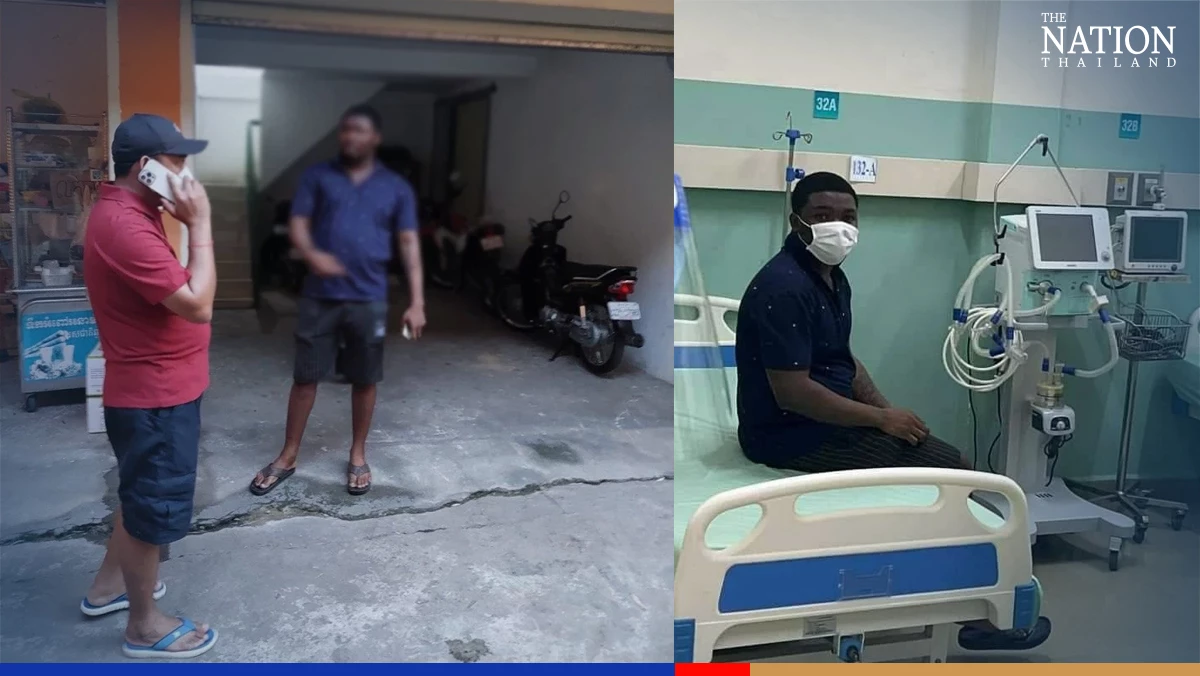
The Nigerian man who was diagnosed with monkeypox in Thailand last week was finally tracked down and detained in Phnom Penh on Saturday night.
The 27-year-old, identified as Osmond Chihazirim Nzerem, was handed over to the Cambodian Health Ministry as the country’s first monkeypox case.
Nzerem entered Thailand in October last year on an education visa, which expired in January.
He later travelled to Phuket, where he visited a local hospital last Saturday (July 16) with small blisters on his skin. Tests confirmed he had monkeypox, but health officials were not able to track him down.
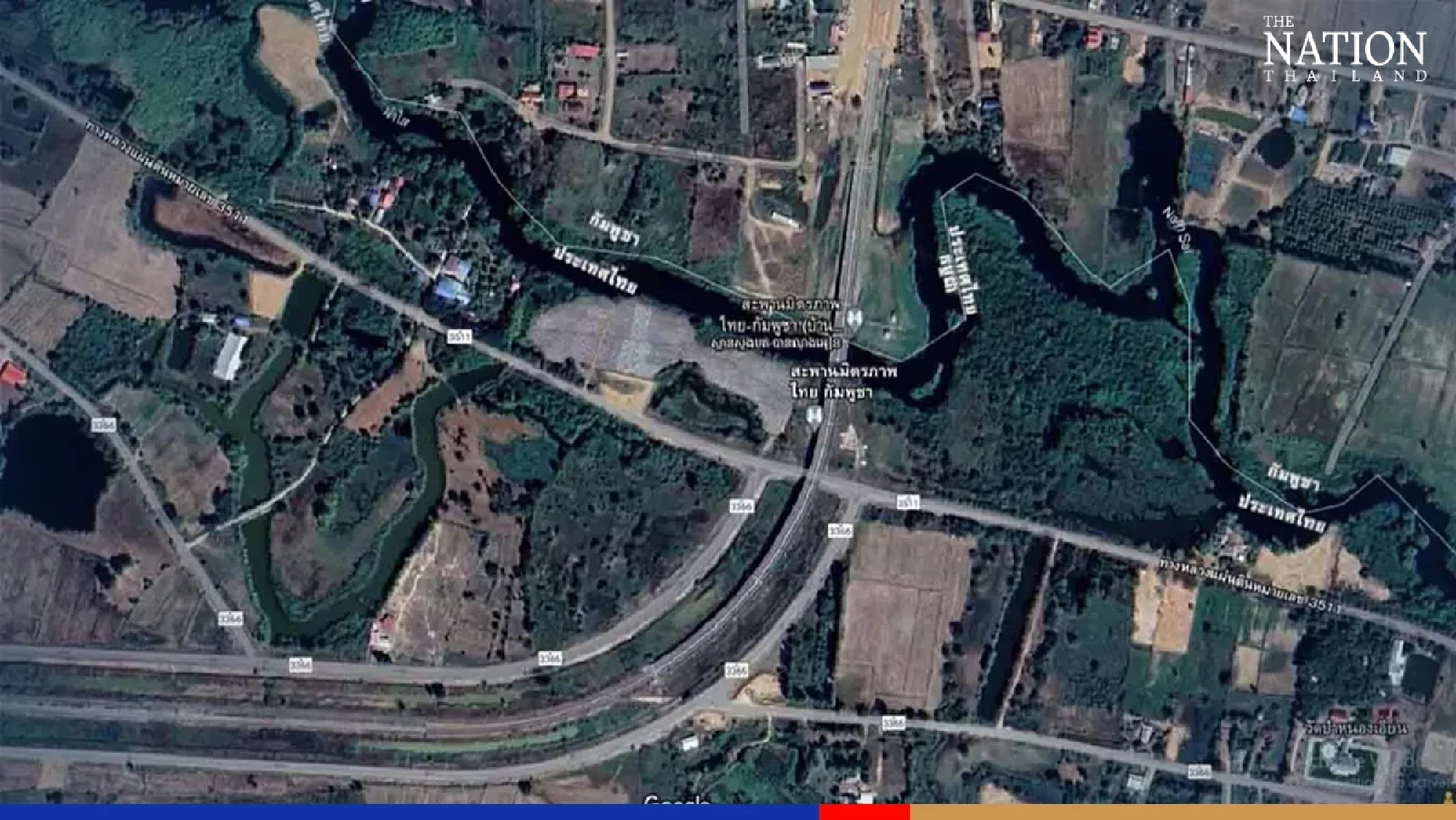
According to police reports, the patient swam across the canal below a newly built bridge linking Thailand to Cambodia in Sa Kaew’s Aranyaprathet district. He was reportedly picked up on the other side to be driven to the seaside town of Sihanoukville.
Wanveera Som, Cambodia’s assistant police commissioner, said on Sunday that Nzerem is being treated at the Khmer-Soviet Friendship Hospital in the capital.
He said the patient faced charges under Cambodian law and would not be sent back to Thailand.
Health officials in the Thai border province of Sa Kaeo confirmed that international principles of disease control dictated that Nzerem should not return to Thailand.
Sa Kaeo Provincial Public Health official Prapas Pookduang said no one in Sa Kaeo was at risk of monkeypox infection as Nzerem had only passed through the province without stopping.
Public Health Minister Anutin Charnvirakul has urged agencies nationwide to prepare for a monkeypox outbreak in Thailand, in line with the World Health Organisation (WHO)’s announcement on Saturday.
WHO director-general Tedros Adhanom Ghebreyesus on Saturday morning declared a global health emergency after monkeypox spread to at least 75 countries and territories.
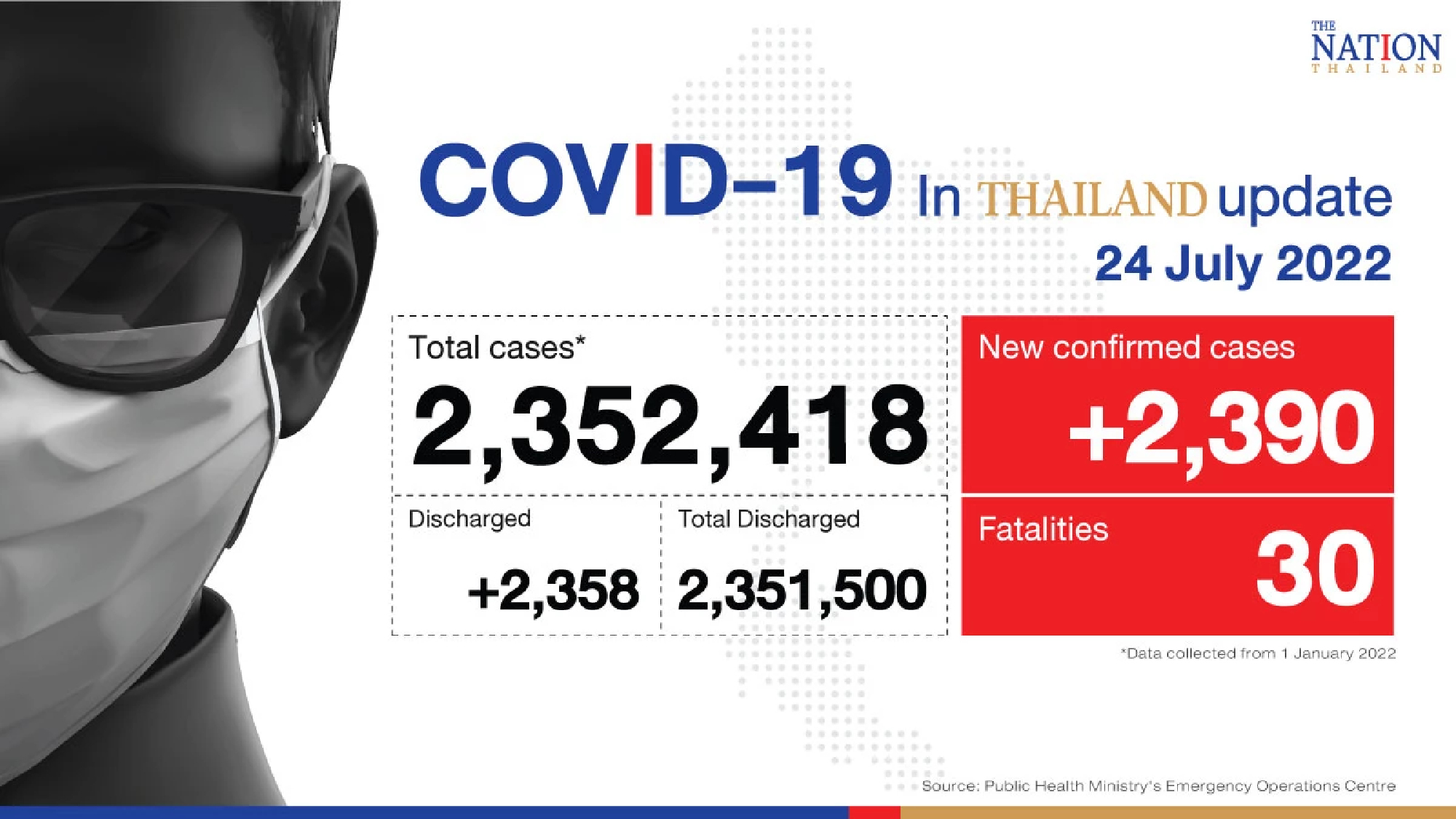
The Public Health Ministry reported on Sunday (July 24) that over the past 24 hours, 2,390 Covid-19 patients have been admitted to hospitals.
The death toll has risen by 30, while 2,358 patients have recovered and discharged from hospitals.
The number of cumulative cases in the country since January 1, 2022, stands at 2,352,418.
The country’s total caseload from Covid-19 stands at 4,575,853 – 4,519,994 of whom have recovered, 24,702 are still in hospitals and 31,157 have died.
Separately, another 13,297 people were given their first Covid-19 shot in the last 24 hours, 35,975 their second shot and 96,778 a booster, bringing the total number of Covid-19 vaccine doses administered nationwide to 141,182,721.
According to Worldometer, confirmed cases globally had risen to 574.76 million on Sunday, 544.34 million of whom have recovered, 24.01 million are active cases (44,924 in severe condition) and 6.40 million have died.
Thailand ranks 27th in the global list of most cases, which is topped by the US with 92.17 million, followed by India with 43.88 million, Brazil with 33.58 million, France with 33.48 million and Germany with 30.33 million.
Loan-shark adverts were among almost 200 items caught in the net of the Anti-Fake News Centre this week.
The centre, run by the Digital Economy and Society Ministry (MDES), said it identified 185 items of fake news among almost 12 million (11,864,545) messages screened from July 15-21.
It reported an increase in the number of fake messages from an informal loan operator claiming certification by the Business Development Department.
MDES also highlighted high social media interest in a Line scam to borrow money, and call centre gangs cheating victims with fake promises of undelivered parcels.
The latest 10 most popular items of fake news are:
Business Development Department licensing Antrika Damnoenchom to offer informal online loans.
Thailand Post officials calling people to inform them about undelivered parcels.
Line app scammers pretending to be famous people or high-ranking officers to borrow money.
Revenue Department demand for all monks to pay tax through their temple’s account.
Fake Government Housing Bank officials asking bank account details to transfer 2,000 baht.
PTT Station selling refuelling cards at the special price of 890 baht.
Krung Thai offering generous loans of 100,000 baht with installment payments of 300 baht per month via Line @095vlabw.
People who haven’t had a third vaccine shot can’t see a doctor.
Ma Waeng Nok herb (Solanum nigrum) can treat cervical cancer.
New type of banknote is fake and is not legal tender.
MDES Minister Chaiwut Thanakamanusorn was accused on Wednesday during the censure debate of failing to combat the wave of cybercrime.
Pheu Thai Party MP for Loei Saran Timsuwan accused Chaiwut of protecting the government’s stability at the expense of the country’s economy and citizens, leaving them prey to cybercriminals.
Chaiwut denied the accusation, saying every country faced similar issues in the internet era and Thailand had established several agencies to combat cybercrime.
Meanwhile, MDES advised people to be cautious about information received via social media, urging them to report anything suspicious to the Anti-Fake News centre.
Dog and cat lovers will soon be able to fly with their pets between Bangkok, Chiang Mai and Phuket, thanks to a new cabin service offered by budget airline Nok Air.
The Pet on Board service will be available from next month on the airline’s Don Mueang-Chiang Mai and Don Mueang-Phuket routes.
A return-flight package priced at 12,999 baht is available for two passengers and one pet.
However, animal passengers will have to meet a long list of requirements.
Pets will only be allowed to enter cabins in a bag or container approved by Nok Air. To prevent mess, they are also required to wear a diaper during the flight.
Dog and cat passengers must be at least two months old, healthy, clean and odour-free. They require a “fit-to-fly” medical certificate issued not more than 15 days before the flight. Female pets must not be pregnant.
Separately, Nok Air offers a pet carriage service in cargo for dogs, cats and rabbits on certain flights, starting at 410 baht.
Pets must be checked in as cargo at least two hours before scheduled departure time.
However, the airline also lists 19 dog breeds that it will not accept for transportation. These include Pekingese, Boxer, Pug, Shar Pei, Chow Chow, Mastiff, Bulldog, Pit Bull, and American Pit Bull Terrier.
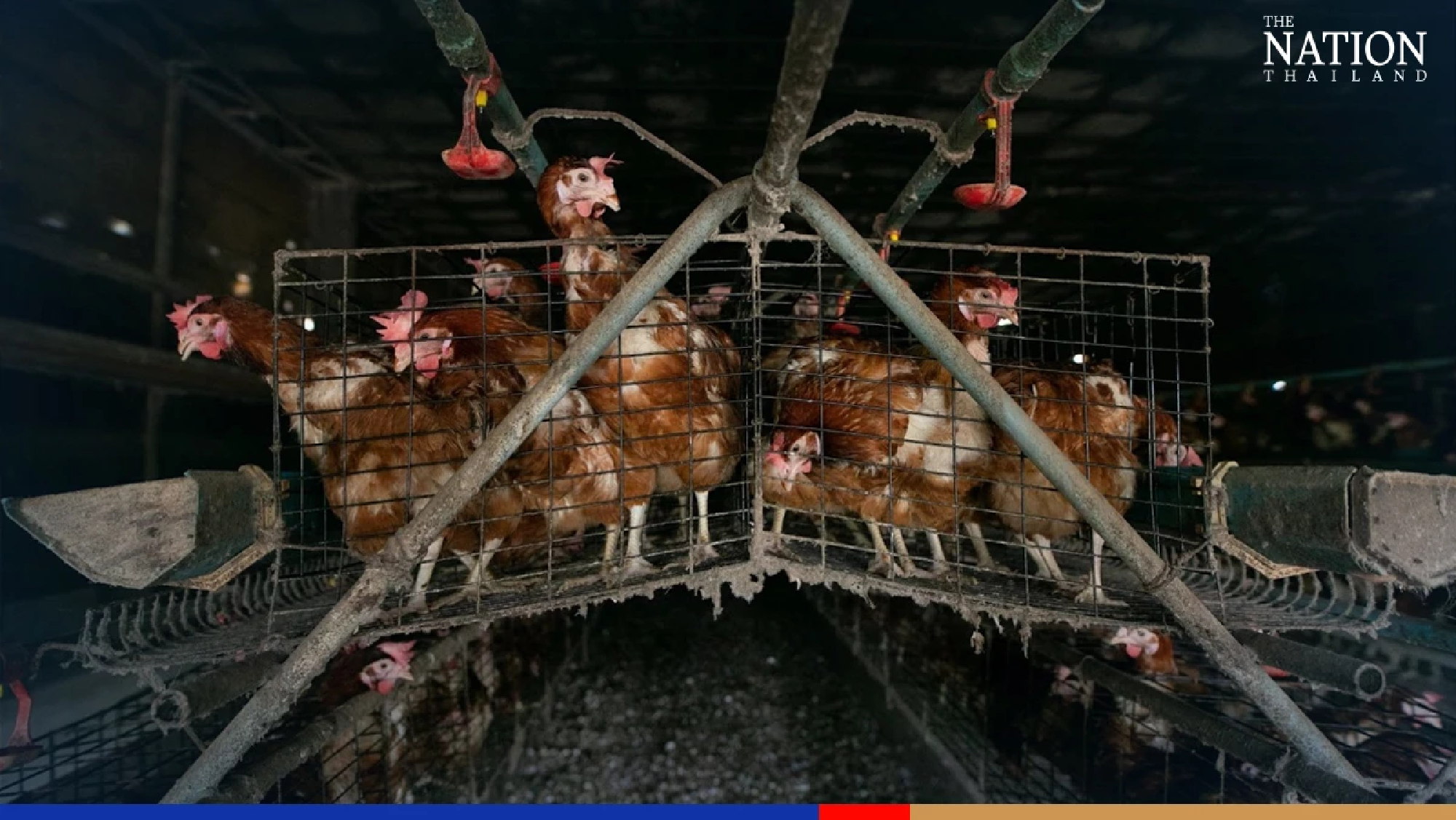
More Asian food companies are transitioning to cage-free eggs in response to concerns about animal welfare, a recent report from an international animal protection agency shows.
Sinergia Animal said its recent survey of 50 egg producers in India, Indonesia, Japan, Malaysia and Thailand showed that 35 have opted to let their laying hens run free.
Phichamon Thamasook, Sinergia’s corporate communications manager, pointed out that Asia is the world’s largest egg producer with a capacity of 1 billion eggs per year, but most laying hens are raised in battery cages.
“This raising method is very cruel,” she said, adding that battery cages have been banned in Europe, Canada, New Zealand and nine US states.
She explained that battery cages prevent laying hens from moving naturally like perching, nesting, dust bathing and stretching.
Over the past decade, 2,300 food companies worldwide have stopped sourcing eggs from battery farms, she said. However, she said, food companies in Asia are also committing to cruelty-free practices and hopes this trend will continue.
A Nigerian man, who is Thailand’s first monkeypox patient, is believed to have fled to Cambodia, police said on Saturday.
The 27-year-old, identified as Osmond Chihazirim Nzerem, entered Thailand in October last year on an education visa, which expired in January.
He later travelled to Phuket, where he visited a local hospital last Saturday (July 16) with small blisters on his skin. Tests confirmed he has monkeypox, but health officials have not been able to track him down.
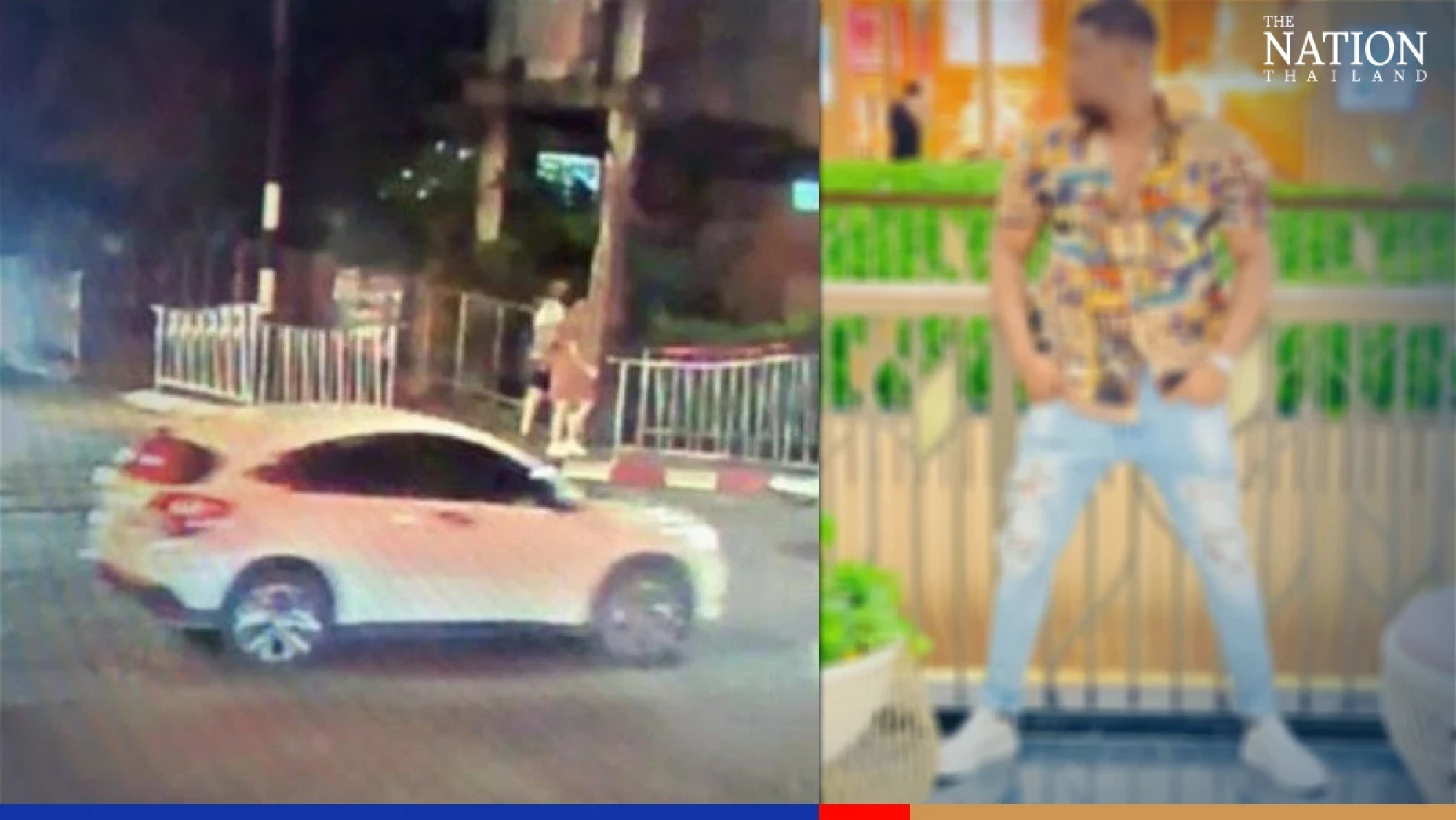
According to police records, Nzerem left his condominium at about 9pm on Tuesday (July 19) in a Honda car.
Security officials in the border province said on Saturday that the patient may have sneaked into Cambodia.
A likely “natural exit” may be the canal below a newly built bridge linking Thailand and Cambodia, a source said. People who want to cross over without undergoing immigration formalities usually swim across the canal and get picked up on the other side to be driven to the seaside town of Sihanoukville, the source added.
Separately, Public Health Minister Anutin Charnvirakul said on Saturday that Thailand will inform Cambodia about the case.
Heavy to very heavy rain can be expected in 36 provinces on Saturday and Sunday, the Thai Meteorological Department announced.
In the Saturday weather report, the department explained that a monsoon trough is lying across the lower North, upper Central and lower Northeast of Thailand. In addition, a moderate southwest monsoon is prevailing over the Andaman Sea, the South and the Gulf of Thailand. Plus, south and southwestern winds prevail over the lower Northeast.
These factors, the department said, will bring heavy rain to some areas in the North, Northeast, Central region, the East and the South. The department also warned of flash floods and water bodies overflowing.
The affected areas over Saturday and Sunday are as follows:
Saturday
North: Mae Hong Son, Chiang Mai, Chiang Rai, Phayao, Phrae, Nan, Lamphun, Lampang, Uttaradit, Sukhothai, Phichit, Phitsanulok, Tak, Kamphaeng Phet and Phetchabun.
Northeast: Loei, Chaiyaphum, Nakhon Ratchasima, Buri Ram, Surin, Si Sa Ket and Ubon Ratchathani
Central: Nakhon Sawan, Uthai Thani, Chai Nat, Kanchanaburi and Ratchaburi.
East: Nakhon Nayok, Prachinburi, Chonburi, Rayong, Chanthaburi and Trat.
South: Ranong, Phang-nga and Phuket
Sunday
North: Mae Hong Son, Chiang Mai, Sukhothai, Phitsanulok, Tak, Kamphaeng Phet, Phichit and Phetchabun.
Northeast: Chaiyaphum, Khon Kaen, Nakhon Ratchasima and Buri Ram.
Central: Uthai Thani, Kanchanaburi and Ratchaburi.
East: Rayong, Chanthaburi and Trat.
South: Ranong and Phang-nga
Meanwhile, winds over the Andaman Sea and the Gulf of Thailand remain moderate with waves in the upper part of the sea and the Gulf rising about 2 metres high.
The lower Andaman will rise by about 2 metres and above 2 metres in areas with thunderstorms. Hence, the department said, all boats should proceed with caution.
People are urged to follow updates via https://www.tmd.go.th/ or call (02) 399 4012-13 or the 1182 hotline.
Unification Ministry seeks to allow S. Koreans to freely access N. Korean state media reports
South Korea’s Unification Ministry said its focus is on mapping out an “audacious plan” to provide economic compensation and security guarantees in return for North Korea’s “substantial measures for denuclearization.”
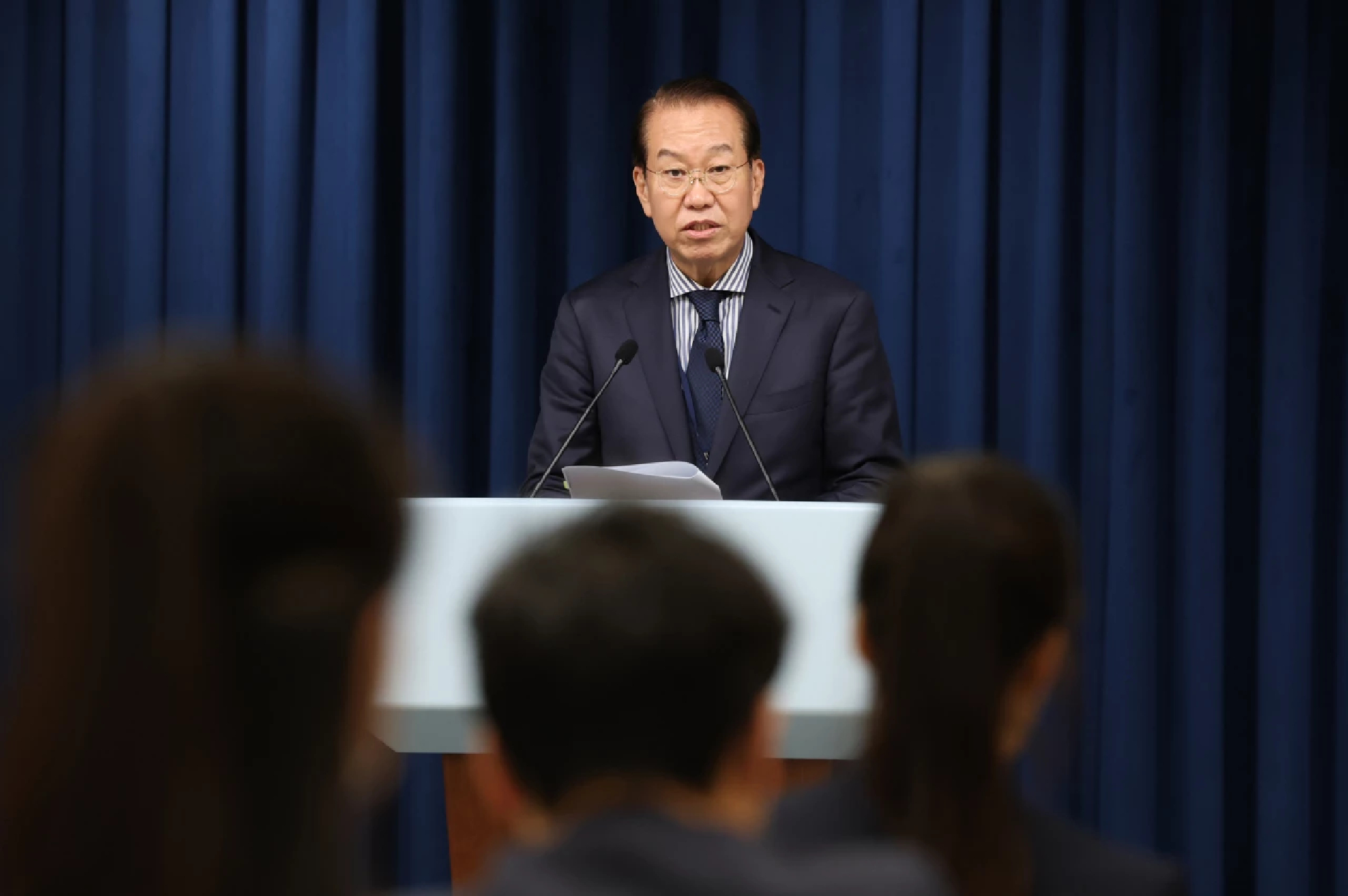
Unification Minister Kwon Young-se on Friday briefed President Yoon Suk-yeol on the vision of North Korea and unification policy as well as three principles and five core tasks to implement the policy, the Unification Ministry said in a press statement.
The vision of the policy is to “seek peaceful unification based on the liberal democratic order to establish a nuclear-free, peaceful and prosperous Korean Peninsula.”
The three major principles are not to tolerate any kind of armed provocations, to develop mutually beneficial inter-Korean relations, and to establish the foundation for peaceful reunification.
Audacious plan
At a news conference following the briefing, Kwon said he focused on explaining the Unification Ministry’s plan to create a virtuous cycle of achieving North Korea’s complete denuclearization and building confidence between the two Koreas.
The Unification Minister went on to say that pushing forward the “audacious plan” is key to achieving the goal.
In a separate press statement, the Unification Ministry explained that it has been drawing up the plan — which was first proposed by Yoon in his inauguration speech on May 10 — in tandem with related ministries.
In essence, the plan is to take into account economic assistance to North Korea and the country’s security concerns, according to the Unification Ministry.
The plan puts an emphasis on devising measures to implement economic cooperation with North Korea and provide security guarantees for the country. The compensations will be offered “in stages corresponding to North Korea’s substantial measures for denuclearization.”
In a nutshell, the Yoon government will “provide corresponding measures in a phased and simultaneous manner,” the Unification Ministry said, elucidating that it is not pursuing a big deal or all-or-nothing approach. The South Korean government also is not seeking a denuclearization first, then compensation approach.
“We are devising an audacious proposal to the extent that North Korea no longer sees the necessity to develop nuclear weapons,” Kwon said during the press briefing at the presidential office, without sharing further details.
“The core is to resolve political and military confrontations and push forward a consultation on economic cooperation with North Korea through inter-Korean dialogue and trilateral talks among the two Koreas and the US in keeping with substantial progress in North Korea’s denuclearization.”
Kwon said the Yoon government aims to “flesh out the plan in the near future in close coordination and cooperation with the US and propose it to North Korea.”
The Unification Ministry has weighed several options including measures for “military confidence building and arms control,” a high-ranking ministry official said during a closed-door briefing when asked about the issue.
The official, who wished to remain anonymous, also suggested that measures to improve diplomatic ties between the US and North Korea have been under consideration, explaining that what North Korea has consistently pursued since the 1970s is the restoration of US-North Korea relations.
Opening N. Korean media to public
Kwon said he also underscored the Unification Ministry’s plan to consistently push forward humanitarian cooperation with North Korea regardless of the political and military situation during his briefing to Yoon. The ministry hopes that COVID-19 aid could be momentum for inter-Korean cooperation on health care.
At the same time, the Unification Ministry seeks to substantially improve North Korean human rights to realize universal values of humankind. The expeditious launch of a North Korean human rights foundation — which has been postponed for more than six years — was proposed as one measure to fulfill the goal.
In addition, the Unification Ministry also set out a goal of restoring ethnic homogeneity by actively seeking inter-Korean exchanges and cooperation regardless of the denuclearization progress.
As part of its efforts, the Unification Ministry plans to gradually enable public access to North Korea’s state-run outlets and publications, most of which are off limits to South Koreans, with the intent to enhance better understanding of North Korea. It did not give further details.
The Unification Ministry aims to come up with measures that South Korea can unilaterally take to restore ethnic homogeneity, the ministry source said during the briefing. Against that backdrop, the ministry has considered the option of opening North Korean state media outlets to the South Korean public while encouraging North Korea to take corresponding measures.
By Ji Da-gyum
Asia News Network: The Nation (Thailand), The Korea Herald, The Straits Times (Singapore), China Daily, Jakarta Post, The Star and Sin Chew Daily (Malaysia), The Statesman (India), Philippine Daily Inquirer, Yomiuri Shimbun and The Japan News, Gogo Mongolia, Dawn (Pakistan), The Island (Sri Lanka), Kuensel (Bhutan), Kathmandu Post (Nepal), Daily Star (Bangladesh), Eleven Media (Myanmar), the Phnom Penh Post and Rasmei Kampuchea (Cambodia), The Borneo Bulletin (Brunei), Vietnam News, and Vientiane Times (Laos).
The 6.1 magnitude quake that struck around 11:00 pm on July 21 at Kengtung caused damages in southern Shan State, according to locals.
The quake affected not only in Taunggyi, Nyangshwe, Kalaw and Pekon townships in Taunggyi District but also in Loilem, Panglong, Mongkai, Laikha, Kehsi and Langkho townships in Loilem District.
In Kengtung, the wall of a staff housing room inside the compound of No.4 Basic Education High School collapsed but no one was injured. In some places, it was reported that the TVs fell off the shelf and broke and the brick walls of the houses were slightly damaged.
Some brick walls collapsed in Naungfa Village, Katfa Village Tract on Kengtung-Mongla.
A moderate earthquake of magnitude 5.3 Richter Scale with its epicenter inside Myanmar (about 20 miles east-northeast of Kengtung ), latitude 21.34°N, longitude 99.91°E, depth 6 kilometers, about 21 miles east-northeast of Kengtung seismological observatory was recorded at 11:10 pm on July 21, 2022, according to the Department of Meteorology and Hydrology (DMH).
A strong earthquake of magnitude 6.1 Richter Scale with its epicenter inside Myanmar (about 17 miles east of Kengtung), latitude 21.26°N, longitude 99.86°E, depth 8 kilometers, about 18 miles east of Kengtung seismological observatory was recorded at 11:37 pm on July 21, 2022, announced the DMH.
Asia News Network: The Nation (Thailand), The Korea Herald, The Straits Times (Singapore), China Daily, Jakarta Post, The Star and Sin Chew Daily (Malaysia), The Statesman (India), Philippine Daily Inquirer, Yomiuri Shimbun and The Japan News, Gogo Mongolia, Dawn (Pakistan), The Island (Sri Lanka), Kuensel (Bhutan), Kathmandu Post (Nepal), Daily Star (Bangladesh), Eleven Media (Myanmar), the Phnom Penh Post and Rasmei Kampuchea (Cambodia), The Borneo Bulletin (Brunei), Vietnam News, and Vientiane Times (Laos).