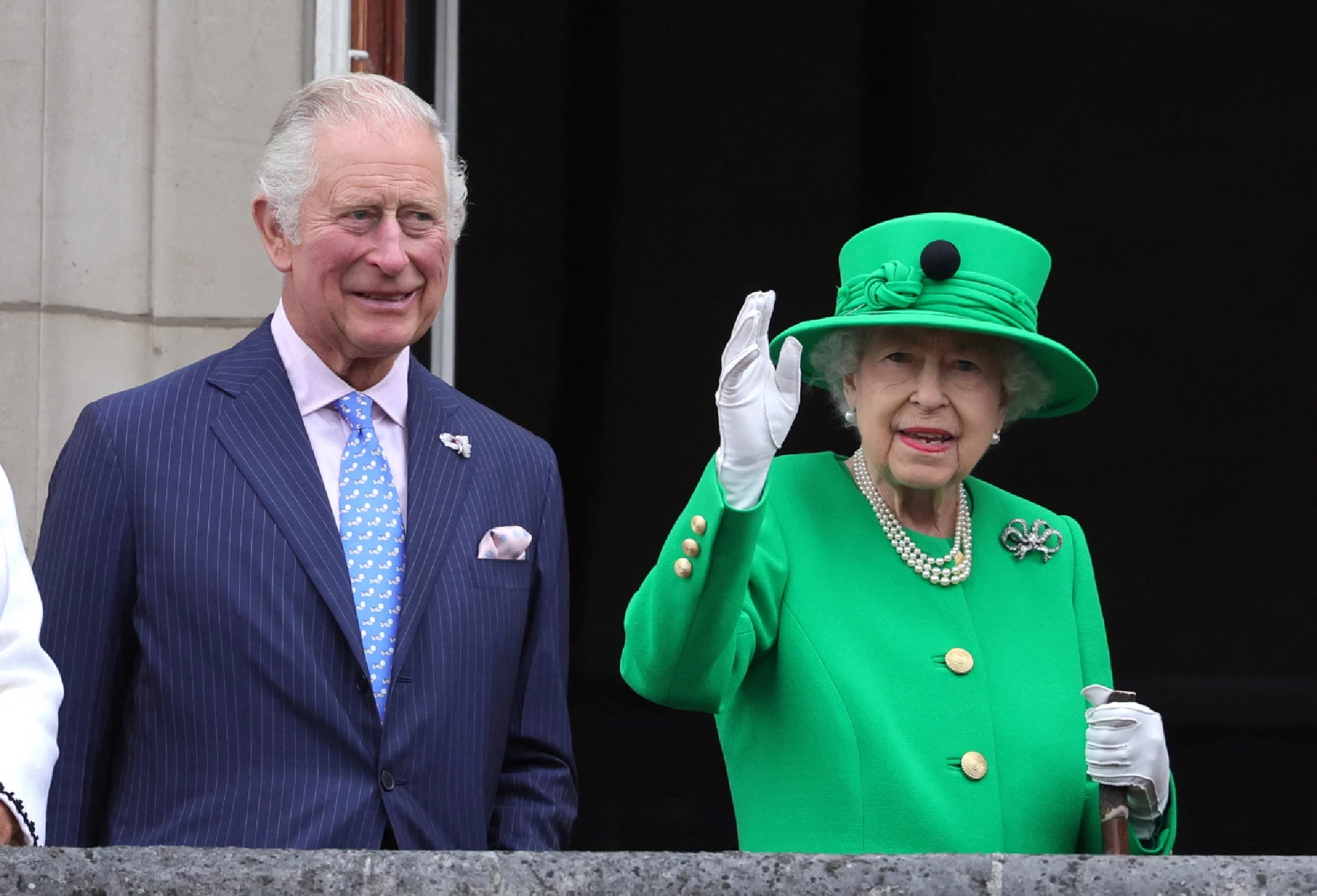
Queen Elizabeth will become the world’s second longest-ruling monarch on Sunday, surpassing King Bhumibol Adulyadej of Thailand whose reign lasted 70 years, 126 days before his death in 2016 at the age of 88.
King Bhumibol Adulyadej ruled over Thailand from 1946 and to this day, holds the title of the longest-reigning monarch in Thai history.
During King Adulyadej’s reign, the Thai royal family welcomed the Queen and the Duke of Edinburgh on their five-day state visit to Thailand in 1996, where Queen Sirikit of Thailand hosted a state banquet in honour of Queen Elizabeth.
To commemorate King Adulyadej’s 70th anniversary of the accession to the throne in 2016, Queen Elizabeth sent a message to congratulate the king, saying: “the relationship between our two countries, which has lasted over 400 years, (and) has become even stronger during Your Majesty’s reign.”
The 96-year-old Elizabeth, Britain’s longest-reigning and currently the world’s oldest monarch, became queen on February 6, 1952, after the death of her father King George VI. She was crowned on June 2, 1953, at Westminster Abbey, the first coronation to be televised.
France’s King Louis XIV currently holds the record for the longest-reigning monarch, who ruled for around 72 years, beginning his reign from the age of 4 in 1643 until his death in 1715, aged 77.
On September 9, 2015, Queen Elizabeth surpassed the 63 years, that her great-great-grandmother Queen Victoria spent on the throne to become the country’s longest-reigning monarch in a line dating back to Norman King William the Conqueror in 1066.
Queen Elizabeth’s seven decades on the throne were marked by four days of celebration which began on Thursday (June 2) and saw the nation come together, rejoicing in the Queen’s 70 years and four months of reign.
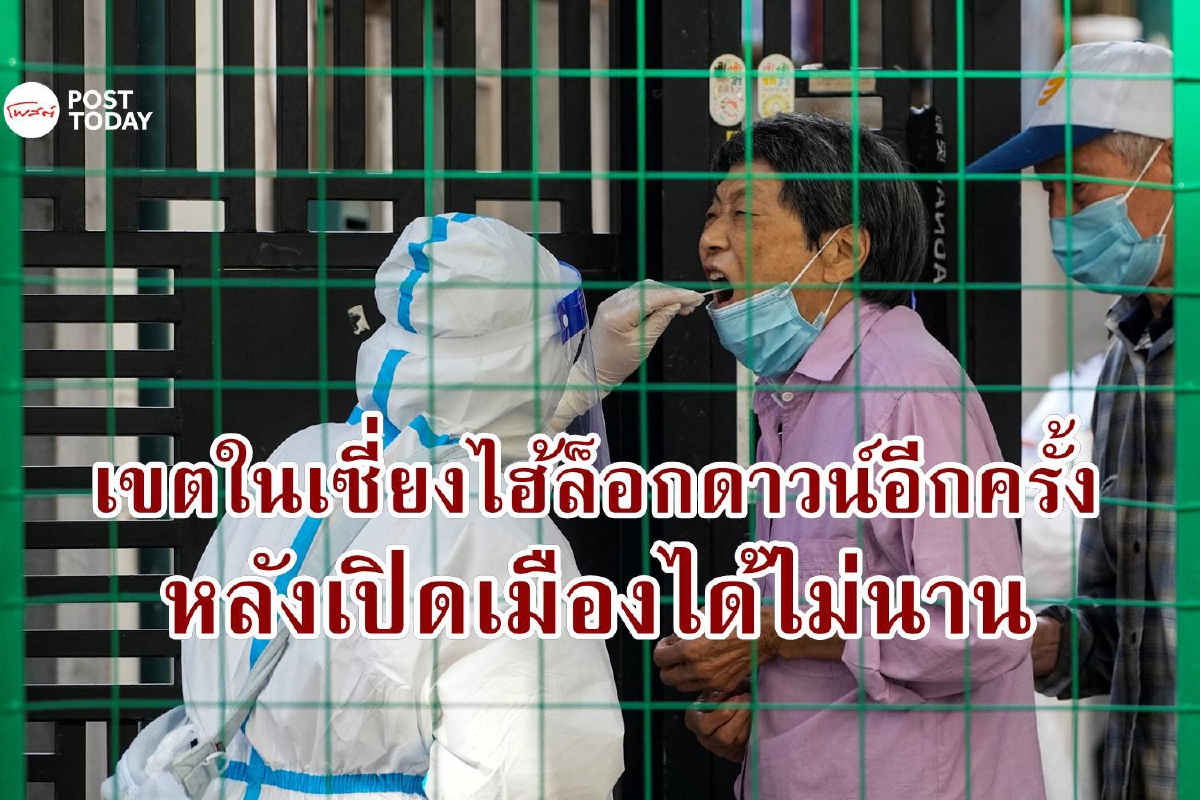
ความเคลื่อนไหวครั้งล่าสุดนี้นับว่าเป็นสัญญาณบวกสำหรับนักลงทุนว่าสิ่งที่เลวร้ายที่สุดได้จบลงแล้ว โดยในวันนี้ หุ้นของ Alibaba Group Holdings บริษัทแม่ของ Ant Group ซึ่งจดทะเบียนในตลาดสหรัฐเพิ่มขึ้นถึง 4% ในการซื้อขายช่วงก่อนการเปิดตลาด ตามรายงานของรอยเตอร์ส
นอกจากนี้ หุ้นเทคโนโลยีของจีนทะยานขึ้นในช่วงไม่กี่สัปดาห์ที่ผ่านมา โดยได้รับแรงหนุนจากข่าวที่ว่าทางการจีนกำลังเตรียมสรุปการสอบสวนกรณี Didi Global Inc. และอนุญาตให้แอปพลิเคชันของ Didi กลับมาให้บริการในแอปสโตร์
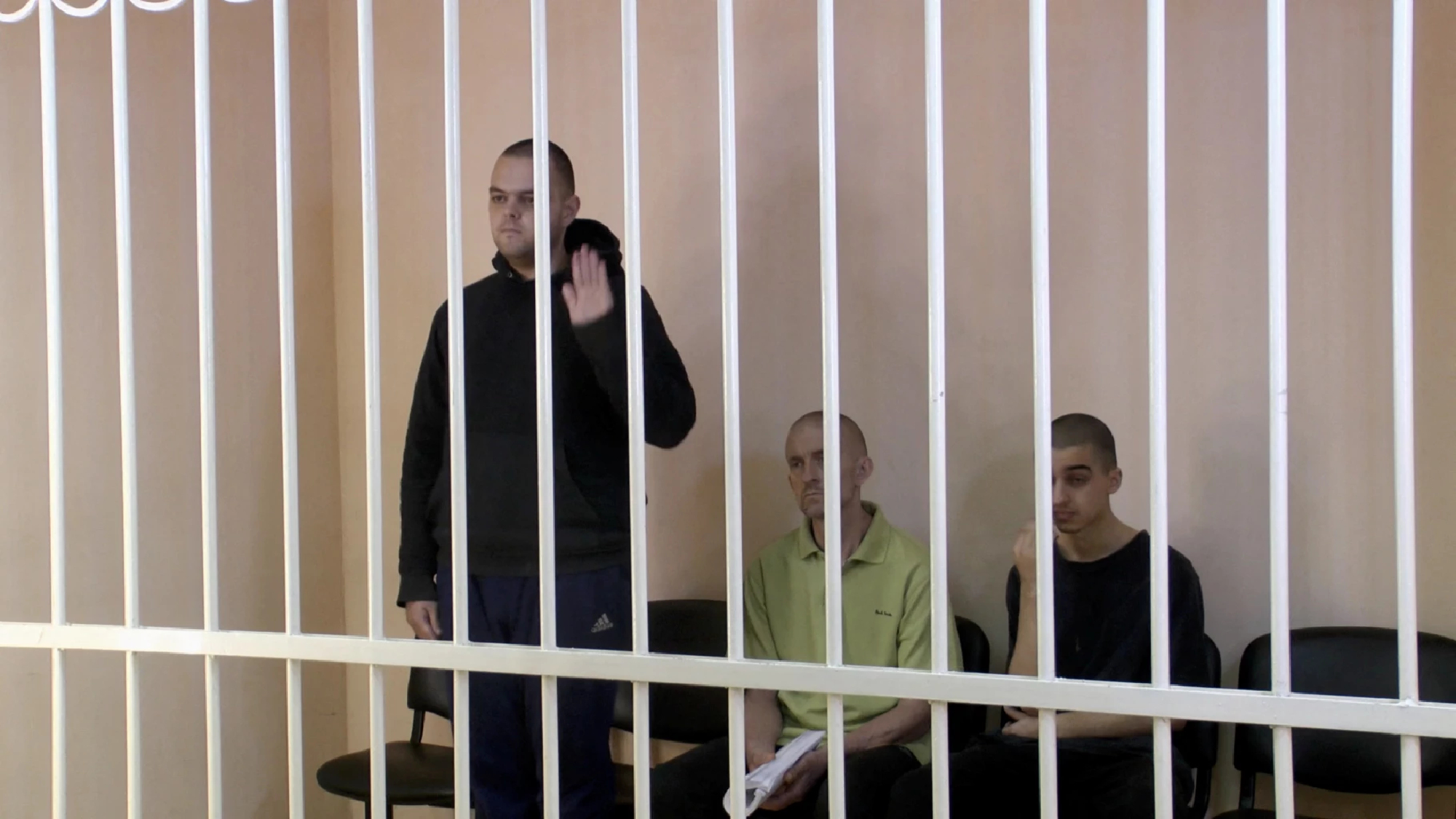
Two Britons and a Moroccan who were captured while fighting for Ukraine could face the death penalty after pleading guilty in a court of one of Russia’s proxies in eastern Ukraine, Russia’s RIA news agency reported.
Video published by RIA showed Britons Aiden Aslin and Shaun Pinner and Moroccan Brahim Saadoun in a courtroom cage with white bars.
RIA said Pinner and Saadoun had pleaded guilty to actions aimed at the violent seizure of power.
The video appeared to show Aslin pleading guilty to a lesser charge involving weapons and explosives. He was seen standing in the cage and leafing through a sheaf of legal documents as the charge was translated to him.
The news agency quoted prosecutors as saying the combined charges could mean the death penalty for all three.
Britain’s Foreign, Commonwealth and Development Office did not immediately respond to an emailed request for comment late on Wednesday.
Saadoun was arrested in April. No comment was immediately available from the Moroccan foreign ministry on his case.
On the video of the previous hearing, released June 7, Aslin, Pinner and Saadoun were seen confirming that they knew the charges against them and agreeing to proceed with their case without witnesses. It is not clear whether the men were speaking freely.
The trial is taking place in the Donetsk People’s Republic, one of two breakaway Russian-backed entities in the Donbas region of eastern Ukraine which Russia says it is fighting to “liberate” from Ukrainian forces.
Three days before launching its Feb. 24 invasion of Ukraine, Russia recognized them as independent states in a move condemned by Ukraine and the West as illegal.
Aslin and Pinner were captured in April while fighting on the Ukrainian side. They were later shown on Russian TV asking to be freed in exchange for a Ukrainian ally of Russian President Vladimir Putin, Viktor Medvedchuk, who had been detained by Ukrainian authorities.
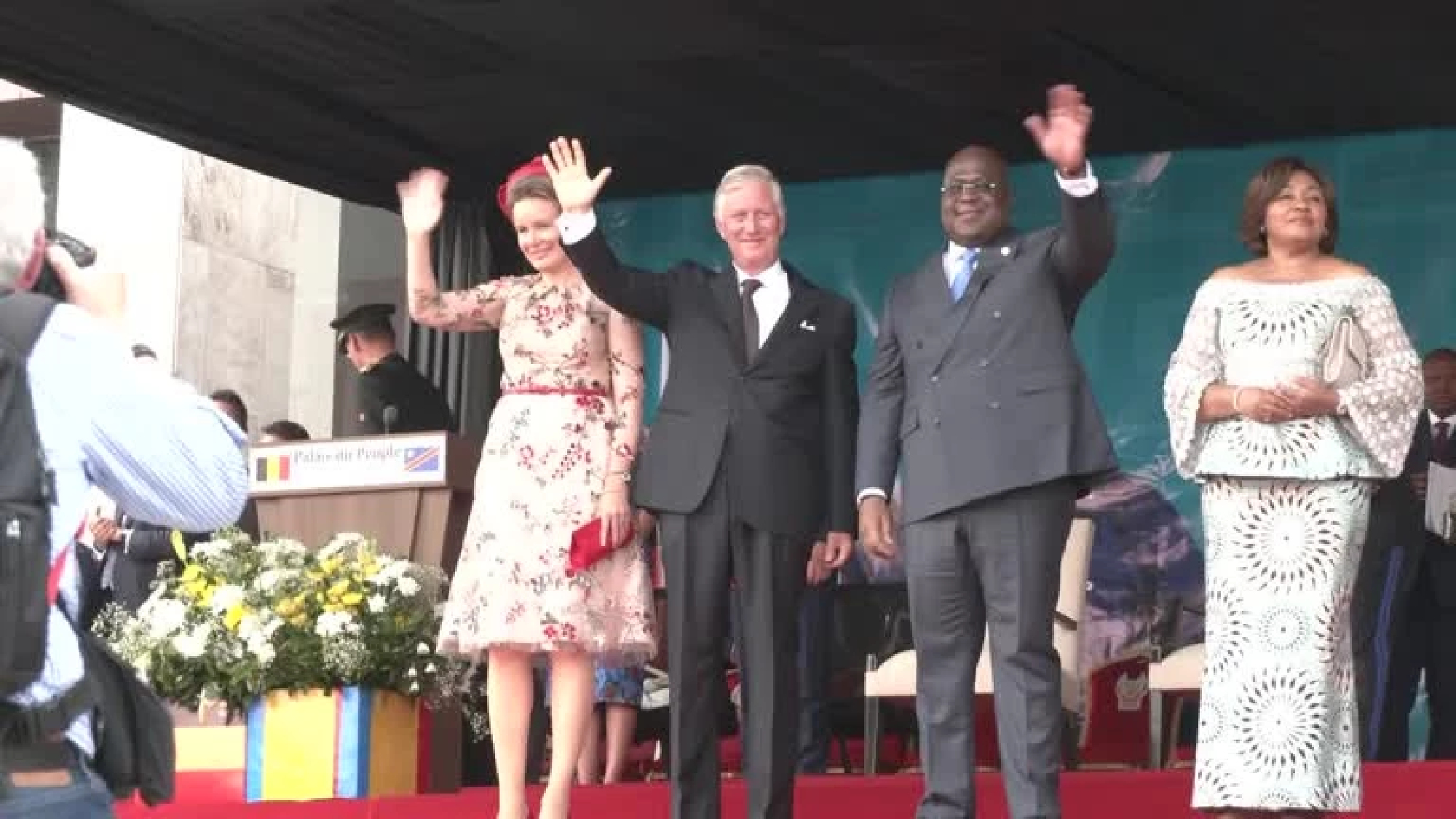
Belgium’s King Philippe reaffirmed his deepest regrets on Wednesday for the exploitation, racism and acts of violence during his country’s colonisation of the Democratic Republic of Congo, but again stopped short of formally apologising.
Philippe became the first Belgian official in 2020 to express regret for colonisation, and some Congolese hoped he would issue a formal apology during his first visit to Congo since taking the throne in 2013.
The king arrived on Tuesday in the capital Kinshasa with his wife, Queen Mathilde, and Prime Minister Alexander De Croo for a week-long visit that will also take him to the eastern cities of Bukavu and Lubumbashi.
In 2020, Philippe became the first Belgian official to express regret for the “suffering and humiliation” inflicted on Congo. But he stopped short of issuing an apology, and some Congolese have demanded he does so this time.
“The colonial regime itself was based on exploitation and domination,” he told a joint session of parliament in Kinshasa.
“This regime was one of the unequal relations, unjustifiable in itself, marked by paternalism, discrimination and racism,” he said.”It led to violent acts and humiliation. On the occasion of my first trip to Congo, right here, in front of the Congolese people and those who still suffer today, I wish to reaffirm my deepest regrets for those wounds of the past.”
Congolese President Felix Tshisekedi and many politicians have enthusiastically welcomed Philippe’s visit. Large numbers of ruling party supporters waved Belgian flags, and a banner hanging from parliament read: “A common history.”
Mutungilayi Nawezi, a Congolese student, attended his speech at the People’s Palace. He is very touched by what he was able to hear:” Saying a few words in Lingala is something that has touched me a lot. We didn’t expect the king to be able to speak in Lingala and also to acknowledge some of the wrongdoings we have had to endure, I really appreciated it. ” he explains.
” We hope that the king’s presence here will solve many problems, especially peace on the East side. In other countries, we see how they are supported by their colonizers, in many areas, like employment, and stabilization of social life, but us, we do not even know the language of the Belgians (Walloon, Flemish). We hope that the presence of the Belgian king here will bring us a solution for the good development of our country.” said Solange Ekudju, a Congolese woman.
But many Congolese were likely to be disappointed by the absence of an apology.
During the visit, He also returned a traditional mask to Congo on Wednesday as a goodwill gesture.
Philippe offered an initiation mask of the Suku people to Congo’s national museum as an “indefinite loan”. The mask has been held for decades by Belgium’s Royal Museum for Central Africa.
“I wanted, during our visit to the national museum and in your presence, to return to you this exceptional work in order to allow Congolese to discover and admire it,” Philippe said, standing next to Congo President Felix Tshisekedi. “It marks the symbolic beginning of the reinforcement of the cultural collaboration between Belgium and Congo.”
By some estimates, killings, famine and disease killed up to 10 million Congolese during just the first 23 years of Belgium’s rule from 1885 to 1960, when King Leopold II ruled the Congo Free State as a personal fiefdom.