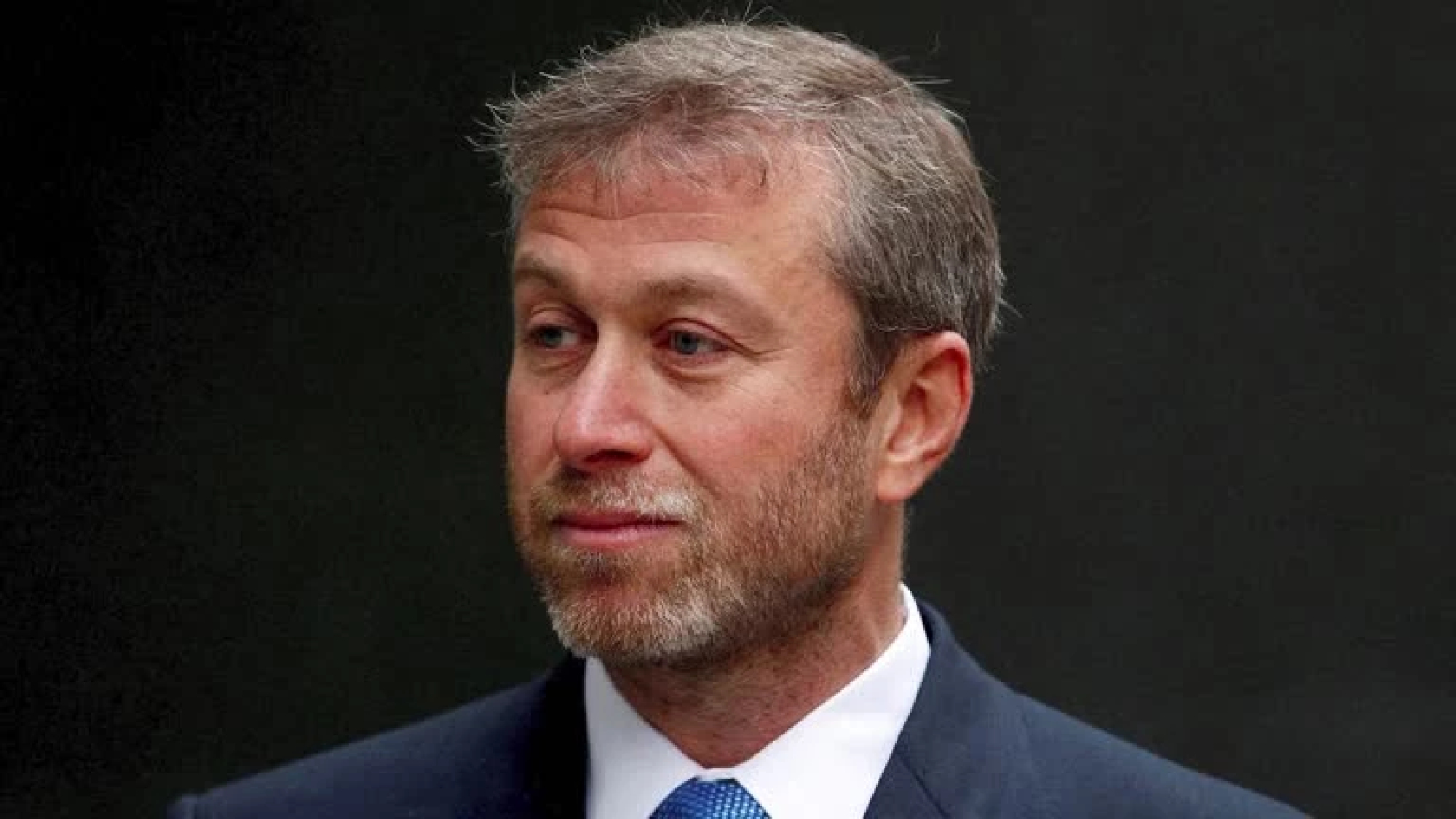
A U.S. court on Monday issued warrants for the seizure of two luxury planes owned by Russian billionaire Roman Abramovich under U.S. measures imposed after Russia’s invasion of Ukraine, court records showed.
But the U.S. government’s likelihood of gaining control of the aircraft worth nearly $400 million was uncertain.
A Department of Justice official said the $350 million Boeing 787 Dreamliner and $60 million Gulfstream G650 ER were not in U.S. custody, and the official declined to say if the U.S. government knows their locations.
A federal judge in Manhattan issued the warrants on the grounds that recent flights violated U.S. export controls imposed after Russia’s invasion of Ukraine in February. The U.S. Department of Commerce filed related administrative charges against Abramovich.
But the official said the warrants are likely to dissuade companies from helping to move the aircraft. U.S. authorities are seeking to pressure business leaders close to Russian President Vladimir Putin to get him to halt what Kremlin calls its “special military operation” in Ukraine.
A spokesperson for Abramovich did not immediately respond to a request for comment. Abramovich has denied having close ties to Putin.
The Commerce Department said that the Gulfstream flew from Istanbul to Moscow on March 12, left the following day for Tel Aviv and flew from Istanbul to Moscow again on March 15. The Boeing flew from Dubai to Moscow on March 4, the department said.
Because the planes were U.S.-made, and the flights took place after export restrictions went into effect, Abramovich, a Russian national, would have needed a license from Commerce to fly them to Russia. No licenses were requested, but an administration official told reporters the department’s policy is to deny such requests.
The department may seek to fine Abramovich up to $328,121 per unlicensed flight, or nearly $1 million for the three flights, among other penalties.
“Russian oligarchs such as Abramovich will not be permitted to violate U.S. export regulations without consequence,” Commerce official John Sonderman said in a statement.
Commerce in March moved to effectively ground Abramovich’s Gulfstream, along with 99 other planes it said had recently travelled to Russia, for allegedly violating export controls.
Abramovich owns both planes through a series of shell companies registered in Cyprus, Jersey and the British Virgin Islands, prosecutors said. In February he reorganized the ownership structure to make his children the beneficiaries of a trust that ultimately owns both planes.
But he continued effectively to own and control the planes when they flew to Moscow the next month, according to the Commerce Department.
Abramovich, who helped mediate talks between Moscow and Kyiv during the early days of the war, has not personally been sanctioned by the United States. He has been sanctioned by the European Union and Britain.
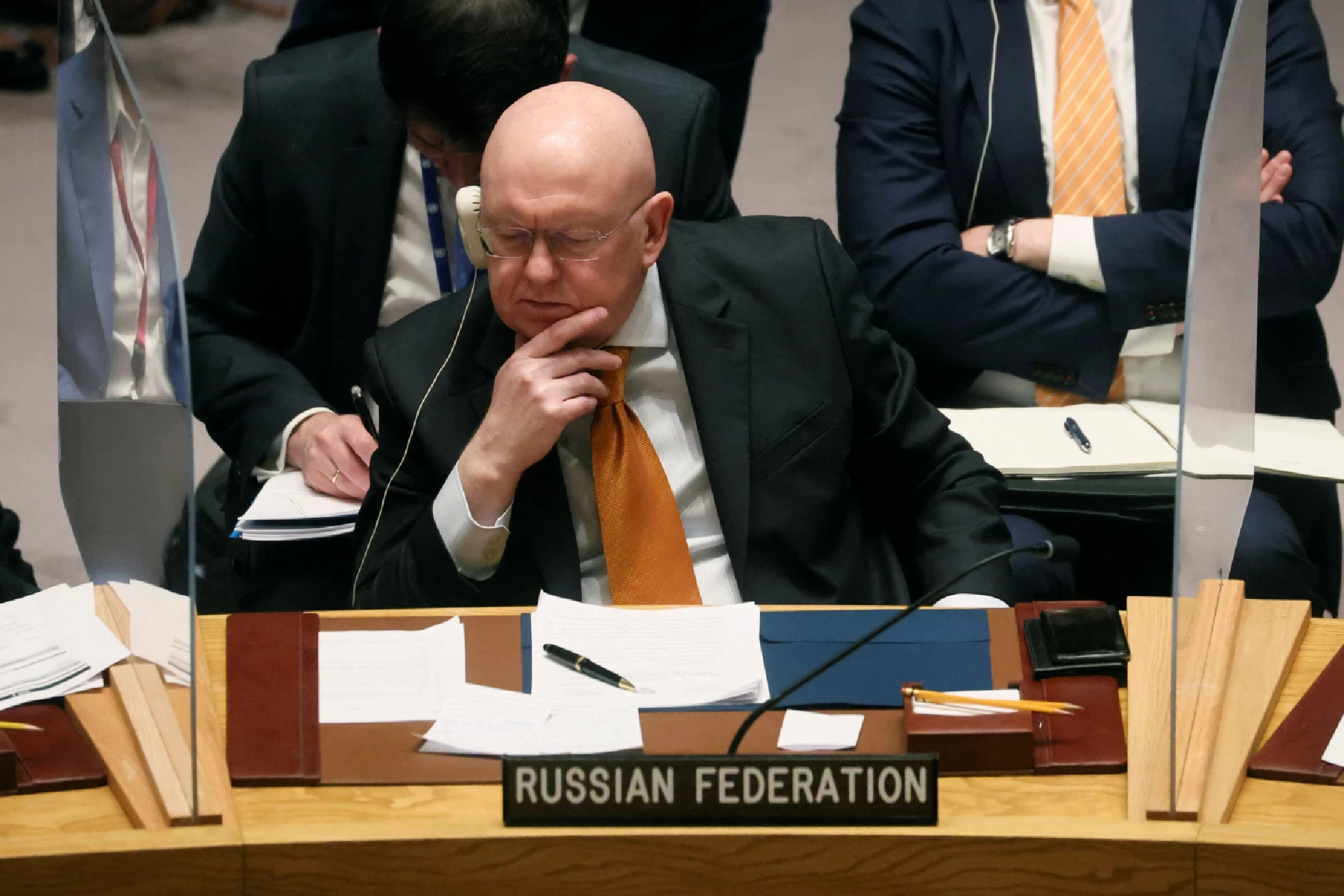
Russia’s U.N. Ambassador Vassily Nebenzia stormed out of a U.N. Security Council meeting on Monday as European Council President Charles Michel addressed the 15-member body and accused Moscow of fueling the global food crisis with its invasion of Ukraine.
Speaking directly to Nebenzia as he walked out, Michel said: “You may leave the room, maybe it’s easier not to listen to the truth.”
Michel had also accused Russian troops of war crimes and crimes against humanity, specifically citing reports of sexual violence – the focus of the Security Council meeting – and describing it as “a tactic of torture, terror and repression.”
During his own statement earlier in the meeting, Nebenzia had “categorically refuted” any accusations of sexual violence by Russian soldiers, condemning what he said was a “lie.”
Russia’s Feb. 24 invasion of Ukraine has fueled a global food crisis with prices for grains, cooking oils, fuel and fertilizer soaring. Russia and Ukraine account for nearly a third of global wheat supplies, while Russia is also a fertilizer exporter and Ukraine is an exporter of corn and sunflower oil.
“Mr Ambassador of the Russian Federation, let’s be honest, the Kremlin is using food supplies as a stealth missile against developing countries,” Michel said in the Security Council. “Russia is solely responsible for this food crisis.”
U.N. Secretary-General Antonio Guterres is trying to broker what he calls a “package deal” to resume Ukrainian food exports and Russian food and fertilizer exports. Russian Foreign Minister Sergei Lavrov is due to visit Turkey on Wednesday to discuss unlocking grain exports from Ukraine.
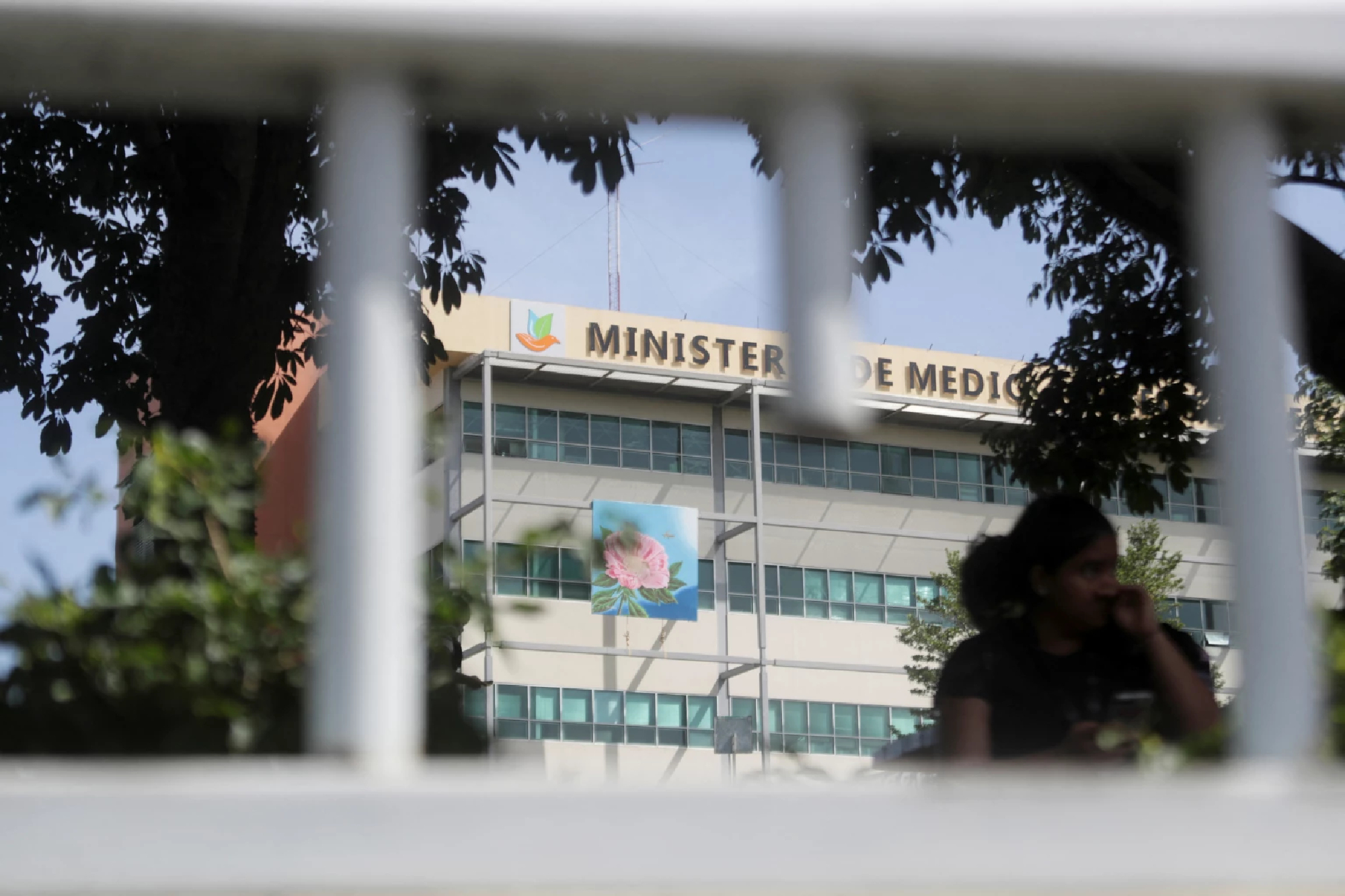
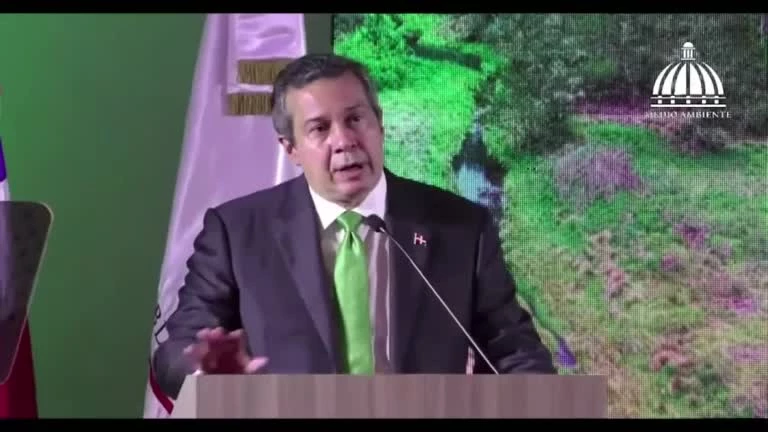
A suspect reportedly linked to the murder of the Dominican Republic’s environment minister, Orlando Jorge Mera, was taken into police custody on Monday.
Earlier in the day, Mera was shot dead in his office on Monday, authorities reported.
A spokesman for the president’s office, Homero Figueroa, reported that a suspect identified as Miguel Cruz, was arrested.
Figueroa said Cruz was a childhood friend of the minister, without giving a potential motive for the attack.
Employees at the Ministry of Environment and Natural Resources told journalists that they heard at least seven shots from within the building. Police units arrived on the scene shortly after.
Mera, a 55-year-old lawyer, was the son of former President Salvador Jorge Blanco, who was in office from 2002 to 2006.
He is survived by his wife, Patricia Selma Villegas, and his two children. His son, Orlando Jorge Villegas, is a federal legislator and member of the Modern Revolutionary Party.
The president and the government have made themselves available to the minister’s family, Figueroa said.
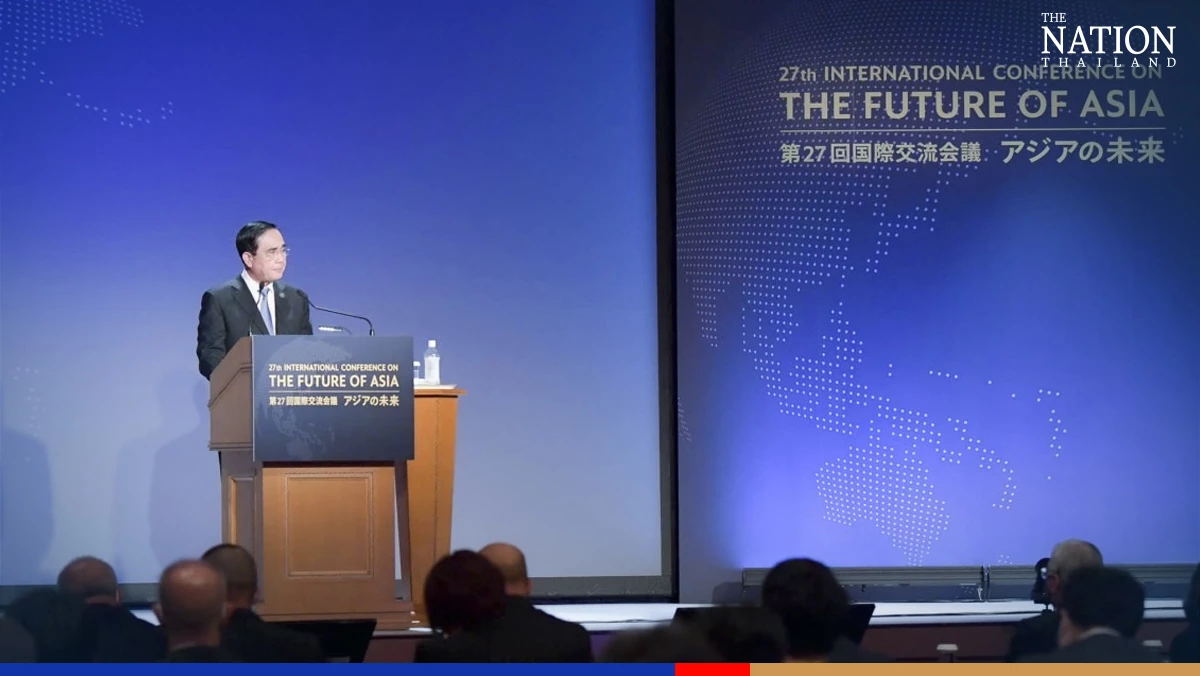
Ministry of Foreign Affairs on Monday summarized the outcome of Prime Minister General Prayut Chan-o-cha’s official visit to Japan on May 26-27 to attend the 27th International Conference on the Future of Asia (Nikkei Forum).
The delegation comprised the Deputy Prime Minister and Minister of Energy, Minister of Finance, Secretary-General of the Office of the National Economic and Social Development Council, as well as high-level officials from the Ministry of Foreign Affairs and the Secretariat of the Prime Minister.
The outcomes of the visit include the followings:
1. The 27th International Conference on the Future of Asia (Nikkei Forum) (May 26)
The Prime Minister delivered a keynote speech under the theme of “Redefining Asia’s role in a divided world,” highlighting the importance of resilience, sustainability, and inclusiveness in Asia amidst the current challenges and disruption across the region and the world. Furthermore, economic recovery must be implemented in parallel with efforts to balance all things and achieve sustainability. In this regard, Prime Minister Prayut proposed three points, which Asia can do collectively to transcend current challenges, namely: (1) regenerating economic growth, (2) supporting the multilateralism as no single country can tackle current challenges alone, and (3) promoting economic recovery in complement with sustainability. Thailand’s BCG concept can help to support this approach.
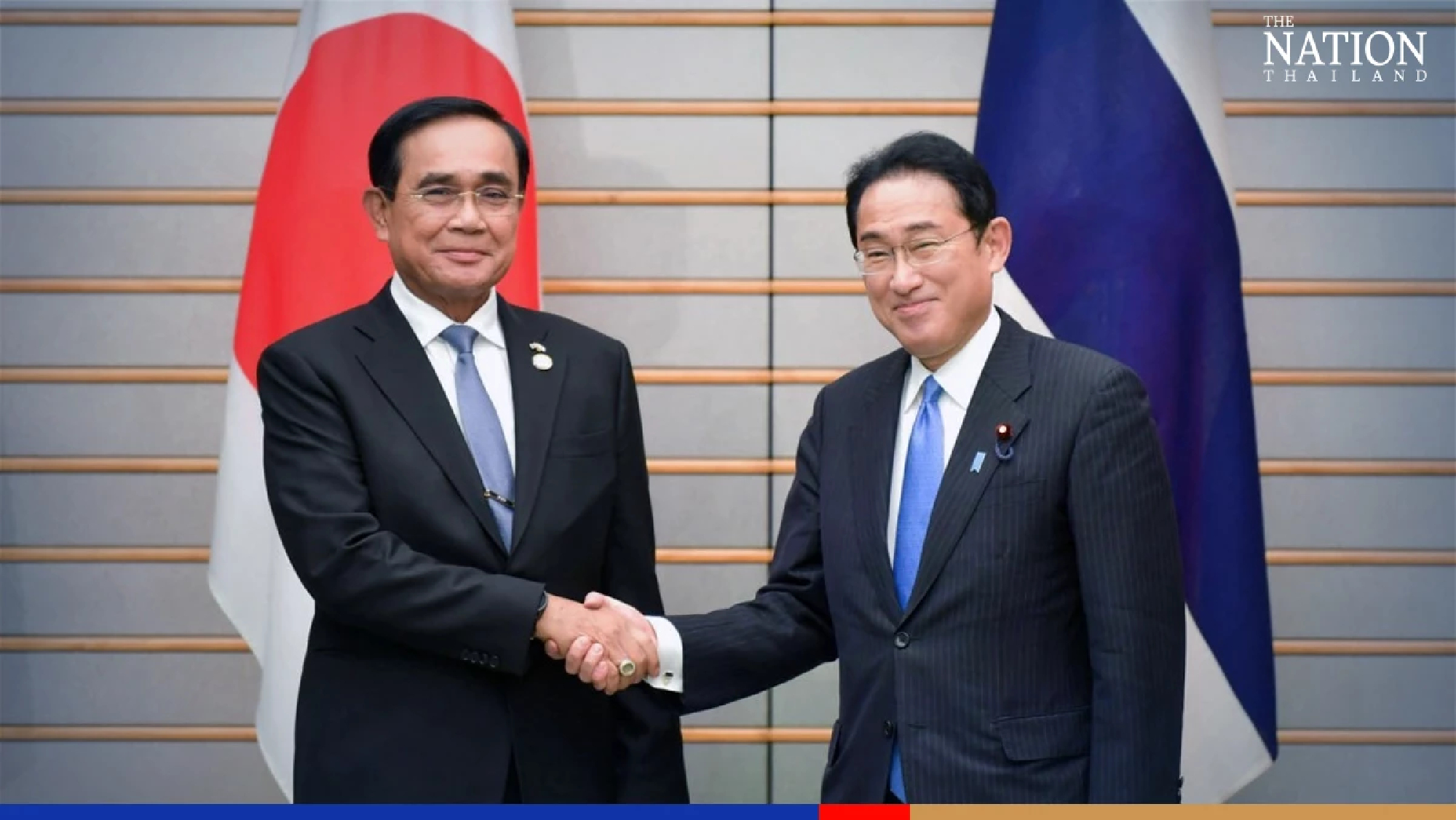
2. Bilateral meeting between Prime Minister of Thailand and Kishida Fumio, Prime Minister of Japan at the Prime Minister’s Office (May 26)
Prime Minister Prayut reiterated Thailand’s proposal to elevate Thailand – Japan relations to a “Comprehensive Strategic Partnership”, so as to reflect the developments in the close and comprehensive relations between Thailand and Japan and issues of cooperation in the future. Both Prime Ministers agreed to implement the Five-Year Joint Action Plan on Japan-Thailand Strategic Economic Partnership to serve as a guideline for future economic cooperation between the two countries.
Prime Minister Prayut also welcomed interested Japanese companies to invest in the targeted industries for the future in Thailand in such areas as electric vehicles (EV), chemicals, BCG economy, medical, digital and smart agriculture industries, as well as to participate in the infrastructure development projects in the EEC, such as U-Tapao Airport and the High-Speed Railway linking three airports. On this part, Prime Minister Kishida expressed Japan’s readiness to support these projects. Furthermore, Prime Minister Prayut expressed Thailand’s readiness to work with Japan to create a decarbonised society under Japan’s “Asia Zero-Emissions Community” concept.
On people-to-people cooperation, Prime Minister Prayut welcomed Japan’s consideration on Thailand’s proposal to expand the number of KOSEN institutes and establish the KOSEN Education Center in Thailand as a hub for human resources development in the Mekong sub-region and ASEAN. Moreover, Prime Minister Prayut expressed appreciation to the government of Japan for choosing Thailand as one of the four targeted countries in the temporary scheme to allow small groups of tourists to enter Japan, in addition to business travelers, students, and skilled labour from Thailand who were permitted to enter Japan earlier. The Thai Prime Minister also extended invitation to Japanese people to travel to Thailand.
On regional and multilateral cooperation, Prime Minister Prayut informed the Japanese side of ASEAN’s decision to select Thailand as the location for establishing the Secretariat of the ASEAN Centre for Public Health Emergencies and Emerging Diseases (ACPHEED) and the facility in the field of response and risk management. Prime Minister Kishida reaffirmed the support to ASEAN’s decision and Thailand’s hosting of APEC this year. The two Prime Ministers also exchanged views on cooperation under Indo-Pacific Economic Framework (IPEF), as well as on the situation in Myanmar and the situation in Ukraine, regarding which both leaders reiterated the importance on rendering humanitarian assistance for civilians in these two countries.
3. Meeting with the key private sector and financial institution of Japan (May 27)
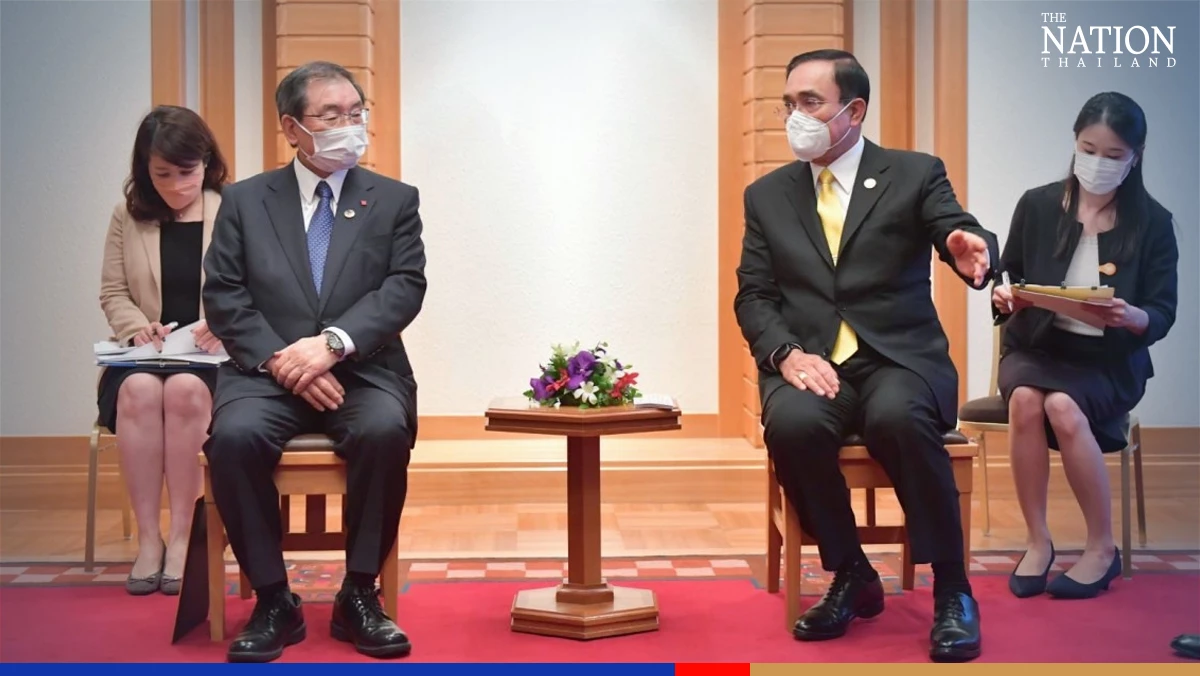
Prime Minister Prayut had a meeting with Tokura Masakazu, Chairman of the Japan Business Federation (Keidanren), and Suzuki Yoshihisa, Chairman of the Japan-Thailand Trade and Economic Committee under Keidanren. Both sides shared the view on enhancing economic relations through cooperation in technology, industry, and human resources development to attract investment from Japan in new and value-added industries for the future. Prime Minister Prayut also urged Japanese companies to increase their investment in Thailand to diversify the supply chain network and connect to Thailand’s neighbouring countries, while the Chairman of Keidanren reaffirmed the importance of Thailand as an important production base of Japan in ASEAN and informed the Prime Minister of the plan by the Japan – Thailand Trade and Economic Committee under Keidanren to lead around 70 member companies to visit Thailand either at the end of this year or the beginning of 2023 to meet with Thai private sector.
Prime Minister Prayut also had a meeting with Maeda Tadashi, Governor of the Japan Bank for International Cooperation (JBIC). They discussed JBIC’s support for the sustainability-related projects and the high-speed railway linking three airports with the EEC to serve as an example of a successful trilateral cooperation among Thailand, China, and Japan and enhance Thailand’s capacity as a base for Japan’s investment in ASEAN.
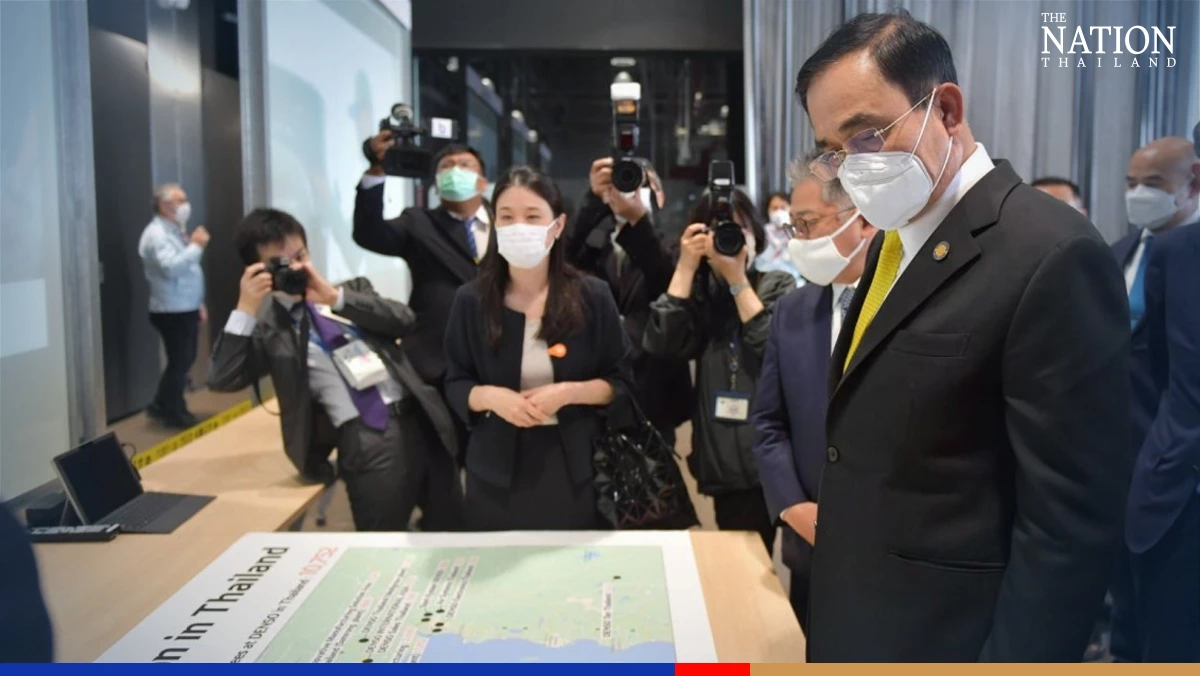
4. Study visit to Haneda Innovation City (May 27)
Prime Minister Prayut visited Haneda Innovation City (HI City) to exchange experiences and best practices on the organization of smart cities projects under Japan’s national policy. HI City features research and development centres on advanced technology in the fields of smart transportation and logistics, smart robotics technology, medical technology, and hydrogen refueling stations, as well as modern commercial shops, hotels, offices, and convention centres.
Queen Elizabeth, flanked by son and heir Prince Charles and two other future kings, waved to cheering crowds massed outside Buckingham Palace on Sunday as nationwide celebrations to mark her 70 years on the British throne came to an end.
The 96-year-old monarch had withdrawn from several events during the Platinum Jubilee due to “episodic mobility issues.” On Sunday afternoon she was greeted by huge cheers, trumpets and a rendition of the national anthem before retreating inside.
Wearing bright green, the queen smiled and waved as she appeared alongside Charles, grandson William and his eldest child, George. Charles’ wife Camilla, William’s wife Kate and their two younger children made up the unusually small family group on the balcony.
The appearance capped the final day of a four-day celebration which was marked on Sunday by a colourful and eccentric London pageant where military bands, vintage cars, dancers and celebrities paraded through the streets.
The queen said on Sunday she had been “humbled and deeply touched” by the number of people coming out to celebrate her Platinum Jubilee at the conclusion of four days of festivities to mark her 70 years on the British throne.
Tens of thousands of people have attended street parties or cheered on parades through central London, while millions watched a pop concert outside Buckingham Palace which was broadcast on live television.
In her message to the nation, she thanked the public for their good wishes and the role they had played.
“When it comes to how to mark 70 years as your queen, there is no guidebook to follow. It really is a first. But I have been humbled and deeply touched that so many people have taken to the streets to celebrate my Platinum Jubilee,” she said in a statement.
The queen herself has been forced to miss a number of the major events due to mobility problems but was able to appear on the balcony of Buckingham Palace to wave to cheering crowds at the finale of celebrations on Sunday.
“While I may not have attended every event in person, my heart has been with you all; and I remain committed to serving you to the best of my ability, supported by my family,” she said.
“I have been inspired by the kindness, joy and kinship that has been so evident in recent days, and I hope this renewed sense of togetherness will be felt for many years to come.”