Mariupol. Russian artillery ruined maternity hospital and children hospital. A lot of killed and wounded women. No information about children and newborn yet. Hey, @UN how are you doing? Please retweet pic.twitter.com/QJSfUMMngW— Dmytro Gurin, Ukrainian MP (@DmytroGurinMP) March 9, 2022
Seeing the pregnant woman walking out of the destroyed building of the maternity ward in #Mariupol makes my blood run cold.Hard to imagine how many children have been killed as a result of Russian air strike on the children’s hospital today.@ICRC@UN#SafePassageForCivilianspic.twitter.com/WKNwzE3vwW
Mariupol. Direct strike of Russian troops at the maternity hospital. People, children are under the wreckage. Atrocity! How much longer will the world be an accomplice ignoring terror? Close the sky right now! Stop the killings! You have power but you seem to be losing humanity. pic.twitter.com/FoaNdbKH5k— ????????? ?????????? (@ZelenskyyUa) March 9, 2022
Russia used 1000 kg bombs in yesterday’s airstrike against the maternity ward and children’s hospital in Mariupol.The craters left behind are more than 3 m deep. pic.twitter.com/R3XxeZITP2— Visegrád 24 (@visegrad24) March 10, 2022
Israel has made tremendous efforts in reaching gender equality, writes Israeli Ambassador Orna Sagiv on the occasion of International Women’s Day.
On International Women’s Day, we join people around the world to celebrate the remarkable achievements by women and girls. At the same time, we recognise the challenges and biases that women face, and recommit ourselves to raise awareness and take action for gender equality and equal opportunities in all aspects of life.
As a woman myself, I have faced my fair share of challenges – from my early school years, through military service, higher education and finally in my career in the Foreign Affairs Ministry.
To be clear, I am referring to challenges based just on the fact that I am a woman. From natural assumption of what I can or cannot do, to pointing me towards what “suits” me better, to outright denial of certain jobs.
Hence, promoting gender equality and women’s empowerment are one of my top priorities as ambassador of Israel to Thailand.
Since its establishment, Israel has made tremendous efforts towards reaching gender equality. The Declaration of the Establishment of the State of Israel in 1948 laid the fundamental foundation to ensure complete equality of social and political rights without discrimination based on sex. This was followed by the 1951 Women’s Equal Rights Law, which ensures full equality between men and women. Since then, Israel has adopted a wide range of legislation, policy framework and advocacy campaigns.
Perhaps most importantly, the country developed a series of education programmes focused on advancing equal opportunities, reducing the gender gap and eliminating all forms of discrimination against women and girls. Furthermore, Israel has developed various programmes and institutional mechanisms to encourage young girls and women to become an active and essential part of Israeli society.
One such mechanism is Israel’s Authority for the Advancement of the Status of Women. Established in 1998, the authority’s mandate is to coordinate and review the government’s activities concerning women’s status. It also provides a comprehensive guide on women’s rights ranging from employment and education to health, violence and more.
Nowadays, women are prevalent in every aspect of Israel’s leadership – politics, business, law, science & technology and more. With nine female ministers, the current Israeli cabinet has the largest female representatives in its history. A woman, Judge Ester Hayut, also holds the prestigious and powerful position of the president of Israel’s Supreme Court.
This progress is even more obvious in the business sector.
The Mastercard Index of Women Entrepreneurs ranked Israel the best country for women entrepreneurs in 2020.
On the international front, Israel is delighted to exchange experiences and best practices with many countries across the globe. Through Mashav – Israel’s Agency for International Development Cooperation – Israel has promoted the empowerment of women through multiple training courses, both in Israel and abroad. Golda Meir, the country’s first female prime minister and the third woman to become head of government in the world, established the Mashav Carmel Training Centre (MCTC) in 1961. The centre was the first of its kind in the domain of women’s empowerment by conducting training activities to advance women’s participation in public life. Over the past six decades, more than 29,000 women and men from more than 147 countries, including numerous leading officials and entrepreneurs from Thailand, have benefited from MCTC’s capacity building programmes and training activities.
Despite our tremendous achievements towards gender equality and promoting the empowerment of women, there is still much work to be done.
Women around the globe are still under-represented in nearly every area and face endless obstacles rising to the top of their fields. This is not only unjust but also harmful to the development of our cultures and economies.
I call upon governments and organisations to put this issue high on their agendas, and to fight the biases and discriminations against women, for the benefit of all.
Russia demanded on Wednesday that the United States explain to the world why it had supported what Moscow cast as a military biological programme in Ukraine involving deadly pathogens including plague and anthrax.
Kremlin said on Wednesday (March 9) that the world would be very much interested to know what was going on in the alleged biological warfare laboratories in Ukraine run by US specialists. Russian President’s press secretary, Dmitry Peskov, referred to them as “facilities.”
On the same day Russian Foreign Ministry spokesperson, Maria Zakharova demanded transparency from Washington over the allegation, which is denied by Kyiv and which a Pentagon spokesman has described as absurd.
Zakharova said Russia had documents showing that the Ukrainian health ministry had ordered the destruction of samples of plague, cholera, anthrax and other pathogens after Feb. 24.
It was not possible to independently confirm the authenticity of any such documents.
Both Ukraine and United States dismiss Russian allegations.
Speaking about Crimea and Russian-backed self-proclaimed people’s republics in Donbass, Peskov said that the peninsula is a Russian region, and the DPR and LPR are sovereign, independent states.
He added that usage of certain airfields by (Ukrainian) combat jets would be an “undesirable and dangerous scenario”.
Peskov also alleged that the United States declared an economic war against Russia.
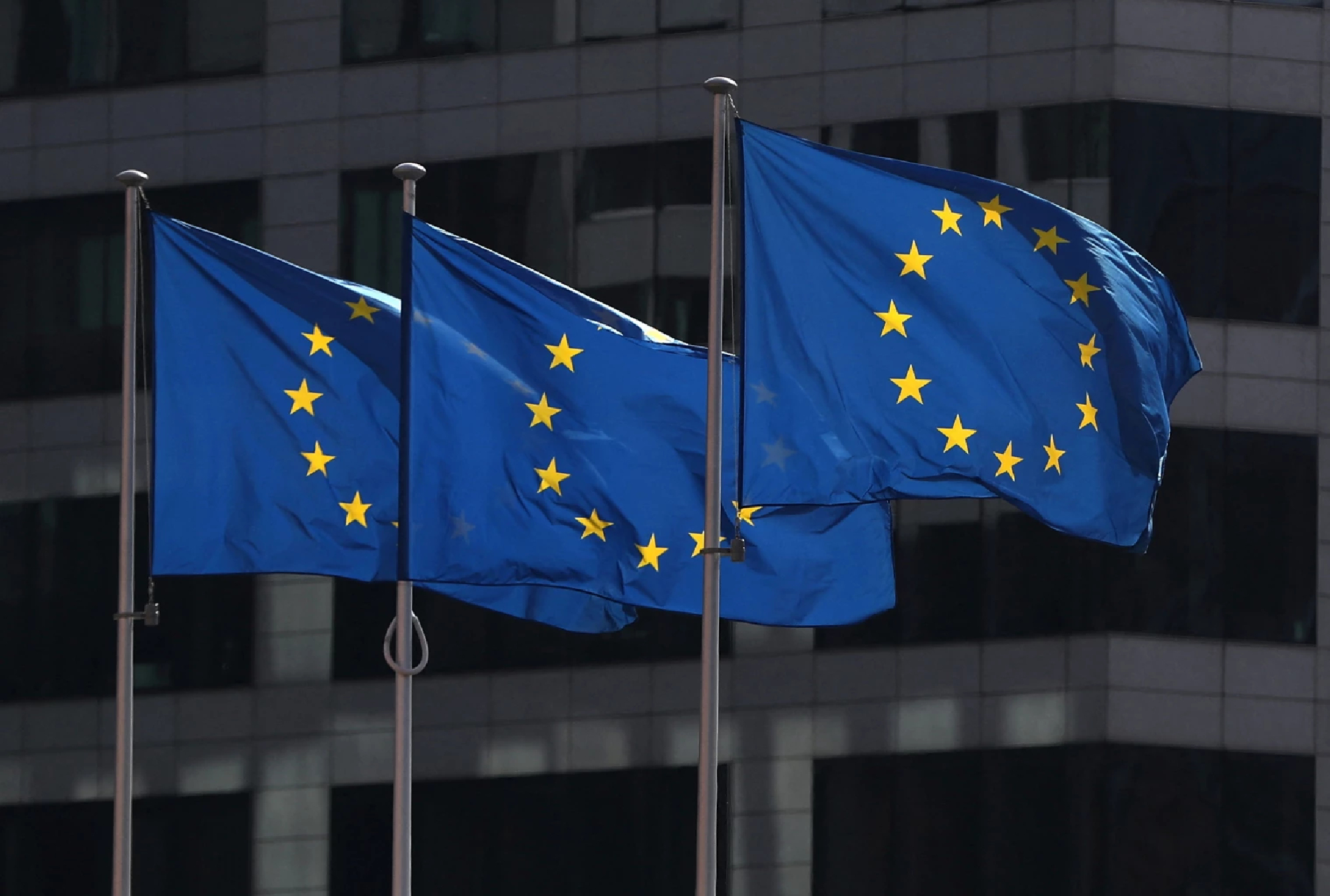
Leaders of European Union countries will meet in Versailles on Thursday (March 10) for a two-day summit to discuss ways of weaning their countries off a heavy reliance on Russian energy imports.
The EU relies on Russia for 40% of its natural gas needs, to power not only homes but also factories, energy expert Thierry Bros, a member of the EU-Russia Gas Advisory Council, said.
“It’s going to be very very difficult, it’s going to be very, very painful for the Europeans,” Bros said.
He said that only an estimated 75% of gas imports from Russia can be replaced in a best-case scenario, with alternative exporters such as Norway and Algeria already running at full capacity, leaving a gap that would certainly spark a rise in electricity prices and lower industrial productivity.
“It’s going to be a doubling or tripling of our electricity bill, it’s going to be a doubling or tripling of our gas bill, but it’s also going to be a blackout, perhaps, and an economic recession,” Bros said.
He said countries may have to turn more to coal plants to address their power generation needs, as France had done at the start of the year, and prioritise stopping the war over goals of reducing carbon emissions.
Russian gas delivered through pipelines continued to flow via Poland westward into Germany, while flows into Slovakia via Ukraine remained at recent high levels, pipeline operator data showed on Wednesday (March 9), following Russia’s threats to cut supplies.
“The question is, how much money are we willing to send to the Russians that are using this money for the war?” Bros said.
U.S. President Joe Biden on Tuesday (March 8) imposed an immediate ban on Russian oil and other energy imports, prompting a further surge in oil prices.
Oil prices have surged more than 30% since Russia, the world’s second-largest crude exporter, invaded Ukraine.
Bros said the impact of such an energy imports ban is less severe for the U.S., which does not rely on Russia for its oil and gas needs.
The war entered its 14th day on Wednesday, with 2 million Ukrainians have fled abroad.
Also on the agenda at the March 10-11 EU summit in Versailles are boosting Kyiv’s links to the EU single market and to Europe’s energy grid, under ideas for enhanced partnership.
But EU leaders are set to rebuff Kyiv’s appeal for accelerated membership to the bloc.
The spring arrives with the blooming cherry blossoms, heralding vigor and vitality of this season. In Japan’s Tokyo, people take photos and go for picnics near the Kyunaka River and Tokyo Skytree, enjoying the beautiful pink world.
Photo taken on March 9, 2022, shows cherry blossoms near the Tokyo Skytree in Tokyo, Japan. (Xinhua/Zhang Xiaoyu)
People relax under cherry blossoms near the Kyunaka River in Tokyo, Japan, on March 9, 2022. (Xinhua/Zhang Xiaoyu)
Photo taken on March 9, 2022, shows cherry blossoms near the Kyunaka River in Tokyo, Japan. (Xinhua/Zhang Xiaoyu)
Photo taken on March 9, 2022, shows cherry blossoms near the Tokyo Skytree in Tokyo, Japan. (Xinhua/Zhang Xiaoyu)
People view cherry blossoms near the Kyunaka River in Tokyo, Japan, on March 9, 2022. (Xinhua/Zhang Xiaoyu)
The European Parliament is set to approve on March 9 a report urging the EU to ban golden passport schemes by 2025 and immediately stop the issuance of visas and passports to rich Russians in exchange for investments.
The move follows Russia’s invasion of Ukraine which has triggered global sanctions of unprecedented severity against Moscow, with targets including a number of powerful and wealthy Russians seen as close to President Vladimir Putin.
The golden passport industry, which between 2011 and 2019 generated investments in EU countries of over 20 billion euros ($21.8 billion), is currently almost entirely unregulated in the EU, despite many countries having run these schemes for years.
EU states such as Malta and Cyprus have made huge profits with their schemes and the European Commission’s vice president overseeing financial policy, Valdis Dombrovskis, set up a successful residence investment program in Latvia when he was prime minister there at the beginning of the last decade.
EU lawmakers say in their report that ending such schemes could have a significant economic impact in some countries. They are therefore proposing the gradual phaseout of golden passport schemes and tight rules for residence arrangements, including much more rigorous checks on applicants.
“Russians are the largest group of third-country nationals who have obtained golden visas and golden passports in the EU, many of them oligarchs with links to Putin’s Kremlin. They escape sanctions merely by waving their nice EU passports. It must end,” rapporteur Sophie In ‘T Veld told the parliament during a debate on Monday.
In an amendment to the original proposal prompted by the Russian invasion of Ukraine, the parliament urges an immediate halt to sales of visa and residence permits to Russians.
Once approved, the report will go to the European Commission, which has the power to propose legislation.
EU Justice Commissioner Didier Reynders told lawmakers that the EU executive disagreed with the need for new rules on sales of citizenship because it was already pushing through legal proceedings to shut down existing golden passport schemes in Malta, Cyprus and Bulgaria.
But the Commission has said it will assess the need for new laws to tighten golden visa schemes, and also issue shortly a non-binding recommendation on EU member states’ issuance of golden passports and residence permits to Russians.
“The Commission welcomes the recent announcement of the Maltese authorities that they would suspend their citizenship programme for Russians and Belarusian citizens. This is a positive first step,” Reynders said.
The average American household will pay almost 2,000 and 1,000 U.S. dollars more for gasoline and food respectively in 2022, according to a recent research note by consulting firm Yardeni Research, reported by Fox News on Tuesday.
“That’s 3,000 dollars less money that households have to spend on other consumer goods and services, which also are experiencing rapid price increases,” Edward Yardeni, president of the firm, was quoted in the article as saying.
The increase has been a result of the average cost of gasoline hitting a new record high and the inflation that American families still face, the article said.
According to data released by the U.S. Commerce Department, personal consumption expenditures, the U.S. Federal Reserve’s preferred inflation gauge, rose 6.1 percent annually in January, the fastest annual pace in four decades.



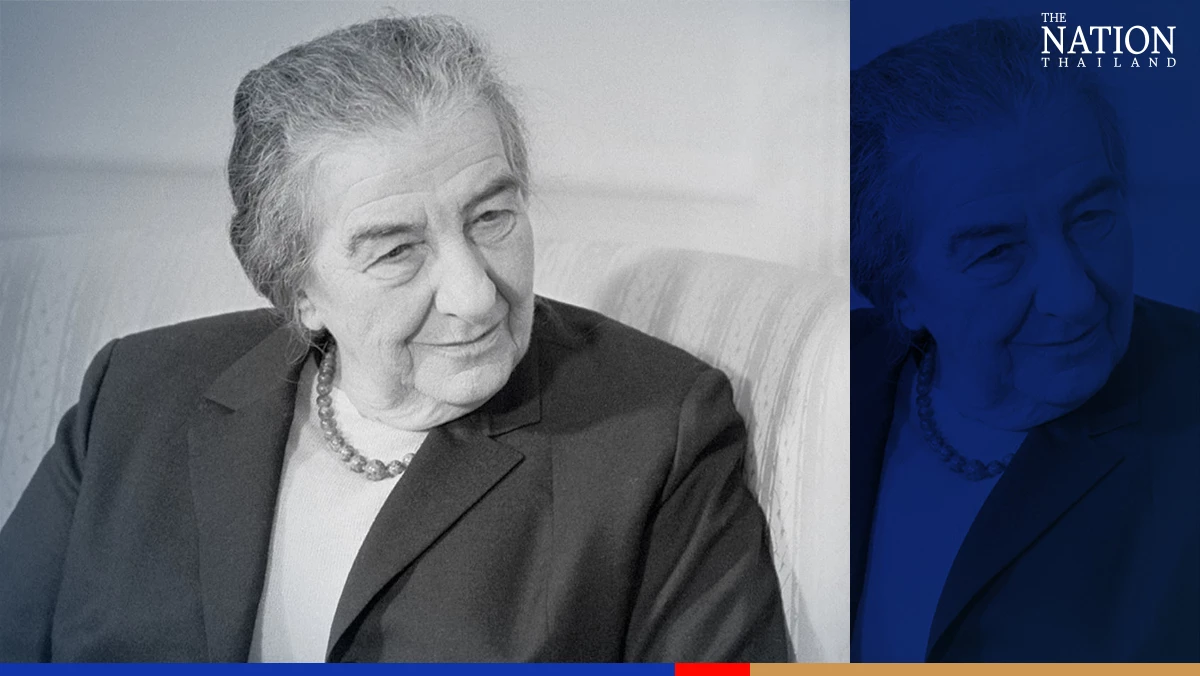
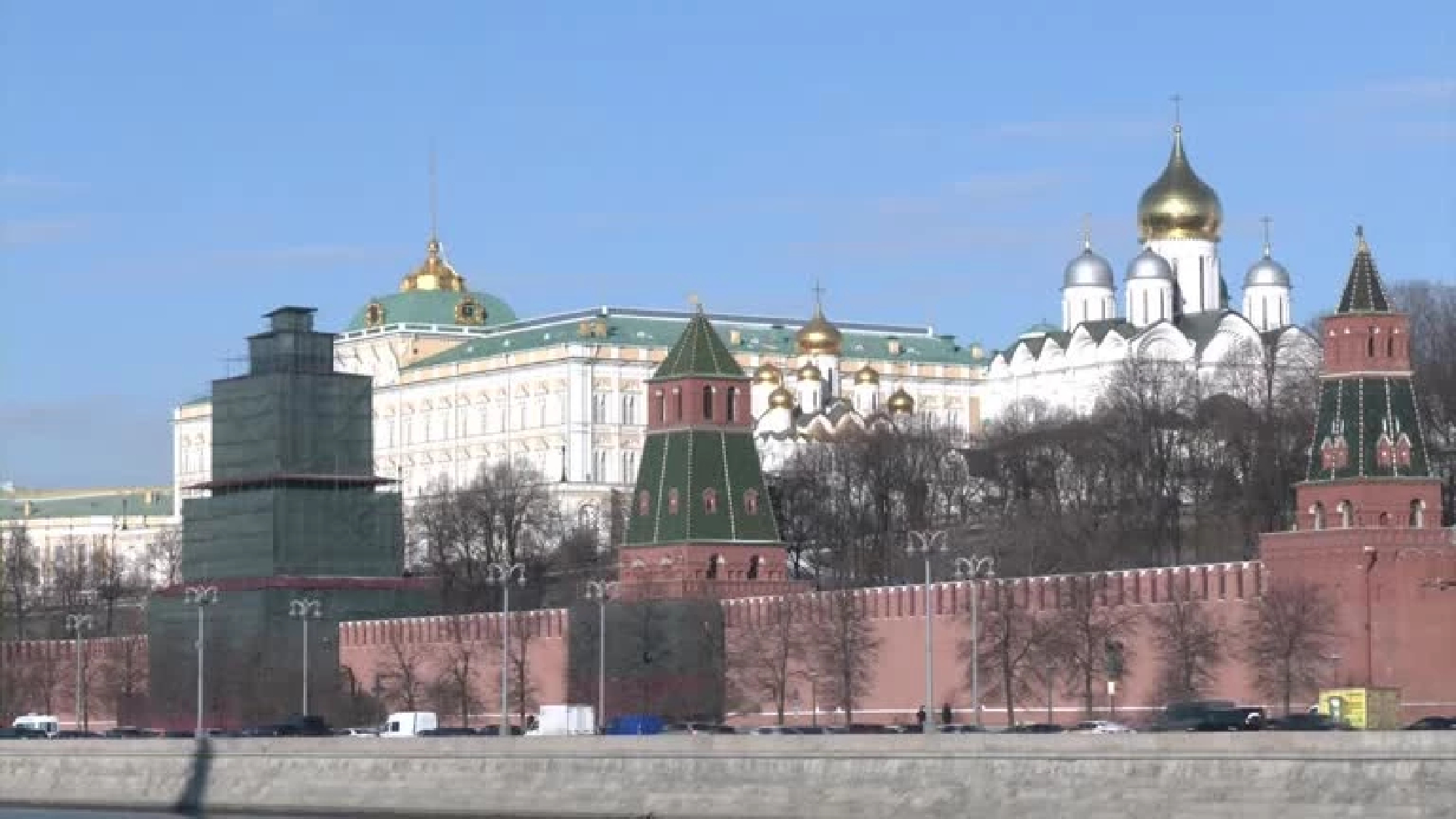
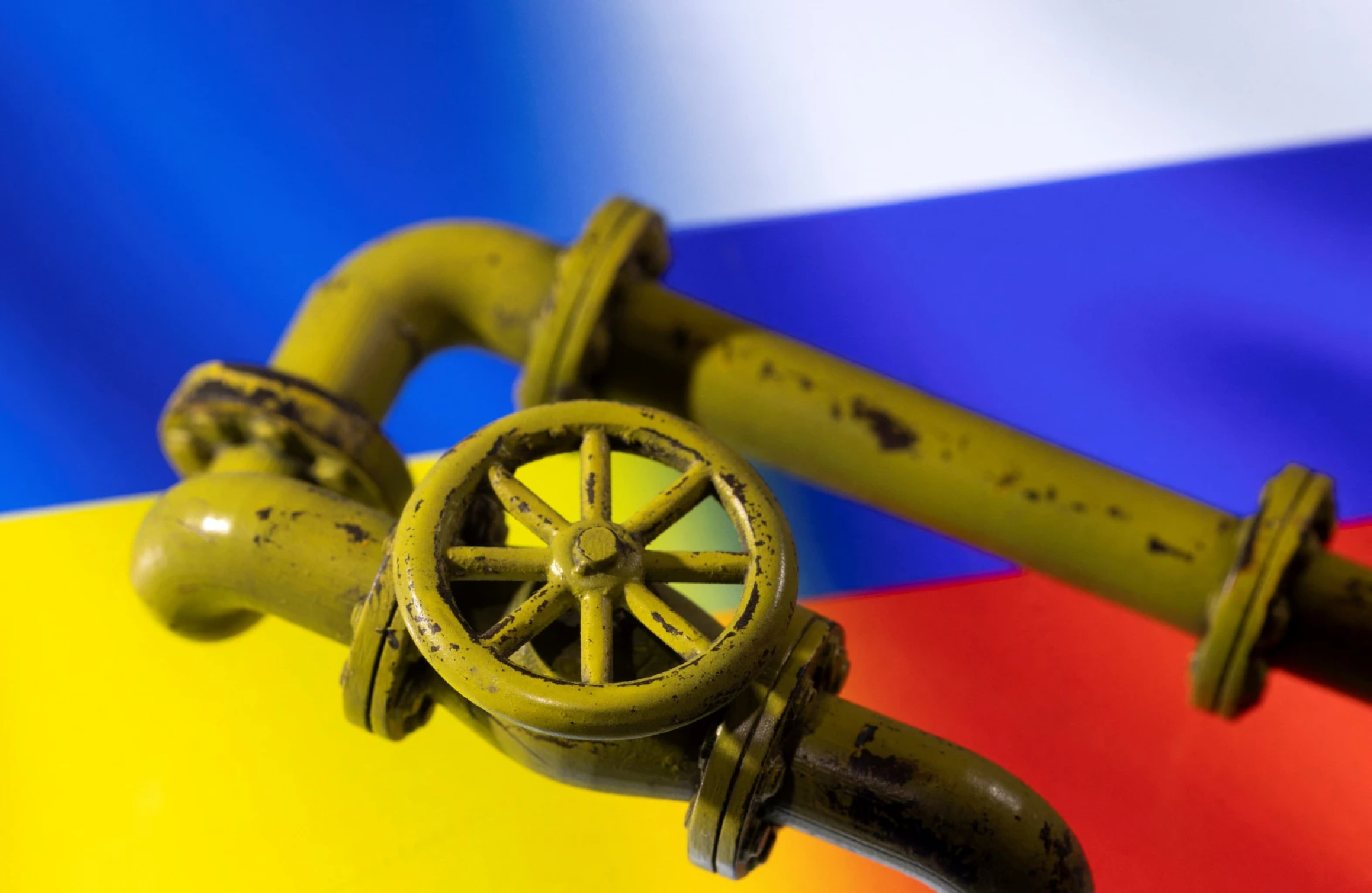

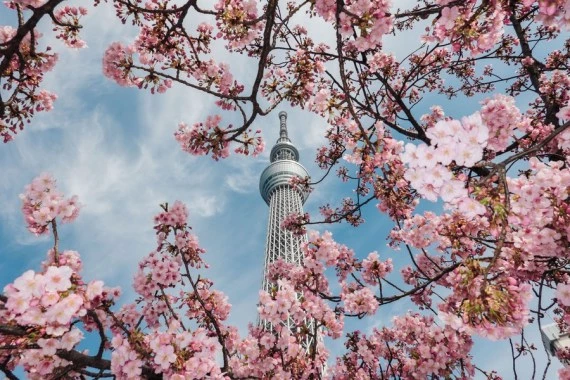 Photo taken on March 9, 2022, shows cherry blossoms near the Tokyo Skytree in Tokyo, Japan. (Xinhua/Zhang Xiaoyu)
 People relax under cherry blossoms near the Kyunaka River in Tokyo, Japan, on March 9, 2022. (Xinhua/Zhang Xiaoyu)
 Photo taken on March 9, 2022, shows cherry blossoms near the Kyunaka River in Tokyo, Japan. (Xinhua/Zhang Xiaoyu)
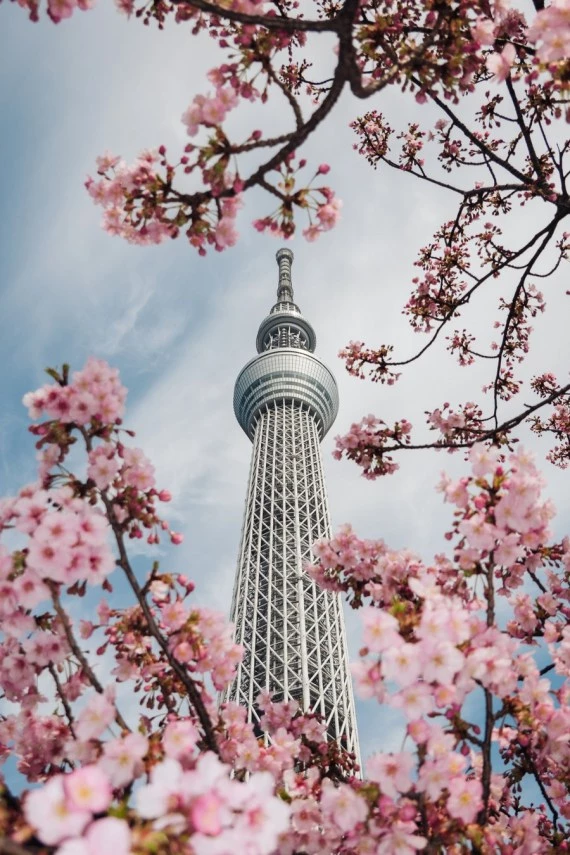 Photo taken on March 9, 2022, shows cherry blossoms near the Tokyo Skytree in Tokyo, Japan. (Xinhua/Zhang Xiaoyu)
 People view cherry blossoms near the Kyunaka River in Tokyo, Japan, on March 9, 2022. (Xinhua/Zhang Xiaoyu)