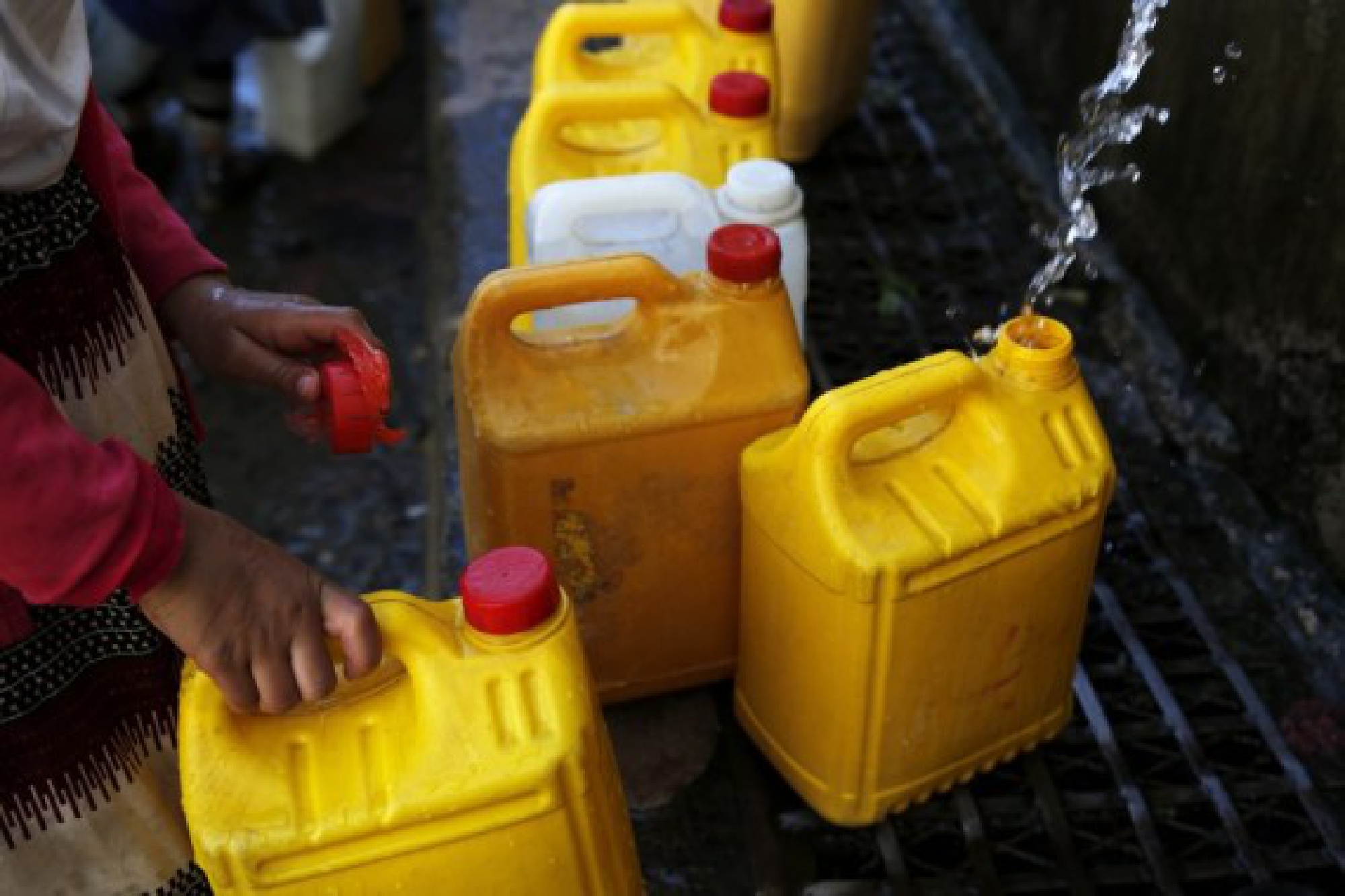
Years of conflict have taken a grave toll on Yemens economy and infrastructure. Besides the hunger crisis, the war-torn country also has over 15 million people lacking access to clean drinking water, and the situation is only getting worse.
Children carry plastic water barrels to a charity water tap in Sanaa, Yemen on Oct. 28, 2021. (Photo by Mohammed Mohammed/Xinhua)
Children carry plastic water barrels to a charity water tap in Sanaa, Yemen on Oct. 28, 2021. (Photo by Mohammed Mohammed/Xinhua)
A Yemeni boy carries two plastic water barrels near a charity water tap in Sanaa, Yemen on Oct. 28, 2021. (Photo by Mohammed Mohammed/Xinhua)
Yemeni children fill plastic barrels with water near a charity water tap in Sanaa, Yemen on Oct. 28, 2021. (Photo by Mohammed Mohammed/Xinhua)
A Yemeni boy fills plastic barrels with water near a charity water tap in Sanaa, Yemen on Oct. 28, 2021. (Photo by Mohammed Mohammed/Xinhua)
#SootinClaimon.Com : ขอบคุณแหล่งข้อมูล : หนังสือพิมพ์ The Nation.
The framework seeks to impose new taxes on the largest corporations and the wealthiest Americans to raise revenue of around 2 trillion dollars over a decade to fully pay for the social spending plan.
U.S. President Joe Biden on Thursday unveiled a framework for a 1.75-trillion-U.S.-dollar social spending package following weeks of intensive negotiations with congressional Democrats.
The so-called Build Back Better Framework includes 555 billion dollars in clean energy and climate investments, 400 billion dollars in funding for child care and free preschool, 200 billion dollars in child tax & earned income tax credits, and 150 billion dollars in investments for affordable housing, according to a fact sheet released by the White House.
The framework seeks to impose new taxes on the largest corporations and the wealthiest Americans to raise revenue of around 2 trillion dollars over a decade to fully pay for the social spending plan.
If passed, the framework will impose a 15 percent minimum tax on corporate profits for firms with earnings over 1 billion dollars reported to shareholders, and a 1 percent surcharge on corporate stock buybacks, according to the fact sheet.
The framework would also apply a 5 percent surtax rate on individual incomes above 10 million dollars and an additional 3 percent surtax on incomes above 25 million dollars.
The framework is far smaller than Biden’s original 3.5-trillion-dollar proposal, and it has not been written into legislative language yet.
“No one got everything they wanted, including me, but that’s what compromise is. That’s consensus,” Biden said in remarks at the White House before departing for a week of summits in Europe.
“Given half a chance, the American people have never ever, ever, ever left the country down, so let’s get this done,” Biden said, urging Congress to pass both the social spending package and the bipartisan infrastructure bill.
It’s not clear whether the framework would pave the way for the House of Representatives to approve the 1.2-trillion-dollar bipartisan infrastructure bill that was passed by the Senate earlier this year.
Progressive House Democrats have held up the Senate-passed bill for months, demanding a vote on the larger social spending plan.
The Security Council members called on Sudans military authorities to restore the civilian-led transitional government on the basis of the constitutional document and other foundational documents of the transition.
The Security Council on Thursday demanded the release of detained civilian leaders and the restoration of the civilian-led transitional government in Sudan.
In a press statement, the members of the Security Council expressed serious concern about Monday’s military takeover in Sudan, the suspension of some transitional institutions, the declaration of a state of emergency, and the detention of Prime Minister Abdalla Hamdok and other civilian members of the transitional government.
The council members called for the immediate release of all those who have been detained by the military authorities, and in this regard, took note of the reported return of Prime Minister Hamdok to his residence.
They also called on all parties to exercise the utmost restraint and refrain from the use of violence, and emphasized the importance of full respect for human rights, including the right to peaceful assembly and freedom of expression.
The council members called on Sudan’s military authorities to restore the civilian-led transitional government on the basis of the constitutional document and other foundational documents of the transition. They urged all stakeholders to engage in dialogue without preconditions in order to enable the full implementation of the constitutional document and the Juba Peace Agreement, which underpin Sudan’s democratic transition.
The council members expressed their solidarity with the people of Sudan and affirmed their readiness to support efforts to realize Sudan’s democratic transition, in a manner that achieves the hopes and aspirations of the Sudanese people for an inclusive, peaceful, stable, democratic and prosperous future. They underscored that any attempt to undermine the democratic transition process in Sudan puts at risk Sudan’s security, stability and development. They reaffirmed their strong commitment to the sovereignty, independence and territorial integrity and national unity of Sudan.
The council members expressed their strong support for regional and sub-regional efforts and underscored the importance of their continued engagement in Sudan.
They expressed their intention to continue to closely monitor the situation in Sudan.
The conflict between France and Britain over fishing rights continues to escalate as France threatens retaliatory measures including preventing British fishing boats from disembarking at ports and increasing border and sanitary checks on British goods.
The dispute over fishing rights between Britain and France has escalated as France threatens retaliatory measures against Britain’s fishing industry and the broader trade. It is a fresh sign the sector with tiny economic value continues to exert outsized influence on their post-Brexit relations.
On Wednesday evening, France said it was preparing sanctions, and some measures could be imposed from next Tuesday unless enough progress is made in its fishing row with Britain. The move came after France complained only half of the licenses needed were given to French fishing boats to operate in British territorial waters.
Measures unveiled by France include preventing British fishing boats from disembarking at ports, increasing border and sanitary checks on British goods, tightening security checks on British boats and increasing checks on trucks going to and from Britain. Media speculates further measures could include cutting electricity supplies to the British Channel island of Jersey, as France previously threatened in May.
Photo taken on Oct. 11, 2020 shows British boats during sunrise at Shoreham Docks, Britain. (Photo by Tim Ireland/Xinhua)
“France’s threats are disappointing and disproportionate, and not what we would expect from a close ally and partner,” a British government spokesperson said in a statement.
“The measures being threatened do not appear to be compatible with the trade and cooperation agreement (TCA) and wider international law, and, if carried through, will be met with an appropriate and calibrated response. We will be relaying our concerns to the EU Commission and French government,” the spokesperson said.
Britain insisted it has granted 98 percent of licence applications from EU vessels to fish in its waters. British media said since Dec. 31, 1,673 EU vessels have been licensed for fishing, of which 736 were French.
Photo taken on Oct. 11, 2020 shows a British fishing boat at Shoreham Docks, Britain. (Photo by Tim Ireland/Xinhua)
Britain’s Brexit Minister David Frost said Britain will be seeking urgent clarification of the French plans and will consider what further action is necessary.
Post-Brexit fishing row between Britain and France started earlier this year after the British Channel island of Jersey’s government introduced a new licensing system requiring French boats to show fishing history in Jersey’s waters to obtain future permits. It led to both sides dispatching navy vessels to monitor the situation in Jersey’s waters in May.
Fishing is politically sensitive to both Britain and France. It is a thorny issue during the time-consuming Brexit talks, with the EU linking British financial firms’ access to its market with their fishermen’s rights to operate in British waters.
It will appear more sensitive given the French presidential elections next April and British Prime Minister Boris Johnson’s eagerness to demonstrate his country’s control of its own waters after Brexit.
Adam Parsons, Europe Correspondent for Sky News, said Emmanuel Macron has an election next year and knows that sticking up for fishermen plays well with voters in northern France. Boris Johnson, always casting his own eye on public opinion, is well aware that fishing rights became a totemic topic among many Brexit voters.
Neither side wants to be seen to back down too readily. But a resolution will require cool heads, gentle diplomacy and level-headed thinking — France’s decisions to go public with its threats may not help that process, according to Parsons.
Patrick Martin-Genier, professor of Paris Institute of Political Studies, told media that the TCA was signed between the EU and Britain, not France and Britain. “In other words, EU countries must be united on fisheries. The French government has made several attempts to secure the support of EU countries, but Brussels has so far been careful not to add fuel to the fire, only previously expressing regret at the limited number of fishing licenses granted.”
France has pushed the EU to increase pressure on Britain over the fishing rights dispute. The Guardian reported earlier this month that 14 EU member states, including France, Belgium, Ireland and Spain, are preparing to issue a joint declaration accusing the British government of risking “significant economic and social damage” to their fishing communities.
Fresh fish are seen at a fish market of the old port in Marseille, France, Sept. 6, 2021. (Xinhua/Gao Jing)
“We all support the expansion of equal and mutually beneficial cooperation in the vast Asia-Pacific space,” Putin said.
Russia and the member states of the Association of Southeast Asian Nations (ASEAN) agreed on Thursday to step up cooperation to build “a peaceful, stable and sustainable region.”
“We all support the expansion of equal and mutually beneficial cooperation in the vast Asia-Pacific space,” Russian President Vladimir Putin said at the fourth Russia-ASEAN summit via video link.
“We now have real opportunities to intensify cooperation between Russia and ASEAN, including with regard to strengthening stability and security, post-pandemic economic recovery, stimulating trade, and expanding humanitarian contacts,” he said.
In a joint statement following the summit, Russia and the ASEAN members agreed to explore possible practical cooperation on issues of mutual interest among ASEAN, the Eurasian Economic Union and the Shanghai Cooperation Organization.
They pledged to seek synergies in development strategies to promote regional connectivity.
Both sides agreed to increase efforts to boost maritime connectivity and develop sustainable and resilient infrastructure logistics and port management.
They also voiced support for a sustainable economic recovery in the region and closer people-to-people exchanges.
During the summit, Russia and ASEAN adopted a 103-point Comprehensive Plan of Action aimed at implementing mutually beneficial cooperation for the period 2021-2025.
In the plan, ASEAN and Russia set out priorities and measures to be undertaken by both sides to strengthen partnership across a wide range of areas, including the political-security, economic, socio-cultural and development cooperation.
In addition, Russia and the ASEAN member states issued a statement on cooperation against illicit drugs trafficking. They reaffirmed the shared commitment to address and counter the world drug problem through effective and sustained actions at the national and international levels.
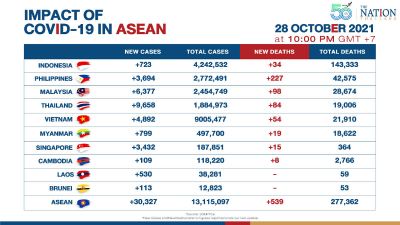
The number of Covid-19 cases crossed 13.11 million across Southeast Asia, with 30,327 new cases reported on Thursday (October 28), higher than Wednesday’s tally at 30,234. New deaths are at 539, increasing from Wednesday’s number of 536. Total Covid-19 deaths in Asean are now at 277,362.
Indonesian government announced that all visitors entering the country via air, land or sea channels must take a Covid-19 test via PCR method no matter which place in the country they are planning to visit. The regulation aims to prevent a new wave of outbreak before the new year holidays. Indonesia reported 723 new cases and 34 deaths on Thursday, bringing cumulative cases in the country to 4,242,532 patients and total 143,333 deaths.
Meanwhile, Myanmar’s public health ministry on Thursday lifted the stay-home order that has been implemented in 44 townships, 20 of which are in Yangon region, after new infections have shown declining trend. Authorities likely continue to require people to wear facemasks in public, as well as practice personal hygiene and maintain a physical distance of 2 meters. A nationwide 8pm-4am curfew likely remains in place, with a shorter 10pm-4am curfew in Yangon.
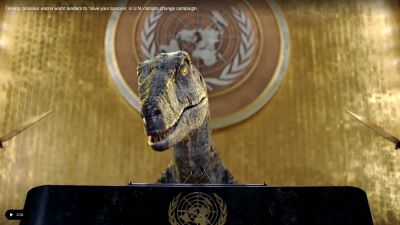
A recent speaker at the United Nations had a message that has been heard many times: refusing to drastically cut back on fossil fuels could drive humans to extinction. What made the speech unusual was the bearer of the warning: Frankie the Dinosaur.
Days out from the U.N. climate summit, known as COP26, in Glasgow, Scotland, the U.N. Development Program released a video of the computer-generated Frankie calling on the world not to “choose extinction.”
“Going extinct is a bad thing. And driving yourselves extinct? In 70 million years, that is the most ridiculous thing I have ever heard,” said Frankie, who is voiced in English by actor and songwriter Jack Black, from the podium of the U.N. General Assembly. “You are headed for a climate disaster and yet every year governments spend hundreds of billions of public funds on fossil fuel subsidies.”
The talking dinosaur closed out his speech by framing the global pandemic as an opportunity for countries to transition to green energy sources for their economies, which elicited an ovation from delegates in the video.
Ahead of the Glasgow climate talks, some of the world’s top carbon emitters are also calling on rich countries to do more to help finance the developing world’s transition away from fossil fuels.
India, the world’s third-largest emitter of carbon dioxide, said Wednesday it would not commit to a net-zero emissions target by mid-century. New Delhi instead called on developed nations to take “historic responsibility” for the greenhouse gases they have emitted over the centuries.
And a senior Chinese official said the same day that a lack of financial support from rich countries, such as their incomplete promise to mobilize $100 billion annually to the developing world by 2020, creates a “critical issue of mutual trust” between the two. China is the world’s top emitter of greenhouse gases.
“Many developed nations are pushing for more climate goals when they have yet to meet existing pledges,” China’s environment vice-minister Ye Min said. “All parties should realize that climate goals unsupported by action is like building palaces in the air.”
Governments worldwide spend about $423 billion every year subsidizing fossil fuels, which are responsible for three-fourths of total greenhouse gas emissions, according to a U.N. report published Wednesday.
The real cost is likely to be much higher, given negative effects of climate change such as the loss of biodiversity and the displacement of communities due to extreme weather.
Without more-ambitious pledges to cut emissions, the world is projected to warm 2.7 degrees Celsius (4.9 degrees Fahrenheit) by the end of the century compared with the end of the 1800s – far above the Paris climate accord’s goal of limiting warming to “well below” 2 degrees Celsius (3.6 Fahrenheit) compared with preindustrial levels.
Countries are “utterly failing,” U.N. Secretary General António Guterres said earlier this week.
“The era of half measures and hollow promises must end. The time for closing the leadership gap must begin in Glasgow,” Guterres said.
The New York Times รายงานว่า บริษัท Merck ผู้ผลิตโมลนูพิราเวียร์ (molnupiravir) ยาเม็ดต้าน Covid-19 เตรียมมอบใบอนุญาตให้ผลิตยาเม็ดโมลนูพิราเวียร์โดยไม่ต้องจ่ายเงินค่าลิขสิทธิ์แก่องค์การไม่แสวงกำไรที่องค์การสหประชาชาติสนับสนุน ซึ่งทำให้ประเทศยากจนสามารถผลิตและจำหน่ายยาดังกล่าวเองได้ในราคาไม่แพง
สัญญาระหว่าง Merck กับ Medicines Patent Pool องค์การที่ทำงานเพื่อให้การรักษาและเทคโนโลยีเข้าถึงได้ทั่วโลก เปิดโอกาสให้บริษัทต่างๆ ใน 105 ประเทศซึ่งส่วนใหญ่อยู่ในแอฟริกาและเอเชียยื่นขอสิทธิ์จาก Medicines Patent Pool เพื่อนำสูตรยาโมลนูพิราเวียร์มาผลิตเอง

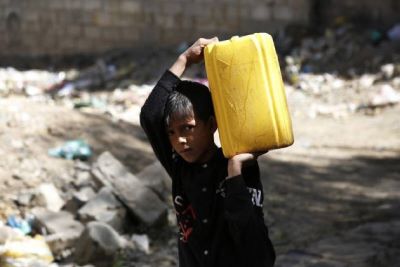
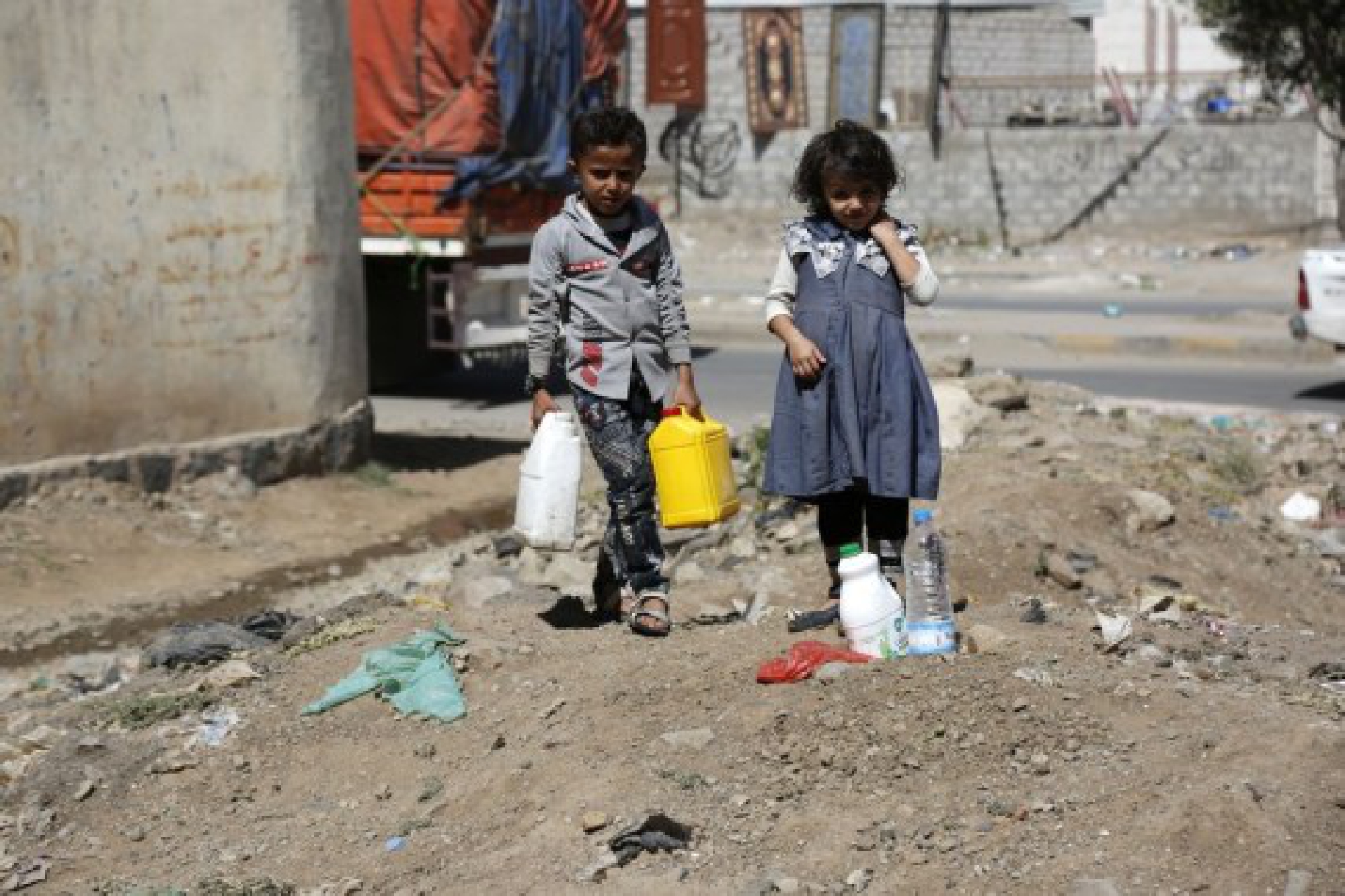 Children carry plastic water barrels to a charity water tap in Sanaa, Yemen on Oct. 28, 2021. (Photo by Mohammed Mohammed/Xinhua)
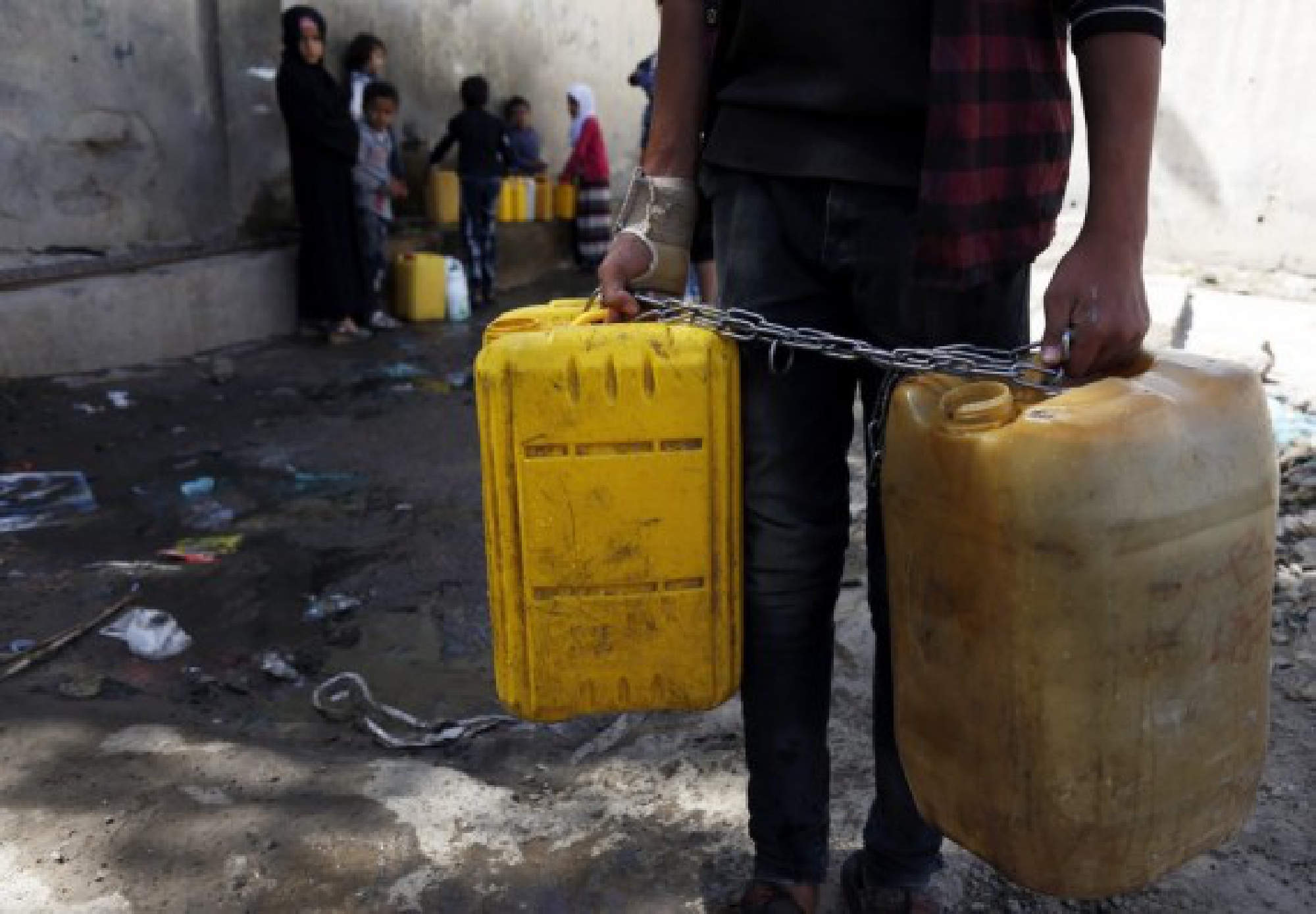 A Yemeni boy carries two plastic water barrels near a charity water tap in Sanaa, Yemen on Oct. 28, 2021. (Photo by Mohammed Mohammed/Xinhua)
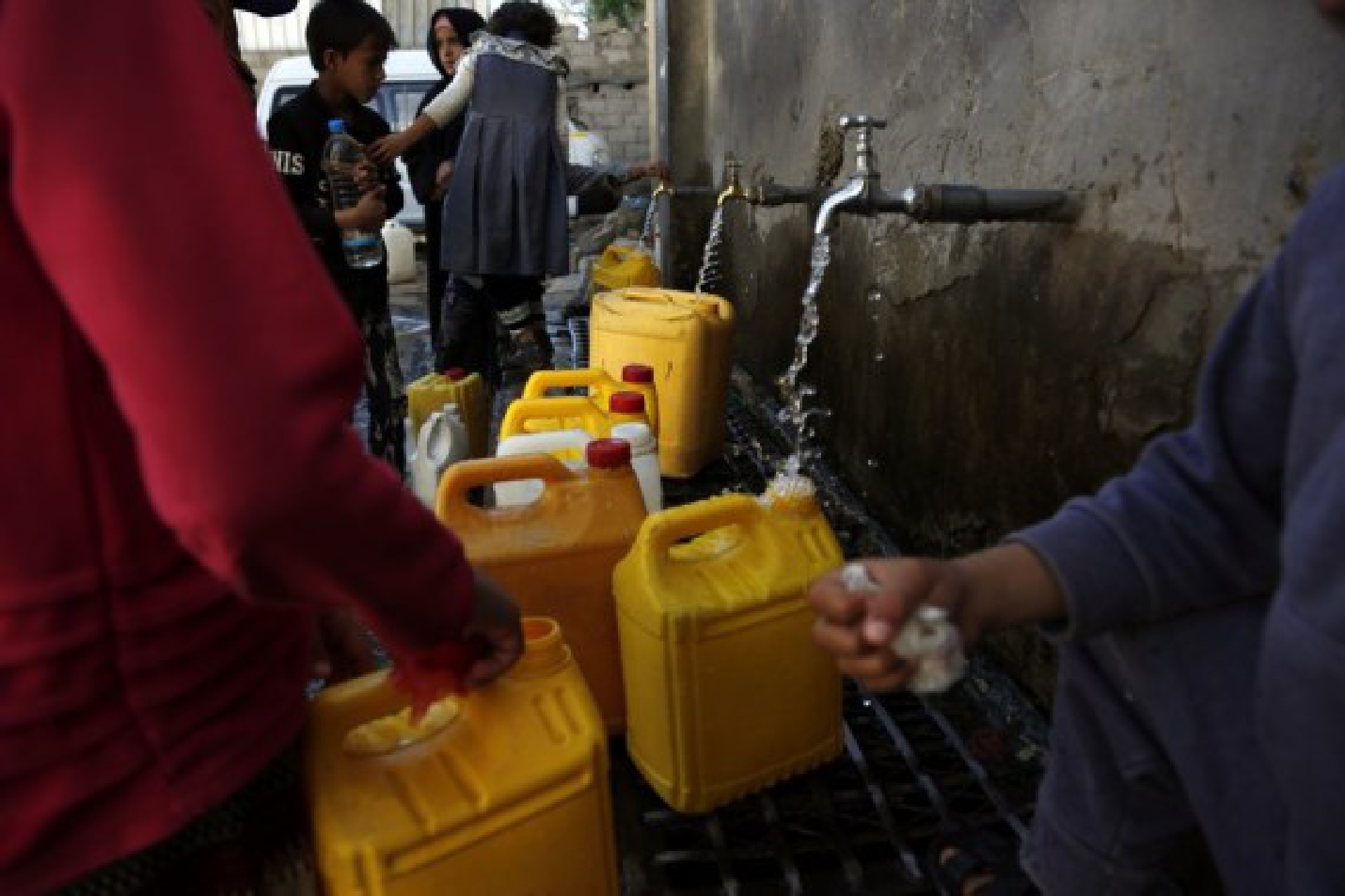 Yemeni children fill plastic barrels with water near a charity water tap in Sanaa, Yemen on Oct. 28, 2021. (Photo by Mohammed Mohammed/Xinhua)
 A Yemeni boy fills plastic barrels with water near a charity water tap in Sanaa, Yemen on Oct. 28, 2021. (Photo by Mohammed Mohammed/Xinhua)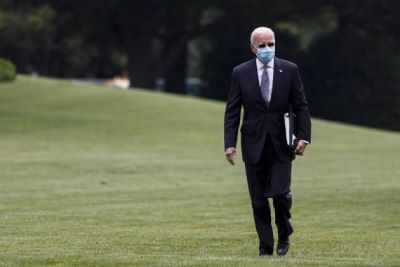
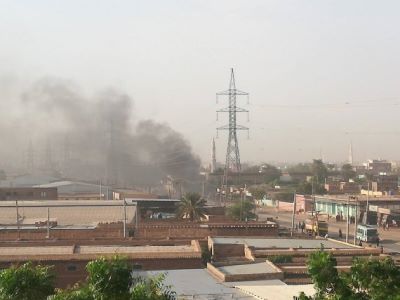
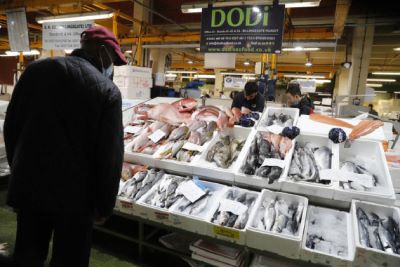
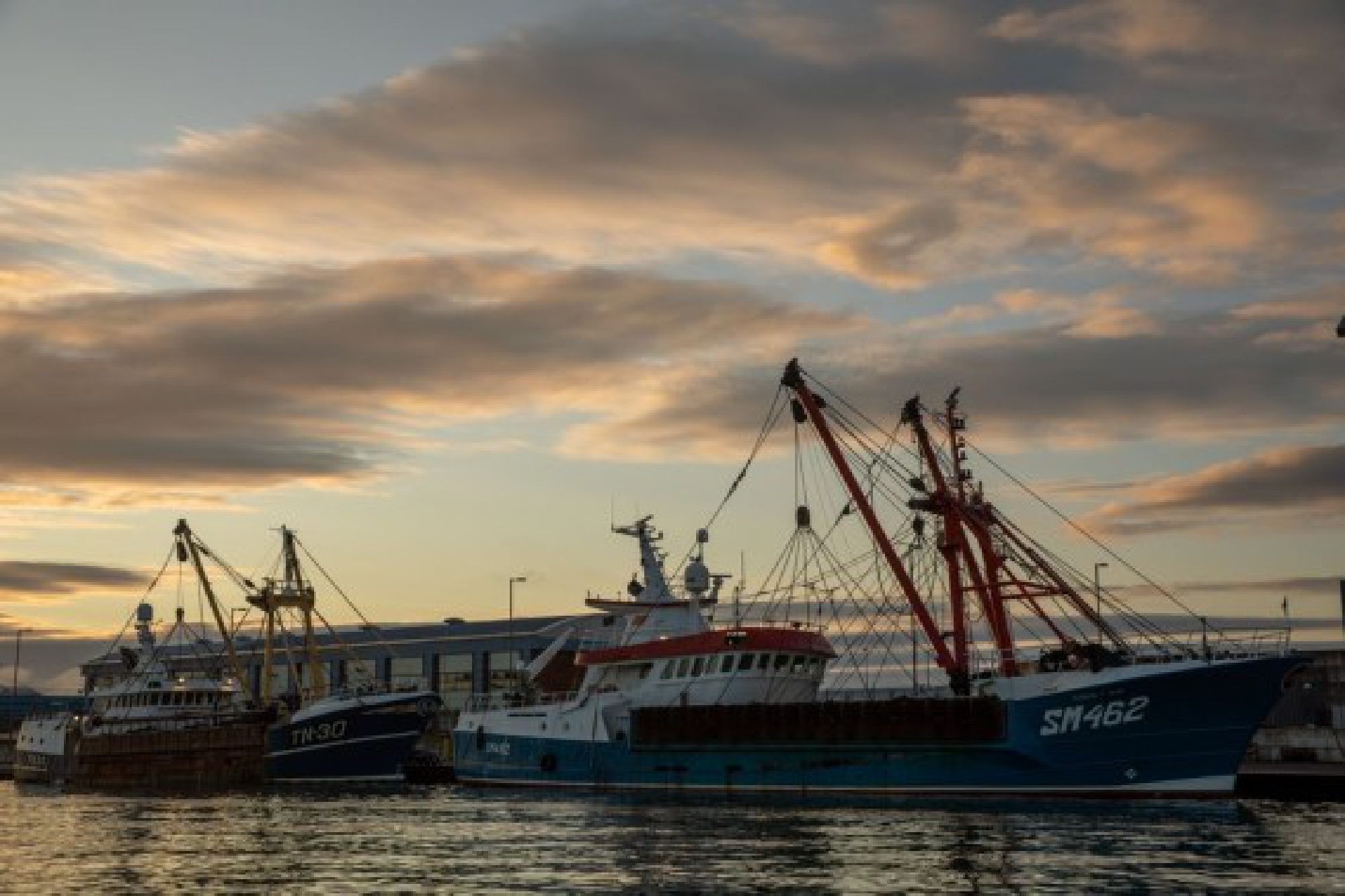 Photo taken on Oct. 11, 2020 shows British boats during sunrise at Shoreham Docks, Britain. (Photo by Tim Ireland/Xinhua)
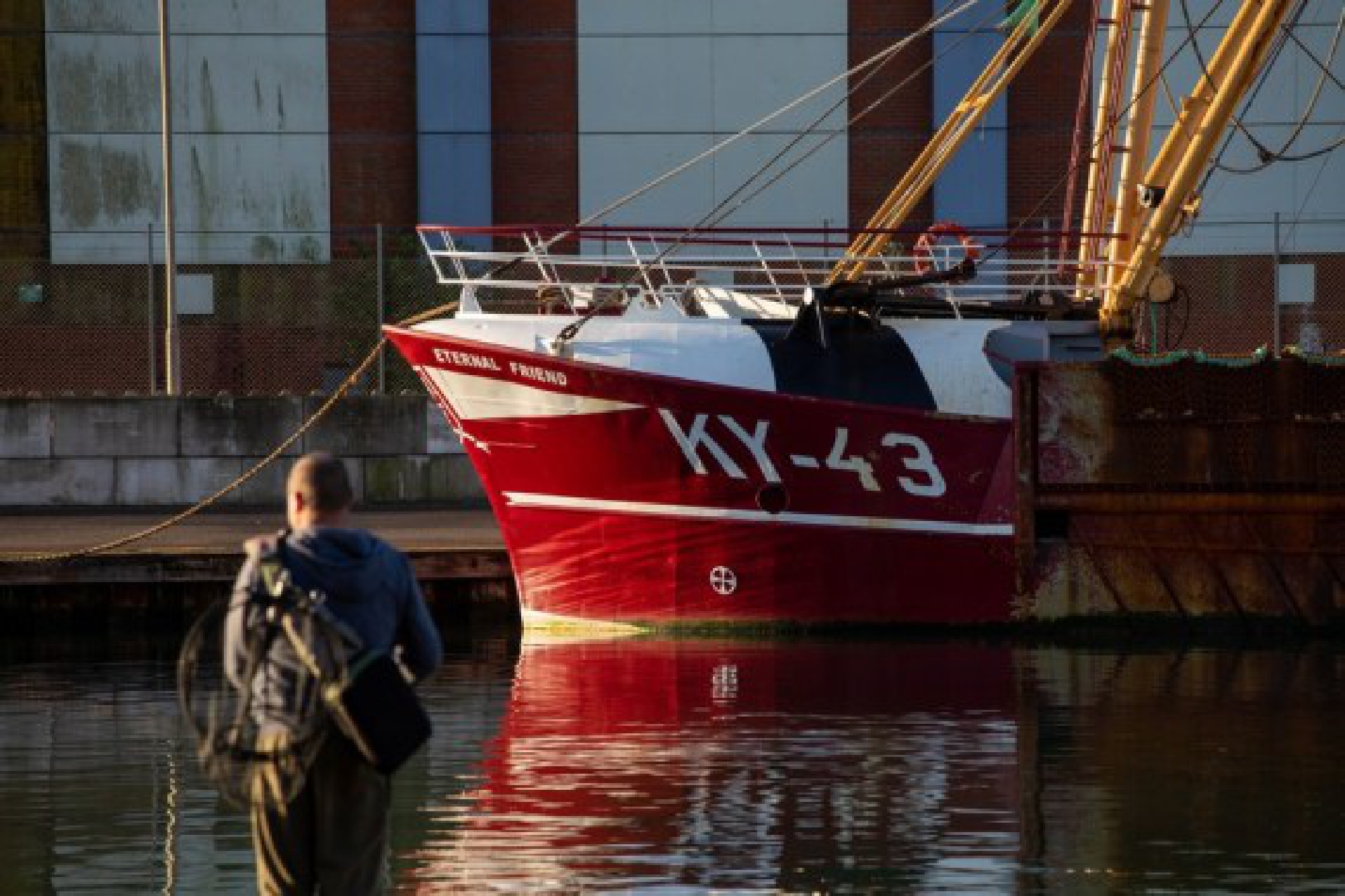 Photo taken on Oct. 11, 2020 shows a British fishing boat at Shoreham Docks, Britain. (Photo by Tim Ireland/Xinhua)
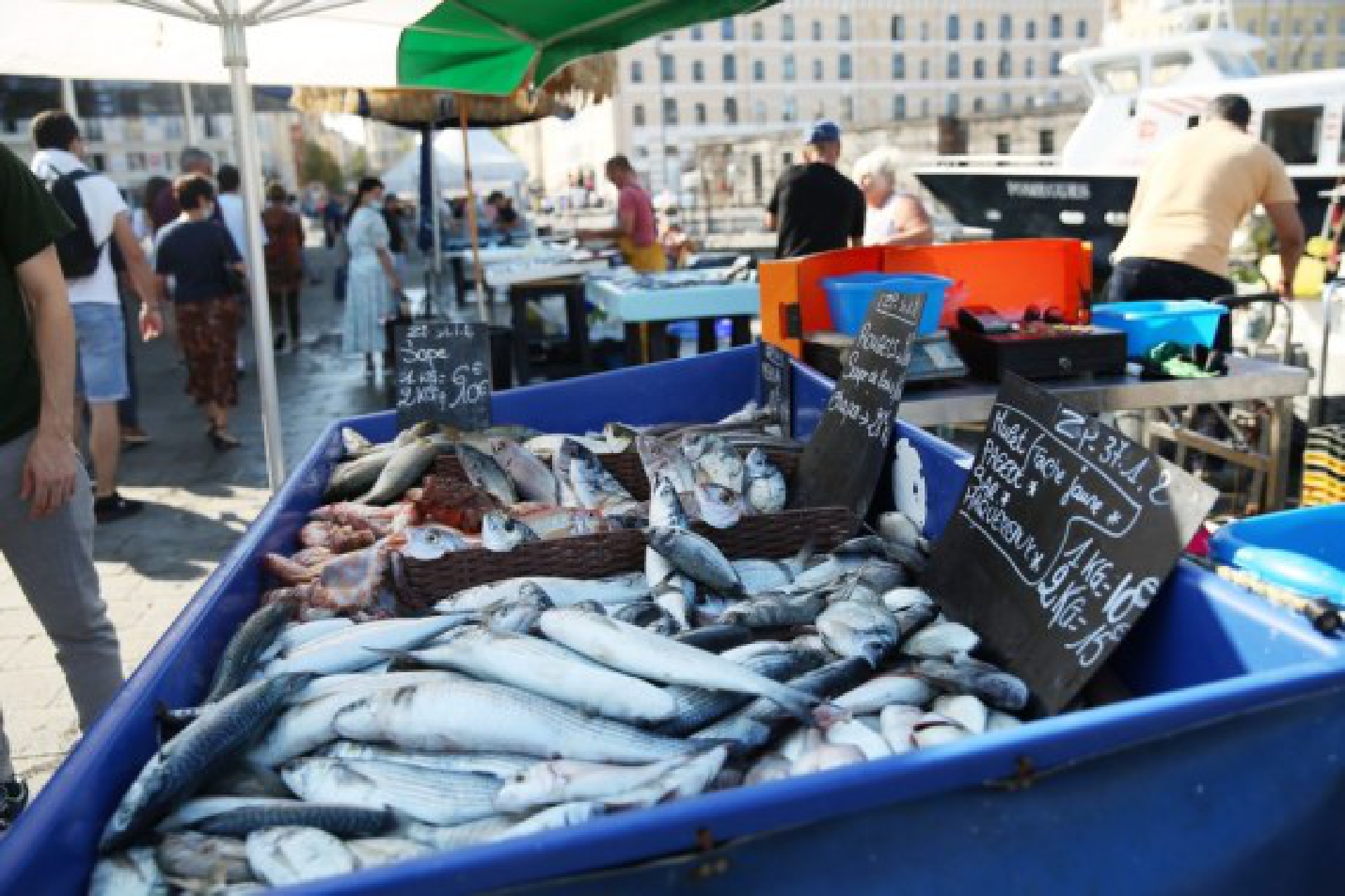 Fresh fish are seen at a fish market of the old port in Marseille, France, Sept. 6, 2021. (Xinhua/Gao Jing)
 ผู้นำไต้หวันเผยภัยคุกคามจากจีนเพิ่มขึ้นทุกวัน และยืนยันว่ามีทหารสหรัฐอยู่ในไต้หวันจริง
 นรีแพทย์มาเลเซียเปิดตัวถุงยางอนามัยที่ใช้ได้ทั้งชายและหญิงแบบแรกของโลก
 Merck เตรียมถ่ายทอดเทคโนโลยีผลิตยาเม็ดต้านโควิดให้ประเทศยากจนทั่วโลกฟรีแต่ไทยไม่อยู่ในลิสต์
