จีนพบรัฐบาลตอลิบาน พร้อมช่วยสร้างอัฟกานิสถานขึ้นใหม่ #SootinClaimon.Com

#SootinClaimon.Com : ขอบคุณแหล่งข้อมูล : หนังสือพิมพ์โพสต์ทูเดย์

https://www.posttoday.com/world/666542

วันที่ 27 ต.ค. 2564 เวลา 12:10 น.จีนพบรัฐบาลตอลิบาน พร้อมช่วยสร้างอัฟกานิสถานขึ้นใหม่เป็นอีกครั้งที่จีนให้คำมั่นว่าจะช่วยกลุ่มตอลิบานในการฟื้นฟูประเทศอัฟกานิสถานขึ้นใหม่ พร้อมเรียกร้องนานาชาติให้ความร่วมมือ

Bloomberg รายงานว่า หวัง อี้ รัฐมนตรีว่าการกระทรวงการต่างประเทศจีนเข้าพบหารือกับคณะผู้แทนของรัฐบาลตอลิบานในกรุงโดฮา ประเทศกาตาร์ เมื่อวันที่ 25 ต.ค. ที่ผ่านมา โดยให้คำมั่นว่าจีนจะช่วยกลุ่มตอลิบานในการฟื้นฟูประเทศอัฟกานิสถานขึ้นใหม่

หวัง อี้ กล่าวว่า จีนสนับสนุนความพยายามในการฟื้นฟูเสถียรภาพของประเทศอัฟกานิสถาน และเชื่อว่ารัฐบาลที่นำโดยกลุ่มตอลิบานจะใช้มาตรการที่มีประสิทธิภาพในการปราบปรามกลุ่มก่อการร้ายที่ก่อให้เกิดความเสี่ยงต่อความมั่นคงของจีน

หวัง อี้ ยังได้เรียกร้องให้ประชาคมระหว่างประเทศทำงานร่วมกับกลุ่มตอลิบานเพื่อฟื้นฟูเสถียรภาพของอัฟกานิสถาน พร้อมเรียกร้องให้สหรัฐยกเลิกมาตรการคว่ำบาตรต่อตอลิบาน

ด้านมุลเลาะห์ อับดุล กานี บาราดาร์ รักษาการรองนายกรัฐมนตรีของรัฐบาลตอลิบาน กล่าวว่า การหารือครั้งนี้มีจุดมุ่งหมายเพื่อกระชับความสัมพันธ์และเสริมสร้างความร่วมมือกับจีนในด้านต่างๆ และกลุ่มตอลิบานจะไม่ยอมให้ใครใช้ดินแดนอัฟกันทำอันตรายจีน

นับว่าเป็นความเคลื่อนไหวของจีนกับอัฟกานิสถานครั้งล่าสุด หลังจากที่ก่อนหน้านี้จีนยืนกรานมาตลอดว่าจะร่วมมือกับกลุ่มตอลิบานเพื่อฟื้นฟูอัฟกานิสถาน และเรียกร้องให้ประชาคมระหว่างประเทศให้ความช่วยเหลือด้านเศรษฐกิจและมนุษยธรรมแก่อัฟกานิสถาน เพื่อรักษาเสถียรภาพทางสังคมและฟื้นฟูเศรษฐกิจของอัฟกานิสถานมาแล้วหลายครั้ง

รายงานระบุว่าจีนมีท่าทียินดีอย่างยิ่งที่กลุ่มตอลิบานเข้ามาปกครองอัฟกานิสถาน และแสดงความเต็มใจที่จะทำงานร่วมกับรัฐบาลตอลิบานหลายครั้ง พร้อมตั้งข้อสังเกตว่าอัฟกานิสถานเป็นแหล่งแร่แรร์เอิร์ธ แร่ธาตุหายากมูลค่ามหาศาล

นอกจากนี้กลุ่มตอลิบานอาจช่วยจีนในการควบคุมกลุ่มก่อการร้ายอิสลามหัวรุนแรงที่คุกคามผลประโยชน์ของจีนทั้งในและต่างประเทศ

Photo by Li Ran/Xinhua via REUTERS

โอลิมปิกฤดูหนาวจะรอดไหม? จีนเจอโควิดระลอกใหม่ #SootinClaimon.Com

#SootinClaimon.Com : ขอบคุณแหล่งข้อมูล : หนังสือพิมพ์โพสต์ทูเดย์

https://www.posttoday.com/world/666540

วันที่ 27 ต.ค. 2564 เวลา 11:30 น.โอลิมปิกฤดูหนาวจะรอดไหม? จีนเจอโควิดระลอกใหม่ จีนเจอโควิด-19 อีกระลอกขณะที่โอลิมปิกฤดูหนาว 2022 ที่กรุงปักกิ่งใกล้เปิดฉาก

สำนักข่าวรอยเตอร์สรายงานเมื่อวันที่ 27 ต.ค. จาง เจี้ยนตง เจ้าหน้าที่อาวุโสของคณะกรรมการจัดการแข่งขันโอลิมปิกและพาราลิมปิกฤดูหนาว 2022 ที่กรุงปักกิ่ง ยอมรับว่าการแพร่ระบาดของโควิด-19 เป็นความท้าทายที่ใหญ่ที่สุดในการจัดงาน แต่ได้มีการเตรียมพร้อมสำหรับการแข่งขันที่กำลังจะเริ่มต้นขึ้นในอีก 100 วันข้างหน้า

โดยก่อนหน้านี้ ฝ่ายจัดการแข่งขันโอลิมปิกฤดูหนาว 2022 ได้ออกมาตรการที่เข้มงวดรวมถึงการสั่งห้ามนักกีฬารวมกลุ่มปาร์ตี้สังสรรค์และมีเซ็กซ์เพื่อป้องกันการแพร่ระบาดของโควิด-19

พร้อมเรียกร้องให้ทุกคนสวมหน้ากากอนามัย หลีกเลี่ยงสถานที่แออัดและการสัมผัสใกล้ชิด สำหรับนักกีฬาที่ยังไม่ได้รับวัคซีนโควิด-19 ครบโดสจะต้องกักตัวเป็นเวลา 21 วันก่อนเข้าร่วมการแข่งขัน

ขณะที่ประเทศจีนพบการแพร่ระบาดของโควิด-19 ในประเทศอีกครั้งหลังจากที่สามารถควบคุมได้แล้ว แต่ตอนนี้เกิดการแพร่ระบาดของโควิด-19 สายพันธุ์เดลตาระลอกใหม่ในหลายมณฑล โดยผู้ติดเชื้อส่วนใหญ่มีประวัติการเดินทางข้ามภูมิภาค

เจ้าหน้าที่สาธารณสุขเตือนว่าจำนวนผู้ติดเชื้อจะพุ่งสูงขึ้นในอีกไม่กี่วันข้างหน้า และพื้นที่ที่ได้รับผลกระทบจากการแพร่ระบาดอาจยังคงขยายตัวต่อไป

โดยหลายพื้นที่ได้บังคับใช้มาตรการที่เข้มงวดเพื่อควบคุมการแพร่ระบาดของโรค อาทิ กรุงปักกิ่งซึ่งพบผู้ป่วยรายใหม่นับสิบราย สั่งห้ามไม่ให้ผู้ที่เดินทางมาจากที่ใดในประเทศที่มีรายงานว่ามีผู้ป่วยโควิดในพื้นที่ หรือต้องแสดงผลตรวจเป็นลบ และกักตัว 2 สัปดาห์

เมืองหลานโจว มณฑลกานซู่ ทางตะวันตกเฉียงเหนือของประเทศ สั่งล็อกดาวน์หลังพบผู้ติดเชื้อในพื้นที่ ซึ่งส่งผลให้ประชากรราว 4 ล้านคนต้องกักตัวอยู่บ้าน โดยสามารถเดินทางเพื่อซื้อเสบียงอาหารที่จำเป็นหรือรับการรักษาพยาบาลเท่านั้น

เช่นเดียวกับอำเภอเอ๋อจี่น่าในเขตมองโกเลีย ทางตะวันตกเฉียงเหนือของจีน ประกาศล็อกดาวน์โดยขอให้ประชาชน 35,700 คนกักตัวอยู่บ้าน หากผู้ใดฝ่าฝืนอาจได้รับโทษความผิดทั้งแพ่งและทางอาญา

นอกจากนี้การแข่งขันวิ่งมาราธอนประจำปีในกรุงปักกิ่งและเมืองอูฮั่นซึ่งมีกำหนดในวันที่ 31 ต.ค. ที่จะถึงนี้ก็ต้องถูกยกเลิกไปเช่นกัน เพื่อหลีกเลี่ยงความเสี่ยงที่จะเกิดการระบาดของโควิด-19

อย่างไรก็ตาม ทางการจีนได้ยกระดับการตรวจโควิด-19 เชิงรุก และเริ่มฉีดวัคซีนโควิด-19 เข็มที่ 3 เพื่อเพิ่มภูมิคุ้มกันให้แก่ประชาชน หลังจากที่ประชากรเกือบ 80% ได้รับวัคซีนครบ 2 เข็มแล้ว

ทั้งนี้ โอลิมปิกฤดูหนาว 2022 จะมีขึ้นในวันที่ 4 ก.พ. ถึง 20 ก.พ. ปีหน้า ส่วนพาราลิมปิกจะเริ่มต้นขึ้นในวันที่ 4 มี.ค.

Photo by REUTERS/Tingshu Wang/File Photo

จีนเล็งยกระดับความสัมพันธ์กับอาเซียนแข่งสหรัฐ #SootinClaimon.Com

#SootinClaimon.Com : ขอบคุณแหล่งข้อมูล : หนังสือพิมพ์โพสต์ทูเดย์

https://www.posttoday.com/world/666537

วันที่ 27 ต.ค. 2564 เวลา 10:50 น.จีนเล็งยกระดับความสัมพันธ์กับอาเซียนแข่งสหรัฐอาเซียนกลายเป็นศูนย์กลางเพาะสร้างและขยายอิทธิพลระหว่างสหรัฐกับจีน

สำนักข่าว Bloomberg รายงานว่า จีนต้องการยกระดับความสัมพันธ์กับประเทศอาเซียน โดยเรียกร้องให้มีการประชุมสุดยอดนัดพิเศษในเดือนหน้าซึ่งประธานาธิบดีสีจิ้นผิงจะเข้าร่วมประชุมด้วยตัวเอง ในขณะที่จีนพยายามขยับขยายเข้ามายังภูมิภาคอาเซียนที่สหรัฐกำลังแย่งชิงอิทธิพลอยู่เช่นกัน

นายกรัฐมนตรี หลี่เค่อเฉียง ของจีนประกาศข้อเสนอดังกล่าวในการประชุมสุดยอดอาเซียน-จีนที่บรูไน

การยกระดับความสัมพันธ์ซึ่งเรียกอย่างเป็นทางการว่า “ข้อตกลงเชิงกลยุทธ์ที่ครอบคลุม” ดูเหมือนจะกว้างขวางครอบคลุมกว่าความสัมพันธ์ในปัจจุบันของจีนกับอาเซียน และยังประกาศก่อนที่จะมีการประชุมทางไกลระหว่างประธานาธิบดี โจ ไบเดน ของสหรัฐและอาเซียนไม่กี่ชั่วโมง

ประธานาธิบดี ลีเซียนลุง ของสิงคโปร์สนับสนุนแผนของจีนที่จะยกระดับความสัมพันธ์กับอาเซียน เนื่องจากทั้งสองฝ่ายได้จัดตั้งรากฐานที่แข็งแกร่งสำหรับความร่วมมือระหว่างกันไว้แล้ว

ขณะที่นายกรัฐมนตรี ประยุทธ์ จันทร์โอชา ของไทย แสดงความคิดเห็นด้วยความระมัดระวังกับข้อเสนอนี้ โดยกล่าวว่า “การรักษาสันติภาพที่ยั่งยืนท่ามกลางพลวัตของสถานการณ์ที่ซับซ้อนในระดับภูมิภาคและระหว่างประเทศ” เป็นสิ่งสำคัญ เพื่อมุ่งไปสู่การเป็นหุ้นส่วนทางยุทธศาสตร์ที่ครอบคลุม

อย่างไรก็ดี กรณีพิพาทเหนือเขตแดนในทะเลจีนใต้ระหว่างจีนกับหลายประเทศในอาเซียนจะทำให้ข้อตกลงดังกล่าวสะดุด และขณะนี้ยังไม่ชัดเจนว่าขอบเขตของข้อเสนอใหม่ของจีนจะรวมถึงเรื่องทางทะเลหรือไม่ โดยรายละเอียดเพิ่มเติมของแผนอาจชัดเจนขึ้นเมื่อฝ่ายจีนออกแถลงการณ์หลังเสร็จสิ้นการประชุม

ฝ่ายไทยเผยระหว่างการประชุมว่า ไทยไม่ประสงค์จะเห็นความขัดแย้งหรือการเผชิญหน้าระหว่างมิตรประเทศ และสนับสนุนให้มีการหารือเพื่อหาทางออกร่วมกันในประเด็นทะเลจีนใต้

ความสัมพันธ์ของจีนและอาเซียนมีความคืบหน้าเมื่อเดือน พ.ย.ที่ปี่แล้ว เมื่อ 15 ประเทศลงนามในความตกลงหุ้นส่วนทางเศรษฐกิจระดับภูมิภาค (RCEP) แต่จนถึงขณะนี้มีเพียง 6 ประเทศที่ให้สัตยาบัน คือ ไทย สิงคโปร์ จีน ญี่ปุ่น กัมพูชา และบรูไน โดยประเทศอาเซียนอีกอย่างน้อย 3 ประเทศและอีก 1 ประเทศจากภูมิภาคอื่นต้องให้สัตยาบันก่อน ความตกลงดังกล่าวจึงจะมีผลบังคับใช้

นอกจากนี้ จีนยังแสดงความสนใจเข้าร่วมความตกลงหุ้นส่วนทางเศรษฐกิจภาคพื้นแปซิฟิก (CPTPP) ด้วย

REUTERS/Carlos Garcia Rawlins/File Photo

ไบเดนลงทุนแค่เศษเบี้ย แต่หวังซื้อใจอาเซียน #SootinClaimon.Com

#SootinClaimon.Com : ขอบคุณแหล่งข้อมูล : หนังสือพิมพ์โพสต์ทูเดย์

https://www.posttoday.com/world/666509

วันที่ 26 ต.ค. 2564 เวลา 20:33 น.ไบเดนลงทุนแค่เศษเบี้ย แต่หวังซื้อใจอาเซียน เป็นอีกครั้งที่อาเซียนจะถูกเฉือนออกเป็นฝ่ายๆ จากศึกชิงความเป็นมหาอำนาจของสหรัฐและจีน

อาเซียนถูกเมินจากรัฐบาลสหรัฐมานานหลายปี ซึ่งโทษสหรัฐไม่ได้เพราะสหรัฐคิดว่าภูมิภาคอื่นสำคัญกว่าอาเซียน แต่สหรัฐคิดผิดไปหลายปี เพราะประมาทจีน กว่าจะตาลีตาลานกลับมาที่นี่อีกครั้ง ก็เกือบจะสายเกินไป เมื่อจีนเข้ามา “ยึดครองหัวใจ” ของบางประเทศในอาเซียนเอาไว้แล้ว

จุดอ่อนเดียวของจีนที่ทำให้ครองใจอาเซียนทั้งหมดไม่ได้ คือกรณีพิพาททะเลจีนใต้และกรณีสร้างเขื่อนควบคุมกระแสน้ำแม่น้ำโขง

กรณีแรกนั้นจีน “เสียเพื่อน” ในเอเชียตะวันออกเฉียงใต้ภาคพื้่นที่สมุทร คือ ฟิลิปปินส์ มาเลเซีย อินโดนีเซีย กรณีที่สองจีนเสียความเป็นมิตรในกลุ่มประเทศภาคพื้นที่แผนดินใหญ่ของเอเชียตะวันออกเฉียงใต้ คือ ไทย เมียนมา ลาว กัมพูชา ส่วนเวียนามนั้นเจอทั้งสองเด้ง

ถึงแม้สหรัฐจะรู้ตัวช้าไปว่าการยึดอาเซียนเท่ากับยึดยุทธศาสตร์อินโด-แปซิฟิกไปได้ครึ่งหนึ่ง แต่เพราะจุดอ่อนของจีนเหล่านี้ทำให้สหรัฐแทรกตัวเข้ามาง่ายมาก

สหรัฐแสดงท่าทีแข็งกร้าวมาเป็นพิเศษกับกรณีทะเลจีนใต้ถึงกับยุให้พันธมิตรต่างๆ จากตะวันตกบ้าง อินเดียบ้าง นำเรือรบแล่นมาในน่านน้ำแถบนี้ ทั้งๆ ที่ไม่มีส่วนได้ส่วนเสียอะไร แต่ให้เหตุผลว่า “เพื่อแสดงจุดยืนเสรีภาพในการเดินเรือ (Freedom of navigation) ในทะเลจีนใต้” อันเป็นเสรีภาพตามกฎหมายระหว่างประเทศ

กับกรณีแม่น้ำโขงนั้น สหรัฐโหนความไม่พอใจของประเทศท้ายน้ำโขงด้วยการตั้ง Mekong Dam Monitor ขึ้นมาเพื่อช่วยบอกกับประเทศท้ายน้ำว่าจีนกักหรือปล่อยน้ำเมื่อไรและอย่างไร ทำเอาจีนต้องกระตือรือร้นในการแจ้งประเทศท้ายน้ำมากขึ้นกว่าแต่ก่อน

การเข้ามาของสหรัฐในอาเซียน (อีกครั้ง) แม้จะมาเพื่อต้านจีนและรักษาผลประโยชน์ของตัวเองไว้ แต่ก็ยังนับว่ามีคุณต่ออาเซียนอยู่บ้าง ไม่อย่างนั้นจีนก็จะทำไม่เกรงใจอาเซียนเกินไป

แต่สหรัฐมาแค่นี้จริงๆ ต่างจากจีนที่มีเงินและการลงทุนติดไม้ติดมือมาด้วย แต่ก็มาพร้อมกับข้อกล่าวหาเรื่องกับดักหนี้

ดังนั้นบางประเทศในอาเซียนจึงเริ่มไปขอแรงชาติอื่นเข้ามาช่วยเป็น “แม่แรง” งัดกับตัวใหญ่ๆ รวมถึงเป็นแหล่งเงินใหม่ๆ นอกเหนือจากจีน และนอกเหนือจากสหรัฐที่มาแบบมือเปล่าแต่จะเอากลับท่าเดียว

ตัวอย่างเช่น พิลาหารี เกาสิกัน (Bilahari Kausikan) อดีตปลัดกระทรวงการต่างประเทศของสิงคโปร์กล่าวกับ Kyodo News ในการสัมภาษณ์ออนไลน์ว่าญี่ปุ่นควรเปิดทางให้สหรัฐเข้ามามีบทบาทในในเอเชียตะวันออกเฉียงใต้มากขึ้น เพื่อให้สหรัฐเข้ามาถ่วงดุลในภูมิภาค

เกาสิกันถึงกับบอกว่า พฤติกรรมก้าวร้าวของจีน ทำให้เอเชียตะวันออกเฉียงใต้เห็นพ้องต้องกันในช่วง 15 ถึง 20 ปีที่ผ่านมาว่าการปรากฏตัวของสหรัฐในอาเซียนนั้น “มีความสำคัญและเป็นองค์ประกอบที่ไม่สามารถถูกแทนที่ได้ “ เพื่อให้เกิดความสมดุลในภูมิภาคและอื่นๆ

ณ จุดนี้ต้องสงสัยเอาไว้ก่อนว่าเกาสิกันเหมาว่าอาเซียนทั้งหมดคิดว่าจีนเป็นภัยคุกคามและสหรัฐคือ “ผู้ช่วยให้รอด” อันเป็นความคิดที่ไม่สอดคล้องกับท่าทีของบางประเทศที่อ้าแขนรับจีนและไม่ญาติดีกับสหรัฐหรือไม่ก็ถูกสหรัฐผ่านกฎหมายโจมตี”

แต่คำกล่าวต่อมาของเกาสิกันก็ทำให้พอเข้าใจได้ว่าทำไมอาเซียนบางประเทศถึงได้สนิทสนมกับจีน เขาอธิบายว่าเป็นเรื่องละเอียดอ่อนมากสำหรับบางประเทศในเอเชียตะวันออกเฉียงใต้ที่จะมีความสัมพันธ์โดยตรงกับสหรัฐ เพราะจีนเป็นหุ้นส่วนทางเศรษฐกิจที่ขาดไม่ได้

ดังนั้นเพื่อให้สหรัฐเข้ามาถ่วงดุลโดยที่จีนไม่กราดเกรี้ยวเกินไป ญี่ปุ่นควรแทรกเข้ามาตรงกลางในฐานะผู้ที่ประสานงานแทนสหรัฐในด้านความมั่นคงในอาเซียน โดยหันไปใช้ Fukuda Doctrine ซึ่งเป็นแนวนโยบายการต่างประเทศของญี่ปุ่นที่ประกาศโดยอดีตนายกรัฐมนตรีทาเคโอะ ฟุกุดะ ในปี 1977 ระหว่างการเยือนมะนิลา

ฟุกุดะยืนยันกับอาเซียนว่า “ประการแรก ญี่ปุ่นเป็นชาติที่มุ่งมั่นเพื่อสันติภาพ ปฏิเสธบทบาทของอำนาจทางทหาร” ข้อนี้เพื่อทำให้อาเซียนวางใจว่าญี่ปุ่นจะไม่กลับไปเป็น “ยักษ์กระหายเลือด” เหมือนในช่วงสงครามโลกครั้งที่ 2 ที่เคยรุกรานเอเชียตะวันเฉียงใต้

ฟุกุดะยังบอกว่า “ประการที่ 2 ญี่ปุ่นในฐานะเพื่อนแท้ของประเทศต่างๆ ในเอเชียตะวันออกเฉียงใต้จะทำอย่างดีที่สุดเพื่อกระชับความสัมพันธ์ระหว่างความเชื่อมั่นและความไว้วางใจซึ่งกันและกันบนพื้นฐานของความเข้าใจแบบ “ใจถึงใจ” กับประเทศเหล่านี้” ข้อนี้ก็เพื่อบอกกับอาเซียนว่าญี่ปุ่นนั้นไว้วางใจได้ คบกันแบบถึงใจ ไม่มีนอกไม่มีใน

Fukuda Doctrine มีส่วนช่วยสร้างความมั่นใจให้อาเซียน ในช่วงที่สหรัฐถอนตัวไปหลังบอบช้ำจากสงครามเวียดนาม (โดยลอยแพไทยและประเทศ “โลกเสรี” อื่นๆ) และการเข้ามาของญี่ปุ่นไม่ได้มาแค่ปากเปล่าเพราะเอาเงินมาด้วยผ่านโครงการช่วยเหลือทางเศรษฐกิจต่างๆ นานา

Fukuda Doctrine ได้ผลเหลือเชื่อ ไม่ใช่แค่ทำให้เศรษฐกิจอาเซียนมีเงินไหลเข้ามาโดยไม่ต้องรอ “เงินสงคราม” ของอเมริกัน ไม่ใช่แค่นั้น เวียดนามที่กำลังห้าวสุดขีดเพราะเพิ่ง “ชนะ” อเมริกัน ตอนแรกทำท่าไม่พอใจญี่ปุ่น เพราะเห็นว่าเป็นพันธมิตรกับสหรัฐ แต่ภายหลังเพราะร้อนเงินจึงยอมรับความช่วยเหลือญี่ปุ่นเพื่อนำมาพัฒนา-ฟื้นฟูประเทศ ทำให้เวียดนามยอมอ่อนข้อลง

Fukuda Doctrine จึงมีส่วนช่วยอาเซียนมาก่อนในช่วงที่ฝ่ายคอมมิวนิสต์กำลังพลิกเป็นฝ่ายนำในสงครามเย็นที่อาเซียน แต่น่าสงสัยว่ามันยังมีน้ำยาแค่ไหนในยุคสงครามเย็นใหม่ เพราะเงินญี่ปุ่นไม่ได้หนาเหมือนแต่ก่อน และจีนก็เป็นพ่อบุญทุ่มเสียยิ่งกว่าด้วย

นโยบายนี้ไม่ได้ถูกออกแบบมาเพื่อรับกับสถานการณ์ตอนนี้ ตรงกันข้ามมันจะเป็นโทษกับอาเซียนด้วยซ้ำที่ดึงญี่ปุ่นเข้ามา จีนนั้นไม่เหมือนเวียดนามที่ “ห้าวแต่เอาเงินฟาดได้” แบบในทศวรรษที่ 1970

ในเวลานั้น เวียดนามไม่พอใจญี่ปุ่นเพราะญี่ปุ่นถูกมองเป็นลิ่วล้ออเมริกันด้วย “สนธิสัญญาความร่วมมือและความมั่นคงระหว่างสหรัฐอเมริกาและญี่ปุ่น (ปี 1960)” ซึ่งเป็นสนธิสัญญาที่ให้สหรัฐมีฐานทัพญี่ปุ่น สองชาติช่วยปกป้องกันและกัน และยืนยันสถานะพันธมิตรทางทหารระหว่างกัน

อย่างที่บอกว่า เวียดนามนั้นมีเงินมาก็เปลี่ยนใจ Fukuda Doctrine จึงได้ผล แต่มันไม่ผลกับจีน และจีนยังมีความสัมพันธ์ที่เจ็บปวดกับญี่ปุ่นมาก่อนในช่วงสงครามโลกครั้งที่ 2 กระทั่งทุกวันนี้ยังลืมไม่ลง และเคียดแค้นทุกครั้งที่นายกรัฐมนตรีญี่ปุ่นไปสักการะศาลเจ้ายาสุกุนิที่สถิตดวงวิญญาณอาชญากรสงครามโลกครั้งที่ 2

ยิ่งญี่ปุ่นประกาศท่าทีจะช่วยเหลือไต้หวันประกาศจุดยืนผนึกกำลังกับสหรัฐในพันธมิตรต้านจีน มันยิ่งทำให้จีนเป็นศัตรูกับญี่ปุ่นมากขึ้น ไม่กี่วันก่อนที่บทความนี้จะเขียนขึ้น กองเรือจีนกับรัสเซียเพิ่งจะแล่นผ่านช่องแคบของญี่ปุ่นทางตอนเหนือสุด (ช่องแคบสึงารุ ที่ฮอกไกโด) แล้ววนเลี้ยวกลับที่ตอนใต้สุด (ช่องแคบโอสุมิ ที่คิวชู) เท่ากับแล่นเรือเวียนรอบเกาะฮอนชูเกาะใหญ่ที่สุดของญี่ปุ่น

แม้จะเป็นเรื่องที่ทำได้ตามข้อตกลงระหว่างประเทศซึ่งญี่ปุ่นเปิดช่องแคบเหล่านี้ให้เรือนานาประเทศแล่นผ่านได้ แต่มองได้ว่าจีนกำลัง “เอ็กเซอร์ไซส์” ให้ญี่ปุ่นยำเกรง

ดังนั้นการเรียกญี่ปุ่นเข้ามาจึงเป็นหายนะเสียมากว่า มันไม่ใช่การให้ญี่ปุ่นเป็นแค่ตัวแทนทำหน้าที่แทนสหรัฐในการถ่วงดุลจีน แต่จีนจะมองว่าอาเซียนกำลังปล่อยให้เกิดการแท็กทีมรุมตน

น่าสงสัยว่าเกาสิกันยังมองโลกแบบสงครามเย็นเกินไปหรือไม่ หรือเขาอาจะคิดว่ามันจำเป็นมากๆ ที่จะต้องดึงอเมริกันเข้ามาไม่ว่าจะด้วยวิธีการไหนก็ตาม (แต่วิธีการแบบ Fukuda Doctrine ดูจะอันตรายเสียมากกว่า)

ดังนั้น ข้อเสนอของเกาสิกันจึงอาจไม่สมเหตุสมผลเอาเลยที่จึงญี่ปุ่นเข้ามาเพื่อจะเป็นเงาของสหรัฐในอาเซียน เพราะมันจะทำให้จีนไม่พอใจมากว่าพอใจ ดูเหมือนจะเป็นข้อเสนอแบบขอไปทีเพื่อจะเรียกอเมริกันเข้ามาแบบทื่อๆ ด้วยซ้ำ

ระยะหลังมานี้ สิงคโปร์ดูเหมือนจะเชียร์สหรัฐมากขึ้น (ดูบทความเรื่อง ยุคสมัยแห่งสงครามเรือดำน้ำกำลังจ่อคอหอยไทย) ซึ่งมันไม่ใช่แค่นั้น สหรัฐยังมองสิงคโปร์เป็นเหมือนหมากที่จะแทรกกลางเพื่อปักหมุดยุทธศาสตร์ในอาเซียน

สิงคโปร์นั้นสำคัญขนาดที่ไบเดนส่งกมลา แฮร์ริสมาเยือนในเดือนกรกฎาคม ราวกับว่าไบเดนคิดจะใช้สิงคโปร์ทำอะไรสักอย่างในภูมิภาคนี้

ในเวลานี้ไบเดนยังใช้เวลาคัดสรรและเสนอชื่อเอกอัครราชทูตสหรัฐประจำสิงคโปร์ จีน และญี่ปุ่น โดยไบเดนใช้เวลานานถึง 1 ปีในการเลือกคนที่ใช่สำหรับประเทศที่สำคัญขนาดคอขาดบาดตาย

คนที่ไบเดนเสนอให้มาเป็นทูตประจำสิงคโปร์ คือโจนาธาน อี. แคปแลน (Jonathan Eric Kaplan) ซึ่งเป็นนักธุรกิจที่ไร้ประสบการณ์ทางการเมือง แต่คร่ำหวอดในธุรกิจออนไลน์ ดูเผินๆ เหมือนจะเป็นการเลือกพ่อค้ามาทำงานการทูต/ความมั่นคงหรือไม่?

อาจจะเป็นไปได้ ตำแหน่งแบบนี้เรียกว่า political appointee คือใครก็ตามที่ได้รับการเสนอชื่อ/แต่งตั้งโดยประธานาธิบดีสหรัฐให้มาทำงานของหน่วยงานรัฐบาลกลาง โดยไม่ต้องเป็นผู้เชี่ยวชาญเฉพาะสาขาก็ได้ ขอให้เป็นคนที่ประธานาธิบดีไว้ใจหรือเคยช่วยเหลือกันมาก็พอ เช่น ตำแหน่งเอกอัครราชทูตแบบนี้ ปกติต้องอาศัยนักการทูตมืออาชีพหรือฝ่ายการเมืองที่เชี่ยวชาญการระหว่างประเทศ แต่ประธานาธิบดีสหรัฐจะยกตำแหน่งใส่พานให้ใครก็ได้

political appointee ก็คือตำแหน่งแบบ “เล่นเส้น” (spoils system) ที่มีในการเมืองสหรัฐมานานแล้ว เป็นตำแหน่งที่ยกให้คนที่ทำประโยชน์กับพรรคการเมืองหรือประธานาธิบดี หรือเป็นคนที่ประธานาธิบดีเชื่อว่าทำงานให้เขาได้แบบหันซ้ายหันขวา แน่นอนว่า political appointee มีประสิทธิภาพในการทำงานต่ำกว่าคนที่เป็นมืออาชีพในสายงานนั้นๆ (มีงานวิจัยในเรื่องนี้แล้ว)

โจนาธาน อี. แคปแลน เป็นใครถึงได้ตำแหน่งทูตสิงคโปร์? เขาเป็นคนที่ช่วยไบเดนระดมทุนช่วงหาเสียงเลือกตั้งนั่นเอง พูดง่ายๆ ก็คือ เงินมาตำแหน่งไป นี่เป็นเรื่องปกติของระบอบเล่นเส้นของการเมืองสหรัฐ

ไม่ใช่แค่สิงคโปร์ เอกอัครราชทูตสหรัฐประจำประเทศไทย คือ ไมเคิล จี. ดีซอมบรี (Michael G. DeSombre) ก็เป็น political appointee ที่แต่งตั้งโดยทรัมป์ เป็นทูตสหรัฐประจำประเทศไทยคนแรกในรอบ 45 ปีที่เป็นตำแหน่งที่ยกใส่พานให้คนนอกวงการการทูตมืออาชีพแบบนี้

มันหมายความว่าจริงๆ แล้วสหรัฐยังไม่ได้ใส่ใจกับอาเซียนมากหรือไม่ ทูตประจำประเทศที่สำคัญในภูมิภาคจึงเป็น political appointee แบบนี้?

อย่างที่บอกไว้ตั้งแต่แรก สหรัฐไม่ได้ให้ค่าอาเซียนมาหลายปี ขนาดไม่ได้ตั้งเอกอัครราชทูตมาประจำสิงคโปร์นานถึง 4 ปีกว่าตลอดสมัยของทรัมป์รวมถึงสมัยของเขาด้วย (โดยใช้แค่อุปทูต) พอจะตั้งแล้วยังเป็น political appointee ที่เก่งแต่เรื่องธุรกิจออนไลน์เสียอีก

สิงคโปร์ที่คิดจะชวนญี่ปุ่นกับสหรัฐมาช่วยถ่วงดุลจีนอาจจะต้องคิดหนัก เพราะสหรัฐนั้นลงทุนน้อยแต่หวังสูง อย่างแคปแลนซึ่งเป็นนักธุรกิจก็ย่อมมาเพื่อเก็บผลประโยชน์ทางธุรกิจที่เขาถนัด จะเห็นว่าเขาย้ำเรื่องที่สิงคโปร์เป็นลูกค้าอาวุธในอาเซียนรายใหญ่ที่สุดของสหรัฐ

แม้จะหวังโกยเงินจากสิงคโปร์ แต่แคปแลนไม่ลืม “จิตวิญญาณอเมริกันผู้เสรี” ซึ่งยังอาจจะทำให้สิงคโปร์หนักใจด้วย เพราะบอกกับคณะกรรมาธิการวุฒิสภาด้านวิเทศสัมพันธ์ว่า เขาจะจี้ให้สิงคโปร์มีเสรีภาพด้านสื่อมากกว่านี้ เพราะอันดับเสรีภาพสื่อสิงคโปร์ต่ำเกินไป

ยังไม่ทันมาก็ออกลายเสียแล้ว อย่างนี้สิงคโปร์จะยอมเอาตัวเองเข้าแลกกับการไปซบสหรัฐหรือ?

วันที่ 26 ตุลาคม 2021 วันที่มีข่าวว่าไบเดนจะร่วมการประชุม (แบบเสมือนจริง) กับสุดยอดผู้นำอาเซียน ทางทำเนียบขาวได้เผยความริเริ่มใหม่เพื่อขยายหุ้นส่วนยุทธศาสตร์สหรัฐ-อาเซียน

เห็นคำว่า “หุ้นส่วนยุทธศาสตร์” แต่ความร่วมมือส่วนใหญ่กลับเป็นเรื่องสาธารณสุข, การเปลี่ยนแปลงของสภาพอากาศ, การฟื้นตัวทางเศรษฐกิจหลังโควิด และให้ทุนการศึกษาและสิทธิทางเพศ 1.6 หมื่นล้านดอลลาร์ และเงินอีก 100 ล้านดอลลาร์เพื่อกระชับความสัมพันธ์กับอาเซียน – เพียงเท่านี้ ไม่มีเรื่องการเมืองและความมั่นคง

นั่นเป็นเรื่องที่เข้าใจได้ เพราะมันเป็นเรื่องกระโตกกระตากเกินไปที่จะเข้ามาอาเซียนแล้วเล่นงานใจในทันที แต่มองอีกมุมหนึ่ง การลงทุนแค่นี้ไม่สามารถเทียบกับจีนได้เลย และยังทำให้นักการเมืองในสหรัฐเองไม่พอใจด้วย

การแต่งตั้งทูตประจำสิงคโปร์ จีน และญี่ปุ่นที่ล่าช้ามานานก็เพราะถูกเตะถ่วงจากพรรครีพับลิกันมานานหลายเดือนที่ไม่พอใจนโยบายต่างประเทศของไบเดน แต่ก็เป็นการขัดแข้งขัดขากันในทางการเมืองด้วย โดยเฉพาะการขัดขวางจากเท็ด ครูซ (Ted Cruz) และจอช ฮาวลีย์ ( Josh Hawley) แห่งพรรครีพับลิกันที่ขวางมันซะทุกเรื่อง จนสหรัฐขาดผู้ดำรงตำแหน่งสำคัญๆ ในหลายพื้นที่

ปัญหาของสหรัฐในตอนนี้ก็คือ แม้จะกระรือร้น แต่ภายในเละเทะไม่เป็นหนึ่งเดียวตั้งแต่ระดับรากหญ้าจนถึงในรัฐสภา ซึ่งเป็นเหตุให้นโยบายต่างประเทศมาย่อยยับแล้วในยุคสงครามเย็น และมันกำลังเกิดขึ้นอีกครั้งในเวลานี้

ผู้เชี่ยวชาญบางคนจึงชี้ว่าสหรัฐตกอยู่ในภาวะอันตรายมาก หากจีนจะเล่นงานบ่อนทำลายเสียตอนนี้ก็ทำได้ อันที่จริงแล้วจีนไม่ต้องทำอะไรมาก แค่เข็นโครงการต่างๆ มาประเคนอาเซียนก็พอแล้ว จำพวกการสร้างรถไฟความเร็วสูงไปจนถึงท่าเรือ

อดีตนักการทูตสิงคโปร์ที่อุตส่าห์เสนอแผนให้ญี่ปุ่นเข้ามาแทรกแทนสหรัฐ ก็ยังยอมรับว่าจีนมีความจำเป็นทางเศรษฐกิจในฐานะหุ้นส่วน  ดังนั้นหากจะคิดถ่วงดุลกับจีนจะใช้ “คาวบอยอเมริกัน” ไม่ได้ ต้องมามาดเศรษฐีเจ้าบุญทุ่ม

ส่วนไบเดนขยับได้แค่เล็กน้อยเพราะคนในประเทศขัดขา แต่เขาเองก็ส่งเด็กเส้นมาเป็นทูตที่นี่ด้วย แสดงว่าไม่ได้จริงใจอะไร พร้อมกับโยนเงินมาอาเซียนนิดหน่อย

แม้จะหวังใช้อาเซียนเป็นจุดยุทธศาสตร์บีบจีนให้จนมุม และแม้อาเซียนบางประเทศจะเป็นใจ ก็ทำได้แค่ฝันไปก่อน

โดย กรกิจ ดิษฐาน

Photo by ANDREW CABALLERO-REYNOLDS / AFP

U.S. strongly opposes Israeli settlement expansion in West Bank #SootinClaimon.Com

#SootinClaimon.Com : ขอบคุณแหล่งข้อมูล : หนังสือพิมพ์ The Nation.

https://www.nationthailand.com/international/40008041


“We strongly oppose the expansion of settlements, which is completely inconsistent with efforts to lower tensions and to ensure calm, and it damages the prospects for a two-state solution,” a State Department spokesperson said. “We also view plans for the retroactive legalization of illegal outposts as unacceptable.”

The United States on Tuesday voiced strong opposition to Israeli settlement expansion in the West Bank, saying such a move damages the prospects for a two-state solution.

“We are deeply concerned about the Israeli government’s plan to advance thousands of settlement units tomorrow, Wednesday, many of them deep in the West Bank,” State Department spokesperson Ned Price told reporters during a press briefing. “In addition, we are concerned about the publication of tenders on Sunday for 1,300 settlements units in a number of West Bank settlements.”

“We strongly oppose the expansion of settlements, which is completely inconsistent with efforts to lower tensions and to ensure calm, and it damages the prospects for a two-state solution,” he said. “We also view plans for the retroactive legalization of illegal outposts as unacceptable.”

Price added that the United States will continue to raise its views on this issue directly with senior Israeli officials in private discussions.

These comments were regarded as a rare and forceful criticism by Washington over the settlement issue.

Israel on Sunday issued tenders for the construction of around 1,355 new housing units in the existing West Bank settlements, alongside which the construction of more than 3,000 settlement homes will be advanced this week in occupied Palestinian territories.

According to Israeli and Palestinian estimates, about 650,000 Israeli settlers live in 164 settlements and 124 outposts in the West Bank and East Jerusalem.

Israeli settlement is one of the thorniest issues in the Palestinian-Israeli conflict and one of the main reasons hindering the last round of direct peace negotiations between the two sides in 2014.

Israel occupied the West Bank and East Jerusalem, which are claimed by the Palestinians, in the 1967 Middle East war, and has controlled them ever since.

Published : October 27, 2021

By : Xinhua

U.S. FDA advisors recommend authorizing Pfizer COVID-19 vaccine for children ages 5 to 11 #SootinClaimon.Com

#SootinClaimon.Com : ขอบคุณแหล่งข้อมูล : หนังสือพิมพ์ The Nation.

https://www.nationthailand.com/international/40008039


The FDA will consider formal authorization of the Pfizer-BioNTech COVID-19 vaccine based on its advisors recommendation. If authorized, it would be the first COVID-19 vaccine for younger children.

Advisors to the U.S. Food and Drug Administration (FDA) on Tuesday voted in favor of authorizing the Pfizer-BioNTech COVID-19 vaccine for children ages 5 to 11.

The decision came after a whole-day meeting of the FDA’s Vaccines and Related Biological Products Advisory Committee, which was held to discuss whether, based on the totality of scientific evidence available, the benefits of the Pfizer-BioNTech vaccine outweigh its risks for use in children 5 to 11 years of age.

The vaccine would be administered to younger kids as a 2-dose series, 3 weeks apart, according to the FDA.

People wait in line to receive the Pfizer/BioNTech COVID-19 vaccine at a mobile vaccine clinic in the Brooklyn borough of New York, United States, Aug. 23, 2021. (Photo by Michael Nagle/Xinhua)People wait in line to receive the Pfizer/BioNTech COVID-19 vaccine at a mobile vaccine clinic in the Brooklyn borough of New York, United States, Aug. 23, 2021. (Photo by Michael Nagle/Xinhua)

Related Stories

While children are far less likely than adults to get severely ill or die from COVID-19, data presented to the FDA advisors on Tuesday suggest that they can be as likely to catch and spread the disease.

Results from the Pfizer-BioNTech vaccine clinical trials show the vaccine is safe and 90.7 percent effective against symptomatic COVID-19 in children ages 5 to 11.

The most common side effects occurred after the second dose and included pain at the injection site, fatigue and headache.

There were no serious adverse events associated with the vaccine, according to the FDA.

The FDA will consider formal authorization of the vaccine based on its advisors’ recommendation. If authorized, it would be the first COVID-19 vaccine for younger children.

Once the FDA makes its authorization, the vaccine advisory group of U.S. Centers for Disease Control and Prevention (CDC) is set to meet on Nov. 2 to 3 on recommendations for the use of the vaccine for younger kids.

The Joe Biden administration said up to 15 million child-sized doses of Pfizer-BioNTech vaccine could be shipped out to providers soon.

Health officials expected first doses could start as early as the first week of November, pending final sign-off from the FDA and the CDC.

The decision came as the country has added almost 118,000 child COVID-19 cases over the past week, according to the latest data of the American Academy of Pediatrics (AAP).

Nearly 6.3 million children have tested positive for COVID-19 in the United States since the onset of the pandemic. Over 1 million child cases were added over the past six weeks, according to the AAP.

Zhang Zuofeng, chair of the Department of Epidemiology at the University of California, Los Angeles, told Xinhua that to vaccinate younger children will help add immunity to broader population and curb the pandemic in the country.

“Getting younger kids vaccinated will not only better protect this group of population, but also prevent the virus from spreading to other vulnerable groups,” Zhang said.

It will be another “significant step forward”, he noted.

Published : October 27, 2021

By : Xinhua

Fact Sheet: New Initiatives to Expand the U.S.-ASEAN Strategic Partnership #SootinClaimon.Com

#SootinClaimon.Com : ขอบคุณแหล่งข้อมูล : หนังสือพิมพ์ The Nation.

https://www.nationthailand.com/pr-news/international/40008040


U.S. President Joe Biden on Tuesday announced the intent to provide up to $102 million in new initiatives to expand the U.S.-ASEAN Strategic Partnership during the U.S.-ASEAN Summit.

According to the White House statement, the announcement reflects the Biden-Harris Administration’s deep commitment to ASEAN’s central role in the U.S. vision for a free and open Indo-Pacific.

U.S.-ASEAN Health Futures: The United States is committed to leading the global fight against the COVID-19 pandemic. The United States intends to provide up to $40 million in new efforts to accelerate joint research, strengthen health system capacity, and develop the next generation of human capital in health through the U.S.-ASEAN Health Futures initiative.  These efforts build on the more than $3.5 billion the United States has invested in supporting public health in ASEAN over the past 20 years. The Health futures initiative will both help address the current pandemic and strengthen ASEAN’s ability to prevent, detect, and respond to future zoonotic and other infectious disease outbreaks.  The Initiative’s activities may include the following:     

  • Expand USAID’s ASEAN Public Health Emergency Coordination System (APHECS) to support ASEAN member states’ response to COVID-19 and other public health emergencies through a regional framework to guide coordination and communication in public health emergencies.
  • Provide grants for emerging infectious disease research in ASEAN between U.S. scientists and early-career scientists in Southeast Asia, including a focus on promoting gender equity in this field.
  • Support projects to help control tuberculosis transmission related to cross-border and migration issues by developing transnational reporting systems and national action plans on tuberculosis.
  • Partner with regional hospitals through a new CDC cooperative agreement to detect and contain emerging infectious disease threats before spread occurs.
  • Promote cooperation to develop, implement, and enforce regulations and best practices to reduce risks of disease transmission from wildlife and strengthen mechanisms for monitoring, early warning, surveillance, prevention, and control of zoonotic diseases.
  • Expand the U.S.-ASEAN Health Futures Alumni Network through capacity building with programs including the flagship skills training program for young leaders (YSEALI), the Department of Health and Human Services Public Health Emergency Management Fellowship, and Fulbright U.S.-ASEAN programs. 
  • Provide USAID assistance to strengthen convergence of pharmaceutical standards and product quality in ASEAN.
  • Share information and strengthen networks to detect and combat high-threat antibiotic-resistant pathogens and vectors, prevent antimicrobial resistance, and enhance technical exchanges on health and emerging pandemic threats. 
  • Transform ASEAN states’ health workforces and university public health curricula and train the next generation of health professionals through multi-disciplinary approaches through the One Health Workforce – Next Generation project.
  • Enhance engagement through an ASEAN-U.S. Health Ministerial. 

U.S.-ASEAN Climate Futures:  The United States intends to provide up to $20.5 million for a new U.S.-ASEAN Climate Futures initiative dedicated to tackling the climate crisis and keeping the urgent goal of limiting global warming to 1.5 degrees Celsius within reach.  The Initiative’s activities may include the following:    

  • Launch the U.S.-ASEAN Climate Action Program to support ASEAN’s environment and sustainable development through climate change research, coordination, and innovation and improved Nationally Determined Contributions implementation.
  • Partner with ASEAN member state communities through the USAID Clean Air Catalyst program to better understand local pollution sources and identify solutions that lead to sustained progress on cleaner, healthier air.
  • Enhance climate adaptation through the USAID SERVIR Mekong initiative with NASA, which harnesses remote sensing technology and open data to help address development challenges related to a changing climate.
  • Expand smart power efforts through USAID’s new Southeast Asia Smart Power Program to decarbonize and strengthen the region’s power system by increasing regional energy trade and accelerating the deployment of clean energy technologies.
  • Invest in USAID’s new Sustainable Fish Asia project to strengthen ASEAN’s regional role in fisheries, address gender and labor concerns, enhance fisheries trade and compliance, and promote tools for combating illegal, unreported, and unregulated fishing.
  • Launch the Smart Transport Asia program to support best practices and state-of-the-art techniques to improve transportation systems and fuel economy standards, increase the use of clean transport technologies, and reduce energy consumption and emissions.
  • Establish a Smart Cities Business Innovation Fund to help cities in ASEAN develop and adopt innovations that support the transformative changes needed to address current and future urban challenges.
  • Elevate engagement through an ASEAN-U.S. Environment and Climate Change Ministerial and continued ASEAN-U.S. Energy Ministerials.  The first ASEAN-U.S. Energy Ministerial was held in September 2021. 

U.S.-ASEAN Economic Futures:  The Biden Administration continues efforts to promote economic growth and opportunity and build back better from the economic damage wrought from the COVID-19 pandemic. The United States plans to provide $10 million in new loans and the intent to provide up to an additional $10 million in new funding to support U.S.-ASEAN cooperation on trade and innovation. The Initiative’s activities may include the following:    

  • Expand USAID’s support to the ASEAN Single Window to foster the global development of interoperable Single Window systems to facilitate trade across the Pacific and adopt international best practices in customs technology.
  • Launch a U.S.-ASEAN Science and Technology Innovation Cooperation Program (STIC) to support innovative projects, support the digital economy, and facilitate connections between public and private laboratories, academia, policy makers, industries, and business associations in the United States and ASEAN.
  • Provide funds through the U.S. International Development Finance Corporation (DFC) to Integra Partners Fund II L.P., a venture capital fund focused on making impact investments in Southeast Asia in early-stage, impact-oriented technology investments that address a significant supply and demand gap in financial services, insurance, and healthcare.
  • Enhance transportation engagement through an ASEAN-U.S. Transportation Ministerial. 

Billion Futures:  The United States is committed to our combined one billion people and is announcing plans to provide $16 million in education-related loans, $1.5 million for English language teacher training, and the intent to provide up to $4 million in new funding to promote gender equality and equity.  The Initiative’s activities may include the following:    

  • Support ASEAN’s gender programs and initiatives such as the ASEAN Gender Mainstreaming Strategic Framework and ASEAN’s Women, Peace, and Security agenda.
  • Launch a new DFC loan portfolio guarantee with Pintek, an Indonesia-based digital lender facilitating educational loans for vocational training and higher education. 
  • Provide a 20-year DFC loan to support Fulbright University Vietnam (FUV) in Ho Chi Minh City, Vietnam’s first independent, non-profit liberal arts university. 
  • Strengthen people-to-people ties with ASEAN countries through the new “English Teacher Training Plus” initiative to enhance national capacity for English language teaching in ASEAN countries. 
  • Enhance engagement and promote gender equality, equity, and empowerment through an ASEAN-U.S. Ministerial on Women. 

The President looks forward to working with Congress to support these important initiatives.

Published : October 27, 2021

By : THE NATION

G20 Leaders Summit to focus on climate, health, global economy #SootinClaimon.Com

#SootinClaimon.Com : ขอบคุณแหล่งข้อมูล : หนังสือพิมพ์ The Nation.

https://www.nationthailand.com/international/40008037


The Group of 20 (G20) Leaders Summit slated for this weekend will broadly focus on climate change, health such as the distribution of COVID-19 vaccines and ways to improve pandemic preparedness, and the post-pandemic global economic recovery.

Luigi Mattiolo, a senior diplomatic advisor to Italy’s Prime Minister Mario Draghi, said on Tuesday that the upcoming Group of 20 (G20) Leaders’ Summit will broadly focus on three main areas: climate change, health and the global economic recovery.

Speaking to reporters via video conference, Mattiolo said that the discussions about climate change will assess progress made in the run-up to the 26th United Nations (UN) Climate Change Conference of the Parties (COP-26) to be held in Scotland, while the health-related negotiations will focus on issues such as the distribution of COVID-19 vaccines and ways to improve pandemic preparedness.

The negotiators will also consider ways to strengthen the post-pandemic global economic recovery and to make economic growth more sustainable, according to Mattiolo.

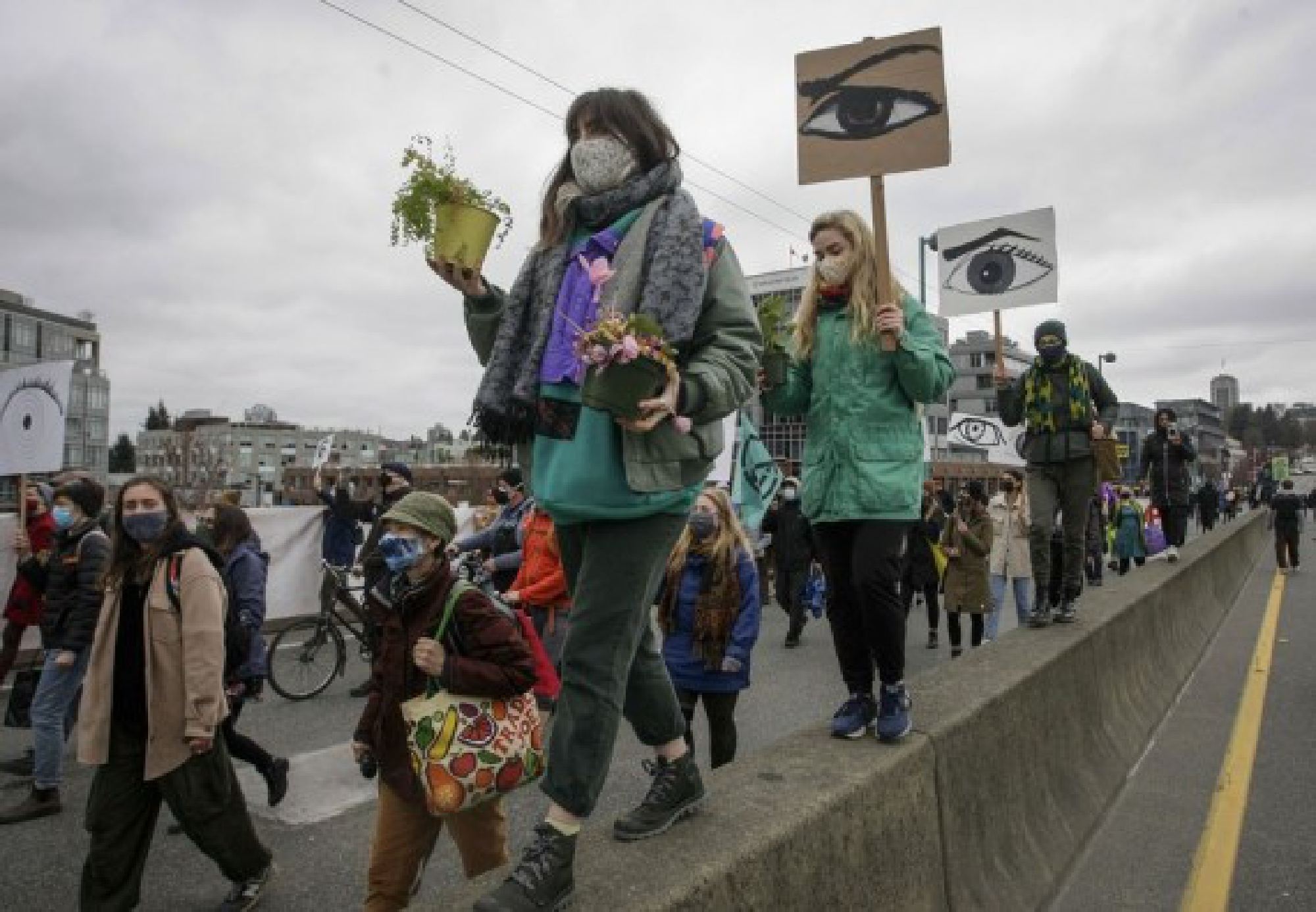
People march during a climate change protest in Vancouver, British Columbia, Canada, on March 27, 2021. (Xinhua/Liang Sen)People march during a climate change protest in Vancouver, British Columbia, Canada, on March 27, 2021. (Xinhua/Liang Sen)

Related Stories

The G20 summit, slated for this weekend, will also aim to help confront global crises, including the coronavirus pandemic, and will assess the situation in Afghanistan following the collapse of the country’s government.

The long-standing ministerial-level talks on finance, labor, education, foreign affairs, development, environmental protection, energy, culture, trade and agriculture are also on the event’s agenda.

The highlights of the ministerial meetings this year include: the finance summit focused on the international tax reform; the labor talks focused in part on gender equality; the negotiations on education, including the impacts of the pandemic on the education systems; and the discussions on the environment and energy, in preparation for the upcoming COP26 climate summit.

Each one of the series of talks held earlier in the year concluded with a final declaration that will be formally presented to the heads of state and government for its adoption.

“The big summit’s main role will be to review and adopt the conclusions of the many working groups, task forces and ministerial meetings,” Antonio Villafranca, research coordinator and head of the European Program at the Institute for International Political Studies (ISPI), a think tank, told Xinhua. “In Rome, the leaders will assess what has been done and what can still be done.”

One of the issues left to be decided, according to Villafranca, is whether the leaders would call for the curbing or elimination of the incentives that support the use of fossil fuels in the G20 countries.

A customer fuels a vehicle at a gas station in Berlin, capital of Germany, on Oct. 1, 2021. (Xinhua/Shan Yuqi)A customer fuels a vehicle at a gas station in Berlin, capital of Germany, on Oct. 1, 2021. (Xinhua/Shan Yuqi)
This decision will be significant since the G20 member states account for around 80 percent of the world’s primary energy use, according to an ISPI report.

If the leaders agree to reduce fossil fuel incentives it would also provide a boost to climate negotiations ahead of the COP26 climate negotiations, which get underway just as the G20 Leaders’ Summit closes.

But according to Raffaele Marchetti, an international relations professor at Rome’s LUISS University, the effectiveness of the G20 should not be measured by its ability to make decisions.

“The correct way to look at the G20 is as a forum for conversations between global leaders on important topics,” Marchetti told Xinhua. “It’s not necessarily a body for making major decisions. But those decisions can emerge from the discussions in the G20 context.”

“Other forums like the United Nations or the World Health Organization or the World Trade Organization are too large to be focused, and the G7 (Group of Seven) is too narrow and too dominated by western countries,” Marchetti said.

“But the G20 includes eastern and western powers alike. In most areas, it’s the best forum where the major powers — the United States, China and the European Union — are all involved.”

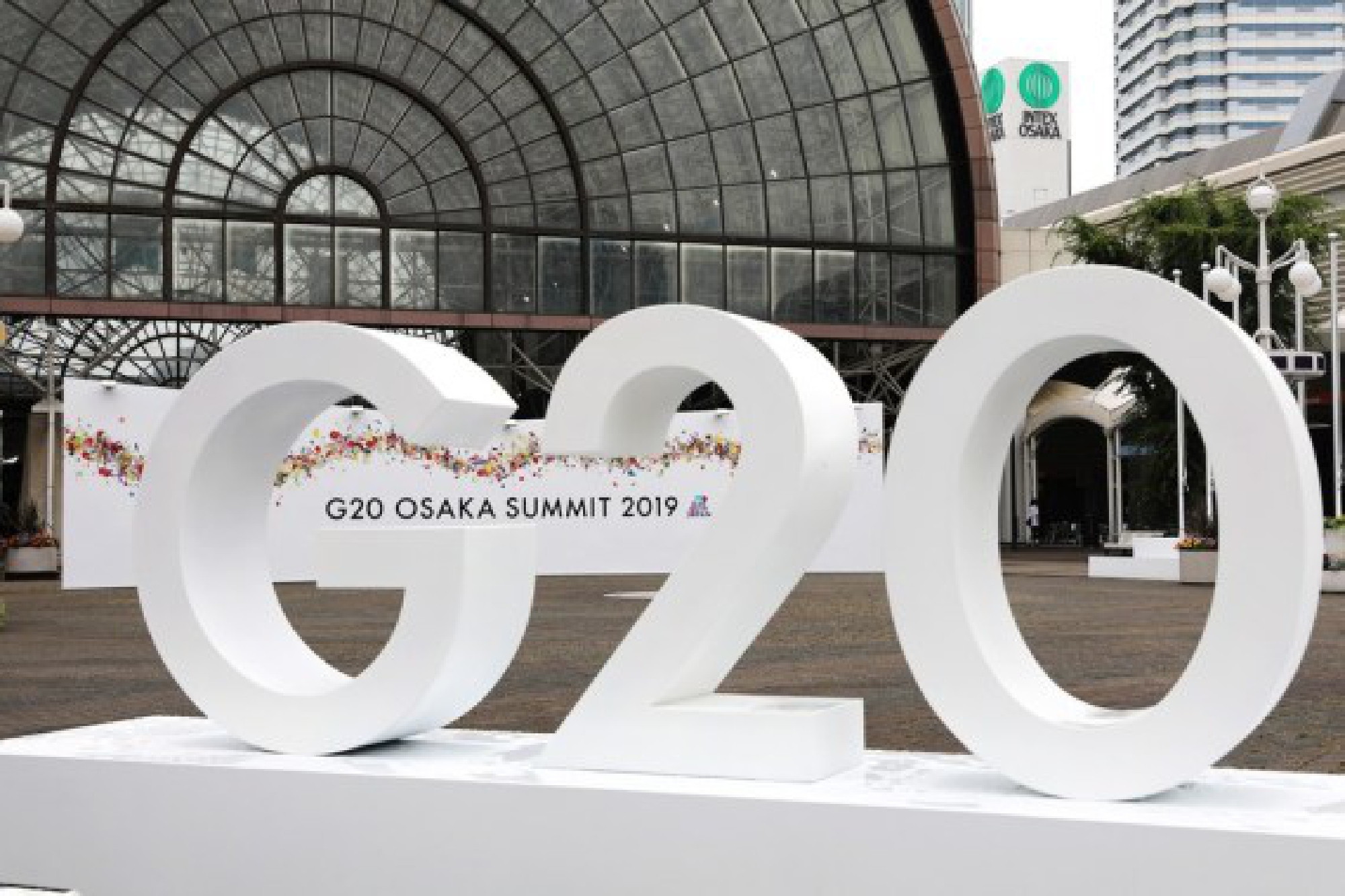
Photo taken on June 27, 2019 shows a logo of the Group of 20 (G20) summit at the entrance of the media center in Osaka, Japan. (Xinhua/Du Xiaoyi)Photo taken on June 27, 2019 shows a logo of the Group of 20 (G20) summit at the entrance of the media center in Osaka, Japan. (Xinhua/Du Xiaoyi)


Published : October 27, 2021

By : Xinhua

Largest Dutch pension fund ABP stops investing in fossil fuel assets #SootinClaimon.Com

#SootinClaimon.Com : ขอบคุณแหล่งข้อมูล : หนังสือพิมพ์ The Nation.

https://www.nationthailand.com/international/40008036


ABP, which has around three million clients in the Netherlands, said it will divest from the fossil fuel producers in phases.

ABP, the largest pension fund in the Netherlands, said on Tuesday that it will stop investing in producers of fossil fuels like oil, gas and coal.

The company stated that the reason for this decision lies in recently published reports by the International Energy Agency (IEA) and the United Nations Intergovernmental Panel on Climate Change (IPCC).

Since 2015, ABP has based its climate policy on the insights of the IPCC, whose latest report warned that stronger action is necessary to combat global warming.

Photo taken on Feb. 1, 2020 shows a glacier in the Weddell Sea off the Antarctic continent. (Xinhua/Liu Shiping)Photo taken on Feb. 1, 2020 shows a glacier in the Weddell Sea off the Antarctic continent. (Xinhua/Liu Shiping)
Related Stories

“We want to contribute to minimizing global warming to 1.5 degrees Celsius,” ABP Chairman of the Board Corien Wortmann said in a press release.

“We part with our investments in fossil fuel producers because we see insufficient opportunity for us as a shareholder to push for the necessary, significant acceleration of the energy transition at these companies,” she said.

“Where possible, we intend to increase our investments in renewable energy, already more than four billion euros, and our involvement in smart solutions for the energy transition,” Wortmann added.

ABP, which has around three million clients in the Netherlands, said it will divest from the fossil fuel producers in phases.

The bulk of its investments are expected to be sold by the first quarter of 2023. This concerns more than 15 billion euros (17.4 billion U.S. dollars) in assets, equal to almost three percent of ABP’s total assets. The fund does not expect the decision to have a negative impact on long-term returns.

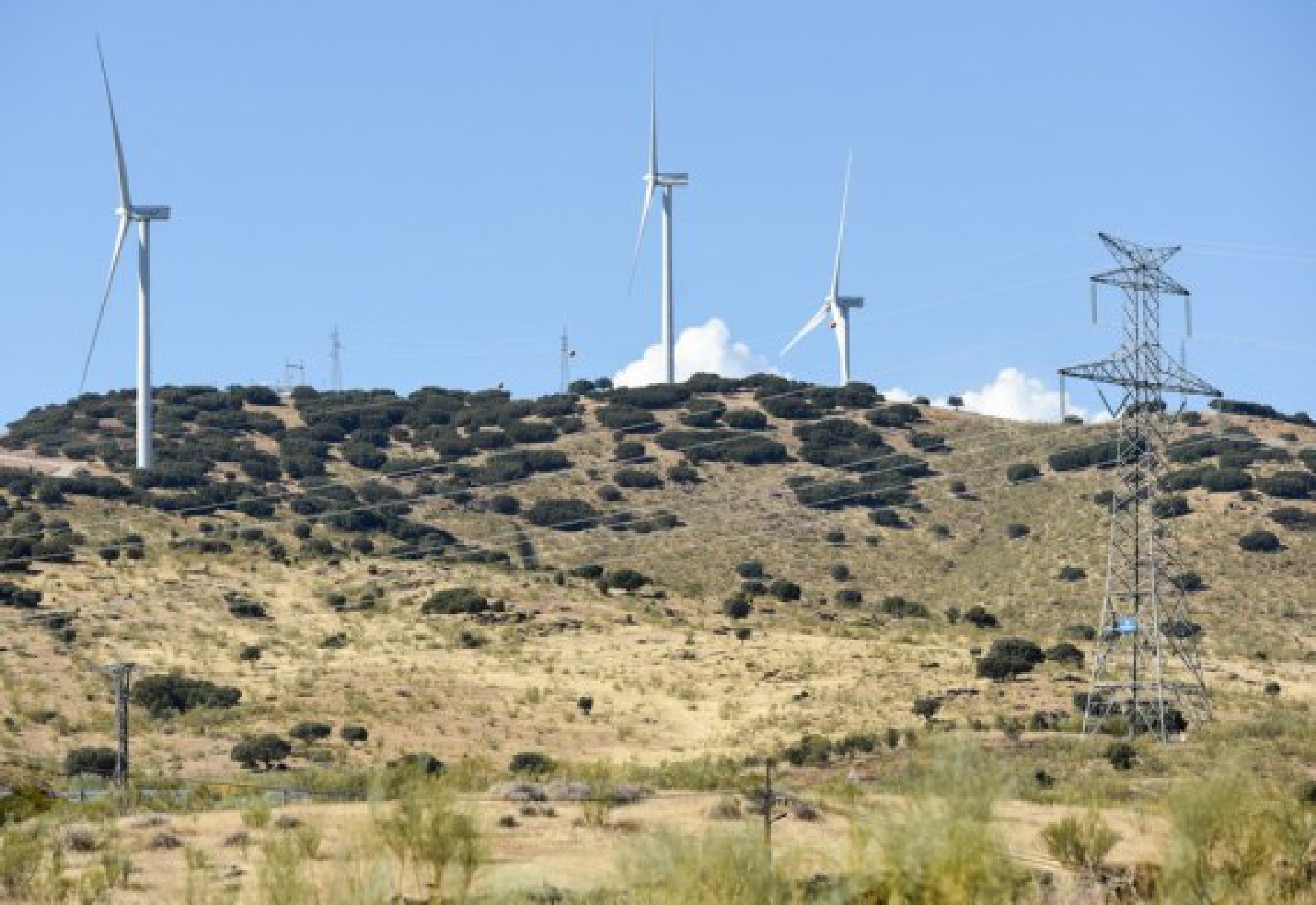
Photo taken on Aug. 30, 2021 shows wind turbines in Plasencia, Spain. (Photo by Gustavo Valiente/Xinhua)Photo taken on Aug. 30, 2021 shows wind turbines in Plasencia, Spain. (Photo by Gustavo Valiente/Xinhua)
Published : October 27, 2021

By : Xinhua

UN chief calls for leadership in climate action ahead of Glasgow conference #SootinClaimon.Com

#SootinClaimon.Com : ขอบคุณแหล่งข้อมูล : หนังสือพิมพ์ The Nation.

https://www.nationthailand.com/international/40008035


“The era of half measures and hollow promises must end. The time for closing the leadership gap must begin in Glasgow,” UN Secretary-General Antonio Guterres said.

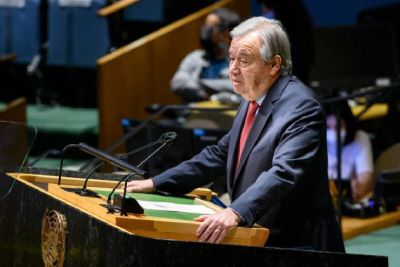
UN Secretary-General Antonio Guterres on Tuesday stressed the need to close the “leadership gap” in climate action before the UN Climate Change Conference in Glasgow, Scotland.

He made the plea at the launch of the UN Environment Programme’s Emissions Gap Report 2021, entitled “The Heat Is On.”

The report shows that with the present Nationally Determined Contributions and other firm commitments of countries around the world, the world is on track for a catastrophic global temperature rise of around 2.7 degrees Celsius above pre-industrial levels, he said.
 

Related Stories

“As the title of this year’s report puts it: ‘The heat is on.’ And as the contents of the report show: the leadership we need is off. Far off.”

The clock is ticking. The emissions gap is the result of a leadership gap. But leaders can still make this a turning point to a greener future instead of a tipping point to climate catastrophe, he said. “The era of half measures and hollow promises must end. The time for closing the leadership gap must begin in Glasgow.”

As world leaders prepare for Glasgow, this report is another thundering wake-up call.

Unless global carbon emissions are reduced by 45 percent from 2010 levels by 2030, the Paris Agreement goal of temperature rise of 1.5 degrees will not be obtained, he said.

Scientists are clear on the facts. Now leaders need to be just as clear in their actions. They need to come to Glasgow with bold, time-bound, front-loaded plans to reach net-zero emissions, he said. 

Published : October 27, 2021

By : Xinhua