Michael Jordans earliest known regular season game-worn Nike sneakers sold at a Sothebys auction in Las Vegas Sunday for $1.472 million, breaking a record for sneakers sold at auction.
The shoes were worn in Jordan’s fifth NBA game in his rookie season in 1984, the same year that Nike and Jordan created his signature line of shoes and clothes. The shoes were estimated to sell for $1 million to $1.5 million. The buyer hasn’t been identified yet.
The sneakers are “simply an incredible artifact that dates to the nascency of Michael Jordan’s rookie season,” said Brahm Wahter, head of Sotheby’s Streetwear and Modern Collectibles in a statement ahead of the auction.
The Jordans aren’t the most expensive sneakers ever sold. In April, the company Rares bought a $1.8 million pair of Kanye West’s Nike Air Yeezy 1 sneakers in a Sotheby’s private sale, making them the most expensive known pair of shoes ever sold.
Rares is one of dozens of similar companies that have sprung up in recent years, all of which offer shares in luxury goods, artworks and collectibles. Rares didn’t bid on the Jordan sneakers, a spokesperson said.
The shoes were sold as part of Sotheby’s Icons of Excellence & Haute Luxury auction in Las Vegas Sunday, which also includes jewelry, watches and collectors’ cars.
Today, the Jordan brand brings Nike billions of dollars each year and hard-to-get Jordan sneakers are resold on marketplaces like StockX and GOAT, sometimes for tens of thousands of dollars a pair.
สำนักข่าวรอยเตอร์รายงานว่า China Evergrande Group กล่าวในวันอาทิตย์ว่าได้กลับมาเริ่มทำงานในโครงการมากกว่า 10 โครงการใน 6 เมืองรวมถึงเซินเจิ้นซึ่งเป็นคำแถลงที่ออกมาหลังจากที่ดูเหมือนว่าบริษัทจะสามารถหลีกเลี่ยงการผิดนัดชำระด้วยการจ่ายคูปองพันธบัตรในนาทีสุดท้ายเมื่อสัปดาห์ที่แล้ว
เออร์วิง ฟินเคิล (Irving Finkel) ภัณฑารักษ์ในแผนกตะวันออกกลางของพิพิธภัณฑ์ลอนดอนและผู้แต่งหนังสือเรื่อง The First Ghosts: Most Ancient of Legacies (ผีตัวแรก มรดกจากยุคโบราณที่เก่าแก่ที่สุด) ที่กำลังจะออกจำหน่าย กล่าวว่าภาพผีปรากฏในแผ่นดินดิบซึ่งเป็นส่วนหนึ่งของคู่มือการไล่ผีที่รวบรวมไว้ในพิพิธภัณฑ์แห่งชาติอังกฤษ
จากการสำรวจที่จัดทำขึ้นในเดือนมิถุนายน 2013 โดย Russian Public Opinion Research Center (VTsIOM) พบว่าอย่างน้อย 90% ของชาวรัสเซียผู้ตอบแบบสำรวจเห็นด้วยกับกฎหมาย
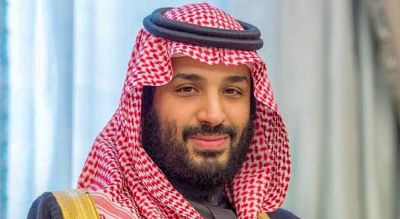
BEIRUT – Saudi Arabias crown prince pledged Saturday that OPECs largest producer will reach “net zero” greenhouse gas emissions by 2060, joining other nations in setting ambitious targets before next months U.N. climate summit.
The announcement was made by Saudi Crown Prince Mohammed bin Salman in a televised statement at the kingdom’s first Saudi Green Initiative Forum. Previously, the powerful Saudi energy minister, Prince Abdulaziz bin Salman, had ridiculed the International Energy Agency’s 2050 target for reaching net-zero emissions, calling it “a sequel to (the) ‘La La Land’ movie.”
But there was no indication in Saturday’s announcement that Saudi Arabia aims to slow down its investments in new oil and gas development. The Saudi economy still heavily relies on revenue from fossil fuels, despite an aggressive campaign spearheaded by the crown prince to diversify its commerce away from the production of fossil fuels.
The announcement also provided little detail as to how the kingdom aims to reach its goals and cut emissions in the short term, which experts say is a necessity for capping global warming at the level agreed upon in the 2015 Paris accord.
At next month’s COP26 climate summit in Glasgow, Scotland, more than 100 countries will hold further talks on ways to slow Earth’s warming amid alarming evidence that the pace of climate change could be moving faster than earlier predictions.
The prince emphasized his intention to turn the Saudi capital, Riyadh, into one of world’s most sustainable global cities. By 2030, he vowed to plant 450 million trees, to rehabilitate nearly 20 million acres of land – about the size of South Carolina – and to reduce 278 million tons of carbon emissions a year.
The transition to net-zero carbon emissions, the prince said, will be reached through a “carbon circular economy” – a plan built around initiatives such as recycling and carbon removal – but he gave no specific details.
This transition will be reached in a way that “preserves the kingdom’s leading role in enhancing the security and stability of global energy markets, in light of the maturity and availability of the necessary technologies to manage and lower emissions,” he said.
During the Riyadh forum, the Saudi energy minister said the goal could be achieved earlier than 2060 and would not have any adverse financial or economic impact.
The minister promised that what is happening now “is only a prelude of what kind of a vision we would have that would enable us to build the bridges between sustainability, economic diversity, economic growth and the enhancement of the well-being of Saudi Arabia.”
Saudi Arabia also joined the Global Methane Pledge, an agreement to cut methane emissions by 30 percent by 2030. The pledge has become a high priority for the United States and the European Union. Saudi Arabia is one of the world’s largest producers of natural gas, which is made up almost entirely of methane, much of which leaks into the atmosphere.
About half of the world’s 20 largest emitters have now signed up to reducing their methane, which is one of the most potent greenhouse gases.
Saudi officials and Amin Nasser, chief executive of Saudi oil giant Aramco, expect demand for oil to continue and for it to be the dominant energy source for decades to come, and argue that reducing supply before demand drops risks a dangerous oil price spike, hurting economies such as Saudi Arabia’s that are dependent on oil and gas.


 หลังจากที่ Shiba Inu ทำมูลค่าสูงสุดตลอดกาล แฟนพันธุ์ของ Dogecoin อย่าง Elon Musk ก็เบรกมันในทันที ผลก็คือ …
 เหรียญหมา Shiba Inu ที่เคยแรงเมื่อหลายเดือนก่อน ก่อนจะเงียบไป ตอนนี้จู่ๆ กลับมาทะยานแบบไม่ทันตั้งตัวอีกครั้ง
 จีนไม่รอด พบการระบาดอีกระลอก หลังจากควบคุมได้แล้วก็เกิดคลัสเตอร์ใหม่ๆ ไม่หยุดแม้จะมีระยะห่างกันก็ตาม
 บริษัท Evergrande ที่ถูกหนี้รุมเร้าของจีนกลับมาทำงานในโครงการอสังหาริมทรัพย์มากกว่า 10 โครงการ
 อันดับที่ 1 ค่อนข้างเซอร์ไพรส์เพราะนำมาโดยเพื่อนบ้านอาเซียนของเรา ในขณะที่สองและสามมาไกลจากลาตินอเมริกา
 แผ่นจารึกที่ทำขึ้นในบาบิโลนโบราณประมาณ 1500 ปีก่อนคริสตศักราช อาจเป็นภาพแรกของผีที่เรารู้จักกัน จากการเปิดเผยนักวิชาการชั้นนำของจารึกตะวันออกกลางโบราณ
 ผู้นำรัสเซียขึ้นชื่อในเรื่องทัศนะที่ต่อต้านความหลากหลายทางเพศเป็นทุนเดิมอยู่แล้ว คราวนี้เขาโจมตีหนักถึงแนวโน้มที่ประเทศตะวันตกเริ่มเปิดกว้างให้เด็กๆ เลือกเพศทางเลือกได้ตั้งแต่ก่อนบรรลุนิติภาวะ
 หลังจากที่เปิดให้ประชาชนทั่วไปใช้วัคซีนของ Sinovac โดยบริการของเอกชนมาหลายเดือน