นักวิทยาศาสตร์ที่ชื่อ Ziteng Wang (หวาง จื่อเถิง) ที่มหาวิทยาลัยซิดนีย์ในออสเตรเลียเป็นผู้ค้นพบคลื่นวิทยุลึกลับเป็นครั้งแรก ส่งมาจากทิศทางของใจกลางของกาแล็กซี หรือดาราจักร โดยไม่ทราบว่าอะไรหรือใครที่ส่งมันออกมา แต่พบว่าสัญญาณของมันเปิดปิดแบบสุ่มโดยไม่เป็นระบบ จากการรายงานของ New Scientist
สัญญาณวิทยุแปลกๆ นี้ถูกตั้งชื่อว่า “วัตถุของแอนดี” (Andy’s object) ตามชื่อของ Ziteng Wang ซึ่งเขาใช้อีกชื่อว่า Andy โดย Wang หรือ Andy กับเพื่อนร่วมงานค้นพบการสัญญาณ 6 ครั้งในปี 2020 โดยใช้กล้องโทรทรรศน์วิทยุ Australian Square Kilometer Array Pathfinder พวกเขาได้ทำการสังเกตการณ์เพิ่มเติมด้วยกล้องโทรทรรศน์วิทยุ MeerKAT ในแอฟริกาใต้
The Jan. 6 special committee requested in August that the National Archives, which is the custodian of the Donald Trump White Houses records, submit a long list of records from Trumps time in office and the aftermath of the Capitol riot.
Former U.S. President Donald Trump filed a lawsuit Monday against the National Archives and a House special committee investigating the Jan. 6 Capitol riot in a bid to block Congress from obtaining certain documents related to the insurrection.
“The Committee’s request amounts to nothing less than a vexatious, illegal fishing expedition openly endorsed by Biden and designed to unconstitutionally investigate President Trump and his administration,” the lawsuit read. “Our laws do not permit such an impulsive, egregious action against a former President and his close advisors.”
The committee requested in August that the National Archives, which is the custodian of the Trump White House’s records, submit a long list of records from Trump’s time in office and the aftermath of the Capitol riot.
The request is part of the panel’s ongoing and intensifying investigation into how a mob of Trump’s supporters breached the Capitol on Jan. 6 trying to stop a Congressional joint session from certifying the 2020 presidential election result to Joe Biden.
Trump has said he would assert executive privilege to shield the documents requested by the committee, but Biden, who legal experts said has the ultimate say over whether the information sought by the panel is covered by the executive privilege, determined that Trump’s effort to conceal the documents was neither in the best interest of the United States nor justified.
In an Oct. 8 letter to Archivist of the United States David Ferriero, White House Counsel Dana Remus demanded that the archivist turn over a subset of the required documents that Trump identified as privileged to Congress. Remus added that those documents should be submitted 30 days after Ferriero notified the former president.
Trump, however, claimed in the lawsuit filed in the DC District Court that Biden has an interest in preserving his executive privilege, saying it amounted to “a political ploy to accommodate his partisan allies.”
“As it relates to any materials being sought in situations like this, where fundamental privileges and constitutional issues are at stake and where a committee has declined to grant sufficient time to conduct a full review, there is a longstanding bipartisan tradition of protective assertions of executive privilege designed to ensure the ability to make a final assertion, if necessary, over some or all of the requested material,” the lawsuit read.
In addition to seeking documents from the Trump White House, the special committee also sent subpoenas to and asked depositions from several former senior officials in the Trump administration, including Steve Bannon, Trump’s former chief strategist who defied the subpoena and didn’t show up at the scheduled hearing last week.
Bannon’s no-show infuriated the Democrat-led panel, prompting it to set up a vote Tuesday to recommend criminal contempt charges against him.
In what could potentially be another blow to the former president, Democrat Bennie Thompson, who chairs the special committee, didn’t rule out subpoenaing Trump.
Supporters of U.S. President Donald Trump gather near the U.S. Capitol building in Washington, D.C., the United States, Jan. 6, 2021. (Xinhua/Liu Jie)
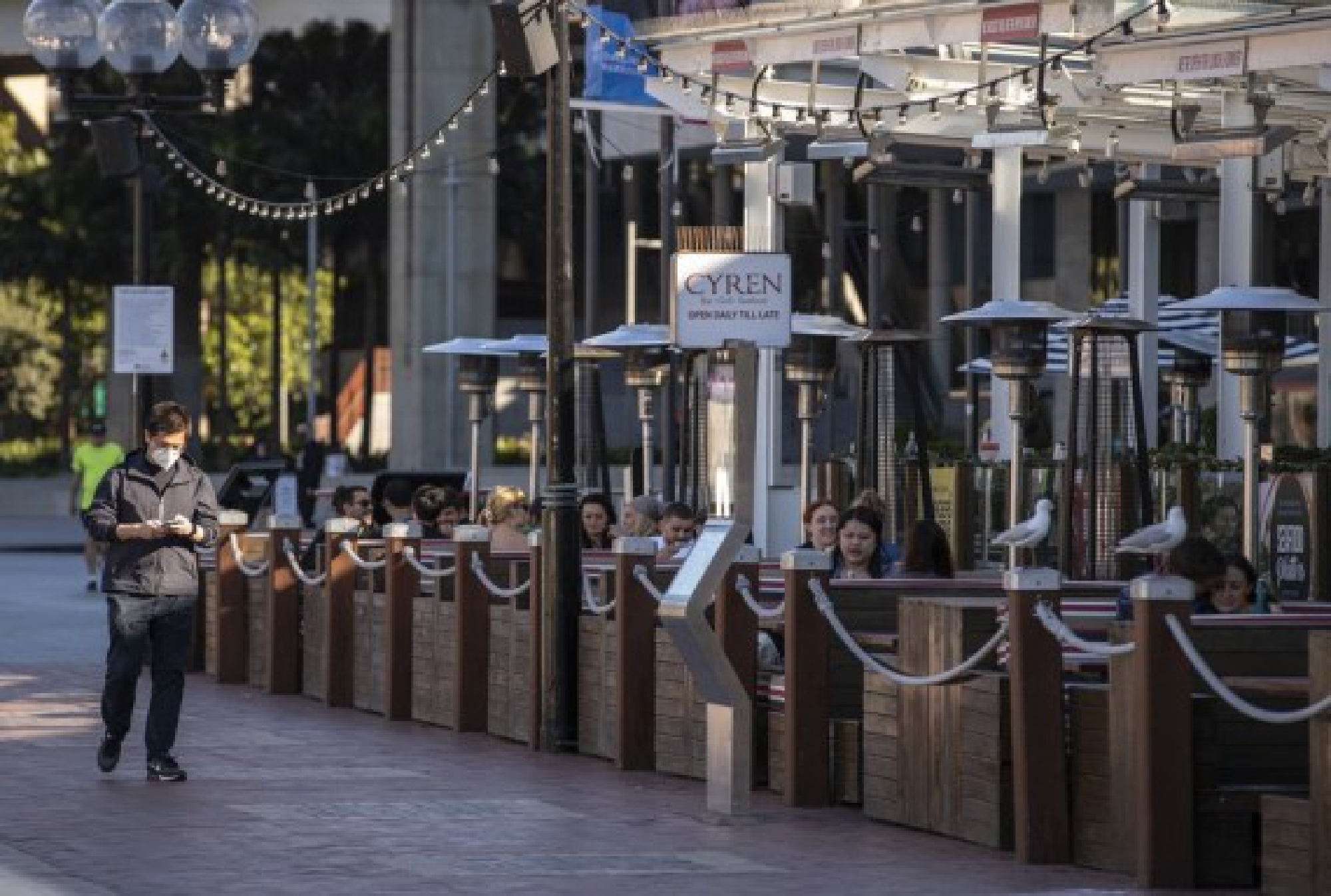
After more than 100 days in lockdown, residents of Australias most populous state of New South Wales (NSW) enjoy more freedom as the state reached its 80-percent vaccination rate target. However, people have been faced with new anxieties and challenges that come with re-adjusting to normal life.
After more than 100 days in lockdown, residents of Australia’s most populous state of New South Wales (NSW) enjoy more freedom from Monday, as the state reached its 80-percent vaccination rate target.
However, people have been faced with new anxieties and challenges that come with re-adjusting to normal life.
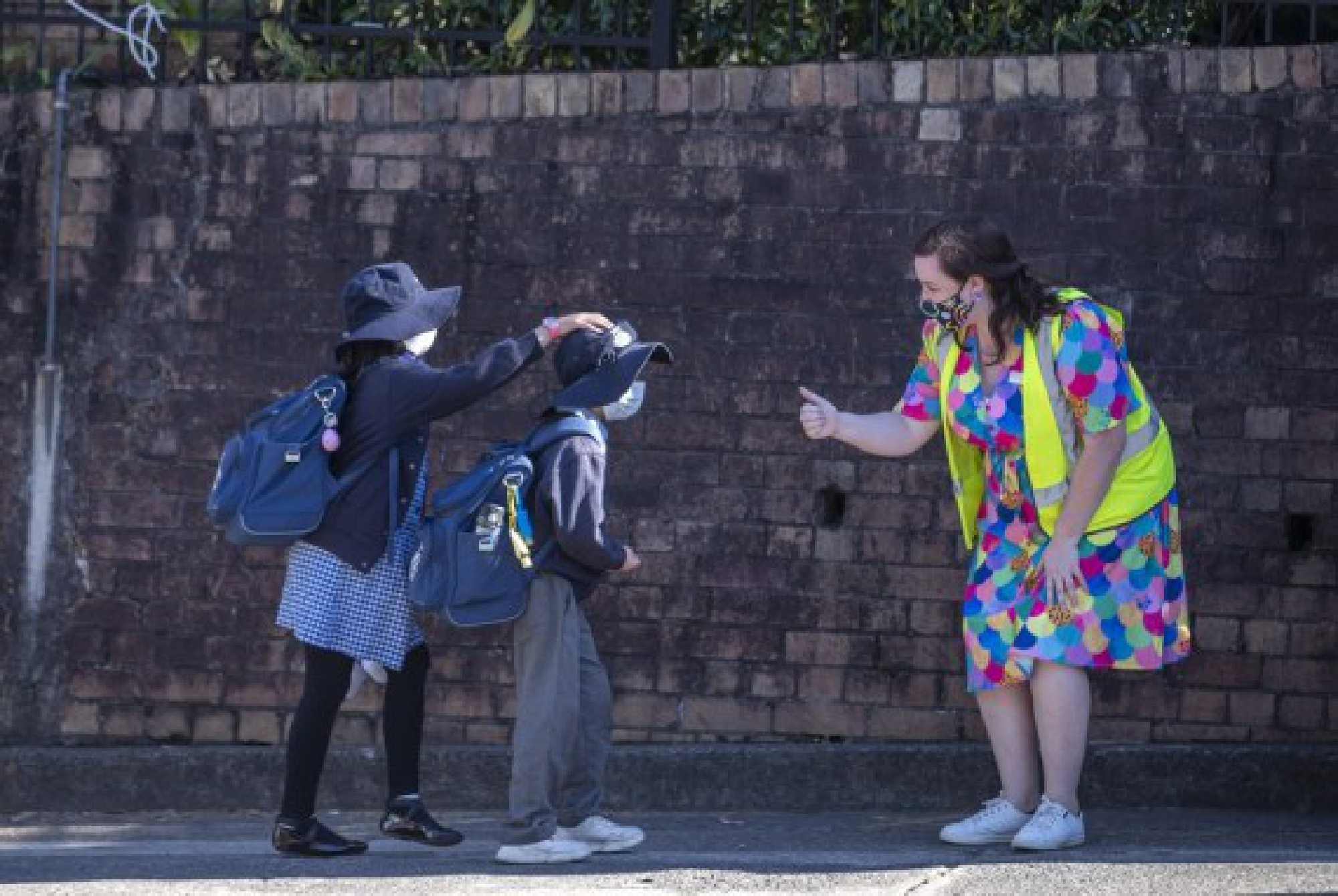
Mother of two, Sherry Lee, sent her twin boys in Year 1 back to school in Sydney on Monday morning for the first time since lockdowns ended. She packed three masks for each child and showed them how they should wear them, but this only did so much to put her worries to rest.
Prayut eyes reopening Thailand to foreign filmmakers after Crowe extols Phuket Sandbox
“It’s great to have the kids back to school, but I don’t feel quite at ease. The reports that the Delta variant is more infectious for young people and kids than the previous variants made me feel stressed,” she told Xinhua.
Shelly Diane, a 25-year-old marketing specialist living in Sydney’s north, told Xinhua that it has been hard to feel the same sense of comfort she used to in public spaces, especially indoors.
Prayut eyes reopening Thailand to foreign filmmakers after Crowe extols Phuket Sandbox
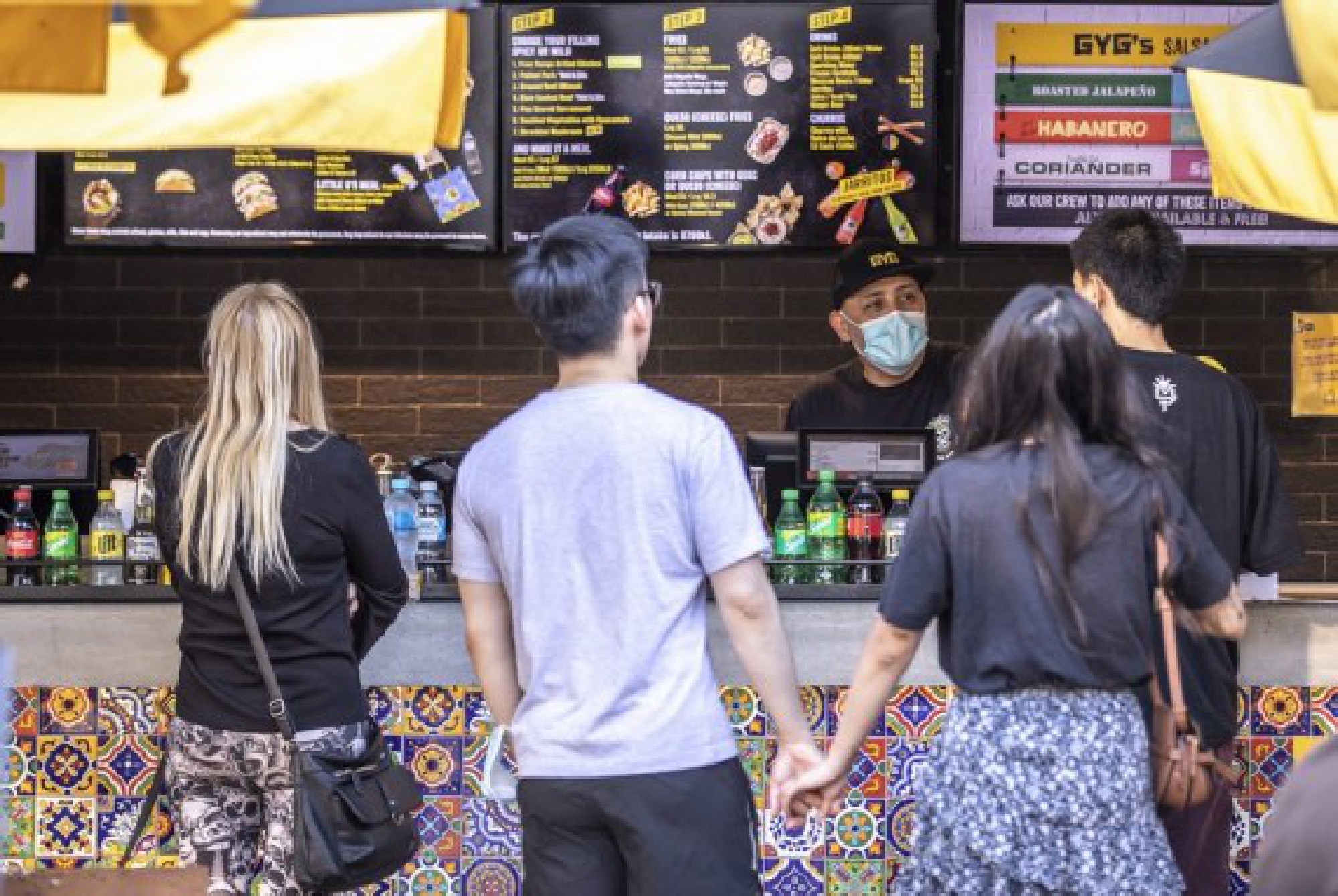
“I went to a bar with my family, and you feel a bit claustrophobic being surrounded by so many people. It is hard to feel the same sense of safety. I was shocked and nervous when they didn’t check out vaccination at the door,” said Diane.
Dr. Suraj Samtani, clinical psychologist and postdoctoral fellow at UNSW Sydney’s Centre for Healthy Brain Ageing (CHeBA) told Xinhua it is understandable that people would feel anxious during these initial stages, especially when many rules and regulations are still up in the air and being adjusted.
“When you’ve gone to a venue and your vaccine passport wasn’t checked, that takes away that knowledge that you’re surrounded by vaccinated people,” said Samtani.
“It’s really important for people to have a sense of control so that they can manage their risk and level of anxiety.”
Thirty-three-year-old law student Ryan Leaney told Xinhua many everyday things, like getting a haircut, have become new points of anxiety.
“Honestly it was strange doing something so normal after such a long time, afterwards I felt quite overwhelmed and emotional.”
Samtani said this reaction is “normal”.
“People can feel overwhelmed because they’ve been living under so much uncertainty for so long and they’re just finally able to do something familiar.”
While non-essential workers are yet to return to their workplaces, after working from home for so long returning to physical workplaces will likely be a major point of anxiety for many.
Diane said she has been “dreading” the return to the office.
“I just feel really anxious about meetings in person and being in that professional environment, it is very different from having meetings online from the comfort of your own home.”
Leaney said that while he is excited to return to the classroom, he is nervous that his social skills have declined during lockdown.
“There’s that anxiety of like, ‘Am I ready to talk to a new people?'”
Australian mental health and suicide hotline, Lifeline, reported in October that demand for their service had seen an increase of 40 percent since pre-pandemic times.
“As we navigate the economic recovery from this pandemic, we must also support people’s mental wellbeing along the way,” said NSW Premier Dominic Perrottet while announcing a 130-million-Australian-dollar (about 96-million-U.S.-dollar) investment in the state’s mental health services.
Samtani said that going forward it would be important for people not to make their assessment of health risks based on the number of daily cases, and overcoming feelings of anxiety would be a gradual process.
“If a situation is safe and you have been avoiding it, it prevents you from learning that the situation is actually safe. And by putting yourself in a situation where you’re doing a small, achievable step, and repeating that several times… (you can) gradually build your confidence over time.”
“Avoidance leads to anxiety, and experience leads to confidence.”
Prayut eyes reopening Thailand to foreign filmmakers after Crowe extols Phuket Sandbox
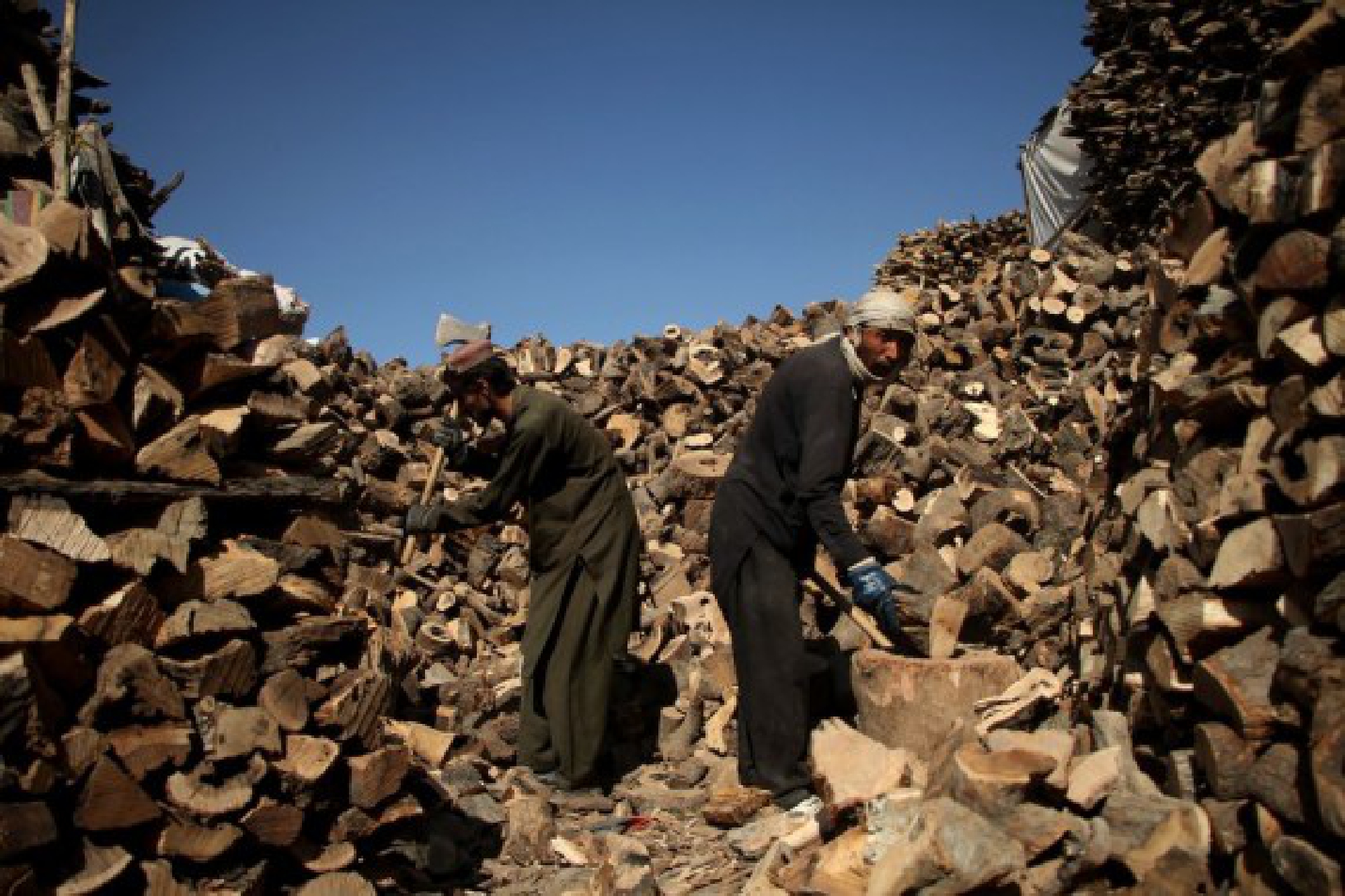
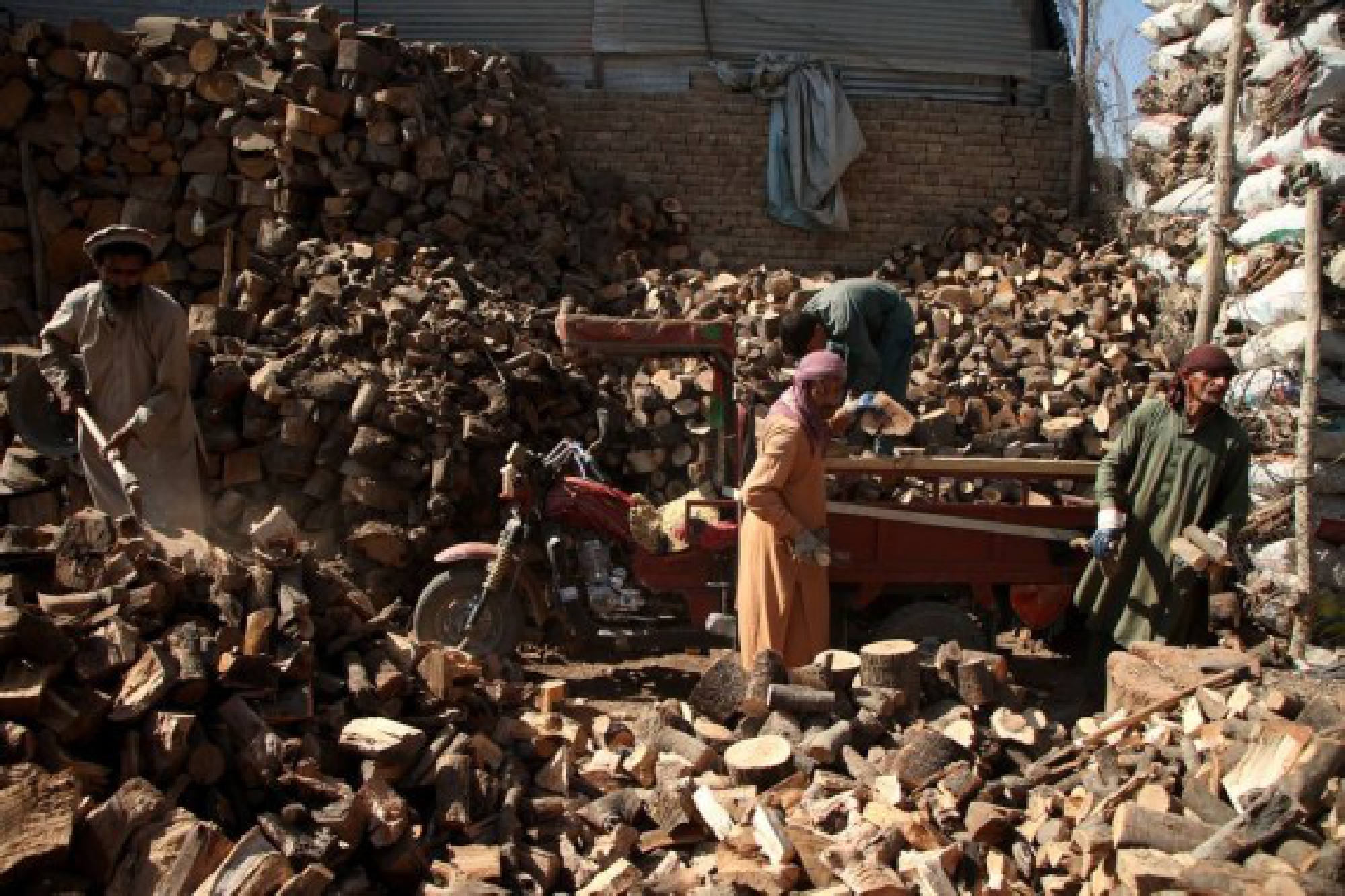
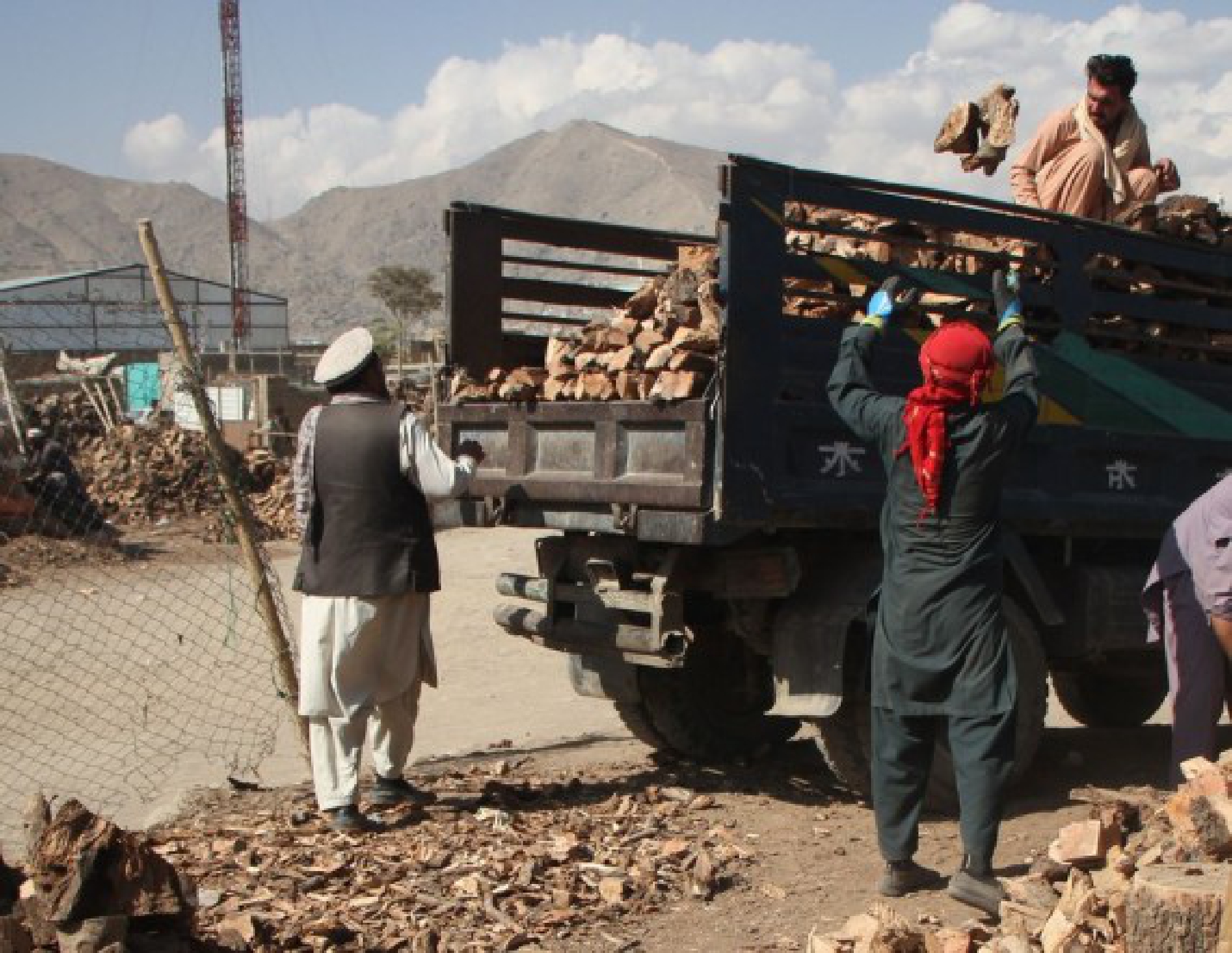
The skyrocketing prices of daily needs have sandwiched the ordinary people, a wood buyer Yar Mohammad said, adding that the closure of borders and freezing Afghan assets abroad has caused economic problems for Afghans.
People are struggling to cope with the incoming winter in the war-torn and cash-strapped Afghanistan, as the majority of the country’s some 35 million population living under the poverty line and barely can bear the expenses of daily basic needs.
“The purchase of power is sliming day by day and people can’t afford to buy wood or other necessities to cope with the winter and keep their homes warm in the chilly season,” a wood buyer Yar Mohammad told Xinhua.
Bargaining with the wood seller in a local wood market here, Mohammad said that the skyrocketing prices of daily needs have sandwiched the ordinary people, adding that the closure of borders and freezing Afghan assets abroad has caused economic problems for Afghans.
Afghan men work at a wood market in Kabul, Afghanistan, Oct. 17, 2021. (Photo by Saifurahman Safi/Xinhua)
“Borders are closed, banks don’t have normal activities and Afghanistan assets abroad have been frozen,” Mohammad said angrily.
The United States has reportedly frozen more than 10 billion U.S. dollars of Afghanistan since the Taliban took over the power of the country in mid-August, which led to an uncertain situation in Afghanistan where bank account owners have begun withdrawing their capital and local banks can not give more than 200 U.S. dollars each week.
Afghan men work at a wood market in Kabul, Afghanistan, Oct. 17, 2021. (Photo by Saifurahman Safi/Xinhua)
The country’s economic situation worsens with a high inflation rate, increasing unemployment and growing poverty.
The majority of people in Afghanistan do not have a central heating system in their homes and largely relying on the old-fashion heating system, the wood stove, to keep their home warm in the mountainous country.
“The business has flopped, the number of jobless people is on the rise and the economic situation is extremely unstable while the prices of fuel including petrol and diesel are going up day by day,” a coal seller Mohammad Sabir whispered.
Last year at this time, according to Sabir, his shop was full of coal buyers. But nowadays, rarely do locals ask for coal, although the price is not too high.
“The price of one-ton coal was 10,000 afghanis last year but this year it costs 11,000 afghanis,” Sabir said, adding the purchase of power of the people has been shrunk this year in comparison with last year.
According to Sabir, 1 U.S. dollar equals 89. 80 afghani nowadays, while in last year, 1 U.S. dollar exchanged to 72 afghani.
Afghan men work at a wood market in Kabul, Afghanistan, Oct. 17, 2021. (Photo by Saifurahman Safi/Xinhua)
WASHINGTON – U.S. politicians from both parties on Monday remembered Colin L. Powell as a highly respected public servant, trusted adviser to presidents and statesman upon learning that the former secretary of state and chairman of the Joint Chiefs of Staff had died of complications from covid-19.
“Many Presidents relied on General Powell’s counsel and experience,” former president George W. Bush said in a statement. “He was such a favorite of Presidents that he earned the Presidential Medal of Freedom – twice. He was highly respected at home and abroad. And most important, Colin was a family man and a friend.”
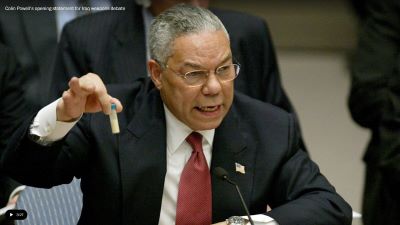
Powell served as secretary of state under Bush – a tenure that was marred by a 2003 appearance before the United Nations in which Powell cited faulty information in seeking to make the case for U.S. war against Iraq.
That episode was largely set aside Monday, however, as tributes poured in for a man whose career in public service began when he was a soldier in Vietnam.
Rep. Bobby Rush, D-Ill., who served in the U.S. Army during the Vietnam War era long before heading to Capitol Hill, praised Powell’s military leadership.
“Simply stated, Colin Powell was a great general, a distinguished combat soldier, an outstanding statesman, and an inspirational leader whose transcendent presence served as a beacon and a rock to present and future generations,” he tweeted.
Senate Minority Leader Mitch McConnell, R-Ky., celebrated Powell’s journey as a testament to the American Dream.
“It is hard to imagine a more quintessentially American story: A son of Jamaican immigrants who learned Yiddish from his boyhood neighbors in the Bronx becomes a four-star general in the United States Army and serves four presidential administrations, including as National Security Advisor, the youngest-ever Chairman of the Joint Chiefs of Staff, and the first Black Secretary of State,” he said in a statement.
Senate Armed Services Committee Chairman Jack Reed, D-R.I., said Powell “was resolute and honorable throughout his life and career, and America is fortunate to have benefitted from his leadership.”
In a tweet, Sen. Mitt Romney, R-Utah, remembered Powell as “a man of undaunted courage and a champion of character.”
“A statesmen & trailblazer, devoted to America and the cause of liberty, Colin Powell’s legacy of service & honor will long inspire,” Romney said.
Powell was the first African American to serve as secretary of state and as chairman of the Joint Chiefs of Staff. He was urged at several points to run for president but never mounted a bid.
“America needs more leaders like him at this moment, people willing to put nation over party and to call us together,” Sen. Christopher Coons, D-Del., said in a statement. “Colin was truly a class act, who loved our nation deeply and who worked diligently in service to our country in key diplomatic, national security and public service roles over several decades. His loss will be felt by all who served with and learned from him.”
Former vice president Richard B. Cheney also pointed to Powell’s role as a trailblazer.
“General Powell had a remarkably distinguished career, and I was fortunate to work with him,” Cheney said in a statement that noted Powell’s service in Operations Desert Shield and Desert Storm, among other things. “Colin was a trailblazer and role model for so many: the son of immigrants who rose to become National Security Advisor, Chairman of the Joint Chiefs, and Secretary of State.”
Jaime Harrison, chairman of the Democratic National Committee, said he had been personally moved by Powell’s achievements.
“As a young Black man, I was inspired by Secretary Powell, who showed there is no limit to what we can be or achieve,” Harrison said in a statement.
Sen. Tim Scott, R-S.C., the only Black GOP member of the Senate, also credited Powell for having broken “countless barriers along the way.”
On Twitter, Sen. Patrick Leahy, D-Vt., called Powell “a wise, decent & generous spirit” and noted that Powell got married on the same day that Leahy did.
“He & Alma were married on the same day that we were and most yrs on that day we’d talk with & tease each other,” Leahy said. “Our hearts are heavy & our thoughts are w/ Alma & their family.”
Defense Secretary Lloyd Austin, the nation’s first Black defense secretary, called Powell “one of the greatest leaders that we have ever witnessed.”
“Alma lost a great husband, and the family lost a tremendous father, and I lost a tremendous personal friend and mentor,” Austin told reporters. “He always made time for me, and I could always go to him with tough issues. He always had great counsel. We will certainly miss him. I feel as if I have a hole in my heart.”
“Quite frankly, it is not possible to replace a Colin Powell,” Austin added, noting Powell’s trailblazing status as the first African American chairman of the Joint Chiefs of Staff and as secretary of state.
Despite his controversial role in selling the Iraq War, Powell was broadly popular within the State Department for the attention he paid to the needs of the men and women of the Foreign Service.
On Monday, the American Foreign Service Association, the union that represents U.S. diplomats, released a statement calling Powell “a true patriot and public servant.”
“Few secretaries have devoted as much time and energy to ensuring that the professional career Foreign Service was properly staffed, resourced, consulted, and respected,” the AFSA said in a statement. “For that, Secretary Powell will always be remembered with great affection and appreciation.”
Remembrances of Powell were also shared by those with whom he worked around the globe.
Jack Straw, Britain’s former foreign secretary and Powell’s counterpart, called him “a brilliant diplomat because he always had time for people.” They last exchanged messages a month ago.
Powell was “indefatigable in the amount of work that he put in. My wife nicknamed him ‘the other man in her life'” because he used to call at 11 p.m., Straw said to the BBC.
He said that Powell regretted the way he presented the case for the invasion of Iraq: “He did regret it, as did I.”
“He felt rather personally that this had been a blight on an otherwise impeccable reputation,” Straw said, “but it is my belief that people will see his career in the balance and put that against all his other extraordinary achievements.”
“He could have been president,” Straw said. He said he and Powell talked “a number of times” about his decision not to run and that “the reason, he told me, … was because of his wife.”
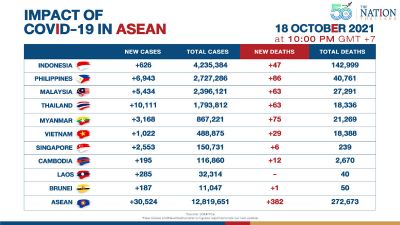
The number of Covid-19 cases crossed 12.81 million across Southeast Asia, with 30,524 new cases reported on Monday (October 18), lower than Sunday’s tally at 32,979. New deaths are at 382, decreasing from Sunday’s number of 403. Total Covid-19 deaths in Asean are now at 272,673.
Cambodian Ministry of Posts and Telecommunication has officially launched the “StopCovid QR Vaccine” QR Code on Monday. The system makes it easier for the location of people involved in any positive cases of Covid-19, quarantine control, and presentation of information on vaccination of each individual. The ministry hopes that it will help contain and prevent the spread of Covid-19, and contribute to promoting the reopening of all sectors in the new norm
Meanwhile, Vietnamese government approved a national science-technology programme for promoting studies and production of human vaccines by 2030. Under the programme, the production of all domestic vaccines will meet international standards and sufficiently supply the National Expanded Programme on Immunisation. The country also looks forward to exporting its home-grown vaccines.
By 2025, Vietnam is expected to own production technologies of at least 10 vaccines and produce at least three. The figures will reach 15 and five by 2030. It will also promote the use of both latest and conventional technologies for producing vaccines against Covid-19, cancers and others.
 นิวนอร์มอลที่ไม่นอร์มอล ดีไซน์นี้ออกมาแบบเพื่อตอบรับกับยุคแห่งการระบาดใหญ่และยอมรับกับการใช้ชีวิตตามปกติหลังการเปิดเมืองของญี่ปุ่น


 เก่าแก่ 1,900 ปี หูหนานพบ 4 สุสาน-เครื่องประดับสตรี ยุคฮั่นตะวันออก-สามก๊ก
 มันไม่เหมือนกับวัตถุทางดาราศาสตร์ที่เคยพบมาก่อน ปลุกกระแสคาดการณ์เรื่องสิ่งมีชีวิตนอกโลกขึ้นมาอีกครั้ง
 จีนทดสอบความสามารถด้านอวกาศครั้งใหม่ด้วยยานติดตั้งกับขีปนาวุธที่มีความเร็วเหนือเสียง จากการรายงานของ Financial Times รายงานเมื่อวันเสาร์
 รถไฟหัวกระสุน “ล้านช้าง” เดินทางถึงชายแดนบ่อเต็นทางตอนเหนือของลาว หลังจากวิ่งผ่านเส้นพรมแดนจีน-ลาวภายในอุโมงค์มิตรภาพ วันที่ 15 ต.ค. 2021



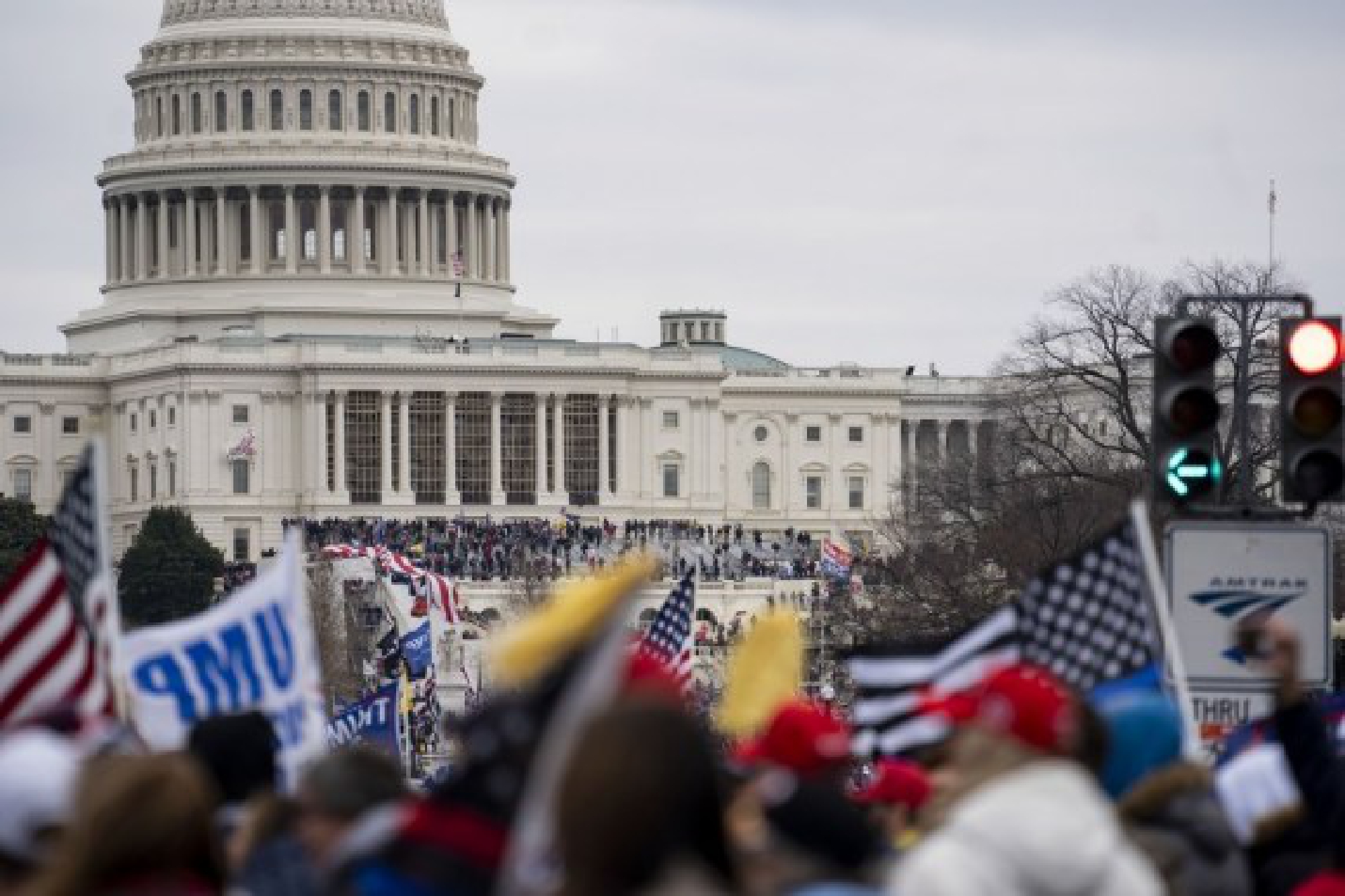 Supporters of U.S. President Donald Trump gather near the U.S. Capitol building in Washington, D.C., the United States, Jan. 6, 2021. (Xinhua/Liu Jie)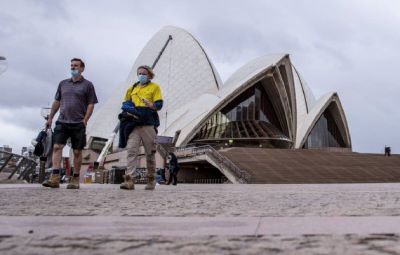
 Prayut eyes reopening Thailand to foreign filmmakers after Crowe extols Phuket Sandbox
 Prayut eyes reopening Thailand to foreign filmmakers after Crowe extols Phuket Sandbox
 Prayut eyes reopening Thailand to foreign filmmakers after Crowe extols Phuket Sandbox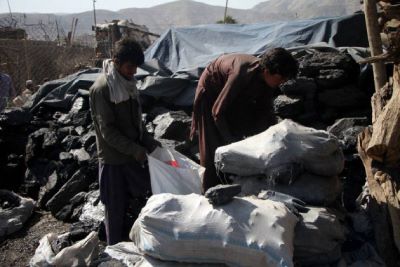
 Afghan men work at a wood market in Kabul, Afghanistan, Oct. 17, 2021. (Photo by Saifurahman Safi/Xinhua)
 Afghan men work at a wood market in Kabul, Afghanistan, Oct. 17, 2021. (Photo by Saifurahman Safi/Xinhua)
 Afghan men work at a wood market in Kabul, Afghanistan, Oct. 17, 2021. (Photo by Saifurahman Safi/Xinhua)