Japans businesses offering special perks to reward vaccinations
Hotels and department stores are among the many businesses offering discounts and other special perks for customers who get vaccinated against covid-19.
With their revenue slumping amid the pandemic, businesses hope that offering special services to vaccinated customers will boost their sales. There are also hopes that increased inoculations will stimulate overall consumption.
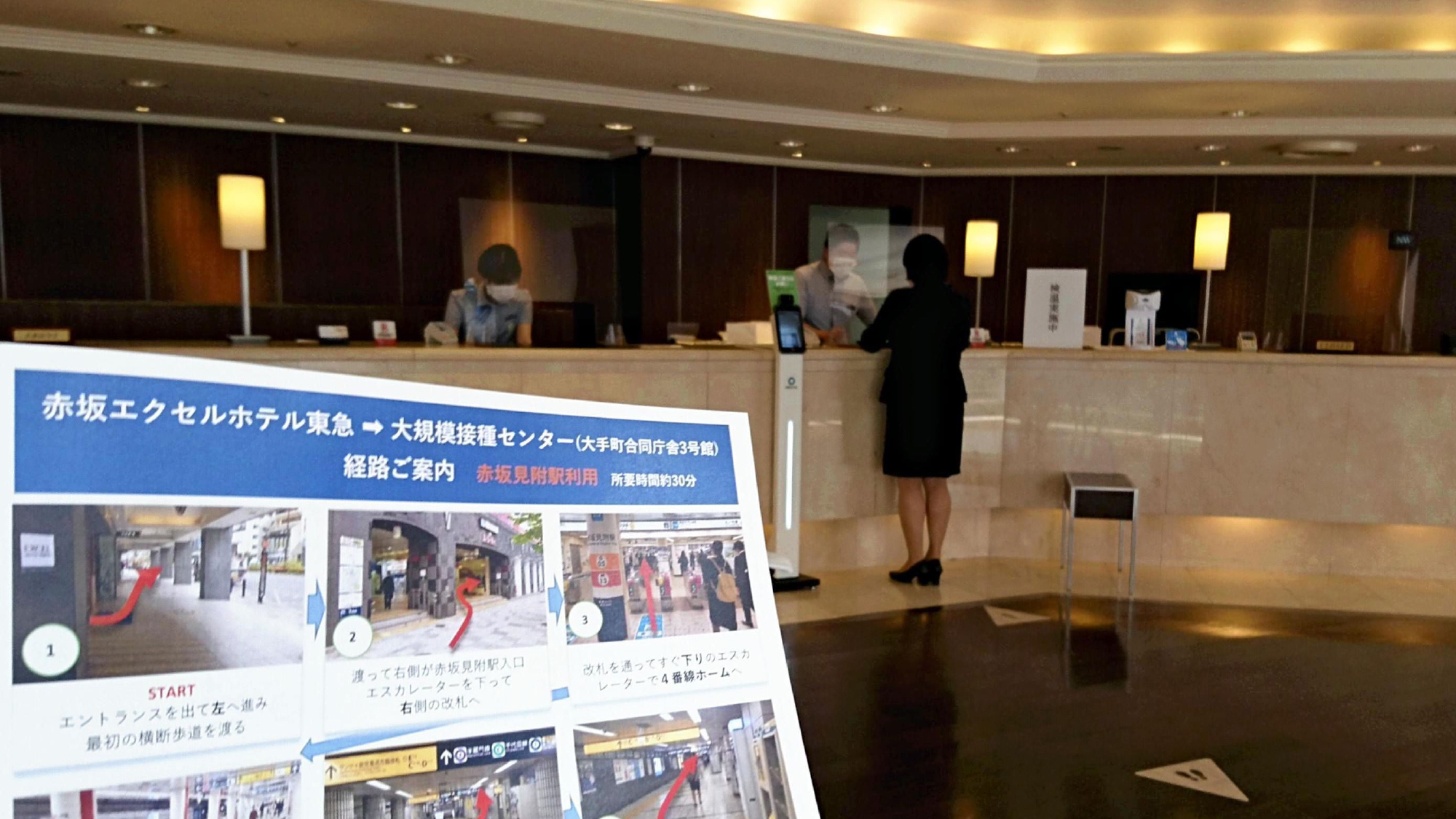
The Akasaka Excel Hotel Tokyu in Chiyoda Ward, Tokyo, has seen its occupancy rate fall to 30% of its normal level, partly due to a plunge in the number of foreign guests visiting Japan. Guests aged 65 or older who will be inoculated at the mass vaccination center in central Tokyo are currently being offered discounted rooms starting at 6,000 yen ($54.50 U.S.) per person, including breakfast.
An equivalent stay usually costs 9,100 yen per person. The hotel also provides a leaflet on how to get to the vaccination site.
Mitsui Fudosan Co. operates 24 hotels, including the Mitsui Garden Hotel. It has also launched new services for guests to be inoculated at the mass vaccination site, allowing them to stay for up to 30 hours over a period from 7 a.m. until 1 p.m. the following day.
“We’ve worked out a service plan in which people check in early in the morning and leave their luggage at the hotel before going to the vaccination site. Then they relax at the hotel after their inoculation,” a public relations official for the hotel said.
The new service has proved popular, so the hotel will consider offering a similar deal to people aged 64 or younger who are to get a shot at the mass vaccination site.
Some tourism organizations are planning to launch regionwide discounts for fully inoculated visitors. For example, the tourist association for Fuji-Kawaguchiko Town in Yamanashi Prefecture will launch services including a 10% discount on accommodations at its member hotels and inns from June 15.
The Go To Travel campaign, a government measure to support tourism, has been suspended since late last year amid the spread of infections. Therefore, the tourist association is seeking to “woo visitors with similar measures,” an association official said.
About 30 hotels and other lodging facilities affiliated with the association have decided to take part.
Department stores have also seen their performance deteriorate due to reduced operating hours and people refraining from going out, so they too have introduced discount services.
A branch of the Saikaya department store in Yokosuka, Kanagawa Prefecture, is offering discounts to shoppers who present a covid-19 vaccination certificate. The department store also provides vacant floor space to the Yokosuka municipal government for use as a vaccination site, and it hopes people will do some shopping after getting a shot.
Restaurant chain operator Watami Co. began offering one free drink, such as draft beer, to people who are fully vaccinated. This service is being offered in regions other than those where the service of alcoholic drinks is subject to pandemic-related restrictions.
In the United States, private consumption has recovered rapidly since around the time the vaccination rates of elderly people topped 80%. Therefore, expectations are high that more vaccinations in Japan will lead to greater consumption.
“From around July, when the vaccination of elderly people will have gotten well along, Japan too can expect an increase in consumption, including at restaurants,” said Junichi Makino, a chief economist at SMBC Nikko Securities, Inc.
Myanmars military junta puts ousted leader Aung San Suu Kyi on trial
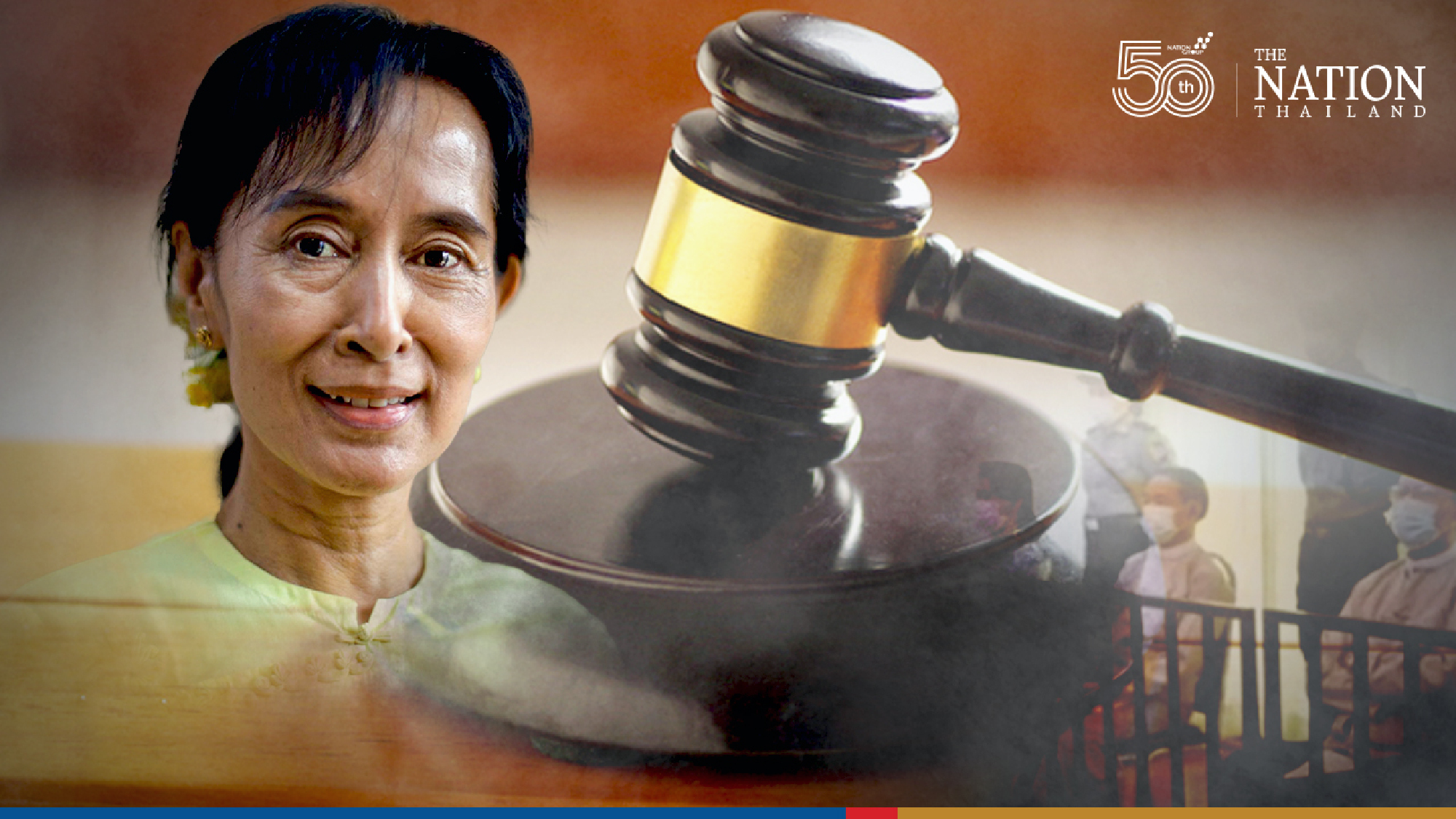
Aung San Suu Kyi, Myanmars deposed civilian leader, appeared in court on Monday for the start of a weeks-long trial that is almost certain to find her guilty of politically motivated charges.
The 75-year-old is now facing a predicament worse than her 15 years under house arrest, persecuted by a military junta that is determined to keep her isolated as anger and protests rage across the country.
Suu Kyi has been held incommunicado since the military seized power in a coup on Feb. 1, detaining the civilian leader, her chief ministers and advisers. Suu Kyi and her National League for Democracy party won elections in a landslide in November for the second time, but the military claimed the vote was fraudulent, canceled the result and took over the government.
In the months that followed, millions took to the streets in protest and worked to delegitimize the government through a campaign of civil disobedience. The military regime has responded with characteristic brutality, detaining almost 5,000 people. More than 800 have been killed in crackdowns on street protests and in military operations since the coup, according to the Assistance Association for Political Prisoners (Burma).
Charges against Suu Kyi, however, have been especially punitive. Shortly after her detention, she was charged with possessing and importing walkie-talkies without a license, but the military steadily slapped on more severe charges, including corruption and violating the colonial-era secrets act. She faces a total of seven charges and penalties of up to 15 years – meaning she could spend the rest of her life in detention. Myanmar’s civilian president Win Myint, who worked alongside Suu Kyi in running the government before the coup, has also been held on similar charges.
Suu Kyi, who turns 76 on Saturday, has only been allowed to meet her lawyers briefly on two occasions since she was detained. Unlike her years under house arrest, she does not know where she is being held, according to her lawyers, as she was moved to an undisclosed location after her arrest. The trial is happening behind closed doors, with information only released through her lawyers or state media.
Khin Maung Zaw, head of Suu Kyi’s defense team, said the hearings began around 10:30 a.m. and went on for about six hours. Several prosecution witnesses were brought forward to testify.
Suu Kyi, he added “seemed not very well” but “paid keen attention” to the hearing. Two other cases will be heard before the court on Tuesday.
Human rights groups and foreign governments have condemned Suu Kyi’s treatment, and that of other politicians, activists, protesters and journalists in Myanmar. In a statement ahead of the start of her trial, Phil Robertson, deputy Asia director for Human Rights Watch, characterized the charges as “bogus and politically motivated.”
“With the restrictions on access to her lawyers, and the case being heard in front of a court that is wholly beholden to the military junta, there is little likelihood she will receive a fair trial,” Robertson said.
Thousands of others who are detained at the hands of the military similarly face slim prospects of a just result. State media broadcasts nightly lists of wanted people, many of them protesters who are described as rioters or terrorists. In the published mug shots, some appear bruised or injured, suggesting torture while in detention.
In a stark example, local media outlet Myanmar Now reported last week that more than 32 young people, arrested for opposing the military coup, were tortured and then sentenced to prison. Their trial, in the city of Myeik, was so hasty that it was in a makeshift courtroom.
Michelle Bachelet, the United Nations’ High Commissioner for Human Rights, on Friday warned that further bloodshed is imminent in Myanmar, and called for the international community to hold the junta to account.
“Rather than seeking dialogue, the military is branding its opponents as ‘terrorists’ and pursuing politically motivated charges against the democratic leadership,” Bachelet said. “In just over four months, Myanmar has gone from being a fragile democracy to a human rights catastrophe.”
G-7 falls short on climate even with U.S. back in Paris agreement
Group of Seven leaders stopped short of setting concrete measures to limit global warming, an outcome that bodes poorly for key climate negotiations later this year.
Leaders of some of the biggest economies met over the weekend for the first time since the U.S. rejoined the Paris climate deal, with President Joe Biden seeking to show unity on the issue after four years of backtracking under Donald Trump. Yet the final communique lacked firm commitments on stopping coal use, raising money to help developing countries, and shifting away from polluting cars.
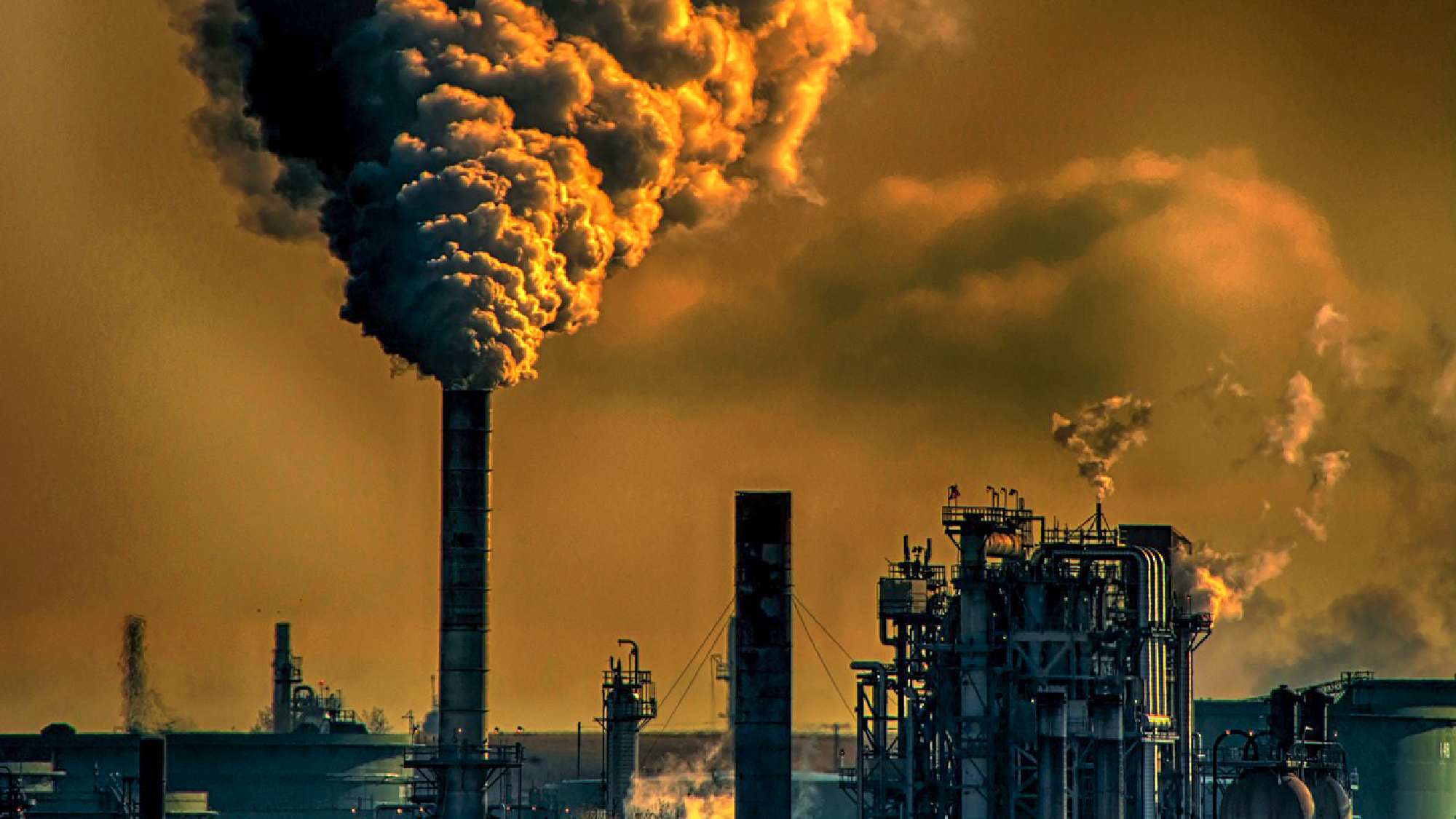
The group backed away from an initial plan to set a firm date to stop burning the dirtiest fossil fuel, despite an effort by the U.K. hosts to do so, though it did make a new commitment to ending overseas investment in coal. The final text recognized that coal power is “the single biggest cause” of greenhouse gases. But it only promised to “rapidly scale-up technologies and policies” in order to stop burning the fuel without capturing carbon dioxide in the next decade, in line with the countries’ individual targets.
The G-7 meeting sets the tone before 197 countries gather in Scotland in November for crucial climate talks hosted by Britain. U.S. and U.K. leaders have called the gathering the last chance to set a plan to limit global warming to 1.5 degrees Celsius. The British government is hoping the summit will deliver an agreement by all countries to abandon coal power, with the G-7 leading the way.
“The G-7 have failed to set us up for a successful COP26,” said Jennifer Morgan, executive director of Greenpeace International.
The nations also watered down a proposal to boost electric vehicles by deciding against a target for making sure most new cars sold are greener vehicles. And they failed to deliver on their decade-old promise to mobilize $100 billion a year in funding to help poorer countries tackle climate change. Instead, the statement reiterated a promise to reach the milestone, even though it was supposed to have been achieved last year.
“We didn’t see a clear signal from this G-7 meeting as to how the delivery of the $100 billion will be put in place,” said Patricia Espinosa, head of the United Nations climate change secretariat, in an interview with BBC Radio 4 on Monday. “That’s actually unfortunate.”
Published : June 15, 2021
By : Syndication Washington Post, Bloomberg · Jess Shankleman
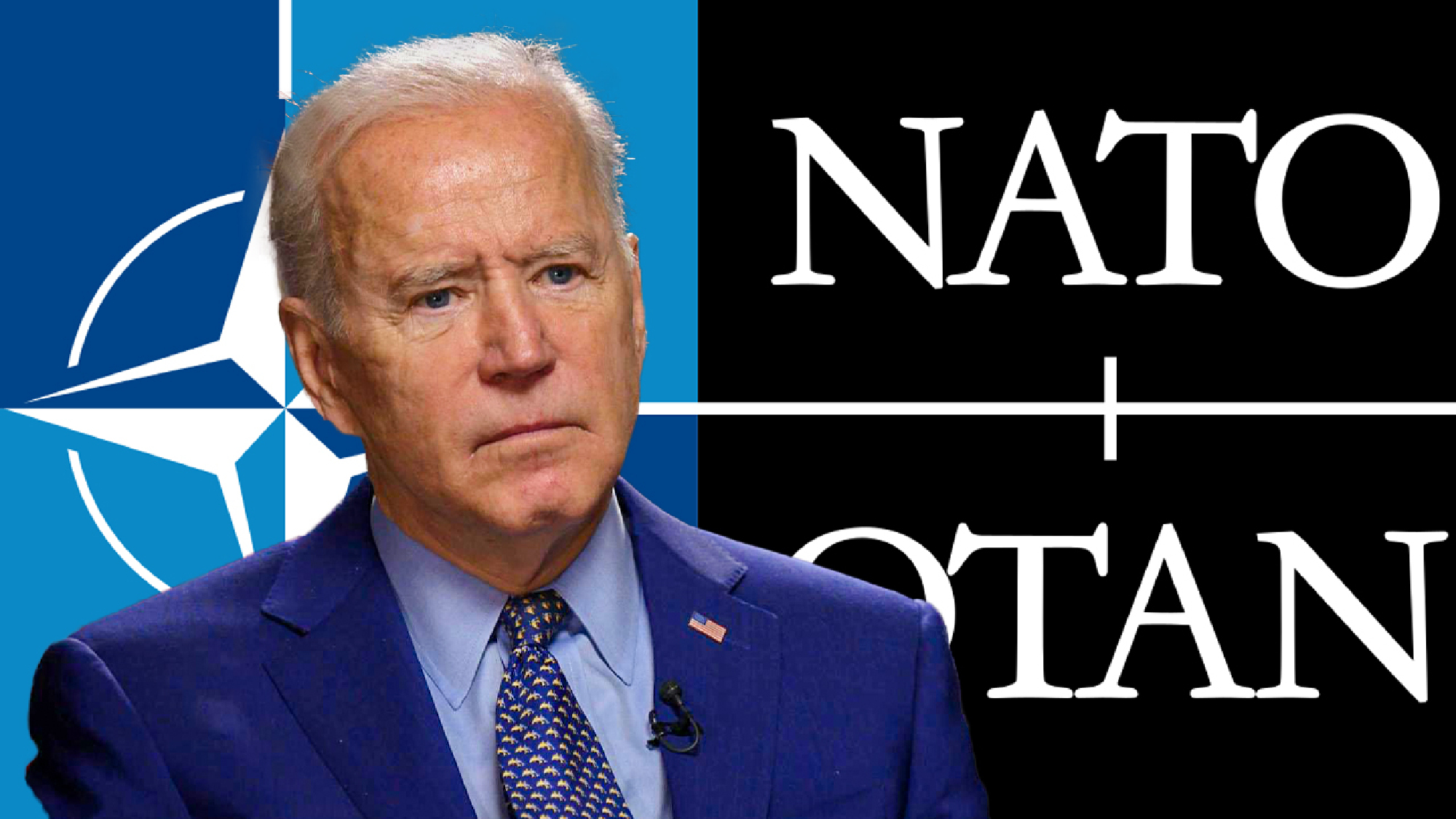
NATO expands focus to China, a win for Biden in his first trip to the battered alliance
BRUSSELS – NATO leaders on Monday agreed to pivot their alliance to a more confrontational stance toward China, a landmark shift as President Joe Biden sought to boost and reorient the organization after the eruptions and conflict that marked the Trump era.
For the alliance’s battered leaders, it was already victory enough that they were meeting with a U.S. president who was not threatening to pull out of NATO on the spot. And at a closed-door meeting that was the first NATO summit since former president Donald Trump left office, leaders mostly set aside remaining divisions to embrace each other after coming through four turbulent years.
Almost all the leaders used their brief speaking time to declare delight that the United States “was back,” according to two officials who listened to the discussions, a possible sign that Biden’s first foreign trip as president may be succeeding in reassuring shaky European allies – or at least that expectations were low.
The meeting “was like the first day back at school, seeing all your old friends again,” British Prime Minister Boris Johnson told fellow leaders, according to NATO Secretary General Jens Stoltenberg.
The discussion was a sharp expansion of the defense alliance’s efforts to confront Beijing after China has for years played almost no part in the group’s activities. Allies agreed that “China’s stated ambitions and assertive behavior present systemic challenges to the rules-based international order.”
“I think that there is a growing recognition over the last couple of years that we have new challenges,” Biden said during a sit-down discussion with Stoltenberg. “And we have Russia that is not acting in a way that is consistent with what we had hoped, and as well as China,” Biden said. He added that members of the Group of Seven had “stepped up as well,” an apparent reference to a new willingness among the economic club to criticize some aspects of Chinese behavior.
After the meeting, Stoltenberg said it was an achievement for the alliance to start pivoting toward China. “It’s not about moving NATO to Asia,” he said. But, he added, “we need to address the challenges that the rise of China poses to our security even though many allies have a lot of economic ties with China.”
The notion of shifting NATO’s attention at least somewhat to China extends the theme of Biden’s European trip, after he also tried to sharpen China-related discussions at the Group of Seven summit in Britain. Biden has repeatedly cast the existential struggle of the current generation as one between democracies and autocracies such as China and Russia, and he reiterated that concern at a news conference Monday in Britain before departing for Brussels.
“I pointed out we have to prove to the world and to our own people that democracy can still prevail against the challenges of our time,” Biden said in a news conference late Monday. “This is going to be looked at 25 years from now as whether or not we stepped up to the challenge.”
Although the NATO leaders signed off on the sharper language on China, disagreements remained about the best role for a group that has traditionally focused on Russia and direct threats to NATO countries, such as terrorism.
Just a few years ago, talk about Beijing at NATO was nearly nonexistent. Even to raise the issue in NATO hallways was taboo, with some members wary that doing so would push relations with the country into a Cold War-era framework of superpower rivalry.
But China has become more aggressive on the world stage and Washington has become more hawkish toward Beijing. Trump pushed the organization to be more confrontational. Biden has continued the effort, and even accelerated it.
Advocates of the sharper approach say that China is active in the Arctic and that the country is increasingly exploiting its technological and economic power to undermine democracies.
“China is increasing its expansion, its influence around the world, and it’s increasingly running up against NATO,” Canadian Prime Minister Justin Trudeau said Monday at a forum organized by the German Marshall Fund that ran alongside the summit. “We need to make sure that as an alliance, even though we’re much more Atlantic than Pacific, we are aware of the global influences the Chinese have.”
But not every NATO country is fully on board with confronting China more forcefully. Some such as Hungary have friendly relations with China and seek investments from Beijing. Others such as Germany and other big European powers fall in the middle, believing there is a balance between the need to work with Beijing to fight climate change and the need to rein in its global ambitions. Still others worry that too much focus on China could distract from the alliance’s historic central mission of defending against Russia.
At the G-7 summit, too, the question of how vigorously to call out China remained a point of division, with Germany, Italy and Japan expressing some reluctance to go as far as the Biden administration hoped.
The sharpest discussions inside the meeting were actually with French President Emmanuel Macron, who in 2019 declared the “brain-death” of NATO under Trump. Macron took a tough line against increasing funding for NATO’s central operations, which are a rounding error compared to the overall defense spending of the alliance. Other countries had hoped this could be a symbolic way to move beyond the divisions of the Trump era. They eventually agreed to increase the budget – but to put off a decision on the final figures until later.
Afterward, Macron shrugged off the fight, saying that leaders had acknowledged his push for Europe’s “strategic autonomy,” and that in the end, “that’s enough for me.”
In a statement Sunday as the summit wound down, Trump criticized the alliance, arguing the United Sates was getting a bad deal.
“So much USA money has been given away to the ‘Club,’ as President Macron of France likes to call it, and to NATO, despite the fact that those countries have taken economic advantage of the United States for many years-until I came along,” Trump wrote. “Not fair to America, or the American taxpayer!”
Still, the moment of good feelings was even joined by Turkish President Recep Tayyip Erdogan ahead of his first meeting with the new U.S. president, which was set to be Biden’s first tough discussion of his inaugural international tour as the occupant of the Oval Office. Erdogan, who can be combative at NATO summits, was mild-mannered on Monday, opting for a friendlier approach, according to the officials who listened to the discussion, who spoke on the condition of anonymity to speak frankly about what happened behind closed doors.
The two leaders met for well over an hour, in a smaller setting and then a larger one. The Turkish government released photos of the men bumping elbows, seeming in good humor, and when reporters were briefly ushered into the room at the end of their discussion, Biden called it “a very good meeting.”
During the presidential campaign Biden called Erdogan an “autocrat,” and Ankara has been disruptive at NATO and elsewhere. The meeting could serve as a preview of sorts for Biden’s meeting Wednesday with Russian President Vladimir Putin in the final stop of his eight-day, three-country trip.
Leaders agreed that the treaty’s Article 5 provision – which states that an attack on one allied nation is an attack on all – could be applied to cyber and ransomware attacks.
“The notion is that if someone gets hit by a massive cyberattack, and they need technical or intelligence support from another ally to be able to deal with it, they could invoke Article 5 to be able to get that,” Jake Sullivan, Biden’s national security adviser, told reporters on Sunday ahead of the meeting.
It is a growing challenge for the Biden administration, which has threatened to retaliate against attacks from cybercriminal collectives in Russia, but has so far announced no concrete consequences. In May, one such attack on a major U.S. oil pipeline disrupted fuel supplies in parts of the country, and another attack at the end of the month temporarily forced the world’s largest meat producer to shut down all of its U.S. beef plants.
Leaders also discussed the pullout from Afghanistan, mostly falling in line behind Biden’s decision to withdraw troops despite some reservations there was little consultation in advance.
“I believe – and I’ve said this my whole career and the four years I was out, when I decided to run for president again – that NATO is – Article 5, we take as a sacred obligation,” Biden said as he sat with Stoltenberg on Monday, a memorial to the Sept. 11 attacks behind them.
“And I constantly remind Americans that when America was attacked for the first time on its shores since what happened back in the beginning of World War II, NATO stepped up. NATO stepped up and they honored Article 5.”
Stoltenberg sought to put the best face on the withdrawal Monday, acknowledging it “was not an easy decision.” Some analysts say it is only a matter of time before the country is recaptured by the Taliban.
The departure “entails risks, no doubt about that,” Stoltenberg said. “The alternative, to stay, was also an option that entailed risks for more violence, more casualties, and even perhaps the need to increase the number of NATO troops.”
Before the day of meetings kicked off, Biden and Stoltenberg briefly met for a confab that was not announced on the president’s public schedule, where Biden repeated the sentiment that, as he seeks to reassure allies in the post-Trump era, has become something of a mantra on his first foreign sojourn.
ADVERTISEMENT
“I just want all of Europe to know that the United States is there,” Biden said. “The United States is there.”
Published : June 15, 2021
By : The Washington Post · Michael Birnbaum, Anne Gearan, Ashley Parker
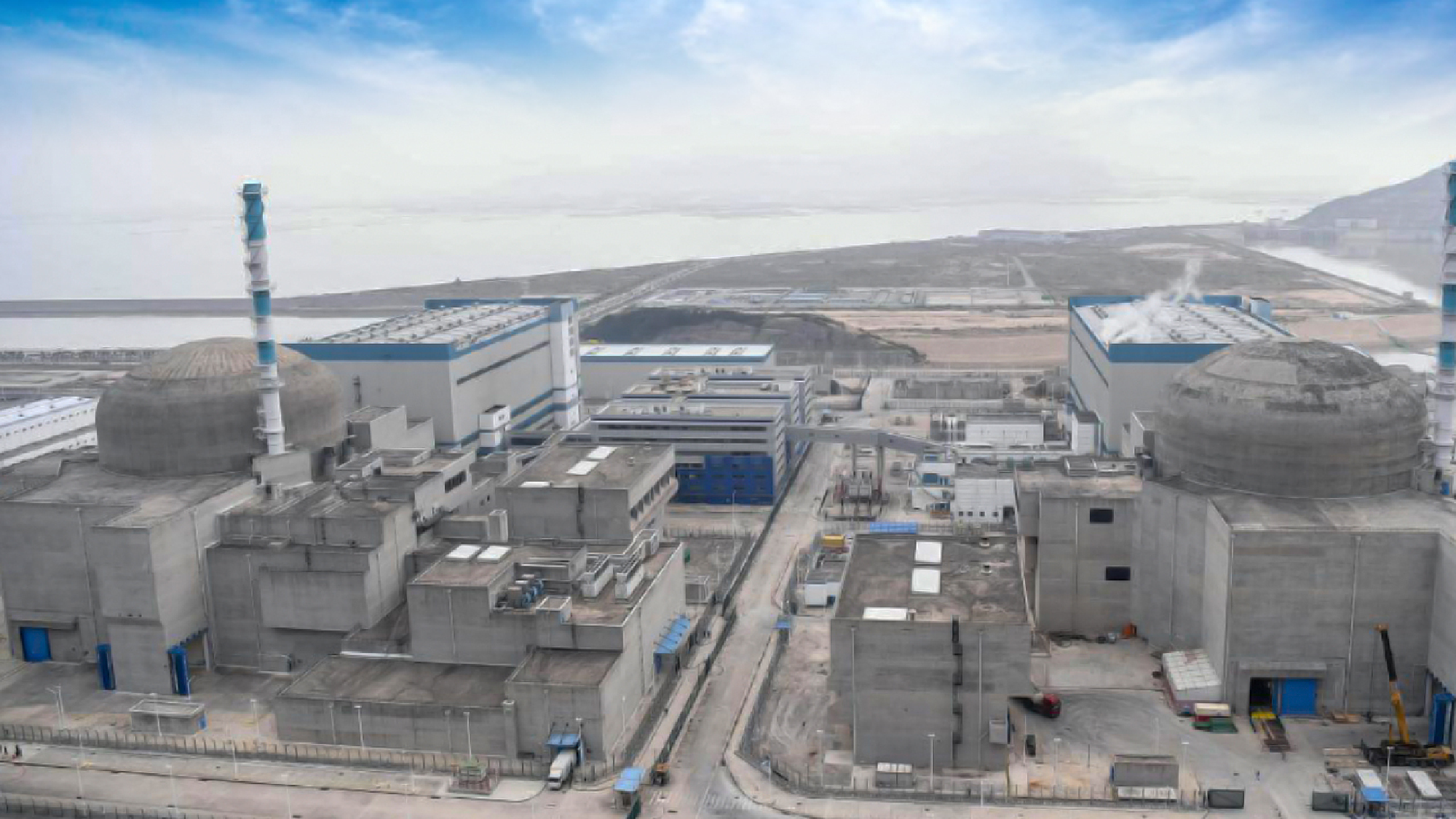
Nuclear plant in China refutes report of radiation leak warning, says indicators normal
Chinas Taishan Nuclear Power Plant said accusations of dangerous levels of radiation leakage at the facility were untrue, claiming its two reactors were operating normally as its French partner said it called for a meeting with its Chinese counterpart to resolve a “performance issue” at the plant.
The Taishan plant, a joint venture between the state-owned China General Nuclear Power Group (CGN) and Électricité de France (EDF), a French utility, came under scrutiny after CNN reported Monday that U.S. officials had spent the past week assessing a warning from its French partner that Chinese officials were raising the allowed limits of radiation outside the plant to avoid having to shut the facility.
“Recently there have been some agencies and media organizations paying attention to and inquiring into the situation at the Taishan Nuclear Power Plant,” CGN, the operator of the plant, said in a statement on its website Sunday evening, before the CNN report was published.
CGN said the first of its two EPR (Evolutionary Power Reactor) nuclear reactors was operating normally while the second had completed a planned overhaul, the facility’s first since operations began, and was connected to the power grid on June 10. The plant said the overhaul had met all targets in “safety, security, quality and project time.”
“All operating indicators of the two units have met the requirements of nuclear safety regulations and technical requirements for power plants,” it said. CGN said it had not detected unusual amounts of radiation inside or outside the plant, adding “environmental indicators at present are within their normal range for both the Taishan plant and its surrounding environment.”
According to the CNN report, Framatome, a supplier of nuclear systems that is owned by Électricité de France, sent a letter to the U.S. Department of Energy to obtain a waiver to share U.S. technical assistance with the Taishan plant, claiming radiation limits had been raised above French safety standards. Citing unnamed individuals within the Biden administration, the report said U.S. officials do not believe the plant is at “crisis level.”
Framatome said in a statement to Agence France-Presse that it was “supporting resolution of a performance issue” at the Taishan plant. “According to the data available, the plant is operating within the safety parameters,” the company said.
EDF told Reuters it had called a meeting with its partner, CGN. EDF said it had been informed of a buildup of inert gases that had affected the primary circuit of reactor No. 1 of the plant. It said the build up of inert gases like argon, helium or neon was a “known phenomenon, studied and provided for in the reactor operating procedures.”
The Taishan plant, which sits about 84 miles west of Hong Kong in the densely populated southern province of Guangdong, was beset with delays for years after plans for construction were released. Its first reactor went online in December 2018 while the second went into operation in September 2019, the power plant said in its statement on Sunday.
CNN reported that Framatome warned U.S. officials in early June that the plant was leaking fission gas. According to a memo seen by CNN, the plant operator is meant to comply with regulatory limits to “ensure off-site dose limits are maintained” to “not cause undue harm to the surrounding population.”
China’s National Nuclear Security Administration instead revised the limit to more than double its initial release, increasing “off-site risk to the public and on-site workers,” the memo said, according to CNN. The safety authority was not immediately available to comment because of a public holiday in China on Monday.
In China, the allegations of a leak received little attention, with no state media outlets reporting the issue and almost no discussion on social media platforms. On Weibo, Wang Yigang, member of the Institute of Industrial Economics, affiliated with Chinese Academy of Social Sciences, said the accusations were the doing of the “American imperialism hyping up opposition to nuclear power and forcing China to develop wind and solar power only.”
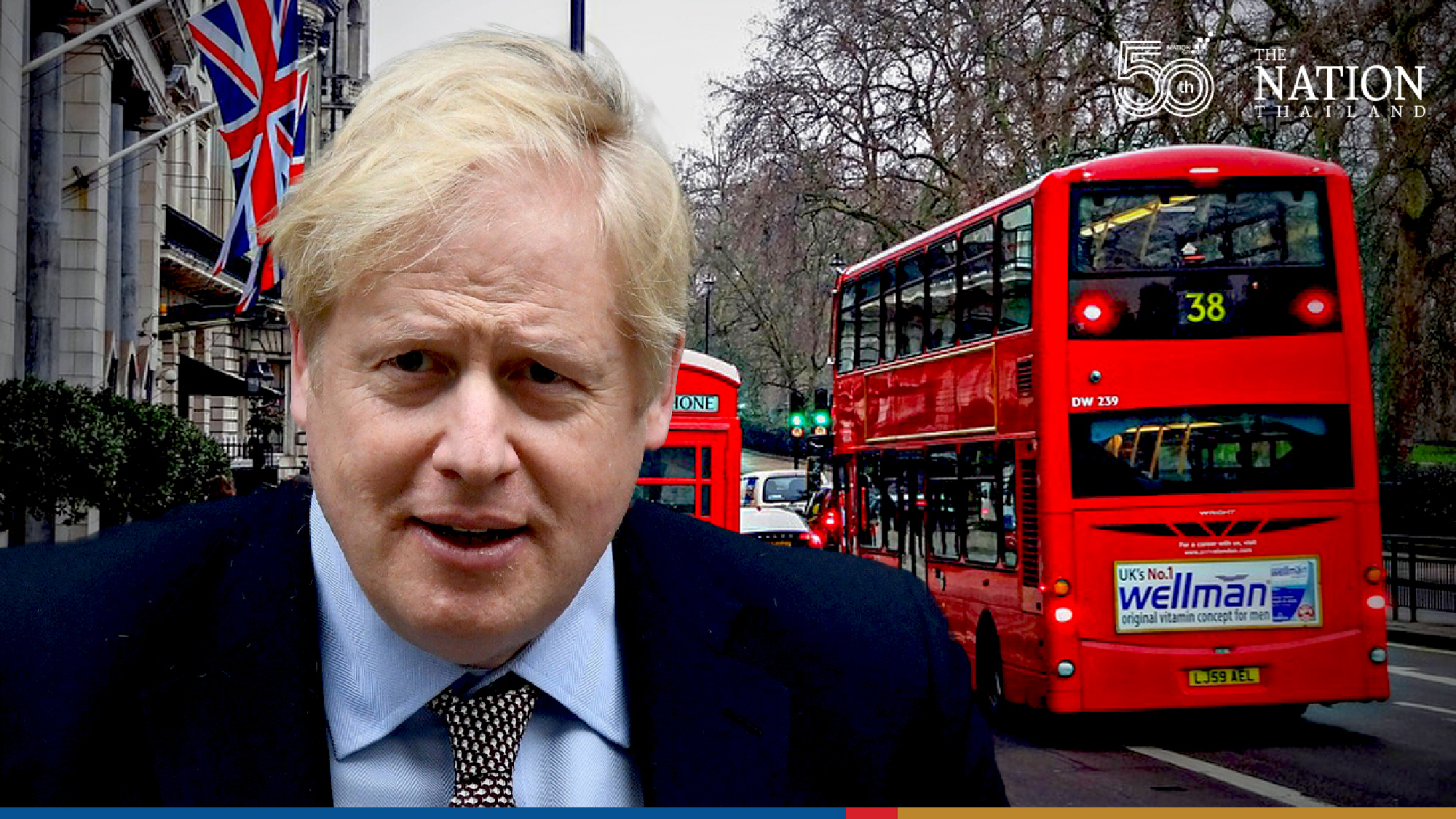
Boris Johnson delays end of Englands coronavirus restrictions as delta variant cases climb
LONDON – June 21 was supposed to mark Englands “freedom day,” when the countrys remaining coronavirus restrictions would end, but the government has opted to keep them in place at least through July 19 due to concern over rising cases and a fast-spreading variant.
Boris Johnson announced the delay late Monday. “Now is the time to ease off the accelerator,” he said. “I am confident we will not need more than 4 weeks and we will not go beyond July 19. But now is the time to ease off the accelerator.”
Johnson had set the timeline for full reopening in February, as British vaccination efforts gained steam. Local governments in Scotland, Northern Ireland and Wales set their own targets, but all had plans to relax rules in late June.
Britain has fully vaccinated 44.6% of its population, according to tracking from The Washington Post, compared to 43.4% of Americans who are fully vaccinated.
British newspaper began reporting on the expected pushback Monday morning.
“Wait Four It,” read the front page of the Daily Mirror on Monday, referring to the four-week delay, along with the words “freedom day on hold,” while the Daily Mail’s front cover read “Ecstasy and Agony,” which was a tribute to the England soccer team’s Euro win against Croatia on Sunday and commiseration that the June 21 deadline probably would be pushed back.
Appearing on Sky News on Monday, Edward Argar, a junior health and social care minister, confirmed government worries about rising cases of the delta virus variant, which was first discovered in India. He described it as 40% more infectious than the earlier alpha variant first found in Britain.
“That’s what’s driving the spike. We’ve gone in a week from 12,000 cases to about 40,000 cases, and that’s a big jump,” he said, describing it as “highly, highly infectious.” Scientists estimate 90% of the new cases in Britain are from the delta variant.
The symptoms of the delta variant, labeled a “variant of concern” by the World Health Organization, include a headache and runny nose. The strain is now dominant in almost every region of the country, according to recent data.
Delta variant spread puts Boris Johnson in a tough spot, as he weighs whether U.K. should fully reopen
The idea behind the delay, according to reports, is to get more people vaccinated, especially with their second dose, before all restrictions are lifted. Recent studies indicate that after a first dose of the Oxford-AstraZeneca or Pfizer-BioNTech coronavirus vaccines, people are only about 33% protected from the delta variant, but that increases to more than 80% with the second dose.
Britain has concentrated on getting as many people as possible a first dose of a coronavirus vaccine. About 41 million people, or nearly 79% of the adult population, have received at least one shot. Only 30 million people, however, are fully vaccinated.
The Guardian reported Monday that Johnson’s choice to delay the easing of more restrictions “could keep thousands out of hospital,” allowing for as many as 9 million more people to receive their second dose of a coronavirus vaccine.
The extension of restrictions would mean nightclubs would remain closed and limits would continue on indoor dining, sports venues, weddings and cinemas. People will continue to be encouraged to work from home and to continue wearing face coverings in public spaces. Health Secretary Matt Hancock has in the past expressed hope that wearing masks on public transportation to reduce the virus’s transmission may become the standard as life returns to normal.
Speaking to LBC Radio on Monday, Keir Starmer, leader of the opposition Labour Party, blamed what he called the government’s “pathetic” border policy for the delay in easing restrictions, arguing that if India had been added to the government’s travel red list sooner, the delta variant might not have spread as rapidly.
The British government has long been criticized for its handling of the pandemic that has killed more than 128,000 people in the country. Many say that Britain was not shut down soon enough – with Johnson waiting until March last year to urge people to stay home. National Health Service workers also say they had inadequate access to personal protective equipment and testing – especially in the early months of the pandemic.
The government has also been scrutinized for not shutting borders or imposing travel restrictions soon enough – with many asking why and how the variant first identified in India was able to spread on British soil so freely.
On social media on Monday, many exasperated Britons took to Twitter to vent their frustration that after three nationwide shutdowns, freedom day had been delayed. Using the hashtag #lockdownextension, many wrote they were fed up with restrictions, while others contemplated what Johnson’s decision would mean for the entertainment industry and those planning to get married this summer.
Tweeting the prime minister directly, one wrote: “Just wondering, do we continue planning our July wedding? Can we start feeling excited? Should we pay suppliers in full? Do we need to start uninviting family and friends?! Please give us good news and clarity #whataboutweddings.”
Published : June 15, 2021
By : The Washington Post · Jennifer Hassan, Paul Schemm, Adam Taylor
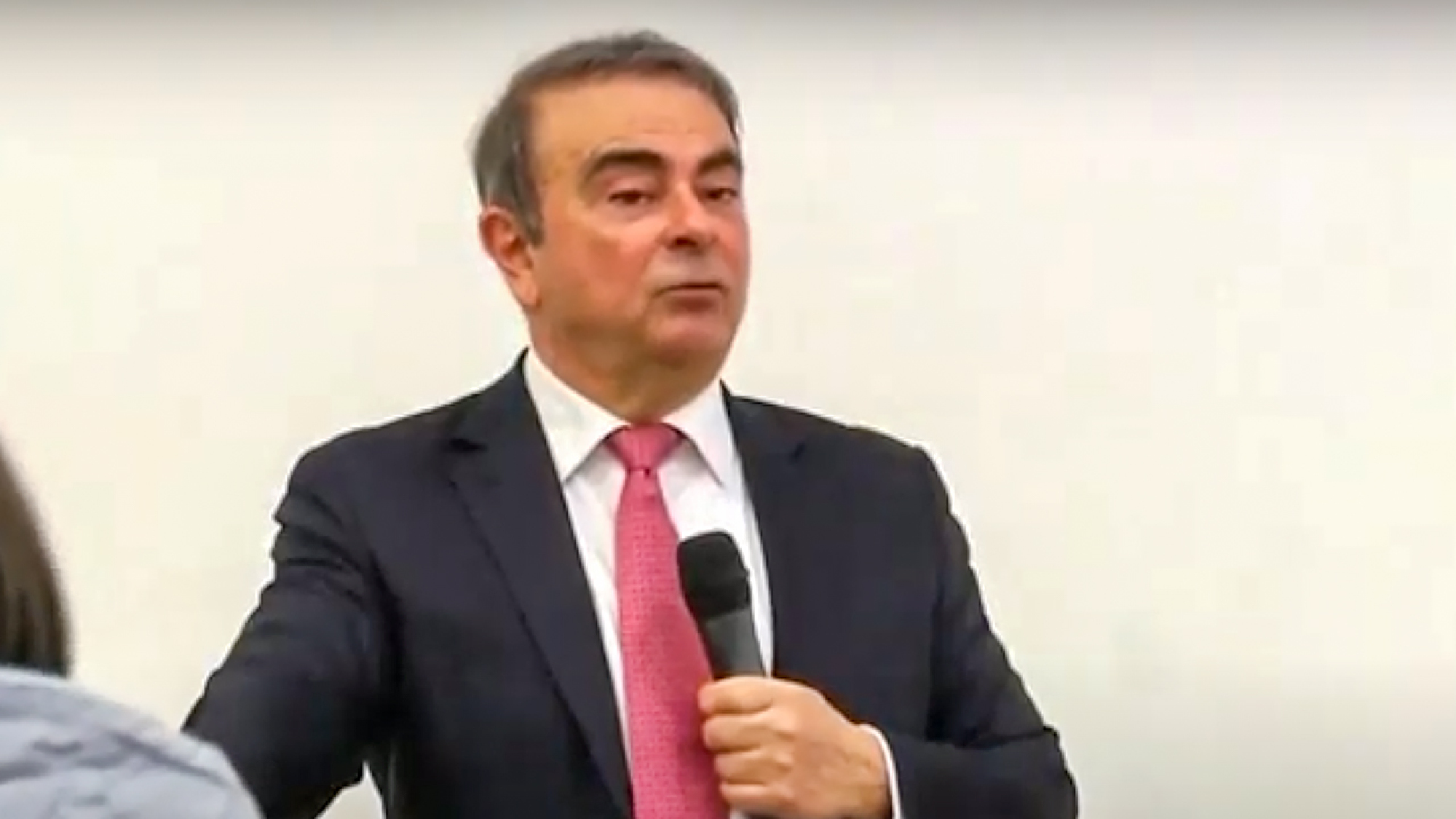
U.S. father-son duo charged with helping Ghosn flee Japan plead guilty
The American father-son duo charged with helping former Nissan Motor Co. Chairman Carlos Ghosn flee trial in Japan a year and a half ago pleaded guilty Monday in a Tokyo court.
Appearing for the first time since they were extradited to Japan from the U.S. earlier this year, Michael Taylor, 60, and Peter Taylor, 28, listened as the prosecutor read out the charges. Asked by the judge whether there was any problem with the charges, Michael replied “No, your honor,” while Peter said “No, ma’am.”
The duo, dressed similarly in dark jacket and pants, white shirt with no tie and plastic slippers, arrived in handcuffs. Michael appeared frail, his hair thinning and voice raspy. His son appeared stronger and spoke with confidence. Both have spent time in solitary confinement.
The Taylors were brought to Japan in March to face charges related to their involvement in Ghosn’s escape in late 2019 from Japan, where he was facing charges of financial misconduct. After smuggling himself in a case for audio equipment and boarding a private jet, the former auto executive made his way to Beirut, where he currently resides.
The pair face a maximum of three years in prison on charges of harboring or enabling the escape of a criminal. They had already served time in the U.S. before being extradited, and it’s not clear whether that time will be factored into their sentencing in Japan. The State Department said it would inform the Japanese government of the amount of time the Taylors had served so that it could be factored into any sentence imposed, according to a letter seen by Bloomberg News.
A former Green Beret, Michael has never denied his involvement in Ghosn’s escape, even describing how he executed the operation in an interview with Vanity Fair before he was arrested. A longtime security consultant, Michael said he had been planning the operation for months, though he had maintained that his son, Peter, had no role in the escape.
Upon entering the courtroom at the Tokyo District Court around 2 p.m. local time Monday, the Taylors, represented by five lawyers, were handed earphones to listen to the translation, asked their particulars by one of the judges and then read details of their indictment by one of two prosecutors.
The prosecutor outlined how Ghosn was facing a trial for falsifying financial reports and breach of trust, and “knowing that he was supposed to face this trial and he should not hide or go abroad, knowing all that, you helped him avoid the trial by helping him escape via Turkey to Lebanon?”
He then read from a statement that said the Taylors hid Ghosn in some luggage, then took him to a hotel in Osaka and then onto Kansai airport, still hidden. The box with Ghosn was then moved to the international airport past the premium gate, past security and placed on a jet that left Japanese territory.
Both Michael and Peter, who appeared calm throughout and briefly looked at reporters in the audience box, said there was no problem with those allegations.
The court was also provided with a description of some of the mechanics surrounding Ghosn’s dramatic escape, including how in order to provide Ghosn with a private jet, around $862,000 was transferred to the bank account of a company that Peter was involved with, and how Ghosn and the Taylors used a particular mobile app to communicate and exchange messages.
At one stage, it was relayed to the court that Peter had said helping Ghosn escape was the worst thing he did in his life and he has deep regrets.
The Taylors’ case in Tokyo is the latest addition to multiple legal proceedings around the world left in Ghosn’s wake. Former Nissan director Greg Kelly is currently standing trial in Tokyo for allegedly helping to understate Ghosn’s compensation and Nissan is suing Ghosn for$95 million (10 billion yen) in damages in a separate suit that’s proceeding slowly in Yokohama. French investigators have been questioning Ghosn in Beirut on accusations he siphoned Renault SA funds, and last month the former executive was ordered to pay almost $6 million (5 million euros) to a local unit of Nissan in a case in the Netherlands.
ADVERTISEMENT
The Taylors are next back in court on June 29, when the defense team will present statements from the Taylors and the pair will be cross-examined.
Published : June 15, 2021
By : Syndication Washington Post, Bloomberg · River Davis, Tsuyoshi Inajima, Sophie Jackman
พอถึงการชุมนุมของมหาอำนาจที่ NATO ก็บีบจีนไม่หยุดอีกเช่นกัน ครวนี้บอกว่าจีนเป็นภัยคุกคามของชาติตะวันตกเลยทีเดียว โดยให้เหตุผลว่าเพราะจีนดันไปซ้อมรบกับรัสเซียในแถบแอตแลนติกซึ่ง NATO เป็นเจ้าถิ่นดังนั้นจีนแหย่รังแตนก่อน จะว่า NATO หาเรื่องก็ไม่ถูก
แต่อย่างที่เกริ่นไปว่า NATO ยังยังไม่กล้าเรียกจีนเป็นปฏิปักษ์ เช่น บอริส จอห์นสัน นายกรัฐมนตรีอังกฤษที่บอกว่า “ไม่มีใครอยากเข้าสู่สงครามเย็นครั้งใหม่กับจีน แต่มันมีความท้าทายอยู่”
ตอบว่าคนเขีบนบทความให้ Wall Street Journal ที่ตั้งข้อสงสัยจีนคือ Michael R. Gordon ซึ่งเป็นอดีตผู้เสื่อข่าวของ The New York Times ที่เขียนบทความรายงานข่าวกับ Judith Miller เรื่อง “U.S. Says Hussein Intensified Quest for A-Bomb Parts.” ที่อ้างเจ้าหน้าที่สหรัฐว่าซัดดัม ฮุสเซนมีอาวุธทำลายล้างสูงไว้ในครอบครอง โดยที่ผู้เขียนอ้าง “เจ้าหน้าที่อเมริกัน” และ “ผู้เชี่ยวชาญด้านข่าวกรอง” ที่ไม่ระบุชื่อเป็นเพียงแหล่งข่าวเดียวและยังไม่ยอมเปิดเผยแหล่งขาวด้วยเมื่อถูกซักไซ้
ข้อมูลของรายงานนี้เป็นความเท็จและต่อมา The New York Times เขียนชี้แจงอ้อมๆ (โดยยอมรับว่า “เราพบกรณีการรายงานจำนวนหนึ่งที่ไม่รอบคอบเท่าที่ควร”) แต่มันสมประโยชน์ของรัฐบาลสหรัฐแล้ว เพราะเป้าหมายคือทำให้สาธารณชนเชื่อว่าซัดดัมมีอาวุธร้ายแรงและมีความชอบธรรมที่จะส่งกำลังทหารไป “ช่วยปลดปล่อยชาวอิรัก”
 ฝรั่งเตรียมรุมจีน (อีกแล้ว) แต่จีนไม่ใช่ประเทศคนป่วยแ่หงเอเชียอีกต่อไป การรุกสกรัมจีนรังแต่จะทำให้เกิดความพินาศย่อยยับด้วยกันทุกฝ่าย แต่พวกเขาจะแก้เกมนี้อยา่งไร
 สื่อต่างประเทศรายงานถึงสถานการณ์การฉีดวัคซีนโควิด-19 ในประเทศไทย
 วัคซีนต้านโควิด-19 ของ Novavax เสร็จสิ้นขั้นตอนการทดลอง เดินหน้าขออนุมัติใช้ในนานาประเทศ

