Bitcoin drops after Musk implies that Tesla may sell cryptocurrency #SootinClaimon.Com

#SootinClaimon.Com : ขอบคุณแหล่งข้อมูล : หนังสือพิมพ์ The Nation.

https://www.nationthailand.com/international/40000945

Bitcoin drops after Musk implies that Tesla may sell cryptocurrency


Elon Musk continued to whipsaw the price of bitcoin, sending it to the lowest since February after implying in a Twitter exchange Sunday that Tesla may sell or has sold its cryptocurrency holdings.

Bitcoin drops after Musk implies that Tesla may sell cryptocurrency

Bitcoin slid below $45,000 for the first time in almost three months after the billionaire owner of the electric-car maker seemed to agree with a Twitter post that said Tesla should divest what at one point was a $1.5 billion stake in the largest cryptocurrency. It traded at $45,270 as of 5:51 p.m. in New York, down about $4,000 from where it ended Friday.

The online commentary was the latest from the mercurial billionaire in a week of public statements that have roiled digital tokens. He lopped nearly $10,000 off the price of bitcoin in hours after saying Tesla would not take it for cars. A few days earlier, he hosted “Saturday Night Live” and joked that Dogecoin, a token he had previously promoted, was a “hustle,” denting its price. A few days later he tweeted that he was working with Doge developers to improve its transaction efficiency.

Musk’s disclosure in early February that Tesla used $1.5 billion of its nearly $20 billion in corporate cash to buy bitcoin sent the token’s price to record and lent legitimacy to electronic currencies, which have become more of a mainstream asset in recent years despite skepticism.

His latest dust-up with Bitcoin started with a tweet from a person using the handle @CryptoWhale, which said, “Bitcoiners are going to slap themselves next quarter when they find out Tesla dumped the rest of their #Bitcoin holdings. With the amount of hate @elonmusk is getting, I wouldn’t blame him…”

The Tesla CEO responded, “Indeed.”

The Twitter account @CryptoWhale, which calls itself a “crypto analyst” in its bio, also publishes a Medium blog on market and crypto trends.

Musk spent hours Sunday responding to Twitter users who criticized his change of stance on bitcoin last week, a move he said was sparked by environmental concerns over the power demands to process bitcoin transactions. He said at the time that the company would not be selling any bitcoin it holds.

An outspoken supporter of cryptocurrencies with a cultlike following on social media, Musk holds immense sway with his market-moving tweets. He has been touting Dogecoin and significantly elevated the profile of the coin, which started as a joke and now ranks the fifth largest by market value.

Dogecoin was down 9.6% in the last 24 hours, trading at 47 cents late Sunday afternoon, according to data from CoinMarketCap.com.

Tesla did not immediately respond to an email seeking comment on Musk’s tweet Sunday.

Musk’s Sunday posts were the latest chapter in one of the zaniest weeks in a crypto world famous for its wildness. For die-hards, the renewed slumps in Bitcoin and other tokens have done nothing to deter crypto enthusiasts who say digital coins could many times their current value if they transform the financial system.

“We’re looking at the long-term and so these blips, they don’t faze us,” Emilie Choi, president and COO of crypto exchange Coinbase Global, said last week on Bloomberg TV about the wild swings prevalent in the market. “You’re looking for the long-term opportunity, and you kind of buckle up and go for it.”

Aside from Musk’s antics that sent Doge and Bitcoin on wild rides, a host of other developments have pushed around prices in the past eight days.

Tether, the world’s largest stablecoin, disclosed a reserves breakdown that showed a large portion in unspecified commercial paper. Steve Cohen’s Point72 Asset Management announced that it would begin trading cryptocurrencies. And a long-standing critique of the space reared its head again: illicit use.

The owners of the Colonial Pipeline reportedly paid a $5 million ransom in untraceable digital currencies to hackers that attacked its infrastructure, while Bloomberg reported that Binance Holdings, the world’s biggest cryptocurrency exchange, was under investigation by the Justice Department and the Internal Revenue Service in relation to possible money-laundering and tax offenses.

But, “for many crypto assets such as bitcoin and Ethereum, the long-term story has not changed,” said Simon Peters, an analyst at multiasset investment platform eToro. “This emerging asset class continues to revolutionize many aspects of financial services, and while nothing goes up in a straight line, the long-term fundamentals for crypto assets remain as solid as ever.”

Bitcoin was swinging wildly on the weekend before Musk tweeted. The two days tend to be particularly volatile for cryptocurrencies, which – unlike most traditional assets – trade round-the-clock every day of the week. Bitcoin’s average swing on Saturdays and Sundays this year is 4.95%.

That type of volatility is owing to a few factors: Bitcoin’s held by relatively few people, meaning price swings can be magnified during low-volume periods. And the market remains hugely fragmented with dozens of platforms operating under different standards. That means cryptocurrencies lack a centralized market structure akin to that of traditional assets.

Published : May 17, 2021

By : Syndication Washington Post, Bloomberg · Patrick McHale, Yueqi Yang

พี่น้องลงทุน Shiba Inu coin จาก 8,000 ฟันกำไร 9 ล้านดอล #SootinClaimon.Com

#SootinClaimon.Com : ขอบคุณแหล่งข้อมูล : หนังสือพิมพ์โพสต์ทูเดย์

https://www.posttoday.com/world/652968

วันที่ 16 พ.ค. 2564 เวลา 15:11 น.

พี่น้องลงทุน Shiba Inu coin จาก 8,000 ฟันกำไร 9 ล้านดอลจากที่ต้องเผชิญกับธุรกิจของพวกเขาที่กำลังพังพินาศจากโควิด-19 ตอนนี้พี่น้องกำลังรวยอื้อจากเหรียญที่เลียนแบบ Dogecoin

CNN Business รายงานว่าครอบครัวหนึ่งในนิวยอร์กที่ลงทุนมูลค่า 8,000 ดอลลาร์ในเหรียญชิบะอินุ (Shiba Inu coin) ซึ่งเป็นเหรียญคริปโตเคอร์เรนซี่ประเภทหนึ่ง แต่เหรียญมีมกลับทำให้พวกเขาทำเงินได้ 9 ล้านดอลลาร์ในช่วงเวลาไม่กี่เดือน

Shiba Inu coin หรือที่เรียกว่า Shiba Token เป็นสกุลเงินดิจิทัลแบบกระจายอำนาจที่สร้างขึ้นในเดือนสิงหาคม 2020 โดยบุคคลนิรนามที่รู้จักกันในชื่อ “Ryoshi” มันไดรับฉายาว่านามว่า “DOGE killer” เพาะเลียนแบบแบบมาจาก Dogecoin เช่นเดียวกับคริปโตอื่นๆ Shiba Inu coin มีมูลค่าตลาดมากกว่า 7,000 ล้านดอลลาร์ ณ เดือนพฤษภาคม 2020

Shiba Inu coin ได้รับความสนใจเมื่อสัปดาห์ที่แล้วเนื่องจากวิตาลิก บูเทอร์ริน (Vitalik Buterin) ซึ่งเป็นหนึ่งในผู้ร่วมก่อตั้ง Ethereum และมหาเศรษฐีคริปโตได้บริจาคเหรียญชิบะอินุมูลค่า 1 พันล้านดอลลาร์เพื่อช่วยเหลือแก้ไขการระบาดโควิด -19 ของอินเดีย

มูลค่าของเหรียญเพิ่มขึ้นประมาณ 10,000% ในปีนี้ตามข้อมูลของ Coinbase แต่ลดลงประมาณ 34% หลังจากวิตาลิก บูเทอร์ริน ประกาศการบริจาคเงินช่วยชาวอินเดียจาก

ทั้งนี้ พี่น้องครอบครัวหนึ่งในชาวนิวยอร์กซึ่งขอให้ CNN Business อย่าเปิดเผยนามสกุลของพงกเขา เริ่มลงทุนด้วยเงินไม่กี่ร้อยดอลลาร์ในเดือนกุมภาพันธ์ท่ามกลางความกังขาของคนในครอบครัว แต่พวกเขายังคงซื้อเหรียญต่อไปจนกระทั่งมีเงินลงทุนประมาณ 8,000 เหรียญสหรัฐ จนกระทั่งเมื่อถึงวันพฤหัสบดีที่ 13 พฤษภาคมการลงทุนของพี่น้องกลุ่มนี้ก็มีมูลค่าเกือบ 9 ล้านดอลลาร์ ซึ่ง CNN Business ได้ตรวจสอบบันทึกคริปโตของพวกเขาแล้ว

นับเป็นโชคดีอย่างเหลือเชื่อและนับเป็นการพลิกผันครั้งใหญ่ในโชคชะตาของพี่น้องกลุ่มนี้ที่อาศัยอยู่ในเขตเวสต์เชสเตอร์ของนิวยอร์ก เพราะธุรกิจงานแต่งงานของพวกเขาเกือบจะพังพินาศจากการระบาดของโควิด-19

ทอมมี่กล่าว หนึ่งในพี่น้องกลุ่มนี้เผยว่าเขาคิดมันเหมือน Bitcoin ซึ่งครั้งหนึ่งเคยเป็นแค่เศษสตางค์แต่ตอนนี้มันมีมูลค่าหลายหมื่นดอลลาร์ “ถ้ามันเป็นศูนย์ก็ยังโอเค ผมคิดว่ามันเป็นหวยที่จะไม่วันหมดอายุ”

ทั้งนี้ ราคา Shiba Inu coin ในช่วงแรกมีน้อยมากจนกระทั่งถึง 0.000002 ดอลลาร์สหรัฐในวันที่ 20 เมษายน เมื่อวันที่ 9 พฤษภาคมราคาพุ่งสูงขึ้นไปกว่า 0.000009 ดอลลาร์โดยแตะที่ 0.0000388 ดอลลาร์ในวันที่ 10 พฤษภาคม ราคาลดลงเหลือ 0.000018 ดอลลาร์ลดลงกว่า 40% ภายในวันที่ 13 พฤษภาคมซึ่งเป็นวันเดียวกับที่วิตาลิก บูเทอร์รินบริจาค Shiba Inu coin มากกว่า 50 ล้านล้านเหรียญให้กับกองทุน COVID-Crypto Relief ของอินเดีย

ในเวลานี้ Shiba Inu coin มีมูลค่าตลาดมากกว่า 13 พันล้านตามข้อมูลของ CoinMarketCap ซึ่งเป็นมูลค่าตลาดสูงสุดอันดับที่ 14 ในตลาดสกุลเงินดิจิทัล

Iron Dome โดมเหล็กสกัดขีปนาวุธของอิสราเอล #SootinClaimon.Com

#SootinClaimon.Com : ขอบคุณแหล่งข้อมูล : หนังสือพิมพ์โพสต์ทูเดย์

https://www.posttoday.com/world/652950

วันที่ 16 พ.ค. 2564 เวลา 12:21 น.

Iron Dome โดมเหล็กสกัดขีปนาวุธของอิสราเอล ภาพของระบบต่อต้านจรวจที่ยิงสกัดการโจมตีของปาเลสไตน์ทั่วท้องฟ้าของอิสราเอลทำให้เกิดความสนใจในระบบป้องกันนี้อย่างมาก

1. Iron Dome เป็นระบบป้องกันภัยทางอากาศทุกสภาพอากาศแบบเคลื่อนที่ได้ พัฒนาโดย Rafael Advanced Defense Systems และ Israel Aerospace Industries เบื้องหลังมาจากกลุ่มฮิซบอลเลาะห์ซึ่งตั้งอยู่ในเลบานอนยิงจรวดไปยังศูนย์กลางประชากรของอิสราเอลทางตอนเหนือในช่วงทศวรรษ 1990 ซึ่งเป็นความท้าทายด้านความมั่นคงสำหรับกองกำลังป้องกันอิสราเอล อิสราเอลริเริ่มแนวคิดเกี่ยวกับระบบต่อต้านขีปนาวุธระยะสั้นของตนเอง แต่เจ้าหน้าที่กลาโหมของสหรัฐเตือนว่าจะ “จะล้มเหลวแน่นอน”

2. ในช่วงสงครามเลบานอนครั้งที่ 2 ปี 2006 จรวดเฮซบอลเลาะห์ประมาณ 4,000 ลูก (ส่วนใหญ่เป็นจรวด Katyusha พิสัยสั้น) ถูกยิงมาตกตอนเหนือของอิสราเอลรวมถึงเมืองไฮฟาซึ่งเป็นเมืองที่ใหญ่เป็นอันดับสามของประเทศ การระดมยิงจรวดครั้งนั้นคร่าชีวิตพลเรือนชาวอิสราเอล 44 คน และทำให้พลเมืองอิสราเอลราว 250,000 คนต้องอพยพและย้ายถิ่นฐานไปยังส่วนอื่นๆ ของอิสราเอลในขณะที่ชาวอิสราเอลประมาณ 1 ล้านคนต้องอาศัยอยู่ในหลุมหลบภัยระเบิดระหว่างความขัดแย้ง

Photo by JACK GUEZ / AFP

3. ขณะเดียว ทางทิศใต้มีขีปนาวุธมากกว่า 8,000 ลูก (จรวดประมาณ 4,000 ลูกและระเบิดครก 4,000 ลูก) ถูกยิงจากฉนวนกาซาไปยังศูนย์กลางประชากรของอิสราเอลระหว่างปี 2000 ถึง 2008 โดยเฉพาะอย่างยิ่งโดยกลุ่มฮามาส จรวดที่ยิงเกือบทั้งหมดเป็นรุ่น Qassams ที่ปล่อยโดยเครื่องยิง Grad ขนาด 122 มม. ที่ถูกลักลอบนำเข้าไปในฉนวนกาซาซึ่งให้ระยะยิงไกลกว่าวิธีการยิงแบบอื่น ชาวอิสราเอลเกือบล้านคนที่อาศัยอยู่ทางตอนใต้อยู่ในระยะยิงจรวดซึ่งเป็นภัยคุกคามด้านความมั่นคงที่ร้ายแรงต่อประเทศและพลเมืองของอิสราเอล

4. ในที่สุดอิสราอลก็พัมนาระบบป้องกันขึ้นมา โดยทุนเริ่มต้นมาจากอิสราเอลเองจนสามารถใช้งานระบบ Iron Dome สองระบบแรกได้ โดยในปี 2007 อิสราเอลได้จ้างผู้รับเหมาสร้าง Iron Dome โดยเลือกผู้รับเหมาชาวอิสราเอล Rafael และบริษัท mPrest Systems ของอิสราเอลได้รับหน้าที่ในการเขียนโปรแกรมซึ่งเป็นแกนหลักของระบบการจัดการการต่อสู้ของ Iron Dome พวกเขาใช้เวลาพัฒนาตั้งแต่เริ่มรับเหมาจนถึงความต่อสู้ใช้เวลาไม่ถึง 4 ปีซึ่งเป็นช่วงเวลาสั้นๆ ที่น่าทึ่งสำหรับระบบอาวุธที่ออกแบบมาจากศูนย์ เอยัล รอน (Eyal Ron) ผู้จัดการของ mPrest ถึงกับบอกว่า “ไม่มีระบบแบบนี้ที่ไหนในโลกทั้งในด้านความสามารถความเร็วความแม่นยำ เรารู้สึกเหมือนเป็นสตาร์ทอัพ”

Photo by Jack GUEZ / AFP

5. ต่อจากนั้นการระดมทุนสำหรับระบบ Iron Dome เพิ่มเติมอีก 8 ระบบพร้อมกับเงินทุนสำหรับการจัดหาขีปนาวุธสกัดกั้นกำลังได้รับการจัดหาโดยสหรัฐโดยสองระบบเพิ่มเติมเหล่านี้จะได้รับการส่งมอบภายในปี 2012 เงินทุนสำหรับการผลิตและการติดระบบ Iron Dome และขีปนาวุธสกัดกั้นเพิ่มเติมเหล่านี้ได้รับการอนุมัติจากรัฐสภาคองเกรสแห่งสหรัฐหลังจากได้รับการร้องขอจากประธานาธิบดีโอบามาในปี 2010 หลังจากนั้นโอบามาก็ให้ทุนต่อเนื่อง และยังเกิดการแลกเปลี่ยนทเคโนโลยีและการใช้งาน Iron Dome ระหว่างสหรัฐกับอิสราเอลด้วย

6. ระบบนี้ออกแบบมาเพื่อสกัดกั้นและทำลายจรวดระยะสั้นและกระสุนปืนใหญ่ที่ยิงจากระยะทาง 4 กิโลเมตร ถึง 70 กิโลเมตร (43 ไมล์) ที่เล็งเป้ามายังพื้นที่ที่มีประชากรอิสราเอลหนาแน่นอิสราเอลหวังที่จะเพิ่มระยะการสกัดกั้นของ Iron Dome จากปัจจุบันสูงสุด 70 กิโลเมตร เป็น 250 กิโลเมตรและทำให้มีความยืดหยุ่นมากขึ้นเพื่อให้สามารถสกัดกั้นจรวดที่มาจากสองทิศทางพร้อมกันได้

Photo by Menahem KAHANA / AFP

7. ระบบ Iron Dome ประกอบด้วยหน่วยเรดาร์และศูนย์ควบคุมที่สามารถตรวจจับโพรเจกไทล์การยิงจากฝ่ายตรงข้ามได้ไม่นานหลังจากปล่อยและคำนวณวิถีและเป้าหมาย ใช้เวลาไม่กี่วินาทีในการตรวจพบจรวดที่เข้าใกล้ ในระบบ Iron Dome จะมีเครื่องยิงจรวด 3 หรือ 4 เครื่องพร้อมขีปนาวุธ 20 ลูกแต่ละลูกจะหันไปทางพื้นที่ที่มีประชากรอาศัยอยู่ เมื่อจรวจดฝั่งตรงข้ามลอยเข้ามาจรวดของ Iron Dome จะถูกยิงขึ้นไปและจะระเบิดในระยะใกล้และทำลายจรวดของฝ่ายตรงข้าม ด้วยวิธีนี้จึงยังมีเศษซากที่ตกลงมา จึงยังคงก่อให้เกิดความเสียหายอย่างมาก

8. Iron Dome เริ่มใช้งานครั้งแรกเมื่อวันที่ 27 มีนาคม 2011 ใกล้เมืองเบียร์ชีบา และเมื่อวันที่ 7 เมษายน 2011 ระบบสามารถสกัดกั้นการยิงของ BM-21 Grad จากฉนวนกาซาได้สำเร็จเป็นครั้งแรก ต่อมาเมื่อวันที่ 10 มีนาคม 2012 สำนักข่าว The Jerusalem Post รายงานว่าระบบนี้ได้ยิงสกัดจรวด 90% จากฉนวนกาซาซึ่งจะตกในพื้นที่ที่มีประชากรอาศัยอยู่ ภายในเดือนพฤศจิกายน 2012 แถลงการณ์อย่างเป็นทางการระบุว่าสกัดกั้นจรวดได้มากกว่า 400 ลูก และเมื่อปลายเดือนตุลาคม 2014 ระบบ Iron Dome ได้สกัดกั้นจรวดกว่า 1,200 ลูก

Photo by ahmad gharabli / AFP

9. ระบบนี้ใช้ในระหว่างปฏิบัติการ “Protective Edge” หรือสงครามกาซาปี 2014 สามารถสกัดกั้นจรวดจากฉนวนกาซาไปทางตอนใต้ตอนกลางและตอนเหนือของอิสราเอล ในเดือนสิงหาคม 2014 ระบบ Iron Dome จำนวน 10 หน่วยได้ไปประจำการใช้งานทั่วอิสราเอล ในช่วง 50 วันของความขัดแย้ง จรวดและปืนครก 4,594 ถูกยิงใส่เป้าหมายของอิสราเอล ระบบ Iron Dome สกัดกั้นขีปนาวุธที่ถือเป็นภัยคุกคามได้ 735 ลูกซึ่งเป็นตราความสำเร็จในการสกัดกั้นที่ 90% มีจรวดเพียง 70 ลูกที่ยิงใส่อิสราเอลจากฉนวนกาซาเท่านั้นไม่สามารถสกัดกั้นได้

10. ในช่วงวิกฤตอิสราเอล – ปาเลสไตน์ปี 2021 มีการยิงจรวดประมาณ 1,600 ลูกเข้าใส่อิสราเอลโดยกลุ่มฮามาสจากฉนวนกาซา จาก 1,200 ลูกที่ยิงจากฉนวนกาซาระบบ Iron Dome สามารถสกัดกั้น 90% -95% ตามรายงานที่แตกต่างกันโดย AP และกองกำลังของอิสราเอล

11. และอิสราเอลยังกำลังวางแผนที่จะติดตั้งระบบ Iron Dome ในทะเลเพื่อปกป้องฐานขุดเจาะก๊าซนอกชายฝั่งโดยทำงานร่วมกับระบบขีปนาวุธ Barak 8 ของอิสราเอล เรือคอร์เวต 6 ชั้น Sa’ar ของกองทัพเรืออิสราเอลจะติดตั้งระบบ Iron Dome สองชุดในเรือแต่ละลำ

รัฐบาลอินเดียยืนยันชาวบ้านผวาโรค ทิ้งเหยื่อโควิดลงแม่น้ำหลายสาย #SootinClaimon.Com

#SootinClaimon.Com : ขอบคุณแหล่งข้อมูล : หนังสือพิมพ์โพสต์ทูเดย์

https://www.posttoday.com/world/652942

วันที่ 16 พ.ค. 2564 เวลา 11:14 น.

รัฐบาลอินเดียยืนยันชาวบ้านผวาโรค ทิ้งเหยื่อโควิดลงแม่น้ำหลายสายพบศพลอยอยู่ในแม่น้ำในรัฐอุตตรประเทศ ทางการกล่าวว่าความยากจน, ความกลัวโรคคือสาเหตุที่ทำให้ทิ้งศพลงแม่น้ำ

รอยเตอร์รายงานว่าได้เห็นเอกสารของทางการอินเดียที่ยืนยันว่าชาวบ้านได้ทิ้งศพเหยื่อโควิด-19 ที่ถูกพบทิ้งในแม่น้ำอินเดียบางสายเนื่องจากคนในหมู่บ้านยากจนและกลัวการระบาด

ก่อนหน้านี้ภาพศพที่ลอยไปตามแม่น้ำคงคาซึ่งชาวฮินดูถือว่าศักดิ์สิทธิ์ได้สร้างความตกตะลึงใไปทั่วโลก แม้แต่กับชาวอินเดีที่ประเทศของพวกเขากำลังตกอยู่ภายสถานการณ์การติดเชื้อที่เลวร้ายที่สุดในโลก

แม้ว่าสื่อจะเชื่อมโยงการเพิ่มขึ้นของจำนวนศพดังกล่าวกับการแพร่ระบาดเมื่อเร็วๆ นี้ แต่รัฐอุตตรประเทศทางตอนเหนือของอินเดียซึ่งมีประชากร 240 ล้านคนจนถึงขณะนี้ยังไม่มีการเปิดเผยสาเหตุของการเสียชีวิตต่อสาธารณะ อย่างไรก็ตาม รอยเตอร์ได้รับการยืนยันจากเอกสารทางการว่าศพเหล่านั้นติดเชื้อโคิด-19 และการทิ้งศพไม่เกิดขึ้นกับแม่น้ำคงคาเท่านั้น

“หน่วยงานบริหารมีข้อมูลว่าศพของผู้ที่เสียชีวิตจากโควิด-19 หรือโรคอื่นๆ กำลังถูกโยนทิ้งลงแม่น้ำแทนที่จะถูกกำจัดทิ้งตามพิธีกรรมที่เหมาะสม เป็นผลให้มีการกู้ศพขึ้นจากแม่น้ำในหลายๆ แห่ง” มาโนช กุมาร สิงห์ (Manoj Kumar Singh) เจ้าหน้าที่ระดับสูงของรัฐกล่าวเมื่อวันที่ 14 พฤษภาคม ในจดหมายถึงหัวหน้าเขตที่ได้รับการตรวจสอบโดยรอยเตอร์

สิงห์ยืนยันสำนักข่าวรอยเตอร์ว่าจดหมายเป็นของจริง แต่กล่าวว่าการชันสูตรศพที่ถูกควบคุมโดยรัฐจำนวน 4 – 5 ศพในกาซิปูร์ไม่ได้เปิดรับการเผยว่ามีการติดเชื้อไวรัส

“ศพถูกย่อยสลายดังนั้นฉันไม่แน่ใจว่าในสถานะนี้จะพบโคโรนาบวก” เขากล่าวในข้อความที่ส่งมาให้รอยเตอร์

ในวันเสาร์นายกรัฐมนตรีนเรนทรา โมดีเรียกร้องให้เจ้าหน้าที่เร่งเพิ่มทรัพยากรด้านการดูแลสาธารณสุขในชนบทและเพิ่มการเฝ้าระวัง เนื่องจากไวรัสแพร่กระจายอย่างรวดเร็วในพื้นที่เหล่านั้นหลังจากไวรัสทำลายล้างเมืองต่างๆ อยางหนัก

อุตตรประเทศซึ่งเป็นที่อยู่อาศัยของผู้คนจำนวนมากกว่าบราซิลหรือปากีสถานได้รับผลกระทบอย่างรุนแรงจากการแพร่ระบาดของโควิด -19 ครั้งที่สองของอินเดีย ผู้เชี่ยวชาญด้านสาธารณสุขกล่าวว่าหลายกรณีติดเชื้อกลับไม่ถูกตรวจพบในหมู่บ้านต่างๆ ซึ่งเป็นที่อยู่อาศัยของผู้คนจำนวนมาก

ในบันทึกดังกล่าว สิงห์กล่าวว่าการขาดเงินทุนสำหรับวัสดุ เช่น ฟืนสำหรับเผาศพ, ความเชื่อทางศาสนาในบางชุมชน และครอบครัวที่ทิ้งเหยื่อเพราะกลัวโรคนี้ เป็นสาเหตุหนึ่งที่ทำให้เกิดการทิ้งสพลงในแม่น้ำตางๆ

เขาขอให้เจ้าหน้าที่ระดับหมู่บ้านตรวจสอบให้แน่ใจว่าไม่มีศพถูกโยนลงน้ำและกล่าวว่ารัฐบาลของรัฐจะจ่ายเงินให้ครอบครัวยากจนคนละ 5,000 รูปี (2,137 บาท) เพื่อเผาศพหรือฝังศพของคนตาย

รัฐยังขอให้ตำรวจลาดตระเวนแม่น้ำสอดส่องและสกัดกั้นการทิ้งศพลงแม่น้ำด้วย

อินเดียได้มีจำนวนผู้เสียชีวิต 4,000 รายต่อวันจากโรคนี้เป็นเวลาเกือบสองสัปดาห์ แต่ผู้เชี่ยวชาญด้านสาธารณสุขกล่าวว่าตัวเลขอาจสูงขึ้นมากเนื่องจากปัจจัยต่างๆ เช่น การตรวจเชื้อที่ไม่ประสิทธิภาพในพื้นที่ชนบท

การเสียชีวิตเพิ่มขึ้นทำให้เกิดงานค้างที่เมรุเผาศพในหลายๆ แห่งและเพิ่มค่าใช้จ่ายในการทำพิธีศพมากขึ้นเป็นทวีคูณ

เมื่อวันเสาร์ที่ผ่านมานาวนีต เซห์กัล (Navneet Sehgal) โฆษกของรัฐอุตตรประเทศปฏิเสธรายงานของสื่อว่าศพของเหยื่อไวรัสมากถึง 2,000 ศพถูกกู้ขึ้นจากแม่น้ำในรัฐและรัฐพิหารใกล้เคียงในช่วงไม่กี่วันที่ผ่านมา

“เราเก็บกู้ศพ 10 ถึง 20 ศพทุกๆ คราว” เซห์กัลกล่าวกับรอยเตอร์และเสริมว่าหมู่บ้านริมแม่น้ำบางแห่งไม่ได้เผาศพเนื่องจากประเพณีของชาวฮินดูในบางช่วงเวลาจะไม่เผาศพในช่วงเวลาที่มีความสำคัญทางศาสนา

เจ้าหน้าที่รัฐพิหารไม่ตอบคำร้องขอความคิดเห็นเกี่ยวกับเรื่องนี้

Photo – ญาตินำศพผู้เสียชีวิตgfboผ่านหลุมฝังศพตื้นq ที่ปกคลุมไปด้วยเสื้อผ้าสีเหลืองของผู้ที่คาดว่าเสียชีวิตจากโควิด -19  ใกล้ที่เผาศพริมฝั่งแม่น้ำคงคาในหมู่บ้านศรีนคเวอร์ปูร์ ห่างจากอัลลาฮาบัดประมาณ 40 กม. เมื่อวันที่ 15 พฤษภาคม 2564 (ภาพโดย SANJAY KANOJIA / AFP)

เอเชียด่านแตก ไต้หวันส่อวุ่น-เวียดนามตายรายแรกในรอบปี #SootinClaimon.Com

#SootinClaimon.Com : ขอบคุณแหล่งข้อมูล : หนังสือพิมพ์โพสต์ทูเดย์

https://www.posttoday.com/world/652936

วันที่ 16 พ.ค. 2564 เวลา 10:31 น.

เอเชียด่านแตก ไต้หวันส่อวุ่น-เวียดนามตายรายแรกในรอบปี สิงคโปร์ปิดประตูหนีเชื้อใหม่โจมตี พร้อมกับสั่งเข้มงวดการเดินทางมาจากไต้หวัน
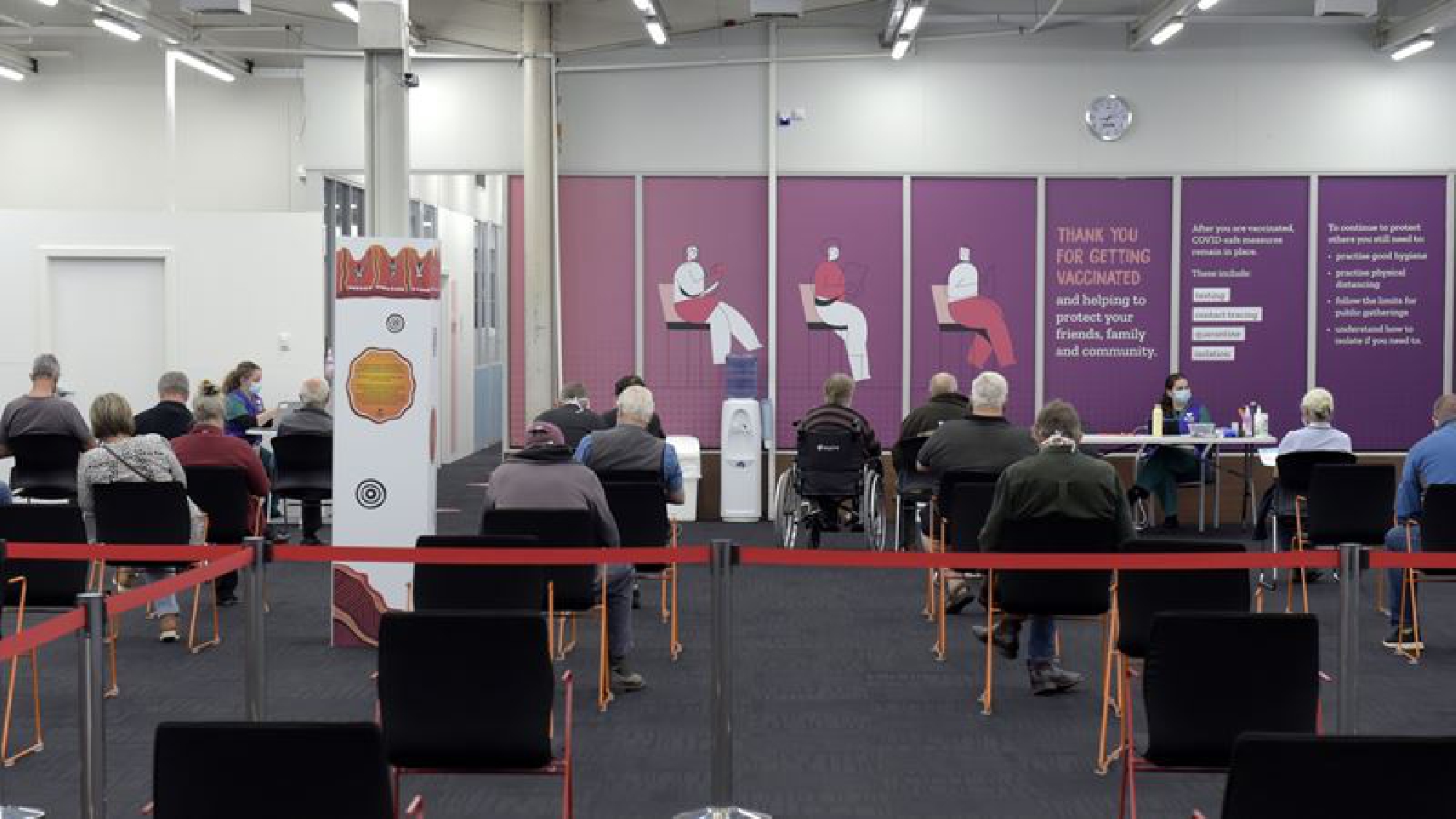
สิงคโปร์และไต้หวันประสบความสำเร็จในการควบคุมโควิด-19 โดยเฉพาะไต้หวันได้รับการชื่นชมจากสื่อทั่วโลกอย่างมากในการรักษาตัวเองจากการระบาดระลอกใหม่ๆ ทั้งๆ ที่ประเทสอื่นๆ ในเอเชียต้องเจอวิกฤตครั้งแล้วครั้งเล่า (ยกเว้นจีน) แต่ล่าสุด ทั้งสองประเทศต่างกำหนดข้อจำกัดเชิงรุกอย่างรวดเร็วทั้งในประเทศและการเดินทางระหว่างกัน เมื่อเกิดการระบาดระลอกใหม่ขึ้นมาและอาจจะน่าวิตกกกว่าครั้งไหนๆ

ไต้หวันยกระดับการแจ้งเตือนโคโรนาไวรัสในเมืองหลวงไทเปและเมืองโดยรอบเมื่อวันเสาร์โดยกำหนดข้อจำกัด 2 สัปดาห์ที่จะปิดสถานที่หลายแห่ง ทางการขอร้องให้ผู้คนอยู่บ้านในสุดสัปดาห์นี้หลังจากมีรายงานผู้ป่วยในท้องถิ่นใหม่ 180 รายเมื่อวันเสาร์ การชุมนุมในครอบครัวและการชุมนุมในไทเปจะจำกัดไว้ที่ 5 คนในขณะที่การชุมนุมกลางแจ้งจะจำกัดไว้ที่ 10 คน

ในขณะที่การติดเชื้อทั้งหมดนับตั้งแต่เริ่มระบาดยังคงอยู่ในระดับต่ำที่ 1,475 แต่การแพร่ระบาดในชุมชนเมื่อไม่นานมานี้ได้สร้างความตื่นตระหนกให้กับประชากรที่เคยชินกับชีวิตที่ใกล้เคียงกับภาวะปกติโดยไม่มีการปิดกั้นเต็มรูปแบบแบบที่เห็นจากที่อื่น

รอยเตอร์รายงานว่าทางการไต้หวันเรียกร้องให้ประชาชนหลีกเลี่ยงการตุนสินค้า เช่น บะหมี่กึ่งสำเร็จรูปและกระดาษชำระอย่างตื่นตระหนกเนื่องจากมีการออกมาตรการใหม่ในการชุมนุมและจำกัดการเคลื่อนไหวเพื่อควบคุมการแพร่ระบาดของโควิด -19 ในช่วงที่มีการติดเชื้อในประเทศ

ในสิงคโปร์มีคำสั่งห้ามรับประทานอาหารในร่มตามประกาศเมื่อวันศุกร์และตอนนี้จะเริ่มให้พนักงานต่างๆ ทำงานจากที่บ้าน

การระบาดและมาตรการควบคุมไวรัสยังคุกคามความคืบหน้าของการเดินทางในภูมิภาคอีกครั้ง ก่อนหน้านี้สิงคโปร์อนุญาตให้นักเดินทางจากไต้หวันเข้าโดยไม่ต้องมีการกักกัน แต่เมื่อวันเสาร์ที่ผ่านมามีการประกาศห้ามผู้เข้าเมืองระยะสั้นที่มีประวัติการเดินทางไปไต้หวันในช่วง 21 วันที่ผ่านมา และกำหนดให้พลเมืองผู้อยู่อาศัยถาวรและผู้ถือบัตรอาสัยระยะยาวต้องกักกันเมื่อเดินทางจากไต้หวันมาถึงสิงคโปร์

ศูนย์บัญชาการการแพร่ระบาดกลางของไต้หวันยังลดระดับสิงคโปร์พร้อมกับเวียดนามเป็น “ความเสี่ยงปานกลาง” จากกลุ่มประเทศที่มีความเสี่ยงต่ำ ซึ่งรวมถึงนิวซีแลนด์, มาเก๊า และออสเตรเลียซึ่งชี้ให้เห็นถึงการติดเชื้อที่เพิ่มขึ้นในเอเชียแปซิฟิกโดยเฉพาะในกลุ่มที่ต้านทานการระบาดมากได้ดีกว่าประเทศอื่นๆ

เวียดนามรายงานผู้ติดเชื้อไวรัสโคโรนาสายพันธุ์ใหม่ 165 รายและมีผู้เสียชีวิตรายใหม่ 1 รายเมื่อวันเสาร์ที่ผ่านมา เนื่องจากพบว่ามีการติดเชื้อเพิ่มขึ้นอย่างต่อเนื่องนับตั้งแต่มีการแพร่ระบาดของไวรัสอีกครั้งเมื่อปลายเดือนที่แล้ว

แม้แต่จีนก็น่ากังวล เจ้าหน้าที่ในจีนแผ่นดินใหญ่ซึ่งปลอดผู้ติดเชื้อในพื้นที่เป็นเวลาประมาณ 1 เดือน ในสัปดาห์นี้เพิ่มจะรายงานผู้ป่วยในท้องถิ่นจำนวนหนึ่งในมณฑลอันฮุยและเหลียวหนิง

สำนักข่าว Bloomberg ชี้ว่าสิงคโปร์และไต้หวันถูกมองว่าเป็นตัวอย่างความสำเร็จในการควบคุมโควิด-19 โดยประชาชนส่วนใหญ่หันมาใช้ชีวิตประจำวันโดยไม่ต้องกลัวการติดเชื้อ ในส่วนของไต้หวันไม่มีการติดเชื้อโคโรนาไวรัสภายในประเทศระหว่างเดือนเมษายน-ธันวาคม 2020 ในสิงคโปร์ ซึ่งเป็นสถานที่ที่ดีที่สุดที่จะอยู่ในยุคโควิด -19 โดยการจัดอันดับความยืดหยุ่นโควิด-19 ของ Bloomberg หลังจากควบคุมได้ผู้คนสามารถเข้าร่วมคอนเสิร์ตและไปล่องเรือสำราญ

แต่ตอนนี้สถานการณ์เปลี่ยนไปแล้ว และเมื่อไต้หวันไม่มีภัยคุกคามมานานหลายเดือนทำให้ประชาชนไม่เต็มใจที่จะรับการฉีดวัคซีน ในไต้หวันมีผู้ฉีดวัคซีนน้อยกว่า 1% จากข้อมูลของ Bloomberg Vaccine Tracker

Photo by Sam Yeh / AFP

Americans grapple with new guidance #SootinClaimon.Com

#SootinClaimon.Com : ขอบคุณแหล่งข้อมูล : หนังสือพิมพ์ The Nation.

https://www.nationthailand.com/international/40000923

Americans grapple with new guidance


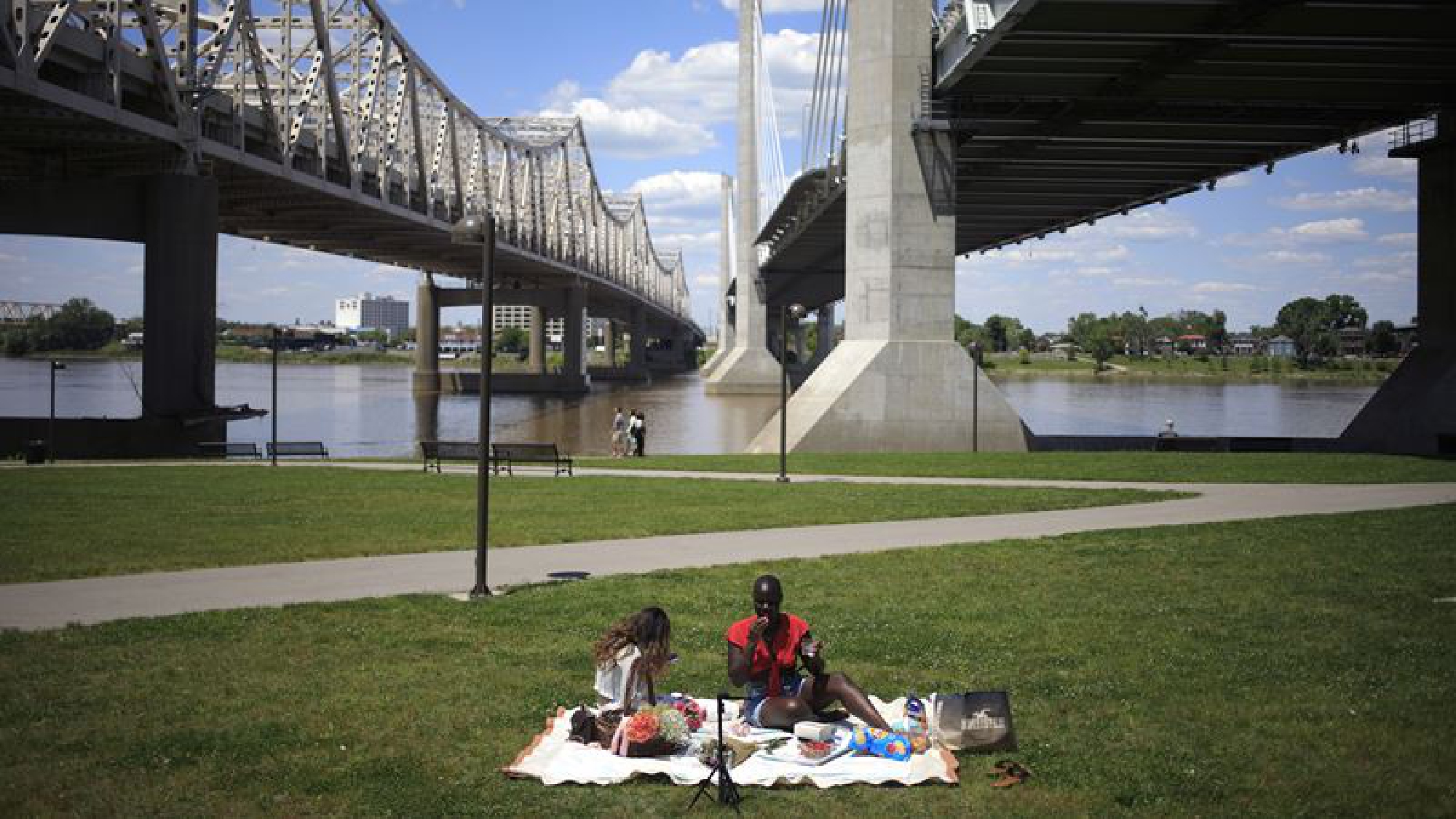
LOUISVILLE – Soon after the CDC announced its updated mask guidance, Louisville coffee shop owner Billy Sechman took to Instagram.

Americans grapple with new guidance

“Notice,” he posted, “masks are still required!”

Even though most of his staff is fully vaccinated, Sechman said he wasn’t comfortable with customers coming in barefaced.

“The mask mandate dropped so fast it caught us off guard,” said Sechman, 58, who owns Bean. “We have to get the team together and talk about everything.”

His experience highlights the chaos and confusion unleashed by the Centers for Disease Control and Prevention’s Thursday pronouncement that fully vaccinated people don’t need to wear masks in most cases.

While the relaxed guidelines had some ripping the cloth from their faces and vowing to party like it’s 2019, many around the country – particularly front-line workers and parents of small children – worried for their health, and wondered whether and how to implement the new guidance, at odds with the local regulations in some states.

Aubrielle Whitis, 23, a vaccinated barista at Bean, said she was nervous about the new guidelines.

“I’m worried that people who aren’t vaccinated will take it as a pass not to wear their mask. I feel pretty safe being vaccinated, but it’s more of a risk with the possibility of variants,” Whitis said.

For others, the announcement brought relief.

At Al’s Cafe in suburban Pittsburgh, a thrilled Rod Ambrogi told his staff Friday that they can take off their masks if they are vaccinated. The cafe was cited by the county health department after it continued to serve meals indoors last December, defying the governor’s shutdown order.

Ambrogi, who wore a mask only in public areas of the restaurant before Thursday, does not plan to get vaccinated. He said he thinks he had a mild case of covid-19 a few months ago, though he never got tested, and believes he is immune.

“I never did believe in masks,” he said.

Ambrogi, 74, said he could understand the restrictions for the first three months of the pandemic, but “I’ve been done with this coronavirus for the past few months. It’s behind us right now.”

Ambrogi said the CDC guidelines conflict with state regulations, creating confusion. Pennsylvania Gov. Tom Wolf, a Democrat, is lifting all capacity restrictions on businesses on Memorial Day, but said he will keep a state mask mandate until at least 70% of adult Pennsylvanians are vaccinated.

“As it is right now, should we wear masks, or shouldn’t we?” Ambrogi said. “The president says we don’t; Rite Aid or Giant Eagle says we do.”

In Minnesota, local officials grappled with that question.

Last week, Gov. Tim Walz, a Democrat, announced that all coronavirus restrictions on business and social gatherings would end on May 28, but extended the statewide indoor mask mandate until July 1, or until 70% of the eligible population has been fully vaccinated.

But at a Thursday news conference following the CDC announcement, Walz said he would end the mask mandate Friday, leaving cities and businesses to decide whether to impose their own rules.

At a Friday city council meeting, Minneapolis officials debated whether getting rid of the mask mandate would exacerbate racial disparities. “If the information that you’re giving us is that in more affluent and Whiter parts of town, lifting the mask mandate would be a pleasurable fun thing that would probably be safe; and if in other parts of town where people haven’t had access to the vaccine, it means people will get sick and die, I think it’s very clear what the choice is,” said council member Steve Fletcher, who represents an area of downtown Minneapolis.

Ultimately, the mayors of St. Paul and Minneapolis announced they would retain their mask mandates for now, saying they needed to consult with city health experts before lifting restrictions.

Jorge Guzman, a James Beard award-nominated chef who owns and operates Petite León in South Minneapolis, said he wasn’t surprised by the mixed messages from government and health officials.

“It’s been like that from the beginning,” he said. “One minute it’s this, the next minute it’s that. . . . You get tons of conflicting messages, and then all of the sudden one day without notice, no more mask.”

The CDC ruling is expected to accelerate an already busy summer of travel for vacations, barbecues and family reunions. Late Thursday evening, Disney chief executive Bob Chapek said he expected attendance at Disney World in Florida to spike and that the company is planning to drop its mask requirements for the theme park.

Disneyland in California will still be under that state’s mask order.

In Las Vegas, casino operators are bracing for a surge of visitors. But even as resorts such as Wynn Resorts and the Venetian posted signs at entrances Friday stating that vaccinated individuals could go maskless, a majority of visitors kept the cloth coverings in place.

Ricky Rodriguez, a bartender at ReBAR in the city’s downtown Arts District, is fully vaccinated but said he is going to play it cautiously.

“In the beginning, I wasn’t a believer. I thought it was just the flu,” the 33-year-old said. It wasn’t until a close friend contracted the virus and died of a blood clot at age 30 that he took it seriously.

“I’m happy everything is opening back up and that there is going to be some sort of normalcy, but I’m going to take precautions and sanitize my hands, wear my mask and keep my distance,” he said between pouring customers drinks. “I’m still going to be careful.”

The CDC’s surprise announcement also roiled parents of young children, who can’t yet get vaccinated.

“It’s hard to know that you can trust if people are vaccinated or if they just don’t want to wear a mask. It’s like a free pass to stop being considerate of the vulnerable populations who can’t get vaccinated,” said Kelsey Gorder, 30, a mother in San Francisco.

Gorder and her husband are both fully vaccinated. But with three unvaccinated kids at home under 6, one who is medically high risk, they’re not taking off masks anytime soon. She wants to set a good example for her kids, but is also uncomfortable with how fast things are moving.

“I get it, they’re getting more data and more information. But having spent the last 14 months quarantined and masked, to all the sudden say, ‘Oh it’s cool, you don’t really have to anymore,’ seems really premature,” Gorder said.

Rebecca Kee, another San Francisco resident, has seen how divisive the new guidance can be.

After the CDC said fully vaccinated people don’t need masks outside last week, she decided to walk barefaced in her neighborhood.

Then a man with two children, all masked, darted into the street to avoid her. When she told him there was new guidance, the man told Kee she was lying and he hoped her family would get sick and die.

“It shook me to my core and made me really feel horrible,” said Kee, 38. “I think in a time of deep instability and real fear, the mask became a symbol of caring for your neighbor that we all clung to.”

Kee said she will continue to go mask-free where allowed, but will give people a wide berth.

Jacob Schwandt, a 26-year-old government and civics teacher at Oldham County High School near Louisville, said he got vaccinated to spend time with his asthmatic dad. He said people aren’t even trying to abide by safety recommendations anymore – and the CDC’s Thursday ruling will only make it harder.

“The amount of time I spend each day prompting students to pull their mask up or put their mask back on is staggering,” he said.

In theory, he’s excited about an end to masking. But he’s worried about his workplace, which is full of unvaccinated young people who don’t typically follow social distancing rules and are vocal about their families’ opposition to vaccination.

And Schwandt doesn’t think the CDC’s new guidelines will lead to more vaccinations.

“Honestly, I believe that anyone who wanted to be vaccinated already has been, or has plans to become vaccinated,” Schwandt said. “The announcement felt more like an appeasement to those who are jaded with the safety protocols.”

Sandra Dear, the owner of the Little Boho Bookshop on Broadway in Bayonne, N.J., wore her black mask shortly after opening her store on Friday morning.

She carefully tracks coronavirus data in Bayonne, as well as neighboring cities in Hudson County and across the bridge in Staten Island. While information has changed almost daily, Dear has remained resolute in mandating that customers wear masks indoors until local vaccination rates reach 80%.

“The CDC announcement was a breath of fresh air,” she said. “However, then you hear the Yankees have eight people that are positive after the shot. We will step cautiously.”

Tory Aunspach, 42, is readying to open Cafe Alyce, his new venture in Jersey City. He just got tables for outdoor seating and is fully vaccinated. Workers wore masks as they prepared the space to welcome customers in coming weeks.

Aunspach welcomed the latest lifting of restrictions. He has kept delivery going at his other restaurant, Hooked JC, having closed the kitchen there for only five days early in the pandemic, and limited orders to online to keep his staff safe.

He sees opportunity now with his new cafe that looks out at the Manhattan skyline, and is planning for dining service when he opens sometime next month.

“People are tired of this,” he said. “It’s going to be nuts.”

Published : May 16, 2021

By : The Washington Post · Austyn Gaffney, Heather Kelly, Annie Gowen

Covid Zero havens find reopening harder than taming virus #SootinClaimon.Com

#SootinClaimon.Com : ขอบคุณแหล่งข้อมูล : หนังสือพิมพ์ The Nation.

https://www.nationthailand.com/international/40000922

Covid Zero havens find reopening harder than taming virus


A smattering of places, mainly across the Asia Pacific region, have seen breathtaking victories in the battle against covid-19 by effectively wiping it out within their borders. Now they face a fresh test: rejoining the rest of the world, which is still awash in the pathogen.

Covid Zero havens find reopening harder than taming virus

In some ways, the success of “Covid Zero” locations is becoming a straitjacket. As cities like New York and London return to in-person dealmaking and business as usual — tolerating hundreds of daily cases as vaccination gathers pace — financial hubs like Singapore and Hong Kong risk being left behind as they maintain stringent border curbs and try to stamp out single-digit flareups.

After a brutal 18 months that claimed 3.3 million lives worldwide, nations like China, Singapore, Australia and New Zealand have suffered fewer deaths during the entire pandemic than many countries, even highly vaccinated ones, continue to log in a matter of days.

That achievement has allowed people to have largely normal lives for much of the past year. Some haven’t even had to wear masks. But sustaining this vaunted status has also required stop-start lockdown cycles, near-blanket bans on international travel and strict quarantine policies. The few travelers permitted to enter have had to spend weeks in total confinement, unable to leave a hotel room.

Now that mass inoculation drives are allowing other parts of the world to normalize and open up to international travel, experts and residents are starting to question whether walling off from covid is worth the trade-off, if implemented long-term.

“The whole world is not going to be Covid Zero,” said Rupali Limaye, director of behavioral and implementation science at the International Vaccine Access Center at Johns Hopkins School of Public Health. “That’s not an option here.”

Aggressive reactions to tiny caseloads may seem overblown to observers in countries facing thousands of infections a day, but the aim is to snuff out coronavirus before more disruptive restrictions like months-long lockdowns are needed — and largely the strategy has worked. Still, the slower pace of vaccination in these places, and the threat of new variants, has meant that measures have become more and more onerous.

New York currently logs 95 new daily cases per million people, and the U.S. has just lifted its mask mandate for those vaccinated. Singapore found just 4.2 new cases per million on Thursday, boosting locally acquired cases to the highest level since July last year, and is returning to restrictions it last imposed a year ago, banning dining-in and limiting gatherings to two people. The resurgence is also putting its highly-anticipated travel bubble with Hong Kong in doubt.

Meanwhile, Taiwan recorded 16 local cases on Wednesday — a daily record high — and promptly restricted access to gyms and other public venues. On Saturday, Taiwan imposed restrictions on gatherings and ordered entertainment businesses to shutter operations as it raised the alert level in its capital to battle a surge in local covid-19 infections.

In Hong Kong, anyone living in the same building as a person infected with a new covid variant was required to spend as much as three weeks in government isolation until the policy changed last week. Australia has said that it likely won’t open its international borders until the second half of 2022.

“Because we have been so successful, we are even more risk-averse than we were before,” said Peter Collignon, a professor of infectious diseases at the Australian National University Medical School in Canberra.

“We are very intolerant of letting any covid come into the country,” he said. “The fear has almost gotten out of proportion to what the risk is.”

Continued isolation is the price these places will have to pay to maintain this approach in the longer term, as other parts of the world learn to tolerate some infections as long as medical systems aren’t overwhelmed.

Most experts agree that the virus is unlikely to disappear completely. Instead, it is expected to become endemic, meaning it will circulate at some level without sparking the deadly outbreaks seen since late 2019.

To maintain zero infection rates, these economies will have to implement measures that are harsher and more strict, said Donald Low, professor at the Institute of Public Policy of the Hong Kong University of Science and Technology.

“This is neither wise nor tenable for much longer,” he said. “All this puts the places that have done well to suppress covid-19 so far at a serious disadvantage as their societies — not having been exposed to the possibility of covid-19 becoming endemic — are not willing to accept any relaxation of measures that may put their health at risk.”

Meanwhile, many countries — particularly those in the west that are awash in vaccines — are starting to reopen.

Travelers from England and Scotland will be permitted to visit a dozen countries without quarantining from 17 May. In the U.S., where about 35,000 people were diagnosed with the virus on May 12, the strict quarantine rules that prevented the import of the pathogen to Covid Zero countries never existed. Most states are starting to lift their pandemic restrictions and 25 have removed them completely.

For Hong Kong and Singapore, the drawbacks of maintaining an elimination strategy as financial centers like London and New York City re-open may be significant. As aviation hubs and financial centers, both cities’ economies are particularly reliant on travel, compared to export-led economies such as China and Australia that can stomach being shut for longer. In 2019, Hong Kong was the world’s most popular city with international visitors — even after months of political unrest — while Singapore came in fourth place. London was at No. 5 and New York at No. 11.

A major obstacle to reopening is the slow vaccine rollout in these covid havens, due to a combination of supply limitations and citizens’ lack of urgency about fronting up for shots.

China has administered enough vaccinations for about 12% of its population. In Australia, the figure is 5% and in New Zealand, just 3%. Meanwhile, more than one-third of the U.S. — and more than one quarter of the U.K. — is fully protected, as those countries’ failure to mitigate the spread of covid meant vaccination was prioritized.

In places with very few infections, the public hasn’t developed the searing fear of the virus that emerged in the U.S., Europe, India and Brazil, where many families were cut off from dying loved ones or left unable to visit elderly relatives in care facilities.

In fact many residents fear the vaccine more than the virus. Reports of routine side effects including fever and injection-site pain, as well as rare and potentially deadly complications like blood clots, have put people off. The lack of an immediate threat from covid means some people would rather wait until the vaccines are more progressed.

Not everyone agrees that elimination can’t be pursued long-term. For Michael Baker, professor of public health at the University of Otago in Wellington, New Zealand, the approach’s benefits are evident in how deaths in the country — from any cause — actually dropped in 2020.

“The evidence is overwhelming for zero covid if you can achieve it,” he said. “If there had been the commitment to having elimination as the first option, we may have been able to eliminate it entirely and avoided this global disaster.”

He’s still hopeful that the strategy will be more broadly adopted with the help of vaccination, so that coronavirus will follow the measles model rather than an endemic one.

“With the measles approach, you largely stop outbreaks in every country that has high coverage,” he said.

Nonetheless, covid havens face a growing dilemma. If vaccinations don’t pick up pace, they risk being stuck in a perpetual cycle, unable to move past the pandemic.

“If their vaccination rates are low, that further jeopardizes their ability to open up,” Low said. “If so, the earlier ‘victory’ of these places over covid-19 would have been a Pyrrhic one.”

Published : May 16, 2021

By : Syndication Washington Post, Bloomberg · Michelle Fay Cortez, Jinshan Hong

Amid intense Israeli airstrikes in Gaza, a media hub hit after warning #SootinClaimon.Com

#SootinClaimon.Com : ขอบคุณแหล่งข้อมูล : หนังสือพิมพ์ The Nation.

https://www.nationthailand.com/international/40000921

Amid intense Israeli airstrikes in Gaza, a media hub hit after warning


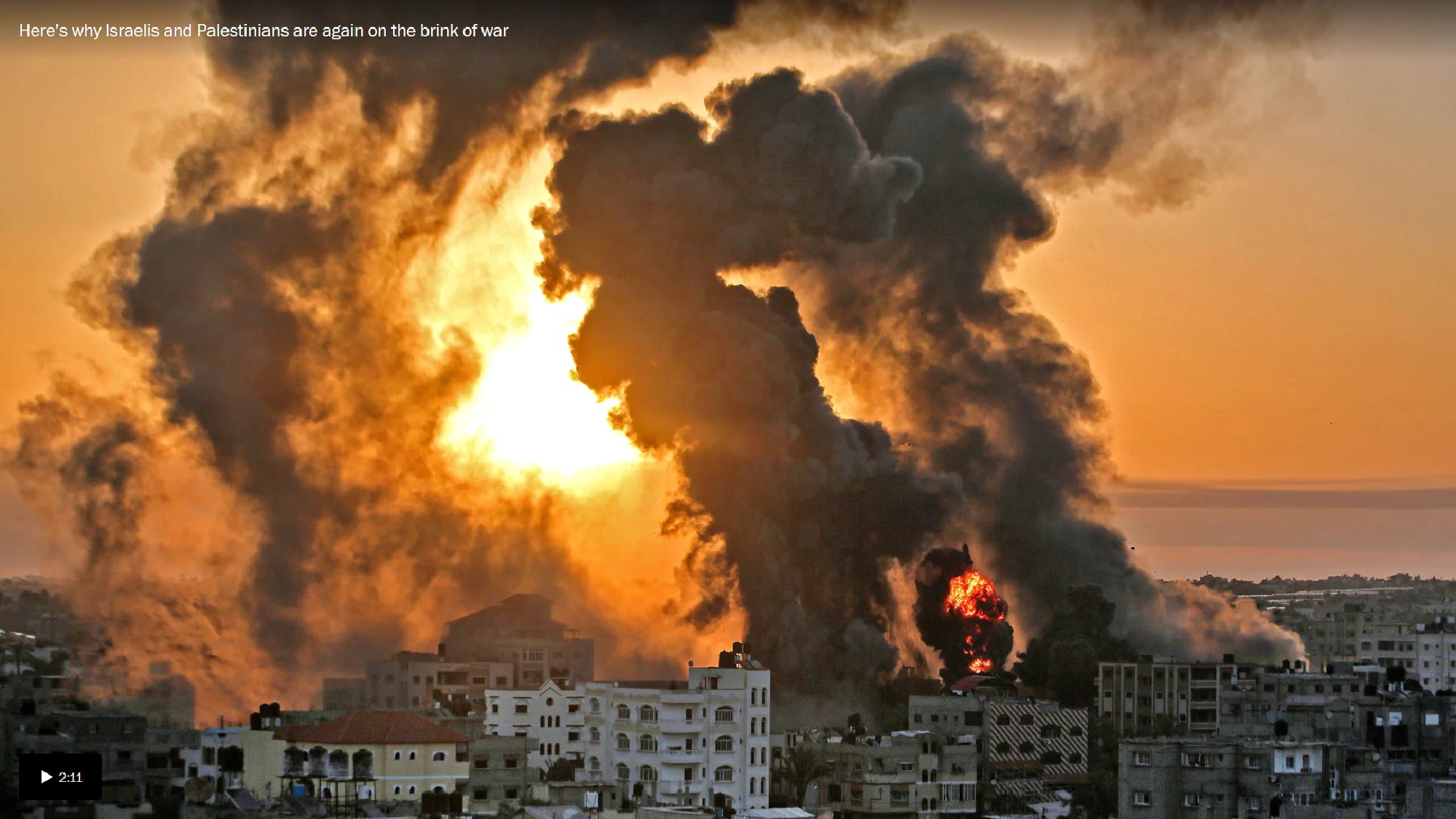
TEL AVIV – Israeli jets demolished the building housing several international news outlets in Gaza City Saturday, sparking outrage among media groups and concern from the White House as violence continued to engulf Israel and the Palestinian territories.

Amid intense Israeli airstrikes in Gaza, a media hub hit after warning

The conflict raged unabated as the violence moved into its second week. Rockets from Gaza bombarded Israeli cities and communal strife gripped swaths of Israel and the West Bank. Warning sirens sounded in Tel Aviv and parts of southern Israel.

At least 139 people have died in Gaza, according to the health ministry, including eight people, women and children among them, who were killed in a strike within the Shati refugee camp. An Israeli military spokesman said that incident was being investigated and officials would issue a statement shortly.

In Israel, one person died after two rockets fell in Ramat Gan, just east of Tel Aviv, according to emergency rescue services, taking the total death toll in Israel to 10.

The Israeli military said the multistory building in Gaza City that housed the BBC, the Associated Press, Al Jazeera other media outlet was also used by Hamas and Islamic Jihad, including intelligence and research and development offices. The military condemned the militants for using the news agencies as “human shields.”

The journalists and others received warning calls from Israeli military operatives giving them about an hour to clear the building. Many offices were closed for the Eid holiday, marking the end of the Muslim holy month of Ramadan, and reporters had no chance to retrieve notes, records and laptops before a midday strike leveled the structure.

The action raised concerns that media would find it more difficult to report on events in Gaza, where the military onslaught threatens a humanitarian disaster and outside reporters are being blocked from entering because checkpoints are closed.

“The world will know less about what is happening in Gaza because of what happened today,” the AP’s president and chief executive, Gary Pruitt, said in a statement.

President Joe Biden raised the issue with Israeli Prime Minister Benjamin Netanyahu in a call Saturday. “He raised concerns about the safety and security of journalists and reinforced the need to ensure their protection,” the White House said in summary of their conversation. The president also restated his support for Israel to defend itself against more than 2,200 rockets from Gaza and “noted that this current period of conflict has tragically claimed the lives of Israeli and Palestinian civilians, including children.”

“Ensuring the safety and security of journalists and independent media is a paramount responsibility,” tweeted White House press secretary Jen Psaki.

Mohammed Ali, a bureau assistant with Al Jazeera, said that he and other staff fled the building when the warning came from the Israelis an hour before the strike. But they went back in to try to retrieve something that was irreplaceable: the bureau’s archives.

“There are thousands or hours of videos and photos,” he said. “We were able to get some of it out, not even half of it. We tried our best, but in the end we were afraid for our lives,” he said. If there was a Hamas office in the building, he wasn’t aware of it, he said. There building also contained doctors’ and legal offices and residential apartments, he said.

The military strikes came as funerals were held for 11 Palestinians killed by Israeli forces in clashes in the West Bank Friday and early Saturday as the area emerged as a new flash point.

In Israel, residents braced for another night of violence between Arab and Jewish citizens. In Jaffa, Israeli police said they were investigating an attack that saw a 12-year-old boy burned reportedly by a molotov cocktail thrown his living room window.

Meanwhile, Israeli Arabs gathered for Nakba Day, an annual event marking the displacement of an estimated 700,000 Palestinians when Israel was founded in 1948. (Nakba means disaster or catastrophe in Arabic). At midday, sirens sounded in central Ramallah, the main West Bank city, to mark the event.

“I think for Palestinians it’s less about commemorating Nakba right now and more about commemorating the ongoing Nakba,” said Mariam Barghouti, a Palestinian writer and activist in Ramallah. “That’s the difference this time.”

Amid intense Israeli airstrikes in Gaza, a media hub hit after warning

In Sakhnin, a town in northern Israel, dozens of Palestinian flags flapped over a crowd of about 5,000 gathering for Nakba events. The crowd, many wrapped in black-and-white kaffiyehs, marched from a mosque to the municipal building chanting slogans as families lined the route.

“We are living Nakba,” said Kristen Ghnaiem, 25. “It’s continuous. We are living another one.”

Journalists in Gaza City described a surreal experience of covering the destruction of their own offices.

Al Jazeera broadcast footage of what it said was the building’s owner trying to negotiate by phone with an Israeli officer to get an extra 10 minutes of time before the strike to retrieve camera equipment. Those in the building had been given more than an hours warning, but he said journalists had been outside their offices doing broadcasts.

“There’s no difference between 3 o’clock and 3:10,” he argued, but the voice on the other side was unrelenting: “No one enters the building,” it said.

“All the efforts we put into our lives is one with the wind,” said the owner. “Our memories, our lives, you forced us to lose.”

The exchange is the one of several recorded example of Arabic-speaking Israeli military operatives phoning landlords, managers and tenets of targeted buildings. The Israel military has made calls, issued social media warnings and delivered nonlethal “roof-knocking” strikes to give residents and workers a chance to flee.

The building also housed the Gaza Center for Media Freedom, which trains local journalists and monitors press freedom. The organization’s director, Adel Zanoun, said the group had been in the process of moving out of the building anyway, but they hadn’t dared to enter the building to retrieve their remaining equipment – 12 laptops and six desktop computers – after the evacuation order came.

“What could we do?” he said. “It’s a big risk, it’s very, very dangerous.”

Zanoun, who also works for the Agence France-Presse news agency, said that the aerial bombardment eclipses anything seen in the later major attacks on Gaza in 2014. “There are airstrikes everywhere,” he said. “And very, very strong.”

Palestinians say Israeli is showing disregard for civilians safety in the bombardment.

But a senior Israeli Air Force general, who would only speak if not identified by name, said the process of issuing advance warnings was evidence that Israel is doing what it can to minimize civilian casualties as it strikes the military assets Hamas has embedded in crowded neighborhoods.

Mindful of the growing international condemnation of the mounting death toll in Gaza, a senior Israeli air force general, who spoke on the condition of anonymity to discuss sensitive military issues, said the process of issuing advance warnings was evidence that Israel is doing what it can to minimize civilian casualties as it strikes the military assets Hamas has embedded in crowded neighborhoods.

Published : May 16, 2021

By : The Washington Post · Loveday Morris, Miriam Berger, Hazem Balousha, Steve Hendrix

Indias coronavirus crisis spreads to its villages, where health care is hard to find #SootinClaimon.Com

#SootinClaimon.Com : ขอบคุณแหล่งข้อมูล : หนังสือพิมพ์ The Nation.

https://www.nationthailand.com/international/40000920

Indias coronavirus crisis spreads to its villages, where health care is hard to find


BANAIL, India – The illness traveled silently through the narrow lanes of this prosperous village in Uttar Pradesh, infecting both young and old. People complained of fevers, cough and breathlessness. Then they began to die.

Indias coronavirus crisis spreads to its villages, where health care is hard to find

Vipin Kumar, a farmer in his 40s, was one of them. Last week, a feverish Kumar lay in pain on a cot in the courtyard of his family’s modest home, which abuts a maize field.

On the fifth day, his breathing became labored, and the family was advised by a local doctor to rush him to a big city 25 miles away – a formidable task the family could not manage, according to his son, Devendra. That evening, on May 10, his body began to shake violently and he died soon after.

More than 20 people with coronavirus symptoms have died in the village over the past two weeks, according to locals, a significant increase over the three or four deaths per month the village saw before the pandemic. Most of them, like Kumar, were never tested.

“Not a day goes by when there are no deaths,” said Hariom Raghav, a farmer and businessman who had just returned from a cremation. “If things continue like this, the village will empty out soon.”

The story of Banail has been playing out in villages across India as the virus continues its deadly surge: Rural areas, where over 65 percent of India’s 1.3 billion people live, had been spared in the first wave of the pandemic but are now facing devastating numbers of infections. Three quarters of all districts in India are reporting a positivity rate of more than 10 percent, a health official said Tuesday, an indication of how widely the virus had spread.

With more than 23 million reported cases, India is the global epicenter of the coronavirus pandemic. The country is recording more than 4,000 deaths a day, which experts say is an undercount. This week the World Health Organization classified the variant first found in India as a variant of “concern” and said initial studies suggested it spreads more easily.

Health-care infrastructure in villages – deficient at best or missing altogether before the pandemic – is ill-equipped to service the current needs. India’s rural health-care system has far fewer specialist doctors than needed. Low levels of awareness among villagers about coronavirus prevention and a slow rollout of vaccines has added to worries.

At the center of this crisis in the hinterland is the state of Uttar Pradesh – home to 230 million people, more than the population of Brazil. It is also one of the poorest and least-developed states. In April, local elections were held in villages across the state, which officials say led to the surge in rural areas. According to a teachers’ organization, more than 700 government teachers who were assigned to poll duty died after the elections, many after testing positive for the coronavirus. At the start of the month, the state was recording just over 2,500 cases. By the end of the month, as the elections wrapped up, cases surged to nearly 35,000.

This week, dozens of bodies suspected to be coronavirus patients have been found floating in India’s holy Ganges river in areas of Uttar Pradesh and its adjoining state, raising fears that corpses are being cast into the river because crematoriums are overwhelmed.

Activist and farmer leader Yogendra Yadav wrote that “sheer political callousness” has made the state the epicenter of “one of the worst” disasters in 21st century India. Recently, legislators from the ruling Bharatiya Janata Party wrote to the state chief minister to raise an alarm over the situation in rural areas.

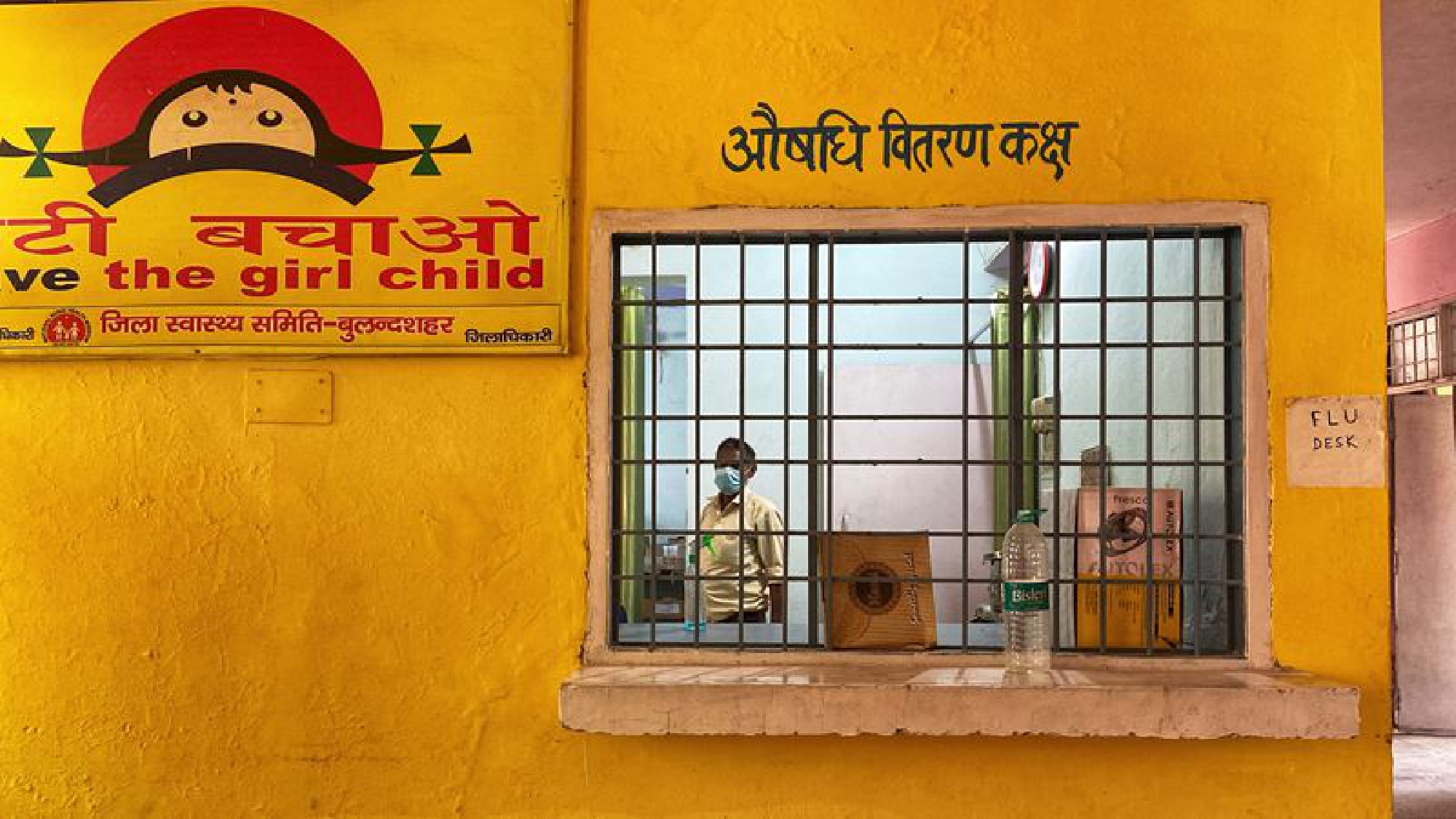
In Banail, the village seeing a spurt of deaths, the primary health center is a rundown pink building with broken windows and a motorbike parked in one of the treatment rooms. The doctor had been away for more than a month – first for a government training program, and then in quarantine after working in a covid hospital in the district. A pharmacist on duty said he told villagers to call covid helpline numbers for assistance.

“The government has made no arrangements. They have left us at the mercy of God,” said Rakesh Sisodiya, a villager. “Where should people go?”

Manpal Singh, a local doctor, said nearly 10 people turn up at his clinic every day with flu-like symptoms. He advises those who complain of breathlessness to get tested.

On a recent afternoon, a government team arrived in the village to conduct screening and testing. Outside a temple guesthouse, under the shade of a neem tree, the team checked the temperature and oxygen level of the villagers who gathered. The team had brought 25 rapid antigen test kits for a village with more than 10,000 people.

About three miles away in a nearby town is a larger government health center. Just before 2 p.m., Hemendra Kumar, the solo technician conducting tests, had run out of kits and began to turn people away. He said the district authorities send 100-120 rapid antigen kits and 50 RT-PCR kits each day that are used quickly. RT-PCR results can take up to five days because they are sent to a city hospital 40 miles away.

At district headquarters in Bulandshahr, Ravindra Kumar, a high-ranking official, said he works late into the night these days. “You have visited one village out of 951,” he said. “We are sending teams in villages for screening, testing and with medicine kits. The situation is completely under control.”

Unlike earlier, he said, a majority of the cases in the past weeks have been reported from rural areas.

In Ghazipur district, at the other end of the state, the situation is just as grim. In the village of Sauram, the village head recently wrote to officials about 17 covid-like deaths in the past two weeks, prompting them to organize screening camps. Most died at home without ever making it to a health-care facility. The closest center is 12 miles from the village; for advanced care, villagers must travel 60 miles to the city of Varanasi. G.C. Maurya, a local health official, denied these were deaths from the coronavirus.

The neighboring state of Bihar is also hard-hit. In Siwan, Vishnu Shankar Tiwari, a 34-year-old worker at an eye clinic, spent three days trying to find a hospital bed with access to oxygen for his mother, whose saturation levels were dropping quickly. She died on way to a hospital.

“In last two weeks at least 12 people I knew have died,” Tiwari said. “Most of them died without even reaching a hospital, like my mother.”

Amjad Khan, a doctor in the area, runs a covid WhatsApp group offering consultation to people across the state that he said helped him keep tabs on the situation in far-flung places.

“It is impossible to know the real magnitude of covid-related deaths in rural Bihar,” Khan said. “Most of the people don’t even know that it was [covid] that killed their loved ones.”

For the family of Kumar, the farmer from Banail village, the shock of his death was compounded by the ordeal that followed. Villagers were unwilling to help carry the body to the cremation ground, as is the norm. Ultimately, Kumar’s sons, including a 12-year-old, picked up the cot on which he died and carried it the two miles to the cremation site.

“He would have been alive if there had been medical facilities here,” said Bimla Devi, Kumar’s sister breaking into tears. “This was not his age to die.”

Published : May 16, 2021

By : The Washington Post · Niha Masih

In Britain, soccer final is a study for post-pandemic crowds #SootinClaimon.Com

#SootinClaimon.Com : ขอบคุณแหล่งข้อมูล : หนังสือพิมพ์ The Nation.

https://www.nationthailand.com/international/40000919

In Britain, soccer final is a study for post-pandemic crowds


LONDON – To the fans, the FA Cup final at Wembley Stadium is an all-important soccer match. Its also a science experiment with far-reaching implications about how to reopen society as the pandemic loosens its grip in some places.

In Britain, soccer final is a study for post-pandemic crowds

On Saturday afternoon, the British government was watching scientists watching fans watching Chelsea and Leicester City play in the final of the oldest national soccer tournament in the world. Prince William, the president of the English Football Association, was watching at the stadium in northwest London, too.

The event in Wembley is the last and largest of a series of trials in Britain designed to inform how to resume large-scale gatherings as coronavirus restrictions are lifted.

The trials haven’t involved vaccine passports, as Prime Minister Boris Johnson initially suggested they would. But among other things, they are assessing people’s willingness to provide documentation that they are virus-free.

The 21,000 fans at Wembley were required to present evidence of a negative lateral flow test from the previous 48 hours to pass through the turnstiles. These are the cheap and relatively easy-to-use kits that require a swab of the throat and nose. In this experiment, fans must go to a pharmacy or National Health Service testing center to be checked.

In the Wembley experiment, the fans are also being encouraged to take a more precise PCR test at home before and after the game to gauge whether the less trustworthy lateral flow method is sufficient for preventing outbreaks.

“I feel like we are sorta being tested like lab rats,” said Alfie Collins-Smith, an 18-year-old student and Chelsea fan.

But he quickly added that he willingly signed on. “I’d do many, many tests, even quarantine, to go to this match. It’s the first live game I’ve gone to in 14 months,” he said.

As people began to file into the stadium, several fans let off blue flares and sang songs, some with beer cans raised high. The crowd appeared more worried about the rain clouds than the coronavirus.”

I’m looking at Wembley Stadium and am so looking forward to actually seeing people in the stands watching real football,” said David Parker, 47, a real estate agent. He took his coronavirus tests and said he’d happily submit to wearing masks or producing a vaccine passport going forward.Asked about the idea that fans stop singing or chanting in the stadium, he replied: “That’s not going to happen.”

“If we go to stadiums we will sing and chant. There’s no point going in to be quiet.”

Britain is slowly emerging from its third national lockdown and has announced a step-by-step plan to ease restrictions.

On Monday, pubs and restaurants will open indoors for the first time in months. Indoor and outdoor venues will also be allowed to host events, but with social distancing and caps on capacity. For instance, indoor venues can have up to 1,000 spectators or half-capacity, whichever is lower. Large outdoor venues, such as big soccer stadiums, will have a cap of 10,000 or a quarter full, whichever is lower.

It’s a start. But hardly a snap back in time to heaving sports stadiums or sweaty nightclubs. At the FA Cup final in 2019, more than 85,000 fans packed into Wembley.

And as long as capacity restrictions are in place, certain events aren’t viable. The bigger musicals in London’s West End, for instance, need to sell about 80% to 85% of tickets to break even.

The British government is hoping that its Events Research Program can help guide a fuller reopening. Johnson has set June 21 as the target date to lift all restrictions, though on Friday he warned that it could be pushed back because of the risk posed by the coronavirus variant first identified in India.

Johnson has repeatedly touted testing as a way out of the pandemic. Last fall, he unveiled “Operation Moonshot,” a plan to test 10 million Brits every single day. Although that didn’t happen, officials are still looking for a new way forward, which could include testing before large events, vaccine passports or other measures entirely.

Some of the experimental events, including a business conference and two raves at a nightclub in Liverpool, dropped social distancing requirements and allowed participants to go maskless. Fans at Wembley were still being urged to stay three feet apart.

In that sense, it was like a Major League Baseball game – if baseball fans were required to get tested and researchers were monitoring their behavior. Cameras were recording footage and researchers were dispatched to take notes. Are people sharing food and drinks? What does the flow of the crowd look like?

Theresa Marteau, a behavioral scientist at Cambridge University who is overseeing the pilot studies, was an author on a recent academic paper that discussed creating new norms at events: Perhaps fans could stamp their feet instead of cheer, or clap instead of sing.

“While it is a basic norm of many sports crowds that people express passionate support for their team, and without that the whole activity has little meaning . . . it may be possible to develop new and distinctive ways of expressing that passion (stamping, clapping, etc) that are of lower risk than shouting or singing,” the authors wrote.

In Britain, soccer final is a study for post-pandemic crowds

Many scientists approve of the experiment, but they caution against reading too much into the results.

Using the lateral flow tests, which aren’t foolproof, makes sense for large events as the lockdown eases, said Adam Finn, a professor of pediatrics at the University of Bristol and a member of the Britain’s Joint Committee on Vaccination and Immunization.

“You’re not aiming for perfection. What you’re trying to do is ‘re-risk’ the event. I’m in favor of giving it a try,” Finn said.

“Context is hugely important,” said Martin McKee, a professor of European public health at the London School of Hygiene and Tropical Medicine. “You can’t necessarily say you can do the same thing safely in another place where the prevalence is higher.”

With a brisk vaccination program and after a rigid lockdown, Britain has a caseload that is even lower than that in the United States, averaging a little over three new daily cases per 100,000 people.

McKee also said that while this experiment will include supervised testing, this is labor intensive and will require substantial resources. Otherwise, the system could be open to fraud.

“It would be wide open to abuse if testing was unsupervised,” he said. “You could test all your family until you get a test that comes up negative and bring that in.”

He said that, at the moment, there were still “big question marks” about whether Britain could reopen to large-scale events in the summer, given the threats posed by variants of concern.

Perhaps that’s why some fans at Wembley were keen to savor the moment.

“It’s something I’ve been waiting a long time for,” said Prem Patel, 24, who hasn’t seen a live soccer match in more than a year. Speaking before kickoff, he said he was excited to see old friends, cheer on his team and “do my bit for research.”

Published : May 16, 2021

By : The Washington Post · Karla Adam