Higher death rate in Asean despite decline in Covid-19 cases
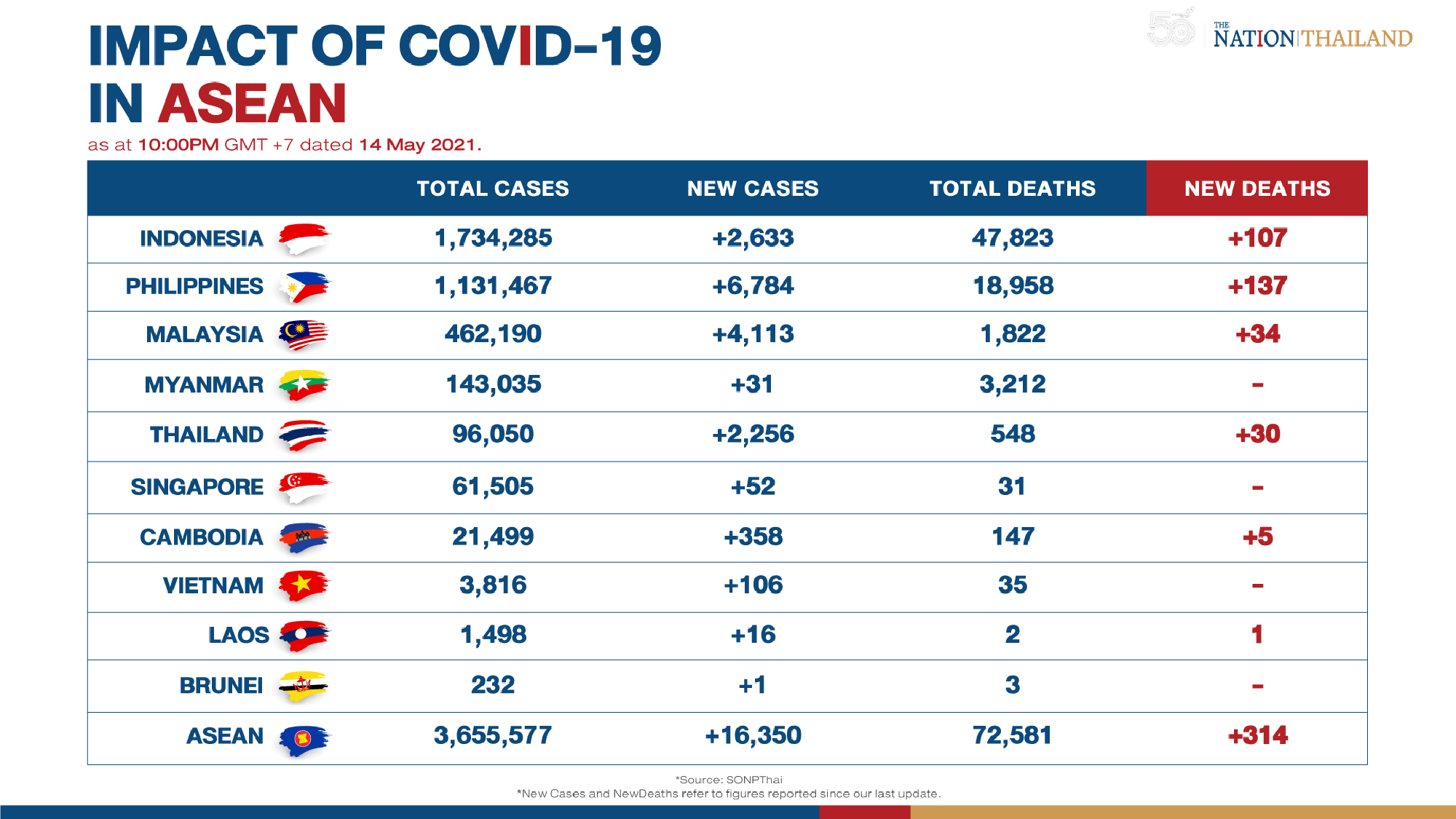
With 16,350 new cases on Friday, the number of Covid-19 patients since the outbreak crossed 3.65 million across Southeast Asia. The number was however a big improvement over the previous day when 20,213 cases were reported.
However, with 314 new deaths, from fewer cases, the situation was worse than the 272 fatalities on Thursday.
Total deaths from Covid-19 in Asean rose to 72,581.
Singapore reported 52 cases from local clusters, bringing cumulative cases in the country to 61,505. This prompted the government to increase lockdown measures: from May 16 to June 13, dining in at restaurants will be banned while public assembly of more than two people will be prohibited.
Vietnam reported 106 new patients, bringing cumulative cases to 3,816. Of these, 2,657 have been cured and discharged. The Vietnamese government received another 2.5 million doses of vaccine from the World Health Organization on Thursday and will distribute them to its people in addition to 960,000 doses that have been given since January.
Laos reported one death and 16 new infections, bringing cumulative cases in the country to 1,496 with two deaths, while 515 people have been cured and discharged. The second fatality was a 29-year-old Vientiane man who had diabetes and high blood pressure before he contracted the coronavirus. The government confirmed that the strain found spreading in the country was a UK one.
Israeli forces hit Hamas tunnels in Gaza as all-out war looms; more rockets rain down
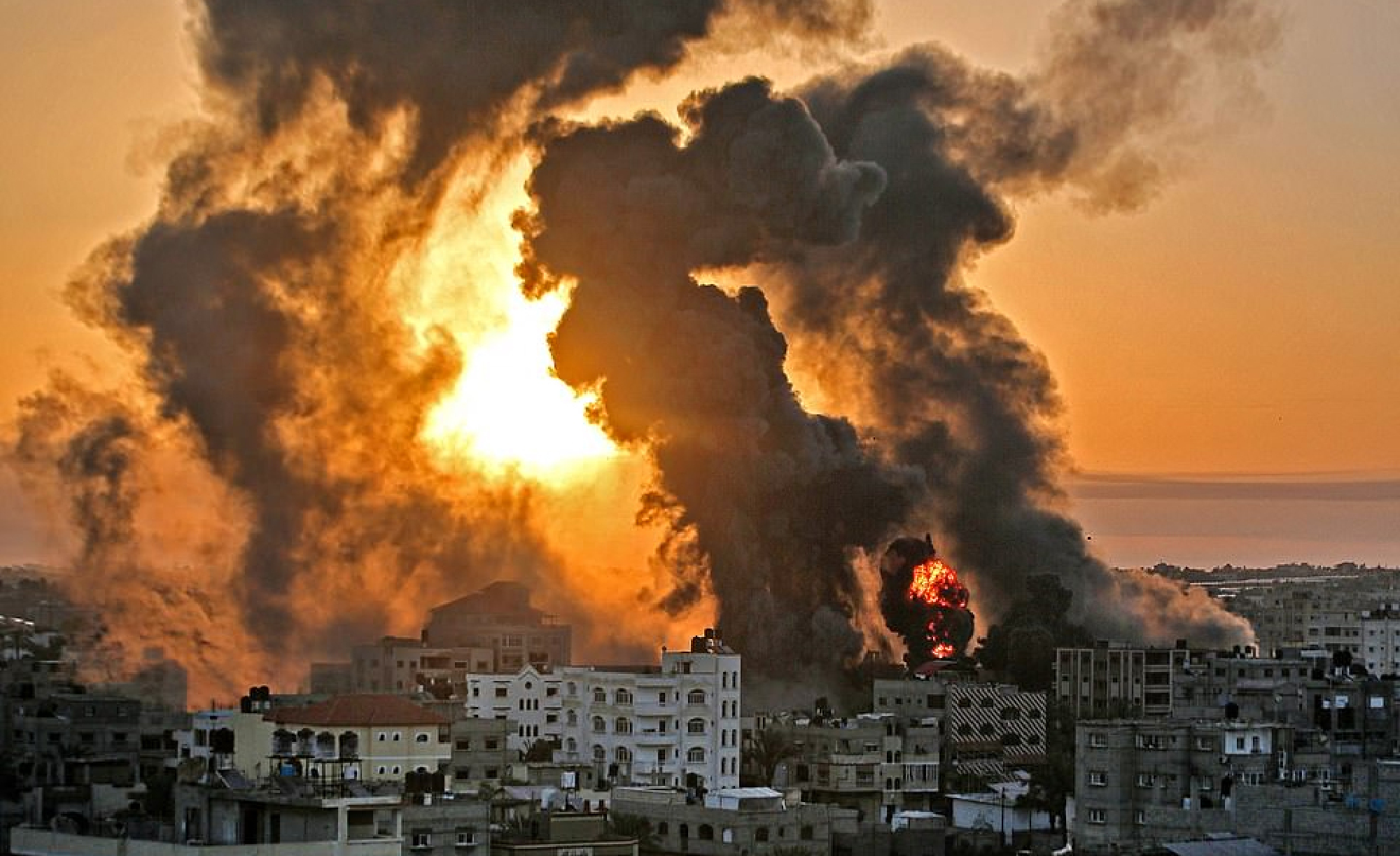
JERUSALEM – Israel continued to press its air campaign against the Gaza Strip on Friday after a devastating overnight assault by artillery and war planes aimed at destroying an extensive system of tunnels built by the militant Hamas group to move fighters, rockets and other weapons.
Israeli airstrikes and Hamas rocket attacks on Israel both raged into Friday evening with no sign of abating. The reciprocal bombardment has resulted in the deaths of 126 in Gaza and nine in Israel, health and emergency officials say, with hundreds more injured over five days of fighting.
Violence between Jewish and Arab citizens of Israel also continued in cities across the country, while new clashes erupted in the occupied West Bank, which had been relatively calm in recent days, with skirmishes in Ramallah, Nablus, Tulkarem and other cities. Eleven Palestinians were killed in West Bank confrontations with security forces, according to health officials.
By sunset, unrest flared in several Arab neighborhoods of East Jerusalem, where Palestinians throwing stones and firebombs battled police wielding stun grenades and tear gas, and protesters set cars and trees afire. The Israeli human rights group B’Tselem reported that Israeli settlers had set fire to swaths of Palestinian farmland in the West Bank.
Dozens of pro-Palestinian protesters from Lebanon, meantime, broke through a border fence, crossed into Israeli territory and set a fire in an open field near the northern town of Metula. Soldiers shot at them, and they returned to Lebanese territory, according to the Israeli military. One of the demonstrators, a 21-year-old Lebanese man who was shot after rushing the border, died later from his wounds, according to Al-Manar, Hezbollah’s official TV channel.
The overnight assault on Gaza involved 160 Israeli warplanes and three brigades of ground forces, including tanks, according to a spokesman for the Israeli military. Although ground forces participated, they did not enter the Gaza Strip, said Israeli military spokesman Lt. Col. Jonathan Conricus, contradicting a statement the night before that a ground assault on the enclave was underway. The Israeli military said its operation targeted a sprawling system of tunnels that Hamas has spent years building underneath Gaza’s streets.
“The aim of that joint activity of air and ground forces was to deliver a severe blow to Hamas’s underground tunnel system, which we refer to as the ‘metro,’ which is essentially a city beneath the city of Gaza,” Conricus said. “It is a strategic asset that Hamas has invested many years of effort and time and significant resources to construct.”
It was too soon to say how much of the tunnel system was destroyed, he said, but he added that “quite a lot of enemy combatants” were killed in the operation.
“Unlike our very elaborate efforts to clear civilian areas before we strike high-rises or large buildings inside Gaza, that wasn’t feasible this time,” Conricus said, adding that the operation targeted Hamas tunnels and infrastructure with “precision-guided munitions.”
The barrage came around midnight and lasted uninterrupted for about 40 minutes, forcing hundreds of residents of the northern Gaza Strip to flee their homes. A Palestinian humanitarian group said at least 10 civilians had been killed in the attack.
Abed Nofal, 35, was on the phone in his home in Gaza’s Jabaliya neighborhood, located next to farmland that he considered an unlikely target, when he saw a rocket contrail streaking his way. He had begun running to the far side of the apartment when an explosion tore through the building. In the shattering confusion, he helped his sobbing wife, who is expecting their first child, to her feet, and they ran for a shelter down the road.
“I feel like life is losing its meaning,” Nofal, a driver for humanitarian groups, said in a telephone interview. “It’s like every time I’m working hard to achieve something. Then in one second everything is not there.”
Civilians on the Israeli side of the border also spent another night under threat as Hamas continued to launch rockets almost continuously into the southern part of the country. The Israeli military said more than 2,000 rockets had been fired from Gaza since the fighting began Monday, with about 400 of them falling short and landing in Gaza itself.
Nine residents of Israel, including one soldier and an Indian guest worker, have been killed by rockets that struck homes, cars and a bus. A 50-year-old woman died Friday morning during an air raid from injuries she sustained running for shelter. Air raids have been a daily, often hourly trial for millions of Israelis.
Israel has also grown increasingly alarmed by the surge in sectarian clashes between Jewish and Arab Israelis, which saw police arrest more than 100 people Thursday night in towns across the country. With brawls breaking out in cities such as Haifa and Acre, long hailed as models of Arab-Jewish coexistence, many Israelis feared that the seeds of prolonged civil strife were being planted.
In the coastal city of Netanya, police arrested nine Jewish Israelis who were “walking around looking . . . to beat people up,” said police spokesman Micky Rosenfeld. In Beersheba in the south, 13 local Arab residents were arrested. In the Arab city of Umm al-Fahm, police arrested 11 who “threw petrol bombs and attacked police officers,” Rosenfeld said. In Tel Aviv, two men carrying iron bars were detained, according to a police statement.
Police also arrested 43 people overnight in the central city of Lod, the scene of some of the worst communal violence and riots, for throwing gasoline bombs and rocks and attacking police officers, according to Rosenfeld.
Arab citizens of Israel have long accused the Israeli police of one-sided enforcement and not responding to incidents in their neighborhoods. In recent days, many have lodged the same complaint against Border Police units – paramilitary troops who normally patrol the West Bank and neighborhoods in East Jerusalem – that have been deployed throughout Israel to help quell the rioting. Arabs say the officers have turned out in force against Arab protesters but have been largely absent when Jewish violence occurs.
“The Border Police are responding to every incident that takes place on the ground,” Rosenfeld said in response, including incidents where “innocent civilians are under life-threatening situations.”
In a nationally televised speech, Netanyahu warned that the civil unrest put Israel in the position of fighting “a campaign on two fronts,” one of which was Gaza. “The second front: Israel’s cities,” he said, repeating his vow from a day earlier to deploy the military to prevent the “anarchy” of mob violence seen in several cities this week.
“I again call on the citizens of Israel not to take the law into their own hands; whoever does so will be punished severely,” he said. “We will act with full force against enemies from without and lawbreakers from within to restore calm to the state of Israel.”
As diplomats from the Middle East, Europe and the United States tried to broker a cease-fire before the conflict spiraled even further, U.N. Secretary General António Guterres called for calm, citing the Muslim holiday of Eid al-Fitr, which began Thursday.
“Out of respect for the spirit of Eid, I appeal for an immediate de-escalation and cessation of hostilities in Gaza and Israel,” he tweeted. “Too many innocent civilians have already died. This conflict can only increase radicalization and extremism in the whole region.”
The current conflict was triggered after clashes earlier this month in Jerusalem among Palestinians, Israeli police and right-wing Jews. Tensions have been running high, in part, because of efforts by Israeli settlers to evict several Palestinian families from their homes in the Sheikh Jarrah neighborhood of East Jerusalem.
Those tensions boiled over on Monday, when clashes between Israeli police and Arab protesters near Jerusalem’s al-Aqsa Mosque left more than 300 Palestinians injured.
Israeli officials anticipated additional clashes at the mosque on Friday.
Published : May 15, 2021
By : The Washington Post · Steve Hendrix, Michael E. Miller, Shira Rubin
Italy is reopening to American travelers – on Delta
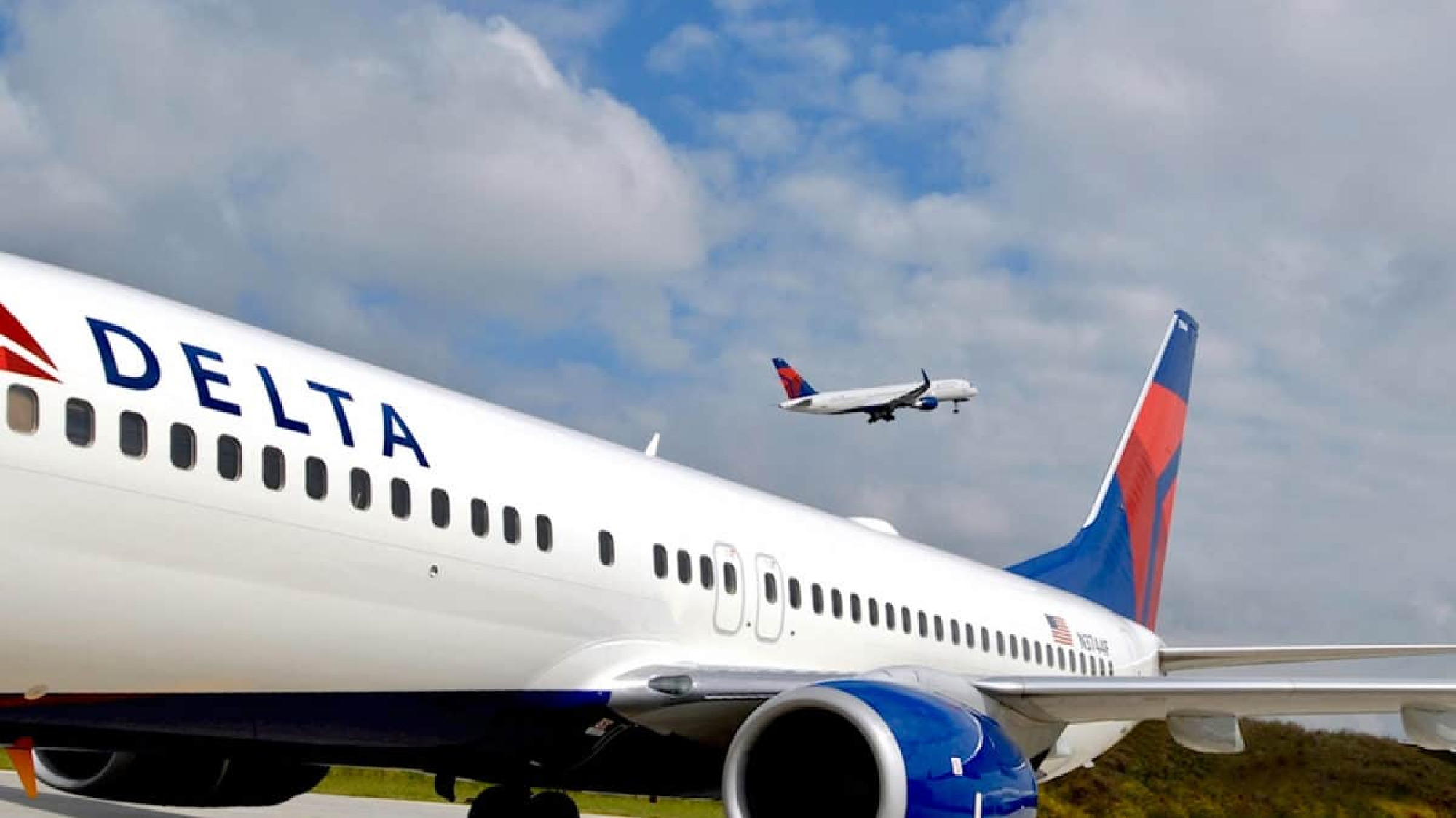
Delta Air Lines announced Friday that it will offer flights to Italy to all U.S. travelers regardless of vaccination or eligibility status, beginning Sunday. Travelers must undergo coronavirus tests before and after taking the designated flights.
In November, Delta announced a similar program with quarantine-free flights from Atlanta to Rome for travelers who tested negative for the coronavirus and were eligible to enter the European Union despite existing travel restrictions. American Airlines also has a program. However, Friday’s announcement applies beyond essential workers to leisure travelers.
Italy is set to lift mandatory quarantine restrictions on travelers from the EU, United Kingdom and Israel on Sunday.
“It is encouraging that the Italian government has taken this step forward to reopen the country to leisure travelers from the U.S. on our dedicated protocol flights and further supporting economic recovery from the global pandemic,” Delta’s president-international, Alain Bellemare, said in a statement Friday.
Before boarding flights to Italy, all U.S. Delta customers must complete mandatory testing before and on arrival. Once travelers produce a negative coronavirus test in Italy, they can bypass a mandatory quarantine.
To return to the United States, travelers must show airlines a negative test result taken within three days of departure or show proof they’ve recovered from covid-19 in the past 90 days – regardless of vaccination status.
Scott Keyes, founder of Scott’s Cheap Flights and author of “Take More Vacations,” says the announcement is huge news for American tourists who hope to visit Europe this summer.
“Each previous time a European country has announced its reopening date – from Iceland to Croatia to Greece – it’s been followed immediately by a surge in flight searches from Americans excited for a big first post-vaccination trip,” Keyes said in an email. “I’d expect the exact same cycle to play out with today’s Italy news.”
Delta, in partnership with Alitalia, has multiple departure options for its nonstop services to Italy. The airline is offering daily services between John F. Kennedy International Airport and Milan Malpensa Airport, five-times-per-week services between Atlanta and Rome (increasing to daily services May 26) and three-times-per-week services from JFK to Rome (increasing to daily services July 1). This summer, the airline will release three more nonstop routes from JFK to Venice, Atlanta to Venice and Boston to Rome.
Bryan Del Monte, president of the Aviation Agency, says he doesn’t expect Delta’s quarantine-free flight program to emerge as the dominant format for restoring international travel.
“The way forward would appear to be a vaccination for travelers,” Del Monte said in an email. “While I think travelers could expect to be tested, and that may be what some countries want to restore normal travel, in a short period of time, it’s more likely that countries will require proof of vaccination for entry.”
Del Monte recommends everyone hoping to visit Italy or other international destinations should get vaccinated.
“Everyone is going to require [vaccinations] until it’s universally everywhere in high doses,” he said.
According to data from the travel management company TripActions, the top booked Italian travel destinations this summer are Rome, Naples and Florence. Its chief travel officer, Danny Finkel, says he believes Delta’s announcement will create a domino effect of reopenings across Europe. Additionally, he believes that after a year without travel, Americans may have more discretionary savings available for booking international vacations.
“With COVID restrictions changing daily, staying on top of the latest information can be overwhelming, so it’s important you go into your trip with all the information and tools you need to make the best decisions for your return to travel,” he advised travelers in an email.
With the addition of Italy, Delta will have four European travel destinations for leisure travelers later this summer, along with Iceland, Greece and Croatia. At the publishing of this story, flights with coronavirus tests from JFK to Milan on Sunday start at $599 for a one-week trip on basic economy (however, flight prices can vary wildly before takeoff).
The Delta announcement said service start dates are subject to change pending evolving travel restrictions and demand.
Federal trial for former officers charged in George Floyds killing set for August
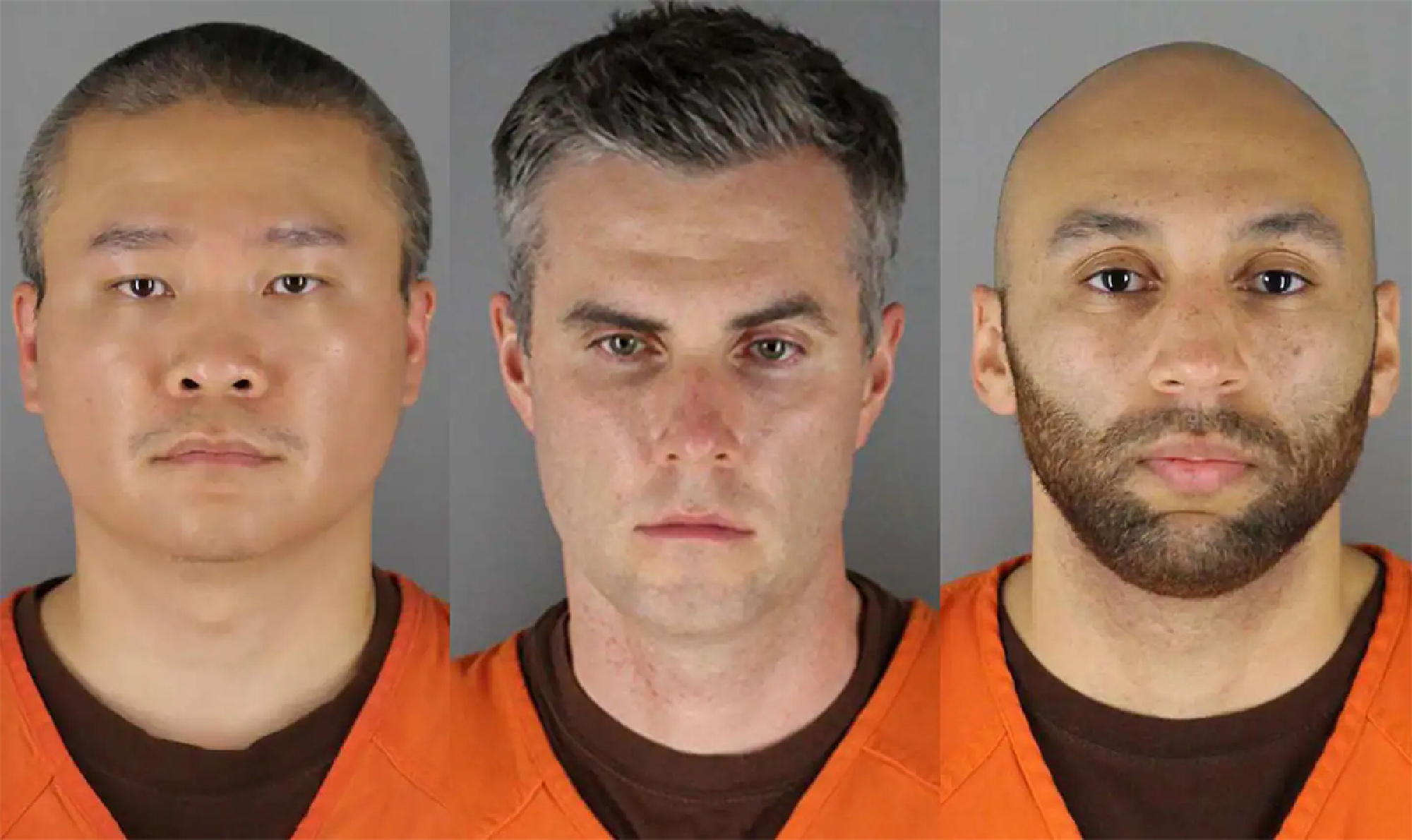
MINNEAPOLIS – Three former Minneapolis police officers charged with violating George Floyds civil rights during an arrest that turned fatal last May are scheduled to go on federal trial in August.
Ascheduling order issued late Friday by U.S. District Magistrate Judge Tony Leung said former officers Alexander Kueng, Thomas Lane and Tou Thao will be arraigned on federal civil rights charges July 14 in Minneapolis, followed by an Aug. 2 trial to be held at the federal courthouse in St. Paul.
The decision comes one day after Hennepin County District Judge Peter Cahill postponed the former officers’ August trial on state charges of aiding and abetting murder and manslaughter in Floyd’s death until March, paving the way for the federal case to take place first.
A federal grand jury indicted Kueng, Lane and Thao along with former officer Derek Chauvin last week on charges they violated Floyd’s constitutional rights during a May 25, 2020 arrest, when he was restrained, handcuffed and face down on a Minneapolis street as he begged for breath before losing consciousness. Chauvin was also indicted on a second federal charge alleging he violated the civil rights of a 14-year-old by hitting him with a flashlight and kneeling on him during a 2017 arrest.
Chauvin, who pressed his knees into Floyd’s neck and back for nine minutes and 29 seconds, was convicted last month of second-degree unintentional murder, third-degree murder and second-degree manslaughter in Floyd’s death. Chauvin is scheduled to be sentenced in that case on June 25.
Though all four officers are cited in a joint complaint, Chauvin’s case is not mentioned in Leung’s scheduling order. Chauvin, who is being held in solitary confinement at a Minnesota prison as he awaits sentencing in the state case, has yet to make a formal appearance in the federal case.
It was not immediately clear if Chauvin would be tried separately on the federal charges. His attorney, Eric Nelson, did not immediately respond to a request for comment.
Thomas Plunkett, an attorney for Kueng, declined to comment. Attorneys for Lane and Thao did not respond to requests for comment.
The federal indictment alleges Chauvin violated Floyd’s right to be free from unreasonable seizure and from unreasonable force by a police officer. Kueng and Thao were charged with violating Floyd’s right to be free from unreasonable seizure by not intervening as Chauvin pressed his knees into Floyd’s neck and back. All four officers were charged with failing to render medical aid to Floyd.
“Specifically, the defendants saw George Floyd lying on the ground in clear need of medical care and willfully failed to aid Floyd, thereby acting with deliberate indifference to a substantial risk of harm to Floyd,” the indictment read.
Kueng, Lane and Thao appeared during a virtual hearing last week on the charges and were released on bond. Their state trial is scheduled to begin March 7, 2022.
Tesla Autopilot system was on during fatal California crash, adding to self-driving safety concerns
A Tesla Model 3 electric car that was part of a fatal Southern California crash last week had the companys Autopilot system activated when it careened into an overturned truck in the middle of the night, the Associated Press reported Friday.
The May 5 crash near Los Angeles is the latest of several incidents playing into safety concerns for Tesla’s self-driving cars. It was the fourth U.S. death involving the Autopilot self-driving car system, the newswire wrote. And it is sure to further complicate Tesla’s already-troubled relationship with transportation safety regulators.
Public affairs staff from the National Highway Traffic Safety Administration and the California Highway Patrol did not respond to requests for further information Friday afternoon. Tesla did not immediately respond to an emailed request for comment.
The investigation into the May 5 crash marks the 29th investigation the National Highway Traffic Safety Administration has initiated into crashes involving Tesla vehicles, according to information previously disclosed by the agency.
The investigation is likely to complicate Tesla’s attempts to gain broader market acceptance for its self-driving vehicles. There are concerns that the automated driving system ― which relies on an advanced array of cameras and radar sensors placed on the outside of the vehicles ― is not ready yet.
A coalition of competing automakers criticized Tesla’s vehicles as not truly autonomous because they still require an active driver. Tesla’s vehicles rely on an elaborate array of cameras and radar sensors to remain aware of the vehicles surroundings, as opposed to the lidar sensors employed by some other electric vehicles.
Tesla’s website and safety manuals do not describe Autopilot as a fully-autonomous system, and emphasize that drivers must be paying attention and ready to intervene.
The car is supposed to sense whether there is a person in the driver’s seat and act accordingly. But there have been several recent instances in which people have been caught allowing the car to drive completely on its own. On Tuesday the California Highway Patrol arrested a man who was sitting in the back seat of his Tesla as it drove down the highway, according to the San Francisco Chronicle.
There have been numerous instances in which apparently distracted drivers failed to control the vehicle at a critical moment. In a 2018 incident, the driver of a Tesla model X SUV died in a crash near Mountain View, Calif., after accessing a video game on his phone. In another case a Tesla’s sensing cameras failed to identify a truck’s white side against a brightly lit sky.
In one incident in mid-April, a Tesla crashed into a tree in a suburb outside of Houston and it took firefighters four hours to put out the flames, at which point they concluded that neither of the car’s two occupants had been in the driver’s seat at the time of the crash. A Tesla executive later broke with that official account and claimed there was a person in the driver’s seat. A National Transportation Safety Board spokesman later said Tesla was “working with” investigators but is “not a party” to it, marking a break with typical procedure that suggests a strained relationship between Tesla and regulators.

 ซีอีโอ Rakuten เตือนรัฐบาลญี่ปุ่น การจัดโอลิมปิกคือภารกิจฆ่าตัวตาย ส่วนชาวญี่ปุ่นลงชื่อค้านกว่า 3.5 แสนคน
 ไต้หวันยกระดับมาตรการสกัด Covid-19 หลังพบติดเชื้อในประเทศพุ่ง 180 ราย
 ในเวลาต่อมามีคลิปหลุดยูเอฟโอบินดิ่งลงใต้มหาสมุทรแปซิฟิกนอกชายฝั่งซานดิเอโกเมื่อปี 2019
 จีนสร้างประวัติศาสตร์เป็นประเทศที่ 3 ของโลกต่อจากสหรัฐและสหภาพโซเวียตที่ส่งยานลงจอดพื้นผิวดาวอังคารสำเร็จ
 การสู้รบระหว่างกองทัพอิสราเอลและกลุ่มฮามาสยังคงดุเดือดในฉนวนกาซา และเริ่มลุกลามเข้าสู่เขตเวสต์แบงก์แล้ว