SpaceX lands Starship spacecraft for the first time
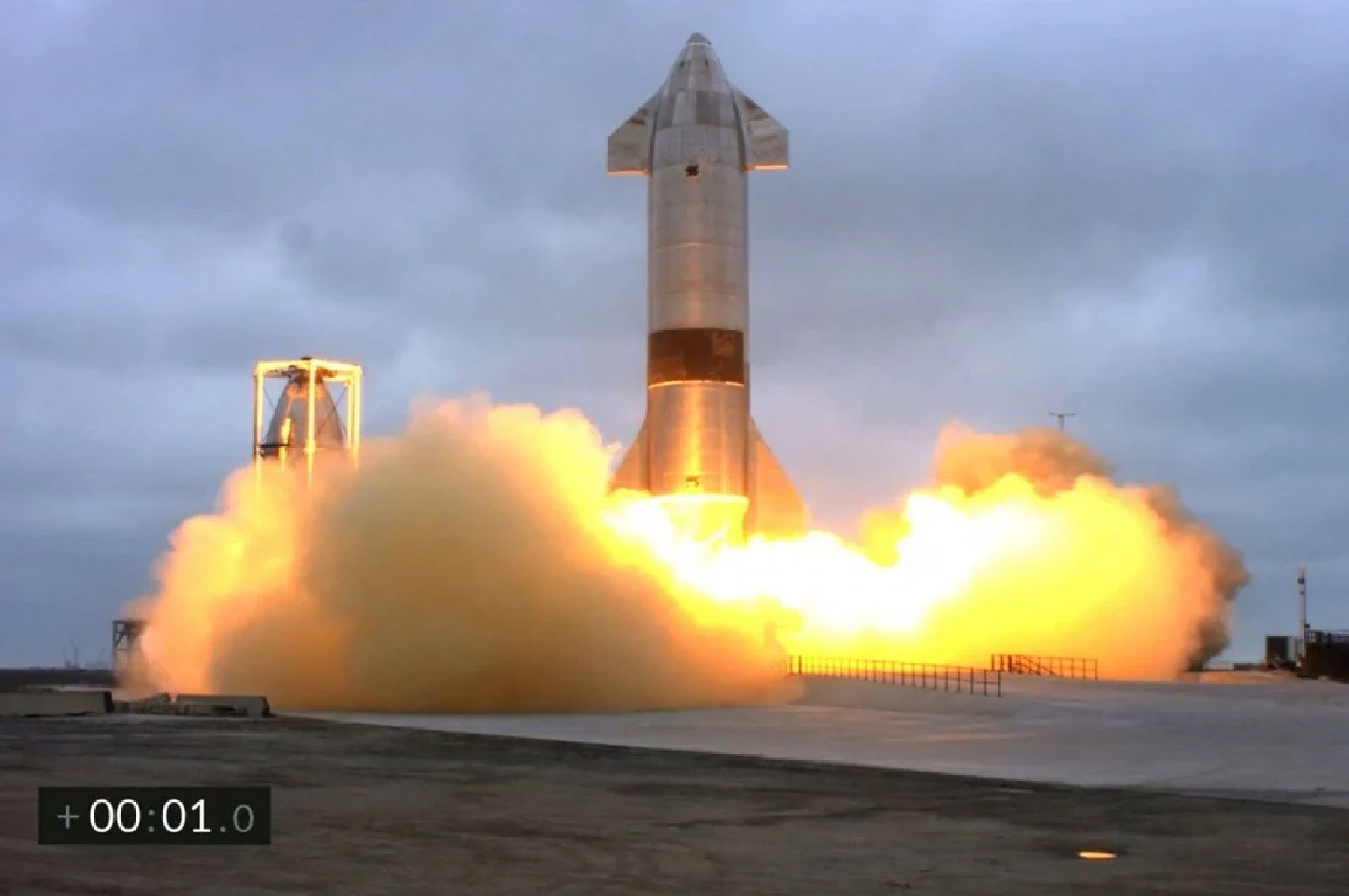
Elon Musks SpaceX stuck the landing of one of its Starship spacecraft prototypes Wednesday, a key milestone in the test program and a dramatic statement coming two weeks after NASA chose the vehicle to fly its astronauts to the surface of the moon.
The Starship spacecraft, known as Serial Number 15, lifted off from SpaceX’s launch site near the U.S.-Mexico border in South Texas, firing its three Raptor engines to an altitude of about six miles. It then turned itself sideways in a “belly flop” maneuver and headed back before righting itself, reigniting its engines and touching down softly.
“The Starship has landed,” John Insprucker, SpaceX principal integration engineer, said during the live broadcast.
It marked the second time SpaceX has landed Starship; a previous version exploded a few minutes after it landed harder than anticipated.
Other versions blew up during crash landings, and one exploded before touching down – Earth-shattering fireballs turned the stainless-steel spacecraft into shrapnel.
Despite those setbacks, Musk has said he was optimistic about the chances of the SN15 flight and the spacecraft’s ability to make it to orbit by the end of this year and eventually transport people. But, he added, “obviously we need to, like, not be making craters.”
The lack of a crater this time was a triumph then – not only for SpaceX but for NASA, which is now heavily invested in Starship and will oversee its development after awarding SpaceX a $2.9 billion contract to ferry astronauts to the lunar surface.
The successful test also served notice, coming as SpaceX finds itself under attack by the two competitors it beat out for the NASA contract: a team led by Blue Origin, the space venture founded by Jeff Bezos; and Dynetics, a defense contractor. (Bezos owns The Washington Post.)
Both companies have protested the award with the Government Accountability Office, saying that the process was flawed and that the space agency should have two providers in case one stumbles. They also are lobbying members of Congress and the space agency’s leadership to add funding for another spacecraft that could move astronauts to and from the lunar surface.
While all that happens behind the scenes, SpaceX is pressing ahead with its Starship program. On Tuesday, it launched its Falcon 9 rocket from the Kennedy Space Center in Florida in a mission that hoisted 60 Starlink satellites to orbit. They are part of a constellation of more than 1,000 satellites that SpaceX has put into space to beam the Internet to remote areas.
SpaceX also flew its third group of astronauts to the International Space Station late last month, and on Sunday it returned four astronauts from the orbiting laboratory in its Dragon spacecraft.
Musk, who is set to host “Saturday Night Live” on Saturday, is focused on Starship, a fully reusable system that he is planning to use to take people to the moon and Mars. The Starship prototypes SpaceX has been testing at its facility in Boca Chica, Texas, would serve as the second stage of the rocket and be hoisted to orbit by what SpaceX calls the Super Heavy booster. Combined, the stainless steel booster and the spacecraft would be nearly 560 feet tall, larger than the Saturn V rocket that flew the Apollo astronauts to the moon.
Musk, whose goal is to use Starship to send people to Mars, recently said, “it’s a great honor to be chosen by NASA to return people to the moon. It’s been now almost half a century since humans were last on the moon. That’s too long. We need to get back there and have . . . a permanently occupied based on the moon.”
SpaceX has been funding much of the development, he said. “And it’s been pretty expensive. As you can tell if you’ve been watching the videos, you know we’ve blown up a few of them. So, excitement guaranteed.”
But being able to fly the spacecraft and the booster back so they can be reused would “revolutionize space,” he said. It would cut the cost of access to orbit and beyond “by potentially a factor of 100 or more.”
That, he said, is the formula for the “gateway to the heavens.”
Pfizer-BioNTech vaccine offers strong protection against key variants of concern, real-world data from Qatar shows
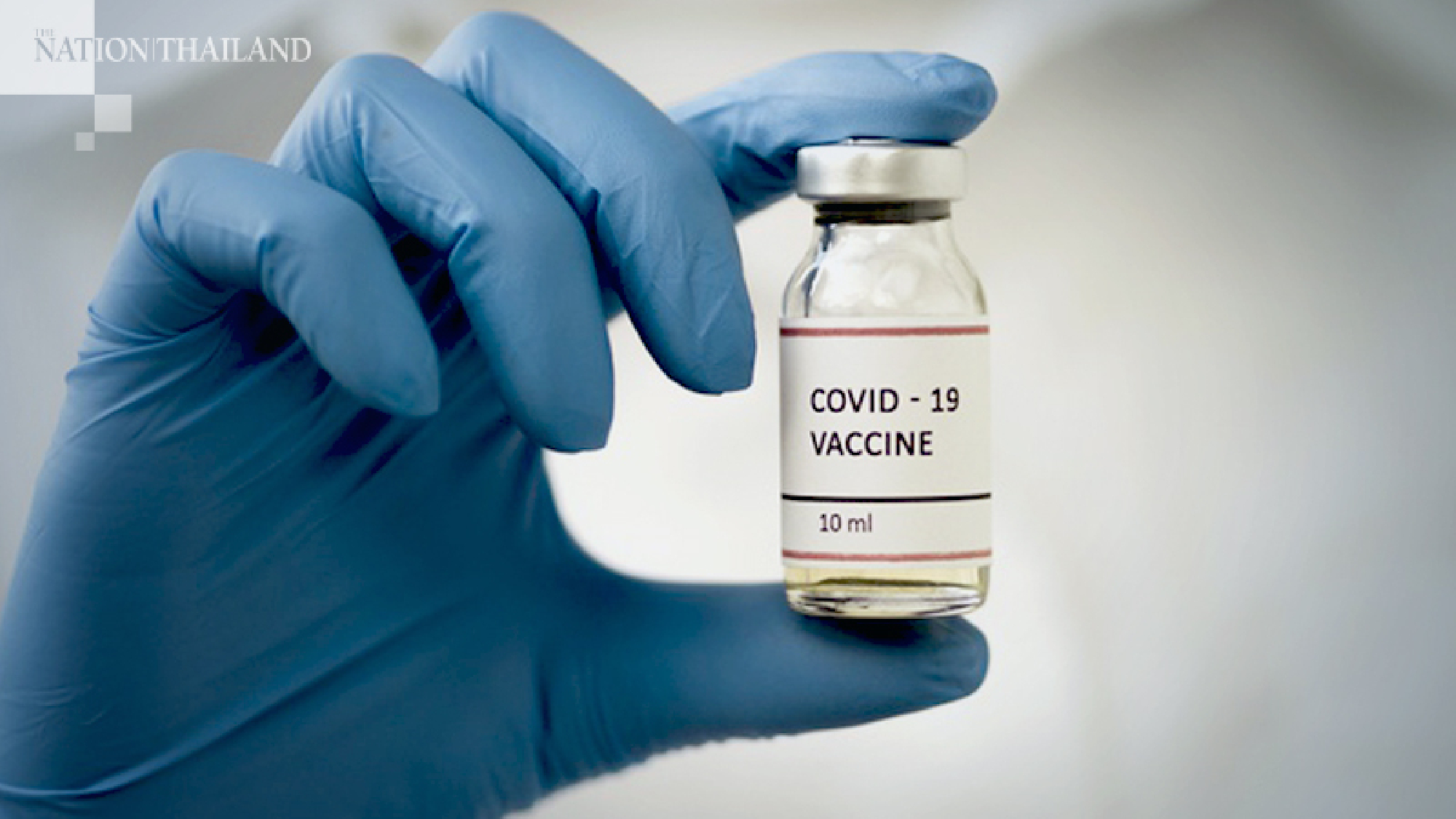
The Pfizer-BioNTech coronavirus vaccine provides strong protection against two concerning variants of the virus, including the one that has most worried scientists because it can evade parts of the immune response, according to new data from Qatar.
The study, published as a letter in the New England Journal of Medicine, found that the Pfizer-BioNTech vaccine was about 90% effective at blocking infections caused by the B.1.1.7 variant, a more transmissible version of the virus now fueling outbreaks around the world. That encouraging finding was not a surprise, but the study also found that efficacy eroded only slightly, to 75%, against the B.1.351 variant that was first detected in South Africa.
The B.1.351 variant carries mutations that help it elude some antibodies and as a result is considered by many experts the most challenging variant among those that have been identified. Because the Pfizer-BioNTech vaccine and one from the biotechnology company Moderna were tested in clinical trials before that variant emerged, it had remained unclear until now whether protection would be eroded by the variant. While the new study suggests the vaccine is somewhat less protective against the variant, it offered strong protection, particularly against severe, critical or fatal cases of covid-19, the illness caused by the virus.
On Wednesday, Moderna announced results of tests of two booster shot options: one, a third shot of the original vaccine, and the other a third shot tailored against the B.1.351 variant.
In a small study of 40 participants, the company found that six to eight months after vaccination, antibodies to the original strain of the virus remained high, but protection against B.1.351 and another variant, P.1, had dropped in half of the participants.
Boosters of the original shot were effective at topping off immunity, and the B.1.351-specific booster was more effective at boosting antibodies that block that variant. The company is also testing a combination booster shot that contains the original vaccine and the one tailored to the variant.
The shot developed by AstraZeneca and the University of Oxford did not work against the B.1.351 variant in a small study, and South Africa decided not to use the vaccine.
But so far, that appears to be an outlier. The coronavirus vaccine developed by Johnson & Johnson was 72% effective in the United States, dropping to 64% in South Africa, where the B.1.351 variant dominated. An experimental vaccine developed by the Maryland biotech company Novavax was 89% effective in Britain, where the B.1.1.7 variant became dominant, but 49% in South Africa, where B.1.351 accounted for most cases. When excluding HIV-positive people, the Novavax vaccine was 60% effective in the South Africa study.
“We should expect a degree of reduction in protection against B.1.351, but not to the extent we should be freaking out about it,” said John P. Moore, a professor of microbiology and immunology at Weill Cornell Medicine who was not involved in the study.
The Qatar study was not a randomized trial, regarded as the gold standard for medical evidence, but instead used real-world data from a mass vaccination program that began in late December. By the end of March, more than 385,000 people had received at least one dose of vaccine, and the country’s new cases of infection were split almost evenly between the two variants.
Several experts said that although such studies have limitations, the findings were fascinating and important – and also underscored the necessity of getting both doses of the two-shot Pfizer-BioNTech or Moderna vaccine.
People receiving only one shot of the vaccine against B.1.1.7 were provided protection of only 30%, and it fell to 17% against B.1.351.
“It really strongly emphasizes, with the variants, that need for the second dose,” said Kathleen Neuzil, director of the Center for Vaccine Development at the University of Maryland School of Medicine. “Which is a message we’ve been delivering, but now we have human clinical data to support that message.”
For months, laboratory scientists have taken blood serum samples from people who were vaccinated and checked how well their antibodies block virus variants from entering cells. They have consistently found the largest drop-off in protection connected with the B.1.351 variant first detected in South Africa.
What has remained unclear is what the drop-off in a laboratory dish translates into in terms of whether people get sick. While many scientists speculated it might result in a modest decline in efficacy, mostly against milder infections, the new data is some of the first to directly support the idea.
In a news release last month, Pfizer and BioNTech provided the first hint that their vaccine provided protection against the variant, although the number of cases was small, and not enough details were given to draw conclusions. The companies said that among 800 participants in their clinical trial in South Africa, nine cases of illness were reported, all in the placebo group. Six of those cases were related to B.1.351, suggesting that the vaccines were protecting against the variant.
Biden administration commits to waiving vaccine patent protections
The Biden administration supports temporarily lifting intellectual property protections for coronavirus vaccines and will move forward with international discussions to waive them, its top trade negotiator said on Wednesday.
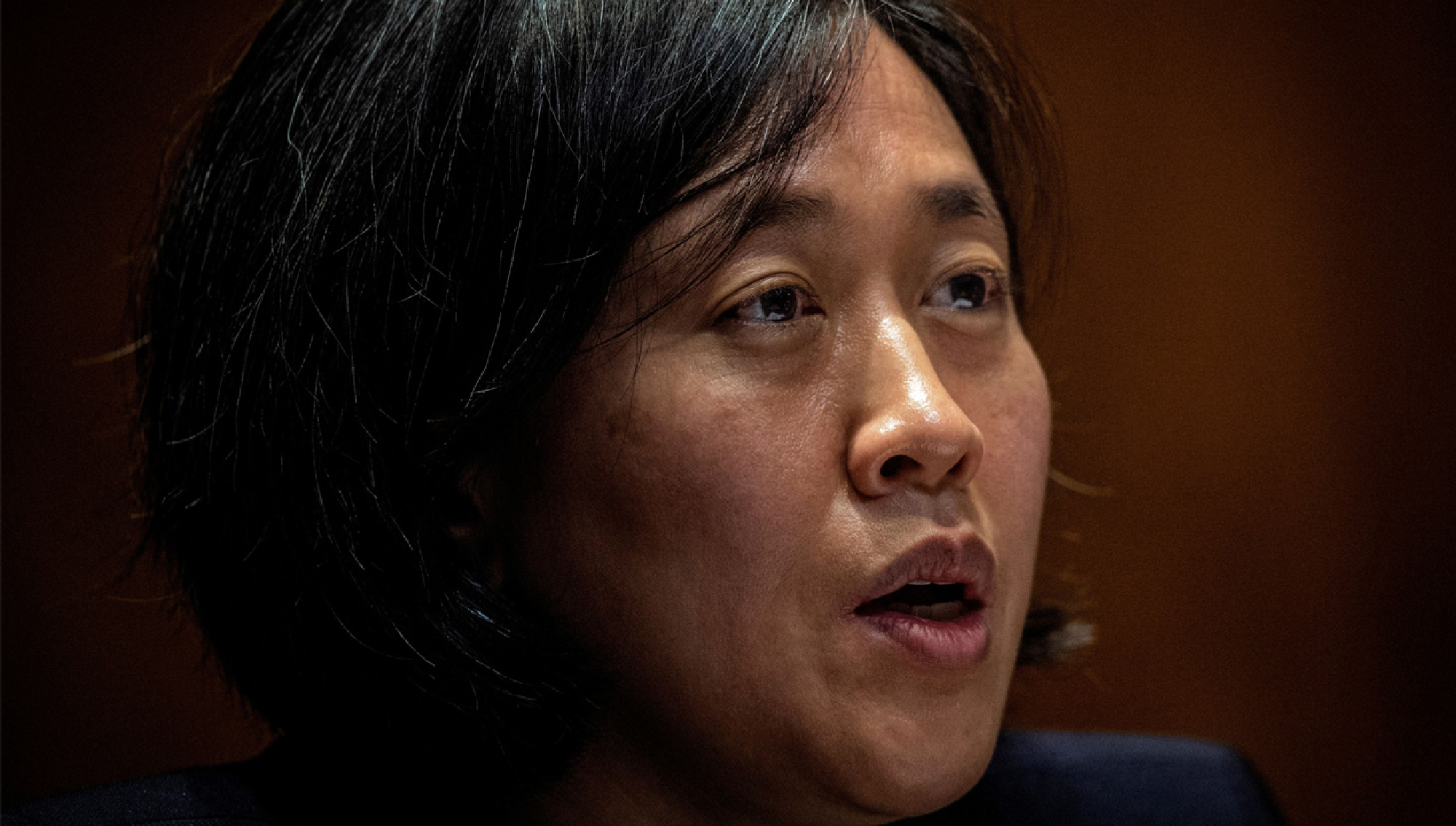
“This is a global health crisis, and the extraordinary circumstances of the COVID-19 pandemic call for extraordinary measures. The Administration believes strongly in intellectual property protections, but in service of ending this pandemic, supports the waiver of those protections for COVID-19 vaccines,” U.S. Trade Representative Katherine Tai said in a statement.
Tai said the United States would participate in negotiations around an international waiver of the protections, cautioning that the discussions would “take time.” The United States had helped block negotiations around the proposal since its October 2020 introduction by Indian and South African officials.
Bloomberg News first reported that the Biden administration would support the waiver.
The matter centers on a proposal in front of the World Trade Organization that would waive a slew of intellectual property protections on medical products for the duration of the pandemic. The pharmaceutical industry has fought the proposal, arguing that it would weaken drug companies’ existing efforts to rapidly produce billions of vaccine doses.
Dozens of developing countries back the proposal, arguing it will allow them to rapidly produce their own generic vaccines, rather than wait months or years for sufficient doses.
Tai, who is attending this week’s WTO sessions in Geneva, has spent weeks meeting with advocates and opponents of the proposal, which had divided the White House. Some White House officials focused on the domestic coronavirus response have warned that waiving protections on the vaccines could spark new competition for ingredients that could disrupt global production. Pharmaceutical companies also have vehemently opposed the matter, warning it could have drastic impacts on their ability to produce vaccine while offshoring American jobs.
The waiver had sparked broader consternation in Washington over the past few months, as progressives have pressed the Biden administration to support it. The debate exploded in recent weeks as the United States administered hundreds of millions of shots to its own citizens while other countries, including India, reeled from the worsening global coronavirus outbreak.
House Democrats on Tuesday amped up pressure on the White House to support the temporary suspension of patent protections on coronavirus vaccines, releasing a letter signed by most of the chamber’s Democratic caucus calling on President Joe Biden to “restore America’s public health leadership on the world stage.”
Progressives cheered the move as a significant step toward combating the pandemic.
“With this waiver, we can share vaccine recipes, largely developed with taxpayer dollars, while assuring reasonable royalties to American manufacturers. The best way to end the deadly global vaccine shortage is to enable more manufacturers to make vaccines,” said Rep. Lloyd Doggett, D-Texas, who chairs the House Ways and Means health subcommittee.
“We turned up the heat and I think the president cares deeply about keeping promises,” said Faiz Shakir, a former chief adviser to Sen. Bernie Sanders, I-Vt., who lobbied senior administration officials about the waiver. “For those of us who are activists, it’s important for us to remember we demand they do what they already promised. And to their credit they did so.”
Published : May 06, 2021
By : The Washington Post · Dan Diamond, Tyler Pager, Jeff Stein
Jeff Bezos Blue Origin will auction a trip to space to the highest bidder
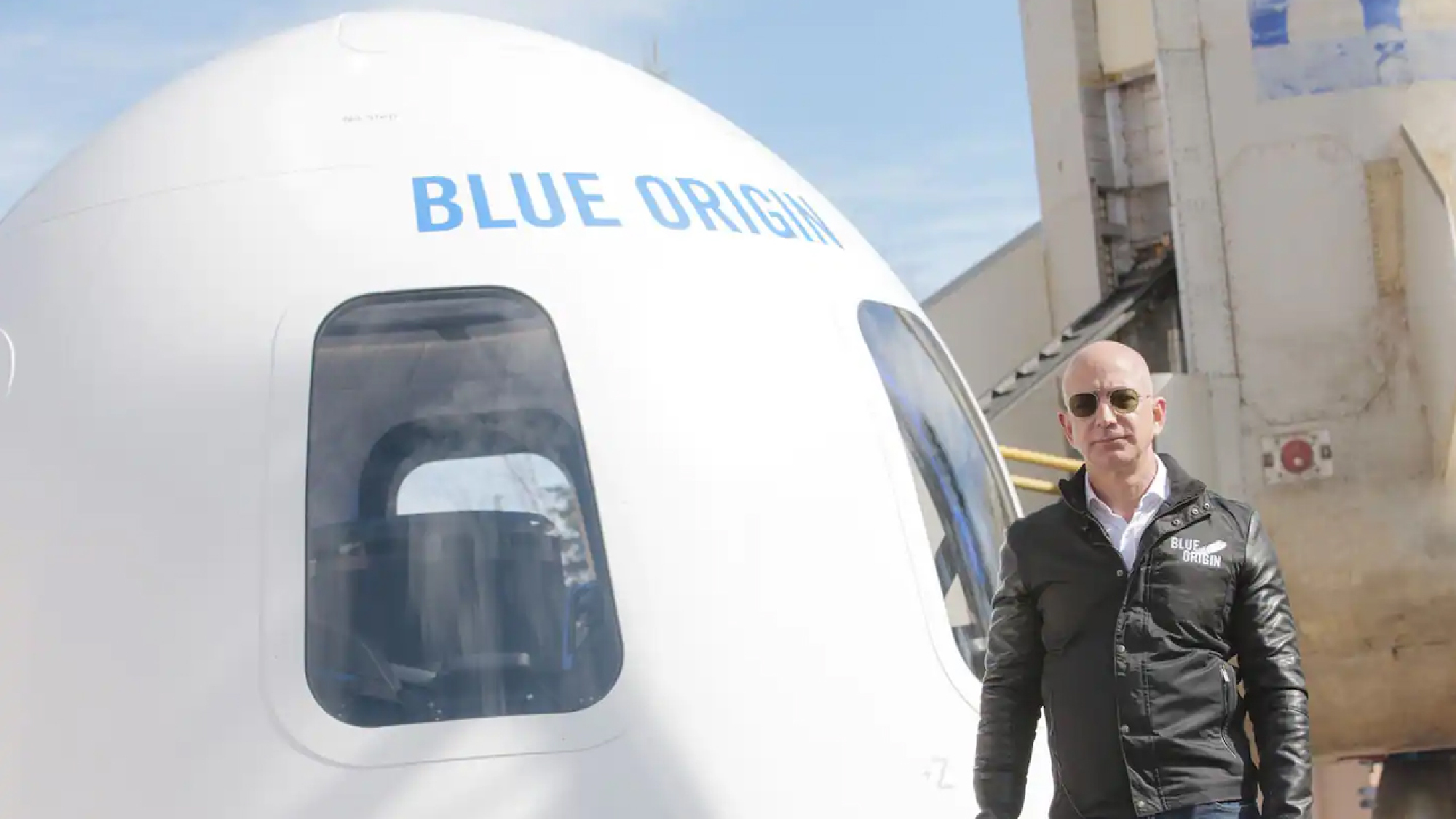
Blue Origin, the space venture founded by Jeff Bezos, said Wednesday that it would fly people to the edge of space for the first time this summer and that one of the seats would go to the winner of an online auction intended to raise money for its nonprofit foundation.
The company, based outside of Seattle, has successfully flown its autonomous New Shepard rocket and spacecraft to the edge of space 15 times through what it said was “a meticulous and incremental flight program to test its multiple redundant safety systems. Now, it’s time for astronauts to climb onboard.”(Bezos owns The Washington Post.)
The launch, from the company’s sprawling facility in West Texas, is scheduled for July 20 – the anniversary of Neil Armstrong and Buzz Aldrin’s Apollo 11 moon landing in 1969. And the announcement came on the 60th anniversary of Alan Shepard’s spaceflight – the first time an American reached space.
Blue Origin’s rocket and spacecraft are named for Shepard and would follow a suborbital flight trajectory somewhat similar to his mission in 1961. Instead of reaching orbit, the New Shepard rocket propels the spacecraft to an altitude of about 65 miles, just past what’s known as the Kármán line, or the edge of space, before the spacecraft falls back to Earth. In all, the flight lasts about 10 minutes, with just a few minutes in the weightless environment of space.
Still, the company says the experience would be transformative.
In the years since Shepard’s flight, the company said that “fewer than 600 astronauts have been to space above the Kármán Line to see the borderless Earth and the thin limb of our atmosphere. They all say this experience changes them.”
Crew members would be able to gaze out of “the largest windows that have ever flown in space,” Arianne Cornell, Blue Origin’s director of astronaut and orbital sales, said in a media briefing. “Perfect from which to gaze out to the see the beautiful stars and the colors of Earth popping back at you.”
Proceeds from the online auction would benefit Blue Origin’s foundation, Club for the Future, which seeks to inspire young people to pursue careers in science, technology, engineering and math “and help invent the future of life in space.” Sealed online bidding opened Wednesday, with the live online auction set for June 12.
Cornell would not say what the company would charge for tickets for regular flights to space or who the other crew members would be on the flight. When asked specifically about Bezos, she declined to comment on when or whether he would go to space. “But obviously if he does, the world will know.”
Virgin Galactic, the space tourism company founded by Richard Branson, has charged as much as $250,000 for tickets on its suborbital spaceplane. But it has recently said that the prices would go up once the company reopens sales. It already has flown two missions to the edge of space and back with crews on board. It plans another crewed flight this month ahead of Branson’s first flight later this year.
If it can fly people successfully, Blue Origin would join the ranks of a growing number of human spaceflight companies. Elon Musk’s SpaceX has now flown three human spaceflight missions to the International Space Station for NASA and has two flights of private citizens scheduled, including one later this year in which two seats were raffled off to members of the public.
Boeing also is under contract from NASA to fly astronauts to the space station and hopes to fly its first crewed mission by the end of the year or early next year.
Bezos and Blue Origin have larger ambitions in space as well. It is working to develop a much larger rocket, known as New Glenn, capable of getting to orbit. It also bid for the NASA contract to build a spacecraft capable of flying astronauts to the surface of the moon. It lost that contract to SpaceX, but is protesting the decision.
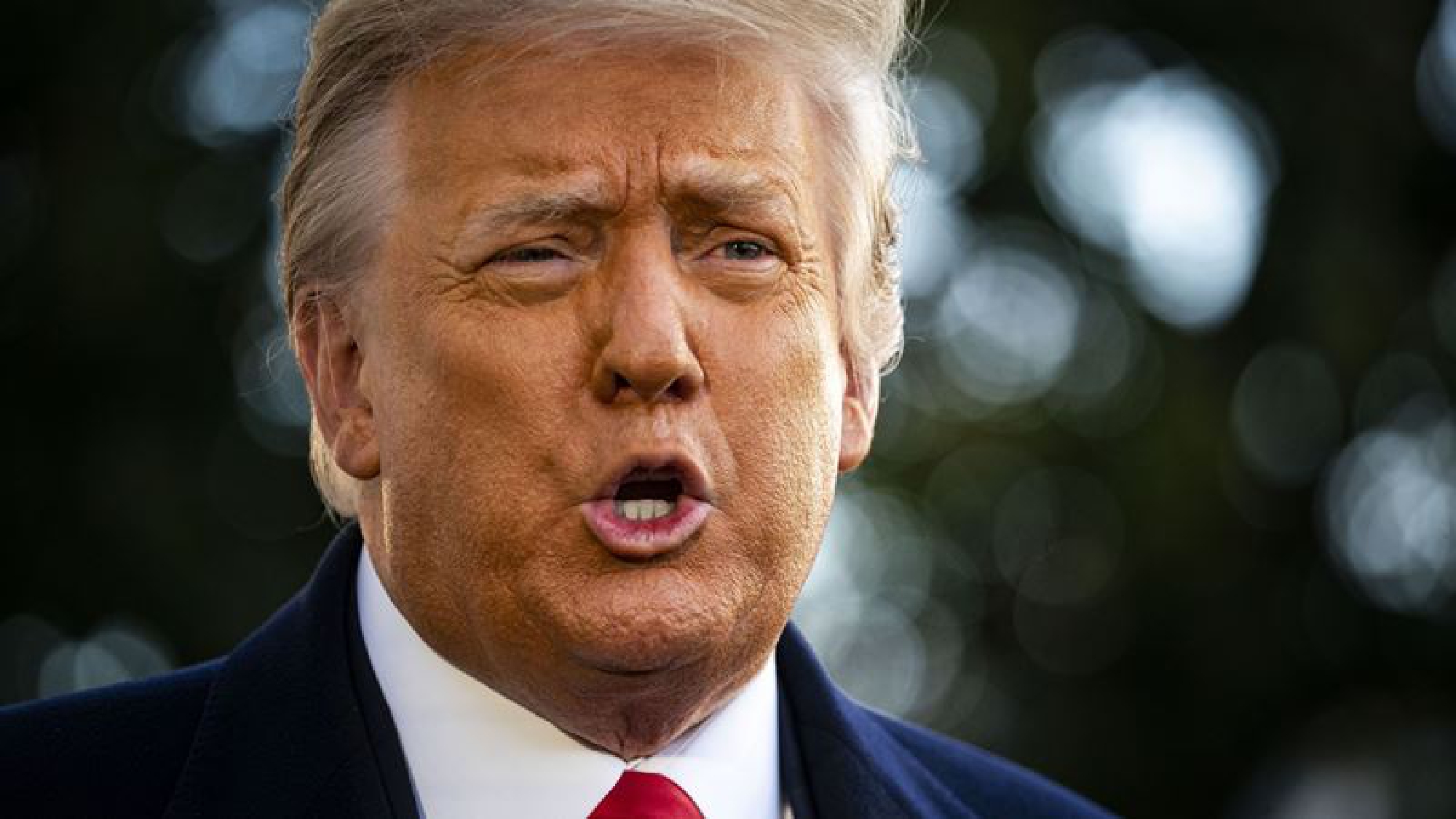
Trump remains banned on facebook, oversight board rules
Donald Trump remains banned from posting on Facebook, the companys independent content oversight board ruled, extending the former U.S. presidents exile from the largest social network and leaving him without one of his favorite ways to reach supporters and goad opponents.
Facebook suspended Trump’s account after he encouraged his supporters to march on the U.S. Capitol on Jan. 6 in what became a deadly attempt to stop the counting of Electoral College votes for President Joe Biden. The ban was originally temporary, but was changed to an indefinite suspension the following day. The board’s decision is binding.
Trump is also banned from Twitter, meaning the president who used social media to build his first campaign for public office and who used it to insult rivals, announce major policy decisions and drive the national conversation, is left to issuing press releases and sitting for interviews on conservative television.
Facebook had asked the oversight board, an independent group of academics, lawyers and others, to review its decision to suspend Trump and determine whether it should be overturned. The company had previously committed to acting at the board’s recommendation.
The decision comes at a time when social-media platforms are facing increasing scrutiny over their handling of political content and disinformation, which has prompted lawmakers from both parties to take aim at a prized liability shield that protects the tech giants from lawsuits over content posted by users.
The measure — just 26 words known as Section 230 — now faces its biggest reckoning since it was included in the Communications Decency Act of 1996. Calls to revise it grew in the months before the November election and intensified after the deadly attack on Congress by Trump loyalists.
Trump was also banned from Twitter in January, a move that the company has said is permanent. He was also blocked on Snapchat, YouTube and Twitch, among other networks, following the Capitol riots.
Losing access to social media is a blow for Trump politically — especially from Twitter, which was his favorite means of communicating and where he had 89 million followers — because it meant he was largely silent in the weeks after he left office on Jan. 20.
A return to social media would have given Trump a broader platform as he supports state and local candidates who were loyal to him, or those he’s backing to defeat fellow Republicans who voted to impeach him. Trump is also holding out the prospect he could run for president again in 2024.
Trump said in an April 29 interview on Fox Business that he was “100%” considering running again in 2024 and that he’s “very, very strongly — times ten — considering to do what everybody wants me to do.” He also said on the Don Bongino Show podcast released on April 28 that he’ll announce his decision “most likely right after” the 2022 midterm elections.
In the meantime, Trump is raising money for his political operation through the leadership political action committee Save America and already has amassed more than $85 million, a Trump adviser has said.
The former president has also said he wants to create his own social-media platform that will prevent him from being removed or censured but hasn’t provided any details.
Published : May 06, 2021
By : Syndication Washington Post, Bloomberg · Mark Niquette, Kurt Wagner, Naomi Nix

 Moderna เผยวัคซีนกระตุ้น หรือบูสเตอร์ช็อต สร้างภูมิคุ้มกันเชื้อกลายพันธุ์สายพันธุ์แอฟริกาใต้และบราซิลได้
 ชาวญี่ปุ่นวิจารณ์ทางการท้องถิ่นใช้งบประมาณเยียวยา Covid-19 สร้างรูปปั้นหมึกยักษ์

 ยานสตาร์ชิป SN15 ของ SpaceX ลงจอดสำเร็จเป็นครั้งแรก หลังล้มเหลวมา 4 ครั้ง
 บริษัทยาสะดุ้งหุ้นร่วงระนาวหลังสหรัฐประกาศสนับสนุนการยกเว้นสิทธิบัตรคุ้มครองวัคซีน Covid-19
 สหรัฐสนับสนุนการยกเว้นสิทธิบัตรคุ้มครองวัคซีน Covid-19 ช่วยให้ประเทศยากจนผลิตเองได้