Canada approves coronavirus vaccine for children ages 12 to 15 #SootinClaimon.Com

#SootinClaimon.Com : ขอบคุณแหล่งข้อมูล : หนังสือพิมพ์ The Nation.

https://www.nationthailand.com/international/40000567

Canada approves coronavirus vaccine for children ages 12 to 15


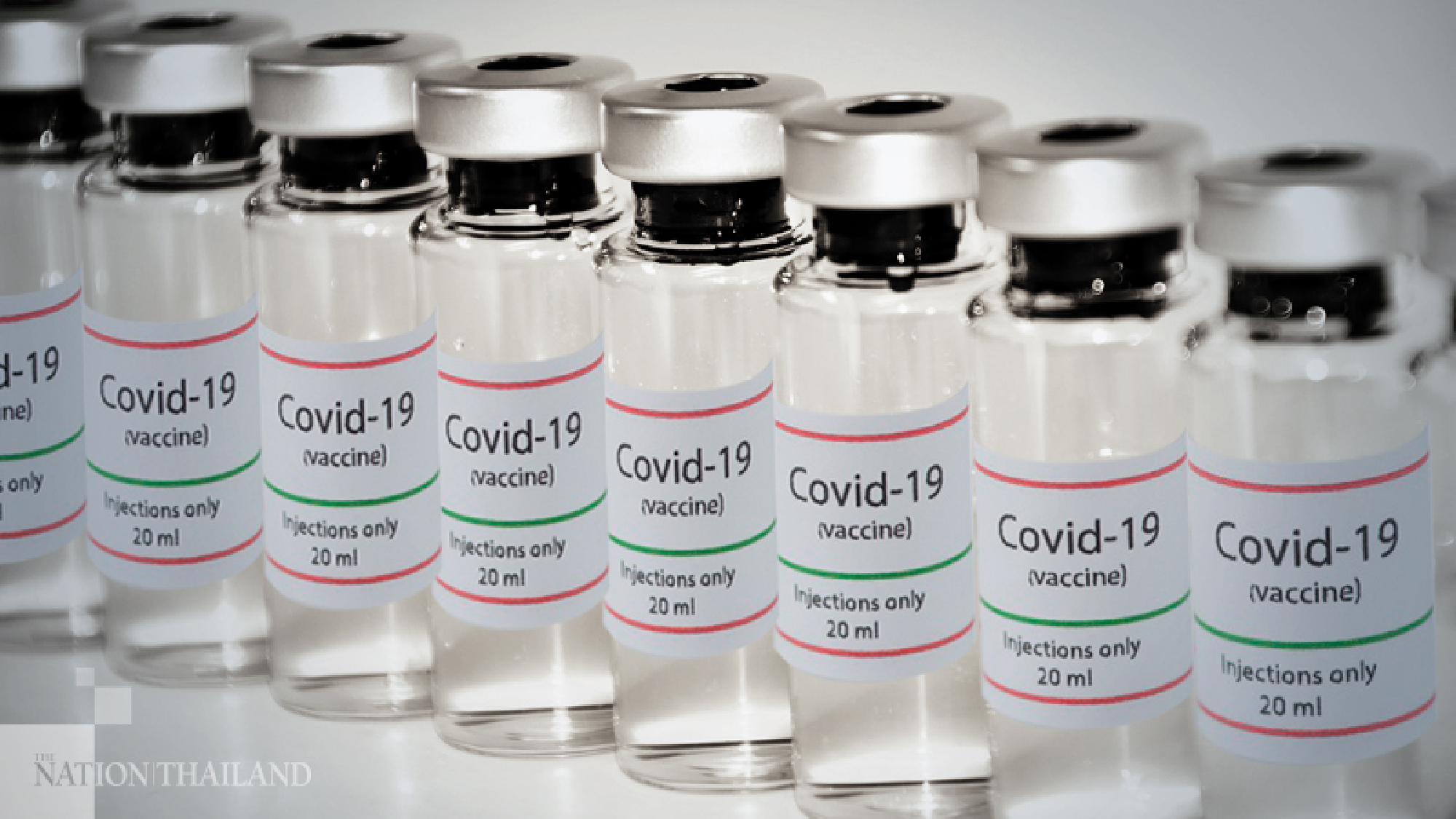
TORONTO – Canada on Wednesday became the first country to authorize the use of Pfizer-BioNTech vaccine for children ages 12 to 15, a step hailed by officials as a “significant milestone” in the countrys fight against the coronavirus.
Canada approves coronavirus vaccine for children ages 12 to 15

The two-dose vaccine is the first to be greenlighted for use in that age group by Health Canada, the country’s drug regulator. Pfizer has sought authorization for similar use in the United States; approval from the Food and Drug Administration is expected by early next week.

Supriya Sharma, chief medical adviser for Health Canada, said the agency reviewed the data from a Pfizer study in the United States involving more than 2,200 adolescents aged 12 to 15 years old. Half received the two-dose regimen administered to adults; the others were given a placebo.

The study found the vaccine was 100 percent effective in preventing infection among participants who received two doses, Sharma said during a news conference in Ottawa. There were 18 cases of covid-19 among those who received a placebo. The participants given the vaccine produced strong antibody responses, similar to those observed in young adults aged 16 to 25.

Some participants reported temporary and mild side effects, including sore arms, fever and chills.

The announcement was welcome news for the many parents and children whose lives have been upended by the pandemic.

Several provinces and territories began the school year with in-person learning – officials said it was key to reopening the economy, and many pediatricians said that with the appropriate public health measures in place, the risks of keeping children home outweighed those of sending them to class.

But as cases in many provinces have surged, schools have on multiple occasions reverted to online learning, severing children from their social networks, keeping them out of extracurricular activities and putting stress on parents.

People younger than 19 account for about 20 percent of Canada’s coronavirus cases, Sharma said. They have been far less likely to experience severe illness. Nine of Canada’s more than 24,400 deaths have been in those younger than 19, according to the Public Health Agency of Canada.

“While younger people are less likely to experience serious cases of covid-19, having access to a safe and effective vaccine will help control the disease’s spread to their families and friends, some of whom may be at a higher risk of complications,” Sharma said. “It will also support the return to a more normal life for our children, who have had such a hard time over the past year.”

While Canadians are “starting to see the light at the end of the tunnel,” she said, they should continue to wear face masks, observe social distancing and wash hands until a majority of the population is vaccinated. Nearly 35 percent of the population has received at least one dose.

Several provinces are battling a punishing third wave that has triggered new restrictions on businesses and social life. Alberta has the highest rate of coronavirus cases per capita of any Canadian province or U.S. state.

Canada cleared the Pfizer vaccine for use among those 16 and older in December, ahead of the United States and Europe. But its vaccination drive got off to a slow start, leaving many Canadians frustrated as they watched inoculations increase across the border in the United States.

With little capacity to manufacture vaccines at home, Canada has been reliant on deliveries from abroad. The government signed advance purchase agreements with several drugmakers for access to many more potential doses than it needs for its population of 38 million. But supply chain problems, manufacturing delays and backloaded delivery schedules have meant that doses have at times been slow to arrive. Chaotic rollouts in some provinces and seemingly conflicting messaging on vaccines among politicians, public health officials and a panel of scientists that provides advice on immunizations have not helped.

Canada has administered less than 38 doses per 100 people, according to Oxford University’s Our World in Data. That’s less than half the rate in the United States.

The pace of vaccinations has quickened considerably in recent weeks; the country now ranks third among the Group of Seven countries in the percentage of people who have received at least one dose. But less than 4 percent of Canadians have been fully vaccinated, compared to nearly one-third in the United States. That’s in part because Canada, with limited supplies, is stretching the interval between doses to up to four months to get a first shot into as many arms as possible.

Officials here say they’ll be able to offer a vaccine to everyone who wants one by the end of September.

Albert Bourla, Pfizer’s chairman and chief executive, told investors in a conference call Tuesday that he expected the Food and Drug Administration to approve the vaccine for use among 12- to 15-year-olds in the United States “shortly.”

Health Canada said it will expedite reviews of other vaccine manufacturers seeking authorization for children and adolescents.

Published : May 06, 2021

By : The Washington Post · Miriam Berger, Amanda Coletta
Covid forecasters warn India deaths may double in coming weeks #SootinClaimon.Com

#SootinClaimon.Com : ขอบคุณแหล่งข้อมูล : หนังสือพิมพ์ The Nation.

https://www.nationthailand.com/international/40000566

Covid forecasters warn India deaths may double in coming weeks


The coronavirus wave that plunged India into the worlds biggest health crisis has the potential to worsen in the coming weeks, with some research models projecting that the death toll could more than double from current levels.

Covid forecasters warn India deaths may double in coming weeks

Ateam at the Indian Institute of Science in Bangalore used a mathematical model to predict about 404,000 deaths will occur by June 11 if current trends continue. A model from the Institute for Health Metrics and Evaluation at the University of Washington forecast 1,018,879 deaths by the end of July.

While coronavirus cases can be hard to predict, particularly in a sprawling nation like India, the forecasts reflect the urgent need for India to step up public health measures like testing and social distancing. Even if the worst estimates are avoided, India could suffer the world’s biggest covid-19 death toll. The U.S currently has the largest number of fatalities at around 578,000.

India reported a record 3,780 deaths on Wednesday for an overall toll of 226,188, along with 382,315 new cases, taking its outbreak past 20.6 million infections. In recent weeks, the scenes on the ground, with long lines outside crematoriums and hospitals turning away ambulances, have painted a picture of a nation overwhelmed by the crisis.

“The next four to six weeks are going to be very, very difficult for India,” said Ashish Jha, the dean of Brown University School of Public Health. “The challenge is going to be to do things now that will make sure it is four weeks, not six or eight, and that we minimize how bad things will get. But in no way is India anywhere near out of the woods.”

A spokesperson for the health ministry couldn’t immediately be reached. The ministry said on Monday that in about a dozen states, including Delhi, Chhattisgarh and Maharashtra, there are early signs that the number of daily new infections are starting to plateau.

The Indian rupee has declined about 1% this quarter in Asia’s worst performance as investors turned cautious ahead of an unscheduled speech by India’s central bank governor Wednesday. The benchmark S&P BSE Sensex Index is down about 2% as foreign funds sold about $1.7 billion of the nation’s stocks.

A prolonged crisis has the potential to dent the popularity of Prime Minister Narendra Modi as well as slow or reverse India’s recovery from last year’s economic recession. Bloomberg Economics lowered its growth projection for the year ending March 2022 to 10.7% from 12.6%, and even these numbers are flattered by a low base as activity ground to a halt due to a strict lockdown last year.

India’s central bank, meanwhile, has announced new loan-relief measures for small businesses and promised to inject 500 billion rupees ($6.8 billion) of liquidity to support the economy.

For public health researchers, a key concern is the relative dearth of coronavirus testing, which many scientists believe is causing a sharp undercounting of cases.

“It could honestly get a lot worse, which is hard to imagine given how staggering the impacts have already been when you see 400,000 new cases each day and you know that that’s probably an underestimation,” said Jennifer Nuzzo, a senior scholar at the Johns Hopkins Center for Health Security in Baltimore, Maryland.

The main metric that officials are watching is the test positivity rate, which is the percentage of people with positive test results. The overall positivity rate is 20% in India now, and in some parts of the country it tops 40%, a shockingly high number that indicates as many as three-fourths of infections are being missed, said Jha.

The World Health Organization considers anything above 5% too high, saying that governments should implement social distancing measures until positivity rates are below that level for at least two weeks.

“Despite scaling up testing considerably, it’s still not enough to capture all the infected people,” said Soumya Swaminathan, chief scientist at the World Health Organization, speaking on Bloomberg TV. “So the numbers, while very high, are likely an underestimate of the true numbers of infections,” she said. “It’s a grim situation.”

The goal is to run enough tests that a large number of infected people aren’t going undiagnosed. If only the sickest patients are tested, many people with milder disease or no symptoms at all may continue to unwittingly spread the disease.

“There are reports of tests being considerably delayed and of patients delaying having to go to hospital as much as they can, given the stresses on the health system,” said Gautam Menon, a professor of physics and biology at Ashoka University, who also works on modeling outbreaks. “We don’t know enough about COVID-19 spread away from the major cities, in the rural heartland of India, although reports from there suggest that the situation is dire.”

The U.S. government, as part of a package of supplies for India, pledged last week to send one million rapid tests to India. There are several other things that could be done quickly to try to help staunch the outbreak. High on the list is wearing masks, a crucial element for disease control, said Catherine Blish, an infectious disease specialist and global health expert at Stanford Medicine in California.

Major cities in India already require people to wear masks, but such rules can be harder to implement in crowded slums and rural areas. Several states have introduced lockdowns, although Modi has resisted a national effort after one imposed by him last year fueled a humanitarian crisis with migrant workers fleeing the cities on foot and in some cases bringing the virus with them.

The Indian Institute of Science has estimated that with a 15-day lockdown deaths could be lower at 300,000, falling to 285,000 with a 30-day lockdown. IMHE estimates a lower death toll of around 940,000 by the end of July with universal mask wearing.

Vaccines will be the big way to remove risks, although it will take time to get there, public health experts say.

It takes several weeks for immunity to build after someone has been vaccinated. The process is even longer with those that require two shots, stretching the process out to six weeks to two months.

“The vaccines are working,” said Kim Mulholland, an Australian pediatrician and leader of the infection and immunity group at the Murdoch Children’s Research Institute in Melbourne. “They just haven’t got the capacity.”

Ultimately, cases will come down, it’s just a matter of when, said Michael Osterholm, director of the Center for Infectious Disease Research and Policy at the University of Minnesota, and an adviser to U.S. President Joe Biden. Scientists still don’t have a good understanding of why covid-19 comes in sudden, roller-coaster-like changes, he said.

“It will eventually burn itself through the population,” Osterholm said. “Within several weeks to a month and a half, you will see this peak come back down, and it’s likely to come down quickly.”

Published : May 06, 2021

By : Syndication Washington Post, Bloomberg · Jeanette Rodrigues, Michelle Fay Cortez

Global hunger hits highest in years after pandemic hurts incomes #SootinClaimon.Com

#SootinClaimon.Com : ขอบคุณแหล่งข้อมูล : หนังสือพิมพ์ The Nation.

https://www.nationthailand.com/international/40000565

Global hunger hits highest in years after pandemic hurts incomes


The world faced its worst hunger problem in at least five years in 2020 on the back of the coronavirus crisis, and the outlook remains grim again this year.

Global hunger hits highest in years after pandemic hurts incomes

Some 155 million people across 55 countries — more than the population of Russia — suffered from issues ranging from a food crisis to famine, according to a report with data from more than a dozen agencies. That’s up 20 million from 2019, with economic shocks overtaking extreme weather as the No. 2 cause.

The worsening situation highlights how the pandemic has exacerbated food inequalities around the world, on top of extreme weather and political conflicts that are stifling access to key staples. Consumers are now also contending with rising food costs as rampant Chinese demand stretches global crop supplies.

“Covid-19 has been exacerbating fragilities,” said Dominique Burgeon, director of emergencies and resilience at the UN’s Food and Agriculture Organization. “Its restrictions, for example, on the movement of goods and people, has resulted in widespread income losses, especially for those people who rely on informal work in urban households.”

Conflict and insecurity remain the largest causes of hunger, responsible for almost two-thirds of those facing food crises, according to the report created with help from agencies including the European Commission and United Nations’ World Food Programme. The Democratic Republic of Congo, Yemen and Afghanistan are some of the most-affected nations.

The number of people facing hunger primarily from economic shocks, including those related to the pandemic that cut jobs and incomes, jumped nearly 70% last year to 40.5 million.

Supply chain disruptions also caused spikes in food prices, while higher inflation or weaker currencies in import-dependent nations made food less affordable, according to the report. Women have been particularly hard hit, as they’ve been more vulnerable to losing jobs.

Global hunger is expected to hold above pre-pandemic levels this year, affecting more than 142 million across 40 countries, the report showed. Conflicts remain a problem and economic hardship could intensify due to the coronavirus crisis, the agencies said.

Last year, about 28 million people were in an “emergency” state of food insecurity, or worse.

“We are extremely concerned,” Burgeon said. “When we look at the early data we have from 2021, we see that this number has already increased.”

Published : May 06, 2021

By : Syndication Washington Post, Bloomberg · Megan Durisin

White House grapples with reports of labor shortage, inflation as recovery picks up steam #SootinClaimon.Com

#SootinClaimon.Com : ขอบคุณแหล่งข้อมูล : หนังสือพิมพ์ The Nation.

https://www.nationthailand.com/international/40000563

White House grapples with reports of labor shortage, inflation as recovery picks up steam


WASHINGTON – Senior Biden economic officials have in recent weeks been peppered by complaints from restaurant groups, the construction industry, and other businesses about their inability to find enough workers as the U.S. economy begins to cover from the pandemic.

White House grapples with reports of labor shortage, inflation as recovery picks up steam

Brian Deese, director of the White House National Economic Council, has highlighted the matter as a potential area for concern in internal conversations with the president’s economic brain-trust, two people aware of internal discussions said.

Treasury Secretary Janet Yellen has cautioned privately against overreacting to anecdotes of worker shortages, arguing more data and time is needed before assuming they reflect a genuine problem in the American economy, according to the two people, who spoke on the condition of anonymity to discuss the sensitive matter.

The discussions reflect how senior White House officials are grappling with the new challenges facing the U.S. economy as it tries to to recover from the pandemic. Biden officials are caught in the awkward position of maintaining that inflation and worker shortages do not represent major problems, while also recognizing they pose a potential threat.

Yellen has received briefings and memos on claims about worker shortages from administration economists. Biden administration officials have reviewed statistics such as applications per job, the number of unemployed workers per job opening, and online job postings, people familiar with the matter said. Typically, tight labor markets would correspond with wage growth at the bottom end of the income distribution as firms compete for workers. But economists and administration officials are yet to see that jump in wages at the bottom of the income distribution, suggesting to them that it is not a major problem.

“We are pouring over the data as well as the anecdotes to evaluate this,” said Jared Bernstein, a member of the White House Council of Economic Advisers, in an interview. “We certainly don’t see a level of wage pressures that would be consistent with a very deep supply constraint. But, that said, we expect there to be some wage pressure as the labor market tightens up – that’s an important attribute of a tighter job market.”

White House officials are carefully monitoring inflationary risks amid a flurry of concerns on Wall Street, particularly as news reports point to rising prices across sectors. Deese has shown a keen interest in how White House officials are talking about inflation, worried about sending any signals the administration is overly concerned about it. The White House has sent talking points to administration officials to stress that any signs of inflation are “transitory” as part of the rapid economic recovery from the pandemic, mirroring their public position on the matter.

To some, Yellen appeared to break with those talking points on Tuesday, suggesting President Joe Biden’s spending proposals could lead to an overheating of the economy down the road that might require the central bank to raise interest rates. The view reflected the realities of monetary policy — the Federal Reserve would raise rates if inflation spiked — but led to a brief panic in the stock market because it seemed to raise the possibility that the administration believes the recovery may need to be slowed down. A Treasury official said Yellen’s remarks had been taken out of context.

“It may be that interest rates will have to rise somewhat to make sure our economy does not overheat, even though the additional spending is relatively small relative to the size of the economy,” Yellen said at an event hosted by The Atlantic.

Yellen clarified the matter later on Tuesday, telling the Wall Street Journal: “I don’t think there’s going to be an inflationary problem.”

Critics such as former Democratic treasury secretary Larry Summers argue the administration is wrong to downplay inflationary increases as transient. Summers warned in March about the impact of the stimulus package on overheating the economy, leading to a public disagreement with many of his former colleagues inside the administration.

“The data flow has tended to bare out inflation fears. Relative to a couple of months ago there is much clearer evidence of labor shortage, there are more and more pervasive supply bottlenecks commodities and future commodities prices are rising,” Summers said in an interview Tuesday. “Housing is on fire and market inflation expectations are trending upwards. None of these inherently transitory factors so to my mind grounds for concern are increasing.”

The first quarter report on economic growth, released by the Bureau of Economic Analysis last week, said that prices grew at a 3.5% annualized rate in the first quarter and are up 1.7% from a year earlier. For now, inflation has primarily spiked only in specific sectors, such as the housing and lumber markets, as suppliers struggle to catch up with a surge in consumer demand. The most commonly measured metric for aggregate inflation has remained in check, at least up to this point, although that could change. Slowing economic growth prematurely could backfire on the administration.

“When you don’t see wages growing … you can be fairly certain that labor shortages, though possibly happening in some places, are not a driving feature of the labor market. And right now, wages are not growing at a rapid pace,” said Heidi Shierholz, senior economist and director of policy at the Economic Policy Institute, a left-leaning think-tank. Shierholz said on twitter that there are 80% more unemployed workers than job openings in the leisure and hospitality sector.

The Federal Reserve has for months dismissed fears of out-of-control inflation. Fed Chair Jerome Powell consistently sends the message that as the economy reopens, price bumps will be temporary and won’t pulse through the entire economy.

Inflation may tick up in the near-term, he says, as supply chain bottlenecks force businesses to raise prices. But Powell is urging patience so that the labor market — which is down at least 8 million jobs from February 2020 — has time to heal.

“If we see inflation moving materially above 2% in a persistent way … then we will use our tools to guide inflation and expectations back down,” Powell said last week. “This is not what we expect, but no one should doubt that in the event, we would be prepared to use our tools.”

Congressional Republicans and some economists have heavily criticized the $300-per-week supplemental unemployment benefit that Democrats’ stimulus extended through September. Several GOP lawmakers have begun posting on social media accounts of fast food chains that had to temporarily close while citing their inability to hire adequate workers. Reports that restaurants cannot find adequate staffing have emerged throughout the country. The construction industry has said it faces a shortage of 200,000 workers. Trucking industry groups say they also face major shortages.

Many economists say worker fears about the ongoing pandemic, the lack of available childcare, or other short-term factors may be just as responsible for the struggles some firms are facing. John Lettieri, president and CEO of the Economic Innovation Group, which represents small businesses, said it is too soon to say whether the unemployment benefits will impact the recovery.

“Expanded unemployment benefits have not been a problem up until this point, but could become an issue as the number of job openings catches up with the number of unemployed workers and demand surges,” Lettieri said. “There’s a lot we don’t know. But it’s something to take seriously.”

The White House and Federal Reserve also run major risks if they prove too reactive to complaints about economic overheating. Major firms complained also complained loudly about worker shortages as the economy came out of the Great Recession, but the labor market expanded until the pandemic as millions of Americans came back into the workforce through expansionary fiscal and monetary policies. As chair of the Federal Reserve, Yellen raised interest rates amid concerns inflation could rise rapidly. Yellen later said she may have “misjudged the strength of the labor market,” and many economists now believe prematurely responding to inflation led to weaker wage growth than necessary for millions of workers. Those tepid economic conditions may have also cost Democrats at the ballot box.

“These concerns are overblown. The signs are unemployment still remains high, particularly among black people, and wages still remain flat,” said Darrick Hamilton, an economist at The New School.

Published : May 06, 2021

By : The Washington Post · Jeff Stein, Tyler Pager

สรุปข่าววัคซีนทั่วโลก: เจาะข้อมูลวัคซีนจีน Sinovac กับ Sinopharm #SootinClaimon.Com

#SootinClaimon.Com : ขอบคุณแหล่งข้อมูล : หนังสือพิมพ์โพสต์ทูเดย์

https://www.posttoday.com/world/652031

วันที่ 05 พ.ค. 2564 เวลา 19:12 น.

สรุปข่าววัคซีนทั่วโลก: เจาะข้อมูลวัคซีนจีน Sinovac กับ Sinopharm ความคืบหน้าของวงการวัคซีนจากทั่วโลก สามารถเช็ค “ข่าวจริง” ของวัคซีนจากทั่วโลกได้ที่นี่

ข้อมูลเบื้องต้นของวัคซีน Sinovac

• วัคซีนต้านโควิด-19 ที่ผลิตโดยบรืษัทซิโนแวค ไบโอเทค (Sinovac Biotech) ในชื่อ “โคโรนาแวค” เป็นวัคซีนเชื้อตายกระตุ้นให้ภูมิคุ้มกันร่างกายสร้างแอนติบอดีต้านโควิด-19 ซึ่งเป็นเทคโนโลยีดั้งเดิมเช่นเดียวกับที่เคยใช้ในการผลิตวัคซีนป้องกันโรคอื่นๆ แตกต่างจากวัคซีนของแอสตราเซเนกาซึ่งในเทคโนโลยีไวรัลเวกเตอร์ (Viral Vector) และไฟเซอร์ซึ่งใช้เทคโนโลยี (mRNA)

ประสิทธิภาพของวัคซีน

• จากผลการทดลองในบราซิลซึ่งเผยตัวเลขประสิทธิภาพออกมาเพียง 50.4% ทำให้หลายคนแสดงความกังวลต่อวัคซีนดังกล่าว แต่ล่าสุด (5 พ.ค.) องค์การอนามัยโลก (WHO) ได้สรุปผลการทดลองวัคซีนไว้ดังนี้

  1. การทดลองในตุรกี (กลุ่มตัวอย่าง 13,000 คน) พบว่าสามารถป้องกันอาการเจ็บป่วยจากโควิด-19 ได้ 84% และป้องกันการรักษาในโรงพยาบาลจากโรคโควิด-19 ได้ 100%
  2. การทดลองในชิลี (กลุ่มตัวอย่าง 10.5 ล้านคน) พบว่าสามารถป้องกันอาการเจ็บป่วยจากโควิด-19 ได้ 67% และป้องกันการรักษาในโรงพยาบาลจากโรคโควิด-19 ได้ 85%
  3. การทดลองในอินโดนีเซีย (กลุ่มตัวอย่าง 1,620 คน) พบว่าสามารถป้องกันอาการเจ็บป่วยจากโควิด-19 ได้ 65% และไม่มีรายงานกลุ่มตัวอย่างเข้าโรงพยาบาล
  4. การทดลองในบราซิล (กลุ่มตัวอย่าง 12,688 คน) พบว่าสามารถป้องกันอาการเจ็บป่วยจากโควิด-19 ได้ 51% และป้องกันการรักษาในโรงพยาบาลจากโรคโควิด-19 ได้ 100%
  5. การทดลองในบราซิล (กลุ่มตัวอย่าง 393 คน) พบว่าสามารถป้องกันอาการเจ็บป่วยจากโควิด-19 ได้ 50% และไม่มีรายงานกลุ่มตัวอย่างเข้าโรงพยาบาล *กลุ่มตัวอย่างได้รับวัคซีนอย่างน้อย 1 โดส*

• กลุ่มผู้เชี่ยวชาญที่ปรึกษาเชิงกลยุทธ์ขององค์การอนามัยโลก (SAGE) ประเมินความมั่นใจจากการรวบรวมผลการทดลองวัคซีนได้ดังนี้

  1. ประสิทธิภาพในการป้องกันการติดเชื้อ (อายุ 18-59 ปี) : ความมั่นใจสูง
  2. ความเสี่ยงในการเกิดผลข้างเคียงรุนแรงจากการฉีดวัคซีน (อายุ 18-59 ปี) : ความมั่นใจปานกลาง
  3. ประสิทธิภาพในการป้องกันการติดเชื้อ (อายุ 60 ขึ้นไป) : ความมั่นใจปานกลาง
  4. ความเสี่ยงในการเกิดผลข้างเคียงรุนแรงจากการฉีดวัคซีน (อายุ 60 ปีขึ้นไป) : ความมั่นใจต่ำ
  5. ประสิทธิภาพในการป้องกันการติดเชื้อ (กลุ่มที่มีปัจจัยเสี่ยง อาทิ โรคประจำตัวและปัญหาสุขภาพ) : ความมั่นใจปานกลาง
  6. ความเสี่ยงในการเกิดผลข้างเคียงรุนแรงจากการฉีดวัคซีน (กลุ่มที่มีปัจจัยเสี่ยง อาทิ โรคประจำตัวและปัญหาสุขภาพ) : ความมั่นใจต่ำ

เสียงตอบรับจากต่างประเทศ

• ข้อมูลเมื่อเดือนเม.ย. พบว่าซิโนแวคส่งออกวัคซีนไปแล้วกว่า 200 ล้านโดสให้แก่ต่างประเทศ อาทิ บราซิล ฟิลิปปินส์ ตุรกี ชิลี อินโดนีเซีย มาเลเซีย สิงคโปร์ บรูไน รวมถึงไทย

• โดยโฆษกกระทรวงสาธารณสุขอินโดนีเซียซึ่งได้รับวัคซีนจากซิโนแวคอีก 6 ล้านโดสเมื่อวันที่ 30 เม.ย. ที่ผ่านมาเคยกล่าวก่อนหน้านี้โดยแสดงความมั่นใจว่าวัคซีนปลอดภัย มีประโยชน์ และสามารถเพิ่มภูมิคุ้มกันได้ แม้ว่าหลายฝ่ายจะเกิดข้อกังขาเนื่องจากวัคซีนดังกล่าวมีประสิทธิภาพน้อยกว่าเมื่อเทียบกับวัคซีนยี่ห้ออื่นๆ โดยเธอยืนยันว่าวัคซีนที่มีอยู่คือวัคซีนที่ดีที่สุดแล้ว

• ขณะที่รัฐมนตรีว่าการกระทรวงวิทยาศาสตร์ เทคโนโลยี และนวัตกรรมของมาเลเซียกล่าวเมื่อเดือนเม.ย. ว่าคณะกรรมการพิเศษด้านวัคซีนโควิด-19 ได้ตัดสินใจฉีดวัคซีนดังกล่าวให้แก่ประชาชนที่มีอายุ 60 ปีขึ้นไปหลังพิจารณาข้อมูลแล้วว่าวัคซีนของซิโนแวคมีความปลอดภัยและมีประสิทธิภาพต่อผู้สูงอายุ

• รวมถึงตุรกี บราซิล และชิลีเริ่มแจกจ่ายวัคซีนซิโนแวคแก่ผู้ที่อายุ 60 ปีขึ้นไปเช่นกัน

ภูมิต้านทานในประเทศไทย

• เมื่อวันที่ 22 เม.ย. ศาสตราจารย์ นายแพทย์ ยง ภู่วรวรรณหัวหน้าศูนย์เชี่ยวชาญเฉพาะทางด้านไวรัสวิทยาคลินิกคณะแพทยศาสตร์จุฬาลงกรณ์มหาวิทยาลัยเผยผ่านเฟซบุ๊กโดยระบุถึงภูมิต้านทานที่เกิดขึ้นหลังจากฉีดวัคซีนของซิโนแวค 2 เข็มห่างกัน 3 สัปดาห์พบว่าภูมิต้านทานขึ้นได้ดีมากเป็นที่น่าพอใจ

• โดยผู้ที่ฉีดวัคซีนตรวจพบภูมิต้านทานต่อสไปรท์โปรตีนหรือหนามแหลมถึงร้อยละ 99.4 ในขณะผู้ที่ติดเชื้อตรวจพบภูมิต้านทานร้อยละ 92.4

ผลข้างเคียงจากการฉีดวัคซีน

• ซิโนแวคเผยว่าผลข้างเคียงทั่วไปคืออาการปวดกล้ามเนื้อ ปวดศีรษะ นอกจากนี้มีรายงานถึงผลข้างเคียงอื่นๆ ที่พบ อาทิ ความดันโลหิตสูง ผื่น กล้ามเนื้ออ่อนแรง อย่างไรก็ตามยังไม่มีรายงานผู้เสียชีวิตจากการฉีดวัคซีนดังกล่าว

สำหรับบุคลากรทางการแพทย์

• เมื่อวันที่ 22 ก.พ. ที่ผ่านมาเอริก โดมิงโก ผู้อำนวยการองค์การอาหารและยาของฟิลิปปินส์เผยว่าวัคซีนดังกล่าวมีประสิทธิภาพในการป้องกันโรคโควิด-19 และสามารถใช้ได้กับผู้ที่มีสุขภาพแข็งแรงอายุ 18 ถึง 59 ปี

• แต่ไม่แนะนำให้ใช้กับบุคลากรทางการแพทย์ที่ต้องสัมผัสกับเชื้อไวรัสจำนวนมาก เนื่องจากตัวเลขประสิทธิภาพของวัคซีนในการทดลองในบราซิลอยู่ที่ 50.4% เท่านั้นเช่นเดียวกับคำแนะนำจากสำนักงานคณะกรรมการอาหารและยาสหรัฐ (FDA)

• ขณะที่เฮเลน หยาง ผู้จัดการบริษัทซิโนแวค ไบโอเทคเผยว่าเคารพในการตัดสินใจใดๆ ของรัฐบาลแต่ยืนยันว่าวัคซีนมีประสิทธิภาพต่อทั้งประชาชนทั่วไป บุคลากรทางการแพทย์ และผู้สูงอายุ และประโยชน์ของมันมีมากกว่าความเสี่ยง

ข้อมูลเบื้องต้นของวัคซีน Sinopharm

วัคซีนต้านโควิด-19 “BBIBP-CorV” เป็นวัคซีนชนิดเชื้อตายที่ผลิตโดยพัฒนาขึ้นโดยสถาบันผลิตภัณฑ์ชีวภาพแห่งปักกิ่ง และสถาบันผลิตภัณฑ์ชีวภาพแห่งอู่ฮั่น ซึ่งทั้งสองเป็นส่วนของบริษัทซิโนฟาร์ม (Sinopharm)

ประสิทธิภาพของ Sinopharm

• สำนักข่าวรอยเตอร์สรายงานว่าแม้จะยังไม่มีการเผยแพร่ข้อมูลประสิทธืภาพของวัคซีนโดยละเอียดสู่สาธารณะแต่ผู้พัฒนาวัคซีนประกาศเมื่อวันที่ 30 ธ.ค. ว่าการทดลองวัคซีนระยะที่สามแสดงให้เห็นว่าประสิทธิภาพในการป้องกันโรคอยู่ที่ 79.34% และได้รับการรับรองในหลายประเทศ อาทิ จีน ปากีสถาน และสหรัฐอาหรับเอมิเรตส์ เป็นต้น

• อย่างไรก็ตามวันที่ 9 ธ.ค. กระทรวงสาธารณสุขสหรัฐอาหรับเอมิเรตส์กล่าวว่าวัคซีนดังกล่าวได้ผล 86% ตามผลการทดลองระยะที่สามในสหรัฐอาหรับเอมิเรตส์ โดยมีอัตราสร้างสารภูมิต้านทานกำจัดฤทธิ์ที่ร้อยละ 99 และมีประสิทธิภาพเต็มร้อยในการป้องกันการเป็นโรคในระดับรุนแรงและปานกลาง

องค์การอนามัยโลก (WHO)

• มารีแองเจล่า ซีเมา ผู้ช่วยผู้อำนวยการใหญ่ขององค์การอนามัยโลกกล่าวในงานแถลงข่าวขององค์การอนามัยโลกเมื่อวันที่ 3 พ.ค. ว่าองค์การอนามัยโลกกำลังสรุปการประเมินวัคซีนของซิโนฟาร์ม แต่ยังขาดข้อมูลบางอย่างที่ต้องการเพิ่มเติม โดยคาดว่าจะสามารถสรุปข้อมูลวัคซีนของซิโนฟาร์มภายในสิ้นสัปดาห์นี้

• แต่ข้อมูลเบื้องต้นที่เปิดเผยต่อสาธารณะพบว่ามีประสิทธิภาพตรงตามข้อกำหนดของอนามัยโลกซึ่งกำหนดไว้ที่ประสิทธิภาพ 50% ขึ้นไป และมีข้อมูลความปลอดภัยที่แสดงให้เห็นว่าวัคซีนจะไม่ก่อให้เกิดอันตรายต่อผู้ใช้

• ซึ่งหากอนามัยโลกไฟเขียวจีนอาจเป็นผู้จัดหาวัคซีนรายใหญ่ที่สุดของโลกเนื่องจากซิโนฟาร์มและซิโนแวคมุ่งมั่นว่าจะผลิตวัคซีนให้ได้ 2,000 ล้านโดสภายในปีนี้

ประเทศไหนใช้แล้วบ้าง

• ซิโนฟาร์มไปส่งออกวัคซีนไปแล้วกว่า 50 ประเทศโดยเฉพาะในละตินอเมริกา เอเชีย และแอฟริกา อาทิ อียิปต์ อินโดนีเซีย สหรัฐอาหรับเอมิเรตส์ และโมร็อกโก เป็นต้น รวมถึงฟิลิปปินส์ซึ่งได้อนุมัติวัคซีนของซิโนฟาร์ไปเมื่อเดือนก.พ. ล่าสุดประธานาธิบดีโรดริโก ดูเตอร์เต เพิ่งเข้ารับการฉีดวัคซีนดังกล่าวไปเมื่อวันที่ 3 พ.ค.

ราคาแรง?

• ตามข้อมูลจาก BD News 24 ระบุว่าเมื่อเดือนก่อนฮังการีตกลงจัดซื้อวัคซีนดังกล่าวในราคาประมาณ 36 เหรียญสหรัฐต่อวัคซีน 1 โดสส่งผลให้วัคซีนดังกล่าวถูกจัดเป็นหนึ่งในวัคซีนที่แพงที่สุดตามรายงานของ New York Times

• โดยผู้ที่เคยได้รับวัคซีนในประเทศจีนเผยว่าวัคซีน 2 เข็มมีราคาประมาณ 60 ถึง 150 เหรียญสหรัฐ ขณะที่บริษัทซิโนฟาร์มระบุว่าค่าใช้จ่ายของวัคซีนรวม 2 เข็มนั้นจะไม่เกิน 150 เหรียญสหรัฐ

Photo by Ted ALJIBE / AFP

โควิดมันร้าย! ประเทศที่ฉีดวัคซีนมากที่สุดยังต้องล็อกดาวน์อีก #SootinClaimon.Com

#SootinClaimon.Com : ขอบคุณแหล่งข้อมูล : หนังสือพิมพ์โพสต์ทูเดย์

https://www.posttoday.com/world/652087

วันที่ 05 พ.ค. 2564 เวลา 17:06 น.

โควิดมันร้าย! ประเทศที่ฉีดวัคซีนมากที่สุดยังต้องล็อกดาวน์อีกเซเชลส์ซึ่งฉีดวัคซีนไปแล้วกว่าครึ่งประเทศแต่ยอดโควิดกลับพุ่งในสัปดาห์นี้ ส่วนหนึ่งเกิดจากประชาชนปฏิบัติตามมาตราการควบคุมโรคน้อยลงกว่าเดิม

สำนักข่าว Bloomberg รายงานว่าเซเชลส์ซึ่งเป็นประเทศที่ฉีดวัคซีนต้านโควิด-19 ให้แก่ประชาชนมากที่สุดในโลก แต่ถึงกระนั้นการติดเชื้อก็ยังเพิ่มขึ้นจนรัฐบาลต้องสั่งปิดโรงเรียนและยกเลิกกิจกรรมกีฬาเป็นเวลา 2 สัปดาห์ ตลอดจนบังคับใช้มาตรการควบคุมป้องกันโรคอื่่นๆ ไม่ว่าจะเป็นการกำหนดเวลาปิดผับบาร์และห้ามรวมตัว

ทั้งนี้ เซเชลส์ซึ่งเป็นประเทศหมู่เกาะในมหาสมุทรอินเดียมีอัตราการฉีดวัคซีน 62.2% ตามข้อมูลของ Bloomberg Vaccine Tracker ขณะที่ Our World in Data ระบุว่า 68.82% โดยมีประชาชนเกือบ 68,000 คนจากประชาชนทั้งหมดในประเทศกว่า 97,625 คนได้รับวัคซีนอย่างน้อย 1 โดส ขณะที่ประชาชนเกือบ 6 หมื่นคนได้รับครบ 2 โดสแล้ว

โดย เพพกี วิด็อต รัฐมนตรีว่าการกระทรวงสาธารณสุขของเซเชลส์แถลงเมื่อวันอังคาร (4 พ.ค.) ที่ผ่านมาว่าแม้จะพยายามอย่างเต็มที่แต่สถานการณ์การแพร่ระบาดของโควิด-19 ในประเทศยังเข้าขั้นวิกฤตโดยขณะนี้มีรายงานผู้ติดเชื้อเพิ่มขึ้นมากกว่าสัปดาห์ที่ผ่านมา

เจ้าหน้าที่ให้รายละเอียดว่าปัจจัยเบื้องหลังตัวเลขผู้ป่วยที่เพิ่มขึ้นจากสัปดาห์ก่อนส่วนหนึ่งเกิดจากประชาชนปฏิบัติตามมาตราการควบคุมโรคน้อยลงกว่าเดิม ประกอบกับมีการเฉลิมฉลองในช่วงเทศกาลอีสเตอร์

ทั้งนี้ ตามประกาศของกระทรวงสาธารณสุขระบุว่าผู้ติดเชื้อรายใหม่รายวันในประเทศเพิ่มขึ้นเป็น 1,068 คนในวันที่ 3 พ.ค. ซึ่งเพิ่มขึ้นค่อนข้างมากจากวันที่ 28 เม.ย. ซึ่งมีผู้ติดเชื้อรายวันอยู่ที่ 612 คน ขณะที่ผู้ติดเชื้อสะสมทั้งประเทศอยู่ที่ 6,373 คน

Photo by Tauseef MUSTAFA / AFP

Vitalik Buterin หนุ่ม 27 ผู้สร้าง Ethereum สู่มหาเศรษฐีคริปโตอายุน้อยสุดในโลก #SootinClaimon.Com

#SootinClaimon.Com : ขอบคุณแหล่งข้อมูล : หนังสือพิมพ์โพสต์ทูเดย์

https://www.posttoday.com/world/652080

วันที่ 05 พ.ค. 2564 เวลา 16:20 น.

 Vitalik Buterin หนุ่ม 27 ผู้สร้าง Ethereum สู่มหาเศรษฐีคริปโตอายุน้อยสุดในโลกเหรียญดิจิทัลในมือของ Vitalik Buterin มีราคารวมแตะ 1 พันล้านเหรียญสหรัฐหรือกว่า 3 หมื่นล้านบาทเมื่อ Ethereum ราคาพุ่งเป็นประวัติการณ์

นิตยสาร Forbes ระบุว่า วิตาลิก บูเตริน (Vitalik Buterin) ผู้สร้างเหรียญ Ethereum (ETH) กลายเป็นมหาเศรษฐีคริปโตที่อายุน้อยที่สุดของโลกด้วยวัยเพียง 27 ปี ขณะที่สกุลเงินดิจิทัลของเขาพุ่งทะลุ 3,000 เหรียญสหรัฐเป็นครั้งในในช่วงเช้าวันจันทร์ที่ผ่านมาซึ่งมีมูลค่าเพิ่มขึ้นถึง 325% นับตั้งแต่ต้นปีนี้

ทั้งนี้ มีการเปิดเผยว่า บูเตรินมีเงิน Ethereum ในครอบครองถึง 333,520 ETH ซึ่งเมื่อคิดตามมูลค่าของสกุลเงินที่พุ่งขึ้นมาแตะเหรียญละ 3,278 เหรียญสหรัฐในช่วงวันจันทร์ที่ผ่านมานั้นจะพบว่าเขาถือเงินคริปโตรวมแล้วกว่า 1.09 พันล้านเหรียญสหรัฐเลยทีเดียว

มูลค่าของ Ethereum พุ่งสูงขึ้นตั้งแต่ต้นปีโดยขณะนี้มีมูลค่าทางการตลาดอยู่ที่ 376,000 ล้านเหรียญสหรัฐซึ่งเป็นรองเพียงแค่ Bitcoin (1.08 ล้านล้านเหรียญสหรัฐ) เท่านั้น

บูเตรินถูกมองว่าเป็นเด็กที่มีพรสวรรค์ด้านคณิตศาสตร์และการเขียนโปรแกรมมาตั้งแต่เด็ก และเขายังเคยได้รับรางวัลในการแข่งขันโอลิมปิกวิชาการในด้านนี้ด้วย

โดยในปี 2012 ก่อนที่บูเตรินจะสร้างระบบ Ethereum ขึ้นมานั้นเขาเป็นหนึ่งในนักพัฒนาเหรียญ Bitcoin และยังเป็นผู้ร่วมก่อตั้ง Bitcoin Magazine ด้วยวัยเพียงแค่ 18 ปีเท่านั้น

แทนที่เขาจะเรียนต่อในวิทยาลัยหรือมหาวิทยาลัยเขาได้รับรางวัลเป็นเงินทุนจาก Thiel Fellowship มูลค่า 100,000 เหรียญสหรัฐสำหรับเยาวชนที่อายุต่ำกว่า 23 ปีเพื่อสนับสนุนความสนใจอื่นๆ นอกสถาบันการศึกษา ก่อนที่เขาจะเริ่มพัฒนาระบบเงินดิจิทัลขึ้นมาใหม่ในชื่อ “Ethereum” ในปี 2015 

ล่าสุด เมื่อสัปดาห์ที่ผ่านมาบูเตรินได้บริจาคเหรียญ Ethereum และเหรีญ Maker (MKR) มูลค่าประมาณ 600,000 เหรียญสหรัฐให้แก่กองทุนบรรเทาทุกข์โควิด-19 ในอินเดียอีกด้วย

อย่างไรก็ตาม Ethereum กำลังเผชิญกับการแข่งขันที่รุนแรงจาก Binance Smart Chain (BSC) ซึ่งเป็นโครงสร้างพื้นฐานบล็อกเชนที่พัฒนาโดยการแลกเปลี่ยนสกุลเงินดิจิทัลที่ใหญ่ที่สุดในโลก ซึ่งมีการประมวลผลธุรกรรมโดยเฉลี่ยมากกว่า 8 ล้านรายการในแต่ละวันตั้งแต่ปลายเดือนเมษายน ขณะที่ Ethereum มีมูลค่ากว่า 1 ล้านรายการ โดยบล็อกเชนที่โดดเด่นอื่นๆ ได้แก่ Algorand, Cardano, Polkadot และ Solana

ภาพโดย Romanpoet/Wikipedia

รัฐบาลแห่งชาติเมียนมาตั้งกองทัพสู้ฝ่ายทหาร #SootinClaimon.Com

#SootinClaimon.Com : ขอบคุณแหล่งข้อมูล : หนังสือพิมพ์โพสต์ทูเดย์

https://www.posttoday.com/world/652065

วันที่ 05 พ.ค. 2564 เวลา 14:24 น.

รัฐบาลแห่งชาติเมียนมาตั้งกองทัพสู้ฝ่ายทหารหลังจากที่ฟอร์มรัฐบาลเอกภาพแล้ว นี่เป็นก้าวสำคัญที่จะมีการตั้งกองทัพสู้ “ตะมะดอ” ที่อาจปูทางไปสู่กองทัพสหพันธรัฐในอนาคต

สำนักข่าวรอยเตอร์รายงานว่ารัฐบาลเอกภาพแห่งชาติของเมียนมาซึ่งตั้งขึ้นโดยฝ่ายตรงข้ามกับกองทัพกล่าวเมื่อวันพุธว่าได้จัดตั้ง “กองกำลังป้องกันประชาชน” เพื่อปกป้องผู้สนับสนุนรัฐบาลแห่งชาติและฝ่ายประชาธิปไตยจากการโจมตีทางทหารและความรุนแรงที่เกิดจากรัฐบาลทหาร

ในแถลงการณ์ระบุว่าการเคลื่อนไหวดังกล่าวเป็นปูทางไปสู่การจัดตั้งกองทัพสหพันธรัฐสหภาพและมีหน้าที่ “ทำการปฏิรูปอย่างมีประสิทธิภาพในภาคความมั่นคงเพื่อยุติสงครามกลางเมืองที่ยาวนาน 70 ปี”

มีรายงานว่านักเคลื่อนไหวเพื่อประชาธิปไตยบางคนเดินทางไปยังพื้นที่ชายแดนที่เป็นภูเขาของเมียนมาเพื่อเข้าร่วมกับกลุ่มติดอาวุธที่ต่อสู้เพื่อเอกราชทางชาติพันธุ์ทำให้เกิดความกลัวว่าจะเกิดความขัดแย้งที่ลุกลามบานปลาย

ด้านเอกอัครราชทูตเมียนมาประจำสหประชาชาติ จอ โม ตุน (Kyaw Moe Tun) ซึ่งเป็นตัวแทนของฝ่ายนิติบัญญัติที่มาจากการเลือกตั้งซึ่งต่อต้านรัฐบาลทหารของเมียนมาหล่าวกับรัฐสภาสหรัฐโดยเตือนว่าวิกฤตที่เกิดจากการรัฐประหารเมียนมากำลังคุกคามความมั่นคงในภูมิภาค และรัฐบาลสหรัฐควรคว่ำบาตรทหารเมียนมาเพิ่มเติมกำหนดเป้าหมายไปที่บริษัทน้ำมันและก๊าซของเมียนมาและธนาคารของรัฐ

เอกอัครราชทูตเมียนมาร์กล่าวกับคณะกรรมาธิการการต่างประเทศว่า เช่นเดียวกับ ธนาคารเมียวดี (Myawaddy bank) และธนาคารอังวะ(Innwa bank) ที่ดำเนินการโดยทหาร สหรัฐควรลงโทษคว่ำบาตรธนาคารการค้าต่างประเทศของเมียนมาร์ (MFTB) และ Myanmar Oil and Gas Enterprise (MOGE) ไปด้วย

MOGE ดำเนินการแหล่งก๊าซนอกชายฝั่งในการร่วมทุนกับบริษัทระหว่างประเทศรวมถึง Chevron ในสหรัฐและ Total ของฝรั่งเศสในขณะที่ MFTB ทำธุรกรรมในสกุลเงินต่างประเทศให้กับรัฐบาลของเมียนมา

“ผมต้องการเน้นย้ำว่าเมียนมาไม่เพียงแต่เป็นพยานถึงความพ่ายแพ้ที่สำคัญอีกครั้งหนึ่งของประชาธิปไตย แต่ยังรวมถึงวิกฤตที่คุกคามต่อสันติภาพและความมั่นคงในภูมิภาคด้วย” จอ โม ตุน กล่าว

Photo – ภาพนี้ถ่ายเมื่อวันที่ 3 เมษายน 2021 แสดงให้เห็นผู้ประท้วงถืออาวุธทำเองระหว่างการเดินขบวนต่อต้านการรัฐประหารในเขตเมืองตัมเว ของย่างกุ้ง (ภาพโดย STR / AFP)

เกาหลีใต้ยืนยัน AstraZeneca ได้ผล 86% Pfizer 87% #SootinClaimon.Com

#SootinClaimon.Com : ขอบคุณแหล่งข้อมูล : หนังสือพิมพ์โพสต์ทูเดย์

https://www.posttoday.com/world/652055

วันที่ 05 พ.ค. 2564 เวลา 13:27 น.

เกาหลีใต้ยืนยัน AstraZeneca ได้ผล 86% Pfizer 87%  วัคซีนโควิด-19 หนึ่งเข็มจาก AstraZeneca Plc และ Pfizer มีประสิทธิภาพ 86.6% ในการป้องกันการติดเชื้อในผู้ที่มีอายุ 60 ปีขึ้นจากการรายงานของสำนักข่าวรอยเตอร์

ข้อมูลโดยหน่วยงานควบคุมและป้องกันโรคของเกาหลี (KDCA) แสดงให้เห็นว่าวัคซีน Pfizer ซึ่งพัฒนาร่วมกันโดย BioNTech มีประสิทธิภาพ 89.7% ในการป้องกันการติดเชื้ออย่างน้อยสองสัปดาห์หลังจากได้รับการฉีดแรกในขณะที่การฉีด AstraZeneca ได้ผล 86.0%

การวิเคราะห์นี้อ้างอิงจากผู้คนมากกว่า 3.5 ล้านคนในเกาหลีใต้ที่มีอายุ 60 ปีขึ้นไปเป็นเวลาสองเดือนตั้งแต่วันที่ 26 กุมภาพันธ์และรวม 521,133 คนที่ได้รับวัคซียPfizer หรือ AstraZeneca ครั้งแรก

ข้อมูลข้างต้นมีผู้ติดเชื้อโควิด-19จำนวน 1,237 รายและมีเพียง 29 รายเท่านั้นที่มาจากกลุ่มที่ได้รับวัคซีน KDCA กล่าว

“ข้อมูลแสดงให้เห็นว่าวัคซีนทั้งสองชนิดให้การป้องกันโรคสูงหลังจากได้รับวัคซีนครั้งแรก (ประชาชน) ควรได้รับการฉีดวัคซีนครบตามกำหนดเวลาที่แนะนำเนื่องจากอัตราการป้องกันจะเพิ่มขึ้นอีกหลังจากฉีดครั้งที่สอง” KDCA กล่าว

การค้นพบประสิทธิภาพนี้เกิดขึ้นในขณะที่เกาหลีใต้พยายามที่จะมีส่วนร่วมในการผลักดันการสร้างภูมิคุ้มกันหลังจากมีรายงานเกี่ยวกับปัญหาด้านความปลอดภัยที่อาจเกิดขึ้นทำให้บางคนไม่ได้รับการฉีดวัคซีน

“ประมาณ 95% ของผู้ที่เสียชีวิตจากไวรัสโคโรนาในประเทศของเราเป็นผู้สูงอายุที่มีอายุ 60 ปีขึ้นไปและวัคซีนดังกล่าวจะช่วยลดความเสี่ยงของคนเหล่านั้นลงอย่างมาก” ยุน แท-โฮเจ้าหน้าที่กระทรวงสาธารณสุขกล่าวกับการบรรยายสรุปเมื่อวันพุธ

ยุนกล่าวว่าความเป็นไปได้ของผลข้างเคียงรวมถึงการแข็งตัวของเลือดนั้น “ต่ำมาก” และส่วนใหญ่รักษาให้หายได้

จนถึงขณะนี้เกาหลีใต้ได้ฉีดวัคซีนแล้ว 6.7% จากประชากร 52 ล้านคน แต่ได้ตั้งเป้าหมายที่ทะเยอทะยานในการให้วัคซีนแก่ผู้คน 70% ภายในเดือนกันยายนและเข้าถึงภูมิคุ้มกันหมู่ภายในเดือนพฤศจิกายน

เริ่มตั้งแต่วันพุธที่ผ่านมาชาวเกาหลีใต้ที่ได้รับการฉีดวัคซีนอย่างครบถ้วนและแสดงผลการตรวจเชื้อชที่เป็นลบและไม่มีอาการใดๆ จะได้รับการยกเว้นจากการกักกันภาคบังคับเป็นเวลาสองสัปดาห์หลังจากเดินทางกลับจากต่างประเทศเพื่อกระตุ้นให้มีการฉีดวัคซีนมากขึ้น

KDCA รายงานผู้ติดเชื้อ รายใหม่ 676 รายเมื่อเที่ยงคืนของวันอังคารทำให้ประเทศมีผู้ติดเชื้อ 124,945 รายเสียชีวิต 1,847 ราย

Photo by Chung Sung-Jun / POOL / AFP

Pfizer โกยรายได้นับแสนล้านจากวัคซีนโควิด #SootinClaimon.Com

#SootinClaimon.Com : ขอบคุณแหล่งข้อมูล : หนังสือพิมพ์โพสต์ทูเดย์

https://www.posttoday.com/world/652046

วันที่ 05 พ.ค. 2564 เวลา 12:39 น.

Pfizer โกยรายได้นับแสนล้านจากวัคซีนโควิดนอกจากนี้ Pfizer ยังเผยว่าอาจจะต้องฉีดวัคซีนไปเรื่อยๆ เหมือนฉัดวัคซีนป้องกันไข้หวัด ซึ่งอาจจะยิ่งทำให้บริษัทโกยกำไรต่อเนื่อง

บริษัท Pfizer Inc. ประกาศผลประกอบการปรากฎว่าวัคซีนโควิด-19 ของบริษัทสร้างรายได้ 3,500 ล้านดอลลาร์ (ประมาณ 109,236 บาท) ในช่วงสามเดือนแรกของปีนี้ซึ่งเกือบหนึ่งในสี่ของรายได้ทั้งหมด ทำให้ตอนนี้วัคซีนเป็นแหล่งรายได้ที่ใหญ่ที่สุดของ Pfizer ไปเรียบร้อยแล้ว

ตัวเลขข้างต้นเป็นรายได้ แต่บริษัทไม่ได้เปิดเผยผลกำไรที่ได้รับจากวัคซีน แต่ย้ำการคาดการณ์ก่อนหน้านี้ว่าอัตรากำไรจากวัคซีนจะอยู่ในช่วงที่สูงถึง 20% หมายความว่ากำไรจากวัคซีนก่อนหักภาษีจะอยู่ที่ประมาณ 900 ล้านดอลลาร์ในไตรมาสแรก (ประมาณ 28,089 ล้านบาท)

The New Yok Times รายงานว่าวัคซีนของ Pfizer ไปถึงประเทศรวยมากกว่าจะถึงประเทศอื่นๆ อย่างเท่าเทียม ขัดแย้งกับคำมั่นสัญญาของผู้บริหารระดับสูงที่จะให้แน่ใจว่าประเทศที่ยากจนกว่าจะ “สามารถเข้าถึง ( วัคซีนที่มีประสิทธิภาพสูงในการป้องกันโควิด-19) ได้เช่นเดียวกับส่วนอื่นๆ ของโลก”

ตามที่องค์การอนามัยโลกระบุ ในช่วงกลางเดือนเมษายนประเทศที่ร่ำรวยได้รับวัคซีนป้องกันโควิด-19 มากกว่า 87% จาก 700 ล้านโดสทั่วโลกในขณะที่ประเทศยากจนได้รับเพียง 0.2% ในประเทศที่ร่ำรวยประชาชนได้รับวัคซีนประมาณ 1 ใน 4 ของประชากร ในประเทศยากจนตัวเลขคือ 1 ใน 500 ต่อจำนวนประชากร

Pfizer กล่าวว่ามุ่งมั่นที่จะทำให้วัคซีนสามารถเข้าถึงได้ทั่วโลก และประกาศเมื่อวันอังคารว่าได้จัดส่ง 430 ล้านโดสไปยัง 91 ประเทศหรือเขตการปกครอง แต่ชารอน คาสตีลโล (Sharon Castillo) โฆษกหญิงของไฟเซอร์ไม่ได้บอกว่าปริมาณเหล่านี้ไปยังประเทศยากจนมากเท่าไร่ซึ่งเป็นประเทศกลุ่มที่ Pfizer ไม่ได้ทำกำไรจากการขายวัคซีน

นอกจากนี้ หัวหน้าผู้บริหารของบริษัท Pfizer คือแอลเบิร์ท เบอร์ลา (Albert Bourla) กล่าวว่า “จากสิ่งที่เราเห็นเราเชื่อว่าความต้องการวัคซีโควิด-19 ของเราจะยืนยงต่อไป ซึ่งน่าจะเกิดขึ้นได้ คล้ายกับวัคซีนไข้หวัดใหญ่”

ในขณะที่วัคซีนของ Pfizer โกยรายได้มหาศาล แต่ก่อนหน้านี้ไม่กี่วัน AstraZeneca รายงานยอดขายวัคซีนโคโรนาไวรัสอยู่ที่ 275 ล้านดอลลาร์ในไตรมาสแรกซึ่งคิดเป็นประมาณ 68 ล้านโดส แต่ AstraZeneca แตกต่างจากPfizer ตรงที่พวกเขาที่ผลิตวัคซีนในราคาทุน และเปิดเผยว่ามีเพียง 4% ของยอดขายทั้งหมดและยังเป็นตัวฉุดกำไรด้วย

Photo by Kena Betancur / AFP