
North Korea’s economy is ravaged – and Kim is lashing out #SootinClaimon.Com

#SootinClaimon.Com : ขอบคุณแหล่งข้อมูล : หนังสือพิมพ์ The Nation.

https://www.nationthailand.com/news/30402893

North Korea’s economy is ravaged – and Kim is lashing out

InternationalFeb 22. 2021
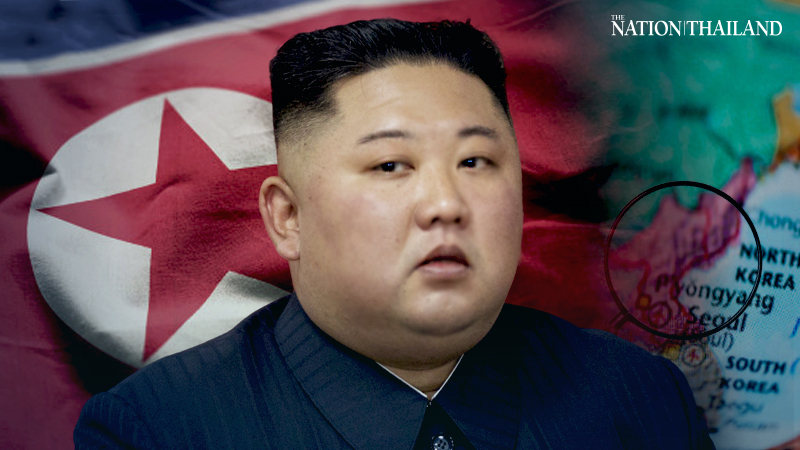
By The Washington Post · Simon Denyer

TOKYO – Kim Jong Un is angry, and he’s lashing out.

North Korea’s last economic plan failed “tremendously,” he complained. And his inner circle lacked an “innovative viewpoint and clear tactics” in drawing up a new one, Kim told the ruling Workers’ Party last month, yelling and finger-pointing at frightened-looking delegates.

His economy minister, appointed in January, has already been fired.

It’s not altogether surprising. North Korea is suffering its worst slump inmore than two decades, experts say. It’s a combination of international sanctions and especially a self-imposed blockade on international trade in attempts to keep the coronavirus pandemic out.

A shortage of spare parts usually supplied from China has caused factories to close, including one of the country’s largest fertilizer plants, and crippled output from the country’s aging power plants, according to news reports. Electricity shortages, long a chronic problem, have become so acute, production has even halted at some coal mines and other mines, Kim himself admitted in mid-February.

“Without imported materials, raw materials and components, many enterprises stopped, and people, accordingly, lost their jobs,” Alexander Matsegora, the Russian ambassador to North Korea, told the Interfax news agency.

The economic pain is unlikely to threaten Kim’s regime or force any retreat in North Korea’s standoff with the United States and allies over Pyongyang’s nuclear program. Nor should it lead to famine – as it did in the 1990s, when hundreds of thousands of people died – partly because food production and distribution has improved in the past decades and ally China would probably come to North Korea’s rescue, experts say.

But it does presage more pain and misery for millions of ordinary North Koreans.

Even in the capital Pyongyang, the regime’s bastion and home to its elite, shelves have emptied and it’s difficult even to buy basic products such as pasta, flour, vegetable oil and sugar, Matsegora said, as well as suitable clothes and shoes.

“If you manage to get something, it is three to four times more expensive than before the crisis,” he told Interfax.

But Kim’s response to the crisis risks appears to be making the situation much worse.

Andrei Lankov, a Russian university professor based in Seoul, called it a “dramatic U-turn.” Kim has turned his back on even modest economic and market reforms and reverted back to de facto Leninism, emphasizing central planning while trying to clamp down on the private entrepreneurial activity that has become a mainstay of the country’s mixed economy, he said.

In speeches to the ruling party, Kim demanded the restoration and strengthening of the system under which the economy runs “under the unified guidance and management of the state,” putting special emphasis on metal and chemical industries as the “main link in the whole chain of economic development.”

Kim also announced plans to expand state control of society, clamp down on foreign culture and media, and launch a “powerful mass campaign against practices running counter to the socialist lifestyle.”

Benjamin Katzeff Silberstein, a nonresident scholar at the Stimson Center foreign policy think tank, said Kim is unwilling to undertake serious reforms to the state-controlled system.

“The only thing left is to blame officials for not doing their jobs properly,” he said, “as if a more competent official would be able to work within the system and make it more efficient – whereas, in fact, it’s the system itself that’s the problem.”

North Korea’s economic managers are largely flying blind, without even the reliable data they would need to run a command economy, said Kim Byung-yeon, an economics professor at Seoul National University.

The few clues he can glean suggest cement production has fallen by 25 percent since 2016, while interviews with defectors suggest household incomes declined a similar amount between 2017 and 2019. The overall economy may have contracted by 20 percent since 2017, he “guesstimates.”

In rural areas, there are many days when households only get two hours of electricity, the Seoul-based Daily NK news service reports, while fertilizer shortages could compound an already shaky food situation.

But it’s the scarcity of goods in Pyongyang and possible discontent among the elites that will have Kim more worried, experts say.

His attempt to reimpose state control of the economy may partly be driven by a desire to corral what limited resources are there. But it also could be simply driven by insecurity.

“To make a Stalinist economy work these days is pretty much as hopeless as teaching pigs to fly,” Lankov said. “He probably understands that, but he also feels insecure about losing control. He decided that, in the days of crisis, he should increase control over the economy and population.”

Lankov noted that Kim’s father, Kim Jong Il, oscillated among turning a blind eye to private enterprise, actively promoting market reforms and reverting to state control during his rule. It now appears his son may be following the same path.

“I used to believe Kim Jong Un would be different from his father,” he said. “I didn’t expect him to surrender his nuclear weapons or pursue political liberalization, but I did expect him to pursue economic liberalization.”

Ever since the 1990s, North Korea has allowed a degree of private enterprise as the only way to prevent total economic collapse, allowing traders to sell food and consumer goods in markets, and other people to run small businesses. Since taking power, Kim had quietly expanded these freedoms in measures “that were clearly copied from China in the 1980s,” Lankov said.

Now, Kim’s apparent swing back toward central planning and the “juche” philosophy of self-reliance is unrealistic in an economy that was dependent on trade with China, experts say.

“The economy was quite open before sanctions,” said Seoul National University professor Kim. “He is trying to encourage people by saying they can overcome the crisis by the juche ideology. But if he really tries to implement it, it will worsen the economic situation.”

The crisis is partly self-inflicted, driven by what Katzeff Silberstein calls a “remarkable paranoia” about the coronavirus pandemic that saw the regime not only block the movement of people across its border with China – with armed guards told to shoot on sight – but also block the movement of goods.

Despite the crisis, Lankov said, North Korea’s diplomatic calculus is unlikely to change, and certainly won’t induce Kim to go cap-in-hand to Washington or Seoul for help.

Kim is never going to surrender his nuclear weapons, which he considers essential for the survival of his regime and his family, Lankov said.

“Kim Jong Un basically wants to negotiate the partial or complete removal of sanctions, but at a limited cost,” he said. “Denuclearization is not acceptable to the North Koreans, and so if the Americans only want to talk about denuclearization, it means nobody is going to talk to them.”
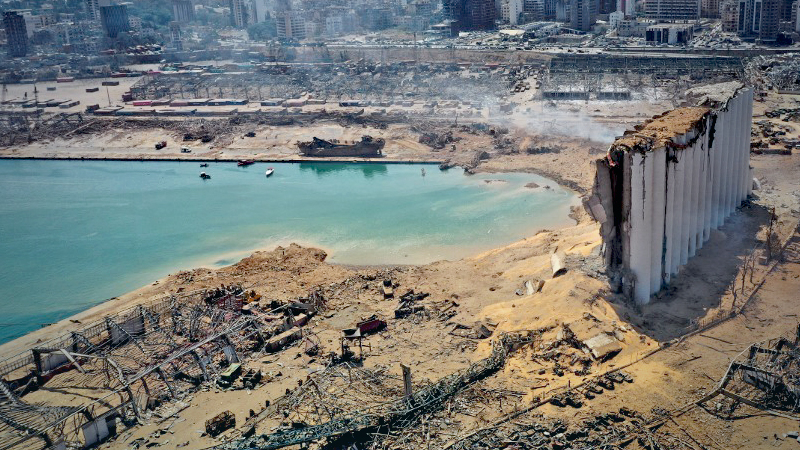
Six months after massive Beirut explosion, official investigation has been upended #SootinClaimon.Com

#SootinClaimon.Com : ขอบคุณแหล่งข้อมูล : หนังสือพิมพ์ The Nation.

https://www.nationthailand.com/news/30402892

Six months after massive Beirut explosion, official investigation has been upended

InternationalFeb 22. 2021

By The Washington Post · Sarah Dadouch, Nader Durgham

BEIRUT – The Lebanese judge leading the investigation into the August explosion that tore through Beirut had set his sights on the caretaker prime minister and three former ministers, charging them with negligence for ignoring the highly combustible material stored for six years on the waterfront.

But when two of the former ministers filed a complaint, alleging Judge Fadi Sawan had demonstrated a lack of neutrality by charging prominent figures to appease the public, he was dropped last week from the case. The Lebanese court that dismissed Sawan further questioned whether he could be impartial because his own home had been damaged in the blast – like those of hundreds of thousands of other Beirutis.

More than six months after the explosion, which killed more than 200 people, injured more than 7,500 others and devastated large portions of the capital, the official investigation is struggling to break through Lebanon’s culture of corruption and political influence to hold anyone of consequence accountable.

Sawan had already brought charges against 33 people, placing 25 of them in detention, but most were low-level customs, port and security officials.

When he summoned caretaker Prime Minister Hassan Diab and two former ministers for questioning as defendants, they refused, claiming immunity from prosecution as public officials.

Throughout his investigation, Sawan had focused on a question that has gripped much of Lebanon since August: Who was responsible for allowing 2,750 tons of ammonium nitrate to be stored haphazardly in a warehouse, alongside fireworks and paint thinners, on the edge of a crowded city?

“I believe there was purposeful negligence,” Diab said in an interview earlier this month at the Grand Serail, the prime minister’s offices. Most of their windows were still covered with tarps, the glass yet to be replaced after it was shattered in the blast. “A blind eye has been turned for seven years,” he added. Diab resigned after the blast but holds the role of caretaker prime minister until a new government is formed.

Although Diab has refused to be interrogated as a defendant, Sawan had succeeded in questioning him previously as a witness, and the focus had been on when he had first learned about the storage of the ammonium nitrate in Beirut. Diab, during the interview with The Washington Post, laid out the timeline he had provided under questioning, saying he initially heard about the material on June 3 of last year and brought the matter to the attention of the appropriate ministers. Diab said he had not realized how dangerous the material was.

Government documents reviewed by The Washington Post show that officials were well aware of the dangers posed by the large chemical stockpile long before last year. The documents reveal that responsibility for the ammonium nitrate was for years passed among different public and private entities, including the Public Works and Transportation Ministry, the judiciary, the army and even a private explosives company.

At least since 2015, a chemical expert made officials aware of the hazard of storing the chemicals at the port, and officials were advised to move the material out of the port.

A report by Lebanon’s national security agency, which was sent to Diab two weeks before the explosion after he requested an assessment of the shipment, cited the expert at Lebanese University who had examined the material and warned, “if ignited, (it) would cause a massive explosion, one of whose results would cause the semi-destruction of Beirut’s port.”

Sawan’s investigation had largely set aside questions surrounding how the ammonium nitrate arrived at the port and what caused the material to explode, according to Diab and lawyers who spoke to Human Rights Watch. The ownership of the ammonium nitrate remains unclear, as does how it ended up on a ship in Beirut’s port in 2013. Local media have been probing a series of shell companies allegedly involved with the shipment.

While officials across sectarian and political lines have been calling for accountability, many of them rallied against Sawan once he charged the four senior officials in December. A week later, two of the former ministers he charged, Ali Hassan Khalil and Ghazi Zeaiter, filed a motion to the Court of Cassation to replace Sawan, and his investigation was paused. Khalil and Zeaiter have not addressed the merits of the charges against them, arguing instead that they are immune from prosecution.

The 26-page decision dismissing Sawan on Thursday said there was “legitimate suspicion” regarding his neutrality and impartiality, in part because the judge said he would not recognize the legal immunity claimed by the ministers. The question of how far legal immunity extends for public officials is hotly contested in Lebanon.

The decision also alleged that he covered up the failings of other judges, including at least one who had allegedly known about the dangers posed by the ammonium nitrate but did not act, and that Sawan could not maintain impartiality because his house was damaged in the blast.

Sawan has not made any public statements since being dismissed and did not respond to multiple requests for comment for this article.

On Friday, a new judge, Tarek Bitar, was appointed by the Minister of Justice to replace Sawan. Bitar will now have to restart the investigation.

“In a country dealing with decades of legal impunity and after months of pushing for the investigation to target high-level politicians, this is a major setback,” said Ghida Frangieh, head of litigation at the Legal Agenda advocacy group.

Sawan’s investigation was not without issues, said Aya Majzoub, a Lebanon researcher for Human Rights Watch. She said, for instance, that his use of pretrial detention of dozens of suspects without presenting specific charges or evidence against them violated their due process rights.

But Sawan’s removal is a sign of the “red line” courts have drawn around politicians, Majzoub said. “What this policy of immunity has done is make the political class completely, completely unaccountable, perpetuating the culture of impunity,” she said.

Immediately after the Aug. 4 explosion, tens of thousands of protesters angrily filled the rubble-and-glass-littered streets, demanding accountability. The protests pushed Diab to resign on Aug. 10. Three days later, Sawan was named as the judicial investigator.

Hours after Sawan’s removal was announced on Thursday, families of the victims gathered in front of the Ministry of Justice.

“The Lebanese state doesn’t do anything,” said Mona Jawish, whose daughter Rawan was killed when the blast tore through the popular bar where she worked as a waitress. “They don’t care about us. They don’t care about the martyrs. We are just here crying but (the politicians) only care about themselves.”

The protesters held photos of family members lost in the blast, a sea of printed faces gathered around a burning tire. Several held out a banner that somberly demanded: “We want the results of the investigation with transparency before our patience runs out.”

58 people died in last week’s frigid weather #SootinClaimon.Com

#SootinClaimon.Com : ขอบคุณแหล่งข้อมูล : หนังสือพิมพ์ The Nation.

https://www.nationthailand.com/news/30402891

58 people died in last week’s frigid weather

InternationalFeb 22. 2021

By The Washington Post · Reis Thebault, Paulina Firozi, Brittany Shammas

The cold has killed the young and the old. It has claimed lives from southern Texas to northern Ohio. And authorities expect the toll to rise in the coming days, with frigid weather lingering, hundreds of thousands without electricity and millions without clean water.

The two major winter storms that have plunged most of the United States into an Arctic chill have killed at least 58 people since Sunday, according to data compiled by The Washington Post. More than half of them – 32 – lived in Texas, where persistent power outages have exposed residents to bitter temperatures.

Texans are well-versed in hurricanes and heat waves, but snowstorms and frigid temperatures are rare. Last week’s weather was what some have called a once-in-a-generation event.

“It’s not unusual in July or August, in Fort Worth, anyway, to have stretches of days where it’s over 100 degrees,” said Matt Zavadsky, a spokesman for the area ambulance provider MedStar. “But we’re accustomed to that. We’re not accustomed to a string of days where it’s 3.”

The Post’s data includes deaths confirmed or suspected to be linked to the weather and its attendant hardships, and the true number is undoubtedly higher than what is known so far. Some first responders worry about what they’ll find in their next week’s worth of wellness checks.

In Taylor County, Texas, Sheriff Ricky Bishop said his officers have been checking on residents for days, delivering food and water and following up with them later to make sure they’re all right. Already, they’ve found three people dead.

“There’s definitely that possibility that over the next week or two we could find some more that we don’t know about right now,” Bishop said.

The identities of most victims still aren’t known. Authorities have confirmed the ages of fewer than half, but of those, 23 were 50 or older and six were 85 and older. Eight states have at least one confirmed death.

Some died while trying to keep warm. An early-morning house fire in Sugar Land, Texas, killed a woman and her three grandchildren as they were huddled near their fireplace.

Douglas Adolph, a spokesman for the city, said the exact cause of the fire is under investigation, but he noted that fireplaces in the area – where winter temperatures typically hover in the 60s – are not meant to burn for hours or heat a home.They tend to be “small and aesthetic in nature,” he said.

Where the weather is coldest, some resorted to risky, last-ditch attempts to escape the cold.

“It’s heartbreaking,” Harris County Judge Lina Hidalgo said in a news conference this week, tallying hundreds of 911 calls about gas poisoning. “This carbon monoxide poisoning is a disaster within a disaster.”

Others seem to have frozen to death. At least 17 people died of hypothermia or “exposure.” Some of them were among society’s most vulnerable.

Early Thursday, a man was found lifeless in a parking lot north of Houston. He was wearing a jacket with no shirt beneath, authorities said. He had no shoes and no socks.

About 350 miles northwest, in Abilene, another person was found dead whom the local fire chief described as “a transient” who had been sleeping outside.

Even those with shelter succumbed.

In rural eastern Kentucky, two elderly women from Ashland – a city of 20,000 on the banks of the Ohio River – died in 48 hours, both of hypothermia. One woman, age 77, lost power in her home, Boyd County Coroner Mark Hammond said. Her family, blocked by ice and felled trees, couldn’t reach her and couldn’t contact her. She was found on Wednesday.

Still others have died in cold weather accidents – in cars and on foot.

In Louisiana, a 77-year-old man in Calcasieu Parish, where Lake Charles is located, slipped, fell into a pool and drowned. And in Lafayette Parish, a 50-year-old man died after slipping on ice and slamming his head on the ground.

A 10-year-old boy died in Shelby County, Tenn., after falling through ice into a pond with his 6-year-old sister, who is in critical condition. When authorities arrived at the scene, it was just 14 degrees.

That boy is one of three known victims under the age of 12. The youngest was 5, one of the three children killed in the Sugar Land house fire. Another, identified by Univision as Cristian Piñeda, was 11. His mother had just managed to get Cristian from Honduras to Texas so the two could live together, she told the outlet. With no electricity, she tried to cover him with blankets as best she could.

It was 12 degrees when Cristian’s mother put him to bed Monday night. He never woke up.

White House says Biden is ‘eager’ to go to Texas, possibly as soon as this week #SootinClaimon.Com

#SootinClaimon.Com : ขอบคุณแหล่งข้อมูล : หนังสือพิมพ์ The Nation.

https://www.nationthailand.com/news/30402890

White House says Biden is ‘eager’ to go to Texas, possibly as soon as this week

InternationalFeb 22. 2021People wait in line outside a 7-Eleven store in Austin, Texas, on Wednesday, Feb. 17, 2021. MUST CREDIT: Photo for The Washington Post by Sergio FloresPeople wait in line outside a 7-Eleven store in Austin, Texas, on Wednesday, Feb. 17, 2021. MUST CREDIT: Photo for The Washington Post by Sergio Flores

By The Washington Post · Paulina Firozi, Amy B Wang, Peter Whoriskey

With millions of Texans grappling with water restrictions, spiking energy bills and other havoc left behind by last week’s winter storm, White House officials said Sunday that President Joe Biden is “eager” to visit and could head there as soon as this week.

The majority of the 58 deaths linked to the Arctic outbreak have occurred in Texas, according to tracking by The Washington Post. As of noon Sunday, more than 11 million Texans were under orders to boil tap water before drinking it and another 120,000 were without any water at all because public water utilities remained hindered, according to figures from the Texas Commission on Environmental Quality.

Many in the state were being hit with extraordinarily high utility bills – many times higher than normal – with experts blaming the state’s lightly regulated energy markets for the prices, which spiked when the storm caused shortages.

“He is eager to go down to Texas and show his support,” White House press secretary Jen Psaki said Sunday on ABC News’s “This Week.” “But he’s also very mindful of the fact that it’s not a light footprint for a president to travel to a disaster area. He does not want to take away resources or attention.

– – –

The wholesale price of electricity in Texas spiked more than 10,000%, leaving many with dizzying bills ranging from four digits to more than $17,000.

Three generations of Texans were trying to stay warm in the blackout. Then a deadly fire erupted in a fully occupied hotel in Texas late Friday, raging for several hours while the sprinkler system was disabled by frozen pipes.

Biden is taking a notably low-key approach to the storm relief process. It’s a marked contrast to predecessor Donald Trump’s habit of making himself the often-hostile center of attention during natural disasters.

Texas is clawing its way out of crisis mode as temperatures rise and the ice begins to thaw. Photographers captured the slick streets, grocery store lines and distribution events that partly defined the alarming week.

Houston Mayor Sylvester Turner, a Democrat, said Sunday that Biden “certainly can come now.”

“We certainly would welcome him,” Turner said on CBS News’s “Face the Nation,” adding: “He would not be a distraction, neither a burden.”

The storm, which has killed people in at least eight states, also knocked out power for millions in brutally cold weather. Many of those initially considered fortunate because their lights stayed on are now facing jaw-dropping electric bills because they had opted for one of the state’s increasingly popular variable-rate plans.

Such electricity plans offer a potentially lower-cost alternative to traditional fixed-rate energy payments, but in a crisis situation can saddle customers with outsize bills. As wholesale energy prices soared, some have charged thousands of dollars for a few days of power.

One company, Griddy, said it was forced to raise its prices as much as 300 times the normal wholesale rate, meaning a typical $2-a-day household would face more than $600 in daily charges.

The spike in prices left many Texans with dizzying bills in the wake of the storms – ranging from four digits to more than $17,000.

“We are about to see a wave of bankruptcies, foreclosures, and evictions as these bills hit consumer and retailer mailboxes,” said Robert McCullough, a consultant and former utilities executive who has testified before Congress.

McCullough noted that electric companies are profiting from the price spikes. Those serving Texas’s main power grid – the portion managed by the Electric Reliability Council of Texas (ERCOT) – garnered $40 billion in revenue, according to his estimates.

“Somebody won big,” McCullough said. “That’s not all profit, but I suspect most of it will be.”

ERCOT, which manages about 90% of the state’s electric load, is facing a state investigation and two lawsuits arguing that its preparation, or lack thereof, for extreme cold left residents freezing and in the dark.

Texas Attorney General Ken Paxton, a Republican, said Friday that he was launching an investigation into how ERCOT and power companies had “grossly mishandled” the winter storm.

An ERCOT official defended the decision to trigger rolling outages, saying in a statement Saturday that it had been the “right choice to avoid a statewide blackout.”

With Biden signing a major disaster declaration that will allow much of the state to tap vast reserves of federal aid, Rep. Michael McCaul, R-Texas, suggested that the federal assistance would be used to help those facing spiking power bills.

“The current plan is, with the federal assistance, to be able to help the homeowners both repair – because we have a lot of water leaks, a lot of water damage, pipes bursting – but, also, their electricity bills as well,” McCaul said Sunday on CNN’s “State of the Union.”

He said federal assistance is “what Texas needs right now so desperately. A lot of people are hurting right now.”

Turner agreed that consumers should not be saddled with the astronomical power bills.

“For these exorbitant costs, it’s not the consumers who should assume that cost,” he said on “Face the Nation.” “They are not at fault for what happened this week. The bills should go to the state of Texas.”

Griddy officials knew the storm would drive up prices, and the company sent an email to customers Feb. 14, warning them to find new providers. But when customers went shopping, the other companies were not offering plans.

One resident, Ty Williams, told local TV station WFAA that he saw the email from Griddy and tried to switch to a new company, but that no one would accept him as a new customer until Feb. 26.

Williams said that he normally pays $660 a month across three electric meters – home, guesthouse and office – but that his bill shot to more than $17,000 in the past week. “How in the world can anyone pay that?” Williams told the station. “I mean you go from a couple hundred dollars a month . . . there’s absolutely no way . . . it makes no sense.”

Gov. Greg Abbott, a Republican, said Saturday that he was convening an emergency meeting with state lawmakers to discuss the spikes, saying in a statement that “it is unacceptable for Texans who suffered through days in the freezing cold without electricity or heat to now be hit with skyrocketing energy costs.”

“The catastrophic winter storm was expected to become the “largest insurance claim event in [Texas] history,” said the Insurance Council of Texas, a trade group, which estimated that the damage would far outpace the $19 billion in claims from Hurricane Harvey in 2017.

The White House’s disaster declaration followed similar state-of-emergency notices in Louisiana and Oklahoma, which will allow the general public and business owners to apply for temporary-housing grants, home-repair loans and other emergency aid.

It offers individual assistance to 77 of 254 counties, including the areas around Houston, Dallas and Austin, but does not cover the entire state.

Abbott said Saturday that the White House’s “partial approval is an important first step.” The White House and the Federal Emergency Management Agency said more counties could be covered as government officials continue assessing the damage. Michael Hart, a spokesperson for the agency, told The Post that major disaster declarations “routinely begin with an initial set of counties for which damage information is available.”

In recent days, the Federal Emergency Management Agency has provided generators, food, water and other supplies statewide.

Asked about the partial declaration on ABC News’s “This Week,” Psaki said the White House has been in “very close touch with Governor Abbott.”

“What happens here is the governor requested a federal disaster declaration. The president asked his team to expedite that,” she said. “And FEMA determined where the counties should be – where it should focus the immediate resources, where the counties that are hardest hit, so that they can make sure they get to the people in most need.”

“เท็กซัส” รัฐที่มีน้ำมันท่วมหัวแต่เอาตัวไม่รอด #SootinClaimon.Com

#SootinClaimon.Com : ขอบคุณแหล่งข้อมูล : หนังสือพิมพ์โพสต์ทูเดย์

https://www.posttoday.com/world/645989

วันที่ 21 ก.พ. 2564 เวลา 19:41 น.

"เท็กซัส" รัฐที่มีน้ำมันท่วมหัวแต่เอาตัวไม่รอด

PostToday Podcast The Expert : “เท็กซัส” รัฐที่มีน้ำมันท่วมหัวแต่เอาตัวไม่รอด

PostToday Podcast The Expert : “เท็กซัส” รัฐที่มีน้ำมันท่วมหัวแต่เอาตัวไม่รอด

ติดตาม PostToday Podcast ได้ที่ https://soundcloud.com/posttoday 

https://w.soundcloud.com/player/?url=https%3A//api.soundcloud.com/tracks/989928301&color=%23ff5500&auto_play=false&hide_related=false&show_comments=true&show_user=true&show_reposts=false&show_teaser=true&visual=true

PostToday · เท็กซัส รัฐที่มีน้ำมันท่วมหัวแต่เอาตัวไม่รอด

จีนวางยุทธศาสตร์ลดพึ่งพาดอลลาร์ เงินหยวนคนใช้มากอันดับ5ของโลก #SootinClaimon.Com

#SootinClaimon.Com : ขอบคุณแหล่งข้อมูล : หนังสือพิมพ์โพสต์ทูเดย์

https://www.posttoday.com/world/645985

วันที่ 21 ก.พ. 2564 เวลา 18:57 น.จีนวางยุทธศาสตร์ลดพึ่งพาดอลลาร์ เงินหยวนคนใช้มากอันดับ5ของโลก‘สวิฟต์’ เผยสกุลเงินหยวน ครองส่วนแบ่งการชำระเงินทั่วโลกเพิ่ม

จากการรายงานของสำนักข่าวซินหัว สมาคมเพื่อการโทรคมนาคมทางการเงินระหว่างธนาคารทั่วโลก หรือสวิฟต์ (SWIFT) ผู้ให้บริการโอนเงินระดับโลกระบุว่า สกุลเงินเหรินเหมินปี้ (RMB) หรือเงินหยวนของจีนยังคงครองตำแหน่งสกุลเงินที่น่าดึงดูดมากที่สุดอันดับ 5 สำหรับการชำระเงินทั่วโลกเมื่อคิดตามมูลค่าในเดือนมกราคม แต่มีส่วนแบ่งเพิ่มขึ้นในฐานะสกุลเงินสำหรับการชำระเงินทั่วโลก

รายงานประจำเดือนที่ตีพิมพ์โดยสวิฟต์พบว่า ในเดือนมกราคม ส่วนแบ่งของสกุลเงินหยวนในการชำระเงินทั่วโลกคิดเป็น 2.42% เพิ่มขึ้นจากส่วนแบ่ง2.15% ในช่วงเดียวกันของปี 2019

รายงานดังกล่าวระบุว่า มูลค่าของการชำระเงินสกุลหยวนเพิ่มขึ้น 21.34% ในเดือนที่แล้ว เมื่อเทียบกับเดือนธันวาคมปี 2020 ขณะที่การชำระเงินของบรรดาสกุลเงินทั้งหมดมีมูลค่าลดลง 5.86%

รายงานเสริมว่า เขตบริหารพิเศษฮ่องกงทางตอนใต้ของจีนเป็นตลาดที่ใหญ่ที่สุดสำหรับการทำธุรกรรมนอกแผ่นดินใหญ่ โดยเพิ่มขึ้น 75.93% ตามมาด้วยสหราชอาณาจักร สิงคโปร์ และสหรัฐ

เมื่อต้นเดือนกุมภาพันธ์ ธนาคารกลางของจีน (PBOC) ได้ตกลงเป็นพันธมิตรกับ SWIFT เพื่อที่จะยกระดับให้เงินหยวนเป็นสากลและพัฒนาสกุลเงินดิจิทัลของจีน

ข้อตดกลงเป็นพันธมิตรทำให้เกิดหน่วยงานใหม่ คือ Finance Gateway Information Service จดทะเบียนในกรุงปักกิ่งเมื่อวันที่ 16 มกราคมโดยมีเงินทุน 10 ล้านยูโร เป็นทุนในการจัดตั้งบริษัท โดย SWIFT เป็นผู้ถือหุ้นรายใหญ่ที่สุดโดยมีทุน 55% ผ่านบริษัทย่อยในฮ่องกงในขณะที่ China National Clearing Center ซึ่งเป็นบริษัทย่อยของ PBOC ถือหุ้น 34%

สำนักข่าว RT รายงานว่าการร่วมทุนดังกล่าวเกิดขึ้นหลังจากมีข้อกังวลว่าสหรัฐอาจตัดจีนหรือฮ่องกงออกจากเครือข่ายการชำระเงินทางการเงิน SWIFT และยังมีเสียงเรียกร้องให้รัฐบาลจีนลดการพึ่งพาเงินดอลลาร์สหรัฐโดยการเพิ่มการใช้เงินหยวนทั่วโลก

Photo by Nicolas ASFOURI / AFP

มาเลย์อย่างไว ได้วัคซีนโควิด-19แล้วเตรียมฉีดสัปดาห์หน้า #SootinClaimon.Com

#SootinClaimon.Com : ขอบคุณแหล่งข้อมูล : หนังสือพิมพ์โพสต์ทูเดย์

https://www.posttoday.com/world/645976

วันที่ 21 ก.พ. 2564 เวลา 16:36 น.มาเลย์อย่างไว ได้วัคซีนโควิด-19แล้วเตรียมฉีดสัปดาห์หน้ามาเลเซียรับมอบ ‘วัคซีนโควิด-19’ ชุดแรกจากไฟเซอร์-ไบออนเทค เตรียมฉีด 24 ก.พ.

สำนักข่าวซินหัวรายงานว่ามาเลเซียได้รับมอบวัคซีนป้องกันโรคติดเชื้อไวรัสโคโรนาสายพันธุ์ใหม่ (โควิด-19) ชุดแรก ซึ่งจะช่วยเพิ่มความสามารถในการต่อสู้กับโรคโควิด-19 ของประเทศ

วัคซีนป้องกันโรคโควิด-19 ราว 312,390 โดส ซึ่งพัฒนาร่วมกันโดยไฟเซอร์ (Pfizer) บริษัทเภสัชภัณฑ์สัญชาติสหรัฐฯ และไบออนเทค (BioNTech) บริษัทเภสัชภัณฑ์สัญชาติเยอรมัน ถูกจัดส่งถึงท่าอากาศยานนานาชาติกัวลาลัมเปอร์ และได้รับการต้อนรับโดยคณะเจ้าหน้าที่มาเลเซีย

หลังรับมอบวัคซีนโควิด-19 ไครี จามาลุดดิน รัฐมนตรีว่าการกระทรวงวิทยาศาสตร์ เทคโนโลยี และนวัตกรรมมาเลเซีย แถลงต่อสื่อว่าระยะแรกของโครงการฉีดวัคซีนแห่งชาติจะเริ่มขึ้นในวันพุธนี้ (24 ก.พ.) ซึ่งเร็วกว่ากำหนดการเดิม โดยมูห์ยิดดิน ยัสซิน นายกรัฐมนตรีมาเลเซียจะเป็นผู้ได้รับวัคซีนคนแรก

จามาลุดดินเสริมว่า วัคซีนป้องกันโรคโควิด-19 ของซิโนแวค บริษัทเภสัชภัณฑ์สัญชาติจีนมีกำหนดการมาถึงมาเลเซียในวันที่ 27 ก.พ. โดยวัคซีนตัวอื่นมีกำหนดมาถึงภายหลัง

รัฐบาลมาเลเซียระบุว่า นับถึงเดือนกุมภาพันธ์ 2021 มาเลเซียสำรองวัคซีนป้องกันโรคโควิด-19 แล้ว 66.7 ล้านโดส ผ่านทางโครงการโคแวกซ์ (COVAX) และการสั่งซื้อระยะแรกจากบริษัทผลิตวัคซีนโควิด-19 จำนวน 5 แห่ง โดยรัฐบาลตั้งเป้าจะฉีดวัคซีนให้ได้อย่างน้อยร้อยละ 80 ของจำนวนประชากรทั้งประเทศ

โครงการฉีดวัคซีนจะดำเนินการใน 3 ระยะ คือ ระยะที่ 1 จะฉีดให้กับบุคลากรแนวหน้าซึ่งครอบคลุมประชาชนราว 5 แสนคน ระยะที่ 2 จะฉีดให้กับกลุ่มผู้มีความเสี่ยงสูง และระยะที่ 3 จะฉีดให้กับผู้ใหญ่อายุตั้งแต่ 18 ปีขึ้นไปทั้งหมด โดยคาดว่าโครงการทั้งหมดจะเสร็จสิ้นภายในเดือนกุมภาพันธ์ปี 2022

ทั้งนี้ เมื่อวันเสาร์ (20 ก.พ.) มาเลเซียมีรายงานพบผู้ป่วยโควิด-19 เพิ่ม 2,936 ราย ส่งผลให้ยอดผู้ป่วยสะสมอยู่ที่ 277,811 ราย และมีรายงานพบผู้ป่วยเสียชีวิตเพิ่ม 13 ราย ส่งผลให้ยอดผู้ป่วยเสียชีวิตสะสมอยู่ที่ 1,043 ราย

ขอบคุณเนื้อหาข่าวจากสำนักข่าวซินหัว

Photo by FANDY AZLAN / Malaysia’s Department of Information / AFP

ไข้หวัดนก H5N8 ติดคนครั้งแรกที่รัสเซีย เป็นภัยคุกคามครั้งใหม่หรือไม่? #SootinClaimon.Com

#SootinClaimon.Com : ขอบคุณแหล่งข้อมูล : หนังสือพิมพ์โพสต์ทูเดย์

https://www.posttoday.com/world/645967

วันที่ 21 ก.พ. 2564 เวลา 14:30 น.ไข้หวัดนก H5N8 ติดคนครั้งแรกที่รัสเซีย เป็นภัยคุกคามครั้งใหม่หรือไม่?หลังจากมีรายงานเรื่องการติดเชื้อไข้หวัดนกสายพันธุ์ H5N8 แพร่สู่มนุษย์ เรื่องนี้เป็นความกังวลหรือไม่หรือเป็นแค่กรณีติดเชื้อในวงแคบๆ ?

1. ทางการรัสเซียกล่าวเมื่อวันเสาร์ว่านักวิทยาศาสตร์ได้ตรวจพบกรณีการแพร่เชื้อไข้หวัดนกสายพันธุ์ H5N8 จากนกสู่คนเป็นรายแรกของโลกและได้แจ้งเตือนองค์การอนามัยโลกแล้ว

2. อันนา โปโปวา ผู้อำนวยการสำนักงานคุ้มครองผู้บริโภคกล่าวว่านักวิทยาศาสตร์จากห้องปฏิบัติการ Vektor ได้แยกสารพันธุกรรมของสายพันธุ์จากคนงาน 7 คนในฟาร์มสัตว์ปีกทางตอนใต้ของรัสเซียซึ่งพบการระบาดของไข้หวัดนกในเดือนธันวาคม

3. คนงานไม่ได้รับผลกระทบด้านสุขภาพที่ร้ายแรงใดๆ และเชื่อว่าพวกเขติดเชื้อไวรัสจากสัตว์ปีกในฟาร์ม โปโปวากล่าวว่าการพบการติดเชื้อในมนุษย์นี้ถือ “การค้นพบครั้งสำคัญทางวิทยาศาสตร์” และบอกแค่เพียงว่าต้องใช้เวลาในการจะบอกว่าว่าไวรัสสามารถกลายพันธุ์ต่อไปได้หรือไม่

4. H5N8 เป็นชนิดย่อยของไวรัสไข้หวัดใหญ่สายพันธุ์ A (บางครั้งเรียกว่าไข้หวัดนก คือ H5N1) และเป็นอันตรายต่อนกป่าและสัตว์ปีกอย่างมาก โดยทั่วไปแล้ว H5N8 จะไม่เกี่ยวข้องกับมนุษย์ จนกระทั่งมีการค้นพบว่ามันติดสู่มนุษย์ที่รัสเซีย

5. ไวรัสไข้หวัดใหญ่สายพันธุ์ A หรือ Influenza A virus มีหลาย แอนติเจน (Antigen) หรือสารที่แปลกปลอมหรือเป็นพิษต่อร่างกาย ในเวลานี้มีแอนติเจน H ที่รู้จักกัน 18 ชนิด (H1 ถึง H18) และแอนติเจน N ที่รู้จักกัน 11 ชนิด (N1 ถึง N11) ไวรัสแต่ละตัวยังกลายพันธุ์แยกย่อยลงไปอีก

6. ในส่วนของไข้หวัดที่ติดในหมู่มนุษย์จะเรียกว่า “ไวรัสไข้หวัดใหญ่ของมนุษย์” หมายถึงชนิดย่อยที่แพร่กระจายอย่างกว้างขวางในหมู่มนุษย์คือสายพันธุ์ H1N1, H1N2 และ H3N2 เป็นไวรัสไข้หวัดใหญ่สายพันธุ์ A จำนวนนี้เท่านั้นที่รู้จักกันในปัจจุบันที่ระบาดในหมู่มนุษย์

7. โดยปกติ ไข้หวัดนกไม่ติดต่อกับมนุษย์ แต่เมื่อเชื้อไวรัสกลายพันธุ์มนุษย์จะติดไวรัส เรียกว่า “ไข้หวัดนกในมนุษย์” มักเกิดขึ้นในฤดูหนาวและฤดูใบไม้ผลิ และส่วนใหญ่เป็นคนหนุ่มสาว จากอายุ 18 – 20 ปี และมีอัตราการตายสูงกว่า 60%

8. โปโปวากล่าวว่า “การค้นพบการกลายพันธุ์เหล่านี้ในเวลาที่ไวรัสยังไม่ได้กลายพันธุ์จนสามารถทำให้เกิดการติดจากคนสู่คนได้ ทำให้เราทั้งโลกมีเวลาเตรียมตัวสำหรับการกลายพันธุ์ (จากคนสู่คน) ที่อาจจะเกิดขึ้นได้และมีเวลาตอบสนองอย่างเพียงพอและทันท่วงที”

9. องค์การอนามัยโลกกล่าวว่าไข้หวัดนกสู่มนุษย์มักจะติดเชื้อจากการสัมผัสโดยตรงกับสัตว์หรือสภาพแวดล้อมที่ปนเปื้อนและไม่มีการแพร่เชื้อในมนุษย์อย่างต่อเนื่อง

10. อย่างไรก็ตาม เกวนาเอง วูร์ช หัวหน้าฝ่ายวิจัยของสถาบันการเกษตรอาหารและสิ่งแวดล้อมแห่งชาติของฝรั่งเศสกล่าวว่าเป็นที่ทราบกันดีว่าไวรัสไข้หวัดใหญ่มีวิวัฒนาการ “ค่อนข้างเร็ว” และอาจมีกรณีอื่นๆ นอกเหนือจากที่รายงานในรัสเซียเขาบอกว่านี่อาจเป็นแค่ “ปลายยอดของภูเขาน้ำแข็งเท่านั้น”

Photo by SAM PANTHAKY / AFP

ชาวเท็กซัสไม่เคยเจอหนาวจัด ยังต้องกระอักค่าไฟพุ่งเป็นแสน #SootinClaimon.Com

#SootinClaimon.Com : ขอบคุณแหล่งข้อมูล : หนังสือพิมพ์โพสต์ทูเดย์

https://www.posttoday.com/world/645956

วันที่ 21 ก.พ. 2564 เวลา 12:26 น.ชาวเท็กซัสไม่เคยเจอหนาวจัด ยังต้องกระอักค่าไฟพุ่งเป็นแสนนอกจากจะเจอกับวิกฤตสภาพอากาศแล้ว ชาวเท็กซัสยังจะต้องจ่ายบิลค่าไฟที่ทำให้หลายคนแทบจะกลายเป็นยาจก

จากสภาพอากาศหนาวจัดและหิมะตกหนักในรัซเท็กซัสในรอบหลายสิบปี ทำให้รัฐที่ปกติแล้วมีสภาพอากาศร้อนปรับตัวไม่ทันทำให้ความต้องการไฟฟ้าเพื่อสร้างความอบอุ่นเพิ่มสูงขึ้นจนระบบรับไม่ไหวและเกิดไฟฟ้าดับหลายพื้นที่ ชาวเท็กซัสบางคนเจอบิลค่าไฟสูงถึงครึ่งล้าน ส่วนใหญ่เจอในอัตราครึ่งแสน

สำนักข่าว The New York Times รายงานว่า สก็อตต์ วิลละบีทหารผ่านศึกวัย 63 ปีที่อาศัยจ่ายเงินประกันสังคมในย่านชานเมืองดัลลัสกล่าวว่าเขาบอกว่าเขาต้องเสียเงินในบัญชีออมทรัพย์ของเขาไปเกือบหมดแล้วเพื่อที่เขาจะนำเงินจ่ายค่าไฟฟ้า 16,752 เหรียญสหรัฐ (ราว 502,308 บาท) ที่เรียกเก็บจากบัตรเครดิตของเขา ซึ่งสูงถึง 70 เท่าของค่าใช้จ่ายทั้งหมดในบ้านรวมกัน

เดวิด แอสไตรน์ ผู้อาศัยในเมืองฮิวสตันวัย 36 ปีซึ่งเป็นผู้อำนวยการฝ่ายทรัพยากรบุคคลของบริษัทผู้ผลิตรายหนึ่งกล่าวกับ Bloomberg ว่าจนถึงขณะนี้เขาถูกเรียกเก็บเงิน 2,738.66 เหรียญสหรัฐ (ราว 82,118.72 บาท) ในเดือนนี้เทียบกับค่าไฟฟ้า 129.85 เหรียญสหรัฐ (ราว 3,893.55 บาท) เมื่อเดือนมกราคมสำหรับบ้านแบบสามห้องนอนพร้อมอพาร์ตเมนต์โรงรถเดี่ยว เขาและภรรยาเลิกใช้เครื่องล้างจาน เครื่องซักผ้า และเครื่องอบผ้า และเปิดไฟให้น้อยที่สุดในตอนกลางคืน แต่เก็บเครื่องทำความร้อนให้กับลูกชายวัย 5 เดือนของพวกเขา

แอสไตรน์เป็นหนึ่งในกลุ่มผู้บริโภคที่ต้องเผชิญกับการจ่ายเงินค่าไฟที่สูงมากหลังจากพายุถล่ม หลายคนใช้โซเชียลมีเดียเพื่อแชร์บิลค่าไฟฟ้าที่สูงถึง 8,000 เหรียญสหรัฐ (ราว 239,880 บาท) พวกเขาส่วนใหญ่เป็นลูกค้าของ Griddy Energy ซึ่งเป็นผู้จัดหาพลังงานไฟฟ้าในเท็กซัสที่มีรูปแบบธุรกิจที่ไม่เหมือนใคร

บริษัทนี้จะเรียกเก็บค่าไฟฟ้าตามราคาแบบเรียลไทม์ในตลาดขายส่งไฟฟ้า ดังนั้นจึงทำให้ผู้บริโภคได้รับความผันผวนอย่างเต็มที่ Griddy เห็นปัญหาที่กำลังเกิดขึ้นและยังเรียกร้องให้ลูกค้ารายเปลี่ยนไปใช้ผู้ให้บริการรายอื่นไปก่อน ภายในวันอาทิตย์ 20% มีลูกค้าที่สามารถเปลี่ยนไปใช้ผู้บริการรายอื่นได้ แต่หลายคนยังไม่ได้รวมถึงแอสไตรน์

เกร็ก แอ็บอต ผู้ว่าการรัฐเท็กซัสเรียกประชุมฉุกเฉินในวันเสาร์เพื่อแก้ไขปัญหาการเพิ่มขึ้นของราคาไฟฟ้า เขากล่าวว่าเขากำลังทำงานร่วมกับสมาชิกสภานิติบัญญัติเพื่อหาวิธีแก้ปัญหาเพื่อ “ตรวจสอบให้แน่ใจว่าเท็กซัสไม่ติดปัญหาเรื่องค่าพลังงานที่พุ่งสูงขึ้นอย่างไม่มีเหตุผล”

Photo by Suzanne CORDEIRO / AFP

ชาติตะวันตกรุมประณามเมียนมายิงผู้ประท้วงตาย 2 ราย #SootinClaimon.Com

#SootinClaimon.Com : ขอบคุณแหล่งข้อมูล : หนังสือพิมพ์โพสต์ทูเดย์

https://www.posttoday.com/world/645940

วันที่ 21 ก.พ. 2564 เวลา 09:58 น.ชาติตะวันตกรุมประณามเมียนมายิงผู้ประท้วงตาย 2 รายเมียนมามาเริ่มหนักขึ้นเรื่อยๆ ชาติตะวันตกก็เตรียมงัดไม้แข็งมาใช้จัดการกับทหารเมียนมา

เจ้าหน้าที่หน่วยฉุกเฉินระบุว่ามีผู้เสียชีวิต 2 คนในเมืองมัณฑะเลย์เมืองใหญ่อันดับที่สองของเมียนมาร์เมื่อวันเสาร์ที่ผ่านมาเมื่อตำรวจและทหารยิงเพื่อสลายการประท้วงต่อต้านการรัฐประหาร เจ้าหน้าที่หน่วยฉุกเฉินกล่าวว่าเป็นวันที่นองเลือดที่สุดในการเดินขบวนนานกว่าสองสัปดาห์

การเผชิญหน้าเริ่มต้นขึ้นเมื่อกองกำลังความมั่นคงในมัณฑะเลย์พยายามที่จะบุกอู่ต่อเรือและกักขังพนักงานท่าเรือที่นัดหยุดงานประท้วงการยึดอำนาจของกองทัพ เจ้าหน้าที่หน่วยฉุกเฉินกล่าวว่ากองกำลังใช้กระสุนยางและแก๊สน้ำตากับฝูงชนที่เริ่มขว้างก้อนหินเพื่อต่อต้านการเข้าจับกุม

หลังจากเหตุนองเลือดชาติตะวันตกมีปฏิกิริยารุนแรงในทันที รัฐบาลฝรั่งเศสได้ประณามการใช้ความรุนแรงของกองกำลังความมั่นคงเมียนมาต่อผู้ประท้วงอย่างสันติซึ่งทำให้มีผู้เสียชีวิตหลายคน โดยกระทรวงการต่างประเทศกล่าว ในแถลงการณ์เมื่อวันเสาร์ว่า “ความรุนแรงที่เกิดขึ้นในมัณฑะเลย์ในวันนี้เป็นสิ่งที่ยอมรับไม่ได้”

โดมินิก ราอาบรัฐมนตรีต่างประเทศสหราชอาณาจักรกล่าวว่าจะพิจารณาดำเนินการเพิ่มเติมกับผู้ที่เกี่ยวข้องกับความรุนแรงต่อผู้คนที่ประท้วงการรัฐประหารของเมียนมา

“การยิงผู้ประท้วงอย่างสันติในเมียนมาเป็นเรื่องที่เลวร้ายมากเ ราจะพิจารณาดำเนินการต่อไปร่วมกับพันธมิตรระหว่างประเทศของเราเพื่อจัดการกับผู้ทำลายประชาธิปไตยที่บดขยี้ฝ่ายที่ต่อต้านการกระทำนั้น” ราอาบกล่าวในทวีต

สหราชอาณาจักรได้กำหนดมาตรการคว่ำบาตรนายพลเมียนมา 3 คนในวันพฤหัสบดีโดยกล่าวหาว่าพวกเขาละเมิดสิทธิมนุษยชนอย่างร้ายแรงหลังการรัฐประหาร

หัวหน้านโยบายต่างประเทศของสหภาพยุโรปประณามความรุนแรงที่หนักข้อขึ้นเรื่อยๆ ในเมียนมาร์หลังจากผู้ประท้วงสองคนถูกสังหารขณะที่กองกำลังรักษาความปลอดภัยระดมยิงด้วยกระสุนจริง และกล่าวว่าอียูจะ “ตัดสินใจอย่างเหมาะสม” ต่อไป

“ผมขอประณามการใช้ความรุนแรงต่อผู้ประท้วงพลเรือนอย่างสันติโดยกองทัพ ขอให้ทหารและกองกำลังความมั่นคงทั้งหมดในเมียนมาหยุดความรุนแรงต่อพลเรือนโดยทันที” โจเซป บอร์เรล ผู้แทนระดับสูงและรองประธานาธิบดีของสหภาพยุโรปกล่าวในทวีต

เขากล่าวว่าการประชุมที่กรุงบรัสเซลส์ของรัฐมนตรีต่างประเทศสหภาพยุโรปในวันจันทร์นี้ “จะหารือ … เหตุการณ์ล่าสุดในเมียนมาร์เพื่อตัดสินใจอย่างเหมาะสม”

ด้าน เน็ด ไพรซ์โฆษกกระทรวงการต่างประเทศสหรัฐฯกล่าวในทวีตว่า สหรัฐ “กังวลอย่างยิ่ง” จากรายงานที่ว่ากองกำลังความมั่นคงของเมียนมายิงผู้ประท้วงและยังคงกักขังและคุกคามผู้ประท้วงและคนอื่นๆอย่างต่อเนื่อง” และกล่าวว่า “เรายืนหยัดเคียงข้างชาวพม่า (Burma)”

อันโตนิโอ กูเตอร์เรสเลขาธิการสหประชาชาติประณามการใช้ “ความรุนแรงร้ายแรง” ในระยะประชิดต่อชาวเมียนมา เขากล่าวว่า “การใช้กำลังร้ายแรงการข่มขู่และการคุกคามต่อผู้ประท้วงอย่างสันติเป็นสิ่งที่ยอมรับไม่ได้” 

Photo by STR / AFP