
China’s CanSino coronavirus vaccine shows 65.7% efficacy #SootinClaimon.Com

#SootinClaimon.Com : ขอบคุณแหล่งข้อมูล : หนังสือพิมพ์ The Nation.

China’s CanSino coronavirus vaccine shows 65.7% efficacy

InternationalFeb 10. 2021
By Syndication Washington Post, Bloomberg

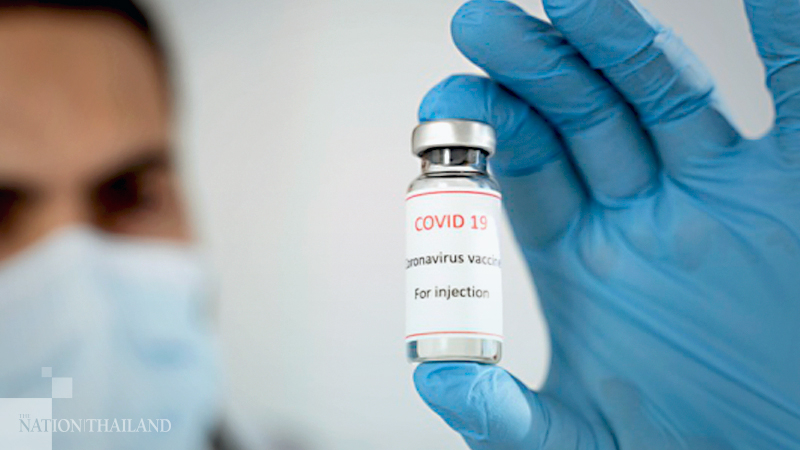
CanSino Biologics’s experimental coronavirus vaccine has an efficacy rate of 65.7% at preventing symptomatic cases based on an analysis from late-stage trials, adding a one-shot candidate to the world’s growing arsenal against covid-19.

The inoculation co-developed by the Chinese military and the Tianjin-based biotech company proved effective against symptomatic covid-19, based on a multicountry analysis first posted on Twitter by Faisal Sultan, Pakistan’s health adviser, on Monday. CanSino later forwarded Sultan’s announcement in a statement. The final stage trial included 30,000 participants and was also 90.98% effective in preventing severe disease, Sultan said.

A vaccine needs to afford at least a 50% protection rate to be considered effective, as mandated by the world’s leading drug regulators and the World Health Organization. While CanSino’s data seems at first glance lower than the 95% protection rate provided by shots from Pfizer and Moderna, it requires just one shot, not two.

That means it’s more accurately compared to Johnson & Johnson’s vaccine, the only other single shot that has released final stage testing data. That vaccine was found to be 66% effective in a global trial.

While their efficacy numbers are lower, single-shot vaccines offer some advantages over the cutting-edge mRNA inoculations from Pfizer and Moderna. The mRNA two-dose shots require deep-freeze storage and risk spoiling if thawed too quickly, creating distribution hurdles. CanSino and J&J’s candidates are easier to store and don’t require people to return at a set time for the second jab — something that’s hard to guarantee especially in developing countries.

“One vaccine, single visit and cheaper logistics, it has all those advantages,” Sultan said in a phone interview Tuesday. “The single-shot is an important factor. Certainly, when you ask people to show up for a second shot three weeks later, people will not show up, forget or not care.”

Among two-dose regimens, China’s vaccines have fallen behind western and Russian peers. The shot developed by the state-owned China National Biotec Group Co., a unit of Sinopharm, was shown to be 78% effective, while one from Sinovac Biotech had a 50.38% rate in a trial involving high-risk medical workers. Russia’s Sputnik V showed efficacy of 91.6%, matching the stellar efficacy of the mRNA shots.

Trials for AstraZeneca Plc’s vaccine resulted in an average of 70% from two different dosing regimes.

The parade of efficacy reports has resulted in a steadily growing arsenal of inoculations as drugmakers and governments have sped up the vaccine development process to fight the pandemic. CanSino adds another successful candidate from Chinese developers, who have played catch-up with Western rivals in finishing Phase III trials after an early lead in the process.

As richer nations secure the first supplies and the WHO-backed Covax initiative that many developing countries were relying on for vaccines has not yet started, China is filling the void by donating its vaccines to poorer places.

CanSino has agreed to supply 35 million doses to Mexico while Malaysia is in talks to get 3.5 million shots. Pakistan, where one of CanSino’s biggest trials is being conducted, will get 20 million shots. Pakistan’s efficacy at preventing symptomatic cases is 74.8%, Sultan said Monday, adding that a tranche of vaccines had been sent by China’s army to his country’s military.

The doses have “been dedicated in its entirety for use in our national vaccine drive to protect health workers in the front line,” he said.

The company is also working to get approval from the WHO so that its vaccine can be procured and distributed through the Covax program.

The company is said to have reached an agreement to run another trial in Russia to see whether swapping the second dose of Russia’s Sputnik V vaccine with that from CanSino would produce the same or better protection against covid-19. Russia has faced production challenges for Sputnik’s second shot, which uses the same adenovirus vector to deliver the coronavirus antigen that CanSino does.

CanSino’s so-called viral vector vaccine, which loads an antigen from the coronavirus on a harmless cold-causing pathogen called adenovirus, was the first in the world to start human clinical trials back in March as China mobilized its drug regulators, research institutes and pharmaceutical companies in an all-out effort to develop tools against the coronavirus.

CanSino got off to a strong start, outpacing western rivals including Pfizer and AstraZeneca in pushing its shot through early human testing. Yet it got caught in growing tensions between China and Canada, with a planned trial in the North American country indefinitely delayed.

Meanwhile, the near elimination of the virus in China forced CanSino and other Chinese vaccine frontrunners to embark on a time-consuming search for testing sites for Phase III trials in other parts of the world.

The company eventually started those tests in Pakistan, Russia, Argentine, Mexico and Chile, when Western frontrunners were already close to reporting interim results.

Chinese vaccines have faced some skepticism because of confusion over efficacy rates and a lack of transparency, as the developers have disclosed less safety and testing information than western front-runners. The issues have threatened to undermine trust in shots that President Xi Jinping has promised to share with the rest of the world as a global public good.

They are nonetheless being rolled out across Asia, the Middle East and South America, with endorsements from heads of state. Mexico President Andrés Manuel López Obrador has pledged to get the CanSino shot, while Indonesian President Joko Widodo received Sinovac’s vaccine in a televised ceremony.

Jamie Dimon, other CEOs meet with President Biden at White House as relief plan advances #SootinClaimon.Com

#SootinClaimon.Com : ขอบคุณแหล่งข้อมูล : หนังสือพิมพ์ The Nation.

Jamie Dimon, other CEOs meet with President Biden at White House as relief plan advances

InternationalFeb 10. 2021Jamie Dimon, Chair and CEO of JP Morgan Chase, testifies before the House Financial Services Commitee in Washington on April 10, 2019. MUST CREDIT: photo for The Washington Post by J. Lawler Duggan.Jamie Dimon, Chair and CEO of JP Morgan Chase, testifies before the House Financial Services Commitee in Washington on April 10, 2019. MUST CREDIT: photo for The Washington Post by J. Lawler Duggan.

By The Washington Post · Tom Hamburger, Jeff Stein, Erica Werner

WASHINGTON – President Joe Biden met at the White House on Tuesday with JPMorgan Chase Chief Executive Officer Jamie Dimon and other leading business executives to discuss the administration’s $1.9 trillion economic relief package, as Democrats work to speed the plan through Congress.

The meeting also included Doug McMillon, CEO of Walmart; Sonia Syngal from GAP; Marvin Ellison, CEO of Lowe’s; and Tom Donohue, of the U.S. Chamber of Commerce. Vice President Kamala Harris and Treasury Secretary Janet Yellen also took part.

The meeting with the business executives comes as the White House accelerates its push for Biden’s $1.9 trillion relief proposal amid increasing opposition from congressional Republicans. House Democrats have unveiled key portions of the legislation and on Tuesday began holding what will be a lengthy series of committee meetings this week to vote on various portions of the package, leading up to final House passage later this month.

The developments coincided with the start of the Senate’s impeachment trial of former president Donald Trump, but Biden told reporters he wasn’t watching the trial.

“I have a job. My job is to help people. We have already lost over 450,000 people and we could lose a whole lot more if we don’t act and act decisively,” Biden said as his meeting with the business leaders got underway. “A lot of people, as I have said before, children are going to bed hungry. A lot of families are food insecure. They are in trouble. That’s my job.”

The meeting of the business executives also comes amid an intensifying fight over Democrats’ proposal to hike the minimum wage to $15 per hour. McMillon, who is also the chairman of the influential Business Roundtable, said last month that he supports a boost to the minimum wage. Dimon has also previously backed a minimum wage hike.

But the U.S. Chamber of Commerce has urged lawmakers not to use the “current crisis . . . as an opportunity to enact long-sought permanent policy changes, like raising the minimum wage.” The Chamber also called existing $1 trillion annual deficits a “real cause for concern.”

The business leaders are expected to bring up the minimum wage proposal at the White House, two people familiar with the matter said, speaking on condition of anonymity to discuss the private meeting.

Biden’s plan to raise the federal minimum wage has become a particularly contentious element of his relief package, which also includes hundreds of billions of dollars for cities, states and schools; rental assistance and eviction relief; and $160 billion for a national vaccine program, increased testing and other assistance for the health care system.

Additionally, Biden’s proposal includes a new round of $1,400 stimulus checks to individuals. Democrats have been debating who should be eligible to receive those checks, and considered lowering the income threshold for individuals to $50,000 from the $75,000 Biden initially proposed, which had applied to previous stimulus payments — including $600 checks Congress agreed to in December.

However, the Ways and Means Committee on Monday released legislation keeping the $75,000 income limit for individuals and $150,000 for couples, but adding a faster phaseout period so that no money goes to individuals with incomes over $100,000 or couples with incomes over $200,000.

Asked Tuesday whether he supported the structure of the checks as proposed by House Democrats, Biden responded: “Yes.”

Many lawmakers are concerned that the minimum wage increase will not be accepted by the Senate parliamentarian under the special budget rules Democrats are using to push the relief bill through Congress without GOP votes.

Asked about that issue Tuesday, Senate Majority Leader Chuck Schumer, D-N.Y., said: “We’re trying to work as well as we can with the parliamentarian to get minimum wage to happen. That’s all I’m going to say.”

House Democrats debated internally whether to incorporate the minimum wage increase in their bill but the proposal is strongly supported by members of the Congressional Progressive Caucus and was ultimately included.

The U.S. Chamber of Commerce has also said it opposes Biden’s proposal to raise federal unemployment benefits from $300 per week to $400, saying the measure “distorts the labor market and deters individuals from returning to work.”

This is not the first time Biden has met with officials who have criticized elements of his relief plan. Earlier this month, Biden hosted 10 Senate Republicans to discuss the next relief package – although he has appeared to reject their pleas to seek a bipartisan bill.

“As you know I met a long time with my Republican colleagues, have been exchanging correspondence and telephone calls as well to see if there’s any way we can follow-up beyond where we are,” Biden said. “I think we’re in a position to think big and move big and move in a direction that cannot only get the economy back on its feet, but we have to get people well.”

Biden also said he was anxious to hear how the business executives felt about the relief package and expressed optimism they could find “common ground,” just as he had sought with Senate Republicans.

JPMorgan Chase has previously called for another round of pandemic relief for poorer families as well as the renewal of support for unemployed Americans, among other measures.

Russian big business steps in to speed coronavirus vaccine roll out #SootinClaimon.Com

#SootinClaimon.Com : ขอบคุณแหล่งข้อมูล : หนังสือพิมพ์ The Nation.

Russian big business steps in to speed coronavirus vaccine roll out

InternationalFeb 10. 2021Workers arrive for their shifts at the main office at the Dneprovsky Iron & Steel Works, operated by Evraz Group, in Dnipro, Ukraine, on Jan. 25, 2017. MUST CREDIT: Bloomberg photo by Vincent MundyWorkers arrive for their shifts at the main office at the Dneprovsky Iron & Steel Works, operated by Evraz Group, in Dnipro, Ukraine, on Jan. 25, 2017. MUST CREDIT: Bloomberg photo by Vincent Mundy

By Syndication Washington Post, Bloomberg · Yuliya Fedorinova

Russia is turning to its industrial giants, many of which operate in far-flung locations spread across the world’s biggest country, to help ramp up its covid-19 vaccination campaign after a slow start.

Companies from the biggest gold miner Polyus PJSC to the largest iron ore producer Metalloinvest Holding are trying to procure the shots and offer logistical support to get supplies of the domestically produced Sputnik V vaccine to the often remote areas where they work.

Russia is dominated by big business, with small and medium enterprises making up just a fifth of the economy compared with as much as 40% in other emerging economies, according to the World Bank. Getting the country’s factories and natural resources companies to pitch in could be key to stemming the pandemic as authorities seek to vaccinate 60% of adults in the first half of the year.

Polyus aims to make the vaccine available to all employees and contractors, according to a statement Tuesday. The company, whose main assets are in the Siberian wilderness far from cities or airports, started offering on-site inoculations this month and has shipped 1,100 doses to its Olimpiada and Blagodatnoye mines to date, it said.

Metalloinvest is helping local health officials track its employees who want to receive the vaccine and has made the shots available at some work sites, a spokesman said.

Steelmaker Evraz Plc seeks to vaccinate 50% to 70% of employees, with billionaire Chief Executive Officer Alexander Frolov among the first to get inoculated, according to a spokesman. Magnitogorsk Iron and Steel PJSC lets workers apply for a vaccine appointment via a corporate mobile app, it said in a statement Monday.

The corporate push comes after covid-19 disrupted operations throughout Russia, one of the hardest hit countries worldwide. Russia had the third-highest number of covid-19 deaths last year, after the U.S. and Brazil.

Even so, the public remains wary of Sputnik V, which was authorized for use before large-scale testing had begun. Only 38% of Russians said they would take it, according to a December poll.

Interim research published last week in The Lancet medical journal indicates Sputnik V is highly effective against covid-19, spurring hopes that more people will seek the shot. Alternatives are also becoming available, and on Monday President Vladimir Putin boasted Russia is the only country with three domestically developed coronavirus vaccines.

“covid-19 is still a risk for industrial companies, while vaccines are available mostly in big cities,” Kirill Chuyko, head of research at BCS Global Markets, said by phone. “There’s a deficit in the regions, so it makes perfect scene for companies to facilitate their employees getting the shots.”

After Wuhan mission on pandemic origins, WHO team dismisses lab leak theory #SootinClaimon.Com

#SootinClaimon.Com : ขอบคุณแหล่งข้อมูล : หนังสือพิมพ์ The Nation.

After Wuhan mission on pandemic origins, WHO team dismisses lab leak theory

InternationalFeb 10. 2021Peter Ben Embarek, the Danish food safety expert leading the WHO teamPeter Ben Embarek, the Danish food safety expert leading the WHO team

By The Washington Post · Gerry Shih, Emily Rauhala

TAIPEI, Taiwan – After a 12-day visit, a World Health Organization mission to Wuhan appeared no closer Tuesday to solving the mystery of the pandemic’s origins, reiterating that the coronavirus likely spread to humans from an animal and casting doubt on theories it leaked from a lab.

The group’s findings – more than a year after the initial outbreak and after months wrangling between China and the U.N. health agency – could be a small step toward understanding the roots of a global crisis.

But the update is unlikely to satisfy U.S. officials and others around the world calling for greater transparency from China – or to silence questions about whether the Geneva-based WHO is equipped to investigate at all.

At a news conference, the team of Chinese and international researchers said they found that the virus was spreading in Wuhan during December 2019 both inside and outside the Huanan Seafood Market. That suggested the market was not necessarily the original source of the outbreak, the scientists said.

The team also left open the possibility that the virus may have been transmitted to humans through frozen food – a once fringe theory that Chinese officials have been touting as part of broader push to claim that covid-19, the disease caused by the coronavirus, did not come from China.

Notably, the WHO team dismissed as “extremely unlikely” another theory that the virus leaked from laboratories at the local Wuhan Institute of Virology (WIV). Peter Ben Embarek, the Danish food safety expert leading the WHO team, said his group was satisfied with answers about safety at the WIV and will not recommend further investigation into the possible links to the lab.

“Just saying that they have really good safety protocols is not an answer in my view,” said Marc Lipsitch, a professor of epidemiology at Harvard’s T.H. Chan School of Public Health, who was not among the scientists on the trip. “That alone does not put my mind at rest.”

It was never likely that the team would reach a definitive conclusion after two weeks in quarantine and less than two weeks of on-site investigation. But the dismissal of the lab theory, in particular, is likely to draw scrutiny.

Most researchers believe the virus passed through an intermediary animal host – such as pangolins – and evolved into a form that is easily transmissible among humans.

A smaller circle of experts says the possibility cannot be ruled out that the virus slipped out of the WIV, an institution that conducts work on coronaviruses sampled from bats.

The mission was composed of Chinese and international researchers. The lead Chinese scientist, Liang Wannian, told reporters that none of the labs in Wuhan had worked with SARS-Cov-2 strain, as the coronavirus is officially called, but on the virus’s distant relatives.

Instead, Liang pointed to the possibility that the virus jumped across species in nature through intermediary hosts such as pangolins, cats or minks. Ben Embarek agreed that it was “most likely” the virus evolved in nature and spread to humans through an intermediary host.

Ben Embarek told reporters that the judgment was based on “long, frank, open discussions with researchers and management” at institutions including the WIV. The institute provided “detailed descriptions of the center’s research both present and past on all projects involving bats and coronaviruses and more advanced projects,” he said.

He added that he questioned WIV officials extensively about what they thought of the lab leak hypothesis. “They’re the best ones to dismiss the claims and provide answers to all the questions,” the WHO team leader said.

But that line of reasoning that drew skepticism from outside experts.

“If the only information you’re allowing to be weighed is provided by the very people who have everything to lose by revealing such evidence, that just doesn’t come close to passing the sniff test,” said David Relman, a microbiologist at Stanford University.

Relman suggested that the WHO team should have sought complete, detailed records from the laboratories about their experiments and the raw genomic sequence data of their research going back a decade.

Raina MacIntyre, professor of biosecurity at the University of New South Wales in Australia, was also surprised to see the idea of a lab accident ruled out so quickly.

Without exploring all leads, she suggested, “We may never know the origins of this virus.”

The search for answers about the source of the pandemic had been fraught from the start.

It is clear now that China withheld critical information about the outbreak in Wuhan in the early days. The WHO, for its part, has faced criticism for failing to call them out.

In February 2020, WHO researchers traveled to China to study the novel coronavirus. The team’s enthusiastic praise for Chinese officials led many to wonder whether the agency was up to the task of holding Beijing to account.

As the crisis in the U.S. worsened, the Trump administration seized on the critique and used it to shift blame, with top U.S. officials floating unproven claims about the origin of the virus – and Chinese officials firing back with unproven claims of their own.

In the months since, the U.N. health agency has been caught in the middle. China, however, is already trying to move on.

On Tuesday, Liang and an official from China’s National Health Commission declared the China leg of the WHO probe complete and called for its scope to be expanded globally to answer the origin question.

In recent days, Chinese state media have preempted Tuesday’s news conference with reports declaring Wuhan has been “cleared of guilt” as the suspected origin of the pandemic, with some echoing the Chinese Foreign Ministry in calling for an investigation into U.S. labs.

A key question going forward will be whether the WHO team is allowed to return to China. In a pre-trip interview with The Washington Post, Ben Embarek said he believed the search would require trips to different places in China.

It remains to be seen, however, whether China will grant the WHO access, said Yanzhong Huang, a senior fellow for global health at the Council on Foreign Relations.

“There will be more pressure to do more work in China,” Huang said. “I hope this going to be the starting point of a more in-depth, more comprehensive investigation.”

Xi pitches vaccine to Eastern Europe in bid to revive ties #SootinClaimon.Com

#SootinClaimon.Com : ขอบคุณแหล่งข้อมูล : หนังสือพิมพ์ The Nation.

Xi pitches vaccine to Eastern Europe in bid to revive ties

InternationalFeb 10. 2021President Xi JinpingPresident Xi Jinping

By Syndication Washington Post, Bloomberg

President Xi Jinping said China stands ready to provide Eastern Europe with coronavirus vaccines, part of efforts to reboot relations harmed by the failure of the government in Beijing to deliver on investment promises.

The comments come amid tensions within the European Union over the bloc’s procurement of shots to combat covid-19, with member states unable to match the pace of other Western nations in inoculating their citizens. Chinese companies have already provided 1 million vaccine doses to Serbia, an EU aspirant that’s also using Russia’s Sputnik injection.

Addressing leaders and other high-level representatives at an online summit on Tuesday, Xi revealed that China plans to import more than $170 billion of goods from the continent’s former communist east in the next five years, during which time it will also double agricultural imports. Other initiatives include deepening ties on the green economy, e-commerce and health care.

Tuesday’s meeting of the China and Central and Eastern European Countries forum — more commonly referred to as the CEE, or 17+1 — comes shortly after Beijing concluded a landmark investment deal with the EU following seven years of negotiation. There’s been a lack of regular dialogue of late because of the pandemic.

“We maintain mutual respect,” Xi said, according to the official readout from the state news agency Xinhua. “Cooperation doesn’t have political strings attached.”

China is working to rebuild diplomatic ties in Europe as it faces growing criticism from mainly Western countries over issues ranging from its handling of information on covid-19 to its crackdown on Muslim Uighurs in Xinjiang and a controversial national-security law for Hong Kong that could spark an exodus to the U.K.

It also wants to reset its relationship with the U.S. under Joe Biden after the Trump administration fueled global skepticism over China’s intentions.

The CEE format took shape in 2012 as a way for China to forge ties with 16 eastern European countries, many EU members that felt overlooked by Brussels. Greece joined the group in 2019. Trade between China and these countries reached $103 billion last year, up 8.4% year on year, China’s Commerce Ministry Spokesman Gao Feng said Feb. 4.

While supplying Serbia — and Hungary, which will get its first doses next week — with coronavirus vaccines developed by China’s Sinopharm is seen as a success, a lack of investment has disappointed the region. Enthusiasm for the 17+1 is waning as some countries bristle at widening trade balances with China, despite the Asian country pointing to growing volumes with Eastern Europe, according to a European diplomat in Beijing who asked not to be identified.

“Beijing is eager to portray the summit as a victory for China and a signal that ties between China and the region are supposedly close and could remain so also under the Biden presidency,” said Grzegorz Stec, an analyst with Berlin-based think tank Merics.

But the summit “can’t avert the economic disillusionment of CEE countries, which are also increasingly mindful of security and geostrategic implications of cooperating with China,” Stec said.

The cancellation of an in-person summit planned for April 2020 further weakened ties, and — in an apparent snub — Lithuania and Estonia said neither their president nor prime minister would attend Tuesday’s event, sending lower-level officials in their stead, Politico reported.

China is hoping to carry out cooperation with Eastern Europe in areas in line with the European Union’s interests, said Wang Yiwei, director of the Institute of International Affairs at Renmin University in Beijing and a former Chinese diplomat.

“The 17 countries are rather marginalized in the EU, yet they’re at the center of the Eurasian continent,” said Wang. “They therefore have geographical significance for China’s aspirations to boost interconnectivity.”

โควิดยังไม่หาย ทะเลจีนใต้จะลุกเป็นไฟ #SootinClaimon.Com

#SootinClaimon.Com : ขอบคุณแหล่งข้อมูล : หนังสือพิมพ์โพสต์ทูเดย์

https://www.posttoday.com/world/644937

วันที่ 09 ก.พ. 2564 เวลา 22:00 น.โควิดยังไม่หาย ทะเลจีนใต้จะลุกเป็นไฟเรือบรรทุกเครื่องบินสหรัฐ-เรือดำน้ำฝรั่งเศสโผล่ทะเลจีนใต้ อังกฤษก็กำลังจะเข้ามา ถามว่าทำไปเพื่ออะไร?

ในขณะที่ทุกสายตาจับจ้องไปที่การทำรัฐประหารที่เมียนมา ยังมีอีกหนึ่งฮ็อตสปอตในเอเชียตะวันออกเฉียงใต้ที่จู่ๆ ก็ทำท่าจะมีปัญหาขึ้นมา คือน่านน้ำทะเลจีนใต้

กองทัพเรือสหรัฐกล่าวเมื่อวันอังคารที่ 9 กุมภาพันธ์ว่าได้ส่งกองเรือบรรทุกเครื่องบิน 2 ลำคือกองเรือ Theodore Roosevelt Carrier Strike Group และกองเรือ Nimitz Carrier Strike Group ไปฝึกซ้อมปฏิบัติการทางทะเลที่น่านน้ำทะเลจีนใต้ นับเป็นการฝึกซ้อมครั้งแรกนับตั้งแต่เดือนกรกฎาคม 2020 ท่ามกลางความตึงเครียดที่เพิ่มสูงขึ้นในน่านน้ำแห่งนี้

การฝึกซ้อมดังกล่าวมีขึ้นไม่กี่วันหลังจากที่จีนประณามการที่กองทัพสหรัฐส่งเรือพิฆาต USS John S. McCain เข้ามาใกล้หมู่เกาะพาราเซลที่จีนควบคุมอยู่ แต่สหรัฐไม่สนใจการอ้างสิทธิของจีนมากไปกว่าการเรียกร้องให้มีเสรีภาพในการเดินเรือในน่านน้ำทะเลจีนใต้

อย่างที่พลเรือตรี จิม เคิร์ก ผู้บัญชาการกองเรือ Nimitz Carrier Strike Group กล่าวในแถลงการณ์ว่า “เรามุ่งมั่นที่จะรับรองการใช้ทะเลอย่างถูกต้องตามกฎหมายที่ทุกประเทศพึงมีภายใต้กฎหมายระหว่างประเทศ”

แต่สหรัฐมาซ้อมอะไรแถวนี้? อีกประการหนึ่งกองเรือ Carrier strike group แต่ละกองมีทหารประจำการมากถึง 7,500 นาย มันจึงเป็นการซ้อมที่เหมือนการกระตุกหนวดพญามังกรกันชัดๆ

การส่งเรือพิฆาตและในที่สุดส่งกองเรือใหญ่มาสองกองถือภารกิจแรกของกองทัพเรือสหรัฐนับตั้งแต่ประธานาธิบดีโจ ไบเดนเข้ารับตำแหน่ง ไบเดนเองก็แสดงจุดยืนชัดเจนว่าจะเล่นงานจีนต่อไปด้วยวิธีการที่อยุ่กับร่องกับรอยมากกว่าทรัมป์

ดังนั้นภารกิจของกองทัพเรืองอเมริกันจึงถือเป็นภารกิจที่จะกระตุ้นให้การเผชิญหน้าได้ง่ายๆ และอาจทำให้ภูมิภาคนี้เสี่ยงที่จะเกิดการเผชิญหน้าขึ้น ฝ่ายที่เสี่ยงคือนานาประเทศในอาเซียน

อาเซียนต้องตกอยู่ระหว่าง 3 สถานการณ์ คือสถานะการเป็นคู่กรณีของจีนในการอ้างสิทธิ์เหนือน่านน้ำและหมู่เกาะต่างๆ ในทะเลจีนใต้

สถานการณ์ที่สอง บางประเทศในอาเซียนต้องการให้สหรัฐเข้ามาถ่วงอำนาจจีน ตัวอย่างเช่น เวียดนามที่เดินหมากตาที่สุ่มเสี่ยงในการเข้าหาสหรัฐเพื่อปกป้องการคุกคามจากจีน (ขณะเดียวกันจีนใช้น้ำเย็นเข้าลูบด้วยการไปดีลทางเศรษฐกิจกับเวียดนามมาได้หลายดีล)

แต่ประการที่สาม ในขณะเดียวกันอาเซียนก็เสี่ยงที่จะย่อยยับหากปล่อยให้สหรัฐเข้ามาใช้ข้ออ้างเรื่องเสรีภาพในการเดินเรือแล้วแอบแฝงเจตนาในการยั่วยุจีนจนกระทั่งถึงกับต้องเผชิญหน้ากัน

แต่ตอนนี้อาเซียนไม่ได้มีแค่สหรัฐที่จะขอเข้ามาช่วย “คานอำนาจ” เพราะยังมีฝรั่งเศส อังกฤษ ออสเตรเลีย อินเดีย แม้แต่เยอรมนียังแสดงความกังวลเรื่องทะเลจีนใต้

เริ่มจากฝรั่งเศสก่อนเพราะวันเดียวกับที่สหรัฐส่งกองเรือใหญ่เข้ามาซ้อมโน่นซ้อมนี่ในทะเลจีนใต้ เรือดำน้ำพิฆาตพลังนิวเคลียร์ของฝรั่งเศสคือเรือ SNA Emeraude มาพร้อมกับเรือสนับสนุน BSAM Seine ทำการลาดตระเวนผ่านทะเลจีนใต้ โดยรัฐมนตรีว่าการกระทรวงกลาโหมของฝรั่งเศสเปิดเผยผ่านใน Twitter เมื่อค่ำวันจันทร์

ฟลอรองซ์ ปาร์ลี รัฐมนตรีกลาโหมฝรั่งเศสบอกว่า “การลาดตระเวนพิเศษนี้เพิ่งเสร็จสิ้นการเดินเรือในทะเลจีนใต้ เป็นเครื่องพิสูจน์ที่เด่นชัดถึงขีดความสามารถของกองทัพเรือฝรั่งเศสของเราในการประจำการในระยะไกลและเป็นเวลานาน ร่วมกับพันธมิตรทางยุทธศาสตร์ (ของเรา) คือออสเตรเลีย สหรัฐ และญี่ปุ่น”

ถึงแม้จะบอกตรงๆ ว่าเพื่อโชว์ศักยภาพในฐานะพันธมิตรออสเตรเลีย สหรัฐ และญี่ปุ่น แต่ปาร์ลียังบอกด้วยว่า “ทำไมต้องเป็นภารกิจแบบนี้? ก็เพื่อเพิ่มพูนความรู้ของเราเกี่ยวกับพื้นที่นี้ และยืนยันว่ากฎหมายระหว่างประเทศเป็นกฎเดียวที่ถูกต้องไม่ว่าเราจะแล่นเรือไปในทะเลใดก็ตาม”

นี่คือข้ออ้างที่นานาประเทศมีร่วมกันคือการอ้างสิทธิในการแล่นเรือในน่านน้ำทะเลจีนใต้โดยไม่ต้องไปขอความเห็นชอบจากจีน เพราะพันธมิตรเหล่านี้มองว่าการอ้างสิทธิของจีนไม่ชอบธรรม แต่ก็เหมือนกับคำตอบของปาร์ลี (ที่ดูเหมือนจะร้อนตัว) ที่ว่า “”ทำไมต้องเป็นภารกิจแบบนี้?” เพราะต้องมีคำถามแน่ๆ อยู่แล้วว่ากองเรือฝรั่งเศสไปป้วนเปี้ยนอะไรแถวนั้น?

มหาอำนาจตะวันตกในเวลานี้ดูเหมือนจะมองจีนเป็นภัยคุกคามกันหมด แต่ถ้ามองแค่นี้ก็คงไม่พอ เพราะเมื่อดูไปที่การกำหนดอุดมการณ์ของประเทศเหล่านี้จะพบว่าบางประเทศพยายามดันตัวเองให้มีบทบาทสำคัญในฐานะมหาอำนาจโลกอีกครั้ง และการเป็นมหาอำนาจฝ่าย “พระเอก” จำเป็นจะต้องมีการสร้าง “ตัวร้าย” เพื่อเสริมบารมี

ประเทศที่น่าจะเข้าข่ายนี้ก็คือเพื่อนบ้านของฝรั่งเศสคือสหราชอาณาจักร ซึ่งตั้งเป้าที่จะเป็น Global Britain (บริเทนที่หลุดจากพันธะของสหภาพยุโรปและแข็งแกร่งด้วยการสยายปีกไปทั่วโลก)

เว็บไซต์ของรัฐบาลบริเทนอธิบายแนวคิดไว้ว่า “Global Britain คือการลงทุนในความสัมพันธ์ของเรา (กับนานาประเทศ) อีกครั้งโดยสนับสนุนกฎระเบียบระหว่างประเทศ และแสดงให้เห็นว่าสหราชอาณาจักรเปิดกว้างมองออกไปข้างนอกและมีความมั่นใจในเวทีโลก”

ประโยคที่ว่า “สนับสนุนกฎระเบียบระหว่างประเทศ” คล้องจองกันอย่างดีกับคำกล่าวของรัฐมนตรีฝรั่งเศสที่ “ยืนยันว่ากฎหมายระหว่างประเทศเป็นกฎเดียวที่ถูกต้อง” และเหมือนกับคำพูดของผู้บัญชาการกองเรือสหรัฐว่า “การใช้ทะเลอย่างถูกต้องตามกฎหมายที่ทุกประเทศพึง” ซึ่งทั้งหมดสอดคล้องกับแนวคิดของโจ ไบเดน ที่จะเล่นงานจีนให้อยู่ในกรอบของกติกาสากล

สิ่งที่เป็นรูปธรรมของ Global Britain ในตอนนี้คือการที่สหราชอาณาจักรจะร่วมมือกับสหรัฐในการฟอร์มกองเรือให้เป็นกองเรือพิฆาตร่วม (joint carrier strike group) ภายในปีนี้

หกองเรือพิฆาตร่วมบริเทน-สหรัฐ จะนำโดยเรือรบ HMS Queen Elizabeth ของบริเทนและประกอบด้วยเรือพิฆาตชั้น Arleigh Burke ของกองทัพเรือสหรัฐที่ติดตั้งขีปนาวุธนำวิถี พร้อมเครื่องบินรบ F-35B JSF ของนาวิกโยธินสหรัฐ

แล้วก็เป็นไปตามคาดเมื่อเดือนมกราคม สหราชอาณาจักรประกาศว่าจะส่งเรือ HMS Queen Elizabeth เข้ามาปฏิบัติการในแปซิฟิกซึ่งรวมถึงน่านน้ำทะลจีนใต้ในฐานะปฏิบัติการแรก

เช่นเดียวกับกรณีของเรือดำน้ำของฝรั่งเศสที่ก่อให้เกิดคำถามว่า “ทำไมต้องเป็นภารกิจแบบนี้?” ก่อนที่จะได้คำตอบโฆษกกระทรวงกลาโหมของจีน ถานเข่อเฟย บอกว่า “ฝ่ายจีนเชื่อว่าทะเลจีนใต้ไม่ควรเป็นทะเลแห่งการแข่งขันกันด้วยอาวุธและเรือรบ”

ถานเข่อเฟยยังบอกว่า มูลเหตุแห่งการทำให้น่านน้ำทะเลจีนใต้กลายเป็นพื้นที่สั่งสมกำลังการทหาร (militarisation) ที่แท้จริงมาจากประเทศอื่นๆ

ย้อนไปเมื่อเดือนกันยายนปีที่แล้ว หวางอี้รัฐมนตรีต่างประเทศจีนก็กล่าวแบบเดียวกันเป๊ะเพียงแต่เอ่ยชื่อประเทศชัดว่า สหรัฐคือตัวการที่ทำให้ทะเลจีนใต้เกิดการสั่งสมกำลังทางทหาร

ดูเหมือนว่าจีนจะโยนความผิดให้ประเทศอื่นเสียอย่างนั้น เพราะจีนเองก็มีส่วนไม่น้อยเลยที่ทำให้ทะเลจีนใต้ถูก militarisation จนเกินเหตุ และหมู่เกาะต่างๆ หรือแม้แต่เนินทรายยังกลายเป็นป้อมปืน

การจัดซื้ออาวุธขนานใหญ่ของหลายประเทศในเอเชียตะวันออกเฉียงใต้ (โดยเฉพาะเวียดนาม) ก็ล้วนแต่เป็นผลมาจากการปักหมุดในทะเลจีนใต้ของประเทศจีน

ถามว่าประชาคมอาเซียนต้องการให้เกิดการ militarisation ที่ประตูบ้านของตัวเองหรือไม่? ตอบว่าไม่ แต่ก็เลี่ยงไม่ได้ โดยเฉพาะเวียดนามที่เสริมกำลังทางทหารอย่างหนักหน่วงในช่วงไม่กี่ที่ผ่านมา งบประมาณกลาโหมของเวียนามเมื่อปีที่แล้วอยู่ที่ 6,000 ล้านเหรียญสหรัฐ แต่มันจะเพิ่มขึ้นเป็นเกือบ 8,000 ล้านเหรียญสหรัฐในปี 2024

ระหว่างปี 2014 – 2018 เวียดนามยังเป็นผู้สั่งซื้ออาวุธรายใหญ่ที่สุดอันดับ 10 ของโลก

เมื่อปีที่แล้วหวางอี้กล่าวในแถลงการณ์ที่โพสต์บนเว็บไซต์ของกระทรวงต่างประเทศว่า “สันติภาพและเสถียรภาพเป็นผลประโยชน์เชิงกลยุทธ์ที่ยิ่งใหญ่ที่สุดของจีนในทะเลจีนใต้ นอกจากนี้ยังเป็นปณิธานเชิงกลยุทธ์ร่วมกันของจีนและประเทศในอาเซียนด้วย”

หากเชื่อตามนี้เวียดนามคงไม่ซื้ออาวุธราวกับโปรยเงินทิ้งเล่น

นักวิชาการบางคนเช่น Cheng-Chwee Kuik ชี้ว่าตอนนี้จีนไม่ได้โอ๋อาเซียนอีกแล้ว จีนหันมาใช้แนวทางที่แข็งกร้าวมากขึ้น ในระยะหลังจะเห็นได้ว่าจีนมีท่าทีแข็งกร้าวอย่างเห็นได้ชัดมากๆ ต่อการติดตั้งอาวุธยุทโธปกรณ์ที่ในทะเลจีนใต้ (เช่นขีปนาวุธ) การแสดงความเป็นเจ้าของทะเลจีนใต้ทั้งแถบด้วยการเตือนบ่อยๆ เมื่อมีเรือรบของต่างชาติแล่นผ่านเข้ามา

นักวิชาการ Cheng-Chwee Kuik จึงตั้งคำถามว่า “เราจึงสงสัยว่าทำไมจีนถึงแปรเปลี่ยนท่าทีในเชิงรุกมากขึ้นแม้ว่าก่อนหน้านี้จะใช้วิธีโอ้โลมปฏิโลมกับอาเซียน” คำตอบสั้นๆ ก็คือ จีนต้องการจะแสดงให้สหรัฐและประเทศที่อ่อนแอกว่าที่คิดจะไปขอแรงสหรัฐได้เห็นว่าจีน “เอาจริง”

กับสหรัฐเราคงไม่ต้องสงสัย แต่ถ้าจีนยังจะเอาจริงกับประเทศที่อ่อนแอกว่าด้วย เสถียรภาพของอาเซียนก็คงมีปัญหาแล้ว อย่างไรก็ตาม นี่เป็นความเห็นของนักวิชาการเพียงคนเดียวเท่านั้น

โดยสรุปก็คือ ทุกฝ่ายมีส่วนทำให้เกิดการสั่งสมกำลังทหารและทำให้ทะเลจีนใต้เป็นลานสวนสนาม

สิ่งที่อาเซียนกำลังเจอในตอนนี้ คือจีนที่ใช้ทั้งไม้อ่อน (พยายามโน้มน้าวให้อาเซียนเชื่อว่าจะช่วยร่างระเบียบการใช้ทะเลจีนใต้ร่วมกันซึ่งไม่เสร็จเสียที) และยังใช้ไม้แข็ง (ด้วยการเสริมกำลังทหารและใช้วาทะที่แแข็งกร้าวเมื่อพูดถึงการอ้างสิทธิในน่านน้ำ)

อาเซียนยังต้องเจอกับประเทศนอกวงที่อยากจะเข้ามาเอี่ยว เช่น สหรัฐ แต่ในกรณีของสหรัฐนั้นยังพอเข้าใจได้ในเมื่อสหรัฐมีอิทธิพลในแปซิฟิกมานานและมีความสัมพันธ์ทางทหารในอาเซียนอยู่บางประเทศ

แต่ที่เข้าใจได้ยากคือ ฝรั่งเศสกับสหราชอาณาจักรจะเข้ามาทำให้สถานการณ์ยุ่งยากขึ้นอีกทำไม หากไม่ใช่เพราะต้องการยกตัวเองให้มีอิทธิพลในเวทีโลกมากขึ้นโดยใช้อาเซียนเป็นเบี้ยเป็นหมาก

จีนนั้นมองสหราชอาณาจักรและฝรั่งเศสด้วยสายตาที่รังเกียจและดูแคลน บทความใน Global Times สื่อของทางการจีนบอกว่า “สหราชอาณาจักรและฝรั่งเศสเข้ามาเบียดในอ้อมแขนของสหรัฐเพื่อขอความอบอุ่น สองประเทศในยุโรปรู้ดีว่ากำลังทหารของตนไม่เพียงพอสำหรับความทะเยอทะยานในระดับโลก ดังนั้นพวกเขาจึงต้องการขยายอิทธิพลโดยการยืมกำลังจากวอชิงตัน”

สหราชอาณาจักรนั้นทุ่มงบประมาณด้านกลาโหมมหาศาล แต่ก็อย่างที่รู้กันว่าประเทศนี้ได้รับผลกระทบจากโคงิด-19 หนักหน่วงที่สุดประเทศหนึ่ง รวมถึงสหรัฐ ฝรั่งเศส เยอรมนี เรียกได้ว่าประเทศตะวันตกที่ “เป็นห่วง” ทะเลจีนใต้ ยังแก้ปัญหาในบ้านตัวเองไม่เรียบร้อย

ถามว่าแล้วรัสเซียหายไปไหนในความขัดแย้งนี้?

รัสเซียต่างหากที่เข้าตำรา “นิ่งเสียตำลึงทอง” (แต่ไม่ถึงกับเป็น “ตาอยู่”) เพราะได้รับประโยชน์อย่างจังจากความขัดแย้งนี้ เช่น เวียดนามที่สั่งซื้ออาวุธจากรัสเซียเป็นจำนวนมาก แม้แต่เมียนมาซึ่งไม่ได้เกี่ยวข้องกับเรื่องทะเลจีนใต้ ก็สั่งอาวุธรัสเซียเข้ามาก ดังมีผู้สังเกตเห็นหลังการทำรัฐประหารว่ายุทโธปกรณ์ของกองทัพเมียนมาเป็นของรัสเซีย และคาดว่าซื้อของรัสเซียมาเป็นการถ่วงดุลกับจีน

เพราะจีนถูกจับตาว่าอาจได้รับประโยชน์จากการัฐประหารที่เมียนมา แต่ชาติตะวันตกเสียหายมหาศาลจากการนี้ 

AFP PHOTO/Republic of Singapore Navy

สิ่งที่ประท้วงในเมียนมาทำสำเร็จมากกว่าประท้วงไทย? #SootinClaimon.Com

#SootinClaimon.Com : ขอบคุณแหล่งข้อมูล : หนังสือพิมพ์โพสต์ทูเดย์

https://www.posttoday.com/world/644923

วันที่ 09 ก.พ. 2564 เวลา 20:29 น.สิ่งที่ประท้วงในเมียนมาทำสำเร็จมากกว่าประท้วงไทย?กระแสแบนสินค้าที่เกี่ยวข้องกับกองทัพเมียนมาเห็นผลทันตา ร้านค้าโอดขายของไม่ได้

นอกจากเราจะได้เห็นชาวเมียนมานับหมื่นคนลงถนนต่อต้านการทำรัฐประหารของกองทัพพร้อมกับชูสามนิ้วซึ่งกลายเป็นสัญลักษณ์ของการต่อสู้เพื่อเรียกร้องประชาธิปไตยไปแล้ว

อีกสิ่งหนึ่งที่มีความคล้ายคลึงกับการชุมนุมในบ้านเราคือ ชาวเมียนทั้งชาวบ้านทั่วไปและบรรดาคนดังและอินฟลูเอนเซอร์มายังรวมพลังกันแบนสินค้าที่เกี่ยวข้องกับกองทัพและประกาศจะไม่ร่วมสังฆกรรมใดๆ ที่เกี่ยวข้องกับกองทัพ

และที่สำคัญคือเคมเปญนี้เห็นผลทันตา

หลังการรัฐประหารมีการผลักดันแคมเปญ “Stop Buying Junta Business” หรือแปลได้ว่า เลิกซื้อของของรัฐบาลทหาร เชิญชวนให้ชาวเมียนมาเลิกอุดหนุนสินค้าหรือบริการที่เป็นธุรกิจของกองทัพ เพื่อแสดงให้เห็นว่าไม่เห็นด้วยกับการทำรัฐประหารและสนับสนุนประชาธิปไตย โดยแคมเปญนี้เริ่มเป็นกระแสเมื่อวันที่ 3 ก.พ. หลังรัฐประหารผ่านไป 2 วัน

แคมเปญนี้ส่งแรงกระเพื่อมไปแทบจะทุกธุรกิจ เนื่องจากกองทัพเมียนมาเกี่ยวข้องกับธุรกิจแทบจะทุกกลุ่ม ไม่ว่าจะเป็นอาหาร เครื่องดื่ม บุหรี่ ธุรกิจบันเทิง ผู้ให้บริการอินเทอร์เน็ต ธนาคาร ธุรกิจการเงิน โรงพยาบาล บริษัทน้ำมัน ธุรกิจค้าปลีกและค้าส่ง เป็นต้น

สำนักข่าว Myanmar Times พบว่า สินค้าหลายแบรนด์ที่เกี่ยวข้องกับกองทัพ อาทิ เบียร์ Myanmar Beer, ซิมการ์ดและบัตรเติมเงินของ MyTel, บุหรี่ Ruby Cigarettes, ธุรกิจขนส่งเส้นทาง Shwe Mann Thu/ Shan Ma Lay มีคนใช้มีคนซื้อน้อยลง

Ko Tayzar ตัวแทนจำหน่ายเครื่องดื่มแอลกอฮอล์ในเมืองย่างกุ้งเผยกับ Myanmat Times ว่า “เมื่อก่อนเคยขายเบียร์ Myanmar Beer แบบแพ็ค 12 กระป๋องได้วันละ 3 แพ็ค แต่ตอนนี้ขายไม่ได้สักแพ็ค ช่วงไม่กี่วันนี้ความต้องการซื้อลดลงอย่างเห็นได้ชัด ถ้าไม่มีคนซื้อเราก็ขายไม่ได้ ตอนนี้เลยต้องหยุดขาย Myanmar Beer”

https://www.facebook.com/plugins/video.php?height=317&href=https%3A%2F%2Fweb.facebook.com%2Fkyawyeyint.kyawyeyint%2Fvideos%2F1592880490896253%2F&show_text=false&width=560

ส่วน Ma Nilar ผู้จำหน่ายเสื้อผ้าออนไลน์เผยว่า “เราใช้รถขนส่งเส้นทางอื่นแทนเส้นทาง Shwe Mann Thu เพื่อส่งสินค้าไปนอกเมือง นี่คือวิธีที่เราเข้าร่วมแคมเปญนี้”

นอกจากนี้ Myanmar Times ยังพบว่า ชาวเมียนมาที่เคยใช้บริการซิมการ์ดและอินเทอร์เน็ตของ MyTel พากันย้ายค่ายไปใช้บริการของ Telenor และ Ooredoo แทน

อีกปรากฏการณ์หนึ่งที่คล้ายกับของไทยคือ การแบนคนดังและอินฟลูเอนเซอร์ที่ไม่ออกมาเคลื่อนไหวเรียกร้องประชาธิปไตย เช่นในกรณีของ Nay Chi Oo อินฟลูเอนเซอร์ที่ผันตัวไปเป็นนักแสดงและนางแบบวัย 24 ปี ถูกผู้ใช้อินเทอร์เน็ตในเมียนมาถล่มเละที่เธอไม่ออกมาแสดงท่าทีใดๆ

ผู้ใช้อินเทอร์เน็ตรายหนึ่งคอมเม้นต์ถึงเธอว่า “ในฐานะอินฟลูเอนเซอร์คุณต้องมีความรับผิดชอบต่อสังคมด้วยการใช้เสียงของคุณเรียกร้องสิ่งที่ดีกว่าเพื่อคนอื่น เพื่อสิ่งแวดล้อม และเพื่อโลกใบนี้ การที่คุณยังนิ่งเฉยหมายความว่าคุณไม่ใช่อินฟลูเอนเซอร์ที่รู้ผิดชอบชั่วดี ฉันจะไม่สนับสนุนคุณอีกต่อไปแล้ว”

ส่วนอีกคอมเม้นต์หนึ่งถามอินฟลูเอนเซอร์รายนี้ว่า “คุณอยู่ที่ไหน ซ่อนอยู่บนเตียงนุ่มๆ ตอนที่ลุงของคุณจับผู้นำของเราเหรอ”

เหตุการณ์นี้ทำให้ยอดฟอลโลเวอร์ของเธอหายไปกว่า 50,000 คนในวันเดียว

เช่นเดียวกับนักร้องฮิปฮอปชื่อดังและนักแสดงที่ชื่อ Sai Sai Kham Leng ที่ฟอลโลเวอร์หายไป 20,000 คนในวันเดียว เพราะไม่โพสต์แสดงความคิดเห็นเกี่ยวกับการทำรัฐประหารของกองทัพ

Ko Myo Nyi Nyi Zaw พูดถึงกรณีนี้ว่า “พวกเขามีคนติดตามเป็นล้าน พวกเขาสามารถเข้าถึงคนทั่วไปด้วยโพสต์สั้นๆ บนเฟซบุ๊ค แต่มันช่างน่าอายที่คนดังเหล่านี้ยังปิดปากเงียบกับฝันร้ายที่เกิดขึ้น ไม่รู้ว่าทำไมพวกเขาถึงกลัวในเมื่อทุกคนสามารถแสดงความคิดเห็นอย่างเสรีในโลกออนไลน์โดยไม่ต้องออกไปตะโกนเรียกร้องความยุติธรรมบนถนน”

นอกจากนี้ ชาวเมียนมายัง call out และบอยคอตต์คนที่สนับสนุนรัฐประหารรวมทั้งคนที่จะเข้าร่วมทำงานกับรัฐบาลทหาร โดยหนึ่งในนั้นคือ U Thaung Tin เจ้าของบริษัท KMD Computer Group หลังจากเจ้าตัวมีชื่ออยู่ในคณะกรรมการการเลือกตั้งชุดใหม่ที่กองทัพแต่งตั้งก็ถูกชาวเมียนมาบอยคอตต์ทันที ทำให้ในเวลาต่อมาเขาปฏิเสธตำแหน่งรัฐมนตรีกระทรวงคมนาคมและการสื่อสารไป

ด้านประเทศไทยก็เกิดกระแสแบนสินค้าที่ให้การสนับสนุนรัฐบาลและอยู่ในเครือป่ารอยต่อ โดยมีนักเคลื่อนไหวออกมาเรียกร้องให้เลิกสนับสนุนสินค้าเหล่านั้นรวมถึงงดซื้อสินค้าจากร้านสะดวกซื้อ และหันไปซื้อสินค้าแบรนด์อื่นๆ ที่ไม่อยู่ในลิสต์จากร้านค้ารายย่อยอื่นๆ แทน

ซึ่งนอกจากจะเพื่อหลีกเลี่ยงการสนับสนุนกลุ่มนายทุนแล้วยังเป็นการกระจายรายได้สู่ชาวบ้านด้วย จึงเกิดกระแสแฮชแท็ก #supportsmallbusiness

นอกจากนี้ กลุ่มนักเคลื่อนไหวยังมีการสร้างช่องทางมากมายเพื่อเช็คสินค้าที่สามารถซื้อได้และสินค้าที่ควรหลีกเลี่ยง อาทิ บอทแชท Salim Check บนแอปพลิเคชั่นไลน์, แอคเคาท์ @NoSalimList บนทวิตเตอร์ เพื่อตรวจสอบสินค้าก่อนตัดสินใจซื้อ และบนโลกออนไลน์ยังมีการแชร์อินโฟกราฟฟิกรวบรวมสินค้าแบรนด์สนับสนุนรัฐบาล อยู่ในเครือป่ารอยต่อ หรือมีพรีเซ็นเตอร์ที่สนับสนุนรัฐบาล เพื่อร่วมกันงดบริโภคแบรนด์นั้นๆ

ซึ่งการกระแสการแบนสินค้าก็นับว่าสะเทือนไปถึงเจ้าของแบรนด์ สังเกตได้จากการที่หลายแบรนด์เลือกที่จะถอดสปอนเซอร์ออกจากช่องทางที่ถูกมองว่าเป็นฝ่ายรัฐบาล อย่างไรก็ตามร้านสะดวกซื้อหรือบรรดาสินค้าที่ถูกแบนก็ยังคงได้รับการอุดหนุนอยู่ดี

ไม่เพียงแต่สินค้าเท่านั้นแต่กระแสแบนยังลุกลามไปถึงโรงแรมดังหลังเจ้าของโรงแรมโพสต์ข้อความด่าหนึ่งในแกนนำผู้ประท้วง จนเกิดแฮชแท็กแบนบนโลกออนไลน์ แม้ว่าในตอนแรกจะดูเหมือนไม่สำเร็จเนื่องจากเจ้าของธุรกิจก็ยืนยันว่ากลุ่มนักเคลื่อนไหวไม่ใช่กลุ่มลูกค้าของเขา แต่ภายหลังก็ถึงกับโอดว่าการท่องเที่ยวซบเซาวอนรัฐบาลจ่ายเงินช่วยเหลือพนักงานด้วย

อีกหนึ่งกระแสที่ประสบความสำเร็จคือการที่บรรดาแฟนคลับซึ่งมักจะเช่าป้ายโฆษณาตามสถานีรถไฟฟ้าเพื่อโปรโมทศิลปินหรือทำโปรเจ็กต์เนื่องในวันเกิดให้ศิลปินที่ตนชื่นชอบ ก็หันไปอุดหนุนใช้บริการร้านค้ารายย่อยรวมถึงรถตุ๊กตุ๊กแทนเพื่อกระจายรายได้สู่ท้องถิ่น

โปรเจคนุ้งตี๋ที่โคราชเสร็จละน้า ดีใจที่ได้เห็นพี่ๆวินมีรอยยิ้มตอนติดป้าย พี่วินดีใจมาก พี่เค้าบอกว่ารถตุ๊กตอนนี้งานแทบไม่มี ตอนเราขอบรีฟงาน นางบอกว่าเดี๋ยวพี่เรียกเพื่อนมาให้ เจ้จะได้ไม่เหนื่อย นางแทนเราว่าเจ้ไปอีก#NamJooHyukBday2021? #Happy28thNamJooHyukDay#HappyNamjoohyukday pic.twitter.com/zJSrXZCqA4— K. (@KookkaiiMe) February 5, 2021

หลังจากที่เกิดกรณีรถไฟฟ้าหยุดให้บริการบางสถานีตามคำสั่งของรัฐบาลเพื่อขัดขวางการเดินทางของกลุ่มผู้ชุมนุมที่นัดรวมตัวกัน กระแสดังกล่าวเกิดขึ้นตั้งแต่เดือนตุลาคมปีที่แล้วและจนถึงทุกวันนี้ก็ยังไม่เห็นป้ายโฆษณาบนรถไฟฟ้าที่มาจากบรรดาแฟนคลับอีกเลย

รวมถึงกระแสแบนศิลปินดาราในประเทศไทยก็มีเช่นกัน โดยกลุ่มนักเคลื่อนไหวรวบรวมรายชื่อศิลปินดาราที่ให้การสนับสนุนรัฐบาลผ่านแฮชแท็ก #แบนดาราสลิ่ม เพื่อร่วมกันงดสนับสนุนผลงานของพวกเขา แม้ว่าจะมีหลายคนที่เห็นด้วยและร่วมแบนศิลปินดาราเหล่านั้น แต่ก็มีอีกหลายคนที่ออกมาคัดค้านแสดงความเข้าใจในมุมของศิลปิน พร้อมมองว่าการแบนศิลปินเป็นเพียงการแก้ปัญหาที่ปลายเหตุเท่านั้น

จะว่าไปแล้วกระแสกดดันของผู้ประท้วงเมียนมาแทบจะไม่ต่างจากแนวทางของผู้ประท้วงในไทยเลย

WHO ยันไม่น่าเป็นไปได้อย่างยิ่งที่ไวรัสจะหลุดจากแล็บจีน #SootinClaimon.Com

#SootinClaimon.Com : ขอบคุณแหล่งข้อมูล : หนังสือพิมพ์โพสต์ทูเดย์

https://www.posttoday.com/world/644938

วันที่ 09 ก.พ. 2564 เวลา 19:30 น.WHO ยันไม่น่าเป็นไปได้อย่างยิ่งที่ไวรัสจะหลุดจากแล็บจีนองค์การอนามัยโลกแถลงหลังทำภารกิจสืบหาต้นตอของไวรัสโคโรนาในประเทศจีน

หลังเข้าสู่กระบวนการกักตัวเป็นเวลาสองสัปดาห์ ทีมผู้เชี่ยวชาญจากองค์การอนามัยโลก (WHO) ก็ได้เริ่มการสอบสวนอย่างละเอียดในช่วงปลายเดือนมกราคมที่ผ่านมาเพื่อสืบหาต้นกำเนิดของไวรัสที่ทำให้เกิดโรคโควิด-19 ในเมืองอู่ฮั่น ทางตอนกลางของประเทศจีน

โดยปีเตอร์ เบน เอมบารัค หัวหน้าภารกิจจาก WHO แถลงข่าวหลังทำภารกิจร่วมกับผู้เชี่ยวชาญของจีนว่าสมมติฐานที่ว่าเชื้อไวรัสรั่วไหลออกจากห้องทดลองและแพร่ระบาดสู่มนุษย์นั้นไม่น่าเป็นไปได้อย่างยิ่ง จึงไม่อยู่ในสมมติฐานที่ทีมจะทำการศึกษาต่อในอนาคต 

ขณะที่ผู้เชี่ยวชาญเชื่อว่าไวรัสโคโรนามีต้นกำเนิดมาจากค้างคาว แต่ในเมืองอู่ฮั่นไม่มีค้างคาวจึงเชื่อว่าอาจแพร่ระบาดผ่านทางสัตว์ตัวกลางชนิดอื่น พร้อมเผยว่าจะดำเนินการศึกษาเส้นทางของการแพร่ระบาดต่อไป

นอกจากนี้เขายังกล่าวอีกว่าไม่มีรายงานผู้ป่วยในอู่ฮั่นก่อนเดือนมกราคม 2019 เมื่อมีการบันทึกผู้ป่วยรายแรกอย่างเป็นทางการ

ทั้งนี้ ในระหว่างการสอบสวนในเมืองอู่ฮั่นที่คาดว่าไวรัสเกิดขึ้นครั้งแรก ทีมงานได้เยี่ยมชมสถาบันไวรัสวิทยาเมืองอู่ฮั่นซึ่งทฤษีสมคบคิดอ้างว่าเป็นสถานที่ที่ทำให้เกิดการรั่วไหลของไวรัสและเกิดการแพร่ระบาดในเมือง

Photo by Hector RETAMAL / AFP

ส่องม็อบเมียนมา เหมือน-ต่างไทยยังไงมาดูกัน #SootinClaimon.Com

#SootinClaimon.Com : ขอบคุณแหล่งข้อมูล : หนังสือพิมพ์โพสต์ทูเดย์

https://www.posttoday.com/world/644906

วันที่ 09 ก.พ. 2564 เวลา 18:15 น.ส่องม็อบเมียนมา เหมือน-ต่างไทยยังไงมาดูกันเก็บตกภาพบรรยากาศม็อบเมียนมารวมทั่วทุกสารทิศต้านเผด็จการ

กลุ่มผู้ชุมนุมยังคงรวมตัวกันอย่างเนืองแน่นในหลายเมืองรวมถึงเนปิดอว์ เมืองหลวงของเมียนมา เพื่อต่อต้านการรัฐประหารของกองทัพเมียนมา โดยมีผู้ชุมนุมจากหลายกลุ่มไม่ว่าจะเป็นกลุ่มคนรุ่นใหม่ ผู้ใหญ่ กลุ่มผู้สนับสนุนความหลากหลายทางเพศ พระสงฆ์ รวมถึงคู่บ่าวสาว

กลุ่มคนรุ่นใหม่ชูป้ายประท้วงเสียดสีจิกกัดกองทัพเมียนมา รวมถึงกลุ่มผู้ชุมนุมชาว LGBT ก็ออกมาชูธงสีรุ้งเดินขบวนประท้วง “เราออกมาเพื่อให้ประชาชนและกองทัพรู้ว่าพวกเราชาว LGBT ก็ต่อต้านเผด็จการทหารเช่นกัน”

รวมถึงพระสงฆ์ออกมาเคลื่อนไหวทางการเมืองในมัณฑะเลย์ พร้อมด้วยกลุ่มอาสาสมัครชาวพุทธและมุสลิม ตลอดจนเจ้าหน้าที่ด้านการศึกษาและกระบวนการยุติธรรมที่ออกมามีส่วนร่วมกับการอารยะขัดขืน

Photo by Mingalapar, Papawady ?????, Mon Halsey และ Frontier Myanmar

เจ้าของ KakaoTalk สละสมบัติครึ่งหนึ่งให้แสนล้านเพื่อการกุศล #SootinClaimon.Com

#SootinClaimon.Com : ขอบคุณแหล่งข้อมูล : หนังสือพิมพ์โพสต์ทูเดย์

https://www.posttoday.com/world/644869

วันที่ 09 ก.พ. 2564 เวลา 16:00 น.เจ้าของ KakaoTalk สละสมบัติครึ่งหนึ่งให้แสนล้านเพื่อการกุศลคิมบอมซู ผู้ก่อตั้ง KakaoTalk ให้คำมั่นว่าจะบริจาคทรัพย์สินครึ่งหนึ่งของตนให้การกุศล

เมื่อวันที่ 8 ก.พ. ที่ผ่านมา คิมบอมซู หนึ่งในบุคคลที่ร่ำรวยที่สุดของเกาหลีซึ่งเป็นมหาเศรษฐีผู้ก่อตั้งกาเกาทอล์ค (KakaoTalk) ผู้ให้บริการโทรศัพท์มือถือรายใหญ่ที่สุดของประเทศ ประกาศร่วมแคมเปญ Giving Pledge เพื่อบริจาคทรัพย์สมบัติมากกว่าครึ่งหนึ่งของเขาซึ่งคิดเป็นมูลค่าประมาณ 9,400 ล้านเหรียญสหรัฐ หรือราว 280,000 ล้านบาท

“ผมสัญญาว่าจะบริจาคทรัพย์สินมากกว่าครึ่งหนึ่งของชีวิตเพื่อแก้ไขปัญหาสังคม” คิมกล่าวในข้อความที่ส่งถึงพนักงานของกาเกา

คำมั่นสัญญาการการบริจาคเงินเป็นโครงการเพื่อการกุศลที่บิล เกตส์ ร่วมก่อตั้งกับวอร์เรน บัฟเฟตต์ เพื่อชักชวนมหาเศรษฐีทั่วโลกร่วมบริจาคเงินอย่างต่ำครึ่งหนึ่งของทรัพย์สินของตนเพื่อช่วยเหลือสังคม

โดยมีมหาเศรษฐีกว่า 200 คนได้ร่วมลงนามในสัญญาดังกล่าว แต่ในเอเชียตะวันออกนั้นมีเพียงไม่กี่รายจากประเทศจีน ฮ่องกง และไต้หวัน ซึ่งไม่เคยมีเศรษฐีจากญี่ปุ่นและเกาหลีใต้ร่วมลงนามมาก่อน

นิตยสารฟอร์บส์ระบุว่าคิมเป็น “ผู้ได้รับผลประโยชน์สูงสุด” ของประเทศในช่วงที่ไวรัสโคโรนาระบาดเมื่อปีที่ผ่านมา เนื่องจากบริษัทของเขาได้รับประโยชน์จากมาตรการล็อกดาวน์ส่งผลให้ผู้คนหันมาใช้แอปพลิเคชันส่งข้อความและแพลตฟอร์มอีคอมเมิร์ซอื่นๆ รวมถึงเมออนไลน์มากขึ้น

ทั้งนี้ กาเกาก่อตั้งขึ้นในปี 2010 ซึ่งแอปพลิเคชั่นส่งข้อความได้รับการติดตั้งบนโทรศัพท์มากกว่า 90 เปอร์เซ็นต์ในเกาหลีใต้

กาเการายงานผลประกอบการ 120,000 ล้านวอนในไตรมาสที่สาม ซึ่งเพิ่มขึ้นถึง 103 เปอร์เซ็นต์จากปีก่อนหน้า และคาดว่าผลประกอบการณ์ประจำปี 2020 จะสูงเป็นประวัติการณ์

Photo by Handout / Kakao / AFP