รัฐบาลปลื้ม ทีมไทยแลนด์โชว์ศักยภาพบนเวทีโลก ร่วมงาน Hong Kong International Film and TV Market
วันเสาร์ ที่ 21 มีนาคม พ.ศ. 2569, 11.44 น.
รัฐบาลปลื้ม ทีมไทยแลนด์โชว์ศักยภาพบนเวทีโลก! ร่วมงาน Hong Kong International Film and TV Market (FILMART) 2026 ดึงกองถ่ายต่างชาติลงทุนทะลุ 1,600 ล้านบาท
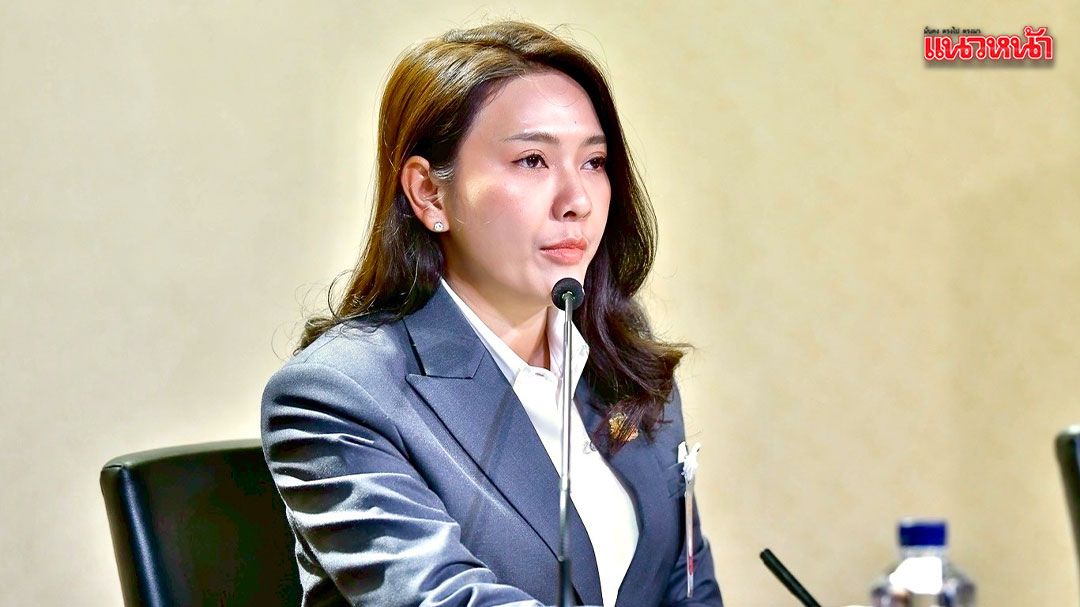
21 มีนาคม 2569 นางสาวอัยรินทร์ พันธุ์ฤทธิ์ รองโฆษกประจำสำนักนายกรัฐมนตรี เปิดเผยผลสำเร็จของทีมไทยแลนด์ในการเข้าร่วมงาน Hong Kong International Film and TV Market (FILMART) 2026 ระหว่างวันที่ 17–20 มีนาคม 2569 ณ Hong Kong Convention and Exhibition Centre เขตบริหารพิเศษฮ่องกงแห่งสาธารณรัฐประชาชนจีน เพื่อประชาสัมพันธ์ศักยภาพของประเทศไทยในฐานะแหล่งถ่ายทำภาพยนตร์ระดับนานาชาติ
อยากเเจ้งว่าตอนนี้ศาล ยุติธรรมได้เปิดระบบออนไลน์ ขอให้ศาลสั่งลบภาพ ที่ถูกคุกคามทางเพศออนไลน์โดยไม่ต้องไปศาลได้แล้ว เพราะศาล เพิ่มช่องทางคุ้มครองสิทธิเสรีภาพประชาชนตามกฎหมายใหม่ ให้ทันกับภัยคุกคามยุคดิจิทัล ลดปัญหาความล่าช้าในการฟ้องคดีต่อศาล จึงได้เพิ่มมาตรา 284/4 เพื่อให้ประชาชนที่เสียหายจากการคุกคามทางเพศบนโลกออนไลน์ สามารถร้องขอให้ศาลใช้มาตรการ Take it down ได้ ถือเป็นการเพิ่มสิทธิให้ประชาชนที่จะเข้าถึงกระบวนการยุติธรรมได้รวดเร็วขึ้น ระบบบริการออนไลน์ศาลยุติธรรม หรือ ระบบ CIOS เป็นช่องทางในการที่ประชาชนจะยื่นคำร้องขอ Take it down ต่อศาลทางออนไลน์ โดยที่ไม่จำเป็นต้องเดินทางมายื่นคำร้องหรือไต่สวนที่ โดยสามารถดำเนินการได้ด้วยตนเองตลอดเวลา การยื่นคำร้อง Take it down ระบบ CIOS ที่เปิดใช้ระบบวันที่ 26 มกราคมที่ผ่านมา
Mr. Keith Detros, Programme Manager จาก Tech for Good Institute กล่าวว่า การกำกับดูแลดิจิทัลในภูมิภาคเอเชียตะวันออกเฉียงใต้กำลังมุ่งไปสู่การส่งเสริมนวัตกรรมและขีดความสามารถในการแข่งขันควบคู่กับการบริหารจัดการอธิปไตยทางดิจิทัล ซึ่งไม่ใช่ประเด็นที่ขัดแย้งกัน แต่เป็นสิ่งที่ต้องดำเนินไปพร้อมกัน โดยเฉพาะการสร้างความยืดหยุ่นของระบบในบริบทที่เผชิญกับความเปลี่ยนแปลงจากปัจจัยภายนอก
Governing Frontier Technologies in Thailand: Managing Sovereignty and Resilience by the Office of National Higher Education Science Research and Innovation Policy Council (NXPO) and the Tech for Good Institute (TFGI)
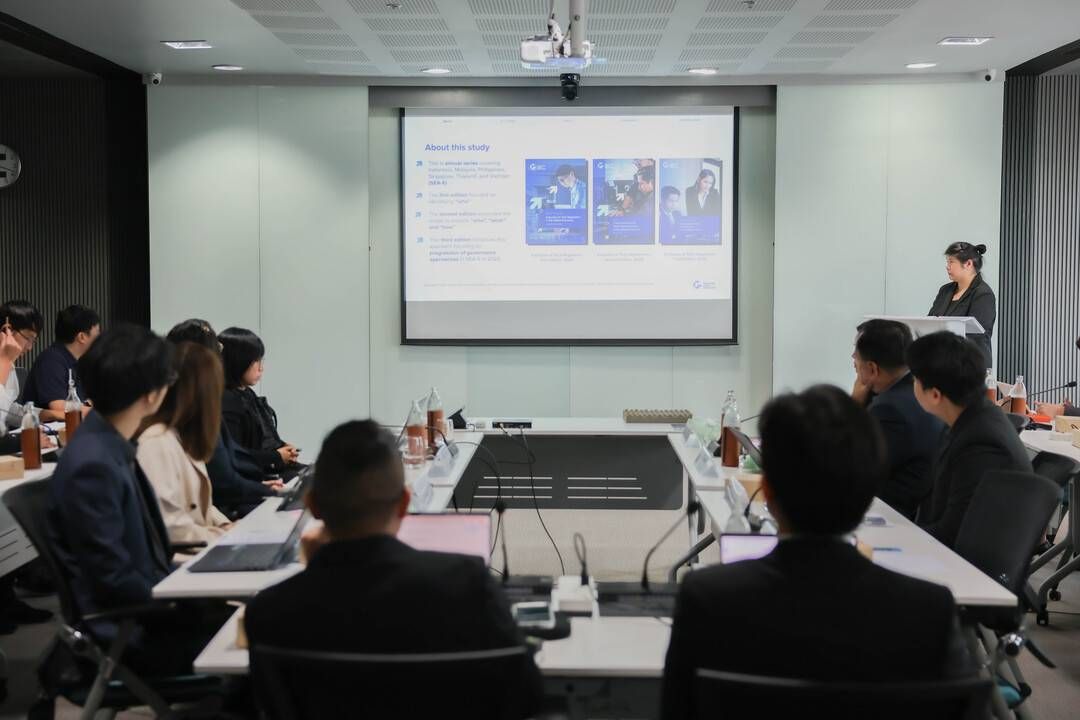
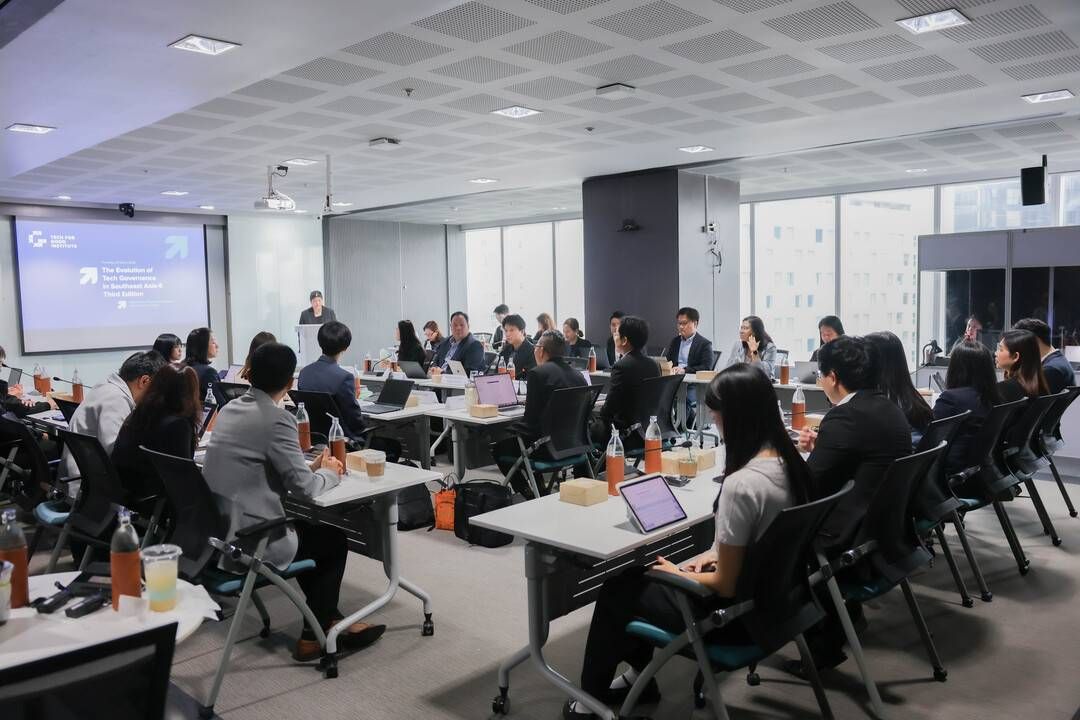
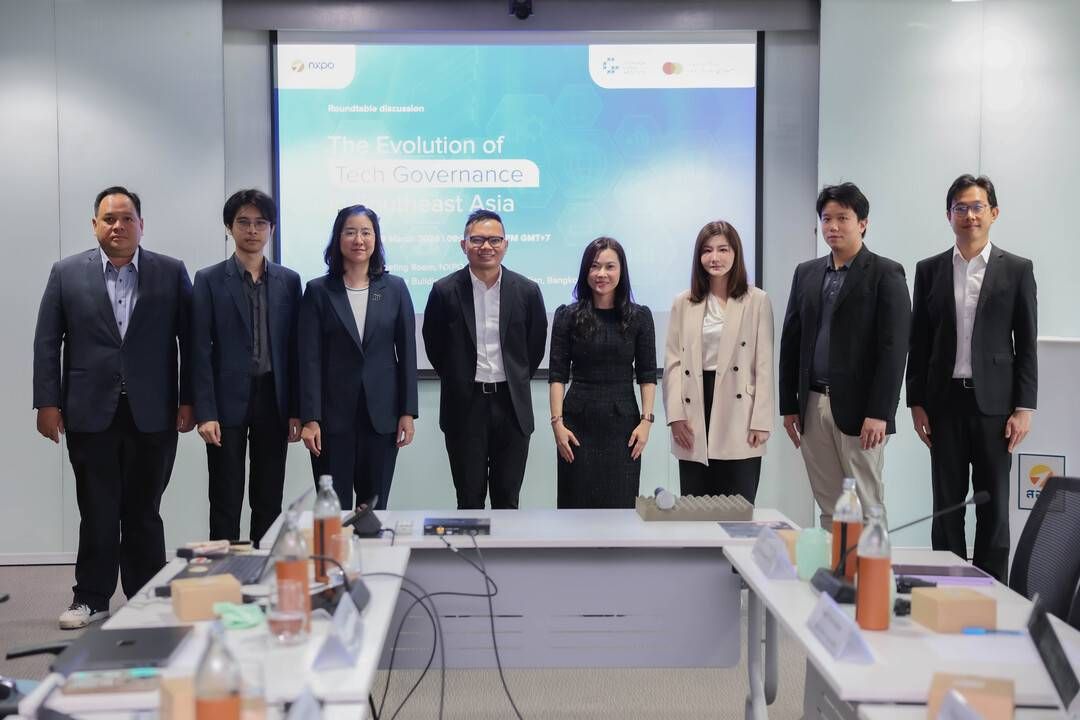
Government officials, industry leaders, and policy researchers convened today for a high-level roundtable on “Governing Frontier Technologies in Southeast Asia”, jointly organised by the Office of National Higher Education Science Research and Innovation Policy Council (NXPO) and the Tech for Good Institute (TFGI).
The event marked the launch of the third edition of TFGI’s annual report, The Evolution of Tech Governance in Southeast Asia (2026), which examines how governance frameworks are evolving across Indonesia, Malaysia, the Philippines, Singapore, Thailand, and Vietnam. The report outlines key policy priorities and emerging trends shaping the region’s digital economy, followed by a focused conversation on Thailand’s policy landscape.
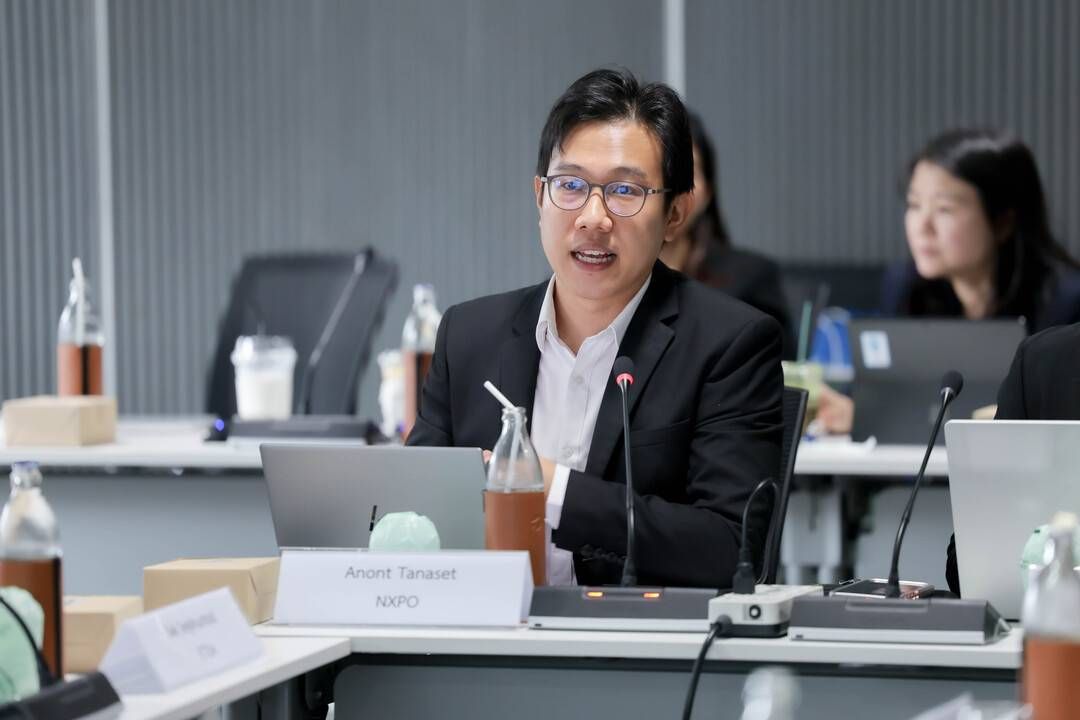
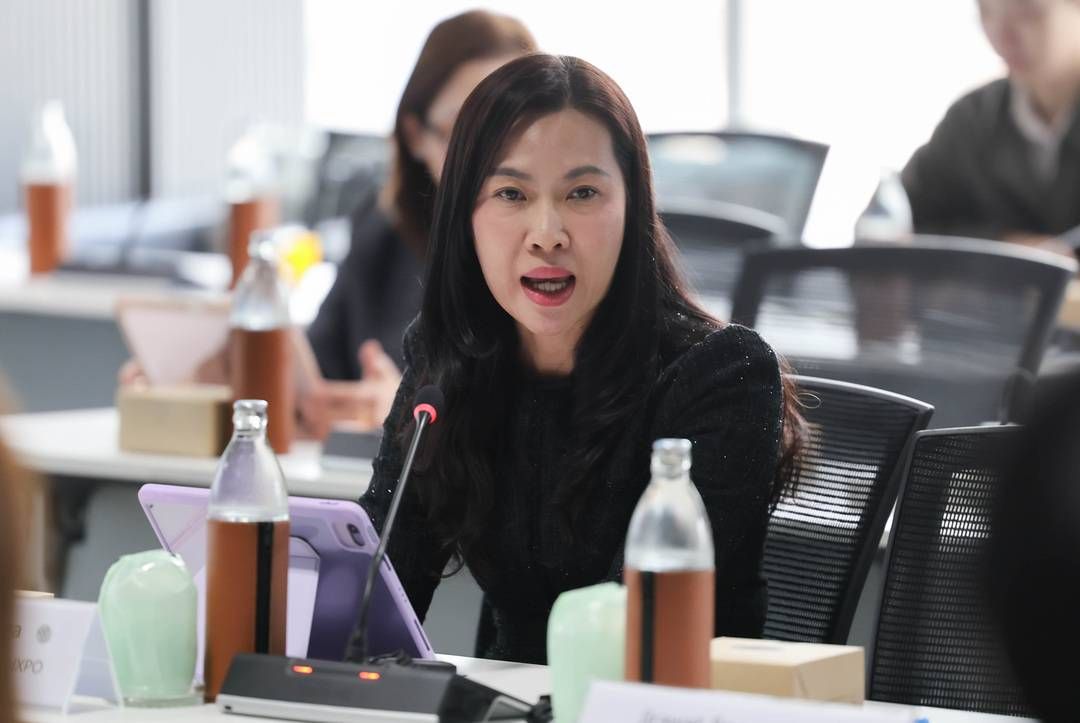
“Digital governance across Southeast Asia increasingly seeks to enable innovation and competitiveness while managing digital sovereignty. These are not competing interests, but issues that go hand-in-hand. Governing technology by ensuring resilience, especially in times of external shocks, are key considerations for the region”. Keith Detros, Programme Manager, Tech for Good Institute. “TFGI is grateful to NXPO for its partnership in exploring what that means for Thailand and for the region.”
“NXPO is committed to strengthening Thailand’s innovation ecosystem by supporting the development and adoption of emerging technologies, while ensuring appropriate governance frameworks are in place. Through continued collaboration with partners such as the Tech for Good Institute, we aim to advance balanced policy approaches that support innovation, build trust, and enhance the country’s digital competitiveness,” said Dr Karantarat Nakwa, Assistant to the President, NXPO. Following the launch of the report, a roundtable discussion brought together experts from government, academia, and industry to discuss AI governance, data policy, and regional cooperation.
Key experts, including: Thaya Navanugraha, Digital Economy Promotion Agency (depa); Apivadee Piyatumrong, Big Data Institute (BDI); Poomsiri Dumrongvute, Chulalongkorn University; Dr Saliltorn Thongmeensuk, Thailand Development Research Institute (TDRI); Jirawat Poomsrikaew, Thai Digital Platform Trade Association (TDPA), shared their perspectives on what policy directions for 2026.
On AI governance, participants noted that while a comprehensive law is still under development, existing legislation currently governs AI applications. These include frameworks on data protection, cybersecurity, electronic transactions, and sector-specific regulation. Pending the comprehensive law, participants emphasised the need for clearer guidance, alongside a shift towards a principles-based framework. In addition, discussion on risk classification approaches should be co-developed with industry, civil society, and technical experts. It is also important to ensure that sector-specific guidelines are considered, given that different sectors such as health, transport, and finance, for example, would face varying risks.
Digital sovereignty was also a key theme. Participants framed sovereignty as the capacity to govern, rather than necessarily owning, technological infrastructure. Given the limitations and constraints of developing the full technology stack nationally, the focus should be on governing access, setting terms with external providers, and building resilience. This approach would enable Thailand to benefit from innovation while reducing reliance on any single provider or stakeholder.
Discussions also highlighted gaps in foundational capabilities. While regulatory sandboxes are valued, their effectiveness is constrained by limited data sharing across government agencies. Key datasets remain siloed, limiting evidence-based policymaking and investment signalling. Establishing clear and secure data-sharing standards was identified as a priority. Participants further noted that emerging technologies often span multiple regulatory domains. Applications such as autonomous vehicles, AI-enabled drones, and agentic AI systems require coordination across ministries and legal frameworks. Stronger inter-agency and public-private coordination will be essential to support effective policy implementation. Participants agreed that Thailand’s primary governance priorities include improving regulatory clarity, strengthening coordination across agencies, and enhancing data sharing frameworks would go a long way in Thailand’s journey towards governing frontier technologies.
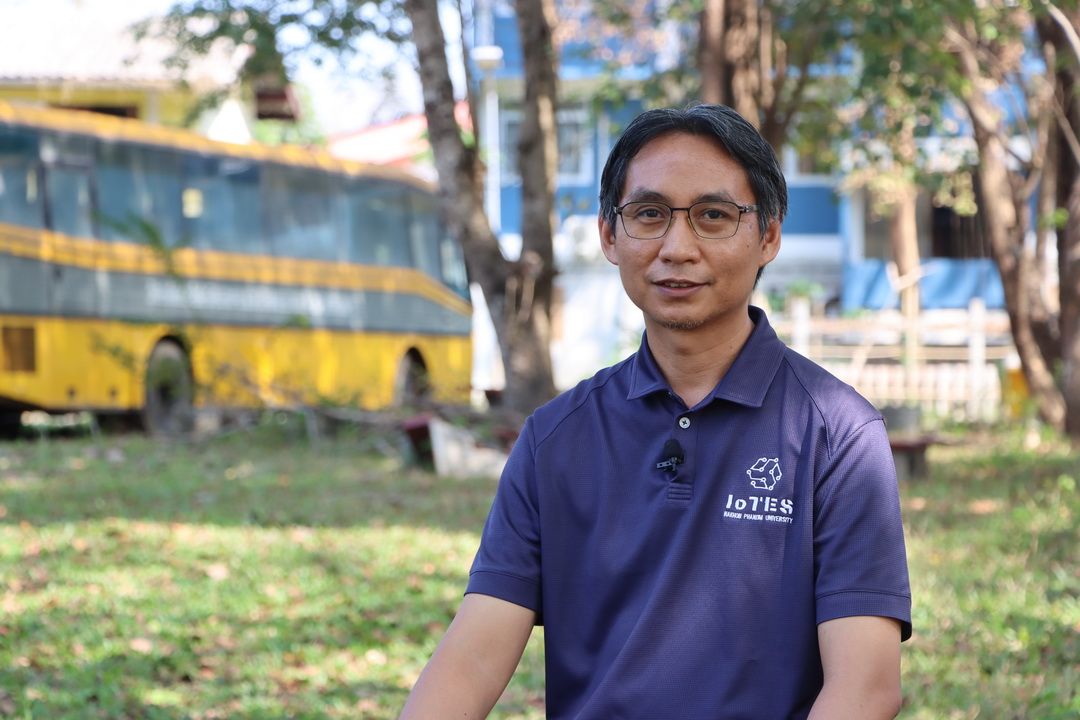
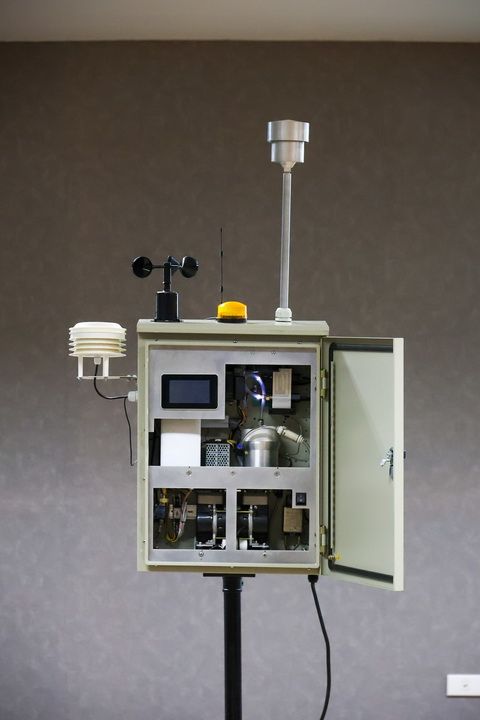
นอกจากนี้ ระบบยังเชื่อมต่อกับเทคโนโลยี Internet of Things (IoT) โดยข้อมูลจากเครื่องตรวจวัดจะถูกส่งขึ้นไปเก็บในเซิร์ฟเวอร์กลางทุกครั้งที่มีการตรวจวัด เพื่อสร้างฐานข้อมูลสำหรับการวิเคราะห์และพยากรณ์แนวโน้มฝุ่นในอนาคต ขณะเดียวกันข้อมูลบางส่วนจะถูกนำมาแสดงผลแบบเรียลไทม์ผ่านแดชบอร์ด เพื่อให้ประชาชนสามารถติดตามสถานการณ์คุณภาพอากาศได้ทันที
ขอแสดงความยินดีผลงานสิ่งประประดิษฐ์ไทย สร้างชื่อเสียงระดับนานาชาติ รับรางวัล Special Prize
วันอังคาร ที่ 17 มีนาคม พ.ศ. 2569, 15.11 น.
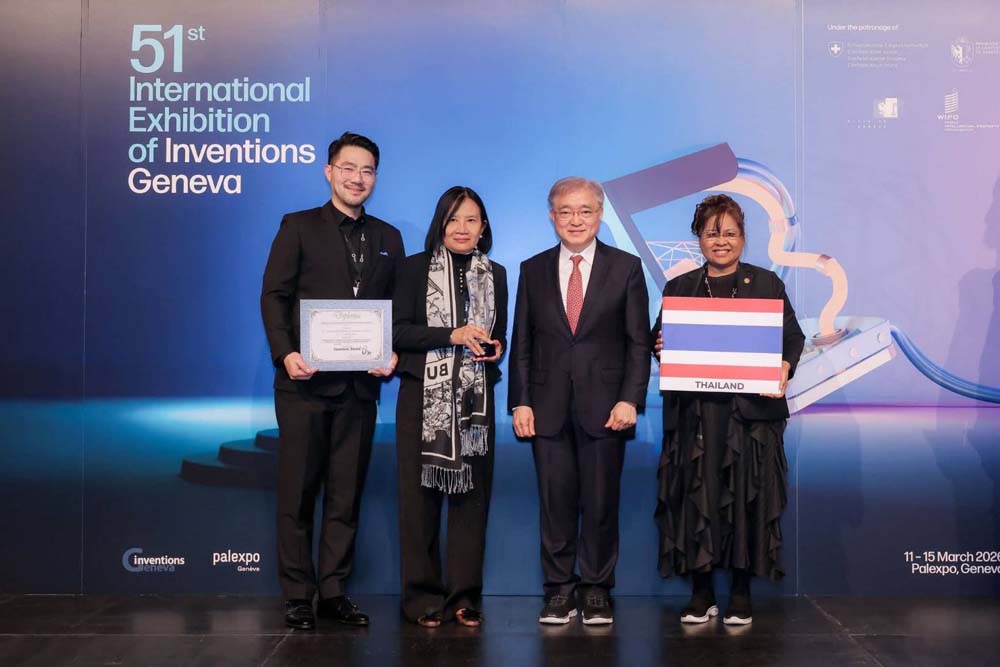
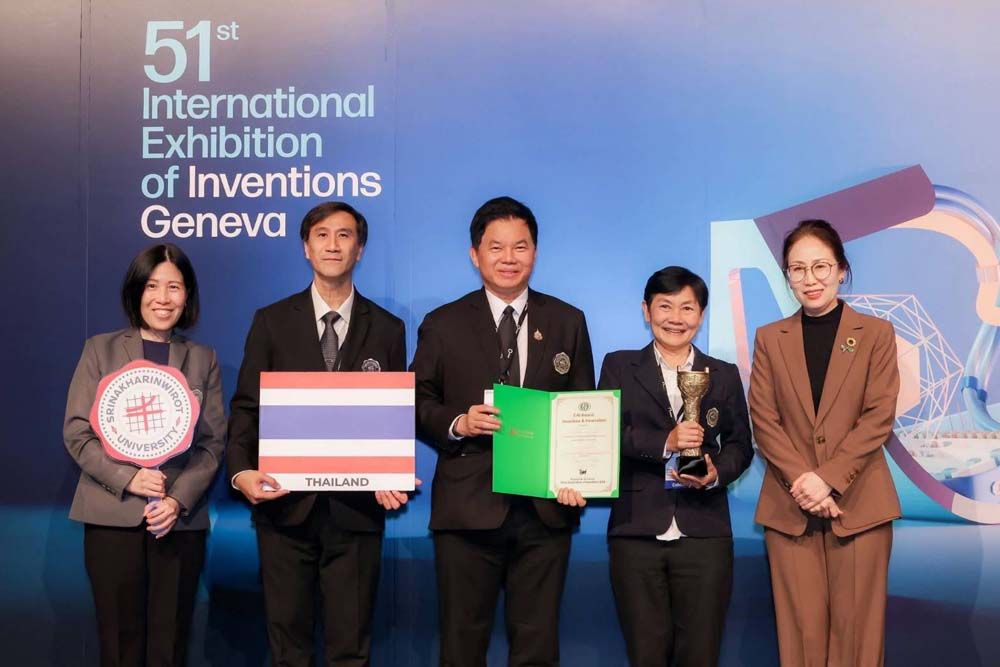
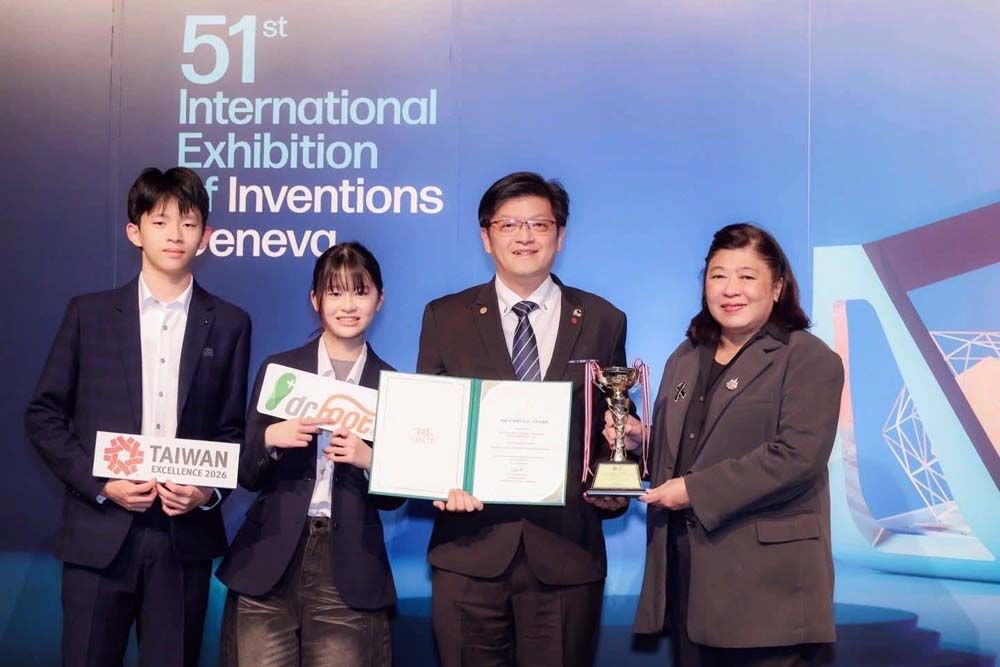
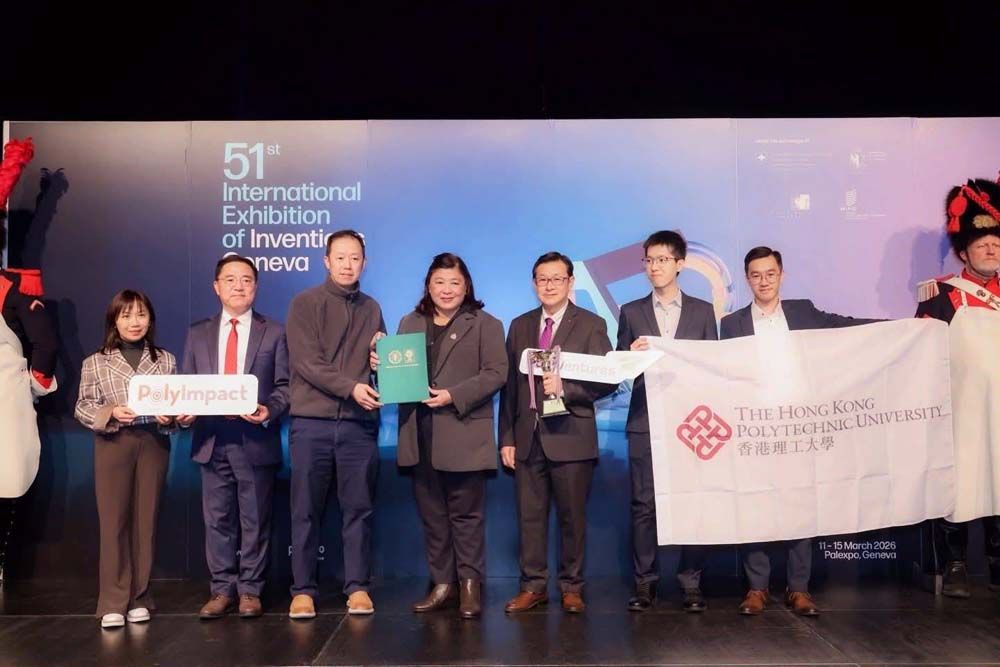
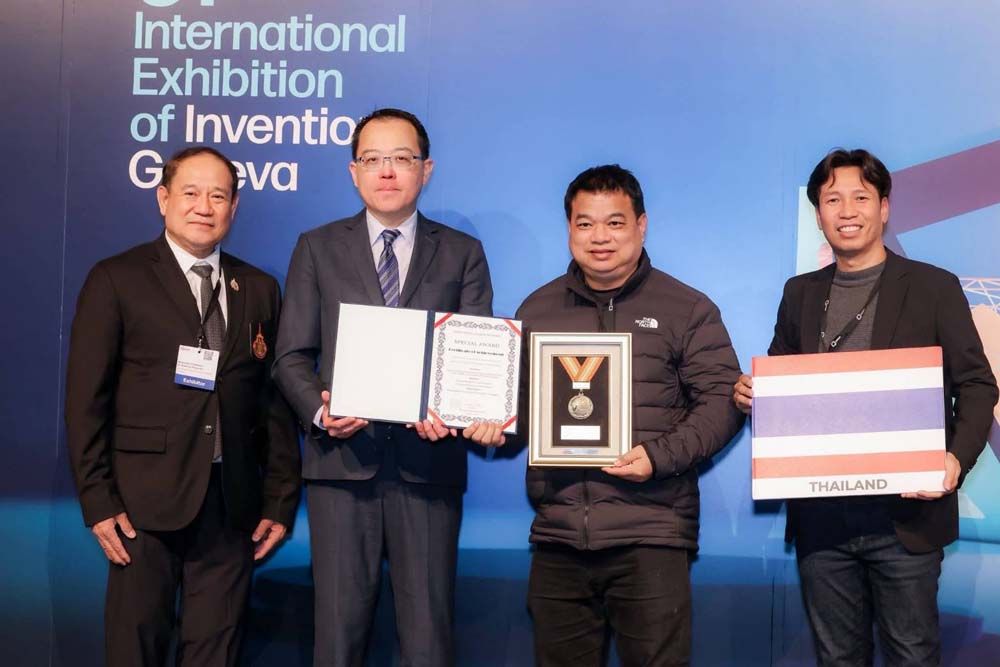
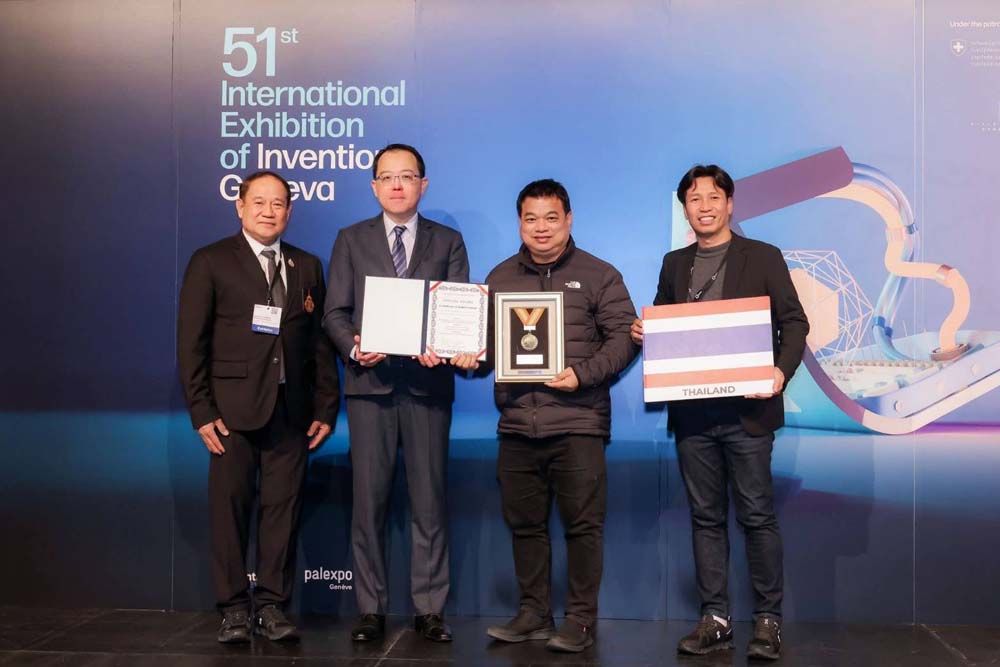
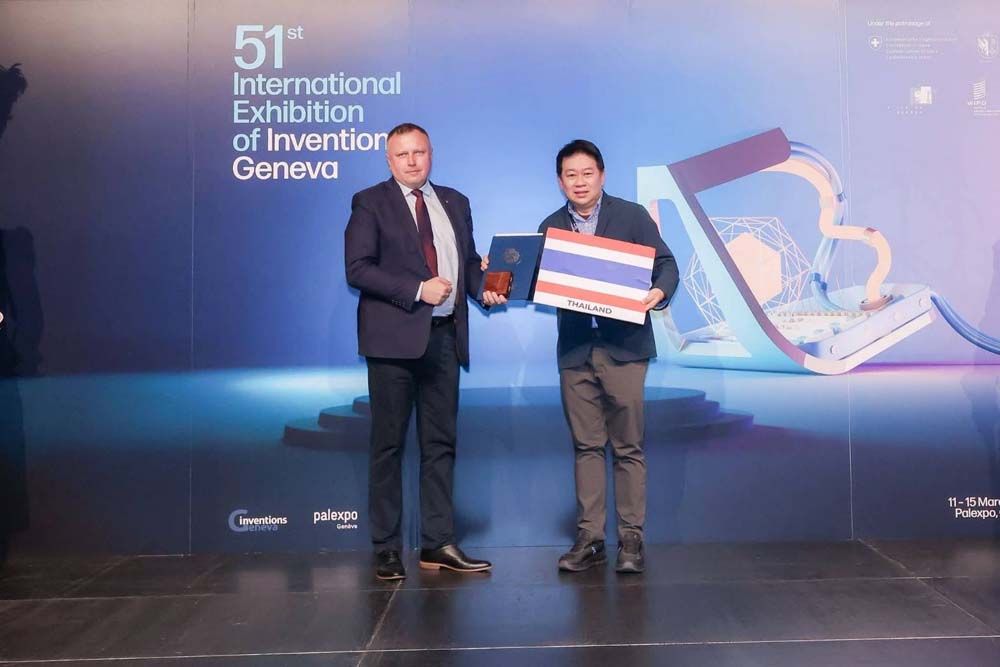
ขอแสดงความยินดีผลงานสิ่งประประดิษฐ์ไทย สร้างชื่อเสียงระดับนานาชาติ รับรางวัล Special Prize บนเวทีในงาน “The 51st International Exhibition of Inventions Geneva” ณ นครเจนีวา สมาพันธรัฐสวิส
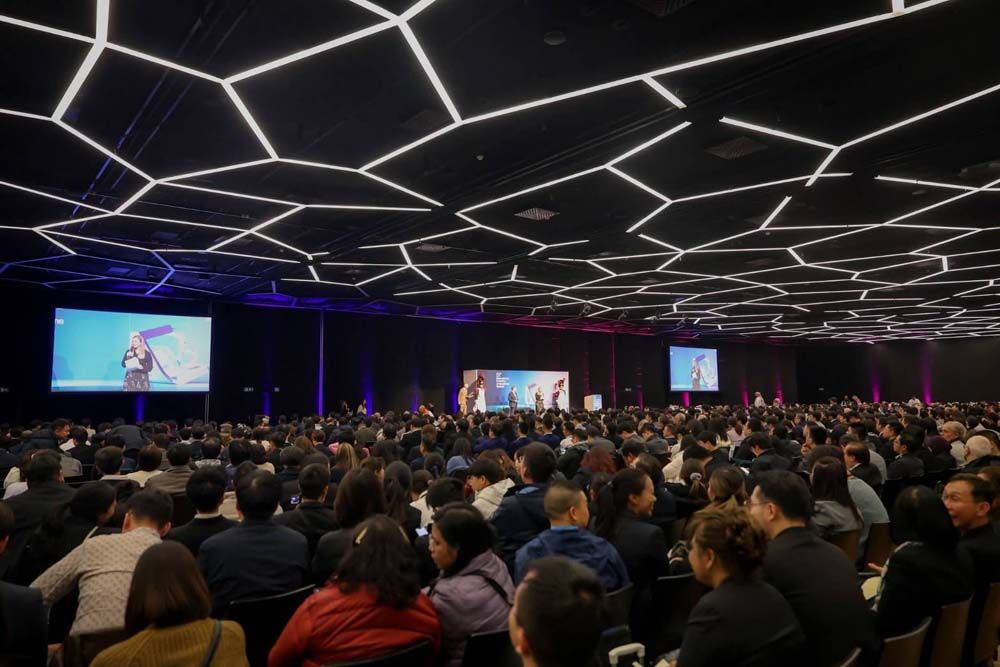
สำนักงานการวิจัยแห่งชาติ(วช.) กระทรวงการอุดมศึกษา วิทยาศาสตร์ วิจัยและนวัตกรรม นำคณะนักประดิษฐ์และนักวิจัยไทยคว้ารางวัลจากนานาชาติในเวทีการประกวดสิ่งประดิษฐ์และนวัตกรรมในงาน “The 51st International Exhibition of Inventions Geneva” ที่จัดขึ้นระหว่างวันที่ 11 – 15 มีนาคม 2569 ณ Palexpo นครเจนีวา สมาพันธรัฐสวิส
ดร.วิภารัตน์ ดีอ่อง ผู้อำนวยการสำนักงานการวิจัยแห่งชาติ ได้ร่วมในพิธีมอบรางวัล พร้อมมอบเกียรติบัตรและรางวัลให้แก่หน่วยงานต่างประเทศ พร้อมกล่าวชื่นชมและแสดงความยินดีกับทีมนักประดิษฐ์นักวิจัยไทยที่ได้รับรางวัลจากเวที “The 51st International Exhibition of Inventions Geneva” ซึ่งได้สร้างชื่อเสียงและการยอมรับในมาตรฐานของผลงานสิ่งประดิษฐ์และนวัตกรรมของประเทศไทย ซึ่งถือเป็นโอกาสอันดีในการสร้างเครือข่ายในความร่วมมือด้านการวิจัยและนวัตกรรมในอนาคต และเป็นที่น่ายินดีที่นักประดิษฐ์ไทยได้รับ Special Prizes on stage จากองค์กรนานาชาติ ดังนี้
1) ผลงานเรื่อง “กระบวนการทำฟันเทียมทั้งปากครั้งเดียวเสร็จเพื่อผู้ป่วยไร้ฟันทุกคน” โดย รองศาสตราจารย์ ดร.ทันตแพทย์หญิง พรสวรรค์ ธนธรวงศ์ และคณะ มหาวิทยาลัยศรีนครินทรวิโรฒ ได้รับรางวัล CAI Award Invention and Innovation จาก China Association of Inventions สาธารณรัฐประชาชนจีน โดยนวัตกรรมดังกล่าวเป็นเทคนิคใหม่ที่ทำฟันเทียมครั้งเดียวสามารถนำกลับไปใช้งาน สามารถปรับขนาดเพื่อเสริมฐานให้พอดีกับแต่ละบุคคล เพื่อทำฟันเทียมทั้งปากให้ผู้ป่วยไร้ฟัน
2) ผลงานเรื่อง “ผลงานเรื่อง “ชิปปัญญาประดิษฐ์อัจฉริยะสำหรับการจัดการพลังงานอัจฉริยะในสังคมไฟฟ้าอย่างยั่งยืน” โดย ศาสตราจารย์ ดร.กฤษณ์ชนม์ ภูมิกิตติพิชญ์ และคณะ มหาวิทยาลัยเทคโนโลยีราชมงคลธัญบุรี ได้รับรางวัล Special Award จาก Taiwan Invention Association ไต้หวัน โดยนวัตกรรมดังกล่าวเป็นนวัตกรรมการจัดการพลังงานไฟฟ้าแบบอัจฉริยะ โดยอาศัยความสามารถของเทคโนโลยีดิจิทัลในรูปของชิปที่มี AI machine learning สามารถตรวจจับคลื่นไฟฟ้าได้มากกว่า 1 ล้านครั้งต่อวินาที
3) ผลงานเรื่อง “สกายไลท์ เอสวัน” โดย นายพิศิษฐ์ มิตรเกื้อกูล และคณะ สมาคมเครื่องบินจำลองและวิทยุบังคับ ได้รับรางวัล ARCA Award จาก Croatian Union of Innovators โครเอเชีย โดยนวัตกรรมดังกล่าวเป็นระบบเทคโนโลยีการจ่ายพลังงานจากภาคพื้นเข้ากับระบบอากาศยานไร้คนขับ ใช้เป็นพลังงานขับเคลื่อนอุปกรณ์อิเล็กทรอนิกส์บนอากาศยาน ยืดระยะเวลาการปฏิบัติภารกิจได้ยาวนานและต่อเนื่อง
5) ผลงานเรื่อง “เทคโนโลยีชุดอุปกรณ์ทางการแพทย์ประสิทธิภาพสูงขดลวดถ่างขยายจากวัสดุฉลาดพร้อมระบบสายสวนนำส่งสำหรับการรักษาสุนัขที่มีภาวะหลอดลมตีบ” โดยรองศาสตราจารย์ ดร.อนรรฆ ขันธะชวนะ และคณะ มหาวิทยาลัยเทคโนโลยีพระจอมเกล้าธนบุรี ได้รับรางวัล Special Award จาก Association of Polish Inventors and Rationalizers สาธารณรัฐโปแลนด์ โดยนวัตกรรมดังกล่าวได้รับการออกแบบแบบให้เข้ากับสรีระหลอดลมสุนัข ลดโอกาสในการเกิดภาวะแทรกซ้อน มาพร้อมกับเทคโนโลยีระบบสายสวนนำส่ง ช่วยยกระดับการรักษาสุนัขที่มีภาวะหลอดลมตีบ ทดแทนการรักษาโดยปกติที่จำเป็นต้องผ่าตัด ถ่างขยายบริเวณที่ตีบตัน ให้สุนัขสามารถหายใจได้สะดวกมากยิ่งขึ้น ในขณะที่ลดระยะเวลาการรักษาเมื่อเทียบกับการผ่าตัดได้มากขึ้นกว่า 4 เท่า โดยร่วมมือกับบริษัทผู้ผลิตเครื่องมือแพทย์ไทยในการวิจัยและพัฒนา ผ่านการทดสอบตามมาตรฐานสากลทั้ง ISO25539-2 และ ISO10993
พร้อมนี้ ยังมีหน่วยงานและองค์กรนานาชาติร่วมมอบรางวัลให้กับผลงานสิ่งประดิษฐ์ของประเทศไทยจากหน่วยงานและสถาบันการศึกษาของภาครัฐและภาคเอกชน ในรางวัล Special Prizes at booth อีกด้วย





















 SootinClaimon.Com