Six listed companies under PTT Group earned a combined net profit of THB27.5 billion in the first quarter, a 24 per cent decline from THB36.2 billion during the same period last year.
PTT Exploration and Production (PTTEP), PTT Oil and Retail Business (OR), PTT Global Chemical (PTTGC), IRPC Pcl, Thai Oil, and Global Power Synergy (GPSC) reported their performance to the Stock Exchange of Thailand.
Analysts on Thursday forecast continued growth in the second quarter, as global fuel prices remain high – above US$100 (THB3,472.50) per barrel.
Kitichan Sirisukarcha, head of retail research at CGS-CIMB Securities (Thailand), said the high global oil prices would boost domestic retail prices.
He said PTTEP and the group’s other oil-related businesses would see increased profits in the second quarter due to higher demand resulting from an economic recovery following Thailand’s reopening.
However, the outlook for PTT Group’s petrochemical business would not be so bright due to higher costs incurred from increased oil prices, the senior analyst said.
Meanwhile, Yuanta Securities vice president Natapon Khamthakrue said PTTEP’s profits were higher than expected, while the performance of most other companies in the group was not beyond expectations.
He believed the petroleum giant’s profits in the second quarter would stabilise or decline as oil prices were unlikely to increase at the same rate experienced earlier this year.
However, Natapon expected PTT’s refinery businesses such as PTTEP and Thai Oil to gain higher profits in the second quarter.
Jakapong Chawengsri, an analyst at Kasikorn Securities, said PTTGC and OR profits in the first quarter were higher than expected, while GPSC’s profit was lower.
He expected net profits of PTTEP and GPSC to recover in the second quarter.
To tap growth opportunities in the Thai agriculture and food industry, Betagro has unveiled an aggressive restructuring plan to enhance the company’s competitiveness in supply chain, digital technology, talented workforce and sustainability.
Vasit Taepaisitphongse, chief executive officer and president of Betagro Pcl, said currently the industry was impacted by various events like the ongoing Covid-19 pandemic, the Russia-Ukraine conflict, and the slowdown in the global economy. These factors had led to an increase in the production cost of goods and services and also brought about changes in consumer behaviour. Some more challenges, such as possible animal disease outbreaks, consumers’ expectations of business contributions towards the environment and demand for safe and high-quality products and services still need close monitoring, he said.
With these challenges, it is the company’s duty to find new measures and business models to maintain growth and increase competitiveness, Vasit said.
He added that as a leading member in the agro-industrial and food industries, Betagro has found out that digital transformation and investment in more research and development are the key solutions to those problems.
“We need to digitalise our company both on the technology side and on the management side. The focus will be on research and development to produce a variety of high-quality food innovations, biosecurity in production, and delivering new product alternatives to the market,” said Vasit.
Vasit Taepaisitphongse
He added that this transformation would be done concurrently while expanding e-commerce distribution channels and forming collaborations with startup partners to improve competitiveness and sharpen focus on sustainable development.
Dubbed the “Powering Change” strategic plan, Betagro expects to drive business growth by combining all the forces in the organisation to drive internal changes, ensuring readiness to address impending challenges and contributing to economic and food security.
The strategic framework covers the development of supply chain resilience, especially in biosecurity and livestock, the deploying of digital technology to enhance efficiency such as smart farms, the improvement of people’s digital skills, seeking business models through partnership, investment in more areas including technology and innovation to meet market demand, and prioritising sustainability of the community and environment.
Though most businesses in the telecommunications sector are all for the True-Dtac merger, the third service provider is dead against it.
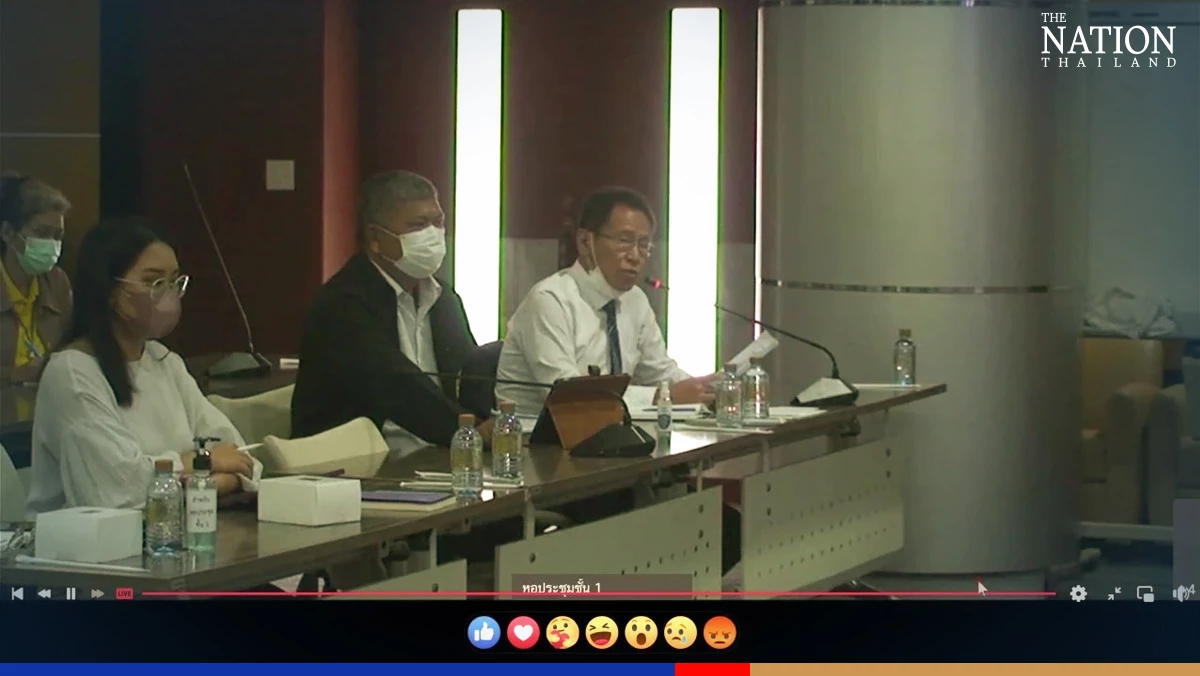
Opinions from different sectors were heard at the first Focus Group hearing organised on Monday by the National Broadcasting and Telecommunications Commission (NBTC). The hearing ran from 8.30am to 1pm.
True Corporation and Total Access Communication (Dtac) sent their representatives to the meeting to defend the amalgamation plan, while their rival Advanced Info Services sent its head of business development, Saran Phaloprak.
Saran told the meeting that NBTC, as the telecom watchdog, should take action to ensure the telecom industry remains competitive.
He said this merger would cut the number of key players from three to two and create a duopoly in the telecom business.
Saran also pointed out that NBTC will not be able to issue any measures that bring market conditions back to their original state once the merger takes place.
Hence, he said, the telecom watchdog should deliberate the merger plan with transparency and utmost prudence.
However, other participants, who are mostly business partners of the two telecom operators in the provinces and representatives of related associations, openly voiced support for the merger.
They said the mobile-phone signals of Dtac and True did not cover all areas upcountry and believe that bringing the two service providers together would improve coverage.
They also believe the merger will reduce operating costs as well as the burden on retail shops that sell SIM cards.
SS&C Blue Prism and PTT Digital teamed up on Thursday to establish an Intelligent Process Automation Centre (IPAC) to support small and medium enterprises.
Intelligent process automation (IPA) is an emerging set of new technologies that combine fundamental process redesign with robotic process automation and machine learning.
The global process automation market is forecast to grow to more than US$13 billion (THB445 billion) by 2030. Most enterprises see automation technology as the top priority of their digital transformation to succeed and be competitive globally.
According to studies conducted by Grand View Research, the total value of the global robotics process automation (RPA) market was $1.89 billion in 2021 and is expected to reach $2.32 billion this year.
Furthermore, its compound annual growth rate is projected at 38.2 per cent from 2022 to 2030, with the market size expected to exceed $30 billion in 2030.
There are around 7,000 small-to-medium companies in Thailand and they would like their business to stand out in such a competitive market.
They could use IPA technology but it comes with high initial investment and recurring expenses. It also requires specialised IT resources and infrastructure. Moreover, it takes a long time to implement, while the payback period is also lengthy.
The IPAC has therefore been established to meet this situation to support SMEs, newly founded companies, start-ups, innovators, and digital citizens so they can afford to access AI and the RPA ecosystem based on international standards.
“As our customers benefit from this collaboration, SS&C Blue Prism will expand its market presence in Thailand, especially in the manufacturing, banking, insurance and financial services, public sector and healthcare industries,” said PTT Digital chairman Terdkiat Prommool.
“We’re excited to collaborate with PTT Digital to enable Thai enterprises to increase RPA and IA adoption via our platform-as-a-service offering,” said Gareth Lane, senior vice president, head of Alliances & Channels at SS&C Blue Prism.
“The flexible service helps customers with investment costs by switching them to a new subscription-based service under a pay-per-use model,” he explained.
Gareth Lane, senior vice president, head of Alliances & Channels at SS&C Blue PrismPTT Digital chairman Terdkiat Prommool
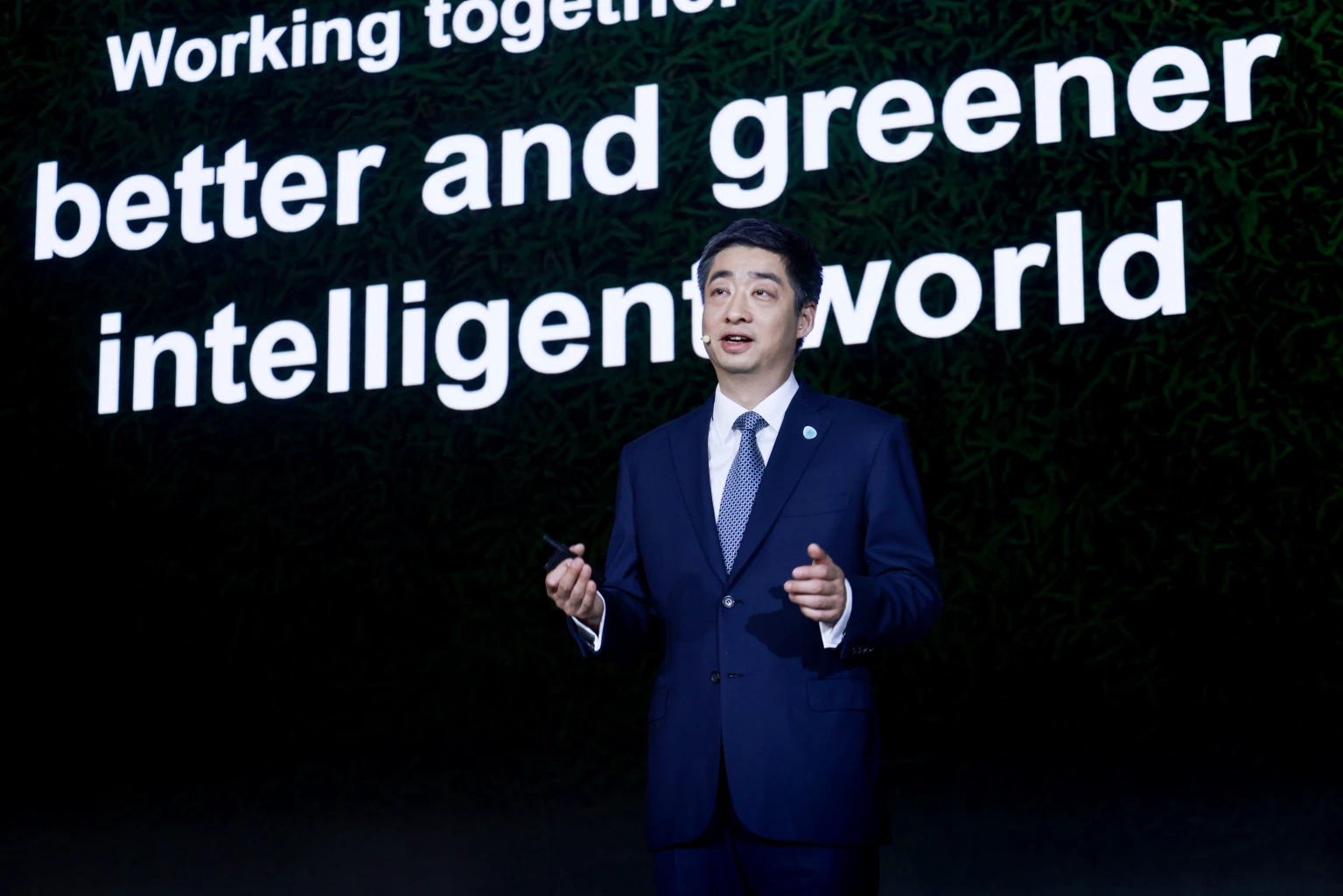
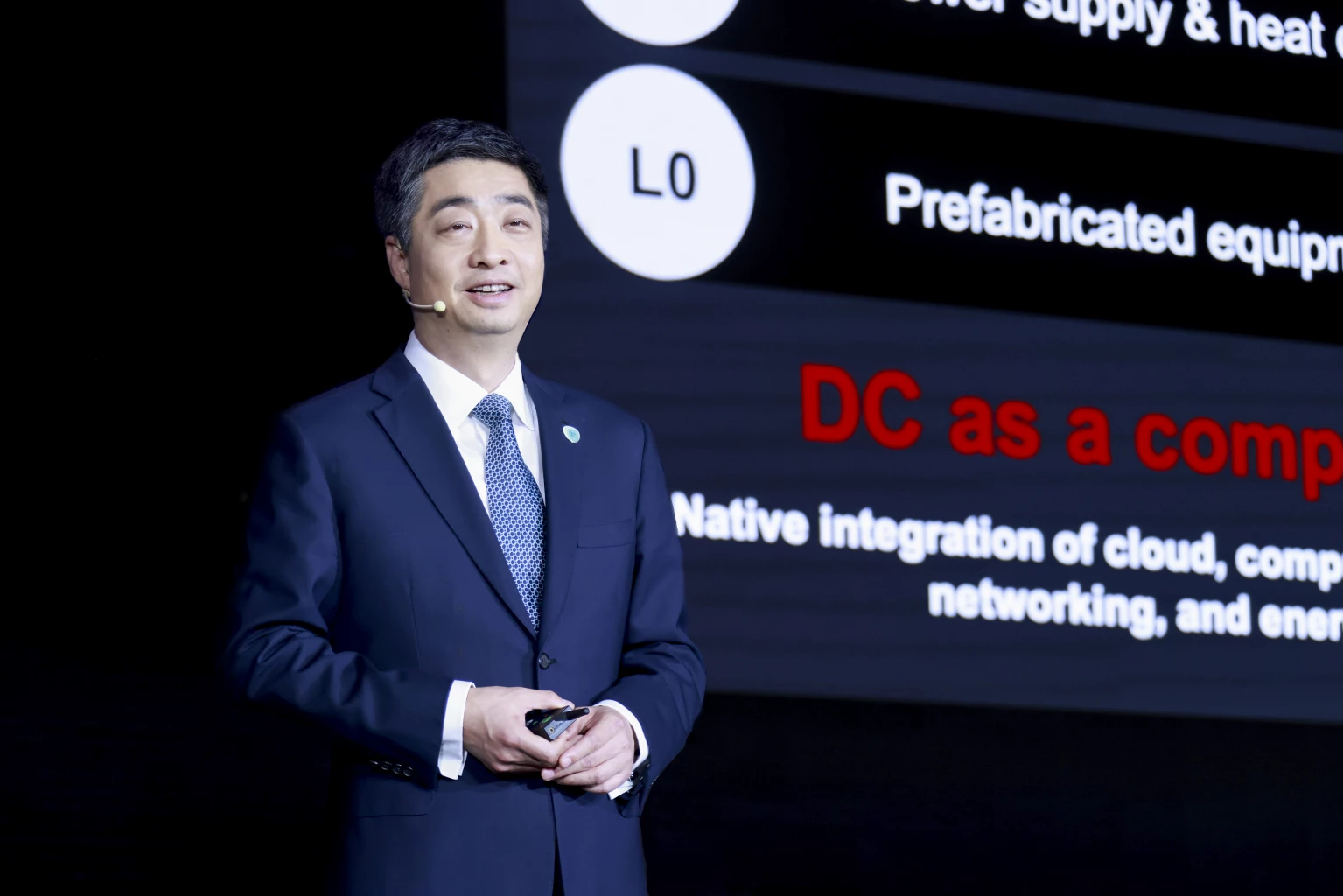
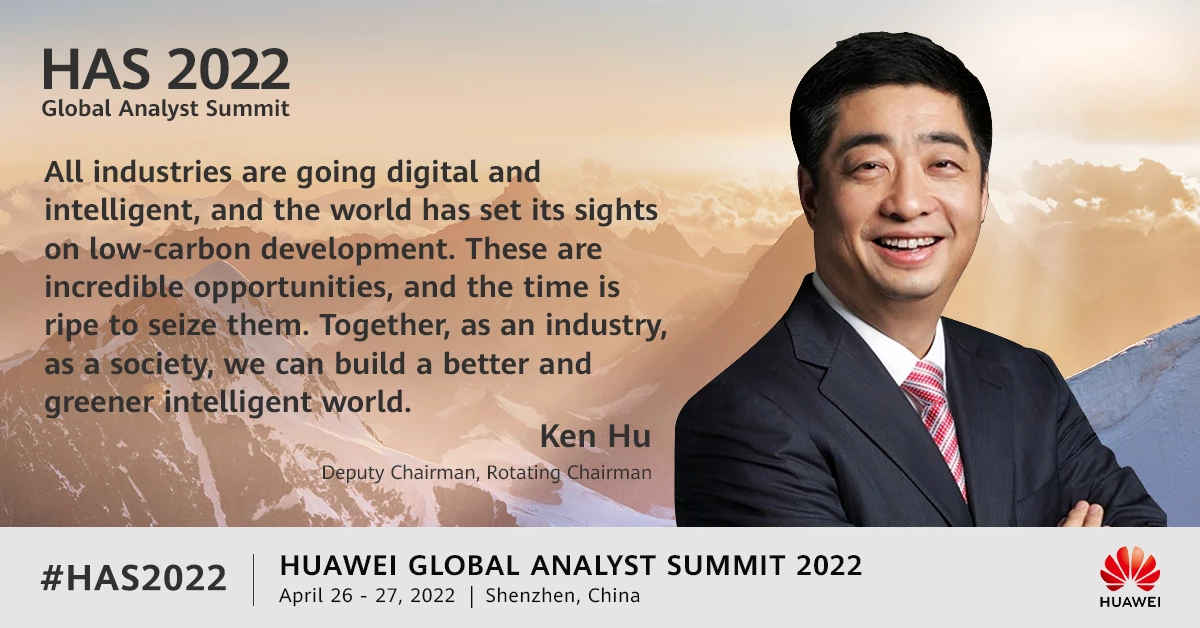
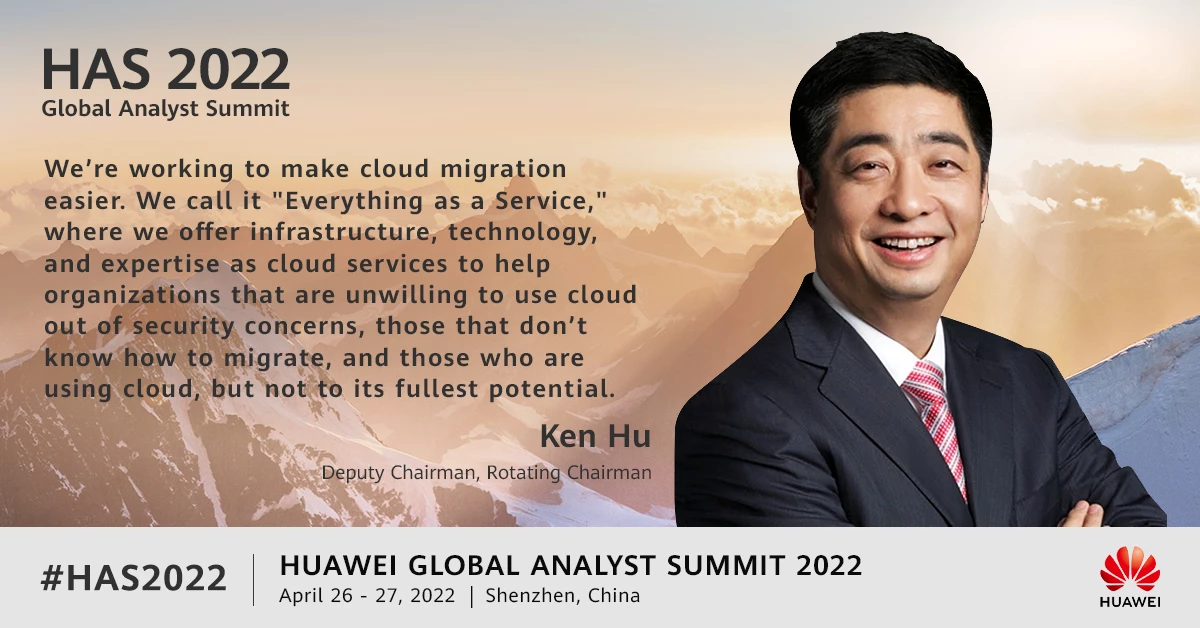
On April 26, at the Huawei Global Analyst Conference, Huawei rotating chairman Ken Hu responded to Huawei’s R&D, chips, devices, and other external concerns. The analyst summit focused on topics such as “future exploration, industrial innovation, digitalization and decarbonization”, and discussed future trends of the industry.
Midlife crisis of Huawei
Founded in 1987, Huawei is a leading global provider of information and communications technology (ICT) infrastructure and smart devices. We have approximately 195,000 employees and we operate in over 170 countries and regions, serving more than three billion people around the world.
Since entering the “U.S. Entity List”, Huawei relies on the “global supply chain system” has been frequently challenged, the chip and other core technology restrictions have also made the company began a long mending tire self-help. After three years of being added to the list of U.S. entities, how is the development of Huawei’s main business? In the face of restricted device business development, how does Huawei carry out new business? Facing the future, what kind of scientific hypothesis business vision does Huawei put forward? Under the limitations of technology, how Huawei should move forward have become the topic of much attention on this analyst summit.
How is Huawei doing now?
According to Huawei 2021 Annual Report, in 2021 Huawei brought in revenue of 636.8 billion Chinese yuan ($99.9 billion), a 28.5% year-on-year decline. Huawei’s net income surged 75.9% year on year to 113.7 billion yuan as it focused on boosting profitability. And Huawei’s business has been hurt by U.S. sanctions which have sought to cut it off from key software and components like semiconductors.
Under former U.S. President Donald Trump, Huawei was put on a U.S. blacklist called the Entity List which restricted American firms from exporting key components and software to the company.
On Huawei Annual Analyst Summit, Ken Hu, Huawei rotating chairman admired that Huawei is still facing many challenges. These include geopolitical conflicts, the lingering pandemic, looming global inflation, rising prices of bulk commodities, and possible exchange rate fluctuations. These changes will make the challenges presented by business environment even more formidable.
How Huawei looks to the future?
Ken Hu mentioned that Huawei’s business policy is indeed centered on “keeping the company alive with quality”. For the future, bystrengthening approach to innovation, equipping all industries with the tools and knowledge they need to go digital, and helping build a low-carbon world four ways, Huawei showed confidence that live alive with equality.
1. Strengthening approach to innovation
To counter U.S. sanctions, Huawei is investing heavily in new areas including the automotive industry and hiring more scientists to focus on technology development.
Guo Ping, Former Huawei’s rotating chairman, said that “Relying on talent, scientific research, and an innovative spirit, we will continuously increase investment to reshape our paradigms for fundamental theories, architecture, and software, and build our long-term competitiveness.”
Ken Hu said Innovation is in Huawei’s DNA. Despite considerable operational challenges over the past few years, Huawei has continued to steadily increase our investment in R&D. For nearly a decade, Huawei strategy has been to re-invest at least 10% of our annual revenue back into R&D. Last year, the number devoted in invested about 22%. As Mengwanzhou said on Huawei annual report 2021, Huawei spent 142.7 billion yuan on research and development in 2021, slightly higher than 2020′s figure of 141.9 billion yuan.
On April 25, Huawei once again issued a global invitation for Top Minds. Ken Hu said that Huawei’s recruitment message offered a salary of more than 5 times the industry average income, hoping to recruit talents in the fields of digital, computer, physics, materials, chips, intelligent manufacturing and chemistry. “Five times the salary is an imaginative thing.” He mentioned that innovation is also highly dependent on talent, and Huawei hopes to use world-class problems to attract world-class talent to jointly meet the challenges and promote scientific and technological progress.
Huawei’s “Top Minds” project was officially announced in June 2019. At that time, Ren Zhengfei, CEO of Huawei mentioned in a speech within Huawei’s EMT (management team) that “this year (2019) we will recruit 20-30 top minds from around the world, and next year we want to recruit 200-300 from around the world. These talented teenagers are like ‘mudskippers’, drilling to live our organization and activating our team.”
In addition to talented teenagers, Huawei has also invested in the training of scientists and other talents for many years in a row. According to public data, Huawei has at least including more than 700 mathematicians, more than 800 physicists, more than 120 chemists, and 15,000 people engaged in basic research, as well as more than 60,000 product development personnel. Huawei also has cooperation with more than 300 universities and 900 research institutions and companies around the world, has implemented 7,840 projects, has invested $1.8 billion, and has signed more than 1,000 R&D cooperation contracts for external payment. These basic talents support Huawei’s exploration of future technologies.
In the keynote speech, Ken Hu said that the purpose of Huawei’s innovation is ultimately to create value for customers and society.
2. Equipping all industries with the tools and knowledge they need to go digital
At the Analyst Summit, Ken Hu also shared his views on digital transformation in Asia Pacific. He believes that Asia Pacific is one of Huawei’s most important markets besides China, and that the Thailand government’s “Digital Hub” national strategy for digitalization is relatively advanced and clear, and can guide the development of digitalization in Thailand. Thailand is also very active in digital development, which is directly attributed to the rapid development of digital infrastructure, such as 5G, broadband, and data centers.
In Thailand, CEO of Huawei Thailand Abel Deng said that Thailand has long been a strategic overseas market for Huawei, and Huawei has been committed to the mission “Grow in Thailand, Contribute to Thailand” for 22 years, with continuous dedication to contributing social values to Thai people, businesses and society. The contributions span over three main areas, namely strong and immediate support to protect people and get society back up and running during COVID-19, digital talents ecosystem cultivation and SMEs and Startups ecosystem support.
At the same time, he mentioned that Huawei will improve digital transformation in the Asia-Pacific region by helping countries in which it operates business to build digital infrastructure, adhere to low-carbon development, and train ICT talent.
First, Huawei is helping local governments, operators and enterprises to make good use of these digital infrastructures through wireless, fixed broadband networks, and data center infrastructure in Asia Pacific.
Second, Huawei is actively promoting green site solutions this year to help Asia Pacific customers build more green sites and help operators achieve emissions reductions.
The third point Ken Hu highlighted is “because we are an ICT company with long-term roots in the Asia Pacific region, Huawei will increase the training of ICT talent in the region. Through Huawei’s ASEAN Academy and the “Seeds of the Future” program, we plan to train another 500,000 ICT talents in the Asia-Pacific region in the next five years.”
The fourth point is to help empower ICT startups in the Asia-Pacific region. Huawei has launched a program called SPARK, which plans to invest $100 million over three years to help build a more vibrant and healthy startup ecosystem in the Asia-Pacific region.
3. Maintain confidence in device business and optimism in new business
Huawei’s mobile business has seen a major decline over the past two years because of a shortage of high-end support chips due to U.S. sanctions. In 2021 Huawei recorded consumer business revenue of 243.431 billion yuan, down 49.6% year-on-year, slipped to 38.2% of revenue, falling back to the second-largest revenue source, while the last time such a structured share occurred in 2017.
Ken Hu said “Huawei smartphone business has seen a sharp decline over the past two years, for reasons everybody knows. It’s a real shame – not just for Huawei, but for consumers too. However, it also gave us the opportunity to rethink our device business and how we can provide consumers with greater value.”
In Thailand, Huawei have seen remarkable growth in the shipments of “+ 8” products, including wearables such as smart watches and bands, as well as smart speakers, smart screens, and tablets.
In a video released by Huawei Device Business Group on April 27, Huawei Device business CEO Richard Yu said that Huawei’s cell phone supply has been greatly improved. This year Huawei smartphone business is back to normal, and consumers can buy a variety of Huawei’s products. Richard said with a smile that the new folding screen smartphone to be released is “super thin, super flat and super reliable”. He ended the video by thanking consumers for Huawei’s ongoing support and trust, and promised to bring you good products and services.
4. Huawei always with an open and cooperative mindset and industry chain cooperation
At the end of the analyst summit media Q&A, Huawei denied the plan to build its own chip factory. Although Huawei is now facing a chip shortage, Huawei still believe it is necessary to have a division of labor along the value chain, and not build its own chip factory.
At the same time, Executive Director of the Board and Chairman of ICT Infrastructure Managing Board, David Wang addressed chip supply issues will require the joint efforts of all participants up and down the value chain. He addressed that no company can independently produce chips, and Huawei is no exception.
Nation Group (Thailand) Plc is optimistic of generating 800 million baht revenue this year and becoming profitable once it fully implements its One Nation strategy.
Nation Group CEO Shine Bunnag and vice chairman Somchai Meesen said they are confident the company will become profitable this year.
Speaking after a shareholders’ meeting on April 29, Shine said good progress is being made in restructuring the group’s businesses and its subsidiaries under the new strategy.
At the April 29 meeting, shareholders unanimously agreed to change the company’s name from Nation Multimedia Plc (NMG) to Nation Group (Thailand) Plc (NATION).
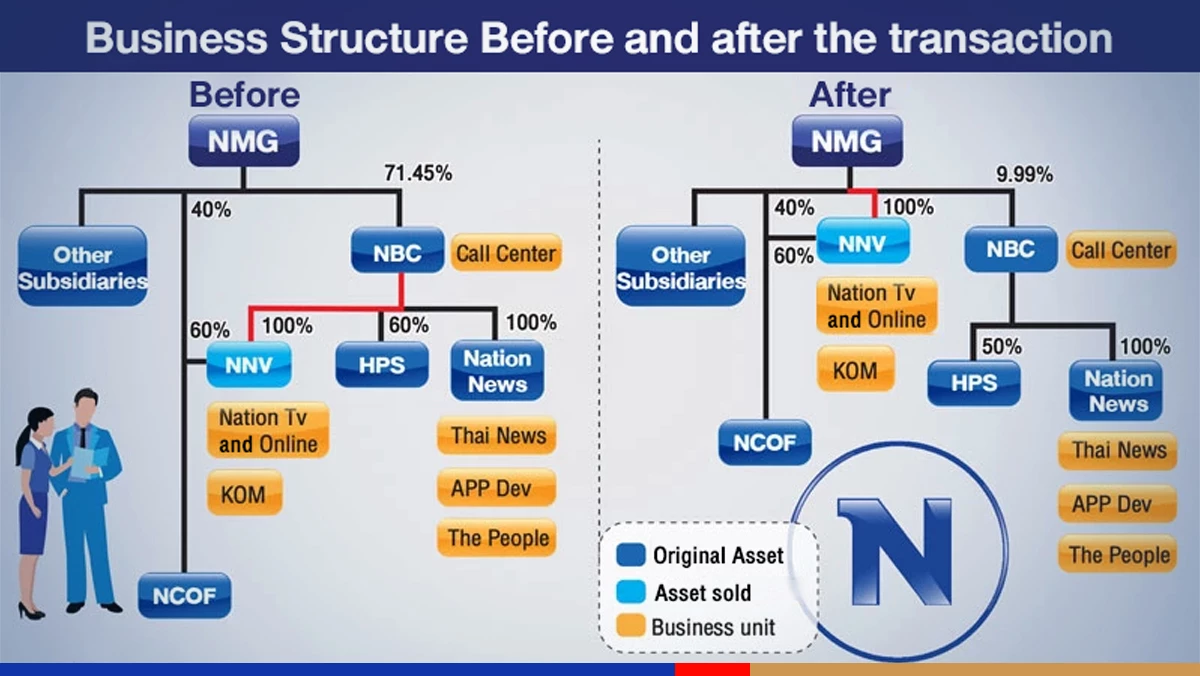
The shareholders also approved Nation Group’s purchase of 85.99 million shares, equivalent to 99.99 per cent of registered shares, of NBC Next Vision Co Ltd (NNV) at THB2.79 each from Nation Broadcasting Corporation Plc (NBC). The stake will cost the company THB239.72 million.
The Nation Group also gave NNV a THB221.30-million loan to repay its debt to NBC.
The transactions totalling THB461.02 million will be completed by July.
The shareholders also approved the sale of 691.03 million shares in NBC, a 61.46 per cent stake, at THB898.32 million to Nattapong Sitaworarat and Boon-ua Jitthanom. These transactions are also expected to be completed by July.
Shine said it was heartening to see that the shareholders of both Nation Group and NBC had approved everything on the meeting agenda.
He said these approvals will allow the Nation Group to go ahead with restructuring under the One Nation policy.
“This marks a new milestone for Nation Group as it steps forward to continue serving as a responsible, unbiased media company,” Shine said.
He said the aim of the One Nation policy is to synergise the workings of Nation Group’s eight media firms, namely Krungthep Turakij, Komchadluek, Nation Thai News, NationTV 22, The Nation Thailand, The People, Kob Sanam and Spring Online.
Under this synergy, the group’s media outlets will continue adhering to the code of ethics to help fight corruption, protect national and public interest as well as maintain professionalism with social responsibility, he said.
“We enter our 51st anniversary this year as a media group that has been standing by Thai people for a long time. We are the largest media group in Thailand and have always adhered to our ideology of being a media institute for the nation and the people,” Shine said.
NBC to focus on 3 businesses
Shine said NBC will use the THB461.03 million it has earned from the sale of its NNV stake for repayment of debt and to expand three businesses – media, home-shopping channel, and call centre.
The home-shopping business will focus on health products, the CEO said.
“Once the transactions are completed, Nation Group will become financially strong. We will have cash in our hands and be ready to expand,” he said. “The restructuring of Nation Group should be completed within May in line with the One Nation policy.”
Cashing in on synergy
Vice-chairman Somchai said Nation Group’s purchase of NNV shares has made the group’s structure clearer and leaner. Also, he said, with the restructuring, Nation Group can cut down on redundant costs.
“Apart from reducing unnecessary costs, the One Nation policy will also boost efficiency by bringing all arms of the group together. Under this synergy, they can all share resources for utmost benefit to Nation Group and NNV,” Somchai said.
He added that all media companies under Nation Group will link their online and offline platforms to earn more revenue. The group expects to record online income growth of at least 20 per cent this year compared to last year.
He said conventional media publications are still necessary for producing trustworthy content and for holding events, fairs and award ceremonies.
He said Nation Group expects THB800 million in revenue this year and should return to making profits again after a loss of THB118.07 million last year.
He reckons the Nation Group will realise a profit of about THB437 million from the sale of its shares in NBC and its investment in NNV.
Somchai added that Nation Group also plans to boost shareholders’ equity to over 50 per cent of paid-up capital so that the Stock Exchange of Thailand can remove the “C” or caution mark from the group’s stock sign.
As for the expected profits, he said Nation Group will use the gains to reduce its debt as much as possible. This way, he said, the group will be able to reduce its interest burden and make the company financially stronger. The company paid THB43 million in loan interest last year, he added.
Somchai said Nation Group will hire a financial adviser to help handle and clear accumulated losses of THB3.26 billion from its books so the group can start paying dividends to its shareholders in the future.
Branching out
Somchai also talked about the group’s new business venture – Nation Coffee.
He said Nation Group entered the coffee business because it has the potential to grow as people love drinking coffee.
The initial plan was to set up 10 Nation Coffee outlets, but it was put on hold due to the Covid-19 crisis. But now that the crisis is easing, Nation Coffee will look to open branches in co-working spaces, he said.
“We started the coffee business in June 2021. It’s normal for a new business to suffer losses. During the first six months of operation, Nation Coffee suffered a loss of THB1.75 million. But if we can have 10 branches, we will definitely return a profit,” he said.
Somchai also unveiled a plan to repackage The Nation’s 51 years of content into digital assets. He said the group has appointed Future Competere to design its token and NFT business, and more details will be available in the third or fourth quarter of this year.
Also, he said, under the One Nation strategy, the Nation Group will repackage its content to create documentaries that can be aired via the internet or other platforms.
Shareholders of Nation Multimedia Group Plc (NMG) have voted in favour of a proposal to change the company’s name to Nation Group (Thailand) Plc (NATION).
Chief executive officer Shine Bunnag has said a meeting on Friday saw shareholders unanimously approve the change of name, which will facilitate the company’s business restructuring plan under the “One Nation” policy.
“Nation Group is moving forward into the new landscape of the future while maintaining its role as an impartial and socially responsible media operation,” he said.
“The One Nation policy will combine our strengths and create a business synergy between eight media outlets under Nation Group, namely Krungthep Turakij, Kom Chad Luek, Nation Thai News, Nation TV 22, The Nation Thailand, The People, Khob Sanam, and Spring Online.”
Nation Group had earned the public’s trust as a fixture of Thailand’s media scene for the past 51 years, recognised for its commitment to the nation and its people, added Shine. “With the implementation of this policy, Nation Group will emerge with a strong financial status and cashflow, all set for future business expansion,” he said.
“We expect the new business structure to be completed within May.”
On Friday, NMG shareholders also voted to approve the purchase of 85.99 million shares of NBC Next Vision Ltd (NNV), or 99.99 per cent of its registered capital worth Bt239.72 million. Meanwhile they approved a Bt221.3 million loan for NNV to settle a debt with its parent, Nation Broadcasting Corporation Plc (NBC).
NMG shareholders also voted to sell 691 million shares or 61 per cent of NBC to Boonuea Chitthanom and Natthaphong Sitaworarat at Bt1.30 per share in a deal worth Bt898.3 million. Boonuea and Natthaphong are major shareholders of One to One Contacts Plc.
Both deals are expected to be completed before the end of July.
PTT Exploration and Production Plc (PTTEP) generated revenue of THB68.9 billion in the first quarter of this year, up from 66.2 billion, or 5 per cent, in the fourth quarter of last year, due mainly to higher oil prices, the company’s chief executive Montri Rawanchaikul disclosed on Thursday.
That translated into a net profit of THB10.5 billion in the first quarter, a slight decline from THB10.6 billion in the fourth quarter of last year, he said.
The CEO attributed PTTEP’s steady growth in its first-quarter operating results to rising petrol prices following spikes in global crude oil prices.
Meanwhile, PTTEP’s average sales volume in the first quarter improved to 427,368 barrels of oil equivalent per day, up from 420,965 in the previous quarter, due to the increased daily production and gas sales from its Arthit project.
However, the company recorded expenses from non-operating items in the first quarter, mainly a loss on oil price hedging of US$240 million (THB7.9 billion).
PTTEP takes part in managing greenhouse gas, solving global warming issues and supporting Thailand’s commitment in reaching carbon neutrality, according to Montri. He said the company has set a target to achieve net zero greenhouse gas emissions in 2050 in order to create share value for stakeholders and sustainable growth.
Together with its partners, PTTEP is undertaking feasibility studies on generating green e-methanol, a clean energy source, and pursuing the development of technology in carbon capture and storage (CCS) to reduce carbon dioxide emissions, according to the CEO.
“PTTEP continues to execute our strategic direction with consideration to create the right balance of business, social and environmental aspects, for a low-carbon future and sustainable growth,” Montri said.
The company is collaborating with its Japanese partners Inpex Corporation and JGC Holdings Corporation to explore the potential development of a CCS project in Thailand. The collaboration involves identifying and evaluating facilities as well as procedures and technologies concerning CCS to accelerate the decarbonisation of Thai industries.
PTTEP recently signed a memorandum of understanding with five leading companies in the energy and logistics industries for collaboration on establishing a green e-methanol pilot plant to convert captured biogenic carbon dioxide into green e-methanol, a low-carbon fuel.
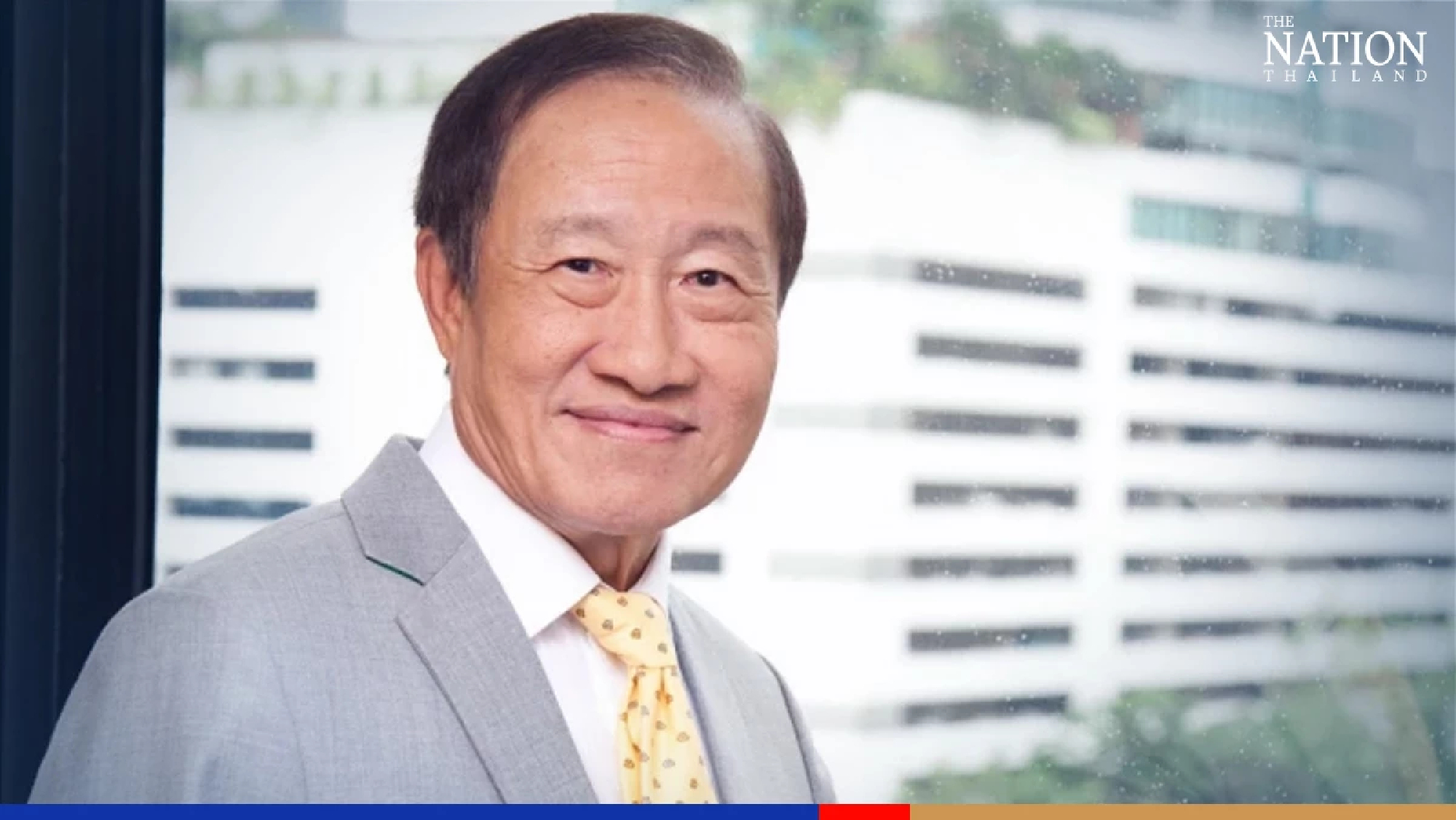
The chairman of PM Group, Prayudh Mahagitsiri, who is known as Thailand’s “coffee king”, plans to build a THB5-billion sports complex in Bangkok as a new landmark for social services, his PR officer said.
Sorakrit Wannalak, an adviser and CSR public relations officer of PM 80 Co Ltd, said the sports complex will meet international standards. He said PM Group does not aim to to make money from the complex but is undertaking it as a social service project.
PM 80 is a subsidiary of PM Group, which also owns Quality Coffee Products Co Ltd, a joint venture with Nestlé.
Sorakrit said the new sports complex will be built near the Bhoman Khunaram Temple in Bangkok’s Yannawa district.
The complex will have facilities for holding international competitions in tennis, badminton, snooker, table tennis and golf. There will also be a library, a Buddhist meditation room and an exhibition room, Sorakrit added.
“The goal of the complex is to attract youths to be interested in sports and to learn more about the society,” Sorakrit said.
“Since the project will be located near Bhoman Temple, Gen Y and Gen Alpha children will get a chance to be closer to dhamma.”
He said the project is in being designed after which approval will be sought from concerned authorities.
“We hope that a good CSR project, which is useful for Thai youths and foreigners and the society and the country, will happen in the near future. We hope to get it done within 2024,” Sorakrit said.
Prayudh, a busines mogul, has carried out several types of businesses, including property, oil rigging, and marine line operations. Now, he is focusing on making nutrition supplementary products under the P80 brand, which are mostly Thai herbal drinks.
Prayudh’s joint venture with Nestlé is credited with bringing Nescafe instant coffee to Thailand, giving him the name “Coffee king of Thailand”.
The five new members of the National Broadcasting and Telecommunications Commission (NBTC) announced three measures to consider the planned merger of two leading telecom operators at a first meeting on Wednesday.
NBTC Office acting secretary-general Trairat Wiriyasirikul said the meeting was the ninth one held by the commission this year.
The five new members were royally endorsed on April 13 and their names were published in the Royal Gazette a day later.
The meeting, which was chaired by NBTC chairman Sarana Boonbaichaiyapruck, resolved to approve a road map for consideration of the planned amalgamation of True Corporation and Total Access Communication (DTAC).
True and DTAC’s shareholders okayed the plan, which was then submitted to the NBTC for approval on January 25.
Academics and consumer protection groups have called on the previous NBTC to wait for the new board to consider the deal.
As a first measure, the meeting resolved to set up four panels to consider the issue, Trairat said. The four panels are the subcommittee on legal affairs, the subcommittee on consumer protection and people’s rights, the subcommittee on technologies and the subcommittee on the economic impact from the merger.
Under a second measure, the NBTC agreed to organise a focus group to hear opinions from businesses and industries which are related to the planned merger, academics and the general public.
A third measure will see the NBTC assign its working panels and advisory committees both in the country and abroad to study possible impacts of the merger, Trairat said.
He did not detail the time frame of the three measures but said the commission would get the studies done as soon as possible.
“The NBTC will carefully and comprehensively study the merger plan and it will allow public participation in the study,” Trairat vowed.
“It will also study legal technicalities and both negative and positive impacts by taking into account the interest of the public and the telecom industry. So, all sides should have confidence [in the NBTC’s decision],” Trairat added.


 Vasit Taepaisitphongse

 They said the mobile-phone signals of Dtac and True did not cover all areas upcountry and believe that bringing the two service providers together would improve coverage.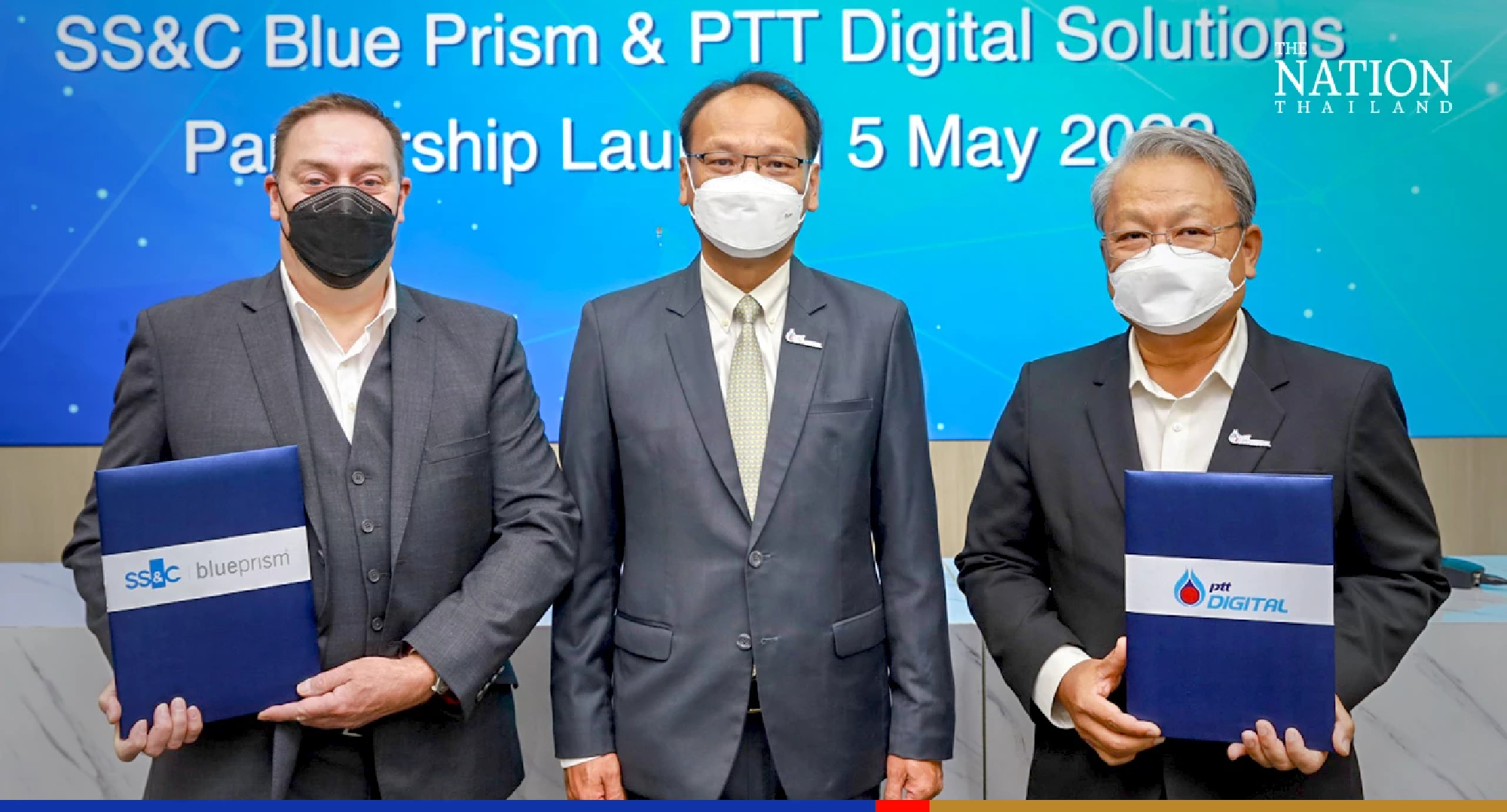
 Gareth Lane, senior vice president, head of Alliances & Channels at SS&C Blue Prism
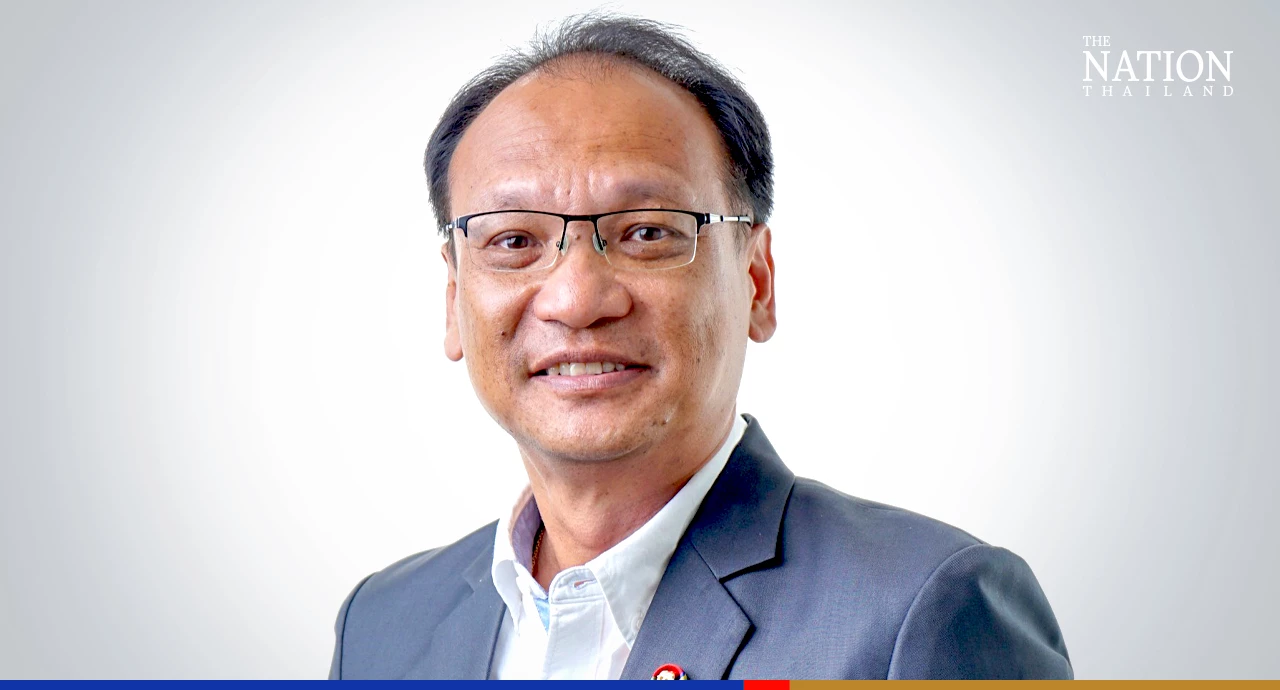 PTT Digital chairman Terdkiat Prommool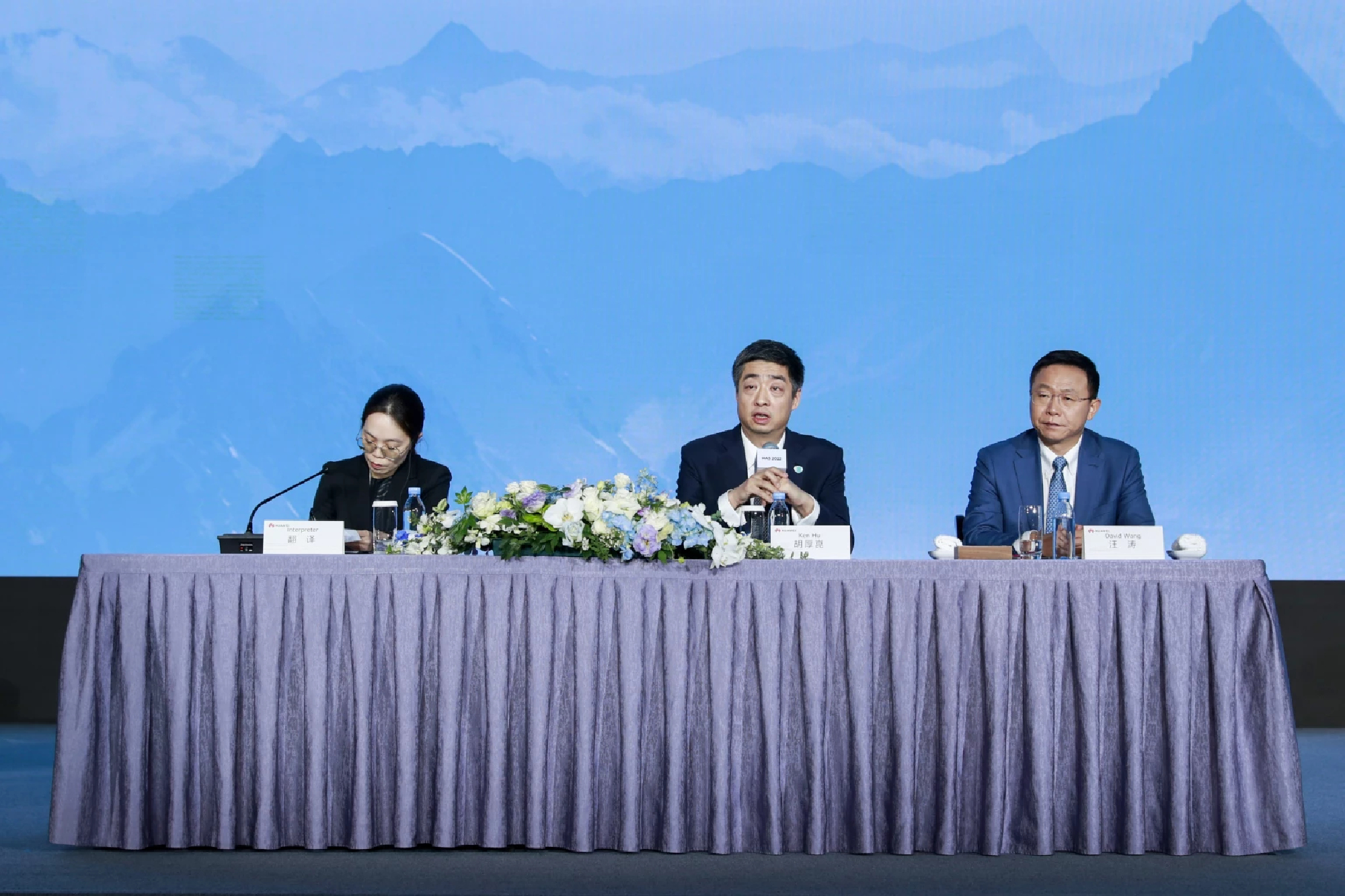

 NBC to focus on 3 businesses


 “We hope that a good CSR project, which is useful for Thai youths and foreigners and the society and the country, will happen in the near future. We hope to get it done within 2024,” Sorakrit said.