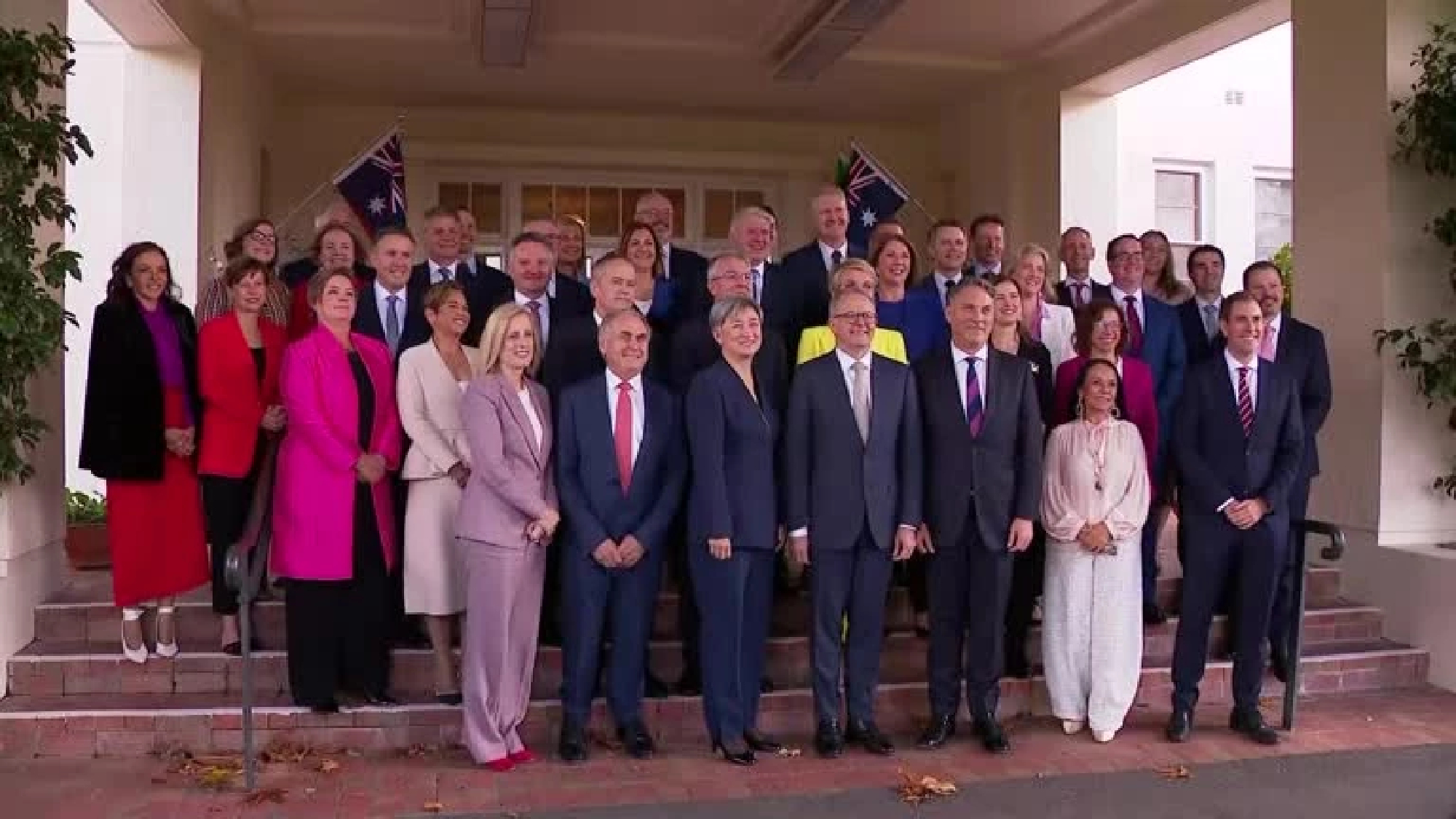
Australia’s new federal ministry was sworn into office on Wednesday, with Prime Minister Anthony Albanese appointing a record number of women to a diverse cabinet team that includes religious minorities and Indigenous Australians.
Atotal of 10 women were included in Albanese’s 23-member cabinet, surpassing the seven in the previous Liberal-National coalition government led by Scott Morrison.
Industry Minister Ed Husic and Youth Minister Anne Aly became Australia’s first Muslim federal minister at a ceremony in the national capital, Canberra, while Linda Burney, wearing a kangaroo-skin cloak, became the first Aboriginal woman to hold the Indigenous Australians ministry.
Albanese on Tuesday said Labor will govern in its own right, claiming 77 seats in the 151-seat lower house, letting it form a majority government without the support of climate-focused independents and Greens.
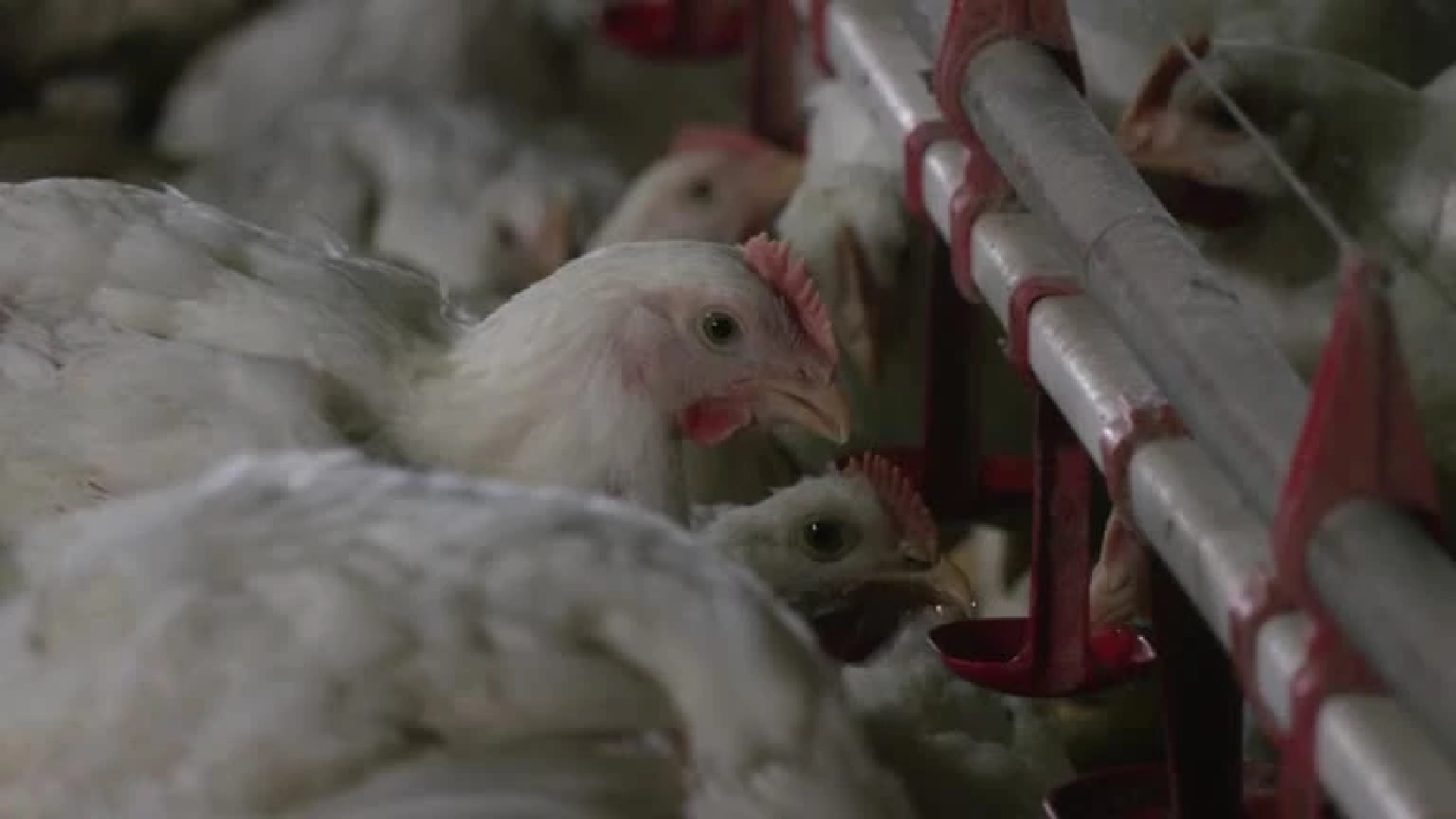
Malaysian chicken farmer, Syaizul Abdullah Syamil Zulkaffly, is worried about the Southeast Asian country’s impending ban on chicken exports. Last week, the government said it would halt all chicken exports from June until production and costs stabilise amid soaring prices of chicken feed.
Chicken feed is typically made up of grain and soybean, which Malaysia imports. But Russia’s invasion of Ukraine and uncertain weather patterns have created a global shortage.
This shortage has affected the growth rate of broiler chickens at the farm, which in turn restricts the supply of the birds.
Previously, Syaizul’s farm was able to harvest as many as seven times, with 45,000 birds harvested per cycle. This year, he only expects five harvest cycles.
Syaizul, who started feeling the pinch of higher operating costs during the COVID-19 pandemic, says the export ban will only make things worse for poultry farmers.
“If we are to absorb even more losses, take even more loans, I think I’m better off driving (ride-hailing service) Grab,” he said.
To him, a ban would have damaging, continuing consequences too.
“Any country that we export to, they can just switch to another country supplier, so it’s really hard for us to get them back, to buy for us later in the future. So this export ban will definitely be a temporary solution, but we have a long-term headache.”
Across the Causeway links Malaysia with heavily urbanised Singapore, which imports 34 per cent of its chicken supply from its northern neighbour, almost all of it live, according to the Singapore Food Agency (SFA).
On the island nation, there is worry among proprietors of chicken rice stalls about the ability to pivot or keep their business running.
Daniel Tan, the owner of seven such stalls, said the ban would affect the production of the de facto national dish.
“Most chicken rice stalls, if not 100% of chicken rice stalls all use fresh (meat for) chicken rice… so, the ban would mean we are no longer able to sell. It’s like McDonald’s with no burgers,” the 42-year-old analogised.
Tan said exporters had been working to bring extra supplies of chickens in before the ban and said they would be able to rely on “chilled chicken” for around two weeks.
When the chilled supply was exhausted, his business, OK Chicken Rice, would resort to frozen chicken sourced from places like Brazil.
Poached chicken optimally requires fresh meat, Tan added, with the frozen variety a poor substitute. His business would only sell a roasted version of the dish only, and hoped customers would continue to patronise.
“We still will operate, but I’m expecting a strong hit in sales. I’ll be happy if I have half the volume. Basically, the strategy is not to make any money, it’s how much we’re going to lose.”
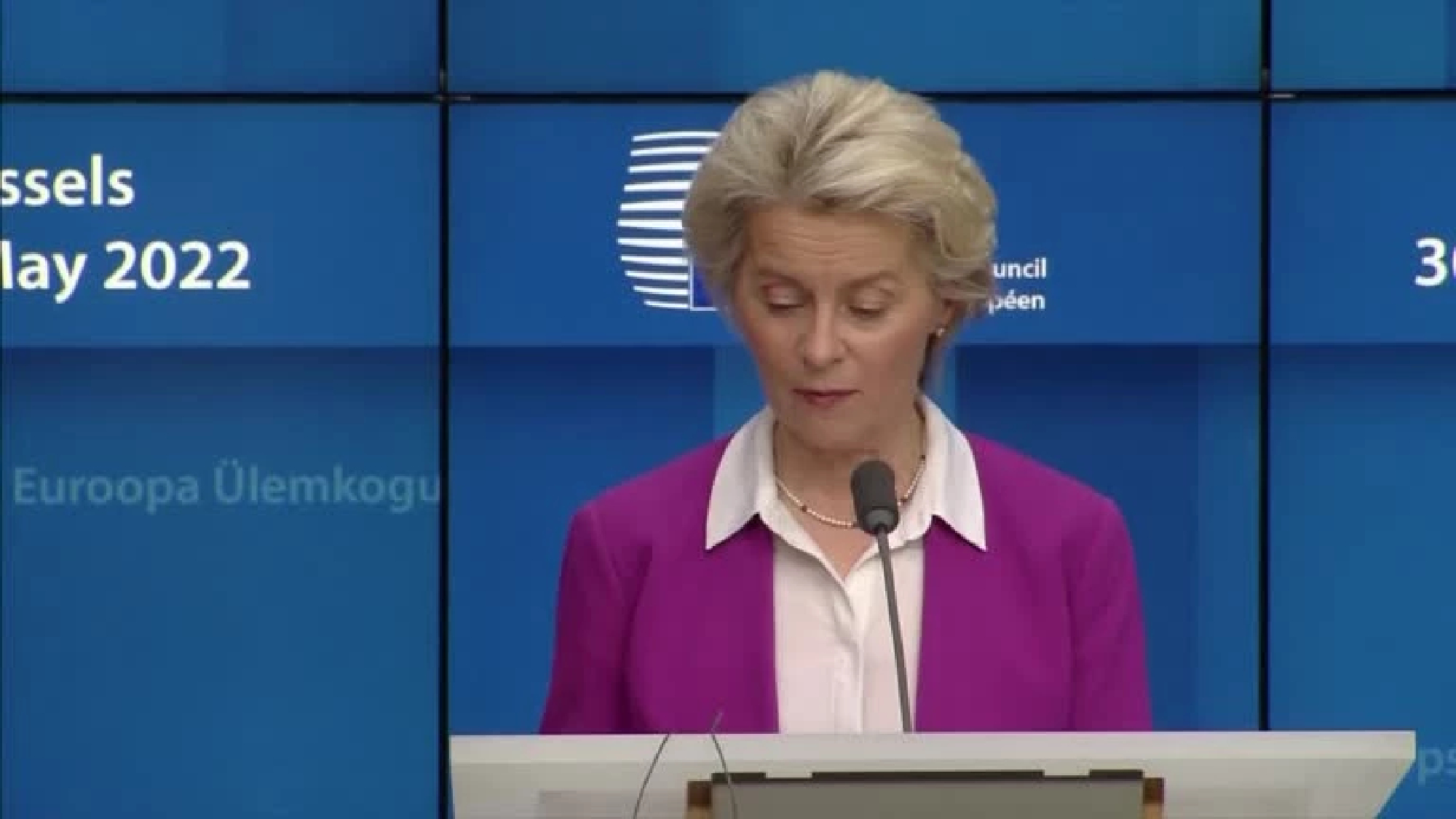
European Union leaders agreed to cut 90% of oil imports from Russia by the end of this year, European Commission chief Ursula von der Leyen said early on Tuesday.
“Iam very glad that the leaders were able to agree in principle on the sixth sanctions package (against Russia over its invasion of Ukraine). This is very important,” she said.
Von der Leyen added the remaining 10% will be temporarily exempt from the embargo so that landlocked Hungary, which was the main holdout for a deal, along with Slovakia and the Czech Republic that are all connected to the southern leg of the pipeline, have access which they cannot easily replace.
“We have agreed that the Council will revert to the topic as soon as possible in one way or the other. So this is a topic where we will come back to and where we will still have to work on, but this is a big step forward, what we did today,” she said.
Von der Leyen added the EU leaders’ deal would clear the way for other elements of a sixth package of EU sanctions on Russia to take effect, including cutting Russia’s biggest bank, Sberbank, from the SWIFT messaging system and banning three more Russian state-owned broadcasters.
The EU has rolled out five rounds of sanctions since Russia invaded Ukraine in February, demonstrating uncharacteristic speed and unity given the complexity of the measures.
But the struggle over an oil ban exposed a struggle to widen sanctions as the economic risk for Europe grows because so many countries depend on Russian crude.
Efforts to agree an EU oil embargo has been blocked by Hungary’s refusal to agree to a ban on Russian imports it receives through the huge Soviet-era “Friendship” pipeline that runs across Ukraine.
A pro-Russia cargo vessel loaded with steel was seen docked in the Ukrainian port of Mariupol on Monday. The metal was reportedly expected to be shipped to Russia, in a move Kyiv described as looting.
Aspokesperson for the port told TASS news agency that the vessel would be loading 2,700 tons of metal before travelling 160 km (100 miles) east to the Russian city of Rostov-on-Don in the following days.
The spokesperson did not say where the metal being shipped had been produced.
Ukraine’s Human Rights Ombudsman Lyudmyla Denisova said the shipment amounted to looting by Russia.
Russia seized full control of Mariupol last week when more than 2,400 Ukrainian fighters surrendered at the besieged Azovstal steelworks on the Azov Sea.
Moscow’s capture of Mariupol helped it secure full control of the Sea of Azov coast and create a land bridge linking mainland Russia to Crimea, which it annexed from Ukraine in 2014.
Russia sent tens of thousands of troops into Ukraine on Feb. 24 in what it called a special operation to demilitarize its southern neighbour and rid it of nationalists threatening Russian speakers there.
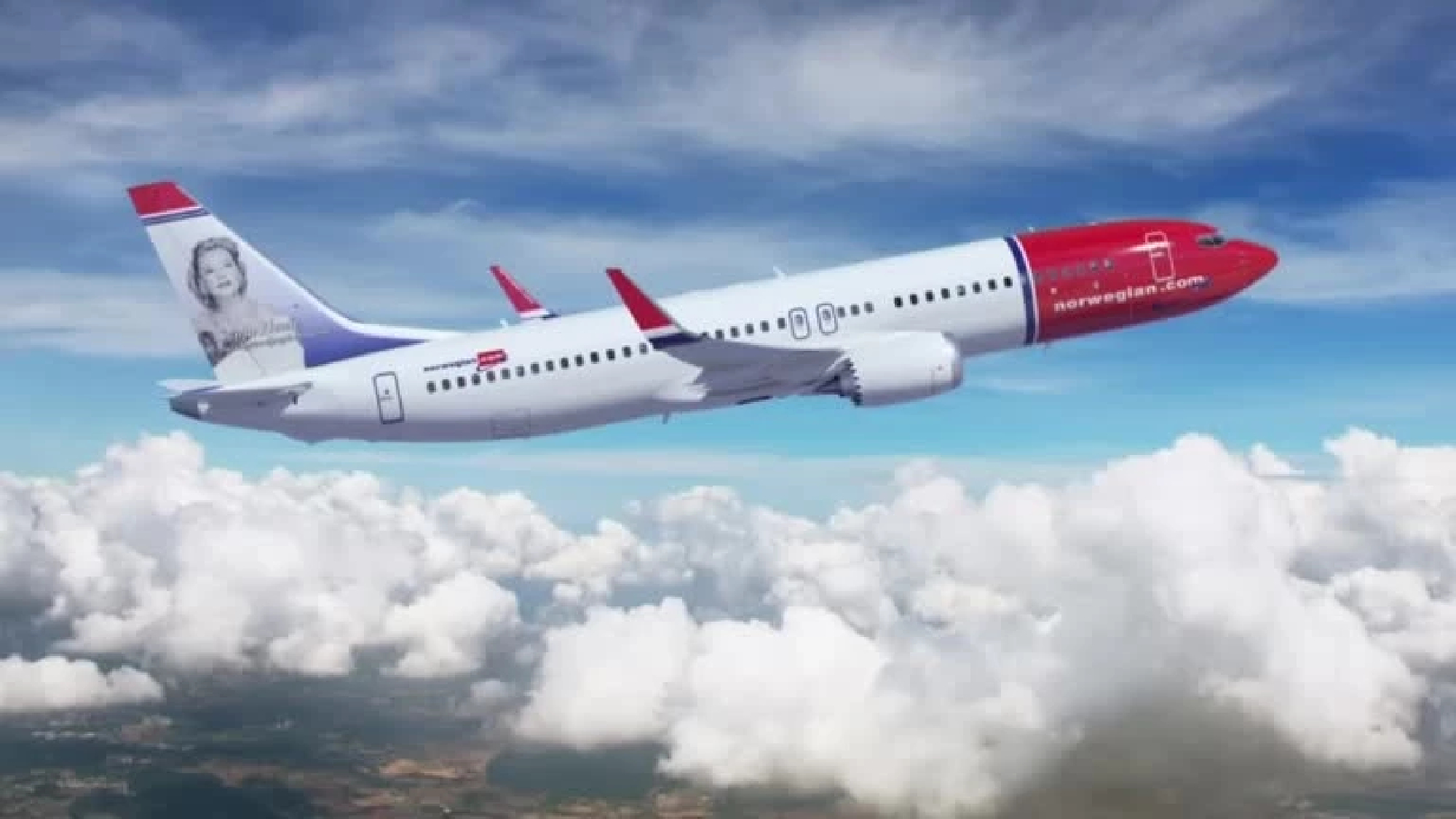
Norwegian Air has agreed to buy 50 Boeing 737 MAX 8 aircraft and secured options for a further 30 of the planes at an undisclosed price, the budget carrier said on Monday.
The deal is a boost for Boeing, anchoring long-standing customer Norwegian to the U.S. plane maker after the Oslo-based airline earlier this year said it would consider switching to rival Airbus.
For Norwegian the deal marks a return to aircraft ownership after it was forced to resort to leasing deals during bankruptcy proceedings that rescued the company last year.
“The 50 aircraft are due to be delivered between 2025 and 2028, at a schedule closely corresponding to current aircraft lease expirations. This entails a limited net increase of the company’s current fleet,” Norwegian said in a statement.
As a result of the agreements, the airline said it expects to book a net gain of approximately 2 billion crowns ($212.2 million) after concluding the deal, boosting its equity. It did not elaborate.
Norwegian in February told Reuters it was considering a switch to Airbus unless ongoing litigation with Boeing over previous aircraft cancellations was resolved in a timely fashion.
Norwegian’s aim is to bring an end to the legal dispute with the U.S. plane maker before a final closing of the new aircraft deal is signed, likely by the end of June, a source with close knowledge of the transaction said.
It was Boeing’s second major European order in recent weeks for MAX aircraft following a deal with airlines giant IAG.
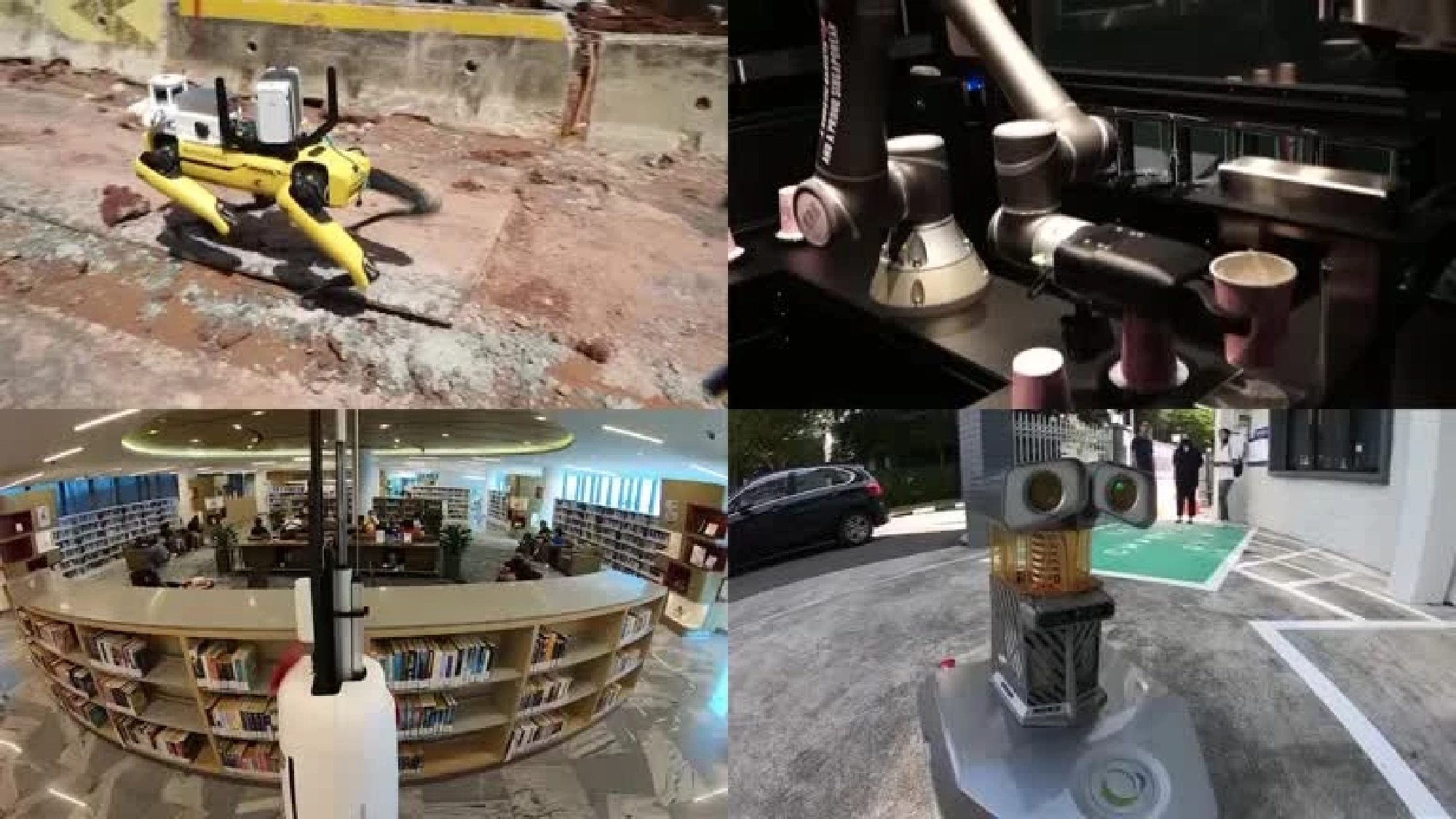
From a construction site surveying robot to one that scans library bookshelves and another that rolls around and zaps mosquitoes – many companies in Singapore have been using robotics to fill up jobs amid a labour crunch in the city-state.
Singapore’s Ministry of Manpower told Reuters that “some industries were experiencing personnel shortages due to Covid-related restrictions on the inflow of foreign manpower”. From December 2019 to September 2021, it said non-resident employment declined by 235,700 for the country of around 5.6 million people.
Singapore is highly reliant on the foreign workforce to staff many jobs, especially in the services, hospitality and construction industries, and the ministry said Covid-19 has “accelerated the pace of technology adoption and automation” by businesses to meet this manpower shortage.
At a construction site on the holiday island of Sentosa, robot dog “Spot” — built by Boston Dynamics – was prodding its way through mud and gravel until it came to a stop. It then began running a scan to check on the progress of the construction, with the report being fed back live to construction firm Gammon’s control room.
“There is (a labour shortage), especially during the Covid period we felt that,” said Gammon’s General Manager Michael O’Connell. “I think things have still not got back to pre-Covid, and I don’t think they ever will, so replacing the need for manpower on-site with an autonomous solution is gaining real traction in the industry.”
O’Connell added that the company can now afford to only send one employee to monitor and deploy the robot, instead of sending two workers previously to do the same scans manually. The construction sector employs some 300,000 foreign workers and struggled during the pandemic as many migrant workers were unable to enter the country.
Over at the National Library in Singapore, “Eeebot” rolls along scanning the shelves for misplaced books. It is one of two such shelf-reading robots that can scan 100,000 items, or about 30 per cent of the library’s entire collection, per day, every day. The robots generate a list with specific locations, which helps to cut down time spent by the librarians manually eyeing the shelves, said an assistant director at National Library Board, Lee Yee Fuang.
“Staff need not read the call numbers one by one on the shelf, and this reduces the routine and labour-intensive aspects of this task, which is not sustainable to cope with the escalating manpower cost,” she said.
The Singapore government has been encouraging automation and robotics in the workplace, amid an ageing population and tight foreign worker manpower policies, creating a multi-agency National Robotics Programme in 2014 which aims to develop robotics enablers and solutions in the country.
Hotelier and estate company LHN Group, which manages over 40 properties, has invested about S$100,000 ($72,295) in robots and more than S$50,000 in smart sensor systems and software in the past two years.
It has two cleaning robots and one mosquito-control robot — on a trial basis – that are deployed across its properties, including its Colliwoo hotel.
“During the pandemic where borders are closed, it is harder to get workers, and therefore because we (are) already used to use robots, it does help us to save on manpower,” said the group managing director of LHN Group, Kelvin Lim. He added that the robots are designed to work alongside regular workers and take up some of the more menial tasks, rather than completely replace their work.
Singapore has one of the highest robot densities in the workplace, according to the 2021 World Robot Statistics report by the International Federation of Robotics. The tech-savvy nation has 605 robots installed per 10,000 employees in the manufacturing industry, the second-highest after South Korea’s 932. Japan, Germany and Sweden round up the top five in the world.
The growth in robotics is also leading companies to employ a higher-value workforce.
“We are solving a universal problem within F&B. Not just in Singapore or Japan, but around the world and automation will come in to assist us. So you know, this is the biggest pain point for all F&B operators,” said Keith Tan, CEO of Crown Digital, which created a barista robot that serves commuters lattes and cappuccinos daily, without any human operators.
The robot, which will be rolled out to 30 more metro stations across Singapore, is powered by software which allows customers to order through an app or via a kiosk.
“We are hiring a much more highly paid workforce to automate this industry,” added Tan.
Still, some yearn for more human interaction amid the increase in automation and robotics in the services industry.
“We always want to have some kind of human touch for everything, and the food is the very important part. So whenever we order food, we (would like to) interact with a person (instead of a robot),” said commuter Ashish Kumar, while sipping on a robot-brewed beverage.
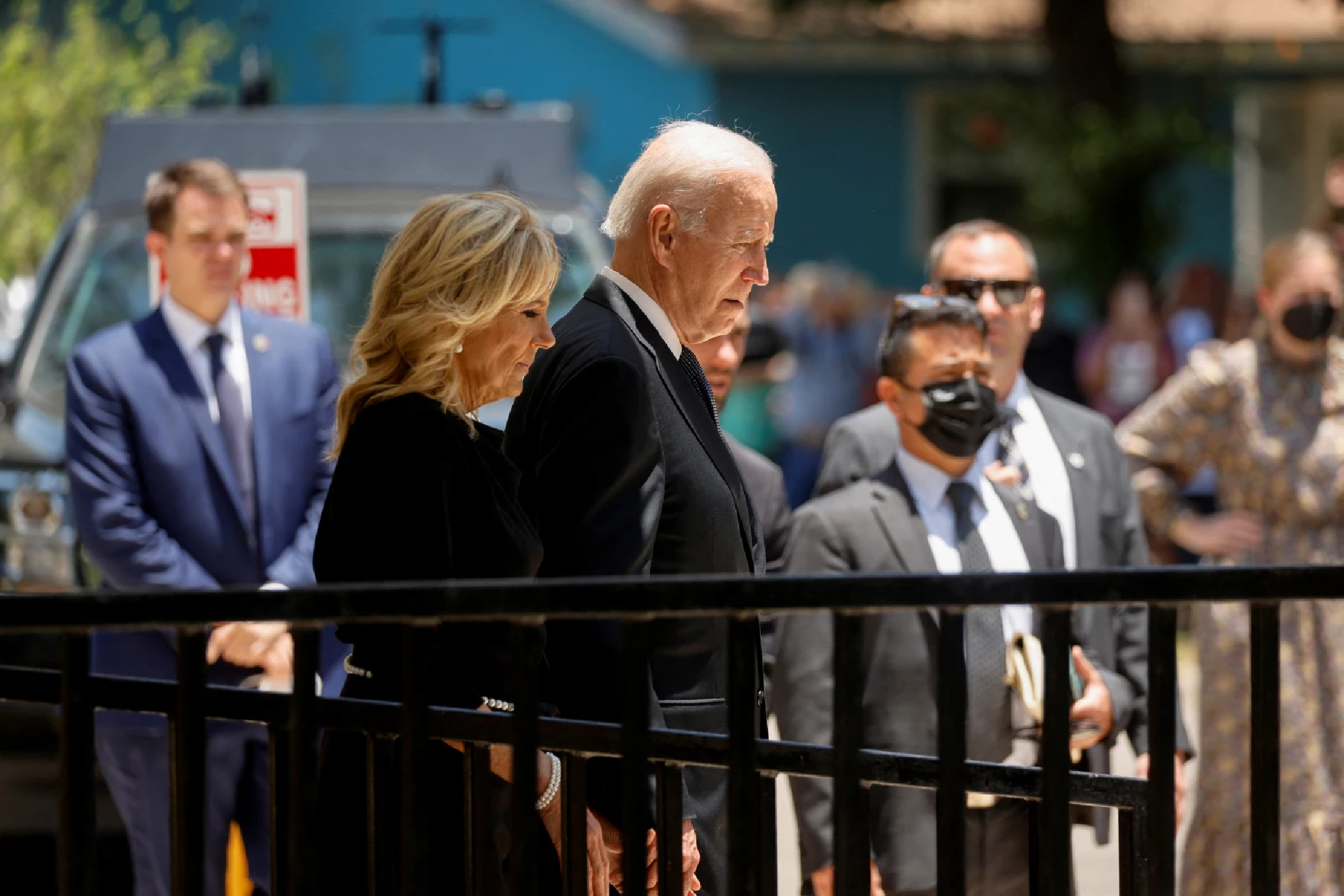
President Joe Biden tried to comfort families in the south Texas town of Uvalde on Sunday after the nation’s deadliest school shooting in a decade as federal officials announced they would review local law enforcement’s slow response to the attack.
Anger has mounted over the decision by law enforcement agencies in Uvalde to allow the shooter to remain in a classroom for nearly an hour while officers waited in the hallway and children inside the room made panicked 911 calls for help.
The president and first lady Jill Biden wiped away tears as they visited memorials at the Robb Elementary School where the gunman killed 19 students and two teachers, laying white roses and paying respects to makeshift shrines to the victims.
“Do something,” a crowd chanted outside Sacred Heart Catholic Church as Biden exited after attending mass.
“We will,” he answered.
The Bidens are also visiting with victims’ families and survivors for several hours before later meeting with first responders.
Police say the gunman, 18-year-old Salvador Ramos, entered the school on Tuesday with an AR-15 semi-automatic rifle after earlier shooting his grandmother, who survived.
Official accounts of how police responded to the shooting have flip-flopped wildly. The U.S. Department of Justice on Sunday said it would review local law enforcement response at the request of Uvalde Mayor Don McLaughlin.
The Texas visit is Biden’s third presidential trip to a mass shooting site, including earlier this month when he visited Buffalo, New York after a gunman killed 10 Black people in a Saturday afternoon attack at a grocery store.
A plane operated by a private airline in Nepal went missing on Sunday (May 29) with 22 people on board, airline and government officials told Reuters.
The small plane was flying from the tourist town of Pokhara, some 200 km northwest of the capital, Kathmandu, to Jomsom, about 80 km to the northwest, they said. It is operated by Tara Air which mainly flies Canadian-built Twin Otter planes.
An airline official said the plane was carrying four Indians and two other foreigners, though their nationality was not known.
Nepal, home to the world’s highest mountain, does have a record of accidents on its extensive domestic air network, with changeable weather and airstrips in difficult mountain locations.
The world’s longest glass-bottom bridge opened to the public in Son La, Vietnam on Saturday, with a dragon dance’s blessings to start the day.
The Bach Long (White Dragon) Bridge is a 632 metres (2,073 ft) long suspension bridge with see-through bottom made from three layers of 40mm thick tempered glass, that can hold 450 people at a time.
It links two mountaintops across a 150 metres (492 ft) deep valley, and is completed with a 342 metres (1122 ft) pathway that hugs around a cliffside.
A Guinness World Record representative was at the official opening ceremony to hand over the plaque certifying its recognition.
China was the previous record holder for the glass bottom bridge in Guangdong, measuring at 526 metres (1,726 ft).
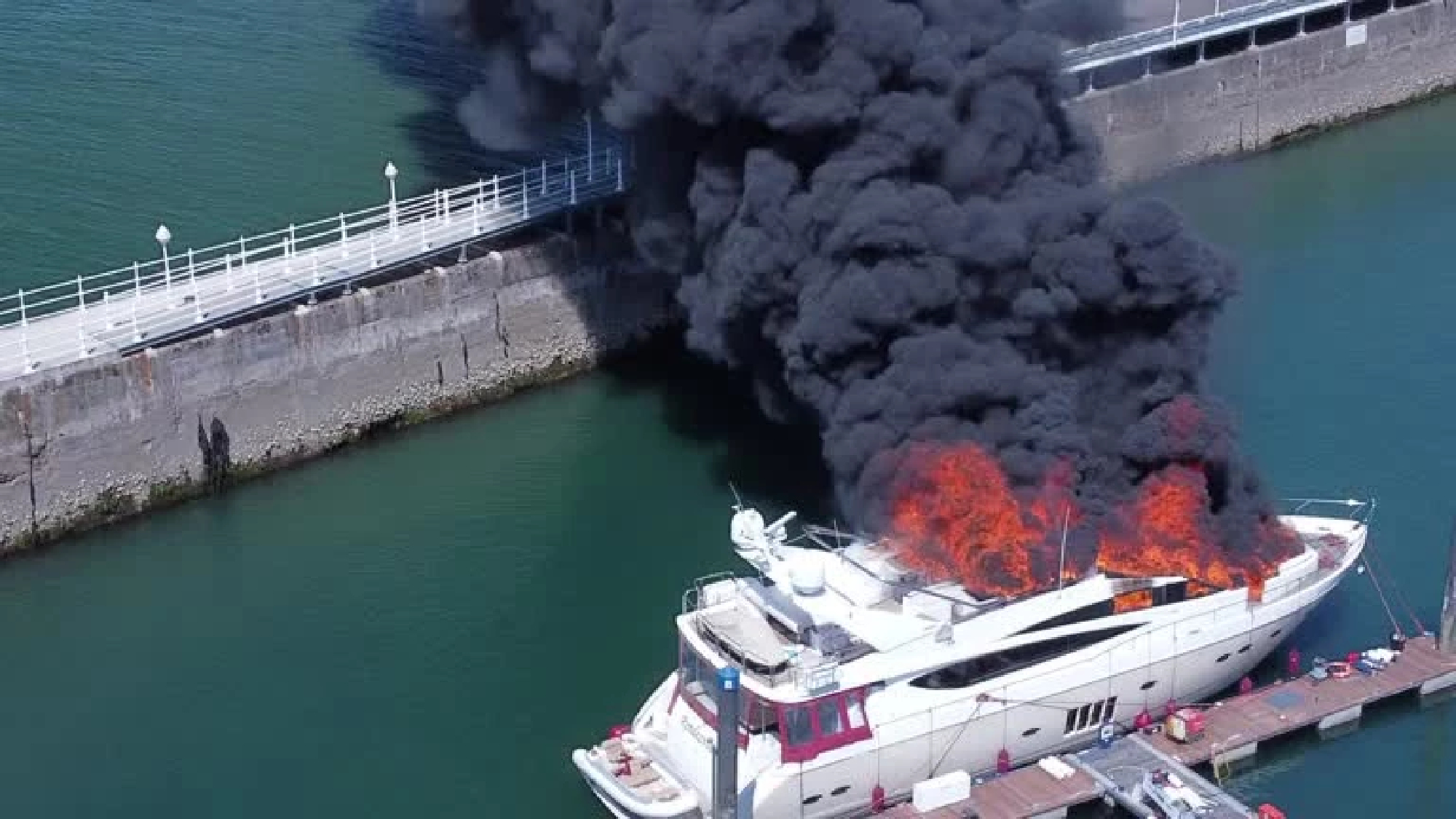
Fire ripped through a superyacht in southwest England on Saturday, sending thick plumes of black smoke into the sky and briefly releasing the burning vessel to drift across its marina.
Police and fire officials said the 85 foot (26 metre) yacht in Torquay, Devon, was “well alight” and the fire brigade said the vessel contained about 8,000 litres of diesel fuel, prompting local areas and nearby beaches to be cleared.
Local media reported that the yacht was worth £6 million ($7.5 million).
“Due to levels of smoke and fumes we are asking residents in the area to keep their doors and windows shut at this time,” Devon & Cornwall Police said. “Members of the public are also urged to avoid the area and beaches are being cleared by officers for public safety.”
The police said no one had been injured in the fire and the yacht had since been secured after it broke free from its mooring. The police did not say who owned the yacht or what started the fire.