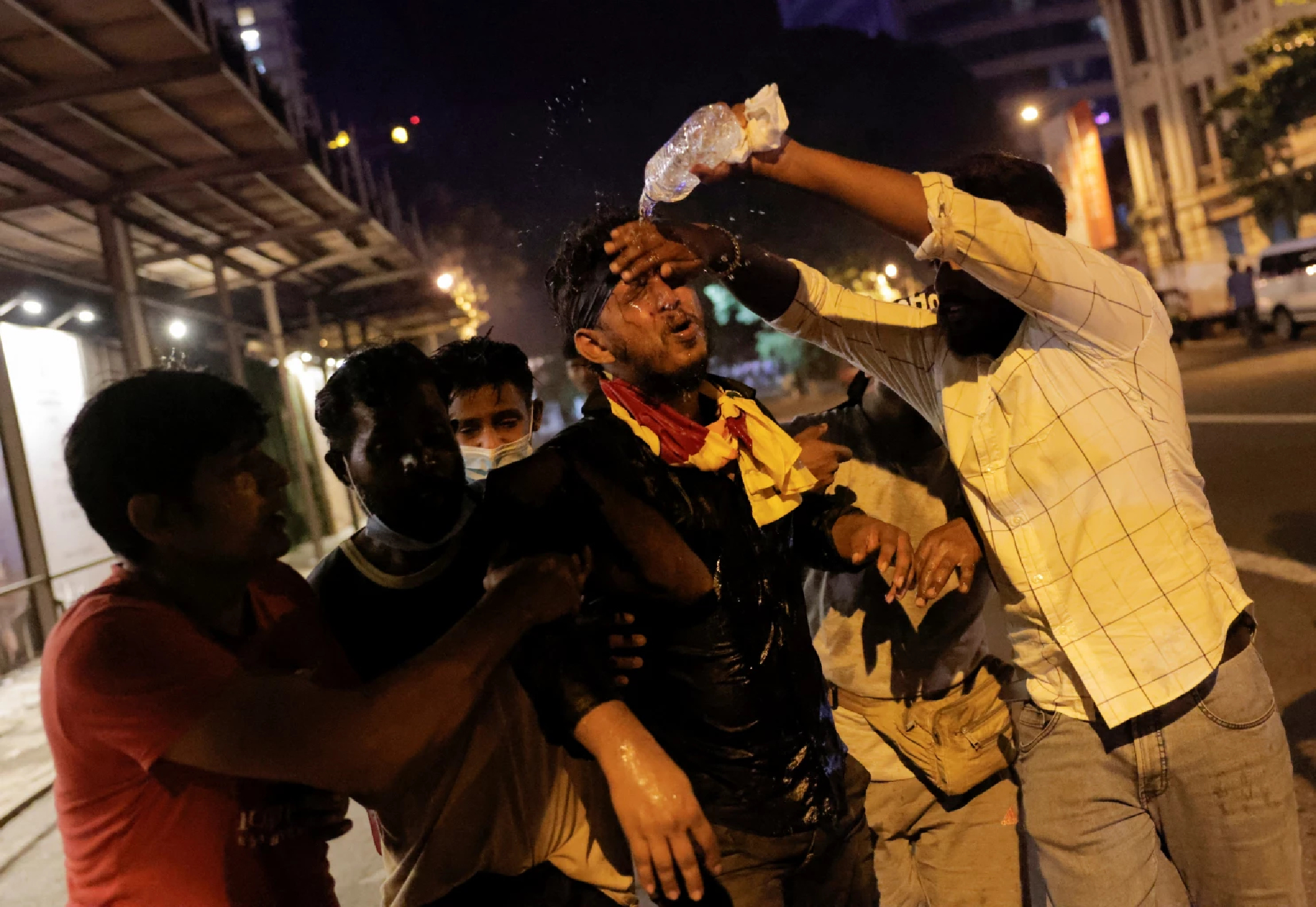
Police fired tear gas and water cannon to disperse protesters bringing down police barricades protecting the official residence of President Gotabaya Rajapaksa in Sri Lanka on Saturday.
Thousands protested across the Island to mark 50 days since the start of nationwide protests demanding the president’s resignation.
Earlier on Saturday, thousands of people walked from various of parts of the capital Colombo to the permanent protest site opposite the president’s office.
Sri Lanka, an island nation of 22 million people, is reeling under its worst economic crisis since independence in 1948, with a severe shortage of foreign exchange severely curtailing imports, including essentials such as fuel and medicines.
The turmoil has come from the confluence of the COVID-19 pandemic ravaging the country’s lucrative tourism industry and foreign workers’ remittances, ill-timed tax cuts by Rajapaksa draining government coffers and rising oil prices.
Demonstrations have roiled Sri Lanka since late March, with protesters accusing the president and his powerful family of mishandling the economy.
At least 35 people died amid heavy rainfall in northeastern Brazil on Friday and Saturday, as downpours lashed two major cities on the Atlantic coast, in what is the South American nation’s fourth major flooding event in five months.
In the state of Pernambuco, at least 33 people had died as of Saturday afternoon, as rains provoked landslides that wiped away hillside urban neighbourhoods, according to the state’s official Twitter account. Another 765 people were forced to leave their homes, at least temporarily, according to the state government.
Many of the deaths on Friday and Saturday occurred in Pernambuco state capital Recife. As in many urban areas in Brazil, many of Recife’s neighbourhoods have been built in locations vulnerable to land and mudslides.
“I’ve asked the armed forces to send personnel and equipment to help us in this ongoing task,” said the Governor of Pernambuco, Paulo Camara.
The flood is the South American nation’s fourth major flooding event in five months.
Authorities in the neighbouring state of Alagoas had registered two deaths, according to Brazil’s federal emergency service.
In late December and early January, dozens were killed and tens of thousands displaced when rains hammered Bahia state, also located in northeastern Brazil. At least 18 died in flooding in the southeastern state of Sao Paulo later in January. In February, torrential downpours in the mountains of Rio de Janeiro state killed over 230.
While much of Brazil spent the majority of 2021 in a severe drought, unusually intense rains started to arrive in the final months of the year.
The often-deadly flooding that followed has provoked debate over the potential role of climate change in Brazil’s volatile weather pattern and has focused attention on the nation’s often-haphazard urban planning.
Brazilian President Jair Bolsonaro was putting together a federal task force to send to Pernambuco on Saturday, according to local media.
His main opponent in an October presidential election, leftist Luiz Inacio Lula da Silva, lamented the flooding on Twitter.
“My solidarity to the families in the Recife metropolitan area who are suffering from the strong rains,” he wrote.
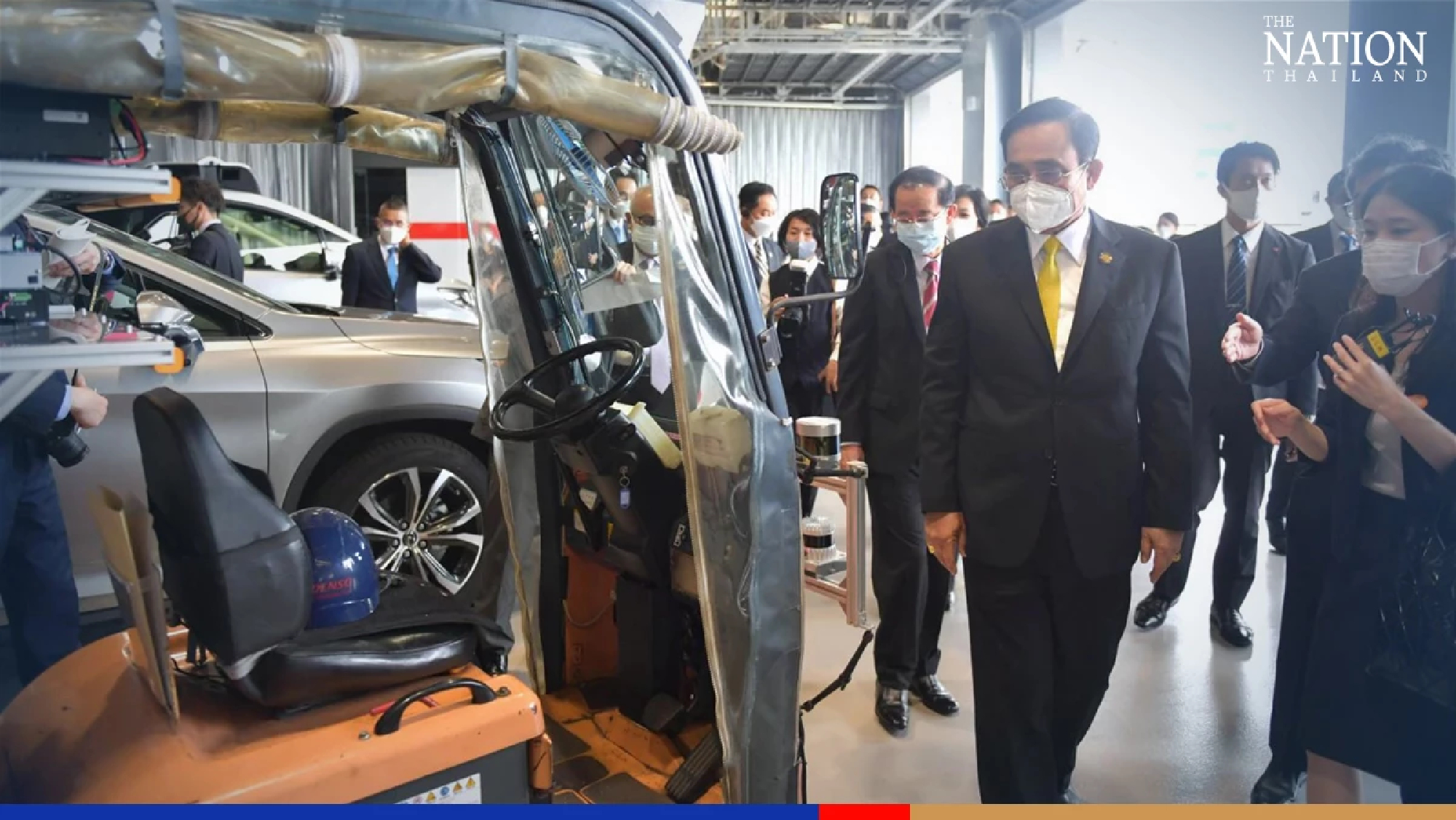
Prime Minister Gen Prayut Chan-o-cha on Friday led a Thai delegation to Haneda Innovation City in Tokyo – Japan’s model smart city.
The trip came one day after Prayut met with Japanese PM Fumio Kishida for talks on boosting economic, investment and tourism ties between their two countries.
Prayut was welcomed to Haneda Innovation City by Amano Hiromasa, CEO of Hajima Corp, which operates the smart city in Tokyo’s bay-side Ota city.
Ota’s mayor Matsubara Tadayoshi left Prayut a video message saying the city was eager to cooperate with future industries in Thailand’s private sector.
Government spokesman Thanakorn Wangboonkongchana said Haneda Innovation City was a hub of smart development powered by government, public sector and local investment.
“The smart city houses research and development centres in smart mobility, robotics, medical technology and hydrogen stations. It also has several hotels, offices, convention centres and shops that demonstrate a perfect blend of Japanese culture and modern technology.”
Thanakorn said PM Prayut’s visit was aimed at forging smart-city cooperation between Thailand and Japan to benefit the Eastern Economic Corridor (EEC) – especially the AMATA Smart City in Chonburi province.
After touring the city in the afternoon, the PM and delegation headed back to Thailand and landed at Suvarnabhumi Airport at 7.50pm (Thailand time).
Prayut was in Japan to give a speech at the 27th International Conference on the Future of Asia (Nikkei Forum), which took place on Thursday and Friday.
The visit came three weeks after Thailand and Japan agreed a new defence deal during Kishida’s visit to Bangkok on May 2.
A lush green forest in southern Chile might be home to the world’s oldest tree after a new study found that an ancient alerce tree known as “great grandfather” could be more than 5,000 years old.
Scientists were not able to determine an exact age based on tree rings because of the tree’s massive trunk. Normally, a 1 meter (1.09 yards) cylinder of wood is extracted to count tree rings, but the great grandfather’s trunk has a diameter of 4 meters.
Jonathan Barichivich, the scientist who led the study, said the sample they extracted and other dating methods suggest the tree is up to 5,484 years old.
“This method tells us that 80% of all possible growth trajectories give us an age of this living tree greater than 5,000 years,” Barichivich said. “There is only a 20% chance that the tree is younger.”
The estimated age would beat the current record-holder, a 4,853-year-old bristlecone pine tree in California, by more than half a millennium.
“If one compares it with the trees already dated where we count all the rings, it will make it one of the oldest living trees on the planet,” Barichivich said.
While it survived numerous eras of human civilization, Barichivich is concerned about the tree’s prominence in the Alerce Costero National Park. Visitors often leave the observation platform, step on the tree’s roots and even take pieces of its bark, he said.
He said that similar trees in the United States have their location hidden to prevent similar damage.
Barichivich said he hoped people could “think for a fraction of a second about what it means to live 5,000 years,” and put their lives and the climate crisis into perspective.
Spain’s lower house of parliament on Thursday passed a bill that qualifies all non-consensual sex as rape in response to social outrage after the so-called Wolf Pack case gave momentum to the women’s rights movement in the country four years ago.
The government-proposed legislation, known as “Only yes is yes,” merges the crimes of sexual abuse and sexual assault into the same type of crime qualified as rape, and victims will no longer have to prove violence or resistance.
“The (mottos) ‘only yes is yes’ and ‘sister I do believe you’ finally turn into a law,” Equality Minister Irene Montero told lawmakers at parliament. “From now on, Spain is a freer and safer country for all women.”
The legislation, which has been in the works for more than two years and was approved by 195 votes with 3 abstentions, still faces an upper house vote and will enter into force if approved.
Combating gender violence has been high on the minority leftist government’s agenda since the “Wolf Pack” case, in which five men referring to themselves by that name were jailed for the lesser crime of sexual abuse in 2018 after gang-raping a young woman at the Pamplona bull-running festival in 2016.
Mass protests against their conviction attracted international attention in the wake of the global #MeToo movement, and led to an appeal in 2019 in which the Supreme Court ruled the men had committed rape, handing them longer sentences.
Two cases of minors who allegedly raped an 18-year-old woman and raped and abused two 12- and 13 year-old teenagers have shocked Spanish society again recently.
If the aggressors are minors, the new legislation requires their sentences to include compulsory sex and equality education.
In another push for women’s rights, the government on May 17 proposed a draft bill to reinforce abortion rights and make Spain the first country in Europe to offer state-funded paid leave for women who suffer from painful periods.
Students from Meridian High School in Falls Church, Virginia, in the United States, lay down on a football pitch on Thursday in support of 19 children and two teachers who were murdered by a teenage gunman inside a South Texas elementary school classroom.
Many details surrounding the massacre remained murky, as the small town of Uvalde reeled from the deadliest school shooting in nearly a decade.
In Michigan, students from Oxford High School also walked out at noon on Thursday to protest the ongoing school board handling of the Oxford shooting investigation and gun laws in the wake of the latest shooting in Texas.
Aerial images showed students forming a giant “U” in remembrance of the Uvalde victims.
Oxford, Michigan was the site of a shooting last November, in which four students were killed and seven other people were wounded after a teenager opened fire at Michigan’s Oxford High School.
The case involved parents who were charged with manslaughter for purchasing the gun for their son, the shooter.
Students across the country are calling for stricter gun control action.
The Texas rampage was the deadliest school shooting since December 2012 when a gunman killed 26 people, including 20 children, at Sandy Hook Elementary School in Newtown, Connecticut.
Uvalde, deep in the Texas Hill Country region about 80 miles (130 km) west of San Antonio, has about 16,000 residents, nearly 80% of them Hispanic or Latino, according to U.S. Census data.
The United States does not seek to sever China from the global economy but wants Beijing to adhere to international rules, U.S. Secretary of State Antony Blinken said in a long-awaited speech on Thursday.
Washington will not block China from growing its economy or try to change Beijing’s political system, Blinken said, but it will defend international law and institutions that maintain peace and security and make it possible for countries, including the United States and China, to coexist.
During a 45-minute speech at George Washington University Blinken said the U.S. is determined to avoid conflict or a new Cold War.
While Blinken credited the hard work of the Chinese people for their country’s historic economic transformation in the last four decades, he said that under China’s leader Xi Jinping the ruling Chinese Communist Party has become more repressive at home and more aggressive abroad.
In the speech, he laid out the contours of a strategy to invest in U.S. competitiveness and align with allies and partners to compete with China.
U.S.-China relations sank to their lowest level in decades under the Trump administration and have soured further under President Joe Biden, who has so far kept up his Republican predecessor Donald Trump’s sweeping tariffs on Chinese goods, but also has pursued closer ties with allies in the Indo-Pacific and beyond to push back on Beijing’s growing influence.
Seventeen months into his administration Biden, a Democrat, had faced criticism from Republicans and some foreign policy watchers for not announcing a formal strategy on China, the world’s second-largest economy after the United States and Washington’s main strategic rival.
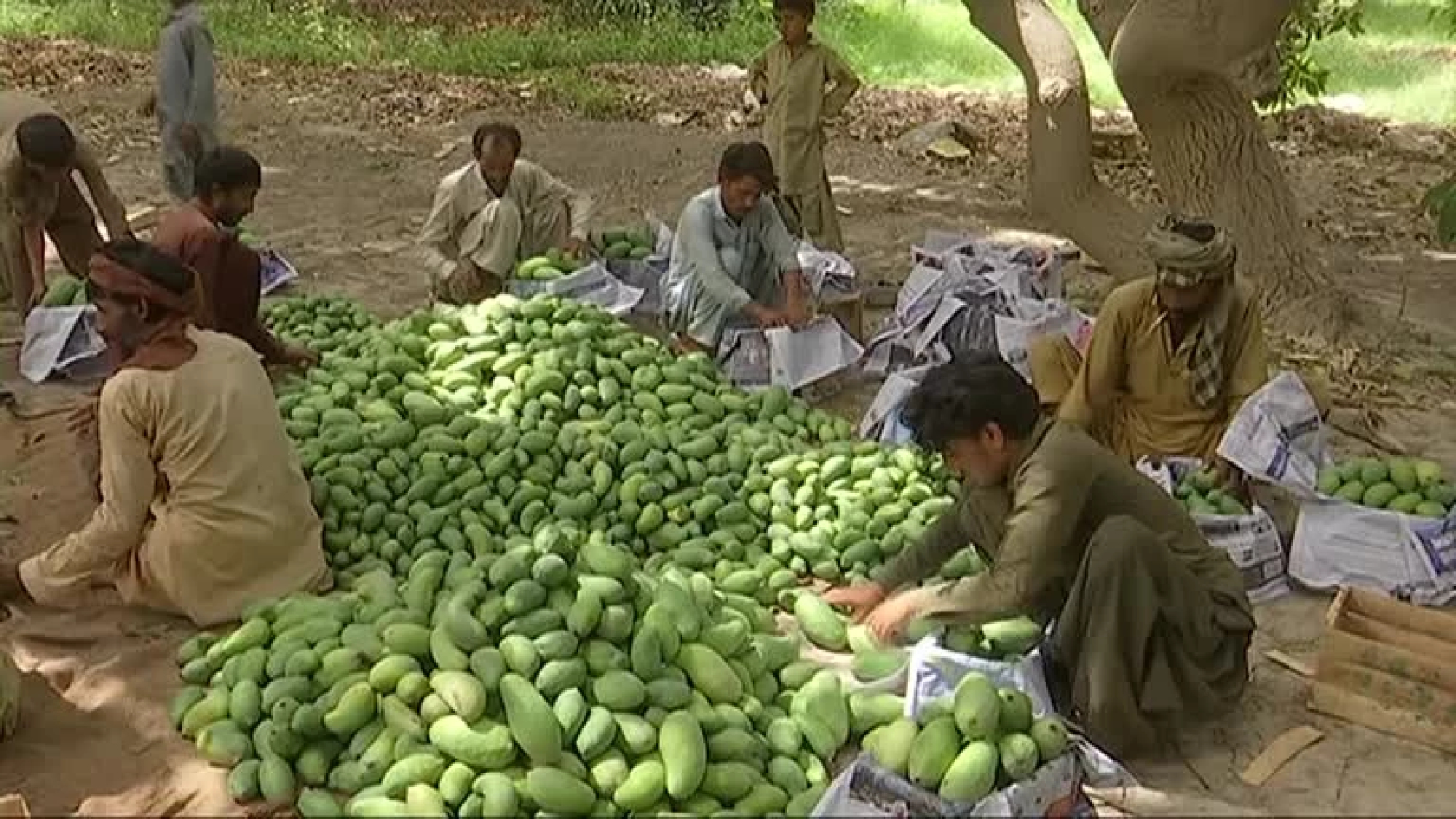
Pakistan’s mango farmers are expecting a 50% decline in yield this year, as ongoing heatwave and water shortages continue to batter the country, according to the chief of a growers’ and exporters’ association.
Tando Allahyar, a district in the province of Sindh, is one of Pakistan’s richest agricultural regions, which grows a range of crops like wheat, sugarcane, cotton and mangoes. However, farmers are facing less than bountiful yields this mango season.
“When unripe fruits are ready, it requires water which helps the mangoes grow to a good size. If there is less water available, it will not grow to a good size, which means we bear a loss. There is no water in Sindh,” said a mango orchard contractor, Gul Hassan.
Pakistan witnessed an extreme heatwave this month, with temperatures in the south crossing 50 degrees Celsius (122 degrees Fahrenheit). The south Asian nation had jumped from winter to summer without experiencing a spring, according to the country’s Climate Change Ministry.
More than a billion people are at risk from the effects of heat in the region, scientists have warned, linking the early onset of an intense summer to climate change.
“The heatwave has affected it (the crop) greatly because the temperature in March was 28, 29 degrees Celsius – but all of a sudden it hit 42,” said Waheed Ahmed, head of the Pakistan Fruit and Vegetable Exporters, Importers and Merchants Association.
He said the heat at the time of the flowering of mango trees affected production greatly, adding that Pakistan was facing a 50% drop in mango production this year as a result.
Pakistan is the world’s fifth-largest mango producer, after India, China, Thailand and Indonesia, according to Ahmed. However, the untimely spike in temperature has dented their production and led to a re-evaluation of export targets.
Pakistan’s average mango production is nearly 1.8 million tonnes, but likely to be around half that this year, he said, adding the association has cut its export target by 25,000 tonnes compared with last year to 125,000 tonnes.
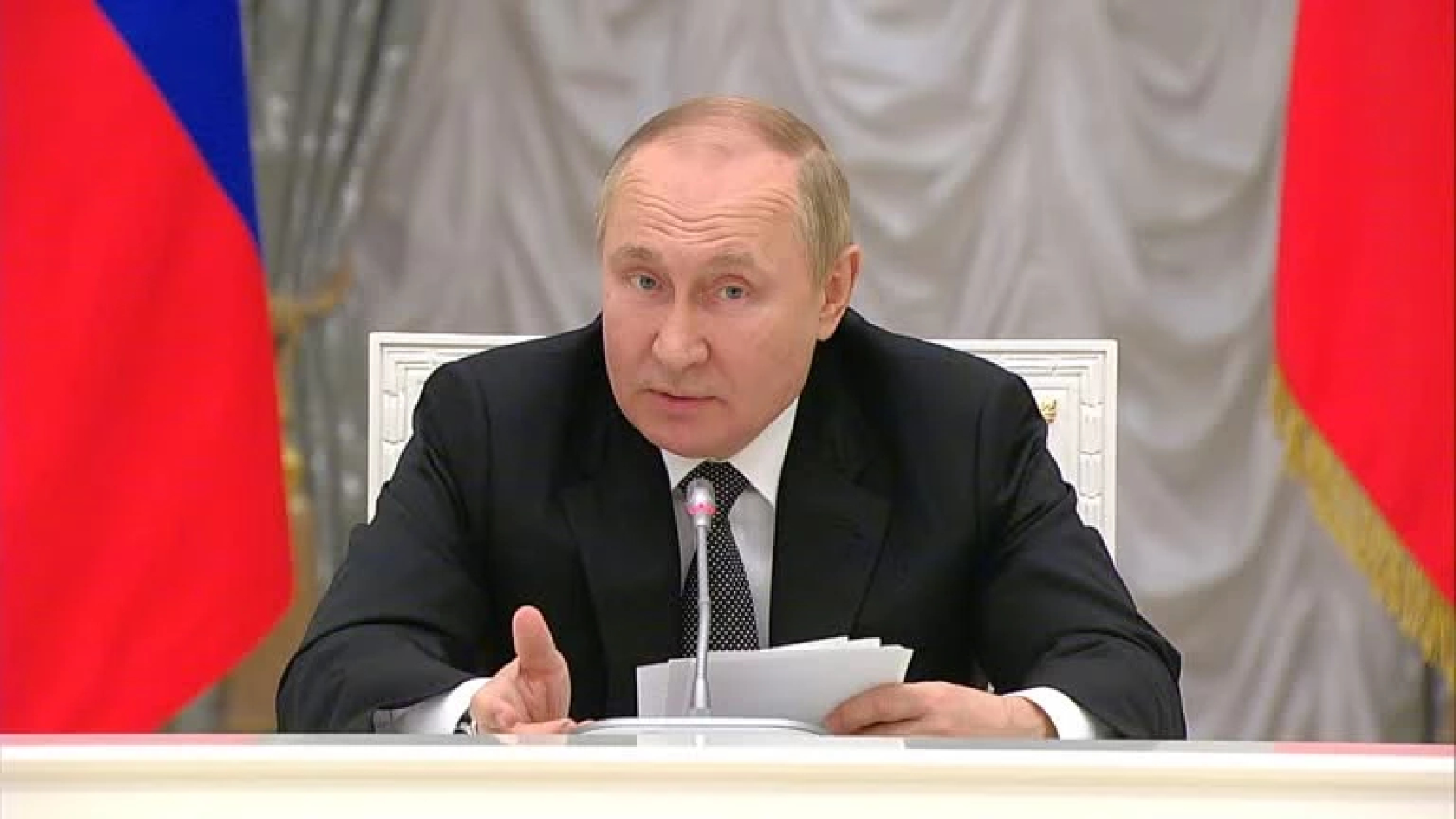
President Vladimir Putin ordered a 10% rise on Wednesday in pensions and the minimum wage to cushion Russians from inflation but denied the country’s economic problems were all linked to the conflict in Ukraine.
With annual inflation near 18% last month, the Kremlin leader acknowledged that 2022 would be a “difficult” year for the Russian economy.
“When I say ‘difficult’, it doesn’t mean all these difficulties are connected to the special military operation,” Putin told a televised meeting of the State Council in Moscow.
“Because in countries that aren’t conducting any operations – say, overseas, in North America, in Europe – inflation is comparable and, if you look at the structure of their economies, even more than ours.”
His comments ignored the fact that rising inflation in Western economies is in part a direct consequence of what Russia calls its special military operation in Ukraine, which has driven up prices for energy and food around the world.
The pension increase comes into effect from June 1, while the minimum wage hike kicks in on July 1. Analysts said the steps would not prevent a sharp fall in real incomes.
Putin — whose approval rating has jumped more than 10 points since the start of the Ukraine campaign to 82%, according to the independent Levada Centre’s April poll — pledged in March to reduce poverty and inequality this year despite crippling Western sanctions and high inflation.
The Russian economy has been rocked by an unprecedented barrage of Western sanctions imposed over his decision to send troops into Ukraine on Feb. 24, with consumer prices soaring and foreign companies quitting Russia en masse as trade becomes near-impossible.
The Research and Expert Review Institute of the bank VEB said the increase in social payments would slow but not prevent a decline in Russians’ real incomes, wages and pensions – after inflation is taken into account.
Even with a 10% increase in the minimum wage and retirement pensions, VEB expects Russians’ real disposable incomes to fall by 7.5% and real wages to drop nearly 6% this year. VEB also expects poverty to rise to 12.6% this year from 11% in 2021.
Russia’s minimum wage currently stands at 13,890 roubles ($250) a month, while the average retirement pension amounts to 18,521 roubles per month.
The increase in wages and pensions may add to the inflation pressures that the central bank tried to cap with an emergency rate hike to 20% in late February, as the rouble’s foreign exchange value plunged. It has cut its rate twice since then as the rouble has recovered.
Finance Minister Anton Siluanov said the measures would cost the federal budget around 600 billion roubles ($10.5 billion) this year and about 1 trillion roubles in 2023.
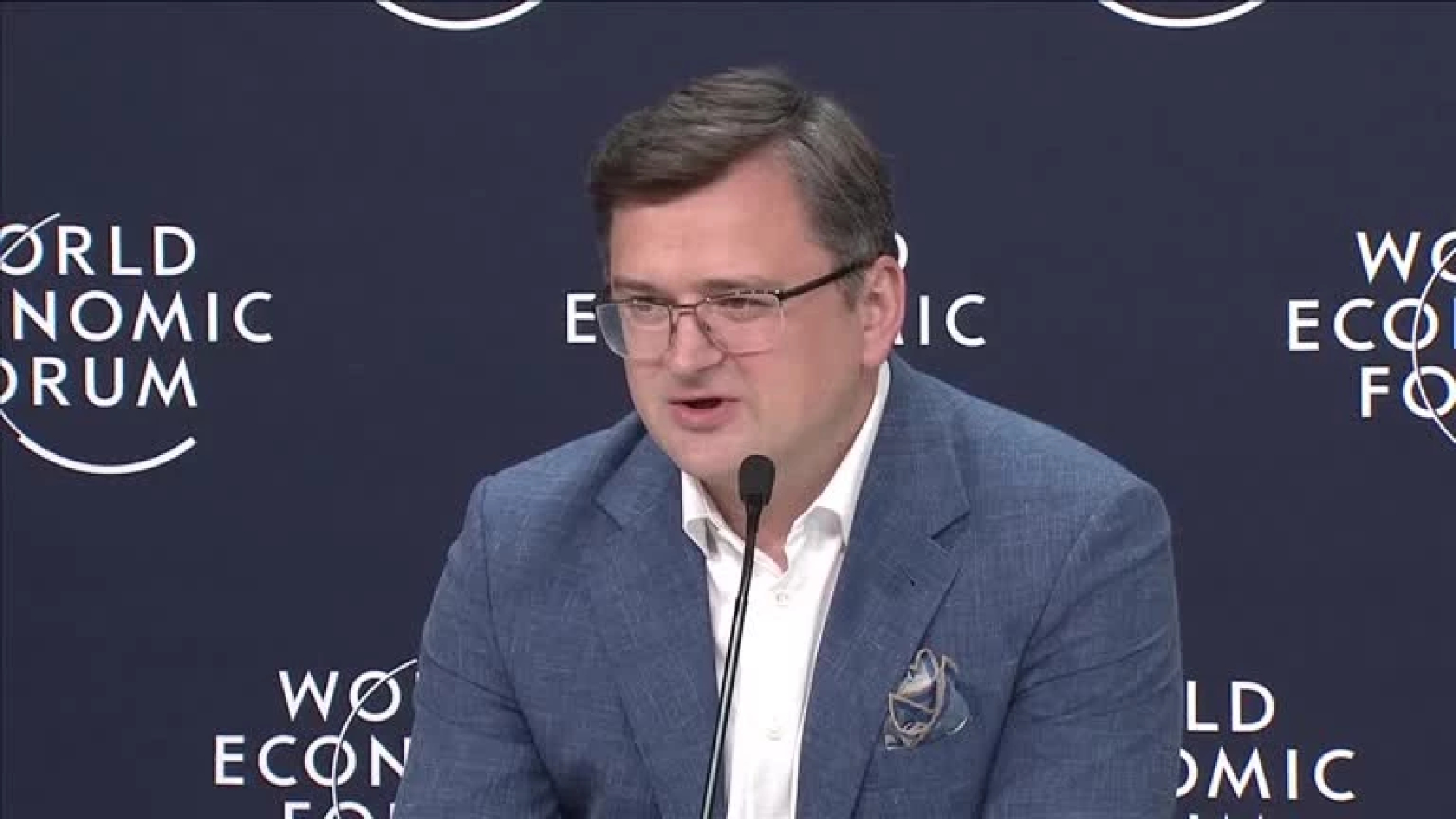
Ukraine’s foreign minister Dmytro Kuleba said on Wednesday his country was upset to see the European Union’s sanctions against Russia ‘hanging in the air’.
Kuleba was referring to the EU’s sixth package of sanctions against Moscow, which includes an oil embargo. The European Commission this month proposed new sanctions but they require the unanimous support of all 27 EU member states and Hungary has blocked them.
Hungary, which is heavily dependent on Russian oil, has said it would need about 750 million euros in short-term investments to upgrade refineries and expand a pipeline bringing oil from Croatia. It also said the longer-term conversion of its economy away from Russian oil could cost as much as 15-18 billion euros.
Kuleba also said the battle for Donbas, where Russia is trying to take full control of the eastern Ukrainian region, looks “like the battles of Second World War.”
Russian forces on Wednesday pounded the easternmost Ukrainian-held city in the Donbas region that is now the focus of the three-month war, threatening to shut off the last main escape route for civilians trapped in the path of their advance.
The Ukrainian foreign minister also stressed his country “badly needs” multiple launch rocket systems.
There will always be a risk of war in Europe as long as the issue of security guarantees in Ukraine is not addressed, he added.