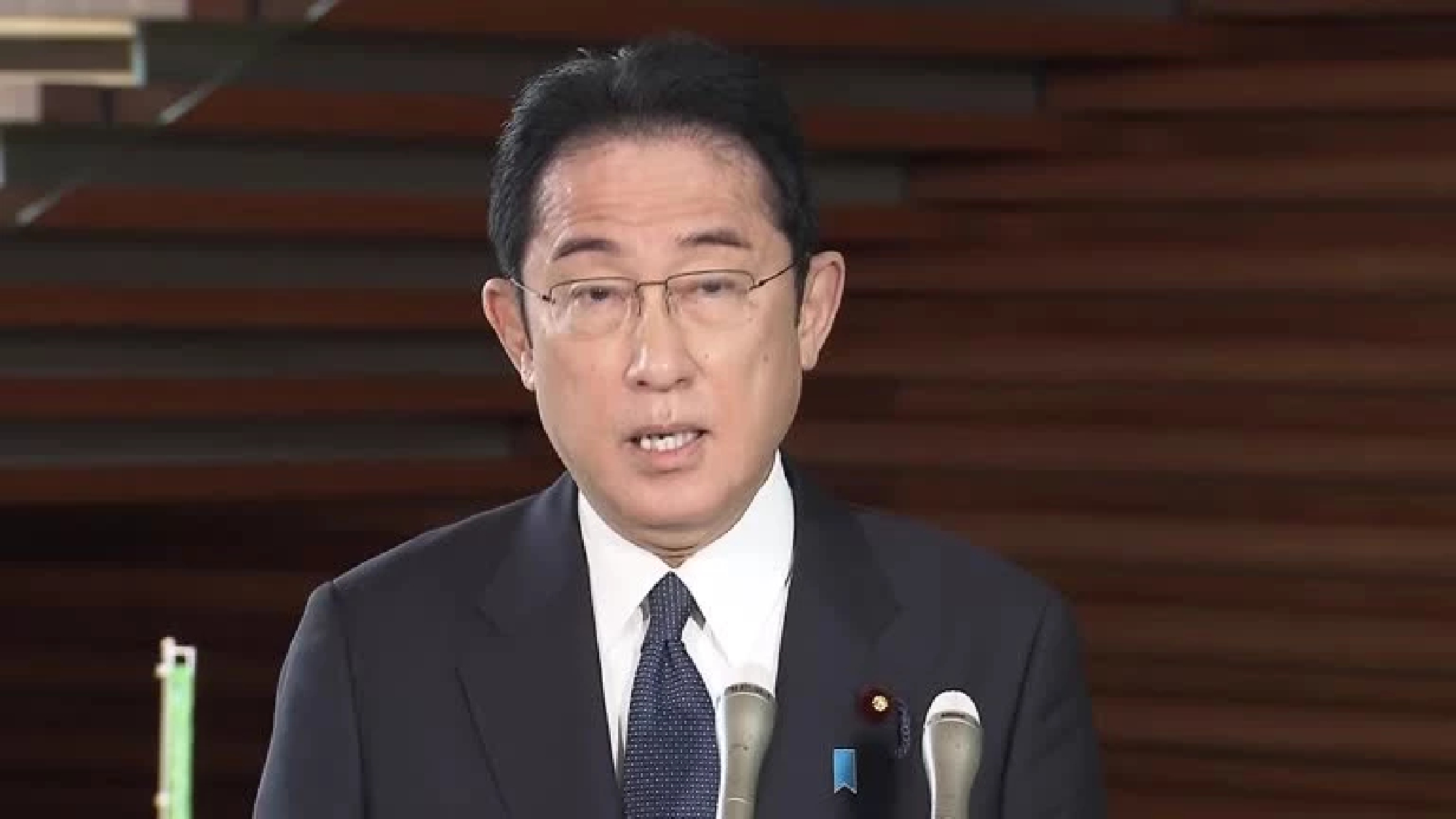
Japan will take time to phase out Russian oil imports after agreeing on a ban with other Group of Seven (G7) nations to counter Moscow’s invasion of Ukraine, Prime Minister Fumio Kishida said on Monday (May 9).
The G7 nations committed to the move “in a timely and orderly fashion” at an online meeting on Sunday (May 8) to put further pressure on President Vladimir Putin, although members such as resource-poor Japan depend heavily on Russian fuel.
“Although it is a very tough decision for Japan, which is heavily dependent on energy imports, the unity of the G7 is most important at a time like this now,” Kishida told reporters, repeating comments he made at the G7 meeting. “We will consider the timing of the reduction or suspension of oil imports while gauging the actual situation,” he said.
The Ukraine crisis has highlighted Japan’s energy dependence on Russia even as Tokyo has acted swiftly and in tandem with the G7 in instituting sanctions. The latest ban underlines a turn in Japan’s policy. Japan has said it would be difficult to immediately cut off Russian oil imports, which accounted for about 33 million barrels of Japan’s overall oil imports, or 4%, for 2021.
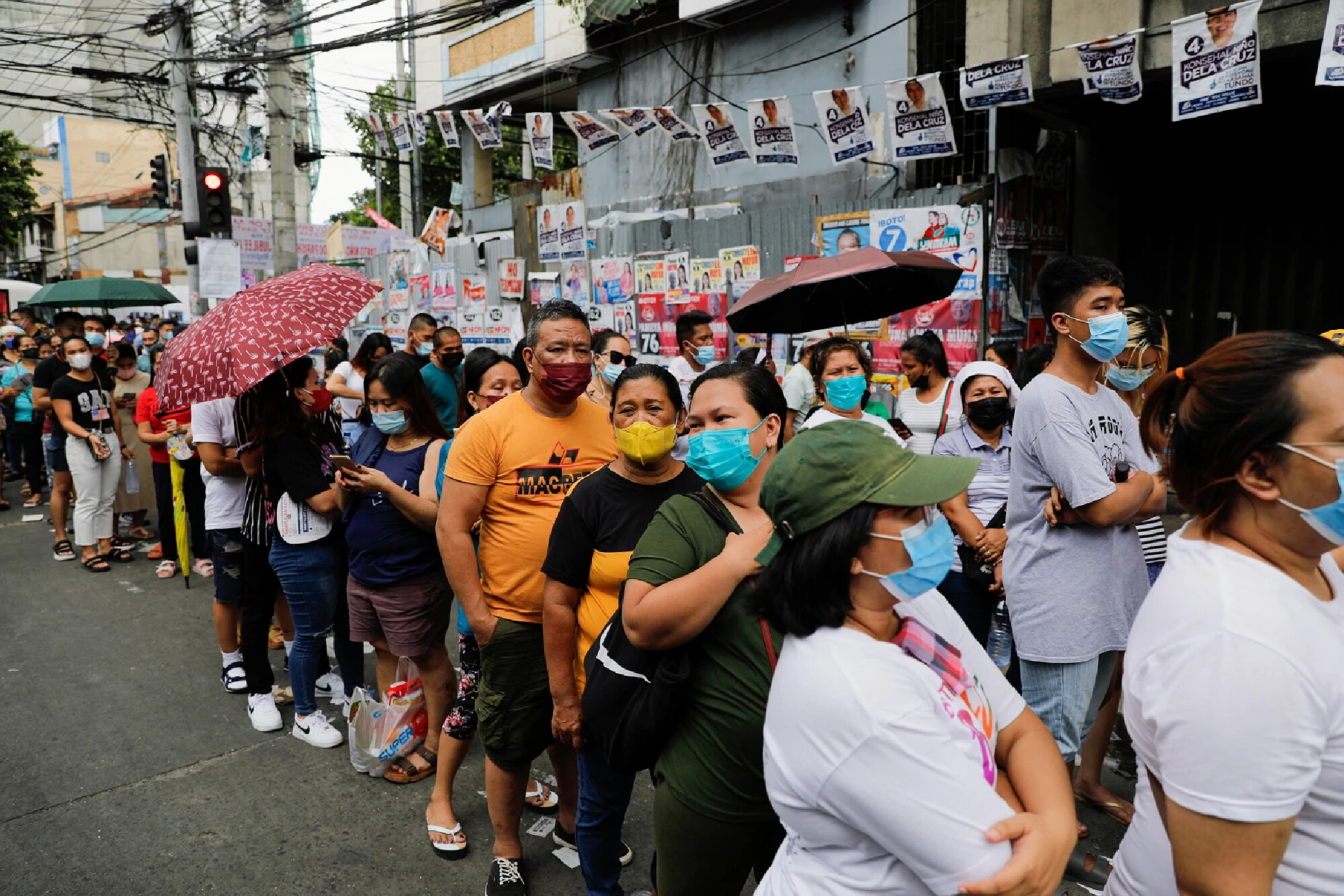
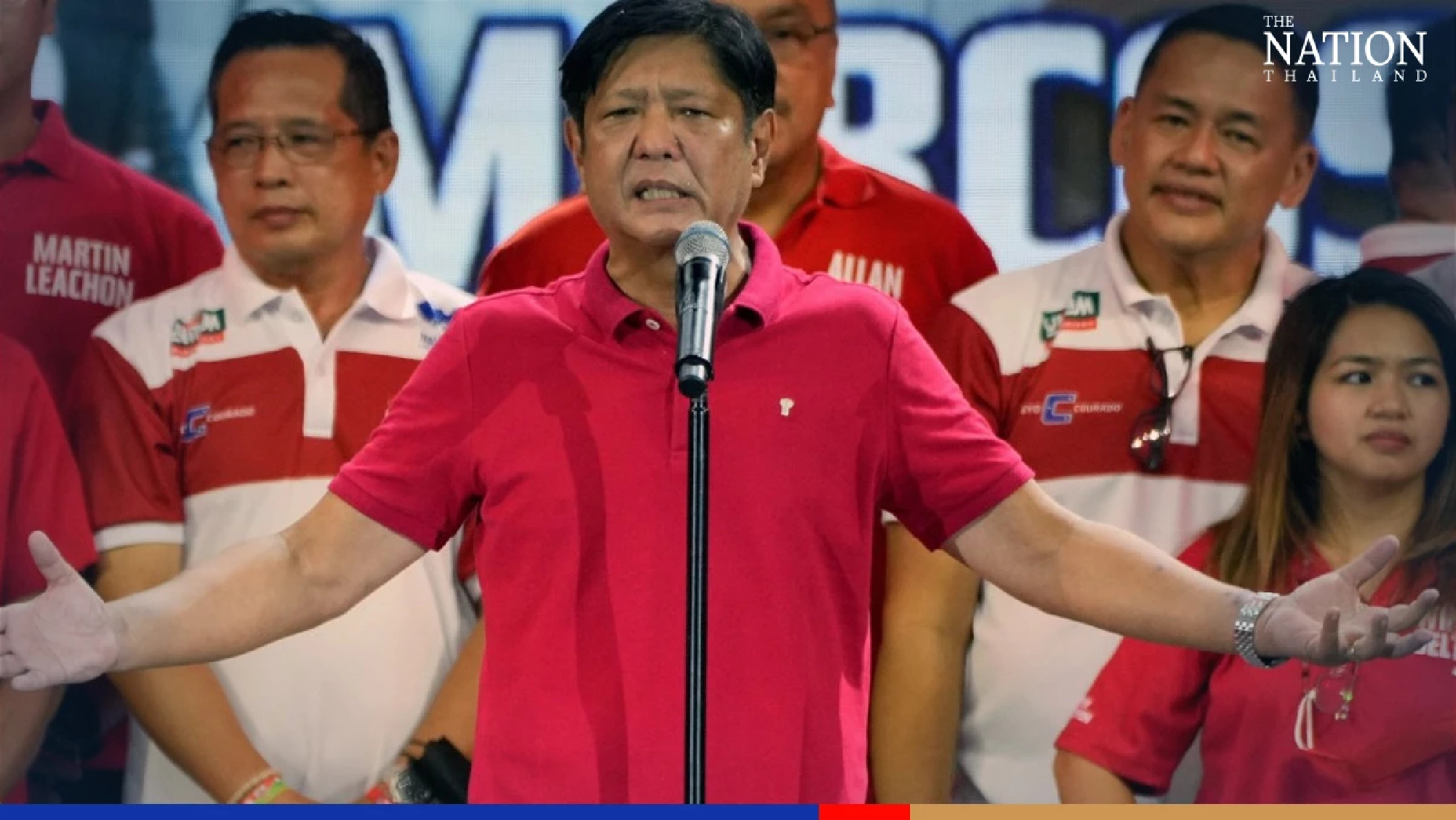
Philippine residents headed to cast their ballots on Monday (May 9), after polls opened in the country’s most divisive presidential election in decades, with the prospect of a once-unthinkable return to the rule of the Marcos family, 36 years after they were toppled in a “people power” uprising.
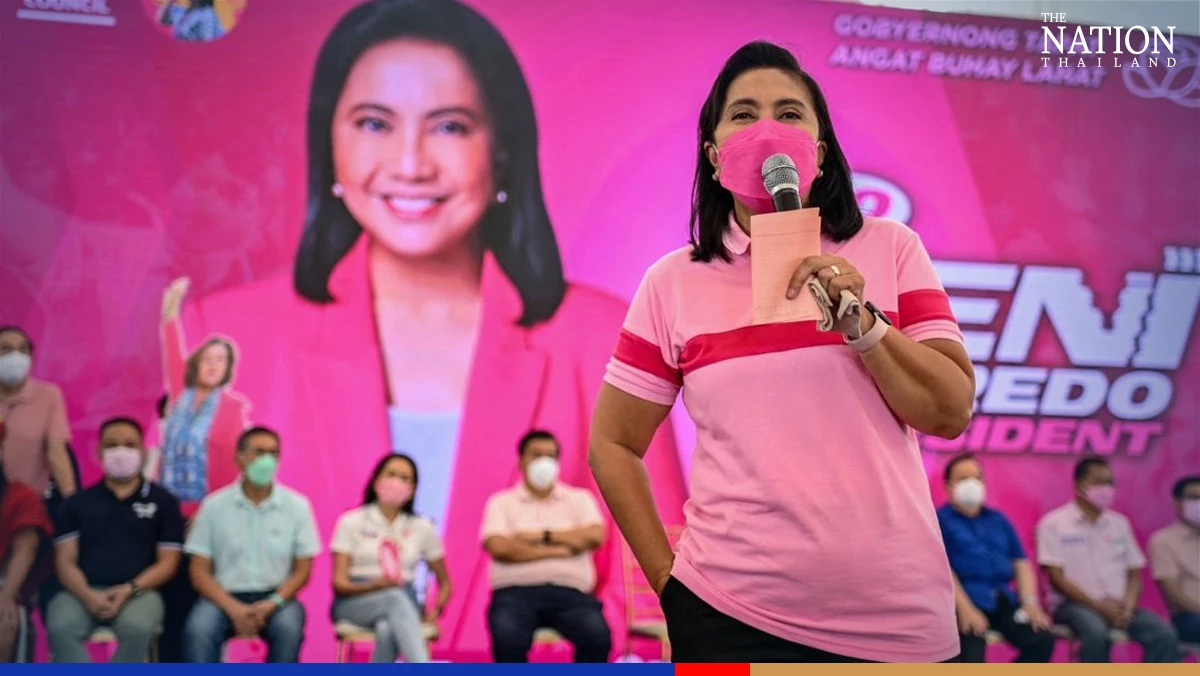
The election pits Vice President Leni Robredo against the former senator and congressman Ferdinand Marcos Jr, the son and namesake of a dictator whose two-decade rule ended in a public revolt and his family’s humiliating retreat into exile.
Opinion polls put Marcos, popularly known as “Bongbong,” leading his rival by over 30 percentage points, having topped every poll this year. That means Robredo will need a late surge or low turnout if she is to win the presidency.
Meanwhile Marcos Junior voted in his hometown in Ilocos Norte province on Monday.
Marcos, 64, has presented no real policy platform but his presidency is expected to provide continuity with outgoing leader Rodrigo Duterte, whose ruthless, strongman approach proved popular and helped him to consolidate power rapidly.
About 65 million Filipinos are eligible to cast ballots on Monday to decide on the successor to President Rodrigo Duterte after six years in power.
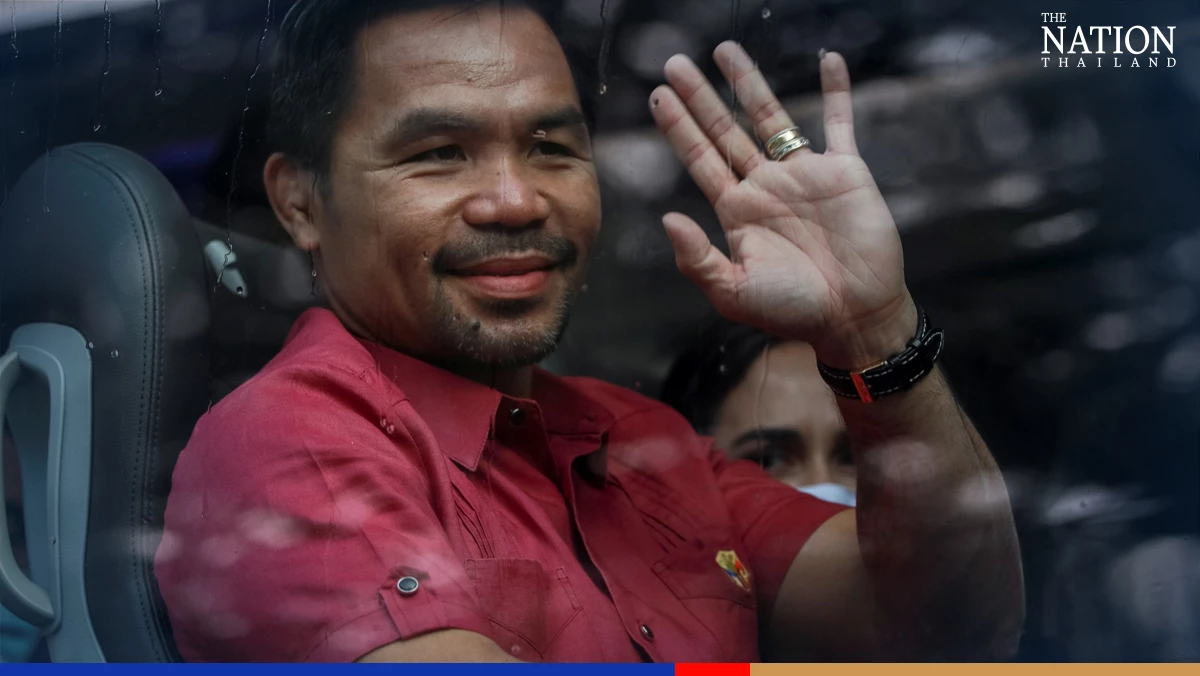
10 candidates are running for the presidential election, including the country’s iconic boxer Manny Pacquiao.
In the country’s capital Manila, people explained the reasons for their ballots.
Thelma Manansala, 58, who said she has not missed an election since she was able to vote at 18, hoped people will vote on their conscience.
“We Filipinos are facing a lot of hardships and we need a change of leadership, so I hope people will use their minds, their hearts and their intelligence to vote for what is right,” said Manansala.
“It’s Bongbong Marcos. And simply, he has a lot of ideas about how to improve the economy and way of living in the Philippines,” said JR Pe, a Manila resident.
“Well for Leni, I am expecting the same from her for this 2022 elections. I know that the next six years, she will do and she will deliver as she did as vice president,” said Joe Abnasan, another Manila resident.
They hoped the new president will revive the economy and improve their livelihood.
“Because of the pandemic, a lot of things have changed. A lot of people lose their jobs. And I think he will be the one to do the bounce back, to bring more jobs, bring more opportunities here in the Philippines,” said Pe.
“I expect her to be as accountable and aspiring as she was as vice president. That’s part of her advocacy, more livelihood for everyone. So that includes the young people as well,” said Abnasan.
Millions of Filipinos will head to polling stations on May 9 to elect a new president, a new vice president, 12 of the 24-seat Senate, and members of the House of Representatives. Poll body data showed that over 18,000 national and local positions are up for grabs.
The upcoming elections will be the first to be held in the Southeast Asian country amid the global pandemic. Since the outbreak in 2020, the COVID-19 disease has infected over 3.68 million people and claimed the lives of over 60,000 in the Philippines.
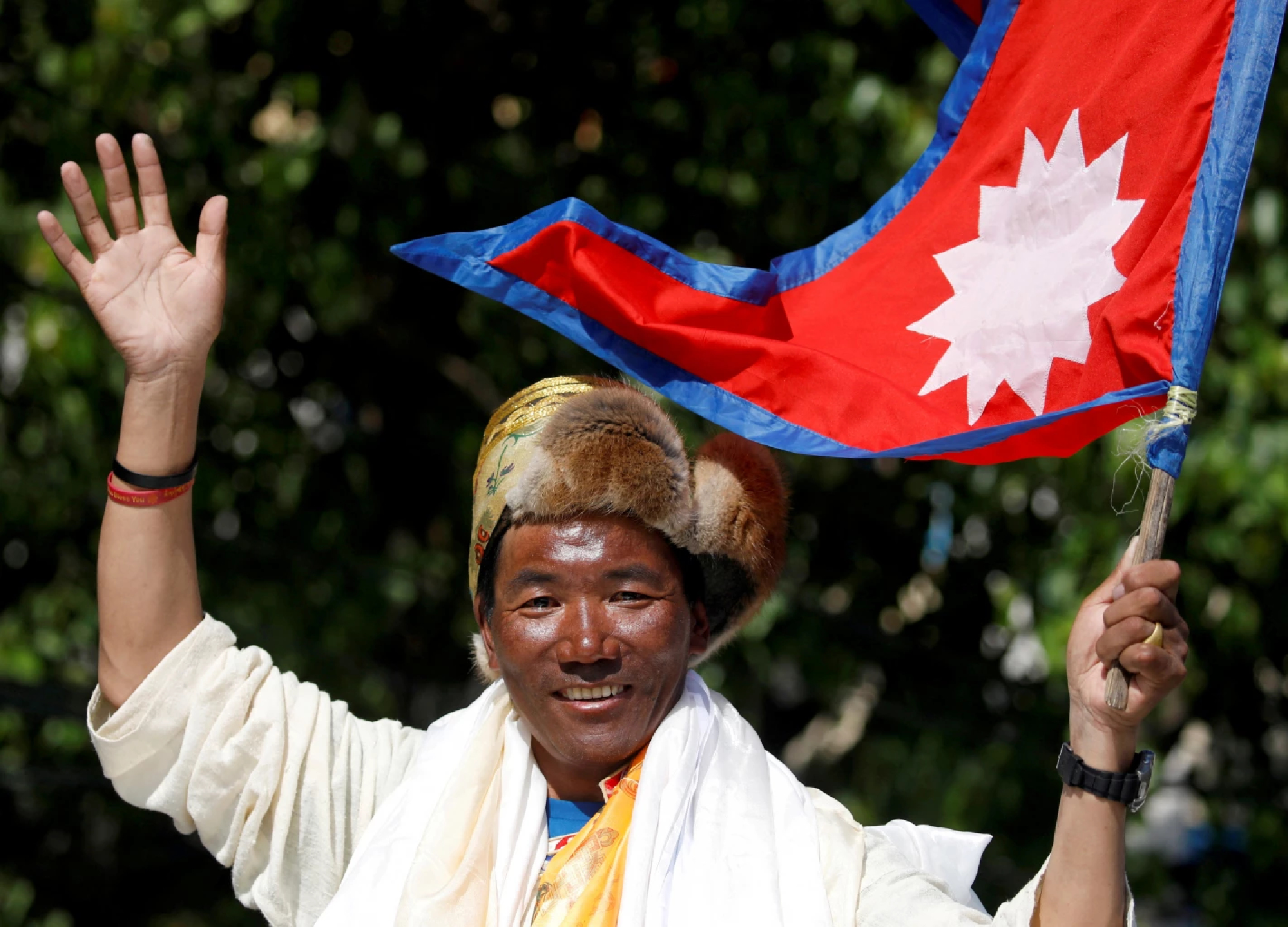
A Nepali sherpa scaled Mount Everest for a record 26th time, beating his previous record set last year, a government official said on Sunday (May 8).
Kami Rita Sherpa, 52, scaled the 8,848.86-meter (29,031.69-foot) mountain on Saturday along the traditional southeast ridge route leading 10 other Sherpa climbers. The climbing route used by Kami Rita was pioneered by New Zealander Sir Edmund Hillary and Nepal’s sherpa Tenzing Norgay in 1953 and remains the most popular.
This year Nepal has issued 316 permits to climb Everest in the peak season, which runs through May, compared with 408 last year, the highest ever. The Himalayan nation, which is heavily reliant on climbers for foreign exchange, faced criticism for allowing overcrowding and several climber deaths in the mountains in 2019.
Everest has been climbed 10,657 times since it was first scaled in 1953 from Nepali and Tibetan sides – many have climbed multiple times, and 311 people have died so far, according to the Himalayan Database.
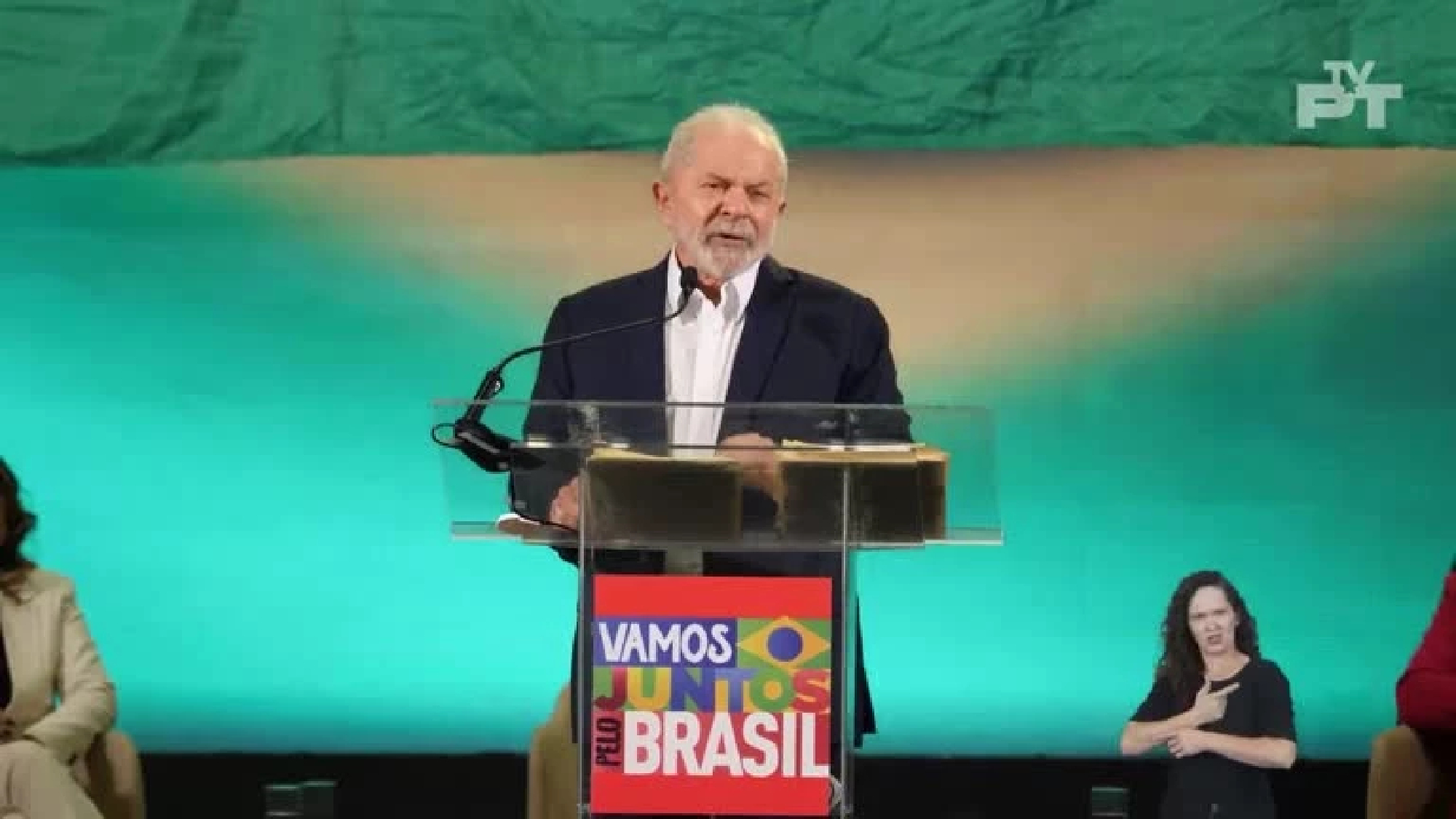
In an auditorium packed with thousands of supporters, Brazil’s leftist former president Luiz Inacio Lula da Silva launched on Saturday (May 7) his presidential candidacy for this October’s election, calling for unity around democracy.
Lula focused his speech on the recovery of Brazil’s sovereignty, the country’s economy hit hard by the coronavirus pandemic and defending the Brazilian Amazon.
“We need to put Brazil back among the best economies in the world. We need to reverse the slowing process of the deindustrialisation of the country and create an environment of political, economic, and institutional stability that encourages business people to invest in Brazil again,” Lula said at the event.
Lula also criticised the performance of current President Jair Bolsonaro’s administration.
“We will never do what our adversary, who tries to mask his incompetence by fighting all the time with everyone and lying seven times a day.”
Saturday’s event brought together representatives of seven parties, social movements, trade union centres, artists, and intellectuals. Lula has spent months forging alliances with a half dozen other parties.
Both Lula and Bolsonaro have been in campaign mode for months but are limited in their official campaign activities by Brazilian election law.
Bolsonaro faces a tough challenge to win re-election against his political nemesis Lula.
Many Brazilians are angry at Bolsonaro’s handling of the coronavirus pandemic, rising inflation, and high fuel prices.
Lula, whose Workers Party (PT) governed Brazil from 2003 to 2016, maintains a 13-15 point poll lead over Bolsonaro.
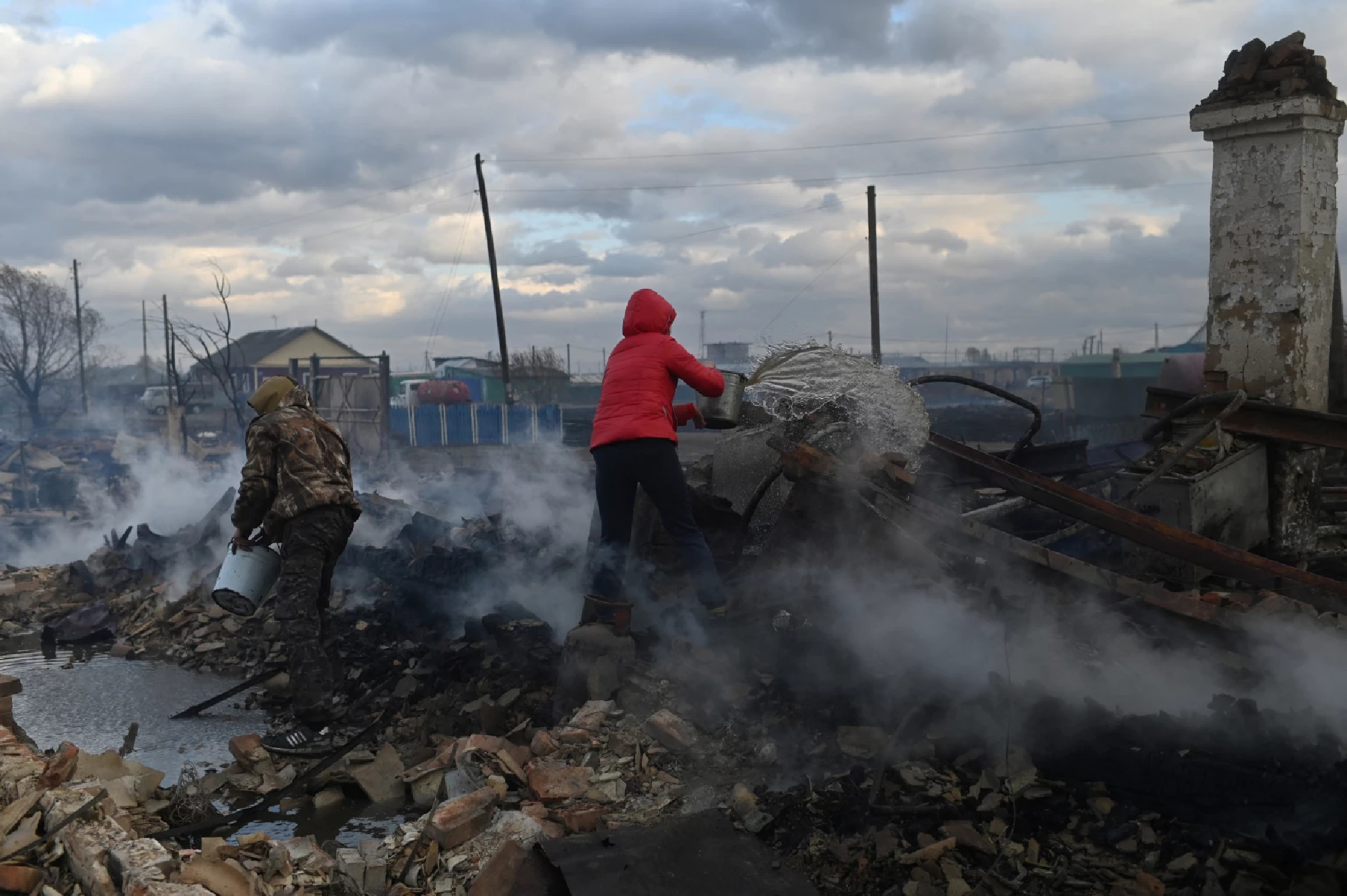
At least eight people died in Siberia on Saturday (May 7) as fires ripped through hundreds of buildings in several villages, with high winds hampering efforts to extinguish the blazes.
In the Krasnoyarsk region, about 3,000 km (1,900 miles) east of Moscow, fires killed five people in 16 settlements across the Kazachinskoe and Sharypovsky districts, the local branch of Russia’s Investigative Committee said in a statement, leading it to launch criminal proceedings for causing death by negligence.
The local health ministry said 17 people had been hurt, with 11 of them taken to hospital, the TASS news agency reported.
The Federal Forestry Agency said short circuits in power lines had caused 350 houses to catch fire, and that strong winds had exacerbated the situation, TASS said.
Krasnoyarsk region’s forestry minister Alexei Panov declared a state of emergency in the region because of what he called “technogenic fires.”
The Federal Forestry Agency said short circuits in power lines had caused 350 houses to catch fire, and that strong winds had exacerbated the situation, the agency said in its statement.
“We have a really difficult situation at the Krasnoyarsk region territory. Most of all, because of meteorological events. Here is a hurricane-like wind. Wind speed reaches 20 meters per second,” said Dmitry Selin, deputy head of Russia’s Aerial Forest Protection Service.
The service later published footage of fires in wooded areas, all of which it said were quickly contained.
The Investigative Committee also reported fires in the neighbouring Khakassia region.
Slightly further west, investigators in the Kemerovo region also launched criminal proceedings and said the burnt bodies of three people had been found in a residential building in the Tyazhinsky locality, where over 50 houses had caught fire.
Both sets of investigators said work was continuing to determine the cause of the fires.
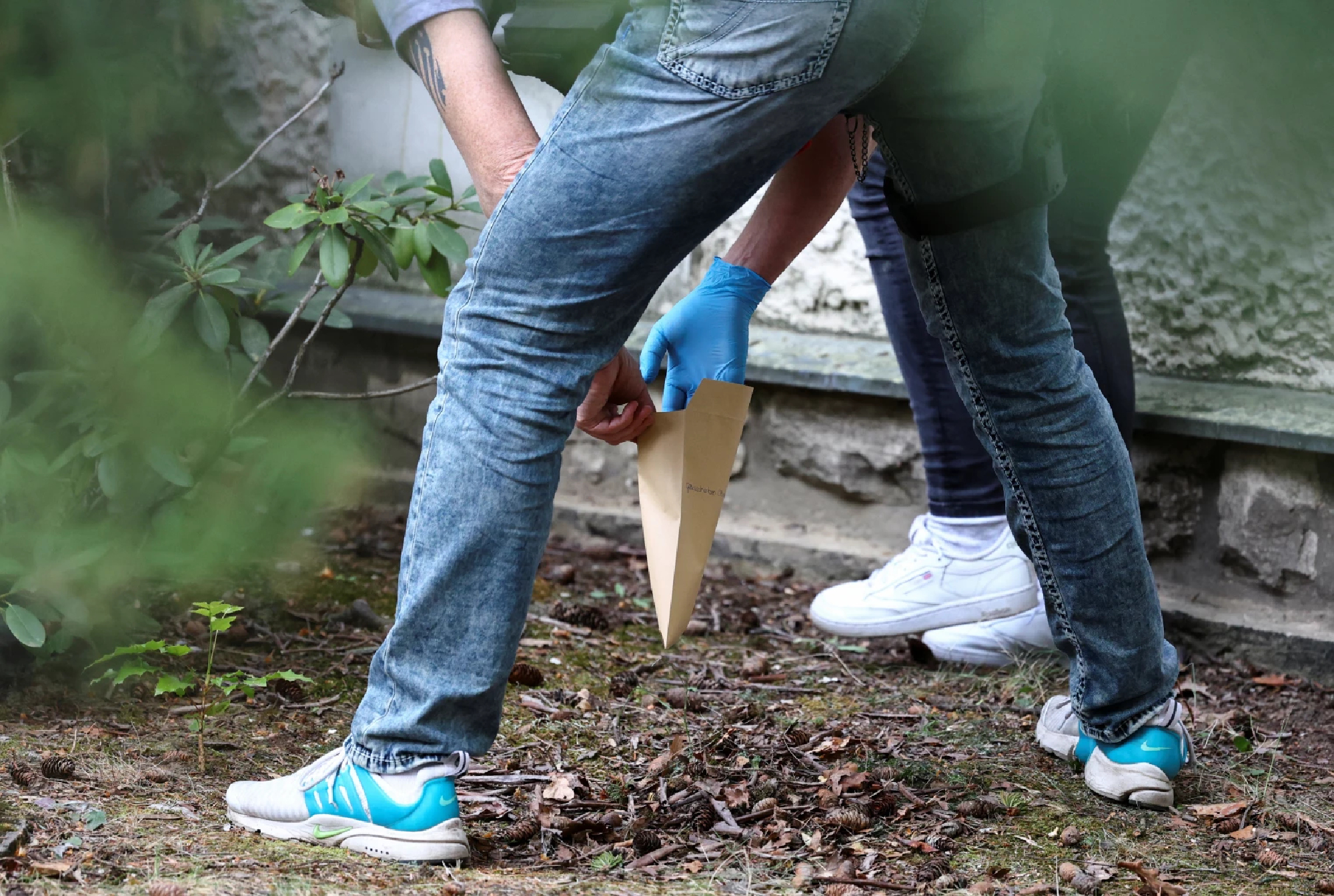
Berlin criminal investigators and prosecutors were on Saturday (May 7) investigating after a device was found and destroyed at a residential building housing Russian news agency staff in the city’s Steglitz district, police said.
The device was found on Friday and investigators are looking into whether it was dangerous and whom it was aimed at, a Berlin police spokesman said in response to an enquiry.
Office chief of the Russian media group, Rossiya Segodnya, Sergey Feoktistov, who lives at the property with his wife said they found the device after cleaning up debris from a bottle thrown through the window.
“There was an attack on our building. There have been dozens of cases which we have reported to the police. And the most recent one, you can see, there is a hole in the window that was made by a thrown bottle. So we called the police and they were here very quickly and looked at everything and said everything was fine and drove away. So we then wanted to clean up and get rid of the bits of the bottle and generally clear up the mess from the property. And then my wife found something at the cellar window – if you call it that in German – she found a device which looked a bit strange. It was a canister with tape around it and various cables,” Feoktistov said outside the house.
“And then the bomb disposal people tried for a couple of hours to look into it and then there was a short sharp explosion,” Feoktistov added.
A police press release confirmed that a beer bottle had been thrown at the building and said a suspicious object had been found during an inspection of the building.
Police confirmed that the object had been destroyed at the scene.
Feoktistov said that there may have been inflammably involved, there was no police confirmation as of Saturday evening as to what the device was.
Feoktistov said this was not the first incidence in the area and that police were helping with measures to protect staff.
“Of course, we don’t feel particularly safe but we are trying to take measures to make the staff, the journalists and family members of our journalists safer. That’s all I can say. And the police are also doing everything possible to have such a thing happen in such a quiet district of Berlin!” he said.
Video footage broadcast by RIA on Friday evening showed a cordoned-off street and a person in a protective suit, which the agency said was one of the sappers working to defuse the bomb.
Philippines presidential candidates geared up for final rallies on Saturday (May 7) to galvanise support and win over undecided voters, two days from an election plagued by misinformation campaigns and the rekindling of a bitter rivalry dating back decades.
The election on Monday (May 9) puts Vice President Leni Robredo against frontrunner Ferdinand Marcos Jr, the son of the notorious late dictator who ruled the Philippines for 20 years.
The two embody a political chasm that has existed for more than four decades, with Robredo’s roots in the movement that led a 1986 “people power” uprising that toppled the elder Marcos, and Marcos Jr on the cusp of an almost unthinkable return for the once disgraced first family.
Crowds of hundreds of thousands massed in the Philippines on Saturday where the leading presidential candidates made a last-ditch bid to sway undecided voters with patriotic, upbeat messages after a divisive election race.
If opinion surveys are accurate, Robredo, 57, will need a late surge, or low turnout to win the presidency, with Marcos, a former congressman and senator, leading her by over 30 percentage points, having topped every poll this year.
Up to 65 million Filipinos are eligible to cast ballots on Monday to decide on the successor to President Rodrigo Duterte after six years in power, plus thousands of other posts, from lawmakers and governors to city mayors and councillors.
Monday will be a rematch of the 2016 vice-presidential election which Marcos had also looked set to win, before losing by just 200,000 votes to Robredo. He fought hard to overturn the result, which the Supreme Court upheld. Voting for the President and Vice President is held separately in the Philippines.
The upcoming Philippines presidential election looks set to restore to power the family of an infamous dictator, allowing it to whitewash its past misrule and rewrite history.
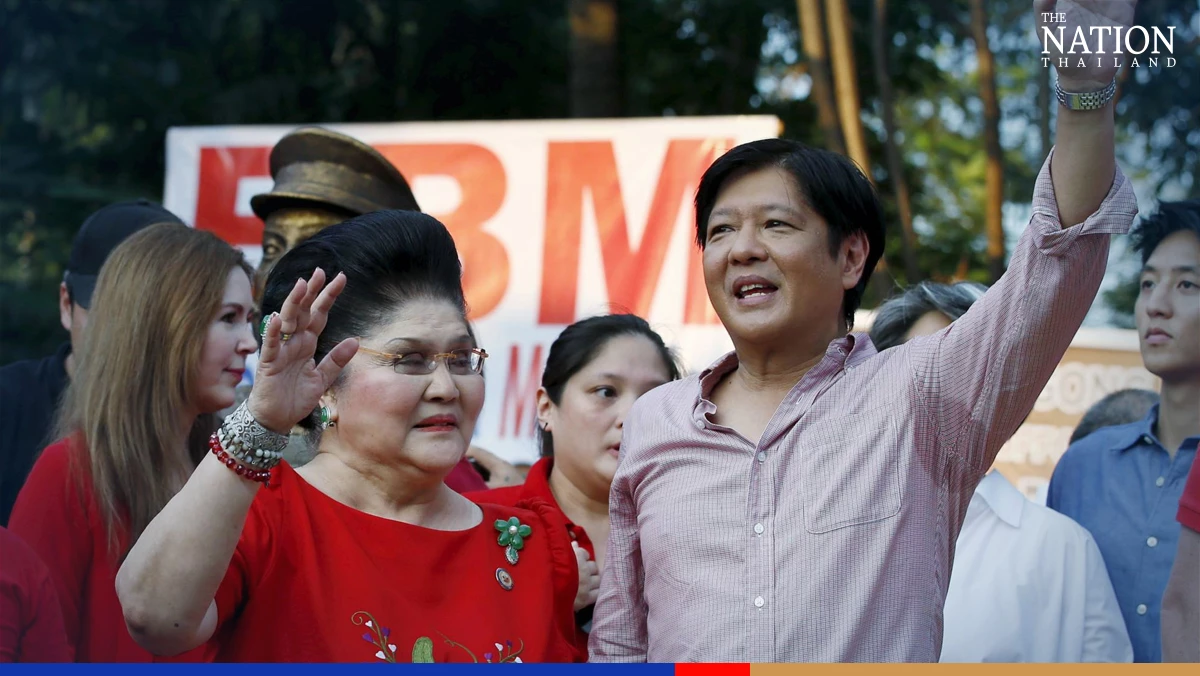
This Southeast Asian country of 109 million people appears unable to escape the influence of the Marcos family as it prepares to vote on Monday. Polls show that 64-year-old Ferdinand “Bongbong” Marcos Jr is likely to win the election by a landslide, succeeding Rodrigo Duterte who has been at the helm for six years.
Although Duterte is still very popular, the Philippines constitution limits the term of each president to six years.
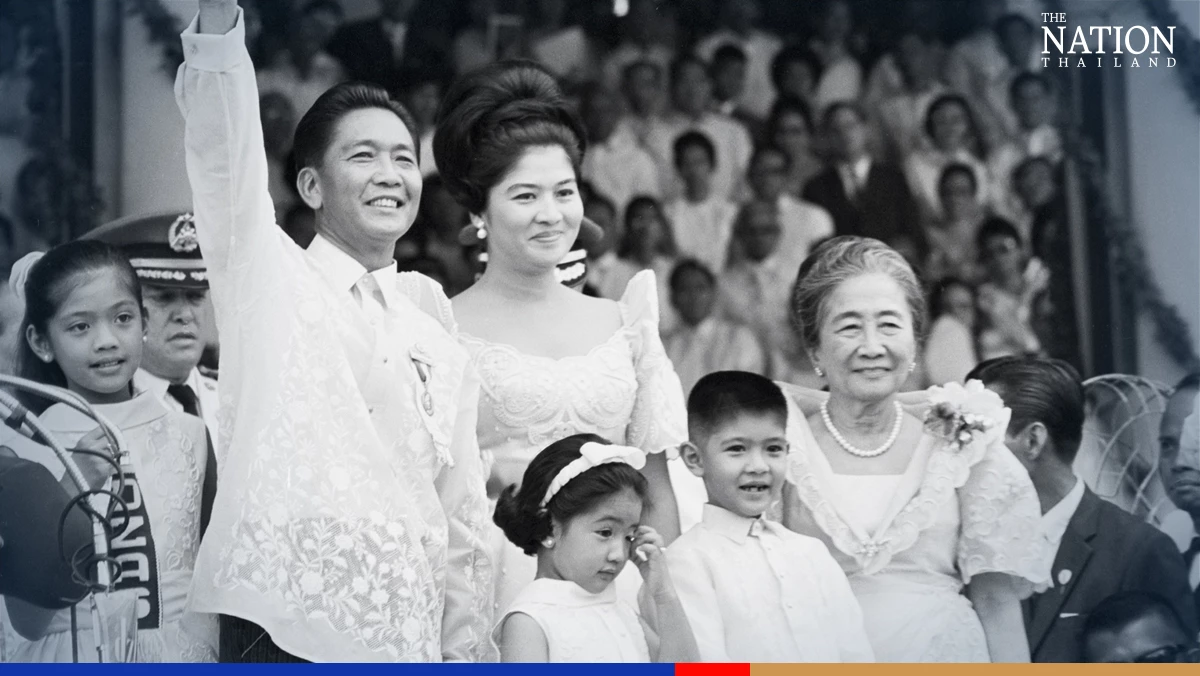
If Marcos wins, he will return to Malacañang Palace, from where his father – Ferdinand Marcos Sr – ruled for almost 21 years between 1965 and 1986. One of the late 20th century’s most controversial rulers, Marcos was infamous for the corruption, extravagance and brutality that marked his time in office.
For Marcos Jr, the brutal history of his father’s rule and the grandiose lifestyle of his mother Imelda may come back to haunt him as president. While many Filipinos believe Marcos Snr brought order and security to the country, others remember his rule for rampant corruption and human rights violations including extrajudicial torture and killings of his opponents.
Marcos Sr died in 1989 in Hawaii after fleeing into exile.
Many analysts say Marcos Jr’s presidential campaign marks the family’s attempt to take back power. However, many victims who were tortured and incarcerated under Marcos Sr’s martial law are horrified that the son of the ousted dictator may return to the Malacañang Palace.
The presidential palace located in the centre of Manila housed the Marcos family before they were toppled by the People Power Revolution in February 1986. The family fled to Hawaii after loading more than 300 crates of valuables on an Air Force flight. Ferdinand and Imelda are thought to have escaped with billions of dollars of valuables they had accumulated over their two decades in power. The couple currently holds the Guinness World Record for the largest-ever theft from a government.
Though Marcos Jr is not identical to his father, he is seen as the natural successor to Marcos Sr. He is the son who benefited from his family’s affluence and power at a time when Filipinos were deprived of their basic human rights. When Marcos Sr died in 1989, Imelda and their children were allowed back into the country, where they faced trials on charges of corruption and tax evasion. Imelda has faced seven bribery charges since 2018 but never seen the inside of a jail cell thanks to appeals and bail.
About 65.7 million people are eligible to vote in the presidential election. Of them, 56 per cent are aged between 18 and 41 and have no first-hand experience of Marcos Sr’s authoritarian rule.
Analysts believe this fact will boost Marcos Jr’s bid to whitewash his family’s legacy and rewrite national history.
If Marcos Jr wins the election, he will become the first Philippine president unable to enter the United States, where he and his mother face a fine of US$353.6-million for failing to offer restitution to victims of Marcos rule. The two are also banned from removing any assets from Ferdinand’s estate in Hawaii.
This case may deepen the rift between the Philippines and the US, its onetime close ally. Duterte has never once visited the United States during his six years as president, instead leaning towards China.
The Philippines holds an election on Monday to decide thousands of positions across the archipelago, including who will take over from Rodrigo Duterte and become its president for the next six years.
Below is a rundown of what to expect.
WHAT’S BEING DECIDED?
The election will choose a president, vice president, 12 senators, 300 lower house legislators, and about 18,000 officials across 7,600 islands, including mayors, governors and their deputies.
About 67.5 million of the Southeast Asian nation’s 110 million population are eligible voters and most ballots will be cast on election day, with polls open from 6 a.m. to 7 p.m. (2200-1100 GMT).
Each voter must select one candidate for each post, from president, vice president and senate, all the way down to their local district councillors. Winners serve three-year terms, except for the president, vice president and senators, who serve six years.
WHO ARE THE PRESIDENTIAL CONTENDERS?
Ferdinand Marcos Jr, 64, the son and namesake of the dictator overthrown in a 1986 “People Power” uprising, has been the clear leader in all opinion polls this year.
A former governor, congressman and senator, Marcos is a political heavyweight from a family with deep pockets and powerful connections. Critics say him winning the presidency is the Marcos family’s endgame in whitewashing its past and changing narratives of authoritarianism, plunder and opulent living.
Marcos’s campaign message is unity and during recent interviews has been unabashed in praising his late father for his “genius” and leadership.
His closest rival is Leni Robredo, 57, who beat Marcos in the 2016 vice presidential election. Robredo is a former human rights lawyer and staunch liberal who as vice president has led campaigns against poverty and gender inequality. She entered politics in 2013 after the death in a plane crash of her husband, a former interior minister.
Other candidates include Manila mayor Francisco “Isko Moreno” Domagoso, retired boxing champion Manny Pacquiao and Panfilo Lacson, a former police chief, although they have consistently trailed in polls.
ARE PHILIPPINE ELECTIONS CREDIBLE?
Although vote-buying, political violence and occasional glitches with electronic voting machines have been problems in the Philippines, fraud on the level that would cast doubt on the credibility of polls or their outcome is very unlikely.
Independent poll monitor the Asian Network for Free Elections concluded that each of the most recent Philippines elections were generally free and fair, with turnout remaining high at about 80%.
HOW IMPORTANT IS THE OVERSEAS BALLOT?
Millions of Filipinos have either settled or taken jobs overseas. They collectively remit tens of billions of dollars each year, helping sustain families and drive the Philippine economy.
As breadwinners, the 1.7 million registered overseas voters – and many more Filipinos holding other nationalities – can be key in influencing the voting choices of their families back home or their communities abroad.
WHEN WILL WINNERS BE KNOWN?
Vote-counting starts after polls close and there can be a strong indication of who will be the new president within a few hours via a live, unofficial vote count.
The election commission is aiming to announce most of the winners by the end of May and those will soon after be confirmed by a proclamation of the current legislature.
The president-elect has seven weeks before being sworn in, during which time their transition team will work out policy plans and sound out potential cabinet members.
DOES THE VICE PRESIDENCY MATTER?
The vice president has no real power unless the president vacates office, but as election running mates, they can be crucial allies in rallying supporters behind presidential candidates.
Marcos has teamed up with current President Duterte’s daughter, Sara Duterte-Carpio. Her support in the south – historically a weak spot for the Marcos family – could be a game-changer. While her father has not endorsed Marcos, or any other candidate, he is almost certain to absorb some of the outgoing president’s support.
The vice president is elected in a separate contest and may not be an ally of whoever becomes president.
WHAT ABOUT PARTIES?
In the Philippines, political parties tend to be secondary to personalities, with loyalties shifting easily.
Family names and endorsements from celebrities, social media influencers and politicians carry enormous weight – far more than party affiliation.
Widespread defections are anticipated and lawmakers will often ally themselves with whoever becomes president, although rivalries and ideological differences will ensure a political opposition exists.
Authorities in Fiji have seized a $300 million yacht of Russian oligarch Suleiman Kerimov at the request of the United States, the U.S. Justice Department said on Thursday (May 5), as Washington and its allies press Russia over its invasion of Ukraine.
AFiji court had ruled on Tuesday that the United States can seize a Russian-owned superyacht, weeks after it arrived and was impounded by police.
Authorities in various countries have seized luxury vessels and villas owned by Russian billionaires in response to sanctions imposed on Russia over its invasion of Ukraine, which Russia calls a special military operation.
Kerimov was sanctioned by the United States in 2014 and 2018 in response to Russia’s actions in Syria and Ukraine. He has also been sanctioned by the European Union.
The U.S. Justice Department’s Taskforce KleptoCapture has focused on seizing yachts and other luxury assets to put the finances of Russian oligarchs under strain in a bid to pressure Russian President Vladimir Putin over the war in Ukraine.
The luxury vessel, the Amadea, arrived in Fiji last month after an 18-day voyage across the Pacific from Mexico.
The U.S. Treasury Department’s office of foreign assets control designated Kerimov as part of a group of Russian oligarchs who profit from the Russian government through corruption and its activities around the globe, including the occupation of Crimea.