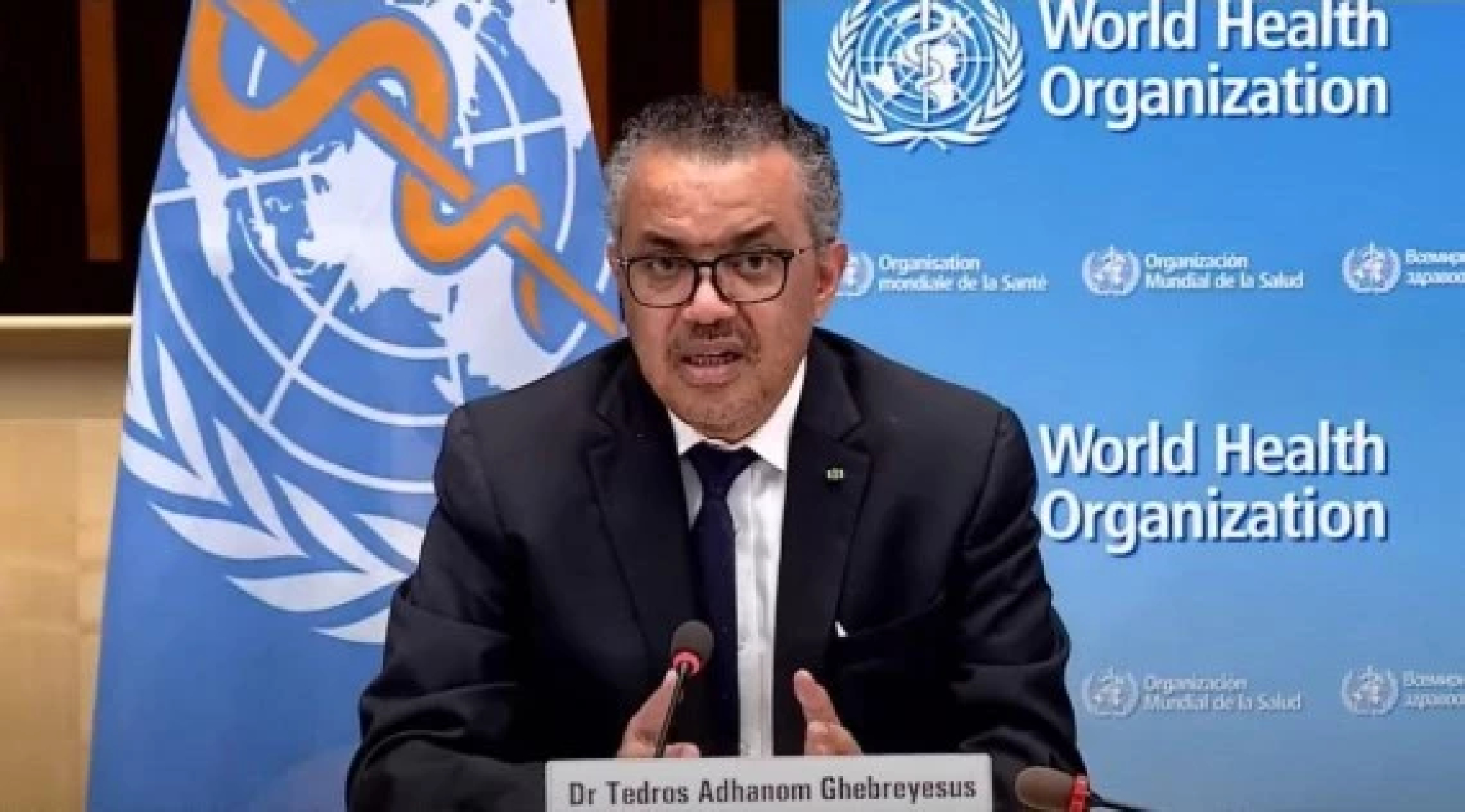
India objects to WHO report of 4.7 million COVID excess deaths

#SootinClaimon.Com : ขอบคุณแหล่งข้อมูล : หนังสือพิมพ์ The Nation.

https://www.nationthailand.com/international/40015299


India on Thursday (May 5) objected to a new World Health Organization (WHO) report of people having died as a result of COVID-19, which showed the country’s toll was nearly 10 times the reported figure.
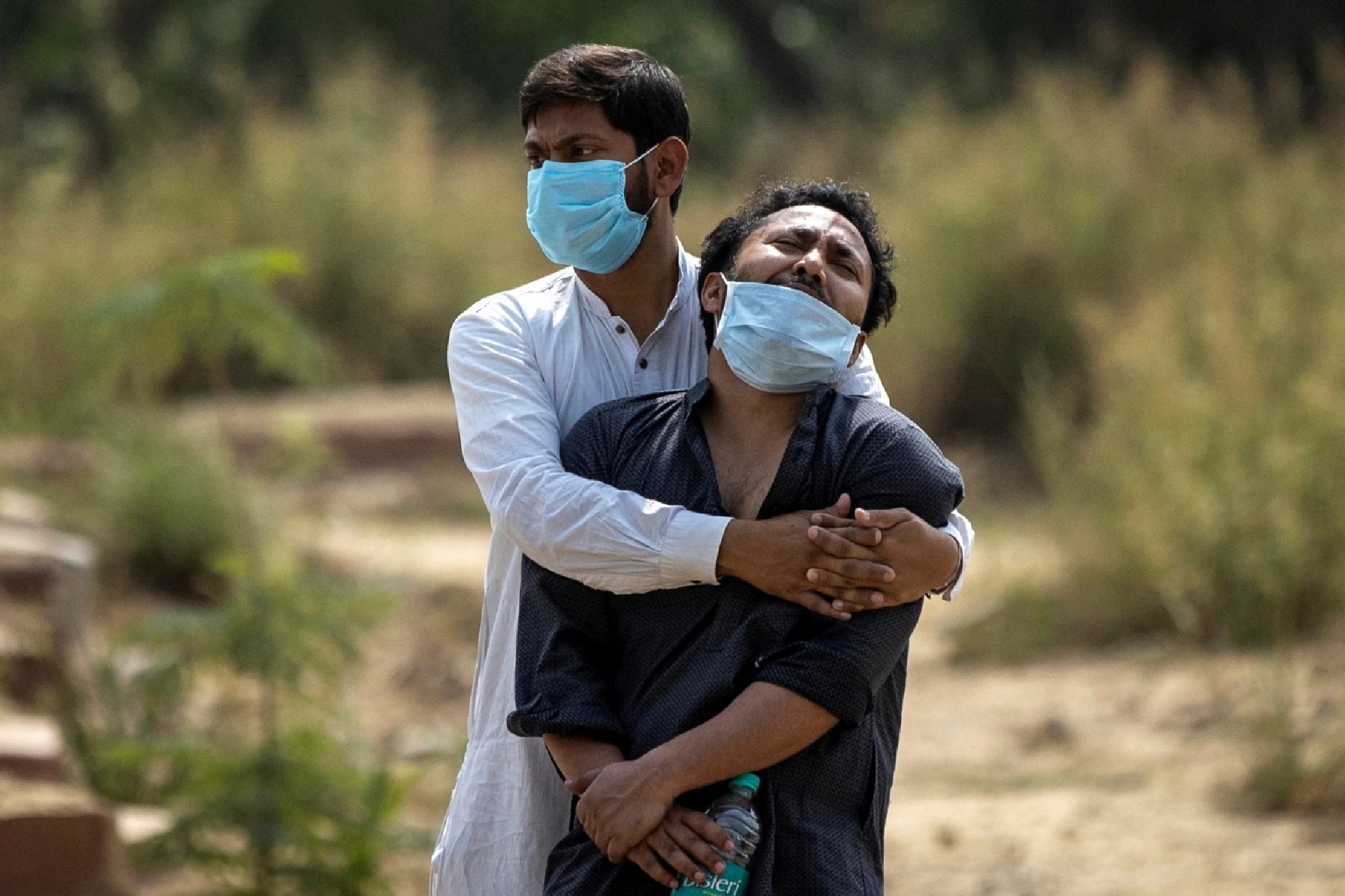
India objects to WHO report of 4.7 million COVID excess deaths

Almost three times as many people have died as a result of COVID-19 as official data show, according to a new World Health Organization (WHO) report, the most comprehensive look at the true global toll of the pandemic so far.

There were 14.9 million excess deaths associated with COVID-19 by the end of 2021, the U.N. body said on Thursday (May 5).

The official count of deaths directly attributable to COVID-19 and reported to WHO in that period, from January 2020 to the end of December 2021, is slightly more than 5.4 million.

The WHO’s excess mortality figures reflect people who died of COVID-19 as well as those who died as an indirect result of the outbreak, including people who could not access healthcare for other conditions when systems were overwhelmed during huge waves of infection.

It also accounts for deaths averted during the pandemic, for example, because of the lower risk of traffic accidents during lockdowns.

But the numbers are also far higher than the official tally because of deaths that were missed in countries without adequate reporting. Even pre-pandemic, around six in 10 deaths around the world were not registered, WHO said.

The WHO report said that almost half of the deaths that until now had not been counted were in India. The report suggests that 4.7 million people died there as a result of the pandemic, mainly during a huge surge in May and June 2021.

The Indian government, however, puts its death toll for the January 2020-December 2021 period far lower: about 480,000.

WHO said it had not yet fully examined new data provided this week by India, which has pushed back against the WHO estimates and issued its own mortality figures for all causes of death in 2020 on Tuesday. WHO said it may add a disclaimer to the report highlighting the ongoing conversation with India.

The WHO panel, made up of international experts who have been working on the data for months, used a combination of national and local information, as well as statistical models, to estimate totals where the data is incomplete – a methodology that India has criticised.

However, other independent assessments have also put the death toll in India far higher than the official government tally, including a report published in Science which suggested 3 million people may have died of COVID in the country.

Other models have also reached similar conclusions about the global death toll being far higher than the recorded statistics. For comparison, around 50 million people are thought to have died in the 1918 Spanish Flu pandemic, and 36 million have died of HIV since the epidemic began in the 1980s.

Samira Asma, WHO assistant director-general for data, analytics and delivery for impact, who co-led the calculation process, said data was the “lifeblood of public health” needed to assess and learn from what happened during the pandemic.

“Too much is unknown,” she told reporters in a press briefing.

Prime Minister Narendra Modi’s government has rejected the WHO estimate that 4.7 million people died in India as a result of the pandemic until last year when hospitals ran out of oxygen and beds due to a record wave is driven by the Delta variant. India has reported only 524,002 COVID-19 deaths – the most after the United States and Brazil – with more than 43 million infections. Actual infections are believed to be in the hundreds of millions in the country of 1.35 billion people.

In a statement issued after the numbers were published, the Indian government said WHO had released the report “without adequately addressing India’s concerns” over what it called “questionable” methods.

A senior health official said the Indian government rejected the WHO estimates as “the numbers are based on modelling and assumptions”.

Published : May 06, 2022

By : Reuters

Armed robbers strike Chanel jewellery store in Paris and flee on motorbikes

#SootinClaimon.Com : ขอบคุณแหล่งข้อมูล : หนังสือพิมพ์ The Nation.

https://www.nationthailand.com/international/40015280


Thieves armed with at least one gun robbed a Chanel watch and jewellery store in central Paris on Thursday (May 5) and then sped off on motorbikes, police said.

Armed robbers strike Chanel jewellery store in Paris and flee on motorbikes

The robbery took place during the day in the Place Vendome area in central Paris, the site of another high-profile robbery last year.

Video footage on Twitter – which Paris police said was authentic – showed one robber with what appears to be an automatic weapon outside the Chanel shop on Rue de la Paix. Seconds later, three other robbers – dressed in black and wearing helmets – stormed out of the store holding bags and the four sped off on two motorcycles.

Chanel said no one was injured and it was working with police. The retailer did not disclose the value of the stolen goods. Police said they have no information on the identity of the thieves.

The privately-owned French luxury fashion house’s Avenue de la Paix outlet is a temporary store selling watches and jewellery, set up while the Place Vendome flagship store is undergoing a revamp ahead of a reopening in the coming weeks.

Jewellery stores in Paris have suffered a spate of armed robberies in recent months.

In September, Paris police caught three suspected armed robbers after opening fire on their car as they made their getaway from a 10 million euro ($12 million) jewellery heist at a Bulgari store on Place Vendome in central Paris, where the Ritz hotel is located.

In July, thieves made off with jewellery worth almost 2 million euros ($2.4 million) from a Chaumet store near the Champs-Elysees, although the stolen goods were later recovered and the suspects arrested.

Published : May 06, 2022

By : Reuters
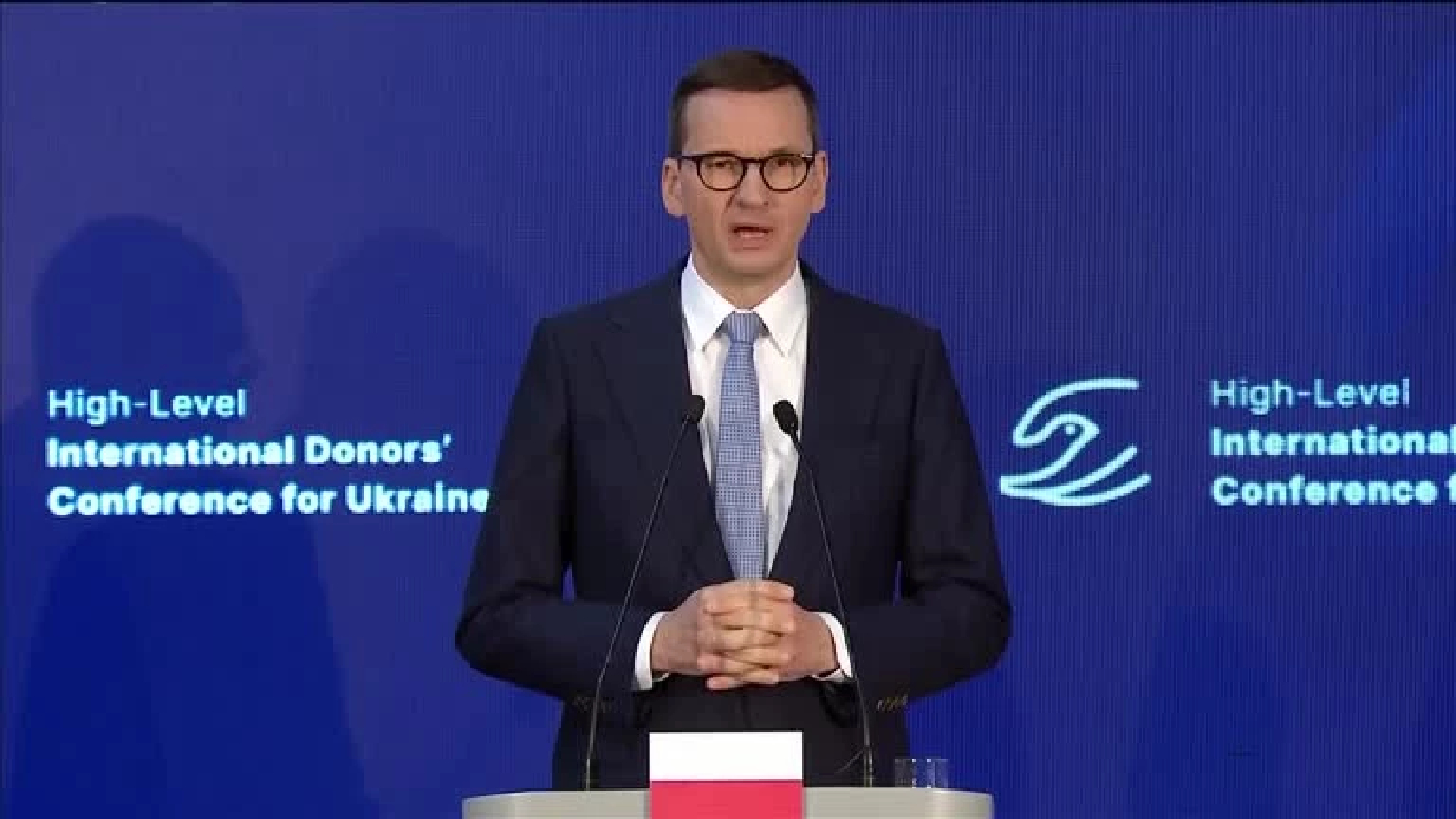
International donors conference in Warsaw raises more than $6 billion for Ukraine

#SootinClaimon.Com : ขอบคุณแหล่งข้อมูล : หนังสือพิมพ์ The Nation.

https://www.nationthailand.com/international/40015279


An international donors conference in Warsaw on Thursday (May 5) collecting funds for Ukraine raised around $6.5 billion, Poland’s Prime Minister Mateusz Morawiecki said.

International donors conference in Warsaw raises more than $6 billion for Ukraine

The conference, aimed at helping Ukraine deal with the economic and humanitarian fallout of Russia’s invasion, was hosted by Poland and Sweden, in cooperation with the Presidents of the European Commission and the European Council.

During a news conference at the end of the event, Morawiecki said more than €6 billion ($6.5 billion USD) had been raised. A Polish foreign ministry spokesperson did not immediately respond to a request for clarification from Reuters.

Morawiecki added that Ukraine should be given candidate status to join the European Union as soon as possible in order to “maintain their (Ukrainians’) fighting spirit, their morale.”

Swedish Prime Minister Magdalena Andersson said pledges had surpassed expectations.

The European Commission also pledged 200 million euros in aid for displaced people in Ukraine, it said in a statement. The President of the European Commission, Ursula Von Der Leyen, said that the European Union wanted to invest in the reconstruction of Ukraine as soon as possible.

Ukraine has received more than $12 billion in weapons and financial aid since Russia’s invasion on Feb. 24, Ukraine’s Prime Minister Denys Shmyhal added during the news conference.

Published : May 06, 2022

By : Reuters
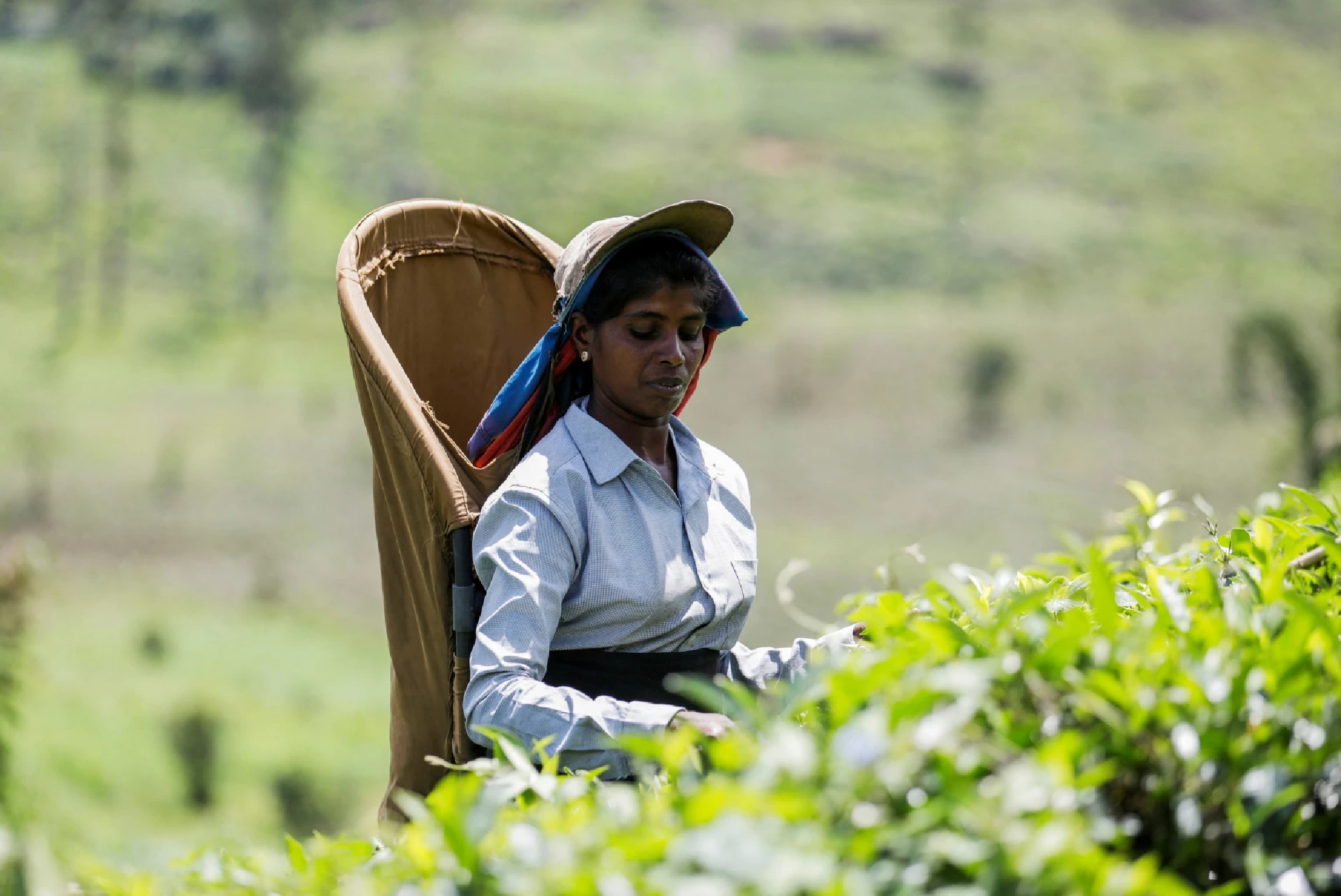
‘Difficult to even have one meal’: Sri Lankan tea workers struggle as crisis hits

#SootinClaimon.Com : ขอบคุณแหล่งข้อมูล : หนังสือพิมพ์ The Nation.

https://www.nationthailand.com/international/40015259


In Sri Lanka, after a month of picking more than 18 kg (40 lb) of tea leaves each day, Arulappan Ideijody and her husband receive about 30,000 rupees. The amount is currently worth about $80 after the island nation devalued its currency. Their earnings allow the family to eat only one meal per day.

'Difficult to even have one meal': Sri Lankan tea workers struggle as crisis hits

On a lush plantation in Sri Lanka, Arulappan Ideijody deftly plucks the tips of each tea bush, throwing them over her shoulder into an open basket on her back.

After a month of picking more than 18 kg (40 lb) of such tea leaves each day, she and her husband, fellow picker Michael Colin, 48, receive about 30,000 rupees, currently worth about $80 after the island nation devalued its currency.

Their earnings must support the couple’s three children and her elderly mother-in-law.

“What we earn is not enough to eat, let alone for other expenses. We can only eat one meal. I get paid 900 rupees ($2.55) every day I work,” she said.

Arulappan is one of the millions of Sri Lankans reeling from the island’s worst economic crisis in decades. The COVID-19 pandemic severed the tourism lifeline of the Indian Ocean nation, already short of revenue in the wake of steep tax cuts by the government.

The tea industry, which supports hundreds of thousands of people, also suffered from a controversial government decision last year to ban chemical fertilisers as a health measure. First-quarter tea production fell 15% on the year to its lowest since 2009, with the Sri Lanka Tea Board saying dry weather had taken a toll on bushes that received insufficient fertiliser after the ban.

Plantation workers like Arulappan, who hail predominantly from the island’s Tamil minority, are affected more than most, as they own no land to provide a cushion against soaring food prices.

The prices of staples like sugar, wheat flour and rice have gone up according to her, the result of rampant inflation after Sri Lanka was left critically short of foreign currency to buy essential supplies of food.

“It is difficult to even have one meal. I can’t say what will happen to those who work in estates,” said Arulappan from her ‘line house’, one of 17 single-storey units set in rows around the plantation in Bogawantalawa, a four-hour drive from capital Colombo.

Outside their home, Arulappan carefully combed the hair of a daughter departing for school.

“We have not been able to buy school books. We couldn’t put covers on books… we have to pay class fees. Things are difficult,” she lamented.

The cost of the two-kilometre bus ride to the local school for the couple’s two school-age children has also more than doubled in recent months, adding further pressure on expenses.

However, the couple continues to pay for private tuition for them, in the hope of a better life, with husband Michael adamant he never wants to see his kids work on a plantation.

“I think we will have to work the whole time and even at night,” reflected Arulappan wistfully.

Published : May 05, 2022

By : Reuters

‘It makes my blood boil’: Victims angry as son of dictator closes in on PH presidency

#SootinClaimon.Com : ขอบคุณแหล่งข้อมูล : หนังสือพิมพ์ The Nation.

https://www.nationthailand.com/international/40015256


Former political prisoner Cristina Bawagan still has the dress she wore the day she was arrested, tortured and sexually abused by soldiers during the late Philippines’ dictator Ferdinand Marcos’s brutal era of martial law.

'It makes my blood boil': Victims angry as son of dictator closes in on PH presidency

Bawagan fears the horrors of Marcos’s rule would be diminished if his namesake son wins the presidency in next week’s election, a victory that would cap a three-decade political fightback for a family driven out in a 1986 “people power” uprising.

Also known as “Bongbong”, Marcos Jr. has benefited from what some political analysts describe as a decades-long public relations effort to alter perceptions of his family, accused of living lavishly at the helm of one of Asia’s most notorious kleptocracies.

Rivals of the family say the presidential run is an attempt to rewrite history, and change a narrative of corruption and authoritarianism associated with his father’s era.

TSEK.PH, a fact-checking initiative for the May 9 vote, told Reuters last month it has debunked scores of martial law-related disinformation it says were used to rehabilitate, erase or burnish the discreditable record of Marcos Snr.

Marcos Jr.’s camp did not reply to written requests for comment from Reuters on Bawagan’s story.

Marcos Jr., who last week called his late father a “political genius”, has previously denied claims of spreading misinformation and his spokesperson has said Marcos does not engage in negative campaigning.

Bawagan, 67, said martial law victims like her needed to share their stories to counter the portrayal of the elder Marcos’s regime as a peaceful, golden age for the Southeast Asian country.

Bawagan said it is very important for people to see primary evidence that it really happened while showing the printed dress which had a tear below the neckline where her torturer passed a blade across her chest and fondled her breasts.

The elder Marcos ruled for two decades from 1965, almost half of it under martial law.

During that time, 70,000 people were imprisoned, 34,000 were tortured, and 3,240 were killed, according to figures from Amnesty International – figures which Marcos Jr. questioned in a January interview.

Bawagan, an activist, was arrested on May 27, 1981, by soldiers in the province of Nueva Ecija for alleged subversion and brought to a “safe house” where she was beaten as they tried to extract a confession from her.

“The hardest thing was when they put an object in my vagina. That was the worst part of it and all throughout I was screaming. No one seemed to hear,” said Bawagan, a mother of two.

In a conversation with Marcos Jr. that appeared on YouTube in 2018, Juan Ponce Enrile, who served as the late dictator’s defence minister, said not one person was arrested for their political and religious views, or for criticising the elder Marcos.

However, more than 11,000 victims of state brutality during martial law later received reparations using millions from Marcos’s Swiss bank deposits, part of billions the family siphoned off from the country’s coffers and recovered by the Philippine government.

Among them was Felix Dalisay, who was detained for 17 months from August 1973 after he was beaten and tortured by soldiers trying to force him to inform other activists, causing him to suffer hearing loss.

Dalisay said on the day of his arrest, he was kicked even before boarding a military jeep, so he fell and hit his face on the ground, resulting in a scar on his right eye.

When they reached the military headquarters, Dalisay said he was brought to an interrogation room, where soldiers repeatedly clapped his ears, kicked and hit him, sometimes with a butt of a rifle, during questioning.

“They (the military) started by inserting bullets between my fingers and they would slowly squeeze my hand. The soldiers were really strong and it was painful. They had many questions, and if they weren’t satisfied with your answers, they would hit me,” said Dalisay, pointing to different parts of his body.

The return of a Marcos to the country’s seat of power is unthinkable for Dalisay, who turned 70 this month.

“It makes my blood boil,” said Dalisay. “The Marcos (family) will be back. The trauma during the times of martial law, all comes back. With Marcos’ return, the memories of torture have all returned.”

Published : May 05, 2022

By : Reuters

Vaccines still protect against new COVID-19 variants: WHO

#SootinClaimon.Com : ขอบคุณแหล่งข้อมูล : หนังสือพิมพ์ The Nation.

https://www.nationthailand.com/international/40015248


According to Maria van Kerkhove from the WHO’s Health Emergencies Program, BA.4 and BA.5 have been detected in a number of countries. The WHO is still evaluating the severity of the two new variants.

Vaccines still protect against new COVID-19 variants: WHO

Experts from the World Health Organization (WHO) emphasized on Wednesday that vaccines are still highly effective against COVID-19, even new variants of the disease emerging in South Africa and the United States.
 

WHO data shows that global cases of COVID-19 are continually declining, with reported weekly deaths at their lowest level since March 2020. However, the Organization’s Director-General Tedros Adhanom Ghebreyesus cautioned at a press briefing on Wednesday that these trends don’t tell the full story.

“Driven by Omicron sub-variants, we are seeing an increase in reported cases in the Americas and Africa. The South African scientists who identified Omicron late last year have now reported two more Omicron sub-variants, BA.4 and BA.5, as the reason for a spike in cases in South Africa,” he said.

“It’s too soon to know whether these new sub-variants can cause more severe disease than other Omicron sub-variants, but early data suggests vaccination remains protective against severe disease and death,” he added.

Technical lead for the WHOTechnical lead for the WHO

According to Maria van Kerkhove from the WHO’s Health Emergencies Program, BA.4 and BA.5 have been detected in a number of countries. The WHO is still evaluating the severity of the two new variants.

However, van Kerkhove said it is not yet possible to confirm whether BA.4 and BA.5 have resulted in increased hospitalizations, as any rise in numbers could be due to a general spike in case numbers in South Africa. Nevertheless, she emphasized: “Vaccines still work incredibly well against preventing severe disease and death.”

She also called for monitoring of, and testing for COVID-19 to continue in order for the WHO to be able to provide the public with the most accurate information and advice possible. 

 A health worker displays the COVID-19 vaccine at Sotiria Hospital in Athens, Greece, Dec. 27, 2020.  (Xinhua/Marios Lolos)A health worker displays the COVID-19 vaccine at Sotiria Hospital in Athens, Greece, Dec. 27, 2020. (Xinhua/Marios Lolos)

Published : May 05, 2022

By : Xinhua

Fed raises rates by half point, starts balance sheet reduction June 1

#SootinClaimon.Com : ขอบคุณแหล่งข้อมูล : หนังสือพิมพ์ The Nation.

https://www.nationthailand.com/international/40015239


The Federal Reserve on Wednesday (May 4) raised its overnight interest rate by half a percentage point, the biggest jump in 22 years, and the U.S. central bank’s chief made an appeal to Americans to hang tough while officials take the hard measures to bring it under control.

Fed raises rates by half point, starts balance sheet reduction June 1

In a widely expected move, the Fed set its target federal funds rate to a range between 0.75% and 1% in a unanimous decision, with further rises in borrowing costs of a perhaps similar magnitude likely to follow.

Fed Chair Jerome Powell, however, told reporters that a rate increase of as much as three-quarters of a percentage point is not something officials are “actively considering.”

The Fed also said it would start next month to reduce the roughly $9 trillion stash of assets accumulated during the coronavirus pandemic in another lever to bring inflation under control.

U.S. stock markets moved sharply higher after the announcement, extending gains after Powell poured cold water on the idea of hiking rates by three-quarters of a percentage point in the near future.

Yields on government bonds moved lower.

The dollar weakened against a basket of major trading partners’ currencies.

Published : May 05, 2022

By : Reuters

French left agrees in principle on rare coalition deal to take on Macron

#SootinClaimon.Com : ขอบคุณแหล่งข้อมูล : หนังสือพิมพ์ The Nation.

https://www.nationthailand.com/international/40015233


France’s Socialist party and the hard-left La France Insoumise (LFI) party have reached an agreement in principle to ally the June parliament vote, LFI politician Adrien Quatennens said on Franceinfo radio on Wednesday (May 4).

French left agrees in principle on rare coalition deal to take on Macron

The coalition deal, shaped under the leadership of hard-left firebrand Jean-Luc Melenchon, is an attempt to deprive Macron of a majority in parliament in the June 12-19 vote and block his pro-business agenda.

Melenchon, a radical eurosceptic, has managed to unite the Greens, the Communists and the Socialists under a new banner that could raise eyebrows across the EU, as its platform aims to challenge the main tenets of the bloc’s economic policies.

A source in the Socialist Party said that there was a deal on who would run in what constituency and on the overall strategy, but negotiators still needed to finalise a deal on the programme itself.

The deal would then need to be approved by the Socialist Party’s national committee.

LFI earlier made similar deals with the French Greens and the Communists, creating a united front under the leadership of Melenchon. The deal, if confirmed, will unite parties that have run separately in elections since the left-green coalition deal of 1997-2002.

The latest Harris Interactive poll showed the two sides are neck and neck, with both a united left and an alliance between Macron’s party and the conservatives seen garnering 33% of the legislative vote. However, in France’s two-round election system, projections show this could still translate into a majority of seats for the president.

Policies of the new alliance, which will run under the “Social and Ecological People’s Union,” also include plans to lower the retirement age to 60, raise the minimum wage and cap prices on essential products.

Published : May 04, 2022

By : Reuters

Russia sanctions should not be indiscriminate, says Nobel Peace laureate Muratov

#SootinClaimon.Com : ขอบคุณแหล่งข้อมูล : หนังสือพิมพ์ The Nation.

https://www.nationthailand.com/international/40015223


Countries should not impose indiscriminate sanctions on Russia, the investigative newspaper Novaya Gazeta’s editor-in-chief and 2021 Nobel Peace Prize co-winner Dmitry Muratov said on Tuesday (May 3).

Russia sanctions should not be indiscriminate, says Nobel Peace laureate Muratov

The Russian journalist was invited to a ceremony to celebrate World Press Freedom Day in Geneva, organised by the Graduate Institute. He attended alongside his colleague from the Philippines who also won the Nobel peace prize last year, Maria Ressa.

Asked about sanctions imposed on his country for waging war against Ukraine, Muratov said they “should not be like Grad ground-to-ground missile.”

“Sometimes, these sanctions were something like a flashmob. People didn’t delve deep into what is what,” he added, citing the example of ill children in Russia who cannot be treated due to sanctions.

“It’s unacceptable, as these people are already between life and death. And to condemn them to die, especially, sorry, children who did not choose Putin… what’s this all about?” he said.

On Tuesday (May 3), the European Union announced that it will slap new sanctions on Moscow targeting the oil industry, more banks and those responsible for disinformation.

Muratov was attacked on a train with red paint on April 7, in an apparent protest at his newspaper’s coverage of Russia’s invasion of Ukraine.

Pictures posted by the newspaper on the Telegram messaging app showed Muratov with red paint on his head and clothes and around his sleeping compartment on a Moscow-Samara train.

“He is connected to an organisation of war veterans, close to various private military companies and military brotherhoods. So, these are proxies,” said Muratov, adding that he didn’t have any information on whether Russian intelligence services were involved in the incident.

Pressure against liberal Russian media outlets has mounted since Moscow sent troops into Ukraine in February, with most mainstream media and state-controlled organisations sticking closely to the language used by the Kremlin to describe the conflict. Several opposition activists have reported threatening messages painted on the doors of their apartments.

“Some of our staff have left the country. A majority of them remained in Moscow, that’s why, I will, of course, return to Moscow too,” he said.

Published : May 04, 2022

By : Reuters

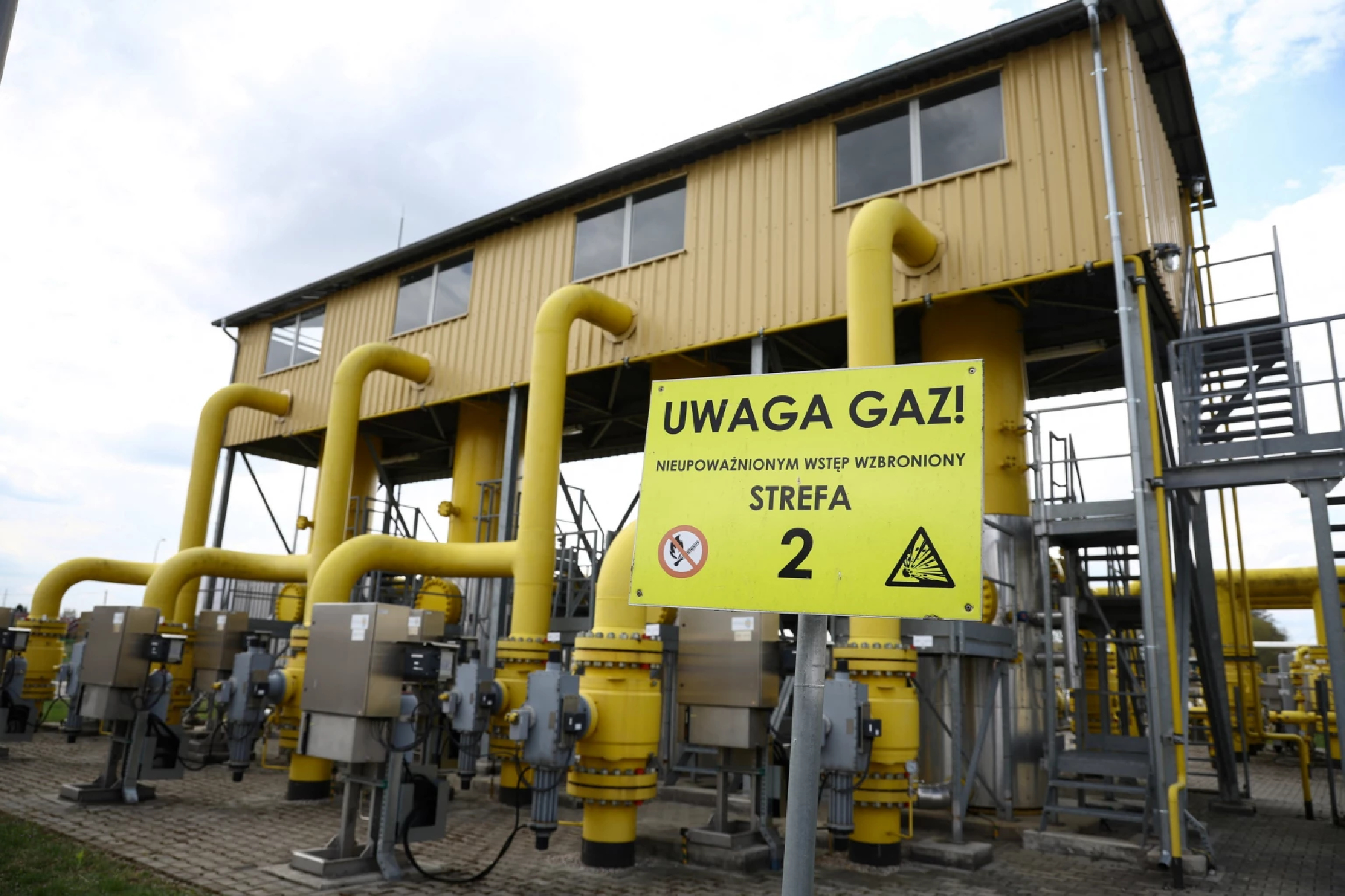
EU plans to cut two thirds of Russia gas imports by year-end

#SootinClaimon.Com : ขอบคุณแหล่งข้อมูล : หนังสือพิมพ์ The Nation.

https://www.nationthailand.com/international/40015221


The European Commission is going to submit a plan to replace Russian natural gas with other sources later this month, said European Commissioner for Energy Kadri Simson on Tuesday.

EU plans to cut two thirds of Russia gas imports by year-end

Speaking at a European Parliament plenary session, Simson said the European Union plans to replace two-thirds of natural gas imported from Russia by the end of this year.

She said the EU had approached all major suppliers to find alternative sources of natural gas. The plan also includes the use of more renewable energy to replace natural gas, as well as a series of energy-saving measures.

For Europe, the consequences of weaning off energy from Russia could be dire, as the continent is relying on Russian energy to heat its buildings, power its industry and generate electricity.

Earlier this month, the International Monetary Fund slashed its euro-area growth forecast for 2022 by over one percentage point to 2.8-per cent, citing rising global energy prices and energy insecurity.

The EU’s biggest economy, Germany, would not be able to cope with stoppages in Russian gas supplies, as Moscow accounts for 55 per cent of all German gas imports.

The German central bank Bundesbank has warned that an immediate EU ban on Russian gas imports would dent Germany’s GDP by 5 per cent this year.

Published : May 04, 2022

By : Reuters