The National Broadcasting and Telecommunications Commission (NBTC) announced on Wednesday that it is tying up with the Food and Drug Administration to hunt down those who have been falsely advertising food supplements since 2018.
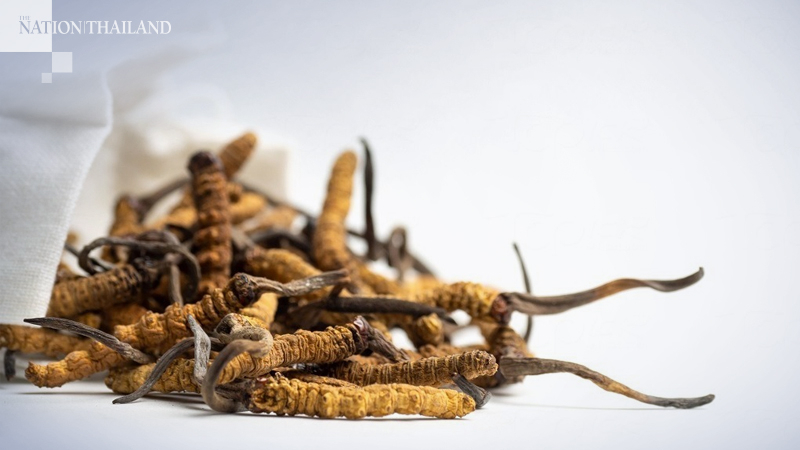
NBTC chief Perapong Manakit said the initial focus will be on supplements made from cordyceps sinensis, which have been presented as a cure-all, especially for kidney disease.
In Thailand, cordyceps sinensis (known in Chinese as chong cao) supplements are particularly popular among the elderly.
However, according to a January 12 post on the Rural Doctor Society’s Facebook page, cordyceps can actually suppress kidney function.
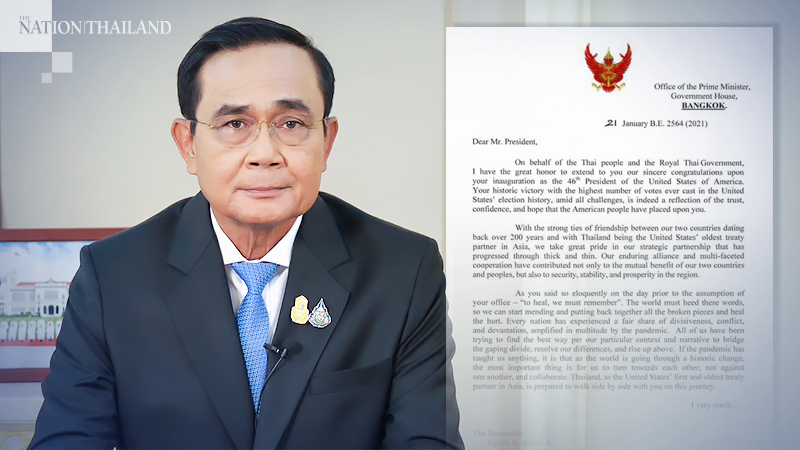
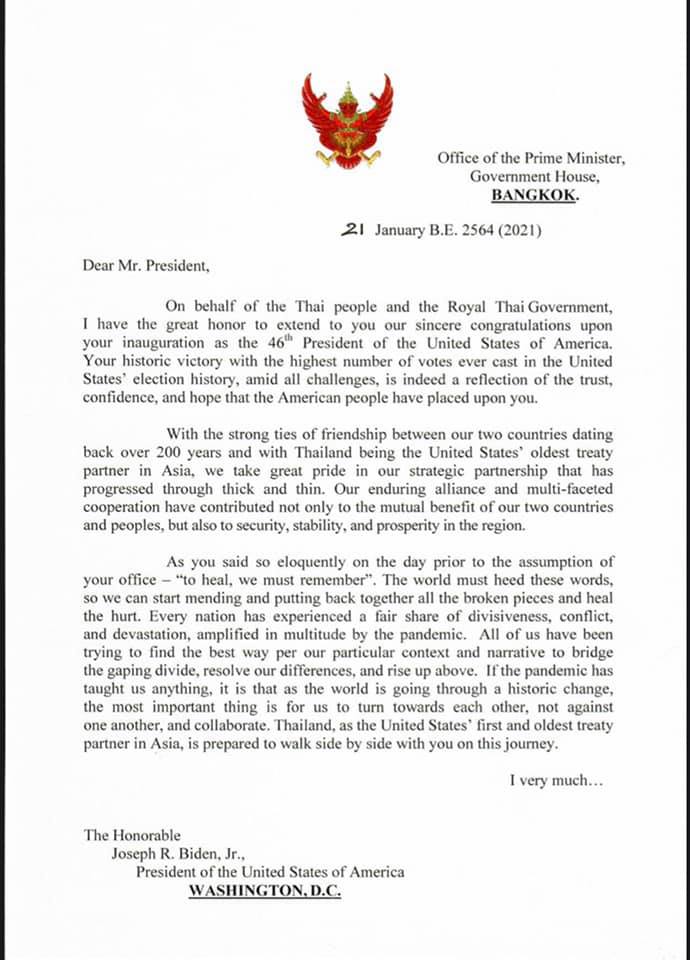
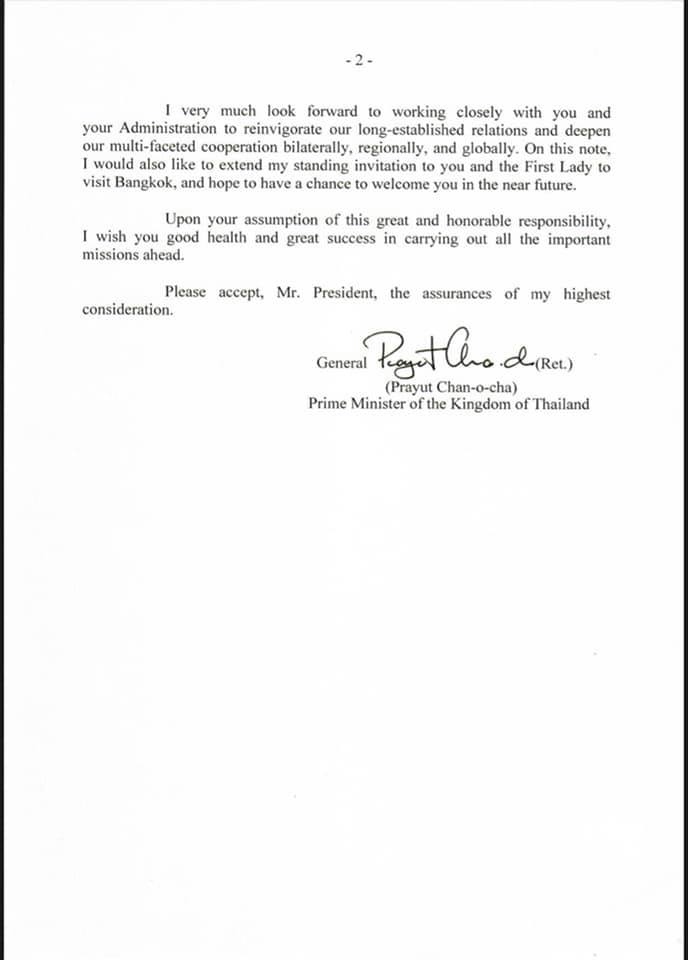
Prime Minister Prayut Chan-o-cha has congratulated Joe Biden on becoming the 46th president of the United States, noting that his victory with the biggest vote in US election history was “a reflection of the trust, confidence, and hope that the American people have placed upon you”.
In Thursday’s letter of congratulation on behalf of the Thai people and government, Prayut noted that Thailand was the United States’ oldest treaty partner in Asia, with ties of friendship dating back over two centuries and a strategic partnership that “has progressed through thick and thin”.
The alliance had brought mutual benefit not just to the two countries but also to security, stability and prosperity in the region, said the letter.
It added that the world must heed Biden’s words, “to heal, we must remember”, as a prescription for the “divisiveness, conflict and devastation” that had been amplified by Covid-19.
“If the pandemic has taught us anything, it is that as the world is going through a historic change, the most important thing is for us to turn towards each other, not against one another, and collaborate.”
Prayut said Thailand would walk side by side with the United States on this journey.
He signed off by saying he was looking forward to working closely with Biden’s administration, before extending an invitation to the president and the First Lady to visit Bangkok.
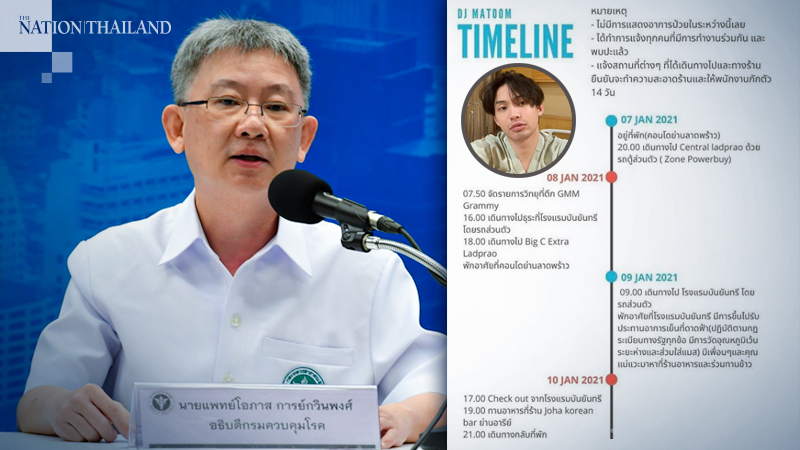
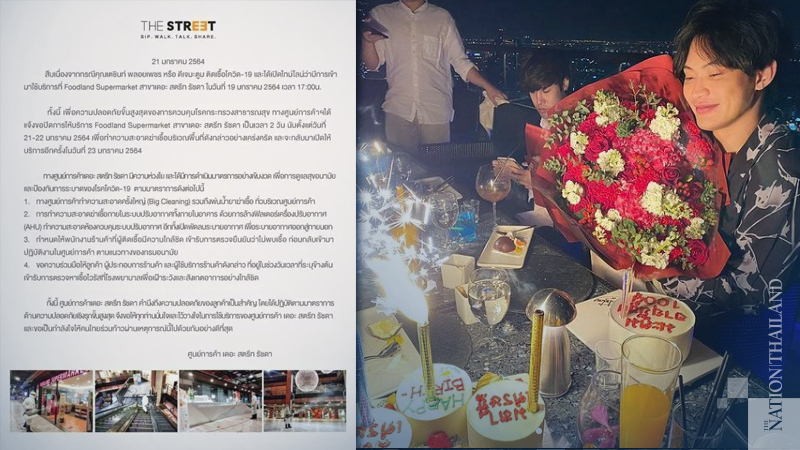
Department of Disease Control (DDC) chief Dr Opas Karnkawinpong has praised Techin Ploypetch, aka DJ Matoom, for providing a detailed timeline of his movements in the days before he tested positive for Covid-19 on Wednesday (January 20).
Techin traced the time of his infection to dinner with a friend on January 9. He learned afterwards that this and other friends had then tested positive for Covid-19.
DJ Matoom’s timeline:
Jan 7: Stays in his condo in Lat Phrao district until 8pm, then goes out to Central Lat Phrao shopping mall.
Jan 8: Hosts radio show at GMM Grammy building at 7.05am. Drives his own car to Banyan Tree hotel at 4pm. Visits Big C Extra, Lat Phrao branch at 6pm, then returns to his condo.
Jan 9: Drives personal car and checks in to Banyan Tree at 9am, where he dines at rooftop restaurant with friend and his mother.
Jan 10: Leaves Banyan Tree at 5pm. Dines at Joha Korean Bar in Ari area at 7pm. Arrives at home at 9pm.
Jan 11-17: Stays in his condo.
Jan 18: Hosts TV show in GMM Grammy building at 6.30am. Hosts TV show at Kathi Baan Ahaan Thai restaurant at noon. Eats at Yang Noey buffet in Ratchada area
Jan 19: Hosts TV show at GMM Grammy building at 6.40am. Visits Central Embassy at 12.30pm. Visits Foodland supermarket in The Street Ratchada mall (Din Daeng area) at 5pm. Takes phone call from infected friend informing him of Covid-19 risk at 7pm. Takes test at a Bangkok hospital at 10pm.
Jan 20: Hospital rings to confirmed positive result at 6.20pm. Ambulance arrives at 8pm to take him from condo to hospital.
People exposed to DJ Matoom on January 7-8 are not thought to be at risk since he was infected on January 9. Covid-19 takes a minimum two days to incubate, meaning the risk of transmission began on January 11 and was highest on January 17-19, said health authorities. Dr Opas advised anyone who had been in contact with DJ Matoom during that timeline to get tested.
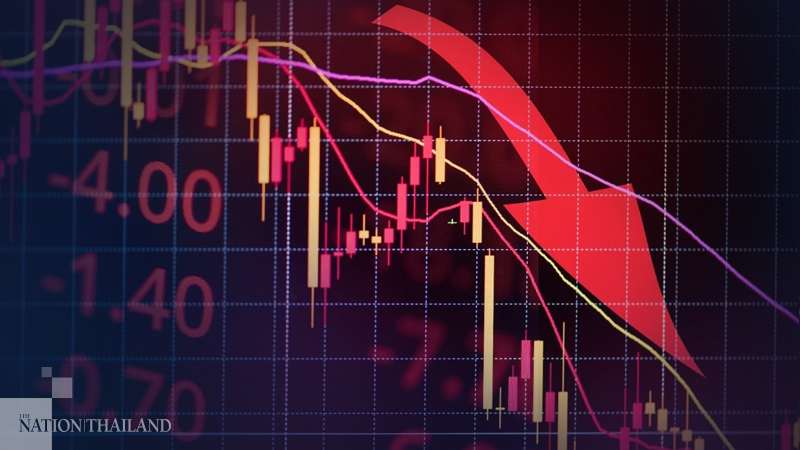
The Stock Exchange of Thailand (SET) Index closed at 1,513.98 on Thursday, down 1.74 points or 0.11 per cent. Total transactions amounted to Bt91.98 billion with an index high of 1,529.27 and a low of 1,510.80.
In the morning session, Krungsri Securities forecast the SET would move between 1,510 and 1,530 points, supported by investors’ expectation of massive economic stimulus from new US President Joe Biden’s $1.9-trillion “American rescue plan”.
The 10 stocks with the highest trade value today were KBANK, CBG, BBL, PTT, KTC, SCGP, GPSC, CPALL, SCB and HANA.
As of 4.40pm, the price of oil was up to US$0.42 or 0.79 per cent to $52.89 per barrel, while gold rose by $3.30 or 0.18 per cent to $1,869.80 per ounce.
Japan’s Nikkei Index closed at 28,756.86, up 233.60 points or 0.82 per cent.
China’s Shang Hai SE Composite Index closed at 3,621.26, up 38.17 points or 1.07 per cent, while Shenzhen SE Component Index closed at 15,520.60, up 297.24 points or 1.95 per cent.
Hong Kong’s Hang Seng Index closed at 29,927.76, down 34.17 points or 0.12 per cent.
South Korea’s KOSPI Index closed at 3,160.84, up 46.29 points or 1.49 per cent.
Taiwan’s TAIEX Index closed at 16,153.77, up 347.59 points or 2.20 per cent.
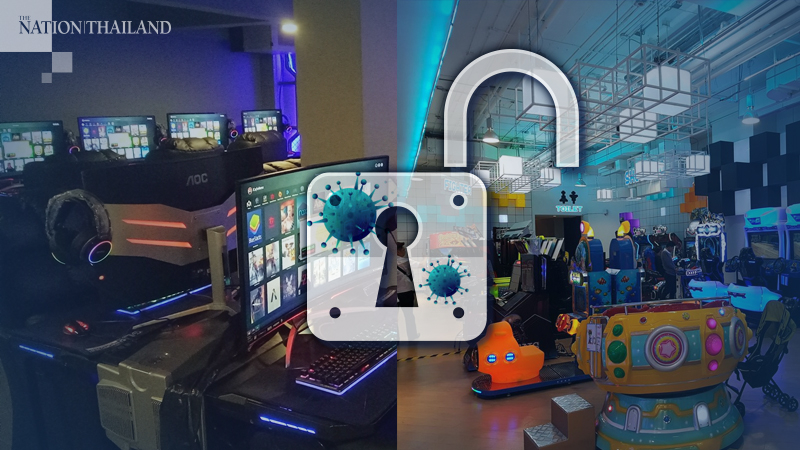
Thirteen types of business are allowed to reopen in Bangkok on Friday as the Covid-19 outbreak in the capital eased.
The Bangkok Metropolitan Administration (BMA) announced the outbreak had dropped from a peak of 49 new cases per day in the capital to around 10 cases daily. The latest contagion, which began in mid-December, had been contained faster than the first outbreak last year, said BMA spokesman Pongsakorn Kwanmuang. The BMA announced the following 13 businesses can reopen as usual, but under virus-control measures:
1. Gaming arcades
2. Internet cafes
3. Seniors day-care centres
4. Racecourses and stadiums except for horse racing and boxing (no spectators allowed)
5. Banquet rooms – though permission must be granted for more than 300 guests
6. Amulet shops
7. Beauty parlours and tattoo shops
8. Fitness centres
9. Massage shops and spas – but not massage parlours
A Foodland supermarket at a Bangkok shopping mall has been closed for two days after being visited by a customer who later tested positive for Covid-19.
The Street Ratchada mall in Din Daeng district stated that Techin Ploypetch, better known as DJ Matoom, revealed he had tested positive after visiting its Foodland branch on Tuesday (January 19) at 7pm.
The supermarket has been closed for two days of cleaning and disinfection and will open again on Saturday (January 23).
The air-conditioning system of the entire mall is also being cleaned. All at-risk employees had been tested and confirmed negative for Covid-19, said the mall’s operator.
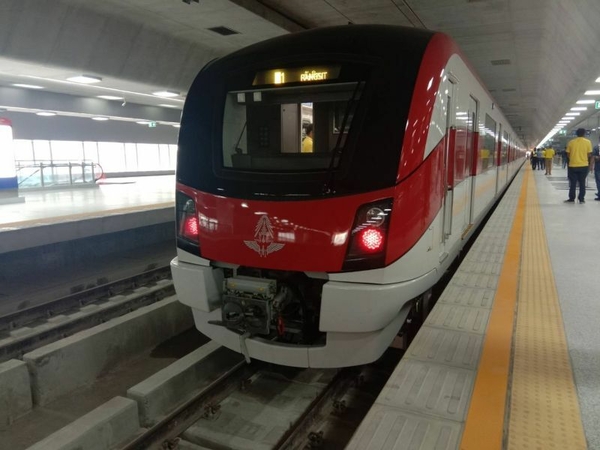
The maximum fare for the Red Lines has been set at Bt42, according to a source at the Department of Rail Transport. Due to start operating this year, the Dark Red Line from Bang Sue-Rangsit will charge Bt14-42 while the Light Red Line from Bang Sue-Taling Chan will charge Bt14-38. The maximum fare to ride both lines together is Bt42.
The fares were approved in a joint meeting between the operator, State Railway of Thailand (SRT), the Mass Rapid Transit Authority (MRTA), Airport Rail Link operator and Thailand Development Research Institute (TDRI).
“The fares are considered appropriate, fair and not a burden on the public or a debt burden on the SRT in the future,” said the source.
The proposed fares are set to be presented to the Department of Rail Transport on January 25, then to the SRT Board and Transport Minister Saksayam Chidchob in February. If approved, they will be applied from the Red Line’s scheduled opening in November.
Kanchanaburi has allowed hotels to reopen as of Wednesday, provided strict Covid-19 preventive measures are employed.
This province has only had five confirmed cases since the second wave of infections hit Thailand mid-December.
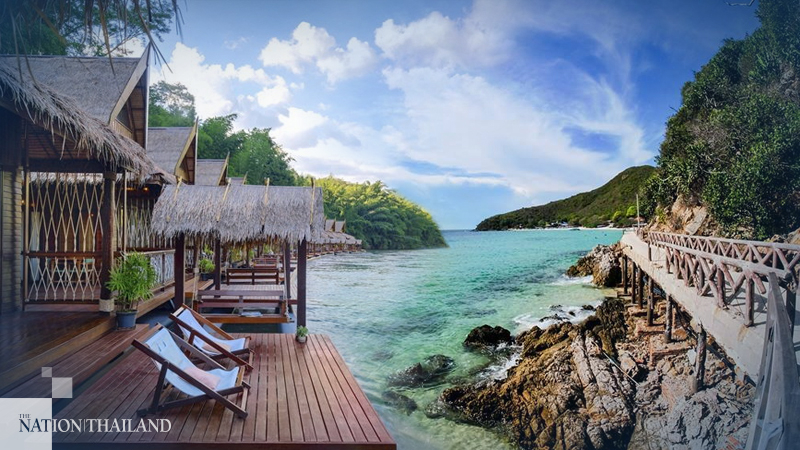
Separately, Pattaya’s mayor Sontaya Kunplome said provincial authorities will seek permission to reopen Koh Lan island, which has been closed to tourists from January 5.
However, whether outsiders are let into the island will depend entirely on locals and the Centre for Covid-19 Situation Administration, he said.
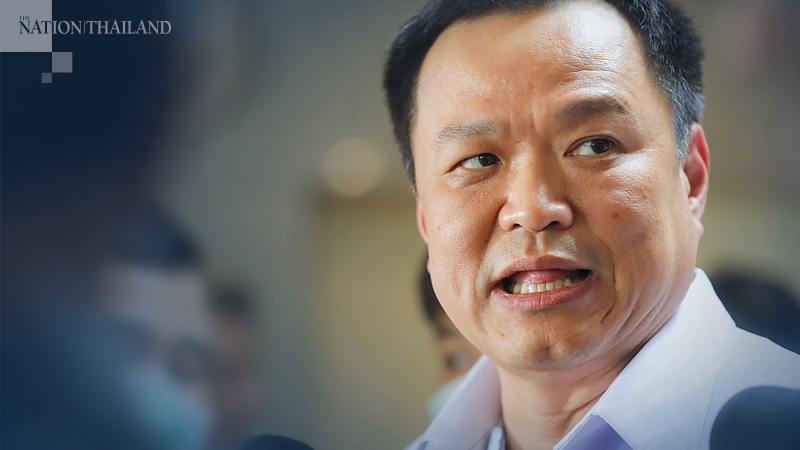
The first 50,000 doses of the AstraZeneca/Oxford vaccine will arrive in Thailand in the first week of February, Public Health Minister Anutin Charnvirakul said on Wednesday.
The doses are part of a batch of 26 million secured by Thailand at US$5 (Bt150) per dose, said Anutin. This shipment is not the same batch to be produced by local firm Siam Bioscience under a technology-transfer deal with AstraZeneca, he added. More vaccine would arrive in March and April, he said.
The 26 million doses are the first lot that Thailand agreed to purchase in October last year, while negotiations on the price for another 35 million AstraZeneca doses are still ongoing. Anutin said Thailand still does not have enough vaccine, since doses procured so far are only enough to inoculate 30 million people.
The Health Minister added he had volunteered to become the first person in Thailand to receive the AstraZeneca jab. Dr Yong Poovorawan, a virus expert at Chulalongkorn University’s Faculty of Medicine, will administer the vaccine to Anutin.
The other vaccine ordered by Thailand – CoronaVac made by Chinese company SinoVac – is still pending registration in China, said the health minister. Thus, AstraZeneca’s vaccine is likely to be registered in Thailand first.
People who don’t own smartphones can still register for the government’s “RaoChana” (WeWin) cash-handout campaign at state-run banks, Deputy PM Supattanapong Punmeechaow said in a Facebook post.
Under the scheme, self-employed people, farmers and welfare cardholders whose savings do not exceed Bt500,000, will be given two monthly payments of Bt3,500 each in a bid to ease their financial burden during the Covid-19 crisis.
Beneficiaries of the social-security system, government officials and employees of state enterprises do not qualify for the handout.
“Statistics shows that nearly 90 per cent of Thais above the age of six own smartphones and 96.4 per cent of them have internet access through their phones,” Supattanaphong, who is also energy minister, said. “Most of those who do not own a smartphone are among the 13.8 million state welfare cardholders, and they should not have a problem because the cash will be automatically deposited in their cards.
“The only group that may face challenges under this scheme are non-cardholders with no smartphone. These people can register at state-run banks nationwide,” he added.
People can register at state-run banks from January 29 to February 12, the minister said.
He also said people cannot withdraw the “RaoChana” handout in cash because the authorities want to cut the risk of Covid-19 spreading and “reduce crowds at ATMs at the start of each month when the money is deposited”.
Instead, people have to download the Pao Tang mobile application to spend the money. There are no details yet on how people who do not own a smartphone will spend the money.
Meanwhile, deputy government spokesperson Ratchada Thanadirek tweeted on Thursday that RaoChana funds can be used to pay for food, necessities as well as for taxis, motorbike taxis and public vans from February 18 until May 31.
“Businesses who wish join the campaign can register at www.เราชนะ.com from January 29 until March 31,” she added.