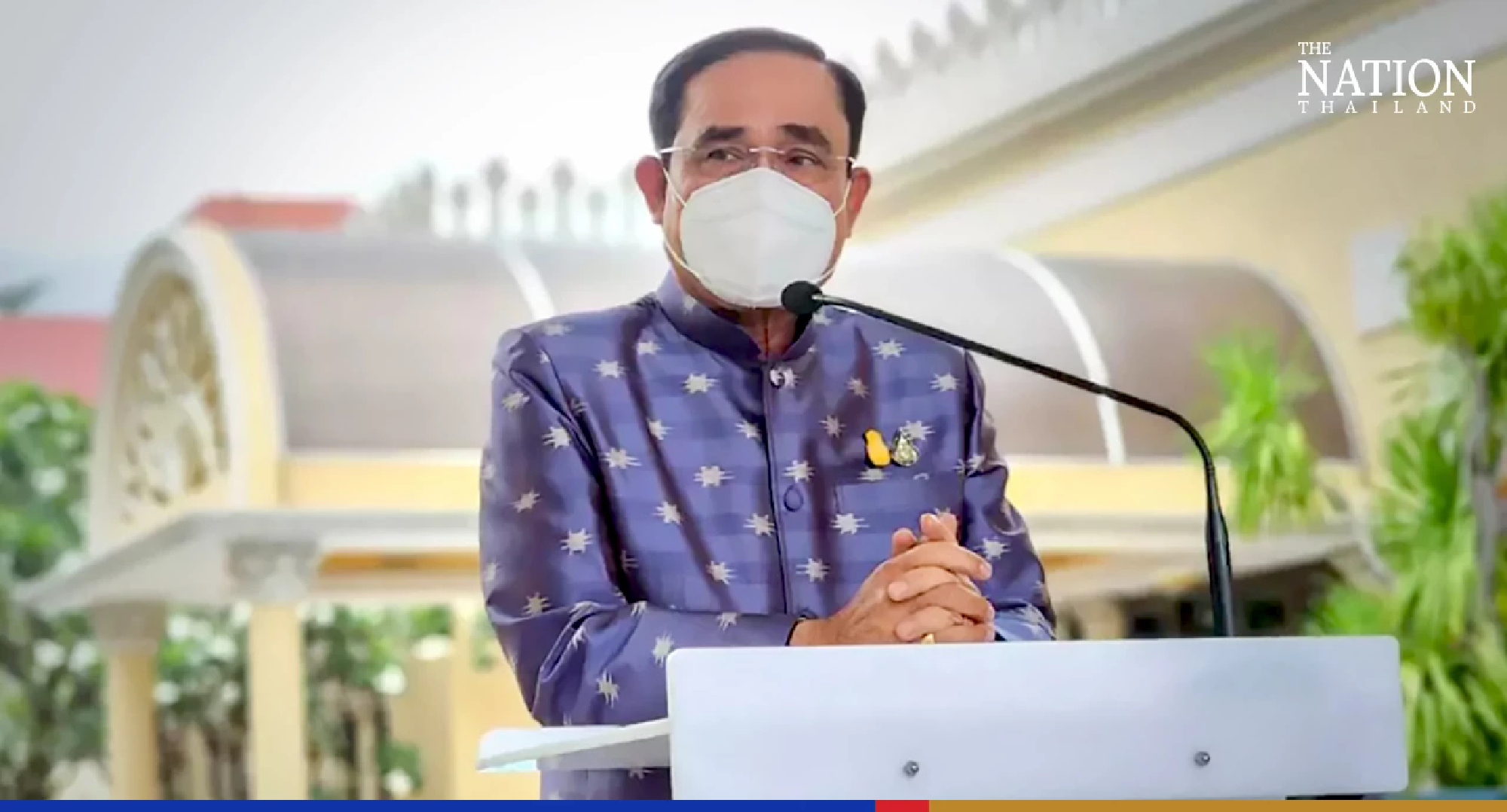
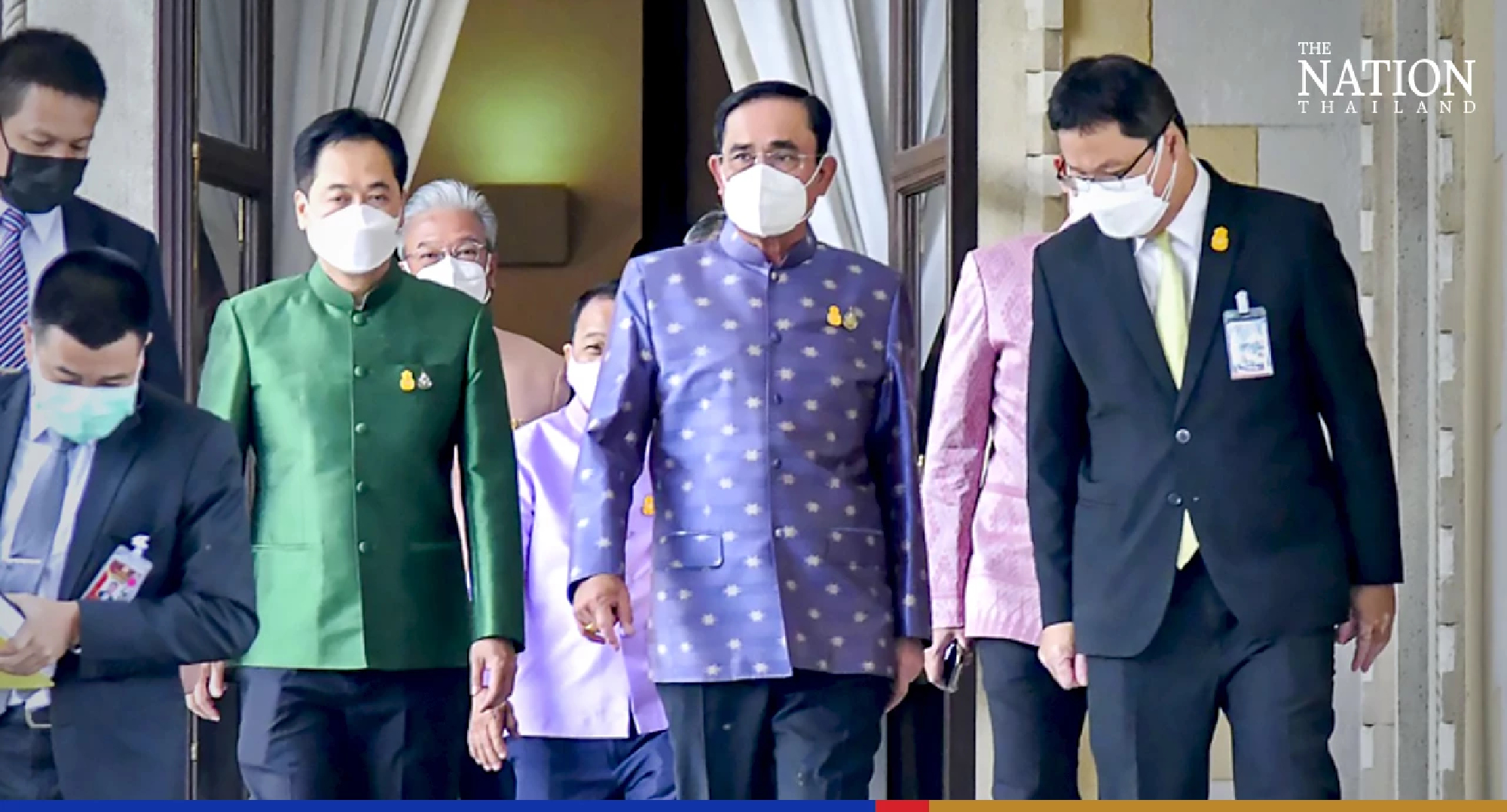
Tuesday’s Cabinet meeting approved two measures to lower the cost of living amid rising fuel prices.
The first measure will see the fuel tariff (Ft) reduced to 0.22 baht per unit for households and small enterprises that use less than 300 units per month.
The Ft reduction will run from May to August 2022.
Under the second measure, motorcycle taxi riders registered with the Department of Land Transport will get a 250-baht monthly subsidy on gasohol.
The Cabinet has agreed to extend the coverage from benzine to gasohol to ensure that all motorcycle taxi riders benefit from the measure.
The second measure will run from May to July 2022. Eligible riders must register via the Pao Tang app and scan the QR Code at participating petrol stations to receive a subsidy of 50 per cent of the purchased fuel, capped at 50 baht per day and 250 baht per month.
Department of Land Transport statistics show that up to 106,655 riders will be eligible for the fuel subsidy scheme.
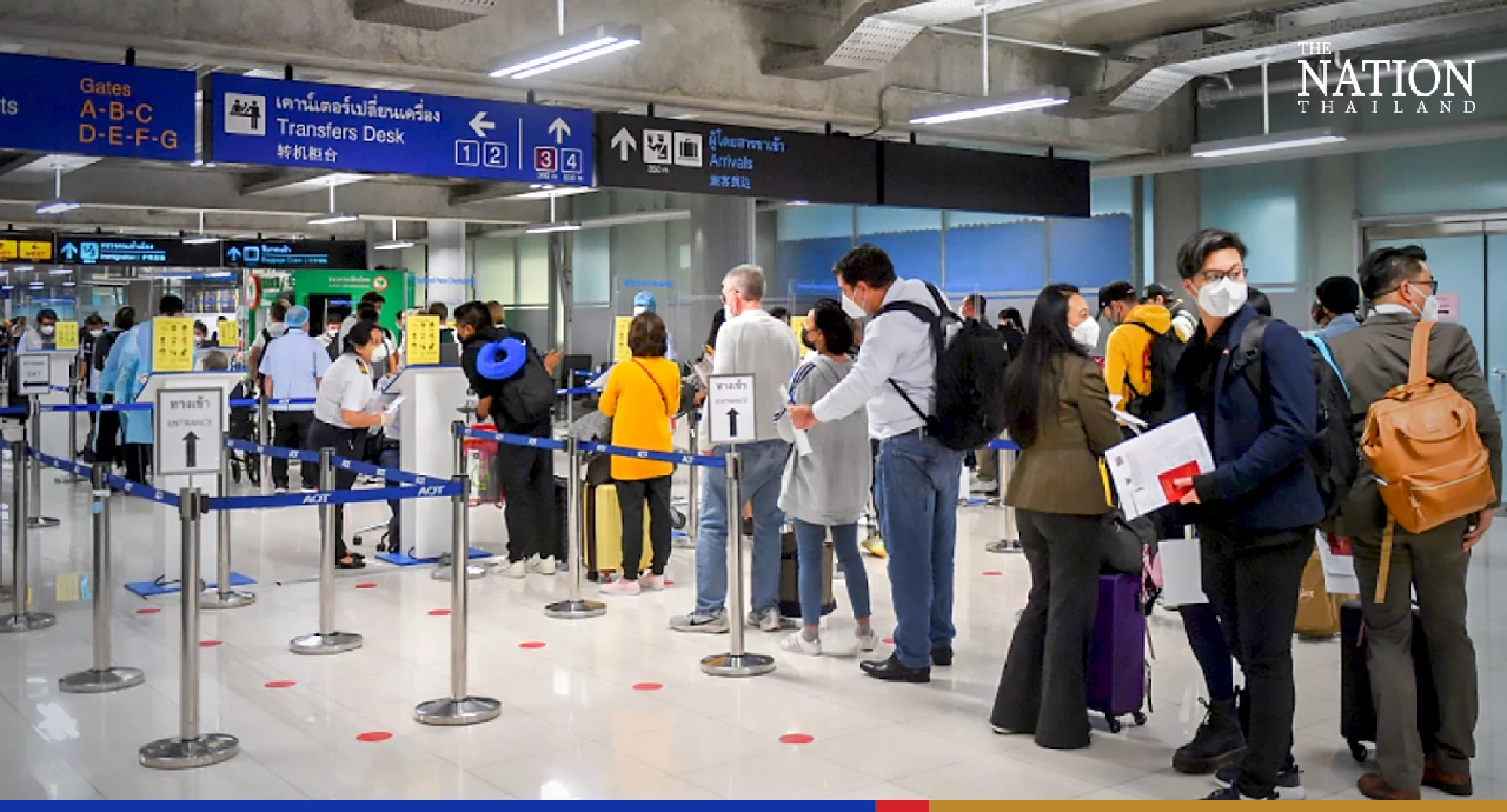
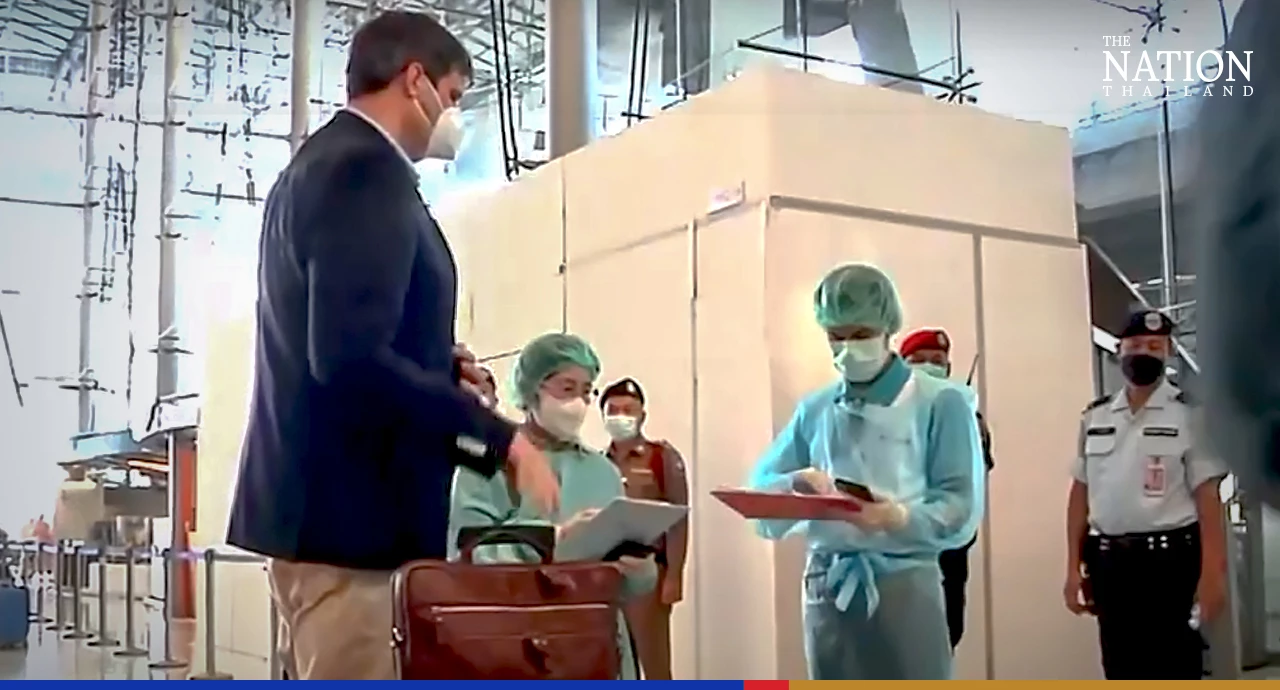
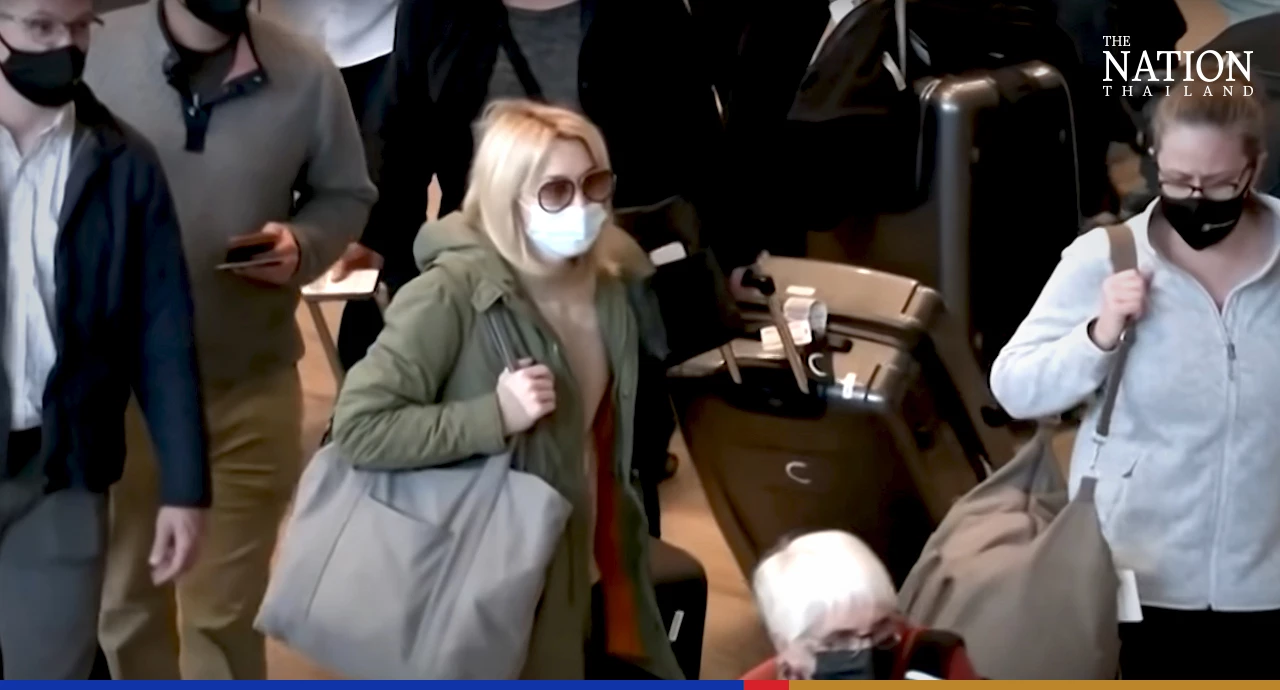
The Department of Disease Control (DDC) will ask the Centre for Covid-19 Situation Administration (CCSA) to further ease up on the Test & Go scheme for foreign arrivals by changing the mandatory RT-PCR test upon arrival to an ATK test.
The CCSA had approved the Public Health Ministry’s proposal to cancel the requirement of a negative RT-PCR test result taken within 72 hours before departure for new arrivals and require visitors to take a RT-PCR test upon arrival from April 1.
“The department will have a meeting on Thursday to finalise the details of the proposal before presenting it to a CCSA meeting on Friday [April 22],” DDC director-general Dr Opas Kankawinpong said on Tuesday. “Furthermore, the department will propose an updated colour-coding classification of provinces based on the current Covid-19 situation so that provincial public health offices can implement disease control measures accordingly.”
Opas said the number of new domestic infections is much higher than imported cases, therefore easing the Test & Go scheme should not significantly affect the total daily infections in Thailand.
“As for the expected spike in cases after the Songkran holidays, the department estimates we will see a change in the next one or two weeks,” Opas said.
“The DDC will monitor the situation closely and also evaluate it each week regarding the impact of the outbreak on the country’s public health system. If new infections are still within a manageable level, we will gradually ease up disease control measures,” he added.
Ministry of Public Health reported on Wednesday (April 20) morning that in the past 24 hours there are 20,455 new patients who tested positive for Covid-19, 94 of whom have arrived in Thailand from abroad.
Death toll increased by 128, while 25,933 patients were cured and allowed to leave hospitals.
Cumulative cases in the country since January 1, 2022 are at 1,860,864.
Thailand should remove all travel restrictions as soon as possible to help the country’s tourism industry recover so that they can compete with other fully open countries, Minor International founder and chairman William Heinecke said on Monday.
In a letter to Prime Minister Prayut Chan-o-cha, Heinecke said the average number of foreign arrivals at Don Mueang Airport in April this year was 11,623 people per day, lower than over 50,000 people per day in April last year.
He also pointed out that even though Thailand had recently allowed foreign tourists to enter the country without an RT-PCR test before departure, there are still a lot of travel restrictions that affect their decision.
He added that many countries that rely on tourism, such as Singapore and Cambodia, have already scrapped measures related to entry to facilitate the recovery of tourism and their economies.
“I believe that Thailand should realise that the number of Omicron patients who were found locally was higher than among foreign arrivals,” he said.
“Meanwhile, I believe in Thai citizens that they understand Omicron’s characteristics and are ready to live in line with the new normal era.”
Heinecke advised the PM to scrap Thailand Pass and regulations related to health insurance and Covid-19 testing upon arrival, and said vaccination or a medical certificate should be enough to allow tourists to enter the Kingdom.
He said cooperation between government and private sectors is necessary to help the tourism industry’s recovery and stimulate the economy.
He added that he and other entrepreneurs are ready to work with the government to help revive the country’s tourism, boost confidence among tourists and implement guidelines for tourists’ safety.
“With [government and private sectors] efforts and clear communication on Kingdom entry measures, Thailand’s tourism business will achieve success,” he added.
Prime Minister Prayut Chan-o-cha will most probably attend the upcoming Asean-US Summit in person, Foreign Minister Don Pramudwinai said on Tuesday.
He confirmed that the summit, which has been postponed several times due to the Covid-19 pandemic, will be hosted by the US president in Washington on May 12-13. He added that the Russia-Ukraine conflict is not on the agenda in this meeting.
Don said he expects Asean leaders to meet in person unless an unexpected situation forces them to meet virtually.
He added that Prayut has yet to formally respond to the Asean invitation because it has only just arrived.
As for whether Prayut will meet President Joe Biden for personal bilateral talks, Don said nothing has been scheduled yet though they will meet at the summit.
Asean is also expected to hold a meeting with the European Union at the end of this year or the beginning of 2023.
American nationals are now allowed to travel to Thailand after the US Centre for Disease Control and Prevention (CDC) on Monday reduced Thailand’s Covid-19 alert level from 4 to 3.
The agency, meanwhile, updated its Covid-19 Travel Health Notices system on Monday, saying that level 4 will no longer be based on Covid-19 incidence or case count alone.
“It will be reserved for special circumstances, such as rapidly escalating case trajectory or extremely high case counts, emergence of a new variant of concern, and healthcare infrastructure collapse,” the CDC said.
It added that levels 3, 2, and 1 will still be primarily determined by 28-day incidence or case counts.
The CDC uses Travel Health Notices to alert travellers and other audiences to health threats around the world and advises on how to protect themselves.
As of Tuesday, no countries and regions were categorised in level 4 which Americans should avoid travelling to.
Meanwhile, 122 countries and regions, including Thailand, were categorised in level 3 where Americans are advised to make sure that they are up to date with Covid-19 vaccines before their trip.
CDC Travel Health Notices were categorised in five levels as follows:
Level 4: Special Circumstances / Do Not Travel — Do no travel to this destination. — If you must travel, make sure you are up to date with your Covid-19 vaccines before your trip.
Level 3: High Level of Covid-19 — Make sure you are up to date with your Covid-19 vaccines before travelling to this destination. — If you are not up to date with your vaccines, avoid travelling to this destination. — If you have a weakened immune system or are more likely to get very sick from Covid-19, even if you are up to date with your Covid-19 vaccines, talk with your clinician about your risk and consider delaying travel to this destination.
Level 2: Moderate Level of Covid-19 — Make sure you are up to date with your Covid-19 vaccines before travelling to this destination. — If you have a weakened immune system or are more likely to get very sick from Covid-19, even if you are up to date with your Covid-19 vaccines, talk to your clinician about what additional precautions may be needed before, during, and after travel to this destination.
Level 1: Low Level of Covid-19 — Make sure you are up to date with your Covid-19 vaccines before travelling to this destination.
Level Unknown: Unknown Level of Covid-19 — Make sure you are up to date with your Covid-19 vaccines before travelling to this destination. — If you are not up to date with your vaccines, avoid travelling to this destination. — If you have a weakened immune system or are more likely to get very sick from Covid-19, even if you are up to date with your Covid-19 vaccines, talk with your clinician about your risk, and consider delaying travel to this destination.
People can visit CDC’s website for a full list of countries and regions under Travel Health Notices.
Smartphones carry loads of precious metals that are turned into nothing more than waste once the device stops working.
This electronic waste has also become a huge ecological problem worldwide. Each device contains many harmful chemicals such as mercury in the battery, lead in the solder that joins parts, beryllium in battery contacts and electronic connectors and arsenic and silica in the computer chips.
In Thailand, more than 380,000 tonnes of e-waste is generated annually, according to the environmental agency Test Tech. Of the e-waste generated in Thailand, only 7.1 per cent is recycled or sold to the more than 100 waste-sorting sites worldwide, while the rest is buried with other garbage.
In a move to tackle this rising problem, many agencies in Thailand have launched a campaign encouraging people to bin their e-waste properly. For instance, mobile operator AIS teamed up with Waste Management Siam (WMS) last month to encourage Thai League 1 football fans to drop their old smartphones off at any Premier League stadium until May 31.
If they can’t make it to a stadium, fans can simply pop their old device into a box, write the name of their favourite football team on the top and drop it off at the nearest post office.
Silver and gold from the discarded gadgets will be used to create special medals to recognise football clubs’ efforts to protect the environment.
Easy come, easy go
Meanwhile, according to a UK mobile network operator “giffgaff”, most users buy a new smartphone because their old one has malfunctioned or does not support the latest software.
This is where refurbishing companies like Back Market come in. The French company has launched a campaign, urging people to send them their unwanted devices instead of just binning them.
The company then refurbishes these devices, which means they have been evaluated and all necessary repairs performed until they can be deemed “like new”.
“A single refurbished mobile saves 258kg of raw materials,” reads one recycling poster. An adult male African lion on average weighs about 250 kilos.
These refurbished phones can be bought online via www.backmarket.com, though they may not apply to users in Thailand just yet.
A fortune in your hands
Beneath a smartphone’s plastic cover lies a treasure trove of natural resources, ranging from gold and silver to a long list of rare minerals.
Take apart a typical iPhone and inside you will find about 0.034 grams of high-grade gold, 0.34g of silver, 0.015g of palladium and a tiny fraction of platinum.
The device also contains less valuable but still significant quantities of aluminium (25g) and copper (about 15g).
One tonne of old iPhones can yield gold that is about 300 times in value. Gold is used to cover phones’ electronic circuits to prevent corrosion. The same quantity contains 6.5 times the value in silver – a component of various alloys inside the phone.
One million mobile phones can deliver nearly 16 tonnes of copper wiring, 15 kilos of palladium (used in the devices’ electrical circuits) and a range of rare minerals that are tough to mine and refine.
The highly intensive industrial processes involved in mining and refining a smartphone’s raw materials means that on average, making a single smartphone uses up about 3,190 gallons of water – enough to fill a commercial tanker, according to watercalculator.org.
The rare minerals inside a smartphone also have scrabble-winning names such as yttrium, lanthanum, terbium, neodymium, gadolinium and praseodymium.
Yttrium and gadolinium are used in the screen display, neodymium and praseodymium in speakers and headphones, and lanthanum helps make the tiny camera lens sharper.
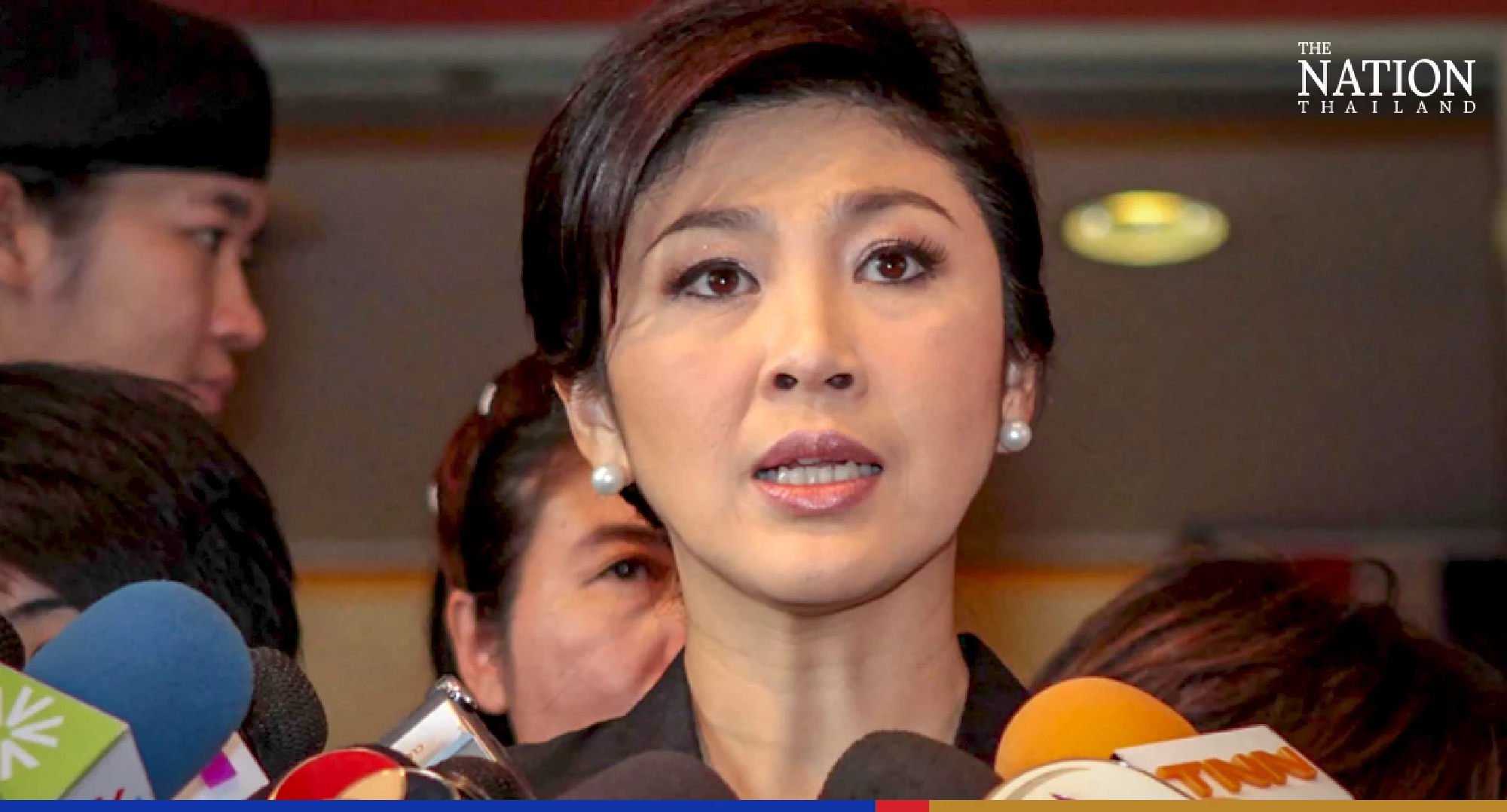
The Supreme Court’s Criminal Division for Political Office Holders on Tuesday issued an arrest warrant for former prime minister Yingluck Shinawatra after she failed to show up at 9.30am on Tuesday for the court’s reading of charges in a case filed by the National Anti-Corruption Commission (NACC).
On January 28, the NACC filed a lawsuit against Yingluck Shinawatra, two newspapers, and three others over alleged corruption in the Thailand 2020 Roadshow project. The lawsuit named Yingluck, former deputy PM Niwatthamrong Boonsongphaisan, former PM’s secretary-general Suranand Vejjajiva, Matichon Plc, Siam Sport Syndicate Plc, and Rawi Lothong, managing director of Siam Sport, as the first, second, third, fourth, fifth and sixth defendants respectively.
The lawsuit alleged that from August 2013 to March 2014, Yingluck and the five other defendants had caused damages of THB239.7 million to the country by approving the Thailand 2020 Roadshow project to the two publications without properly inviting bids for the project.
With the exception of Yingluck, the other five defendants showed up at the court on Tuesday as the court ruled that it had accepted the NACC’s case and then subsequently read the charges to the defendants. Yingluck’s attorney Noppadon Laothong, however, was present in the court on Tuesday on her behalf.
The court issued an arrest warrant for Yingluck for failing to show up for the reading of the charges without giving a reason, and ordered the NACC to bring her in for the trial.
After the court had read the charges, all five defendants denied the charges and appealed to extend the period of giving a testimony. The court accepted their appeal and set the next hearing for 9.30am on September 12 for evidence and witness cross-examination. The court, however, exempted Rawi from coming for the cross-examination as the defendant is 80 years old and suffers from a chronic disease.
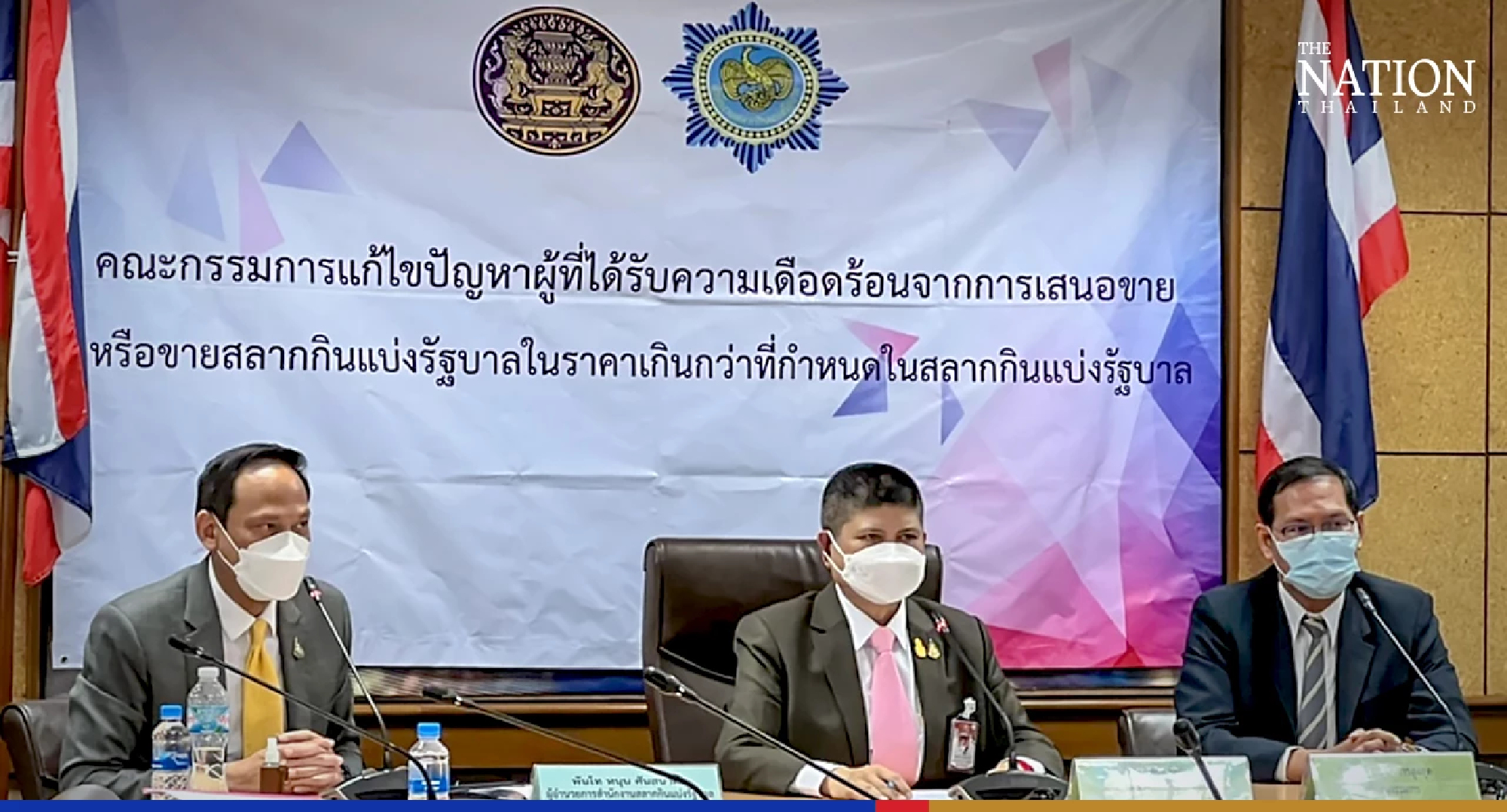
Seksakol Atthawong, a former aide to the prime minister, said on Monday that he has given his final proposal on solving the problem of overpriced government lottery tickets to the PM’s Office sub-committee he chaired.
He made this statement after stepping down as aide to the premier as well as chair of the sub-committee on Monday. Seksakol said he was giving up these posts to take responsibility for a voice clip of his conversation with Palang Pracharath Party member Chureeporn Sinthuprai. In the recording, he can be allegedly heard as saying that he took 15 million baht from a man to finance an election campaign, and hoped a police raid on a lottery seller would not be tracked back to him.
In his statement on Monday, Seksakol said he proposed three measures to tackle overpriced lottery tickets.
The first is to add civil clauses in the contract between the Government Lottery Office (GLO) and ticket resellers, such as specifying the deposit amount and fine if resellers violate the contract.
Second, criminal clauses will be added to the existing GLO Act of 1974 and its 2019 amendment to prevent possible violations. Third, the sub-committee should consider revising related laws in the GLO Act and the 1999 Anti-Money Laundering Act to ensure legal action is taken against those selling government lottery tickets at inflated prices.
Meanwhile, GLO director Noon Sansanakhom said the office has entered the second phase of its “80 baht Lottery Tickets” campaign, which aims to prioritise the ticket quota given to resellers who strictly sell tickets at 80 baht each.
“In the first phase, 77 lottery vendors passed the qualification screening and will be granted a quota of 2,500 tickets per draw,” he said. “In the second phase, we have 4,790 applicants, but only 2,666 are qualified to join the programme. Qualified resellers in the second phase can start selling tickets for the draw date of May 2 onwards.”
The Transport Ministry and the State Railway of Thailand (SRT) are preparing two lawsuits against Hopewell (Thailand) Ltd to dodge having to pay billions of baht in compensation, a source at the ministry said on Monday.
The move comes after the Supreme Administrative Court on March 4 accepted the government’s request for a retrial of the Hopewell case – a two-decade-long legal battle over Bangkok’s doomed multibillion-baht-mass-transit project.
This retrial offers the Transport Ministry and SRT fresh hope of escaping the Supreme Administrative Court’s order to pay 25.4 billion baht in compensation for cancelling the 80-billion-baht elevated highway and railway project.
The source said that apart from preparing for the retrial, the Transport Ministry and SRT are also getting two lawsuits ready to invalidate the establishment of Hopewell in Thailand.
The first lawsuit will be filed at the Civil Court seeking a ruling on whether the Hopewell project violated the National Executive Council Announcement No 281, which requires companies to be qualified and approved by the Cabinet before conducting business in Thailand.
The Transport Ministry has assigned this case to Thanatdet Khamchu, an attorney for special civil cases at the Office of the Attorney General.
The second case will be filed by SRT against the registrar of the Bangkok Office of the Central Company and Partnership Registration, who did not object to the registration of Hopewell (Thailand) even though it was in violation of the announcement.
The Central Administrative Court had earlier ruled to dismiss this case, but SRT is planning to appeal the ruling at the Supreme Administrative Court.
This case will be overseen by SRT lawyer Nitithorn Lamleur.
Transport Minister Saksayam Chidchob has said the ministry’s and SRT’s legal teams are preparing to file the cases within this month.
“The ministry is confident that from the evidence at hand we can 100 per cent win the cases and protect the country’s interest,” the source quoted Saksayam as saying.