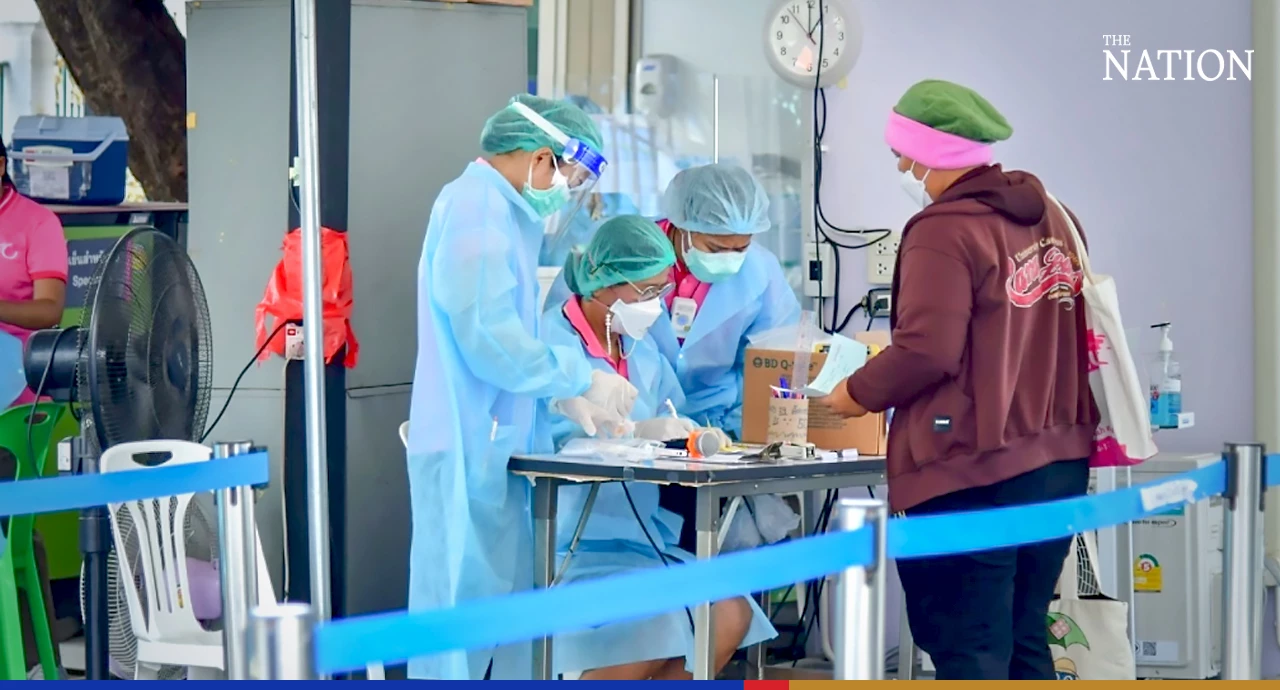
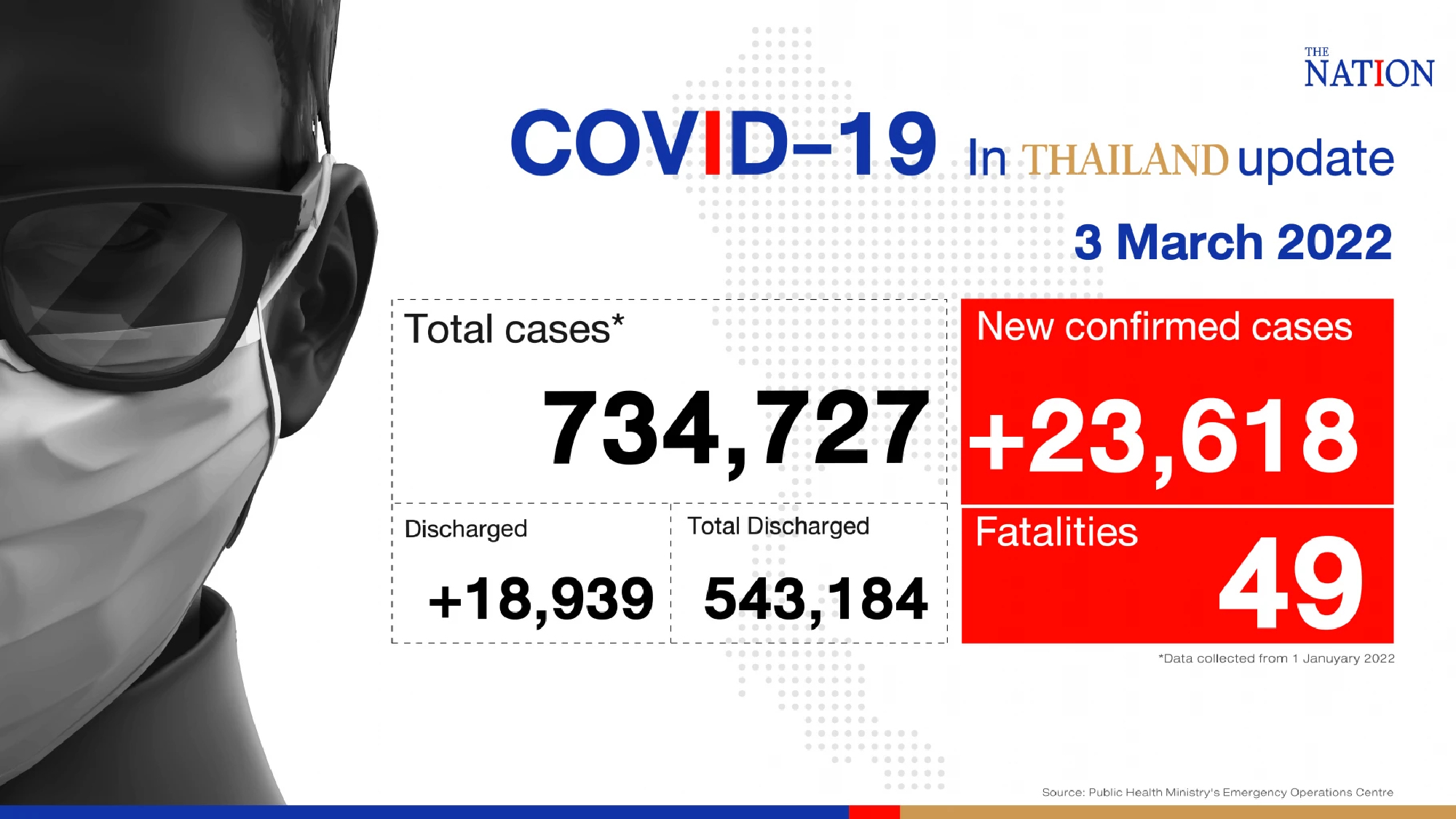
Ministry of Public Health reported on Thursday (March 3) morning that in the past 24 hours there are 23,618 new patients who tested positive for Covid-19, 181 of whom have arrived in Thailand from abroad.
Death toll increased by 49, while 18,939 patients were cured and allowed to leave hospitals.
Cumulative cases in the country since January 1, 2022 are at 734,727.
The country’s total caseload from Covid-19 stands at 2,958,162 – 2,711,678 of whom have recovered, 223,414 are still in hospitals and 23,070 have died.
Separately, another 51,366 people were given their first Covid-19 shot in the last 24 hours, 16,964 their second shot and 82,364 a booster, bringing the total number of Covid-19 vaccine doses administered nationwide to 124,187,243.
According to Worldometer, confirmed cases globally had risen to 440.65 million on Thursday, 373.14 million of whom have recovered, 61.52 million are active cases (75,859 in severe condition) and 5.99 million have died (up by 7,733).
Thailand ranks 33rd in the global list of most cases, which is topped by the US with 80.77 million, followed by India with 42.94 million, Brazil with 28.84 million, France with 22.84 million and the UK with 19.03 million.
Deputy Prime Minister Gen Prawit Wongsuwan flew to Narathiwat province on Wednesday morning to oversee efforts to mitigate the plight of local people affected by flooding two days ago.
Prawit made the trip in his capacity as the director of the Office of the National Water Resources (ONWR).
He was briefed of the flood situation by Narathiwat Governor Sanan Pong-aksorn and ONWR secretary-general Dr Surasee Kittimonthon at the Narathiwat provincial hall.
The deputy prime minister was also briefed of the latest help from government agencies for flood victims by the secretary-general of the Southern Border Provinces Administration Centre (SBPAC) and the governors of Narathiwat, Yala and Pattani.
After the briefing, Prawit ordered all government agencies to join hands to provide relief to the flood victims as soon as possible and expressed moral support to them.
The deputy prime minister told the Royal Irrigation Department (RID) to work with the Interior Ministry on how to drain the floodwaters as soon as possible.
The RID was also told to work with the Public Works and Town Planning Department to plan construction of flood levees at flood-risk areas in the three southern provinces to prevent flooding in the future.
The deputy prime minister also instructed the ONWR to work with the SBPAC to implement the 20-year water resources management plan to minimise flooding and to prevent water shortage in the deep South in the future.
In the afternoon, Prawit travelled to the meeting hall of the Suan Ruen Aroon Municipality in Narathiwat’s Sungai Kolok district to hand out bags of necessities to flood victims in tambon Munoh.
The deputy prime minister told government agencies to speed up the repair of the flood levee along the banks of Kolok river to prevent flooding in the tambon in the future.
ONWR secretary-general Surasee said normalcy is expected to return in the three southern border provinces in about a week.
Surasee said his office has coordinated with the Electricity Generating Authority of Thailand to reduce the volume of water released from the Bang Lang dam in Yala to reduce the impact on downstream areas.
Surasee said officials were speeding up efforts to drain floodwaters, and the situation would improve soon if there were no more heavy rains.
Also on Wednesday, Pol Colonel Jeffree Salaimankul, commander of the Muang Narathiwat Police Station, led police and volunteers to visit hundreds of families in Moo 10 and Moo 11 villages in tambon Lamphu to hand out bags of necessities and drinking water.
On Tuesday, Army Area 4 commander Lt-General Kriangkrai Srilak and Narathiwat Governor Sanan visited flood victims to hand out cooked foods and bags of necessities in tambon Munoh in Su-ngai Kolok district.
On Tuesday, the Month village and the Chonlaprathan Road was still under 80-100 centimetres of water.
Thammasat University will this year open its fifth campus, venturing into the growing virtual world with the Thammasat Metaverse Campus, the university and its business partner announced.
The university said on Tuesday that its future students will face no limits in studying in the virtual world inside the metaverse campus where they can go back in time to study history or carry out social experiments, among other possibilities.
Thammasat and its business partner, Brandverse Co Ltd, held a press conference at its Rangsit campus on Tuesday, to announce the T-Verse: Thailand Multiverse Bridge Platform, on which the university’s fifth campus will be built.
Thammasat rector Gasinee Witoonchart said the project is a result of cooperation involving more than 52 government agencies, universities and private organisations.
She said the cooperation would use new technology related to metaverse to build a bridge platform for businesses, education, and various activities to be possible on the T-Verse virtual reality universe and the cooperation would allow the country to develop its technologies along with the people’s quality of life.
She said the Thammasat Metaverse Campus will be opened at the university’s 88th anniversary celebrations this year.
The campus will provide education to both Thais and people around the world on the T-Verse platform, which will allow students to quickly and conveniently access all knowledge, researches and innovations of the university.
Vice rector Assoc Prof Dr Surat Teerakapibal said this would be the fifth Thammasat campus, alongside the four current campuses at Tha Phra Chan, Rangsit, Lampang, and Pattaya.
Surat said the metaverse campus will enhance teaching at the university in four aspects: provide immersive learning classrooms, provide virtual reality (VR) museums for historical, cultural and democratic learning, provide next generation omnichannel marketplace, and enhance its 88 Sandbox Spaces programme.
He said the immersive learning classrooms will overcome limits in the real world, especially for medical learning. For example, medical students can learn from VR human body instead of having to learn from real bodies, whose numbers are on the decline.
He added that social study students can also conduct social experiments in the virtual reality world without affecting real people in the outside world.
Surat said the VR museums would allow students to go back in time to study history, culture and democracy in context in the VR world without having to learn by heart.
He added that the concept of the next generation omnichannel market place would enhance Thammasat’s years of support of businesses of communities.
For example, communities can sell their traditional Pha Zin cloth as an NFT digital asset in the virtual world of Thammasat campus and when a buyer buys the cloth to drape her avatar, the real cloth would be sent to her house door.
Surat added that the virtual world of Thammasat would allow the university to enhance its 88 Sandbox project by allowing startup entrepreneurs to meet and discuss with their mentors and venture capitalists in the metaverse. They will be able to pitch, hold meetings and other activities among startups and mentors, for example.
Brandverse CEO Natthaset Traithipcharoenchai said the metaverse in Thailand is possible with the cooperation of universities, government agencies and the private sector. The project has received support from the Department of International Trade Promotion and the National Innovation Agency.
He said the T-Verse will be the first metaverse platform for all to use to design their metaverse worlds and users can use the T-Verse platform to cross among the metaverses.
He said the T-Verse will link 13 universes with 985 stars or metaverse worlds.
The Thailand metaverse project is now in the second phase with the launch of the T-Verse platform, he added.
The third phase will be launched in the second or third quarter with the launch of T-Verse coins and when the fourth phase starts, Thailand metaverse will be linked to international metaverses, Natthaset said.
A drive by the Department of Employment to secure employment for physically challenged people in private firms has proved a great success with 1,450 people getting hired, Labour Minister Suchart Chomklin said.
Suchart disclosed the figures on Tuesday when he led senior officials from his ministry, representatives of private firms that joined the project and some disabled people hired by the firms to meet Prime Minister Prayut Chan-o-cha at Government House.
Suchart said the project was initiated by the prime minister and Deputy Prime Minister Prawit Wongsuwan, who supervises the Labour Ministry.
Suchart said the two wanted the Labour Ministry to create employment chances for the sensitive group of physically challenge people so that they could have better quality of life and could depend on themselves.
Suchart said the department had targeted 1,000 jobs for the disabled in 2023, but 1,450 people had already been hired, 45 per cent better than the target.
The project would generate a total of Bt165.65 million in income for the 1,450 people, Suchart said.
He said 187 companies supported the project. They included: Kasikornbank Plc, Italian-Thai Development Plc, Cal-Comp Electronics (Thailand) Plc, Adecco Thailand and Guardforce Thailand.
Suchart said the 187 companies have changed their role from contributing to the fund for promoting and developing the quality of life of the disabled to providing employment chances.
Pairote Chotikasathien, director-general of the department, said more companies would be welcome to join the project.
The disabled people would not be working in the firms but they would be employed to provide public services in communities near their homes with the companies paying their salaries, Pairote explained.
The places suitable for hiring physically challenged people included tambon hospitals, schools, public nurseries, and disabled rehabilitation centres, the director-general added.
Low visibility over Mae Hong Son airport caused by smog prompted a plane carrying the acting US ambassador to abort a landing and return to Chiang Mai International Airport on Wednesday morning.
The 9-seater Beechcraft King Air 200 transporting US Chargé d’Affaires Michael Heath, the acting ambassador, was about to land at Mae Hong Song airport at 9.05am but low-lying smog prevented the pilot from seeing the runway.
He decided to abort a landing and returned to Chiang Mai International Airport to wait for the visibility to improve later in the day.
Heath was scheduled to co-chair a ceremony with the Mae Hong Song deputy governor to launch a project to conserve ancient coffins in a cave in Pang Ma Pha district.
The conservation project by Silpakorn University’s Faculty of Archaeology has received a US$220,000 (THB7.17 million) grant from the US Ambassador’s Fund for Cultural Preservation. Heath was supposed to officially hand over the grant to Prof Dr Rasamee Chusongdej, an archaeologist of the faculty.
The acting ambassador eventually cancelled his plan to travel to Mae Hong Son and instead visited the Royal Thai Navy’s earthquake monitoring centre on Doi Suthep.
The Mae Hong Son Meteorological Office reported that visibility over the province was poor from 6am to 10am.
The station monitoring air pollution in tambon Jong Kham, Muang district, said PM2.5 particles were measured at 98 micrograms per square cubic metre of air, which was higher than the safety standard.
The Meteorological Office reported that several hot spots were detected in Northern provinces, apparently from weed burning and from wildfires in Myanmar, resulting in the low visibility and a higher amount of PM2.5 pollutants.
As many as 234,940 people would die and some 633,060 would be injured if a nuclear warhead exploded in Bangkok, according to an estimate on a Facebook page, ”Oh, I See by Ajarn Jess”.
The estimate said that 1.93 million people would die within 24 hours of detonation.
The page cited NukeMap website simulation on what would happen if a 150-kiloton nuclear warhead hit Bangkok’s Democracy Monument.
“The simulation came following concerns over whether a nuclear warhead will be used in the war between Ukraine and Russia,” the page said, adding that it did not expect the warhead to be used.
The page explained the impact of a nuclear warhead explosion over different distances as follows:
— Fireball radius of 0.59km: Anything inside the fireball will effectively be vaporised.
— Heavy blast damage radius of 1.16km: Heavily built concrete buildings will be severely damaged or demolished with 100 per cent fatalities.
— Radiation radius of 1.94km: Some 15 per cent of survivors will eventually die of cancer as a result of radioactive particle exposure in about a month.
— Moderate blast damage radius of 2.43km: Injuries and deaths are expected to be widespread due to collapse of residential buildings and fire.
— Thermal radiation radius of 4.67km: Third-degree burns on survivors’ skin would cause severe scarring or disablement, and could require amputation.
— Light blast damage radius of 6.25km: Glass windows would break and cause many injuries in surrounding population who will come to the window on seeing the flash of a nuclear explosion.
“In addition, the wind would cause radioactive particles to spread to other provinces,” the page said, adding that it would be hard to evaluate the nuclear fallout as it depends on people’s behaviour as well.
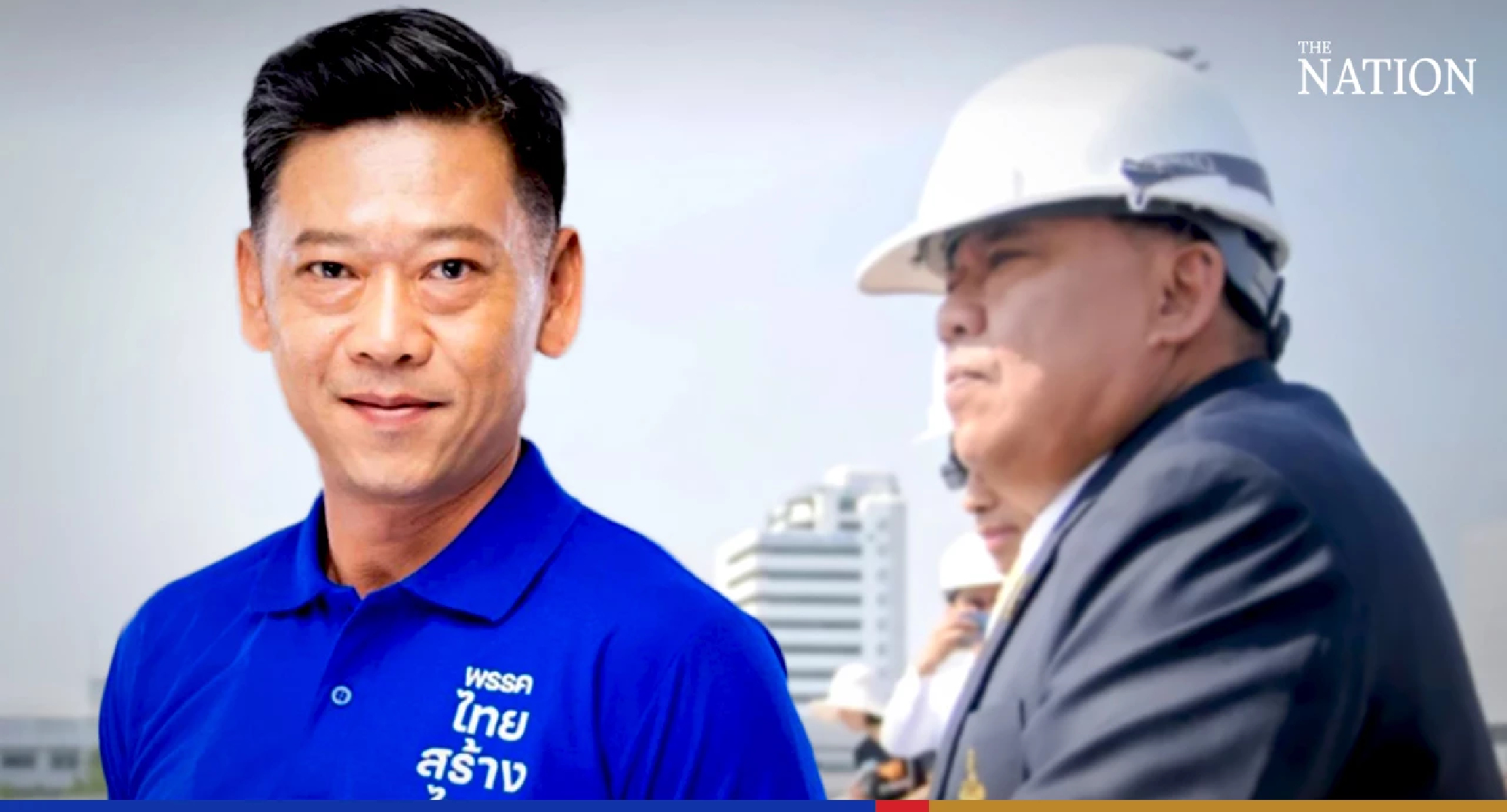
A Thai Sang Thai Party candidate for member of the Bangkok Metropolitan Council on Wednesday opposed Bangkok Governor Aswin Kwanmuang’s motion to ask the city council for an additional budget of 10 billion baht, just before the gubernatorial election date is to be announced, as “inappropriate”.
“Asking for such a huge budget so close to the end of his governorship is highly inappropriate,” said Sorathep Rojpotchanaruch. “I suspect that Pol General Aswin aims to use this money to increase his popularity among voters, as he, too, will be running for governor, seeking a second term.”
The Ministry of Interior is expected to send next week the proposed election dates for Bangkok and Pattaya governors to the Cabinet for approval. It is expected that the election for Bangkok governor will be held sometime in May. The election for the members of the Bangkok Metropolitan Council will be held simultaneously.
“Aswin is currently holding a public relations campaign called “#Bangkok has changed” with billboards all over the city advertising what he has done during his term, for an obvious reason,” he went on. “Since the governor did not win the office through election, he should not be allowed to use taxpayers’ money to fund his political campaign. Instead, the city should reserve the budget for the candidate who actually wins the election by making promises with the people, so that they can fulfil their promises.”
Aswin took office on October 18, 2016 after being appointed by the National Council for Peace and Order. Although the normal term in office for Bangkok governor is four years, the election has been pushed back several times due to the Covid-19 situation and pro-democracy political rallies in Bangkok.
“If Aswin’s proposal is approved and his office gets the 10 billion baht budget, it will be highly unfair to other candidates and also to the people of Bangkok, who should be the ones to fully benefit from the city’s budget,” added Sorathep.
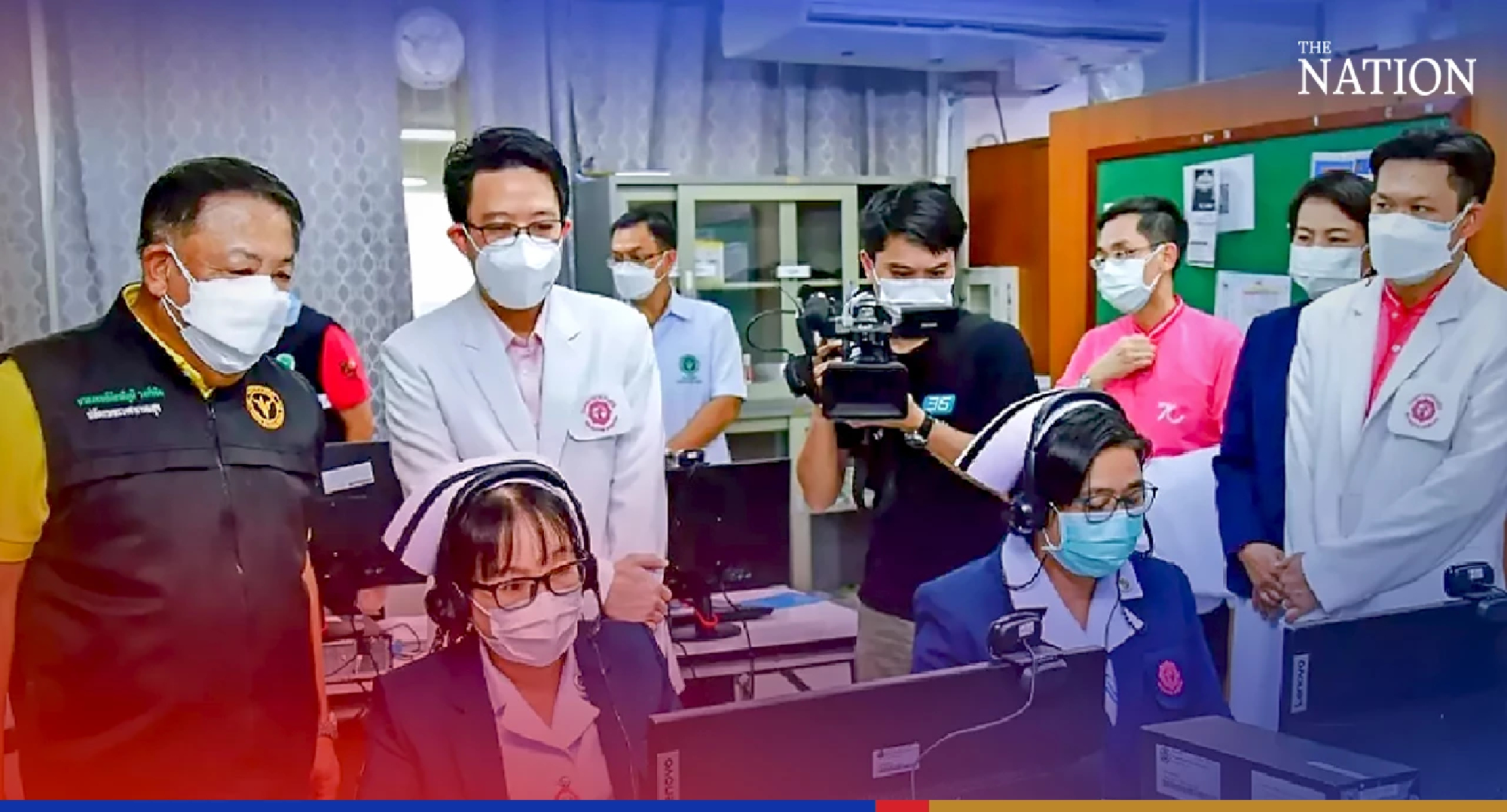
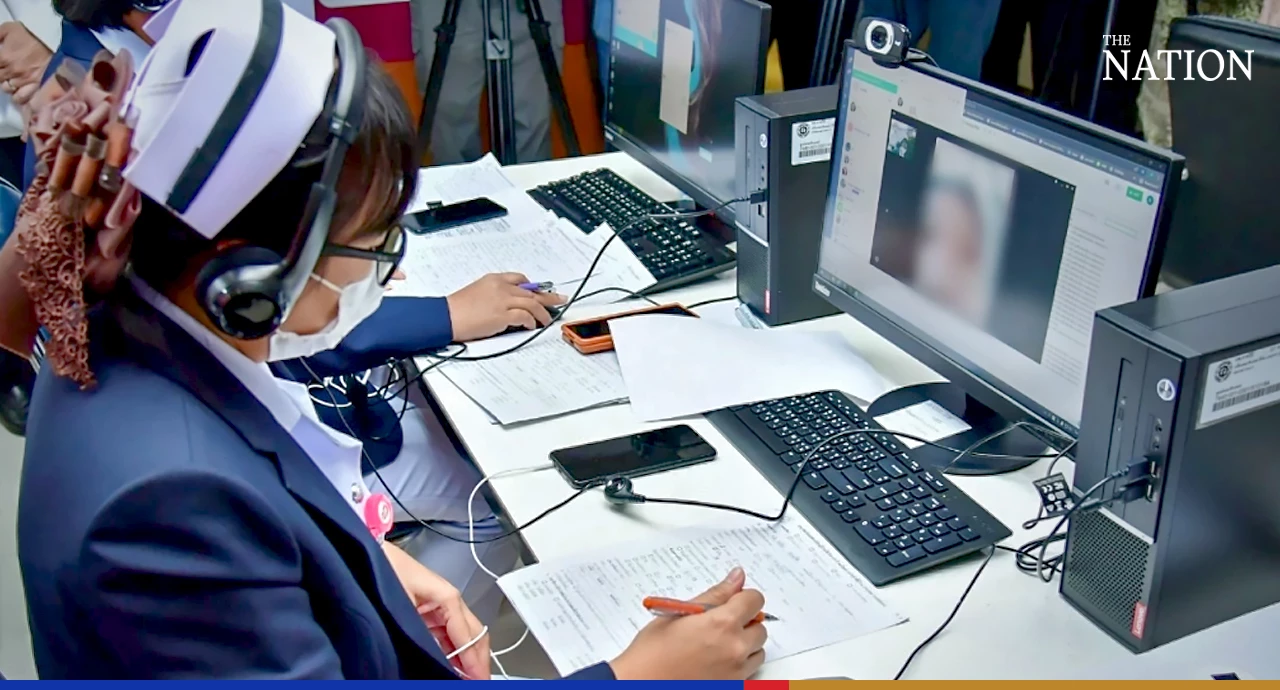
Rajavithi Hospital launched a new Covid-19 treatment scheme on Tuesday to treat patients as outpatients. The move follows the Public Health Ministry’s decision to recognise Covid-19 as endemic.
Ministry permanent secretary Dr Kiattiphum Wongrajit, who was present to oversee the hospital operation, said 95 per cent of Omicron patients develop no symptoms, or just mild ones, unlike the previous Delta variant.
He added that any outpatients who isolate themselves at home and develop more serious symptoms can contact the hospitals they have registered with.
“People at risk of Covid-19 infection can use an antigen test kit [ATK] at home or take a test at any acute respiratory infection [ARI] clinic in hospitals under the Public Health Ministry,” he said.
“If they test positive and are not at risk of developing severe symptoms, doctors will allow these patients to receive treatment as outpatients and isolate themselves at home.”
Kiattiphum said the patients would receive Favipiravir, Fah Talai Jone herbal pills and other medicines such as Vitamin C and paracetamol, while doctors would monitor their symptoms 48 hours after giving them a prescription.
He said Rajavithi Hospital has implemented measures to prevent congestion as Covid-19 patients who agree to receive outpatient service will be allowed to register for monitoring of their symptoms at the hospital, while they can avail of medicines through an automatic dispenser.
The doctor said people who test positive via ATK must contact National Health Security Office hotline 1330 or hospitals to receive an assessment and register for outpatient treatment.
“We advise anyone who wants to go to hospital to abide by Covid-19 universal prevention measures, such as wearing a face mask, maintaining a social distance and washing one’s hands with alcohol gel,” he added.
Medical Services Department chief Somsak Ankasil said the outpatient service is not a substitute for home or community isolation but an alternative for patients who develop no or mild symptoms without risk of developing severe symptoms.
“This scheme will also help relieve the burden on medical staff,” he added.
Rajavithi Hospital director Jinda Rojanamethin said about 250 people come to the hospital’s ARI clinic each day and up to 70 per cent test positive for Covid-19 with no or mild symptoms.
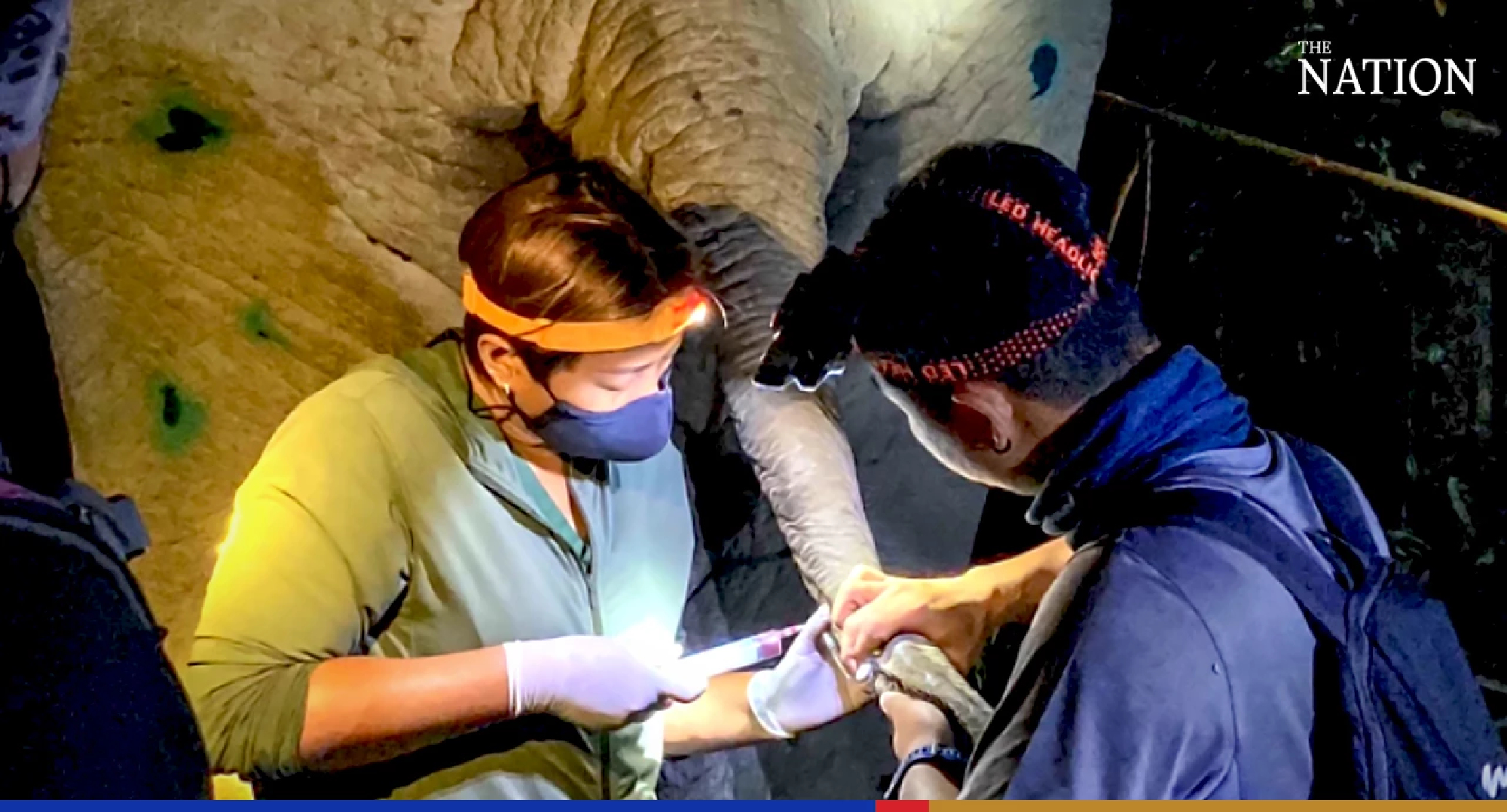
Kaeng Krachan National Park staff on Tuesday installed collars on two elephants, which will report their location every six hours.
Pichai Watcharawongpaiboon, director of the Third Conservation Area Administration Office in Phetchaburi province, said that he had received a report from Ittipon Thaikamol, head of Kaeng Krachan National Park.
The report said that staff from the national park and from related organisations put a collar each on the two elephants, “Phlai Boonchuay” and “Phlai Boonmee”, who were usually looking for food outside the park and disturbed people in the Huaysatyai sub-district.
The staff shot them with a tranquilliser to collect blood samples for a health checkup and put the GPS collars, which will track their behaviours and movements
The staff said they aimed to take care of the safety of both elephants and people, as the two always crossed the road in risky areas and looked for food in the community area at night.
Prime Minister Prayut Chan-o-cha warned restaurants to strictly follow Covid-19 prevention rules and ordered related organisations to carry out inspections.
Government spokesman Thanakorn Wangboonkongchana said on Tuesday that Prayut instructed the public, service providers and restaurant operators, especially restaurants with live music, to follow Public Health Ministry measures that include a Covid Free Setting and universal prevention.
There have been reports that many restaurants had eased up on enforcing strict health measures especially after the government gave them the green light to allow musicians to perform live.
Legal action will be taken against restaurant operators who do not follow or abide by strict Covid prevention measures, Thanakorn warned.
The spokesman said infections have increased recently due to gatherings in which people fail to wear masks or “talk out loud” in closed rooms.
He said many have failed to follow prevention measures because Omicron is not as severe as the other variants.
Thanakorn urged the public to strictly abide by anti-Covid measures to keep the virus from spreading further, which might lead to more fatalities.
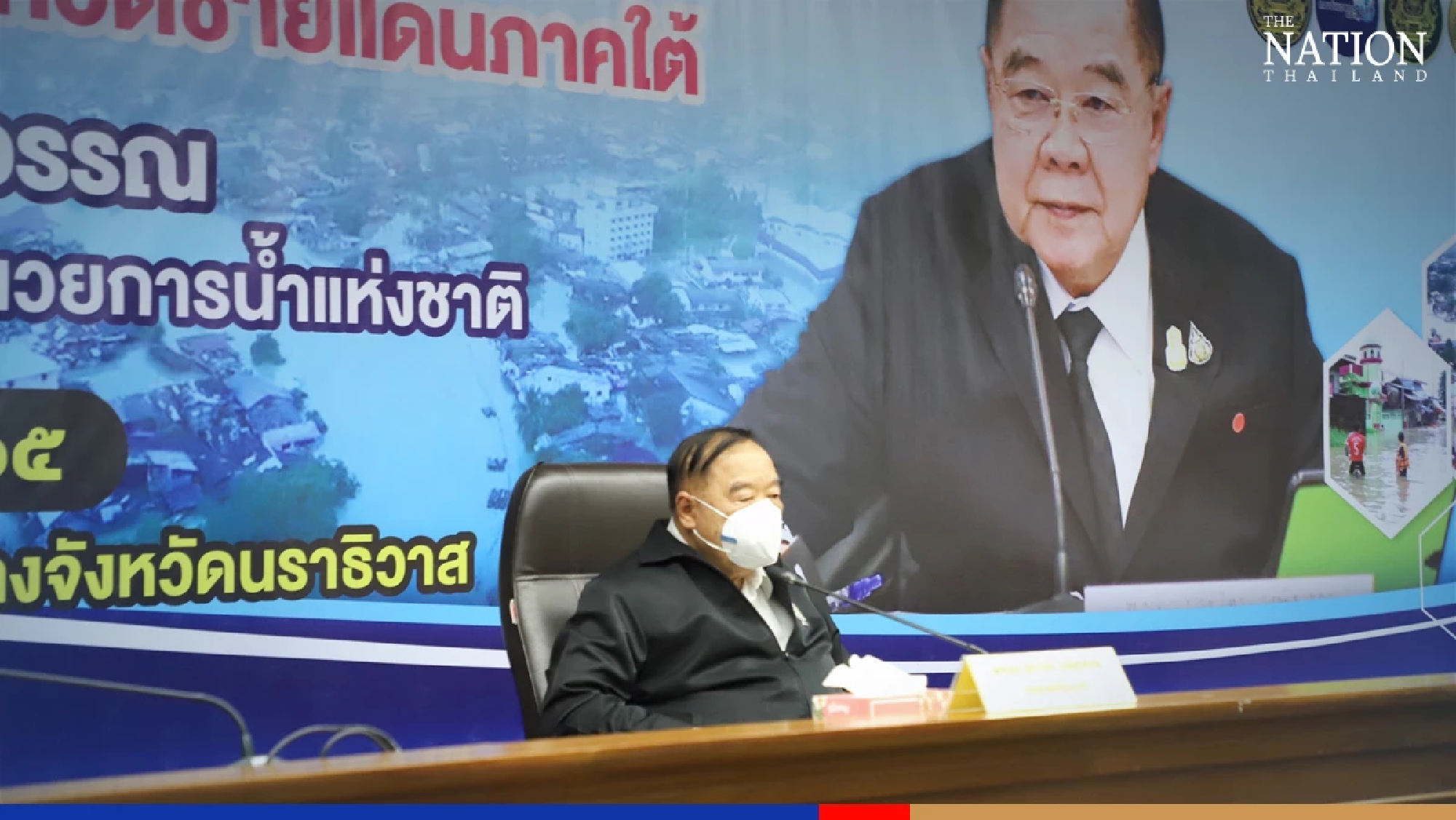
 In the afternoon, Prawit travelled to the meeting hall of the Suan Ruen Aroon Municipality in Narathiwat’s Sungai Kolok district to hand out bags of necessities to flood victims in tambon Munoh.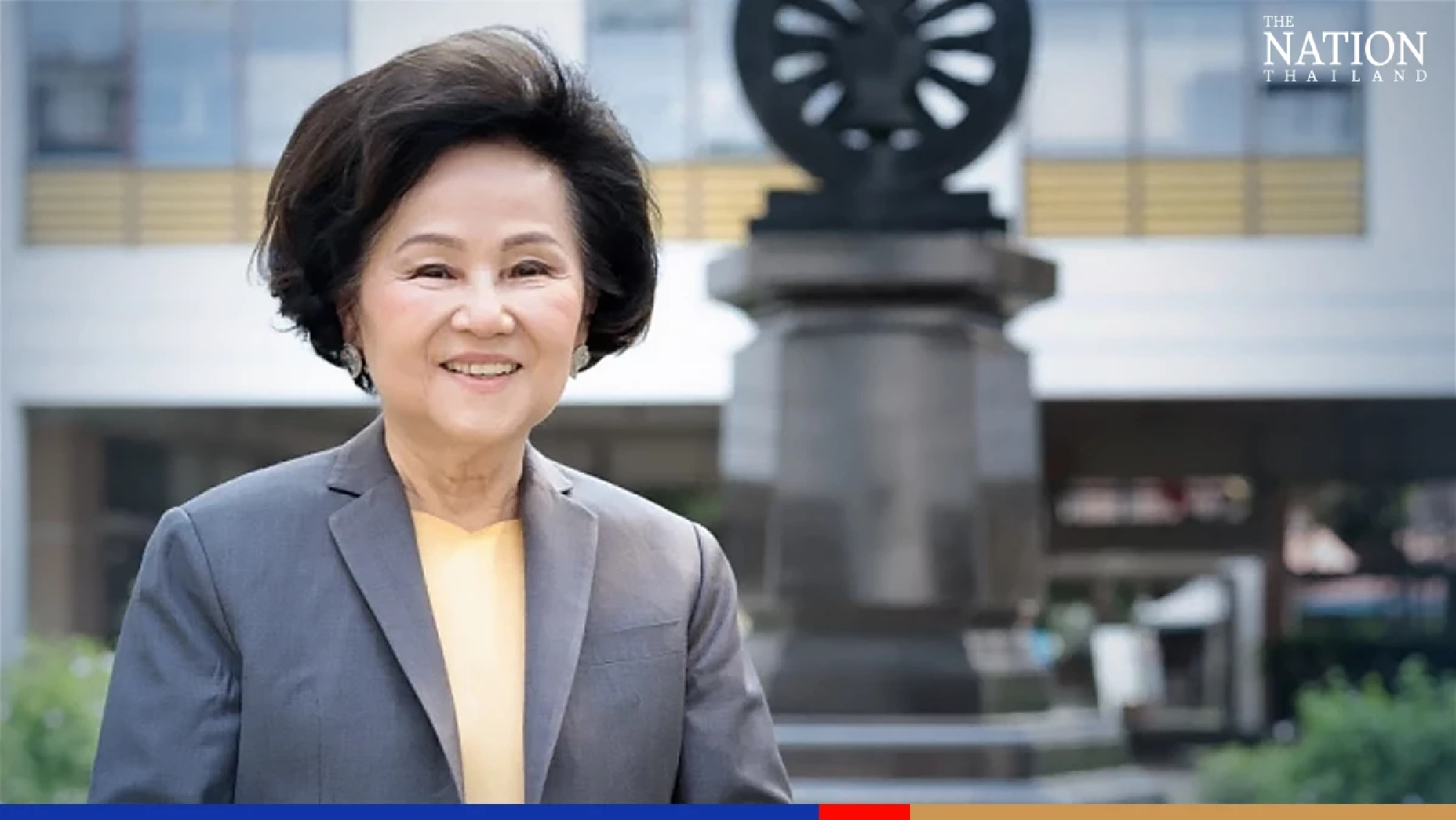
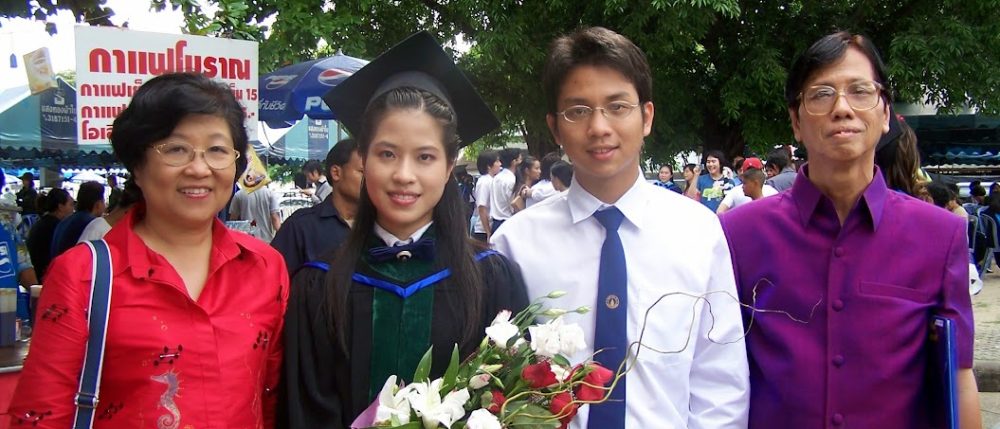
 Vice rector Assoc Prof Dr Surat Teerakapibal said this would be the fifth Thammasat campus, alongside the four current campuses at Tha Phra Chan, Rangsit, Lampang, and Pattaya.
 Brandverse CEO Natthaset Traithipcharoenchai said the metaverse in Thailand is possible with the cooperation of universities, government agencies and the private sector. The project has received support from the Department of International Trade Promotion and the National Innovation Agency.

 The Mae Hong Son Meteorological Office reported that visibility over the province was poor from 6am to 10am.