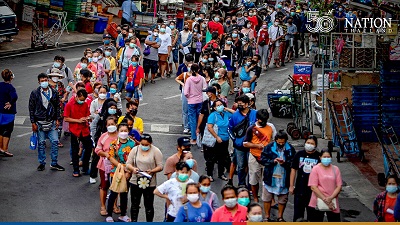
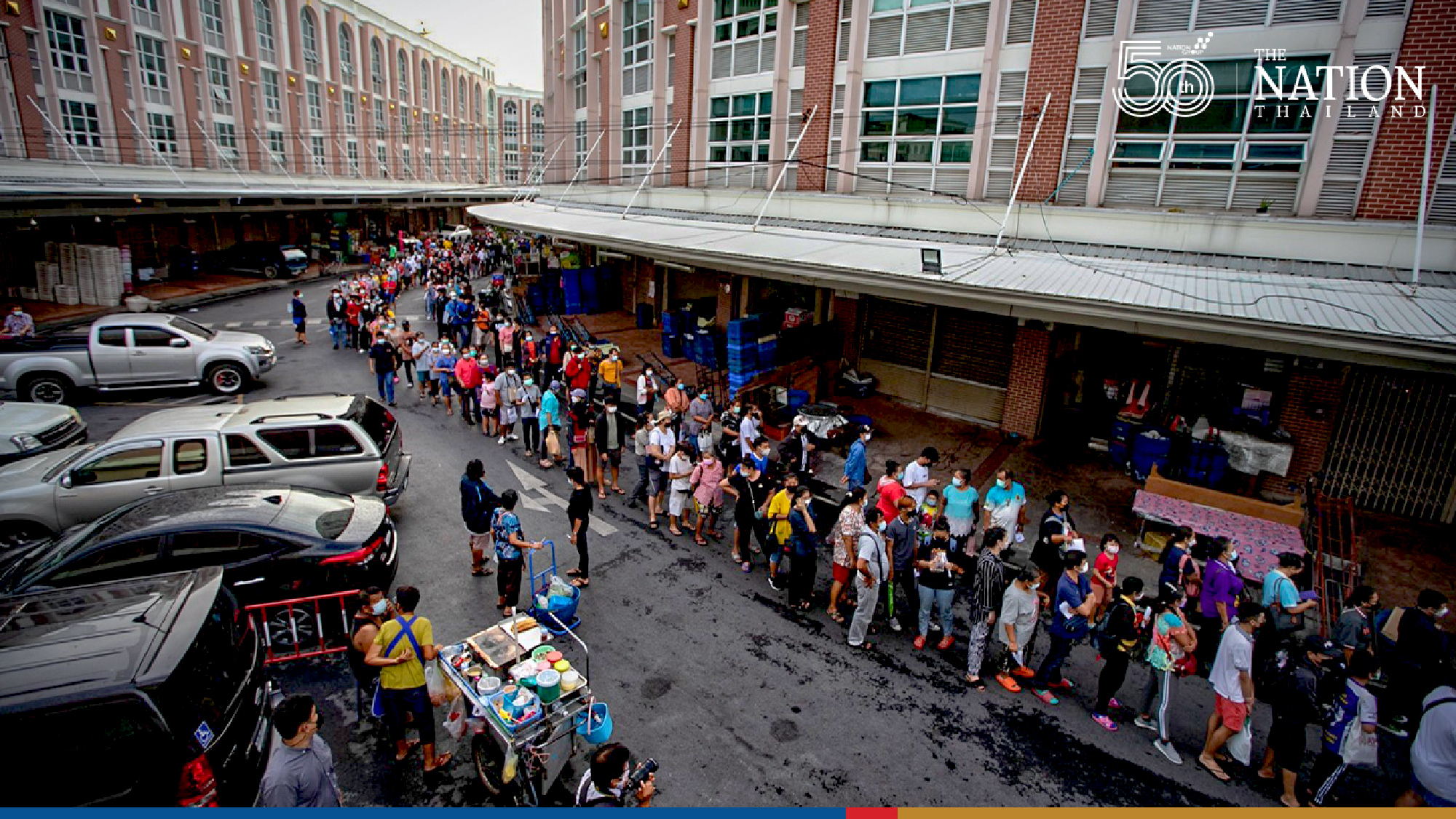
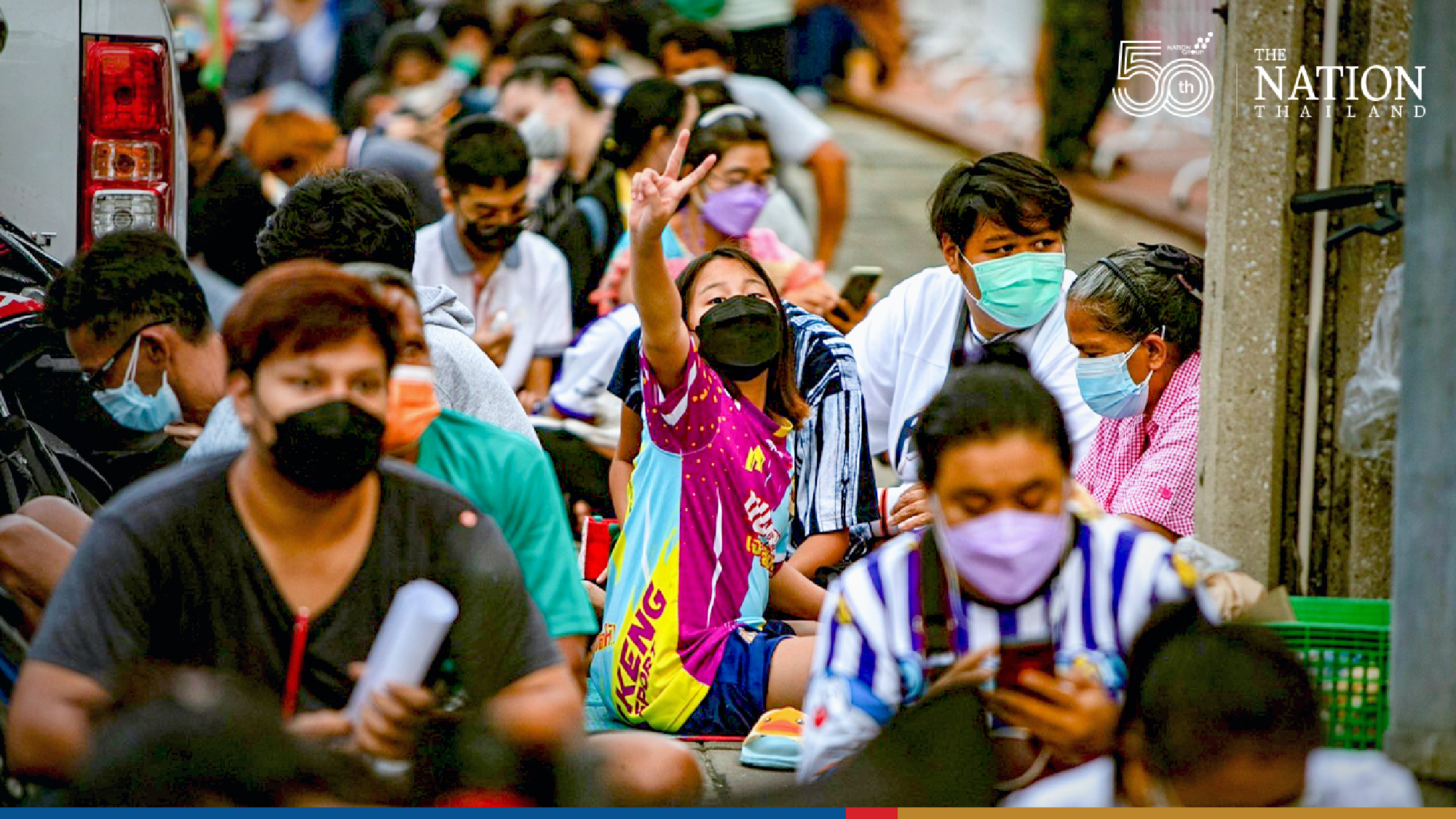
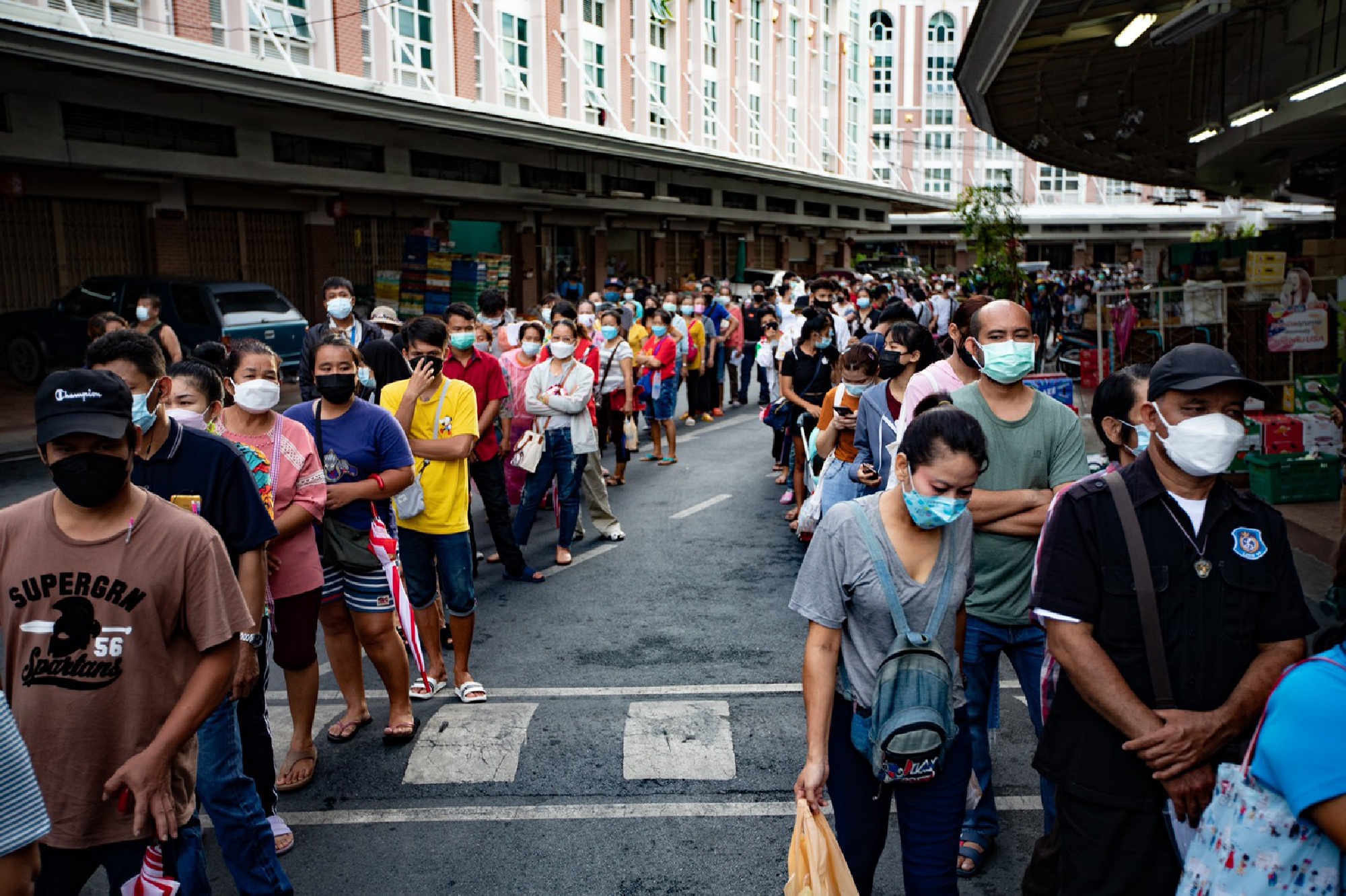
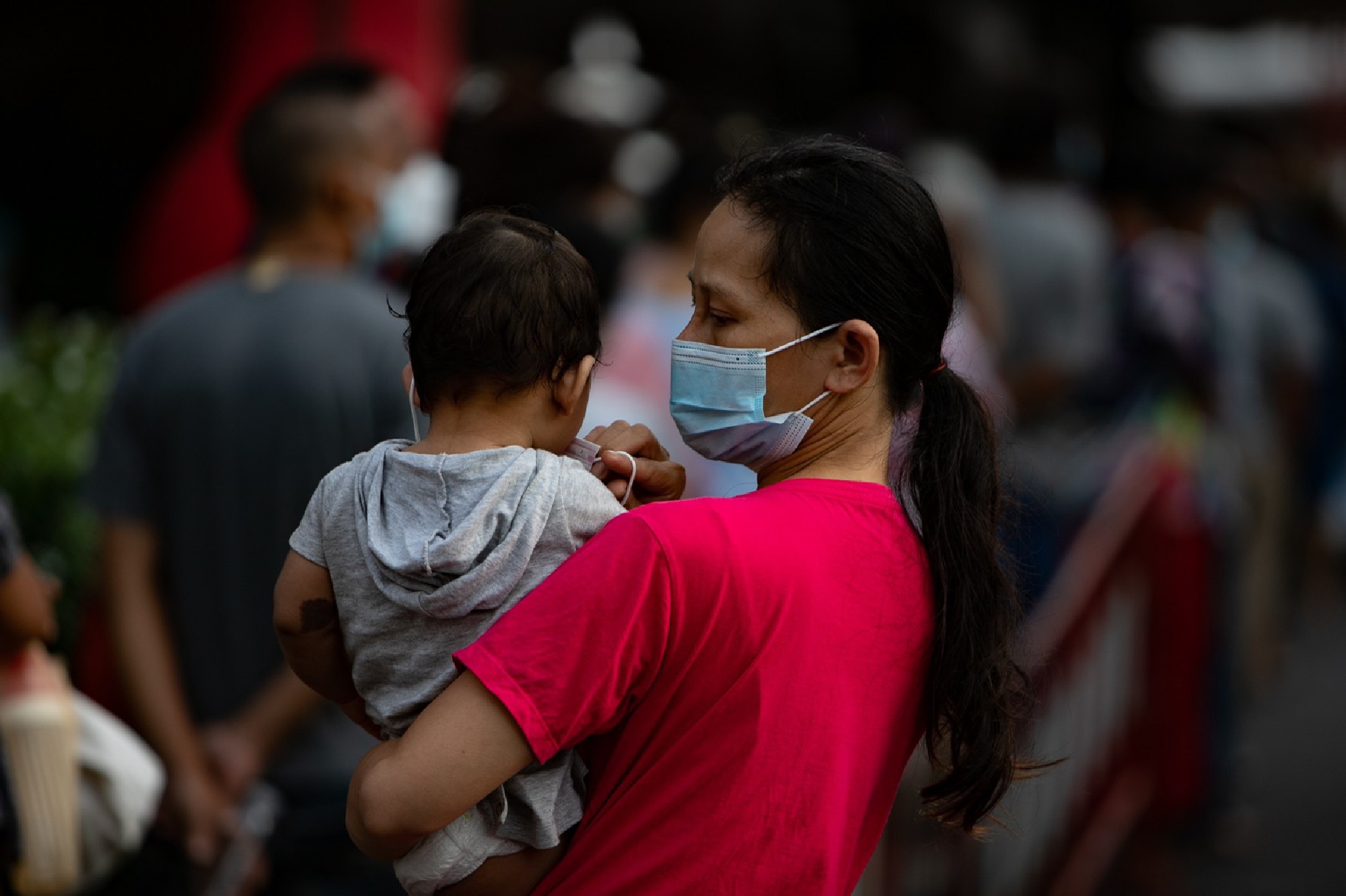
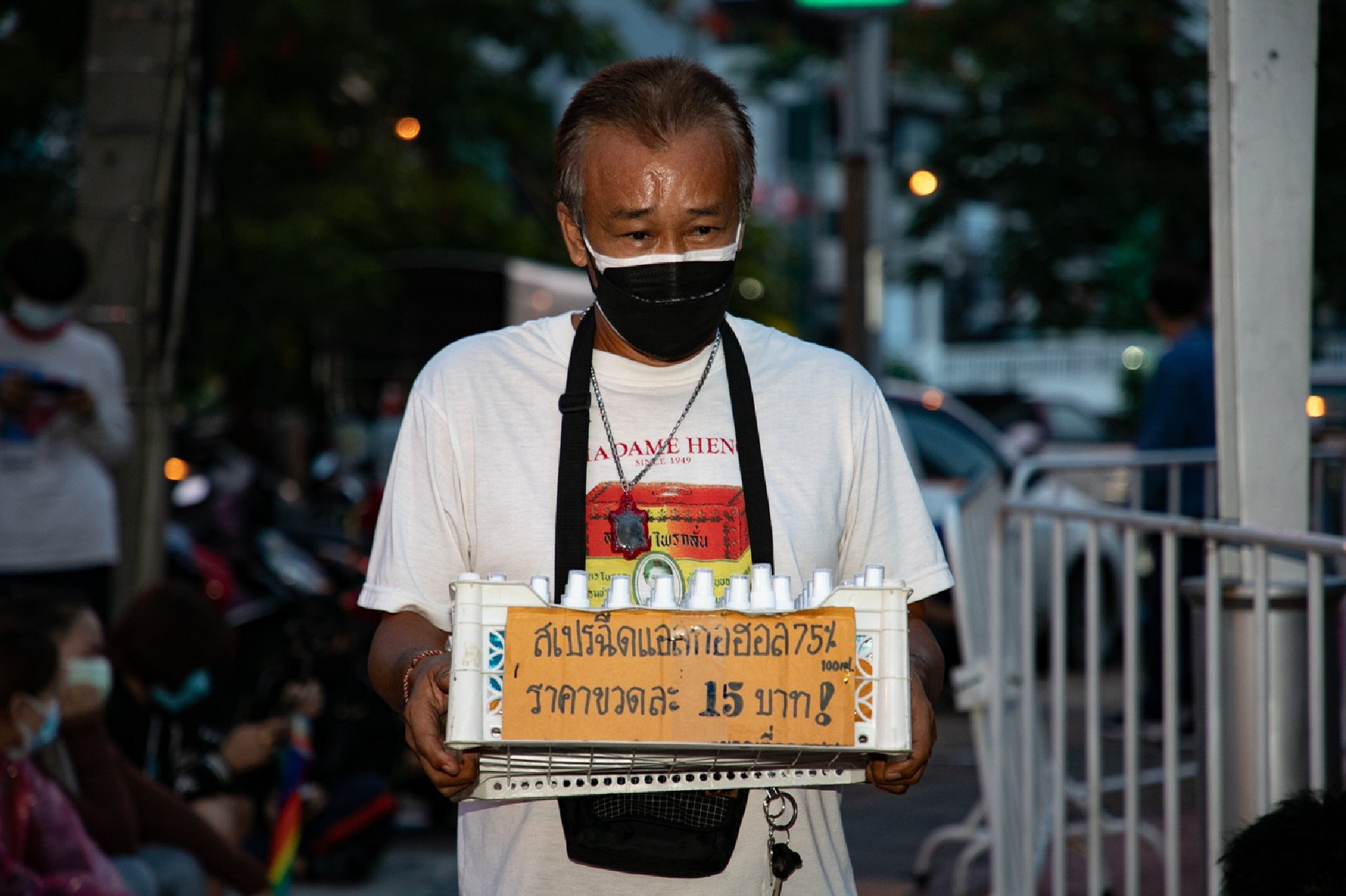
Long lines of people queued up to receive free Covid-19 tests at Mahanak Market in Bangkok’s Dusit district on Friday (July 9).
Mahanak Market is one of five locations where Bangkok Metropolitan Administration launched free testing from 8am on Friday. The others are Wat Phra Sri Mahathat Woramahawihan in Bang Khen district, Wat Pholmanee in Lat Krabang district, Wat Bang Khun Thian Nok in Jomthong district and Bang Khae Phirom Market in Bang Khae district.
Testing times in Bangkok
A source said the first person in the queue had shown up at 8pm on Thursday.
On Friday, officials were periodically warning people to maintain distance with others in queues to minimise the risk of spreading the disease.
Testing times in Bangkok
“People who plan to get a free test should check traffic routes around the area before leaving home,” said the source. “Also, bring your ID card and a copy as well as your own pen.”
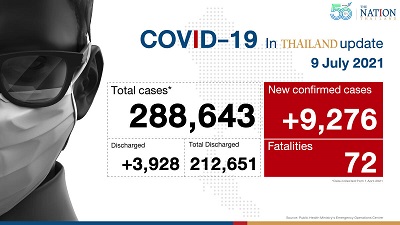
Thailand logged a record high of 72 Covid deaths and 9,276 new cases on Friday.
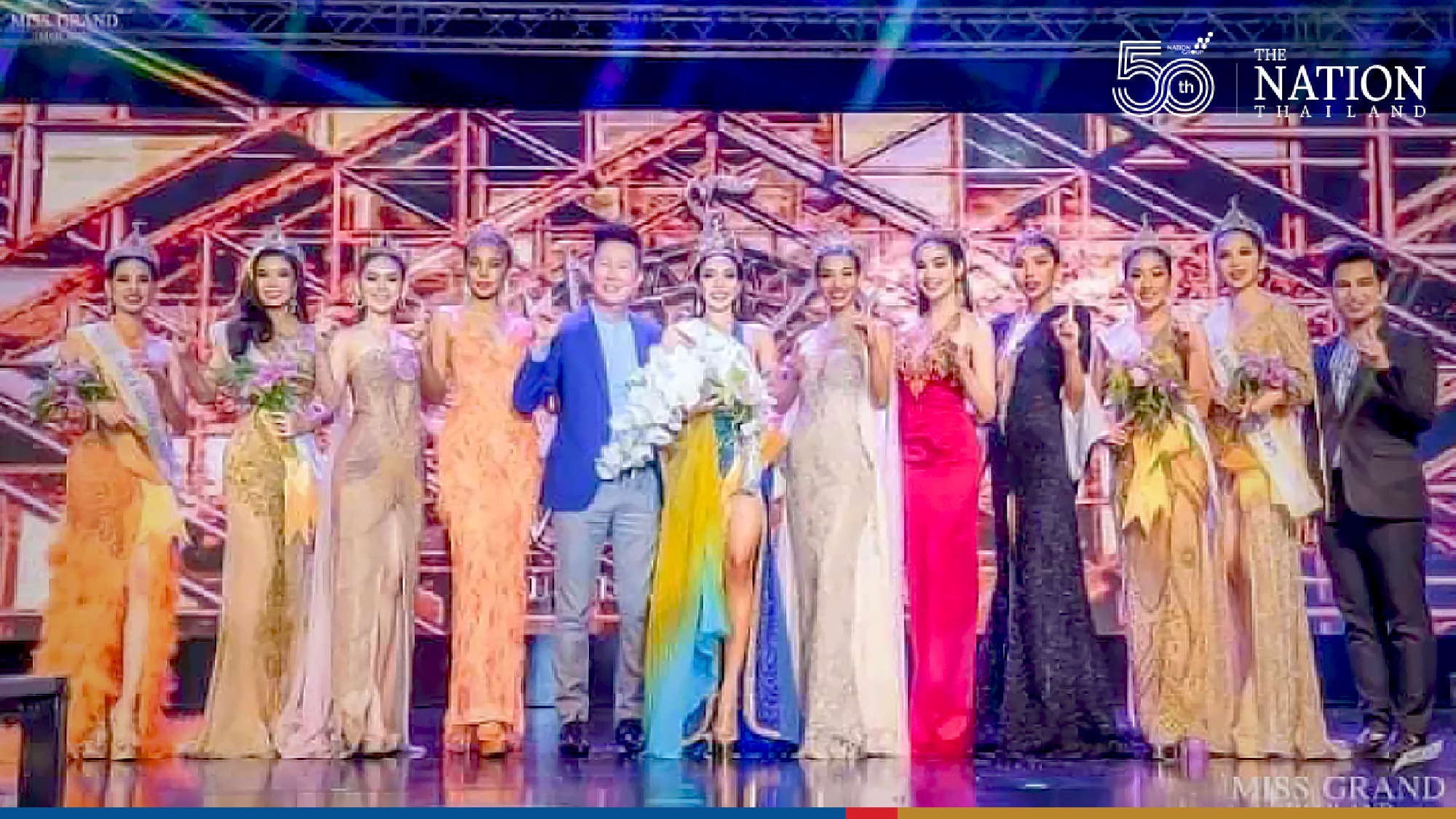
Samut Sakhon beauty contest latest Covid cluster as 22 test positive
The Miss Grand Samut Sakhon beauty contest emerged as a new Covid-19 cluster when 13 contestants and nine mentors tested positive on Thursday and more than 100 others were found to be at risk.
In a comment posted on the “See True” Facebook page, a contestant said participants were instructed to take off their masks and do activities without adhering to social-distancing principles.
She also said the organisers did not tell the participants that many had tested positive.
“In fact, we did not want to take part because the contest was being held in a maximum-control province,” she said.
However, she said she could not pull out because she did not have funds to cover the 60,000-baht penalty.
“The contract initially said contestants must pay a 5,000 baht fine if they want to pull out, but the organisers later announced via Line that we will be charged 60,000 baht instead,” she added.
Samut Sakhon beauty contest latest Covid cluster as 22 test positive
The contest was held in the last week of June.
Samut Sakhon beauty contest latest Covid cluster as 22 test positive
The Medical Council of Thailand has urged the government to provide Covid-19 vaccine to every citizen free of charge, as well as provide messenger ribonucleic acid (mRNA) vaccine to medical professionals.
In a statement issued on Friday, Emeritus Professor Dr Somsri Phasawas, chairperson of the council, said that the procurement of the Covid-19 vaccine should focus on securing vaccines of various types and distributing them to all people to curb the Covid-19 outbreak and protect against mutated variants of the virus.
“The council promotes the principle that Covid-19 vaccine should be provided to all citizens free of charge under Section 47 of the 2017 Constitution,” she said. “Also, the government should distribute vaccine of any type to the people as soon as possible to prevent the development of severe symptoms and deaths.”
The council also urged the government to provide appropriate vaccine to frontline medical professionals who carry high risk of infections. “For example, medical staff should be given mRNA vaccine,” she said.
The statement also urged the public and private hospitals to provide testing to persons who are suspected of contracting Covid-19 in a timely manner and admit infected patients for treatment as soon as they can to prevent further spreading of the virus.
“The council also urges all citizens to strictly follow disease control measures, including washing your hands regularly, wearing face mask, distancing from others and refraining from any public assembly,” Somsri added.
The baht opened at 32.54 to the US dollar on Friday, weakening from Thursday’s closing rate of 32.46.
The Thai currency is likely to move between 32.50 and 32.65 during the day, Krungthai Bank market strategist Poon Panichpibool said.
Poon suggested that investors monitor the government’s decision, especially on imposing a lockdown. He said that if some measures are relaxed, foreign investors will return to the Thai market again. Poon said that several investors had sold their assets amid the uncertainty in Thailand, pressuring the baht to weaken.
Meanwhile, the Ministry of Public Health reported on Friday morning that in the past 24 hours, 9,276 new patients had tested positive for Covid-19, 278 of whom had been found in prisons.
Thailand’s healthcare system is facing one of its toughest-ever challenges, with the novel coronavirus spreading like wildfire and the cumulative total of Covid-19 crossing the 300,000 mark as of Thursday.
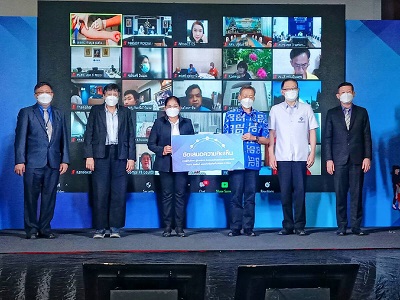
And as the end of the outbreak is still nowhere in sight, something new may need to be done to ease the situation of the country’s strained healthcare system. The National Health Security Office (NHSO) has, therefore, held a forum for its partners to share their views on the matter.
Entitled “National health security system in the face of Covid-19”, the brainstorming session was held on June 25. It also included a seminar on the role of each healthcare system’s division in the country’s fight to contain the outbreak.
Dr Tares Krassanairawiwong, director-general of the Department of Health Service Support (DHSS), shared his department’s experience in working behind the scenes to ensure every part of the healthcare system functions as effectively as possible while struggling to cope with the impact of Covid-19.
Since the start of the outbreak in Thailand, he said, DHSS has been enhancing the capacity of laboratories, which play a key role in testing Covid-19; reorganising the system for managing public healthcare facilities and medical supplies; and using social mechanisms such as health volunteers for Covid-19 control in each area.
And now that the country is struggling to deal with this new rapid wave of Covid-19, Bangkok has been running out of hospital beds to accommodate new patients, he said.
The DHSS has therefore come up with an idea to turn more than 71 hotels in the capital into temporary isolation facilities, which are actually capable of taking care of infected patients whose conditions are rated as yellow (with moderate symptoms) and green (with mild or no symptoms), he said.
These so-called “hospitels” have more than 10,000 beds for Covid-19 infected people, he said.
“We’ve also resolved to allow private parties to take part in handling Covid-19, especially in Bangkok [where the situation is most critical]. Five announcements have been issued to permit these private partners to support us in terms of pooling healthcare resources,” he said.
After Covid-19 was declared to be a medical emergency, all healthcare facilities, both private and state-run, have begun working together in taking care of Covid-19 patients under healthcare cooperation similar to the Universal Coverage for Emergency Patients (UCEP) system, which is practised under the Universal Coverage Scheme (USC), he said.
And to keep up with the changing situation, the NHSO is trying to make its funding for healthcare services provided by healthcare facilities in this same system as flexible and effective as possible, said Dr Jadej Thammatach-aree, NHSO secretary-general.
At the beginning of the outbreak, the overall capacity of laboratories in Thailand remained limited, which hindered the country’s ability to detect new cases of Covid-19, he said.
In response, the NHSO sought to divert the government’s central budget to fund the work of improving the capacity of these laboratories until the active case-finding strategy could be adopted to find new cases and provide necessary healthcare services at isolation units such as field hospitals, whose operations are also subsidised by the NHSO, he said.
Later when the government rolled out its mass Covid-19 vaccination drive to contain the outbreak, the NHSO began offering a new disbursement rate of 40 baht per vaccine injection service in a bid to accelerate and support the expansion of the national vaccination programme, he said.
At the same time, the NHSO also began implementing a new mechanism to boost public confidence in the government’s financial compensation programme for adverse events following vaccination, he said.
And most recently, the NHSO has started drafting rules on a new financial compensation programme for “Home Isolation/Community Isolation”, which will allow people to undergo Covid-19 isolation at home, he said.
“Covid-19 has taught us a lesson – the speed of responding to a crisis is the key to success,” he said.
In case of the financial compensation programme for Covid-19 vaccine recipients suffering adverse events, for instance, although the preliminary financial assistance being offered isn’t that much, it does improve public confidence in the government’s promise to take care of them in the event they suffer any unwanted consequences of vaccination, he said.
Covid-19 has, in a way, accelerated certain systems designed to support the development of the country’s healthcare system, which had not succeeded earlier, such as the telemedicine project, he said.
“On the one hand, Covid-19 came as a catalyst for change in several services, ideas, and organisational practices. It has been driven us to move forward to the new normal,” he said.
Watchari Nim-anong, president of Hua Pho sub-district local administration organisation in Suphan Buri’s Song Phi Nong district, meanwhile, offered a broader picture of how Local Administration Organisations (LAOs) can use the Community Health Fund to support its fight against public health problems at the local level, including Covid-19.
As many LAOs remain reluctant to use this budgetary mechanism simply because they are worried about the strict inspection by the Office of the Auditor General (OAG) of their spending, a great deal of money remains unused, she said.
“You should never worry about strict inspection by the OAG as long as you spend the given money for disease prevention and health promotion and for helping people,” she said.
The fund is allowed to be used in case of outbreaks and disasters such as for purchasing Covid-19 prevention equipment for local educational institutions, child-development centres, elderly care centres and healthcare facilities, she said.
Saree Aungsomwang, secretary-general of Thailand Consumers Council, said the council is focusing on three areas of the government’s provision of healthcare services during the Covid-19 crisis.
The three areas are ensuring treatment for Covid-19 patients remains totally free, redefining medical emergencies and improving the quality of healthcare services being offered, she said.
She also urged the government to improve clarity and transparency in its communication with the public about Covid-19, such as details on the procurement of Covid-19 jabs.
She also expressed concern over the possibility of Thailand joining the Comprehensive and Progressive Agreement for Trans-Pacific Partnership (CPTPP), which she said the government should put a hold on until it is proved that the country will truly benefit from the trade pact.
Ministry of Public Health reported on Friday morning that in the past 24 hours there are 9,276 new patients who tested positive for Covid-19, 278 of whom have been found in prisons.
Death toll increased by 72, while 3,928 patients were cured and allowed to leave hospitals.
Cumulative cases in the country are at 317,506 with 2,534 total deaths.
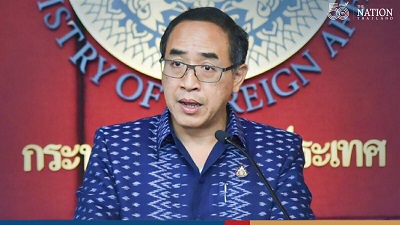
The Foreign Ministry on Thursday blamed lack of proper documentation for being unable to issue Certificates of Entry (COE) to many tourists wishing to visit Phuket.
The ministry’s spokesperson, Thani Saengrat, was
responding to reports that the failure to promptly issue COE had resulted in the number of visitors under the Phuket Sandbox programme falling below the target.
“The ministry is working as fast as we can to issue the COE,” he said. “However, several tourists did not meet the criteria or did not present all the required documents, therefore we cannot issue the COE to them.”
Under the sandbox programme, tourists who can verify they have been inoculated against Covid-19 and test negative can fly into Phuket and move around freely in the province without having to quarantine. After spending 14 days in Phuket and if they still test negative, the tourists can then travel to other parts of Thailand.
To be eligible to apply for a COE, visitors must come from 68 countries/areas that have mid to low level of infections and had been staying there for at least 21 days. They also have to present their passport, a plane ticket, an insurance against Covid-19 of at least $100,000, evidence of payment for accommodation that are certified under SHA+ standard and for Covid-19 testing, a certificate of vaccination, and a negative test result via RT-PRC method done not earlier than 72 hours before departure.
All visitors, both Thai and foreign nationals, have to take up to three Covid-19 tests during their stay in Phuket to ensure that they are free of the virus. The number of tests depend on the length of stay.
“From July 1-8, 12,356 people have applied for a COE to enter Phuket from embassies worldwide,” said Thani.
“As of July 8, the ministry has issued COE to 5,652 tourists under the Phuket Sandbox programme, 594 people were not qualified, while 6,110 people have yet to submit complete documents.
“From July 1-8, 2,244 visitors have entered Phuket under the sandbox programme,” he added.
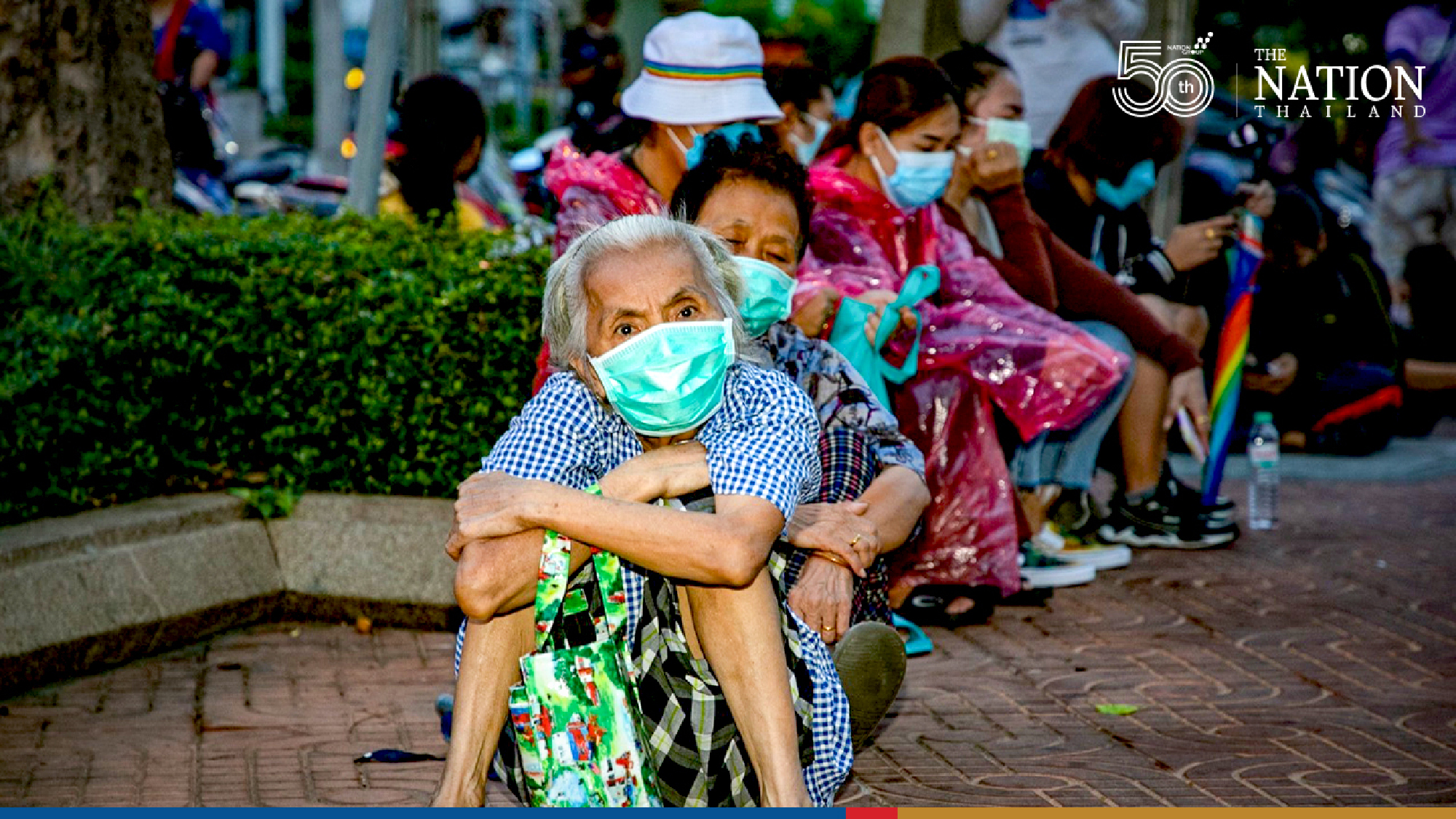
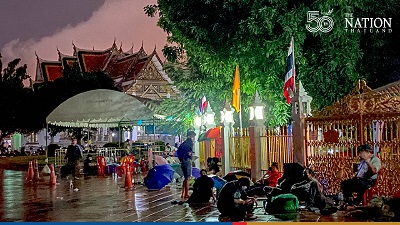
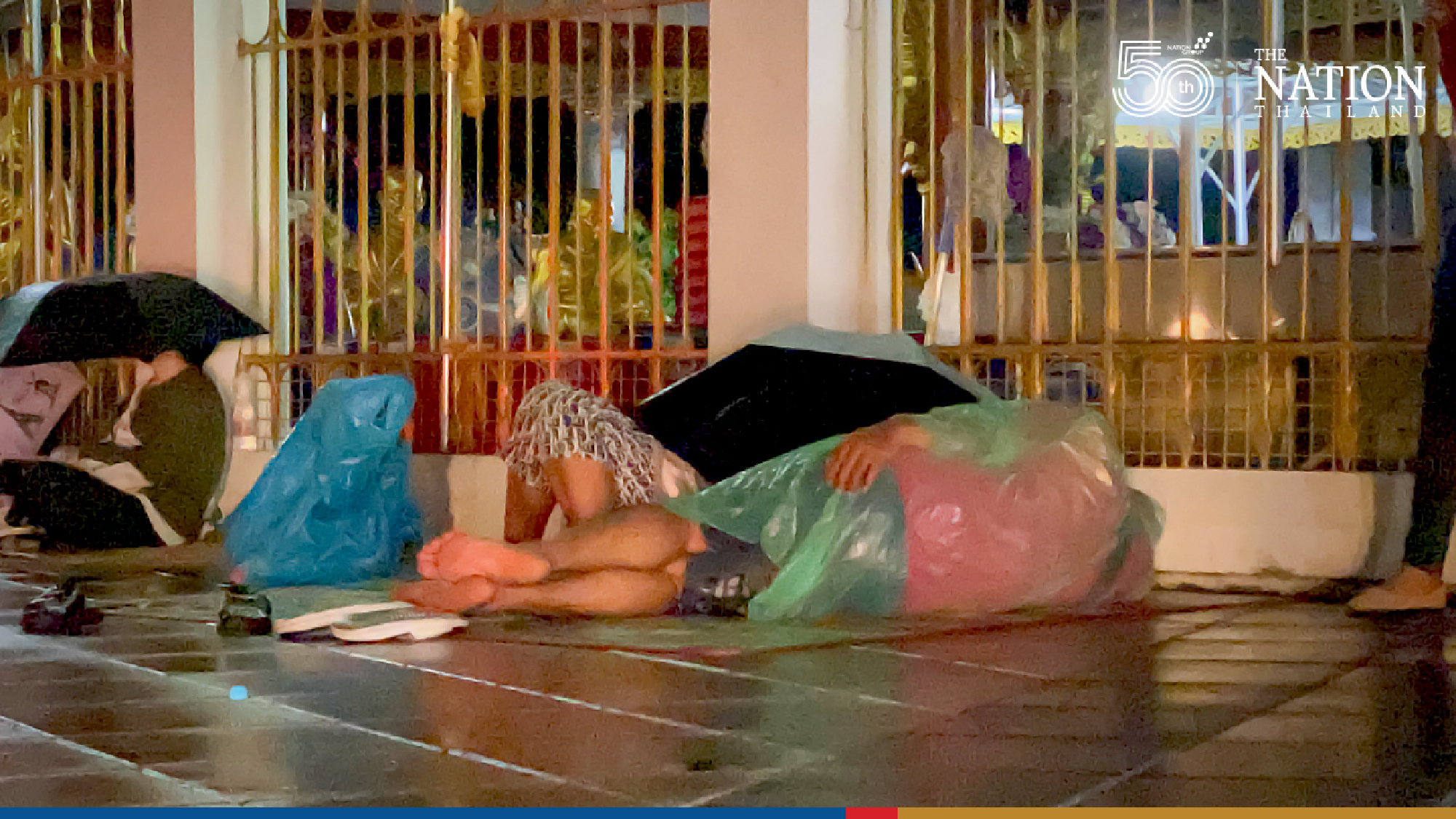
As early as 4am on Friday, some 500-600 Bangkokians were seen camping out in front of Wat Phra Sri Mahathat Woramahawihan in Bang Khen district where the Bangkok Metropolitan Administration is providing free Covid-19 tests from July 5-11.
Hundreds of Bangkokians brave the rain for free Covid-19 testing
The tests are limited to 900 walk-ins daily from 8am to 4pm.
The downpour at the early hour did not discourage the campers; ome had brought umbrellas while others sought shelter under big trees. Many had come equipped with mats and tents for the overnight wait.
Hundreds of Bangkokians brave the rain for free Covid-19 testing
Bangkok reported 2,212 new patients and 38 deaths on Thursday, bringing cumulative cases in the province to 87,497.
Hundreds of Bangkokians brave the rain for free Covid-19 testing
Hundreds of Bangkokians brave the rain for free Covid-19 testing
Hundreds of Bangkokians brave the rain for free Covid-19 testing
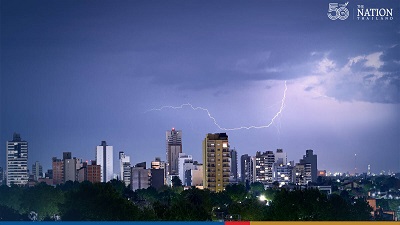
The Thailand Meteorological Department said on Friday that a monsoon trough lies across the North, the Northeast and upper Central region, while a rather strong southwest monsoon prevails over the Andaman Sea, Thailand and the Gulf of Thailand.
Thundershowers with isolated heavy to very heavy rains are possible in all regions of Thailand. People should beware of the severe conditions and flash floods, the department said.
Waves 2-3 metres high are expected in the upper Andaman Sea and above three metres high in thundershowers. All ships should proceed with caution and small boats should keep ashore, the department said.
The weather forecast for the next 24 hours:
North: Thundershowers in 70 per cent of the areas with isolated heavy rains; temperature lows of 23-25 degrees Celsius, highs of 29-34°C.
Northeast: Thundershowers in 70 per cent of the areas with isolated heavy rains; temperature lows of 23-25°C, highs of 30-33°C.
Central: Thundershowers in 70 per cent of the areas with isolated heavy rains; temperature lows of 24-25°C, highs of 31-35°C.
East: Thundershowers in 70 per cent of the areas with isolated heavy to very heavy rains; temperature lows of 23-27°C, highs of 25-32°C; waves two metres high and over two metres during thundershowers.
South (east coast): Thundershowers in 70 per cent of the areas with isolated heavy rains; temperature lows of 24-25°C, highs of 30-33°C; waves a metre high and 1-2 metres during thundershowers.
South (west coast): Thundershowers in 80 per cent of the areas with isolated heavy to very heavy rains; temperature lows of 21-26°C, highs of 28-30°C; waves 2-3 metres high and over three metres during thundershowers.
Bangkok and surrounding areas: Thundershowers in 70 per cent of the areas with isolated heavy rains; temperature lows of 24-27°C, highs of 31-34°C.
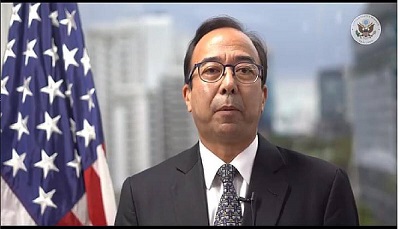
The United States Embassy in Bangkok has released a video clarifying that no intermediary brokered the US donation of 1.5 million Pfizer vaccine doses to Thailand.
The video was issued following a reported claim by Ruktai Prurapark, an Energy Regulatory Commission subcommittee member, that Thai citizens in the US had coordinated to secure the donation.
“Let me be clear, this is a government-to-government agreement. There is no intermediary in the conversation,” said US Chargé d’Affaires Michael Heath, speaking in Thai.
He added that the White House, US State Department and Embassy were working directly with the Thai Foreign and Public Health ministries on the donation of vaccines to fight the pandemic.
“I look forward to sharing good news with you soon. Americans will always stand side-by-side with Thais,” said Heath.
 Testing times in Bangkok
 Testing times in Bangkok
 Testing times in Bangkok
 Testing times in Bangkok
 Testing times in Bangkok
 Testing times in Bangkok

 Samut Sakhon beauty contest latest Covid cluster as 22 test positive
 Samut Sakhon beauty contest latest Covid cluster as 22 test positive

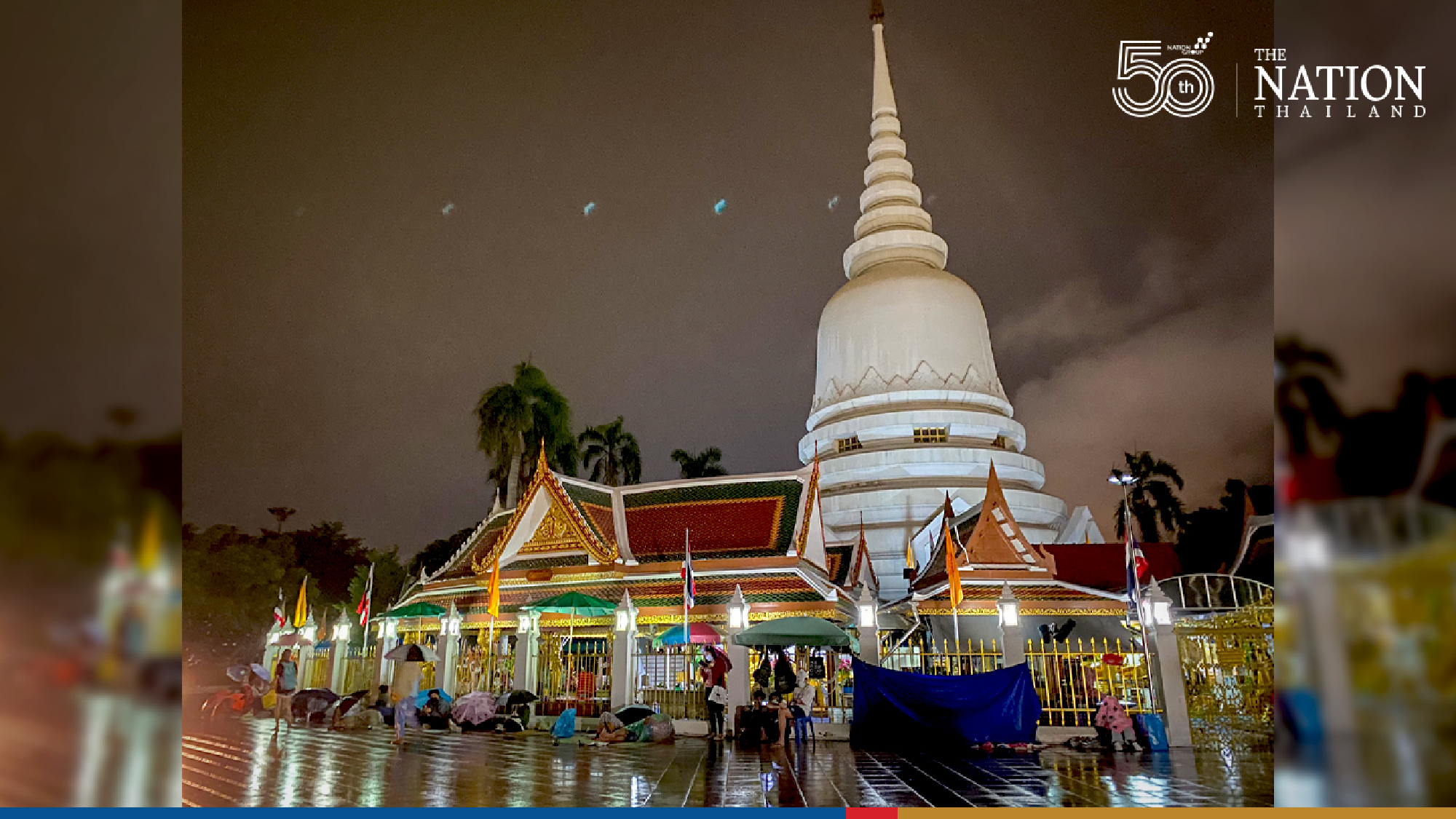 Hundreds of Bangkokians brave the rain for free Covid-19 testing
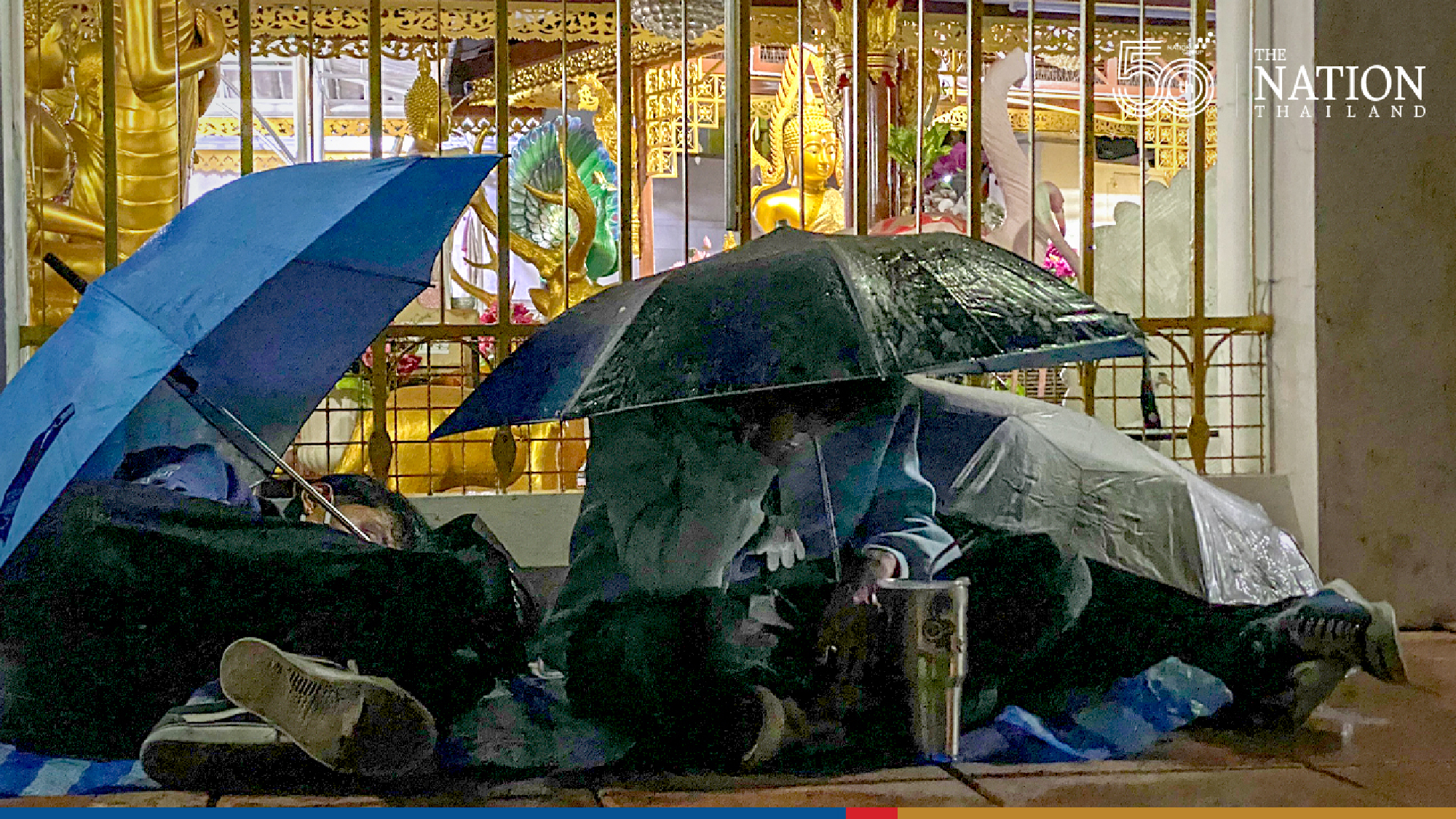 Hundreds of Bangkokians brave the rain for free Covid-19 testing
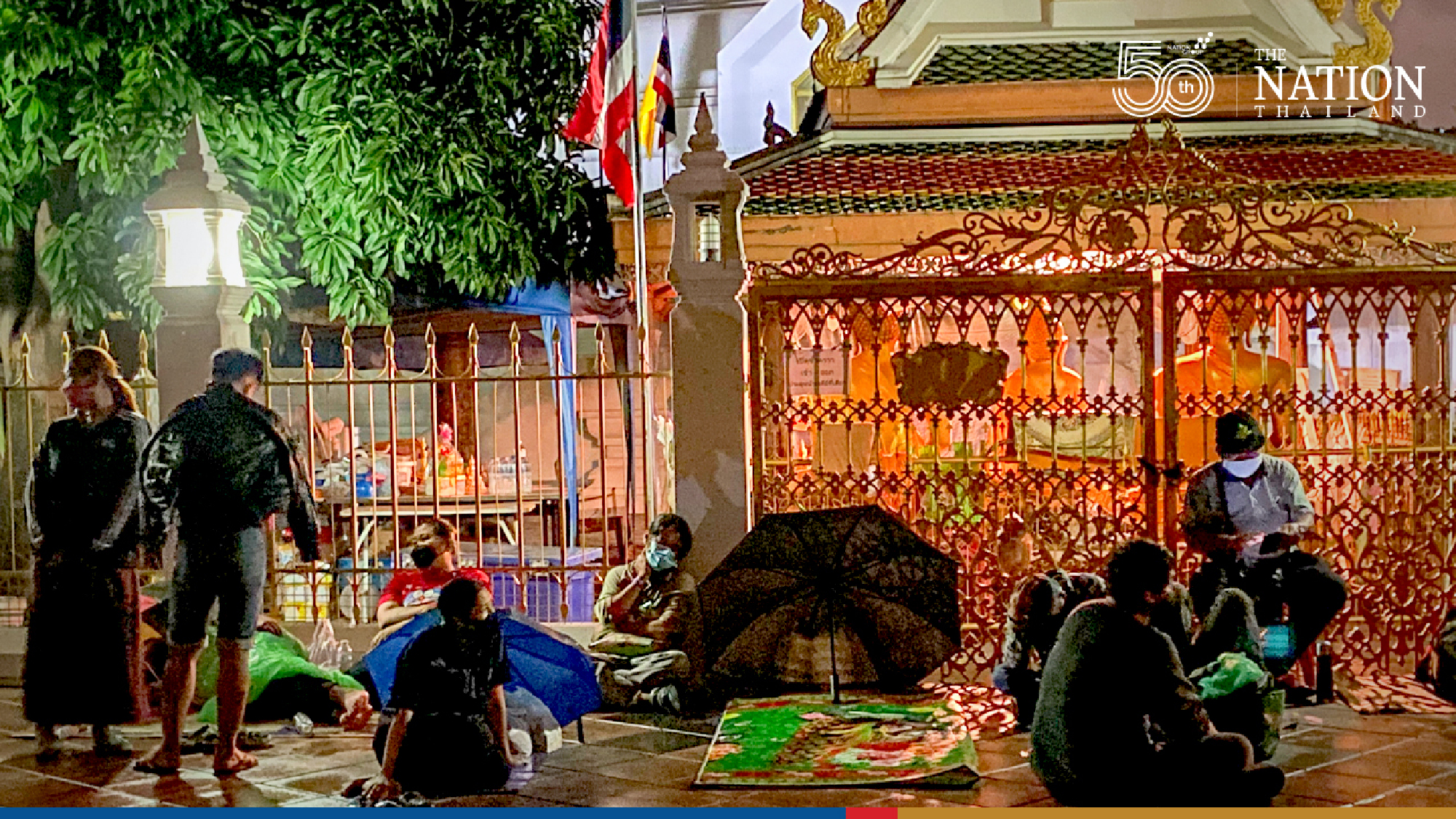 Hundreds of Bangkokians brave the rain for free Covid-19 testing
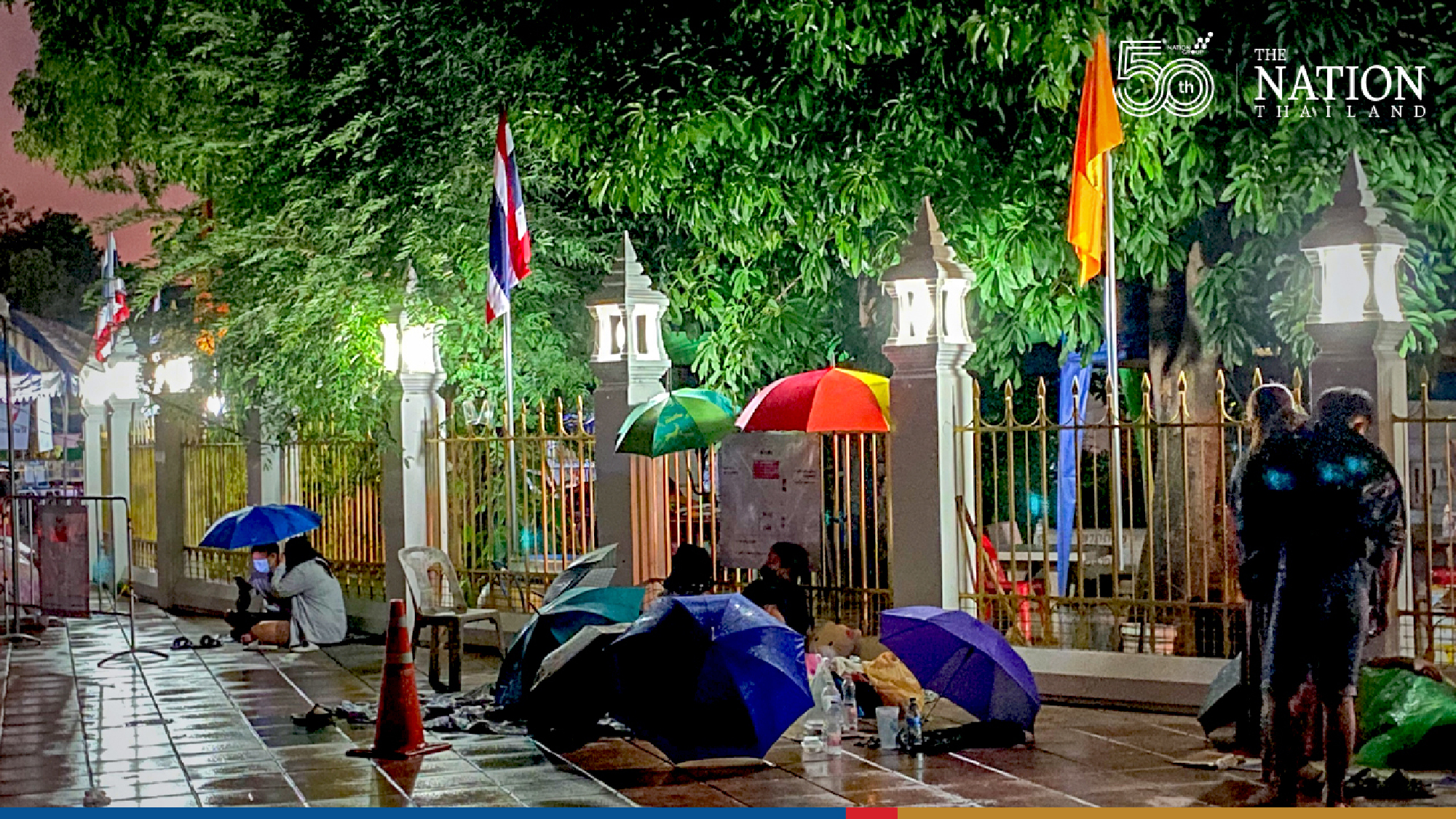 Hundreds of Bangkokians brave the rain for free Covid-19 testing
 Hundreds of Bangkokians brave the rain for free Covid-19 testing