Moves made to deal with rare diseases in Thailand

ศาสตร์เกษตรดินปุ๋ย : ขอบคุณแหล่งข้อมูล : หนังสือพิมพ์ The Nation

https://www.nationthailand.com/lifestyle/30376738

Moves made to deal with rare diseases in Thailand

Sep 26. 2019
 Wanitcha Kaewya, centre, and her parents. Wanitchaya is a patient of Gaucher Disease - the rare condition and affect one in 100,000 people.

Wanitcha Kaewya, centre, and her parents. Wanitchaya is a patient of Gaucher Disease – the rare condition and affect one in 100,000 people.
By The Nation

571 Viewed

When Wanitcha Kaewya was about a year old, her mum felt something was wrong – the little girl had an irregularly large abdomen, she cried often and rarely ate or even learned to speak.

When the child appeared to have aching bones and trouble breathing, her parents took her to the doctor, who found that Wanitcha’s spleen was unusually large and removed it. For nearly 20 years, doctors had been treating Wanitcha for symptoms, because they had no idea what she was suffering from. It was not until Wanitcha turned 20 that a doctor at Maharaj Nakorn Chiang Mai Hospital eventually found that she was suffering from Gaucher Disease.

Gaucher is a rare condition and affects one in 100,000 people. It is estimated that some 600 people are suffering from this condition in Thailand, but so far, only 30 have been diagnosed and only 20 are being treated under state-provided healthcare benefits.

These figures do not just portray the challenges faced by the public health system in Thailand, but also illustrate the need for research and awareness of the disease among both the medical community and the general public.

An inherited disease, Gaucher is created by the mutation of the gene that is responsible for creating the glucocerebrosidase enzyme that the body needs to break down a particular kind of fat called glucocerebroside.

The early signs of this disease can be very alarming as the body starts getting disfigured due to a deficiency of this enzyme, as the body becomes incapable of eliminating certain fatty substances in the cells, causing an accumulation of the fat, which then disfigures the organs.

The first organs to be enlarged are the liver and spleen, before the patient starts showing signs of blood abnormalities. Affected people can develop anaemia, get easily bruised or start bleeding due to a low level of platelets. Some patients may also develop bone abnormalities, like pain, thinning or fractures. The condition can also cause slow development in certain patients. Gaucher Disease Type 2 and Type 3 present neurological disorders such as a slowdown in intellectual development and seizures.

In 2013, LSD Thailand Foundation notified Wanitcha’s mum that the disease can be treated via enzyme replacement therapy, and that it was included in the National List of Essential Medicines. The mother was finally able to see her daughter get better and happier.

Nevertheless, the family is still concerned about the expenses, because they have to travel almost 100 kilometres every two weeks for the treatment. They wish the government would also provide financial aid to cover all expenses related to the treatment.

Wanitcha is now 30, living a normal life, and is offering to advise anyone else fighting this rare disease.

Assoc Professor Dr Adisak Tantiworawit.

Assoc Professor Dr Adisak Tantiworawit.

Assoc Professor Adisak Tantiworawit, MD, a haematologist at Maharaj Nakorn Chiang Mai Hospital, affiliated to the Faculty of Medicine, Chiang Mai University, said: “The most important characteristic of Gaucher disease and other rare diseases is that they are rarely found. This is why most people, including healthcare personnel, are not aware of rare diseases, as we rarely experience them and the chance of anyone developing these diseases is very slim. The public also lacks an understanding of rare diseases. Also, there are very few specialists in Thailand, making it hard to properly diagnose and treat them. Moreover, there are only about 15 haematologists and geneticists in Thailand who are capable of diagnosing and treating Gaucher disease.

“Every October 1 is International Gaucher Day, and I want to raise awareness of the disease as it is rare and very few physicians understand the symptoms well enough to make an accurate diagnosis. Reports from other countries indicate that on average patients with Gaucher disease spend 10 years seeing seven different doctors before they finally meet one who can correctly diagnose their disease. The symptoms of Gaucher disease may appear at any age, though symptoms in adults are not as outstanding as in children. Also, different patients do not necessarily have the same symptoms. Moreover, the symptoms are usually similar to those of other haematological disorders such as thalassemia, leukaemia and lymphoma, which are so much more common than Gaucher. Therefore, Gaucher disease can be easily misdiagnosed,” Dr Adisak added.

In Thailand, there are 30 confirmed Gaucher Disease patients, 90 per cent of whom are children with most of them affected by Gaucher Type 3, which is characterised by brain complications. The incidence in Thailand is worth studying as it is contrary to the occurrence in other countries where more adults are affected than children. In addition, 90 per cent of patients in other countries have Gaucher Type 1, which does not affect the brain.

Dr Adisak said Maharaj Nakorn Chiang Mai Hospital has established a specific guideline called High-Risk Screening Project to screen patients and to provide them with quick diagnosis when they come to see a haematologist. Under this scheme, when doctors find patients displaying physical signs of Gaucher disease or whose lab results suggest they have the condition, such as an abnormally enlarged spleen or low levels of either red or white-blood cells, or particularly low levels of platelets, they will be tested for Gaucher Disease.

“Initially, we will draw blood from the fingertip of suspected patients. If test results point to Gaucher disease, the patients will have to undergo a test for genetic mutation to determine if they are actually affected by the disease. Confirmed patients will then register for treatment to be funded by the National Health Security Office under the Public Health Ministry. The patient will have to undergo enzyme replacement therapy every two weeks for the rest of their life. The other option is bone-marrow transplant, but this method is costly and there are many limitations at present.”

The Public Health Ministry recently introduced guidelines for the care for patients suffering rare disease under the National Health Security System. A task force to develop a caring system for patients with rare diseases will also be established to ensure fair access to treatment.

“Rare diseases are difficult to manage. The number of affected people is small while specialists on those diseases and service centres are also limited. There is an issue of inaccessibility to treatment and medication. Due to these factors, a proposal for the development of a concrete system for rare diseases treatment has been prepared,” Dr Adisak added.

Alcohol, sedatives can depress body’s breathing mechanism, doctor warns

ศาสตร์เกษตรดินปุ๋ย : ขอบคุณแหล่งข้อมูล : หนังสือพิมพ์ The Nation

https://www.nationthailand.com/lifestyle/30376679

Alcohol, sedatives can depress body’s breathing mechanism, doctor warns

Sep 25. 2019
By The Nation

360 Viewed

Dr Krisda Sirampuj, director of an international anti-ageing medical centre, said a human body’s respiratory mechanism doesn’t start in the lungs, but actually in the brain, which instructs the human body to breathe. He said this brain-to-lungs connection is automatic and our bodies know not to hold the breath.

“However, my concern is that some activities can intentionally or unintentionally affect our breathing mechanism, like alcohol or sleeping agents. Some might say these things do not kill people, but they don’t realise that not everybody’s breathing mechanism is the same. Drinking too much or forcing someone to drink may lead to death. Some people commit suicide by overdosing with sleeping agents, or worst-case scenario, they wash down sedatives with alcohol,” Dr Krisda said.

The doctor has been studying cases of the overuse of sedatives and consumption of alcohol. He said the use of sedatives and alcohol depresses the body’s breathing mechanism. For instance, if morphine, a pain-relief medication, is teamed up with benzodiazepines, a sleep agent, the nervous system will not be able to control the breathing mechanism at all.

Signs of respiratory depression are confusion, disorientation, fatigue, shallow breathing, bluish or tinted skin, seizures, respiratory arrest, coma and eventual death.

The six chemicals that can stop respiration are:

1. Sleeping pills or anxiety suppressants such as benzodiazepines or barbiturates;

2. Drugs used in anaesthesiology;

3. Anti-epilepsy drugs like phenobarbital;

4. Ethanol or alcohol which can be catastrophic when combined with sleeping pills or other sleep-inducing agents such as barbiturates or chloral hydrate;

5. Opium-based painkillers such as morphine, tramadol, fentanyl and heroin;

6. Drugs such as amphetamines, cocaine and gamma hydroxy butyrate.

He said, these drugs are safe under the control of a medical expert or an anaesthesiologist, adding that people should always control the amount of alcohol they consume.

Depression and cyber-addiction disorders (Recommended)

ศาสตร์เกษตรดินปุ๋ย : ขอบคุณแหล่งข้อมูล : หนังสือพิมพ์ The Nation

https://www.nationthailand.com/lifestyle/30376494

Depression and cyber-addiction disorders (Recommended)

Sep 23. 2019
.

Play Video

524 Viewed

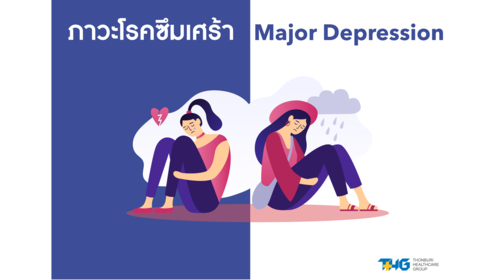
Today we will talk about depression as well as internet addiction and related disorders. First of all, major depression is a clinical illness. This doesn’t include sadness and other short-lived unhappy events. Depression is determined by a clinical diagnosis. So a depressed person is someone who has no apparent cause of illness, but is still suffering the effects on their way of life or work. It may stem from a genetic disorder.

Or it may happen to those with chronic illnesses such as prolonged diabetes or cancer. Also, drug abusers are a high-risk group for major depression.

Developed countries usually have more diagnosed cases of major depression than do developing countries. Statistics show that people in developed countries have a 15 per cent chance of having a major depression, so one in every 7 persons is a sufferer at least once in their lifetime.

In developing countries, a person has a 10 per cent chance of developing major depression, or one in every 10 persons.

However, the ratio of depression incidents among senior citizens and those with chronic diseases are much higher than in the general population.

Can you talk about depression and cyber addiction disorders, such as cyberbullying, which are increasingly common among younger people?

Yes, this is a new type of incident resulting from the widespread use of technology and internet devices.

While the internet has been around for more than 20 years over the past decade, it has become more widespread due to the use of mobile devices, which are convenient and handy. They’re everywhere, even while you are jogging. Most students also have mobile phones.

Now, authorities allow primary school students to bring their mobile phones to classes. However, there are both pros and cons of using mobile phones among young people.

In recent research, we worked with two Bangkok schools and found that students with mobile phones have better academic performance than those without the devices. However, there are also other factors at play, such as that higher-income households can afford the devices or have more money to pay for after-school tuition.

Those with mobile phones may have advantages in terms of using their devices to search for additional information on the internet, for instance.

What’s about the cons?

There are also many negative consequences, including cyberbullying and other internet addiction disorders.

What is your advice for parents with young children?

First of all, parents need to spend sufficient time with their kids. They need to pay close attention to the well-being of young persons. Love and care are crucial and there are no substitutions.

If parents do not take care of kids, mobile phones could literally take their place. Addiction is not uncommon among adolescents. Parents need to give quality time to their kids, especially from age 4 to 12, the time when their brain is most actively developing. According to research, 95 per cent of brain functions are in place before the age of 7, so this is the so-called golden period for parental care.

On cyberbullying, parents have a major supervisory role to play in prevention and risk mitigation. Unconditional love from parents is probably the most important safeguard. Kids have to cope with things in life mostly on a conditional basis, so unconditional love is very powerful.

Once you are trusted, kids are inclined to talk to you about everything, so please give unconditioned love to them.

On cyber identity, in the older days prior to the advent of the internet and cyber world, people were concerned with just their looks, their appearance in the physical world. There was no cyber appearance and identity as we find on today’s social media platforms. The so-called virtual society is now even more powerful. For example, if you are criticised by another person physically, it may still be okay. It’s just a one-on-one interaction.

However, if there are many other people online who are criticising you on social media platforms, that’s a big deal, especially if it goes viral and results in a bad cyber reputation. Hundreds or even thousands of people online would be aware of the dislikes or negative messages, which unfortunately are not erasable. That hurts, especially when people see their cyber-image as more valuable.

Unconditional love from parents is again the best safeguard for kids if we want to help them navigate the pros and cons of cyberspace. After all, adults and kids need technology to do many things, so it is not possible to be completely offline. Today, most people use Facebook, Line, Instagram etc to communicate. Many will take photos of their special meals and share online and so on.

Today, people have more social pressures due to the need to manage both online and offline images. This is a new phenomenon. Perhaps in another decade or two we will ask for a retreat, to be offline in certain places. I like to be on an aeroplane for 5 to 6 hours when I am offline. It’s peaceful and heavenly.

What is your opinion on how the cyber world effects relationships?

First, we appear to communicate more often using mobile devices and social media, but the increased frequency does not mean a better quality of relationship. For example, your wife or kid may want to see you on a video chat while you’re overseas. Access is easier but the quality is not clear. A small child may talk on a video call for 30 seconds and then get distracted by something else.

Overall, a link between cyberbullying and depression is quite clear among the young population. For senior citizens, the whether there is a link is not yet known, even though many now use social media platforms regularly. However, there are some obvious benefits for older people in terms of cognitive exercise and social interaction online.

One example is my father. He’s 87, and uses social media to interact with friends.

In short, there are both pros and cons as far as social media technology and mobile devices are concerned. The advice is to give unconditional love to kids to deal with the negative consequences of cyberspace. Make sure you give them enough time.


Video reveals grim situation in emergency rooms

ศาสตร์เกษตรดินปุ๋ย : ขอบคุณแหล่งข้อมูล : หนังสือพิมพ์ The Nation

https://www.nationthailand.com/lifestyle/30376537

Video reveals grim situation in emergency rooms

Sep 21. 2019
Credit:National Institute for Emergency Medicine

Credit:National Institute for Emergency Medicine
By The Nation

1,022 Viewed

A heart-wrenching two-minute video released by the National Institute for Emergency Medicine, designed to inform people about how to make the best use of hospital emergency facilities, is apparently in response to recurring complaints about inadequate service resulting in loss of life.

An institute official told The Nation that patients sometimes do indeed die partly because of limited resources and overcrowded emergency rooms.

Death could also occur, she said, because the doctor on duty misdiagnoses a condition or errs in deciding which patients are in most dire need of attention.

The dialogue in the video runs as follows:

Dad: My kid has a high fever and has fallen unconscious.

Nurse: Well, we’ll run tests in a minute, so please have a seat and wait.

Mom: Yes ma’am.

Narrator: Statistics shows 60 per cent of patients in emergency rooms are not people in urgent need. This means doctors and nurses have to work very hard. Moreover, limited medical equipment cannot meet the high demand.

Nurse: Please wait. The doctor is busy with an emergency patient.

First teenager: How long do we have to wait? My friend has a cut on the head and we’ve been waiting for an hour!

Second teenager: This hospital sucks!

Dad: What are you doing? Isn’t this the emergency department? My kid is severely ill, so why is there no doctor to look at him? Are you waiting until he dies?

Nurse: We have to take care of the emergency patients first. I’m really sorry but we have one patient who needs urgent treatment. Excuse me sir.

Dad: Hey, my kid is going to die! Isn’t that an emergency?

Dad: You’re too busy but you have time to play with your mobile phone! If you don’t want to cure people, then why did you become a doctor?

Nurse: The patient has low blood pressure and is not responding.

Narrator: People waiting in the emergency room must acknowledge that the doctors and all staff are spending every minute saving the life of another patient. People without emergency conditions shouldn’t use the emergency room because every minute lost there could be a matter of life or death for many others who are in more critical condition.

Get help for chronic body rash: dermatology professor

ศาสตร์เกษตรดินปุ๋ย : ขอบคุณแหล่งข้อมูล : หนังสือพิมพ์ The Nation

https://www.nationthailand.com/lifestyle/30376480

Get help for chronic body rash: dermatology professor

Sep 20. 2019
By The Nation

621 Viewed

Itching or a rash on the body is something everyone has experienced. Most people do not pay much attention to it, but in fact they can lead to a severe or even chronic condition. Atopic dermatitis can affect people’s personality, attention, and even mental health, leaving impacts on work and daily life.

Aiming to raise awareness among the public about the condition as World Atopic Dermatitis Day was celebrated on September 14, Professor Kanokvalai Kulthanan, MD noted that atopic dermatitis is a chronic inflammation of the skin that can go into remission then flare up again.

Professor Kanokvalai Kulthanan

Professor Kanokvalai Kulthanan

Symptoms of atopic dermatitis can be divided into three stages, said Kanokvalai, who is the chairwoman of the Department of Dermatology, Faculty of Medicine, Siriraj Hospital at Mahidol University. In the acute stage, patients develop red, swollen itchy rash accompanied by papules or bumps that leak pus. The subacute stage features a rash and papules, itching and scales. Some patients may develop suppurative bumps that do not leak pus.

During the chronic stage, the rash appears pale red or brown in colour. There may be hives, itching, scales and visible skin creases. Locations of the rash are different depending on the patient’s age. Infants usually develop inflammation on the face, neck and the outside of the limbs as these are the areas that the babies rub against the pillow or mattress to alleviate itchiness.

Caused by allergic reaction and the combination of other factors that make the skin dry, easily irritated and developing redness or a rash on different body parts, atopic dermatitis generally appears in children, but it can affect anyone at any age. In Thailand, it occurs in 10 to 20 per cent of children, whereas adults are less affected.

“Approximately 50 per cent of patients develop symptoms of atopic dermatitis in the first year of life, and 85 per cent are children age five or younger. The symptoms are normally chronic and flare periodically. As the patients get older, symptoms tend to improve. Roughly 40 to 50 per cent of patients are in remission when they reach age 10,” Kanokvalai said. “However, some children have to live with atopic dermatitis until adulthood. Some patients have atopic dermatitis when they are adults. Diagnosis is commonly based on clinical features. Skin tests, blood tests for allergens or food allergy tests are not useful for diagnosis. Doctors may consider these tests or other laboratory tests for certain patients to determine stimulants only when the symptoms do not improve or become more severe after having received appropriate treatment.

Atopic dermatitis in older children and adults often appears at the folds of the arms and legs, and the neck. Some people may develop rash over the entire body. Nasal allergies, eye allergies and asthma may coexist in certain patients. Other skin conditions that may develop include pityriasis alba, dark circles under the eyes, creases under the eyes, cheilitis, hyper-linear palms, ingrown hair, gooseflesh skin and dry scales on the shin.

It is not yet known what causes atopic dermatitis. Hereditary traits may be involved since the majority of patients have a history of allergy in the family, perhaps hay fever, coughing, sneezing, and asthma with or without atopic dermatitis.

Those without history of allergy in the family can also be affected due to undiagnosed genetic disorders. An important factor that often triggers atopic dermatitis is the sufferer’s environment, such as food, dust mites, irritants or allergens. The skin of affected people is sensitive to the environment, both in terms of the physical environment such as it being too hot or cold weather, chemical irritants, or living organisms such as insects and bacteria.

The objectives of treatment for atopic dermatitis are to control the symptoms, prevent flare-ups, and maintain remission for as long as possible until the condition disappears. Patients are recommended to avoid all irritants and triggers, moisturise the skin with emollient, such as using skin lotion or body cream immediately after a bath to prevent dryness, and to refrain from taking a bath or shower too often as the skin may become drier.

For treatment, medicated topical creams and ointments are applied to control skin inflammation. Once the condition is improved, patients may reduce the frequency of application or stop medication. If the rash is severe or covers a large area, oral medication may be necessary. Injection is another option currently available for treatment. However, doctors normally apply this option to patients whose symptoms are medium to severe and do not respond to other methods. It is not recommended without supervision of dermatologists.

“If you suspect you are having atopic dermatitis, please see a dermatologist for appropriate diagnosis and treatment. This chronic disease can have psychological impact and ruin the quality of life of patients and their family. It can have impacts on sleep, study, work, confidence and socialization,” said Kanokvalai. “Some patients choose clothing that covers large parts of the body out of embarrassment. This can affect daily life. If the patients come to see dermatologists and receive appropriate treatment, the condition can be controlled. As a result, the quality of life of relating persons is improved. They will be able to live a normal life.”

Nothing like a little lift

ศาสตร์เกษตรดินปุ๋ย : ขอบคุณแหล่งข้อมูล : หนังสือพิมพ์ The Nation

https://www.nationthailand.com/lifestyle/30376342

Nothing like a little lift

Sep 18. 2019
Dr. Sabrina Guillen Fabi, a double board-certified Dermatologist and Cosmetic Surgeon from San Diego, California.

Dr. Sabrina Guillen Fabi, a double board-certified Dermatologist and Cosmetic Surgeon from San Diego, California.
By The Nation

239 Viewed

Chicago-born international speaker, trainer, author and medical correspondent for Fox5 News San Diego, Dr Sabrina Guillen Fabi is an internationally recognised leader in cosmetic dermatology.

The double board-certified dermatologist and dermatologic cosmetic surgeon, assistant clinical professor at University of California, San Diego and associate research director at Cosmetic Laser Dermatology, she is actively involved in multiple injectable, laser, and sclerotherapy clinical studies, including Phase III FDA clinical trials and a leading authority on the Ultherapy, a rejuvenating treatment that has gained popularity in Thailand in recent years. She recently came to Thailand to talk about Ultherapy and how it fits Asian people.

Ultherapy takes two ultrasound waves to precisely heat tissue at three depths – 1.5mm, 3.0mm and 4.5mm. It tricks the body to create collagen production and the only nonsurgical treatment approved by the USFDA for lifting and tightening the skin on the neck, chin, and brow and improving lines and wrinkles on the chest area.

“There are many devices but Ultherapy is the only FDA-approved treatment. There are similar devices claiming more or less similar technology as Ultherapy but Ultherapy is the one and only treatment with visualization, showing and ensuring the right skin layer to treat for a best effective outcome,” Fabi says. Ultherapy is different from other cosmetic procedures, she adds, in that it’s micro-focused and uses depth, temperature, precision, and imaging to provide effective and lasting results.

“It’s good for Asian people who usually have rounder faces. Ultherapy lifts the fat they already have up,” she says.

Ultherapy uses ultrasound waves which create points of heat by using magnifying glass. Cross beams of ultrasound energy then precisely heat tissue at the meeting point of these beams to the optimal temperature to denature collagen. Normally when you create a precise injury, the body starts delivering collagen to heal. The ultrasound energy stimulates collagen and elastic tissue, which should result in firmer skin, less sagging, and fewer wrinkles while increasing the skin’s ability to create collagen.

“Collagen is a natural protein that gives skin its youthfulness by keeping it firm and toned. As we age, collagen breaks down, and the result is a loss of skin strength and elasticity,” she explains, adding that the lasting results from Ultherapy varies according to the individual but is usually a minimum of a year and often 2 years.

For Asian people, she recommends the treatment is done once a year for the whole face including the upper neck. Since the procedure stimulates a person’s own collagen production, how long the results last depend on the individual. The treatment produces new collagen on the inside, but the individual’s natural ageing process will dictate how long that translates into visible results on the outside.

Dr Fabi adds that in the US, Ultherapy is being used for butt lifts, as well as to firm up knees, thighs, butt, the abdomen and inner arms.

She also cautions that Ultherapy should only be administered by qualified doctors using a certified Ultherapy machine. A check list is available at https://realmattersasia.com/.

Dementia and Alzheimer

ศาสตร์เกษตรดินปุ๋ย : ขอบคุณแหล่งข้อมูล : หนังสือพิมพ์ The Nation

https://www.nationthailand.com/lifestyle/30376140

Dementia and Alzheimer

Sep 12. 2019


Play Video

227 Viewed

Tips for Alzheimer’s prevention and care

With Thailand’s population ageing rapidly, what are the best ways to tackle the certain rise that’s coming in dementia and Alzheimer’s disease?

Dr Thanatip, what is the medical definition of Alzheimer’s disease?

Generally speaking, dementia is the broad term for people suffering from declining cognitive ability. Alzheimer’s is one of the more specific ailments, accounting for 60-70 per cent of all patients with dementia.

Alzheimer’s is not a new disease –it’s been around for a long time. Symptoms include forgetfulness because it involves loss of short-term memory in the first stage. They might forget they already ate breakfast even though they just did. Or they might leave the house to buy something at a store around the corner and forget halfway there where they’re going. Or they might forget to take along an umbrella when it’s raining.

What is the average age at which Alzheimer’s appears in Thailand?

We’ve seen patients from age 60 onwards, with more cases among those in their 70s, 80s and 90s. Not many people were afflicted 30 years ago, when the life expectancy was 60 and death would occur before Alzheimer’s could take hold. Today the average lifespan is 75, so we’ve seen a growing number of people age 75-85 suffering from this illness.

Worldwide, Alzheimer’s suffers over 90 represent about 7 per cent of the senior population, meaning one in every 15. At 75, the ratio is 2-3 per cent. For the general population in Thailand, the ratio is 0.15 per 100.

What advice do you give people with a parent suffering from this illness?

First of all, daughters and sons and caregivers must understand that Alzheimer’s is not treatable, but we can mitigate the risks and increase the quality of life for patients.

Once diagnosed, patients on average live another 3-10 years while their cognitive ability gradually declines, to a point where they cannot be fed properly. In the first stage, they might become forgetful and lose short-term memory. In the middle stage, they will also lose long-term memory, perhaps forgetting the names of their own children or life-partner. Emotional disorders, apathy and aggressiveness are also common.

In the final stage, the muscles stop working properly due to cognitive impairment. They will find it difficult to eat or swallow. Even when fed by someone else, they can’t swallow the food.

Family members should help maintain the patient’s quality of life in the initial years, such as taking them on a long holiday while it’s still practical. Outdoor activities also help stimulate cognitive functions and slow memory loss.

In the middle stage, patients might need professional caregivers, since they should not be left alone due to the increasing impairment.

Patients might also need personal tracking devices to avoid getting lost or facing other danger due to their declining brain function.

The economic costs of Alzheimer’s are huge. Figures from the US show that as much as $100 billion is spent on patients annually.

Thailand’s baby-boom generation is now 50-70 years old. How do they fit in the picture?

According to research, 30 per cent of the factors involved in Alzheimer’s are known and manageable, such as education level – better-educated people tend to suffer less from cognitive impairment. Someone with hearing impairment might contract Alzheimer’s sooner than average due to the linkage nerves between the brain and auditory organs.

If a parent has a hearing problem, get them immediate treatment and a hearing aid to slow the progress of Alzheimer’s. Obesity, diabetes, alcohol consumption and smoking are other contributing factors, accounting for a combined 10 per cent of the known causes.

What’s your advice regarding diet?

According to Japanese research, two magic foods help prevent or slow the progress of Alzheimer’s. Kaeng kari, a yellow curry with turmeric and other herbs, is reported to have this quality, and citrus fruit such as oranges and lemons are beneficial.

The Mediterranean diet with lots of fresh vegetables, olive oil, fish and a small amount of carbohydrates is also good for Alzheimer’s patients.

Other Japanese research shows that the so-called “cogni-cise” – cognitive exercise – is helpful for senior citizens too as a means to prevent or slow the onset of Alzheimer’s.

Physical exercise such as walking is good, while playing board games with friends is another choice. You can see seniors’ groups walking or jogging in Bangkok’s Lumpini Park early each morning. Afterwards they enjoy playing chess or mah-jong or other board games. This is a good example of cognitive exercise, because the seniors are also benefiting from using their brain in calculations while interacting with friends.

Physical and cognitive exercises, plus regular human interaction, are crucial to maintaining good health in old age. Many in their 70s or 80s or even 90s can still enjoy a good quality of life when they maintain a favourable lifestyle. What we see at Lumpini in the early morning is consistent with the research findings from Japan. Such a lifestyle is an effective way to prevent or delay cognitive impairment.

If you’re near or over 50, you should start to take care of yourself and maintain brain function. If you have parents or other older close relatives, make sure they have a hearing check-up. Then manage the risks that might result from initial memory loss, which could lead to accidents and other untoward incidents. They may need caregivers. In more serious cases, they’ll have to stay in a specialist healthcare centre.

It’s a chronic disease needing long-term care, and relatives often worry about the patient’s wellbeing.

Children of parents with Alzheimer’s will find it most stressful as they enter the early stage since they quickly lose the ability to do common things.

Thailand’s life expectancy has risen to 75 on average, with females at 77 and males at 73. Based on current forecasts, my generation, now in their 50s, will live until 90. This Gen X population has a 7 per cent chance of contracting Alzheimer’s. The Gen Y population now 40 or younger may live until 100, but the probability of Alzheimer’s developing is not yet known for them.

They will pass through multiple stages. During their 50 and 60s, they might suffer from heart disease, which is quite manageable today. After 60, they might have some form of cancer, most of which are also more manageable today. Afterwards, they will probably face the final hurdle – cognitive impairment due to old age – which is not yet treatable. We have to live with it and improve the quality of life as much as possible.

Now everybody can have that ‘glass skin’

ศาสตร์เกษตรดินปุ๋ย : ขอบคุณแหล่งข้อมูล : หนังสือพิมพ์ The Nation

https://www.nationthailand.com/lifestyle/30375730

Now everybody can have that ‘glass skin’

Sep 02. 2019
Jung Saem Mool was lived demonstration on stage. // Nationphoto: Anant Chantarasoot

Jung Saem Mool was lived demonstration on stage. // Nationphoto: Anant Chantarasoot
By Kupluthai Pungkanon
The Nation

392 Viewed

Famous South Korean makeup artist Jung Seam Mool, whose name is synonymous with the translucent, fresh, dewy looks of K-stars, has made her tricks for a flawless complexion available everybody at Siam Centre, ground floor.

Jung Saem Mool is known for launching new trends, such as the mysterious pink Jeon Ji Hyun wore on her lips in “My Sassy Girl”, Lee Seung Yeon’s nude makeup in the film “Love in Your Arms”, figure skater Kim Yuna’s smoky eyes, lux styles for the band members of Kara, BoA and Girl Generation to name a few.

The makeup artist’s signature is the flawless, translucent, “glass skin” look, and last week, she showed just how we can achieve it by mixing concealer and foundation and applying it in a particular manner so it highlights the bone structure and also gives you that dewy look. For the non-professionals among us, her new product line is easy to use and promises to give us all a natural glow.

Jung said her make-up brand was created with more than 30 years of know-how and her commitment to the concept: “Beauty starts from you. Just believe.”

She said this concept gave rise to three main ideas that have been applied to all her products – natural, trendy and professional.

“The most important thing is to create a flawlessly beautiful skin texture, which has made the ‘glass skin’ theory famous worldwide. The glass skin concept is a naturally light and smooth makeup style that makes the skin look hydrated and luminous. Our products carry ingredients that help moisturise the skin and are also light. This should help everybody create their everyday look like it’s been done by a professional makeup artist.”

Jung Saem Mool uses seven key techniques in her art. The first is “thin and thick”, in which she contours the face with a three-dimensional effect, making thick parts of the face look closer and thin parts farther; the “warm and cool” technique to create a youthful look; “wet and dry” technique that keeps the make up on the face for longer; “lost and found” which makes the eyes and lips look bigger; “focal point” that focuses on the highlight of the face; and her “simple and complex” and “old and new” techniques in which she uses the latest colours to match each individual’s personal style.

The brand’s light-textured products that help conceal imperfections and give your skin her signature luminosity come in four groups: base makeup, makeup, skincare and makeup tools.

Visit Jungsaemmoolthailand on Facebook and JSMbeauty_th on Instagram for more information.

Bumrungrad Hospital introduces innovative ophthalmic surgical technology

ศาสตร์เกษตรดินปุ๋ย : ขอบคุณแหล่งข้อมูล : หนังสือพิมพ์ The Nation

https://www.nationthailand.com/lifestyle/30375709

Bumrungrad Hospital introduces innovative ophthalmic surgical technology

Sep 02. 2019
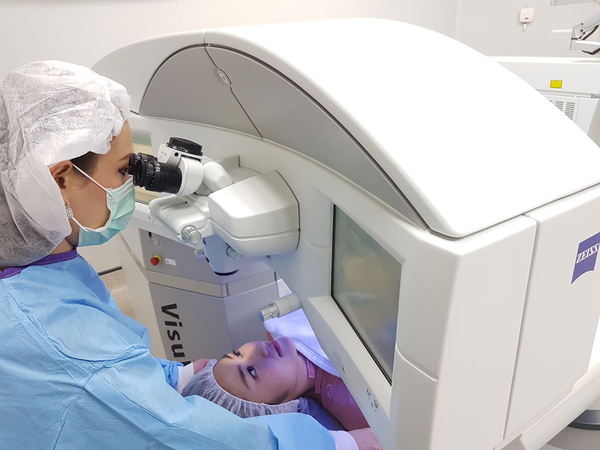
ReLEx SMILE, which uses a femtosecond laser to correct nearsightedness and astigmatism.

ReLEx SMILE, which uses a femtosecond laser to correct nearsightedness and astigmatism.
By The Nation

495 Viewed

According to a national survey conducted in 2013, blindness affected 0.6 per cent of the population (360,000 people).

In its “WHO Vision 2020 Right to Sight” initiative, the World Health Organisation set as a goal to reduce the incidence of blindness to 0.5 per cent of population and to ultimately eliminate avoidable blindness.

Thailand is now an ageing society and more older people are having eye problems. Old-age is one of the main factors contributing to eye problems like cataracts, glaucoma, and age-related macular degeneration (AMD). These three conditions are the most common causes of blindness or blurred vision. In fact, eye problems can happen to anyone.

In children, the onset of nearsightedness may start early and worsen every year. The Ministry of Public Health reports that 30 per cent of children below 15 years of age are nearsighted. A major cause is spending a lot of time on a computer or a mobile screen. People over the age of 40 and people who have eye problems should have their eyes checked regularly so that ophthalmologists can give prompt treatment.

“Bumrungrad is well aware that the incidence of eye problems increases every year. We have upgraded our Eye Centre to provide comprehensive care for all eye health problems. The centre uses innovative diagnostic and treatment technology, conducts research into novel eye treatments to give better treatments and services and both organises and participates in academic conferences to share and exchange knowledge and experience,” says Associate Professor Dr Sudarat Yaisawang, ophthalmologist, and head of the Eye Centre.

“Each year Bumrungrad acquires new innovative equipment for minimally invasive surgery. We also use laser technology to treat our patients, reducing pain and recovery time. Laser technology is more accurate, quicker to perform, and causes fewer complications. Since patients are treated on an outpatient basis, their costs are reduced too,” she adds.

The centre is staffed by 49 ophthalmologists who work together to treat eye problems such as cataracts, glaucoma, retina, uveitis, cornea and refractive surgery, oculoplastics and reconstructive surgery, paediatric eye problems, and neuro-ophthalmology disorders.

“Cataracts cannot be cured by medicine alone – surgery is required. There have been improvements in surgical technology, as more than 40 years ago, when Intracapsular Cataract Extraction (ICCE) was introduced to treat cataracts, the whole lens including the lens capsule was removed, leaving the patient without a lens. The surgery was performed at the upper edge of the iris—cutting open 12-15 millimetres of eye tissue and forcing patients to wear lenticular lenses post-operation, distorting their peripheral vision,” explains Dr Sombat Srisuwanporn. Extracapsular Lens Extraction (ECCE) is another type of cataract surgery in which the lens is removed, but the lens capsule is left partially attached to allow the implantation of an intraocular lens (IOL). The surgery requires only 5-7 stitches. Today, neither ICCE nor ECCE are common practice.”

 Dr Sombat Srisuwanporn, Ophthalmologist of Bumrungrad Hospital.

Dr Sombat Srisuwanporn, Ophthalmologist of Bumrungrad Hospital.

The latest technology for cataract treatment is Phacoemulsification, commonly referred to as ‘phacoe’. The part of the lens that is damaged is emulsified and aspirated from the eye. It requires an incision of 2-4 millimeters, so it is minimally invasive. An intraocular lens implant (IOL), is placed into the remaining lens capsule. The IOL will last as long as the patient’s lifetime, so there is no need for additional surgery to replace it. Soon after the operation, the patient is able to see better. “We also use Femtosecond laser technology (‘femto’ for short). It is more precise and safer outcome because Optical Coherence Tomography is used to generate high-resolution 3D images of the eye. Femto is laser-based and minimally invasive because it allows ophthalmic surgeons to minimize the size of capsulorhexis. The femtosecond laser then is used to break cataracts into small pieces. Lastly, ultrasound is used to remove the lens. A precise and well-centered capsulorhexis enables the accurate positioning of the IOL, thus increasing its efficacy,” he adds.

“Cataract surgery nowadays is becoming cataract refractive surgery. We target enhanced vision outcomes by improving precision in surgery and intraocular lens selections.” Current technology for cataract surgery employs Femtosecond laser and laser Wavefront Aberrometer to enhance the outcome of cataract with a computer-controlled and digital guidance system. Optical Coherence Tomography uses a 2-micron wavelength to scan the eye, generating a high-resolution 3D image. These are used to develop a detailed surgical treatment plan, resulting in a safer and more precise outcome,” Associate Professor Dr Prin Rojanapongpun, an ophthalmologist specializing in cataract treatment of Bumrungard Hospital explains.

Associate Professor Dr Prin Rojanapongpun, an ophthalmologist specializing in cataract treatment.

Associate Professor Dr Prin Rojanapongpun, an ophthalmologist specializing in cataract treatment.

The present treatment does not only aim at removing cataracts but ophthalmologists are also able to customize the lens to suit each patient’s lifestyle. For example, they consider both the distant, intermediate, and near vision to suit the patient’s needs. They discuss the amount of time per day (or night) each patient spends driving or other tasks like working in front of a screen. Some patients want to play particular sports as well. Therefore, ophthalmologists design and customise IOLs for each patient’s individual needs. Sometimes, the left and the right eyes may even have different requirements.

Bumrungrad recently has put the ORA system into place, allowing ophthalmologists to provide the most accuracy and precision possible for cataract patients. This uses laser wavefront aberrometry to assist intraocular lens measurement and selection. The technology also guides and verifies the best possible Toric lens placement to correct patients’ astigmatism. The ORA system measures the sphere and cylinder for an eye in real-time. It reduces the error implicit in standard measurement procedures, which significantly benefits patients who have had LASIK or corneal refractive surgeries before. The ORA system is accurate and suitable for all patients.

Before cataract surgery, ophthalmologists measure and customize lens implants for each patient. The ORA system is attached to the operating microscope. When an ophthalmologist removes the crystalline lens, the ORA system directs a beam of low-intensity laser light into the eye during the surgical procedure to determine cylindrical & spherical shape of the eye, the position of the lens implant, the arc of contact, and the size of the lens implant. When the lens implant is inserted, the ORA system analyzes if the lens is the most suitable so that the surgeon can customize the lens implant during the operation.

Dr Tharinee Kulkamthorn, an expert in lasik and refractive surgery.

Dr Tharinee Kulkamthorn, an expert in lasik and refractive surgery.

Dr Tharinee Kulkamthorn, an expert in lasik and refractive surgery of Bumrungrad Hospital, reveals, “Information technology is key these days. People spend more time on the computer screen, smartphones or tablets. Staring at a screen for a long time or looking at a dimly lit screen can cause eye problems, like pain, blurred vision, dry eyes, tired eyes, nearsightedness (in children), and other pediatric eye disorders. A suggestion for those spending a lot of time on a computer screen is the 20-20-20 rule. Every 20 minutes of looking at something near such as looking at a computer or mobile screen, or reading books, you should let your eyes rest by looking at something 20 feet away for 20 seconds. This way your eye muscles can rest and you can work upclose more efficiently.

Other treatment offered by the centre is ReLEx SMILE, which uses a femtosecond laser to correct nearsightedness and astigmatism. It is accurate and the corneal incision is only 2-4 millimeters long. Therefore, it affects the nerve cells in the cornea minimally. This incision technique also allows for faster healing time, while reducing dry eye and irritation. Post-surgery, the patient will have better vision, shorter recovery, and be able to quickly resume their normal active lifestyle.

During the ReLEx SMILE operation, a gentle femtosecond laser is directed onto the cornea, while the patient is relaxed and comfortable. After the operation, there are fewer complications because the incision is very small. The ReLEx SMILE operation is for patients who do not want to wear glasses or contact lenses. It also works well with the people who are -10.00 D myopic and -5.00 D astigmatic. The ophthalmologists work with patients to diagnose and discuss if the ReLEx SMILE is appropriate for them. There are many factors to consider, like the thickness of the cornea, and the presence of other eye conditions (such as dry eyes). Moreover, suitable candidates should be 20 years old or older, and have had stable eyesight for at least a year. Also, they must not have diabetes or have problems controlling their blood sugar levels. They must not be pregnant or lactating.

Micobiomes lead the way to youthful skin

ศาสตร์เกษตรดินปุ๋ย : ขอบคุณแหล่งข้อมูล : หนังสือพิมพ์ The Nation

https://www.nationthailand.com/lifestyle/30375595

Micobiomes lead the way to youthful skin

Aug 30. 2019
Sririta “Rita” Jensen

Sririta “Rita” Jensen
By The Nation

122 Viewed

Microbiome technology is designed to activate the skin’s beauty and help strengthen its barrier function by giving it access to all the vital resources it needs.

Now leading French brand Lancome is adding to that breakthrough by introducing its new formula Advanced Genifique serum.

Speaking at the launch event held in a futuristic dome at Parc Paragon, Songsamorn Hattet, general manager of L’Oreal Luxe Thailand, said: “In 2009, Lancome created Advanced Genifique Serum, the first serum inspired by the field of gene science. It was widely praised and sold really well around the world. This year, Lancome is re-introducing the serum that thanks to 15 years of microbiome research, delivers more results. The New Advanced Genifique not only nourishes the skin but also provides a vital source of nutrients for microbiome bacteria, while the probiotics give overall skin health benefits.

Suquan Bulakul

Suquan Bulakul

“Over time, our microbiomes decrease due to our lifestyle, age and the environment we live in. Lancome is currently the only brand to offer a 100-per-cent solution for permanently youthful skin,” she adds.

Also taking part at the launch were Lancome brand ambassador Suquan Bulakul, actress Sririta “Rita” Jensen, top make-up artist Vinij Boonchaisri and hair stylist Kong Krit Jirakiatwattana. VIP guests included Jarospan Svasti Na Ayudhya, Haruethai Jayant Na Ayudhaya, Kerika Chotivichit, Rinrata Inthamara, Nathasedh Poonsapmanee, Pailin Olsen, Vantita Lewchalermwongse, Melanie Yoovidhya, Ascha Charoenrasameekiat and Patsamon Piriyametha.

.Songsamorn Hattet

.Songsamorn Hattet