Smaller cities urged to cash in on silk

ศาสตร์เกษตรดินปุ๋ย : ขอบคุณแหล่งข้อมูล : หนังสือพิมพ์ The Nation

https://www.nationthailand.com/travel/30378605?utm_source=category&utm_medium=internal_referral

Smaller cities urged to cash in on silk

Nov 21. 2019
By THE NATION

1,521 Viewed

Residents of Sakhon Nakhon and Kalasin provinces this week got to see how Thai silk products could help promote local tourism.

Lalida Chiranantaprawat, deputy director general of the Department of Business Development, said an event called “Silk Road to Secondary City” was held in both locales this past Monday through Wednesday (November 18-20).

“We want to stimulate sales of products and services related to the silk trade in Thailand’s smaller cities,” she said.

The department arranged a trek to the Northeast for reporters and bloggers who specialise in travel and lifestyle and could, Lalida said, “share their impressions with their readers, letting people see the value of silk products”.

“It will get more people buying silk products in the secondary cities, which will strengthen the grass-roots economy.”

It’s also important to get more young people to appreciate the Thai silk that was so beloved by their elders and to wear and use it more in their daily lives.

“We showed how silk attire can be worn in contemporary ways,” Lalida said.

Local producers were encouraged to develop products that meet consumer demand, while descendants of traditional weavers were urged to preserve their family knowledge.

The road trip also featured visits to Wat Phra That Choeng Chum and Wat Tham Pha Daen, villages celebrated for producing silk goods, the Indigo Dye Silk Group at Khok Si Suphan and the Kramsakon silk shop.

“In Kalasin we toured the Sirindhorn Museum and its Phu Kum Khao Dinosaur Research Centre,” Lalida said. “We also visited the weavers at Ban Nong Yuang Kham and the group making mudmee phu fabric at Ban Sung Noen.”

Lake of red lotus in Phayao beckons tourists

ศาสตร์เกษตรดินปุ๋ย : ขอบคุณแหล่งข้อมูล : หนังสือพิมพ์ The Nation

https://www.nationthailand.com/travel/30378505?utm_source=category&utm_medium=internal_referral

Lake of red lotus in Phayao beckons tourists

Nov 19. 2019
By The Nation

2,489 Viewed

Red lotus has begun blooming beautifully on 100 rai of Ing Wang lake in Phayao.

The lotus, which had failed to blossom for years due to drought, has now unexpectedly bloomed, lending Phayao a lively, picturesque look again.

President of Phayao community tourism development Somboon Buates said locals closed the area to tourists for decades, but have now opened it again “for conservation tourism”.

The lotus usually blooms every year on 1,000 rai. However, in 2016, Phayao faced severe drought and the lake dried up. Fortunately, the last few months saw a lot of rain, which filled the lake.

The red lotus meanwhile continues to expand.

“The best time for lotus watching is in the morning,” Somboon said.

Locals have prepared boats to take tourists around the lake.

Apart from the lotus, visitors can also witness traditional fishery.

The red lotus will continue to bloom until the end of the year.

Cool outings: Follow the birdsong to Mae Wong Park

ศาสตร์เกษตรดินปุ๋ย : ขอบคุณแหล่งข้อมูล : หนังสือพิมพ์ The Nation

https://www.nationthailand.com/travel/30378429?utm_source=category&utm_medium=internal_referral

Cool outings: Follow the birdsong to Mae Wong Park

Nov 17. 2019
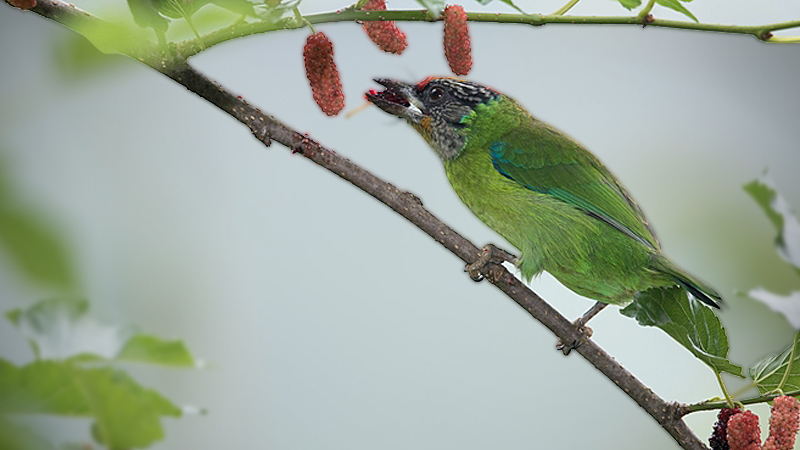
Golden throated Barbet

Golden throated Barbet
By The Nation

2,119 Viewed

A steep drop in the temperature is refreshing for more than just Thailand’s human inhabitants – wildlife perks up too and the Kingdom becomes a winter rendezvous point for hundreds of species of migratory birds

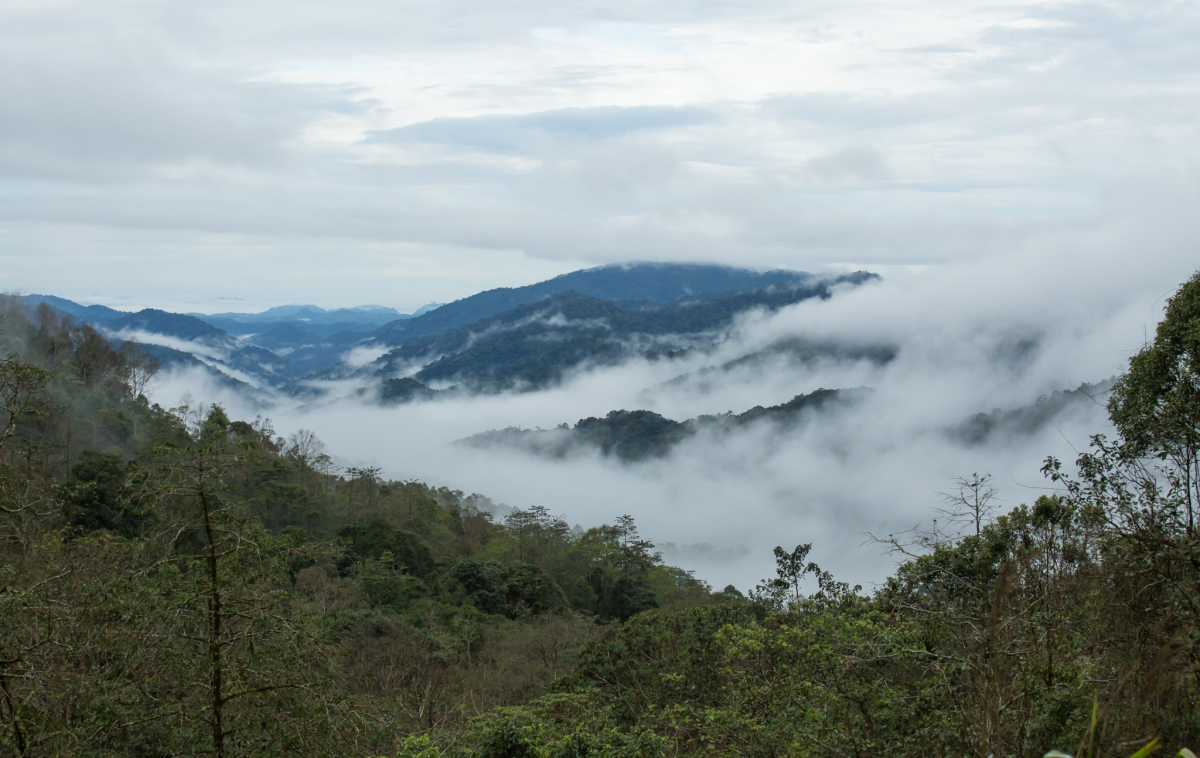
Veteran wildlife photographer Artid Nima recommends Mae Wong National Park as a great place to observe the birds and other animals in their full glory at this time of year.

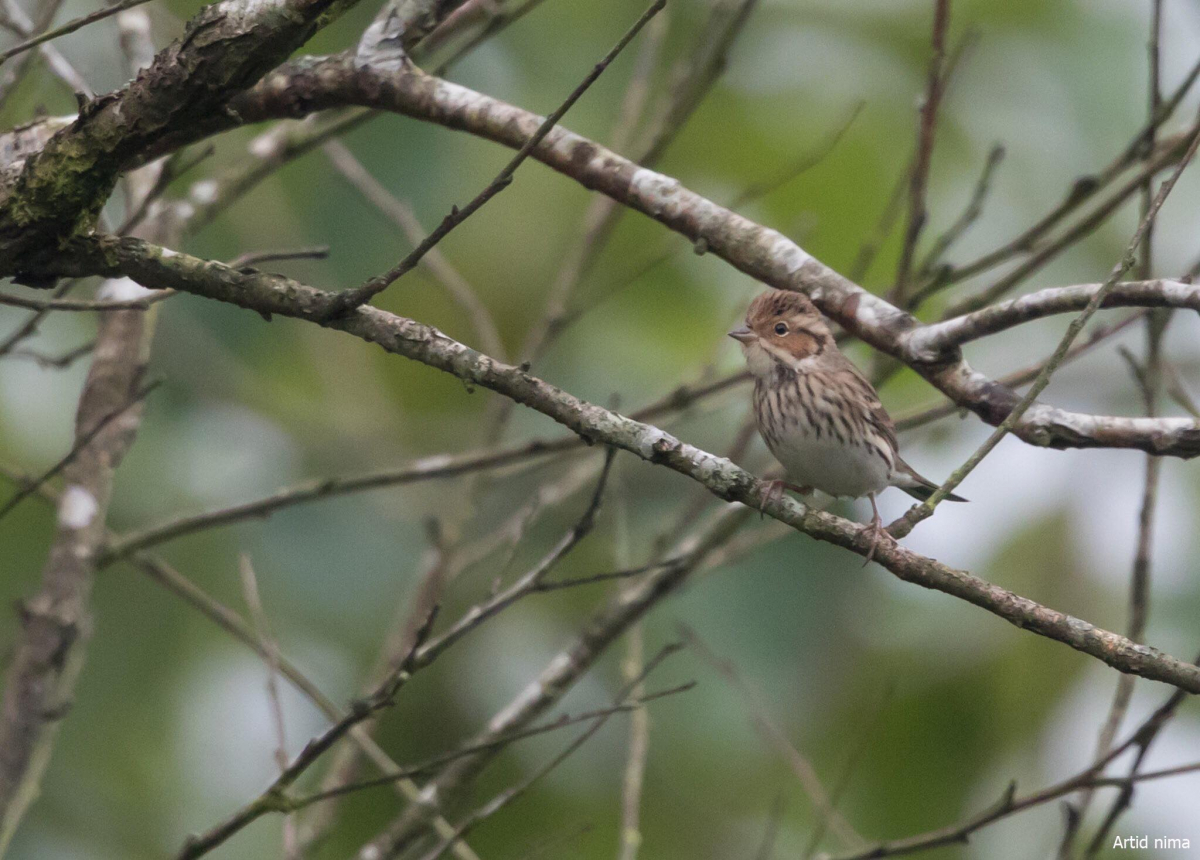
Local Lineated Barbet

Local Lineated Barbet

Straddling Mae Wong and Mae Poen districts in Nakhon Sawan and Pang Sila Thong district in Kamphaeng Phet, it became Thailand’s 55th national park in September 1987.

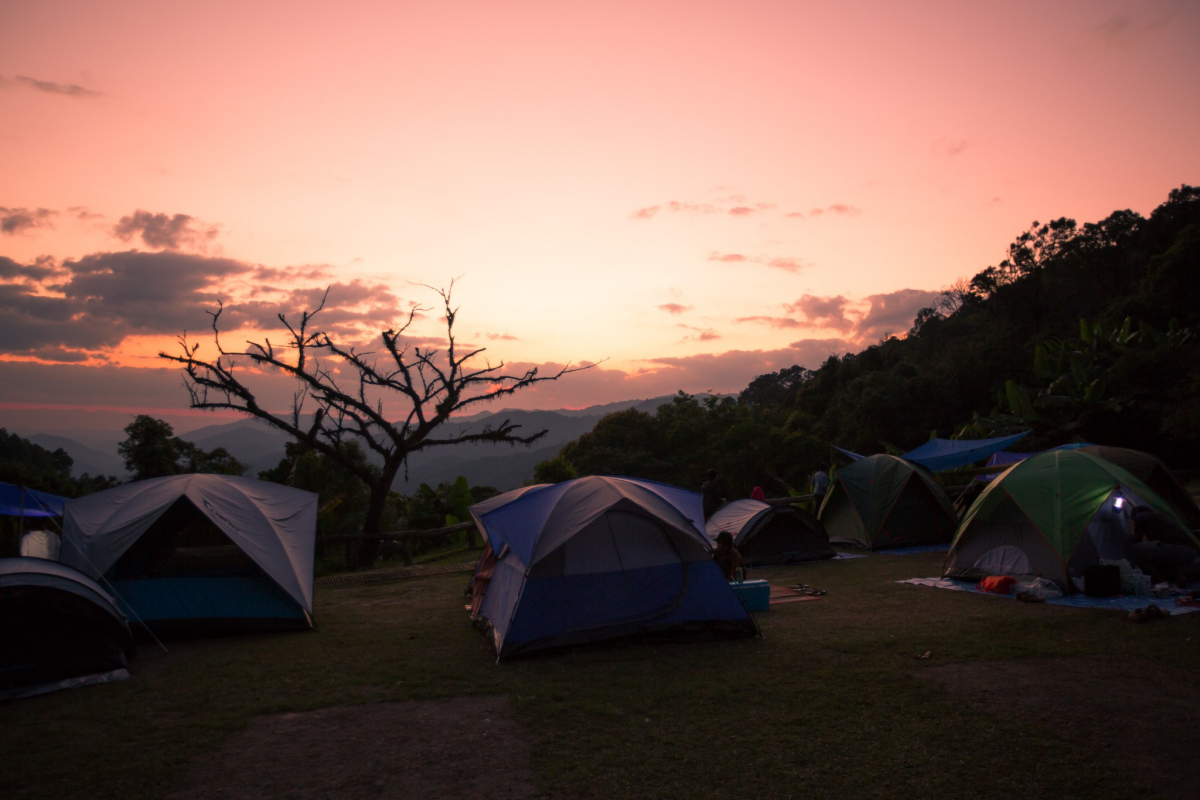
The park has a large area to accommodate campers as well as nature trails and offers activities such as rafting, cycling and guided bird watching.

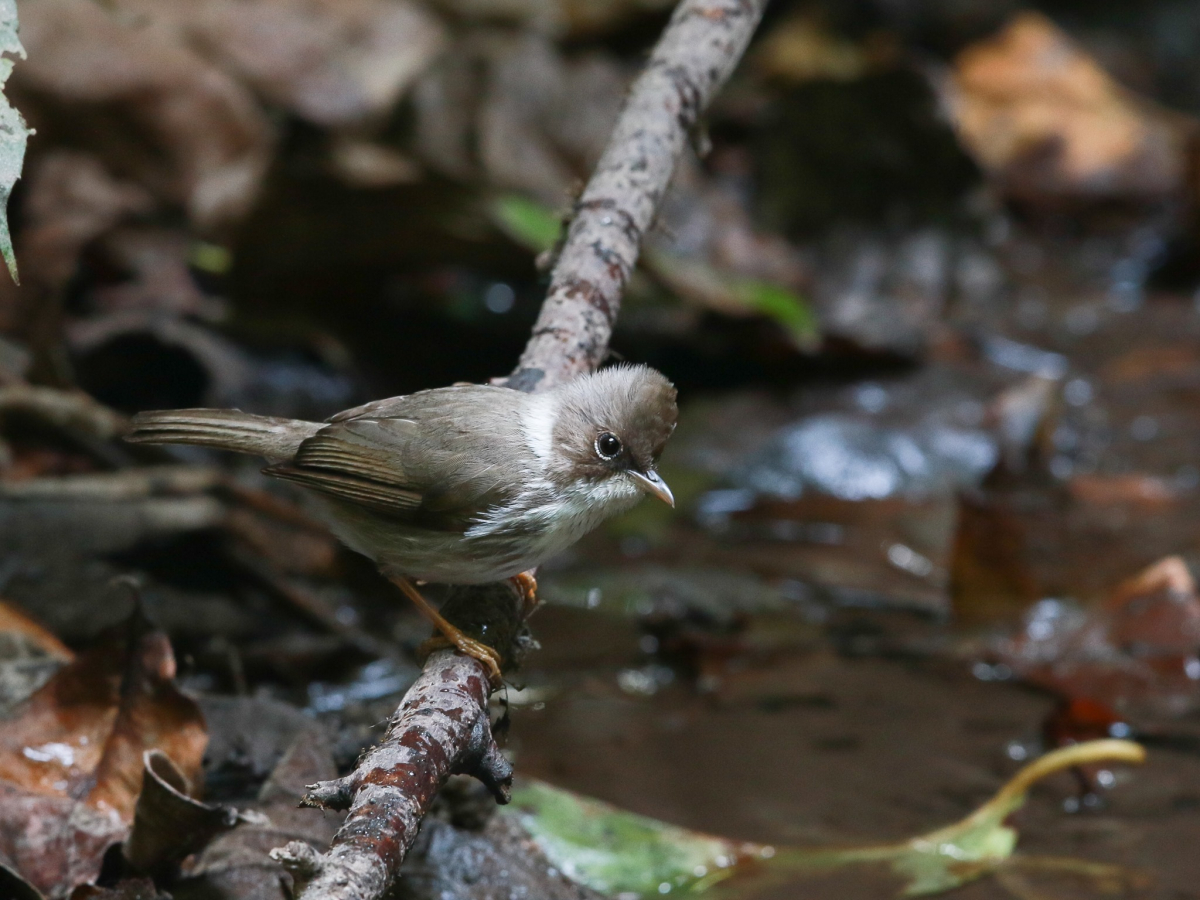
Burmese yuhina

Burmese yuhina

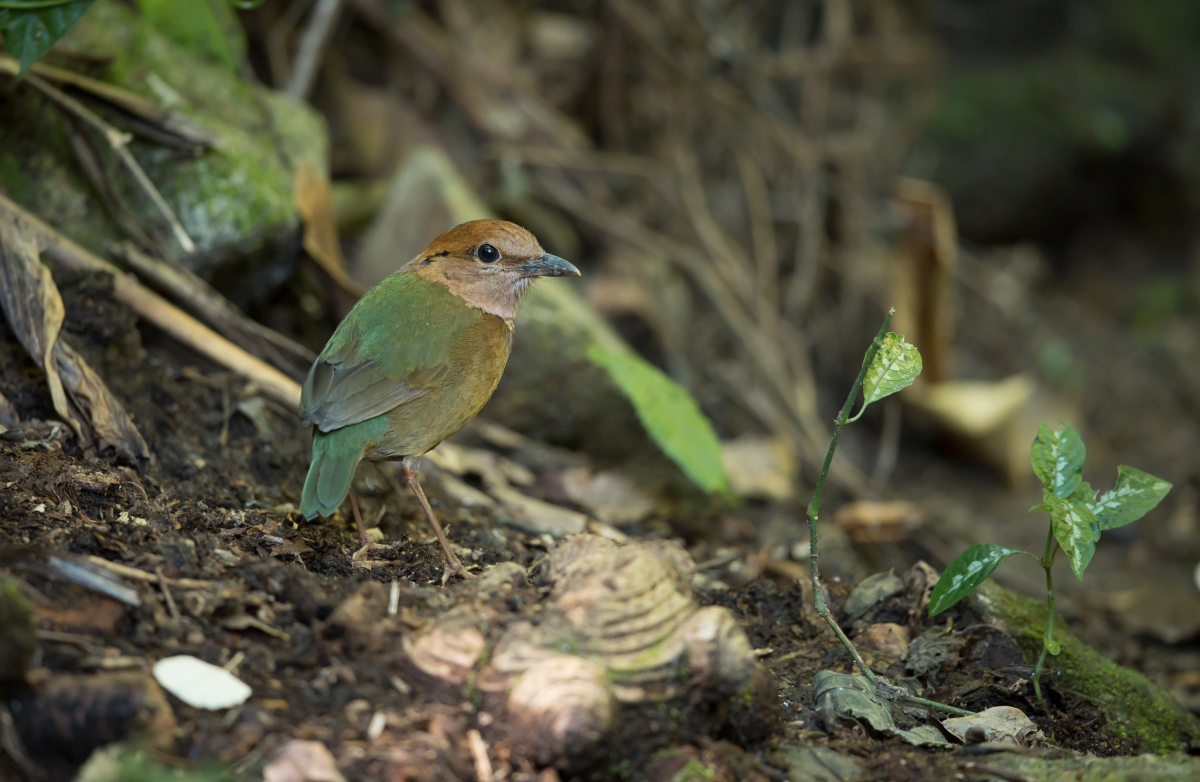
Rusty naped Pitta

Rusty naped Pitta

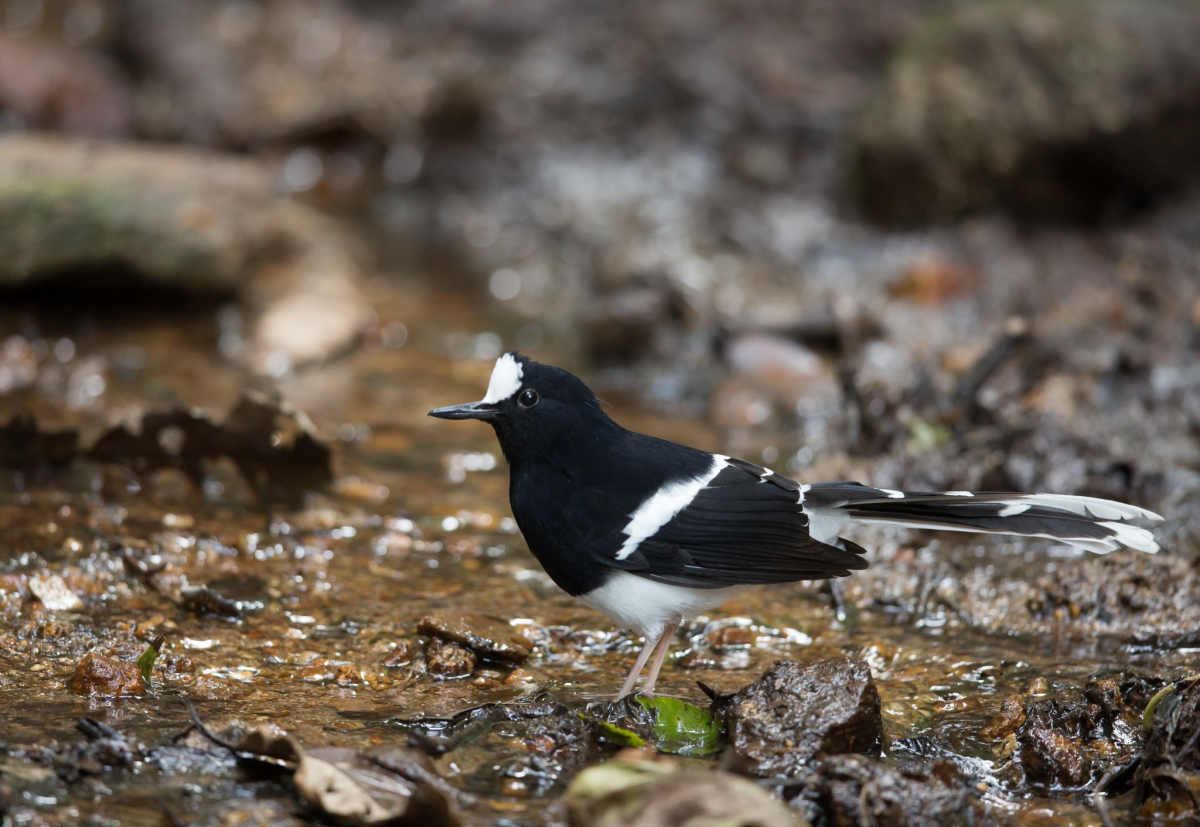
White crowned Forktail

White crowned Forktail

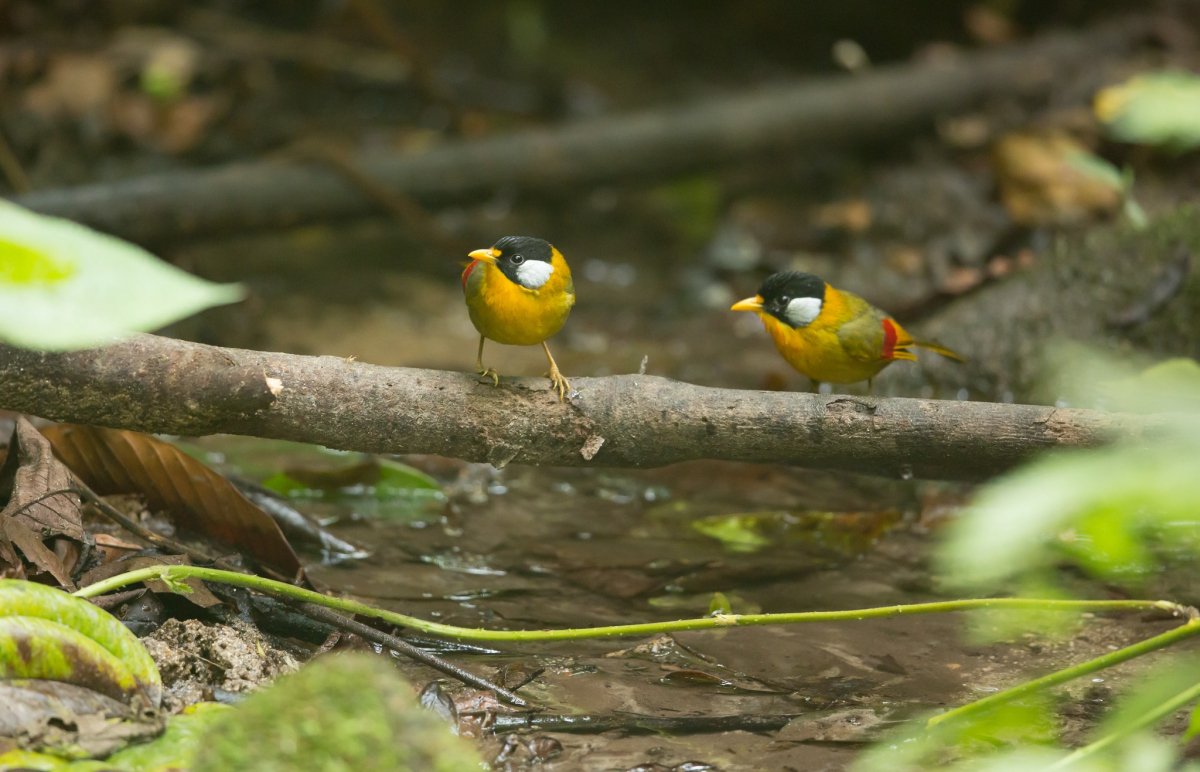
Silver eared Mesia

Silver eared Mesia

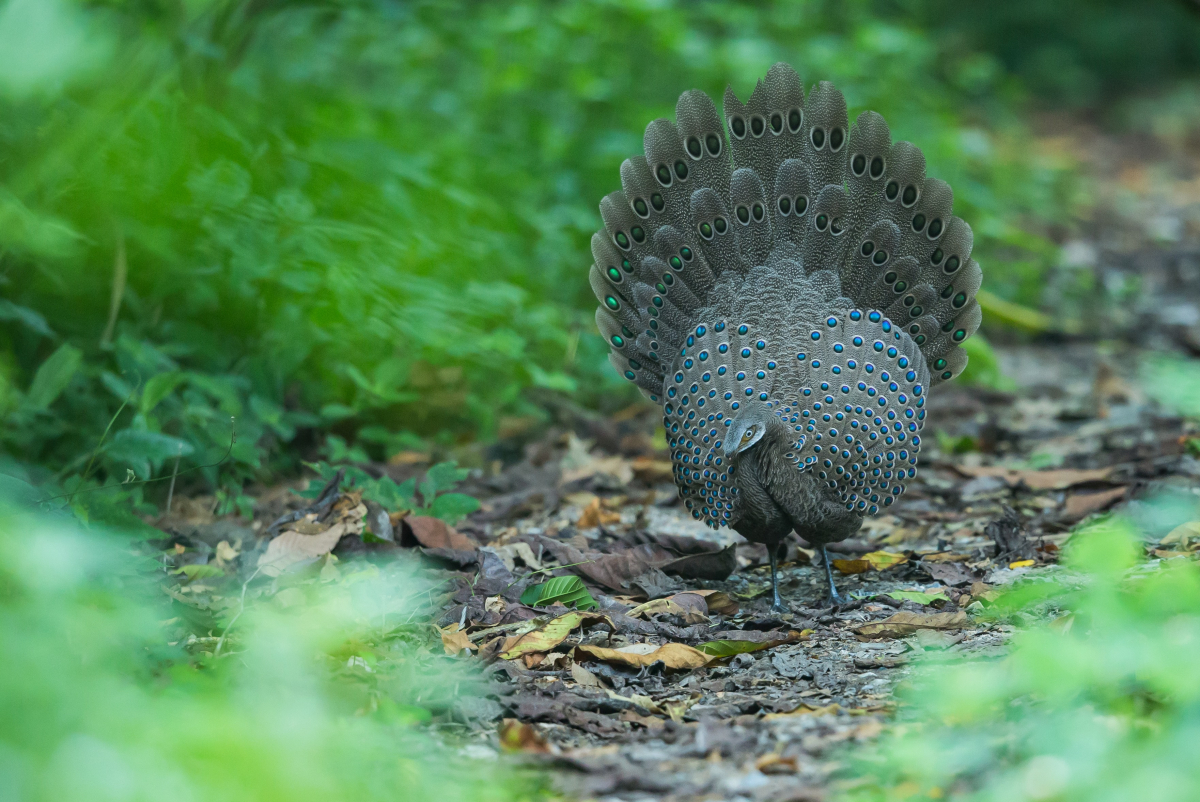
Burmese Peacock-Pheasant

Burmese Peacock-Pheasant

Aiming far back: Preserving the ancient art of Khmer archery

ศาสตร์เกษตรดินปุ๋ย : ขอบคุณแหล่งข้อมูล : หนังสือพิมพ์ The Nation

https://www.nationthailand.com/travel/30378409?utm_source=category&utm_medium=internal_referral

Aiming far back: Preserving the ancient art of Khmer archery

Nov 16. 2019
Dressed as 9th century Angkor Empire warriors, six performers are led by a commander waving a red flag. Pointing their arrows at the target, they show the eight steps of traditional archery by following their commander’s orders. Photo credit: Hong Menea

Dressed as 9th century Angkor Empire warriors, six performers are led by a commander waving a red flag. Pointing their arrows at the target, they show the eight steps of traditional archery by following their commander’s orders. Photo credit: Hong Menea
By Soung Sovanny
The Phnom Penh Post

1,852 Viewed

Traditional and modern sets of bows and arrows are laid on a long table in the Royal Archery Club, established in Siem Reap town’s Prasat Bakong District, where visitors are introduced to the traditional form of Khmer archery or its modern equivalent.

Dressed as 9th century Angkor Empire warriors, six performers are led by a commander waving a red flag accompanied by a royal adviser (Hindu priest).

To commemorate the ancestors, the armies begin by saluting three times to the ground and waiting for a horn signal from the royal adviser before taking the bows and arrows off the table to the ‘battlefield’.

Pointing their arrows at the target, they show the eight steps of traditional archery by following their commander’s orders.

The activities conducted at the Royal Archery Club’s soft opening ceremony earlier this year were a performance of what Khmer Empire troops practised before going out for battle.

Royal Archery Club founder Sa Dina told The Post: “We opened to the public about eight months ago after developing the 5ha plot of empty land by digging fish ponds and clearing land.”

Located in Steung village about 5km from Bakorng temple and 24km from Siem Reap town, the Royal Archery Club is becoming an ancient village in the “land of Gods”.

“We studied Siem Reap’s geography, and the area is a former garrison. If we think about Siem Reap’s history, we can imagine the glorious time when we were a great empire.

“We had an idea to create a garrison-like village in the area which was an ancient Khmer reservoir in the 9th century,” said Dina, 33.

Sreiny Pesey, one of the visitors, arrived in the shooting hall when a big group of visitors had just completed their session. She had heard of the archery club and was interested to learn.

“I am interested in this place as it offers a session on our traditional Khmer archery and I have never touched this ancient weapon before.

“So I just want to try and see if he organised the place like our ancestors did,” said Pesey, who moved from Phnom Penh to live in Siem Reap.

She added that she loved the fresh environment and promised that she would come back when the military camp was completely constructed.

“It is a fun game in which I can learn not only shooting arrows from different distances with two models of bow but also witness the traditional methods ancient armies practised in the field,” said Pesey, 32, who admitted she found archery difficult to pick up on her first go.

Visitors can choose a traditional Khmer bow that was used in ancient times to kill enemies or a modern one that is used in official sporting competitions. Photo credit: Hong Menea

Visitors can choose a traditional Khmer bow that was used in ancient times to kill enemies or a modern one that is used in official sporting competitions. Photo credit: Hong Menea

Royal Archery Club manager Til Channlin documented the origin of traditional Khmer archery from various sources and studied the posture and techniques used in each form of archery.

One performer, who wore a white robe covered with accessories to play the role of a priest, said: “I researched archery from elders, museums and temple walls. The most information we can gain is from temples, where pictures a shown of archers, the shooting stance, shooting technique and all aspects of the weapon.

“Archery features on the walls of temples built during the reign of Suryavarman II. But we also found depictions at the Baphuon and Banteay Srey temples, meaning that Khmer archery existed earlier than that,” said Channlin.

The passionate researcher said that it showed the strength of traditional Khmer archery and was a way to commemorate the Khmer people who built the territory and temples for later generations.

More importantly, he said, he wanted to show locals and other nationalities about Khmer archery.

“Regarding the shooting stance, I found on the walls of Angkor Wat about 32 gestures. Today we practise only eight at the Royal Archery Club, but we plan to increase that to all 32,” said Channlin.

The Royal Archery Club has more to offer other than archery. Visitors can have a leisurely walk through traditional villages with markets, or have a meal at the restaurant.

Dina is also building a library in the vicinity of the archery club.

“In our planned library, we have some collections of photos, videos, geographical information and tourism sites in Cambodia for all visitors to learn more about our heritage,” said Dina, who is also the founder of Cambodia Amazing Trip Planner.

“We also organise our bungalows according to the military ranks in 9th century style: commander, deputy commander, military unit chief and military personnel.

“In the restaurant, our guests can experience cuisines with natural ingredients and we title the dishes appropriately with names such as Military Camp Roast Chicken and Military Camp Roast Fish and eat in the way the commanders did in the past.”

The bungalows at Royal Archery Club will open to the public as soon as construction is complete.

Dina has already set the price range: Commander and Deputy Commander Bungalows ($35), Military Unit Chief ($25), Military Bungalow ($15) and a camping site that can accommodate up to 250 tents at $10 each.

The learning session lasts 90 minutes with locals paying $5.00 and foreigners $9.00 per person. The traditional Khmer archery performers assist visitors in holding the bow and placing the arrow properly so they do not hurt themselves.

Visitors can choose traditional Khmer archery that was used in ancient times to kill enemies or modern equipment that is used in official sporting competitions.

“For our traditional archery, the bow is made from bamboo, rattan and talipot palm and could be used to hunt animals. Some visitors think that the traditional form of archery is harder to learn,” said Channlin.

For more information, visit their website: royalarcheryclub.com or Facebook: @royalarcheryclub.

Overtourism ruffles feathers of Japanese locals

ศาสตร์เกษตรดินปุ๋ย : ขอบคุณแหล่งข้อมูล : หนังสือพิมพ์ The Nation

https://www.nationthailand.com/travel/30378310?utm_source=category&utm_medium=internal_referral

Overtourism ruffles feathers of Japanese locals

Nov 13. 2019
The Great Buddha of Kamakura, a major tourist attraction in Kanagawa prefecture

The Great Buddha of Kamakura, a major tourist attraction in Kanagawa prefecture
By The Japan News
Asia News Network
Tokyo

1,512 Viewed

A surge in foreign visitors and overtourism are increasingly causing problems for local Japanese residents.

In Hokkaido, there have been complaints about foreign tourists trespassing on agricultural land, and many communities have had to deal with problems such as harmful behaviour, littering and severe traffic jams. Local governments and residents are struggling to handle the situation.

“If pathogens or pests stuck to people’s shoes are brought into the fields, I can’t calculate the damage it would cause to crops,” said a 35-year-old man who runs a farm in Biei, Hokkaido. More than 2 million people visit Biei each year to see its wide-open, hilly scenery.

About 400 farmers cultivate about 10,000 hectares around the hills that are popular with tourists. Recently, bus guides have been seen leading foreign tourists into fields so they can take better pictures to post on social media. There have also been problems with tourists flying drones without permission.

In June, about 30 incidents were reported to a website the town government and others set up so people could file complaints. Not wanting their fields to be damaged any further, some farmers have reportedly cut down poplar and Japanese larch trees that were popular with picture-taking tourists.

Stakeholders are considering carrying out patrols in Biei and reporting trespassing on agricultural land to the police.

“We want many people to enjoy our beautiful nature, but if farmers’ way of life is threatened we may have to take strong action,” said an official of the Biei Vitalization Association.

In 2018, Japan had 31.19 million foreign visitors, a record high for the sixth year in a row. The government wants the country to be an attractive tourist destination and hopes to reach 40 million foreign tourists by 2020.

However, friction has started to appear between tourists and the communities they visit. In Kyoto, foreign tourists have chased after and stood in front of maiko and geiko performers trying to take their picture, pulled kimono and caused other annoyances.

Since September 30, the city has been calling for better manners via a map app that many foreign tourists use to navigate old ochaya restaurants where maiko and geiko serve customers in the Gion district.

“Tourists who treat private property like a theme park make residents uneasy. We want them to display good manners while experiencing history and culture,” said the head of the city’s tourism MICE promotion office.

Serious traffic jams

Kamakura, Kanagawa prefecture, is visited by about 20 million people per year. On weekends and holidays there are often serious traffic jams around sites such as Tsurugaoka Hachimangu shrine and the Great Buddha of Kamakura.

According to the city, the average speed of vehicles was about 18kph in fiscal 2017. The congestion has delayed ambulances. The city is considering instituting “load pricing” to regulate traffic by charging vehicles to drive on certain roads.

Dazaifu Tenmangu shrine in Fukuoka prefecture has also had its share of problems, with foreign tourists being noisy on the path up to the shrine and littering.

In April, the prefectural government published a “manner comic” on its homepage in English, Korean and other languages, instructing people how to pray at the shrine and to not leave any garbage behind.

Manner survey

The Japan Tourism Agency surveyed 138 municipalities nationwide about problems with tourists’ manners.

The most common answer was “improperly using toilets” at 25.4 per cent, followed by “littering in residential areas and public spaces” at 20.3 per cent and “going into off-limits areas without permission” at 15.9 per cent. Multiple answers were allowed.

The agency is creating videos to instruct foreign tourists on manners, such as how to get on and off trains, and etiquette for taking pictures.

It is also creating a “tourism index” to numerically express the economic effects and negative impacts of tourism on communities, which municipalities could use in their tourism policies.

“Regulating tourist behaviour has its limits. People need to skillfully explain their local nature and culture, and think of ways of asking for cooperation,” said Akiko Kosaka, senior researcher at the Japan Research Institute Ltd.

Switzerland looks to more Thai visitors for the snowy season

ศาสตร์เกษตรดินปุ๋ย : ขอบคุณแหล่งข้อมูล : หนังสือพิมพ์ The Nation

https://www.nationthailand.com/travel/30378302?utm_source=category&utm_medium=internal_referral

Switzerland looks to more Thai visitors for the snowy season

Nov 13. 2019
By SIRIVISH TOOMGUM
THE NATION

1,605 Viewed

Among the numerous activities Thai travellers can enjoy in Switzerland in the winter season, Ivan Breiter, Switzerland Tourism’s Director/Southest Asia, has recommended a few they should not miss.

They are:

1 Make their first ski experience in over 20 swiss winter destinations

(https://www.myswitzerland.com/…/ski-and-snowb…/learn-to-ski/),

2 Snowshoe hike under the stars

(https://www.myswitzerland.com/…/full-moon-guided-snow-shoe…/)

3 Visit the house of Santa Claus at Rocher de Naye

(https://www.goldenpass.ch/en/goldenpass/offer/view?id=68)

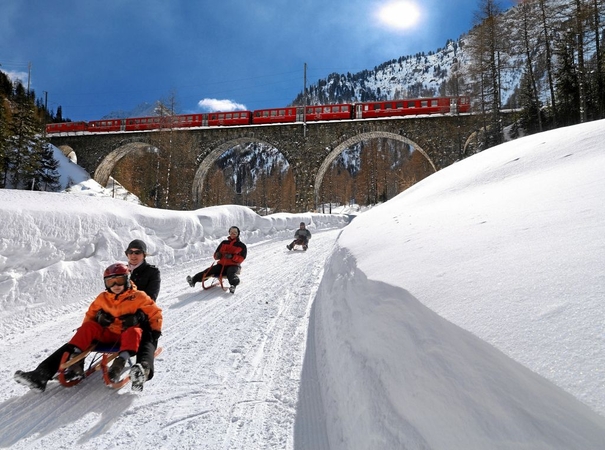
4 Sledding in a UNESCO World Heritage

(https://oldm.myswitzerland.com/…/toboggan-run-preda-berguen…)

5 Horse carriage ride on the Snow

(https://engadin-kutschen.ch/english.php)

Switzerland Tourism says it is keen to woo more Thai visitors to the country during the winter season to enjoy snow activities.

Recently it announced it will collaborate with the Ski and Snowboard Association of Thailand to promote both tourism and sports and make Switzerland the top choice for Thai travellers in the winter season within three years.

Thais spent almost 250,000 overnights in Switzerland last year, up from 100,000 in 2012, particularly enjoying their travel by train, bus and boat.

“Switzerland is already a choice for Thai travellers, particularly during Songkran and the September/October holiday period.

“Winter is the main season for Thai travellers, but most are going to Japan and Korea. We like to encourage them to discover the original Winterdestination:a country that celebrates winter tourism for more than 150 years,” he added.

He said the country had seen seven years of continuous and steady growth in the number of Thai guests. In the period of 2012 to 2018, the sales of Swiss travel passes in Thailand increased by over 400 per cent.

The highlight of Swiss public transport, and one that can be experienced year-round, is the Grand Train Tour.

Covering 1,280 kilometres, it combines the most beautiful panoramic lines into one unique route, and passengers can board at any given point. There is no prescribed direction or duration.

A 2019 APAC Snow Brand survey in March among 2,200 people from 11 Asian countries including Thailand defined “snow holidays” as a trip of at least two nights to a snow-mountain destination with skiing or snowboarding and other activities.

Japan is the top winter destination for Asian travellers, with 65 per cent of respondents having had a snow holiday there in the last three years, followed by South Korea (34 per cent) and Switzerland (24 per cent).

The good news for Switzerland was that 93 per cent of Thai travellers are looking to a European snow holiday in the next three years, and Switzerland is their top choice.

The young generation of Thai snow-sports enthusiasts is going to the upcoming Youth Winter Olympics in Lausanne.

They had a chance in spring to visit Switzerland, tried out the slopes and got familiar with the city, which has warm-hearted connections with the people of Thailand through the Royal families.

Pink grass festival to be celebrated in Lam Dong

ศาสตร์เกษตรดินปุ๋ย : ขอบคุณแหล่งข้อมูล : หนังสือพิมพ์ The Nation

https://www.nationthailand.com/travel/30378242?utm_source=category&utm_medium=internal_referral

Pink grass festival to be celebrated in Lam Dong

Nov 11. 2019
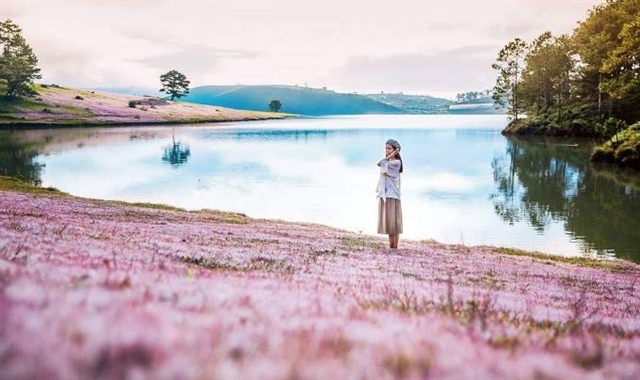
Pink grass hills in Lam Dong Province have attracted many tourists who come to take photos when the grass is in full blossom. — Photo du-lich-da-lat.com

Pink grass hills in Lam Dong Province have attracted many tourists who come to take photos when the grass is in full blossom. — Photo du-lich-da-lat.com
By Viet Nam News

1,382 Viewed

Lam Dong —The pink grass in the area surrounding Dankia-Suoi Vang Lake in Lac Duong District, Da Lat City in the central province of Lam Dong is in full blossom at the end of November, marking the beginning of a festival in the province.

Celebrated from November 16-30, the Langbiang Pink Grass Festival 2019 will feature a variety of exciting activities like horse racing without saddles – a traditional sport of the K’Ho ethnic people, photo contests, gong performance and traditional games of the local ethnic minorities.

Particularly, this is the first time that the traditional wedding ceremonies of K’Ho ethnic people in the area will be revived via the notes and memories of the village patriarchs and artisans from Dung K’Si Village, Da Chais Commune.

According to Cil Poh, the vice chairman of Lac Duong Commune’s People’s Committee, K’Ho people follow matriarchy, meaning that K’Ho woman will “catch” her own husband and the men must live with their wives’ family.

The traditional wedding ceremonies of K’Ho people will take place in Dung K’Si, an ancient village located by the foot of Bidoup – Nui Ba, the highest mountain in the south of the Central Highlands.

According the organisation board, Langbiang Pink Grass Festival 2019 is a typical cultural activity oriented towards the 8th Da Lat Flower Festival that will be held in Da Lat City at the end of this year.

It is also aimed to enhance the attractiveness of pink grass hills in Lac Duong Commune among tourists and promote the upcoming launch of the construction of the Dan Kia – Suoi Vang National Tourism Site by 2030.

Pink grass is a wild plant. It is common in forest areas, especially those with pine trees. When the plant is in full blossom in early winter, it carpets the whole area with tiny flowers which bloom into a collection of soft pink snowflakes.

The stunning view of a natural wonderland in Vietnam makes it a magnet to many photographers and tourists to Lang Biang Mountain in Lam Dong Province to capture such special moments of the year. — VNS

Festive blowout on a tropical island

ศาสตร์เกษตรดินปุ๋ย : ขอบคุณแหล่งข้อมูล : หนังสือพิมพ์ The Nation

https://www.nationthailand.com/travel/30378229?utm_source=category&utm_medium=internal_referral

Festive blowout on a tropical island

Nov 11. 2019
By The Nation

90 Viewed

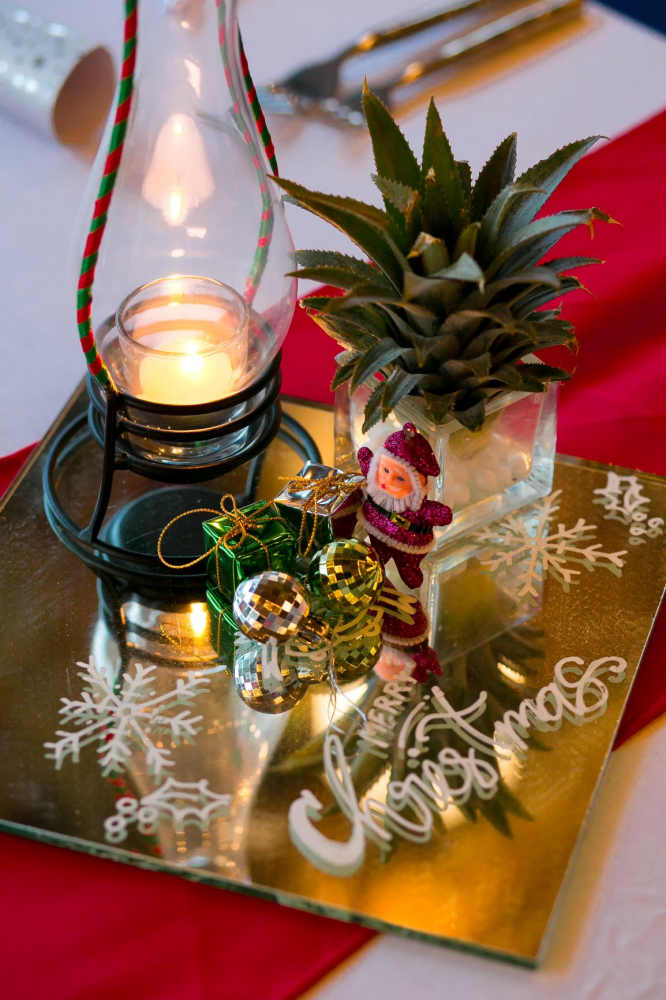
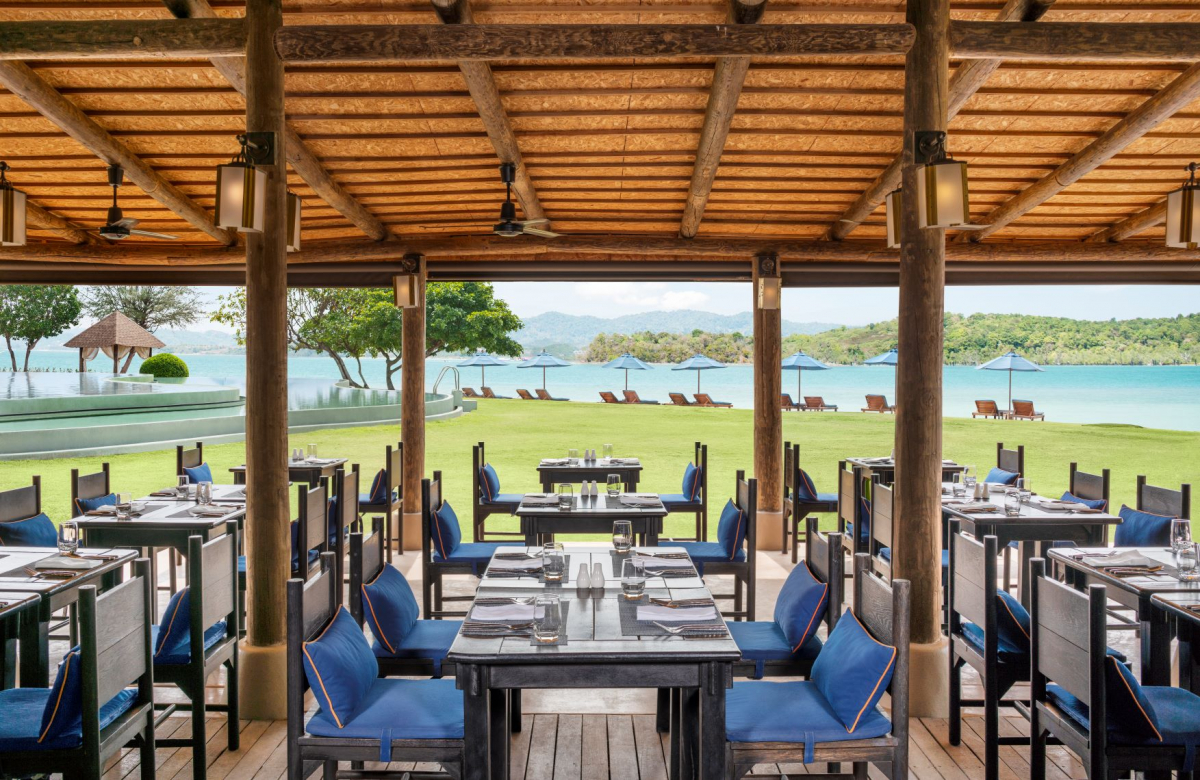
The Naka Island, a Luxury Collection Resort & Spa in Phuket, invites guests to join traditional festive celebrations in the sun,

Christmas celebrations

Featuring the Santa visit and the Christmas choir by his helpers, The Naka Island’s Christmas Eve celebrations begin with multiple choices of dining.

Tonsai Restaurant has an international buffet for Bt3,200-plus, while beachfront eatery Rum Chapel serves an innovative 5-course set dinner at Bt4,500-plus with welcome cocktail and wine pairing. In addition, guests can tuck into a la carte dinner at the award-winning beachfront restaurant My Grill, Z Bar or opt to dine in-villa. Advance reservation are required.

New Year’s Eve Dinner Party – Pirates of The Naka Island

On December 31, get ready to party in style with ‘Pirates of The Naka Island’ themed dinner party and be entertained by DJs, live band, dance shows and fire dances. shows. It’s priced at Bt8,990-plus including free-flow beverages and is served from 6.30 onwards.

For more information, please call (076) 371 400 or visit www.theluxurycollection.com/nakaisland.

Chiang Mai subdistrict to release 8,600 lanterns during Yi Peng festival

ศาสตร์เกษตรดินปุ๋ย : ขอบคุณแหล่งข้อมูล : หนังสือพิมพ์ The Nation

https://www.nationthailand.com/travel/30378207?utm_source=category&utm_medium=internal_referral

Chiang Mai subdistrict to release 8,600 lanterns during Yi Peng festival

Nov 10. 2019
By The Nation

2,685 Viewed

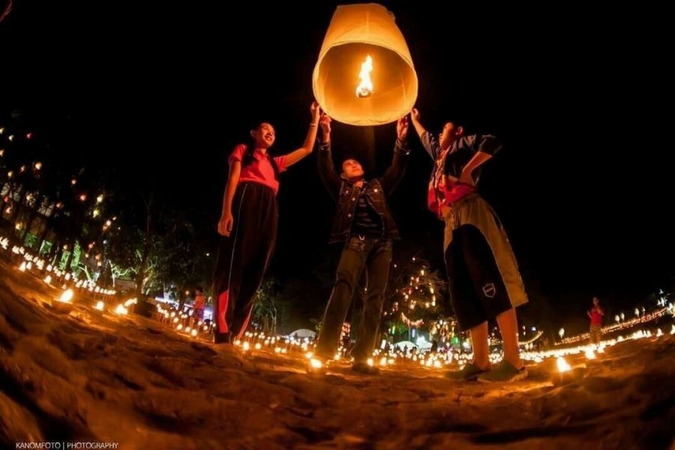
The Choeng Doi subdistrict municipality in Chiang Mai province will continue to hold the Loy Krathong and Yi Peng lantern festival from November 10-12, as the area does not come under prohibited zones due to flight services, the top official for the area said.

Chitipon Sanrapang, the municipality chief executive, said the Choeng Doi area has been holding the Yi Peng festival every year. The municipality has been allowed to release 8,600 lanterns — 5,000 lanterns under Choeng Doi administrative officials, 600 under Chiangmai Senkobfah Company, and 3,000 under other private companies. However, the private companies will release the lanterns outside the subdistricts.

A fire engine and ambulance will be on stand-by to deal with any emergencies.

The lanterns used in the festival will be able to float for about 10 minutes before the lights go out and they fall to the ground. They will be cleared by the cleaning team before morning. He also said locals had been urged to bring lanterns that could land in their own property or in front of their houses.

Some 15,000 people are expected to take part in the festival.

Mane Hariharalaya village resort returns guests to a ‘blissful age’

ศาสตร์เกษตรดินปุ๋ย : ขอบคุณแหล่งข้อมูล : หนังสือพิมพ์ The Nation

https://www.nationthailand.com/travel/30378195?utm_source=category&utm_medium=internal_referral

Mane Hariharalaya village resort returns guests to a ‘blissful age’

Nov 09. 2019
Mane Hariharalaya is a village-style resort with 34 luxurious traditional Khmer bungalows. Yousos Apdoulrashim

Mane Hariharalaya is a village-style resort with 34 luxurious traditional Khmer bungalows. Yousos Apdoulrashim
By The Phnom Penh Post

1,824 Viewed

Imagine a row of traditional wooden bungalows sitting next to paddy fields in a serene environment at the heart of the ancient Khmer Empire where poetry and history collide.

This might just be your dream holiday destination, especially if you are a nature lover or history enthusiast.

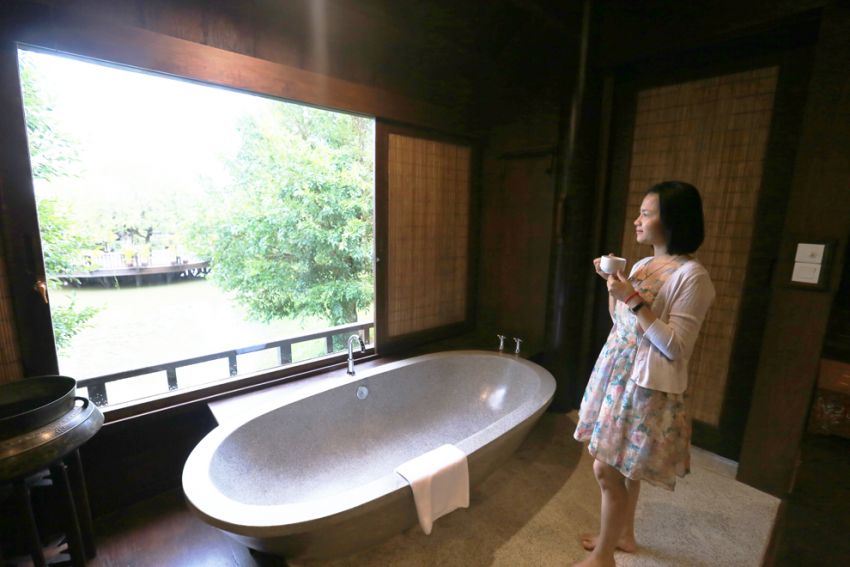
Mane Hariharalaya, a village-style resort with 34 luxurious traditional Khmer bungalows is the perfect escape from the hustle and bustle of modern day Phnom Penh.

The 7ha grounds are located in Roulos town, some 13km east of Siem Reap town, where Hariharalaya, the fabled capital of the Khmer empire during the reign of King Jayavarman II, once stood.

Mane Hariharalaya founder Key Mane told The Post: “Some city people get tired of the tall buildings, noise and pollution. When planning a holiday, they look for a tranquil environment surrounded by lush greenery.”

Ciro Izarra and Yoraima Petter, a husband and wife from Venezuela, are no different.

Petter, an aesthetic dermatologist, told The Post that Mane Hariharalaya was the ideal place to bring her husband to celebrate his birthday.

“I feel wonderful. I wanted to give my husband the best holiday destination as a birthday gift,” Petter said as the pair settled in for breakfast.

“We came here to stay for four nights in this beautiful place and celebrate my birthday. I love the surrounding landscape,” Izarra said.

They both said that they loved the resort and admired the eco-friendly concept that honours Cambodia’s heritage.

Born in 1982 to a family of entrepreneurs, Mane embarked on her entrepreneurial journey after walking away from the microfinance sector.

She started her first hospitality business, Mane Boutique Hotel and Spa, in 2015 and since then has confirmed that you don’t need experience to succeed in the hospitality industry.

Mane Hariharalaya resort founder Key Mane. Photo credit: Hong Menea

Mane Hariharalaya resort founder Key Mane. Photo credit: Hong Menea

‘Natural wonder’

Mane Hariharalaya officially became the sixth hotel established under the Mane brand in August

“Mane was registered as our company name and was used initially for the brand’s first hotel when it began operating in 2015,” the celebrated female entrepreneur said.

“We want to build a Khmer brand not only in Cambodia but also abroad. Over the past five years, we have built a business with seven hotels and resorts, and we plan to expand our brand to France and Japan.”

Dressed in traditional Khmer dress, Mane explains that visitors love to learn that Hariharalaya’s significance pre-dates the Angkorian era.

“King Jayavarman II built three temples in Roluos Archaeological Park – Bakong, Rolei and Preah Ko, which are located around 2km from our resort. We want to honour the ancient empire which had temples surrounded by water.

“That is why we hired a landscape artist to make mini-islands in the pond and planted a tree on each island.

“When locals and visitors from abroad first enter the resort, it’s as though they’ve stepped back into a blissful age of natural wonder before the advent of modern technology.

“They also get to experience a classical Khmer lifestyle by staying in our wooden bungalows, which were design according to traditional Khmer architecture,” the mother of four said.

They will also experience a lifestyle of Khmer culture by staying in our wooden huts built according to traditional Khmer architectural design.”


Mane Hariharalaya is a village-style resort with 34 luxurious traditional Khmer bungalows. Photo credit: Hong Menea

Mane Hariharalaya is a village-style resort with 34 luxurious traditional Khmer bungalows. Photo credit: Hong Menea

‘Khmer delicacies’

Since Mane Hariharalaya embraces an environmentally friendly lifestyle, only bicycles and electric cars are allowed on its grounds.

The menu, like the decor, heralds backs to a time before microwaves, fast food and pesticides.

“We focus on Khmer delicacies cooked with local ingredients sourced directly from a nearby village. The ingredients are organic since we plant them without using any chemical fertiliser,” Mane said.

The hotels employs high school graduates who cannot afford tuition fees to continue with their tertiary education, Mane explains that it is her way of empowering young people.

“I am proud of my Khmer heritage, and I am happy to provide jobs for Cambodians and help them earn a living. We have an experienced team capable of leading and training the younger generation,” she said.

“They can work to earn money to continue their studies. Some of them can be promoted into management roles if they work well.”

Mane Hariharalaya also offers regular bus shuttles to and from Siem Reap International Airport and the must-see Phsar Chas market, with various other stops.

The resort is located 2km from Bakong temple, around 14km from Angkor Wat temple and 10km from Pub Street.