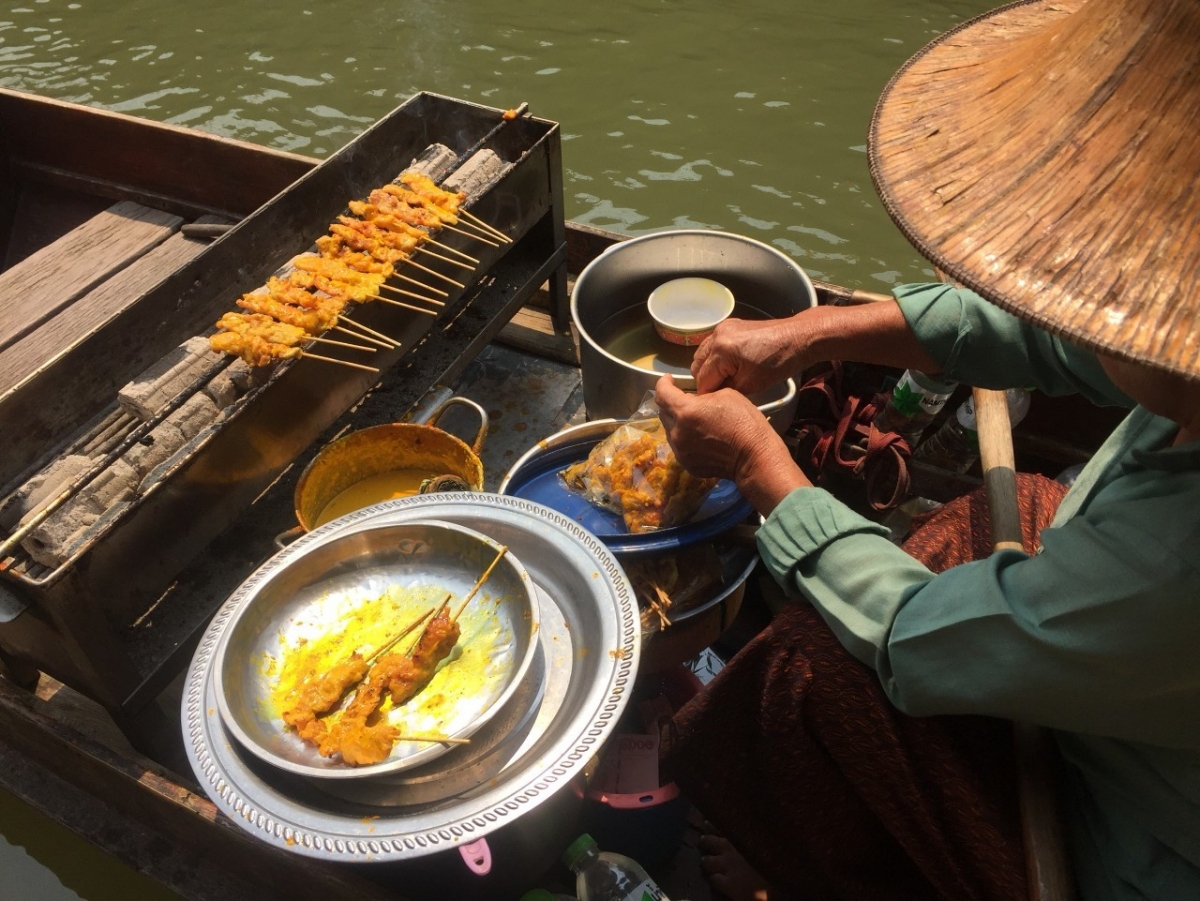
By The Nation In a move to bring back tourists to Thailand’s world-famous Damnoen Saduak floating market, the Tourism Authority of Thailand (TAT) Ratchaburi Office has launched a special campaign, which runs from July 1 to September 15.
“Since the Covid-19 outbreak has been curbed and people are being allowed to travel across the nation, we have decided to organise an activity to stimulate tourism and generate income for the province,” Sareeya Boonmak, director of TAT Ratchaburi Office, said.
“Tourists can use receipts from hotels, restaurants, souvenir shops or tickets of tourist attractions in Ratchaburi worth a total of Bt900 or more to redeem for an hour’s boat ride. The receipts can be redeemed at piers in Damnoen Saduak and Lak Ha floating markets, or at the TAT Ratchaburi Office,” she added.
One boat can accommodate up to four people in line with social-distancing measures, she said, adding that there are about three such trips daily. The boats offer people a close-up view of the market as well as communities near the river.
“Tourists can pay an extra Bt600 to visit the Mae Thong Yip farm to taste young coconuts, stop off at Wat Chotitayakaram, the Low Hourd Seng old house and the Lao Tuk Luk floating market,” she said.
Also, she said, visitors must not miss out on tasting the delicacies that the floating market is so famous for, like hot coconut-rice cakes, satay and boat noodles.
Call (032) 919 176-8, visit the TAT Ratchaburi Office Facebook page or the official Line account @TATratchaburi for more information.
Nong Nooch Tropical Garden & Cultural Village, the largest floral garden in Southeast Asia located near Pattaya, in Chonburi will offer free admission to people from six provinces and 10 districts of Bangkok in July.
The 10 Bangkok districts are: Bangkhen, Saimai, Don Muang, Lak Si, Chatuchak, Buengkum, Bangkapi, Lat Phrao, Wangthonglang and Huai Khwang, while the five provinces are Ayutthaya, Sing Buri, Ang Thong, Chai Nat, Samut Prakarn and Chachoengsao.
People residing in these areas need to produce only an ID card for unlimited free admission throughout the month of July.
Director Kampol Tansajja said the free admission campaign has been launched to “create happiness for Thais” and in response to the government’s policy to boost domestic tourism after the Covid-19 lockdown measures have been lifted.
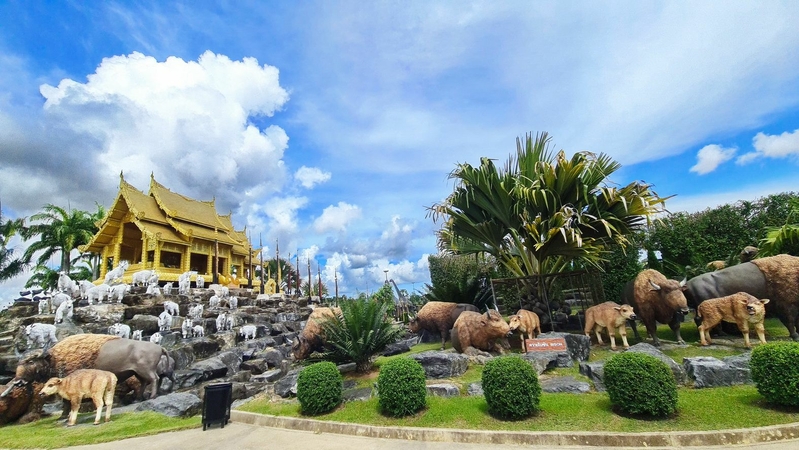
Nong Nooch Tropical Garden offers a variety of attractions and activities such as dinosaur exhibition, cactus garden, palm forest, cultural dance and elephant show twice a day during weekends and holidays.
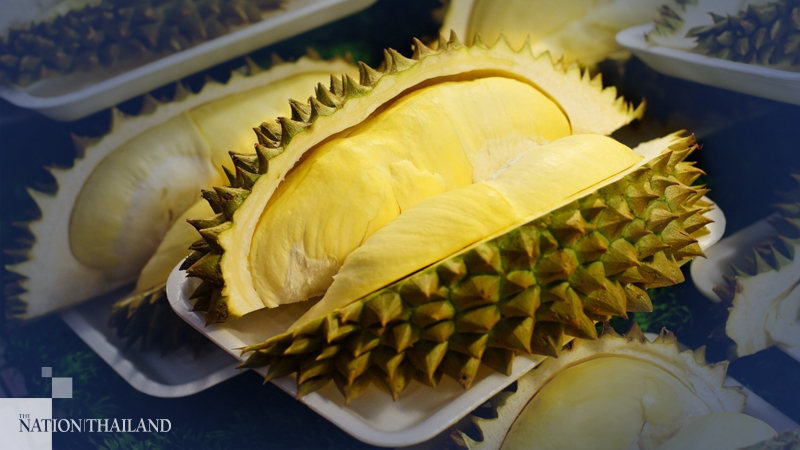
The Tourism Authority of Thailand (TAT) is encouraging people to visit Si Sa Ket province to indulge in the bounty of nature and tuck into delicacies like the famous lava durian.
Si Sa Ket governor Wattana Phutthachat said the lava durian has a unique taste, because it is grown in volcanic soil that is not found anywhere else.
“The lava durian comes in three varieties, namely Monthong, Chanee and Kanyao,” he said. “The volcanic soil in Si Sa Ket is full of minerals, which make it perfect for growing fruit such as lava durian, langsat, rambutan, longan, plums and beans.”
Sawang Kalaphat, a local farmer, said six districts specialise in lava durian, though the ones grown in Kantharalak, Khun Han and Si Rattana districts are the best.
“Approximately 8,552 rai has been devoted to lava durian, and 3,095 rai has yielded a harvest this year,” he said. “The farms should produce about 4,203 tonnes of durian, which can be sold for Bt150 to Bt180 per kilogram.”
Sarid Nakwarin, chairperson of the Si Sa Ket Chamber of Commerce, said provincial authorities are cooperating with related agencies to sell lava durian in both retail and wholesale quantities.
“We have teamed up with Kerry Express Thailand to deliver the fruit, which can be ordered via www.lavadurian.com until the end of August,” he said.
Meanwhile, Thamonwan Charoenwongphisit, director of TAT Surin Office, suggested that people wanting to taste the best lava durian can visit Ban Sam Tarom and Ban Maharat in Khantharalak district and Ban Sam Khilek in Khun Han district.
“TAT also wants to introduce Si Sa Ket’s other attractions like the Khao Phra Wihan National Park, the Phrai Phattana temple, the Phaya Kopri viewpoint, the Samrong Kiat waterfall as well as Pa Si Mongkhon Rattanaram, Maha Phuttharam and Sra Kamphaeng Yai temples.”
Call (044) 514 447-8 or visit the TAT Surin Facebook page for more information.
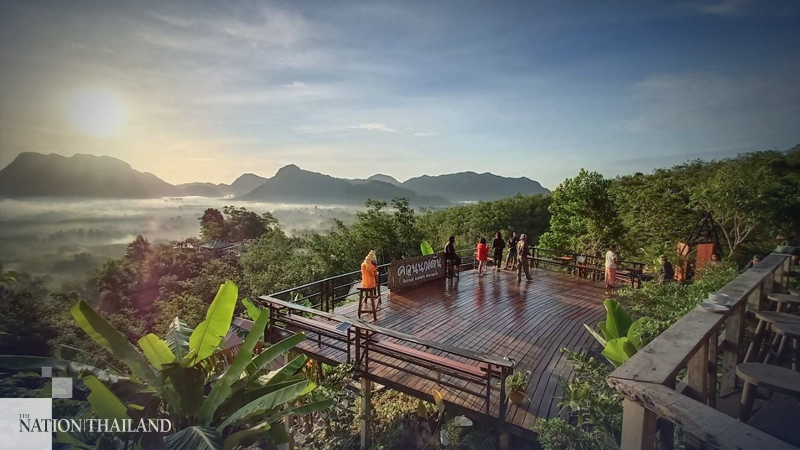
Tourists are flocking to revel in the natural beauty of Phatthalung’s Banthat mountain and catch a glimpse of the sea of mist from three scenic viewpoints after provincial officials reopened the range.
With Phatthalung reopening its attractions and abiding by the Public Health Ministry’s measures to keep Covid-19 from spreading, the number of tourists has suddenly jumped, especially to the Banthat mountain range that comprises the Kuan Nok Ten, Phu Rung Chaeng and Kuan Sawan Ta Kaew viewpoints from which visitors can see the sea of mist.
Most of the tourists so far hail from the three southern border provinces. Many choose to stay at accommodations and campsites near Kuan Nok Ten and Phu Rung Chaeng so they can get to the viewpoints before sunrise.
Phatthalung has not seen any new Covid-19 case for a straight 73 days, but the province is still implementing measures to guard against the dreaded virus.
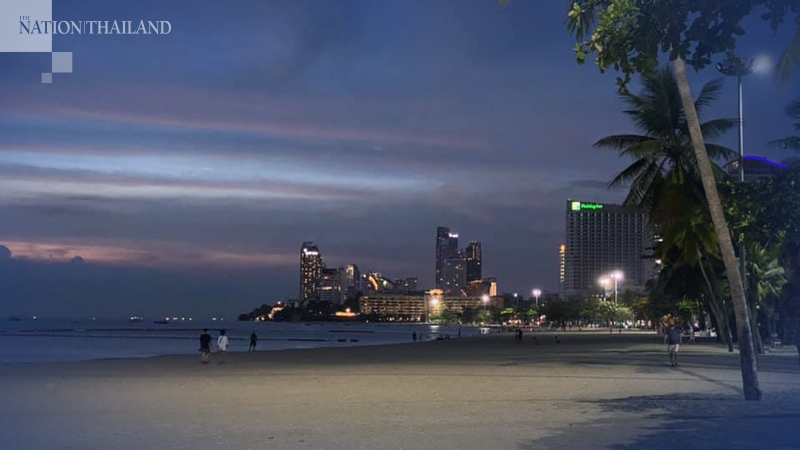
Pattaya beach is cleaner than it has been for the past two decades after recovering from the heavy impacts of tourism, said prominent marine scientist Thon Thamrongnawasawat.
The water is clear and pristine while trash has almost completely disappeared from the sand, said Asst Prof Thon, who has over 100 books and several marine conservation projects to his name. Pattaya beach was now as beautiful as he remembered it 15 to 20 years ago before the latest boom in tourism, he added.
With local hotels offering big discounts on accommodation, Thon recommended that people grab the chance to visit the seaside city while it was at its prettiest.
Along with the beaches, the city’s markets are also free of crowds and more organised, he said, adding that visitors could help local businesses recover from the impacts of Covid-19.
Speaking as a former adviser to Pattaya authorities, he said the return of tourism should be carefully controlled so that the city and its marine environment remained clean and beautiful.
Songkhla province is extending an invitation to travellers, encouraging them to come visit and enjoy the friendly surroundings of its Saba Yoi district.
Local resident Jeerawat Noonsri has turned from a civil servant to coffee farmer, growing Robusta beans near the Tam Khok cave.His farm has now turned into a community enterprise, with locals shifting from growing rubber to coffee.Though Tam Khok coffee is cheaper than other types of coffee in the market, the locals appear to have found their source of happiness.
By By Kaset Sudecha Photos: Kaset Sudecha, Wirot Wonganan
Phetchaburi is one of the top tourist attractions in the country, being just 123 kilometres from Bangkok. In 2019, nine million tourists visited the province, generating at least Bt32 billion in income for local people.
Kaeng Krachan National Park
One of the outstanding activities in this province is, of course, birdwatching, an activity which can be conducted any time of the year. The Tourism Authority of Thailand, together with Kaeng Krachan National Park, the Bird Conservation Society of Thailand and local birdwatching groups have held a campaign called “Phetchaburi, the capital of birdwatching”, to promote the province.
Common green magpie
Birdwatching is a well-known activity for both domestic and foreign tourists. Foreign birdwatchers have been estimated to visit the province for 1-3 days and spend at least Bt20,000 a day.
There are more than 600 species of birds to spot, with over half of them being rare.
Asian golden weaver
Kaeng Krachan National Park, the highlight for birdwatching, is located in an area of Tenasserim and Phuket Hills, stretching from southern Thailand to Myanmar. Birds seen in the national park are not just from Thailand but also wing in from India, Myanmar and Malaysia.
Wreathed hornbill
The Bird Conservation Society of Thailand and BirdLife International have therefore listed the park as an “important area”. Kaeng Krachan has also being proposed as a new World Heritage Site in Thailand.
Black-and-yellow broadbill
Some of the beautiful birds that can be seen in the park are the black-and-red broadbill, the wreathed hornbill, the orange-breasted trogon and the ratchet-tailed treepie, the latter limited only to Thailand.
Steppe eagle
In addition to the national park, watchers can scout for birds that immigrate temporarily to the seaside in Ban Laem district. More than 50 bird species normally arrive in this Thai district from October to May. The area has proven safe for these sea birds as no big factory or hotel is located there to pollute the natural resources.
Phetchaburi has also been listed as a Flyway site by the East Asian-Australasian Flyway Partnership. Spoon-billed sandpipers are the highlight of the seaside district as they number fewer than 400.
Spoon-billed sandpiper
In accordance with a “new normal” sustainable economy, natural resources and the local people’s way of life need to be preserved for long-term benefit and happiness.
A village in Kanchanaburi province is inviting people to experience Siamese lifestyle during the reign of King Chulalongkorn (1873-1910).
The period marked the start of western influence on Thailand and the integration of cultures.Mallika RE 124 Village was built to pass on ancient Thai knowledge to the younger generation.Visitors can pick Siamese style garments during the tour and they can appreciate not only the tradition but also the memories of Thai ancestors that have been lost in time.The village has reopened after being closed during the Covid-19 lockdown.Visitors must fully adhere to precautionary practices during the new normal.
Jun 22. 2020Customers shop for gelato at Giolitti in Rome on June 6, 2020. MUST CREDIT: Photo for The Washington Post by Ginevra Sammartino
By Special To The Washington Post · Erica Firpo · WORLD, FEATURES, EUROPE, FOOD, TRAVEL
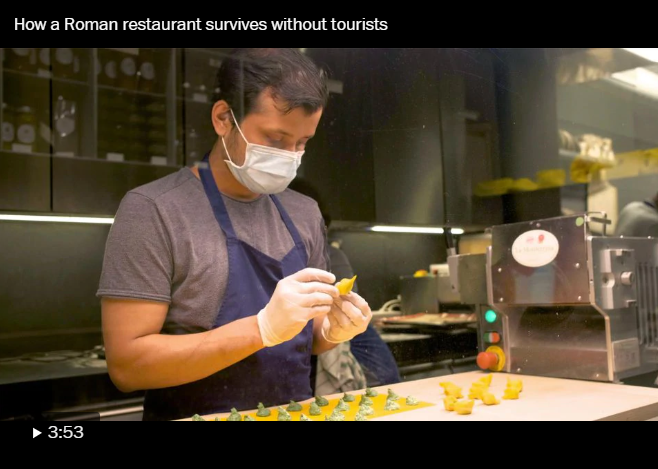
ROME – As Italy opens up to its residents, Europe and eventually the rest of the world, businesses in Rome are trying to figure out how to navigate an Eternal City without the daily traffic of tourists and full offices. The centro storico, Rome’s historic center, has long relied on tourism to support many of its restaurant and food services.
Opening doors again isn’t easy; restaurants are experiencing a new atmosphere thanks to changed personalities and limited tourism. Some are investing in invigorating the local community, while others are simply trying to move forward. As Rome slowly acquaints itself with the city’s new landscape, these restaurants, cafes and markets are doing their best to evolve in the city’s new landscape.
– – –
RetroBottega one of the city’s innovators for its focus on materie prime (locally sourced, raw and organic fruit and vegetables), closed its restaurant, wine bar and pasta lab along with the rest of the country on March 8. Owners Giuseppe Lo Iudice and Alessandro Miocchi quickly pivoted to support the team that supports them, i.e. its staff and its farmers, and to support the historic center’s community.
Bar del Cappuccino in Rome on June 6, 2020. MUST CREDIT: Photo for The Washington Post by Ginevra Sammartino
“We reached out to the community that wasn’t able [or didn’t want] to shop in the supermarket, that wanted quality,” says RetroBottega’s Lo Iudice. Reconfiguring into RetroDelivery, service akin to community-supported agriculture (CSA), RetroBottega reached out to local residents to offer fresh produce delivery coordinated on WhatsApp.
It wasn’t easy at first, but the neighborhood quickly caught on and loved the personalized grocery service with the RetroBottega vibe. Miocchi, the pasta brain, expanded the repertoire to include fresh bread, and now RetroDelivery delivers gourmet products, meat, fish, and freshly made pasta and breads thanks to a collaboration with Roscioli, as well as a local butcher and local fish vendor.
The Roscioli family, four generations of bakers, is one of the cornerstones of the Campo de’ Fiori neighborhood. Roscioli is now a local empire with a coffee shop, bakery and restaurant/gourmet delicatessen.
During the lockdown, while the closed-to-public cafe organized coffee deliveries, the bakery kept its doors open and provided home deliveries of such items as homemade yeast and pizza dough.
“Bread has a social weight; we have to provide it,” explains baker PierLuigi Roscioli. In fact, he personally delivered bread to his patrons, which inspired the community and showed that there was some normalcy in a surreal situation.
Aligning with RetroBottega was a natural fit for Roscioli, as both are dedicated to providing top-quality products and investing and supporting the local community by continuing to cater, in all senses of the word, to its needs.
“We are rooted in this neighborhood; we can’t abandon it. We grew up here. It was unfathomable to think that we wouldn’t stay open. For us, it’s not about economics, but it’s a duty to our community,” says PierLuigi.
– – –
All’aperto (alfresco dining) is one of every Romans favorite expressions. They love eating outside, but not every restaurant has that possibility, and the new social distancing regulations and personal hesitations make indoor dining an afterthought, at best.
RetroBottega reopened its restaurant, wine bar and pasta lab but not quite as it was before. Lo Iudice and Miocchi refocused their menu by creating pizzas – inventive and made with prime materie and antipasti. Roscioli Salumeria, the brothers’ tiny restaurant, restructured its tables and, like everyone else, requires advance reservations.
It’s not an ideal situation, and not helped by the fact that Romans are not as active as tourists in dining out. To some, this is the perfect time to experience restaurants whose wait lists are weeks long, but to restaurant owners, the next few months are a precarious tight rope.
One establishment that intensely feels the effects of the pandemic’s full stop is Pizzeria Remo a Testaccio, an inexpensive, cult-favorite pizzeria in the Testaccio neighborhood. Right now, the usually busy pizzeria is quiet. Regular clients are not interested in sitting inside, whether scared of being too close or offset by the summer heat, and for those who potentially want to return, they are dissuaded by social distancing settings that make dining a lot less fun.
“Unfortunately, most people come to the pizzeria as a group of friends and family, and now would have to sit distanced from each other. Are they going to tell jokes using WhatsApp?” asks partner Antonio Amato.
– – –
Rome is not Rome without gelato, and during the lockdown, many gelaterie teamed up with delivery services to provide the treat to homes all over the city. Giolitti, the 120-year-old gelateria best known for its 57 flavors as well as its crowds, was a go-to delivery source during the shutdown.
Closing its doors completely was not an option, describes Nazareno Giolitti.
“Giolitti has only been closed only a half-day when my grandfather passed away and another half-day when my father passed away. Why? Because my grandparents always said we are public service. Our feelings come second to that of the people,” he says. Giolitti maintained its staff by alternating hours, and immediately focused on delivery.
When Italy slowly opened, Giolitti was prepared with take-away coffee drinks, pastries and gelato.
“We are a tradition. A line will return, and it’s our responsibility to keep it organized,” Giolitti says, but as a heritage establishment that owns its space, the gelateria is luckier than most other businesses struggling to pay rents and salaries.
The gelateria is now fully reopened, and the line has returned.
Traditional cafes are the staple of any Italian city. They are where people meet and greet in the morning for a quick chat and fast counter service. Although bars and cafes have been open for nearly two months, the normal routine is nothing like before. Along with social distancing protocols, which reduce the amount of people at the counter, Rome updated business hours to three time slots during May and June, when non-food-related shops (such as retail) open at 11 a.m., which means less morning traffic from incoming staff.
Bar del Cappuccino, a beloved hole-in-the wall spot on Via Arenula, is waiting for the foot traffic to return, like every other bar in the city center.
“Our faithful clientele has returned. And since tourists aren’t traveling, we are reaching out to local businesses,” says owner Adriano Santoro, who keeps in touch with the local community with Facebook posts and offering home delivery as well as takeaway service. “We’re all waiting to see how this moves forward.”
Visitors return to Thanbok Khoranee as Krabi’s ecological treasure emerges from lockdown
Jun 18. 2020
By THE NATION
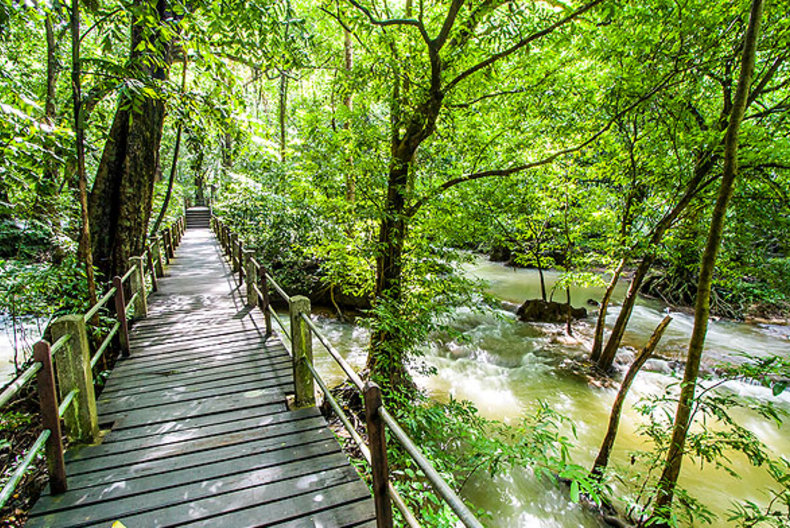
The jewel in Krabi’s ecological crown has been given the safety all-clear, allowing visitors to return to Thanbok Khoranee National Park and its island gem of Koh Hong.
“The national park has set up screening checkpoints to limit the visitors to a maximum 490 persons per round,” said Krabi Governor Kittibodi Prawit, after his safety inspection this week.
The reopening of the park and other local attractions is expected to boost Krabi’s economy, which is heavily reliant on foreign tourists and has been hit hard by the Covid-19 lockdown.
“Park staff were instructed to clean crowded areas every two hours and monitor visitors closely. No swimming, smoking or drinking alcohol is allowed in the park at the moment.”
Thanbok Khoranee National Park covers 120 square kilometres of limestone caves and evergreen and mangrove forest along Krabi’s coastline.
“During more than two months of the Covid-19 shutdown, the park’s nature and wildlife have begun to revive,” added the governor. “It is important to limit visitor numbers to ensure that the natural balance and wildlife are not disturbed. The park offers a small number of lodgings, while camping is allowed in specific areas only.”
Meanwhile, tourists are also back at Krabi’s popular Ao Nang beaches, which were unlocked from lockdown earlier this month. Local resident Navaporn Chuchaisong, 56, said most of the beachgoers were Thais, with foreigners still a rare sight. “Most of the [few foreigners] are stranded in Thailand due to the Covid-19 situation and unable to return home yet,” she added.

 Photo Credit: TAT Ratchaburi Office









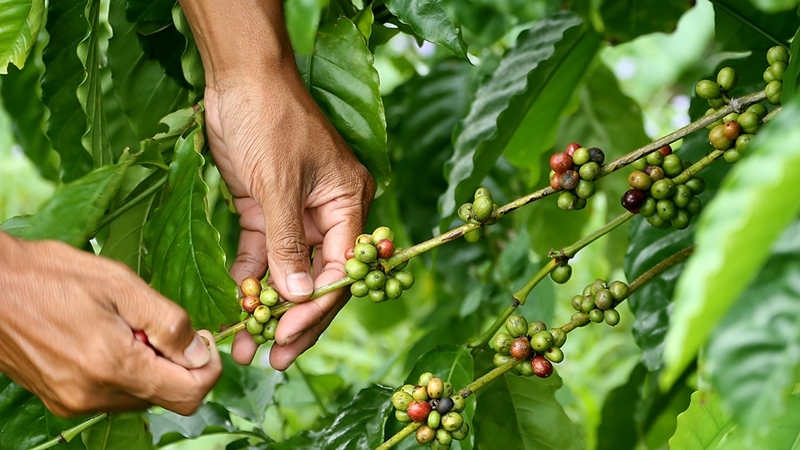
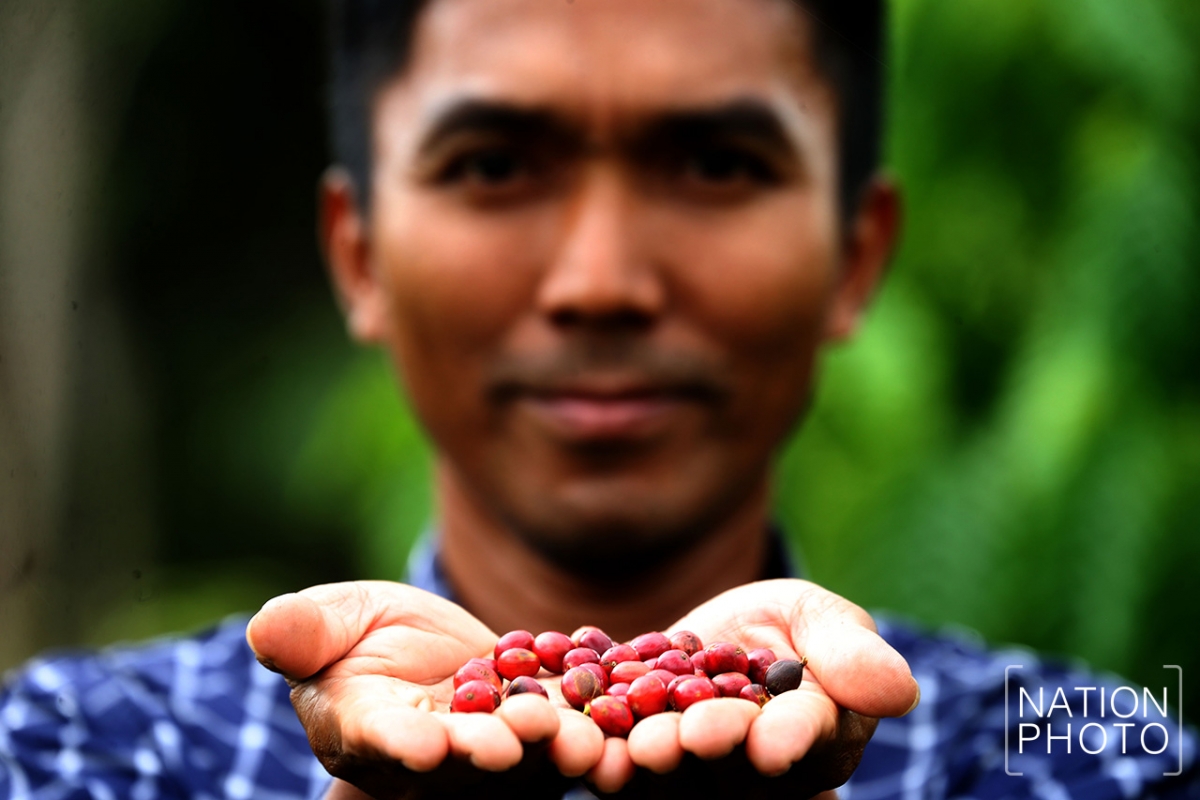 Local resident Jeerawat Noonsri has turned from a civil servant to coffee farmer, growing Robusta beans near the Tam Khok cave.
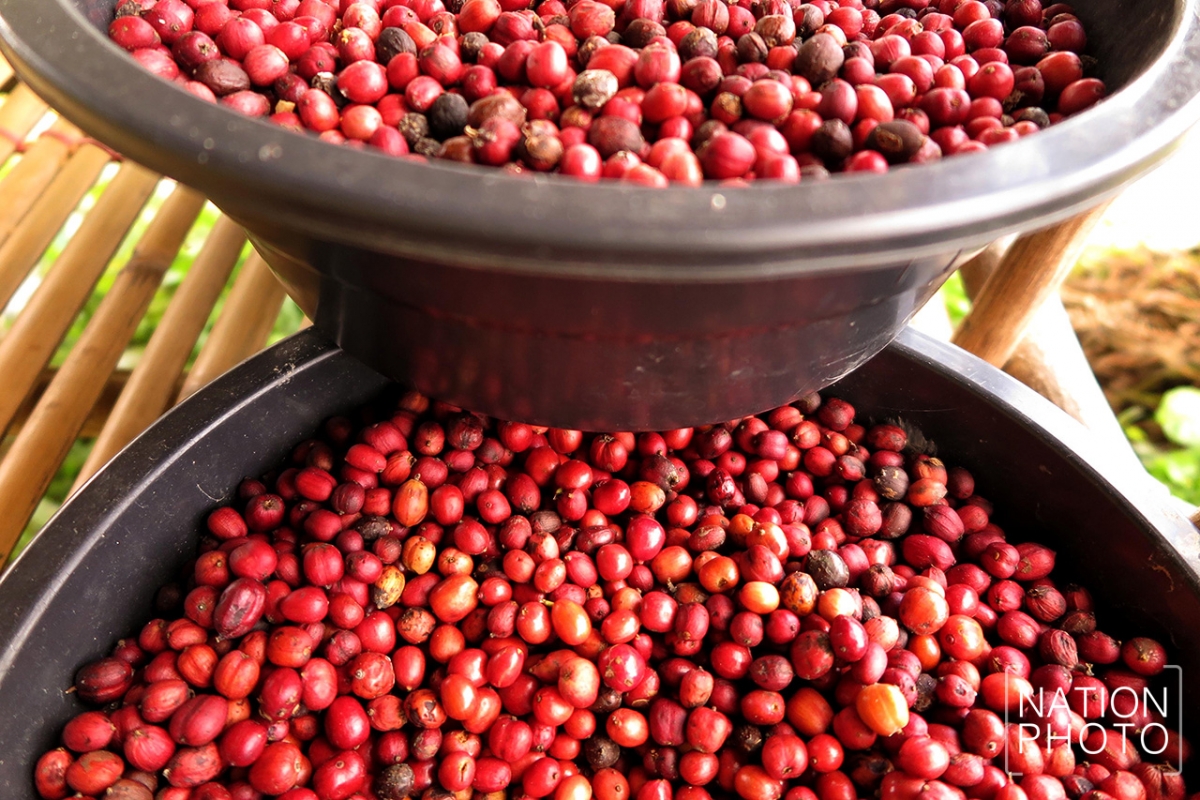 His farm has now turned into a community enterprise, with locals shifting from growing rubber to coffee.
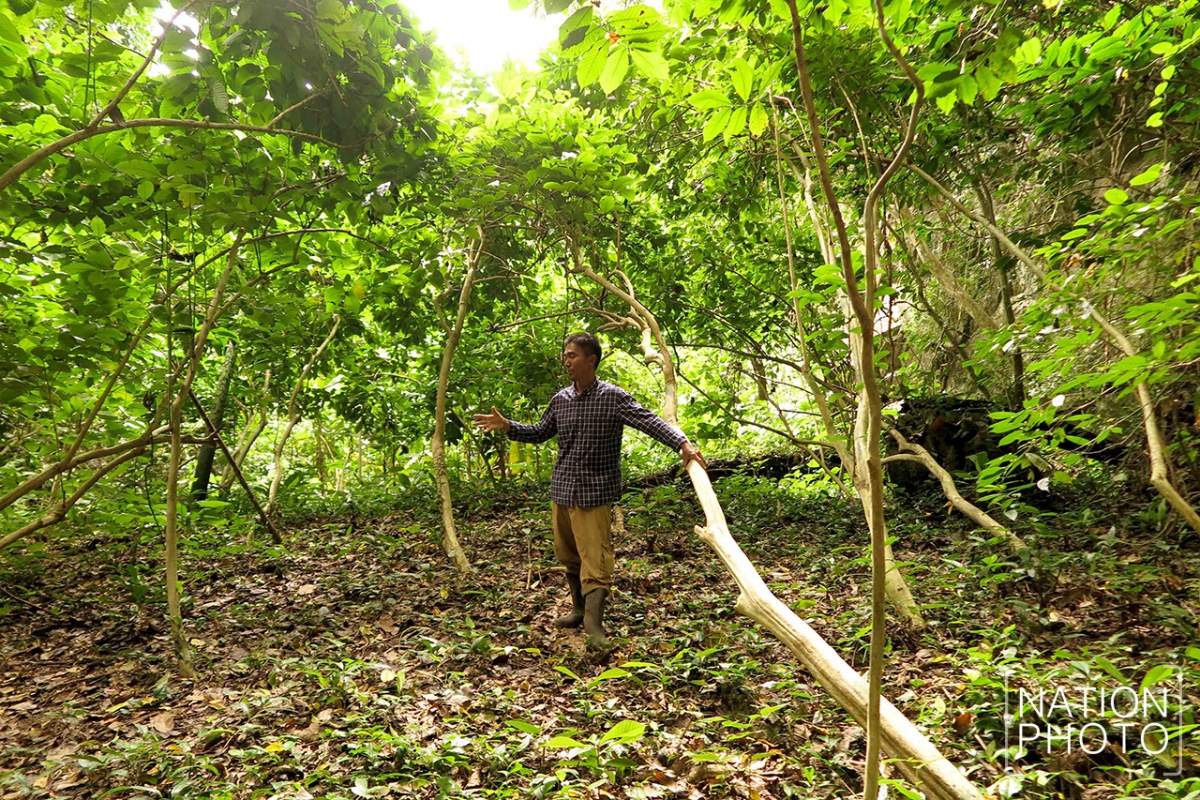 Though Tam Khok coffee is cheaper than other types of coffee in the market, the locals appear to have found their source of happiness.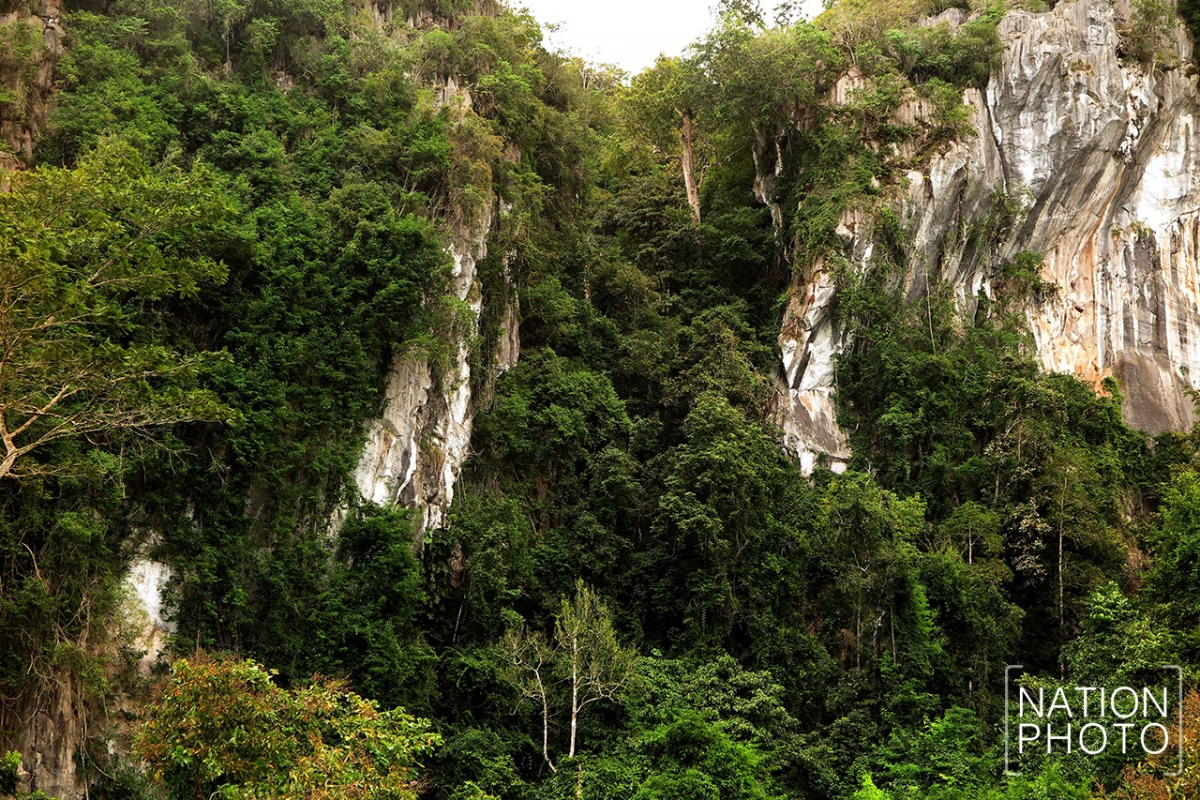
 Green Bee-eater
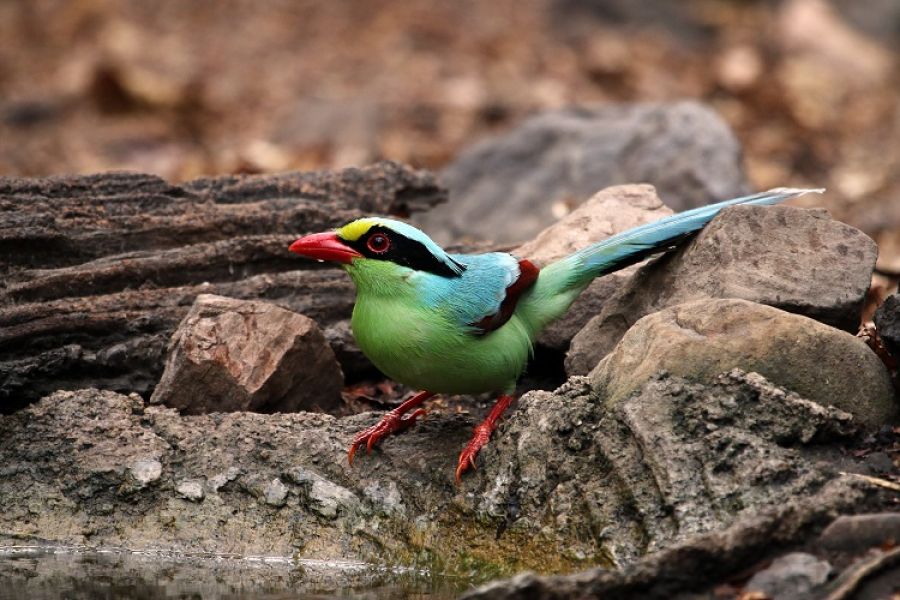

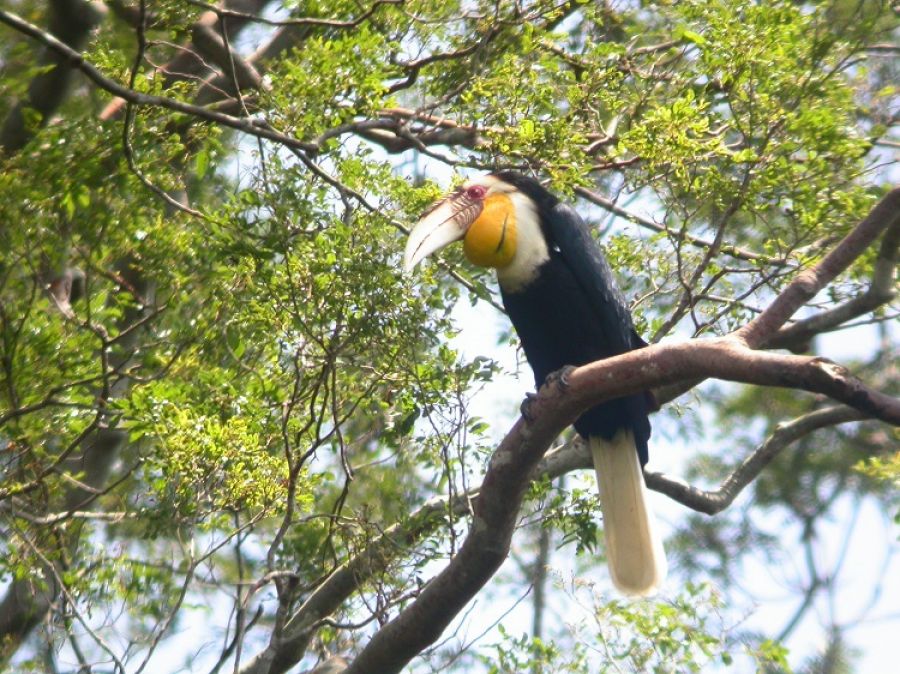


 Photo by Tanachai Pramarnpanich
 The period marked the start of western influence on Thailand and the integration of cultures.
 Mallika RE 124 Village was built to pass on ancient Thai knowledge to the younger generation.
 Visitors can pick Siamese style garments during the tour and they can appreciate not only the tradition but also the memories of Thai ancestors that have been lost in time.
 The village has reopened after being closed during the Covid-19 lockdown.
 Visitors must fully adhere to precautionary practices during the new normal.
 Customers shop for gelato at Giolitti in Rome on June 6, 2020. MUST CREDIT: Photo for The Washington Post by Ginevra Sammartino