In Rio de Janeiro’s Guanabara Bay, the lack of fish due to high levels of water pollution has driven fishermen to go from fishing to cleaning the ocean.
The project involves 25 fishermen’s families and is promoted by Ogyre, an Italian enterprise dedicated to cleaning oceans, and the Brazilian environmental organization BVRio Institute.
Circular economy expert at BVRio Pedro Mendes told Reuters that besides having an environmental impact, the project also helps local fishermen who have seen their trade affected by the polluted waters.
“Before it was wonderful. In your front door, you could catch plenty of shrimp and fish. Today, to catch fish you need to travel far. You need to buy gas for a boat like this and it’s expensive to come here,” 47-year-old Francinaldo Alves da Silva said.
“If you see the sea 50 years ago and the one that exists now, it’s horrible! Nowadays people aren’t conscious. They throw anything that doesn’t work in the sea. They think the sea is a dump. The sea is not a dump. The sea is how we all survive. The fish and turtles have freedom, without trash,” another fisherman Ayton Rodrigues Martins said.
Through the initiative, for two days of work, the fishermen are paid above the minimum wage.
This is the project’s second phase. It is expected to last 12 months during which organizers hope 100 tonnes of trash will be collected.
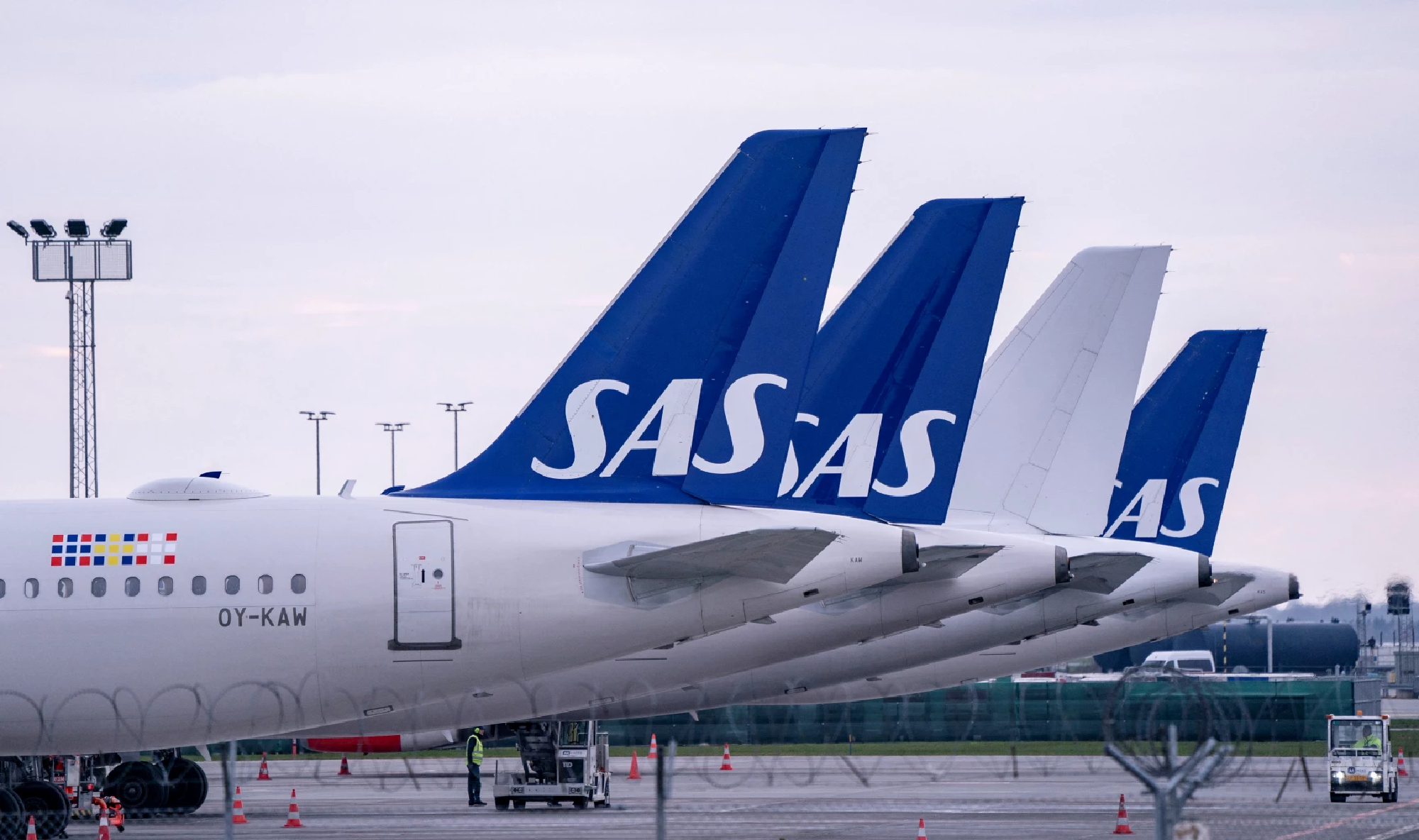
The Swedish government said on Tuesday that it will not inject new capital into loss-making airline SAS and does not aim to be a long-term shareholder in the company. The announcement, by Industry Minister, Karl-Petter Thorwaldsson, sent its shares down 14% to all-time lows.
SAS said last week a restructuring plan announced in February depended on it raising 9.5 billion Swedish crowns ($968 million) in cash and converting 20 billion crowns of debt to equity, warning of liquidity problems if it fell short. But no shareholders, including main owners Sweden and Denmark with 21.8% stakes each in the carrier, have committed to the plan.
Thorwaldsson said he would, however, propose to parliament that SAS be allowed to convert the debt it owes to the government into equity capital. Long-term, the government still wants to exit SAS altogether, he added, reiterating a years-long stance.
The airline said in a statement that Sweden’s decision to support the debt conversion was an important step for a transformation to succeed. CEO, Anko van der Werff said last week that to attract new investors, SAS must slash costs for leased planes that stand unused due to the closed Russian airspace and slow recovery in Asia.
Denmark’s finance ministry was not immediately able to comment. The Danish government has said before it sees itself as a long-term owner of the group.
Sweden has over recent decades injected 8.2 billion crowns ($834 million) into the airline, including via loans to rescue the company from collapse during the COVID-19 pandemic when global air travel drew to a near halt.
The carrier was already struggling before the pandemic in the face of growing competition from low-cost carriers such as Ryanair and Norwegian Air and has sought deals with labour unions on cost cuts.
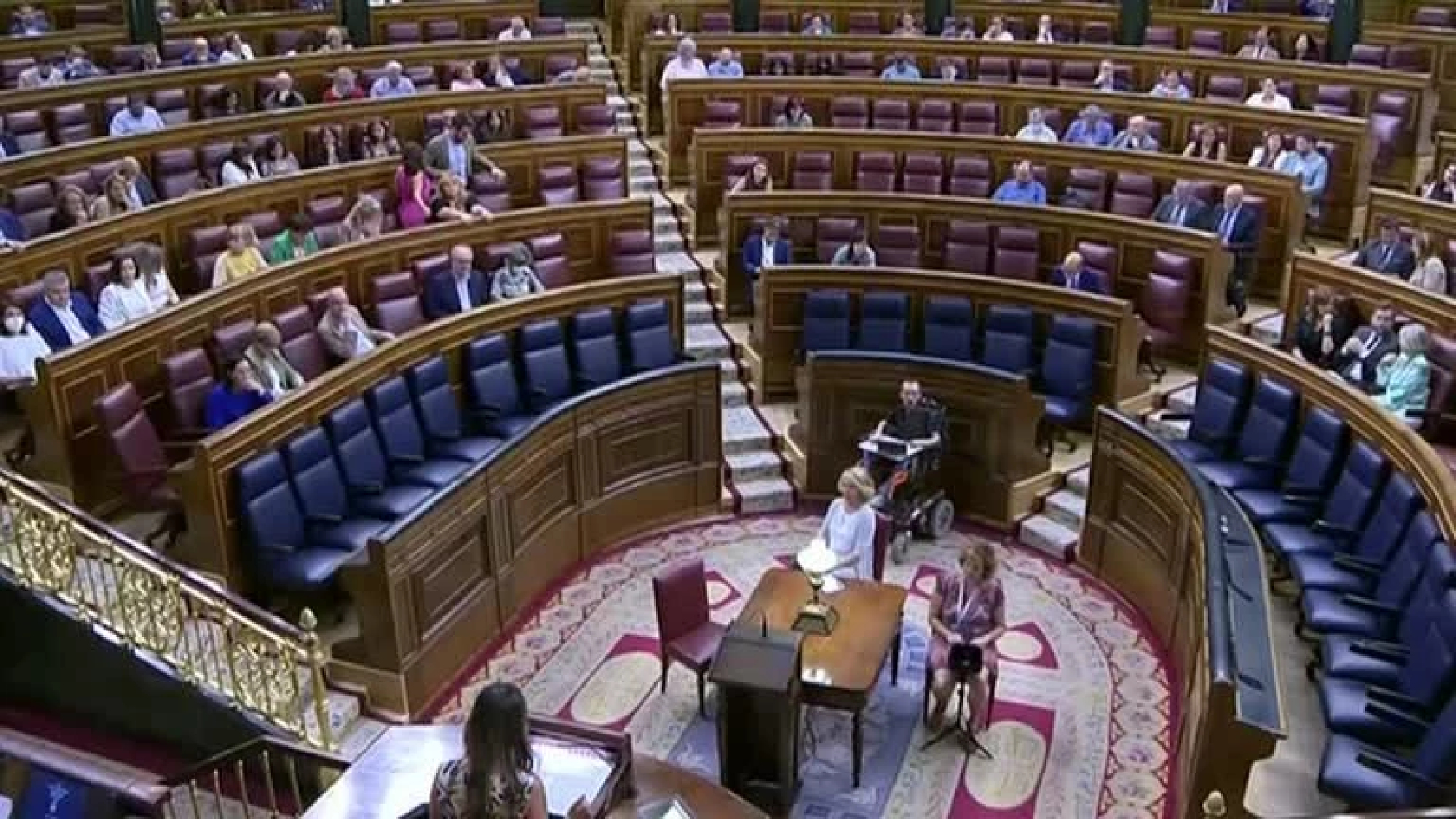
Spain voted on Tuesday in favour of a proposal to draw up legislation to abolish prostitution, cracking down further on pimping and introducing tougher penalties for men buying sex in a controversial initiative that has split the women’s rights movement.
Until now, prostitution has been tolerated in Spain, with many brothels operating as hotels or other lodging establishments, although sexual exploitation and pimping are illegal.
The move is part of a progressive drive by the Socialist Party of Prime Minister Pedro Sanchez to extend women’s rights and would see sex workers treated as victims to be protected rather than criminalized as they would be under any outright ban on prostitution.
A total of 232 lawmakers voted for the proposal, 38 voted against it and 69 abstained. It now faces a lengthy process during which lawmakers can suggest amendments that can be approved or rejected.
At the end of the process, lawmakers must vote again and only then will the law be sent to the Senate.
The Socialists, who rule in a minority coalition with far-left junior partner Unidas Podemos, want to introduce longer jail sentences for pimping, removing the present requirement for police to demonstrate that an exploitative relationship exists with the sex worker.
The proposal would also punish anyone using premises for prostitution, and men buying sex, with aggravated sentences if the victim is a minor or classed as vulnerable.
The proposal has sparked intense debate in the local women’s rights movement.
Some organizations who work with trafficked and prostituted women, such as Medicos del Mundo, view it as a step in the right direction, while others like Antigona, a group of academics who are in favour of legalizing prostitution, say it risks driving undocumented migrants underground and leaving them more vulnerable to trafficking networks.
Natalia, a former sex worker now employed by the sex workers’ union Otras, said the current legislation “infantilises” women in the trade.
“Obviously this work has problems, and we need help to obtain rights, but not from the point of view of victimization.”
Trabe, which provides accommodation for victims of trafficking and sexual exploitation, said any new laws should grant social protections to prostitutes, while Medicos del Mundo said the Socialists had to refine their proposal or risk organizations which help women being accused of facilitating prostitution.
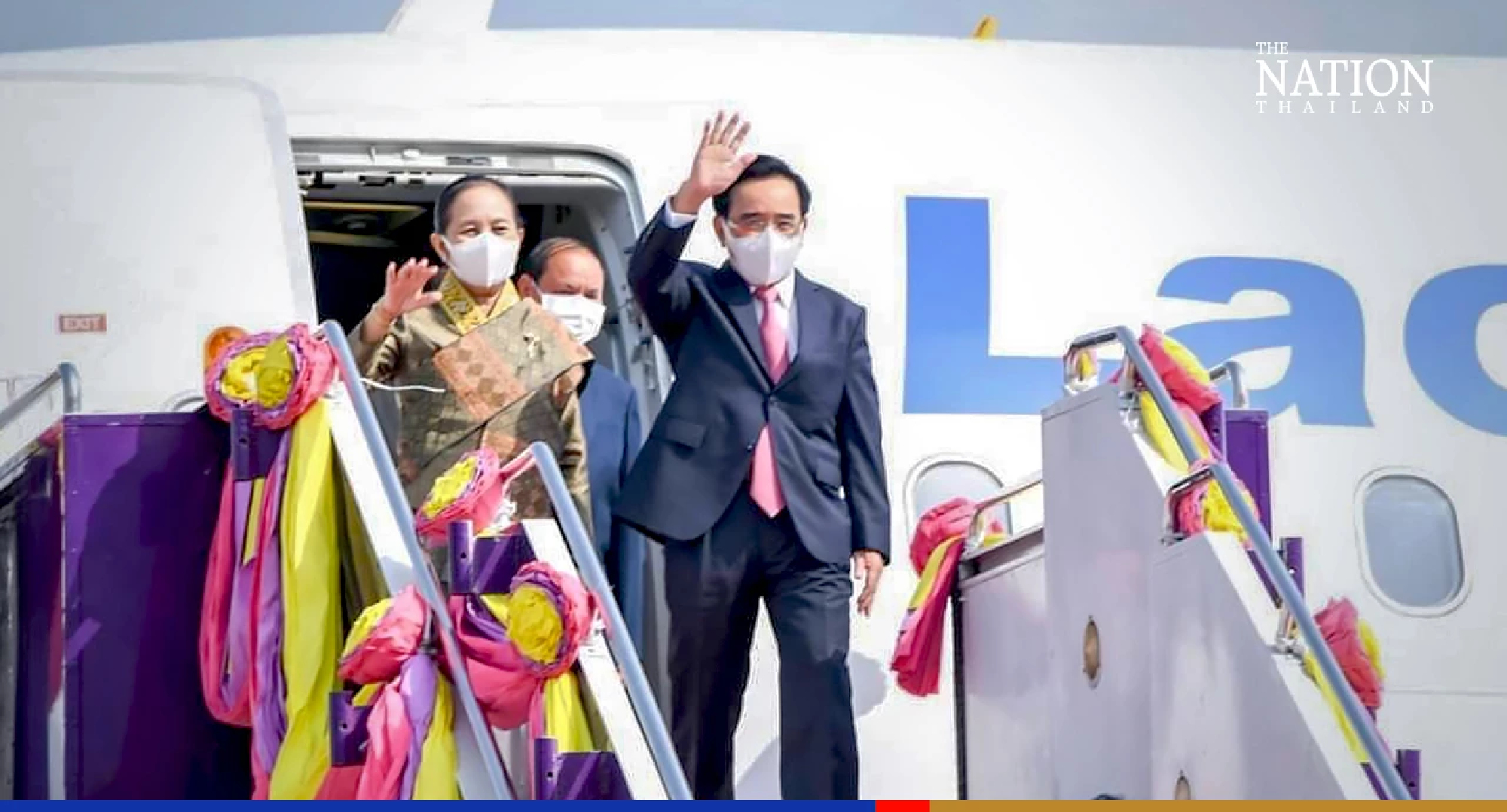
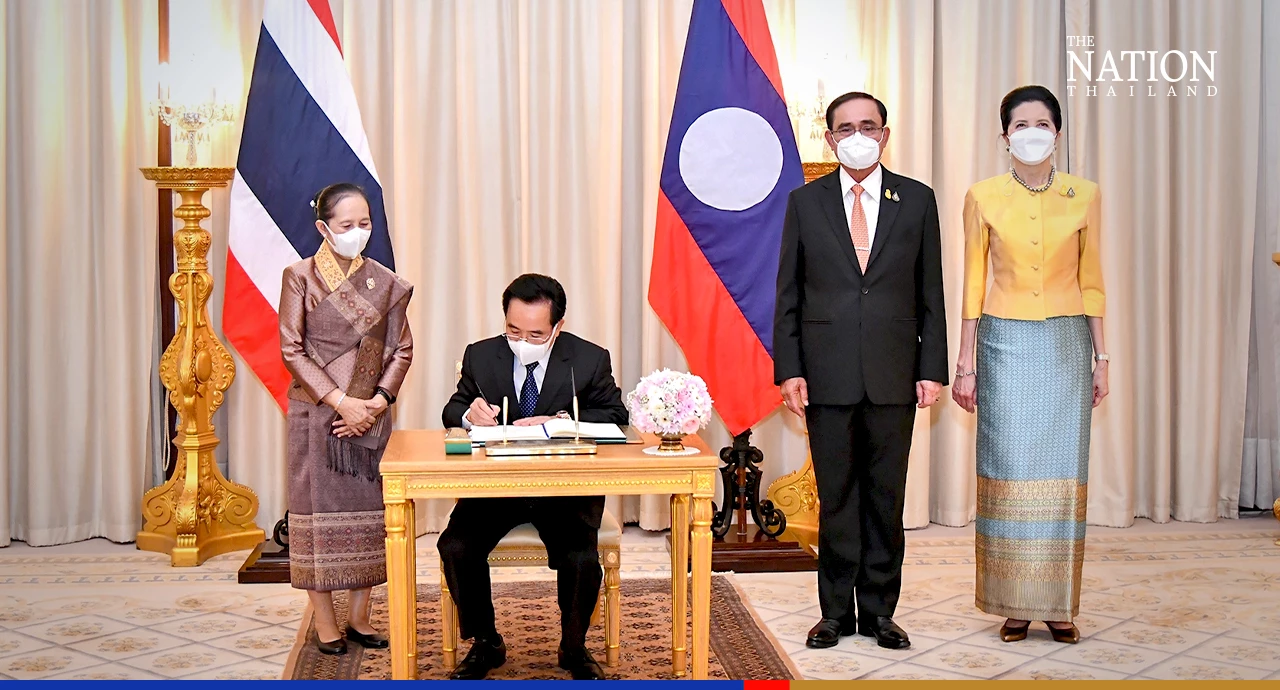
Prime Minister of the Lao People’s Democratic Republic Phankham Viphavanh and his spouse paid an official visit to Thailand as guests of the Royal Thai Government during June 1-2. They were also granted an audience with Their Majesties the King and Queen at Amphorn Sathan Palace, and an audience with Her Royal Highness Princess Maha Chakri Sirindhorn at Sa Pathum Palace on June 2.
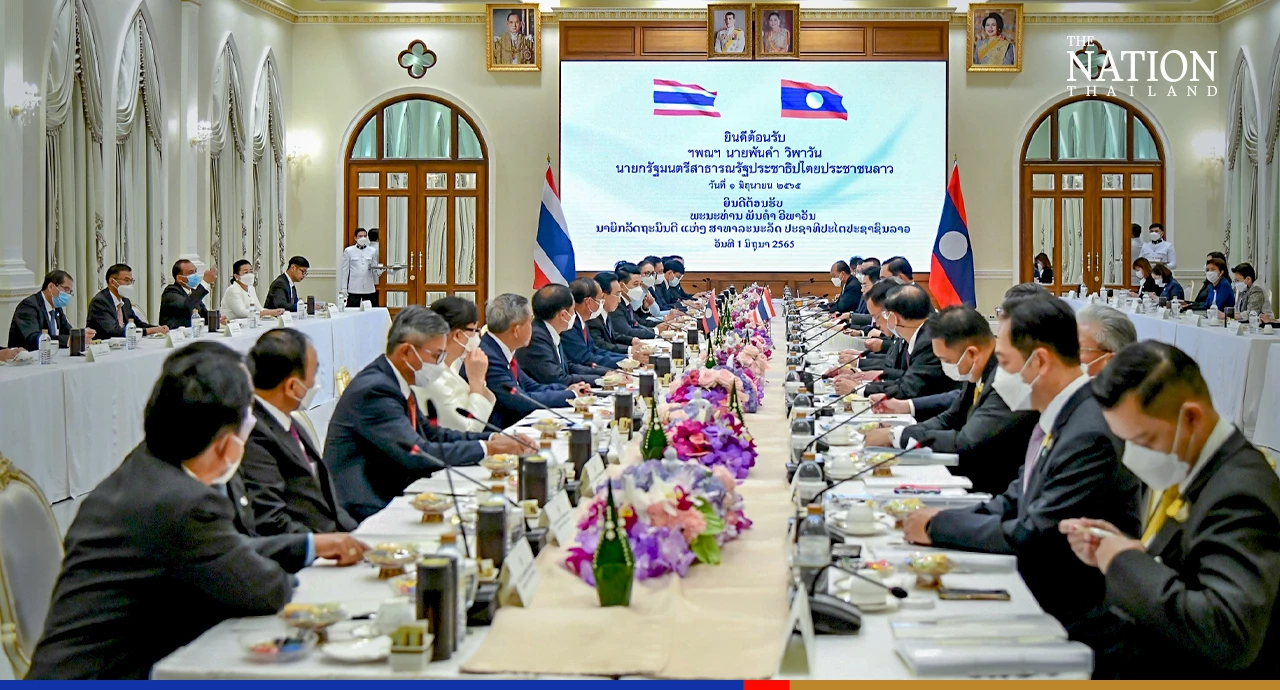
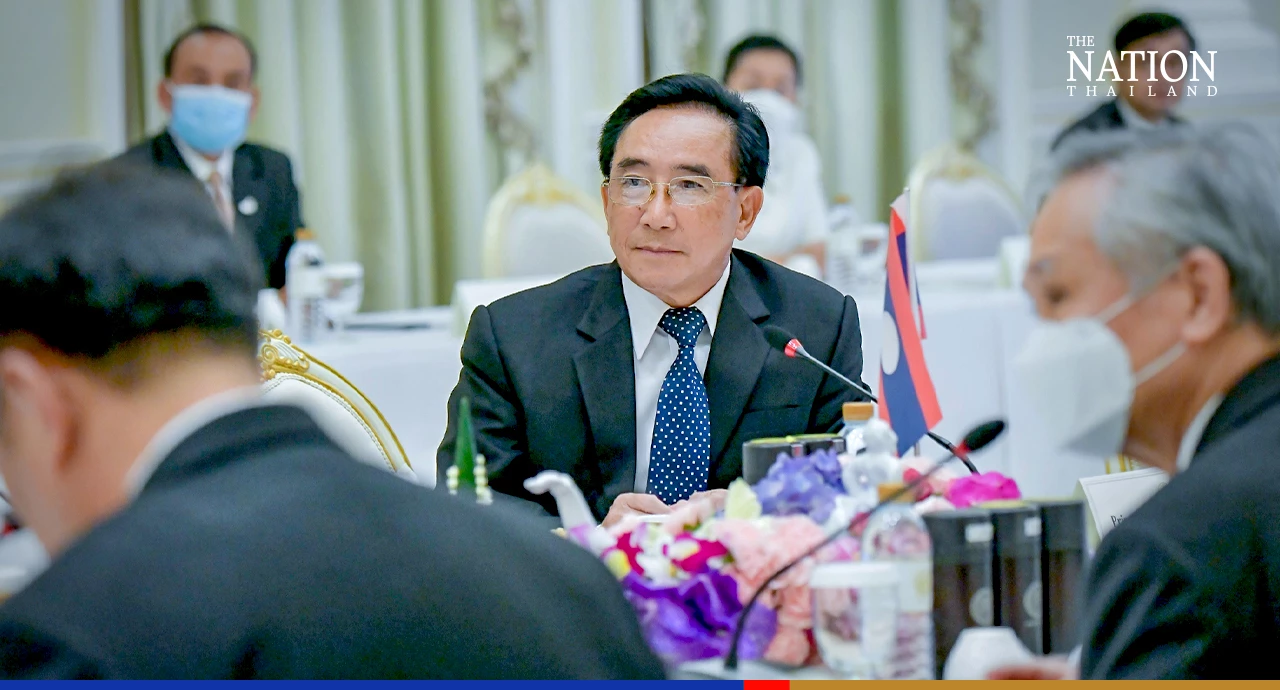
The Prime Minister of the Lao PDR had a meeting with Prime Minister General Prayut Chan-o-cha in the evening of June 1 at the Government House to discuss a broad range of issues covering all dimensions of Thai – Lao relations in an atmosphere of friendship and good neighborliness. They agreed to open a new chapter of relations by elevating the bilateral cooperation to a “Strategic Partnership for Growth and Sustainable Development.”
The topics discussed by both Prime Ministers are:
1. Economic cooperation – The two PMs agreed to work closely to expeditiously revive the livelihoods of peoples and economic activities along the border areas that have been adversely affected by impacts of the COVID-19 pandemic. Both Prime Ministers were pleased that all international border points of entry between the two countries have reopened and agreed to further coordinate to resume the remaining temporary border points of entry at the earliest opportunity.
– Expeditiously revive tourism cooperation to create jobs and income for the peoples of both countries by working together to conclude an action plan to promote tourism linkages between the two countries, especially the tourism route between Luang Prabang Province of the Lao PDR and the Northern Provinces of Thailand. On this occasion, the Prime Minister of Thailand reaffirmed Thailand’s readiness to support the Lao PDR on the construction of Xieng Man – Luang Prabang Bridge to promote tourism connectivity along this corridor.
– Further accelerate and expand transport connectivity, particularly the rail linkage between the two countries through the construction of a new railway bridge near the First Thai – Lao Friendship Bridge (Nong Khai – Vientiane) in order to realise the full potential of Laos – China Railway for the benefits of both countries. Moreover, both sides agreed to expedite key infrastructure projects and further harmonise relevant standards and regulations. These include the construction of the Fifth Thai – Lao Friendship Bridge (Buengkan – Bolikhamxay) and the Sixth Thai – Lao Friendship Bridge (Ubon Ratchathani – Salavan), improvement of Road Number 12 (R12) in the Lao PDR (Nakhon Phanom – Khammouane – Napao), and the commencement of the Common Control Area (CCA) at mutually agreed international points of entry to minimise cost and time for customs clearance at border crossings which will benefit the peoples of both countries.
– Promote the recruitment of Lao workers to work in Thailand only through legal channel based on the Memorandum of Understanding on Labour Cooperation between the two countries. For investment cooperation, the two sides agreed to promote a greater flow of investment with emphasis on projects which create local employment and are environmentally friendly.
– Strengthen cooperation on digital economy which is vital for national development in the modern economy. The Prime Minister of Thailand conveyed Thailand’s readiness to support the Lao PDR on the development of digital skills and capacity-building of human resources, as well as the improvement of international payment system.
2. Security cooperation – Step up border patrol to prevent illegal border crossings and further strengthen cooperation in the prevention and suppression of drug trafficking. On this occasion, the Prime Minister of Thailand conveyed Thailand’s readiness to support the Lao PDR on further investigation of perpetrators, arrest cases and provision of modern equipment. They agreed to fully cooperate to tackle organised crimes such as “Call Centre Gangs” and human trafficking in order to prevent the peoples of both countries from falling victim to these criminal networks.
3. Cooperation at the people-to-people level – The two PMs reiterated the importance of forging closer cooperation at the people-to-people level in order to lay a strong foundation for advancing bilateral relations in all aspects. Both sides agreed to further strengthen bilateral development cooperation in public health, particularly between sister hospitals along the Thai – Lao border, as well as cooperation in agriculture and human resources development. On this occasion, the Thai PM announced that the Ministry of Higher Education, Science, Research and Innovation of Thailand is ready to provide over 700 scholarships to young people from the Lao PDR to pursue higher education in Thailand. Both sides also agreed to forge closer cooperation between the mass media of both countries to help promote better and deeper understanding at the people-to-people level.
4. Sub-regional and regional cooperation – Both leaders agreed that both countries should closely coordinate and enhance cooperation at both sub-regional and regional levels in order to address present and future challenges. The Prime Minister of Thailand reaffirmed Thailand’s full support for the Lao PDR as the host of the 10th ACMECS Summit this year and ASEAN Chair in 2024.
After the meeting, the Thai PM handed over to the PM of the Lao PDR the support of the Royal Thai Government on the establishment of Thai – Lao Friendship Centre for Social Development in Xaythany District of the Vientiane Capital, which is aimed at providing a one stop service and support for victims of human trafficking. The two Prime Ministers also witnessed the signing of “the Five-Year Action Plan on Thai – Lao Strategic Partnership for Growth and Sustainable Development (2022 – 2026) and the Memorandum of Understanding between the Government of the Kingdom of Thailand and the Government of the Lao PDR on Thai – Lao Arboretum Project, as well as the exchange of the Memorandum of Understanding between the Government of the Kingdom of Thailand and the Government of the Lao PDR regarding Cooperation on the Development of Electrical Energy in the Lao PDR 2022.
Both PMs then held a joint press conference on the outcomes of their discussion (remarks by the PM of Thailand as attached) and attended a dinner hosted by the PM of Thailand in honour of the PM of the Lao PDR and his delegation.
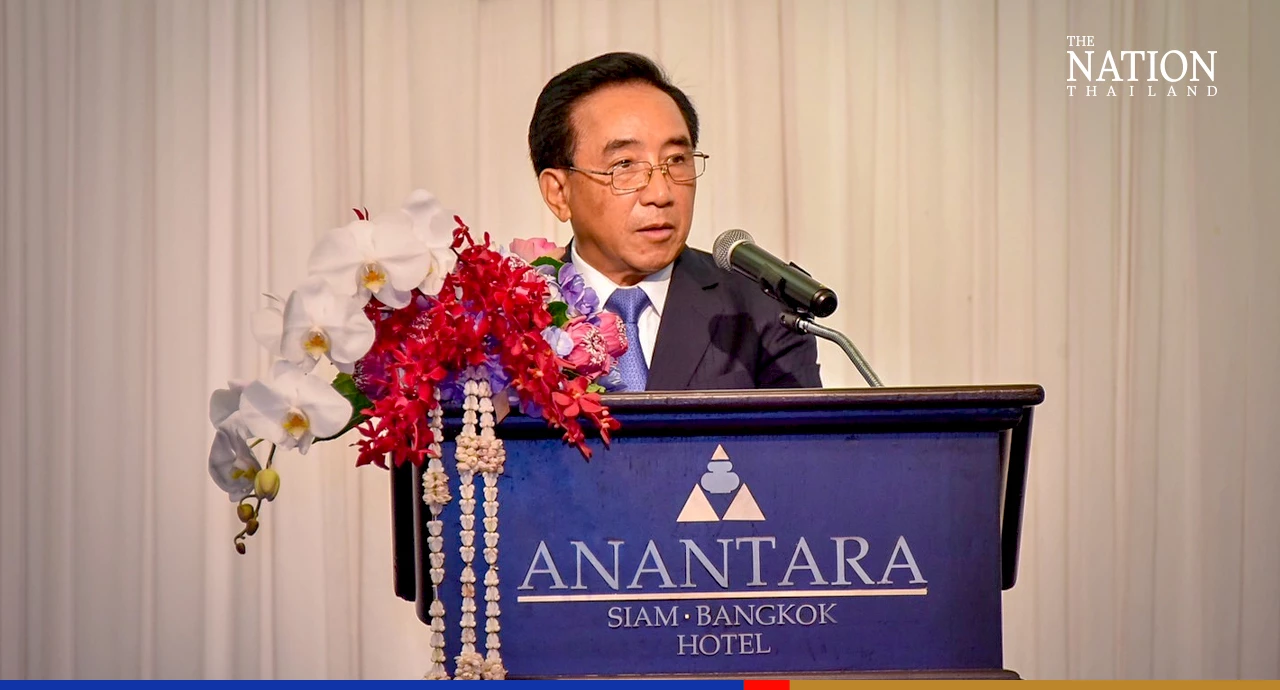
During this visit, an honorary doctorate degree in political science was presented to the PM of the Lao PDR by Maejo University in recognition of his outstanding role in laying a strong educational foundation for the Lao PDR. The PM of the Lao PDR also gave a keynote speech at the Thai – Lao Business Talk and Networking event, which was organised in conjunction with this official visit and was attended by a large number of members of the private sector from both countries to network with each other and discuss investment opportunities in the Lao PDR and transport connectivity at the regional level.
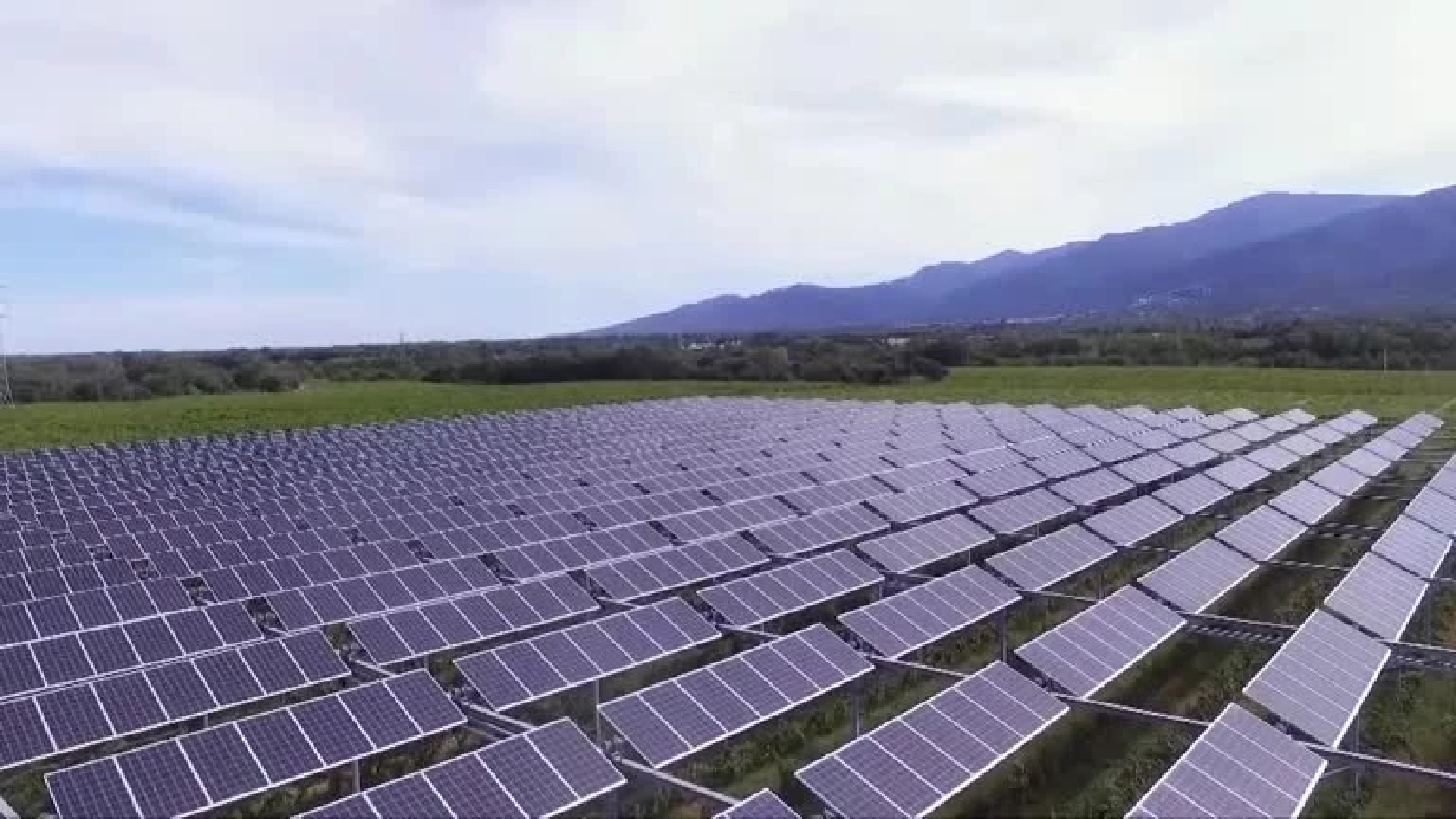
President Joe Biden waived tariffs on solar panels from four Southeast Asian nations for two years and invoked the Defence Production Act to spur solar panel manufacturing at home, the White House said on Monday.
The tariff exemption applies to panels from Cambodia, Malaysia, Thailand and Vietnam and will serve as a “bridge” while U.S. manufacturing ramps up, the White House said.
Shares in U.S. solar companies including SunPower Corp, Enphase Energy Inc and Sunrun Inc climbed after Reuters earlier reported that Biden would issue a proclamation that ensured panels accounting for some 80 per cent of U.S. imports would not face tariffs, which could have been levied retroactively as part of a Commerce Department probe.
The move comes in response to concerns about the freezing of solar projects nationwide and the resulting impact on the administration’s plans to fight climate change. The investigation, announced in March, is considering whether solar panel imports from the four countries were circumventing tariffs on goods made in China.
The probe had prompted the largest solar trade group to cut its installation forecasts for this year and next by 46% as developers including NextEra Energy Inc, and Southern Co warned of major project delays.
The White House said the Defence Production Act would also be used to expand the manufacturing of building insulation, heat pumps, transformers, and equipment for “clean electricity-generated fuels” such as electrolyzers and fuel cells.
“With a stronger clean energy arsenal, the United States can be an even stronger partner to our allies, especially in the face of (Russian President Vladimir) Putin’s war in Ukraine,” the White House said in a statement.
Manufacturing makes up a small portion of the U.S. solar industry, with most of the jobs concentrated in project development, installation, and construction. Proposed legislation that would encourage domestic solar manufacturing is currently stalled in Congress.
The Commerce Department investigation – kicked off in response to a complaint from a small solar panel provider, Auxin – essentially halted the flow of solar panels that make up more than half of U.S. supplies and 80 per cent of imports.
Top U.S. panel manufacturer First Solar said the administration’s move “undermines American solar manufacturing.” Its shares were down more than 2% in mid-day trade on the Nasdaq.
#war#Russian#Navy Buyan-M Class missile corvette is firing eight SS-N-30 cruise missiles towards Ukraine from the roadstead of Sevastopol on June 6, 2022. pic.twitter.com/sNqPDNZwiR
In response to today’s announcement… We have included a statement from the Axon AI Ethics Advisory Board. pic.twitter.com/7FDgmImhnU— Axon (@axon_us) June 2, 2022