It is not enough: World leaders react to COP26 climate agreement #SootinClaimon.Com

#SootinClaimon.Com : ขอบคุณแหล่งข้อมูล : หนังสือพิมพ์ The Nation.

https://www.nationthailand.com/international/40008803


Many world leaders and activists expressed disappointment this weekend with the climate deal that emerged from two weeks of heated negotiations in Glasgow, Scotland – warning that countries will have to strengthen their commitments if they want to avert disastrous consequences and help at-risk nations cope with the damage thats already occurring from climate change.
Key officials in the United States and Europe vowed to work harder to help developing nations shift to cleaner energy sources, after delegates from China and India proposed a last-minute edit that weakened a provision in the text to phase out fossil fuels. The paragraph initially called for the “phase out” of unabated coal and inefficient fossil fuel subsidies, but the final agreement refers only to a “phase-down.”

European Commission president Ursula von der Leyen said in a statement that while some meaningful progress was made on the goals of COP26, more work remains and that the key to determining the impact of the conference will be how the commitments secured in Glasgow are actually implemented.

“1.5 degrees Celsius remains within reach; but the work is far from done,” she said, referring to a long-standing global goal of limiting warming to no more than 1.5 degrees Celsius (2.7 Fahrenheit) above preindustrial levels.

A senior Biden administration official, who spoke on the condition of anonymity to discuss private deliberations, said in a phone interview on Sunday that the change to the language on fossil fuels shocked most delegates and riled the U.S. delegation.

But in the end, the senior official added, “phase down is on the route to phasing out. You don’t turn it off tomorrow.” He said that the fact that the Chinese were willing to accept any language on the future of coal was “in no small measure the work that (U.S. envoy John) Kerry did with Xie Zhenhua,” the Chinese climate envoy.

The Biden official said that bilateral efforts would focus on the biggest polluting sectors in other countries, and would offer help to deal with coal-bed methane in China and coal-fired power plants in South Africa, Indonesia and Vietnam. He said that the question was: “How do you do transition in way that is not so disruptive as to not block progress but to enable progress?”

As part of the pact agreed upon in Glasgow, countries face pressure to reassess their targets to cut emissions by the end of next year and to provide more aid to nations bearing the brunt of climate change. But these voluntary measures do not put the world on track to limit Earth’s warming to 1.5 degrees Celsius, a central goal of the 2015 Paris accord.

“We’re all well aware that, collectively, our climate ambition and action to date have fallen short on the promises made in Paris,” said Alok Sharma, the British minister of state and president of the Glasgow talks, who appeared emotional Saturday after the last-minute change to the fossil fuels provision.

A key unresolved question is how much more rich nations will to do help vulnerable nations – particularly island nations that face the threat of extinction because of rising sea levels – from the damage wrought by climate change.

“We must end fossil fuel subsidies, phase out coal, put a price on carbon, protect vulnerable communities from the impacts of climate change and make good on the $100 billion climate finance commitment to support developing countries,” United Nations Secretary General António Guterres said in a video after the agreement won approval from nearly 200 nations. “We did not achieve these goals at this conference, but we have some building blocks for progress.”

A video played at COP26 showed the foreign minister of the Pacific island nation of Tuvalu giving a speech while standing knee-deep in seawater.

Many observers were, like many delegates, disappointed with the financial commitments by the developing world. The wealthiest nations had agreed to provide $100 billion a year in funding by 2020, but the actual package of grants, loans and investments fell short. At the conference, the donor nations again promised to provide $100 billion starting in 2023.

“COP26 was a failure, and the main failure was on financing,” said Jeffrey Sachs, an economist and climate expert at Columbia University.

“The rich countries couldn’t even come up with the meager $100 billion per year after 12 years of promising, and that with a world economy that is now $100 trillion per year.”

Sachs said that “the failure of the rich countries, including the U.S., to attend to honest and scaled global financing of the climate transformation – including mitigation, adaptation, and losses and damages – is the greatest single weakness of the entire global effort.”

Wealthy countries provided $79.5 billion in 2019, according to the Organization for Economic Cooperation and Development, but Sachs noted that part of that came through loans and private investments that are hard to measure.

Scientists were among those to note after the deal that while there are signs of progress, and while the promises of the past two weeks nudge the world to faster, more immediate actions, what matters most is whether governments and the private sector alike follow through in turning words into concrete action.

Sir David King, the British government’s former chief scientific adviser and chair of the independent Climate Crisis Advisory Group, said in a statement that while Saturday’s deal contained important measures to speed climate action, “there was no real understanding in the agreement of the extreme nature of the crisis. How do we, the current generation, ensure a manageable future for humanity?”

That will depend, he said, in part on scientists, activists and citizens continuing to push for change.

“Countries and their leadership, fossil fuel industry lobbies, and private companies must all be held accountable for not only failing to follow up on promises made at the meeting but also for the loss of life and damage to our ecosystems that follow from their actions,” King said. “National and international lawyers have a critically important role to play in managing this accountability. And we, the scientific community, have a critical role to play in analysing the actions year-by-year of each country to manage a safe future for humanity.”

The United States, which took on a position of leadership at COP26 after four years of near-absence in the global climate conversation under President Donald Trump, celebrated the Glasgow climate pact but called for more action.

“The text sets out a path to increase the commitments and actions of countries starting next year, outlines new rules of the road for the Paris Agreement that will provide transparency for countries to turn words into actions, and doubles the amount of support that is going to vulnerable countries to enhance their resilience to the crisis,” a statement from the White House read. “But it is not enough.”

“More work remains as we leave Glasgow to get where science tells us we need to be and the United States will continue to push for more progress at home and abroad in this decisive decade for climate action,” the statement continued.

British Prime Minister Boris Johnson struck a more upbeat tone in his statement after the conclusion of COP26.

“We asked nations to come together for our planet at COP26, and they have answered that call,” Johnson said. “There is still a huge amount more to do in the coming years. But today’s agreement is a big step forward.”

“I hope that we will look back on COP26 in Glasgow as the beginning of the end of climate change,” he said, “and I will continue to work tirelessly towards that goal.”

Published : November 15, 2021

By : The Washington Post

At COP26, nations speed climate action but leave world still headed for dangerous warming #SootinClaimon.Com

#SootinClaimon.Com : ขอบคุณแหล่งข้อมูล : หนังสือพิมพ์ The Nation.

https://www.nationthailand.com/international/40008796


GLASGOW, Scotland – Exhausted negotiators from nearly 200 nations struck a deal Saturday intended to propel the world toward more urgent climate action, but without offering the transformative breakthrough scientists say must happen if humanity is to avert disastrous planetary warming.

At COP26, nations speed climate action but leave world still headed for dangerous warming

Two weeks of high-profile talks yielded a package that pushes countries to strengthen near-term climate targets and move away from fossil fuels faster. It insists that wealthy countries fulfill a broken promise to help vulnerable nations cope with the rising costs of climate change. And it cracks open the door to future payments developed nations might make for damage already done.

Saturday’s agreement, however, does not achieve the most ambitious goal of the 2015 Paris accord – to limit Earth’s warming to 1.5 degrees Celsius (2.7 Fahrenheit) above preindustrial levels. Instead, delegations left Glasgow with the Earth still on track to blow past that threshold, pushing toward a future of escalating weather crises and irreversible damage to the natural world.

And representatives from hard-hit nations feared that the deal still leaves their people facing an existential threat.

“The difference between 1.5 and 2 degrees is a death sentence for us,” Aminath Shauna, the Maldives’ minister of environment, climate change and technology, told the summit. “What is balanced and pragmatic to other parties will not help the Maldives adapt in time. It will be too late.”

Organizers acknowledged that the hard-fought agreement doesn’t go nearly far enough. But they argued that the progress made here creates a road map to a safer future and “keeps 1.5 alive.”

“We’re all well aware that, collectively, our climate ambition and action to date have fallen short on the promises made in Paris,” Alok Sharma, the British minister of state and president of the Glasgow talks, told delegates Saturday.

But he insisted that the deal adopted by the nations would set out “tangible next steps and very clear milestones” to push the world closer to those goals.

Yet with global temperatures already up more than 1.1 degrees Celsius (2 degrees Fahrenheit), and extreme weather wreaking havoc around the world, it remains to be seen whether this agreement will be sufficient to deal with mounting calamities inflicted by climate change.

Negotiators leave Glasgow with key questions unanswered: Can nations muster the political will to deliver on the soaring rhetoric that marked the summit’s start? And can the lurching progress of these annual conferences keep pace with the problem they were designed to solve?

Anything short of that will consign future generations to untold suffering, the European Union’s top climate official, Frans Timmermans, told delegates in the waning hours of the summit. Timmermans said he had been pondering what life will be like in 2050 for his 1-year-old grandson.

“If we succeed, he’ll be living in a world that’s livable,” he said. “If we fail – and I mean fail now in the next couple years – he will fight with other human beings for water and food. That’s the stark reality we face.”

The entire agreement appeared momentarily in peril when delegates from China and India proposed a last-minute change to crucial text around moving away from coal, saying they would agree only to “phase down unabated coal,” rather than “phase out.”

Uncertainty flooded the room, said Andrea Meza, Costa Rica’s environment minister. Neither she nor many of her developing-nation allies knew the challenge was coming.

“We were very anxious,” she said. “Everything is so fragile, these commitments. Then if you start taking [out] the pins, everything can fall down so easily.”

Country after country rose to object to the 11th-hour change.

“This commitment on coal had been a bright spot in the package,” said Marshall Islands climate envoy Tina Stege. “It was one of the things we were hoping to carry out of here and back home with pride. And it hurts deeply to see that bright spot dimmed.”

Ultimately, Stege said that she would accept the language change “only because there are critical elements of this package that people in my country need as a lifeline for their future.”

The episode was a reminder of how laborious the international effort to slow climate change can be, hinging on hard-fought compromises and sometimes a change to a single word.

Sharma, who had promised to shepherd the summit to a smooth end, appeared rattled. “I apologize for the way this process has unfolded,” he told negotiators, his voice almost breaking. “But as you have noted, it is also vital that we protect this package.”

Moments later, he put forward the agreement, including the “phase down” language, and then gaveled it into history.

The final agreement at COP26 did recognize the scientific reality that putting the brakes on climate change will require nations to almost halve emissions in the next decade, rather than merely commit to far off “net zero” targets.

It “requests” that leaders revisit their national climate goals as soon as next year – a not-so-subtle nudge to the world’s biggest emitters to strengthen commitments that have proved insufficient. A joint pledge issued by China and the United States during the gathering also acknowledged the need to do more in this decade.

The deal also lays out a plan to resolve disputes around rules for global carbon markets that allow investors to buy and sell emissions reduction credits – a topic that for years has tripped up delegates at climate talks.

No sooner had the final gavel fallen in Glasgow than activists began picking apart the summit’s failings, calling the pact little more than a parade of empty promises.

“I’m tired, I’m frustrated . . . but I am not surprised,” said 20-year-old Nicki Becker, a Fridays for Future activist from Argentina who said the pact didn’t do enough to protect those in at-risk countries like hers. “We always hear young people are the future. But they burn our present. They sell our present. They pollute our present.”

Language calling for countries to end coal burning and fossil fuel subsidies – the first such references in years of U.N. climate talks – was diluted. A proposed fund to pay for irreversible “loss and damage” wrought by climate change in vulnerable countries was left out of the final text, angering delegates who say such reparations are long overdue. Instead, nations agreed to start a “dialogue” about the idea.

Some of the harshest condemnations were reserved for wealthy countries, which have released the bulk of greenhouse gases now in the atmosphere but have often resisted mandates to provide cash for developing nations and limit their massive pollution.

Rich countries have “pushed to transfer their responsibilities to the developing world,” Bolivian negotiator Diego Pacheco Balanza said Saturday, accusing delegates from the developed world of “carbon colonialism.”

Richie Merzian, a former Australian climate official, quipped this week of his coal-exporting nation, “The only thing Australia has brought to this negotiation is good coffee over at the Australian pavilion.”

In a public session for ministers on Friday, even U.S. climate envoy John F. Kerry acknowledged that the biggest, richest emitters “do bear the greatest responsibility.” President Joe Biden has pledged to boost U.S. climate aid to poor nations to more than $11 billion a year – a promise that will require help from Congress.

But behind the closed doors of negotiating rooms, representatives from multiple countries said, U.S. diplomats were among those opposed to establishing “loss and damage” payments for vulnerable countries. On Saturday, Kerry sought to assure skeptical nations that the United States would make “every effort in the world” to help those battered by climate change.

The talks in Glasgow unfolded in a world already irrevocably altered by human emissions. A landmark U.N. report published in August found that global temperatures are increasing at a unparalleled rate. The last time the level of carbon dioxide in the atmosphere rose this much this fast was 66 million years ago, when a meteor destroyed the dinosaurs.

“The alarm bells are deafening,” said U.N. Secretary General António Guterres said at the time.

The scientific warnings seemed almost superfluous amid a year of monstrous hurricanes, raging wildfires and deadly heat waves. These crises cost nations hundreds of billions of dollars and took thousands of lives.

The gathering also took place against the backdrop of the coronavirus pandemic, which had delayed it by a year. Delegates in the cloistered “blue zone” were tested daily. Access to meeting rooms was restricted, angering activists who usually are able to observe such proceedings. And simmering tension over the pandemic’s unequal global impact fueled developing nations’ push for more help from wealthier parts of the world.

In the months leading up to COP26, organizers had described it as a global moment of truth – a “last best hope,” in Sharma’s words. “One minute to midnight on that doomsday clock,” British Prime Minister Boris Johnson said.

Presidents and prime ministers showed up early in Glasgow and made new commitments to tens of thousands of attendees. The announcements included efforts to cut methane and halt deforestation, to phase out financing for coal plants, and help nations buffeted by the deadly trifecta of climate change, mounting debt and a deadly pandemic.

Heads of state mingled with movie stars and royal family members. The cafeteria served up vegan haggis and reusable cups of coffee. Beloved naturalist David Attenborough urged world leaders to “turn tragedy into triumph” by reversing decades of environmental decline. Mia Mottley, prime minister of Barbados, declared that warming of even 2 degrees Celsius (3.6 degrees Fahrenheit) would sink her island nation.

“Try harder,” she told an auditorium brimming with powerful leaders. “Try harder.”

Halfway through the summit, an estimated 100,000 protesters swarmed the streets of Glasgow, weathering the Scottish wind and rain to remind those inside that they were watching and expecting bolder policies.

Indigenous leaders in traditional dress, and grandmothers shouting expletives about the fossil fuel industry joined the swirling mass. Schoolchildren clutched their parents’ hands and waved signs saying “Act now.”

“Cut the crap,” was emblazoned on a cart pushed by 55-year-old Malcom Strong. Inside the cart: a bucket of manure.

That excrement reflected how little faith many activists had in the process unfolding inside Glasgow’s cavernous convention center. They dismissed the U.N. summit as a “conference of polluters,” a “meaningless” event of “greenwashing” and “blah blah blah.”

Throughout, “keep 1.5 alive” was a rallying cry for world leaders and activists alike. The success of COP26 would be measured, they argued, by how much closer humanity got to the collective goals it set six years ago in Paris.

“Paris promised,” Sharma said repeatedly. “Glasgow must deliver.”

But delivering, it turned out, did not come easily.

By the second week of the conference, the fanfare had given way to a sobering reality: Commitments made here, however promising, will depend on words becoming concrete action.

As negotiations stretched on, the U.N. Environment Program reported that COP26 would likely end with Earth on track to warm 2.5 degrees Celsius (4.5 degrees Fahrenheit) – though other analyses suggested the number could drop if countries take swift action to fulfill long-term pledges.

Despite a wave of vows to zero out emissions by the middle of the century, the U.N. analysis found, countries’ plans between now and the end of the decade would give humanity less than a 20 percent chance of keeping warming to 1.5 Celsius.

Missing the target would be catastrophic. Warming beyond 2 degrees Celsius could trigger the inexorable collapse of the Greenland ice sheet. Coral reefs would virtually disappear. Natural disasters would escalate. Prolonged droughts and crop-destroying floods could put millions of people at risk of starvation.

Asked whether she believed the Glasgow agreement would keep the hope of 1.5 alive, University of East Anglia climate scientist Corinne Le Quéré said: “Just barely.”

Ultimately, some of the same officials who once hoped for a profound leap in Glasgow, who saw COP26 as a defining moment, by Saturday night described it not as an ending but as a beginning.

“Glasgow ends today. But the real work begins now,” said Seve Paeniu, climate minister for the low-lying atoll nation of Tuvalu.

Saturday evening, the spectacle that had once carried so many hopes started to fade.

Workers began to break down pavilions that had showcased various countries, including the installation of polar bears wearing life jackets – a reminder from Tuvalu that rising seas threaten its existence. Protesters who had chanted and banged drums, filled the streets and even once overtaken a plenary hall had dispersed. The man outside in a Darth Vader costume, singing karaoke each morning and surrounded by signs about solar radiation, had left his post.

A dwindling number of souls remained at the site alongside the River Clyde, where delegates from every corner of the planet had come to try to save it. They trudged down empty hallways, past a banner that read, “We can do this if we act now.”

And nearby, a still-lit neon sign flashed its silent message:

“Hurry up please. It’s time.”

Published : November 14, 2021

By : The Washington Post

Afghan businessmen look forward to increasing pine nuts export to China #SootinClaimon.Com

#SootinClaimon.Com : ขอบคุณแหล่งข้อมูล : หนังสือพิมพ์ The Nation.

https://www.nationthailand.com/international/40008789


Afghanistan resumed pine nuts export to China in late October via air corridor and the first flight carried 45 tons of the seeds to the neighboring country, marking the first export from Afghanistan to China since Talibans takeover of the country.

“The resumed pine nuts export to China has encouraged local traders to further invest in the profitable seeds to increase their income and to create job opportunities for others,” Afghan trader Noor Mohammad said.

“I have hired about 120 people to collect and clean pine nuts for me every day,” Mohammad, a resident of Afghanistan’s eastern Laghman province, told Xinhua.

Mohammad, 42, described China as a good market for Afghan pine nuts and welcomed the resumption of export of the profitable seeds via air corridor to the neighboring country.

“The export of pine nuts to China leads to the increase of the price of the seeds, otherwise the price would drop and the pine nut traders would subsequently suffer,” the local businessman said.

The air corridor between Afghanistan and China was launched in November 2018 aimed at boosting trade and economic relations, but it was suspended after the collapse of the U.S.-backed Afghan administration to the Taliban in mid-August this year.

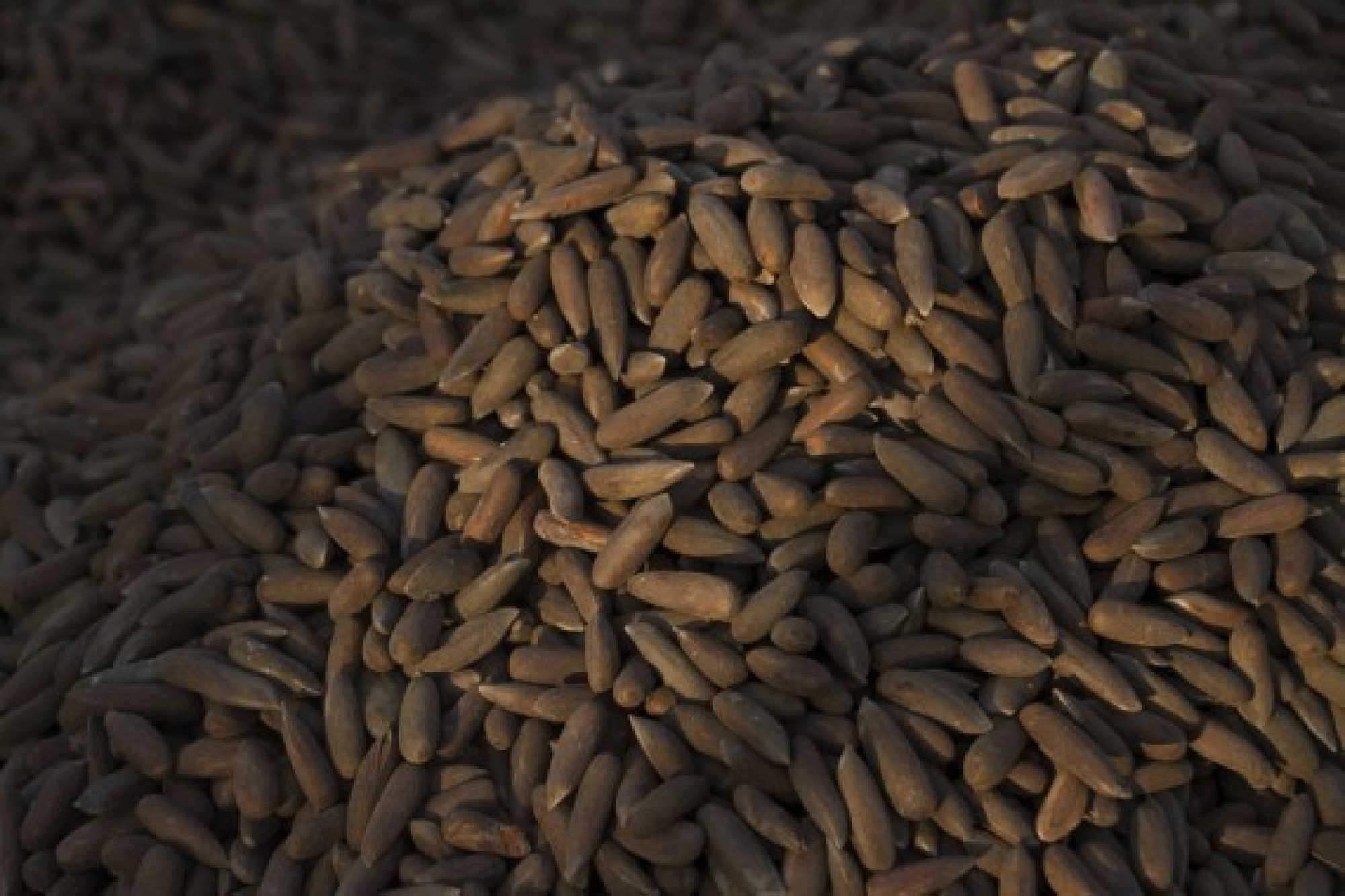
Photo taken on Oct. 17, 2020 shows harvested pine nuts at a field in Jalalabad city, Nangarhar province, Afghanistan. (Photo by Saifurahaman Safi/Xinhua)Photo taken on Oct. 17, 2020 shows harvested pine nuts at a field in Jalalabad city, Nangarhar province, Afghanistan. (Photo by Saifurahaman Safi/Xinhua)
Related Stories

Afghanistan resumed pine nuts export to China in late October via air corridor and the first flight carried 45 tons of the seeds to the neighboring country, marking the first export from Afghanistan to China since Taliban’s takeover of the country.

“More exports of pine nuts to China would further serve our economic benefit at home,” Mohammad said, adding that with the increase in pine nuts export to China, the price of the seeds would go up and more local traders would be encouraged to invest in the field.

Another Afghan trader, 38-year-old Rahimullah said the country is at a critical stage where poverty, unemployment and uncertainty have added to the suffering of war-weary Afghans, many of whom are living under the poverty line.

After the withdrawal of U.S.-led foreign forces and the establishment of the Taliban caretaker government, Afghanistan is facing multi-faceted economic woes including asset being frozen in the United States and bank activities being restricted at home.

More than 22 million out of Afghanistan’s some 35 million population would face food shortage in the coming winter, according to the World Food Program (WFP).

“Pine nuts export to China has raised hope among local traders to invest in the profitable seeds and that is why I have hired about 150 daily wagers to work for me every day to clean the fruit,” Rahimullah told Xinhua.

“It is my earnest wish to see the increase in the export of pine nuts to China as more exports and more profits would eventually improve our economic situation and living conditions,” he said.

Pine nut trees are largely grown in the eastern Laghman, Nangarhar, Kunar, Kapisa, Nuristan, Khost, Paktia and Paktika provinces where thousands of people including women are directly and indirectly engaged in the business.

“Since pine nuts are profitable seeds, no doubt the investment in the fruit helps many people make profits directly and indirectly, and bring change to their livelihood,” said Badam, who leased a jungle of pine nuts in Nuristan province.

“The populous China could be a good market for Afghan pine nuts,” said Badam.

Published : November 14, 2021

By : Xinhua

COP26 concludes with new global deal on climate #SootinClaimon.Com

#SootinClaimon.Com : ขอบคุณแหล่งข้อมูล : หนังสือพิมพ์ The Nation.

https://www.nationthailand.com/international/40008787


Agreement was finally reached on Article 6 of the Paris Agreement, which relates to carbon market mechanisms, paving the way for effective implementation of the Paris deal to cut emissions through market-based approaches.

Negotiators also agreed to phase down coal, the dominant source of carbon dioxide emissions in the process of electricity generation. 

The United Nations climate change conference concluded here Saturday after a one-day extension, with negotiators agreeing on a new global pact to tackle climate change.

Nearly 200 participating countries adopted the Glasgow Climate Pact at the end of 26th session of the Conference of the Parties (COP26) to the United Nations Framework Convention on Climate Change.

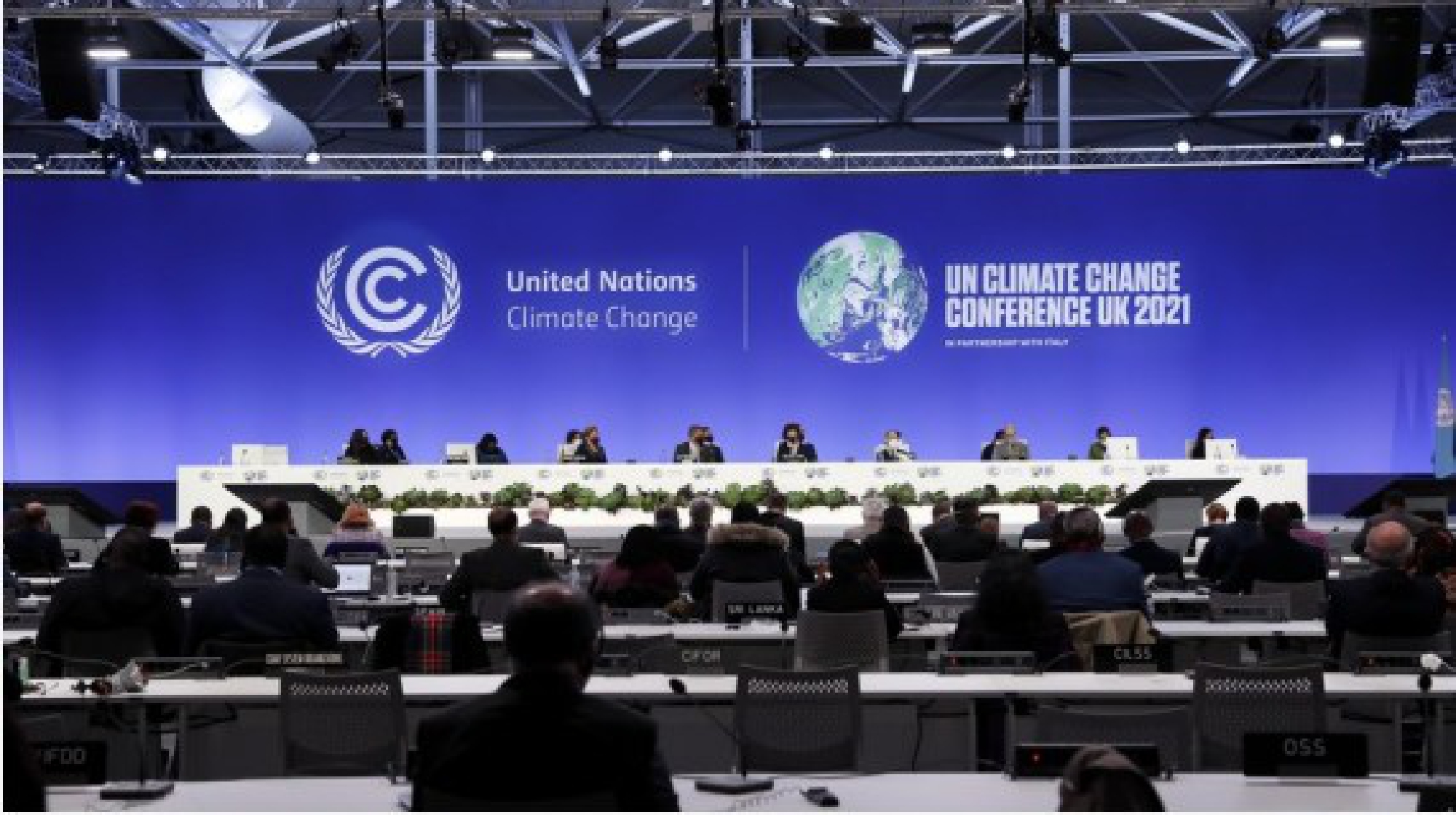
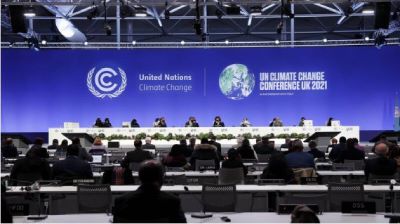
Photo taken on Oct. 31, 2021 shows a general view of the opening ceremony for COP26 in Glasgow, Scotland, the United Kingdom. (Xinhua/Han Yan)Photo taken on Oct. 31, 2021 shows a general view of the opening ceremony for COP26 in Glasgow, Scotland, the United Kingdom. (Xinhua/Han Yan)
Related Stories

Some encouraging progress was made. Agreement was finally reached on Article 6 of the Paris Agreement, which relates to carbon market mechanisms, paving the way for effective implementation of the Paris deal to cut emissions through market-based approaches.

Negotiators also agreed to phase down coal, the dominant source of carbon dioxide emissions in the process of electricity generation. It is the first explicit mention of fossil fuels in a COP agreement.

During COP26, more than 100 countries have promised to end deforestation by 2030.

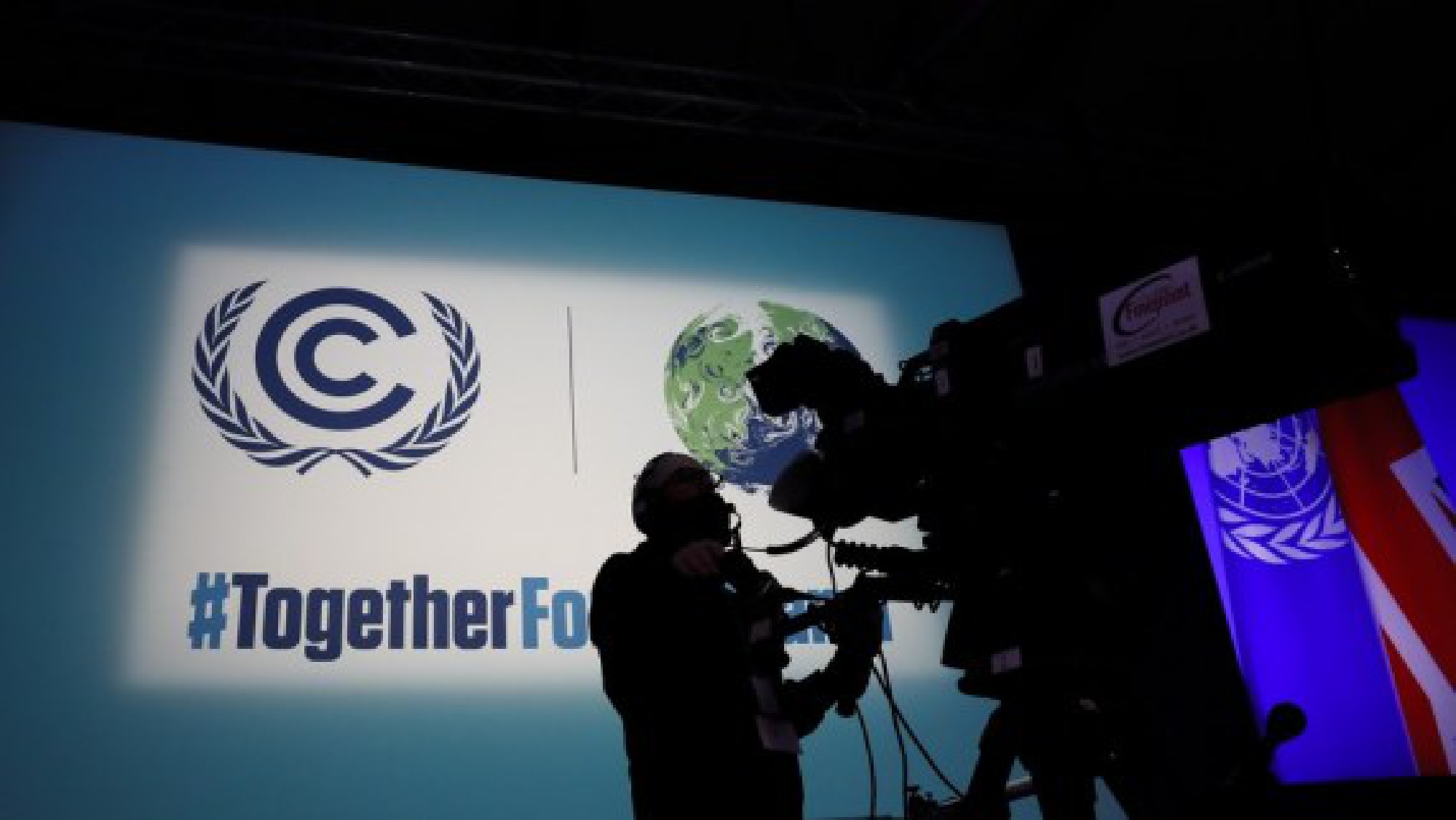
A man films at the opening ceremony for COP26 in Glasgow, Scotland, the United Kingdom on Oct. 31, 2021. (Xinhua/Han Yan)A man films at the opening ceremony for COP26 in Glasgow, Scotland, the United Kingdom on Oct. 31, 2021. (Xinhua/Han Yan)
In the final days of the conference, China and the United States issued a joint declaration on enhancing actions on climate change in the 2020s, which are widely welcomed and believed to galvanize global collective actions.

The two countries agreed to establish a working group on enhancing climate action this decade to promote cooperation on climate change between the two countries as well as multilateral processes.

As COP26 wrapped up, however, some stubborn issues, notably climate funding, remain uncertain.

There were commitments to significantly increase financial support through the Adaptation Fund as developed countries were urged to double their support to developing countries by 2025.

However, it remains to be seen whether developed countries, whose development is responsible for most of today’s climate change impacts, will heed the set timeframe.

In 2009, wealthy countries pledged 100 billion U.S. dollars a year to help lower-income nations by 2020. However, they still have not made good on the pledge and recent reports indicate that this goal could slip to 2023.

COP26, which kicked off on Oct. 31, is the first climate change conference after the five-year review cycle under the Paris Agreement inked in 2015. The Egyptian city of Sharm El Sheikh will host COP27 in 2022.

Published : November 14, 2021

By : Xinhua

Just In: COP26 concludes with new global deal on climate #SootinClaimon.Com

#SootinClaimon.Com : ขอบคุณแหล่งข้อมูล : หนังสือพิมพ์ The Nation.

https://www.nationthailand.com/international/40008786


The United Nations climate change conference concluded here Saturday after a one-day extension, with negotiators agreeing on a new global pact to tackle climate change.

Nearly 200 participating countries adopted the Glasgow Climate Pact at the end of 26th session of the Conference of the Parties (COP26) to the United Nations Framework Convention on Climate Change.

COP26, which kicked off on Oct. 31, is the first conference after the five-year review cycle under the Paris Agreement inked in 2015. 

Published : November 14, 2021

By : Xinhua

Asean reported over 27,000 Covid-19 cases on Saturday #SootinClaimon.Com

#SootinClaimon.Com : ขอบคุณแหล่งข้อมูล : หนังสือพิมพ์ The Nation.

https://www.nationthailand.com/international/40008775


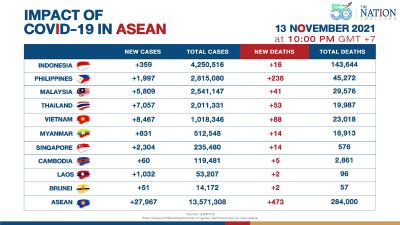
Southeast Asia witnessed a decline in new Covid-19 infections and a rise in deaths on Saturday (November 13), collated data showed.

Asean countries reported 27,967 infections and 473 deaths on Saturday compared to 30,512 and 409 respectively on Friday.

– Malaysia’s Disease Control Division said the country’s infection rate climbed back to 1.0 on Thursday (November 11), about five weeks after the Malaysian government lifted travel restrictions for fully vaccinated travellers.

This figure represents that one infected person could spread Covid-19 to about ten persons, signalling the rise in infections.

In this regard, the division has urged many sectors to be careful against the virus infection in a bid to relieve the burden on the country’s public health system.
 

– Indonesia President Joko Widodo said he will meet with Singapore Prime Minister Lee Hsien Loong to discuss the travel bubble guidelines between two countries within this year.

However, Widodo said he was concerned that the Covid-19 situation in Indonesia may intensify after New Year’s Eve as the country’s vaccination rate was insufficient enough to deal with the new virus wave.

Published : November 14, 2021

By : THE NATION

ออสซี่ลั่นจะร่วมมือสหรัฐช่วยปกป้องไต้หวัน เตือนจีนอย่ากดดัน #SootinClaimon.Com

#SootinClaimon.Com : ขอบคุณแหล่งข้อมูล : หนังสือพิมพ์โพสต์ทูเดย์

https://www.posttoday.com/world/668179

วันที่ 14 พ.ย. 2564 เวลา 15:03 น.ออสซี่ลั่นจะร่วมมือสหรัฐช่วยปกป้องไต้หวัน เตือนจีนอย่ากดดัน สหรัฐฯ ได้เตือนจีนเกี่ยวกับแรงกดดันต่อไต้หวัน ขณะที่สองมหาอำนาจรอร่วมการประชุมสุดยอด

แถลงการณ์ของกระทรวงการต่างประเทศสหรัฐระบุว่า แอนโทนี บลิงเคน รัฐมนตรีต่างประเทศ ได้พูดคุยกับหวางอี้รัฐมนตรีต่างประเทศจีน และแสดงความกังวลเกี่ยวกับแรงกดดันทางการทหาร การทูต และเศรษฐกิจของจีนที่มีต่อไต้หวันอย่างต่อเนื่อง

ทั้งนี้ ประธานาธิบดีโจ ไบเดน และประธานาธิบดีสีจิ้นผิง ของจีน เตรียมจัดการประชุมสุดยอดเสมือนจริงในคืนวันจันทร์ตามเวลาวอชิงตัน โดยบลิงเคนและหวางพูดคุยเมื่อวันศุกร์เพื่อหารือเกี่ยวกับการเตรียมการสำหรับการประชุมสุดยอด

กระทรวงการต่างประเทศสหรัฐรายงานว่า “ได้กระตุ้นให้รัฐบาลจีนมีส่วนร่วมในการเจรจาที่มีความหมายเพื่อแก้ไขปัญหาข้ามช่องแคบอย่างสันติและในลักษณะที่สอดคล้องกับความปรารถนาและผลประโยชน์สูงสุดของประชาชนในไต้หวัน”

ขณะที่หวางเตือนถึงอันตรายของการกระทำของสหรัฐที่อาจดูเหมือนสนับสนุน “เอกราชของไต้หวัน”

“การรู้เห็นและสนับสนุนกองกำลัง ‘เอกราชของไต้หวัน’ ทำลายความสงบสุขทั่วช่องแคบไต้หวัน และจะมีแต่ผลสะเท้อนกลับในท้ายที่สุด” หวางบอกกับบลิงเคิน

ด้านสำนักข่าวรอยเตอร์รายงานคำกล่าวของ ปีเตอร์ ดัตตัน รัฐมนตรีกระทรวงกลาโหมของออสเตรเลียกล่าวเมื่อวันเสาร์ ที่บอกว่า เป็นเรื่องที่เป็นไปไม่ได้ที่ออสเตรเลียจะไม่เข้าร่วมกับสหรัฐฯ หากรัฐบาลสหรัฐดำเนินการเพื่อปกป้องไต้หวัน

เมื่อวันพุธ รัฐมนตรีต่างประเทศสหรัฐฯ แอนโธนี่ บลิงเคน กล่าวว่าสหรัฐและพันธมิตรจะใช้ “การดำเนินการ” ที่ไม่ระบุรายละเอียด ถ้าจีนกำลังใช้กำลังเพื่อเปลี่ยนแปลงสถานะที่เป็นอยู่เหนือไต้หวัน

“คงเป็นไปไม่ได้ที่เราจะไม่สนับสนุนสหรัฐในการดำเนินการ หากสหรัฐเลือกที่จะดำเนินการดังกล่าว” ดัตตัน บอกกับหนังสือพิมพ์ The Australian ในการให้สัมภาษณ์

“และอีกครั้ง ผมคิดว่าเราควรจะตรงไปตรงมาและซื่อสัตย์เกี่ยวกับเรื่องนั้น ดูข้อเท็จจริงและสถานการณ์ทั้งหมดโดยไม่ต้องตกลงล่วงหน้า และอาจมีบางสถานการณ์ที่เราจะไม่ใช้ตัวเลือกนั้น (แต่) ผมคิดว่าสถานการณ์เหล่านั้นเป็นเรื่องที่เหลือเชื่อ”

กองทัพจีนแถลงเมื่อวันอังคารว่า ได้ดำเนินการลาดตระเวนเตรียมพร้อมรบ ในทิศทางของช่องแคบไต้หวัน หลังจากที่กระทรวงกลาโหมได้ประณามการเยือนไต้หวันของคณะผู้แทนรัฐสภาสหรัฐ

“จีนมีความชัดเจนมากเกี่ยวกับความตั้งใจของพวกเขาที่จะบุกไต้หวัน และเราจำเป็นต้องตรวจสอบให้แน่ใจว่ามีความพร้อมในระดับสูง มีความรู้สึกว่าสามารถยับยั้งได้มากขึ้น และนั่นคือสิ่งที่ผมคิดว่าเราทำให้ประเทศของเราอยู่ในจุดยืนของความแข็งแกร่ง” ดัตตันกล่าวกับหนังสือพิมพ์

ถึงแม้จีนไม่ได้ตัดขาดการใช้กำลังเพื่อนำไต้หวันมาอยู่ภายใต้การควบคุมของตน แต่แสดงท่าทีว่าไม่มีแนวโน้มที่จะเกิดสงครามขึ้น

Photo by Sam Yeh / AFP

จีนเผยโควิด-19 ระลอกล่าสุด ระบาดทั่ว 21 มณฑลแล้ว #SootinClaimon.Com

#SootinClaimon.Com : ขอบคุณแหล่งข้อมูล : หนังสือพิมพ์โพสต์ทูเดย์

https://www.posttoday.com/world/668169

วันที่ 14 พ.ย. 2564 เวลา 13:25 น.จีนเผยโควิด-19 ระลอกล่าสุด ระบาดทั่ว 21 มณฑลแล้วเจ้าหน้าที่สาธารณสุขของจีนเผยว่าการกลับมาระบาดของโรคติดเชื้อไวรัสโคโรนาสายพันธุ์ใหม่ (โควิด-19) ในประเทศระลอกล่าสุดกระจายทั่ว 21 ภูมิภาคระดับมณฑลแล้วเมื่อนับถึงวันเสาร์ (13 พ.ย.) โดยมีรายงานพบผู้ป่วยติดเชื้อในท้องถิ่นหรือผู้ป่วยไม่แสดงอาการเพิ่มเติมในช่วงไม่กี่วันที่ผ่านมา

เมื่อวันเสาร์ (13 พ.ย.) หมี่เฟิง โฆษกคณะกรรมการสุขภาพแห่งชาติของจีน (NHC) แถลงข่าวว่าจีนกำลังเผชิญความท้าทายมากขึ้นในการป้องกันผู้ป่วยโรคโควิด-19 จากต่างประเทศ ท่ามกลางจำนวนผู้ป่วยทั่วโลกที่เพิ่มสูงกว่า 250 ล้านรายในปัจจุบัน อีกทั้งยังเผชิญความเสี่ยงของโรคติดเชื้อระบบทางเดินหายใจต่างๆ ที่มีปัจจัยมาจากอากาศเย็น ซึ่งเพิ่มขึ้นเป็นสองเท่าภายใต้สภาวะดังกล่าว

ด้านอู๋เหลียงโหย่ว เจ้าหน้าที่จากคณะกรรมการฯ ระบุว่าขณะนี้สถานการณ์การระบาดในประเทศยังคงทรงตัวในภาพรวมแม้เผชิญสถานการณ์ซับซ้อนจากการระบาดระลอกล่าสุด โดยภูมิภาคระดับมณฑลหลายแห่งที่เคยได้รับผลกระทบจากโรคโควิด-19 สามารถยับยั้งและควบคุมการระบาดของเชื้อไวรัสฯ อย่างมีประสิทธิภาพ

อู๋กล่าวเสริมว่านครต้าเหลียน มณฑลเหลียวหนิงทางตะวันออกเฉียงเหนือของจีน ซึ่งมีรายงานการระบาดของโรคโควิด-19 ระลอกล่าสุดเมื่อไม่นานนี้ สามารถควบคุมการแพร่กระจายของเชื้อไวรัสฯ ภายในเมืองได้แล้วเช่นกัน แม้จะยังคงจัดอยู่ในระยะวิกฤตก็ตาม

ทั้งนี้ จีนจะยึดมั่นเป้าหมายขจัดการระบาดของโรคโควิด-19 อย่างทันท่วงที และป้องกันทั้งกรณีผู้ป่วยจากต่างประเทศและการกลับมาระบาดในประเทศ พร้อมเรียกร้องให้มีการตรวจโรคตั้งแต่ระยะแรกเริ่ม ตอบสนองอย่างรวดเร็ว กักกันโรคอย่างตรงจุด และรักษาผู้ป่วยอย่างมีประสิทธิภาพ

เนื้อหาข่าวและภาพด้วยความร่วมมือกับสำนักข่าวซินหัว

ทูตจีนมอบวัคซีนและเวชภัณฑ์ หนุนไทยต่อสู้โรคระบาดใหญ่ #SootinClaimon.Com

#SootinClaimon.Com : ขอบคุณแหล่งข้อมูล : หนังสือพิมพ์โพสต์ทูเดย์

https://www.posttoday.com/world/668160

วันที่ 14 พ.ย. 2564 เวลา 11:50 น.ทูตจีนมอบวัคซีนและเวชภัณฑ์ หนุนไทยต่อสู้โรคระบาดใหญ่เมื่อวันศุกร์ (12 พ.ย.) จีนมอบวัคซีนป้องกันโรคติดเชื้อไวรัสโคโรนาสายพันธุ์ใหม่ (โควิด-19) ของซิโนแวค พร้อมเวชภัณฑ์ป้องกันโรคระบาดอันประกอบด้วยเครื่องผลิตออกซิเจน และเครื่องวัดออกซิเจนปลายนิ้ว แก่ไทย

พลเอกประยุทธ์ จันทร์โอชา นายกรัฐมนตรีไทย ซึ่งเข้าร่วมพิธีรับมอบวัคซีนป้องกันโรคโควิด-19 และเวชภัณฑ์ข้างต้น ณ ทำเนียบรัฐบาล แสดงความขอบคุณจีนที่สนับสนุนไทยต่อสู้กับโรคระบาดใหญ่อย่างต่อเนื่อง และเผยว่าไทยพร้อมขยายความร่วมมือกับจีน โดยเฉพาะการวิจัยและพัฒนาวัคซีนป้องกันโรคโควิด-19

นอกจากนั้นพลเอกประยุทธ์ยังกล่าวว่าไทยยินดีส่งเสริมความร่วมมือระหว่างสองประเทศในทุกด้านอันรวมถึงเศรษฐกิจและกิจการระดับภูมิภาค ตลอดจนแสดงความยินดีวาระพรรคคอมมิวนิสต์จีน (CPC) ก่อตั้งครบ 100 ปี ชื่นชมชัยชนะของจีนในการบรรเทาความยากจน

หานจื้อเฉียง เอกอัครราชทูตจีนประจำประเทศไทย กล่าวว่าจีนพร้อมทำงานร่วมกับไทยเพื่อต่อสู้โรคระบาดใหญ่และส่งเสริมการฟื้นฟูเศรษฐกิจ กระตุ้นการสื่อสารและการประสานงานในกิจการระดับภูมิภาคและระหว่างประเทศ และร่วมกันรักษาสันติภาพ เสถียรภาพ และความเจริญรุ่งเรืองในภูมิภาคและทั่วโลก

ขณะเดียวกันหานกล่าวว่าจีนและไทยเชื่อมถึงกันด้วยภูเขาและแม่น้ำ ผูกพันใกล้ชิดกันทางสายเลือด และมีสายสัมพันธ์ฉันมิตรอันยาวนาน โดยโรคระบาดใหญ่ถือเป็นบททดสอบความร่วมมือระหว่างสองประเทศ ซึ่งส่งผลให้มิตรภาพจีน-ไทยยิ่งลึกซึ้งและความร่วมมือยิ่งแข็งแกร่ง

เนื้อหาข่าวและภาพด้วยความร่วมมือกับสำนักข่าวซินหัว

อดีตเจ้าหญิงมาโกะไปนิวยอร์ก เริ่มต้นชีวิตใหม่ในห้องเช่า 1 ห้องนอน #SootinClaimon.Com

#SootinClaimon.Com : ขอบคุณแหล่งข้อมูล : หนังสือพิมพ์โพสต์ทูเดย์

https://www.posttoday.com/world/668153

วันที่ 14 พ.ย. 2564 เวลา 10:52 น.อดีตเจ้าหญิงมาโกะไปนิวยอร์ก เริ่มต้นชีวิตใหม่ในห้องเช่า 1 ห้องนอน  อดีตเจ้าหญิงมาโกะ โคมุโระ แห่งญี่ปุ่นเดินทางไปสหรัฐอเมริกาเมื่อวันอาทิตย์นี้แล้วพร้อมกับสามีของเธอ เริ่มชีวิตใหม่จากวิถีในราชสำนักของจักรพรรดิที่ยึดกับขนบธรรมเนียมสมัยโบราณ มาเป็นชีวิตท่ามกลางแสงไฟสว่างไสวของนิวยอร์กหลังจากออกจากราชวงศ์

ทั้งคู่สมรสกันในกรุงโตเกียวเมื่อเดือนที่แล้วในพิธีส่วนตัวไม่เปิดเผยต่อสาธารณะ หลังจากการซุบซิบของสื่อแท็บลอยด์และการบูลลี่จากสังคมออนไลน์เกี่ยวกับการสมรสครั้งนี้ จนโคมุโระกล่าวว่าทำให้อดีตเจ้าหญิง “โศกเศร้าและเจ็บปวด”

มีข่าวลือเรื่องการย้ายไปสหรัฐอเมริกามานานแล้ว ในที่สุด คู่สามีภรรยาวัย 30 ปีทั้งสองก็ขึ้นเครื่องบินพาณิชย์ในวันอาทิตย์จากโตเกียวไปยังนิวยอร์ก โดยที่เค โคมุโระ เข้าเรียนในโรงเรียนกฎหมายและตอนนี้ทำงานในนิวยอร์ก ซึ่งมีรายงานข่าวก่อนหน้านี้ว่าเขาสอบไม่ผ่านเนติบัณฑิตที่นิวยอร์ก 

ตำรวจและเจ้าหน้าที่สนามบินได้รับการคุ้มกันอย่างแน่นหนา ทั้งคู่ผ่านพ้นฝูงนักข่าวและตากล้องราว 100 คนโดยไม่ตอบคำถาม

มาโกะ หลานสาวของจักรพรรดินารุฮิโตะ เสียสถานะเจ้าหญิงเมื่อเธอแต่งงานกับสามัญชนภายใต้กฎหมายสืบราชสันตติวงศ์ที่ประกาศใช้หลังสงครามที่อนุญาตให้เฉพาะสมาชิกชายของราชวงศ์จักรพรรดิเท่านั้นที่จะขึ้นครองบัลลังก์

หลังจากประกาศหมั้นในปี 2560 ครอบครัวโคมุโระต้องเผชิญกับเรื่องอื้อฉาวจากการเปิดเผยของสื่อจำนวนมากที่กล่าวหาว่าครอบครัวของเค โคมุโระประสบปัญหาทางการเงิน

ราชวงศ์ของญี่ปุ่นมีมาตรฐานที่เข้มงวด และทำให้การแต่งงานที่ควรจะเกิดขึ้นก่อนการระบาดใหญ่ต้องเลื่อนออกไปนานนับปี ซึ่งส่งผลกระทบต่อทั้งคู่โดยเฉพาะด้านจิตใจ และสำนักพระราชวังกล่าวว่ามาโกะมีอาการสุขภาพจากความเครียดหลังการกดดันของสื่อ

“ฉันกลัว รู้สึกเศร้า และเจ็บปวดทุกครั้งที่ข่าวลือด้านเดียวกลายเป็นเรื่องไร้สาระ” มาโกะกล่าวในงานแถลงข่าวหลังการแต่งงานของพวกเขา

เคกล่าวว่าเขารู้สึก “เสียใจมากที่มาโกะอยู่ในสภาพไม่ดีทั้งทางร่างกายและจิตใจ” โดยกล่าวว่า “ผมรักมาโกะเรามีเพียงหนึ่งชีวิตและผมต้องการให้เราใช้มันกับคนที่เรารัก”

ความขัดแย้งรอบด้านของทั้งคู่และการย้ายถิ่นฐานไปยังสหรัฐ ทำให้เกิดการเปรียบเทียบอย่างหลีกเลี่ยงไม่ได้กับพระราชวงศ์อีกคู่ คือ เจ้าชายแฮร์รีและเมแกน มาร์เคิล แห่งสหราชอาณาจักร ซึ่งใช้ชีวิตที่ค่อนข้างหรูหราในคฤหาสน์ใหญ่โตและมักอยู่ในกระแสของสื่อตลอดเวลา

สื่อญี่ปุ่นกล่าวว่า เค โคมุโระได้ที่พักในนิวยอร์กแล้ว มีรายงานจากสื่อต่างประเทศว่าเป็นอพาร์ตเมนต์เช่าขนาด 1 ห้องนอน โดยรวมถือเป็นชีวิตที่เรียบง่ายจากเดิมในฐานะเจ้าหญิงมาก

แต่เดิมพระราชบิดาของอดีตเจ้าหญิงคือเจ้าชายอะกิชิโนะ ในฐานะมกุฏราชกุมาร ทรงประทับที่พระราชวังโทกูหรือพระราชวังอะกะซะกะในโตเกียว พระราชวังมี 72 ห้อง (ห้องรับแขก 12 ห้อง ห้องทำงาน 38 ห้อง ห้องพักอาศัย 22 ห้อง) มี 2 ชั้น และ 1 ชั้นใต้ดิน รวมพื้นที่ 538,000 ตารางฟุต

อย่างไรก็ตาม สื่อญี่ปุ่นบางรายรายงานว่าก่อนหน้านี้เค โคมุโระ มองหาอพาร์ตเมนต์ขนาด 2 ห้องที่ย่านอัปเปอร์อีสต์ไซด์ ราคาเช่าเดือนละ 800,000 เยน (ราว 230,370 บาท) ต่อเดือน ซึ่งถือว่าสูงพอสมควร แต่ห้องเช่าในนิวยอร์กถือว่ามีราคาแพงอยู่แล้ว

หากโคมุโระสอบเป็นทนายได้ เขาจะมีรายได้ปีละ 20 ล้านเยน (5,759,288 บาท) เทียบกับค่าเช่าต่อปี 10 ล้านเยน

นอกจากนี้ ยังมีสื่อญี่ปุ่นบางรายระบุว่ามาโกะอาจจะสมัครเข้าทำงานที่พิพิธภัณฑ์ Metropolitan Museum of Art ซึ่งเป็นพิพิธภัณฑ์ระดับโลก ในนิวยอร์ก หากได้งานทำที่นั่นจะมีรายได้ประมาณปีละ 15 ล้านเยน (4,319,466 บาท) นอกจากนี้ การเลือกอพาร์ตเมนต์ของทั้งคู่ยังเกี่ยวข้องกับสถานที่ทำงานของทั้งสองคนด้วย

อย่างไรก็ตาม เรื่องที่พักอาศัยของทั้งคู่ยังไม่เป็นที่ยืนยันอย่างเป็นทางการ 

ก่อนหน้านี้ มาโกะยังปฏิเสธไม่ยอมรับเงินก้อน 1.4 ล้านดอลลาร์ที่รัฐบาลจ่ายให้กับสมาชิกสตรีที่ถูกปลดออกจากสถานะราชวงศ์และปฏิเสธการจัดราชพิธีตามประเพณี

แผนเดิมคือให้เคเดินทางไปสหรัฐก่อนมาโกะ โดยอดีตเจ้าหญิงจะตามไปพบเขาหลังจากที่เธอได้รับหนังสือเดินทางเล่มแรก

แต่เคอยู่ที่ญี่ปุ่นนานกว่าที่คาดไว้เพื่อร่วมงานศพของตาของมาโกะ คือ ทัตสึฮิโกะ คาวาชิมะ ที่เสียชีวิตช่วงต้นเดือนพฤศจิกายน

Photo by Philip FONG / AFP