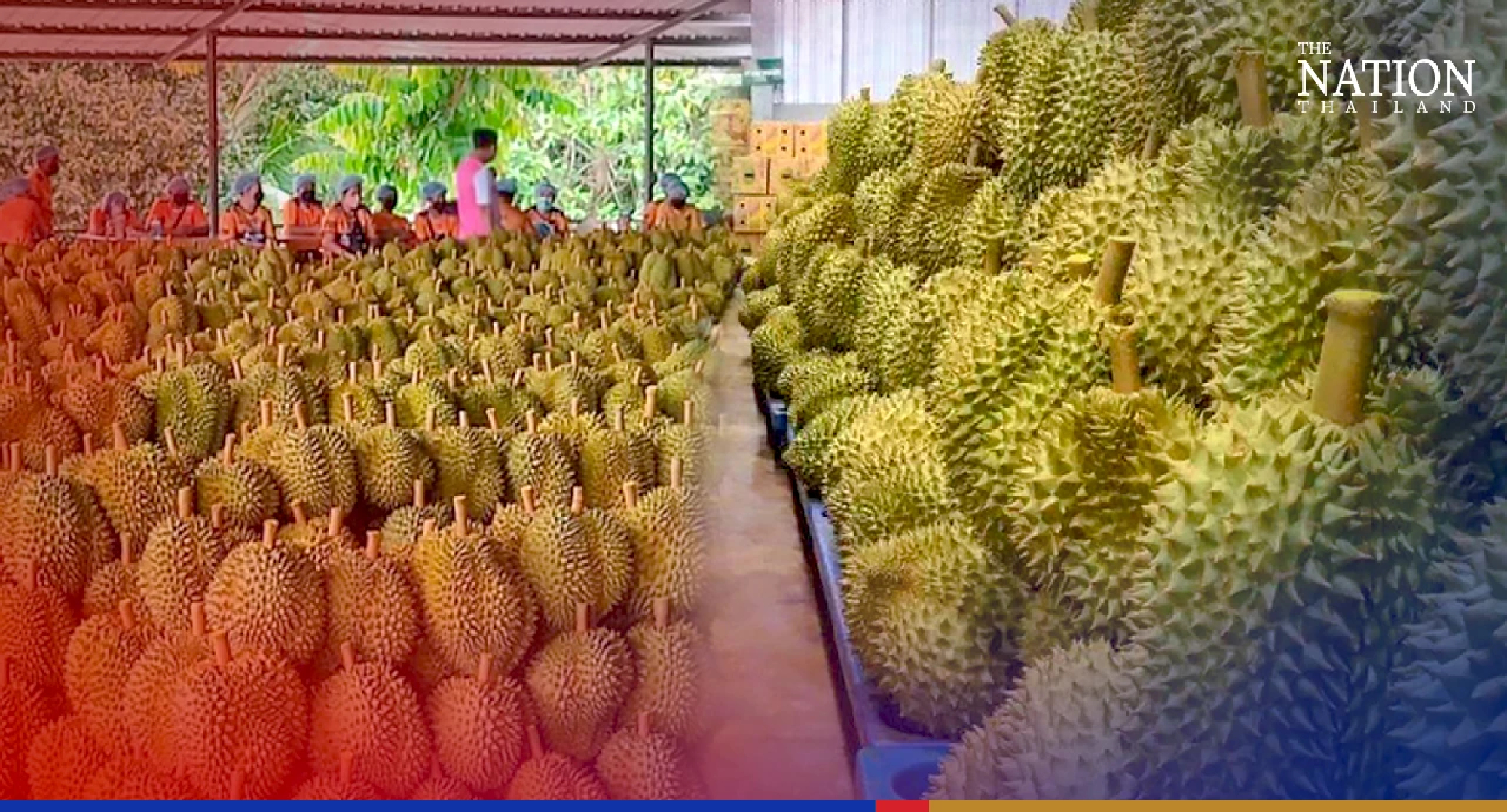
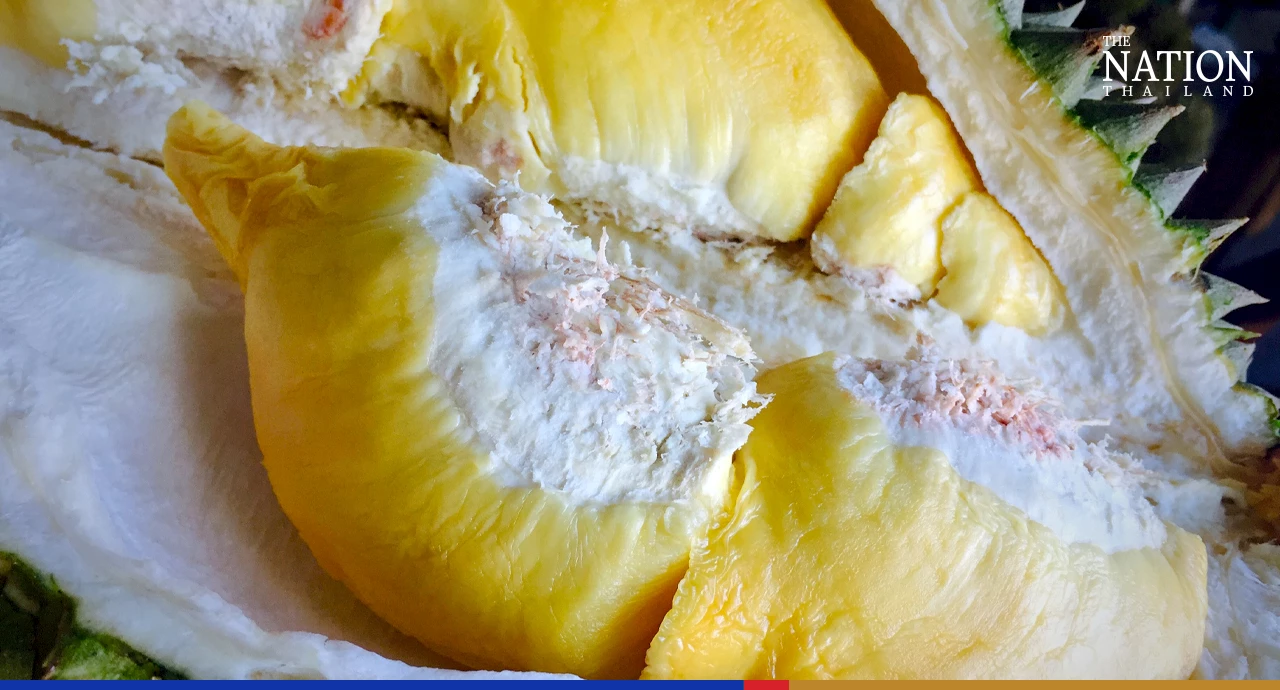
The Agriculture Ministry has reached an agreement with durian exporters in Chanthaburi province to clean up their warehouses on Friday after an export container to China was found contaminated with Covid-19 virus.
Alongkorn Pollabutr, an adviser to the agriculture minister, said he has visited the warehouses of durian exporters in Chanthaburi and reached an agreement on carrying out a big cleaning day on Friday.
He said the exporters from now on would conduct rapid antigen tests on workers regularly to prevent more contamination of the coronavirus.
China suspended import of durians from Thailand at its Mohan checkpoint for three days from April 12 to 14 after a container of durians on a trailer truck from Thailand was found contaminated.
Alongkorn said although the Chinese authorities allowed the import of Thai durians to be resumed on April 15, the exporters of Thai fruits could not be complacent.
Alongkorn said the peak season of fruit in the eastern provinces would soon arrive with over a million tonnes of durian, rambutan, mangosteen and southern langsat ready for harvesting and export so the exporters must make sure that their fruit would be free from contamination.
The adviser said the export of durians from Chanthaburi would be resumed in the middle of next week using the Laos-China high-speed train so the Thai authorities and exporters must step up measures to prevent contamination of the fruit.
Alongkorn said the export by train has been successful after two containers of durians and one container of coconuts were dispatched early this month. The durians would be transported on trucks from Thailand to the railway station in Laos to be sent aboard the train.
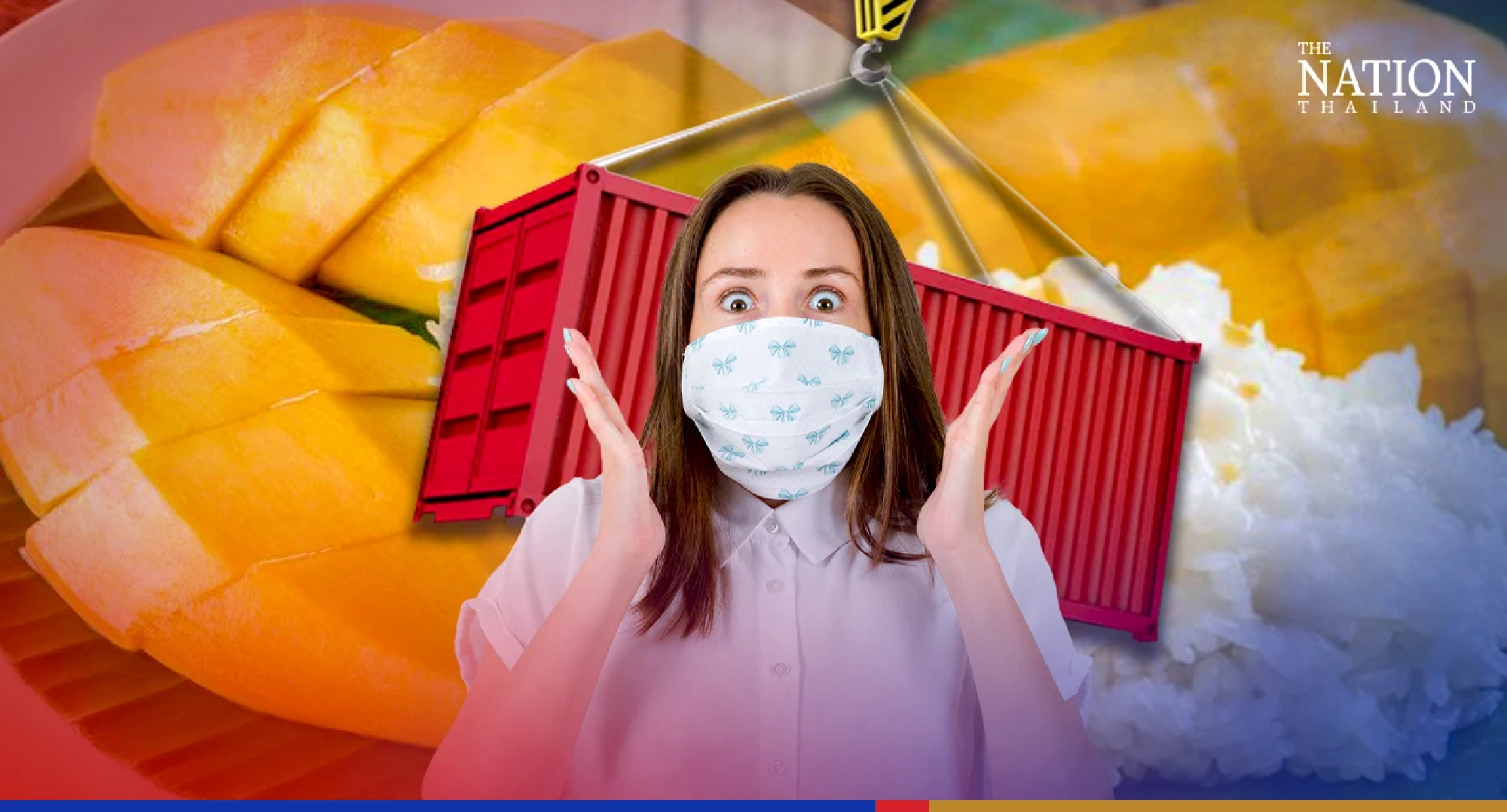
The Commerce Ministry on Monday praised Danupha “Milli” Khanatheerakul for using mango sticky rice as soft power at Coachella Valley Music and Arts Festival in California.
Mango sticky rice shot to global fame after Milli ended her set at the Coachella on Sunday by eating the traditional Thai dessert.
Commanding the stage in a skimpy red outfit, Milli took a break from her twerk-heavy dance routine to grab a bowl and take a mouthful.
Mallika Boonmeetrakool, the adviser to the commerce minister, said using mango sticky rice as soft power is a good idea as it is considered one of the world’s 50 best desserts.
She said the Commerce Ministry is focusing on using soft power to promote trade in line with the Creative Economy concept. She added that the ministry is willing to promote this soft power.
Thailand exported sticky rice and mangoes worth more than 7.5 billion baht last year, according to the Department of International Trade Promotion.
Thailand exported 150,570 tonnes of sticky rice worth THB3.10 billion in 2021 and 29,312 tonnes worth THB594.56 million in the first two months of this year. The country’s main sticky rice export markets are China, US, Laos, Vietnam and Japan.
Meanwhile, Thailand exported mangoes worth THB4.44 billion last year, of which THB2.93 billion were fresh mangoes and THB1.50 billion were canned mangoes.
The country exported mangoes worth THB403.51 million in the first two months of this year, of which THB177.96 million were fresh mangoes and THB225.55 million were canned mangoes.
Thailand’s top 10 mango export markets are Malaysia, South Korea, Japan, Myanmar, Laos, Singapore, Russia, Vietnam, United Arab Emirates and China.
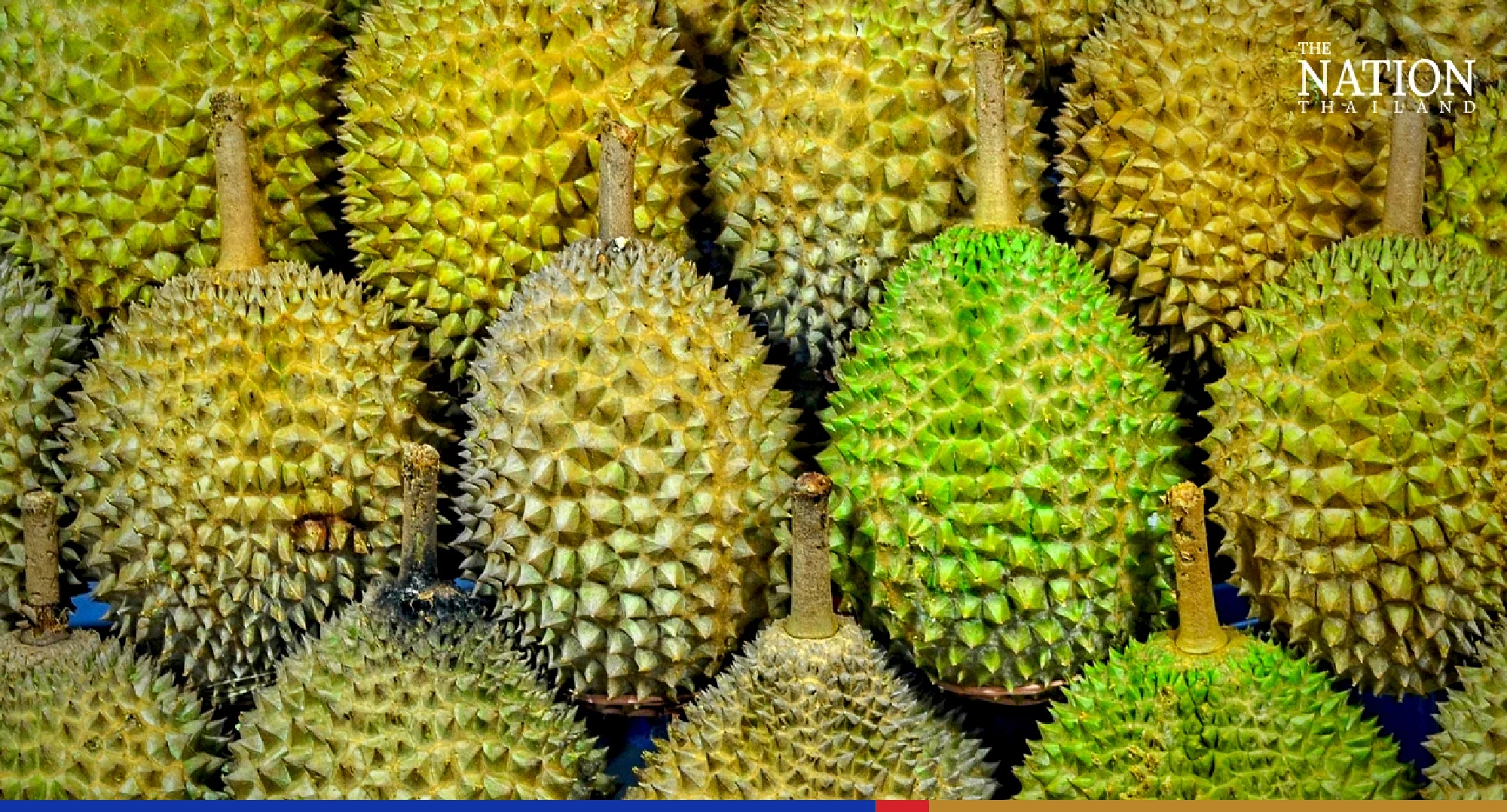
Over the years the demand for durian has been exceptionally high, especially in China where Thai durians are always in demand. But the Covid outbreak led to many restrictions on import of goods into mainland China, and durian farmers are facing the heat of these policies.
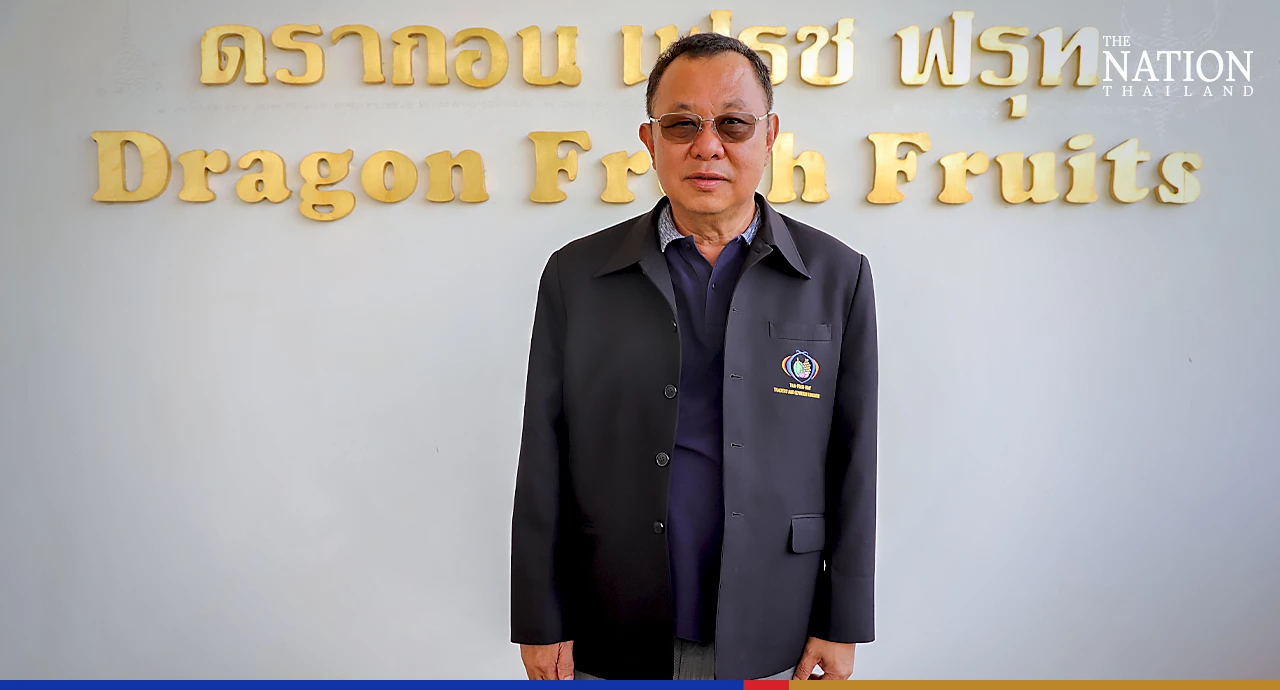
The Nation Thailand spoke to Sanchai Puranachaikere, president of the Thai Fresh Fruit Traders and Exporters Association, on the problems arising from China’s zero-Covid policy.
“We still have no clue in which direction we should go because China has a zero-Covid policy. Which means, there can be no traces of Covid infection on the durian at all. In reality, it’s impossible because zero Covid means not ignoring even dead vestiges of the virus,” says Sanchai.
“Due to China’s strict Covid restrictions on imports, we are facing problems. Thai goods or goods from any other country imported into China will have to be tested for Covid.
“The testing process cannot be hurried, it takes time. Some Customs offices can only check 50 containers out of some 200 containers. But those 200 containers aren’t only from Thailand. So the Customs officials might be able to check 200 containers. But they may have up to 500 containers. So the containers that can’t make it now become a part of 1,000 containers in the queue.”
These underlying issues are likely to peak in May and the beginning of June, in just around 45 days, when popular Thai fruits such as durian and mangosteen are ripe. This might increase the number of containers to about 700-800.
But if strict Covid restrictions in China are not resolved, the burden might be too hard to bear for Thai exporters, he said.
Sanchai added that “The problem with fruit prices is when it can’t be exported, the fruit becomes ripe and people can’t buy it. So the question is which direction do we go? If there is a delay in the beginning, we can encourage Thai people to consume more of these fruits, or we can process it into products. However, if there’s huge supply we don’t know how the problem can be resolved if the Covid issue in China is not solved. Some 60-70 per cent of Thai fruit is exported to China, while 20-25 per cent are eaten by Thais and no more than 10 per cent are exported to neighbouring countries.”
Despite the obstacles, Thai exporters in Chantaburi province are still finding a way to be Covid-free. They’ve started the GMP+ in Chanthaburi, working with government officials and the public health sector to help create bubbles and collective measures to prevent Covid. They are hoping that these measures could help ease the policies in importing Thai fruits into mainland China.
But will China ease its zero-Covid policy in May? Because if it doesn’t, that would mean 60-70 per cent of Thai durians would be left waiting at Customs in mainland China, leaving them ripe and maybe inedible, Sanchai said.
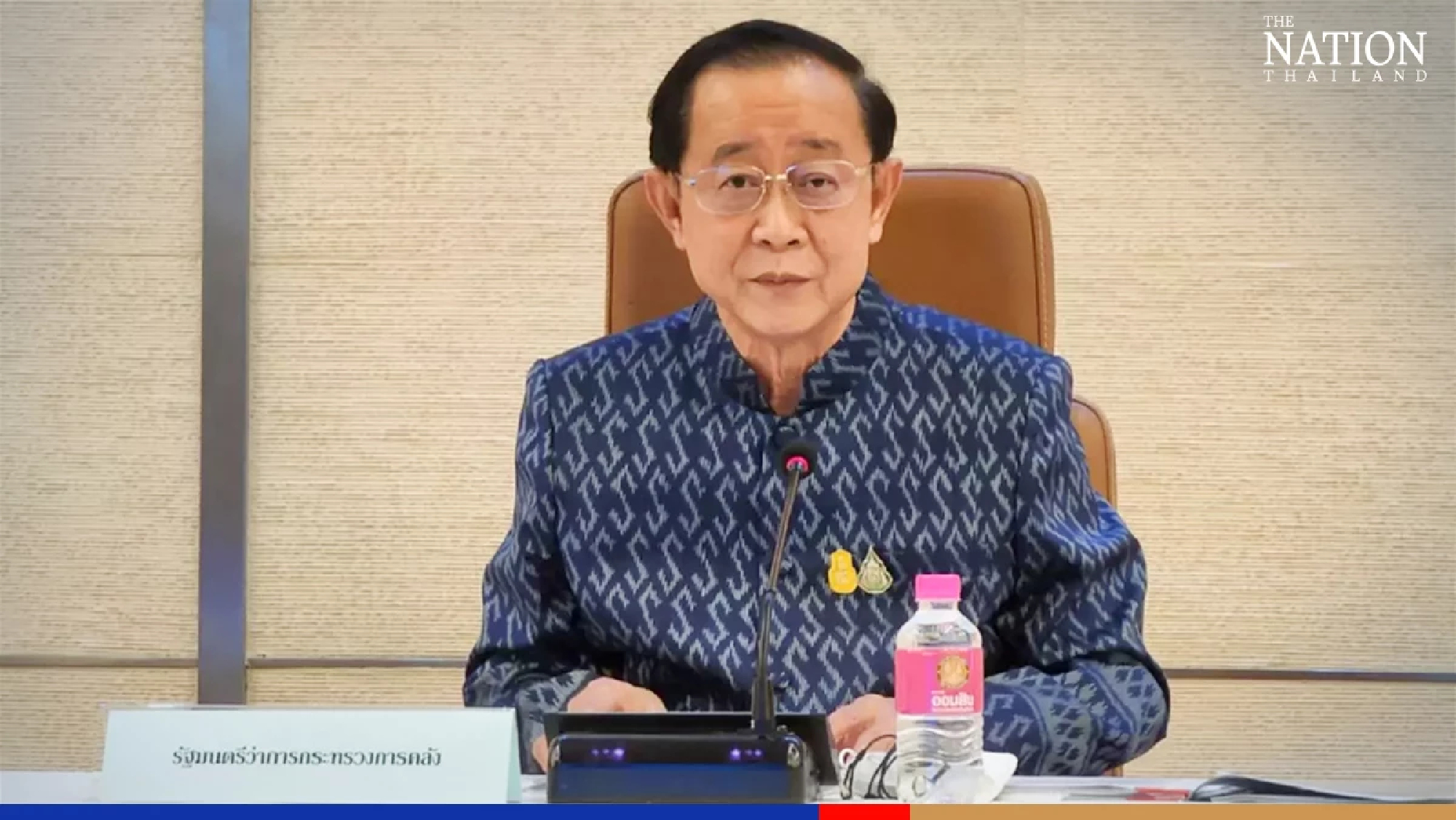
The Finance Ministry said on Monday that it has lowered Thailand’s growth forecast for 2022 to 3 to 4 per cent from its earlier 3.5 to 4.5 per cent prediction.
Finance Minister Arkhom Termpittayapaisith said the estimate was being reduced because the country’s economy has been hit by several factors. However, he said, the country will still enjoy sustainable economic growth compared to last year.
“There will be a reduction in the range but the average growth forecast will remain at 4 per cent,” Arkhom explained. “If our economy is badly hit, then GDP may go down to 3 per cent. Either way, growth will be continual, which is stronger and better than fast growth, which can slow down later. We are confident we can reach the target of 3 to 4 per cent.”
The minister said the government was also looking into how the price of animal feed and fertiliser can be brought down to help farmers.
“The Finance Ministry is waiting for reports from the Agriculture and Commerce ministries, so we can come up with new tax measures to help farmers,” Arkhom said.
He added that his ministry will also ensure the tax measures really benefit farmers, not just large corporations.
Arkhom added that the factors contributing to economic growth in the second half of the year will be government spending and exports.
He said the Customs Department reported that exports and imports showed a growth of about 12 to 15 per cent in the first quarter.
Arkhom added that though the Thai National Shippers’ Council has forecast a 5 per cent growth in exports, the Finance Ministry wants to push it to 10 per cent by clearing bottlenecks like tax refunds for exporters.
The finance minister added that the baht has dropped when compared to 2020 and 2021, and though this bodes well for exports, it is affecting imports.
Arkhom said the weaker baht is also making it tough for Thailand to reduce retail oil prices in the country to match the drop in global prices.
He said the Finance Ministry and the Bank of Thailand would work in tandem to stabilise the currency’s value and prevent its fluctuation from affecting the business sector.
The Stock Exchange of Thailand (SET) Index is expected to fall to between 1,665 and 1,670 points on Monday due to lack of positive sentiment.
Krungsri Securities said the index would be pressured by uncertainty over the US Federal Reserve’s move to shrink its balance sheet and raise the interest rate to deal with inflation.
The prolonged Russia-Ukraine conflict will also cause a drop in foreign fund flows, it added.
“However, mass-buy ups of stocks that gain specific positive sentiment will help the index rebound,” Krungsri Securities said.
It recommended the purchase of the following as an investment strategy:
• PTTEP, TOP, IVL, SPRC and BCP would benefit from the rising oil price.
• AOT, AAV, BA, MINT, CENTEL, ERW, CPN, CRC, HMPRO, CPALL, MAKRO, AMATA and WHA would benefit from countries reopening.
• BDMS, BH, INTUCH, ADVANC, BTS and BEM, which can tolerate market volatility.
The SET Index closed at 1,675.49 on Tuesday, down 2.97 points or 0.18 per cent. Transactions totalled 54.28 billion baht with an index high of 1,678.30 and a low of 1,669.36.
The index was closed from Wednesday to Friday last week for Songkran.
Many of you may wonder why the project is called “Hing Hoi”. It’s from an analogy that where there are fireflies, there is light. One firefly may only bring a small flicker, but hundreds, thousands of fireflies coming together could create great bright light.
Many of you may wonder why the project is called “Hing Hoi”. It’s from an analogy that where there are fireflies, there is light. One firefly may only bring a small flicker, but hundreds, thousands of fireflies coming together could create great bright light.
Similarly, CK Power Plc, the producer of renewables-based electricity, uses its know-how to build on its social initiatives through the Hing Hoi Project. This is how CK Power brings light and good quality of life to local communities.
CK Power Managing Director Thanawat Trivisvavet said the Hing Hoi Project is the company’s principal CSR initiative that has been running continuously since 2016.
He said this project aims to apply the know-how and knowledge that the people at CK Power have in renewable energy and engineering to reduce shortages while increasing the potential of the communities and societies around our power plants and the remote areas in Thailand and Laos.
The goal is to create awareness, engagement and social responsibility for all employees, he added.
Mr. Thanawat Trivisvavet, Managing Director, CK Power PLC
The company hopes to build a giver DNA among CK Power’s people into social value through 3Cs – competency in clean energy engineering, co-creation to share with society clean energy, and Cooperation by getting together employees, communities and stakeholders for the cause.
“The 3 Cs are executed through the ‘Competency, Co-creation, Cooperation, Connection’ strategy,” he explained.
“Competency means that CK Power uses its capabilities to empower communities, societies and stakeholders. Co-creation is the use of innovative ideas and processes for sustainable development. Cooperation is the engagement of employees with stakeholders. This leads to Connection, which is to work together with stakeholders for sustainable development.”
Thanawat added that the Hing Hoi Project was the result of CK Power conducting a survey of the local communities to learn how they are and what they need in terms of basic public utilities such as water supply and electricity as well as education.
“We want children and youngsters to have equal access to basic education and to have an environment conducive to learning,” he said.
“The activities are carried out by CK Power’s people at all levels, and evaluation is made at least once a year to see if we achieved the intended goals.”
The young generation in our company and local communities are also motivated to play a part in the project as much as possible to ensure sustainability from generation to generation, he added.
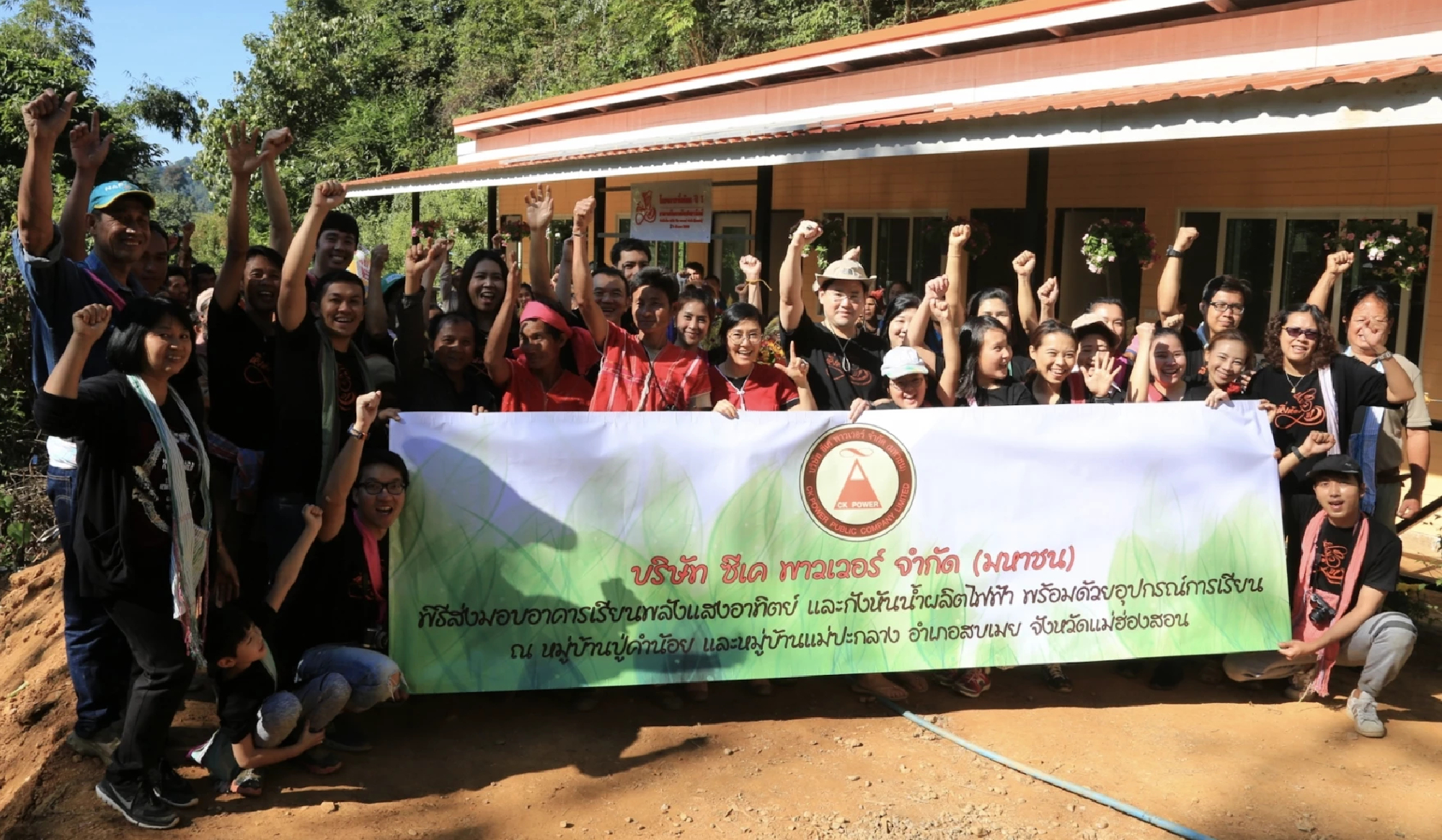
Hing Hoi Project Year 1 provided a solar-powered school building in Pu Kham Noi village and a hydropower turbine generator in Mae Pa Klang, Sop Moei district, Mae Hong Son province
The Hing Hoi Project of the past five years began in 2016 (Year 1). In the first year, CK Power built a solar-powered school building for Pu Kham Noi village and built a hydropower turbine generator for Mae Pa Klang village in Sop Moei district of Mae Hong Son province.
In 2017 (Year 2), the company continued its initiative at Ban Mae Ler Border Patrol Police Learning Centre in Mae Hong Son’s Mae Sariang district, where improvement was made to the learning building, a check dam was built along with a solar-powered pump reservoir with solar cells installed to power the water pump. Improvement was also made to the landscape surrounding the learning centre.
Hing Hoi Project Year 2 at Ban Mae Lor Border Patrol Police Learning Centre in Mae Sariang district, Mae Hong Son province
In 2018-2019 (Year 3), at the behest of Her Royal Highness Princess Maha Chakri Sirindhorn, CK Power built a royal project for the development of children and youth in Ban Mae Mu Nai in Chiang Mai’s Mae Chaem district.
With Her Royal Highness’ permission, the project was named “Ban Mae Mu Nai Border Patrol Police Learning Centre under the Patronage of CK Power”.
The centre consists of a learning building, a library and a road lighting system – all powered by solar energy. There is also a dormitory for the teaching staff, a dormitory with bathrooms for schoolchildren from remote areas, a canteen and a flag pole square. Improvement was also made to the surrounding landscape.
Hing Hoi Project Year 3 at Ban Mae Mu Nai Border Patrol Police Learning Centre under the Patronage of CK Power PLCin Mae Chaerm district, Chiang Mai province
In 2019 (Year 4), an initiative was taken in line with the Sustainable Power for The Future Generation principle. It was called “Huen Khiang Hong (Faifah)” – a community or house near the power plant. The activity involved developing the area of Ban Kang School in Luang Prabang province, the Laos, which is located near the Xayaburi Hydroelectric Power Plant.
Knowledge was shared with the community on hydropower and natural resource conservation. Sports kits and equipment were handed over to schoolchildren.
The 4th year of the project also saw activity in Thailand at Bandu (Saharat Wittaya) School in Pak Thong Chai district,Nakhon Ratchasima province, near the Bangkhenchai Solar Power Plant.
Through its “Hero! Solar Zero Waste” initiative, the company provided training on environment preservation and plastic use reduction and donated computers to support youth education.
Hing Hoi Project Year 4 at Bandu (Saharat Wittaya) School in Pak Thong Chai district, Nakhon Ratchasima province
For the 2020 (Year 5) Hing Hoi Project, CK Power visited Wat Kudi Prasit School in Wang Noi district of Phra Nakhon Si Ayutthaya province, near the Bangpa-in Cogeneration Power Plant to repaint the school building and lay a new foundation for a small children’s playground using shock reducing materials to minimise fall injuries. Improvement was made to the landscape of the school’s small garden and science park.
To promote better educational opportunities for youngsters, the company also improved the reading pavilion for parents and children and encouraged its staff to make desks and chairs from papier mache for small children to create an environment suitable for learning for students.
Hing Hoi Project Year 5 at Wat Kudi Prasit School in Wang Noi district, Phra Nakhon Si Ayutthaya province
“I had the opportunity to go on a field trip of our Hing Hoi project every year and carried out activities with the staff members representing our company and the people in each community,” said Thanawat.
“We saw children’s smiles and happy eyes of people in the communities. It brought light to our hearts and made us at CK Power very happy.”
He believes that CK Power can empower the communities with the Hing Hoi Project as the company brings capabilities in renewable energy engineering to good use in line with its main mission to be one of the region’s largest producers of renewables-based electricity with one of the lowest carbon footprints.
“We are ready to support the net-zero greenhouse gas emission policy at both national and global levels in concrete ways to help with global warming in the long term,” he said.
To achieve sustainable development, he added that CK Power will continue to build on community development initiatives to provide better quality of life through the Hing Hoi Project, bringing light to needed communities, in parallel with focus on the renewable energy business.
“Despite it being just a small benefactor, it is able to work with other stakeholders to bring forth a great light – akin to a swarm of fireflies coming together,” he added.
The baht opened at 33.62 to the US dollar on Monday, strengthening from the 33.64 closing on April 12.
The currency is expected to move between 33.55 and 33.75 during the day and between 33.30 and 33.80 during the week, Krungthai market strategist Poon Panichpibool said.
He believes the baht may swing sideways unless a new factor comes in. Poon said the baht is still supported by the sale of gold, but may weaken if investors sell off their Asian assets on the back of worse-than-expected news about the Chinese economy.
He suggested monitoring the direction of foreign investments, as they may fluctuate based on Thailand’s Covid-19 situation.
Poon said the baht’s resistance level will hover at 33.70 to 33.80, at which point exporters would offload the dollar. Meanwhile, importers will wait to buy when it dips to 33.30.
With high volatility in the currency market, businesses should use hedging tools like options to manage risks, he said.
He also said the strengthening of the dollar will be limited as the market has already acknowledged the US Federal Reserve’s sign to hasten using a tighter monetary policy.
He added that only the demand for safe assets will help the dollar to strengthen. The greenback will remain stable if the market is not heavily closed to risks as it waits for reports from listed companies and development in the Russia-Ukraine situation.
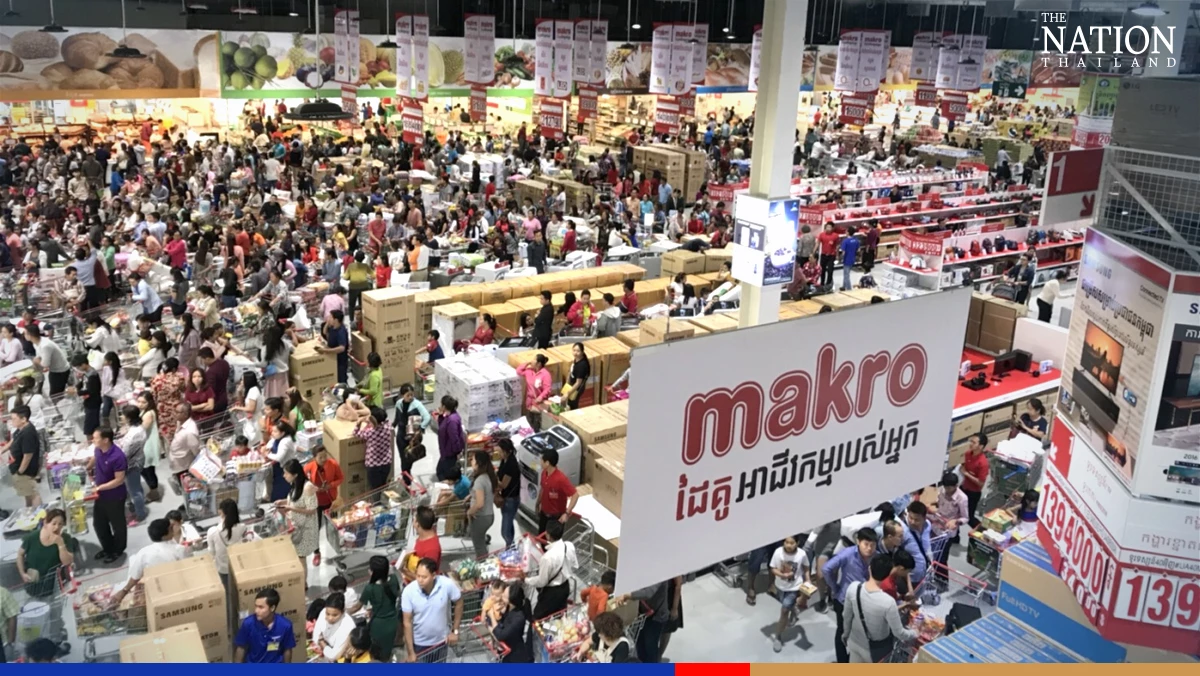
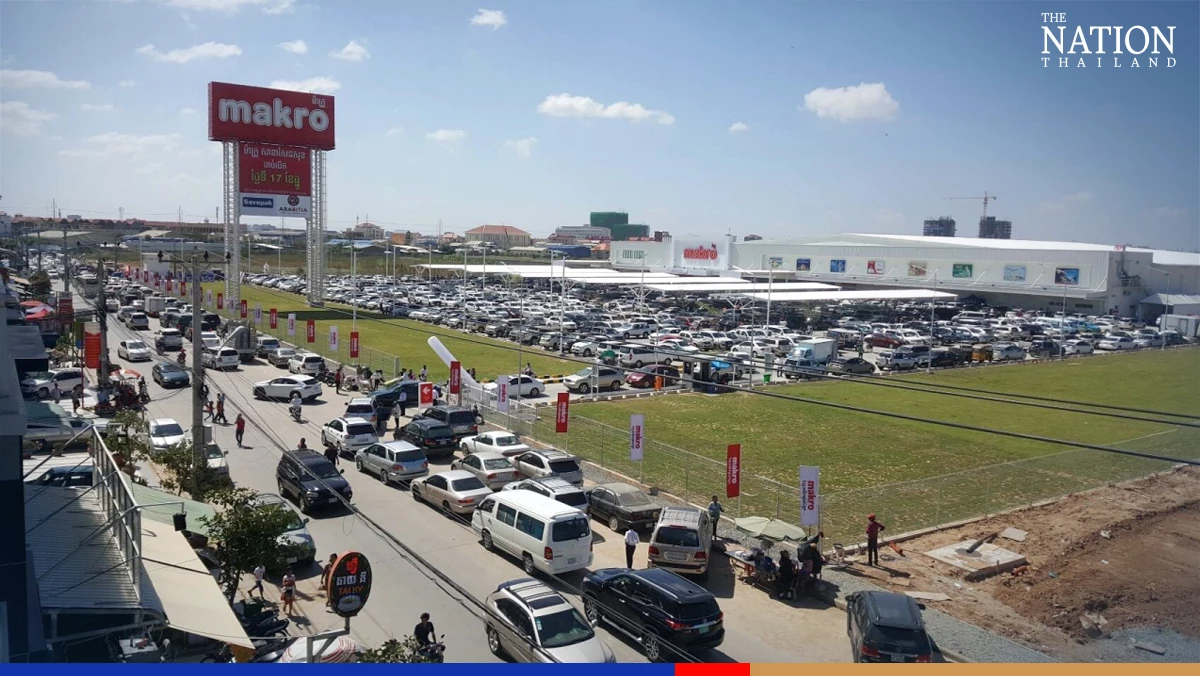
The increasing purchasing power of Cambodians is prompting foreign department stores, including Thailand’s Siam Makro Plc, to open more shopping malls in the country, the Thai embassy reported.
The foreign trade promotion office at the Thai embassy in Phnom Penh reported that Siam Makro would open two more Makro shopping malls in Cambodia, adding to the two Makro stores already in operation. Currently, Siam Makro owns one shopping mall in Phnom Penh and another in Krong Siem Reap, the trade office added.
The office said Cambodia’s economy is expanding fast, as a result the lifestyle of Cambodians is undergoing a rapid change due to higher purchasing power. The office said as part of the changing lifestyle, more Cambodians were shopping in hypermarkets and modern shopping malls.
Currently, there are several foreign-owned shopping malls in Phnom Penh, including Aeon Mall 1, Aeon Mall 2, Exchange Square, TK Avenue, Global House and SCG Home Village, the trade office said.
The office said there are also several foreign-owned shopping malls in Sihanoukville, including Prince Mall, Furi Time Square, and Aeon Mall 3.
Suchada Ithijarukul, the CEO of Makro Group, confirmed the plan to build two more stores in Cambodia. The two stores will be among five foreign stores to be opened by Makro this year, she added.
The three other foreign Makro stores will be opened in India, she added.
She said Makro would spend THB11 billion to expand 30 branches this year, including the five foreign stores. After the expansions, Makro will have 184 branches — 172 in Thailand, four in Cambodia, one in Myanmar, six in India and one in China.
Economists and analysts have warned that Russia’s invasion of Ukraine would impact Asia’s energy and commodity prices and affect growth more than previously expected, but they still believe the region could handle the crisis in the long term.
Speaking at a webinar hosted by the Asia News Network on “Impacts of food and energy crises on Asia” following Russia’s invasion of Ukraine, Albert Park, chief economist of Asian Development Bank (ADB), said the conflict brought with it several risk factors that have shaken investor and consumer confidence, resulting in less spending. Therefore, the increase in oil and gas price might cause severe impacts, he warned
Park said the overall Asian economy was currently experiencing financial market volatility caused by the aggressive sanctions on Russia by the US and western partners, followed by capital outflows and currency depreciation that have led to a rise in financial stability risks in the region.
Meanwhile, there are also risks from the latest outbreak of Omicron in Shanghai and Guangzhou, in China, and the two major cities are under strict lockdown. If the Russia-Ukraine war continues longer, it could affect the planting seasons in Ukraine, which would definitely lead to a shortage of staple grains such as wheat, maize, corn as well as rapeseed oil.
Park, however, believes that most Asian nations would face only a moderate impact on food price, as those grains are not a staple for the region. However, a prolonged war could put price pressure on rice, a major staple food of this region, as some countries have started to substitute rice for other grains.
Raimondo Serra, the European Union’s directorate-general for agriculture and rural development for Asia and Australia, added that the Russian war had not only led to a spike in food prices but it had also hiked the cost of farming, as Russia is one of the world’s major exporters of fertilisers.
In his opinion, although most Asian countries are far from the battlefield in Ukraine, they are still the indirect victims of the Russian invasion because the war has led to a sharp increase in the price of natural gas, a key ingredient in fertilisers.
Serra said higher fertiliser prices were making the world’s food supply more expensive and less abundant. This situation comes at a time when the UN Food and Agriculture Organization reported recently that the world food-price index in March had reached the highest level since records were kept in 1990.
However, overall Asia could manage to stabilise growth, he said. ADB estimates that Asia is going to see an average 5.2 per cent GDP growth this year and 5.3 per cent growth next year, on continued recovery in domestic demand and solid exports, while inflation will rise to 3.7 per cent in 2022 and 3.1 per cent in 2023.
In the meantime, the pace of recovery remained uneven across economies. South Asian countries will see on average 7 per cent growth this year and 7.4 per cent next year, outperforming East Asian and Southeast Asian countries. Despite various risks and challenges, experts recommended that governments in Asia continue to maintain their support for economic recovery, sustain their development goal, and keep investing in green transformation as well as reforming their tax and financial system.
The Finance Ministry ordered five government banks to assist debtors with non-performing loans (NPLs) so they can repay their debts on time.
The five banks are the Bank for Agriculture and Agricultural Cooperatives (BAAC), Government Savings Bank (GSB), Government Housing Bank, Small and Medium Enterprise Development Bank and the Islamic Bank of Thailand.
Finance Minister Arkhom Termpittayapaisith said the GSB and BAAC have the highest NPLs among the five as they have helped a number of debtors.
He said the government is ready to pay compensation to government banks if their NPLs have risen due to government policies.
“We will not let government banks spend all their money to help debtors as they must reserve cash in line with the Bank of Thailand rules and maintain liquidity similar to commercial banks,” he said.
Arkhom said a variety of methods, such as granting debt moratorium and launching projects to generate income among debtors, will enable them to repay their debts as usual.
He provided an example, saying that the BAAC has granted loans to 10 million debtors with NPLs to generate income from additional occupations such as growing vegetables.
“This move may make NPLs rise, but government banks must know their customers, not just the amount of their debt but also their problems,” the minister said.
Farmers in some communities have set up financial institutions to enable members to repay their debts at low-interest rates, he added.


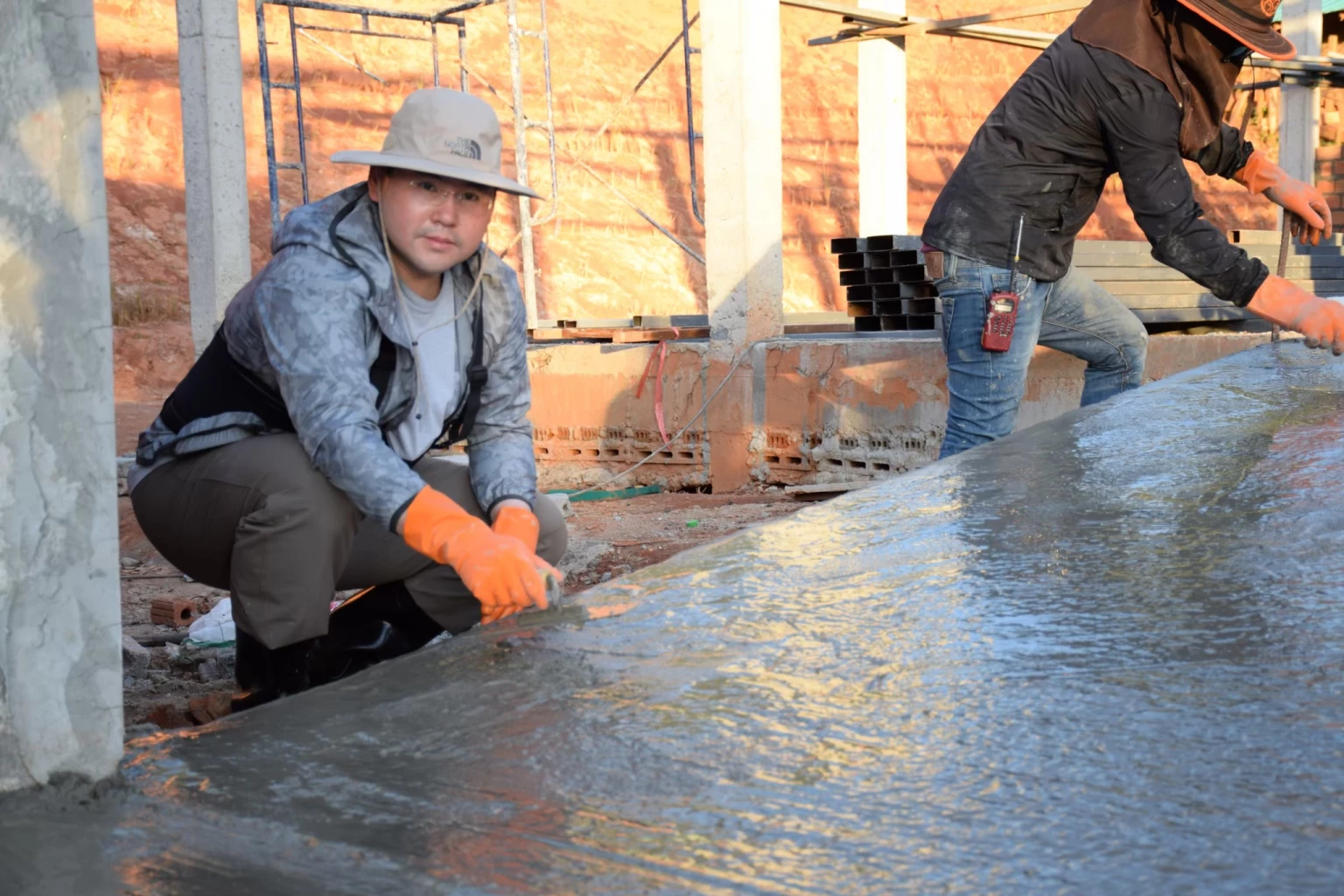 Mr. Thanawat Trivisvavet, Managing Director, CK Power PLC
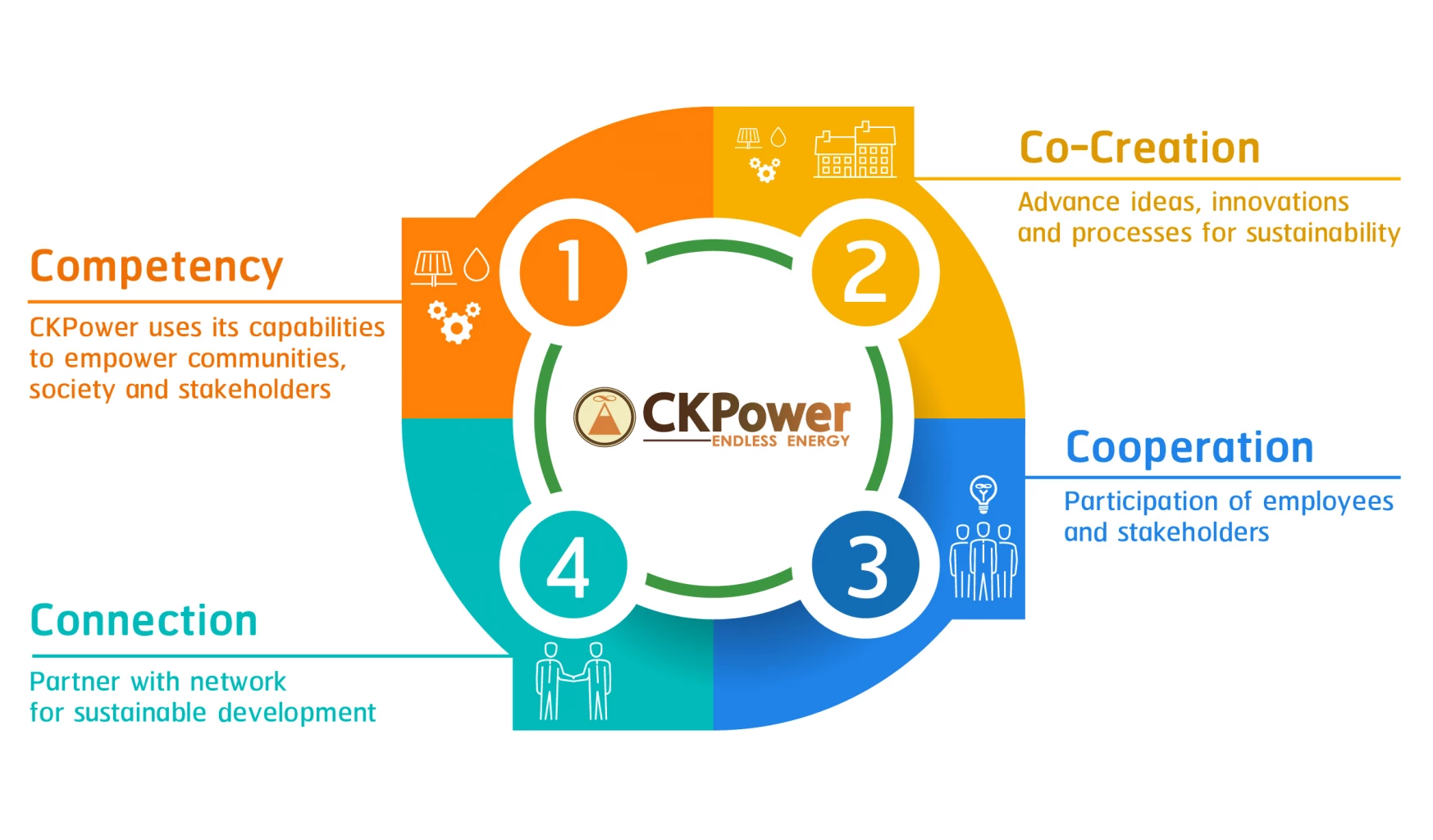 “Competency-Co-Creation-Cooperation-Connection” strategy
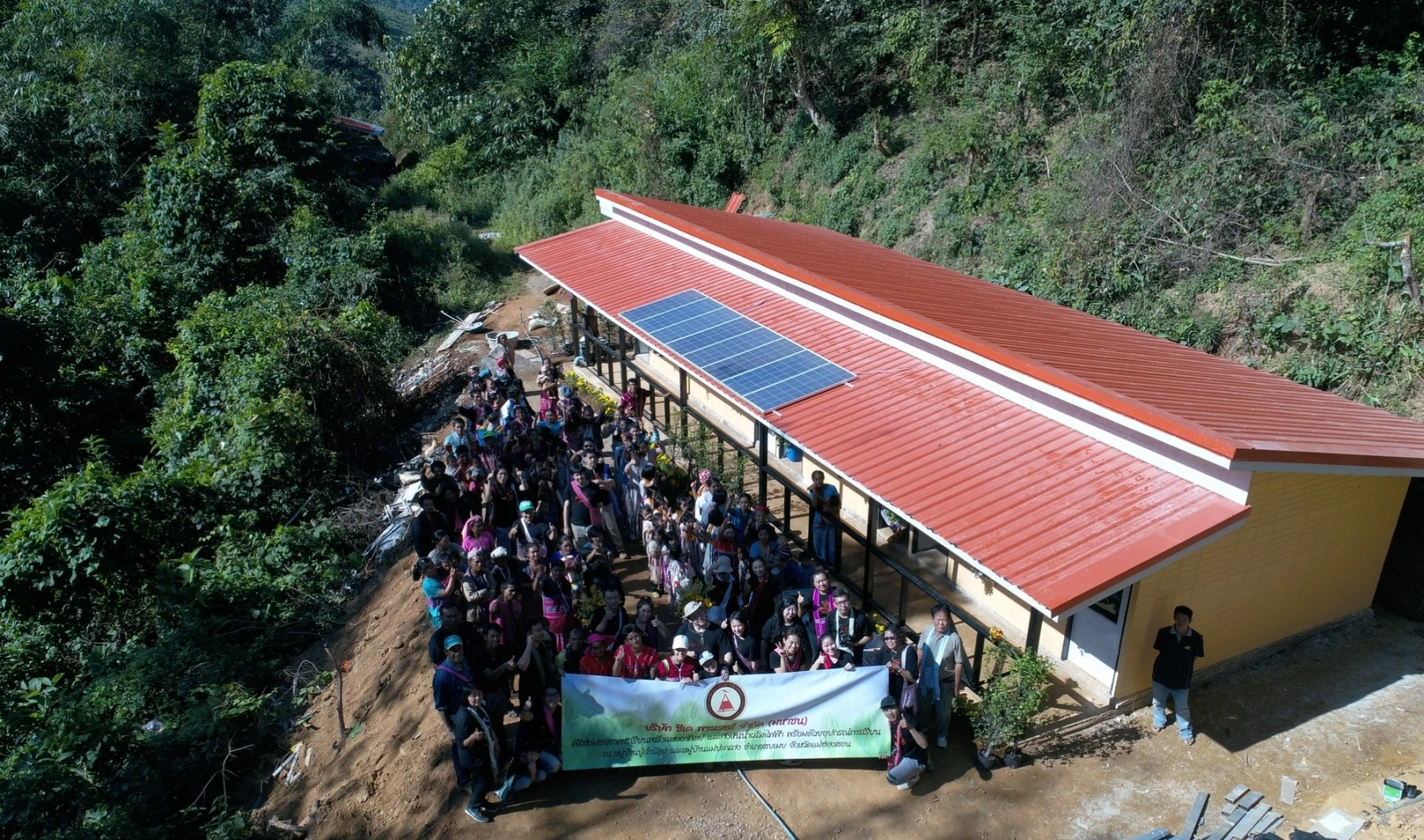 Hing Hoi Project Year 1 provided a solar-powered school building in Pu Kham Noi village and a hydropower turbine generator in Mae Pa Klang, Sop Moei district, Mae Hong Son province
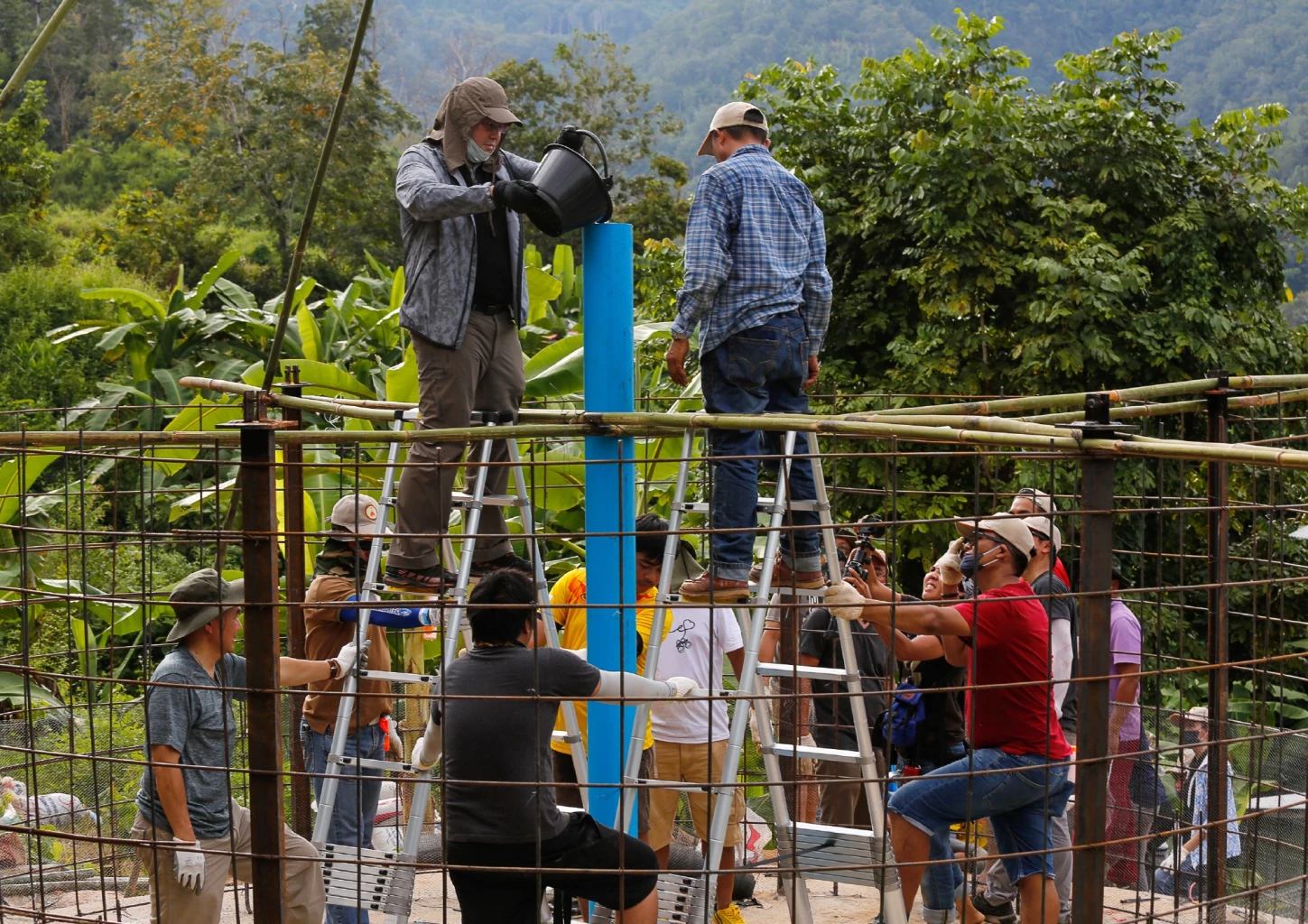 Hing Hoi Project Year 2 at Ban Mae Lor Border Patrol Police Learning Centre in Mae Sariang district, Mae Hong Son province
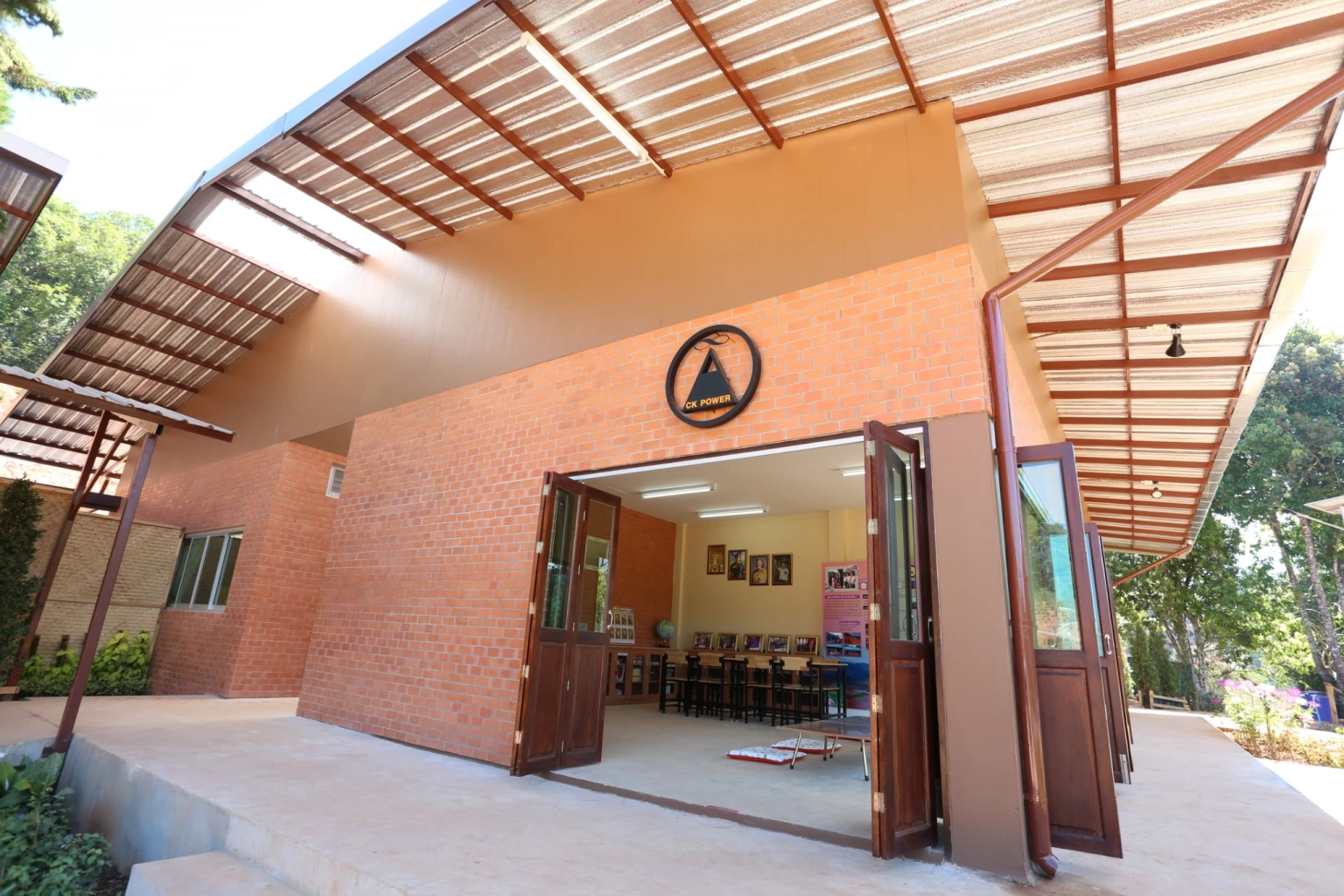 Hing Hoi Project Year 3 at Ban Mae Mu Nai Border Patrol Police Learning Centre under the Patronage of CK Power PLCin Mae Chaerm district, Chiang Mai province
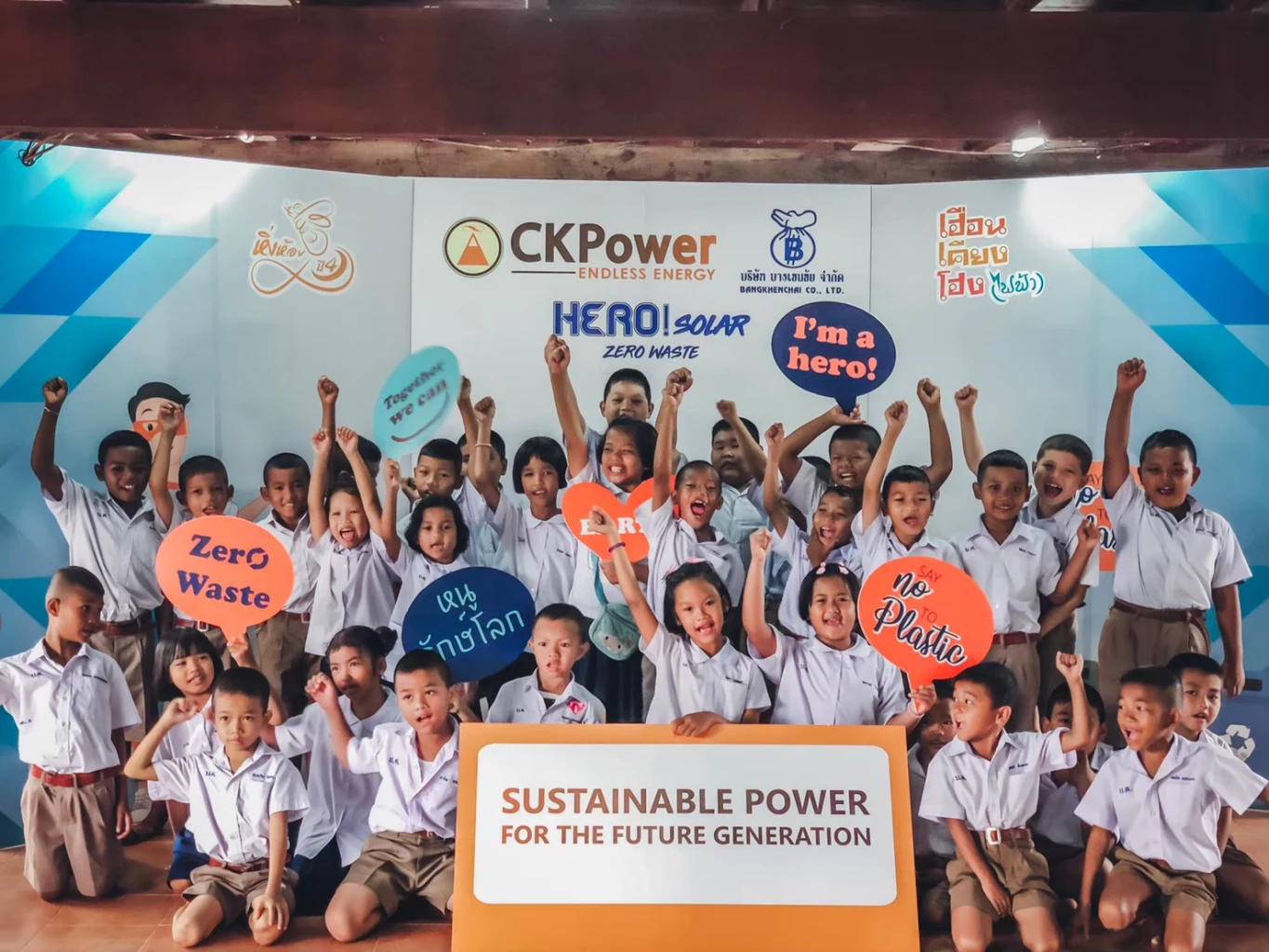 Hing Hoi Project Year 4 at Bandu (Saharat Wittaya) School in Pak Thong Chai district, Nakhon Ratchasima province
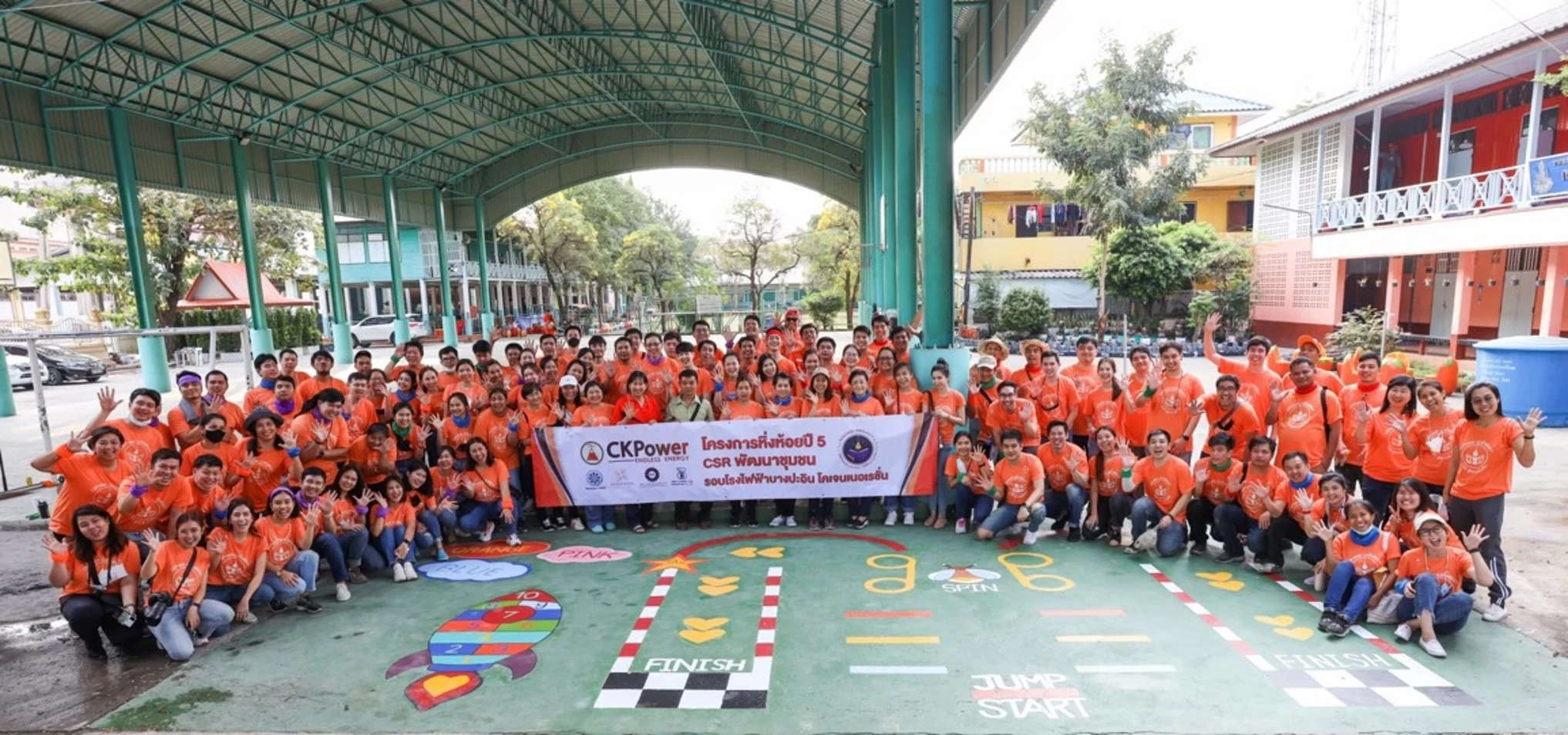 Hing Hoi Project Year 5 at Wat Kudi Prasit School in Wang Noi district, Phra Nakhon Si Ayutthaya province

 She said Makro would spend THB11 billion to expand 30 branches this year, including the five foreign stores. After the expansions, Makro will have 184 branches — 172 in Thailand, four in Cambodia, one in Myanmar, six in India and one in China.