A Bangkok home construction fair generated some 3.6 billion baht in revenue for contractors, with most consumers ordering the building of homes in the 2.5 million to 5 million baht range.
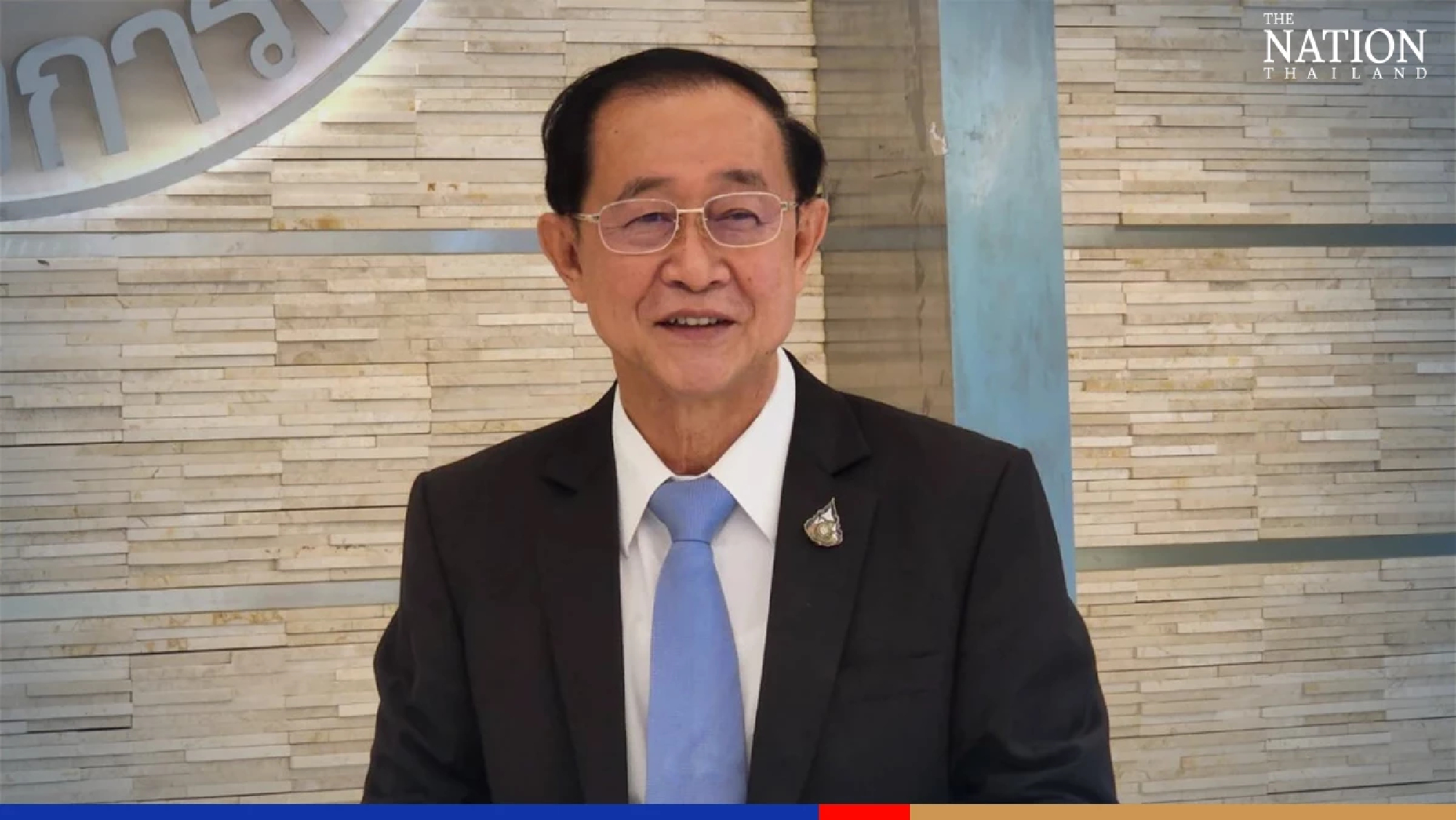
Worawut Kanchanakul, president of the Home Builder Association, said the Home Builder Focus 2022 fair held between March 3 and April 3 in Muang Thong Thani drew more than 10,000 visitors.
He said some 1,000 house models were offered at the fair and the revenue generated from sales was 70 per cent higher than last year.
“In previous years, the fair usually generated up to 1.9 billion baht. Last year, the value of building contracts came in at 2.1 billion baht,” Worawut said. “This year, we did not expect the revenue to rise up to 3.6 billion baht.”
He said 45 per cent of those looking to build new homes signed construction contracts in the range of 2.5 million and 5 million baht, while 32 per cent signed contracts between 5 million and 10 million baht. Only 2 per cent signed contracts below the 2.5 million baht budget, he added.
Worawut said this fair indicates that Thai consumers have higher purchasing power than what was expected by his association and the biggest buyers were in the 35 to 40 years age group.
He said contractors from other provinces also joined the fair, including from Nakhon Ratchasima, Sakon Nakhon, Maha Sarakham, Udon Thani and Chanthaburi.
“The association has seen good economic signs from the fair, including rising consumer confidence. Those who own land can make decisions easily, and the market for home builders is improving,” Worawut said.
Songkran is a spectacular time of year when families and friends come together and cool off in style, blessed by the healing powers of water.
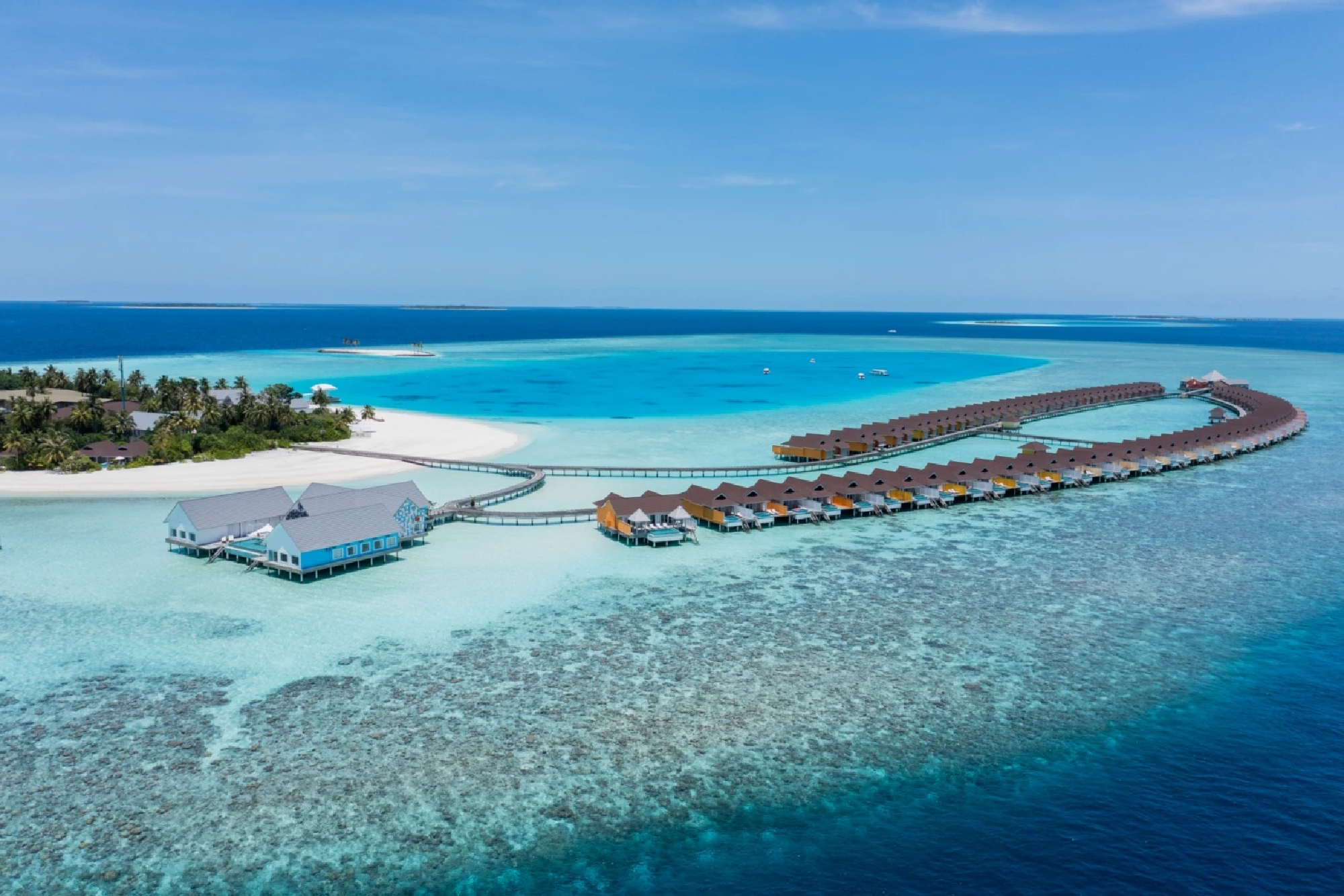
The Standard, which is redefining boutique hospitality worldwide, is celebrating this month’s Songkran Festival by inviting lifestyle-seeking Thai travellers to take the plunge and immerse themselves in an idyllic last-minute island escape in the Maldives. Songkran is a spectacular time of year when families and friends come together and cool off in style, blessed by the healing powers of water. So, could there be any better destination to ring in this fun-filled festival than the Maldives? This amazing archipelago, with its string of exotic islands, turquoise lagoons and sparkling seas, is a haven of aquatic adventure where Thai guests can leave the outside world far behind and unwind in paradise. Furthermore, it is now free from any Covid-related travel restrictions, so Thai visitors can enter the Maldives with ease, without the need for a pre-flight PCR test or to quarantine upon arrival. Nestled in the Raa Atoll, just a short seaplane ride away from Malé’s Velana International Airport, The Standard, Huruvalhi Maldives is a pristine private island, all-pool villa retreat that provides the perfect setting for a Songkran vacation.
A choice of breath-taking beachside and overwater pool villas let holidaymakers immerse themselves in this world of wonder, with at least 110 square metres of luxurious living space, alfresco sundecks, infinity plunge pools and direct access to the turquoise lagoon. Dreamy days can be spent snorkelling on the resort’s naturally protected house reef, or diving deeper with a boat excursion through the local waters. During the summer months, hundreds of majestic manta rays gather at Hanifaru Bay, creating a truly mesmerising underwater experience.
For thrill-seekers who want to feel the spray of the ocean waves, a range of exhilarating water sports, such as jet-skiing, wakeboarding and kite surfing, are available. Back on dry land, purifying therapies can be enjoyed at The Standard Spa, a hydrotherapy oasis that features a communal hammam, aroma steam room and nine treatment rooms to leave every guest feeling fully refreshed.
Daily yoga classes, a well-equipped gym and a full-size tennis court are also available for physical, mental and spiritual stimulation. Wondering how to keep the little ones entertained? Don’t worry! The Lil’ Shark Kids Club and inflatable water park ensure endless hours of fun and adventure.
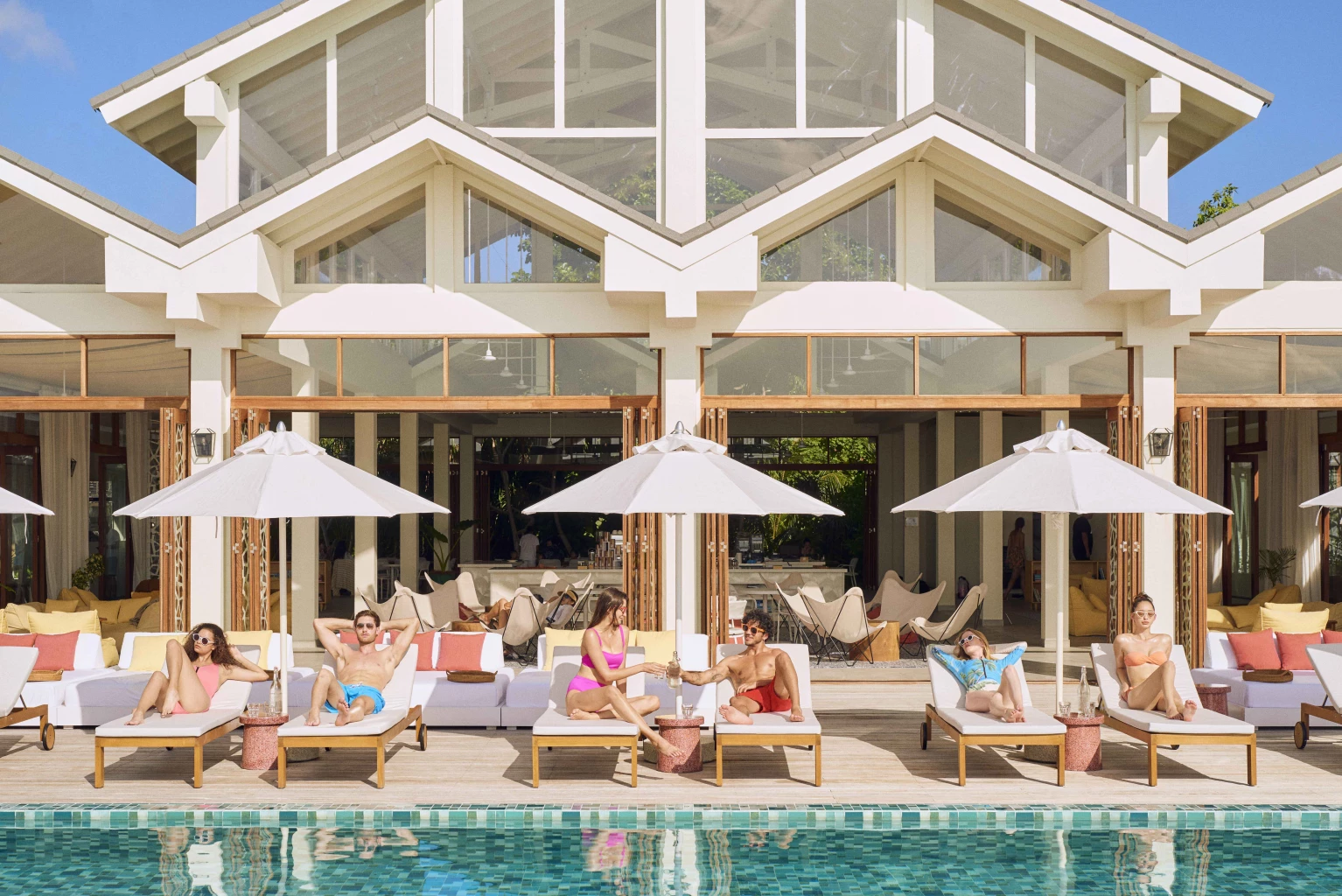
With six unique dining options, ranging from a beachfront barbecue shack to a traditional Maldivian restaurant, and even an overwater (18+) nightclub with a glass-bottomed dance floor, all guests can enjoy epicurean excellence and upbeat entertainment with like-minded revellers. “The Standard, Huruvalhi Maldives has a very special vibe. This is a place where families can reconnect and where couples can take a romantic break while also meeting some really cool, fun people and making new friends from all over the world,” said Standard International Executive Chairman Amar Lalvani. “Songkran is a time to make memories with your loved ones, so there can be nowhere better to spend this magical time of year than the Maldives. Surrounded by water, this is a place to cleanse the body, clear the mind and create treasured moments together.”
The Standard hotels and resorts are present in the most desirable of destinations worldwide, from Miami Beach to the Maldives, London to New York, now Hua Hin and soon Ibiza and Bangkok. For more information and to book your Songkran escape at The Standard, Huruvalhi Maldives, please visit www.standardhotels.com
Amidst the war in Ukraine, the use of cryptocurrencies has passed a true test of strength in the debate on the advantages of using cryptocurrencies over traditional ‘money’, as they are decentralised and might be the only means of payments left.
It is undeniable that cryptocurrencies have a unique place despite the controversy surrounding them.
Thailand is a world leader in the proportion of internet users who own cryptocurrencies, an average of more than 2 in 10 according to the Digital 2022 Global Overview Report. Thai regulators have recognised such a trend and have been trying to restrict the adoption of cryptocurrencies in Thailand.
The event that triggered a regulatory mindset in Thailand came from the fundraising of J-fin coin in 2018, which was sold out within a few days.
In response to that, a royal emergency decree was issued governing digital assets, which became effective from May 14, 2018. The decree was mainly divided into regulating the offering of digital tokens, and digital asset operators including exchanges.
Since then, Thai regulators have been following up with the development of the industry and have gradually issued more regulations in response to the actions of players in the digital asset network.
Take the recent amendment to the regulation issued in 2021 as an example. The Securities and Exchange Commission (SEC) prohibits certain tokens from being listed on licensed exchanges. They are: meme tokens; fan tokens; NFTs, and tokens issued by an exchange cannot be listed on the same exchange.
This caused a stir within the industry as this prohibition may raise a lot of uncertainties and limit the growth of digital asset operators.
For example, it is unclear what is considered a “meme token” since some may simply be in the stage of development and they are not meaningless, or tokens issued by exchanges have already been done and it creates an uneven field for newcomers.
Not to mention, the rationale for not allowing NFTs to be listed is still puzzling for those involved.
These prohibitions, as a result, may lead Thai exchanges to be less competitive than foreign exchanges in terms of product offerings.
To top it off, late last year, the Revenue Department reminded relevant persons to report and pay any taxable income derived from cryptocurrencies based on the 2018 decree.
The Revenue Department is well aware that more clarifications are needed, such as how to calculate capital gains from trading or the timing to be considered as having gains from farming or mining of cryptocurrencies.
After receiving feedback from the industry, a manual clarifying these issues was issued in January 2022. Also, recently a regulation was issued to allow losses from trading on the approved exchanges to be deducted for individuals, and there will be a follow-up on related laws for further clarity, for instance VAT may be exempt for trading on approved exchanges.
Further, in response to increasing cooperation among commercial industries and digital asset operators to use cryptocurrencies as a means of payments, the authorities have a major concern about financial stability as there may be other units of accounts prevailing over the baht.
Consequently, the authorities plan to issue a regulation, effective from April 1, to prohibit digital asset operators from not supporting the use of any digital assets as a means of payment, which include the restrictions on not providing any systems supporting such activities.
Regulations on cryptocurrencies are still in the process of development and constantly adapt to changes in the digital assets industry.
To support the growth of Thai digital assets operators and enable them to be competitive in the worldwide market, regulators may consider incentives and fewer restrictions to make Thailand a hub of the business, given that we have demand from investors and readiness of players in our country.
It is always important to note the balance between business opportunities from the emerging industry of digital assets, and concerns about government control or investment risks in which authorities, digital assets operators and investors will help shape the tone and its movement.
Finance Minister Arkhom Termpittayapaisith said on Monday that the ministry will end three decades of waiver and start collecting financial transaction tax on sales of stocks.
Arkhom said the timing was right for the ministry to end the tax waiver because the stock market has expanded a lot and growth has continued even during the Covid-19 crisis.
He said the tax will be sales tax like in foreign stock markets and stock sellers will have to pay at the rate of 0.1 per cent on a monthly basis.
He said stock brokers will have to report monthly sales to the Revenue Department for tax evaluation.
The Finance Ministry expects to receive over THB10 billion from stock sale taxes this year.
Arkhom said the Finance Ministry did not have to make new regulations for collecting the stock sales tax because the ministry has already had a law whose enforcement had been suspended.
“In the past, we waived the tax to support the market’s growth,” Arkhom said.
“Now, the market is growing while the government is still shouldering the tax burden for the stock traders. The support must have a time limit. It’s like we supported the auto industry. After the industry enjoyed growth, the manufacturers had to start paying corporate taxes.”
Arkhom said the ministry will inform the Stock Exchange of Thailand (SET) in advance before it would start collecting the tax.
He said the ministry has been consulting with the SET, brokers and the Federation of Thai Capital Market Organisations about the tax collection all along.
“At first, the market did not agree with the idea but later they understood. They realised that it could be worse if we collected capital gains taxes,” Arkhom said.
He added that there would be no problem in meeting the revenue target and the ministry expected to receive 5 per cent more revenue from state enterprises.
The Stock Exchange of Thailand (SET) Index is expected to fall to between 1,670 and 1,675 points on Tuesday amid uncertainty over the US Federal Reserve’s move to curb inflation, Krungsri Securities said.
Citing FedWatch, it said the Fed would raise the interest rate by 0.50 per cent during meetings in May and June.
“FedWatch also expects that the interest rate will rise to between 2.50 and 2.75 per cent this year,” Krungsri Securities said.
It added that foreign fund flow volatility and mass sell-offs of stocks to cope with risks during the Songkran holiday would pressure the index.
It also advised investors to follow the US inflation report as consensus expection is that general and core inflation in March will rise to 8.3 per cent and 6.6 per cent, respectively.
It recommends the purchase of the following as an investment strategy:
• GPSC, BGRIM, SCGP, SCC and EPG would benefit from falling oil price.
• AOT, AAV, BA, MINT, CENTEL, ERW, CPN, CRC, HMPRO, CPALL, MAKRO, AMATA and WHA would benefit from countries reopening.
• BDMS, BH, INTUCH, ADVANC, BTS and BEM which can tolerate market volatility.
The SET Index closed at 1,678.46 on Monday, down 7.54 points or 0.45 per cent. Transactions totalled 62.75 billion baht with an index high of 1,685.95 and a low of 1,675.95.
Energy Absolute Pcl (EA) has clarified various issues raised by groups of people who it says are attempting to mislead investors about the company.
Energy Absolute Pcl (EA) has clarified various issues raised by groups of people who it says are attempting to mislead investors about the company.
In a statement, Amorn Sapthaweekul, EA’s Deputy Chief Executive Officer, began the clarification about power plant projects in Nakhon Sawan and Lampang provinces. The Nakhon Sawan power plant project has a capacity of 126.126 megawatts (MW) and the total project is valued at 6.654 billion baht, an investment of 57.75 million baht per MW.
The Lampang power plant project has a capacity of 128.396MW and the total project value is 8.274 billion baht, an investment of 64.45 million baht per MW.
Amorn said both projects were being implemented in accordance with the rules and regulations, and project finance is being used to fund the projects.
He said a consulting firm has been chosen to assist in verification before direct disbursement of money for engineering, procurement, and construction. The cost of investment per MW was precise and verifiable, according to the company.
He compared the investment cost in the construction of the company’s power plants in 2013, and said some projects had cost 80 million baht per MW.
He said this showed that the company has achieved appropriate investment cost per MW.
He said the Blue Tech City Industrial Estate Project in Chachoengsao province has been chosen for investment due to its strategic approach and location in the Eastern Economic Corridor (EEC).
The project had a lot of potential, including readiness for project development, a good location, and a potential transportation network. The company has already evaluated numerous aspects, and it is likely to be another initiative project with positive investor feedback.
Therefore, the investment was made legally after the town planning into an industrial area in 2019.
Amorn said information published by certain sources about CEO Somphote Ahunai selling his shares in the company were untrue.
Currently, Somphote still owns 43.48 per cent of the company’s shares, which he holds in his name and through entities such as UBS AG Singapore branch Amorn said.
He added that the company is gathering information and will pursue both civil and criminal charges under the Computer Crimes Act BE 2550 and related laws against the person who intends to import distorted or fake, in whole or in part, or false computer information into computer systems, including the fraudulent distribution or transmission of such computer information, which is likely to harm the company, in terms of good corporate governance and to a large number of retail investors. He said the company was not complacent and would take action
The baht opened at 33.65 to the US dollar on Tuesday, weakening from Monday’s close of 33.58.
Krungthai Bank market strategist Poon Panichpibool predicted the Thai currency would move between 33.55 and 33.75 during the day.
Poon expected the baht would continue to swing sideways under pressure from the strengthening dollar after the US Federal Reserve signalled a tightening of monetary policy, as well as demand for safe assets in the short term.
He advised keeping a close watch for possible short-term foreign outflows from Thai stocks. Thai bonds may also be hit by foreign outflows following the rise in US bond yields, he added.
However, moves to sell gold after the price reached its key resistance level of 1,950 dollars per ounce would support the baht and limit any weakening.
Exporters are selling the dollar in a range between 33.70 and 33.80. Poon said the baht would likely not weaken past that point unless the market goes heavily risk-off.
Amid high volatility in the currency market, businesses should use hedging tools such as options to manage risks, he added.
The Stock Exchange of Thailand (SET) Index is expected to fluctuate between 1,675 and 1,695 points on Monday amid uncertainty over the US Federal Reserve’s tighter monetary policy to curb inflation, Krungsri Securities said.
It said the Fed’s move to shrink its balance sheet and raise the interest rate had caused a drop in foreign fund flows.
“Meanwhile, the falling crude oil price and lack of progress in Russia-Ukraine peace talks would pressure the index,” Krungsri Securities said.
It recommends the purchase of the following as an investment strategy:
• GPSC, BGRIM, SCGP, SCC and EPG would benefit from the falling oil price.
• AOT, AAV, BA, MINT, CENTEL, ERW, CPN, CRC, HMPRO, CPALL, MAKRO, AMATA and WHA would benefit from countries reopening.
• BDMS, BH, INTUCH, ADVANC, BTS and BEM which can tolerate market volatility.
The SET Index closed at 1,686.00 on Friday, up 3.59 points or 0.21 per cent. Transactions totalled 70.88 billion baht with an index high of 1,690.58 and a low of 1,678.07.
The baht opened at 33.58 to the US dollar on Monday, strengthening from Friday’s close of 33.63 and reversing a downward trend.
The Thai currency is expected to move between 33.45 and 33.65 during the day and between 33.30 and 33.80 during the week, Krungthai market strategist Poon Panichpibool said.
Poon advised investors to be aware of volatility over this week’s long Songkran holiday as transactions will be fewer. He expects the baht to swing sideways in the absence of new market factors. However, the Covid-19 situation after Songkran might affect foreign transactions in the short term, he added.
Poon said the baht’s resistance level would be at 33.70 to 33.80, at which point exporters would offload the dollar. Meanwhile, importers are waiting to buy on dips at 33.30.
Amid high volatility in the currency market, businesses should use hedging tools such as options to manage risks, he said.
He added that the dollar might strengthen after the first round of the French presidential election if the market is worried that Emmanuel Macron could lose the second round.
However, any dollar strengthening would be limited if the European Central Bank signalled a tighter monetary policy.
With commercial aviation in Asean returning to normality, AirAsia is powering up its plan to become the No 1 digital travel and lifestyle platform in Southeast Asia.
Tony Fernandes, AirAsia’s founder and CEO, predicts normal air travel will be restored in the region by July, as Covid-19 restrictions lift. AirAsia could bring its full fleet of around 200 planes back into operation by the end of this year and return to profit in 2023, he said on Friday. AirAsia sales were now at 75 per cent of pre-Covid levels, he added.
Fernandes was speaking at a virtual press conference to unveil the partnership between Google Cloud and the AirAsia Super App. The cloud-powered app – a cornerstone of the company’s digital expansion – will offer on-demand services from car-hailing to flight bookings.
In January, AirAsia rebranded as Capital A to reflect the company’s expansion from aviation into logistics, lifestyle and financial services.
Fernandes said AirAsia’s focus on technology and innovation had seen it through two years of Covid-19 crisis and the airline was now ready to step into the digital economy era.
“With a five-year strategic partnership contract with Google Cloud, I expect this to drive our ambitions to carve out long-term AirAsia business, both onsite and online”, said Fernandes.
Google Asean director Sherie Ng hailed the collaboration as a landmark for “a new decade of digital possibilities”.
The Super App offers flight and hotel bookings, e-commerce, food and parcel delivery, ride-hailing, financial and health services, on-demand education and more, anchored by a rewards programme and mobile wallet. Since its launch in 2020, the Super App has become one of three unicorns headquartered in Malaysia, according to Credit Suisse.
“We may be late in the game, but with the Super App as the centre of our ecosystem of e-commerce, logistics and fintech, we are determined to give all 700 million people in Asean inclusivity, accessibility and value,” said Fernandes.


 Worawut said this fair indicates that Thai consumers have higher purchasing power than what was expected by his association and the biggest buyers were in the 35 to 40 years age group.