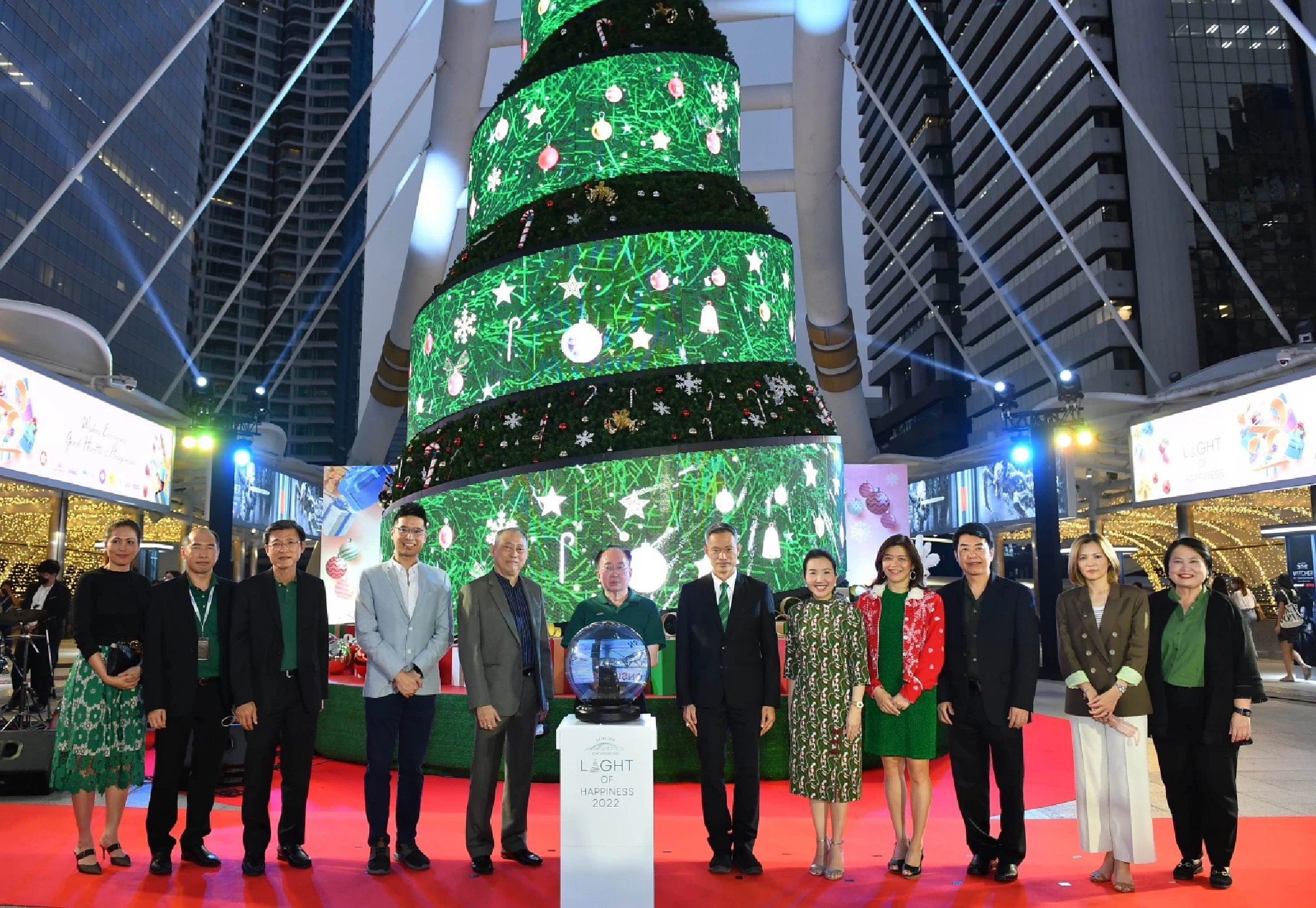
MACO and partners unveil the biggest LED RIBBON CHRISTMAS TREE in Thailand, along with a Light and Sound display on Chong Nonsi Skywalk, as a New Year’s gift for Bangkokians under the concept “LIGHT OF HAPPINESS”
Master Ad Public Company Limited or MACO joins forces with VGI Public Company Limited, the Traffic and Transportation Department of Bangkok, Asset World Corp Public Company Limited, along with partners and Hong Kong Economic and Trade Office : HKETO – to create a new light and sound landmark on the Chong Nonsi Skywalk under the concept “Light of Happiness” also unveiling Thailand’s biggest LED RIBBON CHRISTMAS TREE in celebration of the New Year’s festivities from today until February 2022.
Mr. Phoon Chiong Kit, CEO of MACO, said, “Our subsidiaries have been granted the rights from the Bangkok Metropolitan Administration (BMA) to oversee the multipurpose space on the Chong Nonsi Skywalk since 2020. We have renovated the roof to resemble flowing streams and shady leaves, offering cool and pleasant atmosphere for commuters passing through the Sathon area, under the concept ‘Canal Park Skywalk’.
This undertaking also coincides with BMA’s project to revive Chong Nonsi canals and surrounding areas to improve the waterways and increase green space. Moreover, given that in the past 2 years, people all over the world, including Thais, have suffered from the impact of COVID-19, and many holiday celebrations have had to be cancelled, we wish to bring happiness back to the city through this newly renovated space. Together with our partners, we hope the revamp Chong Nonsi Skywalk will become a new landmark that inspires and brings people together, and a space for activities by the public and private sectors and the general population for all future celebrations and festivities.”
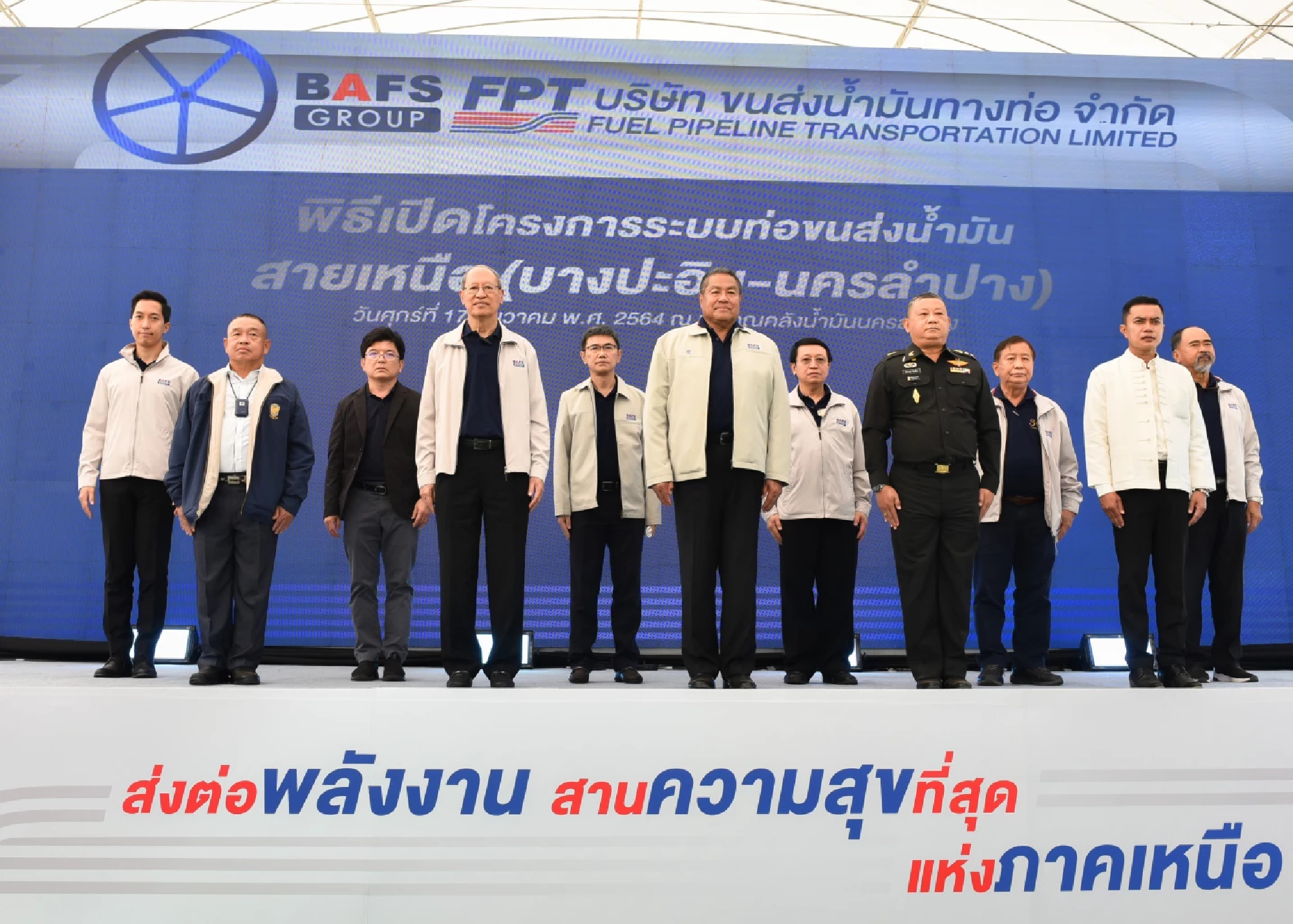
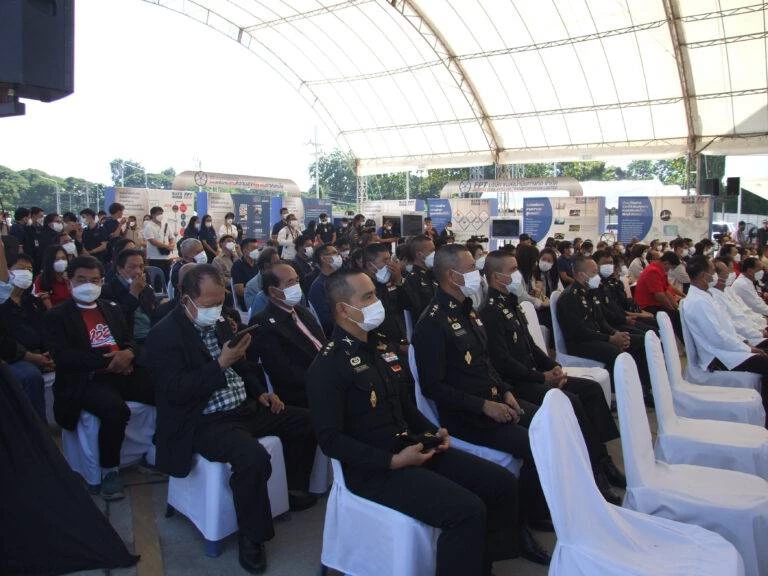
Mr. Palakorn Suwanrath, Chairman of Bangkok Aviation Fuel Services Public Company Limited (BAFS), presided over the opening ceremony for the Northern Fuel Pipeline Transportation System (Bang Pa-in – Lampang)
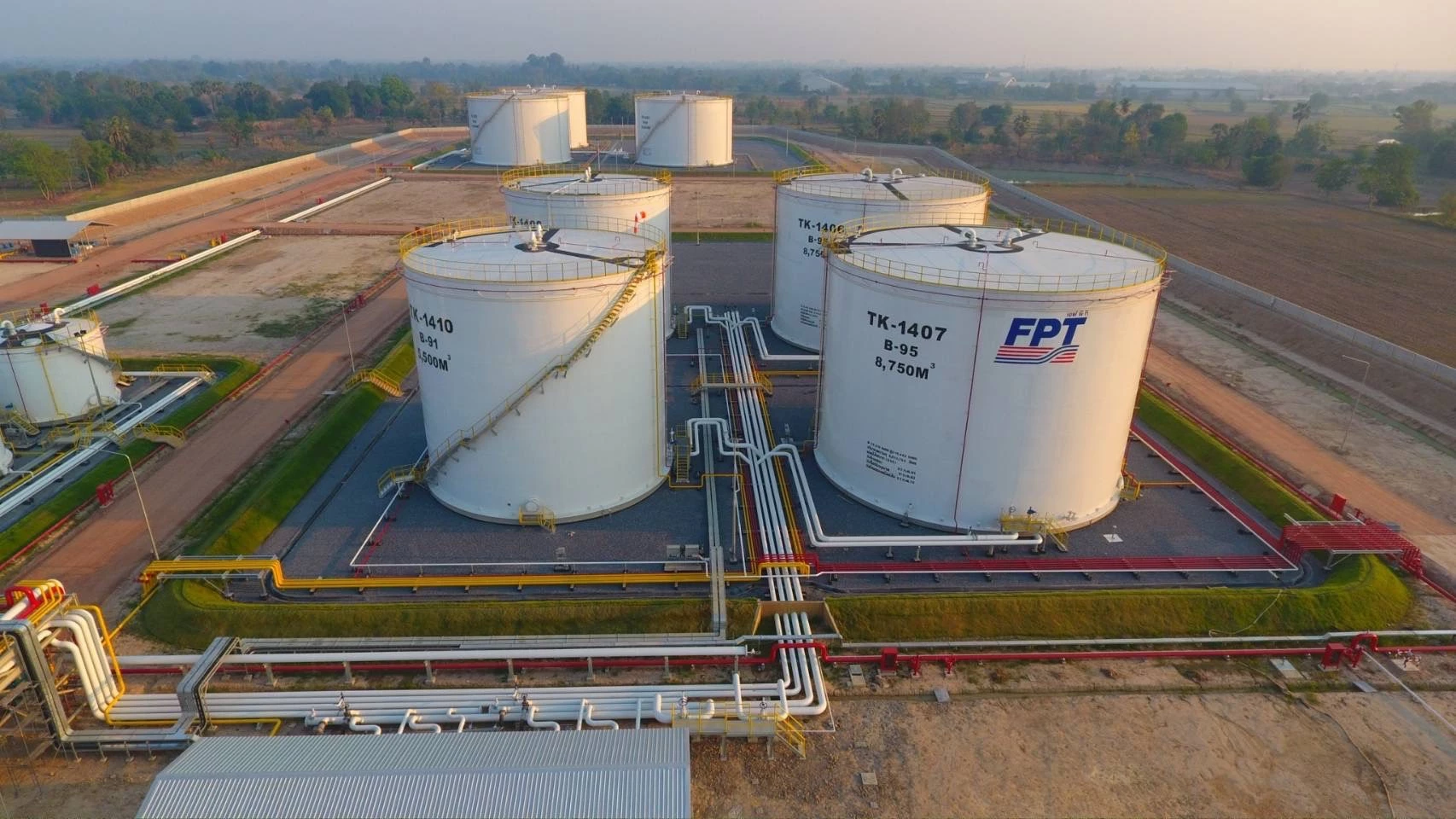
Mr. Palakorn Suwanrath, Chairman of Bangkok Aviation Fuel Services Public Company Limited (BAFS), presided over the opening ceremony for the Northern Fuel Pipeline Transportation System (Bang Pa-in – Lampang), which is the longest and most modern fuel pipeline in the country. M.R. Supadis Diskul, Executive Chairman, and M.L. Nattasit Diskul, President of Bangkok Aviation Fuel Services Public Company Limited (BAFS), along with Mr. Loyleuan Bunnag, the Executive Committee Chairman of the Northern Fuel Pipeline Transportation Project, and Mr. Charoen Charusalaipong, Managing Director of Fuel Pipeline Transportation Limited (FPT), participated in the ceremony at Nakorn Lampang Oil Depot, Lampang Province.
Mr. Palakorn Suwanrath, Chairman of Bangkok Aviation Fuel Services Public Company Limited (BAFS), stated that the Northern Fuel Pipeline Transportation Project is in a strategic plan by the Ministry of Energy, which it assigned the private companies to operate in order to enhance effectiveness of fuel transport and stabilize the country’s energy. “It will reduce accidents from tank truck fuel transport, diminish pollution, minimize greenhouse gas emissions, support the growth of the new airport opening in the northern region, develop the country’s fuel transport system, and support the ASEAN Economic Community (AEC). It is a great pleasure that the Northern Fuel Pipeline Transportation Project, which is a fuel supply infrastructure for the country, has been fully constructed and is ready for service. Despite many problems and obstacles, the company had to complete the project in line with a royal speech by King Rama 9, in which he said: “To do any business should be subject to public benefit of the country.
The inauguration of the entire project of Northern Fuel Pipeline Transportation System (Bang Pa-in – Lampang) starting from Phase 1, an extension from Fuel Pipeline Transportation Limited’s (FPT’s) existing fuel pipeline at the Bang Pa-in Depot, Phranakhon Si Ayutthaya province, to the Phichit Depot in Vajirabaramee District, Phichit Province (Bang Pa-in-Kamphaengphet-Phichit), a total distance of 367 kilometers. This depot will supply fuel to the lower northern region. Phase 2 of the project starts from the Kamphaengphet pumping and offtake station to the Lampang Depot, Sob Prab District, Lampang province (Kamphaengphet-Lampang), a total distance of 209 kilometers, to provide oil services to the upper northern region. With a total distance of 576 kilometers, it is the longest fuel pipeline transportation system in the country with a transport capacity of 9 billion liters/year.
M.R. Supadis Diskul, Executive Chairman of Bangkok Aviation Fuel Services Public Company Limited (BAFS), said that the Northern Fuel Pipeline Transportation Project was approved by the cabinet for the private sector to operate and is under the government’s strategic fuel plan. The Ministry of Energy has an agreement with Fuel Pipeline Transportation Limited, (FPT) who has provided fuel pipeline transportation services for more than 30 years to invest 10,900 million Baht (ten point nine billion Baht) and to manage this northern fuel pipeline transportation system and the oil depot project. The pipeline can deliver multi-products including aviation fuel, diesel, and benzene octane 91 and 95.
The Northern Fuel Pipeline Transportation Project is the longest and most modern fuel pipeline in Thailand. It is a great pride for BAFS Group as, despite the low return on the project, it provides extremely high social and environmental returns. With electricity-based oil delivery instead of tank truck oil transport, FPT has obtained a carbon credit for the reduction of greenhouse gas emissions of not fewer than 30,000 tons of carbon dioxide equivalent per year, which will decrease PM 2.5 and reduce the rate of accidents resulting from tank truck oil transport. It also minimizes the difference in oil prices as people in the northern region can now buy oil at a price similar to those who live in Bangkok. In addition, the Phichit Depot and Lampang Depot will be important strategic areas not only to distribute oil in the northern region but will also support economic growth in the northern region. The depots will also be an important center for distributing oil to neighboring countries, leading to more convenient and faster oil exports from Thailand to these countries.
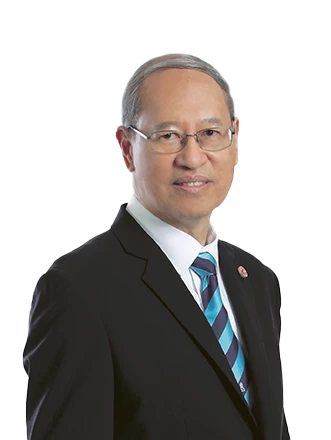
Mr. Loyleuan Bunnag, Executive Committee Chairman of the Northern Fuel Pipeline Transportation Project, proudly explained that the completion of this large project with a ten billion baht investment covering a total distance of 576 kilometers, due to everyone dedicating their effort and collaborating in their work to their full capacity. The project involved transparent and traceable work operations in which the spending of the total funded amount had to be worthwhile and relied on professional teamwork. As a result, the project’s term and approved budget could be controlled to stay within the company’s targets.
Network communications encrypted using next-gen cryptography will be unbreakable, future-proof, and will allow for early intervention and mitigation
The global pandemic is causing an irreversible rise in double-threat ransomware, data theft and sophisticated supply-chain attacks. Fortunately, cybercriminals have been hampered by enterprise-level data encryption, which they have not been able to bypass easily.
However, with the advent of quantum computing, even this data protection method is under threat. With massive computing power within reach, cybercriminals can find ways to crack encryption algorithms.
University research collaborations in Indonesia and Thailand have already demonstrated the practical applications of quantum computers in cryptography, and cybercriminals are also watching the developments closely.
This is why Toshiba’s work in quantum-cybersecurity research is set to level the playing field against malicious actors. In late August this year, the firm announced a collaboration with a Singapore-based quantum technology firm SpeQtral, to offer quantum secure communications solutions powered by Toshiba’s Quantum Key Distribution (QKD) technology.
What is Quantum Key Distribution?
Quantum Key Distribution (QKD) is used to distribute the secret digital keys important for protecting highly sensitive data critical to many industries. Only when the right digital keys are in hand can recipients access the unlocked data. The problem is that digital keys can be stolen or misappropriated. Cyber hackers can then unlock stolen data with the compromised keys.
The essence of QKD security relies on encoding each bit of the key upon a single photon (particle of light) transmitted, for example through an ordinary optical fiber. As any attempt to read the photons alters their encoding, and this allows the secrecy of each key to be tested and guaranteed. Unlike other existing security solutions, QKD is secure from all future advances in mathematics and computing, including the data processing power of a quantum computer.
With QKD technology, not only is the encrypted data secure from unlocking, but any hacking attempts on the digital keys can be detected at an early stage, ensuring that the data and messages are accessible only by the intended recipient.
In Southeast Asia, the National University of Singapore is working to make QKD technology available to the wider industry to incubate a new class of “quantum-resilient encryptors” in financial services, government and healthcare sectors that work with highly sensitive data.
Thailand also has a strong quantum cryptographic research sector. Chiang Mai University has collaborated with the Thailand Centre of Excellence in Physics on single-atom trapping systems; other universities exploring quantum technology include the Suranaree University of Technology; National Institute of Metrology, and even a social enterprise, Quantum Technology Foundation of Thailand. The country regularly works with world research laboratories in America, China, Japan, and Russia to exchange research ideas.
From the secure transmission of sensitive genomic data, to data transfers between critical industrial infrastructure, uses cases of QKD in today’s cybersecurity landscape are innumerable.
According to Mr Hiroshi Fukuchi, Corporate Representative – Asia Pacific, Toshiba Corporation and Managing Director, Toshiba Asia Pacific Pte Ltd: “Southeast Asia is a vast potential market and development base for QKD. Toshiba has established industry partnerships in our early deployments of quantum technology in Japan, the US, and the UK. We are excited to be part of the QKD industry’s global expansion and commercialization in Singapore and Southeast Asia.”
Tackling cybercrime with QKD
Back in 2003, Toshiba was already a pioneer in researching quantum cryptography at the Cambridge Research Laboratory of Toshiba Research Europe Limited. By 2004, the conglomerate had become the first to announce quantum key distribution over 100 kilometers of fiber, and the first to achieve a continuous key rate exceeding 1Mbps in 2010, followed by 10Mbps in 2017.
Now, with the global acceleration of digital transformation, the volume of digital data in use and at rest will skyrocket exponentially. Along with this trend we are already witnessing a massive escalation of cybercriminal threats to steal and monetize valuable data.
This is where Toshiba’s QKD technology will be more pertinent than ever. The collaboration with SpeQtral will help potential users in Southeast Asia understand the need for and consider the implementation of QKD solutions to secure their communications, with free knowledge-sharing webinars and workshops as a starting point.
As a global hub for financial applications, Singapore in particular serves as a focal point for telecommunications, data centers, and cloud connectivity infrastructure. These industries process extremely important and high-value data, and it is crucial to continually review the security of these communications and upgrade current systems to address future threats.
Additionally, as each organization has unique data connectivity configuration and security requirements, the SpeQtral-Toshiba collaboration will help provide QKD solutions to ensure needs are addressed.
Leading the world in QKD development
Toshiba’s decades of quantum research have led to the development of two practical QKD devices for installation in multiplexed (up to 70km) and long-distance (up to 120km) usage scenarios.
Being designed for flexible and cost-effective deployment the two commercially-available products will enable quantum researchers in Southeast Asia and the world to further their research and trial cost effectively and reliably.
Meanwhile, as digital economies emerge from the acceleration of technological adoption, integration of emerging telecommunications infrastructures and deployment of 5G networks, quantum key distribution is an important building block to realize safe data communications.
That is why Toshiba continues to invest in deep research into QKD and related fields of quantum science in order to benefit governments, academia and industry in preemptively blocking off cyber threats.
On a more positive note, the Quantum Internet of the Future is set to bring a new era of beneficial technological progress to the world. This is what Toshiba Corporation—with its stated mission of boosting innovation and trust to contribute to the world at every level—is fully vest in.
The selection ahead of 269 participating companies from over 25 industries in Thailand reaffirms the company’s good human resources practices.
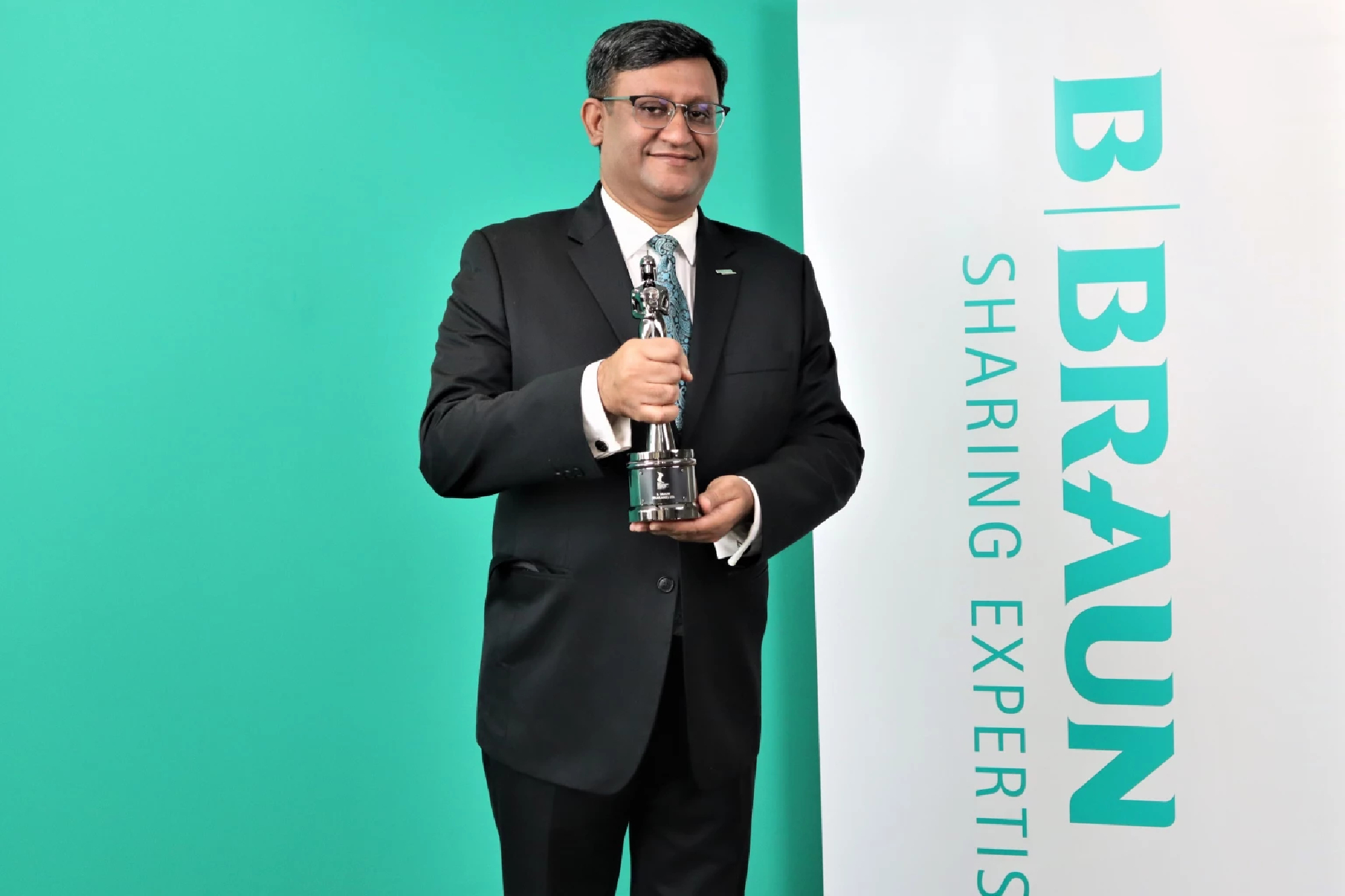
B.Braun (Thailand) Ltd was presented with the ‘Best Company to Work for in Asia 2021‘ in recognition of its accomplishments in People Management for the second year in a row. The award, organized by Business Media International (BMI) and HR Asia, is held annually in Cambodia, China, Hong Kong, India, Indonesia, Malaysia, the UAE, Philippines, Singapore, South Korea, Taiwan, Thailand, and Vietnam. It recognizes companies with best-in-class HR practices, high levels of employee engagement and an excellent workplace culture.
B. Braun Thailand has consistently set out to implement strategies and practices that would differentiate it from amongst its industry peers. The company continuously nurtures a culture of collaboration built on Trust and Accountability, complimented by career development and continuous learning opportunities, while providing a highly conducive workspace that is based on Diversity and Inclusivity. B. Braun Thailand also went above and beyond to ensure that all its employees remained safe and healthy – both physically and emotionally – during the pandemic.
These practices enabled the company to score above the industry average across all three assessment areas in the Total Engagement Assessment ModelTM (TEAM) survey, which is part of the HR Asia’s Best Companies to Work for in Asia® criteria. The TEAM survey evaluates employee engagement on
• CORE (Collective Organization for Real Engagement)
• SELF (Heart, Mind & Soul)
• GROUP (Think, Feel & Do)
Some 269 companies from over 25 industries in Thailand were nominated for the award and B. Braun Thailand was selected to be one of the 50 winners for 2021.
Mr. Sayan Roy, Managing Director of B. Braun (Thailand) Ltd. said:
“It is an honour for B. Braun Thailand to be recognized as one of the “Best Companies to Work for in Asia” again. This award is an affirmation that we are on the right path with our good HR practices in achieving our vision to protect and improve the health of people around the world. At B. Braun, we strongly believe in our employees’ capabilities and we will ensure the continuous development of a competent, diverse, and inclusive workforce. This award will encourage our leadership team to continue our commitment for developing and supporting our employees to have a fulfilling employee experience. A special thanks as well to all our employees, as we are humbled by their faith in the organization.”
About the awards
The HR Asia Best Companies to Work for in Asia Awards is an awards recognition program for organizations that have been identified by their employees as one of Asia’s employers of choice and ascertains the best employers to work for. The award is targeted at companies across Asia and recognizes companies with the best HR practices and which demonstrate high levels of employee engagement and excellent workplace cultures. The high-profile nature of this award attracts applications from Fortune 500 companies, as well as other companies of various types, including multinational corporations and government-linked companies.
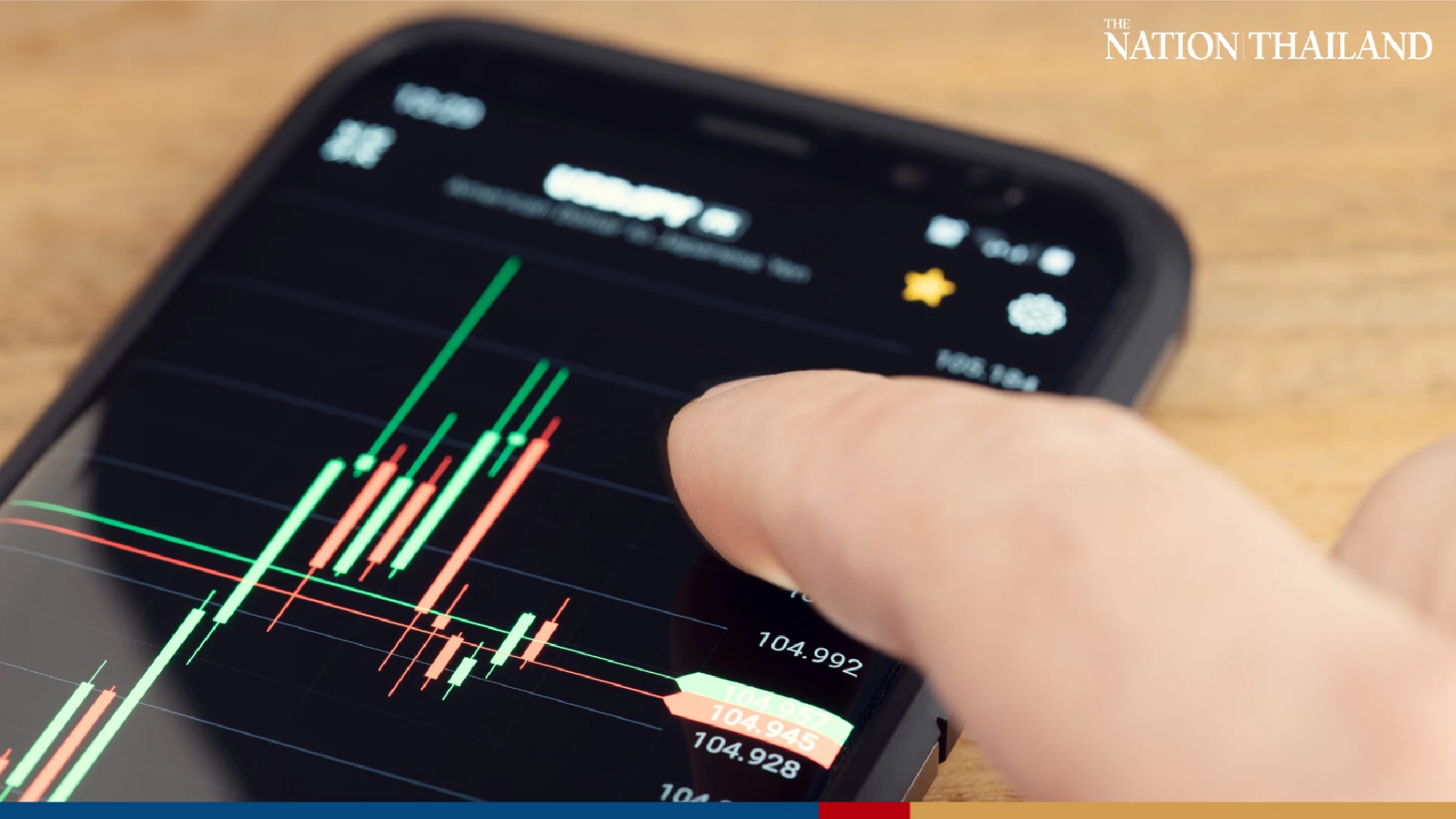
The Stock Exchange of Thailand (SET) Index closed at 1,637.22 on Friday, down 4.25 points or 0.26 per cent. Transactions totalled 57.27 billion baht with an index high of 1,644.12 and a low of 1,635.19.
The index fell after rising by 0.90 per cent on Thursday, 0.28 per cent on Wednesday and 0.40 per cent on Tuesday.
The 10 stocks with the highest trade value today were GPSC, MAKRO, EA, TRUE, NV, CPALL, GULF, U, SCB and RCL.
Other Asian indices were mixed:
Japan’s Nikkei Index closed at 28,782.59, down 15.78 points or 0.055 per cent.
China’s Shanghai SE Composite closed at 3,618.05, down 25.29 points or 0.69 per cent, while the Shenzhen SE Component closed at 14,710.33, down 153.60 points or 1.03 per cent.
Hong Kong’s Hang Seng Index closed at 23,223.76, up 30.12 points or 0.13 per cent.
South Korea’s KOSPI Index closed at 3,012.43, up 14.26 points or 0.48 per cent.
Taiwan’s TAIEX Index closed at 17,961.64, up 14.98 points or 0.083 per cent.
The baht opened at 33.52 to the US dollar on Friday, strengthening from Thursday’s closing rate of 33.54.
The Thai currency is likely to move between 33.45 and 33.60 to the greenback during the day, Krungthai Bank market strategist Poon Panichpibool predicted.
Poon said that the baht might strengthen slightly and swing sideways in the range between 33.40 to 33.50 to the dollar.
He said the baht continued to strengthen this week after the market was in a risk-on state which caused the dollar to weaken.
Moreover, foreign investors invested in Thai assets also helped the baht to strengthen.
He said that the baht might strengthen more if the gold price reaches near the key resistance level and investors sell the gold.
Poon added that the baht should strengthen in the short term according to the technical sign.
The baht key resistance level is at 33.80 to the dollar, which is the level that exporters are waiting to close the risk. Meanwhile, the baht support level is at 33.40 to the dollar.
Poon added that the number of transactions at the end of the year is reducing so the currency market is likely to fluctuate.
The price of gold in Thailand on Friday morning was unchanged from Thursday’s close.
AGold Traders Association report at 9.29am said the buying price of a gold bar was THB28,600 per baht weight and selling price THB28,700, while the buying and selling price of gold ornaments is THB28,091.48 and THB29,200, respectively.
The spot gold price on Friday morning hovered around US$1,809 (THB60,652) per ounce after Comex gold at close on Thursday rose by $9.5 to $1,8011.7 per ounce due to support from buying the precious metal as a safe-haven asset amid concerns over the Omicron Covid-19 outbreak and the US inflation.
KingBridge Tower, the new iconic commercial office building on Rama III Road, focuses on quality of life and blend state-of-the-art smart technology and innovation with green space.
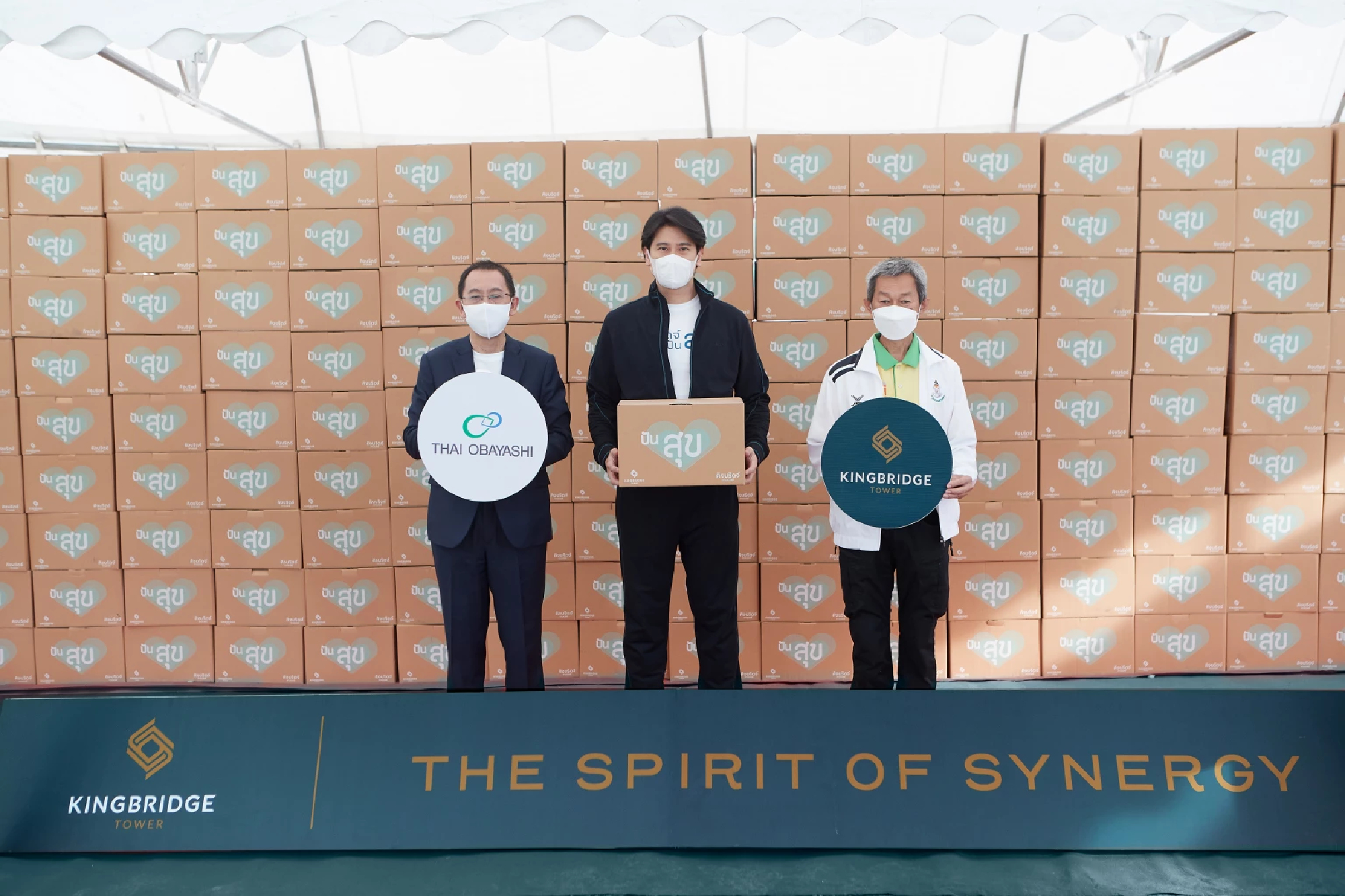
Saha Capital Tower Co., Ltd., a company within Saha Group and the developer of ‘KingBridge Tower Rama III’, a commercial office building, has joined forces with Dr. Thiam Chokwatana Foundation of Saha Group, and its partner Thai Obayashi Corporation Limited to launch the project ‘KingBridge Happiness Sharing’ to deliver ‘Happiness Sharing Boxes’ to community members in order to create happiness and support the communities and society, which is expected to last continuously for 3 years.
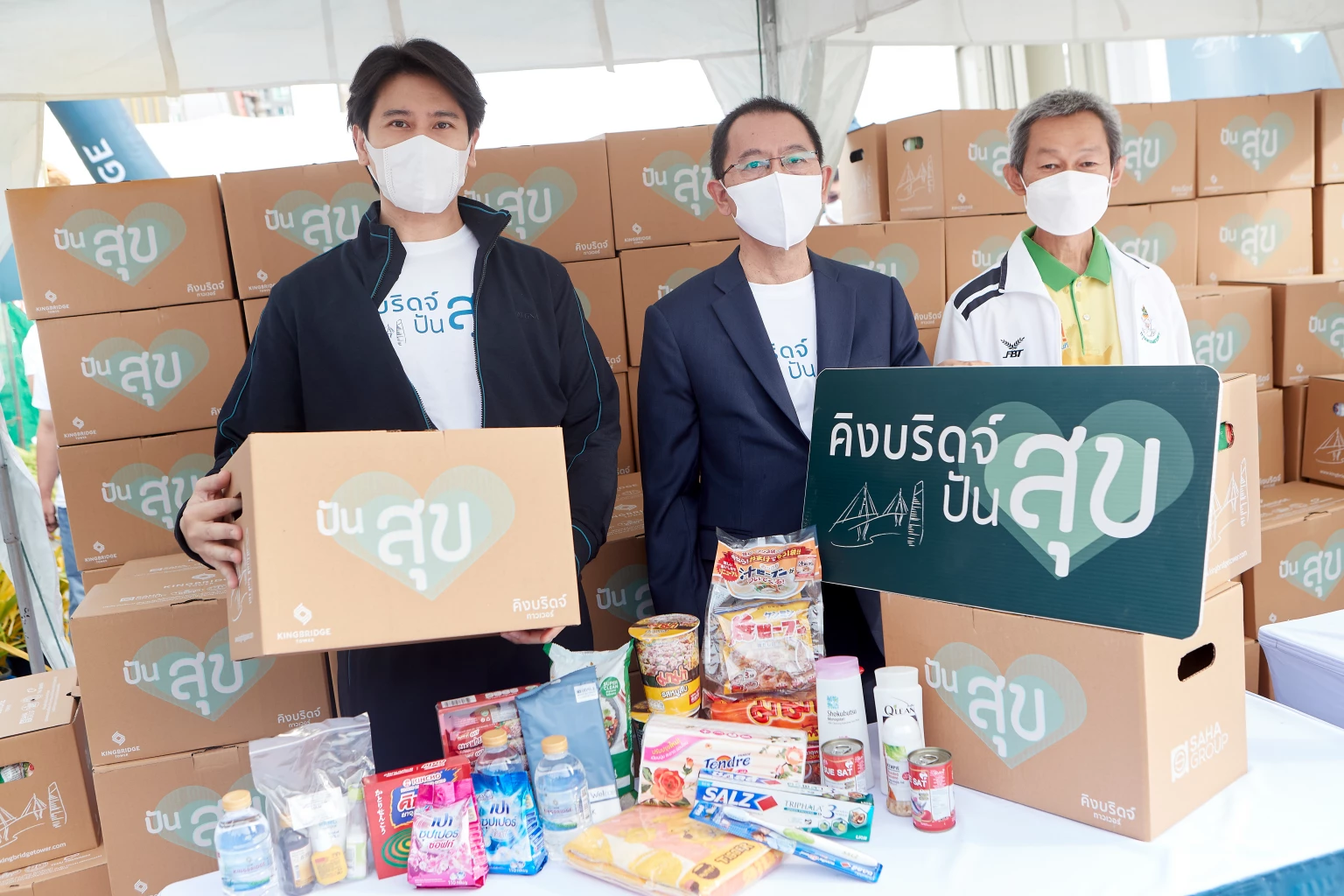
Recently, the first 1,000 Happiness Sharing Boxes, worth 1 million baht, intended to deliver special New Year gifts and share happiness and smiles with members of the taxi cooperative and Rama III community and surrounding areas at in front of KingBridge Tower Rama III, a project by Saha Capital Tower Co., Ltd.
Saha Capital Tower, as part of Saha Group, is committed to being responsible to the society, people and environment. KingBridge Tower is designed under the concept of ‘The Spirit of Synergy’ based on the belief that the synergy of efforts on caring and supporting for each other can create a great energy and lead to betterment while at the same time nourishing the growth of the business, organization and society in a sustainable manner.
The event was presided over by Mr. Vichai Kulsomphob, President and CEO of Saha Pathana Inter-Holding Plc. and Managing Director of Saha Capital Tower Co., Ltd., and Mr. Pornchai Sittiyakorn, President of Thai Obayashi Corp., Ltd., together with Mr. Suniti Bunyamahasan, Director of Yannawa District Office.
Mr. Vichai Kulsomphob, President and CEO of Saha Pathana Inter-Holding Plc. and Managing Director of Saha Capital Tower Co., Ltd., said, “We have always been determined to focus on sharing with and helping members of the society, especially communities near our projects. We believe that a good society must be built from its smallest units, which are people in the community. The sharing and caring within a community will lead to happiness, which is a key force in creating a good society. The KingBridge Happiness Sharing project was created for this purpose. We hope that the giving of Happiness Sharing Boxes of food and necessary items to community members, aiming to hand the boxes on buddhist holy days, will help inspire them and lift their spirits to live a happier life.”
Mr. Pornchai Sittiyakorn, President of Thai Obayashi Corp., Ltd., said, “The collaboration on this project to create a positive energy for the society reflect on the views of both companies on sharing. We believe that business organizations like ours have the responsibility to the society and that KingBridge Happiness Sharing project will be a starting point of a path to a strong and happy society filled with joy and smiles. On the occasion of the festive celebration at the year’s end and New Year, we see our Happiness Sharing Boxes as special gifts we have crafted with warmth for the community.”
KingBridge Happiness Sharing project will continue to deliver more Happiness Sharing Boxes to communities near KingBridge Tower Rama III and will expand to cover farther communities as well as other groups of people in need.
The Happiness Sharing Boxes contain food and necessary items, including MAMA instant noodles, packaged foods, towels, common medicines, personal care products (toothbrush, Salz toothpaste, Shokubutsu Monogatari shower cream, and shampoo), Pao detergent, Towel, basic medicine, tissue papers, rice, drinking water, alcohol gel, medical masks and other items. The boxes will be given out at various spots in local communities.
When it comes to food awards, surely many diners must be familiar with the Michelin Star award, which is organized by ‘Michelin’ every year with its detailed assessment criteria and selection standards.
When it comes to food awards, surely many diners must be familiar with the Michelin Star award, which is organized by ‘Michelin’ every year with its detailed assessment criteria and selection standards. The star award is given to very high-quality restaurants that provides exceptional cuisine, with mastery of flavour and cooking techniques, at a reasonable price. Acquiring Michelin stars is unquestionably one of the ambitions of most restaurants in order to guarantee the quality of their food, raise restaurant’s profile, and attract foodies from around the world.
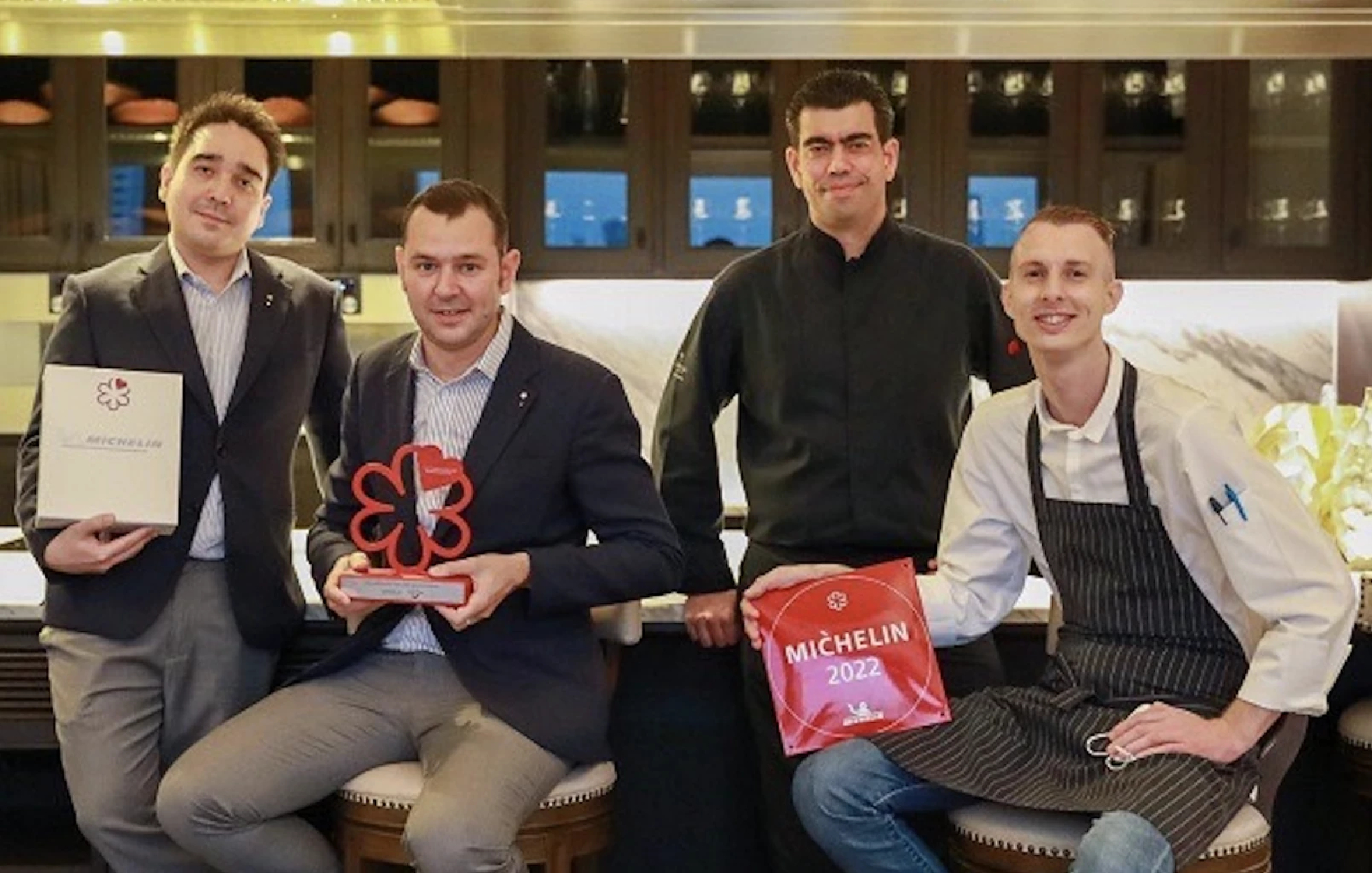
On December 16th, 2021, Michelin announced the Michelin Guide Thailand 2022 award. The two restaurants owned by Bound and Beyond Public Company Limited or ‘BEYOND’ were both awarded ‘1 Michelin star’, including Côte by Mauro Colagreco at Capella Hotel Bangkok and Yu Ting Yuan Restaurant at the Four Seasons Bangkok at Chao Phraya River, impressively taking the accolade in their first year of opening. Not only the restaurants that have earned the accolade, but the restaurant manager of Côte by Mauro Colagreco, Mr. Thibaud Charlemarty, also wins a special award of 2022, ‘Michelin Guide Service Award’, which is given to the person who has dedicated themselves to providing customers with the best dining experience.
Bound and Beyond Public Company Limited or ‘BEYOND’ invests in, develops, and operates hospitality businesses, with a particular emphasis on unique hotel concepts. The current investment portfolio consists of two well-known hotels; Four Seasons Bangkok at Chao Phraya River and Capella Hotel Bangkok. Both are ultra-luxury hotels that tourists from all around the world wish to experience the impressive service, whether in the rooms, banquet facilities, restaurants, or bars.
Côte by Mauro Colagreco is a sophisticated French-Italian restaurant that offers a welcoming Riviera-inspired dining experience. Mauro Colagreco, the 3 Michelin-starred chef, creates dishes of refined simplicity, colorful and generous gourmand cuisine. While Chef Davide Garavaglia proficiently leads the restaurant in Thailand.
Yu Ting Yuan is the first and only Cantonese restaurant in Thailand to receive a Michelin star, offering authentic Cantonese cuisine. The chef only selects fresh and high-quality ingredients for delicious food with a neat and beautiful presentation. There are five expert Cantonese chefs, led by Chef Qiu Xiaogui, a veteran of Michelin-starred Chinese restaurants in Guangzhou, and their assistant chefs, to create a premium Cantonese food menu in Thailand.
Mrs. Kamonwan Wipulakorn, Managing Director of BEYOND, says that “Having our restaurants and staff receive all three awards is another milestone and great encouragement for the chefs and staff at both restaurants. It is really meaningful to everyone who cares about creating great menus and delivering the greatest dining experiences. Of course, this award strengthens the company’s hotel and restaurant portfolio. We are ready to welcome customers in 2022 with a commitment to improve every service to be uniquely perfect”
SAN FRANCISCO – Tesla will no longer allow drivers and front-seat passengers to play video games while its cars are in motion, the company told federal regulators after a probe was opened this week.
“Tesla informed the agency that it is changing the functionality of this feature,” NHTSA spokeswoman Lucia Sanchez said. “In a new software update, “Passenger Play” will now be locked and unusable when the vehicle is in motion.”
Sanchez said Tesla’s move followed the Dec. 21 opening of a preliminary evaluation into the feature, which allowed drivers and passengers to play solitaire and more advanced games while the car was moving – after agreeing the software was for passenger use.
“The Vehicle Safety Act prohibits manufacturers from selling vehicles with defects posing unreasonable risks to safety, including technologies that distract drivers from driving safely,” Sanchez said.
She said the evaluation continues while federal regulators gather additional information from Tesla.
Tesla did not immediately respond to a request for comment. The company in the past has touted potential safety benefits of its advanced driver-assistance system, Autopilot, comparing its performance to driving overall.
But federal regulators worry that in-car distractions paired with systems that introduce automation will encourage drivers to take their eyes off the road. And Autopilot’s performance is not directly comparable to regular driving because the system consists of primarily highway-only features.
A second system, called Full Self-Driving, is a software beta available to a more limited group of thousands of testers – and is intended to be used on city and residential streets.
NHTSA opened a probe this summer into Autopilot over crashes involving a dozen parked emergency vehicles while the system was activated. The agency also asked Tesla and other car-makers, along with manufacturers of self-driving vehicles, to report on many crashes involving autonomous and advanced-driver assistance systems within a day of learning of the incidents.
Sanchez said this week that NHTSA had opened its 580,000-vehicle probe into in-car gaming because of concerns about driver distraction.
“NHTSA based its decision on reports that Tesla’s gameplay functionality is visible from the driver’s seat and can be enabled while driving the vehicle,” she said, noting that “no commercially available motor vehicles today can drive themselves.”
 Mr. Loyleuan Bunnag, Executive Committee Chairman of the Northern Fuel Pipeline Transportation Project, proudly explained that the completion of this large project with a ten billion baht investment covering a total distance of 576 kilometers, due to everyone dedicating their effort and collaborating in their work to their full capacity. The project involved transparent and traceable work operations in which the spending of the total funded amount had to be worthwhile and relied on professional teamwork. As a result, the project’s term and approved budget could be controlled to stay within the company’s targets.




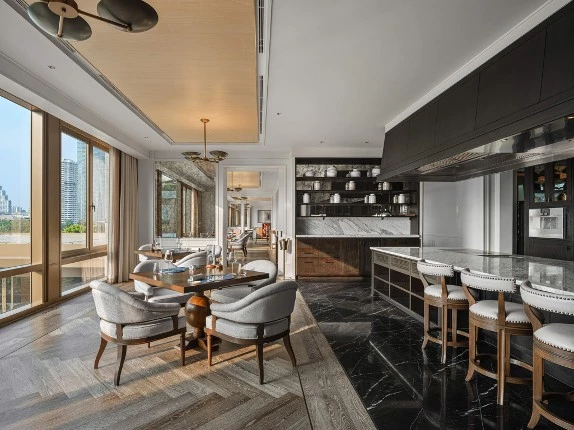 Yu Ting Yuan is the first and only Cantonese restaurant in Thailand to receive a Michelin star, offering authentic Cantonese cuisine. The chef only selects fresh and high-quality ingredients for delicious food with a neat and beautiful presentation. There are five expert Cantonese chefs, led by Chef Qiu Xiaogui, a veteran of Michelin-starred Chinese restaurants in Guangzhou, and their assistant chefs, to create a premium Cantonese food menu in Thailand.
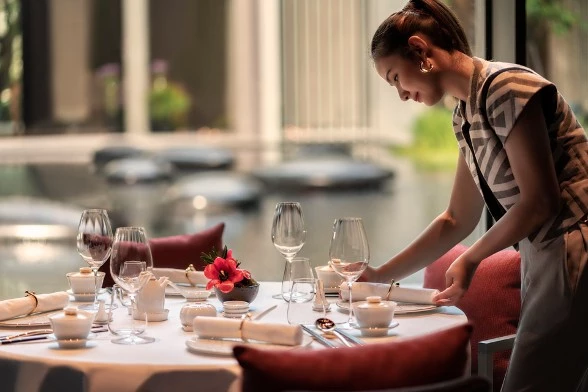 Mrs. Kamonwan Wipulakorn, Managing Director of BEYOND, says that “Having our restaurants and staff receive all three awards is another milestone and great encouragement for the chefs and staff at both restaurants. It is really meaningful to everyone who cares about creating great menus and delivering the greatest dining experiences. Of course, this award strengthens the company’s hotel and restaurant portfolio. We are ready to welcome customers in 2022 with a commitment to improve every service to be uniquely perfect”

