Krungsri Securities expected the Stock Exchange of Thailand (SET) Index on Friday (December 24) to rise to the resistance level between 1,650-1,660 points.
It said the index gained positive sentiment from positive news stating that AstraZeneca and Novavax Covid-19 vaccines, including Paxlovid and Molnupiravir antiviral pills, were effective against Omicron variant which helps alleviate concerns among investors.
However, it advised investors to beware of mass sell-offs of shares in response to technical signs as it would pressure the index.
It also recommended buying of the following companies’ shares as an investment strategy: ▪︎ HMPRO, CPN, CRC, AMATA, WHA, VGI, SYNEX, COM and JMART, which are domestic play stocks. ▪︎ RCL, LEO, III, WICE, SONIC and JWD, which benefit from rising freight rate. ▪︎ EA, GPSC, AMATA, WHA, AH and SAT, which benefit from the government’s support on electric vehicles.
Regulators rejected a pair of proposals to offer physically-backed bitcoin exchange-traded funds, handing crypto enthusiasts a proverbial bag of coal ahead of the Christmas holiday.
The U.S. Securities and Exchange Commission said on Wednesday that the proposals from Valkyrie Investments and Kryptoin failed to meet requirements to prevent fraudulent and manipulative practices that are needed to protect investors. It allowed futures-backed bitcoin ETFs to be offered in October. The earlier-than-expected decision from the SEC could suggest a 2022 approval for a pure bitcoin fund may not be in the cards either.
The deadline for a decision on the two fund proposals was Jan. 7, according to Eric Balchunas, a Bloomberg Intelligence analyst, who likens the early edict as a “Scrooge-jection.”
The decision comes about a month after after the agency rejected a VanEck application for a spot Bitcoin ETF.
“The fact that the SEC is disapproving faster than they needed to — we were optimistic about futures, but we’re not confident in a 2022 approval,” Balchunas said.
Launching the first spot-bitcoin ETF remains the holy grail for investment fund providers, who see such products as an entry way into crypto for millions of individual investors. The first Bitcoin futures ETF, ProShares Bitcoin Strategy attracted about $1 billion in investor inflows shortly after its launch.
The SEC’s decisions on First Trust/Skybridge’s proposed spot-Bitcoin ETF is expected on Jan. 22, to be followed by a decision on Fidelity’s on Jan. 27. The likelihood of those getting approved seems small, according to Bloomberg Intelligence analyst James Seyffart, who joked in a meme depicting the SEC as the Grim Reaper, knocking at First Trust and Skybridge’s door.
The number of crypto-tracking investment vehicles worldwide more than doubled to 80 from just 35 at the end of 2020, according to Bloomberg Intelligence data. Assets soared to $63 billion, compared to $24 billion at the start of the year.
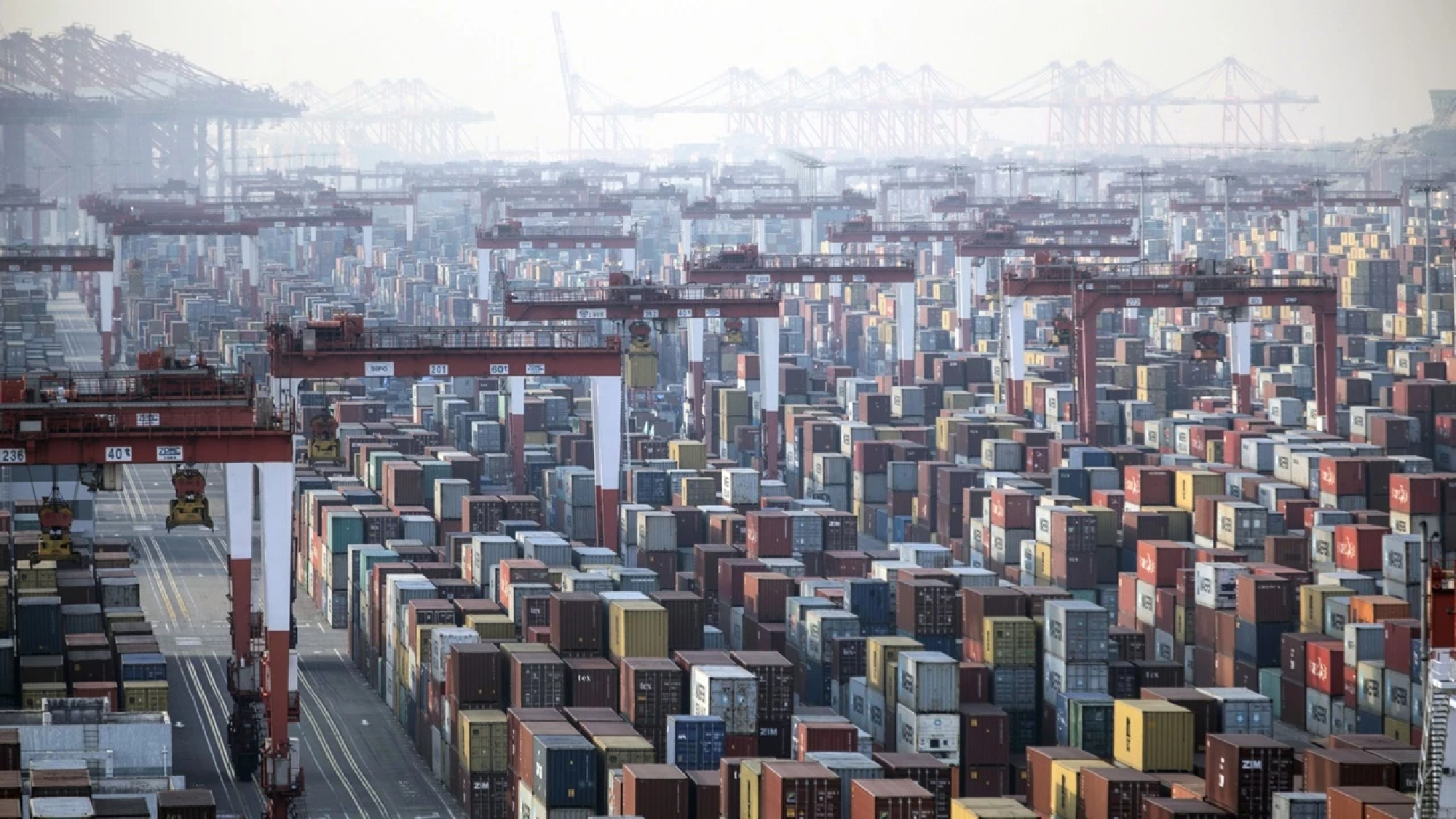
When the trade deal between China and the U.S. was signed in January 2020, there was some hope it would lead to a reduction in bilateral tensions and restore some balance to trade, but those goals are proving elusive as 2021 comes to a close.
In the 23 months since then-President Donald Trump signed the phase-one agreement, Chinese imports from the U.S. have indeed hit a new record. However, as of the end of last month Beijing was well behind on promises made — buying little more than 59% of the extra $200 billion in manufactured, agricultural and energy goods it said it would by the end of 2021.
The increase in imports was overwhelmed by the pandemic-induced surge in exports going the other way, undermining the attempt to secure more balanced trade between the world’s two biggest economies. That puts China on track for a record trade surplus with the U.S. this year — selling $358 billion more in goods than it bought in the first 11 months of this year.
“Since the agreement came into effect, China has striven to overcome multiple negative effects brought about by epidemic shocks, the global economic recession and the blockage of the supply chain, and pushed for the two sides to jointly implement the deal,” Chinese Commerce Ministry spokesman Gao Feng said at a regular press briefing in Beijing on Thursday.
“We hope the U.S. can create a good atmosphere and conditions for the two sides to expand trade cooperation,” he added, saying their communication lines were currently normal.
Critics of Trump’s deal said its terms, especially the purchase promises, were unrealistic from the start. Disruptions to global commerce from the Covid-19 pandemic have exacerbated the situation. In addition, punitive tariffs imposed by both sides are still in place, making hundreds of billions of dollars’ worth of goods more expensive.
Former U.S. Ambassador to China Gary Locke this week said that “unless there’s a signal, a clear change of behavior — commitments by the People’s Republic of China on these tough economics and trade policies — I think it would be very hard for the Biden administration to reduce or eliminate those tariffs.”
Both sides have said that they are continuing to discuss the trade deal, with U.S. Trade Representative Katherine Tai in October saying that the administration would talk directly to China to enforce what was agreed. However, there was no mention of trade after the nations’ leaders spoke last month. And with no new agreement, it is unclear what will happen in the new year with Chinese purchases of products like soybeans, airplanes or natural gas.
China’s firms imported $13.6 billion worth of manufactured, agricultural and energy goods from the U.S. in November, according to Bloomberg calculations based on data from China’s General Administration of Customs.
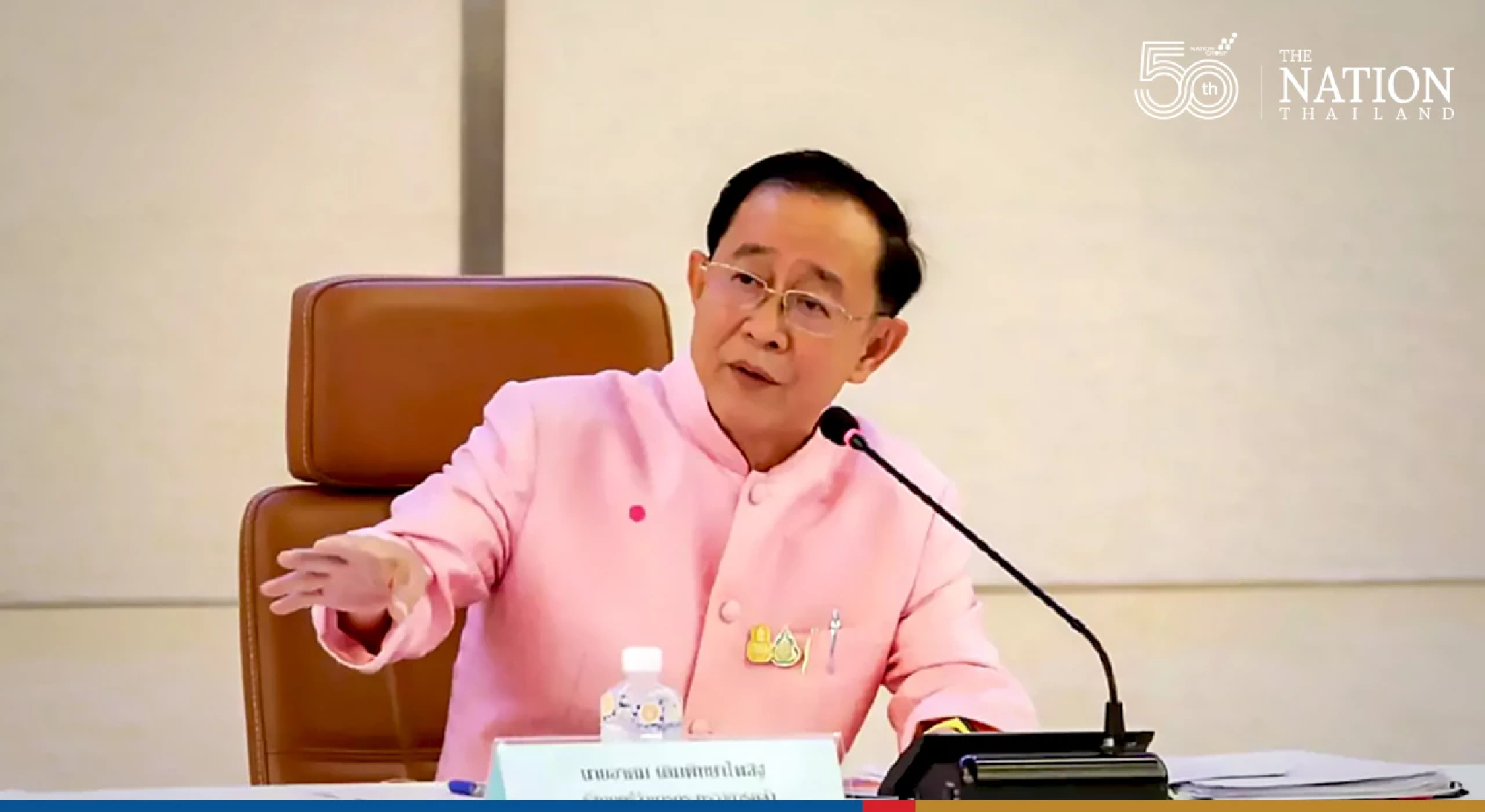
The Finance Ministry is assessing the impact of Omicron on the overall economy and cannot say right now how much it will affect business because the ministry has to wait for an assessment from the Public Health Ministry, Finance Minister Arkhom Termpittayapaisith said on Thursday.
“You have heard that the Bank of Thailand has announced a reduction in its 2022 GDP target from 3.9 per cent to 3.4 per cent because they feel the impact of Omicron could be at a severe level [if it is widespread].
“For us, the Finance Ministry, we must also assess how severe the impact would be. Will it be worse than the Delta outbreak?” Arkhom said.
As for progress in approving measures to promote the use of electric vehicles, a Cabinet meeting next week is not scheduled to consider the matter. Regarding the money that would be used to support the cost of purchasing EVs, the Office of the National Economic and Social Development Council will consider the sum that should be prepared,” he added.
The Stock Exchange of Thailand (SET) Index closed at 1,641.47 on Thursday, up 14.68 points or 0.90 per cent. Transactions totalled 67.59 billion baht with an index high of 1,645.71 and a low of 1,632.90.
The index gained for the third consecutive day after rising by 0.28 per cent on Wednesday and 0.40 per cent on Tuesday.
The 10 stocks with the highest trade value today were ADVANC, WFX, SCB, EA, TRUE, PTT, GULF, KBANK, GPSC and SCGP.
Other Asian indices were on the rise:
Japan’s Nikkei Index closed at 28,798.37, up 236.16 points or 0.83 per cent.
China’s Shanghai SE Composite closed at 3,643.34, up 20.72 points or 0.57 per cent, while the Shenzhen SE Component closed at 14,863.93, up 72.60 points or 0.49 per cent.
Hong Kong’s Hang Seng Index closed at 23,193.64, up 91.31 points or 0.40 per cent.
South Korea’s KOSPI Index closed at 2,998.17, up 13.69 points or 0.46 per cent.
Taiwan’s TAIEX Index closed at 17,946.66, up 119.83 points or 0.67 per cent.
The price of gold rose by THB100 in morning trade on Thursday.
A9.27am report from the Gold Traders Association showed the buying price of gold bar at THB28,600 per baht weight and selling price at THB28,700, while the buying and selling price of gold ornaments is THB28,091.48 and THB29,200, respectively.
At close on Wednesday, the buying price of gold bar was THB28,500 per baht weight and selling price THB28,600, while gold ornaments were THB27,985.36 and THB29,100, respectively.
The spot gold price on Thursday morning was hovering around US$1,806 (THB60,736) per ounce after Comex gold at close on Wednesday surged by $13.5, reached the $1,800 level to $1,802.2 per ounce due to support from the depreciation of the US dollar, including buying gold as a safe-haven asset amid concerns over the Omicron Covid-19 outbreaks.
The price of gold in Hong Kong, meanwhile, rose sharply by HK$170 to $16,790 (THB72,344) per tael, the Chinese Gold and Silver Exchange Society reported.
PTG affirmed the “well-being” of its shareholders and customers as it was listed on the Stock Exchange of Thailand High Dividend 30 Index (SETHD).
PTG affirmed the “well-being” of its shareholders and customers as it was listed on the Stock Exchange of Thailand High Dividend 30 Index (SETHD).
“PTG’s dividends have consistently exceeded the policy with a 70-per-cent net-profit share in the first half of 2021, which was 30 per cent more than the company had earlier announced,” the company said in a statement.
PTG Energy Public Company Limited president and CEO Pitak Ratchakitprakan said the company was ranked in the top 3 of SETHD in the first six months of the year. He said the SET listing emphasised the company’s policy to take care of the well-being of all sectors since it was listed on the stock market in 2013.
Though the pandemic has impacted the economy, the company continues to grow sustainably and pay dividends to its shareholders, the firm said.
In the first half of 2021, dividend was paid at THB0.50 per share, or at the rate of 70-80 per cent of net profit – 30 per cent more than the company had announced earlier, the statement added.
“PTG’s business strategy in 2022 will emphasise comprehensive care for all sectors. We will closely analyse the data of more than 17 million PT Max Card members. This data will be used to expand our non-oil businesses, including a financial business, to provide support for our customers and capital for SMEs, which is in line with PTG’s well-being policy,” Pitak added.
The Health Tech Thailand 2021 event has been held under the online exhibition platform from today until the end of December 2022 (12 months).
Recently, Ajinomoto Co., (Thailand) Ltd. participated in an online seminar at the Health Tech Thailand 2021 event on the topic of “Nutrition without compromise”, lectured by Ms.Jinta Chayaphiwut, as the company’s speaker. In the event, the company had demonstrated core expertise in amino acid technology that focuses on helping to improve the nutritional condition of Thai people through technology to reduce salt consumption, sugar consumption, and food development technology of plant-based meat, which all of these technologies have already been invented and delivered to consumers through our products. In this exhibition, Ajinomoto also participated as an online exhibitor with intentions and contributions to focus on nutrition and health of Thai consumers by adhering “The Ajinomoto Group Creating Shared Value (ASV)” policy as the global food company to create “Healthy Living Society”.
The Health Tech Thailand 2021 event has been held under the online exhibition platform from today until the end of December 2022 (12 months). Those who are interested in attending the exhibition and increasing opportunities to match business with other medical and health companies in the event can join via https://www.healthtech-thailand.com/virtual-exhibition
The MoU, which is also backed by the Bangladesh Container Ship Owner’s Association, will offer businesses a shorter and cheaper shipping route.
Thailand’s Ranong Port and Chittagong Port in Bangladesh signed a virtual memorandum of understanding (MoU) on Monday in a bid to enhance cooperation and promote sea freight.
The MoU, which is also backed by the Bangladesh Container Ship Owner’s Association, will offer businesses a shorter and cheaper shipping route.
The agreement will also help strengthen trade and investment under the cooperation framework between countries under the Bay of Bengal Initiative for Multi-Sectoral Technical and Economic Cooperation (Bimstec).
The MoU was also created to mark 50 years of diplomatic ties between Thailand and Bangladesh, which falls on October 5, 2022. The two countries are also discussing a free trade agreement.
Present at the virtual meeting were officials from the Port Authority of Thailand and diplomats from both sides serving as witnesses.
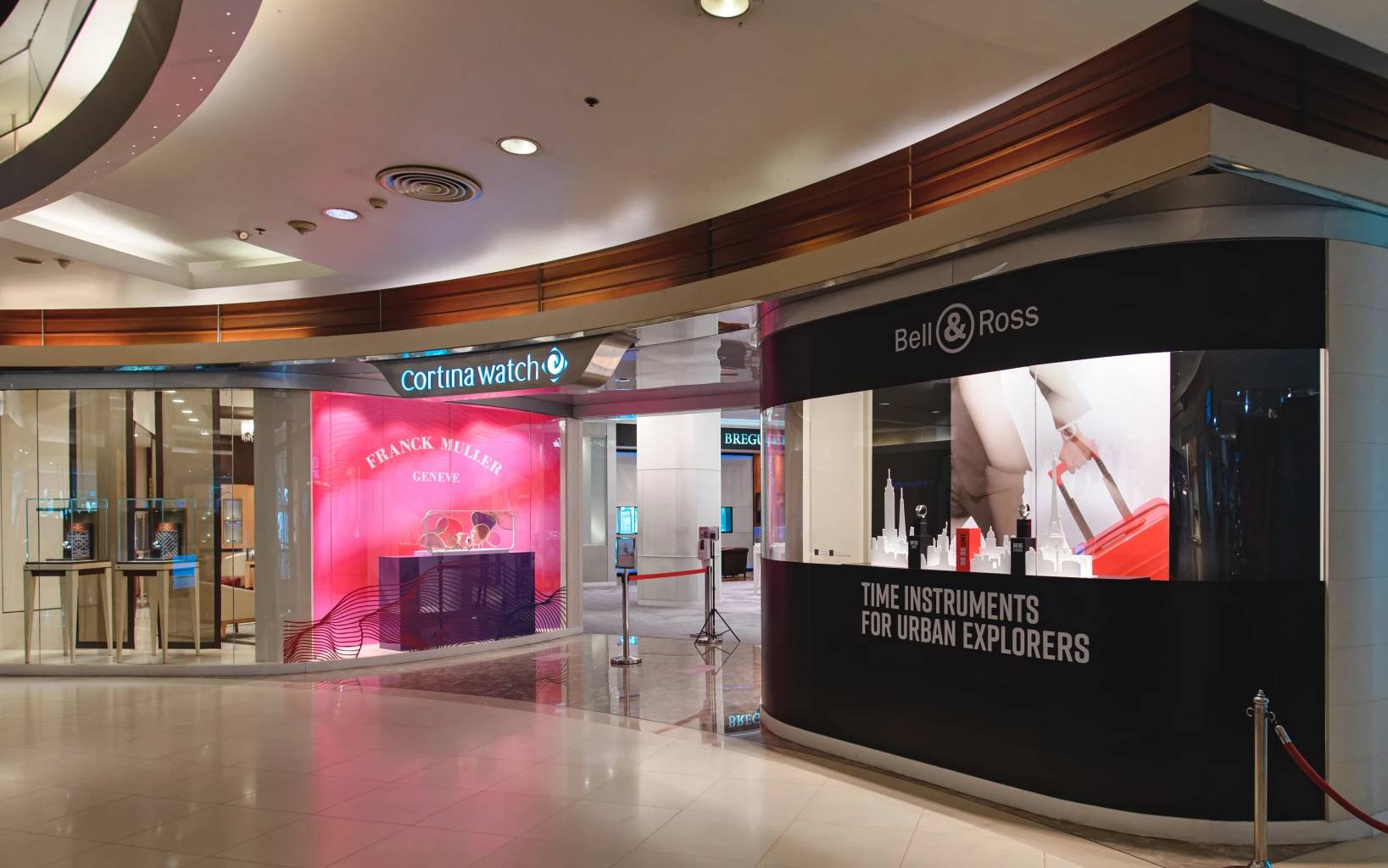
In 2022, Cortina celebrates 50 years of fine watch retail across Asia with a series of golden jubilee special editions and planned expansion into new markets.
In 2022, Cortina celebrates 50 years of fine watch retail across Asia with a series of golden jubilee special editions and planned expansion into new markets.
Cortina was founded in 1972 with the aim of sharing its founder’s appreciation of fine watchmaking heritage across Singapore. Starting with a single retail store in Colombo Court, it has since grown into a multi-national company spanning East and Southeast Asia, and more recently, Australia.
To celebrate its golden jubilee, the retailer is introducing several special edition timepieces with longstanding partners including Patek Philippe, Chopard, Corum, Franck Muller, H. Moser & Cie., TAG Heuer and Blancpain. These limited edition references will be introduced over the entire year, with the first launching in February 2022. Details of each watch will be shared on its digital platforms as well as a dedicated microsite
The brand’s journey to become one of the most influential watch retailers in the region has been one of steady growth. Today, Cortina has holdings in mature watch markets such as Singapore, Malaysia, Thailand, Taiwan and Hong Kong, as well as new and developing markets in Asia-Pacific .
50 Years of Strong Partnerships
As one of the leading retailers in the region, Cortina Watch has supported and built longstanding partnerships with watchmakers brands such as Blancpain, Breguet, Breitling, Bvlgari, Cartier, Chopard, Corum, Longines, Omega, Patek Philippe, Rolex, TAG Heuer, Tudor, Zenith and many more.
It also acts as a distributor for many boutique watch brands such as H. Moser & Cie. and Hautlence in Asia. By bringing these novel brands to the region, it continues to spread the rich diversity and heritage of fine and high watchmaking to veteran and new collectors across these markets.
These partnerships have flourished through Cortina Watch’s continuous retail innovation. Over the years, it has developed sophisticated multi-brand retail spaces in exclusive locations, as well as concept stores and mono-brand boutiques to enrich the shopping experience for its customers. It is also one of the first major watch retailers in Singapore to offer an e-commerce platform, delivering a seamless experience for collectors.
Bringing New Experiences to Retail
Throughout Cortina Watch’s history, it has strived to bring new ways of experiencing and appreciating watchmaking to collectors and watch lovers. Thanks to its efforts, Singapore’s appetite for sophisticated timepieces as well as its knowledge and interest in horology has continued to grow, making it one of the most mature watch markets in the world.
To draw attention to some of the rare handcrafts frequently associated with watchmaking but rarely discussed, Cortina Watch debuted Jewellery Time in 2000. This public exhibition combined the finest of high jewellery and high watchmaking into one biennial event, featuring some of the world’s most exclusive bejewelled timepieces from the greatest watch brands in the world. From 2000 to 2011, six editions of Jewellery Time presented incredible high jewellery watches coveted by collectors globally, pre-empting the popularity of such timepieces today. Jewellery Time developed an audience for bejewelled timepieces and also offered brands a platform to showcase their high jewellery creations.
A Multi-Generational Retail Experience
The Chairman of Cortina Holdings, Mr Anthony Lim, credits the success of the company to its dedicated employees, many of whom have worked for Cortina Watch their entire career. He also thanks the company’s loyal clientele and strong following through the region for the trust they’ve placed with the retailer throughout the last 50 years. Cortina Watch’s customers today span three generations of watch collectors, sharing their passion for watchmaking with the retailer through the decades.
Within the company, a new generation of leaders have also been appointed to advance Cortina’s goals for the future. Mr Raymond Lim was appointed the CEO of Cortina Holdings, and Mr Jeremy Lim the CEO of Cortina Watch on June 1, 2021 by the board of directors.
As CEO of Cortina Holdings, Mr Raymond Lim is responsible for the performance of Cortina Watch and Sincere Watch, which was acquired in March 2021. He will be overseeing a transformation of the entire organisation to introduce a seamless retail experience across the group. He also intends to expand the company’s representation of brands across Cortina Watch and Sincere Watch, to further develop their presence across the Asia-Pacific region.
Says Group CEO, Raymond Lim, “Cortina’s success is the product of generations of watch collectors who are our clients; families and friends who are our employees and brand owners with whom we have shared histories across multiple generations. We have surmounted multiple crises over the last 50 years. Today, as retail is being transformed in diverse ways, we will share our passion for watchmaking with a new generation of collectors by innovating in retail and building on the intergenerational relationships we have established since 1972.”
50 Years of Continuous Growth
Cortina Watch has steadily grown even amidst some of the most challenging crises the world has seen in the last 50 years. Its solid fiscal performance has enabled it to emerge from the COVID-19 pandemic even stronger, with its recent acquisition of Sincere Watch. This adds an additional 22 storefronts to the Group and expands its presence into Australia.
It also adds a specialised range of high and fine watchmaking brands that the Sincere Group offers, including: Franck Muller, Ferdinand Berthoud, Greubel Forsey, Parmigiani and many more.
Says Group CEO, Raymond Lim, “As we have done for the last 50 years, we will continue to invigorate our success in watch retail by expanding our product offerings across markets. We are working towards a universal and re-imagined retail experience, so customers can enjoy the finest retail standards no matter where they shop. Our retail platforms are staffed by sales experts who know each and every product intimately, to help our customers find the right timepieces for them. As we enter a new era of retail, we want to be a retail platform that can cater to every audience’s desires and share our passion for fine watchmaking with them.”
More information on Cortina Watch’s history can be found in the attached timeline document. Moving forward, the company will continue to pursue new opportunities across the Asia-Pacific region, to curate and share its passion for fine watchmaking with watch lovers.







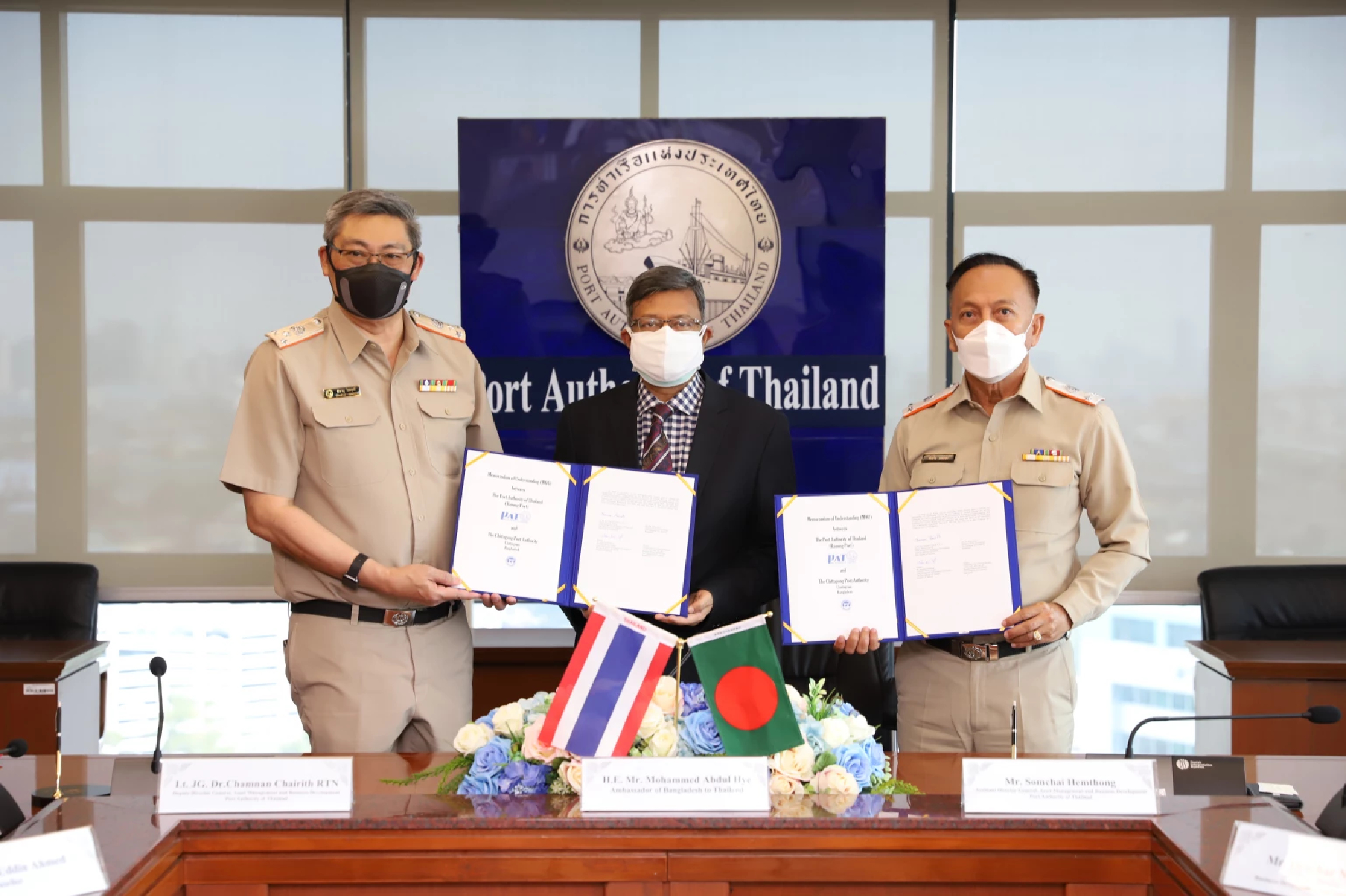
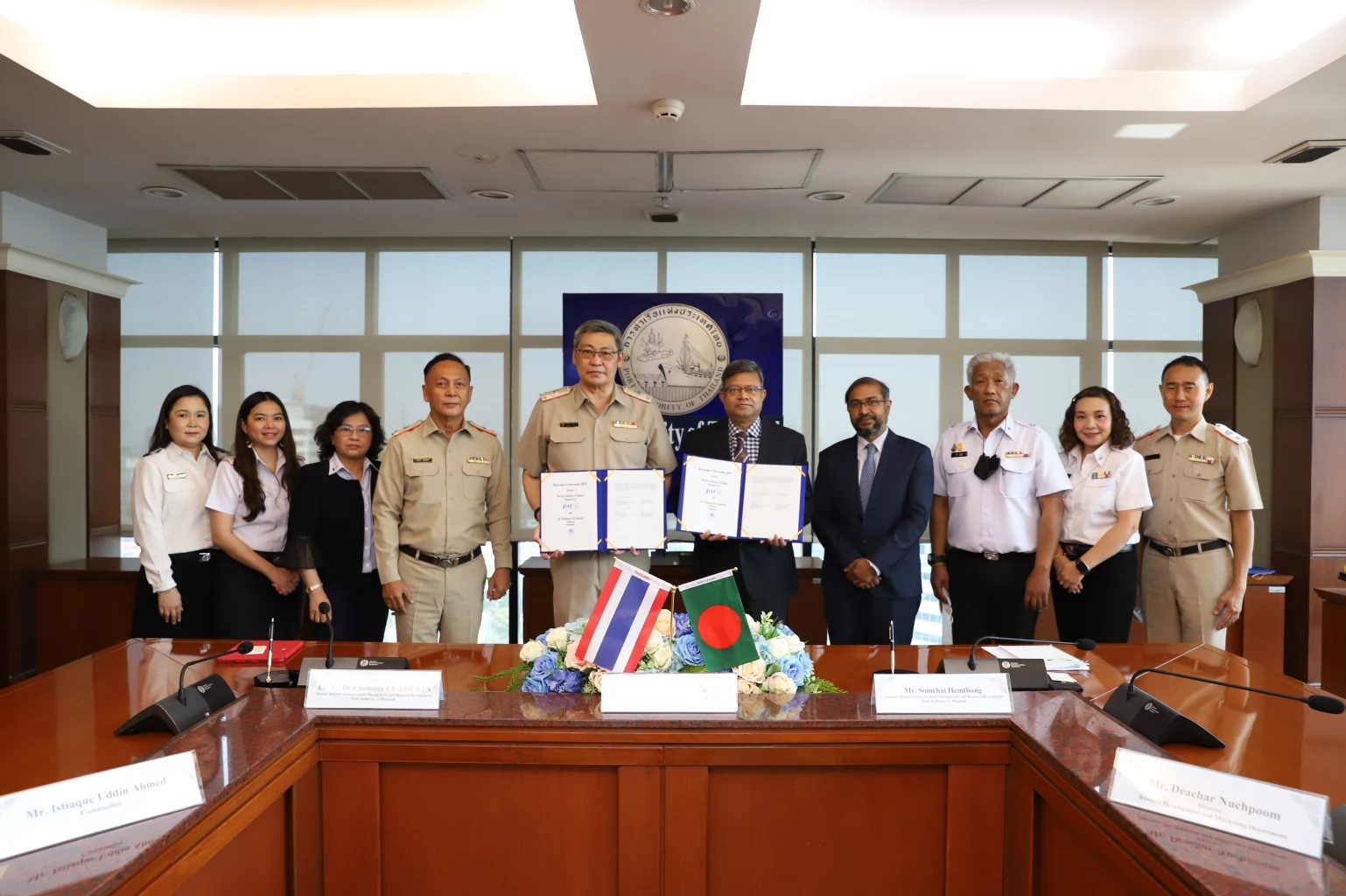
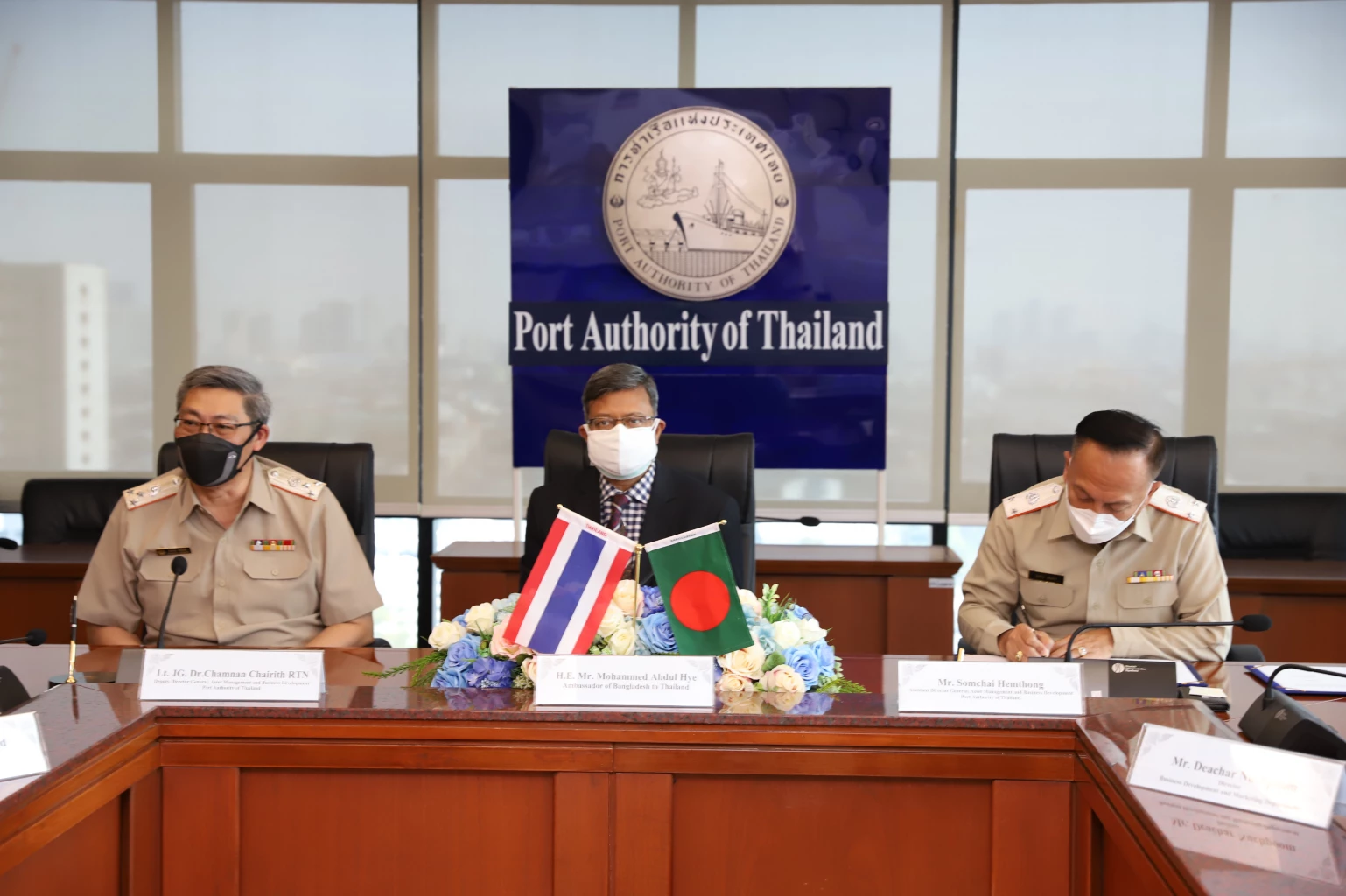 Present at the virtual meeting were officials from the Port Authority of Thailand and diplomats from both sides serving as witnesses.