Despite gradual revival in tourism, small hotel operators still await light at the end of the tunnel
TUESDAY, OCTOBER 25, 2022
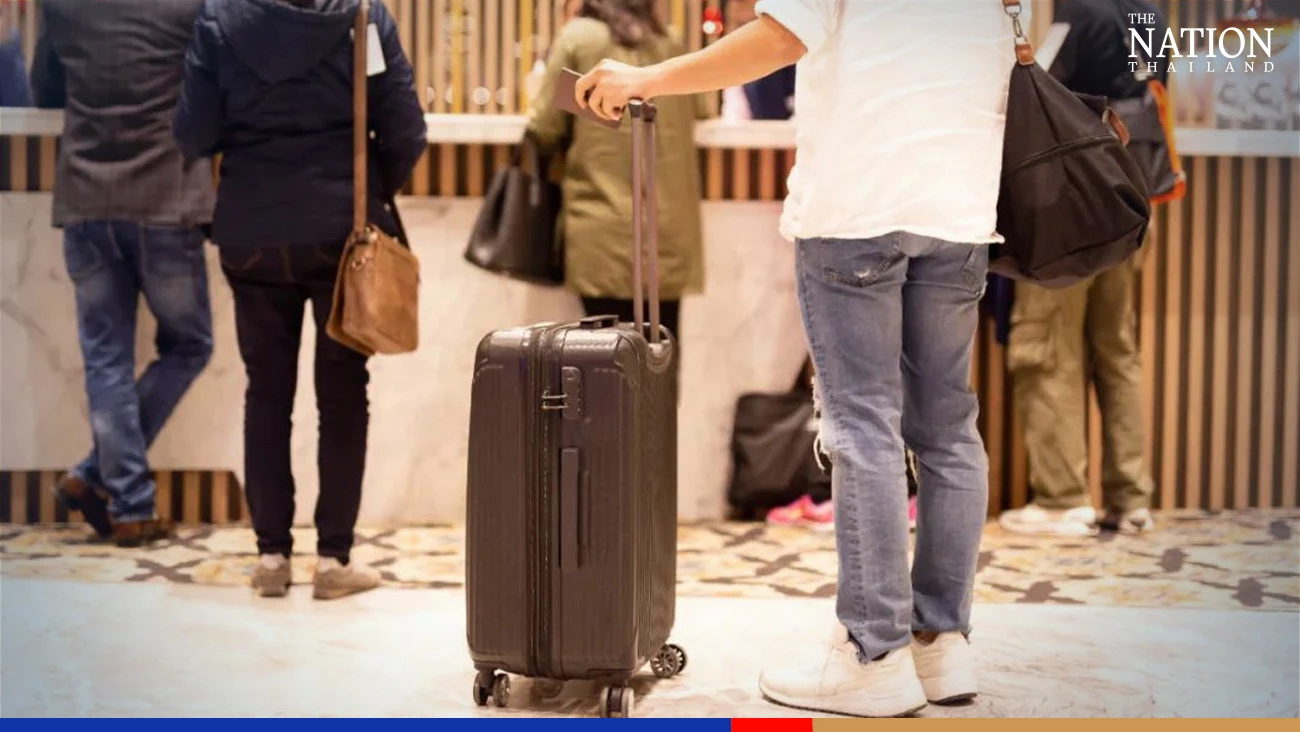
Thai small hotel operators are struggling in the post-Covid-19 era as discounts offered by large hotels and the reopening of many Asia-Pacific countries are affecting their business operations, a report in Thansettakij said on Tuesday.
Many hotel operators were forced to use pricing strategies to gain a competitive advantage, as many countries have reopened to foreign tourists.
Thai hotel operators still have to rely on domestic tourists. Though more than 10 million foreign tourists are expected to visit Thailand this year, the number is only one-fourth the 40 million people who visited before the Covid-19 crisis in 2019.
Thailand has welcomed more than 6 million foreign tourists after the country’s reopening on June 1.
Despite the impact of inflation on their income and expense, many Thais have decided to travel across the country, especially during long weekends, Thansettakij added.
“Even though hotel operators’ revenue continued to increase, their revenue is still low compared to before the Covid-19 crisis,” Thansettakij said.
Meanwhile, countries in the Asia-Pacific region such as Japan, South Korea and Taiwan, have eased travel restrictions to attract foreign tourists tempting Thai tourists to take overseas trips.
Many Thais have flocked to Japan since October 11, as Tokyo is issuing free visas and allowing people who have received at least three Covid-19 vaccine jabs to enter the country.
In addition, many countries have also organised tourism stimulus campaigns. For instance, Hong Kong planned to offer 500,000 flight tickets worth HK$2 billion or 8.01 billion baht.
“This is why the Tourism Council of Thailand has urged the government to allow small hotel operators to request for a business licence, so they will be able to access funds and continue their business while waiting for foreign tourist influx during the high season,” Thansettakij added.
The Tourism Authority of Thailand aims to increase the number of foreign tourists visiting Thailand next year by 50 per cent compared to 40 million people before the Covid-19 crisis.
Meanwhile, Thai Hotels Association expected Thailand’s tourism to benefit from direct flights during the high season in the last part of this year, the easing of Covid-19 restrictions, and the hosting of the Asia-Pacific Economic Cooperation Summit in Bangkok in November.
TCCT, OECD and KPC host Workshop on Advocacy Strategies for Competition Authorities in Asia-Pacific
TUESDAY, OCTOBER 25, 2022
THE NATION
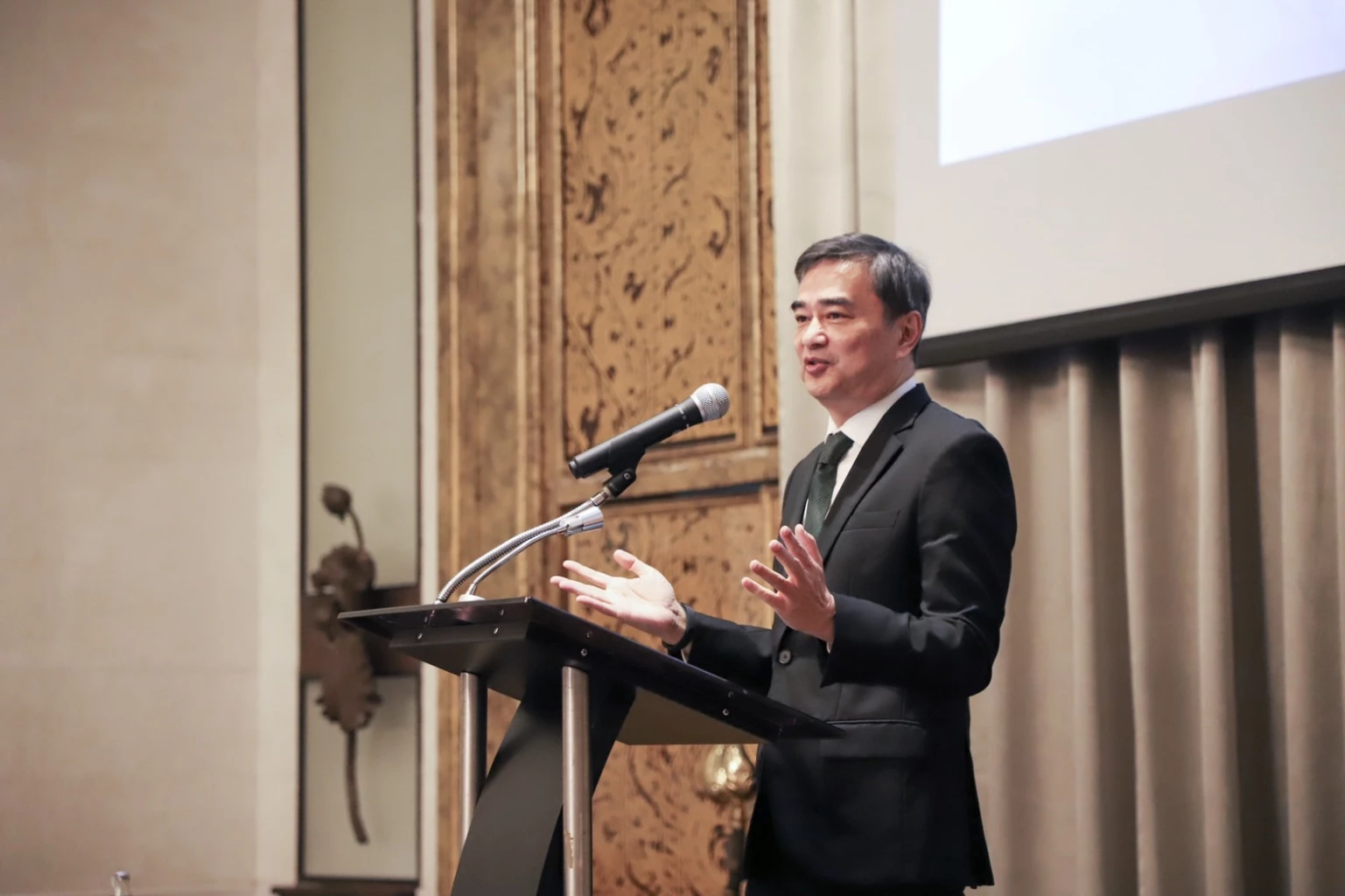
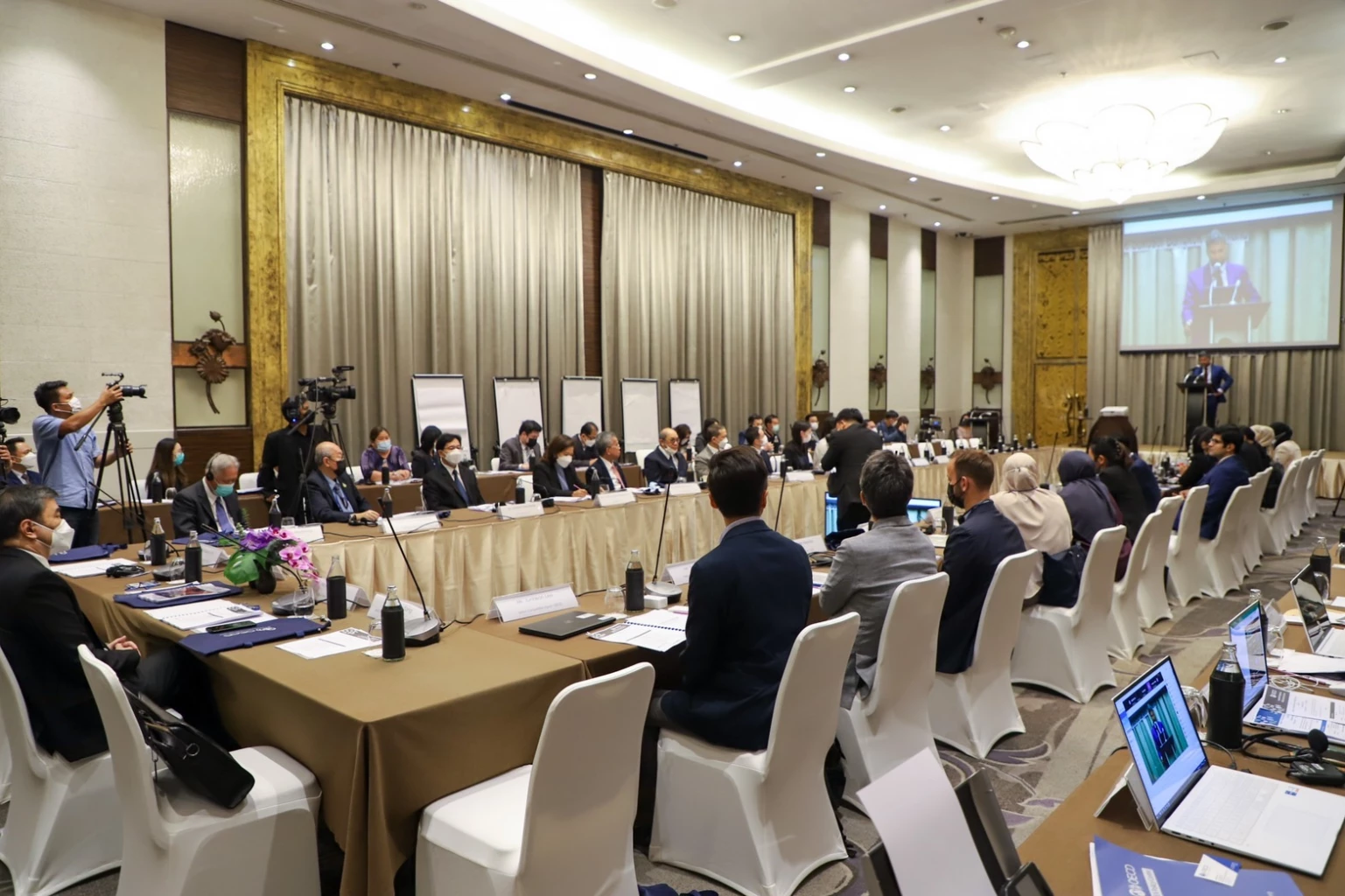
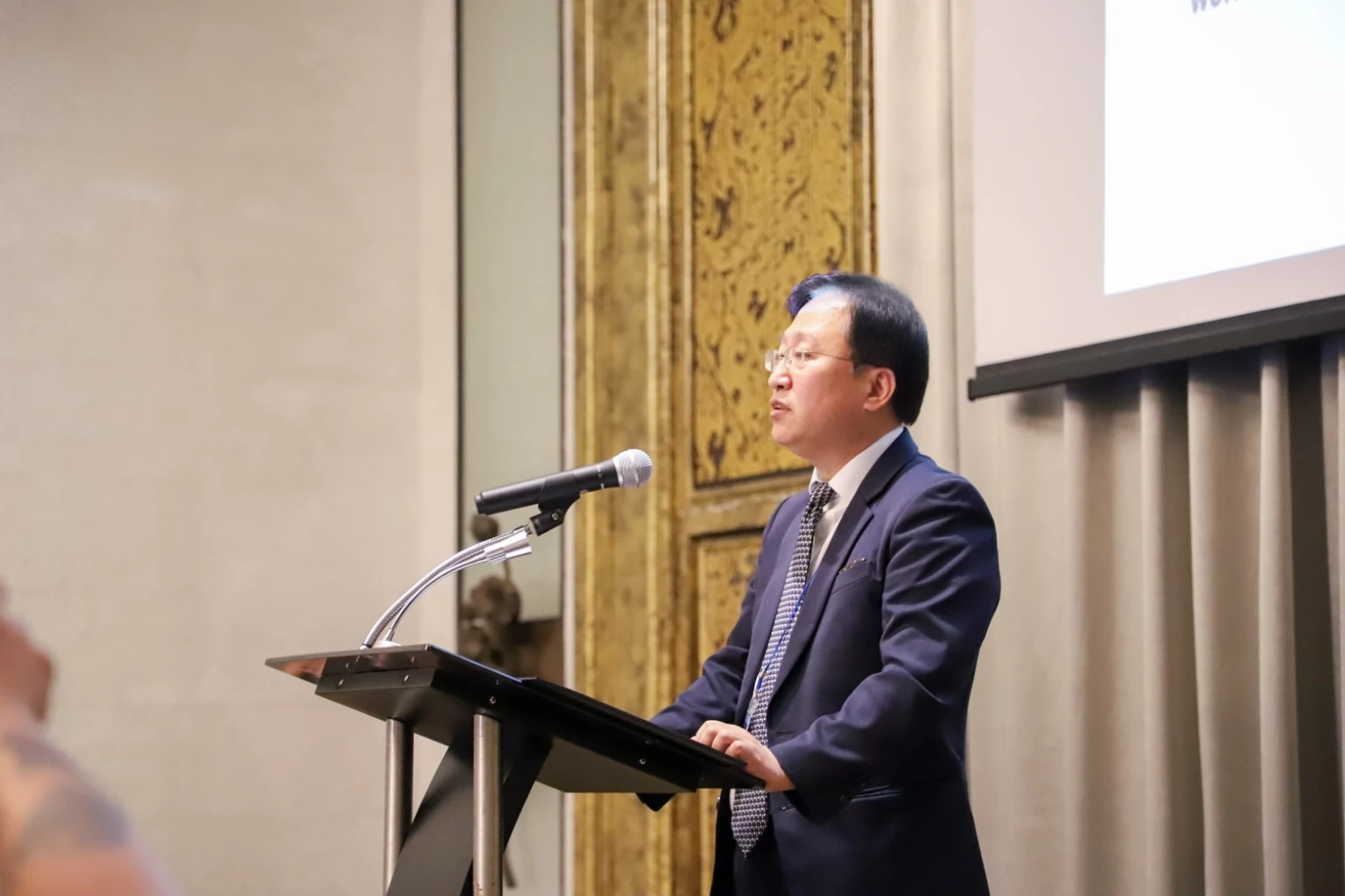
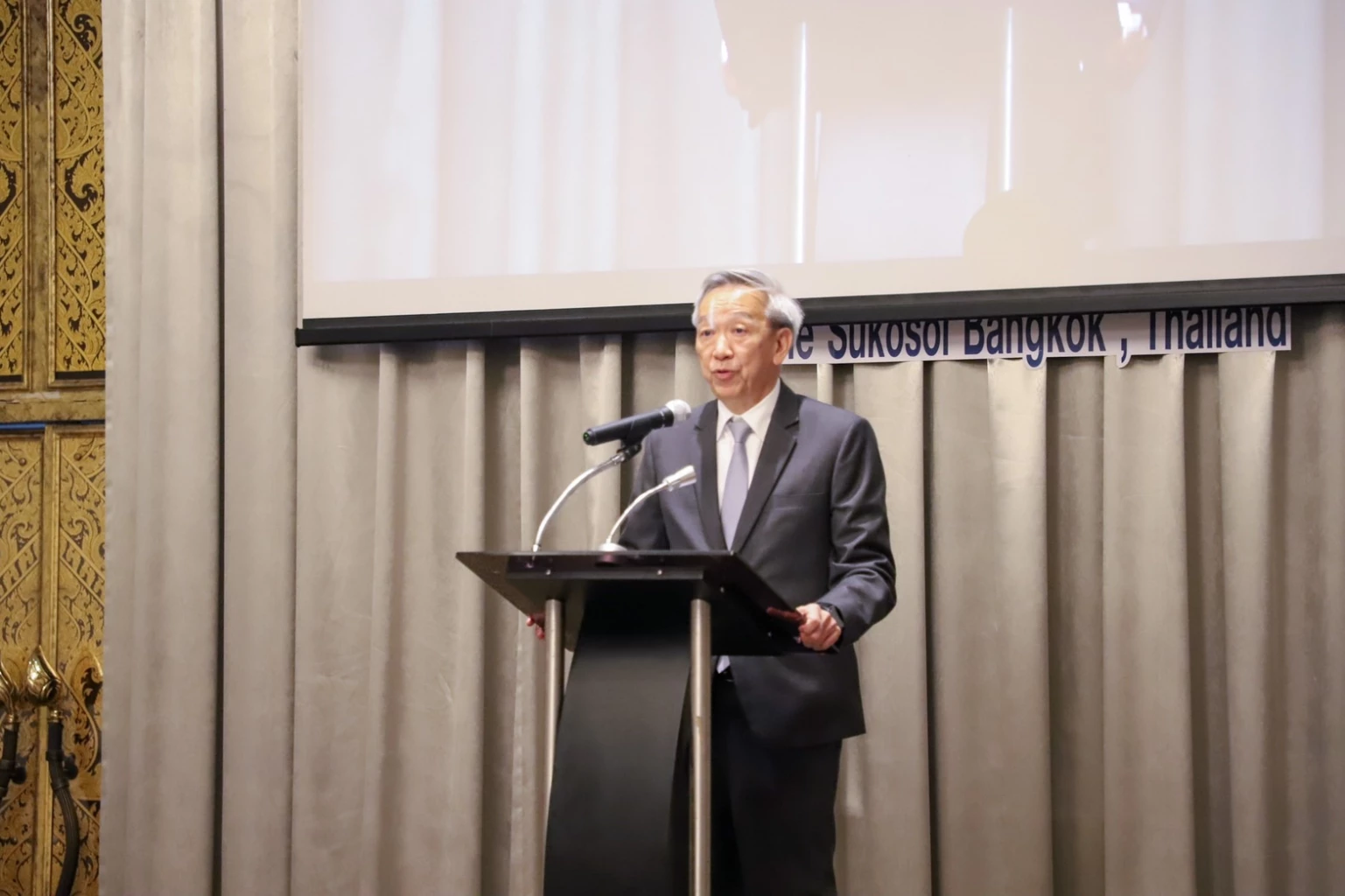
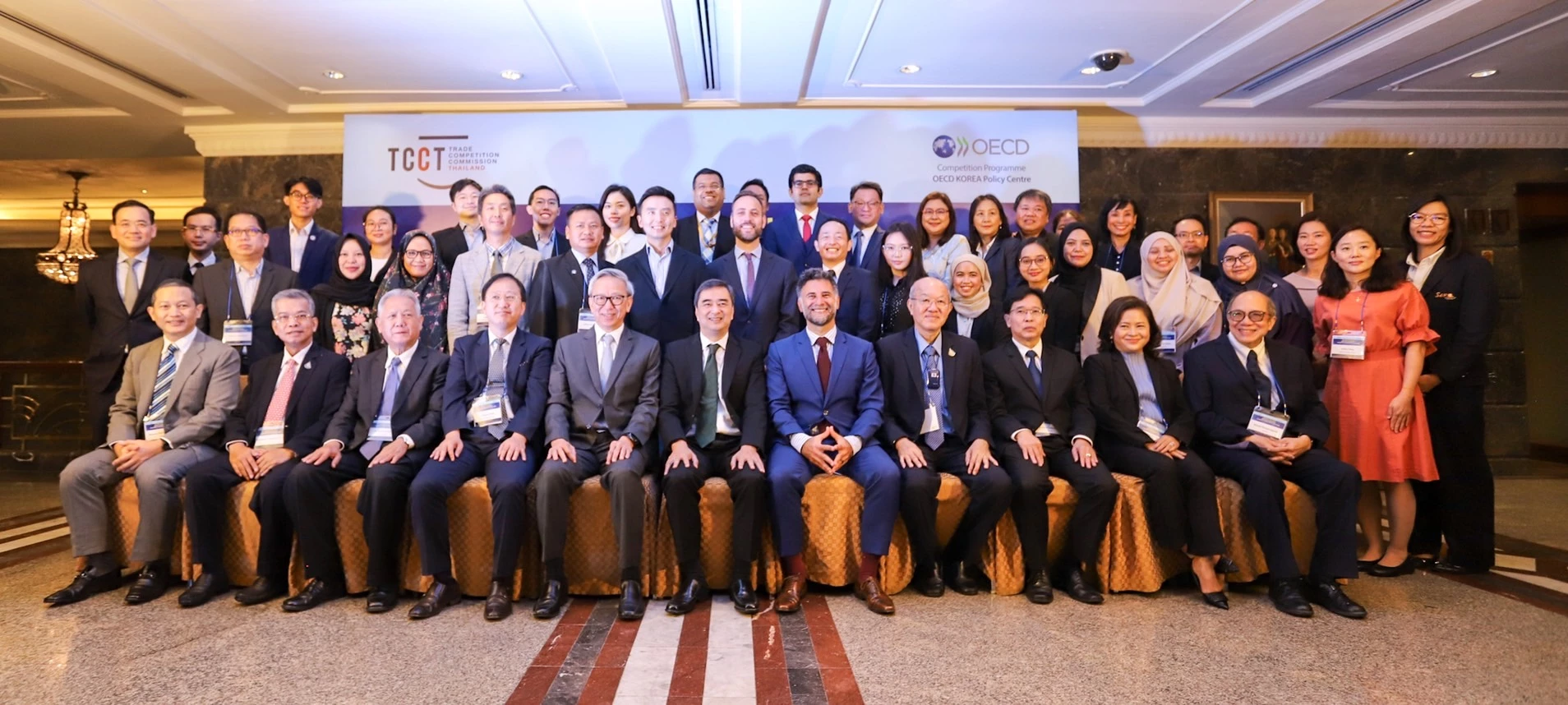
The Trade Competition Commission of Thailand (TCCT), in collaboration with the Organization for Economic Co-operation and Development (OECD) and OECD/Korea Policy Center (KPC), hosted an international meeting under the topic of “Workshop on Advocacy Strategies for Competition Authorities in Asia-Pacific.”
The event runs from October 25 to 27 at The Sukosol Hotel, Bangkok.
The meeting aims to provide a platform for the analysis and exchange of experiences in international trade competition promotion among agencies responsible for trade competition promotion in the Asia-Pacific region. It also aims to facilitate the adjustment of strategies in competition law enforcement to promote free trade in a fair and suitable manner for the post Covid-19 era.
The event kicked off with former Prime Minister Abhisit Vejjajiva giving a special keynote on the topic of “Making Competition Policy a Policy Mainstay”. He highlighted the importance of competition policy on Thailand’s economic system amid the changing situations in the Asia-Pacific region fueled by the Covid-19 pandemic and digital transformation. Then, Mr Ruben Maximiano, Senior Competition Expert, OECD, gave a speech on the topic of “The Importance of Competition Advocacy for Our Economies”.
The meeting was held in a hybrid form with participation from both onsite and online attendants. Sessions comprised lectures, case study discussions, and exchange of experiences among participants, who are mainly representatives from competition authorities in the Asia-Pacific region, trade competition committees, officials of the Trade Competition Commission of Thailand, and Thailand’s representatives from agencies responsible for trade competition monitoring.
The three-day event was honoured by experts from international trade competition authorities, who provided knowledge and exchanged experiences with Thai representatives and officials of the TCCT on the following topics:
• Promotion and advocacy of trade competition for practical results • Building an efficient competition culture in Thailand’s context • Promotion and advocacy of equal trade competition • Evaluation of competitive status in the market • Study of market structure in setting up trade competition promotion plans • Promotion and advocacy of trade competition during Covid-19 situation
During the event, attendants participated in workshop sessions that feature hypothetical exercises and case study analyses on unfair trade competition of products and services under different roles. Participants exercised their skills in detecting unfair trade practices in different hypothetical markets and together designed an advocacy programme to promote a fair trade competition culture, before presenting the strategic plan for the said programme to the meeting.
The TCCT hoped that this international meeting would help Thai authorities build a knowledge base in the promotion and advocacy of trade competition, as well as promote cooperation with international competition authorities who have strong experience in their respective field, which could help raise Thailand’s efficiency in trade competition promotion and law enforcement to an international standard.
Thailand has highest income inequality in east Asia: World Bank rural poverty report
TUESDAY, OCTOBER 25, 2022
Thailand has the highest income inequality in east Asia, with rural households bearing the brunt of poverty challenges, according to a new report by the World Bank.
The report, titled “Thailand Rural Income Diagnostic”, said the national poverty rate has fallen from 58 per cent in 1990 to 6.8 per cent – but has been rising since 2016.
The situation is especially bad in rural areas, which account for 79 per cent of the poor, mainly in agricultural households.
The poverty rate in rural areas was 3 per cent higher than in urban zones in 2020.
The bank cited the slowing economy, stagnating farm and business incomes, and the Covid-19 crisis as reasons for Thailand’s rising poverty rate.
Worst affected by poverty are the South and Northeast, with rates almost double those of the national average, according to the report.
Meanwhile, the average monthly income for rural households was only around 68 per cent of urban households. The report said rural households are also suffering from low education levels, a high number of dependents, and difficult living conditions.
“Thailand has the potential to support faster and sustained income growth of rural households,” said Fabrizio Zarcone, World Bank country manager for Thailand.
“As Thailand’s economy adjusts to a new normal post-Covid-19, policy measures that increase agricultural productivity, support diversification to higher value crops, and improve access to markets through better rural connectivity and digital technology adoption can help overcome the constraints faced by the rural poor,” he added.
The report also forecast that the economic impacts of the Covid-19 crisis would linger longer in rural areas than in cities.
Thai-Lao business via Nong Khai almost back to normal: local trade office
TUESDAY, OCTOBER 25, 2022
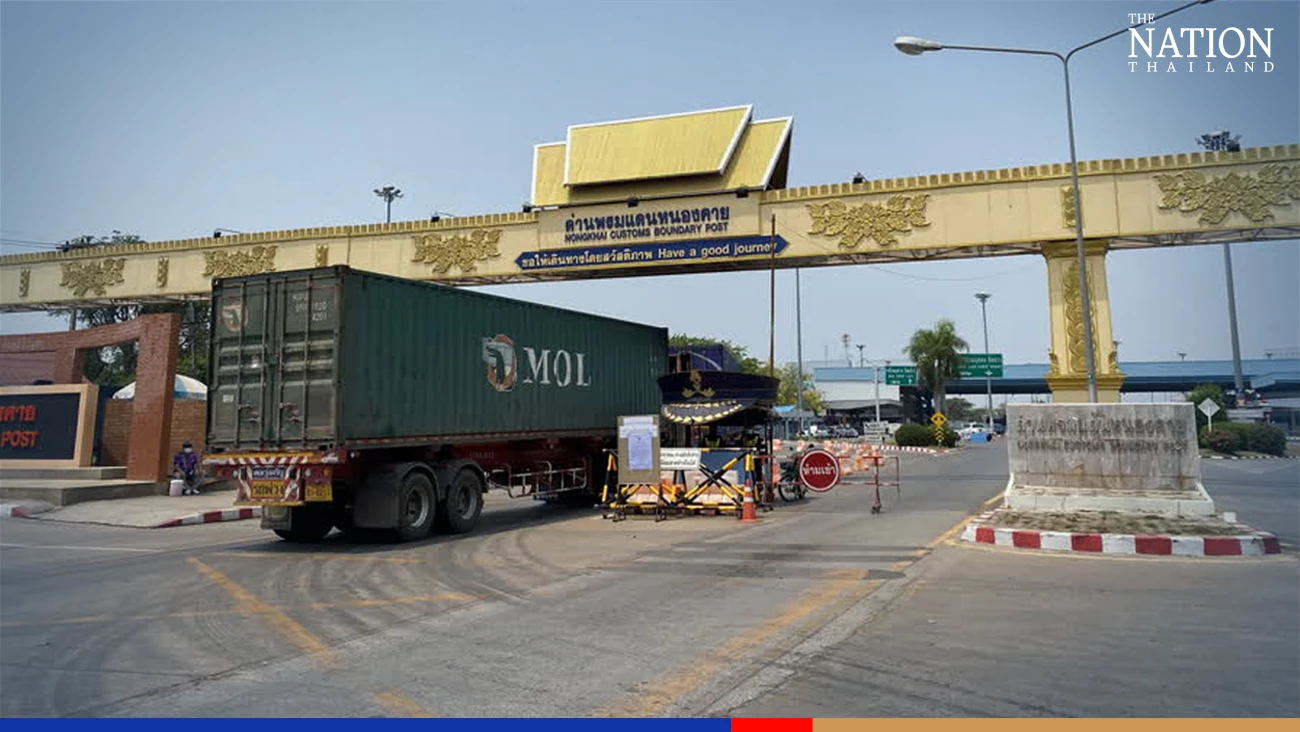
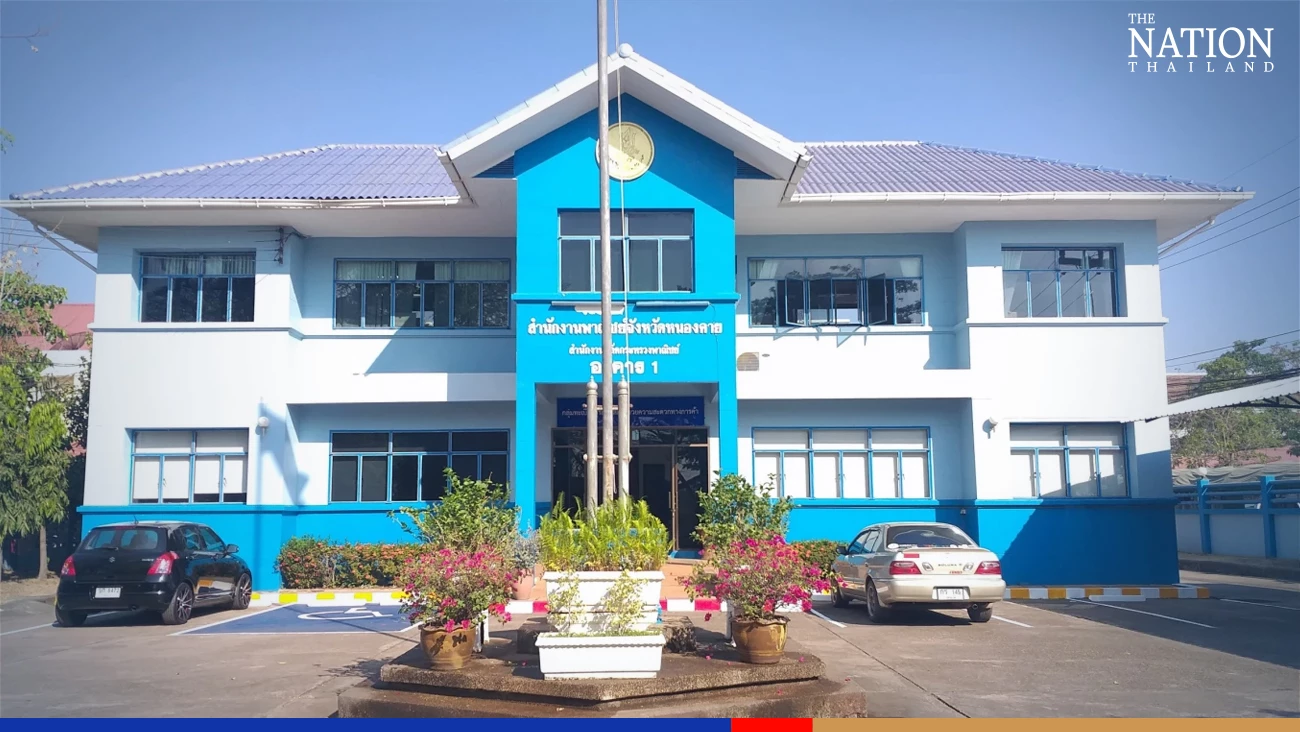
Trade across the Lao border in Nong Khai has almost returned to pre-pandemic levels, the provincial commercial office said on Tuesday.
Citing August figures, Nong Khai’s chief commercial officer Jiraporn Siriprasert said the increase signals economic recovery in the Northeast province.
She said trade in August accounted for 9.01 billion baht in revenue, up 18.90 per cent from July. Of the total, 6.15 billion came from exports, which marked a 10.95 per cent increase from the previous month. The value of imports via Nong Khai’s border checkpoints came in at 2.86 baht, up by 40.55 per cent from July.
Jiraporn said Thailand enjoyed a trade surplus of 3.29 billion baht in August but expects this figure to drop soon, especially since August recorded a 60.25 per cent or 218.94 million baht drop in the surplus compared to July.
The value of border trade in Nong Khai from January to August this year has risen by 20.41 billion baht or 41.99 per cent year on year. Of this, 10.63 billion baht accounted for exports and 9.79 billion baht for imports.
During the 10 months, exports via Nong Khai rose 25.65 per cent and imports by 2.44 per cent compared to the same period last year.
Apart from serving as a channel for bilateral trade, Nong Khai is also used by Laos to import goods from other countries. According to data, Laos’ imports via Nong Khai rose 118.95 per cent in August compared to the previous month.
Laos also used Nong Khai as a channel to export 5.5 billion baht worth of goods to other countries in August, though that was 13.61 per cent less than the previous month, Jiraporn added.
Meanwhile, Thai-Laos border trade via Bueng Kan checkpoint came in at 430.66 million baht in September, marking an increase of 4.87 million baht or 1.14 per cent compared to July. Of this, exports were worth 327.20 million baht, down by 4.06 million baht or 1.23 per cent, and imports worth 103.46 million baht, up by 8.93 million baht or 9.45 per cent, compared to July.
Baht strengthens against dollar on signs of foreign appetite for Thai stocks
TUESDAY, OCTOBER 25, 2022
The baht opened at 38.14 to the US dollar on Tuesday, strengthening from Friday’s close of 38.34.
The currency will likely move between 38.00 and 38.25 against the greenback during the day and between 37.80 and 38.50 during the week, Krungthai market strategist Poon Panichpibool predicted.
Poon said the baht will swing sideways with a key resistance level of 38.50 to the dollar.
Gold prices and foreign transactions in the Thai stock market would govern the baht’s volatility this week, he added.
The analyst said foreign investment started flowing back into Thai stocks following the Stock Exchange of Thailand (SET) index’s rebound last week.
He expects a shift in foreign investment towards Thailand if the index exceeds its resistance level of 1,600 points while the market is in a risk-on state.
However, he warned to watch out for foreign investors selling long-term Thai bonds amid a continuous increase in global bond yields.
For the dollar, he advised monitoring investors’ reactions to big-tech companies’ performance reports, as disappointment would push the currency market back towards a risk-off state and pressure the dollar to strengthen.
This week’s meetings of the European Central Bank and Bank of Japan may also cause fluctuation in the currency market. Poon said the euro and yen may weaken if the banks fail to signal tighter monetary policy.
He advised investors to use hedging tools such as options to manage risks in a highly volatile currency market.
Thai central bank reports strong signs of recovery in 3 regions
MONDAY, OCTOBER 24, 2022
The Bank of Thailand (BOT) has reported strong signs of economic recovery in September, crediting a tourism revival and subsidies to stimulate spending.
Reports from BOT offices in three regions showed the economy is rebounding fast from Covid-19, government spokeswoman Tipanan Sirichana said on Monday.
The northern office reported that a rebound in the tourism sector had boosted purchasing power and employment, mainly thanks to events such as King’s Cup football in Chiang Mai and the advent of the high season.
The report added that subsidies offered by the government had also shored up consumers’ confidence, prompting them to spend more.
The BOT’s northeastern office reported a rise in consumer spending driven by the subsidies, which had aided economic recovery. Employment rates also improved as MICE (Meetings, Incentives, Conferences, Exhibitions) tourism got back on track.
The Thailand Moto Grand Prix in Buri Ram on October 2 also boosted the local economy thanks to spending from domestic and foreign spectators, the report said. However, it added that the Northeast was now facing a labour shortage after workers returned to jobs in Bangkok.
The BOT’s office in the South reported that tourism continued to grow in September, adding momentum to economic recovery via government spending subsidies.
Foreign tourist continued to return in high numbers while more events were held. The high season had also boosted tourism employment in the region.
The report said government travel and accommodation subsidies had prompted an influx of visitors to tourism provinces in the South, also helping to boost economies of nearby provinces.
The government’s “We Travel Together” tourism subsidy pays 40 per cent of accommodation costs and 600 baht per night for food while its Khon La Kruen co-payment scheme offers 150 baht off daily shopping bills. Both have proved popular among Thais seeking relief from financial burdens triggered by the Covid-19 pandemic.
Thai private sector targets Apec summit with 5-pronged strategy
MONDAY, OCTOBER 24, 2022
Thailand’s business leaders said on Monday they will table five issues to boost the Thai economy at the Asia-Pacific Economic Cooperation (Apec) summit in Bangkok next month.
Federation of Thai Industries chairman Kriengkrai Thiennukul said his Apec Business Advisory Council (Abac) will tap opportunities at the summit, especially for Thailand’s small and medium-sized enterprises (SMEs).
The five issues Abac will put to world leaders are regional economic integration; digital infrastructure; sustainable practices of micro-entrepreneurs, small and medium-sized enterprises (MSMEs); sustainability; and finance and economics.
Abac submitted feedback from the Thai private sector to Prime Minister Prayut Chan-o-cha earlier this month, with a focus on handling inflation, food and energy insecurity, climate change and regional economic integration.
Kriengsak said the private sector urged support for MSMEs and digital infrastructure to boost economic recovery and growth.
Meanwhile, Thai Chamber of Commerce chairman Sanan Angubolkul said the summit was Thailand’s big opportunity to connect with the global economy.
The summit would also attract foreign investment, boost tourism and stimulate trade and exports.
“Foreign businesspeople attending the meeting will help generate revenue for Thailand’s economy, aiding recovery,” he said.
The meeting will discuss other issues related to people’s lives, such as public health, the Bio-Circular-Green (BCG) economy model, and global warming, resulting in benefits to the government, private and public sectors, he added.
Sanan pinpointed an urgent need to boost Thailand’s competitiveness by applying digital infrastructure to enhance SMEs’ potential and access to funds.
He added that the creative and knowledgeable new generation would accelerate Thailand’s competitiveness.
He also expected an influx of long-term foreign residents following an easing of visa rules.
“Hence, Thailand should improve investment privileges, tax incentives and rules related to the property sector to facilitate foreign investors,” he said.
“Apart from generating revenue for Thailand, this will also help promote technology exchange and employment.”
He added that Thailand should tap 5G technology and the Eastern Economic Corridor (EEC) to attract more foreign investment.
Thailand’s EEC extends tax breaks to lure high-tech Korean firms
SUNDAY, OCTOBER 23, 2022
The Eastern Economic Corridor Office (EECO) has agreed to extend tax and other investment privileges for South Korean companies.
The move is aimed to attract more Korean investment in the EEC for high-tech businesses, including electric vehicle making and smart city development.
An EECO source said the agency will extend a memorandum of understanding on investment privileges with the Korea Trade-Investment Promotion Agency (Kotra). The MoU had been due to expire soon.
The extended MOU will cover EV manufacturing, and the health product, biological technologies, logistics, and smart cities sectors.
The two agencies will hold an online meeting to discuss details of the extension, the source added.
South Korean companies have applied for Board of Investment (BoI) privileges on 63 projects worth 14.367 million baht since 2018.
The South Korean projects receiving privileges are in the automaking, digital, electronics and biological sectors.
Over the past 10 years, South Korean businesses have sought and obtained BoI tax privileges for 365 projects, worth 65.123 million baht.
BCG and FTAs: Empowering Thai trade in the Asia-Pacific
SUNDAY, OCTOBER 23, 2022
THE NATION
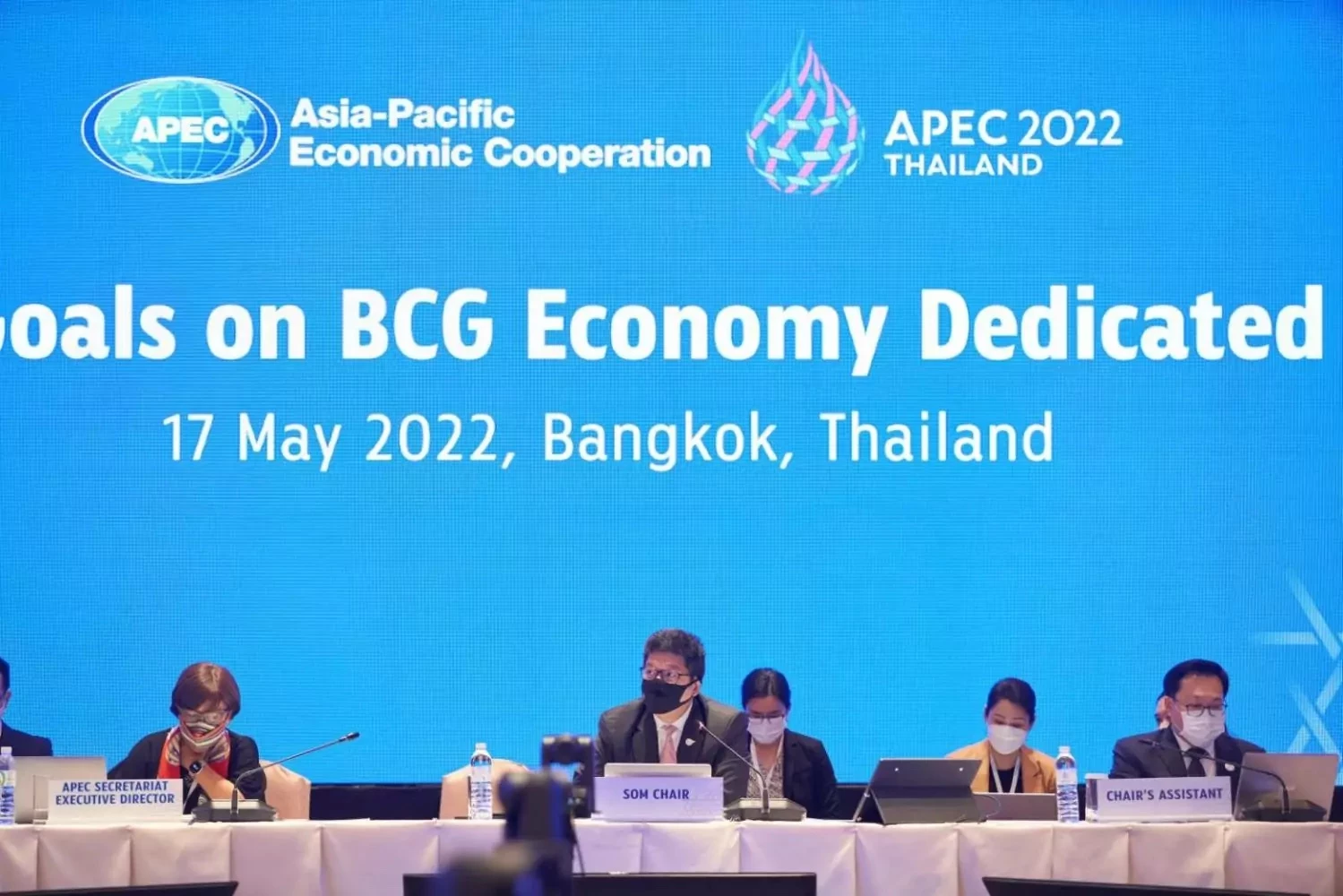
Part of the economic tapestry that drives APEC, Thailand – hosting the cooperation in 2022 – implemented a range of programs and projects to revitalize its trade and commerce, mobilizing both the Bio-Circular-Green Economy (BCG) concept and Free Trade Agreements (FTAs) to stimulate economic activity.
Coupling the potential of BCG and FTAs was the Department of Trade Negotiations under the Ministry of Commerce’s “Thai Entrepreneur Program for FTA Market”.
The endeavor first sought out businesses with the potential to greatly benefit from implementing the BCG approach, which combines the bio, circular and green economic models into one that adds value by making producers more environmentally-friendly and socially responsible, bolstering their sustainability.
These enterprises, mostly in the realms of agricultural produce and lifestyle goods, were given support to realize their potential under BCG and then access to a business matching session in July 2022 at the “Thai Entrepreneur Program for FTA Market”, an event organized by the Department of International Trade Promotion.
The businesses were matched with possible partners within the Regional Comprehensive Economic Partnership (RCEP), spanning ASEAN and Japan, as well as major entities such as TV Direct and e-commerce platform Thailand Mall.
Feedback from the effort was immensely positive, with participating businesses hailing it for broadening their trade bases and boosting their standing.
The program was more notably, a prime example of how Thailand is promoting BCG as a way to unlock value for businesses as well as how producers and service providers based in Thailand can significantly benefit from its FTAs.
According to the Department of Trade Negotiations, Thailand is engaged in 14 FTAs with 18 countries both within and beyond the Asia-Pacific. These agreements range from bilateral with Australia, New Zealand and India to multilateral via ASEAN.
Hosting APEC for 2022, Thailand’s mobilization of FTAs is consistent with the priority of “opening” the region to all opportunities. Employing the power of the BCG economy model, Thailand has provided clear examples for APEC on how the forum can reignite trade and prepare it for a future where environmental harmony and sustainability are leading economic factors.
Great Wall Motor prepares to deliver first batch of ORA Good Cat GTs, reopens reservations for 500 units
FRIDAY, OCTOBER 21, 2022
Great Wall Motor (GWM) continues to advance its ambition of becoming the xEV leader by preparing to deliver the first batch of ORA Good Cat GTs on November 11 to customers who had booked the vehicles during the official launch at the end of June 2022.
To respond to Thai consumers’ overwhelming interest in environmentally friendly electric vehicles, GWM will reopen reservations for 500 units of the ORA Good Cat GT under the “Premiere Deal” campaign from October 28 to November 30.
In addition, Great Wall Motor will deliver 1,200 pending units of ORA Good Cat by the end of the year. This reiterates GWM’s commitment to becoming an xEV leader through innovative products filled with cutting-edge technologies that are safe and friendly to the environment to meet all dimensions of driving lifestyles.
Narong Sritalayon, managing director of Great Wall Motor (Thailand), said: “The first batch delivery of the ORA Good Cat GT is another major step for Great Wall Motor to contribute greatly towards a Thai EV society. Since the official launch of ORA Good Cat in Thailand in October 2021, it has exponentially excited the Thai EV industry and constantly been a much-loved electric vehicle among Thai consumers.”
“We are ready to deliver the ORA Good Cat GT onto Thailand’s roads after the spectacular achievement on its official launch – receiving 500 bookings in only 58 minutes. Great Wall Motor appreciates all customers and Thai consumers for their trust and confidence in our brand, products, and services, and we believe that the sporty ORA Good Cat GT will colour your life and create exceptional new driving experiences. This model will respond to all aspects of the new generation’s lifestyles and will win the hearts of Thai consumers, just like the ORA Good Cat.”
On November 11, Great Wall Motor will deliver the first batch of ORA Good Cat GTs to the first group of customers who paid a deposit after the official price announcement on June 29. The company will continue to deliver the remainder of the 500 units to customers by January 2023, earlier than the previously announced schedule.
For those interested in buying the sporty ORA Good Cat GT, Great Wall Motor will reopen bookings for another 500 units of this model at the price of 1.286 million baht (after government subsidy and a reduction of excise tax), from 7pm on Friday October 28 until 11.59pm on Sunday November 30, or until all 500 units have been reserved via the GWM app or www.gwm.co.th.
Special offers available in the Premiere Deal campaign include:
◆ Special 1.79 per cent interest rate for up to 48-month financing when 25 per cent of the down payment is made: maximum value not exceeding 23,000 baht (please refer to additional terms and conditions from participating banks and financial institutions)
◆ Free one-year comprehensive car insurance, with a maximum value of not more than 25,000 baht
◆ Free GWM home charger and installation within 20 metres (from main circuit breaker) one time (excluding charger station), with a maximum value of not more than 60,000 baht
◆ Free labour and spare parts for maintenance work according to distance (GWM Pro Service Inclusive: GPSI) up to five times in five years, or 75,000 kilometres (whichever is reached first), with a maximum value of not more than 11,000 baht
◆ Free 24-hour roadside assistance for a period of five years, valued at 10,000 baht
◆ Free GWM carpet and licence plate base worth a total of 1,650 baht
The total value of special offers under the Premiere Deal campaign is 130,000 baht.
Additionally, the ORA Good Cat GT also offers a factory warranty for five years or 150,000 kilometres – whichever is reached first – along with a battery warranty for eight years or 180,000 kilometres (whichever is reached first). The additional 500 units of ORA Good Cat GT available for reordering from October 28 to November 30 are planned to be delivered by April 2023.
ORA Good Cat orders were suspended in April with a lot of accumulated bookings. However, Great Wall Motor has accelerated its deliveries to customers as quickly as possible over the past year. Currently, there are more than 1,200 ORA Good Cats awaiting delivery, and the company will deliver these vehicles to all customers by December 2022.
Customers who have booked an ORA Good Cat must take delivery of their car this year to receive the special offers related to the campaign they received, otherwise it will be deemed that the benefits have been ceded. As of now, Great Wall Motor has delivered a total of 3,427 ORA Good Cats to Thai consumers – 2,965 units have been delivered so far in 2022 (January to September).
Great Wall Motor, as a Global Intelligent Technology Company, is committed to inventing and developing quality products and services through high-technology production processes to meet the diverse driving needs of Thai consumers, while continuing to build a complete ecosystem as well as driving the growth of the EV industry in a steady and sustainable manner.






 Apart from serving as a channel for bilateral trade, Nong Khai is also used by Laos to import goods from other countries. According to data, Laos’ imports via Nong Khai rose 118.95 per cent in August compared to the previous month.