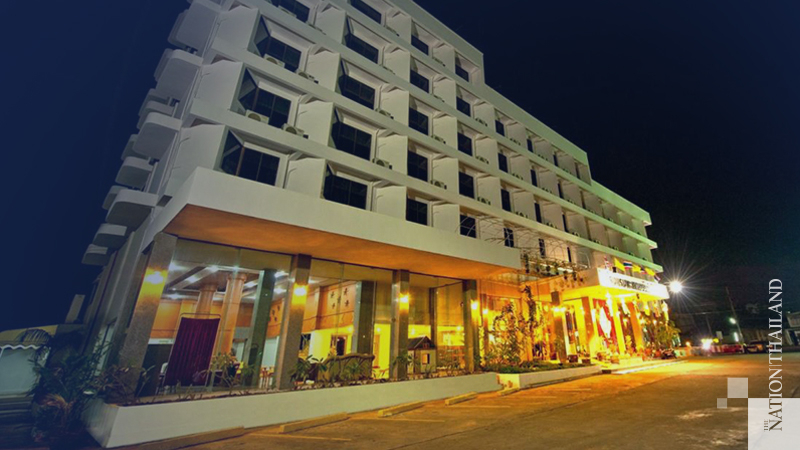
Officials have explained that the Phayao Northern Lake Hotel is only being used as a local quarantine facility and is under tight control after parents of a kindergarten nearby panicked over safety.
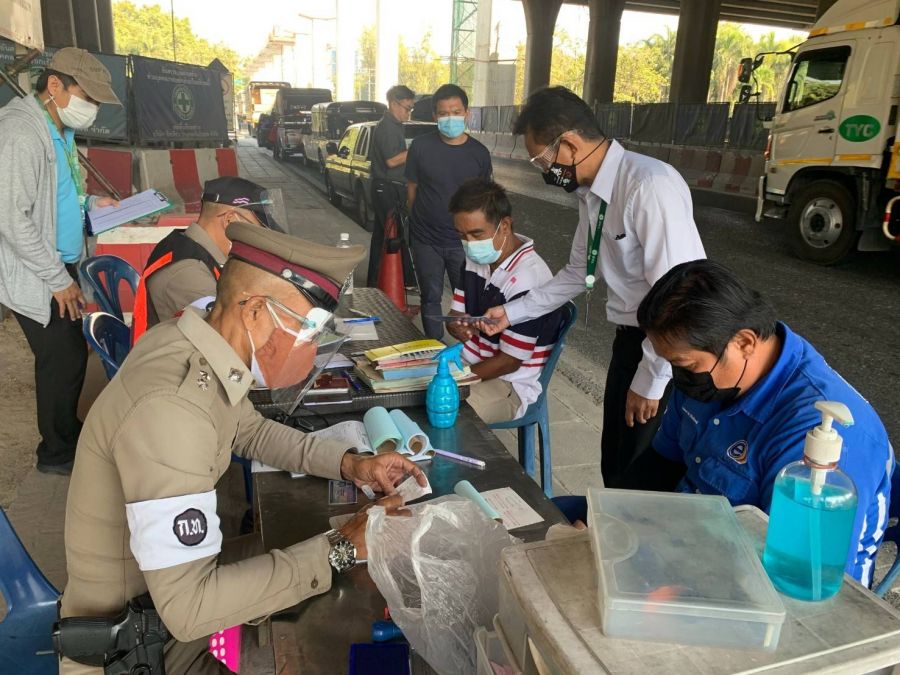
Provincial health chief Supachai Boon-Amphan said Phayao Northern Lake Hotel is being used to quarantine people returning from overseas for 14 days, not to treat patients.
He also said that not everybody quarantined is infected and quarantining them is also preventing local transmissions.
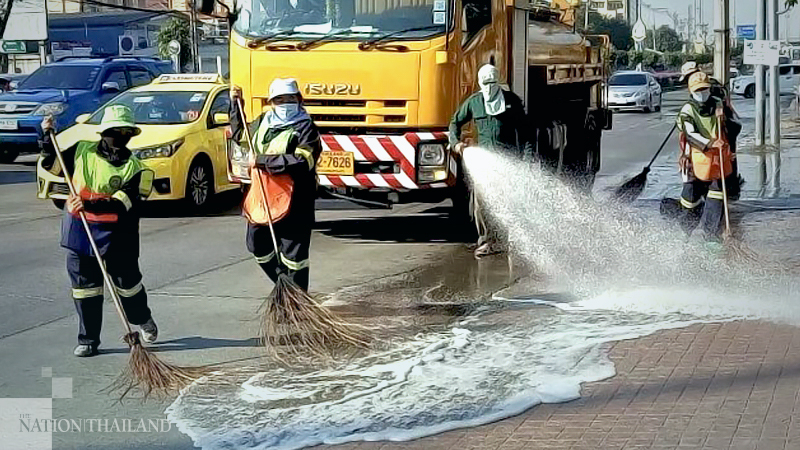
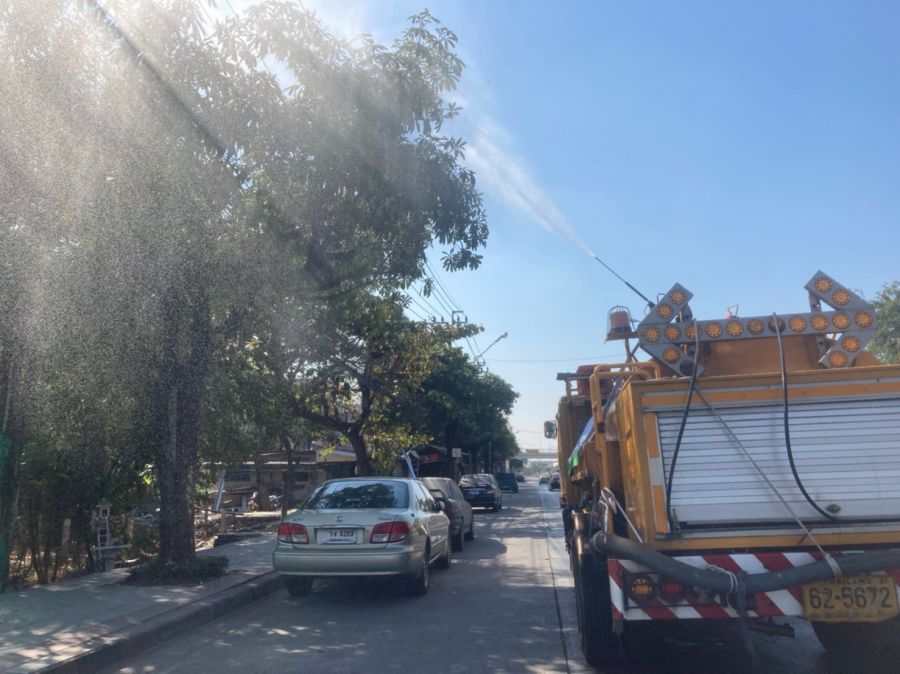
The Bangkok Metropolitan Administration (BMA) has said it will put in place strict measures to deal with air pollution, which hit dangerous levels in several parts of the capital and its vicinity on Friday.
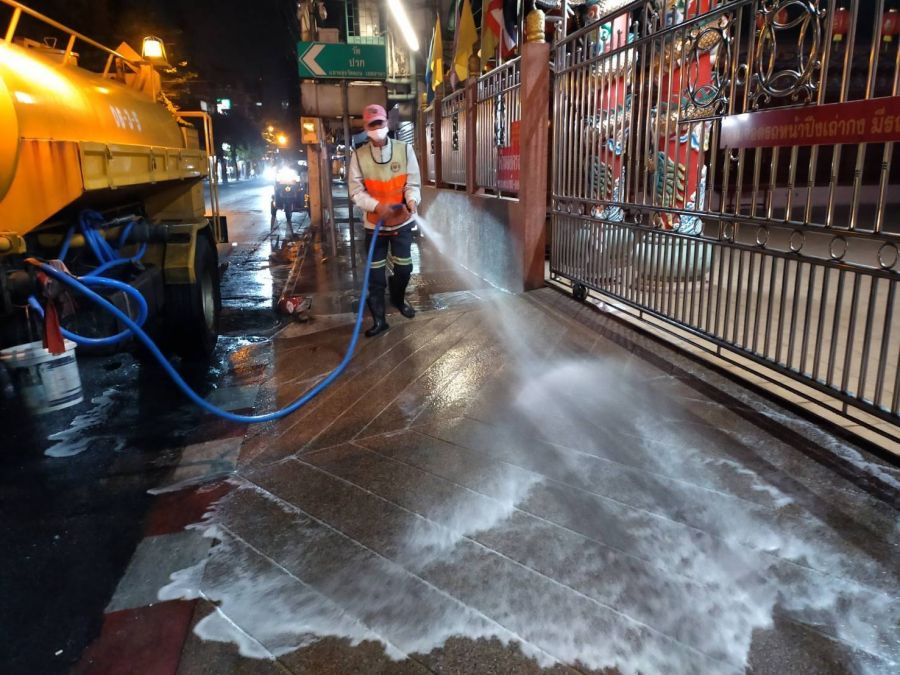
BMA permanent secretary Silapasuay Raweesangsoon said city officials have been instructed to measure vehicle emissions, ensure vehicle maintenance, clean roads and pavements more frequently, install water sprays on buildings, implement measures to reduce dust particles in the air and publicise ways for people to take care of their health.
“The elderly, children and patients with respiratory ailments should avoid outdoor activities and wear a face mask,” she said, adding that people affected by the pollution should visit hospitals under BMA supervision.
According to the Pollution Control Department, air quality in 11 areas in Bangkok and its vicinity hit unsafe levels in the morning with PM2.5 readings coming in at 44 to 111 micrograms per cubic metre (μg/m3).
The department said it expects the PM2.5 level to rise until Saturday due to a drop in wind speed, adding that the situation should improve on Sunday.
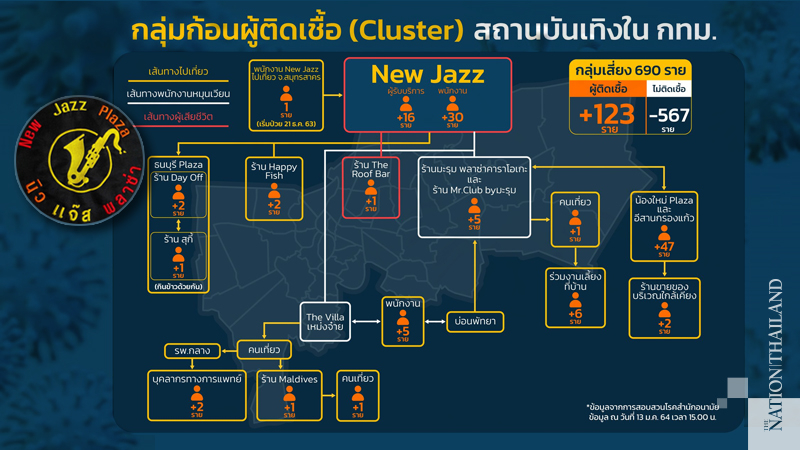
A total of 123 Covid-19 cases have been detected from clusters at Bangkok entertainment venues, City Hall reported on Friday.
Most of the infections were found among staff and customers at two venues – New Jazz Plaza (50) opposite the Mall Thapra in Thonburi district and The Freshy Plaza (47) in Bang Phlat district.
The virus spread to four more places that share staff with the two venues.
New Jazz Plaza shares staff with Marum Plaza Karaoke, Mr. Club by Marum, and The Villa International club, while The Freshy Plaza shares employees with E-Sarn Kongkaew restaurant.
As a result, the cluster has spread to the following five areas of Bangkok:
• Bang Phlat district: The Freshy Plaza and E-Sarn Kongkaew restaurant
• Thonburi district: New Jazz Plaza venue and Day Off shop
• Bang Khae district: Marum Plaza Karaoke and Mr. Club by Marum
• Huai Khwang district: The Villa International club and Maldives pub
• Bang Kho Laem district: Happy Fish pub and The Roof Bar bar
Among the cluster cases are two medics who treated two individuals who concealed their travel history before testing positive for Covid-19.
City Hall officials have disinfected venues linked to the clusters.
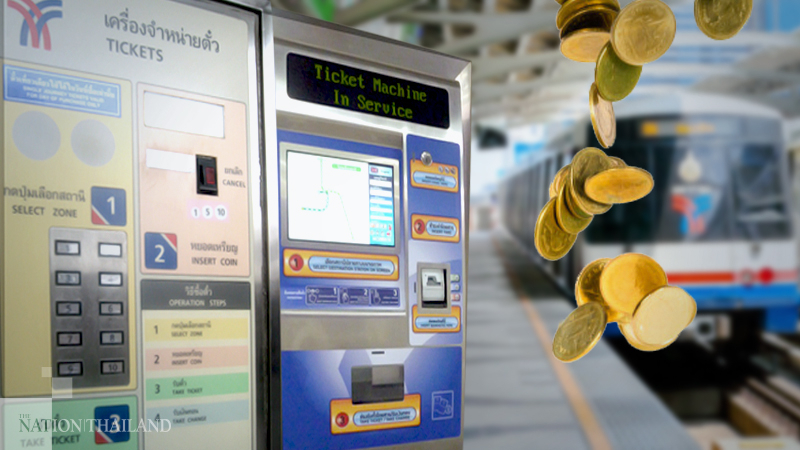
Since BTS will stop providing free services on its Green Line extension from Friday, the public is concerned that Skytrain fares may go beyond Bt100.
The Bangkok Metropolitan Administration (BMA) has, however, issued a statement putting speculation to rest, saying the ceiling for fares has been set at Bt65.
Bangkok governor Aswin Kwanmuang said on Tuesday that the Interior Ministry has proposed the fare and concession for the BTS Green Line extension to the Cabinet for approval.
He added that if the BTS concession has not been confirmed, then the BMA will have to ask the Interior Ministry of the next step.
BTSC, which has been operating the BTS Green Line extension from Bearing to Samut Prakan since 2018 and from Mo Chit to Khu Khot since 2020, has demanded more than Bt8 billion in operation costs.
The operator claims it is incurring a loss of Bt93 per passenger because the fare from end to end should be Bt158.
BMA, meanwhile, has said the government should be responsible for this as the city administration does not have enough cash to cover this cost.
“Over the past two years, fares for the Green Line extension have not been collected because it has been in the trial business. Also, BMA does not know how to set the fares because some stations are still being built,” Aswin said.
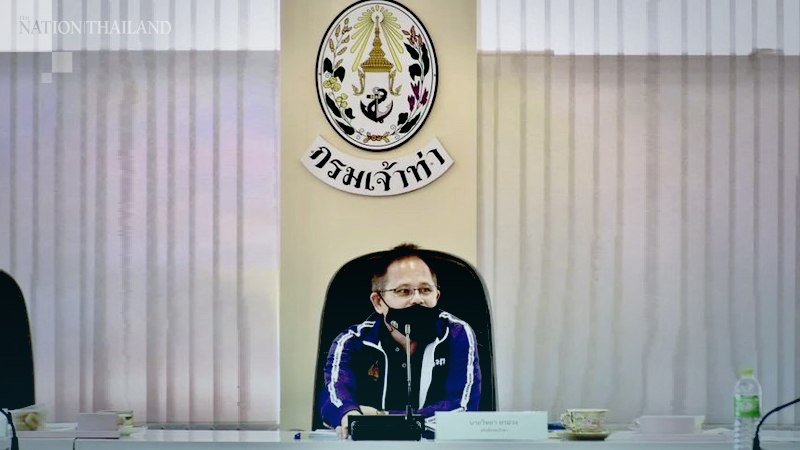
The Marine Department is planning to seek Bt18.7 billion in funding for fiscal 2022, of which Bt1.25 billion will be earmarked for operations and Bt17.45 billion as capital budget, a source said on Friday.
“The department came up with the budget request at a meeting on Thursday, chaired by director general Wittaya Yamuang. The department needs to start new projects as planned and complete the ongoing ones on time,” the source said. “The department will later submit the draft, along with master plans, missions and goals of each project to the Transport Ministry for approval before submitting it to the Budget Bureau.”
The department’s key projects scheduled to kick off in 2022 include the digging and maintaining of water courses and piers in Songkhla province costing Bt131 million, in Samut Sakhon costing Bt357 million, in Surat Thani worth Bt719 million, in Pattani for Bt287 million, in Chachoengsao for Bt552 million, and in Ranong for Bt496 million.
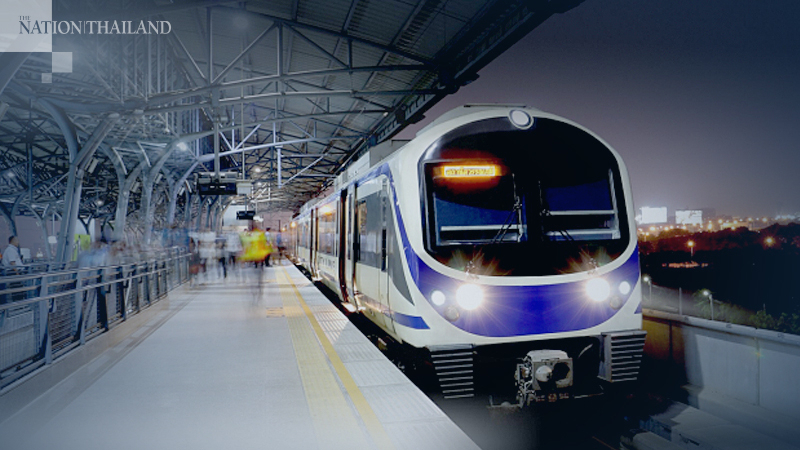
SRT Electrified Train Co Ltd (SRTET) will be responsible for the operation and maintenance of the Red Line urban train from Bang Sue to Rangsit stations and from Bang Sue to Taling Chan stations for 11 months starting in January, or until the State Railway of Thailand (SRT) finalises the contract with the private partner to take over the operation.
Transport Minister Saksayam Chidchob said on Thursday that according to the schedule set by SRT, the Red Line will be transferred to CP Group, who will take over the operation of Airport Rail Link and urban train system on October 24,” he said. “However, if the transfer is not completed by then, SRT will continue to hire SRTET to manage the Red Line to ensure continued service and maintenance.”
CP Group won a public-private partnership contract to operate the high-speed train project that links three airports — Don Mueang, Suvarnabhumi and U-Tapao — and will also manage the connecting Airport Rail Link and urban train routes.
According to the source, CP Group has already started the study on Airport Rail Link operation and has invited applications from qualified candidates to join its staff.
“CP Group will have to pay the operation transfer fee of Bt16 billion to SRT before the October 24 deadline, and both parties are negotiating the terms and conditions of payment,” added the source.
The new normal generally has people wearing face masks to protect themselves, maintaining social distancing, getting their temperature checked or washing their hands diligently with alcoholic sanitiser.
However, in the South of Thailand, the new normal also includes people sending money in bottles to friends and family living across the border in Malaysia.
People in Narathiwat’s Sungai Kolok district have been prohibited from crossing the border in a bid to prevent new infections. Strict measures are also in place to stop people from sneaking across.
Due to these measures, people are not able to contact or provide assistance to their family members living across the Sungai Kolok River on the Malaysian side of the border.
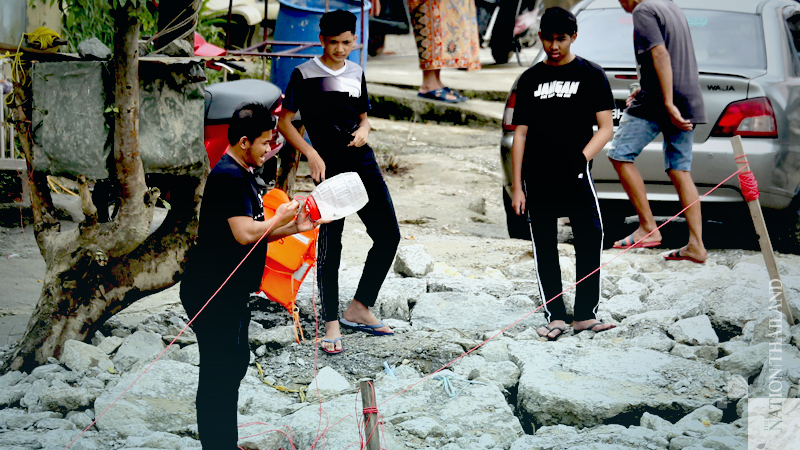
So they have come up with an ingenious solution – stretching a rope across the river and slipping cash or medicines across in a bottle.
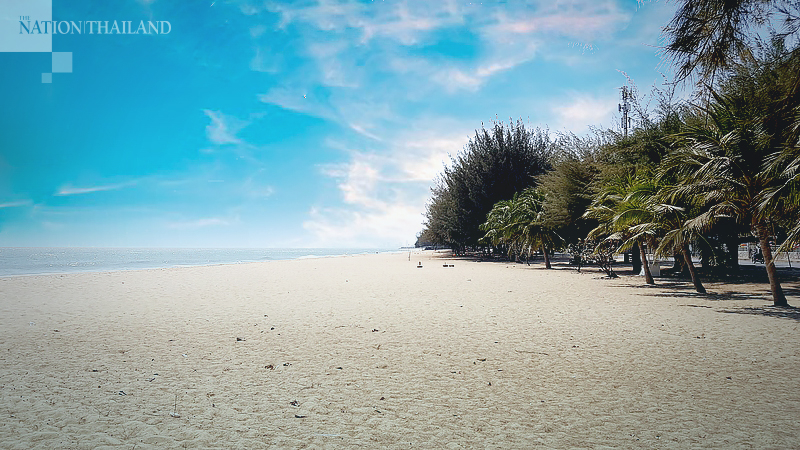
The once bustling beach in Phetchaburi’s Cha-am district is now mostly quiet after a new wave of Covid-19 infections hit Thailand in December.
Prasarn Phromsri, 56, the owner of a beachside seafood stall said his shop has hardly had any visitors since the New Year and hopes the government will roll out measures to help small merchants survive.
Meanwhile, Wasan Kittikul, president of the Thai Hotels in Western Region Association, said that due to a drastic drop in customers, hotel operators in the province have had to slash their room rates as well as reduce the working hours of staff to save cost.
“Some hotels have even shut down temporarily until the situation improves,” he said. “The association expects domestic tourists to return to Cha-am by the end of 2021, when the new wave is under control
“Some hotels even have to temporarily shut down until the situation improves,” he said. “The association expects domestic tourists to return to Cha Am by the end of 2021 when the new wave is under control, and foreign tourists may return in 2022 once international travel restrictions are lifted.”
Campers in Khao Yai were shocked out of their sleep on Friday morning when a wild elephant invaded the camping ground and killed an old man sleeping in his tent.
The elephant ran into the Pha Kluai Mai camping ground at around 2am and entered the tent of Prayod Chitboon, 80. It then grabbed the man with its trunk and flung him against a tree, killing him immediately.
The rest of the campers ran to safety.
Khao Yai officials said later that the dead man’s car was filled with pomelos and the animal was possibly lured by the load.
Officials also found Bt103,108 in cash among Prayod’s belongings and have called his relatives to take the money.
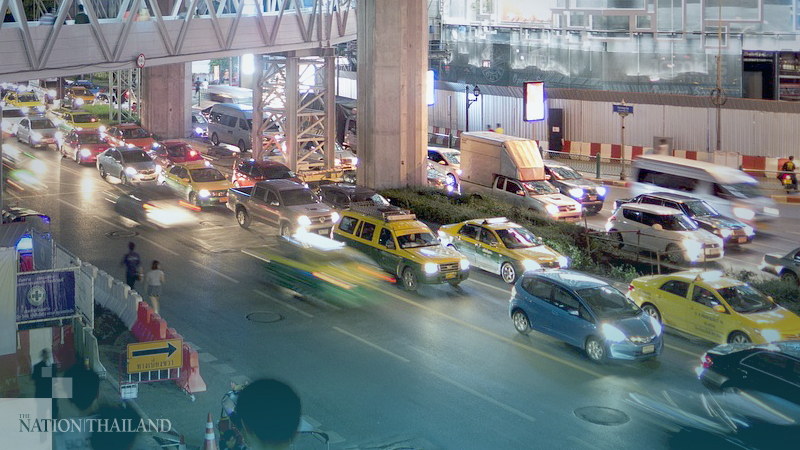
The government is in discussions to tap South Korean expertise in order to tackle the traffic problems plaguing Bangkok.
Chayathon Phomsorn, permanent secretary at the Transport Ministry, and Hyun-jong Joo, Assistant Minister of Land Infrastructure and Transportation of South Korea, co-chaired a working committee meeting on Thursday to discuss traffic problems in Bangkok under the memorandum of cooperation on road transport.
The main purpose of the meeting was to define the scope and key principles of cooperation in road transport as well as developing road transport plans and projects in which Thailand and South Korea have a common interest.
The Thai side is focusing on:
▪︎Solving traffic problems on Ratchadaphisek Ring Road (Rama 9 – Asoke – Rama 4) over Asoke Road, which currently faces a traffic bottleneck.
▪︎Establishing lanes for public buses (Bus Way) around the island in the middle of Rama IV Road to promote the use of public buses rather than private cars to reduce traffic on the road.
▪︎The construction of an underground tunnel under the Chao Phraya River, Sathon – Bangna to solve traffic problems in the area.
▪︎Adopt artificial intelligence technology to help manage traffic problems such as traffic volume, congestion and waiting lines, etc.
▪︎Solving traffic problems on the expressway in Bangkok.
The issues on the Korean agenda were: a pilot to improve traffic management around Asoke Road and Victory Monument; the construction of an underground tunnel under the Chao Phraya River Sathon-Bangna to solve traffic problems, and, electronic road pricing system to manage traffic entering Bangkok.
The next round of discussions will be held in May.