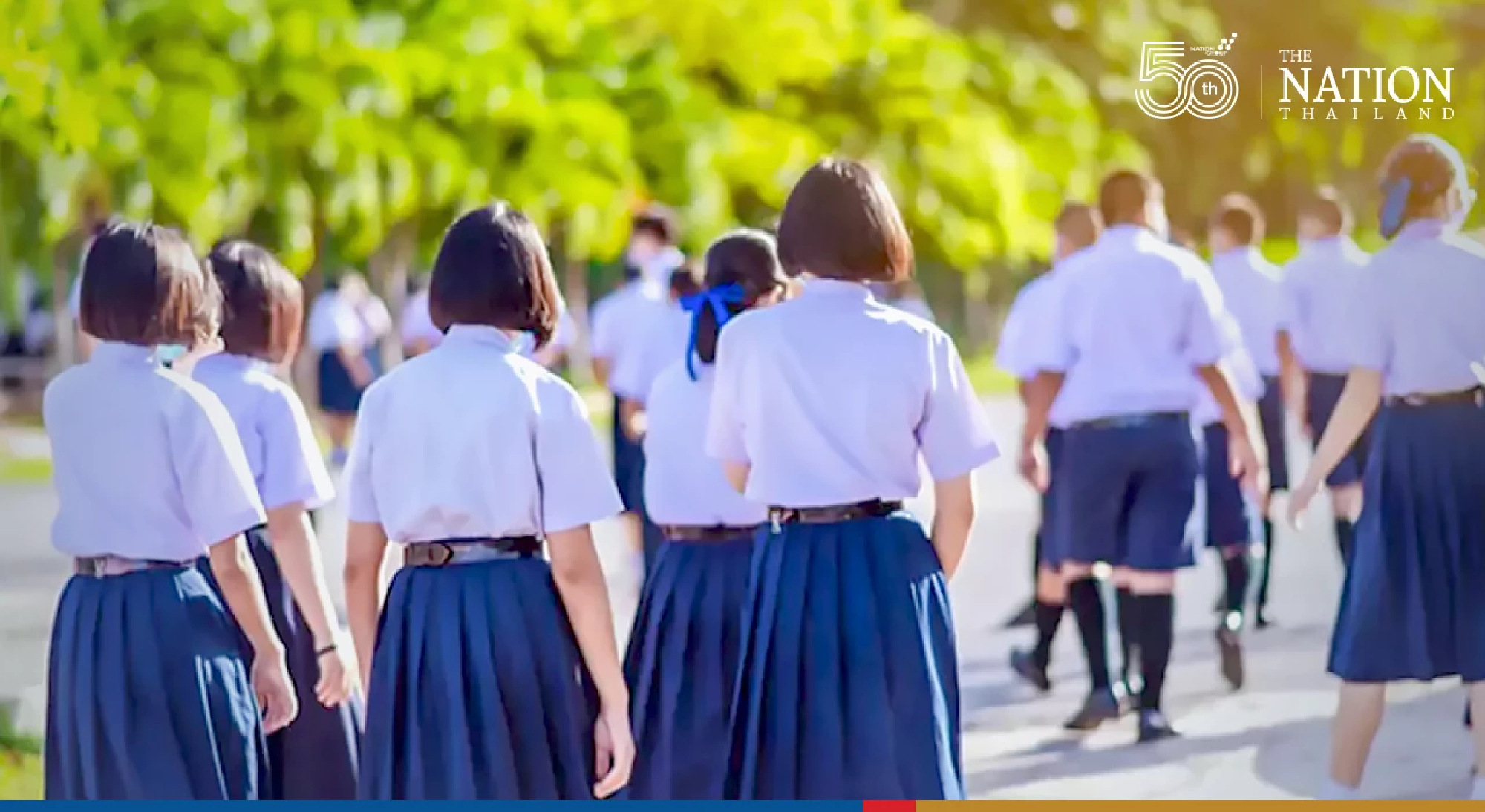
Bangkok Metropolitan Administration (BMA) deputy permanent secretary Chawin Sirinak chaired a meeting with the Bangkok Education Office and the Bangkok Health Office on Wednesday to discuss guidelines in preparation for on-site reopening of BMA schools for the second semester of Pathom 4 to 6 (grades 4 to 6).
The meeting ordered all schools to strictly follow Covid-19 prevention measures that include social distancing, regular hand washing and always wearing a mask.
The meeting also came out with seven exclusive guidelines:
1. Schools must evaluate themselves on the Thai Stop Covid Plus and MOECovid websites. 2. Allow activities only in small groups and students must stick to their groups. 3. Ensure food is nutritious and prepared in a hygienic manner. 4. Make sure environmental health is up to standards. 5. Set up an isolation zone in case of an emergency. 6. Arrange a sealed route for travel. 7. Create a school pass for students, teachers and staff.
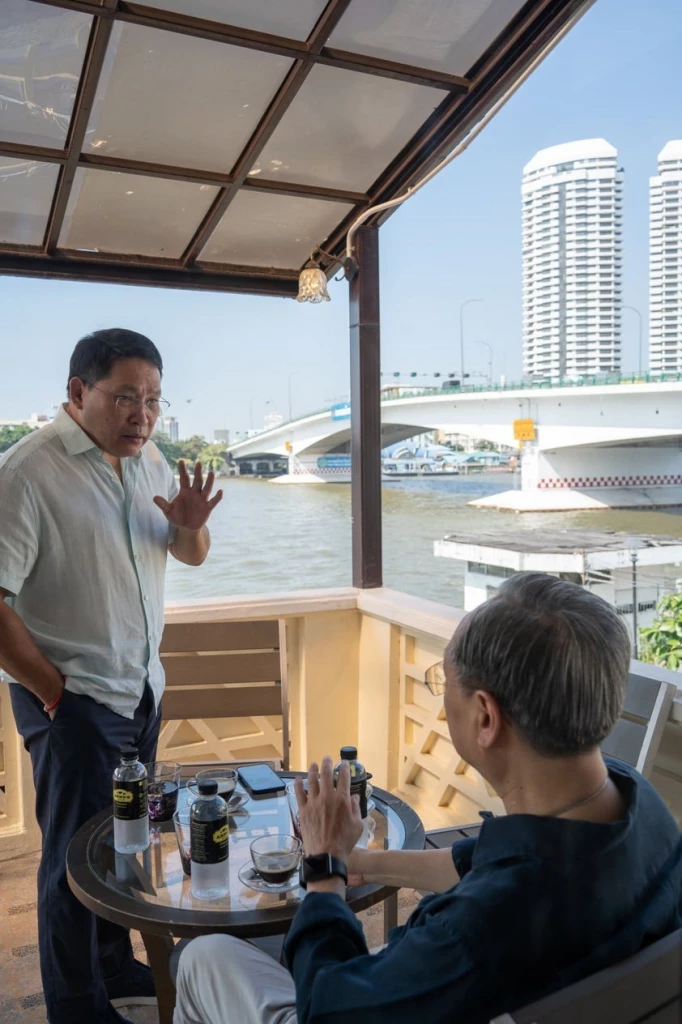
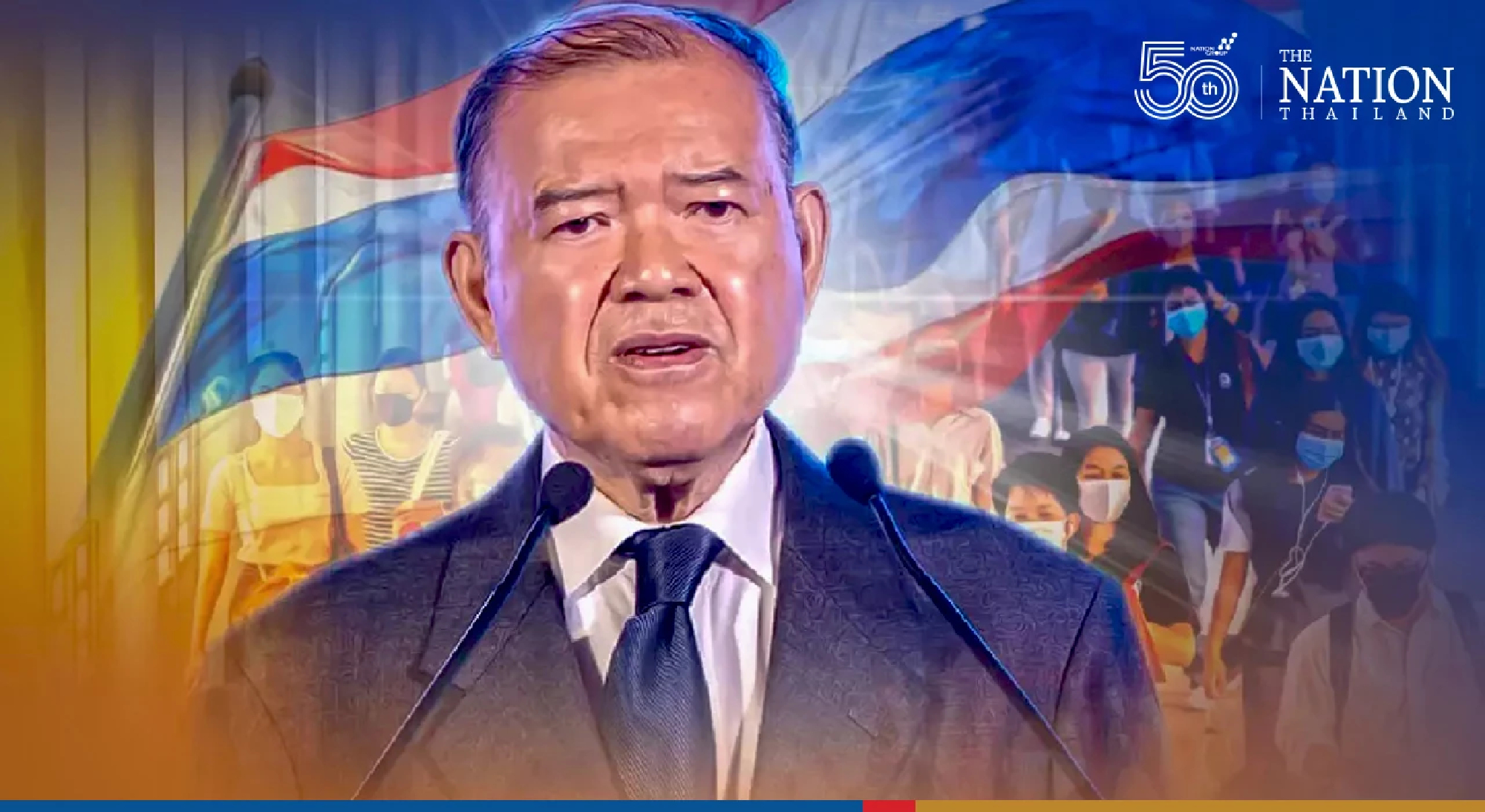
Supachai Panitchpakdi, former secretary-general of the United Nations Conference on Trade and Development and ex-director-general of the World Trade Organisation, urged Thailand to push for a sustainable economy proactively and play a more important role on the world stage.
He also emphasised the development of the industrial sector and underprivileged people.
He was speaking at The Nation’s virtual forum “Thailand Next: Sustainability Goal”.
Supachai made four suggestions for the government in order to drive the country towards the sustainability goal:
1. The state should play a firm role in supporting a sustainable industrial sector with clear direction and immediate solutions.
“I like the 13th Development Plan, which aims to boost electric vehicle production. We are Asean’s biggest automobile manufacturer. Therefore, we need to prepare for electric-vehicle facilitation. Co-investment with China may be a good idea. But this is the government’s responsibility,” Supachai noted.
2. The people’s well-being is as essential as the green economy. The “poor people’s card” system is beneficial, but a number of poverty-stricken citizens are still not able to register for the scheme. Meanwhile, the government should fully support informal workers and promote a full-fledged community economy.
3. The state should act sustainably in all economic, social and environmental aspects. A low-carbon society can only become a reality when people truly understand the importance of the matter.
4. The country needs to step up on the world stage. The government has to make an approach in negotiating international agreements. Asean countries also need to unite and protect the region from China, India and the US, he said.
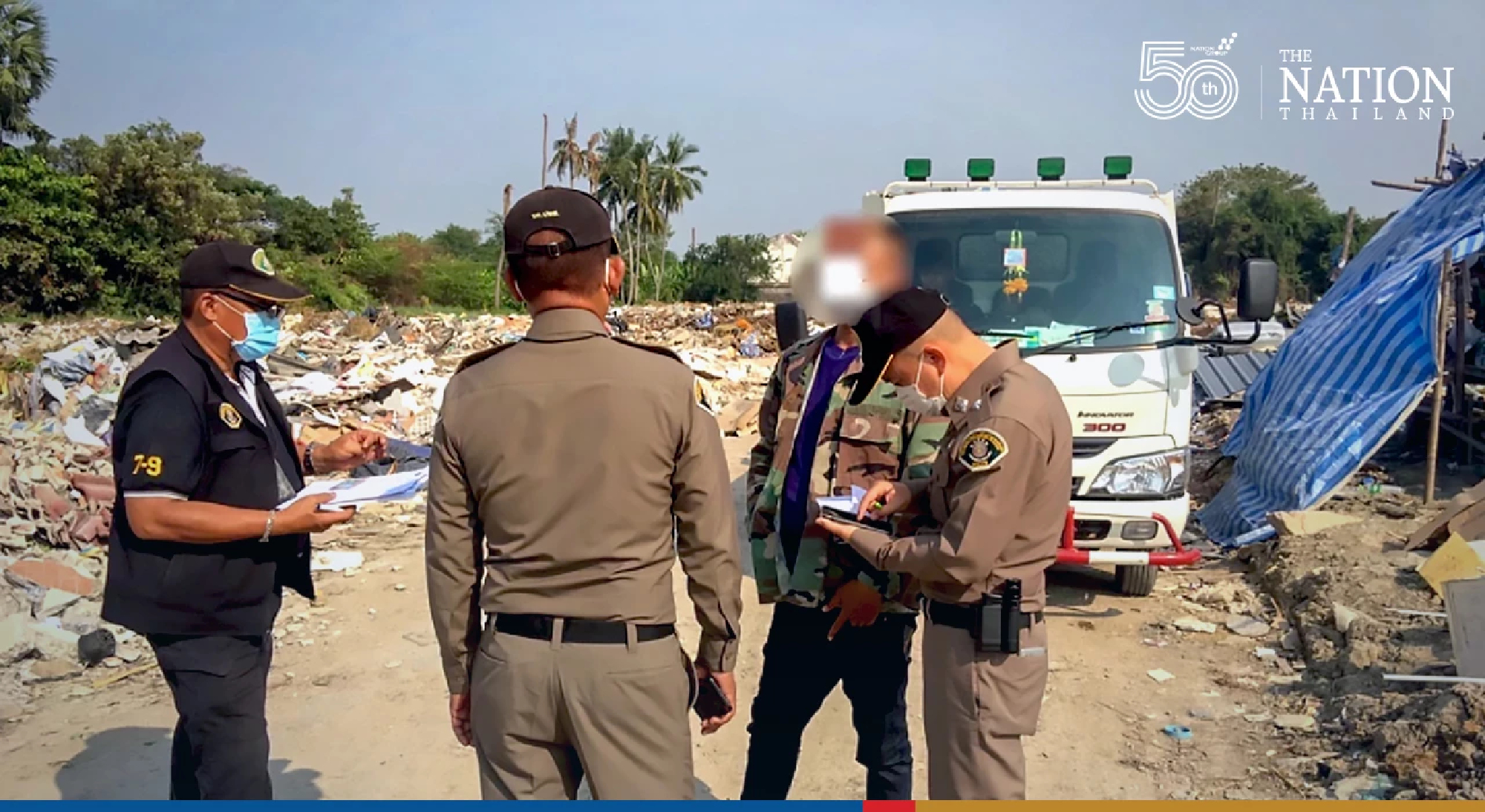
The police caught a 40-year-old contractor called Weerachai (last name withheld) on Thursday in Bangkoks Phasi Charoen district for allegedly allowing trucks to illegally dump waste and building material in an upmarket housing project for a price.
Citizens reported to the police that there was illegal dumping going on in the area, leading to air pollution.
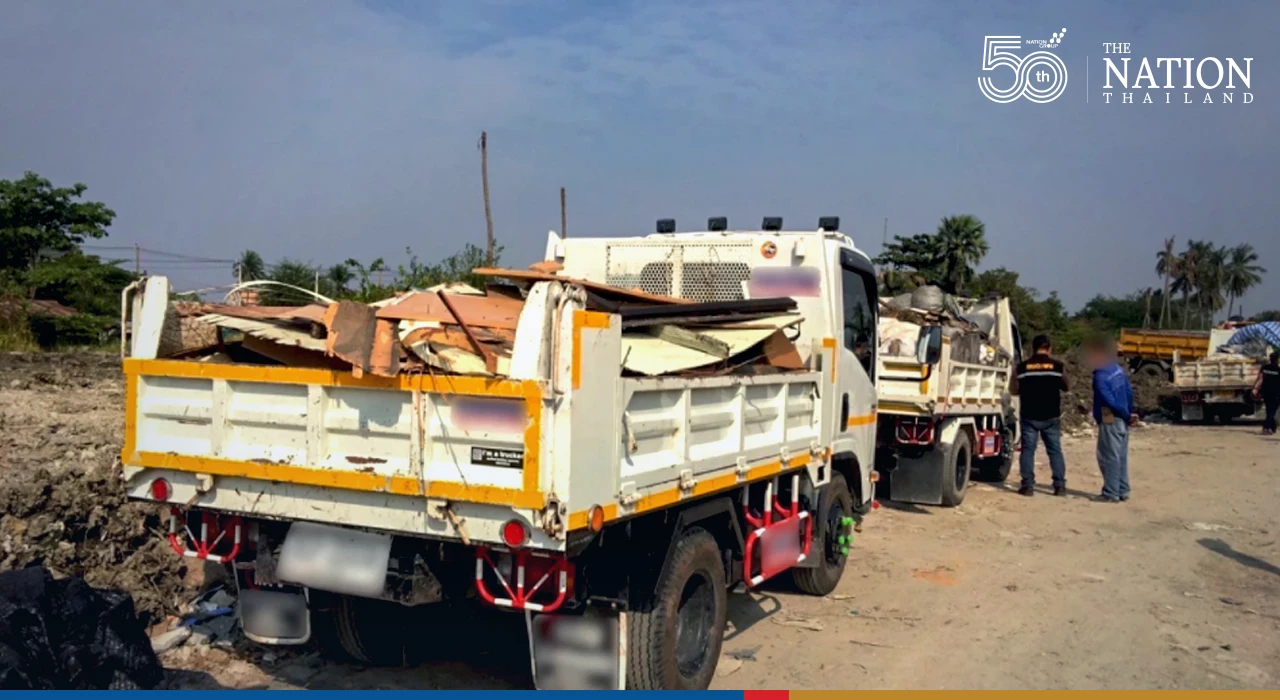
A police investigation found the area is a housing development project with homes priced at more than 10 million baht. There were piles of solid waste, tree branches and building materials on the site.
The police quietly observed the area and found ten trucks going in and out of the area. Some 30 to 40 trucks were seen to make trips into the project per day.
They also discovered that Weerachai allegedly demanded money from the truck drivers to dump the garbage there.
Weerachai reportedly told police he was the contractor who was responsible for the landfill at the housing project.
He admitted that he allegedly demanded 60 to 300 baht from each truck to dump their garbage in the area, and then rented a backhoe for 6,000 baht per day to cover the garbage.
Weerachai claimed he earned around 100,000 baht per month.
He was charged with violating the Public Health Act and the Land Excavation and Land Filling Act.
He was taken to the Natural Resources and Environmental Crime Division for legal action.
The Central Investigation Bureau advised residents who are interested in buying or investing in a house to carefully check the project from the construction phase.
Israeli national Ohad Baruch, who was caught on Koh Samui on Wednesday after escaping quarantine in Bangkok, was infected with the Omicron variant during a test in the capital.
Baruch arrived in Thailand on December 17 under the Test & Go scheme and escaped from a hotel in Bangkok’s Sukhumvit area while awaiting his RT-PCR test result.
The screening staff revealed that Baruch was infected with the Covid-19.
The court subsequently issued an arrest warrant for Baruch and he was caught later at a restaurant on Samui for violating the communicable disease control act.
Public Health officials took him to Koh Samui Hospital for a late-night Covid-19 test. But the result revealed that it was negative and he was not infected with Covid-19.
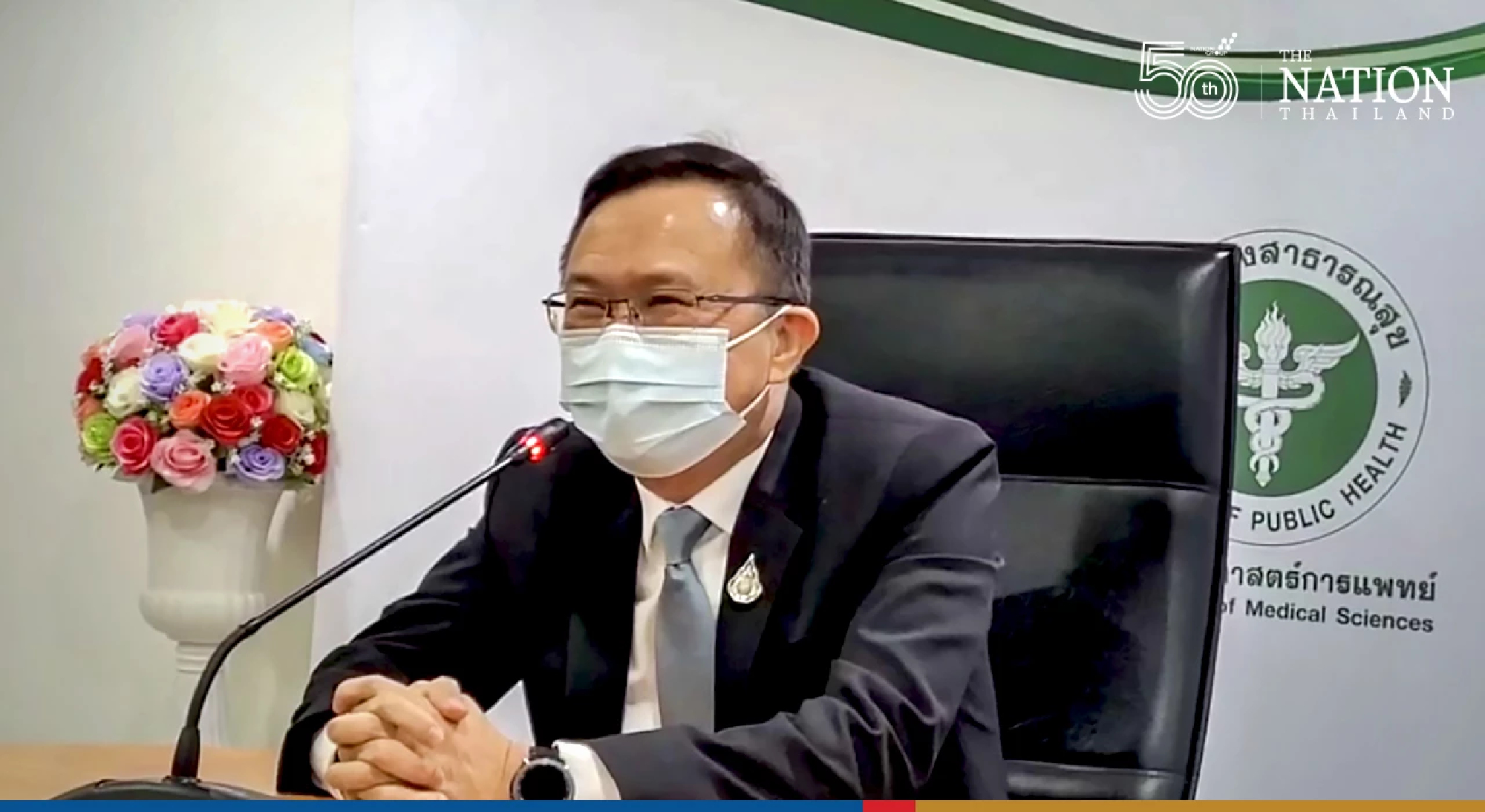
However, Suphakit Sirilak, director-general of the Department of Medical Sciences, confirmed on Thursday that Baruch was infected with Covid-19.
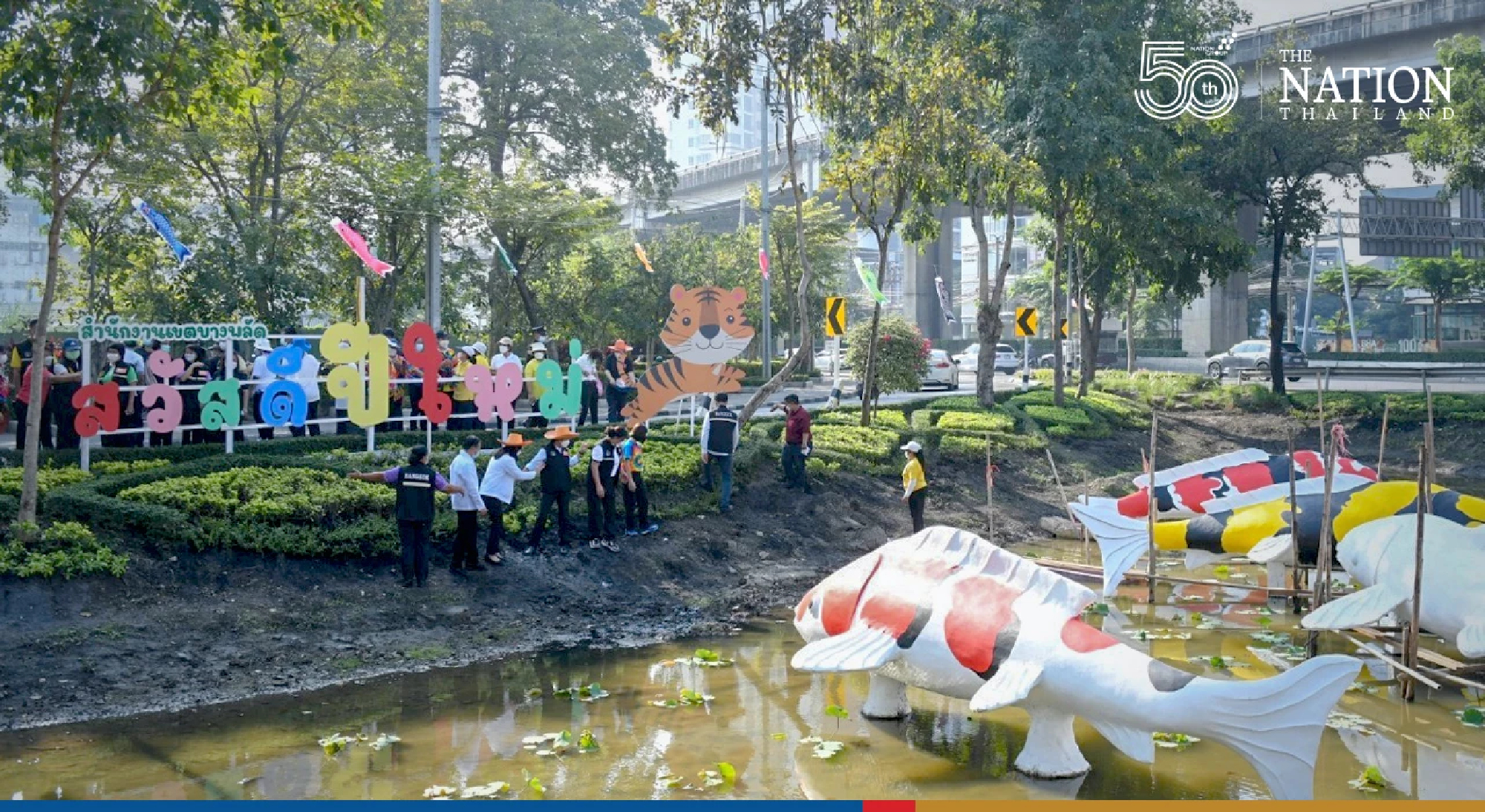
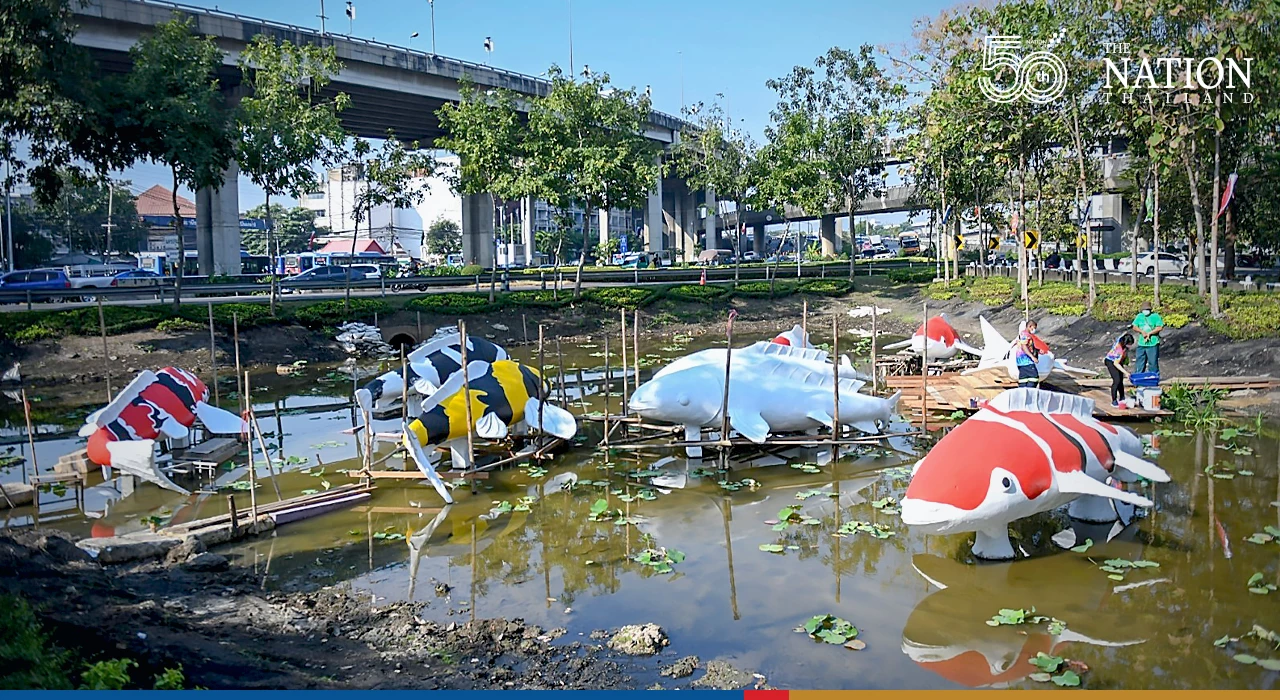
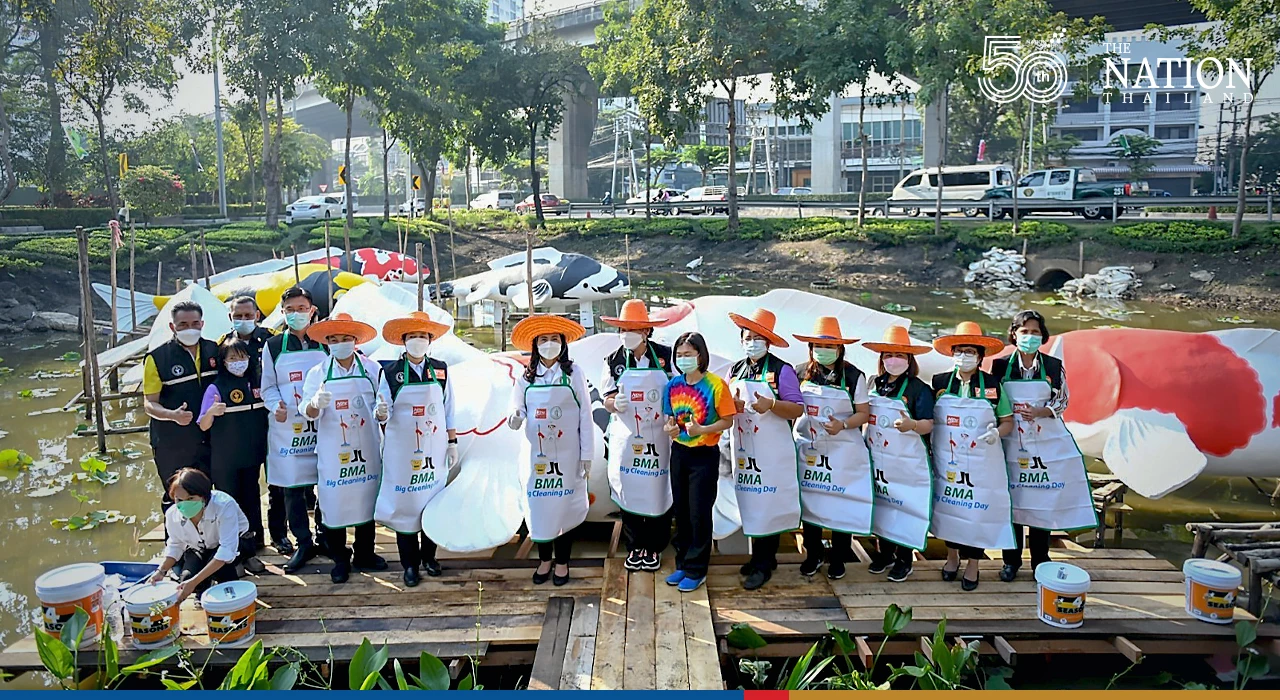
A part of Bang Phlat’s Sirindhorn Road has undergone a glamming up to bring good fortune to Bangkokians during the New Year.
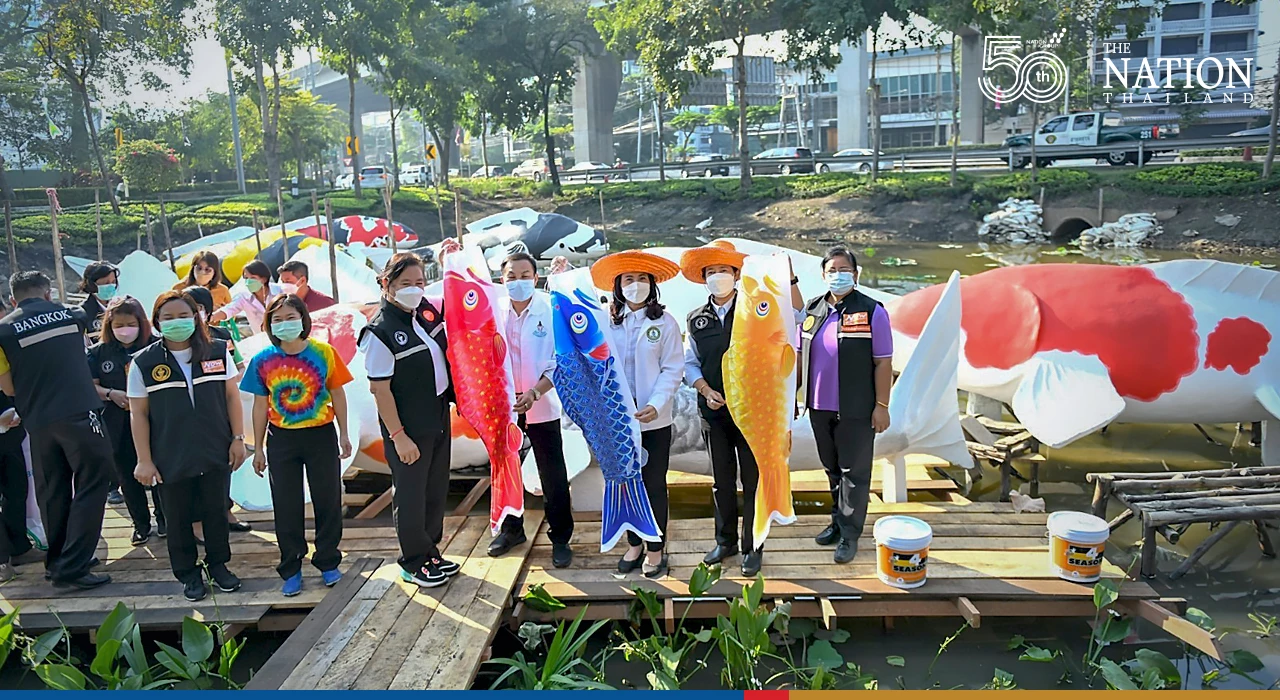
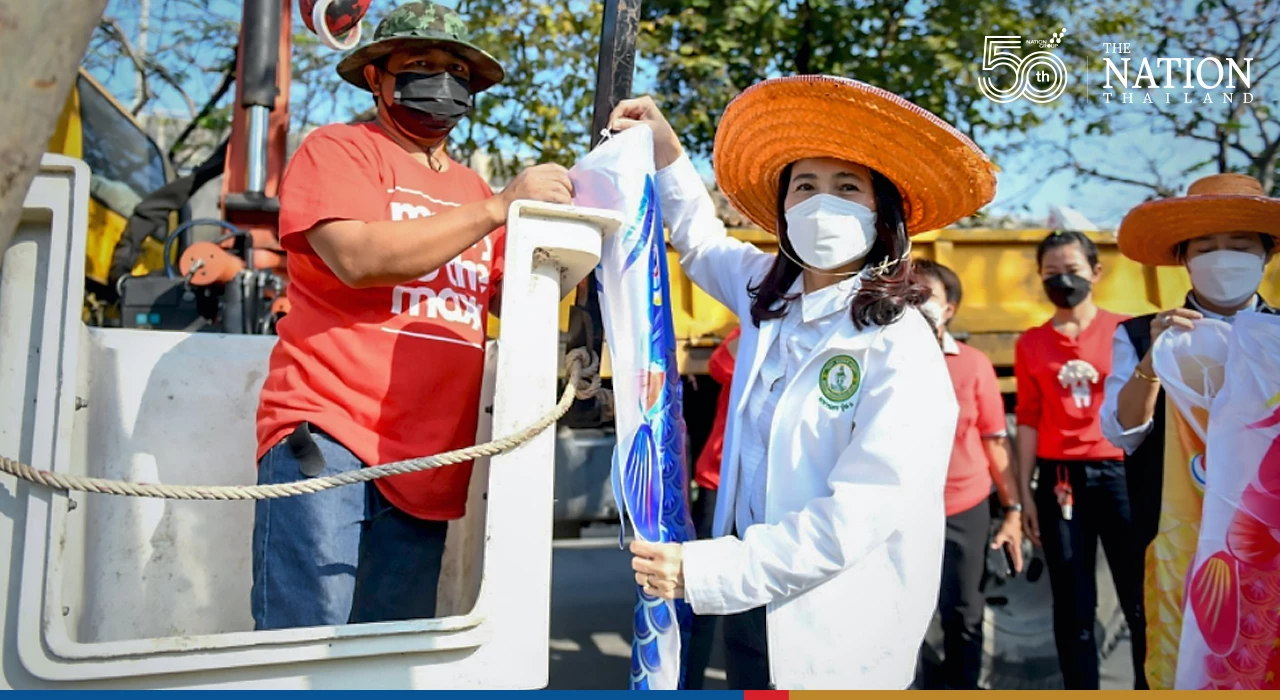
The Bang Phlat District Office organised an activity on Wednesday to improve the 0.25-rai landscape at the Japanese carp pond inbound to Sirindhorn Road. The pond was decorated with nine colourful Japanese carp sculptures and carp flags as it is believed to bring fortune and good health.
Deputy permanent secretary for Bangkok Suthathip Son-iam also joined in the activity to prepare the area as a “present” for the people during the upcoming festive season.
The Royal Gazette website on Wednesday published an announcement by the Centre for Covid-19 Situation Administration (CCSA) regarding the suspension of the Test & Go scheme under the Thailand Pass programme for foreign visitors in a bid to curb the Covid-19 Omicron variant.
The announcement, signed by CCSA chairman Prime Minister General Prayut Chan-o-cha, stipulated that Thailand Pass will not accept new registrations from midnight on Wednesday (December 22) until January 4, when the CCSA will re-evaluate the situation and announce another decision.
During the suspension, foreign visitors can still enter the country under the Phuket Sandbox programme. Visitors who test negative upon arrival are required to stay in Phuket for seven days, after which they can travel to other provinces, provided they test negative via the RT-PCR method on the 5th or 6th day in Thailand.
Alternately, foreigners can choose to enter Thailand via the “alternative quarantine” channel approved by the Tourism and Sports Ministry. They will also need to take a Covid-19 RT-PCR test on the 5th or 6th day in Thailand before they can travel to other parts of the country.
The announcement also stipulated that those who have registered and been approved via Thailand Pass prior to the suspension will be allowed to enter the country, but they need to undergo two RT-PCR tests – the first on arrival and the second on the 5th or 6th day in Thailand. The test will be provided at designated public or private medical facilities and the cost will be covered by the government.
Many foreign tourists have cancelled their trips to Chiang Mai scheduled from January to February next year after the government suspended the Test & Go scheme, said Prasit Itthipattanakul, vice president of Standard Tour, a local tour operator.
Under the Test & Go scheme, registrants of the Thailand Pass programme could enter Thailand without having to quarantine provided they tested negative via the RT-PCR method upon arrival. The Centre for Covid-19 Situation Administration announced on Tuesday that tourists cannot register for entry via Thailand Pass after Wednesday and that it would re-evaluate the situation on January 4 because of Covid-19 Omicron worries.
“Tourists who cancelled their trips are mostly Asians, especially from Singapore, South Korea and Malaysia,” Prasit said during an interview on Wednesday.
“In the past two years there have been almost no foreign visitors entering Chiang Mai until after the government announced the reopening of selected provinces on November 1,” he pointed out. “While the number of foreign visitors is starting to recover, the suspension of the Test & Go scheme will be a serious blow to Chiang Mai’s tourism industry.”
Meanwhile, Chiang Mai Tourism Industry Council president Phanlop Saejew said the suspension of Test & Go has yet to show an immediate effect on the province’s tourism industry as there are still approximately 200,000 incoming tourists who have already been approved under Thailand Pass.
“However, after these tourists head back home we could start seeing the impact as there would be no new tourists entering the province,” he said.
“This also depends on how long the suspension will last, which we will only know after January 4.”
Phanlop said Chiang Mai International Airport is currently logging about 14,000 passengers per day, most of whom are Thais.
“If this trend continues for two more months, the tourism industry in the province should start to recover. We expect that tourism revenue in December could reach THB3 billion,” he added.






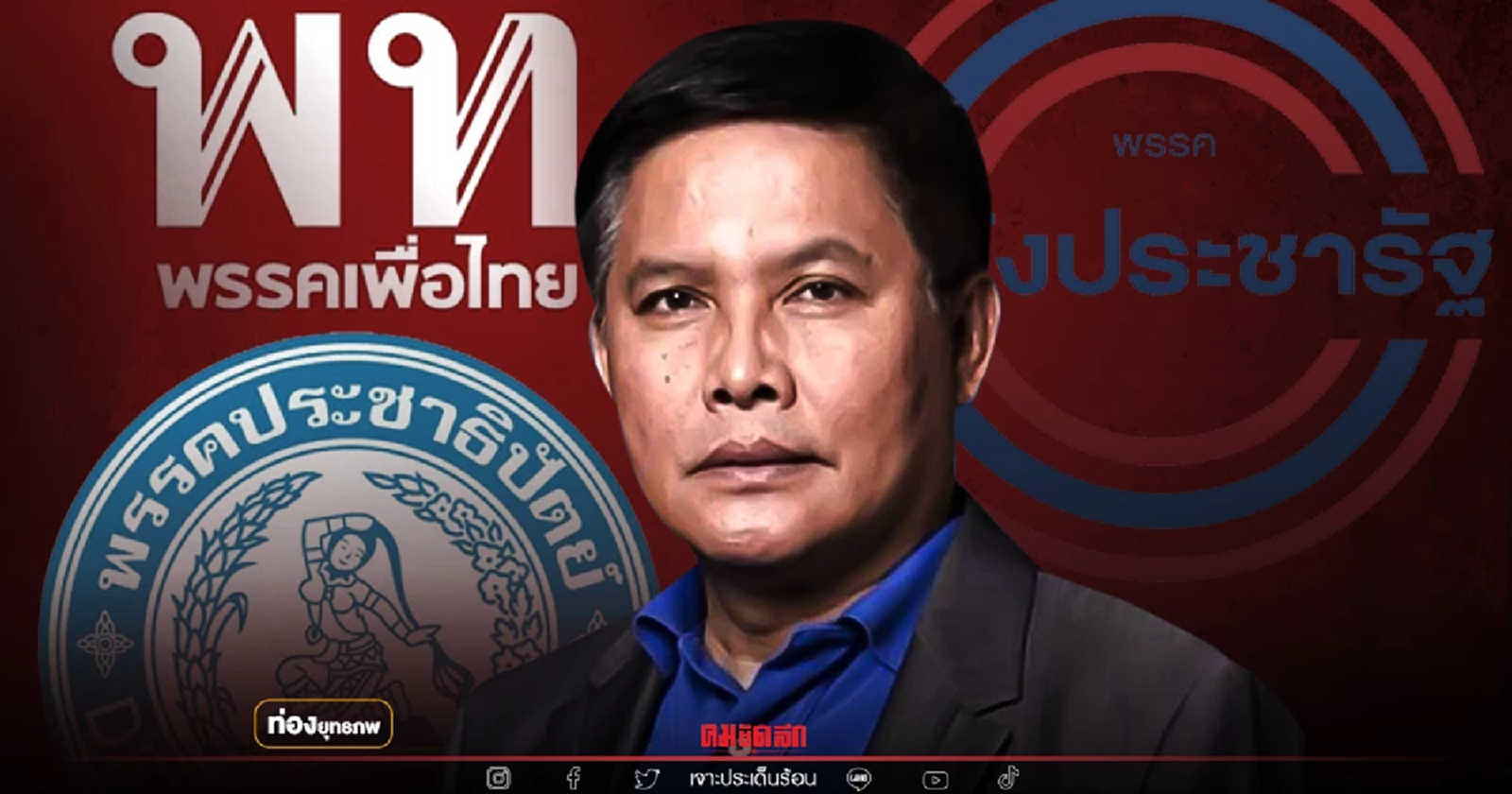
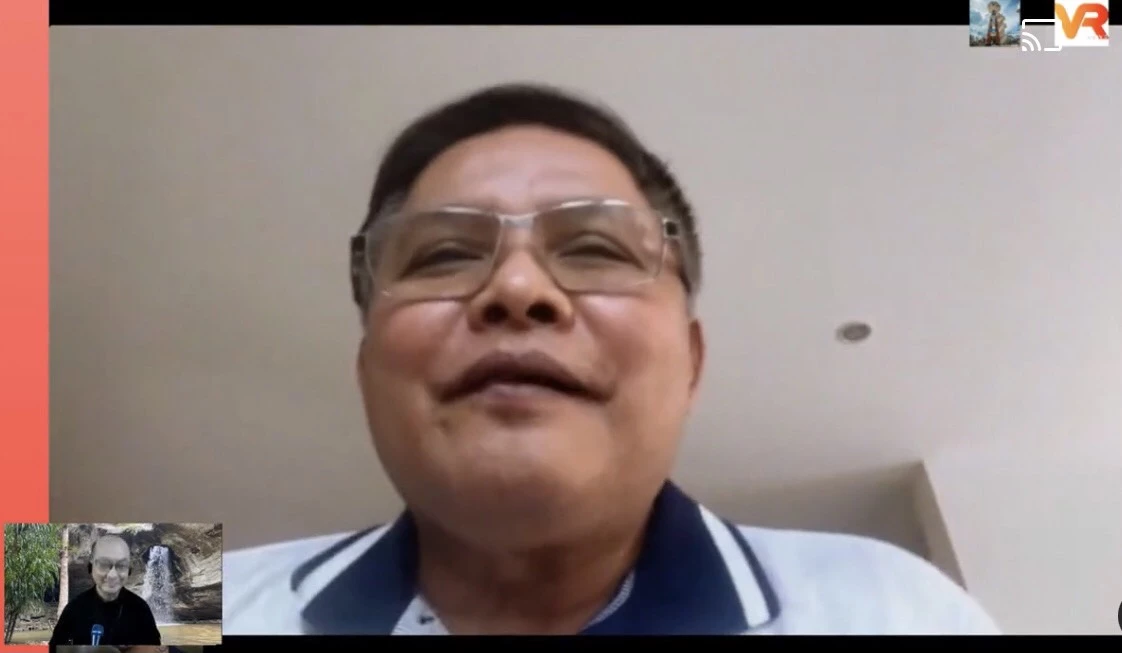 วิฑูรย์ นามบุตร ให้สัมภาษณ์ทีมงานอุบลคอนเนกโดยส่วนตัว วิฑูรย์เป็นเพื่อนรักกับกานต์ กัลป์ตินันท์ นายก อบจ.อุบลฯ น้องชายของเกรียง กัลป์ตินันท์ โดยการเลือกตั้งนายก อบจ.ปีที่แล้ว วิฑูรย์ก็ช่วยเสี่ยกานต์ และให้หลานชาย อภิรักษ์ นามบุตร ไปเป็นรองนายก อบจ.อุบลฯ