U.S. economy adds 210,000 jobs in November as unemployment rate drops

#SootinClaimon.Com : ขอบคุณแหล่งข้อมูล : หนังสือพิมพ์ The Nation.

https://www.nationthailand.com/international/40009613


WASHINGTON – The U.S. economy added a disappointing 210,000 jobs in November, even as the unemployment rate fell to a new pandemic low, reflecting a recovery complicated by ongoing pressures.
But the 4.2% unemployment rate, down from 4.6% in October, was notably significant, because it came as more than half a million workers, especially women, returned to the workforce. During much of the pandemic, drops in the unemployment rate have been a result of people leaving the workforce because of public health concerns, child-care challenges and retirement.

The uneven jobs report, from two separate surveys compiled by the Bureau of Labor Statistics, is just the latest sign of turmoil in the economic recovery, with higher prices spreading through a broad array of goods, ongoing supply chain shortages and labor shortfalls that continue to hamstring companies’ ability to deliver goods and services.

“Holistically this report looks pretty good,” said Drew Matus, chief market strategist for MetLife Investment Management. “More people are participating in the economy, and fewer of them are unemployed. When you take those two together, I think they’re more important than what the headline payroll figure might look like.”

Coronavirus cases began rising the week that the surveys were taken, and the data, which is seasonally adjusted according to pre-pandemic patterns, is still vulnerable to surprising shifts because of the way the pandemic has thrown off the rhythms of the economy.

The BLS has been revising initial jobs data upward routinely over the last six months, including some of the biggest revisions on record. September and October followed that pattern more modestly, with the agency reporting a total of 82,000 more jobs gained than originally reported.

Yet November’s job gains were the slowest of the year so far. Leisure and hospitality, the sector hit hardest by the pandemic, had a particularly low month, gaining back only 23,000 jobs. It is still down 1.3 million jobs from February 2020.

Health care, down 450,000 jobs since the beginning of the pandemic, added back only 2,000 jobs. Hiring in other major industries like wholesale trade and public and private education was flat for the month.

The retail sector lost 20,000 jobs, with declines in general merchandise stores; clothing and clothing accessories stores; and sporting goods, hobby, book and music stores.

Some of the biggest gains were in professional and business services, which added 90,000 jobs; transportation and warehousing, which increased by 50,000; and construction and manufacturing, which each added 31,000 jobs for the month.

“The slowdown was largely driven by the service sector, which has both the largest remaining shortfall to precrisis jobs levels and has also carried jobs growth for the year,” said Daniel Zhao, senior economist at Glassdoor. “The delta wave is still lingering. . . . We can’t write off the effects of the pandemic on the labor market.”

Zhao pointed out that 69% of the remaining jobs shortfall is in leisure and hospitality, education, and health care – sectors that rely on face-to-face interactions among large numbers of people.

“Because covid-sensitive industries are where job shortfalls remain, the resurgent pandemic and concerns about the omicron variant means that covid remains the largest threat to a full jobs recovery,” he said.

A record 4.4 million Americans left their jobs in September, the last month data is available, and job openings remain near a record high, giving workers more leverage than they’ve had in decades. Wages too have risen significantly over the last year, although those increases have largely been wiped out by inflation thus far.

But the picture is complicated for many workers navigating the new climate.

Brittany Sharnez, 28, a digital marketing specialist from Little Rock, recently landed her first full-time job since being laid off early in the pandemic.

She’s excited about the position, a communications and marketing manager for a nonprofit that helps Black and Latino children and young adults get into the computer science world. It will be the highest salary she’s ever made and includes full benefits, such as health insurance. The firm is based in New York but will allow her to work remotely.

Still, it was a long road back, more than 18 months. She could find contract work but wanted a full-time job. She applied to hundreds of openings, paid a specialist to polish her résumé and participated in a live video interview show on LinkedIn, where job seekers talk about their experience and qualifications to attract recruiters. She said all the talk about the hot jobs market just didn’t capture the challenges facing people like her.

“Most of the times, that talk comes from people who are not job hunting and who have not job hunted in many years,” she said. “They’re driving around seeing all these ‘hiring now’ signs, saying, ‘Oh it should be easy,’ and they have this in their head that people don’t want to work. They don’t know that there are [employers] who are ghosting people or are trying to push you through this lengthy hiring process that you don’t have time for because you have bills right now. It’s been really hard.”

Economists had been predicting about 500,000 to 600,000 job gains for November, after similarly strong gains in October raised hopes for a period of more sustained labor market growth.

Still, labor market growth has been encouraging this year so far: The country has been adding more than 500,000 jobs a month on average, gaining back more than 5 million jobs lost in the early days of the pandemic. At 4.2%, unemployment wasn’t forecast to reach this low until 2024, according to a February estimate from the nonpartisan Congressional Budget Office.

White House advisers said they expect inflationary pressures to slow down over the next year and the gains made by workers, in their wages and standing, to last.

“The Biden economic agenda isn’t just providing opportunities to people, it’s providing bargaining clout to low- and middle-wage workers,” said Jared Bernstein, one of President Joe Biden’s chief economic advisers. “He’s not solely interested in job gains – he’s interested in good job gains and gains that provide workers with bargaining power.”

In November, the participation rate, or the percentage of people either working or looking for work, rose to 61.8% of the overall workforce, its highest level since March 2020. Some 594,000 workers reentered the labor force, slightly more than half of them – 304,000 – women.

“The overall momentum of labor market recovery is strong,” said Odeta Kushi, an economist at First American Financial Corporation, a financial services company. “Adding more workers to the labor force – that’s incredibly important.”

The only major racial group that lost workers was Black women, some 91,000 of whom left the labor force in the month, according to the report. Workers without high school degrees also dropped out of the workforce in November.

Yet, many of the pandemic-long hang-ups that have kept workers out of the labor force remain, particularly as coronavirus cases rise again and questions about a new and potentially more transmissible variant loom.

Emma Sable-Smith, 31, quit her job in October as a data manager with the state of Wisconsin to take care of her 8-month-old son. Day care was out of the question for her, with so many lingering cases. And the cost of hiring a nanny made it easier for her to quit, with the added benefit of being able to spend more time with her baby.

“Weighing all of that, it became a no-brainer for us,” said Sable-Smith, who plans to restart her career after her child turns 1 and the pandemic is more under control. “We didn’t want to take on the risk [of day care]. Especially with a kid that’s under a year old.”

Sable-Smith is among what economists believe are many thousands of women who have left the workforce for child-care or family-care reasons but intend to return once the public health crisis eases – a big challenge to the labor force’s recovery.

There have been some positive economic signs recently as well. Weekly unemployment filings have trended steadily downward in recent months, even dipping below the pre-pandemic average to a new historical low the week before Thanksgiving.

The trade deficit narrowed in October, and consumer spending increased at its fastest pace since March, according to estimates from the Commerce Department.

However, inflation hit a three-decade high in October, driven by rising energy prices and ongoing supply chain backlogs resulting in higher prices in a broad range of categories including shelter, food, medical care and new vehicles. And a new chapter of the public health crisis remains an ever-present threat to upend the momentum in the labor market.

Americans have reported that they are growing more skittish about the economy’s long-term prospects. The University of Michigan Consumer Sentiment Index found that Americans are increasingly wary of “an escalating inflation rate and the growing belief . . . that no effective policies have yet been developed to reduce the damage from surging inflation.”

The surveys on which the labor market data is based were taken during the second week of November, at the beginning of the recent rise in coronavirus cases, and weeks before concerns began rising about the new omicron variant.

Published : December 04, 2021

By : The Washington Post

Pegasus spyware used to hack U.S. diplomats working abroad

#SootinClaimon.Com : ขอบคุณแหล่งข้อมูล : หนังสือพิมพ์ The Nation.

https://www.nationthailand.com/international/40009612


WASHINGTON – Apple has alerted 11 U.S. Embassy employees that their iPhones had been hacked in recent months by Pegasus spyware from NSO Group, an Israel-based company that licenses software to government clients in dozens of countries that allows them to secretly steal files, eavesdrop on conversations and track the movements of its targets, according to people familiar with the notifications.

The revelation, the first confirmed cases of Pegasus being used to target American officials, comes a month after U.S. officials blacklisted the NSO Group amid allegations that its foreign government clients had enabled hacking against unspecified embassy employees, political activists, human rights workers and others.

These and other actions come after the July publication of the Pegasus Project, an investigation by The Washington Post and 16 other news organizations into the activities of NSO Group. One of the investigation’s findings was that U.S. diplomats and other embassy employees were at risk from Pegasus, especially when they used phone numbers based overseas.

The hacks were concentrated at the U.S. Embassy in Uganda’s capital, Kampala, according to the people familiar with Apple’s notifications. At least some of those targeted were U.S. citizens working as Foreign Service officers, they said. Last month, Apple began alerting people who’d had been potentially compromised by a known Pegasus exploit called “FORCEDENTRY” and sued the company, seeking to prevent it from using Apple products in the future.

The news that U.S. Embassy employees being hacked was first reported by Reuters and was confirmed by The Post.

The hacks of U.S. officials by Pegasus highlights the national security threat posed by the largely unregulated global spyware market, which makes powerful malware available to countries worldwide regardless of their own technical abilities. The Israeli government controls where the NSO Group can offer its products, but there is no global regulatory framework, nor is there a system for routinely detecting abuses by the clients of private spyware companies.

News of the targeting of American diplomats working overseas helps explain the move by the Commerce Department last month to add NSO Group and another Israeli company, Candiru, to the blacklist, a relatively rare move against a business from a close ally. U.S. companies are prohibited from doing business with companies on the list, officially called the “Entity List,” which in recent years has been dominated by Chinese companies. Two other companies, one from Russia and the other from Singapore, were added to the list at the same time as NSO. Of the more than 1,600 companies on the list, nearly 40% are Chinese.

The National Security Council said in a statement Friday, “We have been acutely concerned that commercial spyware like NSO Group’s software poses a serious counterintelligence and security risk to U.S. personnel, which is one of the reasons the Biden-Harris Administration has placed several companies involved in the development and proliferation of these tools on the Department of Commerce’s Entity List.”

Pegasus can be delivered remotely without any action, such as clicking on a link or notification. Once Pegasus penetrates a device, it essentially turns a smartphone into a spying device, allowing the operator – typically an intelligence or law enforcement official – to do anything the user can. That includes turning on the microphone, examining photos, emailing documents and tracking locations over time. Social media and contact lists can also help establish relationships with others.

“This is a direct safety threat to diplomats because Pegasus means you can live-track the locations of people,” said John Scott-Railton, a researcher with Citizen Lab, which tracks Pegasus and other spyware use worldwide and first discovered the Pegasus exploit.

NSO, which has said that Pegasus is intended to investigate only criminals, terrorists and other serious threats to security, said in a statement Friday that it had suspended accounts with clients, which it declined to name, because of the reports that Pegasus had been used to target U.S. diplomats.

The Israel-based company has long been deferential to U.S. interests and has insisted that Pegasus was not technically capable of hacking phones with U.S.-based +1 phone numbers. It is not known whether the diplomats alerted of intrusion had phones numbers based in foreign countries or the United States.

“Once the inquiry was received, and before any investigation under our compliance policy, we have decided to immediately terminate relevant customers’ access to the system, due to the severity of the allegations,” said NSO spokesperson Oded Hershkovitz. “To this point, we haven’t received any information nor the phone numbers, nor any indication that NSO’s tools were used in this case. On top of the independent investigation, NSO will cooperate with any relevant government authority and present the full information we will have.”

The iPhones belonged to U.S. citizens and local residents working for the U.S. Embassy in Kampala, people familiar with the notifications said. The phones were all linked to State Department email addresses using iCloud, Apple’s cloud-storage system. Those connections allowed investigators to identify them as government employees. Apple declined to comment.

Since Apple began issuing alerts to its users about possible attacks, people in numerous countries, including Uganda, Thailand and El Salvador, have reported receiving the warnings. Politician Norbert Mao, head of Uganda’s Democratic Party, tweeted last month, “When you wake up to a threat notification from @Apple that your iPhone is being targeted then you know that cyber terrorism from state sponsored cyber terrorists is real.”

A request for comment to the Ugandan embassy in Washington was not immediately returned on Friday.

The revelations could further fuel tensions between federal officials and the network of influential Washington figures NSO has paid in recent years. Rod Rosenstein, deputy attorney general at the Justice Department under the Trump administration, is helping defend NSO in court against an ongoing lawsuit by Facebook-owned messaging service WhatsApp, which accused NSO of spying on its customers. Rosenstein did not respond to requests for comment.

While the Pegasus Project found a wide range of abuses against lawyers, academics and political activists, government officials in the United States and elsewhere have displayed particular concern about the use of spyware against diplomats and other officials.

Sen. Ron Wyden, D-Ore., a member of the Senate Intelligence Committee, said Friday, “Companies that enable their customers to hack U.S. government employees are a threat to America’s national security and should be treated as such by the government. I want to be sure the State Department and the rest of the federal government has the tools to detect hacks and respond to them quickly. Federal agencies shouldn’t have to rely on the generosity of private companies to know when their phones and devices are hacked.”
 

Published : December 04, 2021

By : The Washington Post
Man carried loaded handgun on American Airlines flight from Barbados to Miami, officials say

#SootinClaimon.Com : ขอบคุณแหล่งข้อมูล : หนังสือพิมพ์ The Nation.

https://www.nationthailand.com/international/40009611


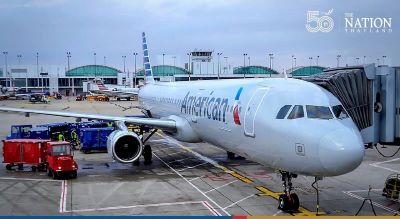
An 83-year-old passenger boarded an American Airlines flight in Barbados last month with a loaded Ruger revolver in his pants pocket, then flew to Miami, authorities said.

The breach at Barbados’ Grantley Adams International Airport raised questions about the level of security in the Caribbean nation, a popular vacation destination. An international team from the Transportation Security Administration will travel to work with local officials on improvements, the agency said.

After passenger Cameron Hinds, from the island’s capital city of Bridgetown, landed at Miami International Airport, he sent his briefcase through a security screening ahead of his connecting flight to Orlando, authorities said.

A TSA X-ray operator discovered the .32-caliber weapon, loaded with five rounds, in the black case. Hinds was arrested by Miami-Dade Police and charged with carrying a concealed weapon.

He pleaded not guilty in Miami-Dade Circuit Court. His attorney did not immediately respond to a request for comment Friday. Court records show he was released on his own recognizance pending additional court proceedings.

Hinds told police that after he went through customs, he remembered the gun in his pocket and then put it in his carry-on before reaching the TSA checkpoint.

“We are very proud of our officers who immediately intercepted the gun when the individual was going through security to transfer to a domestic flight,” TSA spokeswoman Sari Koshetz said. “This is a rarity, and one we take quite seriously. It highlights the reason why we do rescreen international passengers before they connect to a domestic flight in the United States.”

Koshetz declined to say whether Hinds’s actions amounted to a mistake or an intentional threat, saying that will be left to authorities in Barbados and Miami. TSA’s mission is to stop threats in either case, she said.

American Airlines declined to release details about the incident, saying the safety and security of employees and customers are its top priorities. The airline said it is working closely with law enforcement.

Barbados’ consul general in Miami, Neval Greenidge, did not immediately respond to a request for comment. But Greenidge told South Florida’s NBC 6, which first reported the incident, that the “blunder” came after a security agent patted down Hinds. The revolver was in Hinds’s bag, under a laptop, Greenidge told the station. But the laptop should have been removed as part of screening in Barbados, Greenidge said, adding that steps are being taken to prevent a repeat.

The TSA “partners with countries to provide assistance, guidance, and assessments to assure an airport’s security posture is in accordance with established international standards,” the agency said in a statement, noting that it does not have regulatory authority over foreign airports. The agency “took immediate action to contact the Government of Barbados and the airline to obtain additional information as an investigation was initiated in Barbados,” it said.

Published : December 04, 2021

By : The Washington Post
New coronavirus testing rules for international travel begin Monday

#SootinClaimon.Com : ขอบคุณแหล่งข้อมูล : หนังสือพิมพ์ The Nation.

https://www.nationthailand.com/international/40009610


New U.S. coronavirus testing rules aimed at slowing the spread of the omicron variant will begin Monday, when all international travelers must show proof of a negative test taken within a day of their flight to the United States.

The new requirement announced this week is part of a strategy that includes the extension of a mandate that people on commercial aircraft and in other transportation settings wear masks, as well as the expansion of a program offering voluntary testing for new arrivals at key U.S. airports.

Airline and travel industry officials said Friday they were generally supportive of the temporary measures, seen as a way to ensure passenger health and confidence in flying. The new rules call on airlines to build upon a foundation for testing created earlier in the pandemic.

During his announcement of the changes, President Joe Biden said the tighter testing timeline would provide an added degree of protection for travelers as scientists continue to study the variant. The new measures come on the heels of a decision last week to ban travel from eight nations in southern Africa.

At least 12 cases of the omicron variant, first detected in southern Africa last month, have been discovered in the United States, including three on Friday in Maryland.

Henry Wu, associate professor of infectious diseases at the Emory University School of Medicine and director of the Emory TravelWell Center, said the new testing requirement could be effective in catching infections that previously might have gone undetected.

“What they’re doing is making the holes in the net a little smaller,” he said. “They’re going to detect more cases that would have been on the plane and keep [those individuals] from traveling.”

Carter Yang, spokesman for the airline trade group Airlines for America, said Friday the group “strongly supports” the administration’s testing and contact-tracing requirements, as well as vaccination verification measures.

“U.S. airlines are fully prepared to implement the new requirement that passengers on inbound international flights submit proof of a negative test no more than one day prior to departure,” he said.

Other industry groups said they are supportive but cautioned against making the requirements – particularly for testing – permanent.

“We hope this measure to narrow the pre-departure testing window will be temporary until more is learned about the Omicron variant,” Tori Barnes, executive vice president of public affairs and policy for the U.S. Travel Association, said in a statement.

The impact of the new variant on travel demand is not clear. Air travel approached pre-pandemic levels during the Thanksgiving holiday, when the Transportation Security Administration screened more than 2.4 million people the Sunday after Thanksgiving – its busiest day since the start of the pandemic.

George Ferguson, a senior aerospace analyst, and Francois Duflot, a senior associate analyst, both with Bloomberg Intelligence, wrote in a report released Friday that the variant threatens to dampen demand for air travel in early 2022 and possibly through the spring travel season. The virus also could prompt carriers to cut back on international offerings, according to the report.

“Airline prospects are deteriorating as rising delta variant cases combine with risks that vaccines are less effective against the new omicron strain,” the report said.

Two U.S. carriers, Delta Air Lines and United Airlines, which operate flights between the United States and South Africa, said they had no plans to reduce service. United chief executive Scott Kirby told the Financial Times this week that the variant might have a “short-term impact” but that the “long-term forecast is not any different than it was before.”

Under rules outlined in October as the United States prepared to lift its ban on international travel from 33 countries last month, travelers who had been vaccinated could take a virus test within three days of their departure. Others were required to be tested within one day.

Airlines, which are charged with verifying testing results, say they are ready to implement the new requirements. Many have had systems in place for months to validate test results and vaccine statuses. Several carriers also have formed partnerships with organizations that provide customers with access to testing centers.

United’s partnership with TrustAssure allows customers to find testing options that meet U.S. entry requirements. Customers can then access that information through United’s website or app.

American Airlines’ Ready to Fly checklist enables customers to submit testing results and vaccination records, as well as personal information for contact-tracing purposes. Those who have been cleared can check in online or via the airline’s app.

Wu said the narrower testing window for travel to the United States could pose challenges in some parts of the world, where access to fast, reliable testing is not the norm. The administration is trying to address those concerns, officials said.

At a briefing Friday at the White House, Jeffrey Zients, the administration’s coronavirus response coordinator, said the administration will continue to be flexible with its strategy for combating the virus but said there is no timeline for when measures such as travel restrictions will be relaxed.

“As we learn more about the variant over the coming days, on all of these fronts, decisions on changes to travel policy will be based on the advice, as they always are, of our health and medical experts,” he said.

Published : December 04, 2021

By : The Washington Post
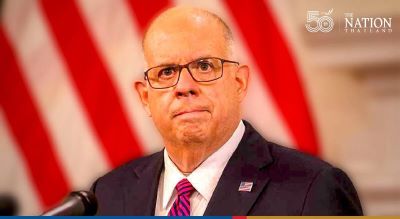
Maryland announces first three cases of omicron variant in the greater Washington D.C. region

#SootinClaimon.Com : ขอบคุณแหล่งข้อมูล : หนังสือพิมพ์ The Nation.

https://www.nationthailand.com/international/40009609


The omicron variant has surfaced in the Washington region, sparking renewed calls for mitigation from officials working to tamp down fears while bracing for the potential threat the latest coronavirus strain may pose.

Maryland Gov. Larry Hogan, R, said three cases were detected in residents who live in the Baltimore metro area.

“We urge Marylanders to continue taking precautions to keep themselves and their loved ones safe,” Hogan tweeted on Friday afternoon.

The cases are among the first to be detected in the United States. California Gov. Gavin Newsom, D, announced the first case in the country on Wednesday, which was swiftly followed by news of cases detected in New York, Colorado, Minnesota and Hawaii.

Two of the Maryland cases are from one household, including one person who was vaccinated and recently traveled to South Africa. The second person was unvaccinated and had close contact with the traveler. The third case, which involves a vaccinated person, is unrelated to the other two; officials said that case so far does not appear to be connected to travel.

None of the residents are hospitalized.

A preliminary study of the latest variant published this week in South Africa, where the strain was first detected late last month, found that omicron is at least three times more likely to cause reinfection than previous coronavirus variants. Researchers say the reinfection rate helps to explain the spread of the virus.

The study, which has not been peer-reviewed, did not address the level of protections vaccines provide against the latest variant. Hogan on Friday implored residents to get a shot and asked those already vaccinated to get a booster.

State and local health officials underscored the importance of mitigation 20 months into a pandemic that has killed more than 5.2 million people worldwide.

“The good news is that we know what we need to do to prevent the spread of the Omicron variant,” Nilesh Kalyanaraman, the health officer in Anne Arundel County, said in a statement. “It’s the same as what we do now. Get vaccinated, wear your mask in public settings, and get tested if you have symptoms.”

Across the Washington region, there has been an ever-shifting patchwork of different precautions.

Prince George’s County and Baltimore City have kept indoor mask mandates in place since the summer. Montgomery County, the region’s most-vaccinated jurisdiction, lifted its mask mandate in October, then reinstated it three weeks later when case rates ticked up.

Most of Northern Virginia has recommended but not mandated face coverings since the summer, and D.C. Mayor Muriel Bowser, D, on Thursday urged residents to mask up after easing masking requirements last week.

In the face of fluctuating requirements, many restaurants and shops have opted to continue asking patrons to mask up indoors unless they are eating.

Coronavirus cases have been rising in D.C., Maryland and Virginia since mid-November, with particularly sharp increases in less vaccinated, more rural counties. In Maryland, Caroline, Garrett and Allegany counties have seen the most significant changes in community transmission. Statewide, covid-related hospitalizations hit 963 on Friday, compared to under 700 in early November.

Officials of Maryland’s biggest counties said Friday afternoon that news of the three omicron cases was no reason to panic, but urged residents to be take greater precautions while thinking about the coming holiday season.

“We have been anticipating and preparing for this,” Montgomery County assistant chief administrative officer Earl Stoddard said in a tweet. “No reason to panic. Get boosted if you are eligible.”

In Howard County, where 76% of residents are fully vaccinated, officials said they were monitoring details of the three cases closely but thought it was too early to decide whether to reinstate sweeping precautions, such as a countywide indoor mask mandate.

But Boris Lushniak, dean of the University of Maryland School of Public Health, said local officials should act as prudently as possible while uncertainties over the omicron variant play out. Because not every positive coronavirus case in the region is genetically sequenced, it’s likely that there are more than just three cases of the omicron variant that have gone undetected, he said. “Right now, there’s enough uncertainty that we should really reconsider mask mandates,” Lushniak said.

These precautions, while unpleasant, can help buy the region time against the virus as officials step up surveillance through more testing and genetic sequencing.

Earlier this week, Hogan stressed the need for residents with symptoms and those traveling to get tested. He said the state was distributing rapid tests, making them available at local health departments, libraries and other community centers. He also said that the test would be available at the international terminal at Baltimore-Washington International Marshall Airport, where nearly 7,000 international passengers arrive weekly.

In Virginia, the state health department is increasing its testing program to identify strains. The state’s central laboratory has the capacity to do whole genome sequencing – the process that can identify variants – for 250 to 300 cases per week, according to Health Department spokesperson Logan Anderson.

In addition, the state has agreements with the University of Virginia, Virginia Tech and several private laboratories to perform sequencing, Anderson said. Positive coronavirus tests are being referred to the labs for sequencing if they meet criteria that could make them likely to contain a variant, such as if the person being tested had been exposed to someone with a known variant, was reinfected with the virus or had been traveling. State officials said they are actively contacting labs and hospitals around the state to try to identify cases that merit further testing. “It is an increasing number of positive samples that are being tested,” Anderson said via email.

Hogan said that the cases in Maryland were confirmed by the state Health Department in coordination with its partners. Earlier this year, the state entered into agreements with Johns Hopkins and the University of Maryland to more than double the state’s real-time variant surveillance, he said.

“If it’s not already here, it will be here shortly,” Patrick Ashley, the D.C. health department’s head of emergency response, said of the strain Friday during a D.C. Council meeting.

Council member Elissa Silverman, I-At Large, asked why the health department issued an “advisory” the day before asking all residents to wear masks indoors, rather than reinstating the legal mask requirement that Bowser just rescinded two weeks earlier despite the objection of the majority of the council. “Why not just do that, given omicron and concerns about transmission, community spread?” she asked.

“We’re not quite there,” Ashley said, noting that health experts don’t yet know whether omicron is significantly more perilous than other variants.

Silverman asked what numerical metrics would signal that the city needs a mask requirement again, and Ashley said he could not answer.

Published : December 04, 2021

By : The Washington Post
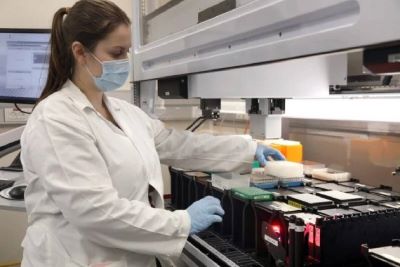
Israel reports 3rd case of Omicron variant

#SootinClaimon.Com : ขอบคุณแหล่งข้อมูล : หนังสือพิมพ์ The Nation.

https://www.nationthailand.com/international/40009569


The Israeli Ministry of Health on Thursday reported a third case of the COVID-19 variant Omicron in the country.

This is an Israeli vaccinated with three Pfizer shots, who recently returned from England, the ministry noted.

The previous two people infected by Omicron returned from Malawi and South Africa.

The ministry added that there is a high suspicion of another 30 cases of Omicron in Israel, for which the results of a genomic sequencing tests have not yet received.

An Israeli medical laboratory worker tests samples in order to detect Omicron COVID-19 variant in a laboratory of the Shamir Medical Center near Tel Aviv, on Dec. 1, 2021. (Gideon Markowicz/JINI via Xinhua)An Israeli medical laboratory worker tests samples in order to detect Omicron COVID-19 variant in a laboratory of the Shamir Medical Center near Tel Aviv, on Dec. 1, 2021. (Gideon Markowicz/JINI via Xinhua)

Related Stories

It is reported that 24 of the 30 cases were not vaccinated, or recovered more than half a year ago. Also, 11 out of the 30 have recently returned from abroad.

In addition, there are 12 other cases of low suspicion of the variant infection, as their uncertain test results were sent for re-testing.

A medical worker tests samples in order to detect the new coronavirus variant Omicron in a laboratory of the Shamir Medical Center near Tel Aviv, Israel, on Dec. 1, 2021. (Gideon Markowicz/JINI via Xinhua)A medical worker tests samples in order to detect the new coronavirus variant Omicron in a laboratory of the Shamir Medical Center near Tel Aviv, Israel, on Dec. 1, 2021. (Gideon Markowicz/JINI via Xinhua)


Published : December 03, 2021

By : Xinhua

Iran says presents draft proposals on sanctions removal, nuke restrictions at Vienna talks

#SootinClaimon.Com : ขอบคุณแหล่งข้อมูล : หนังสือพิมพ์ The Nation.

https://www.nationthailand.com/international/40009568


Irans chief negotiator in the Vienna talks announced on Thursday that two draft texts containing Irans proposals on sanctions removal and nuclear restrictions have been presented to the parties to the 2015 nuclear agreement, formally known as the Joint Comprehensive Plan of Action (JCPOA).

“Logically, the other side should now examine these documents in order to get ready to enter into serious talks with Iran on the texts,” Ali Bagheri Kani told Iranian media in the Austrian capital.

He voiced hope that the JCPOA parties will be able to review Iran’s drafts and reach their conclusions about them “in the shortest time possible.”

Bagheri also warned about efforts by non-parties to the agreement to derail current diplomatic work to revive the deal.

Earlier in the day, Israeli Primer Minister Naftali Bennett urged an “immediate halt to negotiations” with Iran and “the implementation of tough steps by the world powers” against Iran in a phone call with U.S. Secretary of State Antony Blinken, Bennett’s office said in a press release.

Photo taken on Nov 29, 2021 shows a meeting of the Joint Commission on the Joint Comprehensive Plan of Action (JCPOA) in Vienna, Austria. (EU Delegation Vienna/Handout via Xinhua)Photo taken on Nov 29, 2021 shows a meeting of the Joint Commission on the Joint Comprehensive Plan of Action (JCPOA) in Vienna, Austria. (EU Delegation Vienna/Handout via Xinhua)
Related Stories

Israeli media reported on Monday that the Israeli government has been contacting U.S. and European officials over the past two weeks to provide its alleged intelligence that Iran would be taking steps to enrich uranium at a weapons-grade degree of purity.

Rafael Grossi, head of the International Atomic Energy Agency (IAEA), dismissed on Wednesday the claim that Iran would be enriching uranium at a 90-percent degree of purity, noting that the IAEA is the only monitoring institution with a presence at Iranian nuclear sites.

“There is no 90-percent enrichment at the moment in Iran. You have enrichment at five percent, you have enrichment at 20 percent, you have enrichment of 60 percent … but we don’t have any information about 90-percent enrichment,” Grossi said in an interview with French state TV.

In his remarks to the press on Thursday, Bagheri said he warned his JCPOA counterparts on Wednesday about “the outlook and approach of actors outside the talks to negatively affect the negotiation process.”

The current round of JCPOA talks resumed this week in Vienna after a nearly six-month pause, about three months after the current Iranian government took office in late August.

Representatives from Iran and the P4+1 group, namely Britain, China, France, Russia plus Germany, as well as the European Union, are seeking an agreement on the way to remove U.S. sanctions on Iran, in exchange for the reimposition of restrictions and enhanced international monitoring on Iran’s nuclear program.

Published : December 03, 2021

By : Xinhua

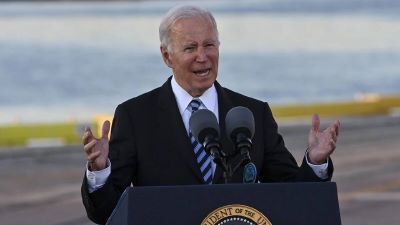
Biden unveils new measures against COVID-19 as U.S. confirms 2nd Omicron case

#SootinClaimon.Com : ขอบคุณแหล่งข้อมูล : หนังสือพิมพ์ The Nation.

https://www.nationthailand.com/international/40009567


The new actions include increasing vaccine outreach across the United States, tightening pre-departure COVID-testing protocol for all inbound international travelers, and requiring a negative test within one day of departure for the country.

U.S. President Joe Biden on Thursday announced an array of new measures in fighting COVID-19 as two confirmed cases of Omicron have been reported in the country.

“It’s the combined advice from all of you that we developed this plan, and it doesn’t involve shutdowns or lockdowns but widespread vaccinations, and boosters, and testing and a lot more,” Biden said in a speech at the National Institutes of Health.

Biden said the measures would allow schools and businesses to stay open while keeping Americans safe. “We’re going to fight this variant with science and speed, not chaos and confusion,” he said.

Related Stories

The new actions include increasing vaccine outreach across the United States, tightening pre-departure COVID-testing protocol for all inbound international travelers, and requiring a negative test within one day of departure for the United States.

Earlier, the Biden administration has announced restrictions of travel from South Africa and seven other southern African countries where the Omicron variant was identified.

It also announced a plan to extend a mask requirement for domestic travel, originally slated to expire in January, until mid-March.

The second U.S. case of the Omicron COVID-19 variant was found in the midwestern state of Minnesota on Thursday, a day after the first case was confirmed in California. 

Published : December 03, 2021

By : Xinhua

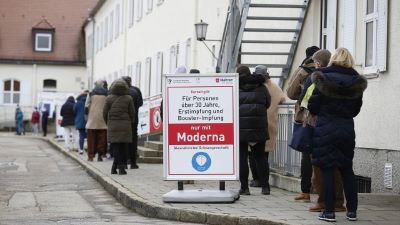
Germany imposes strict curbs on unvaccinated to stem Covid

#SootinClaimon.Com : ขอบคุณแหล่งข้อมูล : หนังสือพิมพ์ The Nation.

https://www.nationthailand.com/international/40009559


Germany imposed stringent nationwide restrictions on people who arent vaccinated against Covid-19 and limited attendance at soccer games and other public events to check a brutal surge in infections.

In one of her final acts as chancellor, Angela Merkel held talks with her incoming successor, Olaf Scholz, and Germany’s 16 regional premiers on Thursday, where they agreed on new curbs including allowing only people who are vaccinated or recovered into restaurants, theaters and non-essential stores.

The officials also backed a plan to make Covid shots compulsory, saying that the lower house of parliament would vote on it soon. Scholz said he expects the measure to pass, and Merkel said she would vote for it if she was in the Bundestag.

“We’re in a very, very difficult situation,” said the Social Democrat, who is due to be sworn in on Wednesday. “We have very many citizens who are vaccinated but not enough to prevent another wave of infections. Those who have not been vaccinated must do so, and that’s my very urgent personal appeal.”

A vaccine mandate would be a major departure after Merkel and other officials insisted shots would be a personal choice. The soft tone may have contributed to Germany’s relatively tepid uptake, with less than 70% of the population fully inoculated. The step will be controversial, and further protests from vaccine opponents are all but assured.

Germany’s change in power after the Sept. 26 election has slowed the government’s response to a resurgence in the pandemic. Despite the growing urgency as hospitals fill up, authorities were keen to avoid blanket curbs and close schools.

The new measures include tighter contact restrictions for non-vaccinated people, shutting nightclubs in places with high infection rates and strict limits on the number of spectators at large public events.

The agreement makes the guidelines national. Some regions with high infection rates like Bavaria and Saxony had already tightened restrictions, and states continue to have the authority to clamp down harder locally.

While there has been some recent good news, with Germany’s infection rate slipping for a third straight day, medical officials have warned that the situation remains serious.

“We are seeing something of an easing but at a level that’s far too high,” Merkel said in what could be her final press conference as chancellor. “That’s why we needed to agree these measures today.”

The head of the DIVI intensive-care lobby predicted on Wednesday that the number of Covid patients in ICUs will reach 6,000 by Christmas, exceeding the previous record. Thursday’s level of 439.2 cases per 100,000 people over the past seven days is still more than double the peak in the spring.

To protect more people, authorities want to administer as many as 30 million vaccine doses by the end of the year, including boosters. Officials also want to significantly expand the pool of people who can give shots, including using qualified workers in drug stores and care facilities.

Published : December 03, 2021

By : Bloomberg

As the world focuses on omicron, the delta variant is overwhelming parts of America

#SootinClaimon.Com : ขอบคุณแหล่งข้อมูล : หนังสือพิมพ์ The Nation.

https://www.nationthailand.com/international/40009552


While the U.S. braces for the unknown of omicron, which has now been detected in Minnesota, St. Cloud Hospital in the central part of the state is still deep in battle with the delta variant of the coronavirus.

Beds have been full for seven weeks with a flood of mostly unvaccinated patients, a hospital official said. The hospital routinely turns down other overwhelmed facilities trying to transfer covid patients – sometimes saying no as many as 15 to 20 times a day.

The first U.S. cases of omicron have been detected in California and Minnesota – about 60 miles southeast of St. Cloud in Hennepin County, in a man who traveled to New York City last month. He was vaccinated and has recovered, health officials said.

But public health experts in Minnesota and nationwide are urging Americans not to lose sight of the fact that the overwhelming majority of the nation’s coronavirus cases – and those in Minnesota – are caused by the highly transmissible delta variant. Over the past six months delta has been responsible for some of the worst spikes of the entire pandemic. It is so contagious that even states with above-average vaccination rates have seen surges – and many are bracing for cases to increase again.

George Morris, covid-19 response incident commander for CentraCare, St. Cloud Hospital’s parent organization, described delta as a train going off the tracks. “We just continue to see rail car after rail car pile onto this derailment,” he said.

“Omicron is potentially another train coming,” Morris said. “It’s a whole other train coming right behind a wreck.”

Doctors and others on the front lines warn delta strikes rapidly, filling up hospitals so quickly some started rationing care for the first time in the pandemic. Vaccinated people end up infected in higher numbers when transmission is out of control. While they are unlikely to fall seriously ill, they can still spread the virus, end up with a nasty but clinically mild case they’d rather avoid or end up hospitalized if they are elderly or immunocompromised.

Even if omicron turns out to be less worrisome than feared, epidemiologists warn the U.S., particularly the Northeast and Upper Midwest, is still headed toward a winter surge fueled by the delta variant as people travel for the holidays and gather indoors in cold weather. While officials are urging Americans to get booster shots to protect themselves as much of the country heads indoors, just over one in five Americans have received them as immunity from initial shots starts to wane.

“Forget about omicron right now. We are not even handling delta well, no matter what happens to omicron,” said Eric Topol, director of the Scripps Research Translational Institute. “We have the combination of elapsed time, a hyper contagious variant and relaxed mitigation. It’s the perfect storm to have a surge.”

Scientists expect clearer data by the end of the next week that would explain whether omicron is even more contagious than delta and more resistance to vaccines or therapeutics.

But in the meantime, they are reminding Americans that it wasn’t long ago that delta was the frightening variant identified abroad during India’s spring surge. Now delta is the dominant strain in the U.S. And it has remained the top threat because it is so contagious even as other variants have come and gone.

Unlike omicron, scientists have answered crucial questions about delta, including that it can be spread by the vaccinated who contract breakthrough infections and that it is 50 percent more contagious than the predominant strain last spring. While there are still outstanding questions about whether it makes people more sick, doctors have anecdotally reported having younger patients showing up to the hospital faster compared to 2020 and the Centers for Disease Control and Prevention has cited some studies suggesting delta cases are more likely to require hospitalization.

New Jersey Health Commissioner Judy Persichilli stressed delta was driving the state’s uptick in hospitalizations during a Monday press briefing addressing omicron.

“I encourage everyone not to be hysterical about what we don’t know about omicron, but to be really proactive in controlling what we do know, which is the delta variant is here, it’s with us, it’s causing increasing trends,” Persichilli said.

The same protective measures that officials have long been urging still apply now: Getting vaccinated and boosted, wearing masks in crowded indoor settings and getting tested before big family gatherings.

After announcing the first known omicron case, Minnesota health officials stressed the persistent delta surge is reason enough to take precautions.

“Even without omicron, there was plenty of reason for people to take full advantage of those prevention tools,” Minnesota Health Commissioner Jan Malcolm told reporters Thursday. “Omicron again is just another kind of wake-up call if we needed one.”

St. Cloud Hospital is experiencing how delta can stretch hospitals to their limits. And that’s before an expected spike linked to Thanksgiving travel and gatherings.

“We’re at the point where we are borderline saying nobody is going to get in,” Morris said of transfer patients. “And that’s going to be real hard, because we’re going to have people backed up in the emergency room, backed up in all of our regions, backed up at home because we’re full.”

The surge at the University of Michigan Health-West is stretching into a third month – the longest one of the pandemic – with no immediate end in sight.

Chief medical officer Ronald Grifka says the hospital is under strain, with health care workers testing positive and having to miss work. Many procedures have been delayed. And even though some of those procedures are considered elective, Grifka noted that deferrals can have a major impact. He gave the example of a patient falling after a hip surgery was canceled and landing in the hospital for emergency surgery.

Test positivity rates have been hovering around 20 percent, he said, suggesting the virus is still rampant and cases will continue rising after Thanksgiving gatherings. And state surveillance data suggests delta accounts for nearly every Michigan infection.

“It’s here. It’s still wreaking havoc in the community,” said Grifka. “We can’t take our eyes off delta, that’s for sure.”

Unlike with omicron, the U.S. has the benefit of hindsight with delta.

Delta fueled India’s devastating early 2021 coronavirus surge, marked by harrowing scenes of people dying on the streets gasping for air because hospitals ran out of beds and oxygen.

That wave arrived during an optimistic time in the U.S. as Americans emerged from a dark winter surge and vaccines were becoming widely available.

“It’s always not us until it is us,” said Ashish K. Jha, the dean of the Brown University School of Public Health who urged Americans to treat India’s crisis as an American problem. “At the very beginning it was China, but not us. Then it was Italy, but not us. Then it was us. Then it was New York, but not the rest of the country. It baffles the mind how we manage to delude ourselves into thinking it’s always over there, and it’s not going to hit us in our own home.”

The Ozarks became one of the first delta hotspots in the U.S. last June and July. Hospitals in Springfield, Mo., warned they were treating more patients than at any point during the pandemic – a harbinger for the record shattering hospitalizations throughout the Southeast and rural West in the months ahead.

“When delta overwhelms southwest Missouri, which is not very densely populated, it’s very foreboding what it can do to highly densely populated areas like the Northeast,” said Steve Edwards, chief executive of CoxHealth, which operates a Springfield hospital that was battered in the summer and recently reopened a covid ward as admissions rise again.

Edwards watched in dismay as much of the country failed to heed the lessons from southern Missouri before delta tore through the Sun Belt and rest of the Midwest.

“Half the country listened and the other half listened to an ideology based on politics, religion and their sense of culture which overrode their understanding of science,” Edwards said. “It kind of breaks your spirit because it’s an open-book test and the answers are there.”

Instead of the country uniting behind the common threat of the delta variant, it became more sharply divided as Republican governors and state legislatures focused on reining in public health measures rather than the virus itself.

Florida Gov. Ron DeSantis, a Republican, waged a war against local governments and businesses attempting to require masks and vaccines even as his state reported nearly 20,000 fatalities since the delta surge started in July. Hospitalizations soared past 17,000, an all-time peak. Texas banned vaccine mandates as the state health department reported unvaccinated Texans were 40 times more likely to die of covid-19. Overwhelmed hospitals in Alaska, Montana and Idaho were forced to ration care.

Idaho’s largest health system, St. Luke’s, came “very close” to having to ration care during a delta surge earlier this fall, said chief physician executive Jim Souza. He described a herculean effort to avoid that crisis: treating patients for septic shock in emergency department waiting rooms, expanding nurse-patient ratios, converting hospital spaces to fit additional beds.

Still, patient care was affected. The safety net was there, he said, but it “got a little bit threadbare.”

For parts of the country that have not yet experienced a delta surge, Souza said, “do not underestimate this virus’s ability to move into exponential growth. Do not underestimate what that will mean for your teams.”

Perhaps one of the most important lessons from the delta surges is that highly vaccinated areas are not spared. By August, counties with above average vaccination rates still short of herd immunity were igniting as covid-19 hotspots. But places with higher vaccination rates also saw lower hospitalization rates as the vaccine succeeded at its core job of keeping people from becoming seriously ill.

New Orleans was an early test of how a highly vaccinated community can manage new waves of the surge. Officials believe breakthrough infections were a major driver of the surge, but noted hospitalization rates were much lower among city residents than residents of poorly vaccinated rural parts of Louisiana.

“It’s just a numbers game: When you have a population that was 75 percent vaccinated, if everyone is exposed to delta as we probably were in some form or fashion, that’s a lot of people who are going to get a breakthrough infection,” said Jennifer Avegno, the city’s top public health official.

The city ended up imposing an indoor mask mandate, regardless of vaccination status, and required restaurants and bars to require proof of vaccine for entry. Avegno said people in highly vaccinated communities should ignore the threat of delta at their own peril. Even if young adults with breakthrough infections are comfortable with their low risk of severe cases, they can spread it to the unvaccinated or vaccinated people who will have a harder time mounting an immune response.

“I hope our example is not unheeded,” Avegno said in an interview. “Sometimes there’s a tendency to cast aspersions on a particular region that got the outbreak first and say that’s them, rather than saying how can we learn from their lessons so we don’t have to go through the same thing.”

Published : December 03, 2021

By : The Washington Post