HÀ NỘI — Plans are in place to resume some regular international flight routes to Việt Nam, almost two years after they were halted because of the COVID-19 pandemic.
The first regular international route to resume will be the national flag carrier Vietnam Airlines flying to Japan on January 5, 2022. Vietjet Air and All Nippon Airways will resume flights on January 6, 2022.
Deputy Minister of Transport Lê Anh Tuấn said that it was impossible for this route to resume sooner, due to the Japanese New Year holiday which means that testing facilities are not operating.
However, only those eligible for entry to Japan will be able to fly. A ten-day quarantine on the Japanese side is still required.
Taiwan (China) also agreed to restart flights, according to a letter sent on December 24 to the Vietnamese authority. Taiwan authorities have suggested at least five flights a week.
On December 27, the aviation authorities of Singapore issued a written agreement that Vietnam Airlines can operate two flights per week. As well as this, Vietjet Air will operate one flight per week and Pacific Airlines will operate one flight per week to the city state.
On December 28, the Cambodian side agreed in writing, after requesting more information from Việt Nam about the proposal. Vietnam Airlines will operate four flights per week.
Vietnam Airlines has already been licensed by the aviation authorities of both Việt Nam and the United States to operate regular flights between the two countries. The airline has been cleared to immediately begin flights as planned and does not need any further approval.
Negotiations on restarting flights to other countries are still ongoing. The Thai aviation authorities received a request on December 27 regarding the resumption of flights to Việt Nam, but an official response has not yet been received.
The ministry is also working with representatives of the South Korean embassy and the Taipei Economic and Cultural Office in Việt Nam to push for an early reply on the plan to resume flights to Việt Nam. South Korea is currently applying a 10-day quarantine for foreigners entering the country, while Taiwan (China) also has COVID-dependant entry requirements.
Mainland China and Laos have not yet responded to Việt Nam’s request to a letter sent from the Civil Aviation Administration of Việt Nam on December 23.
More to come
On December 27, the Ministry of Transport chaired a meeting between the ministries of Foreign Affairs, Health, Transport, Public Security, and National Defence and airlines to discuss and agree on the resumption of regular international commercial flights.
The Government has agreed to reopen regular international passenger flights to nine countries and territories; Beijing/Guangzhou (China), Tokyo (Japan), Seoul (South Korea), Taipei (Taiwan – China), Bangkok (Thailand), Singapore, Vientiane (Laos), Phnom Penh (Cambodia), and San Francisco/Los Angeles (the US).
The first scheduled international commercial flight to Japan is on January 5, 2022.
According to the Ministry of Foreign Affairs, the demand for returning the country by Vietnamese citizens in Japan, South Korea, and Taiwan (China) will be huge, especially during the Tết (Lunar New Year) holidays.
“In order to better meet the demand of overseas Vietnamese trying to return, representatives of the ministries agreed to increase the frequency of flights to Japan, South Korea and Taiwan (China) to seven flights per week to help passengers have more options at a more reasonable price,” Tuấn said.
Regarding the proposal of airlines to open regular flights to Europe and Australia, the ministries said that Vietnamese citizens in European countries and Australia hope to have direct flights to Viêt Nam for the Tết holidays.
The transport ministry had previously proposed to the Prime Minister resuming flights to France, Germany, Russia and Australia from January 1, 2022. At the meeting, the ministries agreed to apply regular international commercial flights to the European and Australian markets.
The Prime Minister has been asked to consider increasing the frequency of regular international commercial flights carrying passengers between Japan, South Korea, and Taiwan (China).
It has also been proposed that the pilot plan be extended to Europe and Australia to satisfy the demand created by Vietnamese citizens abroad trying to return for the Lunar New Year holidays.
Under the ministry’s plan, regular international passenger flights will resume to Beijing/Guangzhou (China), Tokyo (Japan), Seoul (the Republic of Korea), Taipei (Taiwan – China), Bangkok (Thailand), Singapore, Vientiane (Laos), Phnom Penh (Cambodia), and San Francisco/Los Angeles (the US). — VNS
South Koreas consumer prices grew at the fastest pace in 10 years in 2021 due to surging energy costs and high prices of farm products, data showed Friday.
Consumer prices rose 2.5 percent this year from a year earlier, accelerating from a 0.5 percent on-year gain in 2020, according to the data compiled by Statistics Korea.
It marked the steepest on-year rise since 2011, when consumer inflation spiked 4 percent.
In December, consumer prices grew 3.7 percent from the previous year, slowing from a 3.8 percent on-year gain in November. Inflation rose more than 3 percent for the third month in a row.
The 2021 reading is higher than the 2.3 percent growth forecast by the Bank of Korea (BOK). It also exceeded the government’s projection of 2.4 percent.
The BOK aims to keep annual inflation at 2 percent over the medium term.
South Korea’s consumer prices are under upward pressure due to rising oil prices and high prices of agricultural products. Demand-pull inflationary pressure has also built up amid the economic recovery. (Yonhap)
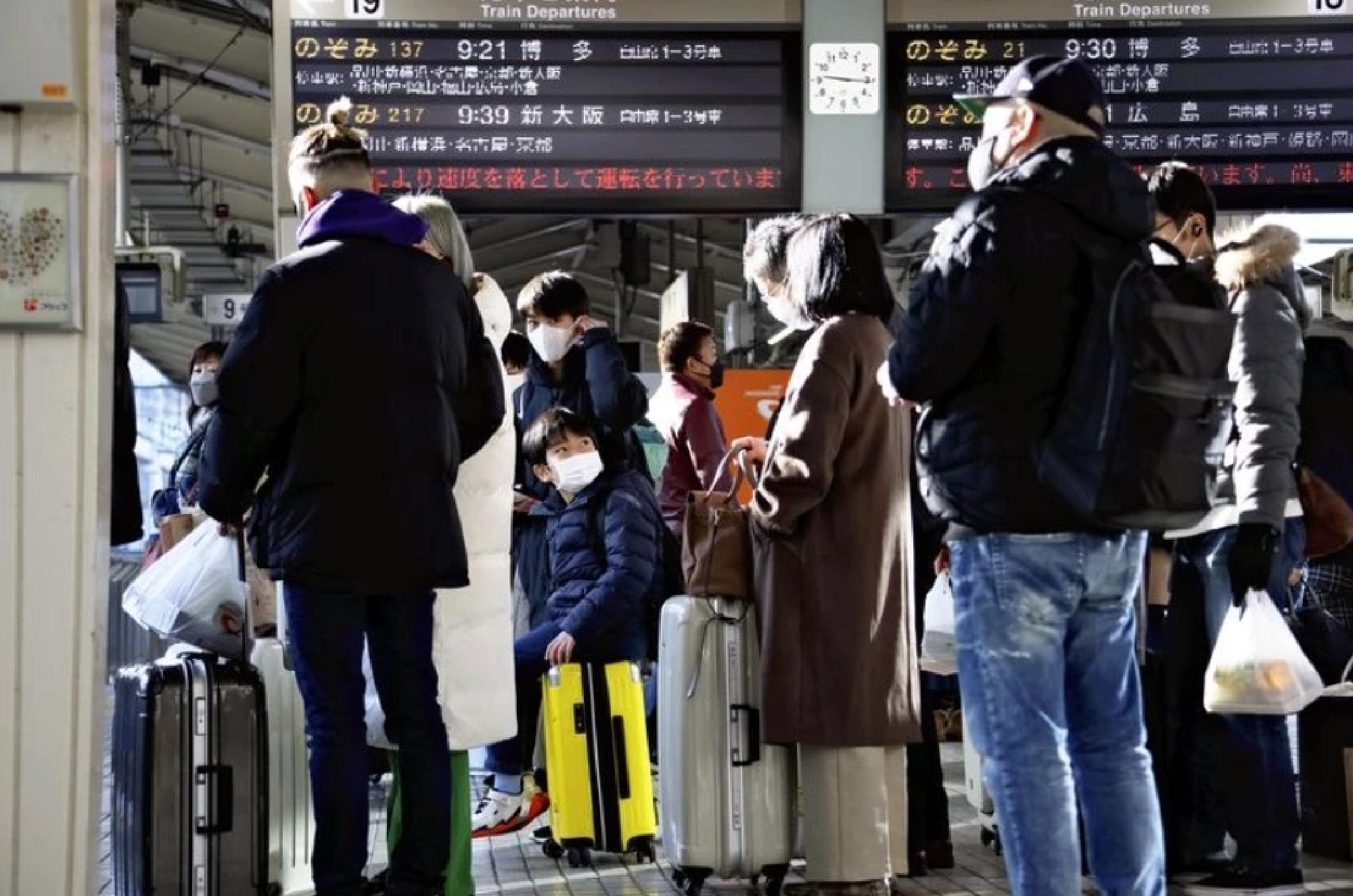
Many people have begun traveling home for the New Year holidays amid the spread of the omicron coronavirus variant.
Passengers formed long lines at an airport infection screening station on Wednesday. One passenger, a 50-year-old company employee from Sagamihara, Kanagawa Prefecture, tested negative in an antigen test before boarding the plane to Miyazaki Prefecture to see his parents for the first time in two years. The man said he could not make up his mind until the last minute whether to fly home amid a surge of infections.
“I was relieved to test negative, but I won’t be visiting a shrine for New Year’s or going out to eat,” he said. “I want to be careful to not get infected.”
Unlike last year, when people tended to stay home for the New Year’s holiday, this year saw an increase in the number of people at airports and train stations.
As of Dec. 17, reservations for domestic flights between Dec. 25 and Jan. 4 for Japan Airlines Group were at 66.1%, 23 percentage points higher compared to the same period last year. Reservations for All Nippon Airways Group were at 65%, up 15.7 percentage points compared to last year.
On Shinkansen bullet trains, the occupancy rate for non-reserved seats on the Tohoku, Yamagata, Joetsu and Hokuriku shinkansen trains from Tokyo were between 80% and 130% as of 4 p.m. on Wednesday. On the Tokaido Shinkansen, the occupancy rate for non-reserved seats reached a maximum of 140%.
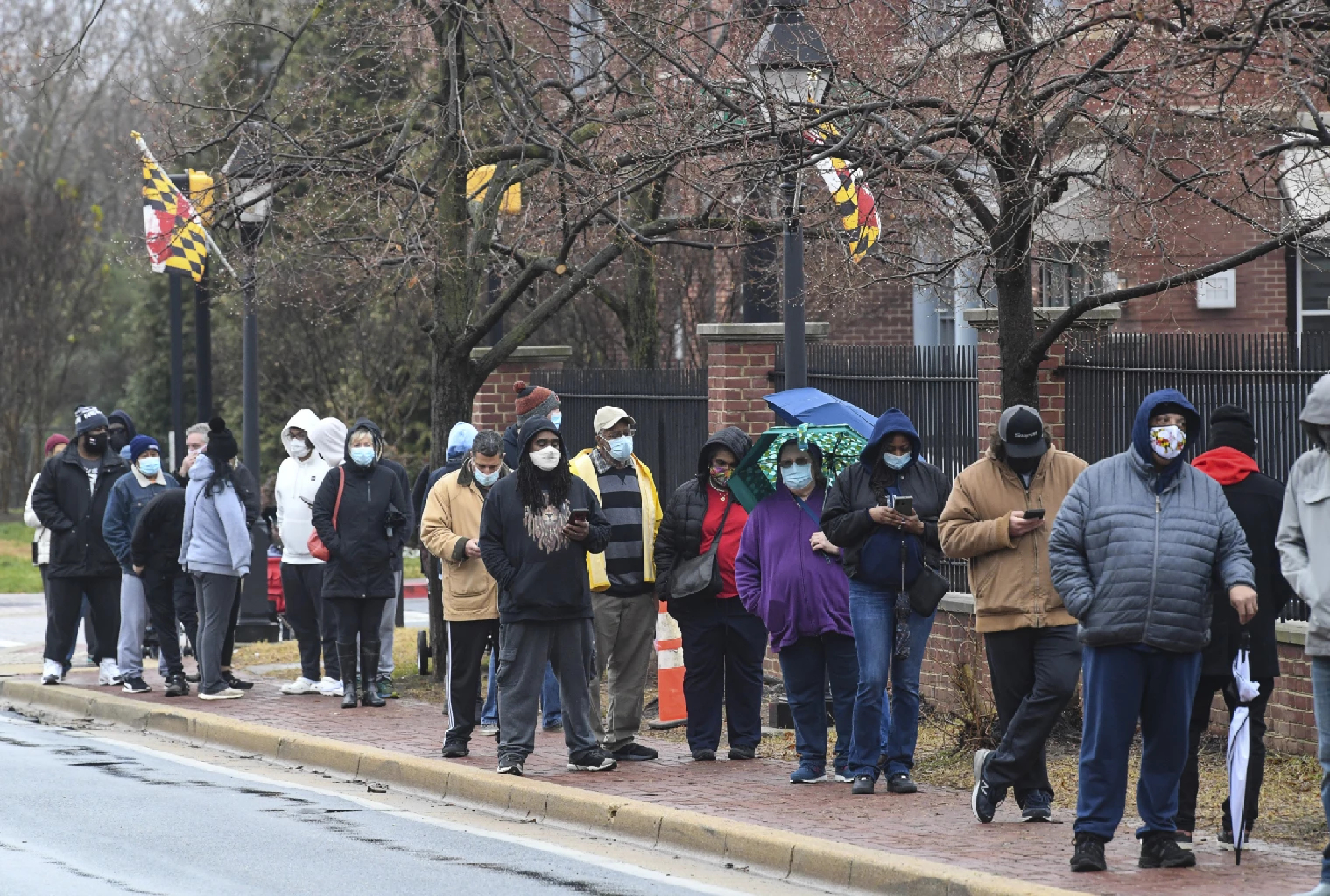
MANILA, Philippines — An infectious disease expert on Thursday said the rapid increase in COVID-19 cases in the country was “alarming” as the independent pandemic monitor OCTA Research group warned that Metro Manila was now at “moderate risk” after the reproduction number of the coronavirus jumped to a “critical” rate.
The Department of Health (DOH) reported a 6.6-percent positivity rate on Thursday, above the World Health Organization’s 5-percent benchmark—the indicator that infection is under control.
For the first time in over a month, new COVID-19 cases soared to 1,623, nearly double the 889 cases recorded on Wednesday, and more than the 1,153 reported on Nov. 23.
“I would say it’s alarming because if you look at the trend, it quickly went up and this is something that we have to really closely monitor,” said Dr. Rontgene Solante, chief of the adult infectious diseases and tropical medicine unit of San Lazaro Hospital.
The increase in the number of cases can be attributed to holiday-related mobility and gatherings, he said in an interview with ANC.
The DOH reminded the public to adhere strictly to health protocols.
“With the newly reported cases doubling the past two days, the DOH enjoins everyone to do what is within our power to avoid making year 2022 another version of 2020. Let us act with utmost vigilance as if the highly transmissible Omicron variant is already here,” the DOH said.
‘Considered critical’
It urged everyone to “reassess” plans for celebrating the New Year, saying that the “safest option” was to remain “in your family bubble.”
OCTA said that there was an increase in the risk classification for the National Capital Region (NCR) from very low risk (Dec. 16 to Dec. 22) to moderate risk (Dec. 23 to Dec. 29), based on the rise in reproduction number, positivity rate and number of reported cases.
It said on Twitter on Thursday that the reproduction number, or the average number of persons who could potentially be infected, increased from a “very low” 0.51 to 1.47, which is “considered critical.”
A reproduction number of less than 1 indicates that transmission is slowing down.
The seven-day positivity rate, or the proportion of people found infected among those tested for the virus, jumped to 3.86 percent from 0.69 percent the previous week, the group noted.
Status quo
It added that NCR’s seven-day average in new daily cases increased from 79 to 215, while the average daily attack rate per 100,000 individuals also increased from a “very low” 0.56 to a “low” 1.52.OCTA Research fellow Dr. Guido David said healthcare utilization was still “very low,” increasing only slightly from 18 percent to 19 percent.
OCTA agreed with Solante that the increase in key COVID-19 data was not surprising because of the increased number of holiday gatherings.
“At this time, it is still uncertain if there will be a continued increase in the number of new COVID-19 cases, or if this number will drop back down once the holidays are over,” the group said.
“We need to prevent this increase in new cases in the NCR from becoming a surge of infections,” it said.
Concerned about the rising number of cases and the threat from Omicron, Malacañang announced on Thursday that all parts of the country would remain under alert level 2 until Jan. 15. Portions of the country were placed under Alert Level 2 starting November and this became nationwide by Dec. 3.
Businesses and officials support the retention of alert level 2 in January, saying it has allowed most businesses to increase their earnings to nearly pre-pandemic levels.
Alert level 2 allows businesses to operate at 50 percent to 80 percent of their indoor capacity and 70 percent to 100 percent of outdoor capacity.
Case updates
The DOH reported 11,772 active cases as of Thursday and a total caseload of 2,841,260 since the start of the pandemic. The figure does not include data from two laboratories that did not operate on Dec. 28 and three other laboratories that failed to submit their test results.
Of the total active cases, 5,737 were mild, 577 asymptomatic, 3,315 moderate, 1,771 severe, and 372 critical.
The 6.6-percent positivity rate on Thursday was based on the 30,933 people tested on Dec. 28. Of the 1,623 new infections, 1,582 cases, or 97 percent, were recorded over the last two weeks. Metro Manila accounted for the biggest number (1,063), followed by Calabarzon and Central Luzon.
Omicron-driven?
The 256 reported recoveries brought the total number of survivors of the severe respiratory disease to 2,778,115.
The 133 fatalities increased the death toll to 51,373. Only four, however, occurred this month, while the rest were recorded between July 2020 and November, and reported only on Thursday.
Solante, who is also a member of the government’s Vaccine Expert Panel, said more data was needed to determine whether the increase in the number of cases was Omicron variant-driven. “But I would say this is Delta,” he said.
Solante also agreed with OCTA’s projection that the number of cases may go up as high as 2,000 daily in the coming days.
The numbers followed “the same pattern we’ve been experiencing the past surge,” he said.
Solante said that while Omicron may not cause severe infections like Delta, it could still infect a highly vulnerable population, including the elderly and the immunocompromised. He added that another surge could again overwhelm the country’s healthcare facilities.
By: Tina G. Santos —WITH A REPORT FROM LEILA B. SALAVERRIA
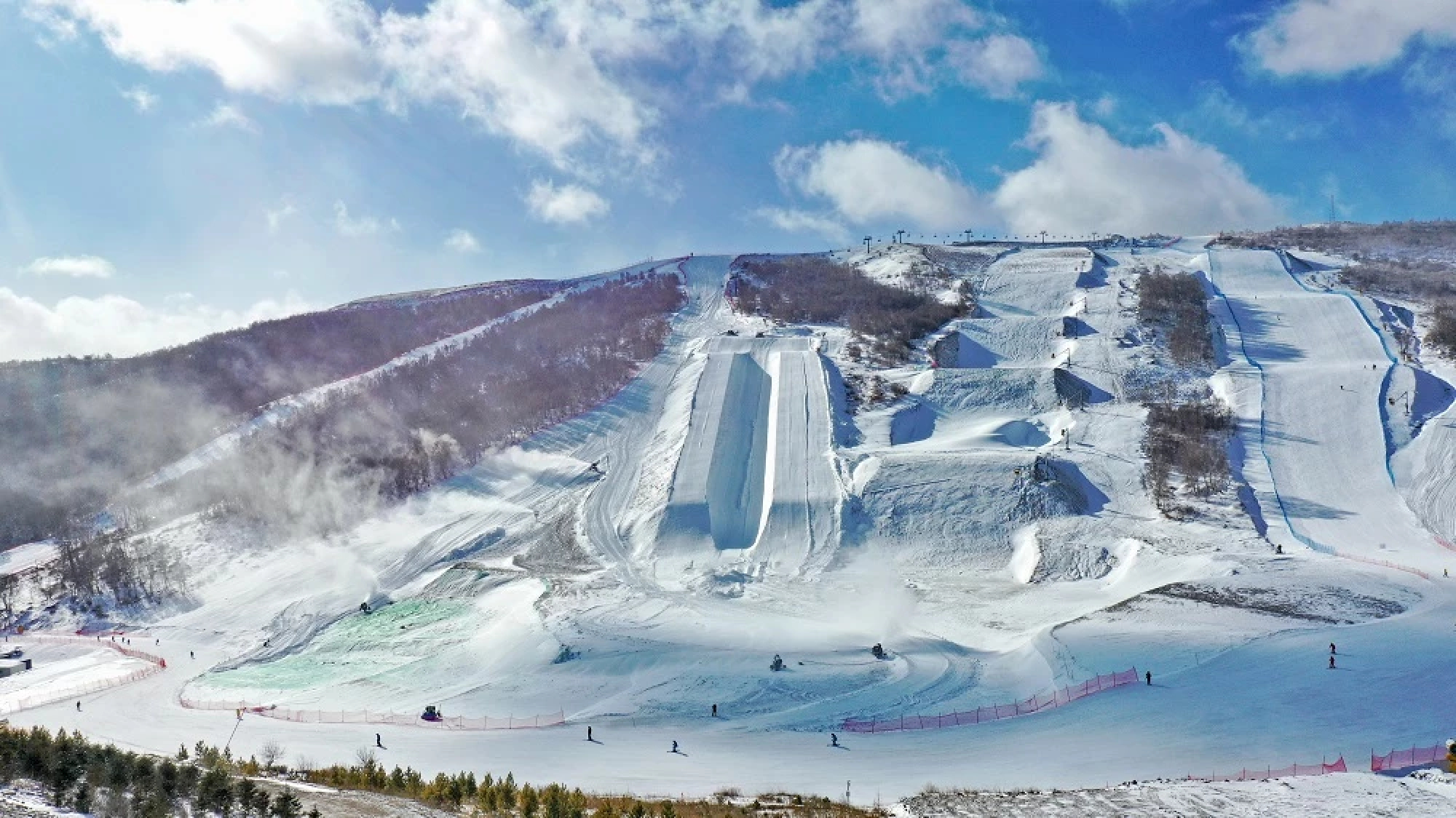
Environmental protection has been made a priority for venues in the Zhangjiakou competition zone at the upcoming 2022 Beijing Winter Olympics.
The location of the National Ski Jumping Center was carefully selected to avoid the use of underground water for snowmaking, said Wang Jingxian, venue and infrastructure manager of the center in the Games co-host city of Zhangjiakou, Hebei province.
“Before constructing the venue halfway up the mountains in the Guyangshu area, we calculated the volume of surface water that can be collected from the mountains in summer, through means such as rainfall and natural springs. Scientific research data has shown that such water is enough for snowmaking and supporting the operations of the venues,” Wang said.
A reservoir with a capacity of 200,000 cubic meters was built to collect water for the venues in Guyangshu, including the National Ski Jumping Center and the nearby National Cross-Country Skiing Center.
Li Zhenlong, venue and infrastructure manager of the skiing center, said the venue also has five smaller water storage facilities eradicating the need to use underground water and harm the environment during snowmaking.
“Also, we have planted many trees while constructing the courses. Furthermore, the venue is 100 percent powered by wind and solar energy. We have made great efforts to achieve sustainable development,” Li said.
To minimize carbon dioxide emissions, about 700 hydrogen-powered vehicles will be used in the Zhangjiakou competition zone, said Wang Hewu, executive director of the Zhangjiakou Hydrogen and Renewable Energy Research Institute.
The vehicles will be used for transportation and logistics operations during the Games, which will run from Feb 4 to 20.
“The emission of hydrogen-powered vehicles is just pure water so it won’t cause any pollution. Furthermore, the hydrogen fueling the vehicles is produced with wind power so the whole process is green,” Wang said.
A hydrogen-powered bus can reduce carbon dioxide emissions by 11.8 metric tons over 10,000 kilometers. Such buses can run smoothly at -20 C, and their safety and reliability have been tested, Wang said.
Currently, there are more than 444 hydrogen-powered buses in operation in Zhangjiakou, covering nine bus routes in the city. They have run about 20 million km and carried more than 62 million passengers, according to the local government.
Zhangjiakou has two hydrogen production plants and eight hydrogen refueling stations, which help guarantee the operation of the hydrogen-powered vehicles, Wang said.
The Biden administration told the Supreme Court on Thursday that federal law gives it the authority to impose a nationwide vaccine-or-testing requirement for large employers, and the court should not stand in the way of a program that will save thousands of lives.
“The nation is facing an unprecedented pandemic that is sickening and killing thousands of workers around the country, and any further delay in the implementation of the [requirement] will result in unnecessary illness, hospitalizations, and deaths because of workplace exposure” to the coronavirus, Solicitor General Elizabeth B. Prelogar wrote in a filing.
The Supreme Court has announced a special hearing on Jan. 7 to consider challenges to the rules from the Occupational Safety and Health Administration. It was upheld by a panel of the U.S. Court of Appeals for the 6th Circuit earlier this month, but is being challenged by a coalition of business groups and Republican-led states.
Also that day, the high court will hear a similar challenge to a vaccine mandate imposed by the Centers for Medicare & Medicaid Services; it requires shots for health-care workers at facilities that receive federal funds tied to those programs.
Together, the administration policies represent a major expansion of the Biden administration’s battle with the coronavirus, covering nearly 100 million workers – many of whom were vaccinated on their own.
It also represents, according to the Republican and business challengers, a vast overreach on the part of the executive branch and a misguided policy that will do more harm than good.
The mandate on health-care workers “is plainly unlawful,” said a brief filed by 14 Republican-led states, as well as bad policy.
“Across the country, healthcare workers are already far too scarce,” said the brief. “This new mandate worsens the problem, sidelining providers, professionals, and support staff who have led the fight against COVID-19. And, as is often the case, rural communities – already straining from threadbare resources – will bear the brunt of these consequences.”
More than half the states and coalitions of business and other interest groups are asking the justices for emergency action to block the OSHA rules, which would cover an estimated 80 million workers.
Prelogar said it is wrong for those opposed to the OSHA emergency temporary standards to refer to them as a vaccine mandate.
It mandates those who employ more than 100 workers to either require vaccination or have unvaccinated employees wear masks and be regularly tested. There are exemptions for those who work exclusively at home, alone or outdoors.
OSHA estimates that the standard will “save over 6,500 worker lives and prevent over 250,000 hospitalizations over the course of six months,” Prelogar wrote.
Even though the 6th Circuit panel upheld OSHA’s authority, the administration is delaying implementation of the standard until February as the legal fights continue. The business groups and Republican states are asking the Supreme Court to keep the standard from going into effect.
They say the agency is seeking unprecedented power that the law does not authorize.
But Prelogar said the opposite is true. She said OSHA “must” take action when it determines employees are exposed to grave danger.
“The standard falls squarely within that grant of authority,” she wrote. “SARS-CoV-2 is both a physically harmful agent and a new hazard; indeed, it has killed more than 800,000 individuals and made millions more seriously ill in the United States alone.”
And, she noted, “the virus manifestly poses a grave danger to unvaccinated workers, who face significant risks from workplace exposure because they are substantially more likely to become infected with COVID-19 and to suffer severe health consequences as a result.”
The Supreme Court generally has been supportive of decisions by local governments and universities to require vaccination.
But the justices also have been skeptical of federal agencies’ power to mandate pandemic-related responses. For instance, it ended a moratorium on evictions imposed by the Centers for Disease Control and Prevention, saying it was beyond the agency’s authority.
The Republican states in their filings Thursday against the health-care worker vaccine mandate said that it was another overreach by the federal government, and that President Joe Biden himself has vacillated on whether pandemic responses were best handled at the federal or state level.
The agency responsible for the vaccine mandate “assumes sweeping new federal power over individuals even though Congress has never claimed such expansive authority for itself and even though the Executive Branch expressly disclaimed it only five months ago,” said the states’ brief.
They said the agency “ignored and undermined” federal law and “rearranged the Constitution’s structures of federalism and separation of powers.”
In the health-care worker case, it is the Biden administration that went to the Supreme Court after lower courts agreed with the challengers.
It is unusual for the Supreme Court to hold a hearing in such emergency requests. But the court has been criticized for decisions issued under its emergency docket, which has also been called its “shadow docket.”
The hearing will mark the third time this term the court has scheduled public arguments. The previous cases involved a controversial Texas law that restricts abortion, and the other concerned the rights of inmates to have spiritual advisers close by at the time of execution.
The health-care worker cases are Biden v. Missouri and Becerra v. Louisiana. The OSHA cases are National Federation of Independent Business v. Department of Labor and Ohio v. Department of Labor.
Elevated numbers of flight cancellations were stretching into a second week as carriers scrambled to get travelers to their destinations amid a coronavirus spike that has led to staffing shortages and weather that has slowed operations.
As of Thursday evening, 1,300 flights within, into and out of the United States had been canceled for the day, according to flight tracking website FlightAware. More than 700 flights scheduled for Friday already had been canceled, with more than 500 others cut on Saturday.
As cancellations extended days into the future, airlines and passengers grappled with the likelihood of disruptions days into the new year. While airlines have been hit hard since before Christmas, traveler delays were extending beyond airports to include rail networks and transit agencies.
In a Federal Aviation Administration statement issued Thursday – with the words “could” and “might” underlined and in bold – the agency warned of the potential for disruptions in the coming days. The FAA said it also is facing staffing shortages because of rising coronavirus infections.
“Weather and heavy seasonal traffic are likely to result in some travel delays in the coming days,” the agency said. “Like the rest of the U.S. population, an increased number of FAA employees have tested positive for COVID-19.”
The rising number of cases also triggered disruptions for Amtrak, which said Thursday it was canceling about two dozen trains between Dec. 31 and Jan. 6 in both the Northeast Corridor and along its long-distance routes – about 1.5% of scheduled service during that time.
“We are continuing to monitor changing conditions and will make any further adjustments as required,” the railroad said in a statement, adding that 97% of its employees are vaccinated.
Staffing shortages also were hitting public transportation agencies.
At the nation’s airports, concerns arose about whether carriers could cope with passenger volumes during the busy holidays after high-profile breakdowns over the summer and fall. Airlines passed their first major test over Thanksgiving, but Christmas has proved to be a different story, leaving thousands of frustrated air travelers unable to return home.
“This is a no-win situation for everyone,” said Henry Harteveldt, an aviation analyst and president of Atmosphere Research. “Airlines have lost this week. Passengers have lost this week. And it’s made worse by the fact it’s happening at Christmastime and the New Year’s break.”
While cancellations Thursday were widespread, United Airlines remained the hardest-hit among major carriers, with 198 flights canceled, about 9% of its schedule. JetBlue, which announced Wednesday it would reduce flights through Jan. 13, had 175 flights canceled. Regional carrier SkyWest also continued to be plagued by operational difficulties with 9% of its scheduled flights canceled.
Delta said it expected to cancel about 250 of more than 4,000 Delta and Delta Connection flights Thursday. The airline said cancellations will probably continue through the weekend with 200 to 300 daily cancellations.
“Delta people are continuing to work together around the clock to reroute and substitute aircraft and crews to get customers where they need to be as quickly and safely as possible,” the airline said in a statement.
Delta issued travel waivers for customers whose itineraries include Chicago, Detroit, Salt Lake City and Seattle – where storms are expected to complicate travel – and urged travelers whose plans include those cities to reschedule.
Kerry Tan, an associate professor of economics and an air travel expert at Maryland’s Loyola University, said that while weather is often a factor at this time of year, staffing issues have proved to be a greater challenge for carriers.
“The weather aspect is out of their hands,” Tan said. “What they can control is staffing, but like many companies out there, there are huge staffing issues. There are just not enough workers to meet the demand.”
Outside of the period following the Sept. 11 attacks, few in the industry could recall a time when so many flights had been affected for such a long duration.
“It’s the perfect storm,” said Dennis Tajer, a spokesman for the Allied Pilots Association, which represents crews at American Airlines.
Harteveldt noted that disruptions are not unique to the United States. According to FlightAware, more than 2,800 flights worldwide were canceled Thursday.
“We’re seeing airlines affected in Europe, Africa, Asia and elsewhere, so this is truly a global airline industry challenge,” he said.
The first signs of trouble emerged just before Christmas when airlines, citing staffing issues resulting from the more easily transmissible omicron variant of the coronavirus, began preemptively canceling flights. On Christmas Eve, about 613 flights were canceled, according to FlightAware. The day after Christmas, the number had ballooned to more than 1,400. Airlines have canceled nearly 8,000 flights in recent days.
In a shift that could help ease staffing shortages, the Centers for Disease Control and Prevention this week updated its guidance on the isolation period for those who test positive for the coronavirus, saying they need to isolate for only five days rather than 10.
CDC Director Rochelle Walensky said data indicates that most transmission occurs early in the course of a person’s illness, typically in the one to two days before symptoms appear and two to three days afterward. Health officials also recommended that those exposed get tested five days after their exposure.
Delta Air Lines quickly embraced the new guidelines, which chief executive Ed Bastian had urged the CDC to update in a letter to Walensky last week.
The carrier said that starting Monday, it will limit pay protection for vaccinated employees who test positive to five days, according to a memo to employees, with an additional two days for anyone who tests positive on the fifth day. The airline had previously offered 10 days of pay.
The memo ties the change to new CDC guidance on isolation. The airline encouraged employees to take either a rapid or PCR test on their fifth day of isolation. The CDC guidance applies to asymptomatic people and those who are fever-free for 24 hours. The memo makes no mention of what employees should do if they are symptomatic.
Southwest Airlines and other carriers said they are evaluating the CDC’s updated guidance.
The CDC’s shift continued to generate concern among some labor groups.
In a letter to executives at Alaska Airlines, Frontier Airlines, Hawaiian Airlines, United and other carriers, Sara Nelson, international president of the Association of Flight Attendants – which represents crew members at 17 airlines – urged carriers to maintain the 10-day quarantine recommendation as a demonstration of “your commitment to safety and the safety of those working on the front lines.”
If carriers decide to embrace the updated recommendations, Nelson urged them to include other safeguards, including proof of a negative coronavirus test at the end of the five-day isolation period. Wrote Nelson: “No one should feel pressured to come to work sick.”
The rapid surge of omicron infections in the United States may be relatively brief, measured in weeks rather than months, according to infectious-disease experts who have been astonished by the speed of the coronavirus variants spread – and who are hoping this wave ebbs just as quickly.
The idea of a rapid peak and swift decline has a precedent in South Africa, the country that revealed the presence of omicron in late November. Cases there spiked quickly and then dropped with unexpected speed after only a modest rise in hospitalizations. An especially transmissible virus tends to run out of human fuel – the susceptible portion of the population – quickly.
Photo Credit: Washington Post photo by Jonathan Newton
Some forecasts suggest coronavirus infections could peak by mid-January.
“Omicron will likely be quick. It won’t be easy, but it will be quick. Come the early spring, a lot of people will have experienced covid,” William Hanage, an epidemiologist at the Harvard T.H. Chan School of Public Health, said in an email Thursday.
But this has always been an unpredictable virus, going back to when it first appeared two years ago, on Dec. 31, 2019. The virus had probably been spreading for a month or more, but that was the day infectious-disease experts around the world began hearing by email and text about an outbreak of a mysterious pathogen causing pneumonia-like respiratory infections in Wuhan, China.
No one on that day could have known that this pathogen, initially called the “novel coronavirus” and later named SARS-CoV-2, would trigger the most brutal pandemic in a century. And no one today knows when it will be over.
Forecasts of how the pandemic will play out have repeatedly been incorrect, to the point that some modelers have stopped trying to make caseload projections four weeks out, instead limiting their forecasts to one week ahead.
Because beyond a week, who knows?
Forecasts of the current winter wave, in which omicron has come riding in atop an existing delta wave, are somewhat more plausible. Columbia University researchers have a model that projects a peak in cases during the week beginning Jan. 9, with about 2.5 million confirmed infections in that seven-day period – and potentially as many as 5 million.
Columbia epidemiologist Jeffrey Shaman said the infection numbers reported in recent days are already at the high end of projections, and the peak could come sooner. Omicron is setting new daily records for infections with the virus. The seven-day average of new, officially confirmed daily cases soared to more than 300,000 Wednesday. Then came the eye-popping Thursday numbers from state health departments and the Centers for Disease Control and Prevention – 562,000 new cases, pushing the seven-day average to 343,000.
The official number captures only a fraction of the true number of infections. People who use rapid tests at home may not report positive results. Many others never get tested when sick. And some people are infected but asymptomatic or pre-symptomatic.
Shaman estimates the number of infections is four to five times the official count. Given that people remain infected for many days, that translates to many millions of active infections across the United States.
“We’re talking somewhere up to maybe 10 million people,” Shaman said. “Maybe not all of them are contagious yet. Crazy numbers. Crazy, crazy numbers.”
When infections begin to drop, hospitalizations could still rise for a period as the disease progresses among those most vulnerable to a severe outcome. Forecasts posted Monday by the CDC show national hospitalization rates rising steadily in the weeks ahead, with daily new hospital admissions topping 15,000 by mid-January – although the projections from different research teams varied widely.
The predictions of a short omicron surge are reflected in hopes expressed at the highest level of the federal medical bureaucracy.
“My hope is that we get a sharp peak with omicron, and it goes down to a very, very low level, and it just sort of stays there, and we don’t have any more really problematic variants,” Anthony Fauci, President Joe Biden’s chief medical adviser for the pandemic, told The Washington Post on Wednesday.
But Fauci and other experts have consistently been surprised by the mutability of the virus. Some scientists did not think a variant with the number of mutations evident in omicron could be an effective transmitter.
“We are dealing with a virus that has a completely unanticipated level of transmissibility,” Fauci said. “We thought delta was very transmissible. This thing is like something we’ve never seen before.”
In the United States, vaccinations – including boosters – have blunted much of the impact of the latest wave of infections from the omicron variant, which appears to be innately less capable of generating severe disease.
That has led to a shift in the Biden administration’s strategy, with a new emphasis on keeping the economy running and shying away from top-down restrictions. All the while, the administration continues to push the available tools for fighting the pandemic, including testing, indoor masking, vaccinations for those reluctant to get the shots and boosters for those eligible for another dose.
But a more spontaneous shutdown has been underway since just before Christmas.
Airlines have canceled thousands of flights because of staffing shortages. The Smithsonian closed a few of its smaller museums. Some college football teams decided not to attend their bowl games. Broadway shows have gone dark. Actor Hugh Jackman, mildly sick with covid-19, is not anticipated back onstage in “The Music Man” until Jan. 6.
This is a new phase of the pandemic, one with sweeping disruptions but probably not the same level of fear and anxiety as earlier periods. Omicron appears milder. For many vaccinated people, it appears to present itself more like a bad cold than something capable of crippling the world economy – although the ramifications of the phenomenon known as “long covid” remain not well understood.
Scientists don’t know precisely why omicron tends to cause less severe illnesses than delta or other variants of the coronavirus. It is likely that immunity plays a role, as so many people have been infected previously or have been vaccinated.
That appears to have been the case in South Africa, hard hit by the virus in advance of the omicron wave.
A study of more than 7,000 people, posted online but not yet peer-reviewed, reported high levels of antibodies to the coronavirus in South Africa before the omicron wave. Omicron spread faster than previous variants, but rates of hospitalizations and excess deaths “did not increase proportionately, remaining relatively low,” the study found.
Research on mice and hamsters suggests that omicron is innately less dangerous, apart from population immunity. Although omicron appears to grow especially well in the nose and upper airways, leading to much higher viral loads and easier transmission, it may not invade the lungs as well as earlier variants.
“The dam has broken with a milder variant. Most people who made the correct choice to get vaccinated are protected from severe disease,” said David Rubin, director of PolicyLab at Children’s Hospital of Philadelphia.
Rubin predicts a swift recovery for much of the country in January but notes this is likely to vary geographically. The East Coast, including major cities along the Interstate 95 corridor, and the heavily populated states of Florida and Texas are seeing large spikes in cases, while parts of the country hit hard by delta, including the Upper Midwest, are already seeing improvements, he said.
“By the second week of January, we’re going to see the national declines, but there will be some areas struggling for sure,” Rubin said.
A model from the Institute of Health Metrics and Evaluation at the University of Washington puts the peak of this winter wave at Feb. 6, with 408,000 confirmed new daily infections.
Pandemic models are hampered by the difficulty of amassing reliable data. Testing is disrupted during the holidays. There are only rough estimates of how many people have already been infected.
The most urgent question is whether a spike in caseloads will lead to so many severe illnesses that hospitals are overwhelmed. Although some hospitals are stretched thin, the increase in hospitalizations has been modest so far compared with the rise in infections.
For now, the Biden administration is holding off on drastic measures to combat omicron, beyond common-sense efforts to get more tests in the hands of the public and to encourage vaccination. CDC has issued looser rather than tighter guidelines on the isolation time for people infected with the virus, reducing the recommendation from 10 days to five.
That covers people who are asymptomatic or are seeing their symptoms improve. The CDC’s guidance does not advise that people get a negative test before leaving isolation.
The virus has never been a static agent, nor is society a monolith, and so any forecast of what will happen in the coming weeks needs to be written with a pencil – not a pen.
Shaman, the Columbia epidemiologist, acknowledges that the model he and his colleagues have developed is based on incomplete data and must take into account a new variant that remains somewhat enigmatic.
And the virus itself may have new moves not yet anticipated.
“I’m not a betting person on this thing, ever,” Shaman said.
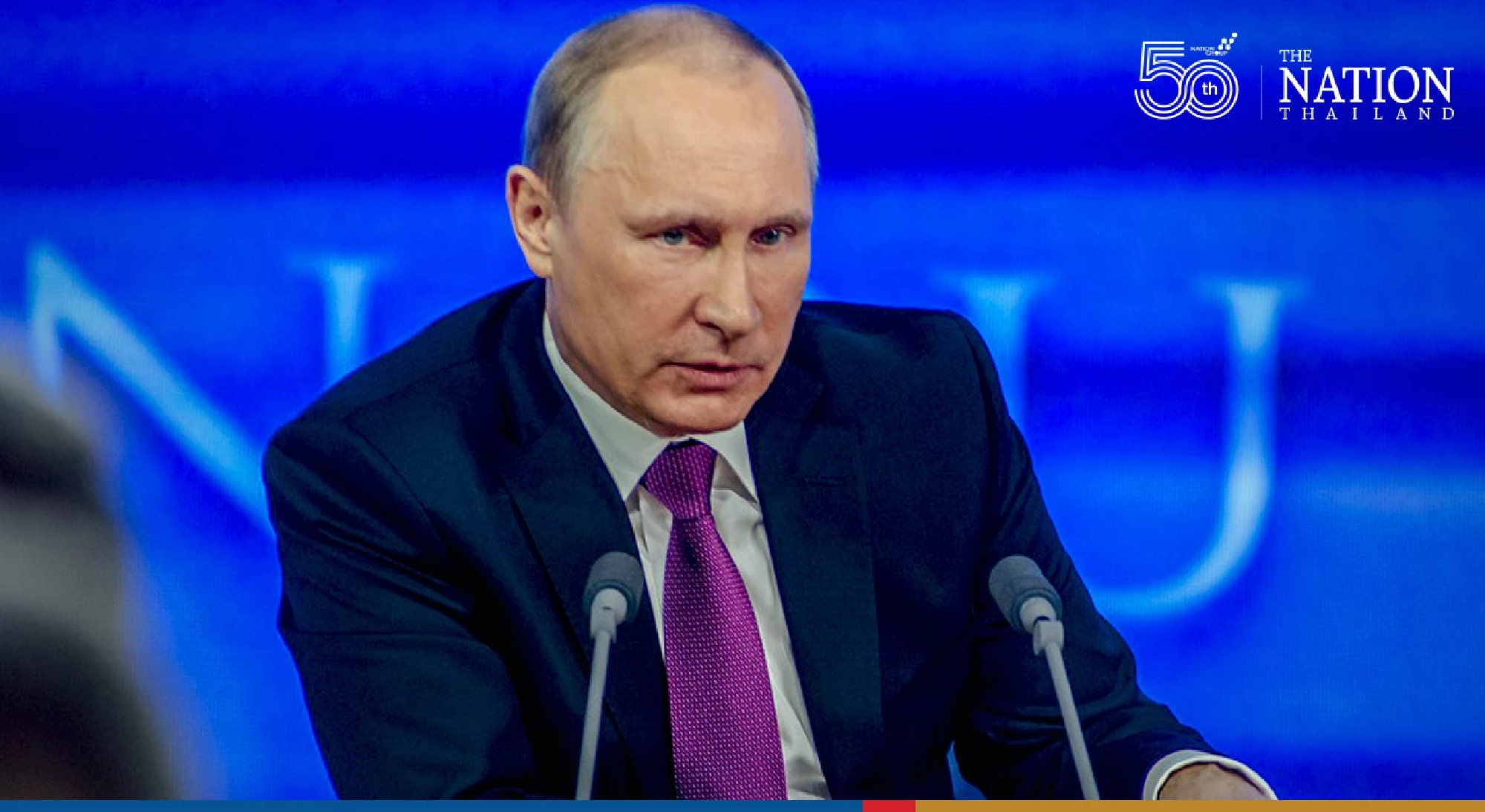
MOSCOW – Russian President Vladimir Putin warned in a phone call with President Joe Biden late Thursday that any new sanctions on Russia as a result of the Ukraine crisis could lead to “a complete rupture of relations” between Moscow and Washington that their descendants would come to regret, according to Putins foreign policy aide.
Putin issued the warning during his second phone call this month with Biden, after the U.S. president reiterated how Russia would face unprecedented and punishing sanctions from Washington and its allies if Putin were to proceed with a new invasion of Ukraine, according to Russian presidential foreign policy aide Yuri Ushakov.
Putin told Biden that such actions would be a mistake, “which our descendants will later appreciate as a huge one,” Ushakov said, according to the Interfax news agency. “Many such mistakes have already been made over the past 30 years. Therefore, it is advisable not to make such mistakes in this situation.”
The call, which took place at Putin’s request and lasted 50 minutes, came as the Kremlin ratchets up pressure for a sweeping new European security deal after massing troops near the border of Ukraine and firing a test salvo of hypersonic weapons last week to reinforce its demands.
Putin has demanded swift acceptance of a proposed security deal that would bar Ukraine from ever joining NATO and rule out any other eastward expansion by the U.S.-led military alliance. The Russian leader has accused Western nations of encroaching on Russia’s borders with military exercises in the Black Sea region and turning Ukraine into a beachhead for anti-Russia action.
Russian officials see a time frame of just weeks for Biden to agree to demands that NATO has long refused, including effectively allowing Russia to veto the security decisions of Ukraine and other nations in the region. The White House has rejected any such bans on NATO membership out of hand, saying all sovereign nations should retain the right to make decisions about their own security.
A senior Biden administration official, speaking on the condition of anonymity to discuss sensitive diplomatic matters, told reporters after the call Thursday that Putin was looking to set the “tenor and tone” for upcoming in-person talks between Washington and Moscow that are slated to take place in early January in three different settings.
The United States and Russia are scheduled to hold bilateral talks in Geneva on Jan. 9 and 10, the senior official said. Those will be followed by talks at the NATO-Russia Council on Jan. 12 and negotiations at the Organization for Security and Cooperation in Europe, which includes Ukraine, on Jan. 13, the official added.
“Both leaders acknowledged that there were likely to be areas where we could make meaningful progress, as well as areas where agreements may be impossible, and that the upcoming talks would determine more precisely the contours of each of those categories,” the senior Biden administration official said.
Biden, who took the call from Wilmington, Del., where he and first lady Jill Biden are expected to ring in the new year, also told Putin that the United States wouldn’t be discussing the security of its European allies and partners without them at the table, and Putin said he understood, according to the administration official.
Biden and Putin will not attend any of the meetings set for January but will be represented by their respective top diplomats and defense officials.
The talks come amid significant disagreement about Putin’s intentions in Ukraine.
Some analysts say Russia’s insistence that a complex security deal be negotiated in such a short time and include pledges Putin knows Washington won’t make could be a pretext for military action. Others believe Putin has created the threat of a new Ukraine war simply to secure concessions from the United States and its allies in upcoming talks.
During the call, the Russian president told Biden that Russia wanted security guarantees and stressed that “the main thing we need is a result” from the upcoming talks, Ushakov said.
“The U.S. president, in principle, agreed with this point of view and reacted quite logically and quite seriously,” Ushakov said. Biden told Putin that Russia and the United States “could and should play a key role in efforts to ensure peace and security both in Europe and elsewhere in the world,” he said.
“It is important that the American side demonstrated a desire to understand the logic and essence of Russian concerns,” Ushakov added, describing the call as constructive and noting that Biden pledged to continue bilateral talks with Putin.
In their Dec. 7 videoconference, Biden warned Putin of tough new sanctions if Russia escalates action against Ukraine, a threat the Kremlin has shrugged off, saying it is accustomed to Western sanctions.
Putin last week made it clear he would not wait long for the written security guarantees he demands. He said he was not interested in negotiations, only results.
“It is you who must give us guarantees, and you must do it immediately, right now,” he told a Western journalist last week at his annual news conference, when asked whether he would rule out invading Ukraine. “It is the United States that has come to our home with its missiles and is already standing at our doorstep.”
Biden’s national security adviser, Jake Sullivan, said last week that the United States had its own list of security concerns about Russian actions to bring to the January talks.
An unclassified U.S. intelligence analysis revealed by The Washington Post this month found that Russia was preparing to move as many as 175,000 troops in preparation for an invasion, though the White House has said Putin has not made a decision yet. U.S. officials and military analysts have predicted that if Putin proceeds, the offensive could take place in late January or February.
Putin blames Western aggression for the rising military tension over Ukraine and last week threatened to respond with “military-technical measures” if his security demands were not met, without indicating what the measures would be.
On Sunday, Kremlin spokesman Dmitry Peskov explicitly linked Russia’s test firing of Tsirkon hypersonic missiles on Christmas Eve with Moscow’s demands for security guarantees, saying Russia hoped that its demands would “thus become more compelling.”
Putin, who has often boasted that Russia leads the world in hypersonic missile technology, said the first Tsirkon missile salvo test was “successful, impeccable.” He called it “a major event in the life of our country and a significant step in raising Russia’s security.”

 Italasia Grand Opening Festive Party เปิดตัวโชว์รูมอิตาเลเซีย สาขาเซ็นทรัล ลาดพร้าว ในคอนเซ็ปต์สุดอลังที่ได้รับแรงบันดาลใจมาจากสถานีรถไฟอันเก่าแก่เลื่องชื่อ ใจกลางเมืองปอร์โต ประเทศโปรตุเกส


![[Vietnam] First regular international flight to resume on January 5 to Japan](https://media.nationthailand.com/uploads/images/md/2021/12/VSHe9Dw2uGHl3Bmq9IKM.webp?x-image-process=style/lg)
![[South Korea] Consumer price growth hits 10-year high this year](https://media.nationthailand.com/uploads/images/md/2021/12/N8ZdjkNxj1HiwnHNC8pH.webp?x-image-process=style/lg)



 SootinClaimon.Com