Captain America holidaying in Thailand after World Cup exit
MONDAY, DECEMBER 12, 2022
USA’s captain at the Fifa World Cup, Tyler Adams, is taking a short break in Koh Panyee in Phang-Nga province following his team’s exit in Qatar.
To recover from his team’s heartbreaking loss, he posted on Instagram on Sunday that he was visiting Koh Panyee for a short holiday and would return to England to join his club Leeds United on December 18.
Adams played football with local children and took a tour of the island with his girlfriend, Sarah Schmidt, including sightseeing on a boat.
The US team made it through the group stages to the round of 16 but was knocked out by the Netherlands 1-3 on December 3.
Adams won praise for his skill in leading the American team even though they could not secure a knockout win.
However, their performance has raised hopes for the next World Cup in 2026, which will be co-hosted by the US, Canada and Mexico.
Why are collaborative dinners so popular in KL now?
TUESDAY, DECEMBER 13, 2022
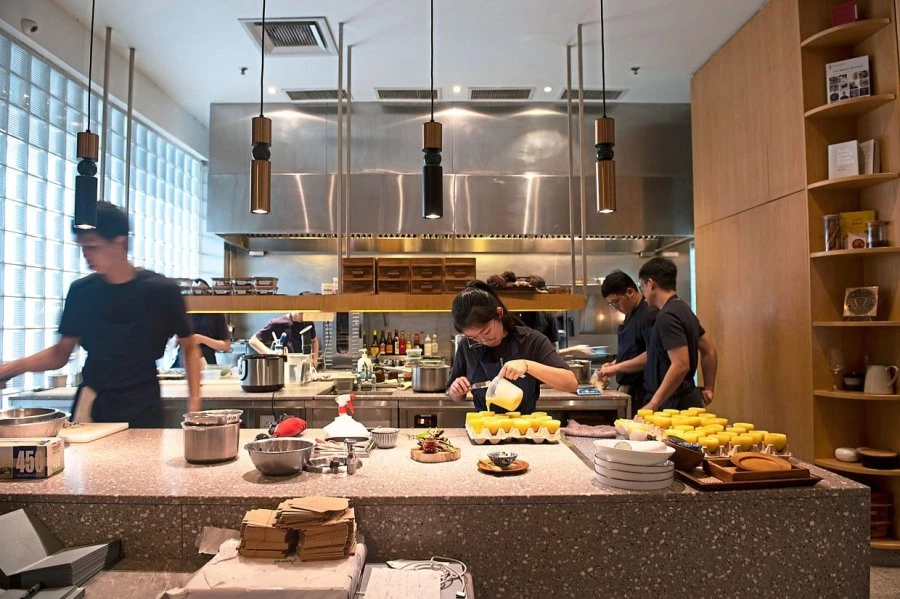
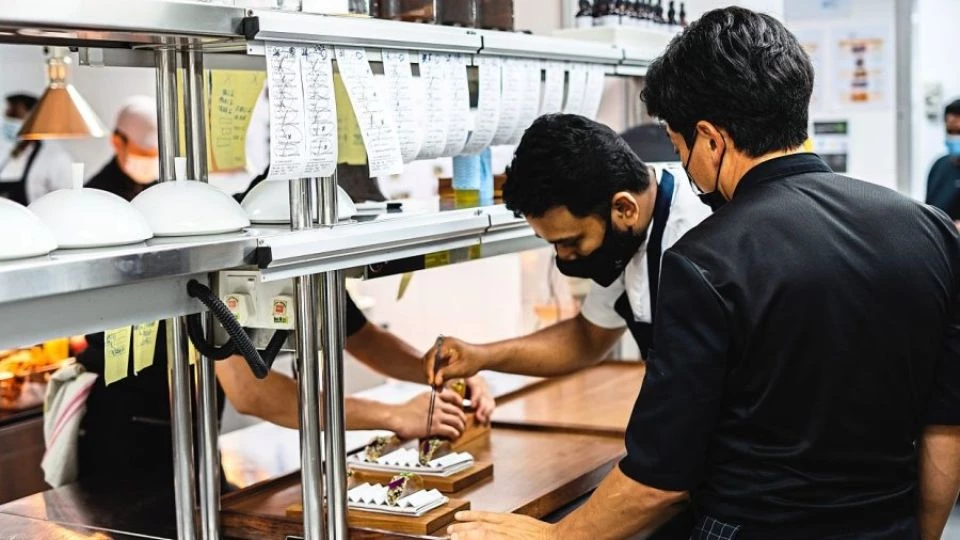
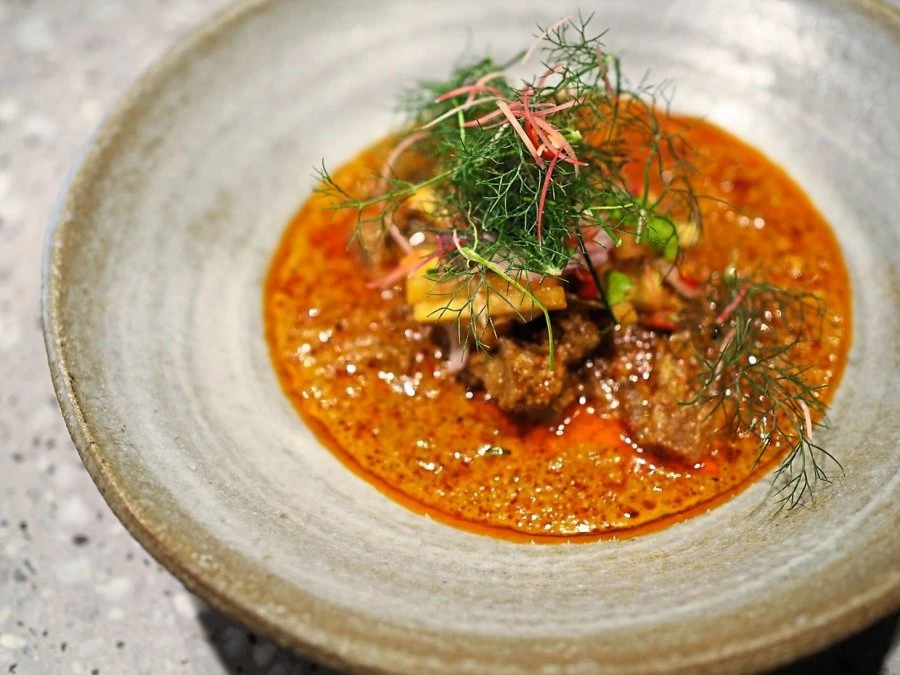
In the past few months, the dining scene in Malaysia has been privy to a large number of collaborative dinners, often termed four-hands or six-hands dinners. These are dinners that showcase the collective talents of at least two different chefs from different restaurants who come together and put up a menu that reflects their combined culinary skills.
Culinary crossovers are not new. In fact, top chefs around the world have been doing this for years, often travelling to different parts of the globe for collaborations. Even in Malaysia, collaborative dinners have been around for a while and before the Covid-19 pandemic, they were a starry feature of the local dining scene.
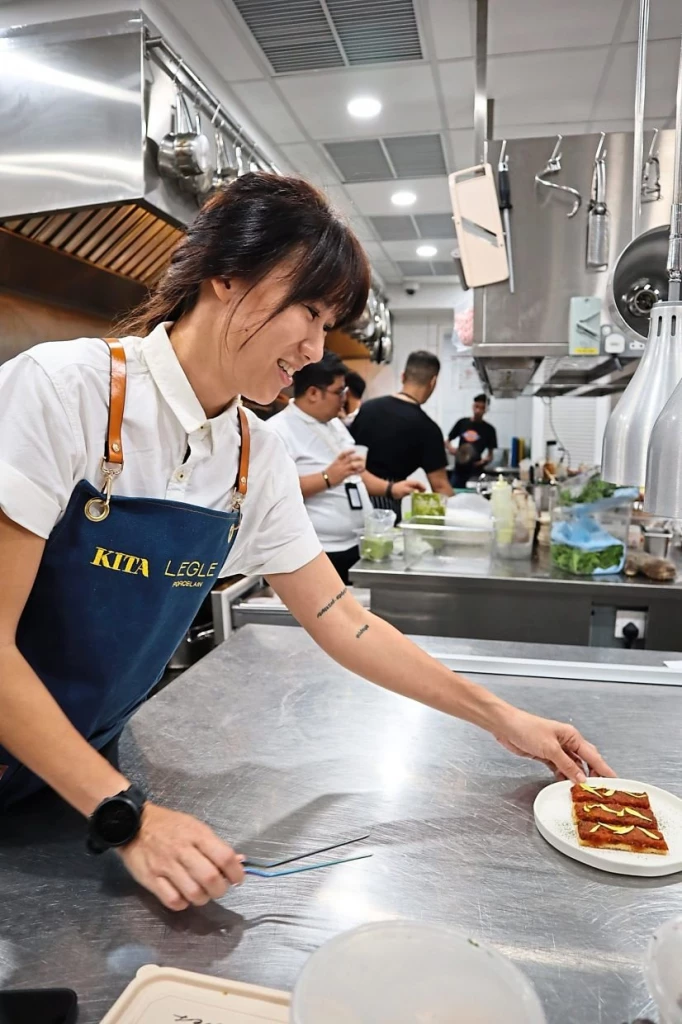
Now that restaurants are fully operational and lockdowns are (hopefully) a thing of the past, this collaborative spirit seems to have been fully re-awakened. Part of this has to do with food events like the homegrown Kita Food Festival (now in its second edition), which has been running for the past few months in Langkawi, Penang and Kuala Lumpur.
One of the main highlights of the festival is collaborative dinners which pair gifted local chefs and chefs based in Malaysia with international chefs from the region.
Another reason for this surge in collaborative dinners? Chefs haven’t been able to fully flex their creative muscles for the past few years and diners have been bored out of their minds eating the same-old fare with no opportunity for anything new and shiny. Collaborative dinners are consequently a way to inject something new into something old.
“I think the rising number of collaborative dinners is because of the pandemic. Everyone was so pent up and diners probably tried the food at most restaurants when everyone couldn’t travel during the lockdowns. So what is the freshest way to inject new inspiration into the food scene? Collaborative dinners!” says Jun Wong, a seasoned chef who will be helming soon-to-be-opened eatery Yellow Fin Horse (an ingredient-driven restaurant) at the trendy Else Hotel.
Jun is a collaborative dinner veteran of sorts who has made at least 10 of these dinners in the past few years. This year, even though she doesn’t yet have a restaurant to lead, she collaborated on a six-hand dinner with local culinary talent Leong Chee Mun of Raw Kitchen Hall and Christian Encina of Bali-based eatery Pica, as part of Kita.
Jun’s views are echoed by Aidan Low, the chef-owner of Akar Dining, a restaurant that thrives on modern interpretations of food.
According to Low, in the past year alone, he has already done seven collaborative dinners – and counting!
So just how do chefs get the ball rolling on collaborative dinners?
Getting started
For many chefs, the first step to putting together a collaborative dinner is to rope in other chefs that they consider industry friends – perhaps people they have an easy relationship with or could work together well with. Alternatively, some chefs also seek out culinary talents that they don’t know personally but whom they feel are inspiring or whose culinary output would mesh well together.
If a collaborative dinner is organised by a third-party event organiser, this entity will often look at pairing individuals that share a bond or have a cooking DNA that would either meld well together or would be interesting when matched up.
Once a pairing is determined, then the hard work begins! Over a period of months – or sometimes weeks – these vastly different chefs will have to liaise with each other to pull together a dinner that they are both proud of and that diners will be interested in coming for.
“It’s a lot of brainstorming and video calls to understand the availability of resources – from equipment, ingredients, restaurant capacity and more. After understanding what we’re respectively looking for, we agree on a menu based on our strengths,” says Masashi Horiuchi, the seasoned Japanese chef behind the acclaimed eatery, Entier French Dining, who has done a handful of collaborative dinners in KL.
According to Jun, most chefs typically speak the same language (read: food speak) so often everything can be done remotely as chefs may not have the time or opportunity to do site visits or in-person discussions with other chefs. This is something that is especially the case if the other chef involved does not reside in the same country and is flying in for the collaboration.
“We run our own establishments and don’t always have the time to visit other people’s kitchens for a collab. So most of the time, it is done pretty remotely so maybe we start a group chat or jump on a call together. We can also share menu ideas on online documents like Google Doc and bounce off ideas,” says Jun.
Working together and sharing space in a restaurant kitchen can also be an entirely alien concept for chefs used to running their own kitchens with their teams. This is especially the situation with guest chefs who are being hosted in kitchens they are entirely unfamiliar with.
“Most of the time, when you are in a foreign kitchen, you don’t know where basic things like spoons or whisks are, so we usually like to limit the amount of finishing that we need to do in these kitchens, so in that sense, we limit our chances of being unprepared,” says Jun.
Why do chefs do these dinners?
Collaborative dinners typically do not make much money, as most chefs can vouch for. The reasons for this are manifold – chefs need to be paid for their time and their team’s time, which can eat into profits. Often, the cost of ingredients for these meals is high as are the associated costs of flying in and accommodating foreign chefs.
If a third-party organiser puts together a collaborative event, they often take a commission. So more often than not, these are not events that are lucrative, by any stretch of the imagination.
So why do chefs continue to put together collaborative dinners? Well, for chefs like Jun who are about to launch a new restaurant, being involved in collaborative dinners can help the eatery gain traction and give the team something to be excited about.
“The benefit is we keep ourselves active in the market and on the radar and our team is geared and ready for service, otherwise they can be out of touch by the time the restaurant opens. Doing outside events or guest shifts keeps the team on their toes and in the zone,” she says.
Jun also adds that for established restaurants, there is the added benefit of chefs being able to deviate from the culinary blueprint that is typically encoded in an eatery. A fine-dining restaurant, for example, might be able to pull off something more casual than they are typically used to doing.
“A restaurant is tied into identity and branding, so the food has to reflect a certain DNA and pathway and you cannot veer too much away from it. But when you do a collaboration, your hands are not tied – you have a blank canvas. So it is something refreshing for the team to do,” she says.
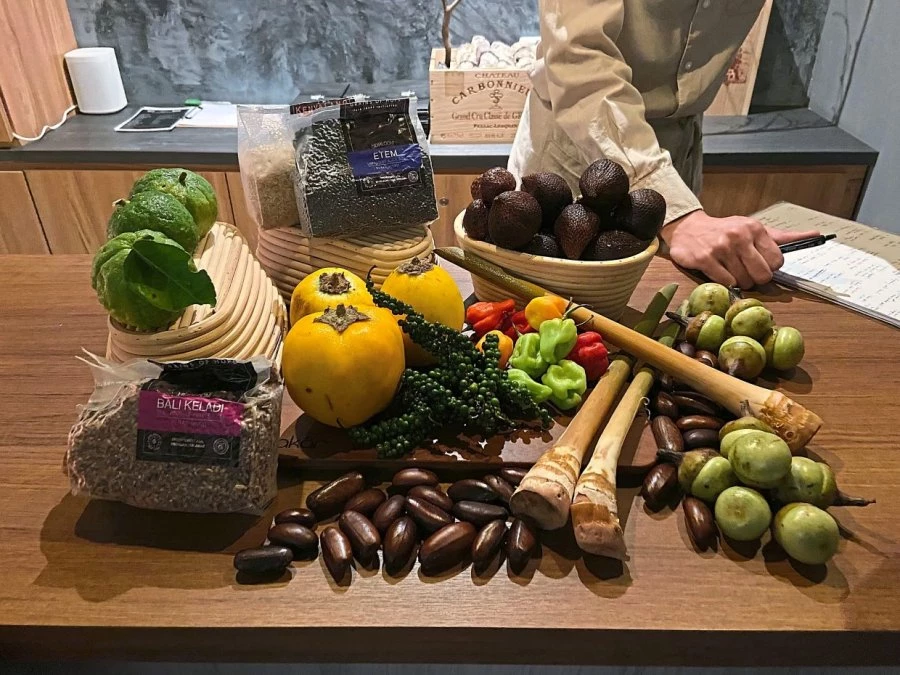
For others, a collaborative dinner can be life-changing in the sense of inspiring a chef to such a degree that they incorporate new ingredients into their menus. For Low, this happened when he collaborated with a restaurant in Sarawak and had the chance to work with indigenous produce of the land. Since then, he has endeavoured to incorporate these ingredients into his menu at Akar.
“The terroir was eye-opening because it was my first time in Sarawak and the flora and fauna there really affected me in terms of what to put on the menu. Even now, I use ingredients like engkabang oil and terung asam in some of my dishes,” he says.
Horiuchi meanwhile says that an exchange of cultures and ideas can also spawn a new understanding of food history and culinary identity.
“When I did a collaborative dinner with progressive south Indian restaurant Nadodi, it was interesting to learn that South Indian cuisine can match with French culinary techniques. In fact, there are deep French roots in Pondicherry, India, where the chef I collaborated with is from.
“That night, French and Indian ingredients and techniques came together in a true amalgamation of East and West. Learning about their complex use of spices was eye-opening for me,” he says.
Creating community spirit
Ultimately though, for many chefs, collaborative dinners are tied into a sense of community. During the Covid-19 pandemic, many chefs were completely disassociated from each other with little opportunity to interact through dinners such as these. Now that these opportunities are back on the table, chefs are enjoying the sense of community these dinners instil.
“It helps to build community between all the chefs and helps with the connection. We usually don’t talk to each other, so we need this kind of thing to boost the momentum in the industry.
“Also I think festivals like Kita are a very good initiative to promote Malaysian chefs and restaurants to Malaysians and even people outside the country,” says Johnson Wong who helms acclaimed Penang eatery Gen.
Wong recently did a four-hands dinner with Andrew Martin of the one-Michelin Thai-starred eatery 80:20, as part of the Kita Food Festival.
So should more chefs be doing this? Most chefs believe these collaborative dinners should definitely continue, in order to bolster the culinary community in Malaysia.
“Oh yes, it’s a great way to learn about other skills, techniques, cultures, and even just the traits and quirks of another fellow chef. It’s always insightful to learn the background and philosophies of other chefs as well,” says Horiuchi.
Jun though says that while collaborative dinners are great, chefs should be mindful that their own restaurants take precedence, so having some sort of balance is crucial.
“I think there is a benefit to it but at the end of the day, our focus is our own establishment so we cannot have too many of these dinners that will distract us or require too much of our attention away from the restaurant. So it’s about striking a balance – so I would say yes to collabs but not too much but don’t do away with it entirely because then it gets too boring,” she says.
Johnson meanwhile says he has gone against the grain and actually reduced the number of collaborative dinners he takes on at Gen. So when he does embark on a collaborative dinner, he says it is because it has been curated with care and thought out in its entirety, because ultimately for him, there has to be a purpose behind the pairing.
“For me, now we do it if it is something we feel would help the restaurant and the team to learn something. So we are quite selective about which restaurants and chefs we work with – we want to work with people who can help us bring a completely new experience to diners. So it’s not just about bringing a chef and having dinner – we want something more meaningful,” he says.
FTX crypto tycoon Bankman-Fried arrested in Bahamas for extradition to US
TUESDAY, DECEMBER 13, 2022
Sam Bankman-Fried, the founder and former CEO of crypto exchange FTX, was arrested in the Bahamas on Monday, the country’s government said.
Bahamian authorities arrested Bankman-Fried at the request of the United States, where he faces criminal charges over the collapse of FTX and its sister trading firm Alameda.
FTX filed for Chapter 11 bankruptcy protection on November 11, shortly after Binance, the world’s biggest cryptocurrency exchange, pulled out of a bailout deal for the troubled exchange.
FTX had struggled with a surge in withdrawals that caused a liquidity crunch.
Concerns about FTX’s financial health triggered US$6 billion (209 billion baht) of withdrawals in just three days.
After 30-year-old crypto celebrity Bankman-Fried filed for bankruptcy, at least one million depositors were reportedly unable to access their funds.
The New York Times, citing a person familiar with the matter, reported that the charges against Bankman-Fried include wire fraud, wire fraud conspiracy, securities fraud, securities fraud conspiracy and money laundering.
Bankman-Fried is now set to be extradited to stand trial in New York.
Damian Williams, a US attorney for the southern district of New York, said the indictment against Bankman-Fried would be unsealed on Tuesday morning.
Motor Expo 2022 sees 42,000 sales, with Toyota, Lambretta topping the charts
TUESDAY, DECEMBER 13, 2022
Vehicle sales at the Motor Expo 2022 grew 16% from last year to just over 42,000, the organiser said on Tuesday.
A total of 36,679 cars and 6,089 motorcycles were sold during the 13-day fair at Impact Muang Thong Thani in Bangkok, which ended on Sunday, said Kwanchai Paphatphong, organising chairman of the 39th Motor Expo.
Toyota topped the rankings for cars with 6,064 units sold, followed by Honda (3,252), BYD (2,714), Isuzu (2,648), and Nissan (2,478).
For motorcycles, Italian manufacturer Lambretta raced ahead 1,839 units sold, followed by Yamaha (1,408), EM (516), Honda (445) and Royal Enfield (410).
Sport utility vehicles (SUVs) were the most popular cars, accounting for 53.9% of sales, followed by sedans (30.3%) and pickup trucks (11.8%).
For electric vehicles, China’s BYD topped the sales chart followed by NETA and MG.
The average price paid for a car at the fair was 1.34 million baht, while the average motorcycle price was 253,699 baht.
The organiser said Motor Expo 2022 saw over 1.33 million visitors and generated over 51 billion baht in revenue for the auto industry.
Siam Piwat’s top technology executive wins CIO100 Awards in 2022
TUESDAY, DECEMBER 13, 2022
Bangkok (December 12) – Siam Piwat Group, a leading real estate and retail developer, the owner and operator of Siam Paragon, Siam Center, and Siam Discovery, and one of the joint owners of ICONSIAM and Siam Premium Outlets Bangkok, achieves a new milestone in success as the Visionary Icon.
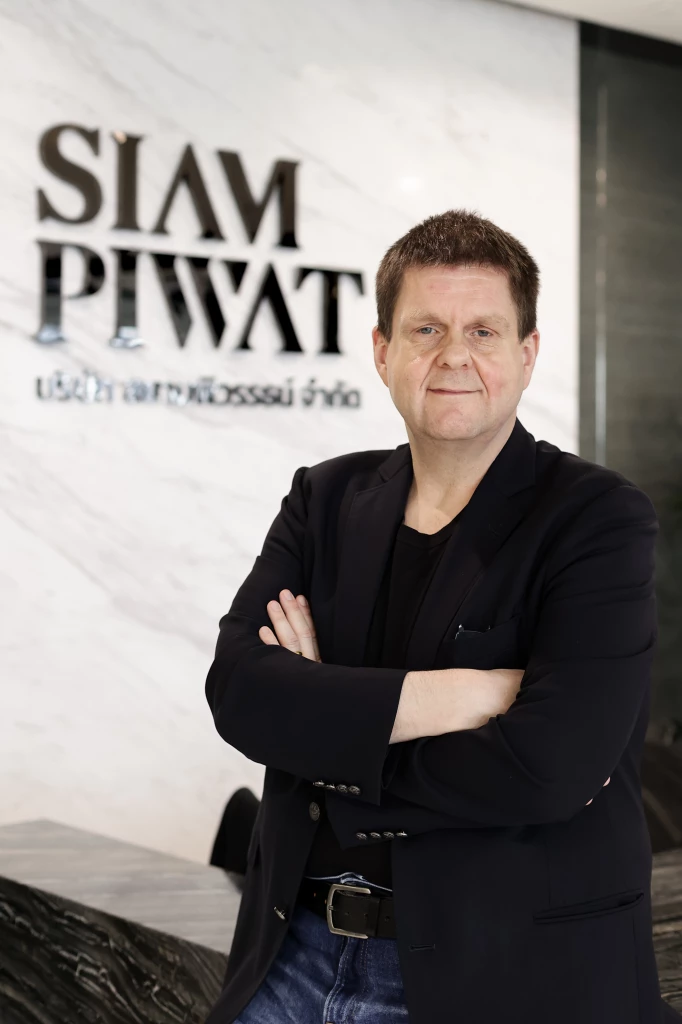
Mr Axel Winter, Chief Digital and Technology Officer of Siam Piwat, was recently recognized as a winner of CIO100 Awards for his outstanding role in driving digital transformation, adopting innovation and digital technologies to deliver remarkable phenomenon for Siam Piwat, committed to developing a digital platform which connects all parties including business partners, retailers, and customers, to move ahead into the new world of retail that can expand limitlessly and create a sustainable mutual growth.
As the the only top technology executive from the retail sector in Thailand to win the award this year, Mr Winter said, “I’m very pleased and honored to be selected as one of the winners of top CIO100 from the globally-accepted international organization. This achievement reflects Siam Piwat’s strength and capabilities for being the only company in the retail and real estate sector in the top 100 list for this year. This results from Siam Piwat’s ability to adapt its strategy and develop ONESIAM SuperApp within only 7 months. The success stems from the capabilities of Siam Piwat’s management and employees, and the collaboration with strong business partners, enabling us to deliver digital experiences through ONESIAM SuperApp. This smart platform combines experiences beyond expectations and various privileges into a single platform and connects seamless shopping experiences from online to offline (O2O).”
CIO100 Awards, organized by Foundry, formerly knowns as International Data Group (IDG), a global technology consultant, is to assess the achievement of senior technology executives in Southeast Asia and Hong Kong and recognize the success of executives in the top100 list who have played an essential role in driving innovation and influencing the rapid change of technologies. Winners were unveiled recently during an award ceremony held at Marina Bay Sands in Singapore.
In 2022, CIO100 registered a record year with over 280 nominations submitted from over 20 industry sectors across eight markets, including Singapore, Malaysia, Indonesia, Philippines, Vietnam, Myanmar, and Hong Kong. This year, CIO100 was judged on the core pillars of Innovation and Leadership, honoring transformation, inspiring, and enduring CIOs at both in-country and regional levels.
Mr Winter has extensive experience in digital transformation and is well known for challenging industry paradigms and consistently striving to integrate new technologies to achieve true impact and change. He has played a significant role in driving Siam Piwat’s digital strategy, building a unique team of tech-savvy talents to jointly develop a Co-creative platform with a pioneering spirit to enhance limitless possibilities and move ahead to create a digital experience through the premier ecosystem of ONESIAM SuperApp, delivering Parallel World experience on both offline and online. ONESIAM SuperApp has connected with more than 50 business partners in more than 13 sectors.
In addition, Mr Winter has an important role in pioneering a new business model and expanding the digital ecosystem that will help it reach more diverse customers, accelerate exponential growth, and maintain the number one position in the minds of Thai and international customers.
Advertising revenue rises for most Thai media for first 10 months of 2022
MONDAY, DECEMBER 12, 2022
Businesses in Thailand have spent more than 98 billion baht on advertising in the first 10 months of this year, marking a 10.48% increase year on year.
Nielsen Holdings, an American information, data and market measurement company, said all types of media, with the exception of print, saw their revenue from advertising rise from January to October.
Companies spent as much as 9.91 billion baht on advertising in October, or 6.09% more compared to last year. Nielsen said advertising revenue of all media except television rose in October. Advertising revenue for television stations contracted by 4.94% against the same month last year.
Ad revenue for the first 10 months can be categorised as:
• Television: 52.65 billion baht (+0.41%)
• Outdoor and mobile media: 11.17 billion (+42.44%)
• Theatres: 6.14 billion (+168.91%)
• Radio: 2.77 billion (3.78%)
• Print: 2.51 billion (-1.72%)
• Shopping mall media: 727 million (+33.39%)
• Online media: 22.09 billion (+8.15%).
Nielsen said food and beverage manufacturers were the biggest spenders, allocating 15.7 billion baht to advertising or 3% more compared to last year.
This was followed by media and marketing businesses, who spent 5.27 billion baht on advertising, up by 19%.
The medical industry was the third biggest spender, with 4.93 billion baht or 5% more year on year.
The top three companies that spent the most on advertising are Unilever Thai Holding (3.15 billion baht, -20%), Nestlé (Thai) (2.25 billion baht, -10%), and Procter & Gamble Trading (Thailand) (2 billion baht, +5%).
A face-off between Indian and Chinese troops in the Tawang sector in Arunachal Pradesh on Friday led to minor injuries “to a few personnel” from both sides, sources said on Monday and noted that both sides immediately disengaged from the area.
The Indian troops deployed in the area of face-off on Friday in Arunachal Pradesh’s Tawang sector gave a befitting response to the Chinese troops and the number of Chinese soldiers injured in the clash is more than the Indian soldiers, sources said on Monday.
China announced on Monday that a digital tool to track cross-city travel will go out of service starting Tuesday.
Jobs Philippines PH vows to save seafarers’ jobs in EU | Inquirer President Ferdinand Marcos Jr. on Sunday night said the government was doing everything it could for the Philippines to pass the European Maritime Safety Agency’s (Emsa) evaluation, which the country has failed since 2006, to avert possible job losses for some 50,000 Filipino seafarers deployed on European Union (EU)-flagged vessels.
South Korea asked China to step up efforts to bring North Korea back to denuclearization talks at a videoconference Monday held between their respective foreign ministers, as the two countries seek to better ties that have been strained by their divergent views on Pyongyang and the escalating US-China rivalry.
Chinese Premier Li Keqiang on Monday called on China and the Republic of Korea (ROK) to make joint efforts to maintain the stability and smooth flows of regional and global industrial and supply chains.
President Xi Jinping has called for concrete steps to protect China’s intangible cultural heritage in a systematic way and promote Chinese culture around the world.
The special income tax for reconstruction, tobacco tax and corporate tax are being eyed to fund a planned increase in defense spending, according to sources.
When President Joko “Jokowi” Widodo told his diehard supporters to vote for a candidate with “forehead wrinkles” and “white hair” in the 2024 presidential election, almost everyone concluded that he was referring to Central Java Governor Ganjar Pranowo, whom all surveys put as one of three most popular public figures to succeed him.
Business sentiment among major Japanese companies improved in October-December, with the recovery led by nonmanufacturers, a government survey showed Monday.
The overall business confidence in Pakistan fell to minus four per cent, according to a survey of the Overseas Investors Chambers of Commerce and Industry (OICCI) conducted during September-October 2022.
Soon Ent. is South Korea’s top TikTok creator management firm, home to over 140 creators whose total number of followers amounts to 940 million. This includes the nation’s No. 2 creator WonJeong, who recently surpassed 50 million followers. He is the only South Korean to reach the milestone other than K-pop supergroup BTS.
For the first time since lawmakers filed a bill seeking to create the controversial Maharlika Investment Fund (MIF) two weeks ago, President Ferdinand Marcos Jr. broke his silence on Sunday night and publicly expressed support for the proposed sovereign wealth fund.
Russia’s McDonald’s successor replacing Big Mac with ‘Big Hit’
TUESDAY, DECEMBER 13, 2022
Starved of Big Macs since McDonald’s Corp MCD.N closed its Russian restaurants in March, Russians will from next year be treated to an alternative from the burger chain’s successor – the “Big Hit.”
Russian fast food chain Vkusno & tochka, or “Tasty & that’s it,” on Monday said the Big Hit, complete with a new signature sauce, will be available in February and a similar product to the McDonald’s Happy Meal will be making a comeback as “Kids’ Combo.”
McDonald’s closed its Russian restaurants soon after Moscow sent tens of thousands of troops into Ukraine in February, eventually selling to a local licensee, Alexander Govor, who unveiled the new brand in June.
Vkusno & tochka CEO Oleg Paroev said the company has overcome supply chain issues and was growing its share in a market traditionally dominated by foreign chains.
There are restrictions on the colours and products that Vkusno & tochka can use. It can no longer serve Big Macs, nor use the McDonald’s-style sauce, Paroev explained.
“(The Big Hit) has its own sauce and a slightly different composition, a different layout of ingredients, but in terms of quality and taste it is very good,” Paroev said.
“We hope Russian consumers will appreciate the Big Hit and that it will become as much of a symbol of Vkusno & tochka as the Big Mac is a symbol of McDonald’s.
Since acquiring Russia’s McDonald’s restaurants, Govor has snapped up Finnish packaging company Huhtamaki’s HUH1V.HE Russian business and a logistics firm, set to be renamed “Logistics & that’s it.”
On Monday, he said Vkusno & tochka may try to find a partner to produce children’s toys for the Kids’ Combo, which currently includes a free book, but that his M&A appetite had been satisfied for now.
Vkusno & tochka and meat producer Miratorg on Monday said they had agreed to build a factory in 2023 to supply the chain with chips and potato wedges. Some Vkusno & tochka restaurants had to take fries off the menu this year when faced with a potato shortage.
“We were simply forced to do this,” Govor said. “We were looking for partners because some of our suppliers, including of potatoes, have doubled their prices from February to today.”
New Report Reveals Biosecurity Risks of Donkey Skin Trade
MONDAY, DECEMBER 12, 2022
Findings from The Donkey Sanctuary details the possibility of another incident in Thailand like the 2020 AHS outbreak due to the unregulated, unsanitary, and often illegal trade in donkey skins used in traditional Chinese medicine
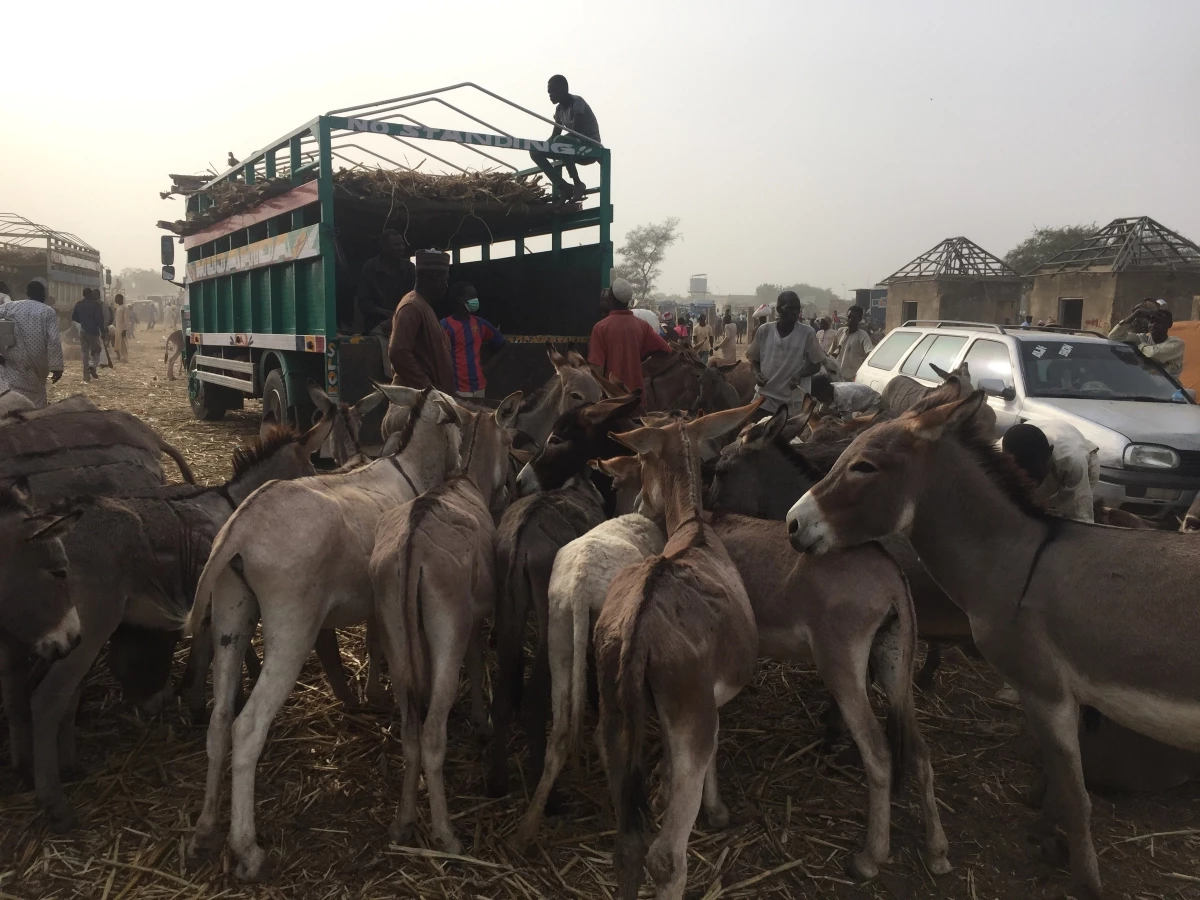
Around the world, over 4.8 million donkeys are traded and slaughtered for their skins each year.
The demand for donkey skins is driven by the production of ejiao, or donkey-hide gelatin, a traditional Chinese remedy believed by some with no scientific basis to have medicinal properties.
A new report from The Donkey Sanctuary reveals the trade is also contributing significant and previously unrecognised risks to international biosecurity, including in Thailand, a common waypoint for donkey skins.
The import of donkey skins into Thailand is currently legal. However, Thailand is not a major market for donkey skins. Rather, donkey skin traders circumvent and undermine recipient country safeguards on biosecurity controls by shipping to ports in Thailand (or others such as Hong Kong) first before shipping to China.
The most recent FAO data, from 2018, shows the total number of horses in Thailand as 6,069, while just 30 donkeys were reported.
However, the donkeys’ locations were uncertain and it is likely they were underreported due to the unregulated nature of the trade.
Donkeys can easily play a role in outbreaks of African horse sickness (AHS), as they can spread the disease without displaying severe clinical signs. AHS is spread by biting and feeding on the blood of horses and donkeys.
A 2020 outbreak of AHS in Thailand, likely due to the importation of live equids (the group that includes horses, donkeys, and zebras), saw infection across six provinces before an equine movement lockdown curtailed its progress.
It infected 610 horses in 17 provinces, 568 of which died, including both high-value sports horses and working equids who support hundreds of thousands of people’s livelihoods.
No new cases have been found ever since a surveillance programme for animal diseases was initiated, but the unregulated trade of live donkeys and donkey skins could change that.
The report Biosecurity Risks and Implications for Human & Animal Health on a Global Scale contain the findings of donkey skin testing conducted by The Donkey Sanctuary and the International Livestock Research Institute in Kenya (ILRI).
This testing identified multiple specimens contaminated with Staphylococcus aureus (S.aureus) and African horse sickness (AHS). In the case of S.aureus contaminated skins, 44 of 108 tested were found to be carrying the drug-resistant MRSA variant, and three of the positive samples were carrying the PVL-toxin – known to cause invasive necrotising diseases in humans.
Donkeys are generally susceptible to the same infectious diseases as horses, many of which can also infect humans via ingestion, inhalation and skin contact. Close contact with sick equids puts people at risk, as does eating, inhaling, or touching infectious by-products.
Diseases vary in severity and impacts on human health can range from mild conditions such as ringworm to potentially deadly diseases like rabies and glanders.
These are occupational hazards for farm workers, abattoir staff and any person involved in the transport and handling of donkeys or the processing, packing, haulage and shipping of donkey skins.
Diseases that are endemic in source countries may not be present at all in transit or destination countries, leading to potential outbreaks of diseases in local, naïve equine populations.
This is what happened with AHS in Thailand in 2020, as the disease’s prior absence in the country made the outbreak more difficult to contain.
Worryingly, the donkey skin trade currently operates without adequate veterinary and biosecurity protocols. The unregulated and clandestine nature of much of the trade also means that shipments are often impossible to track, and contaminated skins therefore unable to be traced.
However, even skins processed in licenced slaughterhouses constitute a biosecurity risk.
Marianne Steele, Chief Executive of The Donkey Sanctuary said: “The global trade in donkey skins is cruel and inhumane, unregulated and unnecessary, which results in suffering for donkeys and donkey-dependent communities on a devastating scale. While many may choose to turn away from the direct impacts on animals and people, I would implore consumers, governments and the wider public to take notice of the risks to animal and human health.
“If nothing else, the recent lessons of Covid-19, and the current outbreak of avian flu, should make us sit up and take notice of the emerging threats that zoonotic diseases pose.”
Considering this high level of risk, The Donkey Sanctuary is calling on the governments of China, Hong Kong, Vietnam and Thailand to immediately stop the import of donkey skins, and on the national governments of exporting countries to take immediate steps to stop the trade in donkey skins.
Dr Faith Burden, Executive Director of Equine Operations at The Donkey Sanctuary, said: “The findings throughout the report are shocking, although not altogether surprising – the disease risks for animals and humans are obvious, with poor hygiene at all stages of the trade. The lack of traceability and basic biosecurity puts people and animals in general at significant risk. The skins tested were sourced from one slaughterhouse on one day, but it is likely that skins from other sources around the world if tested, would indicate the presence of dangerous pathogens such as glanders, equine influenza and African swine fever.”
Grab is launching a tuk-tuk service in Phuket after being granted a ride-hailing licence by the Department of Land Transport in September. The “GrabTukTuk” service in Phuket will be on hand to welcome the return of international tourists and support local job creation, the company said.
It expects to offer the new service through 100 tuk-tuk driver-partners by early 2023.
Grab, a leading super app in Southeast Asia, says the Phuket launch is part of the continued expansion of its mobility services.
Worachat Luxkanalode, Country Head of Grab Thailand, said, “we have seen consistent positive signals from the recovery of tourism industries. Since the beginning of this year, Thailand has welcomed more than 10 million international travellers so far. Ride-hailing applications have been one of the preferred travel options by foreign tourists, as they offer convenience and safety standards. Grab’s mobility service can support not only Phuket’s tourism sector but also the province’s overall economy through income opportunities for local communities.”
“As a leading platform, Grab is committed to raising the bar for ride-hailing service in Phuket, in terms of service quality, reasonable price and safety. We support the locals to use their personal vehicles to provide transportation services to earn extra income. Besides, we have encouraged those who provide public transportation services such as Tuk Tuk drivers, to use the Grab application as another channel of reaching passengers and increasing income opportunities,” added Worachat.
In addition, Grab Thailand has collaborated with government agencies and partners to ensure efficient preparation and build confidence for Grab driver-partners and public transportation operators in Phuket. These efforts reflect the goal of uplifting the service standards to create favourable impressions and travel experiences for international tourists, in response to the country’s reopening policy and Phuket’s measures in welcoming travellers and driving economic recovery.