Labour Minister Suchart Chomklin said on Tuesday that he will ask the Cabinet to approve the new daily minimum wage rates next week so they can go into effect on October 1.
He said if approved, unskilled labourers should get an average daily wage hike of 5.02 per cent instead of the 8 per cent labour unions had demanded to keep up with inflation.
This is the first time that daily wages are being increased since January 2020.
The Labour Ministry is pushing for the new rates to go into effect from October, even though employers’ representatives on the tripartite national wage committee want it to be implemented in January and be no more than 3 per cent.
Employers have expressed concern that hikes from October would place too much of a financial burden on companies still reeling from the Covid-19 crisis.
The wage panel last week approved nine rates for nine zones in the country.
The zone covering Chonburi, Rayong and Phuket will enjoy the highest rate of 354 baht per day, while the lowest rate, 328 baht, will apply to Yala, Narathiwat, Nan and Udon Thani. Workers in Bangkok and adjacent provinces will get 353 baht daily.
The nine daily wage rates for the next fiscal year approved by the panel are:
• 335 baht: Phetchabun, Kanchanaburi, Bueng Kan, Chai Nat, Nakhon Phanom, Phayao, Surin, Yasothon, Roi Et, Loei, Phatthalung, Uttaradit, Nakhon Sawan, Prachuap Khiri Khan, Phitsanulok, Ang Thong, Sa Kaew, Buri Ram and Phetchaburi
• 332 baht: Amnat Charoen, Mae Hong Son, Chiang Rai, Trang, Si Sa Ket, Nong Bua Lamphu, Uthai Thani, Lampang, Lamphun, Chumphon, Maha Sarakham, Singburi, Satun, Phrae, Sukhothai, Kamphaeng Phet, Ratchaburi, Tak, Nakhon Si Thammarat, Chaiyaphum, Ranong and Phichit
• 328: Yala, Pattani, Narathiwat, Nan and Udon Thani
Suchart said the Cabinet will also consider other measures to minimise the economic impact of the daily wage rate hike, which will be handed down to other relevant agencies to enforce.
The baht opened at 36.51 to the US dollar on Tuesday, strengthening from Monday’s close of 36.56.
The currency is expected to move between 36.40 and 36.60 during the day, Krungthai Bank market strategist Poon Panichpibool predicted.
He said the baht is highly volatile amid concerns over Europe’s energy crisis, which is pressuring the euro and supporting the dollar.
Moreover, he does not expect investors to adjust their possession of assets until the European Central Bank’s meeting on Thursday, so the baht will swing sideways until there is a new factor.
Poon said the baht may possibly weaken during the day if the market is still in a risk-off state and investors sell off more Thai stocks.
However, he expects the stock sales to slow down as some investors are waiting for the stock index to drop and the baht to weaken before they buy more stocks.
However, the baht may strengthen from a bearish divergence technical sign, especially since it strengthened more than expected on Monday.
The strategist advises investors to use hedging tools such as options to manage risks in a highly volatile currency market.
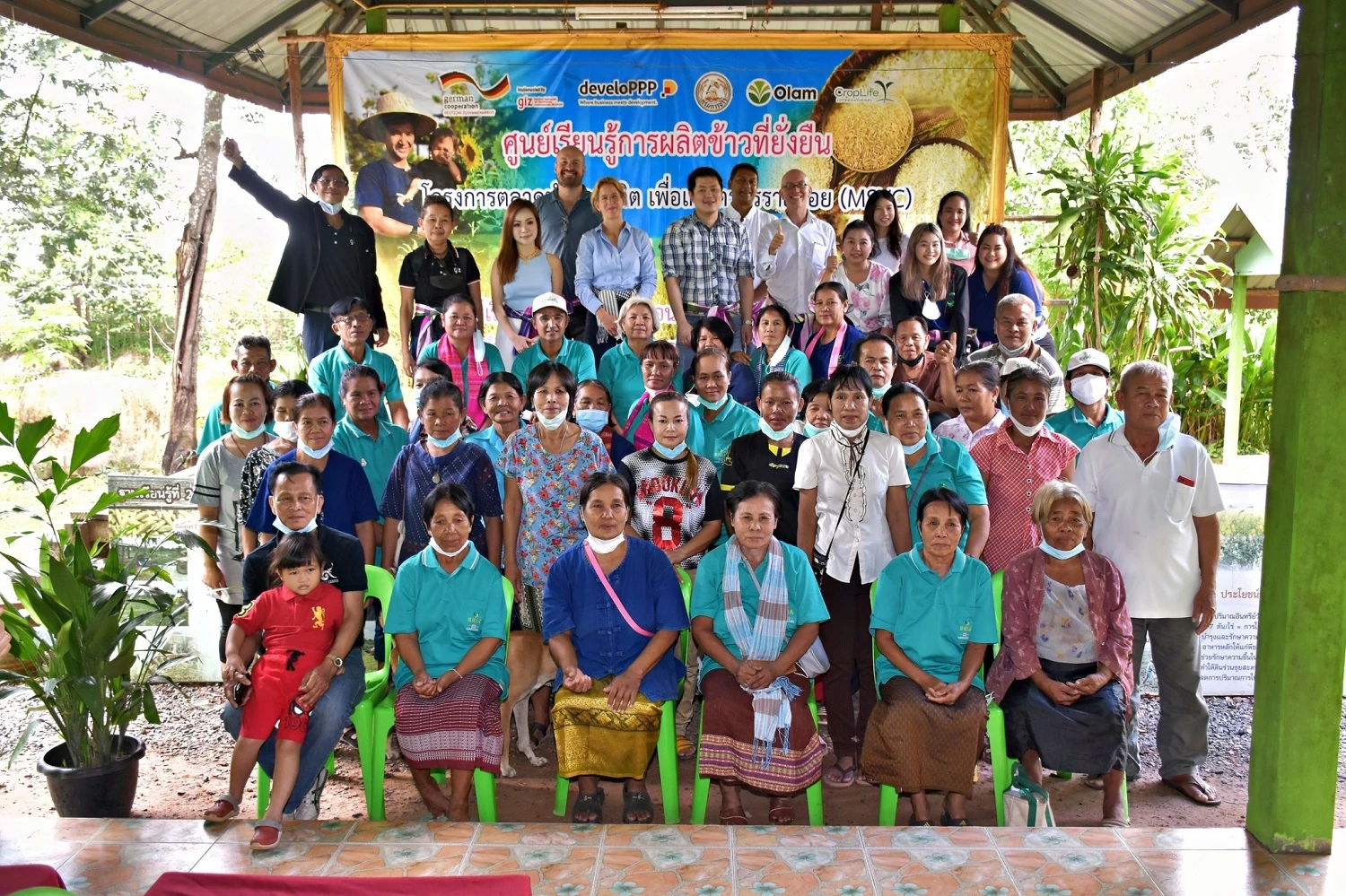
19,000 farmers see incomes increase by over 20% through successful public-private partnerships between Olam Agri, and German and Thai government bodies. GHG emissions were reduced by 21% through the project
The Market Oriented Smallholder Value Chain (MSVC) programme, one of the largest sustainable rice projects in Thailand, is close to completion and has successfully helped 19,000 Thai smallholder farmers increase their net income by more than 20% and reduce Greenhouse Gas (GHG) emissions from farming by 21%.
It received the highest sustainability recognition, the Farm Sustainability Assessment (FSA) Gold Level, by the Sustainable Agriculture Initiative (SAI) Platform earlier this year.
The programme, which started in 2016 with 77 farmers, aimed primarily at improving the lives of resource-poor rice farmers in the Northeastern provinces of Ubon Ratchathani and Surin in Thailand and increasing the production of sustainable and high-quality rice from these regions.
The programme exceeded expectations by enrolling 20% (3,000 farmers) more farmers than originally planned and had the additional benefit of improving the inclusion of women farmers who make up 60% of participating farmers.
In addition to a 21% reduction in GHG emissions, the programme has also improved water quality by 14%.
“Smallholder farmers are an important pillar of Thailand’s national economic development and integral to food security in the country, but many occupy a weak position in the supply chain. In line with our purpose to transform agriculture for a more sustainable future, we are actively working with GIZ and the Thai Rice Department on the ground to help improve the lives of these smallholder rice farmers and make the rice supply chain more resilient and environmentally sustainable,” said Paul Nicholson, Vice President for Rice Research and Sustainability, Olam Agri.
“We believe in the importance of connecting the market with farmers and fully support market-driven production through capacity building among farmers and systemising sustainable rice cultivation practices. The implementation of MSVC project over the past years enables smallholder farmers in Thailand to enhance market competitiveness and access sustainable market-oriented smallholder value chains,” said Atthawit Watcharapongchai, MSVC Thailand Project Director, GIZ.
Thanks to MSVC, food producers and retailers in Europe, the U.S. and around the world will have access to more than 50,000 metric tonnes (MT) of rice that has been cultivated sustainably, to the highest food international safety standards and that can be traced back to the thriving farmer communities in Thailand.
MSVC is a collaboration between Olam Agri, German development cooperation Deutsche Gesellschaft für Internationale Zusammenarbeit (GIZ) GmbH, and Thai government authority Thailand Rice Department.
The partners cooperate within the framework of the German Federal Ministry for Economic Cooperation and Development’s (BMZ) programme develoPPP, a funding instrument for sustainable company initiatives.
“The sustainable development and well-being of the Thai farmers are the ultimate goals of the Thai Rice Department. In partnership with GIZ, Olam Agri, and other private sector players, the MSVC project was jointly implemented to introduce the Sustainable Rice Platform’s (SRP) Standards and sustainable practices to rice farmers in Thailand. Through this initiative, the Thai Rice Department hopes to encourage the adoption of sustainable rice farming and improve farmer livelihoods in Thailand. I would like to thank the project players as well as rice farmers for their kind cooperation and contributions to Thai rice farming.” Said Apichart Pongsrihadulchai, the former Director-General of the Rice Department and the advisor to the Director-General of the Rice Department.
With a strong healthcare and wellness infrastructure and a reputation for highly-skilled professionals, Thailand is more than ever ready to realize its goal to become “The World’s Medical and Wellness Hub”.
Living with the Covid-19 pandemic, people start to recognize the equal importance of modern medicine and preventive practices in maintaining their good health and wellbeing.
Thailand has pushed toward providing comprehensive and holistic healthcare services to serve the rising consumer demand for the overall treatment of the body and mind.
In 2021, Thailand has been ranked 5th place in the world, and 1st place in Asia, in the Global Health Security Index by John Hopkins University for its pandemic response capacity.
The Health Care Index 2021 by CEO World magazine has ranked Thailand in 13th place based on overall health factors.
Affordable costs, high-quality medical professionals, world-class healthcare facilities and superb wellness services have propelled the demand for Thailand’s medical and wellness services from abroad.
Before the coronavirus pandemic, the value of medical tourism in Thailand amounted to around nine billion U.S. dollars in 2019 and was forecast to reach approximately 24.4 billion U.S. dollars in 2027, according to Statista. Among the most sought-after medical services are general medical care and surgeries, sophisticated orthopaedics, in vitro fertilization, dental care and physical check-up.
“The growth in strength of the healthcare sector in Thailand has been supported by highly qualified and attentive medical personnel and world-class standard facilities.
Of more than 370 hospitals and medical facilities, 60 of them are accredited by the US-based Joint Commission International (JCI) as of December 2021, making the country top-five in the world in terms of the number of JCI-accredited healthcare facilities,” said Joel A Roos, Vice President of International Accreditation, Quality Improvement and Safety in an interview with the International Travel & Health Insurance Journal.
Building on a strong foundation, the country aims to promote ten areas of medical and wellness services including regenerative and anti-ageing sciences, alternative medicine, cardio science, musculoskeletal, dental clinic, In Vitro fertilization, cancer treatment, surgeries, ophthalmology (cataract) and precision medicine.
Traditional therapeutic treatment such as Thai massage and herbal medicine has increasingly gained worldwide recognition. Many hospitals in Thailand have bridged the gap between medical treatment and preventive care, making healthcare more effective and comprehensive.
The country has also earned itself a reputation as “The Spa Capital of Asia” for its top-rated wellness experience that blends a variety of traditional healing practices with state-of-the-art health and wellness technologies.
Banking on the growing awareness of alternative healthcare’s benefits, especially the preventive and holistic healing effects, the Thai government has initiated Green Medicine to innovate from its rich heritage of traditional medicine. More scientific research is being conducted to validate and develop traditional herbs for recognition and integration into modern healthcare services.
It’s high time to embrace modern and traditional solutions for a healthier and happier life.
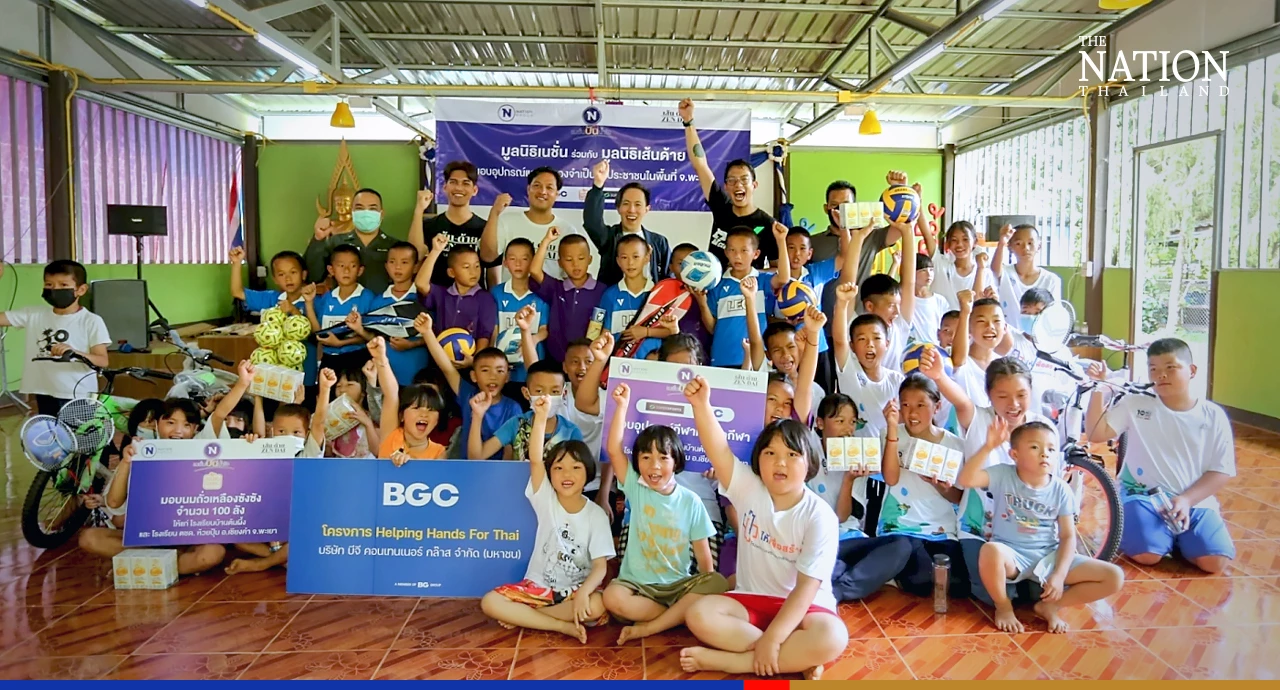
The Nation Group joined up with Zendai Foundation recently to help communities living in remote districts of Phayao province under the “Nation x Zendai Sharing Project”.
The project aims to promote education and strengthen communities, especially in remote parts of the country.
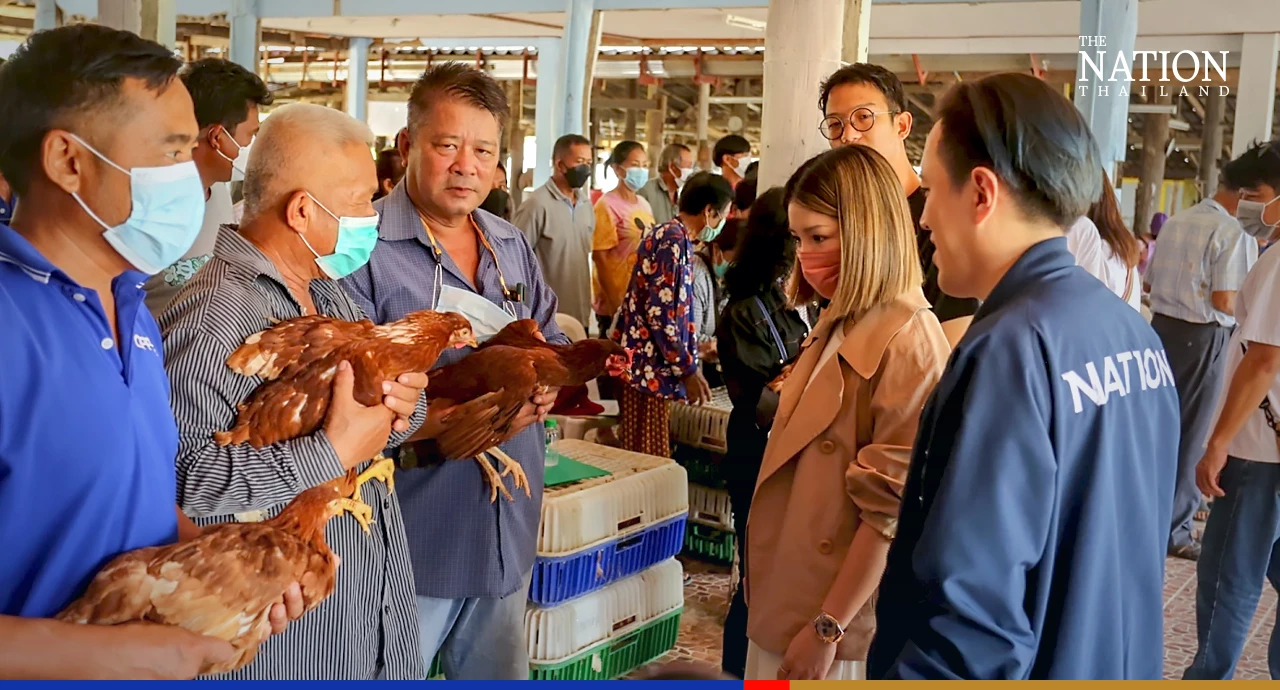
The project kicked off on Saturday, with volunteers from both sides delivering learning materials, sports equipment and apparel, chickens, solar-powered water pumps and streetlights to villagers in Phayao’s districts of Dok Kham Tai, Phu Kamyao, Pong, Chiang Kham and Phu Sang.
Volunteers delivered 350 chickens to villagers in Dok Kham Tai and Phu Kamyao, so they can be raised for eggs and children can be provided with nutritious meals.
The learning materials, sports equipment and apparel were donated to two schools in Chiang Kham district. Sportscaster Bell Khobsanam was also present to offer football tips and techniques to school children.
Two solar-powered water pumps were delivered to villagers in Pong district to help irrigate more than 5,000 rai of farmland. The volunteers also installed solar-powered streetlights in Phu Sang district’s Don Moon village to boost traffic safety at night.
Nation Group’s CEO Shine Bunnag said that apart from maintaining journalistic ethics, the group will also give underprivileged people easier access to education so they can better their quality of life.
“This goal aligns with that of Zendai Foundation, which has been working with communities in remote areas to address the lack of basic facilities. Hence, we are collaborating under the ‘Nation x Zendai Sharing’ project to achieve our shared goal,” he said.
Phuwakorn Srinian, vice president of Zendai Foundation, said: “We began our humanitarian work during the Covid-19 crisis to ensure people in remote areas received necessary protection and treatment. We discovered that many areas still suffered disparity and lack of access to quality healthcare, education and career training.
“So, our group adopted the goal of eliminating this disparity through volunteer work and donations. Over the past year, more people have joined us to work for the betterment of our society.”
Nation Group plans to expand the “Nation x Zendai Sharing Project” to cover more remote communities in Thailand.
Taiwan is one of the most important global machine tool suppliers, with an annual production value of over US$3 billion, ranking No. 5 in exports and No. 7 in manufacturing around the world. At the same time, Thailand is known for its industrial strength in automotive engineering and has a huge demand for machine tools. Taiwan’s machine tool companies specialize in various customized, automated, and intelligent machine tool manufacturing, making them a partner that can revolutionize industrial processes.
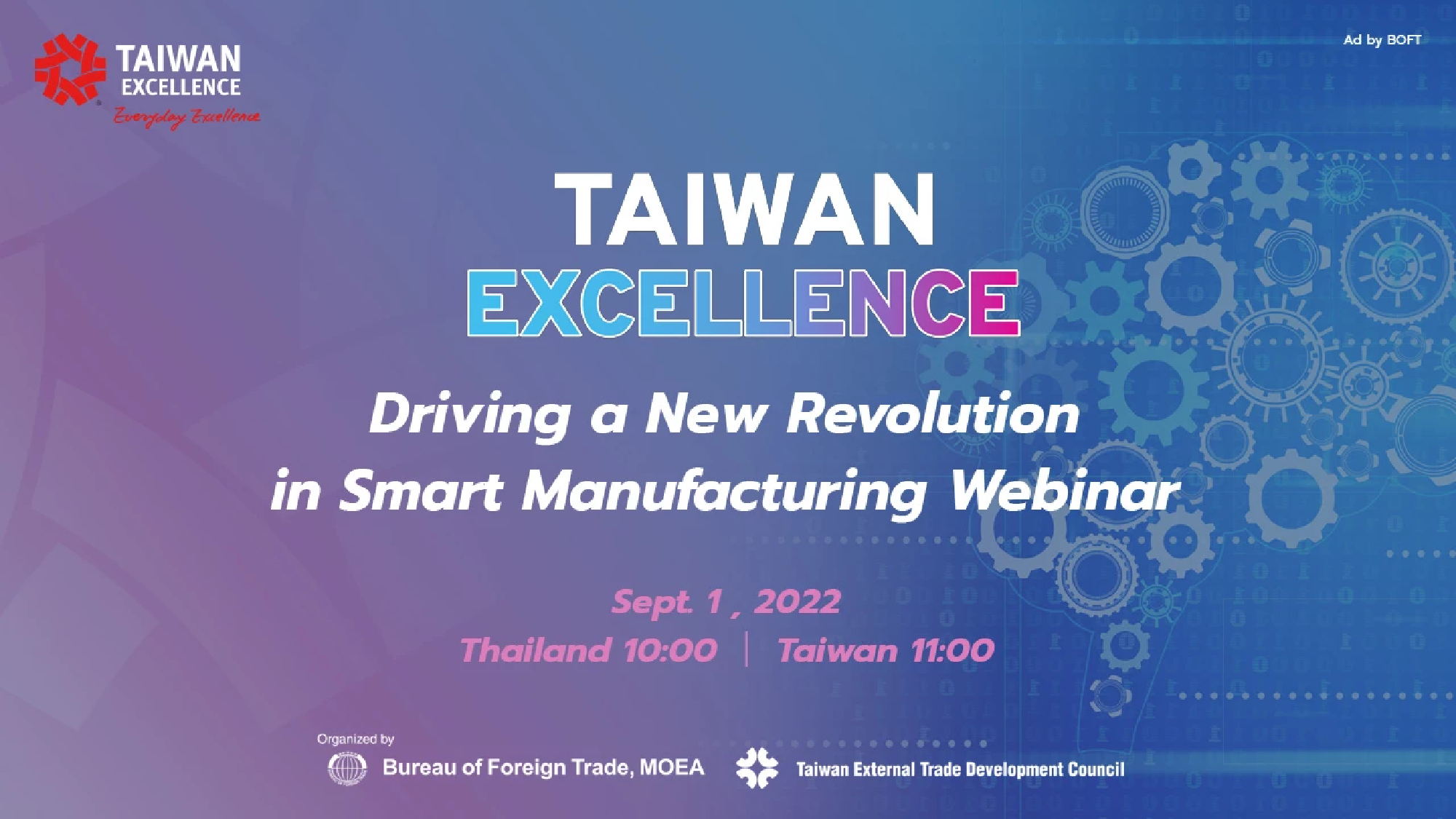
In order to promote further cooperation between Thailand and Taiwan in the field of Smart Manufacturing, the Bureau of Foreign Trade (BOFT) Taiwan, R.O.C., and the Taiwan External Trade Development Council (TAITRA) invited Taiwan Excellence award-winning companies including Chin Fong, Da Jie, Jainnher, and Tongtai to demonstrate their intelligent manufacturing solutions in the “Taiwan Excellence Driving a New Revolution in Smart Manufacturing Webinar” on September 1, 2022, at 10:00 a.m. (GMT+7).
Mr. Wen-Hsien Hsu, Chairman of the Taiwan Machine Tool & Accessory Builders’ Association delivered the welcome remarks.
Mr. Wen-Hsien Hsu, Chairman of the Taiwan Machine Tool & Accessory Builders’ Association, stated in the opening remarks that Taiwan has an advanced information and communication industry with extensive software and hardware integration capabilities, allowing Taiwan to quickly introduce smart elements to machine tool products. This means that Taiwan has the mobility and flexibility to produce high precision, high-tech and high value-added products at a competitive price to meet the needs of global buyers. In addition, Taiwanese companies are not only starting from the design end by introducing lightweight design, cutting edge materials and processes, but are also adjusting the manufacturing end to reduce waste and carbon emissions through green manufacturing, helping the supply chain to realize sustainable value.
Eric Lin, Regional Sales Manager of Chin Fong Machine Industrial Co. Ltd. presented its latest model, the ST1 Straight Side Single Crank Press, which perfectly combines the features of traditional presses and optimizes the structural design and side opening, making it ideally suited to automated production. Its C-frame structure is optimized to a straight column type which improves rigidity and accuracy, while also extending the tool’s life. Additionally, Mr. Lin introduced the iForming System, a framework connecting the press machine’s cloud with users’ smartphones/computers, which not only enables remote monitoring, but also gets maintenance notices in advance to avoid machine shut-downs.
Eric Lin, Regional Sales Manager for Chin Fong Machine Industrial Co. Ltd. presented on the subject of “Intelligent Forming Press”.
Crystal Sung, Senior Sales Specialist for DA JIE ELECTRICITY MACHINERY INDUSTRIAL CO., LTD., introduced the New Generation High-efficient Power-saving Inverter Heating Machine for Equalizing Bar (DJ-W3600VI), which complies with EU RoHS international certification. It is suitable for general purpose automobile steel, and can heat the steel to 950 degrees within just one minute, which is ten times faster than competing products. The mold-changing and heating design provides customers with both great strength and precision. Moreover, it increases productivity by 40%, while saving 54% of power in automated and intelligent production lines.
Crystal Sung, Senior Sales Specialist for DA JIE ELECTRICITY MACHINERY INDUSTRIAL CO., LTD. spoke on the topic of “Inverter Heating Machine for Equalizing Bar”.
Herbert Qiu, Oversea Sales Engineer for JAINNHER MACHINE CO., LTD., presented the Centerless Grinder (JHC-12, 18, 20, 24) which is mainly used for manufacturing automobile and motorcycle parts, round bars, and mold parts. The machine is equipped with an NC/CNC digital control system which improves production efficiency. He also introduced the Thread Grinding Machine (JHT-4010CNC) which is mostly used to manufacture high precision parts. It achieves dimension accuracy within 0.002 mm. and is equipped with an NC/CNC numerical model making it compatible with various robot arms, thereby enabling automation.
Herbert Qiu, Oversea Sales Engineer for JAINNHER MACHINE CO., LTD. presented on the subject of “Focus on Smart Manufacturing: Let Jainnher Provide the Most Suitable Precision Grinding Solutions for Your Industry”.
Shirley Wang, Sales Representative from Tongtai Machine & Tool Co., Ltd., stated that the TD series (Multi-Tasking Turning Center) is highly recommended to manufacturers who have machining and turning needs. The turning centers save not only floor space, but also increase the machining efficiency and precision. Their advantages include a single power turret for the turning and milling process, a 75-degree lathe structure enabling good chip removal and controllability and low machine gravity center, allowing the overall structure to have good rigidity. Lastly, the X/Y/Z-axis are orthogonal to each other, ensuring exact straightness and positioning accuracy.
Shirley Wang, Sales Representative from Tongtai Machine & Tool Co., Ltd., focused on the topic of “Make a Move to Intelligent Manufacturing”.
The webinar attracted about 90 people who registered online, including professional mechanical media, such as Manufacturing Review and M Report, and mainstream media, such as Bangkok Post, Khaosod, and Matichon and well-known companies such as CP All. People who are interested in more of Taiwan’s smart manufacturing solutions are welcome to visit Taiwan Excellence’s Digital Pavilion (https://world.taiwanexcellence.org/en).
● Please click on the following link to watch the “Taiwan Excellence Driving a New Revolution in Smart Manufacturing Webinar” if you missed it: https://www.youtube.com/watch?v=V816WxL2S3o ● For further details about the Taiwanese companies in attendance, please visit the following link: https://sites.google.com/view/smart-manufacture/home ● To fill out the post-event survey questionnaire: https://reurl.cc/xQLgG1 ● For more information, please visit Taiwan Excellence’s website: https://www.taiwanexcellence.org/tw ● Should you require any further details, please email: chou@taitra.org.tw or demhaeid@taitra.org.tw ● For more information, please contact the Taiwan Trade Center, Bangkok (TAITRA) via telephone +66(2)6514470 or email: bangkok@taitra.org.tw
Bangkok, September 3, 2022 – Bitkub Chain, the blockchain network developed by Bitkub Blockchain Technology, aiming to be the digital infrastructure for both public and private sectors, achieved the 1st prize in Technology Awards Category (Blockchain) and the 2nd prize in Consumer Category at the Thailand ICT Awards (TICTA) 2022 contest.
Thailand ICT Award 2022 (TICTA) is a contest project emphasized on finding the invention of technological software and allow the participants to demonstrate their full potential of the project development.
Bitkub Chain achieved awards in two categories as follows:
1. Technology Awards Category (Blockchain): First prize. This category covers blockchain with focus on online transaction network and shared, immutable ledger that facilitates the process of recording transactions and tracking digital assets.
2. Consumer Category: Second prize. This category covers digital product and services directly related to customers such as entertainment, tourism, welcome service, logistic, banking and finance.
Bitkub Chain will be the representative for Thailand’s blockchain infrastructure to compete in the next stage at the “Asia Pacific ICT Awards 2022”. With regards to the vision, Bitkub Chain thrives to be the digital infrastructure for mass adoption in Thailand that provides utility globally and democratizes opportunities for everyone.
A 120-billion-baht mega-project, “One Bangkok”, will be the first large-scale property development project in central Bangkok that features new design standard and follows sustainable construction practices under the concept of circular economy.
The 104-rai (16.64 hectares) project is coming up on the corner of Wireless and Rama IV roads, co-developed by Frasers Property Limited in collaboration with the country’s leading construction material conglomerate, Siam Cement Group (SCG). The project aims to create premium office buildings, hotels and retail spaces as well as luxurious residential buildings with combined usable area of 166,400 square metres.
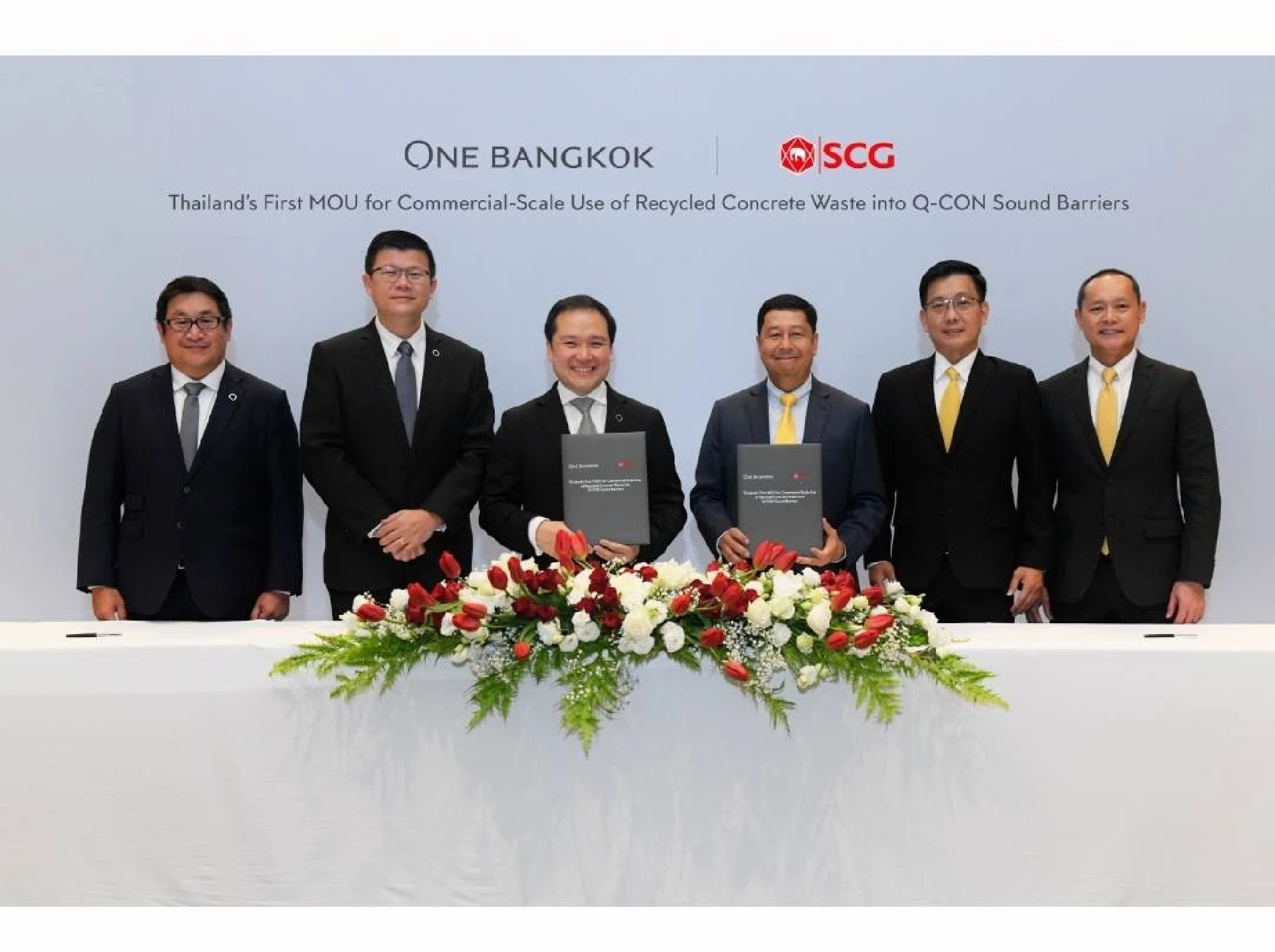
Both companies recently signed a memorandum of understanding (MoU) to manage the project using sustainable construction practices under the circular economy principles in four aspects: Use of precast walls made from recycled concrete from foundation piles, use of Q-CON sound barriers made from recycled lightweight bricks, waste management in the construction site, and turning food waste into fertiliser.
The MoU aims to reduce the use of resources and manage the waste created by the construction and building maintenance, a challenging task in a large-scale construction project in urban areas. Both Frasers Property and SCG hope that their cooperation will help raise construction industry standards in terms of sustainability that can be applied to projects of any scale.
Panote Sirivadhanabhakdi, Group Chief Executive Officer of Frasers Property Limited, said: “One Bangkok is a masterpiece project of Frasers Property that strives to set a new standard in design and sustainability for Thailand’s property landscape. We have been working with SCG, our strategic partner in creating value to the project by laying a groundwork for sustainable construction under the circular economy principles.”
“This endeavour is in line with Frasers Property’s goal of achieving net zero carbon emission target within the year 2050 under the company’s sustainability policy,” he said.
“Frasers Property is committed to driving the industry forward by integrating environmentally friendly practices and social responsibility into our value chain that covers investment, design, development, and operation of our property projects. We aim to achieve efficient usage of energy and resources while using modern techniques and tools to tackle energy- and environment-related problems,” he added.
Nithi Patarachoke, president of SCG’s cement-building materials business, said: “The expansion of the construction business in Thailand has resulted in increasing amount of waste materials. As a leading manufacturer and distributor of building materials, SCG is implementing the circular economy principles by developing new products and services that help minimise construction waste. For example, we have come up with a new concrete mix formula to manufacture ready-to-use concrete sheet from leftover concrete from construction sites.”
“Under SCG’s holistic construction waste management plan, we believe that the One Bangkok project can help raise the standard of the construction industry to be more environmentally friendly by becoming the ‘Green Construction’. This will help promote the sustainable development of Thailand’s infrastructure in the future, due to the simple concept of ‘turning waste to value’,” he added.
The MoU signed by Frasers Property and SCG covers four aspects of sustainable construction management:
▶︎ Using scrap concrete from cutting foundation piles to manufacture precast walls for use in the One Bangkok project
The move aims to reduce waste and dust particles from the construction site by implementing a new crushing technique on foundation piles’ caps that will allow the scrap concrete to be recycled into precast walls to be installed as the external wall of buildings in the One Bangkok project.
▶︎ Holistic construction-waste management plan
Frasers Property has assigned SCG to be responsible for the sorting and management of wastes from the construction site of One Bangkok, including construction waste, toxic waste and food waste from the start of the project. SCG will use the latest technology to track the amount of waste in real time to plan a waste management strategy accordingly and ensure efficient waste management throughout the construction site.
▶︎ Use of leftover lightweight bricks to manufacture Q-CON sound barriers
SCG will use aggregating machines to turn leftover lightweight bricks into a mixture to manufacture Q-CON sound barriers to be fitted at the tunnel wall leading to One Bangkok’s entrance. This will be Thailand’s first commercial-scale use of recycled concrete waste to make Q-CON sound barriers.
▶︎ Use of food waste composter machine to turn food waste into fertiliser
The One Bangkok project will install food-waste composters that are widely used by leading establishments worldwide to turn food waste into soil fertiliser for the project’s gardens and parks. These composters operate in a closed-circuit system to minimise unwanted odour and can decompose food waste into fertiliser in 10 hours. The finished fertiliser has been tested for safety, is free of germs and contains necessary minerals as per the Department of Agriculture’s requirements. In the early phase, the composters will be used mainly to manage food waste from construction camps, while later when the project finishes, they will be installed throughout the project areas.
To emphasise its commitment to becoming an environmentally friendly and socially responsible project, One Bangkok will also join the Thailand Sustainability Expo 2022, which will be held at the Queen Sirikit National Convention Centre in Bangkok from September 26 to October 2. Organised under the concept of “Sufficiency for Sustainability”, the expo will feature exhibitions, seminar sessions on sustainability, showcases of world-class innovations for society and the environment, as well as a variety of activities.
One Bangkok is a 120-billion-baht fully-integrated district and Thailand’s largest private property development project, comprising five premium office buildings, five luxury and lifestyle hotels, three luxury residential towers, four interconnected retail precincts, and art and cultural hubs located on a 104-rai (16.7-hectare) plot at the corner of Wireless Road and Rama IV Road.
One Bangkok aims to achieve Thailand’s first LEED for Neighbourhood Development Platinum standard. Additionally, all five premium office towers and a residential tower will be built to WELL Platinum standards, setting a new benchmark for green and sustainable developments for Thailand.
The first phase is scheduled for opening in the last quarter of 2023 with full completion in 2026.
Minor Food’s 1112 Delivery app has launched a best-price guarantee to combat the cost-of-living crisis, forecasting a 30 per cent growth in sales.
The company expects the delivery market to grow further this year despite the return of restaurant dine-in services after Covid-19, Minor Food Group CEO Thunyachate Ekvetchavit said on Monday.
Patt Pongwittayapipat, general manager of 1112 Delivery, said the app’s business was expected to grow 56 per cent this year and 50 per cent next year. The service currently has 2.5 million downloads across 75 provinces, he added.
The “Best Price Guarantee” campaign is designed to boost the app’s growth by appealing to customers burdened by rising living costs.
“We are the first and only delivery company in Thailand where customers can be confident of getting the best price when they order food,” Patt said.
“If the same food item is discovered cheaper on another platform, the customer will get a discount of up to 100 baht on their next 1112 Delivery,” he added.
1112 Delivery covers seven brands operated by Minor Food – The Pizza Company, Bon Chon, Sizzler, Burger King, Swensen’s, Dairy Queen and The Coffee Club – alongside partner brands such as S&P, Urban Pizza, BreadTalk, Song Fa, Sergeant Kitchen and Esan Zaap Zaap.
The price-guarantee campaign will run from tomorrow to October 5.
Mobility data is a key secret to long-term recovery and boosting Thailand’s tourism industry following the Covid-19 pandemic, says a joint research by DTAC, ONDE, Chula, and Boonmee Lab.
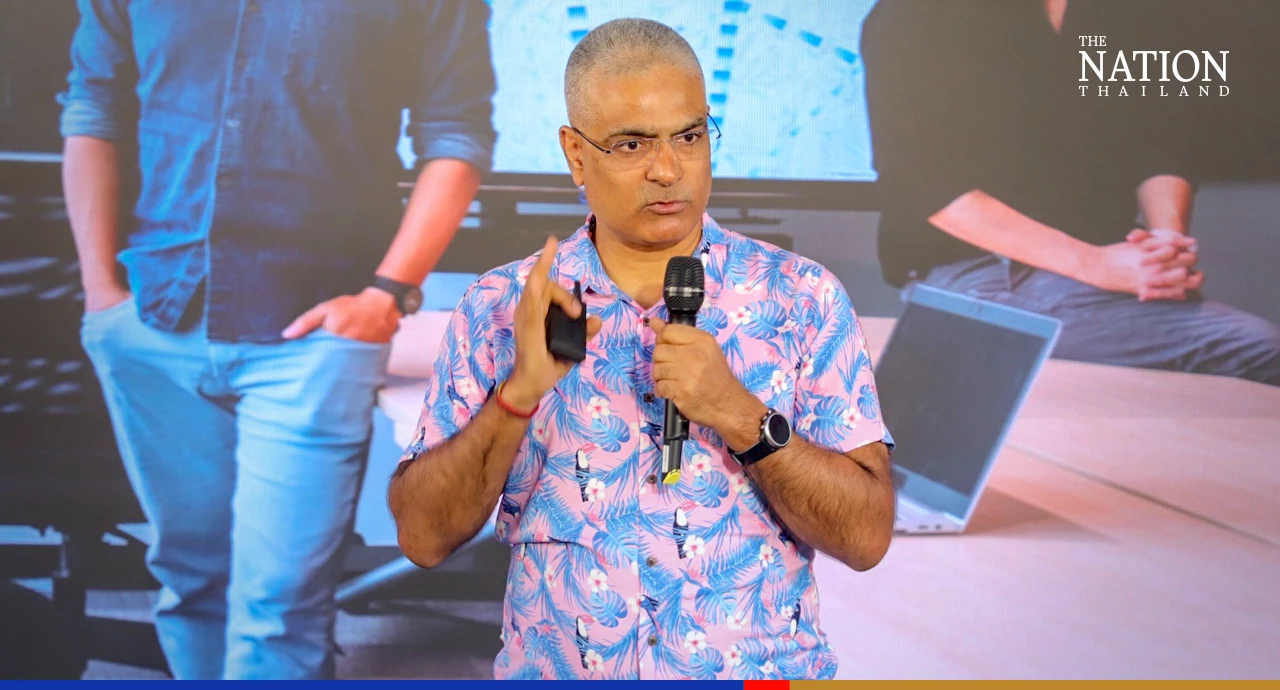
Sharad Mehtora, CEO of Total Access Communication Plc (DTAC), told a press conference on Monday that the mobile operator’s data harvesting will unlock the country’s data-driven economy strategy.
It demonstrates how mobility data is used for public policymaking and addressing various social challenges, in this case, Thailand’s tourism, which he describes as “one of the core engines driving our economy”.
He pointed out that there are several advantages to managing and exploring mobility data. It provides timely human context to other data and insight, as well as measures consumer activity over time, allowing analysts to respond to and predict trends with accuracy.
“With this insight data, it means that all parties in the tourism industry can seize an opportunity to reset their businesses in order to increase their strength, attract more tourists, and find more methods to create resilience and sustainable tourism,” Mehrotra explained.
DTAC has collaborated with the National Digital Economy and Society Commission (ONDE), Chulalongkorn University, and Boonmee Lab to conduct a study of tourist behaviour from June 2020 to October 2021, using mobility data supported by DTAC, focusing on secondary provinces area.
It found that 6.4 million trips happened during that period. Some 67 per cent stayed at destinations overnight, while 35 per cent were day travellers.
Nattapong Punnoi, head of the Urban and Regional Planning Department at Chulalongkorn University’s Faculty of Architecture, said that this in-depth data not only shows where people prefer to travel, but also how they travel, the time they spend there, and which local events or festivals they prefer to stay overnight and attend.
The findings also prompted the research team to develop three key policy recommendations for secondary province tourism promotion: micro-tourism, experience-based overnight tourism, and tourism clusters.
Micro-tourism will encourage local SME operators to create and integrate tourism activities into the production process of goods and services. Their target tourists are nearby neighbourhoods.
Overnight tourism based on experience aims to increase overnight stays, and a tourism cluster is a group of highlighted tourism attractions within a limited geographic space that is equipped with high-quality equipment and services.
Nattapong noted that each of the 55 secondary provinces has its own strengths and potential to lure more tourists. They need to be able to access this type of data in order to understand how tourists behave while spending time in each province so that they can plan and add more services and activities to make it more appealing to visit there.
“Mobile data lets you know who you are, what you have, and how to use what you already have to gain benefits; it is a cost-effective investment; it is a low-investment but high-impact return,” Nattapong said.
He expected that more joint research into the use of mobility data would be conducted in order to find the best solutions to other social and economic issues.
ONDE’s secretary-general, Putchapong Nodthaisong, said that data is the foundation of the digital economy. Data in digital form provides numerous benefits that allow the government to address social issues more effectively, such as water irrigation, city road traffic, and disaster management.
DTAC’s head of communications and sustainability, On-uma Rerkpattanapipat, said that the study was conducted because DTAC wants to find the best way to use data to benefit more than 10 million users in their database.
She insisted that all data would be used strictly under personal data protection in accordance with the Personal Data Protection Act.
The full report of the study will be published in October, she added.
Mobility data will assist researchers in fully understanding tourist movement patterns and concentration, advancing academic research methodology and finding solutions to other challenges, Mehrotra said.











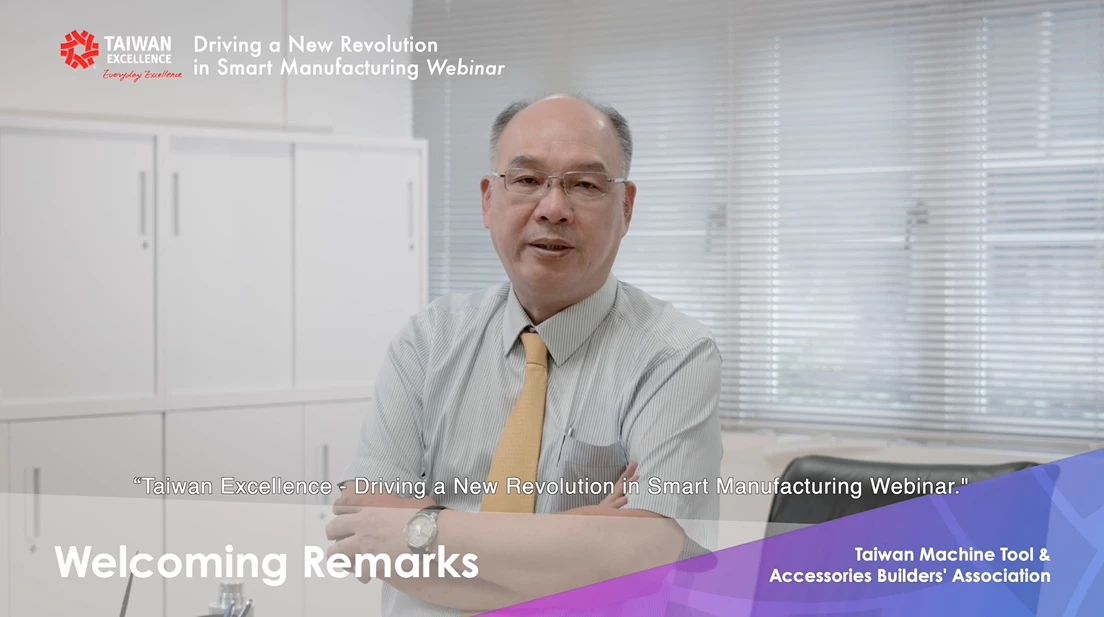 Mr. Wen-Hsien Hsu, Chairman of the Taiwan Machine Tool & Accessory Builders’ Association delivered the welcome remarks.
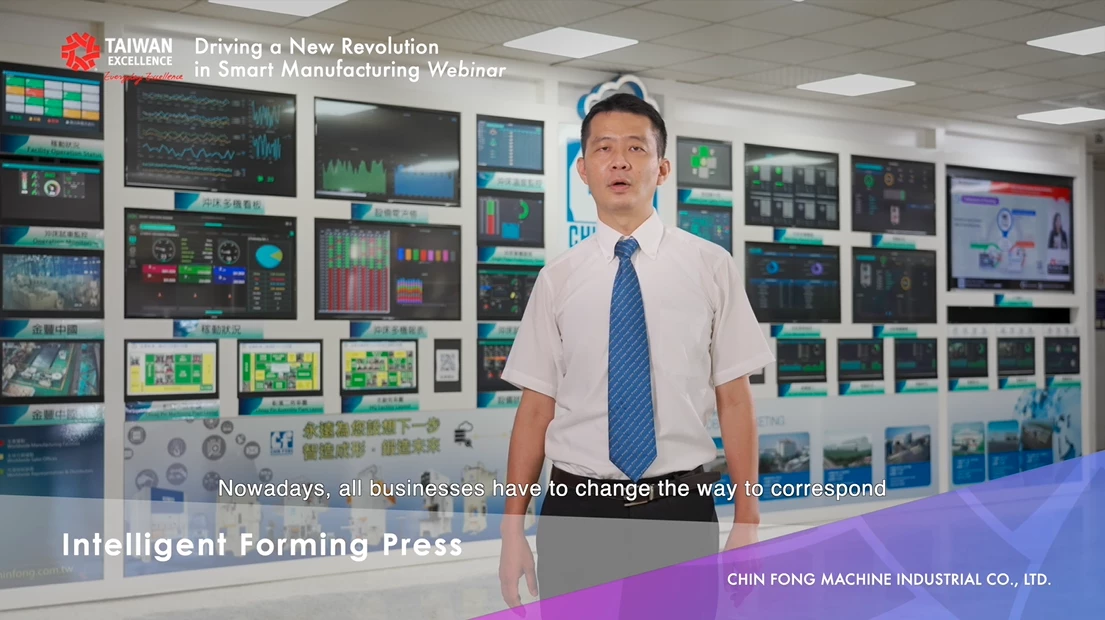 Eric Lin, Regional Sales Manager for Chin Fong Machine Industrial Co. Ltd. presented on the subject of “Intelligent Forming Press”.
 Crystal Sung, Senior Sales Specialist for DA JIE ELECTRICITY MACHINERY INDUSTRIAL CO., LTD. spoke on the topic of “Inverter Heating Machine for Equalizing Bar”.
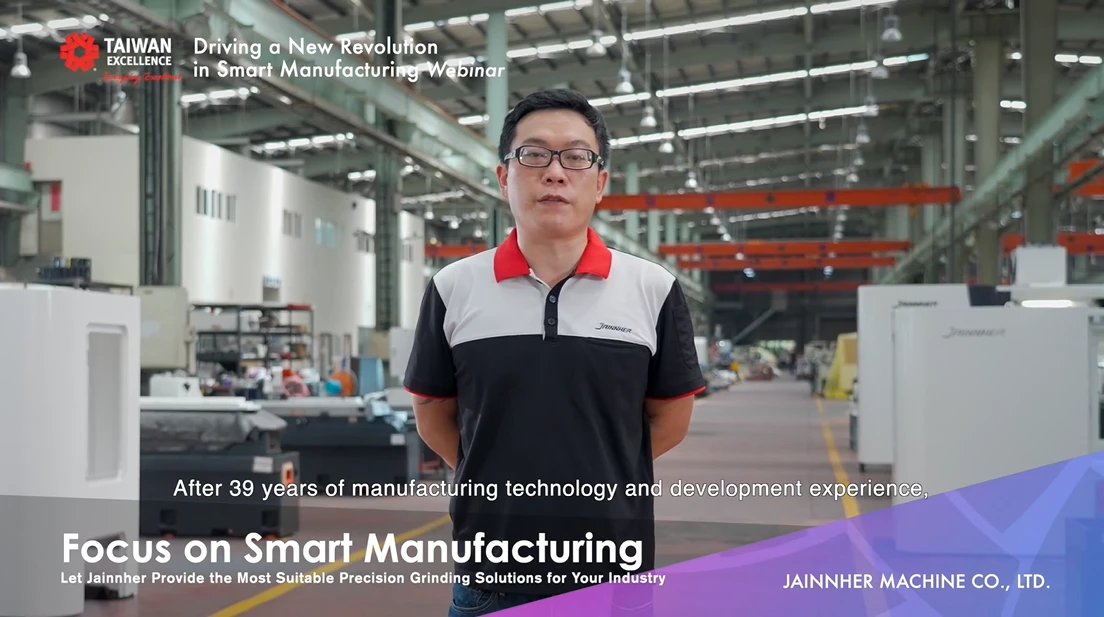 Herbert Qiu, Oversea Sales Engineer for JAINNHER MACHINE CO., LTD. presented on the subject of “Focus on Smart Manufacturing: Let Jainnher Provide the Most Suitable Precision Grinding Solutions for Your Industry”.
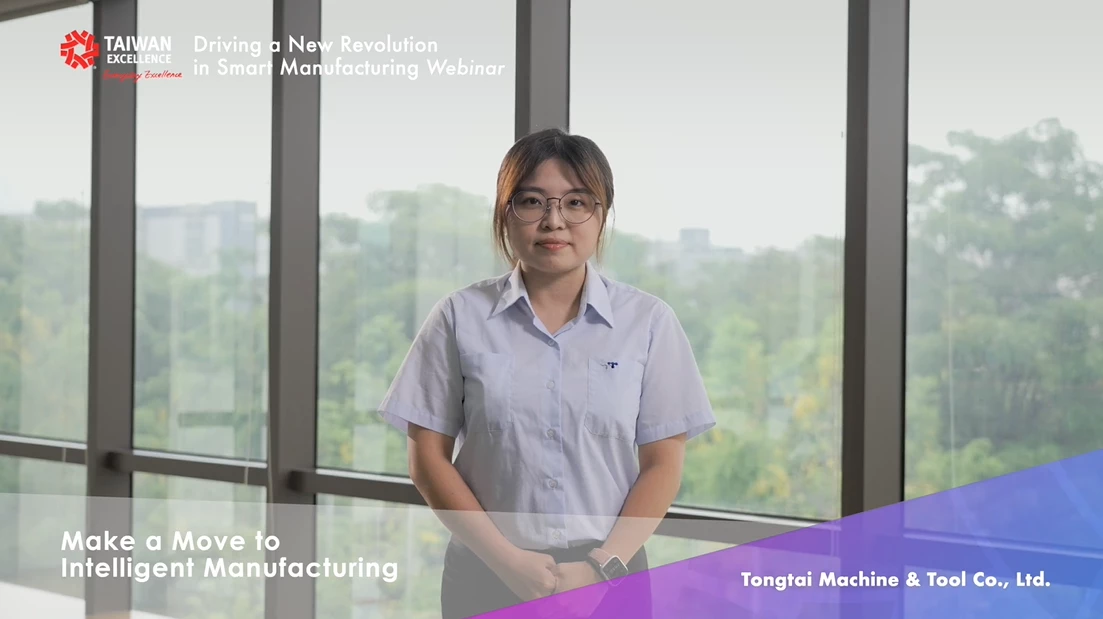 Shirley Wang, Sales Representative from Tongtai Machine & Tool Co., Ltd., focused on the topic of “Make a Move to Intelligent Manufacturing”.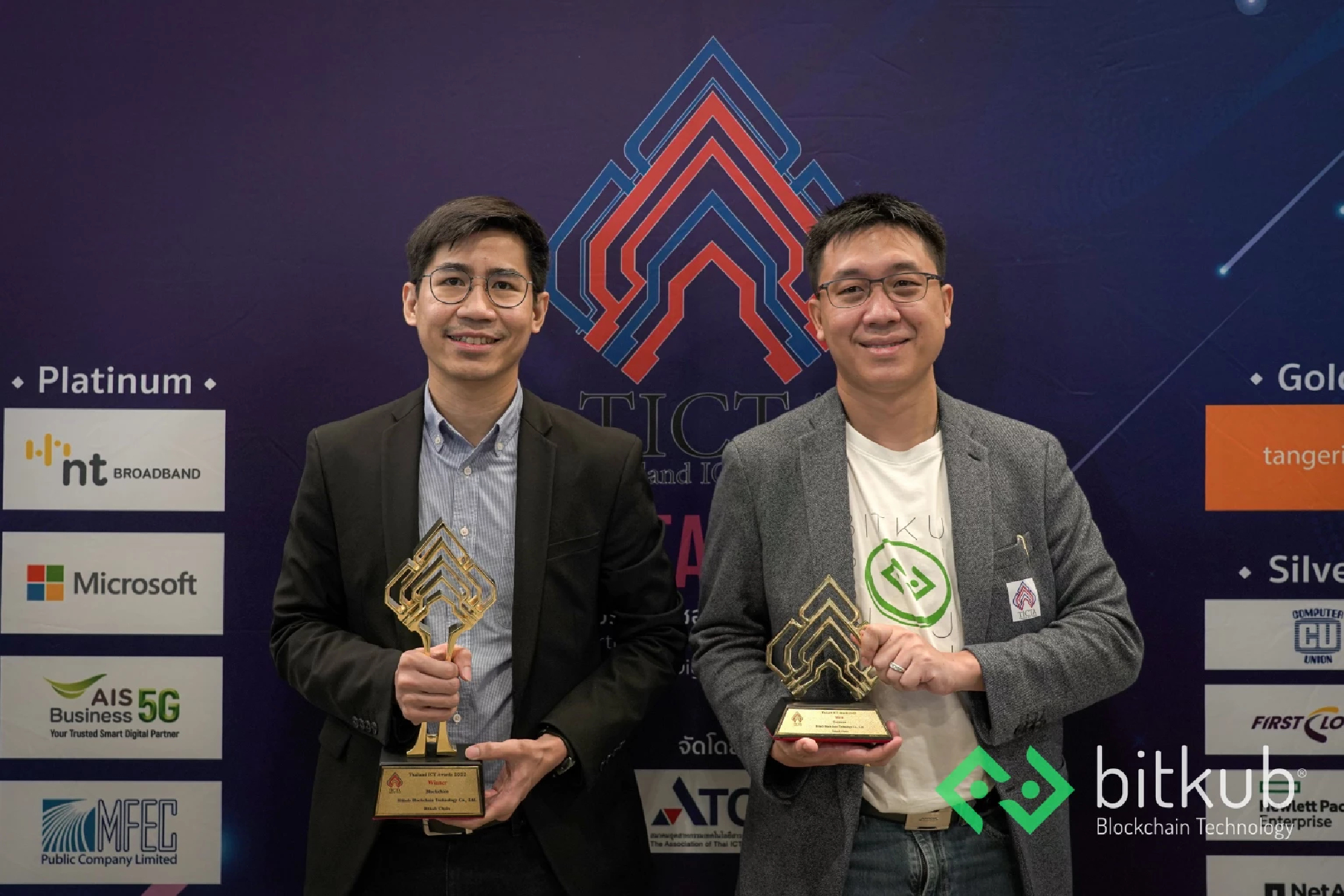







 The price-guarantee campaign will run from tomorrow to October 5.

 Nattapong noted that each of the 55 secondary provinces has its own strengths and potential to lure more tourists. They need to be able to access this type of data in order to understand how tourists behave while spending time in each province so that they can plan and add more services and activities to make it more appealing to visit there.
