Rebuilding over 1 million square metres of forest with an aim for zero carbon emission in 2030 and long-term sustainability
Singha Estate, which excels in property investment and development in Thai and worldwide, is aware of the climate change problem we’re currently facing. The company aims to move toward sustainability, lowering carbon emissions, and building a new way of conducting business to build a better environment. The “Forest with Fingers” project is joined by partners like Siam Kubota and Thaicom to rebuild over 1 million square metres of forest in Chiang Rai.
Mrs Thitima Rungkwansiriroj, Chief Executive Officer of Singha Estate Public Company Limited, revealed that the “Forest with Fingers” aims to increase the area for carbon absorption, balancing the ecosystem, and taking the food chain into account when going about in business, economics, society, and environment for a more sustainable future. The aim is to grow as much green area as possible by starting in 3 regions; the North, the Central, and the South, namely the Pah Ton Nam in Chiang Rai, Pah Nai Muang in Bangkok, and Pah Chai Lane in Phi Phi island, Krabi to lower environmental impact caused by climate change in which carbon and greenhouse gas emissions are the main culprits.
The “Forest with Fingers” project will start at Chiang Rai with over 1 million square metres of forest with collaborations from the private, government, and local sectors. Thaicom’s latest technology has been used to follow up on trees’ growth and carbon absorption. At the same time, Siam Kubota will bring innovations to speed up the plantation process. The project is based on a carbon neutrality philosophy by 2030.
Mr Pongrat Luangthamrongcharoen, Managing Director of Singha Park Chiang Rai, explained that the Pah Ton Nam area in the Northern part of Thailand is vital to the nation’s ecosystem and weather. The forest hosts various species of plants and animals and is an integral part of the locals’ lives, especially in Chiang Rai. By putting our efforts into this area, not only will Chiang Rai locals benefit from it, but every life will also see positives from it. Singha Park Chiang Rai is ready to be another partner for good, not just for Chiang Rai but for all.
Singha Estate’s Forest with Fingers project will increase the forest area in Chiang Rai by 1 million square metres. The trees which will be planted are highly beneficial to the community, including perennial trees, usable trees, and consumable trees for biological diversity.
The Forest with Fingers project will expand to Pah Glang Nam, which is in Bangkok, then Pah Plai Nam or Pah Chai Lane in Phi Phi island, Krabi. This is a 10-year project with committed follow-ups, measurements, and evaluation for the best benefits and will be accompanied by awareness and engagement campaigns. This project is a part of a mission to increase green areas, build shade, lessen pollution, absorb carbon dioxide, improve clean air, and ultimately reduce the effects of global warming.
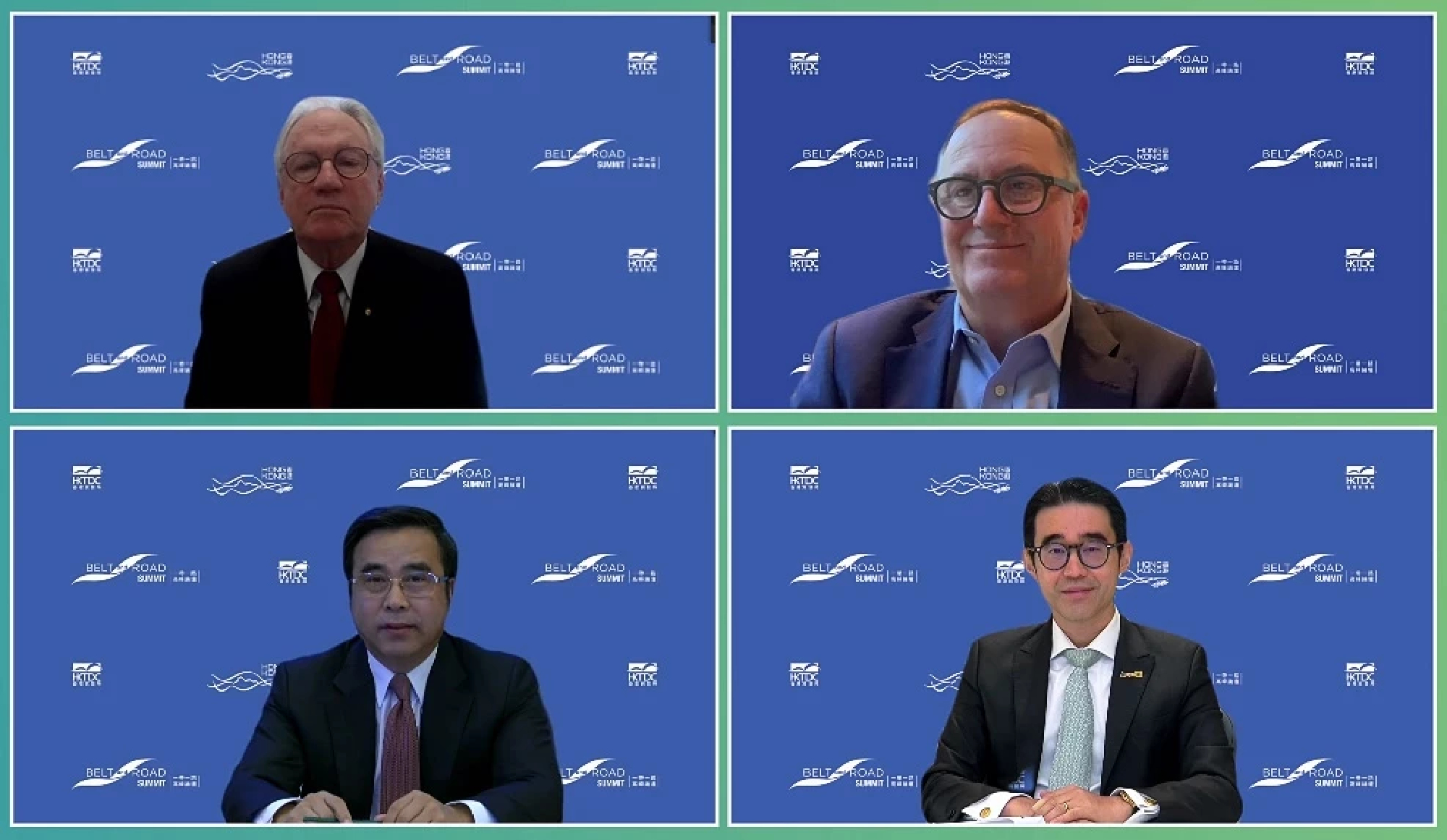
Mr Aswin Techajareonvikul, CEO and President of Berli Jucker Public Company Limited was recently invited by Hong Kong Special Administrative Region of the People’s Republic of China’s Trade Secretary, Mr Edward Lau to speak at the 7th Belt and Road Summit on August 31, 2022 under the Business Plenary ‘Collaborate for a Bright New Era’ chaired by Mr Ronnie C. Chan, GBM Chair Hang Lung Properties Limited.
The other panelists included Sir Rod Eddington AO, Chairman, Infrastructure Partnership Australia, Chairman, J.P. Morgan’s Asia Pacific Advisory Council, Non-Executive Chairman, Lion; Rt Hon Sir John Key GNZM, AC, 38th Prime Minister of New Zealand; Mr Liu Liange, Chairman, Bank of China, and Dr YK Pang, GBS, JP, Deputy Managing Director & Chairman of Hong Kong Jardine Matheson Holdings Limited. The Business Plenary Session was officiated by Hong Kong Special Administrative Region of the People’s Republic of China’s Financial Secretary The Honorable Paul Chan Mo-po, GBM, GBS, MH, JP.
Mr Aswin, who was speaking as a business leader representing Southeast Asia, began his remarks by emphasizing Chinese President Xi Jin Ping’s view on Belt and Road Initiative for China to achieve, among many other goals, people-to-people connectivity that can build a new platform for international co-operation, in order to create new drivers of shared development. The One Belt One Road policy is well received in Thailand as it is in tune with Thailand’s 20-year strategy and the 4.0 policy of Thailand’s ongoing projects, especially those in the Eastern Economic Corridor or EEC. Thailand sees vast opportunities in trade and investment with neighboring countries having Belt and Road being a better link with the world market, especially with the CLMV countries.
As for the Regional Comprehensive Economic Partnership (RCEP) that Thailand has officially signed on January 1 this year, Mr Aswin is confident that this agreement will tremendously enhance the supply chain relationships and production efficiency among its 15-member countries. Like Thailand, goods manufacturers and service providers from the Greater Bay Area (GBA) can expand their supply chains into new markets to take advantage of the provisions of the RCEP, notably helping to accelerate the economic integration in the Asia-Pacific region. More raw materials and intermediate products produce in RCEP locations will be able to move freely between upstream and downstream participants in the supply chain without trade barriers as we look for 90 per cent of all goods to reach 0 per cent import tariffs in 20 years. There is no better synergy than that of One Belt One Road Initiative and this Regional Comprehensive Economic Partnership (RCEP) as we move ahead into the future in this region.
Mr Aswin ended by repeating Thailand’s Deputy Prime Minister and Minister of Commerce, His Excellency Mr Jurin Laksanawisit who has recently said the Thai Government is in full support of China’s One Belt One Road policy, along with RCEP benefits.
Bangkok (September 1, 2022) – The movement of the crypto industry has continually seen a rise within Asia. These developments are top of mind for many country’s financial sectors, which are exploring ways to embrace these new developments and innovations and specifically on how best to regulate digital assets, including cryptocurrencies.
In August 2022, Binance, the world’s leading blockchain ecosystem behind the largest cryptocurrency exchange, continued working with various regulators and industry players in Asia, including the Philippines, Cambodia, and South Korea, to discuss and build a regulatory framework. The aim is to strengthen digital asset regulatory operations for the use of cryptocurrencies and a decentralized financial system (DeFi).
In the Philippines, Binance and the FinTech Alliance Philippines represented the digital asset industry in a Senate hearing by the Committee on Banks, Financial Institutions & Currencies. Government institutions like the Banko Sentral ng Pilipinas (BSP), the Security Exchange Commission (SEC) and the Cagayan Economic Zone Authority (CEZA) were also present in the Senate hearing to discuss key initiatives aimed at putting together policies and guidelines for FinTech and digital assets. Central to the discussion was how the Philippines can harness new innovation while ensuring the appropriate guardrails are in place necessary for consumer protection.
During the Senate hearing, the industry players provided critical insights for the committee and shared the steps that should be implemented to address security concerns. Binance specifically highlighted its policies around user protection and security, which are some of the strictest in the FinTech industry. Key security features are embedded at all stages of a user’s experience, including strict Know Your Customer (KYC) process, active collaboration with global law enforcement and banking agencies, and the strict evaluation process of digital assets offered on the exchange.
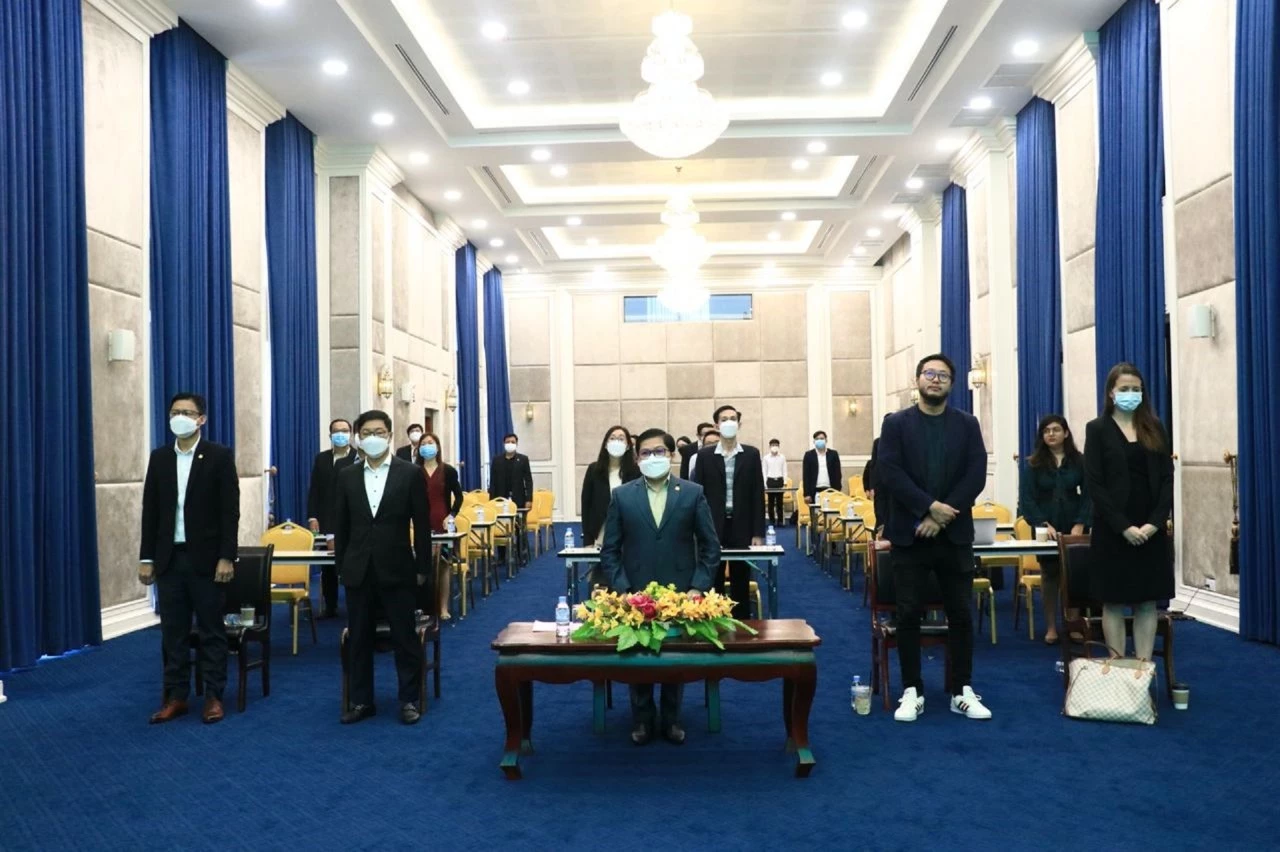
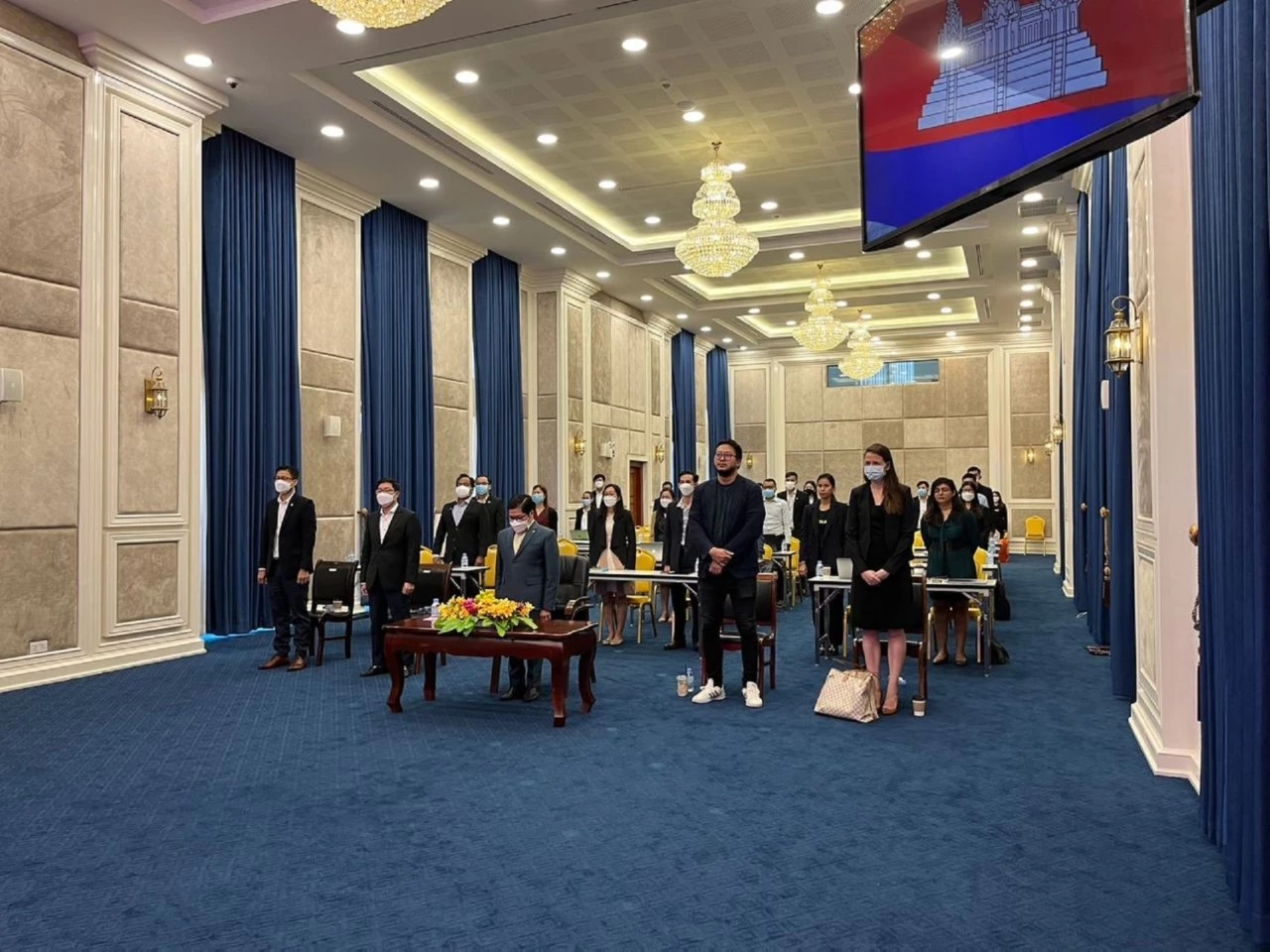
In mid-August, Binance Capital Management Co., Ltd. also cooperated with the Securities and Exchange Regulator of Cambodia (SERC) to organize a capacity building workshop for SERC officials as part of the MOU implementation. This workshop is designed to enhance the knowledge of digital asset operations for SERC management and officials. Through the workshop, they obtain additional insight needed for developing the legal framework for regulating and developing the digital asset market in Cambodia.
The capacity building program of the workshop included: • Introduction to Blockchain and Digital Assets • Regulating the Digital Asset Industry: Policy Strategies
Some of the key topics covered during the workshop were the types of digital assets, consumer protection, token listings, DeFi applications, stablecoins, and more.
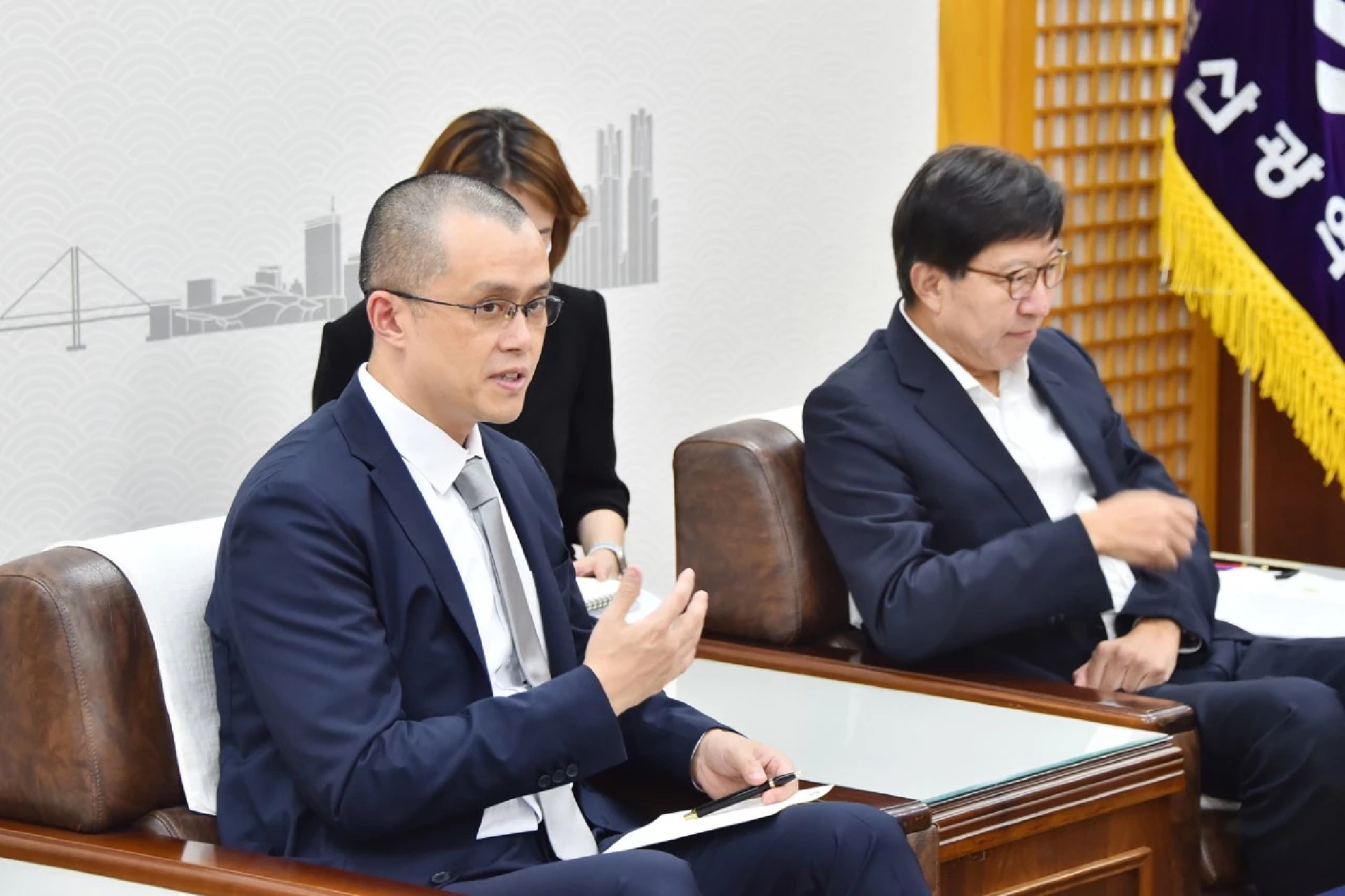
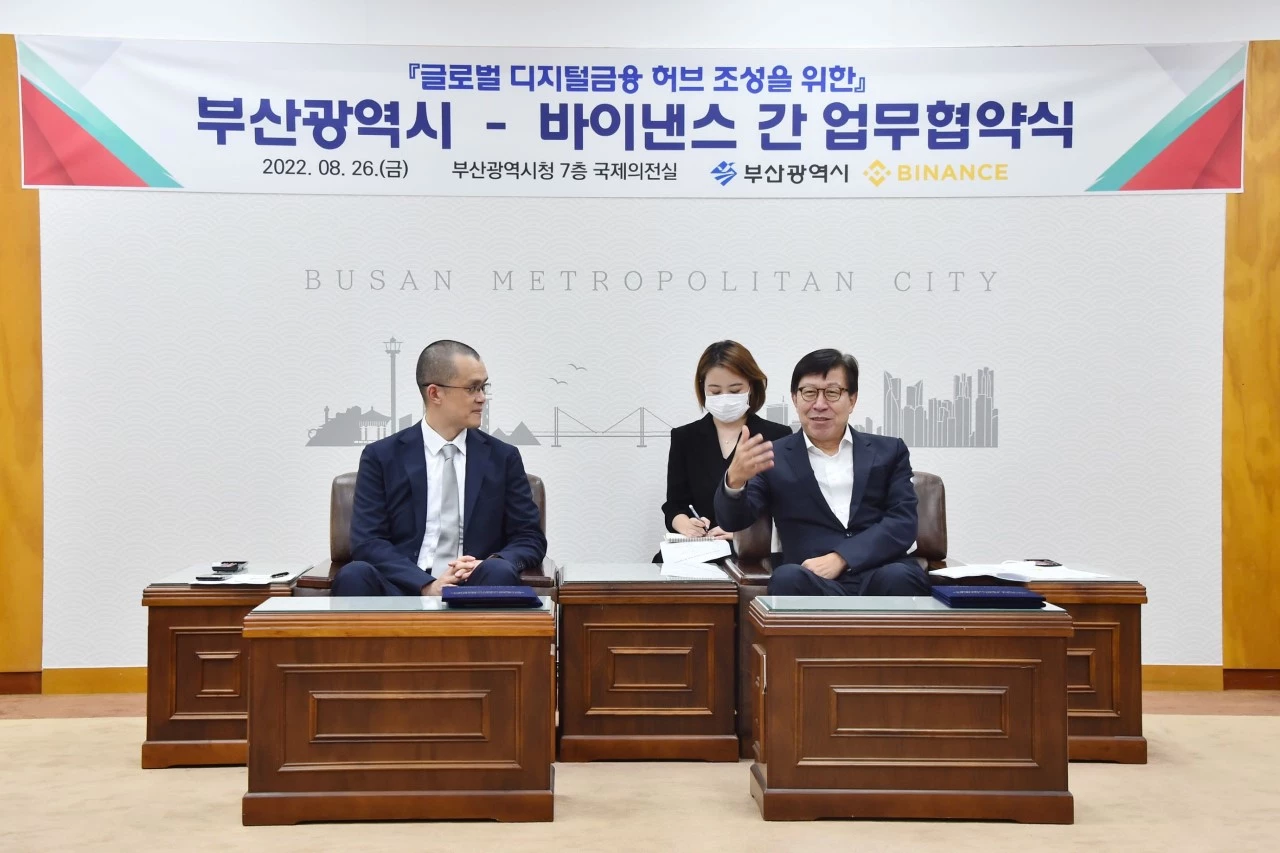
More recently on Friday, August 26, 2022, Binance announced the signing of a Memorandum of Understanding (MoU) with the City of Busan in South Korea. The MoU will see Binance providing technological and infrastructure support for the development of the city’s blockchain ecosystem and promotion of the Busan Digital Asset Exchange, as well as the order book sharing between the two parties. Besides, Binance plans to develop and foster Busan City’s blockchain sector in several ways:
• Utilizing Busan’s blockchain regulatory-free zone to promote blockchain initiatives and businesses. • Supporting blockchain-related research and investments in the city. • Providing specialized blockchain education and online resources from Binance Academy. • Advancing initiatives that promote societal well-being through Binance Charity. • Helping with the organization of Blockchain Week in Busan in 2022 (BWB 2022).
Furthermore, Binance said it will establish a presence in Busan by the end of the year, which is expected to serve as a driving force for the city to become one of East Asia’s most vibrant digital hubs.
Bangkok, September 2, 2022 — Bitkub Blockchain Technology, the blockchain service provider and Bitkub Chain developer, under cooperation with XRB, the leading animation and 3D visualization effect developer, announced the Bitkub Metaverse teaser with a big step to unlock the visual world.
Bitkub Metaverse, the land beyond imagination, opened for you to enjoy the new dimension of experience. It will be a place consisting of many businesses, entertainment, tourism, culture and education. Bitkub Metaverse will utilize a state-of-the-art technology like web3 and blockchain to provide a futuristic experience. The concept of Bitkub Metaverse is inspired by the galaxy and universe called “XRB”, and it will be one of the planets in the XRB universe.
The story of XRB Galaxy is designed and written by the XRB team on Bitkub Metaverse Official Whitepaper as follows: In the future, Earth will lack the necessary resources to sustain life. In a desperate attempt for survival, Mankind devised a plan to experiment with different species to increase their unique abilities for life on other planets. These species’ primary purpose is to find resources from other planets. One species, rabbits, could cultivate. Unfortunately, their spaceship was struck by the most powerful alien mineral, “Carotium.” However, the rabbits gained unrivaled evolutionary powers from this collision and landed on Mars! The rabbits have created a Colony on their new home planet. They have evolved and become the Universe’s greatest cultivators. A new star of hope was born. 10,000 years have passed, and Mars is now the “center” of the Universe. Various alien races across the galaxy come to Mars for refuge to guarantee their survival.
A 120-billion-baht mega-project, “One Bangkok”, will be the first large-scale property development project in central Bangkok that features new design standard and follows sustainable construction practices under the concept of circular economy.
The 104-rai (16.64 hectares) project is coming up on the corner of Wireless and Rama IV roads, co-developed by Frasers Property Limited in collaboration with the country’s leading construction material conglomerate, Siam Cement Group (SCG). The project aims to create premium office buildings, hotels and retail spaces as well as luxurious residential buildings with combined usable area of 166,400 square metres.
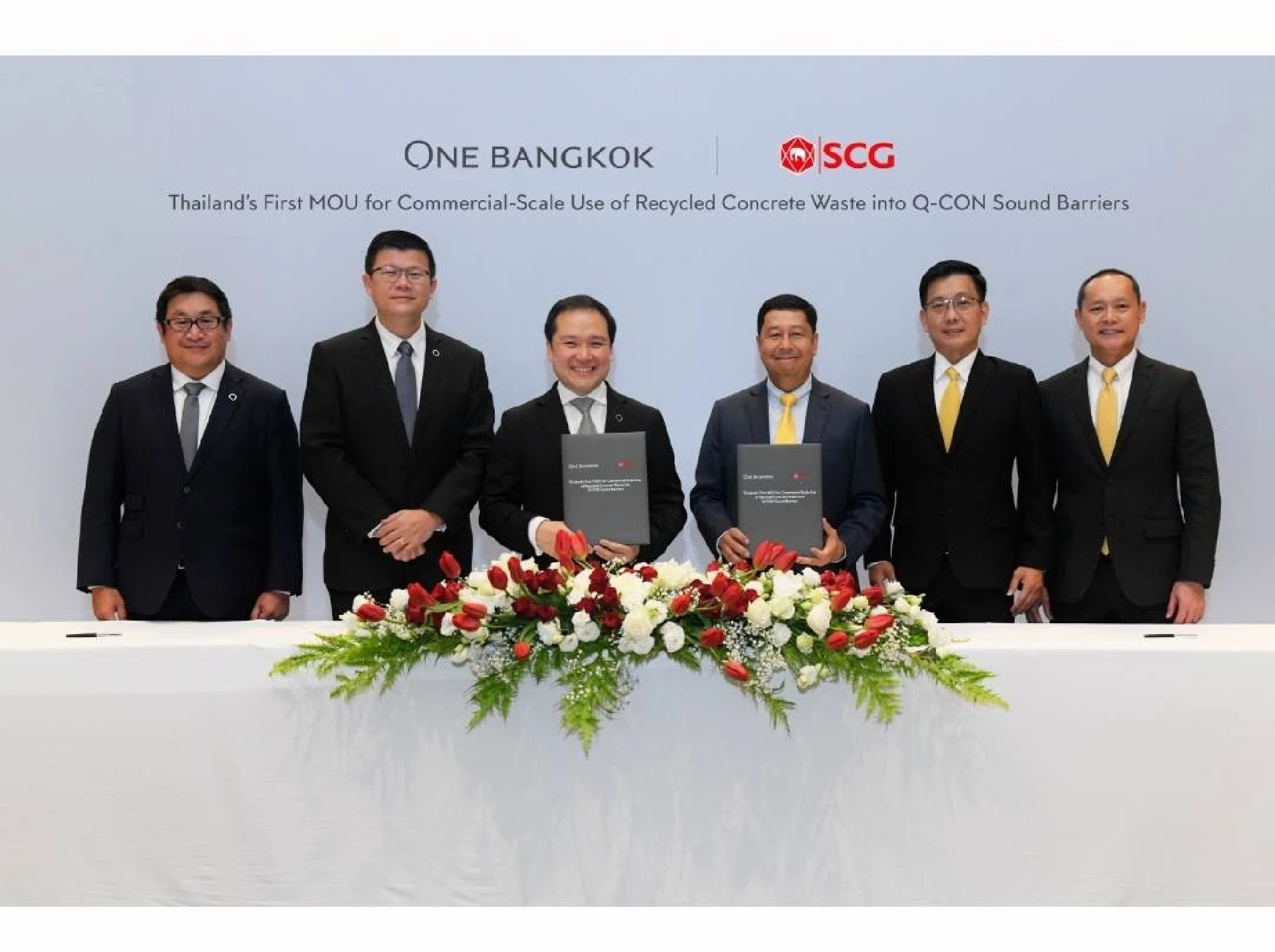
Both companies recently signed a memorandum of understanding (MoU) to manage the project using sustainable construction practices under the circular economy principles in four aspects: Use of precast walls made from recycled concrete from foundation piles, use of Q-CON sound barriers made from recycled lightweight bricks, waste management in the construction site, and turning food waste into fertiliser.
The MoU aims to reduce the use of resources and manage the waste created by the construction and building maintenance, a challenging task in a large-scale construction project in urban areas. Both Frasers Property and SCG hope that their cooperation will help raise construction industry standards in terms of sustainability that can be applied to projects of any scale.
Panote Sirivadhanabhakdi, Group Chief Executive Officer of Frasers Property Limited, said: “One Bangkok is a masterpiece project of Frasers Property that strives to set a new standard in design and sustainability for Thailand’s property landscape. We have been working with SCG, our strategic partner in creating value to the project by laying a groundwork for sustainable construction under the circular economy principles.”
“This endeavour is in line with Frasers Property’s goal of achieving net zero carbon emission target within the year 2050 under the company’s sustainability policy,” he said.
“Frasers Property is committed to driving the industry forward by integrating environmentally friendly practices and social responsibility into our value chain that covers investment, design, development, and operation of our property projects. We aim to achieve efficient usage of energy and resources while using modern techniques and tools to tackle energy- and environment-related problems,” he added.
Nithi Patarachoke, president of SCG’s cement-building materials business, said: “The expansion of the construction business in Thailand has resulted in increasing amount of waste materials. As a leading manufacturer and distributor of building materials, SCG is implementing the circular economy principles by developing new products and services that help minimise construction waste. For example, we have come up with a new concrete mix formula to manufacture ready-to-use concrete sheet from leftover concrete from construction sites.”
“Under SCG’s holistic construction waste management plan, we believe that the One Bangkok project can help raise the standard of the construction industry to be more environmentally friendly by becoming the ‘Green Construction’. This will help promote the sustainable development of Thailand’s infrastructure in the future, due to the simple concept of ‘turning waste to value’,” he added.
The MoU signed by Frasers Property and SCG covers four aspects of sustainable construction management:
▶︎ Using scrap concrete from cutting foundation piles to manufacture precast walls for use in the One Bangkok project
The move aims to reduce waste and dust particles from the construction site by implementing a new crushing technique on foundation piles’ caps that will allow the scrap concrete to be recycled into precast walls to be installed as the external wall of buildings in the One Bangkok project.
▶︎ Holistic construction-waste management plan
Frasers Property has assigned SCG to be responsible for the sorting and management of wastes from the construction site of One Bangkok, including construction waste, toxic waste and food waste from the start of the project. SCG will use the latest technology to track the amount of waste in real time to plan a waste management strategy accordingly and ensure efficient waste management throughout the construction site.
▶︎ Use of leftover lightweight bricks to manufacture Q-CON sound barriers
SCG will use aggregating machines to turn leftover lightweight bricks into a mixture to manufacture Q-CON sound barriers to be fitted at the tunnel wall leading to One Bangkok’s entrance. This will be Thailand’s first commercial-scale use of recycled concrete waste to make Q-CON sound barriers.
▶︎ Use of food waste composter machine to turn food waste into fertiliser
The One Bangkok project will install food-waste composters that are widely used by leading establishments worldwide to turn food waste into soil fertiliser for the project’s gardens and parks. These composters operate in a closed-circuit system to minimise unwanted odour and can decompose food waste into fertiliser in 10 hours. The finished fertiliser has been tested for safety, is free of germs and contains necessary minerals as per the Department of Agriculture’s requirements. In the early phase, the composters will be used mainly to manage food waste from construction camps, while later when the project finishes, they will be installed throughout the project areas.
To emphasise its commitment to becoming an environmentally friendly and socially responsible project, One Bangkok will also join the Thailand Sustainability Expo 2022, which will be held at the Queen Sirikit National Convention Centre in Bangkok from September 26 to October 2. Organised under the concept of “Sufficiency for Sustainability”, the expo will feature exhibitions, seminar sessions on sustainability, showcases of world-class innovations for society and the environment, as well as a variety of activities.
One Bangkok is a 120-billion-baht fully-integrated district and Thailand’s largest private property development project, comprising five premium office buildings, five luxury and lifestyle hotels, three luxury residential towers, four interconnected retail precincts, and art and cultural hubs located on a 104-rai (16.7-hectare) plot at the corner of Wireless Road and Rama IV Road.
One Bangkok aims to achieve Thailand’s first LEED for Neighbourhood Development Platinum standard. Additionally, all five premium office towers and a residential tower will be built to WELL Platinum standards, setting a new benchmark for green and sustainable developments for Thailand.
The first phase is scheduled for opening in the last quarter of 2023 with full completion in 2026.
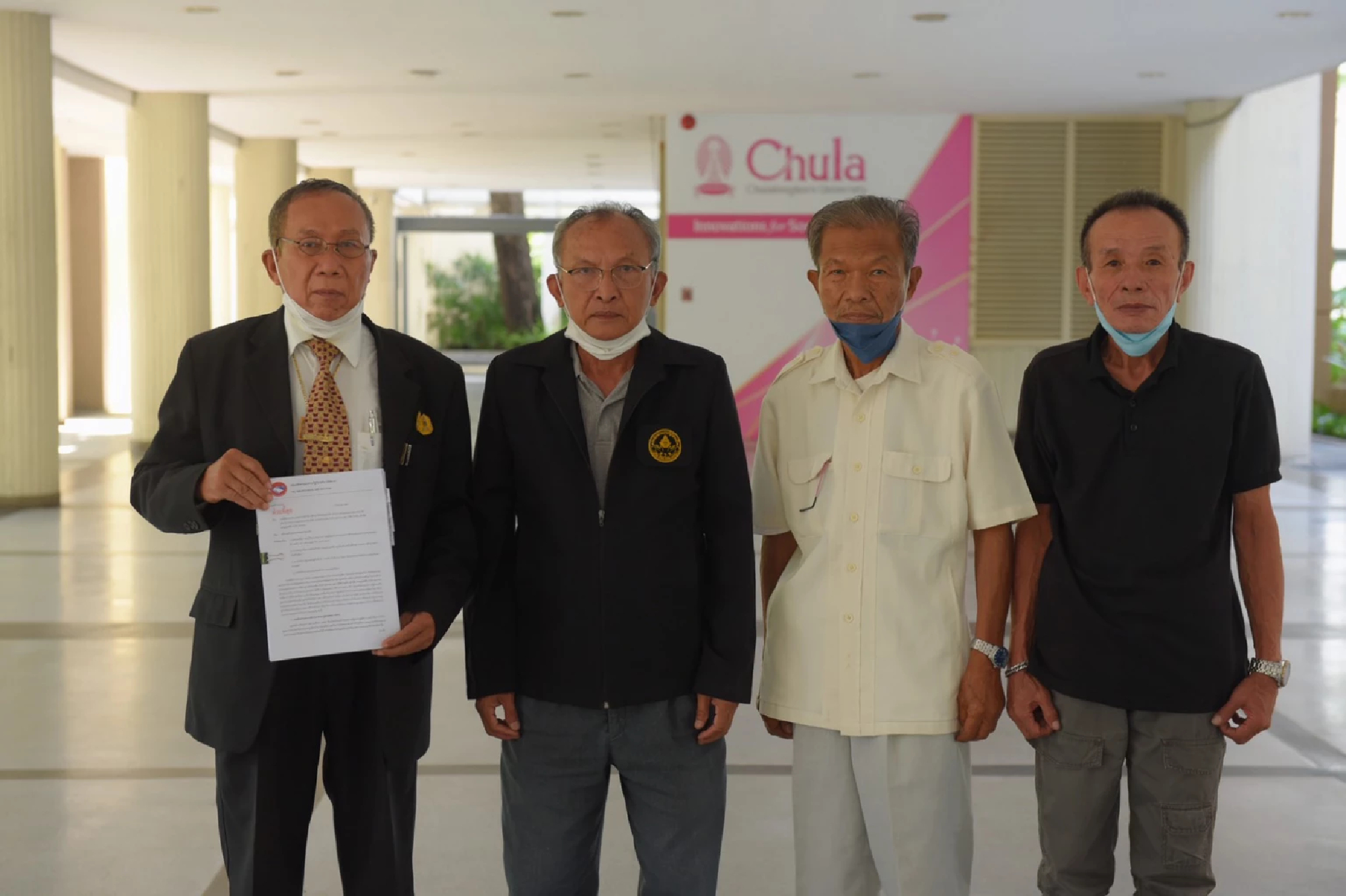
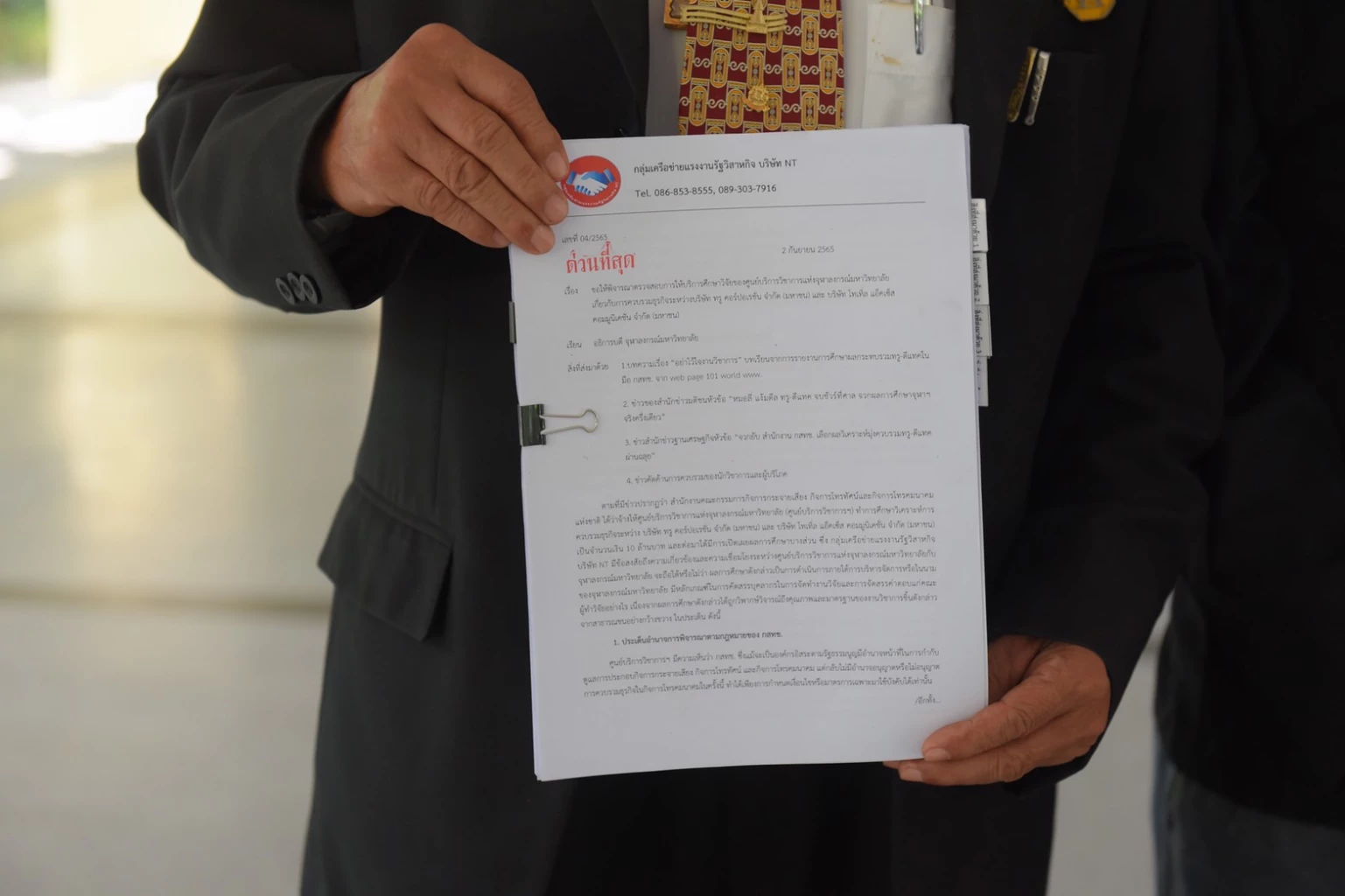
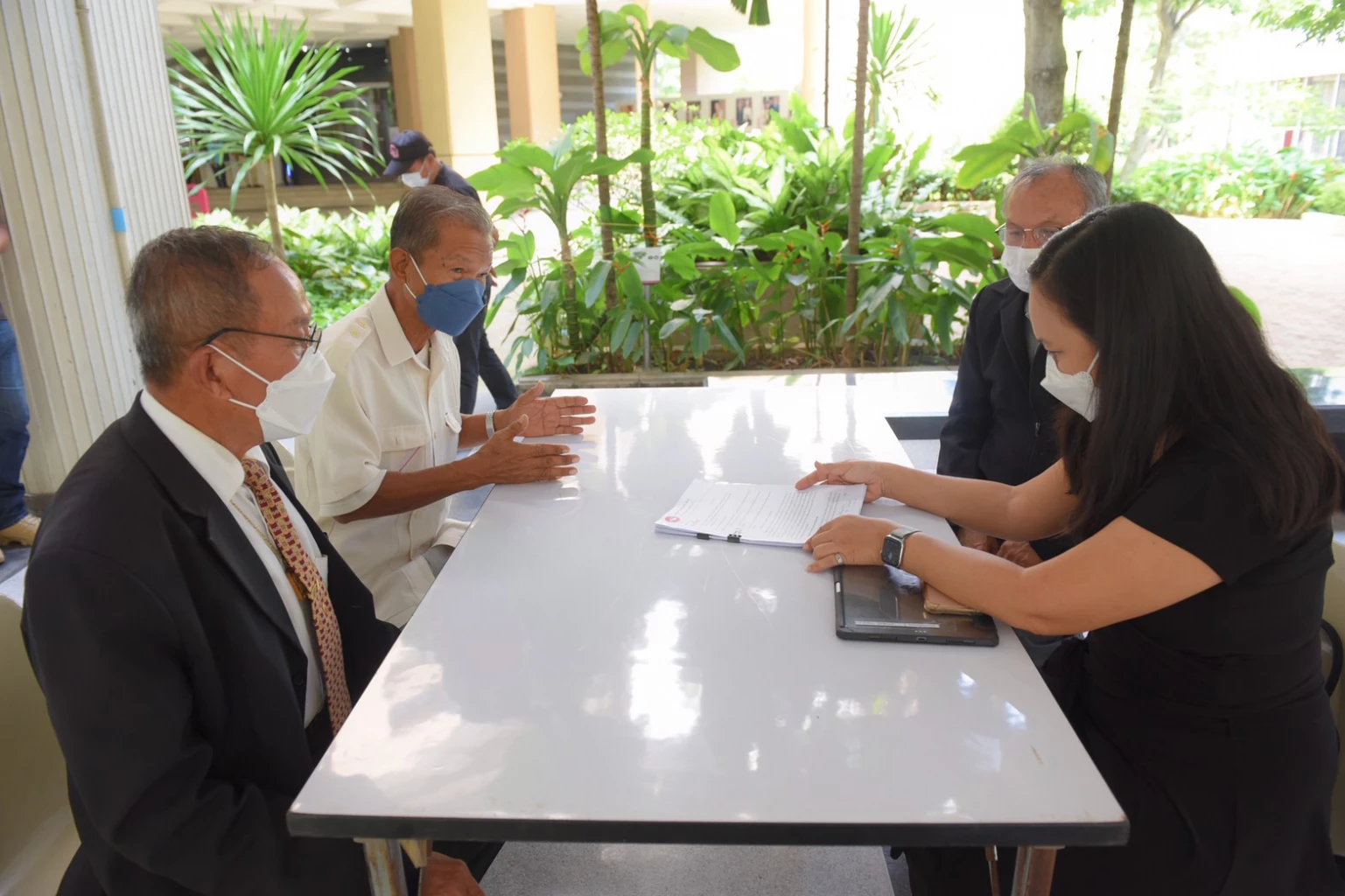
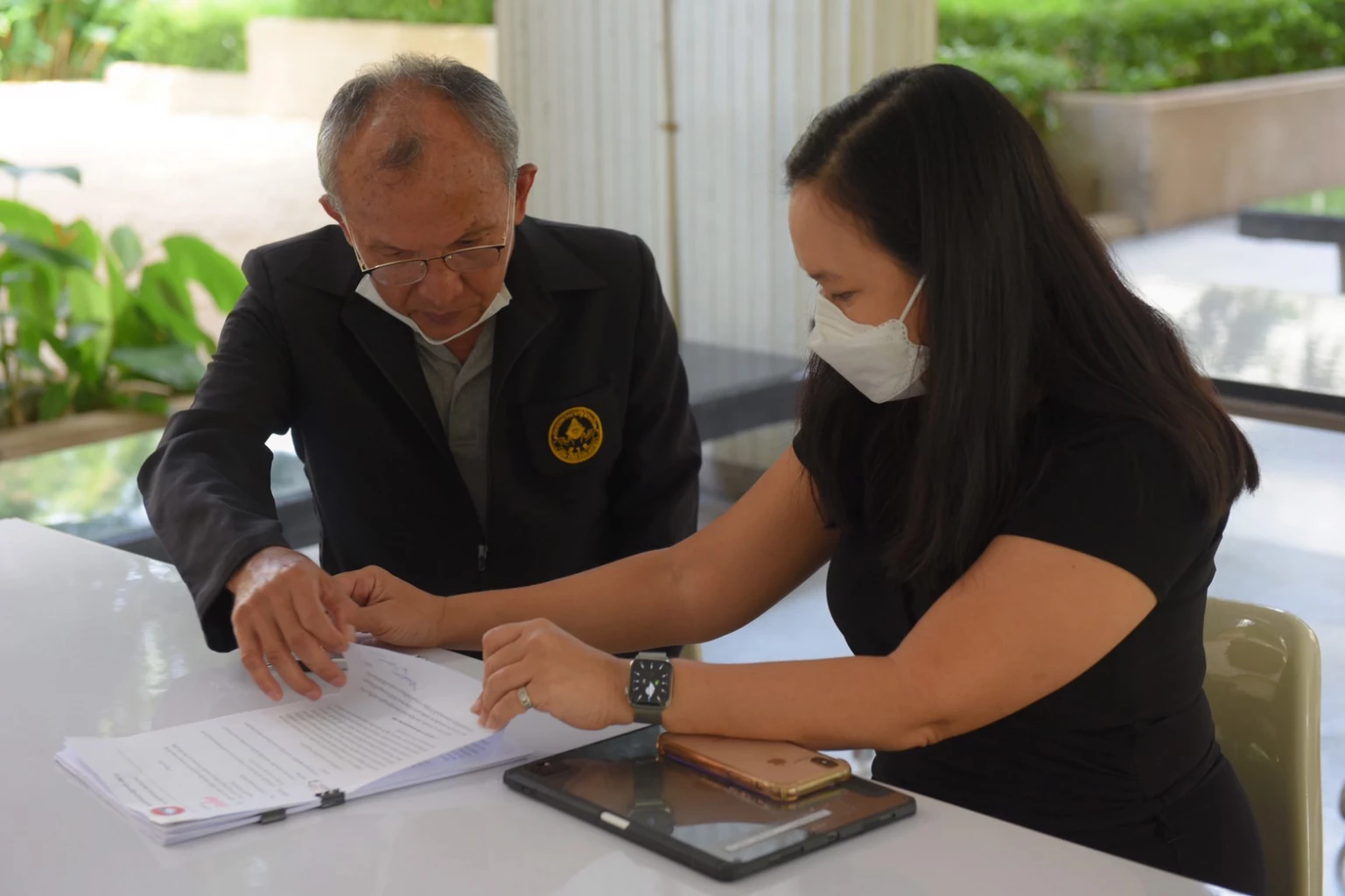
(September 2, 2022) The NT State Enterprise Union group submitted an appeal to the President of Chulalongkorn University requesting an investigation on research services of Chula Unisearch, in the matter of the business merger between True Corporation PCL and Total Access Communication PCL or Dtac.
Prof Dr Parichart Sthapitanonda, Vice President for Academic Affairs and Social Outreach at Chulalongkorn University, was delegated to receive the document on this occasion.
The appeal stemmed from the news that the National Broadcasting and Telecommunications Commission (NBTC) had hired Chula Unisearch to perform a study and analysis of the business merger between True and Dtac for a sum of 10 million baht. Subsequently, parts of the study were disclosed and it appeared that there was broad public criticism of the quality and standards of the work with the following issues:
1. The issue of NBTC’s powers of consideration according to the law
Chula Unisearch had the opinion that NBTC, despite being an independent organization under the Constitution with the authority and obligations to regulate broadcast and telecommunications businesses, but however lacked the authority to approve or disapprove the business merger on this occasion. It is only able to specify conditions or specific measures to enforce. Also, the results of the study also stated that the Announcement of NBTC in the matter of measures to oversight on Telecom business mergers of 2018 was a secondary law with without the basis of legal authority established by the original law. Therefore, the authority to consider the merger was under the oversight of the Trade Competition Commission Thailand.
This opinion was severely criticized for being in complete conflict with the opinion of the NBTC Subcommittee which had been appointed with a former Arbitrator at the Supreme Administrative Court, a former High Court judge, and an academic from the Faculty of Law involved with teaching and research in trade competition law. It was also in violation of the order of the Central Administrative Court in Case Black no. 775/2565, which stated clearly that NBTC has the legal authority to consider approval or disapproval of this business merger, if it was seen to be causing a monopoly, or reducing or limiting competition in telecommunications. Also, the Trade Competition Commission had also previously affirmed that the merger of these telecom businesses was in the authority of NBTC, according to its establishing laws.
2. Issue of business merger impact analysis
It is well known and of great interest to the general public that the business merger between True and Dtac is one of the largest ever mergers in the country’s history. It will give rise to a new company with market share in mobile phones of over 50%, in terms of both users and revenues, as well as industry. Most importantly, it will reduce big operators in the market, which currently has severe competition between three operators, to just two. This is a state of monopoly, impacting service users who will shoulder the burdens of more expensive service charges. The two big service providers will have no further incentive to compete, particularly on price. In a study from TDRI, a large number of academics from all around the country, consumers associations and organizations, and the general public have expressed opinions objecting to the merger or disagreeing with it. Even the study of NBTC’s Economic Subcommittee, established for this express purpose, had an opinion in the same direction.
However, it appeared that the opinion of Chula Unisearch had failed to demonstrate an analysis or opinion on this impact in any clear way. Moreover, it had the characteristic of inclining in favour of the merger, by invoking various benefits such as economies of scale, more efficient access to network signal, better coverage, building resilience into the network quality, and providing greater convenience to consumers from an increased number of after-sales service outlets, etc. All of these points are the benefits of the service provider and overlook the severe impacts on the general public of service users. This report, besides having issues of research quality and professionalism, also raised doubts and suspicions about its ultimate objective, as to whether it really was fulfilling the needs of the Office of NBTC, its client, or vested interests in this business merger, if it comes to fruition.
The NT State Enterprise Union group were acting as concerned members of the public with this criticism which had occurred. Chulalongkorn University is an institution with a long-standing high reputation among educational establishments, as a leading national center of knowledge, producing personnel with quality and ethics, to bring prosperity and progress to the country and benefit the people. It is also a highly credible organization with the trust of the people for over 100 years since its foundation. Issuing studies or reports in the university’s name implicate the university and the reputation of other faculties. Operations should be circumspect and neutral according to universally accepted academic principles. They should be able to justify their opinions, the results of their research and or object constructively. This particularly applies to research or reports with impacting on the general public of mobile phone service users, who are most people in the country.
Therefore, the NT State Enterprise Union group requested the university to conduct an investigation on procedure for taking on work, and on the research procedures or academic research reports from Chula Unisearch. These should be transparent and according to academic principles and the principles of research. They should be conducted in an appropriate time frame, and they should yield quality results without any suspicions attached, to maintain the good reputation of Chulalongkorn University.
Thailand’s National Innovation Agency (NIA) has set the goal of transforming the country into the world’s Food Silicon Valley. It is part of the agency’s policy to transform Thailand into an innovation-driven economy.
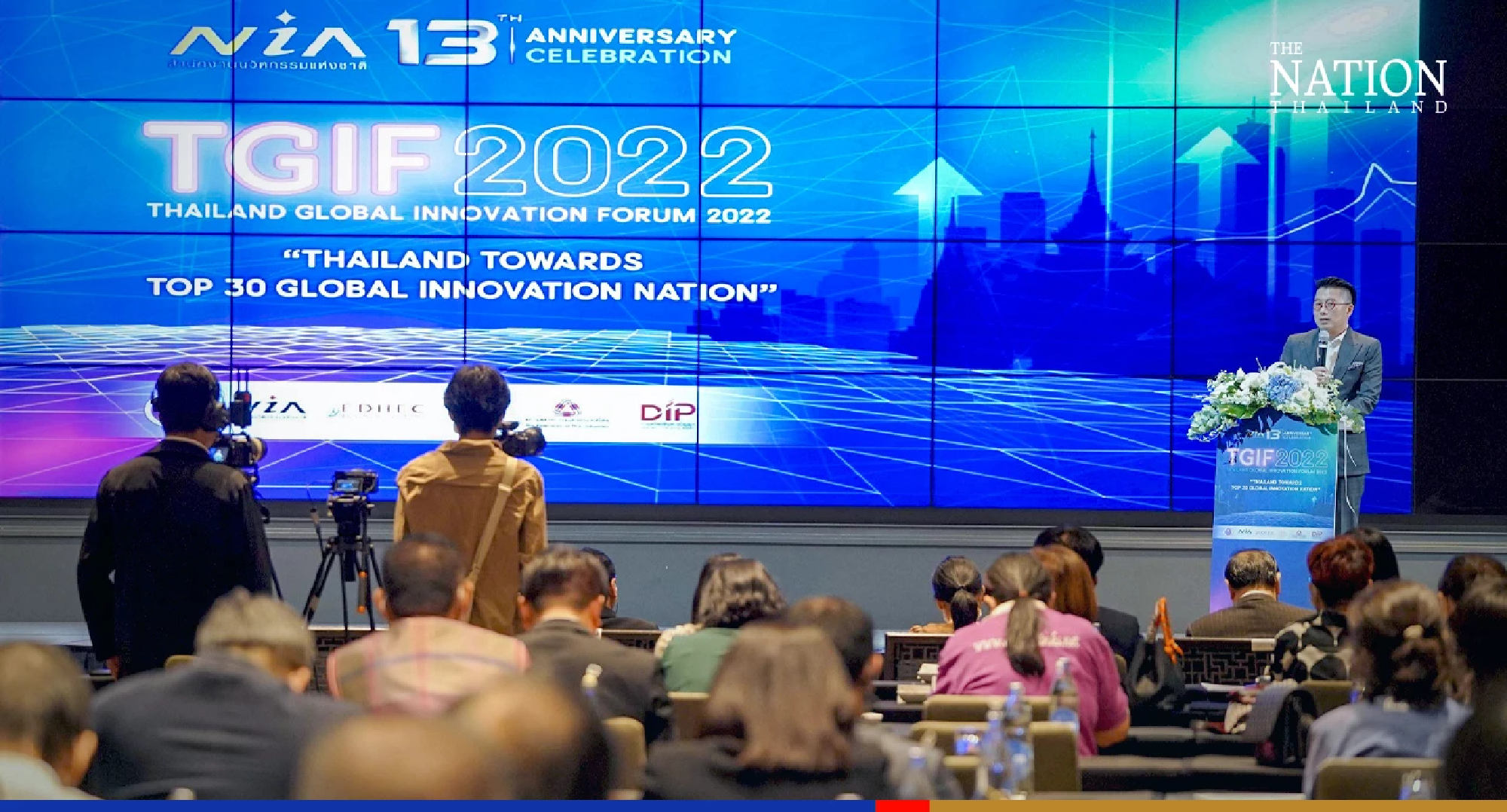
NIA executive director Pun-Arj Chairatana said during the “Thailand Global Innovation Forum 2022” on Friday that innovation is the key engine propelling the country forward in this post-pandemic era.
He said that the country’s innovation is already above average in comparison with other countries. However, Thailand is not in a good position because there are still many disadvantages to overcome.
Thailand’s progress is hampered by a lack of clear regulations, insufficient financial support and funding, and fewer outstanding startups. According to the most recent Global Innovation Index (GII), the country has remained ranked 43rd or 44th since 2020.
“If we don’t come out with practical policies and strategies, other countries will overtake Thailand. We cannot let that happen,” said Pan-Arj.
He suggested that all parties involved start by focusing on the food industry, as it is one of Thailand’s core businesses.
Many of the world’s leading food companies are Thai, indicating that the country already has a global supply chain and production. Hence, simply increasing efforts to improve food innovation will assist Thailand in leapfrogging others.
Besides, as Thailand is very competitive and well-known in the food industry, this will help to attract leading food innovation nations like the Netherlands, France and Israel to invest and collaborate with Thailand.
“We have more chance than other competitors when it comes to the food business,” said Pan-Arj.
Pan-Arj stated that the NIA, as the agency in charge of facilitating all parties in adopting and developing innovation, will help incubate and accelerate startups, connect these small startups with big names in the markets, and mitigate risks to the greatest extent possible.
The agency also will encourage the government to implement supportive policies and a sandbox, establish a financial innovation system, and collaborate with universities to groom talents.
Speaking on the topic of “Global Foresight: Futures of Innovation Nation”, René Rohrbeck, director of the Chair for Foresight, Innovation and Transformation, EDHEC Business school, France said there are four factors that will drive change in Thailand.
The first factor is Thailand’s 4.0 policy, which aims to transition the country from a manufacturing-based to a technology-based economy. Then there’s the expansion of international services, from solely relying on tourism to offering professional services with indirect businesses all the way up the value chain.
The next factor is to transition to innovation and knowledge-driven economy, which will provide skilled labour to the country. The final factor is that Thailand places a high priority on a green economy and sustainable development.
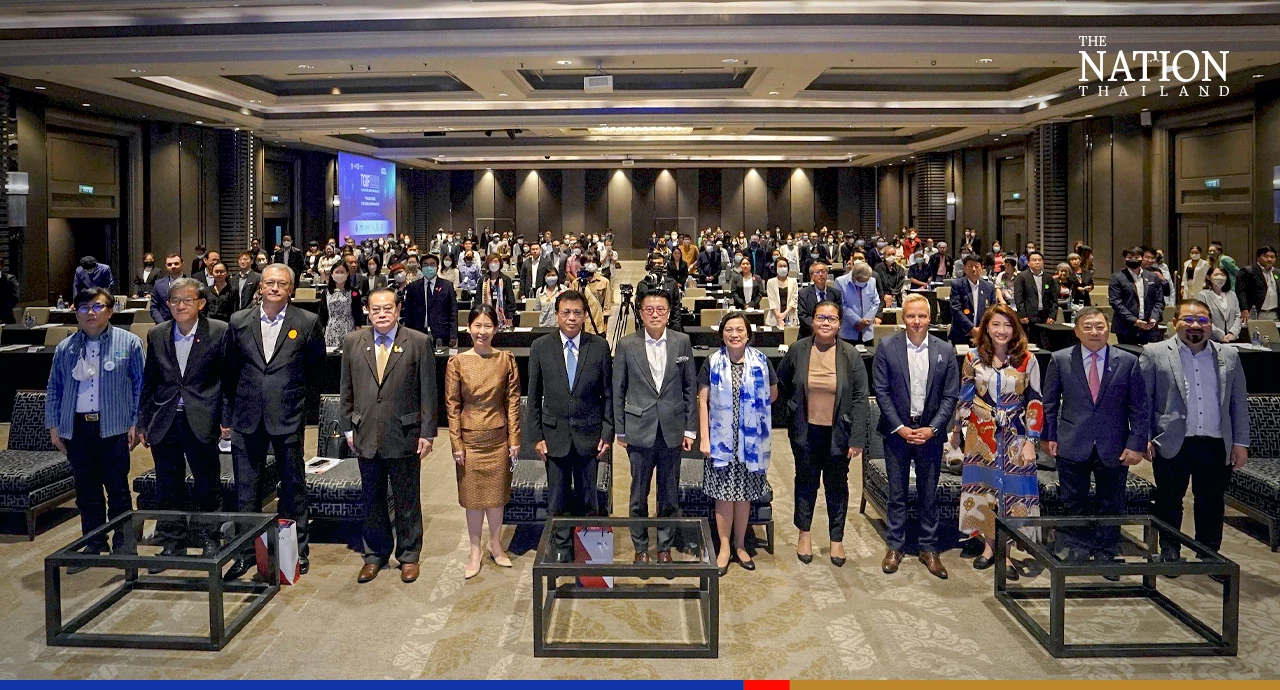
Thailand Global Innovation Forum 2022 is being held to commemorate the NIA’s 13th anniversary as a public organisation. To commemorate the occasion, the agency has set the goal of propelling Thailand into the top 30 Global Innovation Nations by 2030.
The Securities and Exchange Commission (SEC) has said it is tightening controls on cryptocurrency companies to protect retail investors and bring Thailand’s crypto trading standards up to international levels.
In a statement on Thursday, SEC said some crypto trading advertisements did not include a warning on the currency’s high volatility. SEC said most promotions only highlighted positive information, with the warning printed in a font that is too small to read.
“These advertisements can lure people into investing without considering the risks and conditions, which could result in damages to the investors,” SEC said.
The companies have 30 days to comply with the new rules, which include:
• Advertisements cannot feature false, misleading or exaggerated claims. Firms can only advertise the number of customers who have actually opened an account and are using the services.
• Operators must provide SEC with details of advertising spending and the use of influencers and bloggers as per SEC’s terms, conditions and timeframe.
• Warnings should be clear and easy to read, while advertisements must feature balanced views providing information on both positive and negative factors.
• Crypto companies must limit their advertisements to official channels such as their website to prevent impulse buying. Other services, however, can still be advertised via other channels.
SEC has also barred cryptocurrency operators from having an “introducing broker agent” or IBA, a licensed agent who advises customers on investments in exchange for a fee. Operators of digital tokens, however, are allowed to have an IBA.
The commission has been cracking down since the crypto industry came under greater scrutiny. On Wednesday, it imposed a 1.92 million baht fine on digital asset trader Zipmex Thailand Co Ltd for suspending digital asset trading and stopping investors from depositing or withdrawing from the company’s crypto wallets in late July.
On Tuesday, Samret Wajanasathian, chief technology officer of crypto exchange company Bitkub, was fined 8.53 million baht for insider trading. He was also barred from holding an executive position for 12 months.
Last week, Siam Commercial Bank backed out of a 17.85 billion baht deal to buy the majority share of Bitkub, citing unresolved issues with the securities regulator.
Most of Thai Airways International (THAI)’s creditors have accepted the revised rehabilitation plan, which the airline says will be a key step towards its recovery.
The national carrier reported to the Stock Exchange of Thailand on Thursday that creditors who hold 78.59 per cent of the total debt had accepted its plan in a meeting conducted online by the Official Receiver. The plan had been submitted to them on July 1.
The result will next be reviewed by the Central Bankruptcy Court in a hearing on September 14, THAI said.
Thanking the creditors for their confidence in the plan, THAI said this will help the airline lay its foundation for sustainable growth and profit-making abilities in the future.
Under the revised plan, THAI aims to borrow 12.5 billion baht over six years and another 12.5 billion baht in the shorter term, the airline’s chief of finance Chai Iamsiri said.
Previously, THAI expected to face a cash deficit of 50 billion baht and planned to match that by borrowing 25 billion baht from state agencies and the remainder from private institutions.
Chai said the airline had discussed the revised plan with stockholders and the Finance Ministry supported it.
He added that there were two ways of finding funds, one was seeking additional funding via debt-to-equity deals with current creditors or getting funds from stockholders and new investors, while the second was to find new lenders.
He said that if the airline manages to get enough funding from existing sources, it will not need to seek new ones.
Thanks to the recovery of the aviation industry and high booking rates, THAI said it is confident this rehabilitation plan will be successful and achieved within the deadline.
The Bank of Thailand (BOT) is preparing a draft royal decree to supervise the leasing and hire-purchase market to tackle informal debt issues.
Suwannee Jatsadasak, BOT’s senior director, said the draft royal decree under the 2008 Financial Institution Business Act is being created to protect people, especially those buying cars or motorcycles under long-term leasing or hire-purchase deals.
She said the decree will focus on supervising non-banking facilities and dealers’ market conduct and macro-prudential regulations to ensure household debts in Thailand do not get out of hand.
She said that since the leasing and hire-purchase sector was rising by about 5.5 per cent per year, complaints against these businesses will likely increase.
“BOT is currently talking with the Consumer Protection Board about the option of supervising fees and interest rates applied in the leasing and hire purchase sectors,” she said.
Meanwhile, Thailand Motorcycle Hire Purchase Association president Mongkol Peanpitakkit complained many non-banking entities and dealers do not understand some details of the draft royal decree.
“They don’t understand some details, such as what they are expected to do with market conduct,” he said.
Mongkol, who is also managing director of T-Leasing, expects the leasing and hire-purchase of motorcycles to grow in the fourth quarter of this year, thanks to the recovery in the economy and production capacity.
He added that T-Leasing was maintaining its growth target of 25 per cent.
A source from the motorcycle leasing and hire-purchase sector said the decree will focus more on dealing with informal lenders as they have not been under official supervision yet.
The source also expects BOT to require that informal lenders register their business in the future.