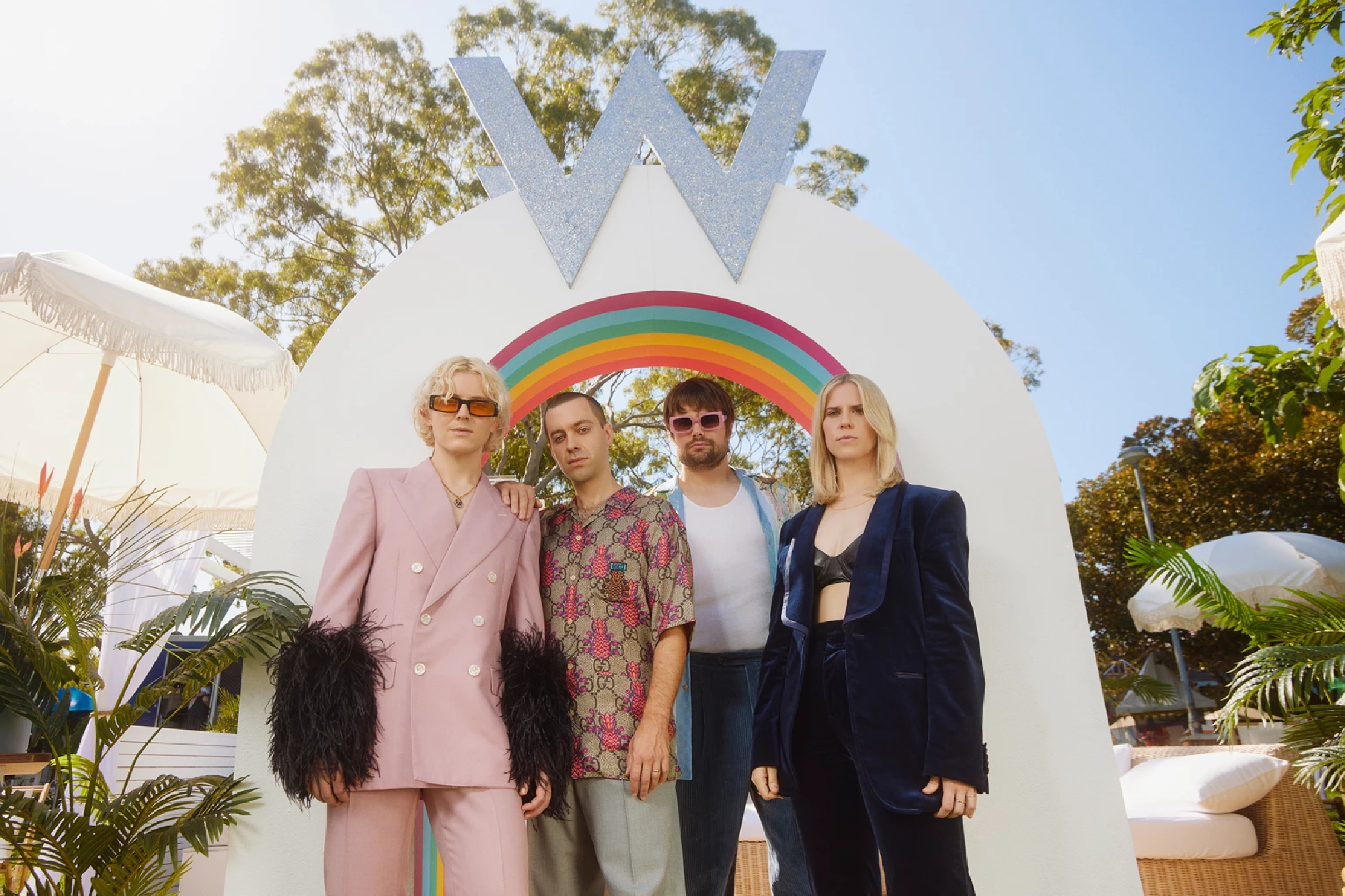
Hosted at W Bangkok on 3rd June 2022, “Love Out Loud” will be a colorful occasion that underscores the company’s deep commitment to equity, diversity and inclusion
Marriott International is celebrating Pride Month this June with a major event that will bring the joy of equity, diversity and inclusion to guests and local residents in Bangkok!
Running from 1-30 June 2022, Pride Month is a hugely important and symbolic occasion for the LGBTQ+ community. Marked with parades, parties, concerts and workshops all around the world, this annual event celebrates diversity in all its forms, highlights the ongoing fight for equality, and honors the impact of gay, lesbian, bisexual and transgender individuals throughout history.
To mark Pride Month in Bangkok, Marriott will host “Love Out Loud”, a vibrant full-day festival at W Bangkok on 3rd June 2022 which is open to EVERYONE!
Entertaining, exhilarating and educational, this fabulous fiesta will start with a series of insightful panel discussions on key topics, including the LGBTQ+ landscape in Thailand and equality in the workplace. Hosted and moderated by Oat Montien, a prominent voice in the Thai LGBTQ+ community, and featuring a diverse panel of gay, lesbian and transgender speakers, as well as key figures from campaign groups and the business community, these sessions are sure to provoke conversation and raise awareness.Our invited panels include Bangkok Rainbow, GirlxGirl Thailand, Thai Transgender Alliance (ThaiTGA), TEAK -Trans Empowerment, Pride! At Work, SWING, Koko Kavindhra Tiamsai, Internal Communications, Diversity & Inclusion Senior Specialist, People Team at Foodpanda. Guests will also have the chance to enter a raffle, with the funds raised going to these selected charities.
Then in the evening, the fun starts with performances by Jai Sira , the famous Thai drag queen, and a live DJ set, before the roof is well and truly raised with the “Love Out Loud” pride party! The entire event will be colorful and creative, with catering by Marriott Bonvoy on Wheels featuring a series of food trolleys with rainbow-themed sweet and savory snacks.
“We are delighted to kickstart Pride Month in Thailand with this fantastic festival. Championing diversity, equity and inclusion is fundamental to Marriott’s core values, and ‘Love Out Loud’ will give us the opportunity to highlight the hot topics impacting the LGBTQ+ community. And of course it wouldn’t be Pride without a party, so get ready for a fabulous fun-filled evening!” said Jakob Helgen, Area Vice President – Thailand, Vietnam, Cambodia & Myanmar, Marriott International.
“Love Out Loud” marks the start of a month-long series of Pride events at Marriott’s hotels in Bangkok, with exciting activities taking place throughout June. Love Out Loud will take place on Friday, 3 June 2022 from 4PM – 11PM at Great Room, W Bangkok. For more information, please visit https://hotel-deals.marriott.com/love-out-loud-w-bangkok/
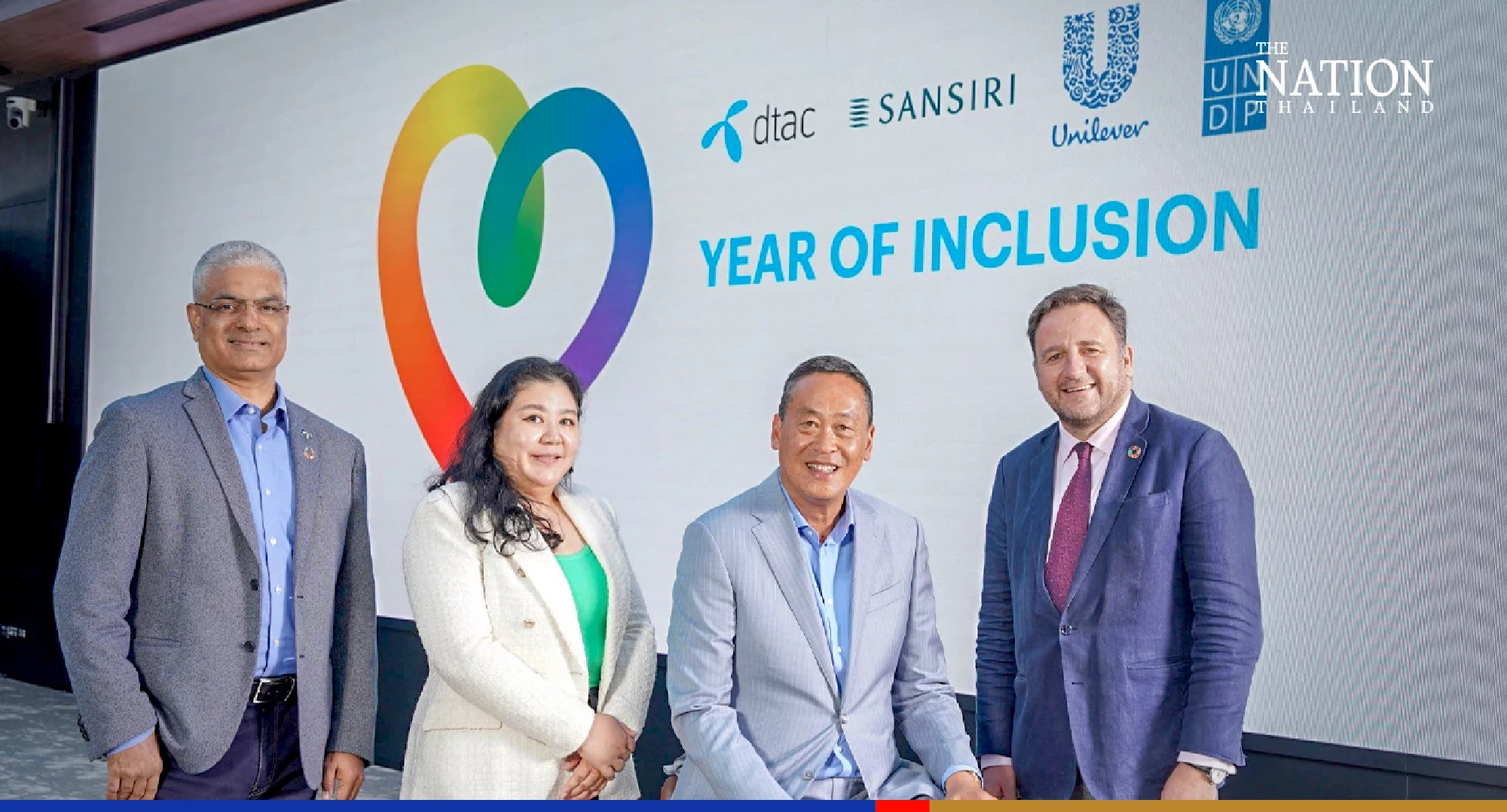
With gender equality and inclusion fast becoming a norm globally, three top companies in Thailand – Dtac, Sansiri and Unilever – have joined hands in setting up a three-year roadmap to improve gender equality standards in the country.
The roadmap aims to advance the “Live Equally… We are Equal, I Am Equal to You” campaign supported by UNDP for the third year running. This collaboration will set new standards in gender equality and diversity, both in organisations and in communities to build a society where gender equality becomes a norm in all dimensions.
Creating bridges in society
Srettha Thavisin, chief executive officer and president of Sansiri Public Company Limited, said his company is seriously committed to becoming a bridge that connects people with the same vision to promote equality from all dimensions of Thai society.
“The globe has started to focus on and value equality and diversity. So, we hope this cooperation will play a part in inspiring other sectors to open up and accept diversity in society and create equality in all dimensions, so much so that this will ultimately become a social norm,” Srettha said.
Sharad Mehrotra, chief executive officer of Total Access Communication Public Company Limited (Dtac), added that by partnering with Sansiri and Unilever, and with the support of the United Nations’ Development Programme (UNDP), Dtac’s ambition was now to inspire more organisations in Thailand to embrace diversity and inclusion as core business principles.
He said Dtac already has several programmes in place to promote equality and diversity. For instance, the strategy to ensure people with disabilities get better access to connected digital services and the Safe Internet system that protects youth from cyberbullying.
Nattinee Netraumpai, chief of Unilever Thailand’s corporate affairs, said the company prioritises identifying structural barriers that under-represented groups face and providing sustainable mitigation through policies, practices and measures.
“We are working to design equitable workplaces that support, empower, and recognise the fundamental dignity and worth of people from all identities, backgrounds and walks of life. Unilever commits to raising living standards across the value chain, creating opportunities through inclusivity and preparing the community for the future fit of work through supplier diversity programs. We believe that Equity is the outcome which ensures our success,” Nattinee said.
Renaud Meyer, resident representative of UNDP Thailand, lauded Sansiri, Dtac and Unilever Thailand’s commitment to diversity, equality and inclusion as well as their efforts to make these values and principles mainstream in companies and through them in Thai society.
“UNDP will continue supporting this key issue alongside the business sector in their efforts to promote diversity and inclusion in the workplace including for LGBTI people, so no one is left behind in the achievement of the [UN] Sustainable Development Goals,” said Meyer.
3 phases of 3-year mission
The three-year mission in which Sansiri, Dtac and Unilever push for equality in every dimension of Thai society, comprises three phases.
The first phase includes activities on “Diversity and Inclusion”, organised by UNDP, namely “Roundtable Discussion on LGBTI Inclusion in Thai Business: The Economic Environment” and other knowledge-sharing and case studies that each organisation has started implementing to serve as a guideline for development. It also includes public forums and forums involving relevant government agencies, such as the Securities and Exchange Commission (SEC), the Department of Labour Protection and Welfare and the Labour Ministry, to push, extend and create an ecosystem of equality.
The second phase is a medium-term goal where the three companies will apply knowledge to create definitive and common practices such as welfare for diversity. The companies must connect their supply chain to promote equality for business partners, contractors, partners, etc. They should also participate in seminars or share knowledge at public forums to create change for the business sector and society, as well as broaden the campaign on gender equality to other areas, such as children and youth, women, and people with disabilities, and the elderly.
The third and last phase is a long-term goal to collaborate on Diversity & Inclusion campaigns, including creating prototype campaigns that the three organizations will have initiated and developed together.
As a key foundation for digital development, 5G technologies will integrate advanced digital technologies such as edge computing, cloud computing, Internet of Things (IoT), artificial intelligence (AI), and big data, providing new methods, paths, and ideas for digital transformation of the economy and society.
The commercial development of 5G will also profoundly affect the global digitalization process. According to the Mobile Economy report of GSMA, 5G will contribute US$961billion global GDP in 2030. By the first quarter of 2022, more than 80 countries and regions have commercially launched 5G services, with 2 million base stations, and been serving 700 million subscribers.
2022 is also a year of accelerating 5G development and making breakthroughs in Asia-Pacific region. South Korea, Thailand, Philippines, Indonesia, Singapore, Maldives, and Bangladesh are deploying 5G in the whole country or top cities. Thailand 5G has reached 77% of population coverage by 2021 based on latest NBTC statics. At the beginning of 2022, 5G subscribers in Asia-Pacific reach 54 million. GSMA predicts that 5G subscriber penetration in Asia-Pacific will exceed 14% by 2025, and 40% in pioneer markets.
In addition, countries have actively explored 5G to enable digital transformation in thousands of industries, including smart healthcare, manufacturing, agriculture, ports, and smart cities. All this indicates that the 5G industry in the Asia-Pacific region is developing in a blooming direction. At the same time, the region is facing severe challenges of 5G spectrum shortage. The prime golden frequency bands for 5G, including 3.5 GHz, 2.6 GHz, and 700 MHz, are being used by other technologies, such as satellites, broadcasting and television. Therefore, accelerating the orderly provision of 5G spectrum is the key to building a sustainable regional ICT industry environment and harmonious ecosystem.
Spectrum provision is the key to 5G technology
ITU estimates that the DOU (Data Of Usage) will exceed 39 GB per user per month in 2025 and 250 GB in 2030. The current monthly MBB data traffic per capita in most of countries in Asia Pacific, especially in ASEAN, has already exceeded 20 GB, and even exceeded 30 GB in Cambodia and Laos. The huge data demand will come earlier than other regions in global.
5G is the preferred technology in the Asia-Pacific region to address this challenge, and spectrum is the key to this technology. According to GSMA and Coleago’s assessment and prediction of Asia-Pacific top cities, each country needs to reserve 2000 MHz mid-band (1–10 GHz) spectrum at average in the next 10 years to provide seamless, high-experience, and affordable 5G services.
Currently, the wireless mid-band spectrum that has been distributed to mobile operators is less than 1000 MHz in most countries, such as 360 MHz in Indonesia, 450 MHz in Thailand, 464 MHz in Cambodia, and 505 MHz in Sri Lanka. There is a big gap between the current supply and bandwidth demands of 2000 MHz. Therefore, the mid-band spectrum of 3.5, 2.6, 2.3, and 4.9 GHz need to be considered and provided orderly to meet the increasing data requirements in various countries. In addition, inter-industry coordination and frequency clearance and migration preparations need to be made in advance. On March 31, 2022, Bangladesh completed the auction of 190 MHz 5G spectrum on the 2.6 and 2.3 GHz frequency bands. It supports the refarming of continuous large bandwidth, reduces the unit price per MHz by 58% compared with that of 4G, and extends the deferred payment period from 5 years to 10 years. The series of incentive measures have created a favorable policy environment for the rapid development of 5G.
Besides the mid-band, 700 MHz low band is also an ideal 5G frequency band including in Indonesia, Cambodia, Bangladesh, Sri Lanka, and Nepal, etc. It can provide 4G plus 5G dual services simultaneously via one network with dynamic spectrum sharing technology. It is the key coverage band to bring universal mobile broadband services, and bridge the digital divide between urban and rural areas.
Overall, the full release of 5G’s impact on the economy and society depends on the vigorous development of 5G technologies and applications. To achieve this goal, under the guidance of the government, telecom operators, suppliers, academies, content providers, and industries are gradually converged, communicating user requirements, and exploring unified, coordinated, high-performance, and energy efficient 5G products and service models. The next five years will still be a critical period for the development of the 5G industry in the Asia-Pacific region. The whole industry still need to work together to promote the implementation of various policies to build a sustainable and harmonious ecosystem in the region.
6 GHz is an inevitable choice for the 5G in the next 10 years.
3.5 GHz, 2.6 GHz, 2.3 GHz, and 4.9 GHz are the world’s preferred and mature 5G prime mid-bands. They provides total 800 MHz bandwidth for the initial stage of 5G development. On that basis, we need to find and reserve a next spectrum band for long-term service development in the next 5 to 10 years to meet the total requirement of 2000 MHz in mid-bands. At the 8th Asia-Pacific Spectrum Conference in April 2022, regulators from China, Thailand, Cambodia, Indonesia, Germany, Finland and other industry organizations such as GSMA reached that consensus.
6 GHz is the last and only choice that can reach the “2 GHz mid-band bandwidth in each country”. 6 GHz for IMT has won a wide consensus in the industry. ITU, GSMA, GTI, and 3GPP actively promote 6 GHz IMT research. Leading international operators, such as Vodafone Deutsche Telekom, Orange, Telefonica, China Mobile, and Axiata, support 6 GHz for IMT as a global harmonized spectrum strategy.
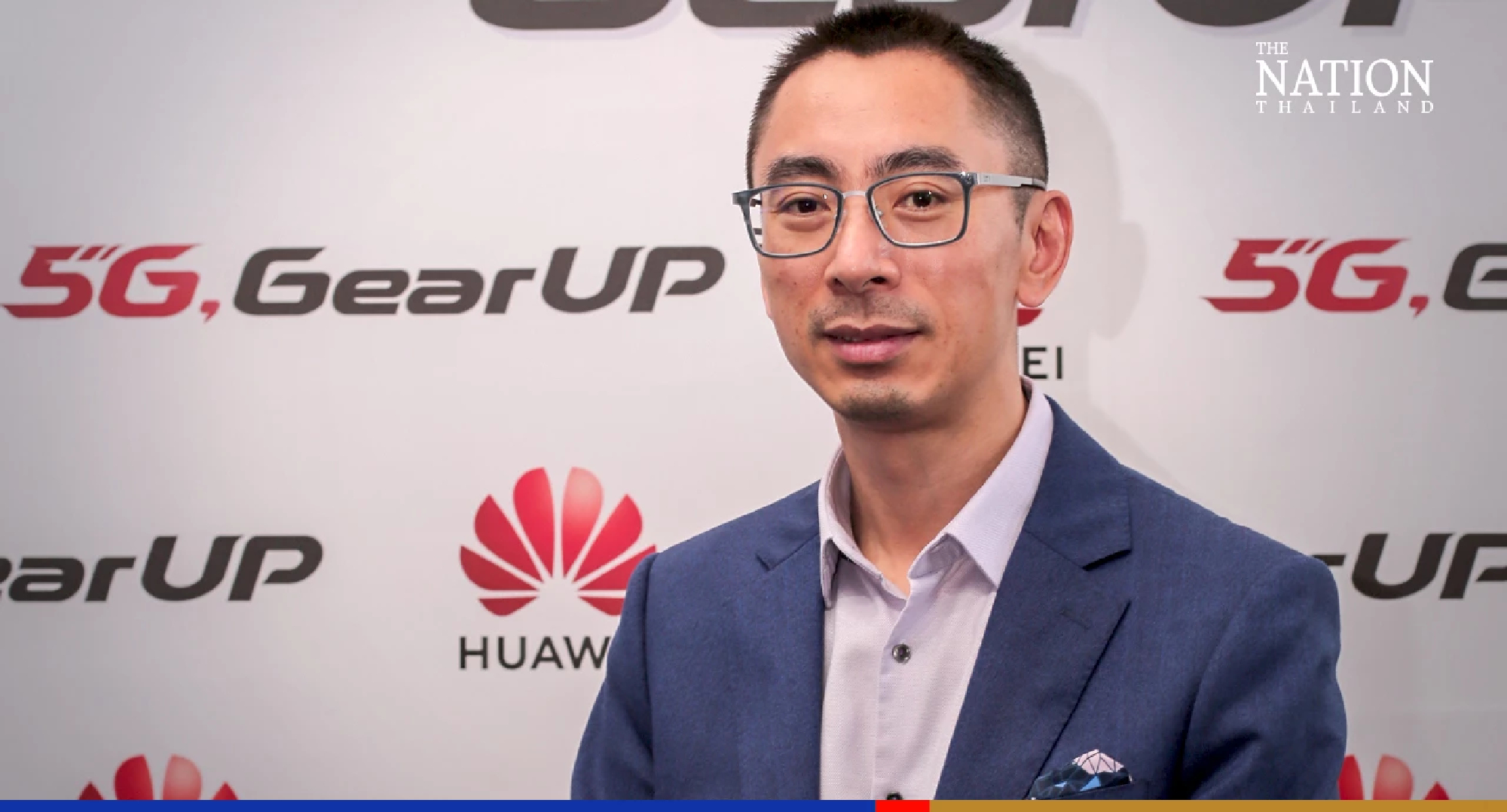
In the Asia Pacific region, Thailand, Indonesia, Malaysia, Cambodia, Laos, and Singapore are actively participating in the study and identification of 6GHz IMT under the ITU WRC-23 framework. We believe that 6GHz will become the key band for 5G and 5.5G (5G advanced) development in the Asia Pacific region. Huawei is willing to support the research and testing of 6GHz IMT as global standards by governments, operators, and industry organizations in the region. This will promote the entire industry to unify standards and boost ecosystems, lay out the future ahead of time, and move towards new digital and intelligent world.
By Mr. Zhengjun Zhang (Jun Zhang) Director of Huawei Asia-Pacific Public Relations Department Huawei Technologies Co., Ltd.
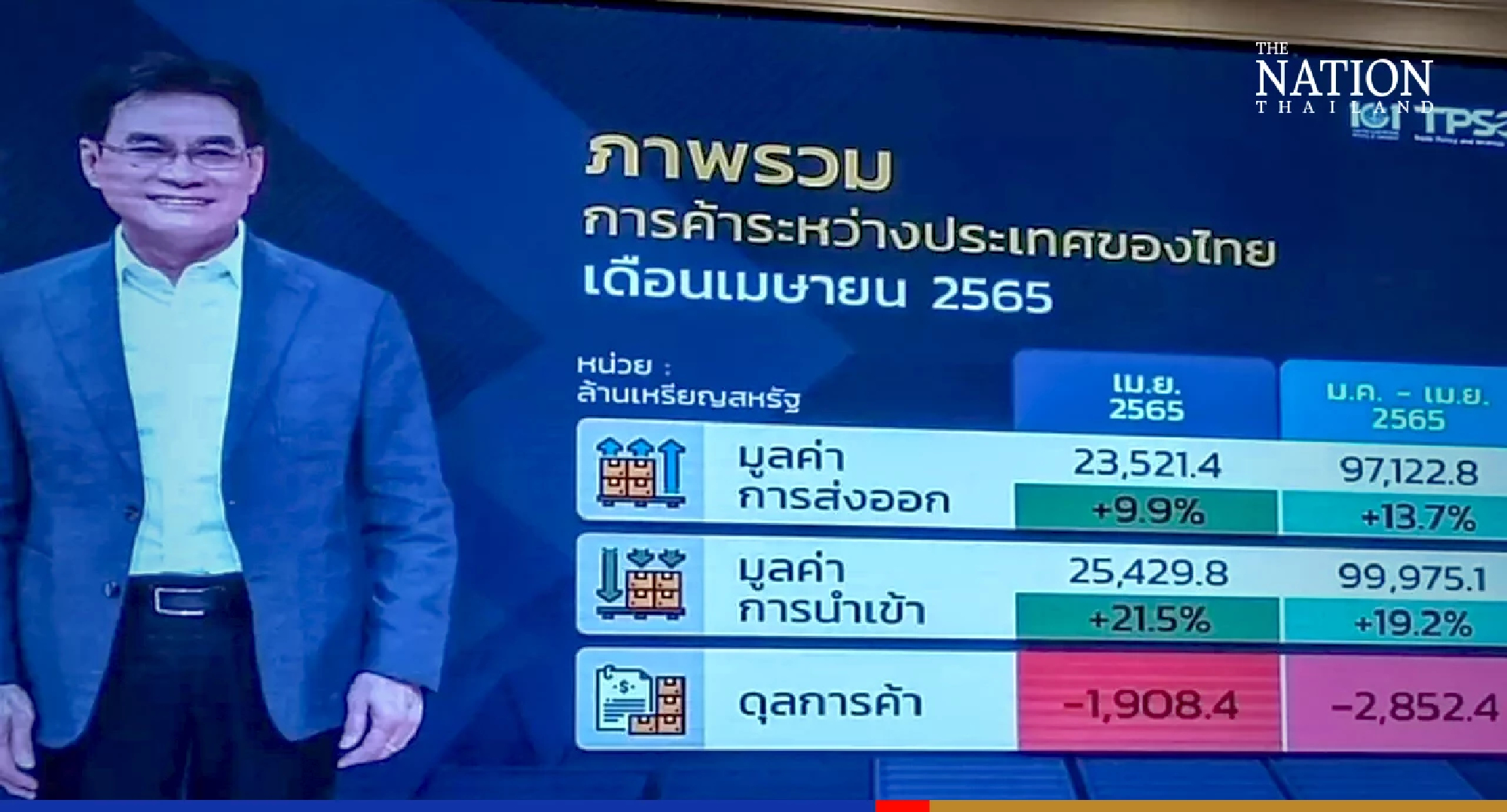
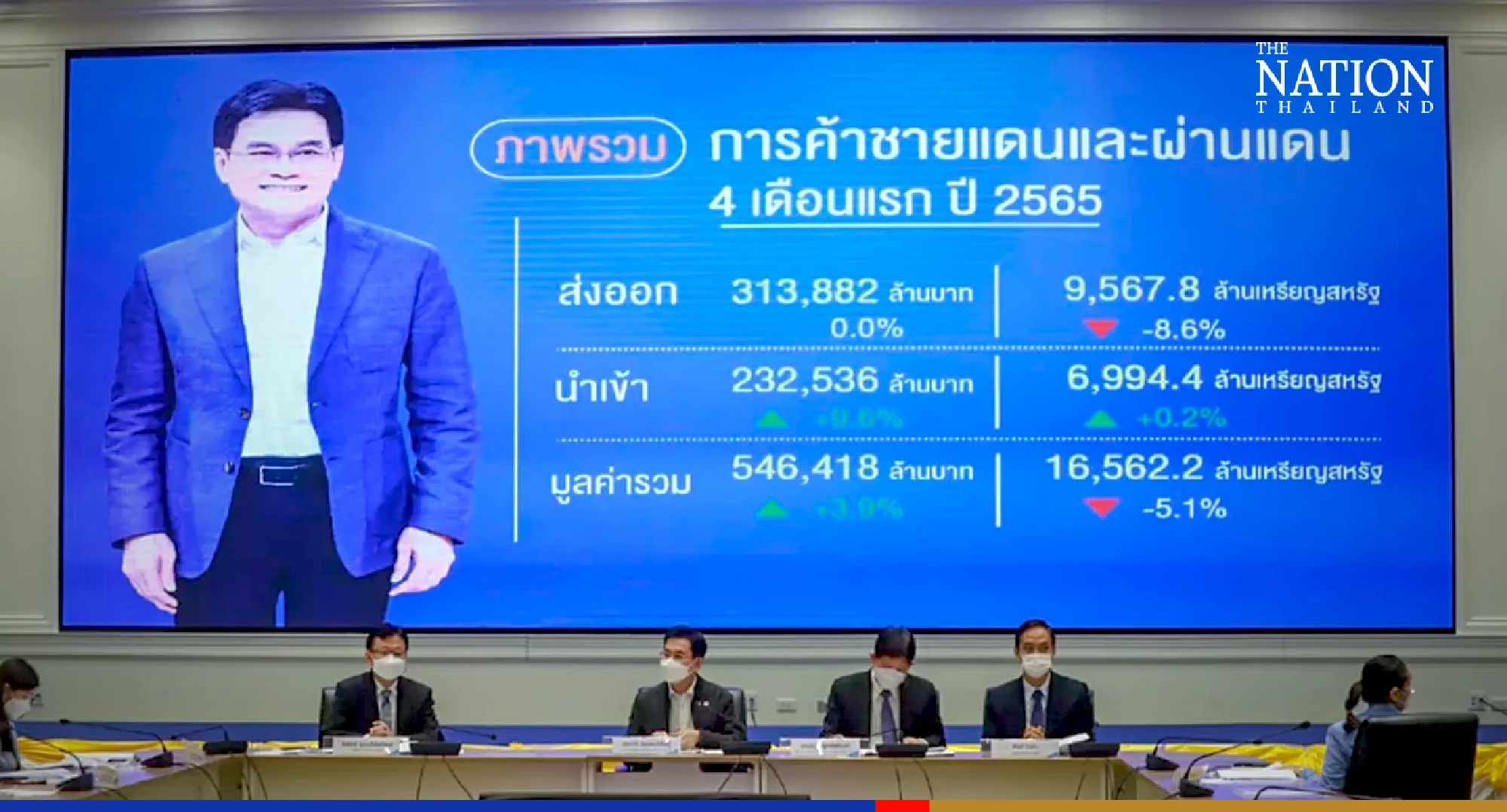
Thailand’s exports grew almost 10 per cent in April, showing signs of a slowdown from the 13.7 per cent expansion in the first four months of the year.
The country’s export value totalled US$23.5 billion (THB799 billion) last month, a 9.9 per cent increase from the same period last year.
However, imports climbed to US$25.4 billion (THB863.6 billion), a 21.5 per cent growth, resulting in a trade deficit of $1.9 billion (THB64.6 billion), Commerce Minister Jurin Laksanawisit said on Friday.
Thai exports from January to April totalled $97.1 billion (THB3.30 trillion), a 13.7 per cent increase, while imports were recorded at $99.9 billion (THB3.39 trillion), growing as much as 19.2 per cent, a trade deficit of $2.8 billion (THB95.2 billion), according to the commerce minister.
Jurin, who also serves as deputy prime minister, said most export growth was seen in agricultural and industrial goods, including fresh farm produce and processed products, aluminium products, gems and jewellery, and electrical circuits.
Exports of agricultural products saw a growth of 10.8 per cent, with total value of $4.3 billion, while industrial goods had an 8.3 per cent expansion in exports totalling $17.9 billion.
The commerce minister expected rice exports to reach 7-8 million tonnes this year, surpassing the target of 6.1 million achieved last year.
Jurin attributed the increase in Thai exports partially to the weakening baht, in addition to other positive factors, including the country’s free trade agreements with many states that serve as new markets for Thai products.
The Thai currency traded above 34 a dollar on Friday, depreciating from the 33 range seen earlier this year.
China’s strict “zero Covid” policy has been blamed for a drop in Thailand’s cross-border and international border trade in April, which totalled 127.1 billion baht, down 10.8 per cent from the same period last year.
In April, Thai exports through cross-border trade and international trade across borders totalled 74.2 billion baht, down 15.7 per cent, while imports were recorded at 52.9 billion baht, down almost 3 per cent, Commerce Minister Jurin Laksanawisit said on Friday.
He said the decline resulted from reduced exports to Vietnam and also to China, which has frequently closed its border to inbound cargo as part of its “zero Covid” policy.
Jurin, who doubles as deputy prime minister, added that Thailand has responded by shifting its China exports from land transport to air and sea routes.
Thailand’s border trade with its four direct neighbours – Malaysia, Laos, Myanmar and Cambodia – totalled 81.5 billion baht in April, up by 12.3 per cent from a year earlier.
Exports were recorded at 47.5 billion baht and imports 33.9 billion, up 7.8 and 19 per cent, respectively.
Malaysia remained Thailand’s largest cross-border trade partner, with 13.7 billion baht in exports, followed by Cambodia (12.4 billion), and Laos (10.5 billion).
Thailand’s international trade across borders with China, Singapore, Vietnam and others totalled 45.6 billion baht in April, down 34.8 per cent. Exports were 26.7 billion baht and imports 18.9 billion, down by 39.2 and 27.2 per cent, respectively.
China remained the largest market for international trade across borders, with exports totalling 11.9 billion baht, down as much as 45 per cent.
Singapore was second with 4.2 billion baht of exports, up 5.9 per cent, followed by Vietnam with 3.2 billion baht, down 24.7 per cent.
Syn Mun Kong Insurance Plc (SMK) on Thursday confirmed it will continue to pay out on ordinary policy claims and is studying guidelines to compensate Covid-19 insurance policyholders as part of its business rehab plan.
SET-listed SMK made the announcement a day after reporting a loss of 29 billion baht in the first quarter, sending its share price plummeting by more than 23 per cent to 6.40 baht as of press time on Friday.
The company applied to the bankruptcy court seeking business rehabilitation on May 17, saying it was unable to honour about 30 billion baht in Covid-19 policy claims.
The court accepted the application, granting a stay on having to make further payouts until the rehab plan is in place. The date for hearings on the plan was set for August 15.
SMK Covid-policy holders voiced their frustration with the stay on payouts via Facebook and other platforms, demanding immediate compensation.
The company said in a statement on Thursday that it was in discussions with the Office of Insurance Commission (OIC) over how to take care of policyholders during the business rehab process.
It assured holders of SMK non-Covid policies that it would continue to honour their contracts.
SMK said it was seeking sources of funds from investors to pay compensation and/or turn debt into equity and/or amortisation.
However, the ability to pay compensation depended on the company’s future performance, it added.
SMK said its performance in non-Covid performance in the first quarter remained strong with a profit of 292.42 million baht, while it retained the support of Covid-19 insurance creditors, investors, and the OIC.
(PR News) Property developer Sansiri Public Co Ltd is giving away Land NFT valued up to THB5 million on Sandbox, a Metaverse platform that has high growth potential, to every customer who buys its newest condominium unit KHUN by YOO.
KHUN by YOO is the company’s first design-branded residence located in Bangkok’s Thong Lo area, with a starting price of THB19.59 million. The project was designed under the ‘Industrial Heritage’ concept inspired by the life of French designer Philippe Starck in the post-WWII era.
Sansiri’s chief operating officer Uthai Uthaisangsuk said that KHUN by YOO is located on a high potential location of Thong Lo with land resell price up to THB2 million per sq.wah, or increasing 15 per cent annually, while 90 per cent of the condominium units have been sold/transferred, making KHUN by YOO one of the rarest properties with high investment value in Bangkok.
“Sansiri wanted to create a new, refreshing phenomenon in the property market by joining it with the virtual world of Metaverse,” he said. “Land NFT that we are giving away has an exponential growth rate on Sandbox up to 500 per cent after eight months since it was introduced. Currently, the resell price starts at 1.6 ETH or about THB105,000 per block, jumping from 1,011 SAND, or THB23,000 per block when it was first introduced.”
“Buying KHUN by YOO condo is, therefore, a passion investment with two-way profits from the increasing price of condo unit in the physical world, and from Land NFT on the Sandbox virtual world that has more than 2 million users worldwide,” added Uthai.
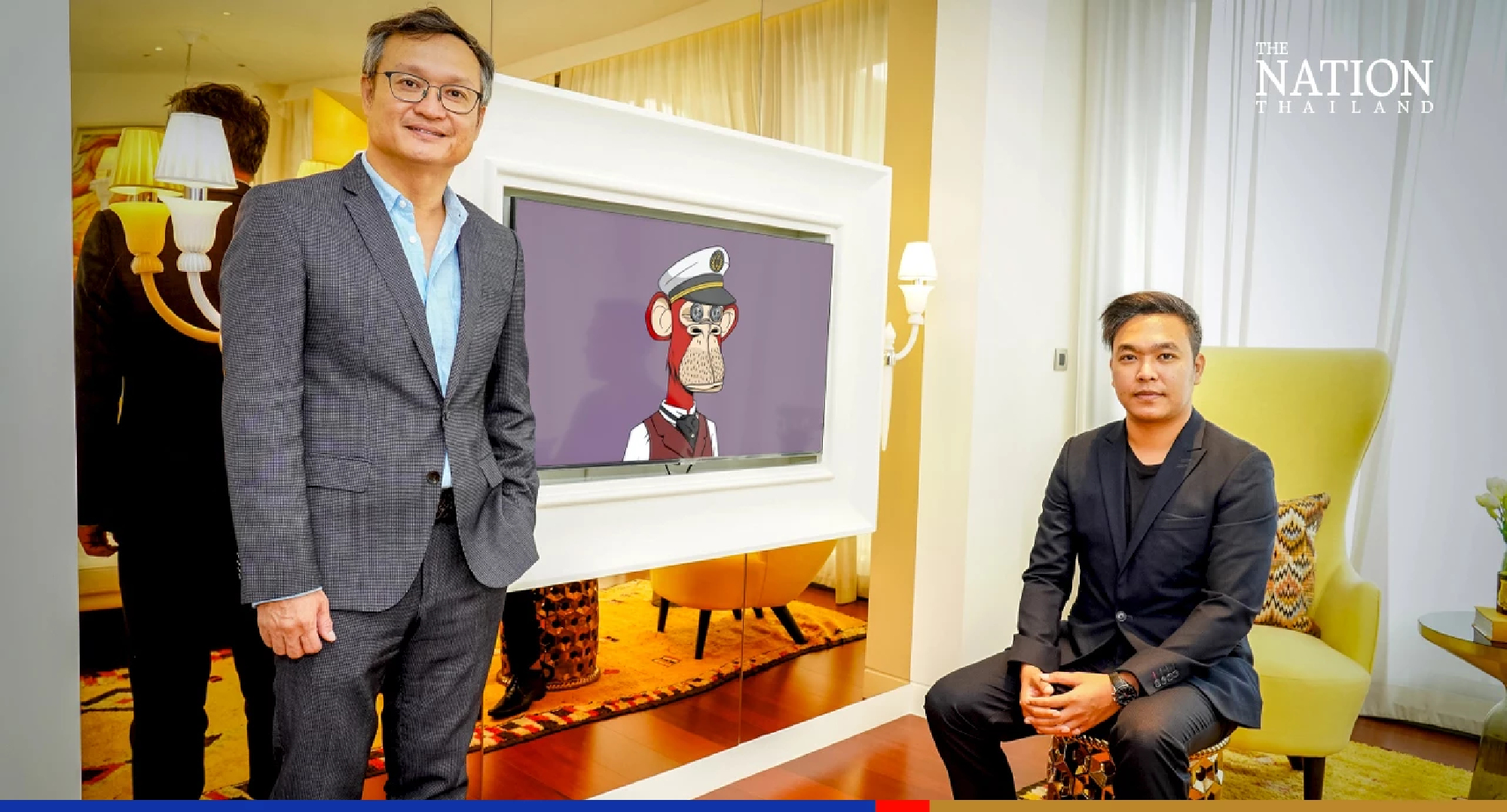
On Friday (May 26) Sansiri held an NFT Exhibition at KHUN by YOO project with over 20 famous arts like ‘Bored Ape Yacht Club’, ‘CloneX’, and other NFT arts by Thai artists. The exhibition also featured a panel talk by famous NFT investors including Natthawut ‘Moo’ Pheungjaroenphong and Chumphol ‘Turbo’ Wongmatikul.
Chic beachfront resort on Thailand’s gulf coast, which opened in December 2021, is one of only 17 new properties in Asia Pacific to make this prestigious annual list.
Hua Hin, May 2022 – The Standard, Hua Hin, the stylish Thai resort where chic beach vibes meet mid-century style, has been named on Condé Nast Traveler’s “Hot List” for 2022, which recognizes the world’s most exciting new hotels.
Each year, Condé Nast Traveler, the luxury travel and lifestyle magazine, showcases the best and brightest new hotels and resorts around the world. Now in its 26thedition, the “Hot List” is considered the definitive collection of new openings for experience-seeking global explorers. The Standard, Hua Hin was one of only 17 new hotels in Asia and Australia to make the list.
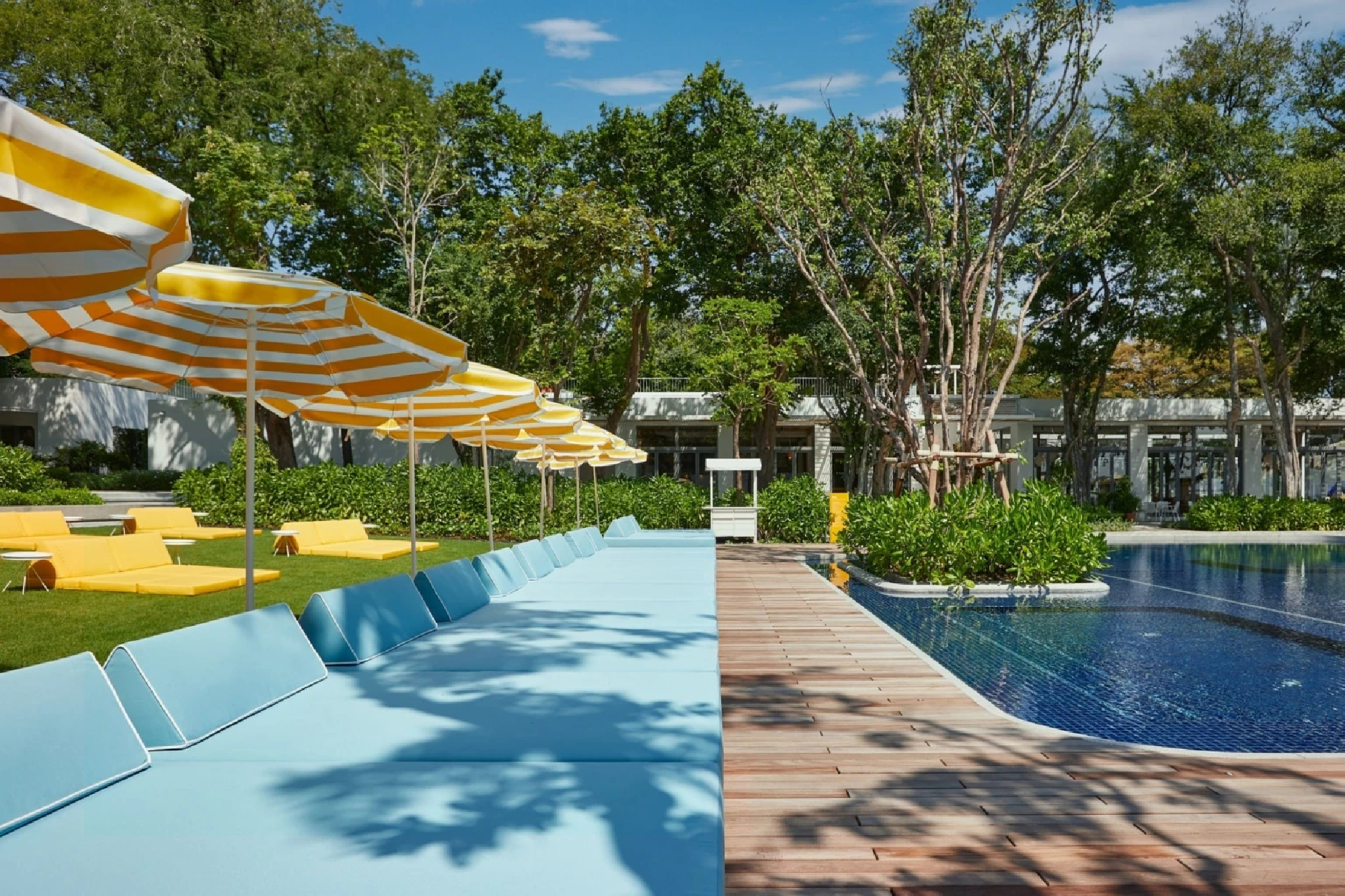
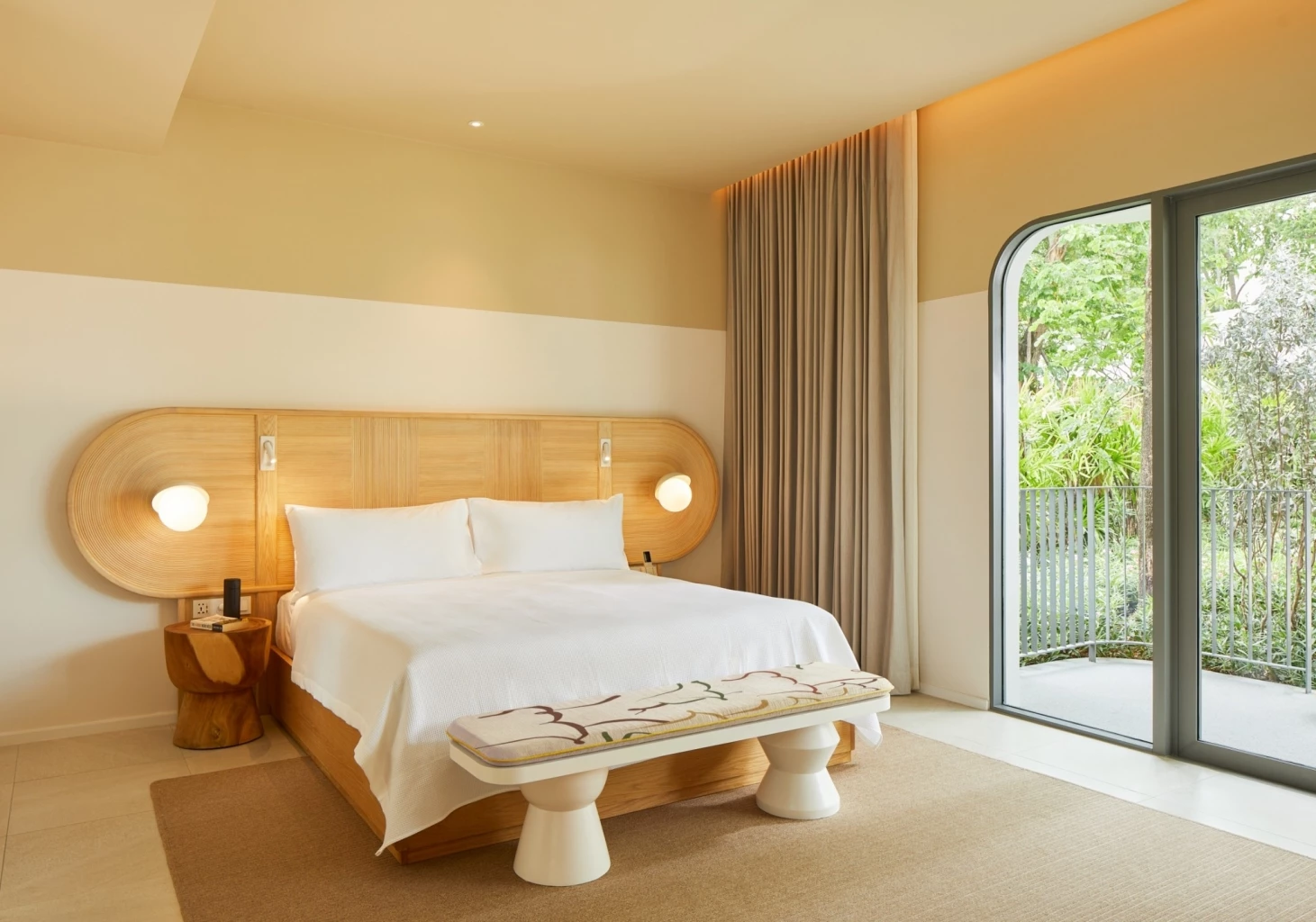
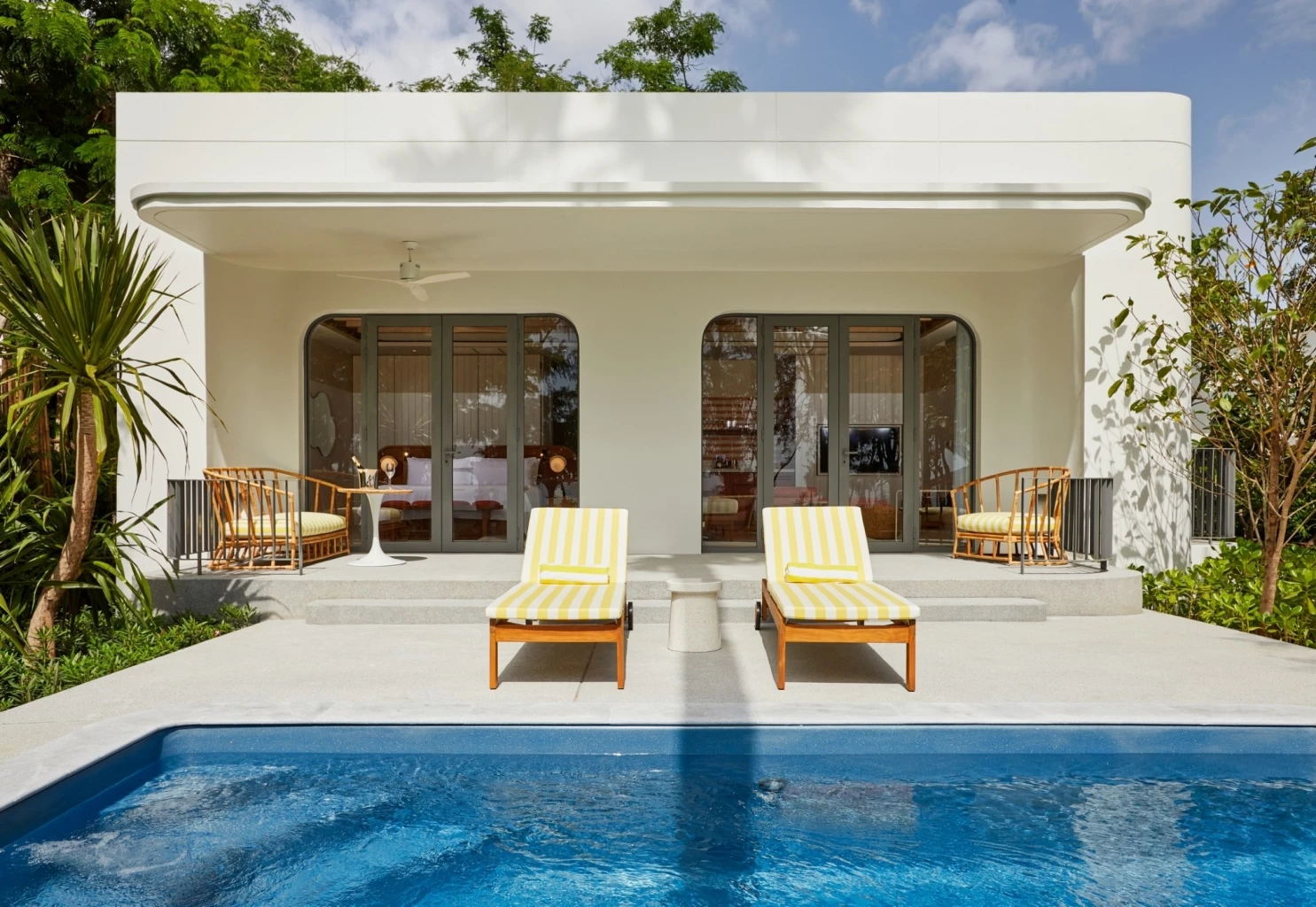
The Standard, Hua Hin was described by Condé Nast Traveler as bringing a “dose of youthful energy” to Hua Hin. “Guests are greeted by fresh contemporary art and mid-century-modern furnishings; then pathways palisaded with bamboo and bougainvillea snake to the boho-beachy villas (where disco balls hang in the bathrooms). The main action happens at the pool, where Bangkok’s beau monde lounges under candy-striped umbrellas and two restaurants serve drinks and Thai-with-a-twist bites,” it added.
“We are thrilled to have been named to Condé Nast Traveler’s 2022 Hot List. Condé Nast Traveler is one of the world’s leading travel magazines and the opinions of its highly respected editorial team mean a great deal to discerning travelers across the globe. Fewer than 100 new properties worldwide made the list, and only one in Thailand, so this is truly a humbling honor. As Thailand reopens its doors to international visitors, we look forward to welcoming guests from around the world to discover Hua Hin and our beautiful seaside retreat,” said Mr. Amar Lalvani, Executive Chairman of Standard International.
Since it opened its doors in December 2021, The Standard, Hua Hin has elevated the social scene in this popular beach resort with a series of cultural “Happenings”, from wellness weekends and artistic escapes to pool parties, live concerts and more. A nod to The Standard’s first waterfront resort in Miami, this creative retreat blends contemporary style with authentic local heritage.
Nestled in a lush garden of tropical flora and foliage, just steps from the golden sands of Hua Hin Beach and the glistening Gulf of Thailand, The Standard, Hua Hin features a collection of 199 chic rooms, suites and villas, complemented by an innovative culinary program, a vibrant pool scene and world-class wellness.
The Standard hotels are present in the most desirable of destinations, from Miami Beach to the Maldives, London to New York, Hua Hin and very soon Bangkok.
Connect with the hotel via: Facebook: The Standard Hua Hin Instagram/Line: @thestandardhuahin Web: www.standardhotels.com/hua-hin
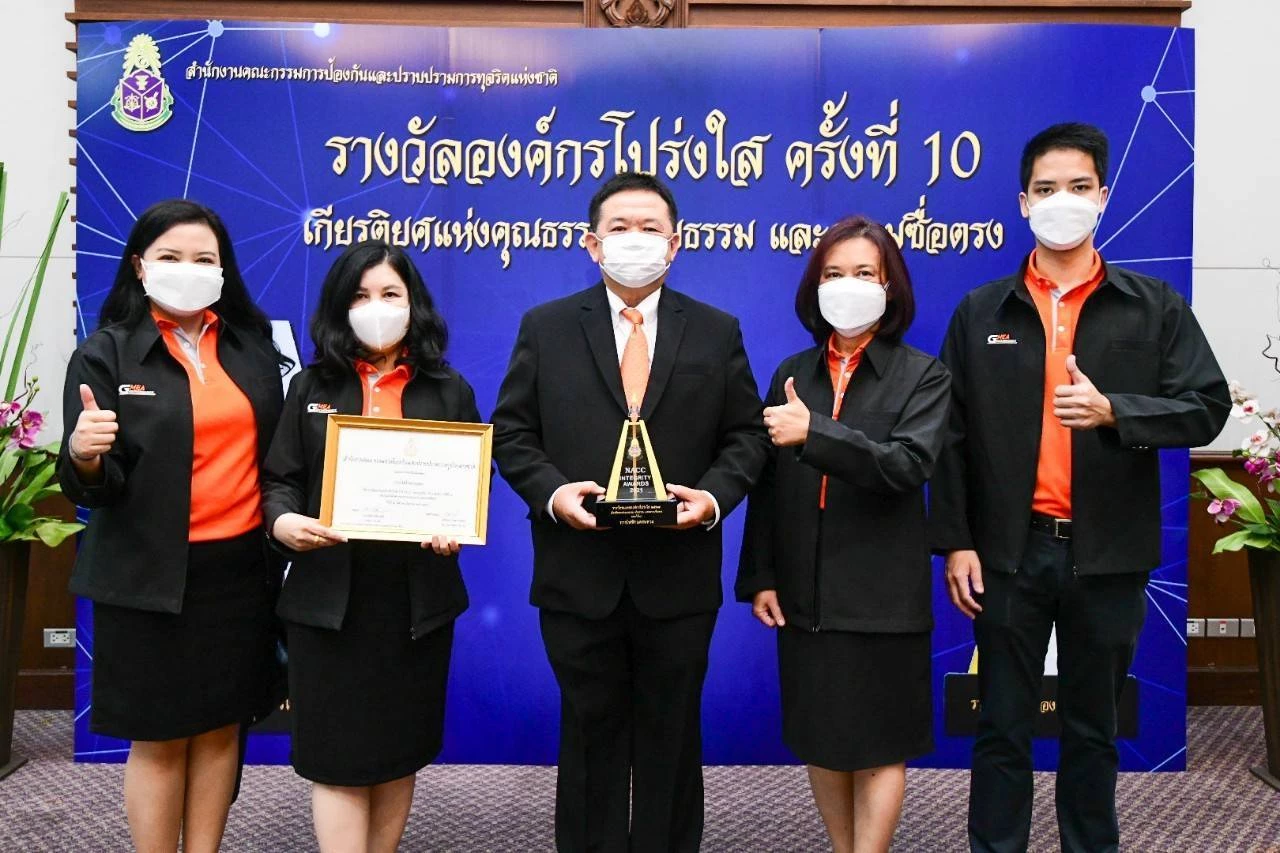
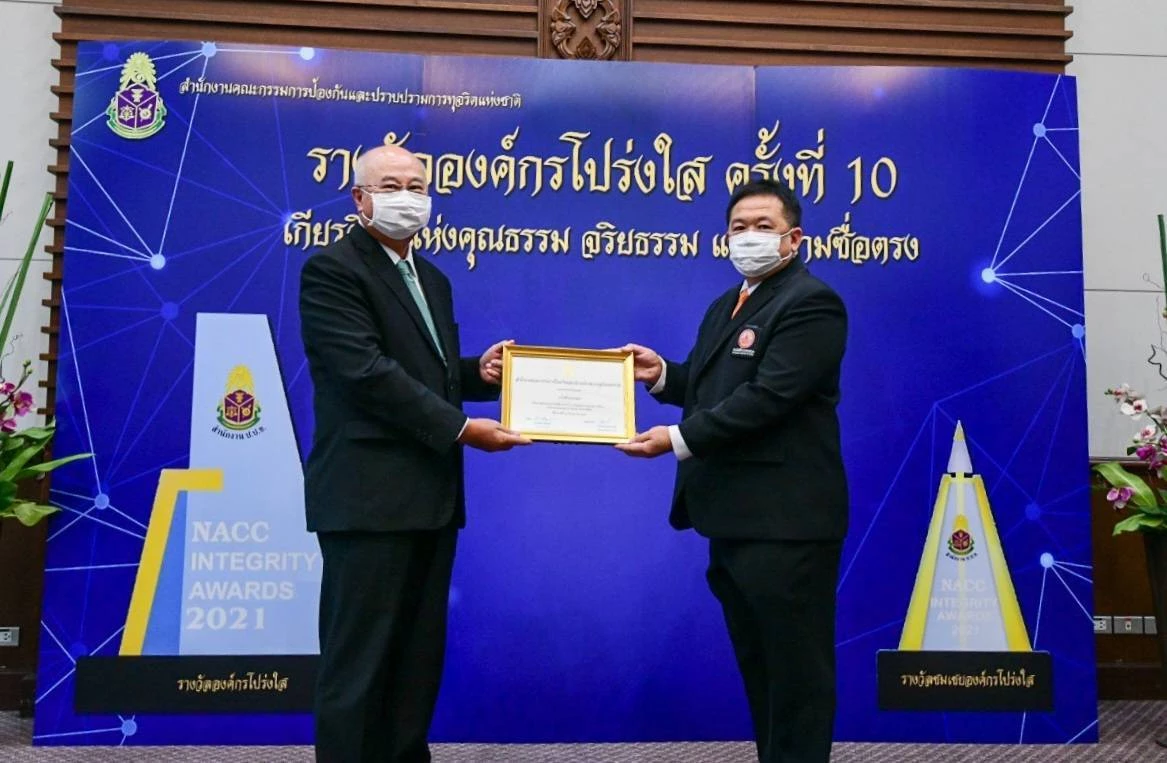
On Wednesday (May 25), Metropolitan Electricity Authority (MEA) by deputy governor Wasuthep Pramong-Udomrat received an honorable mention award during the NACC Integrity Awards event from Pol. Gen. Watcharapol Prasarnrajkit, president of the National Anti-Corruption Commission (NACC) at NACC Head Office in Nonthaburi province.
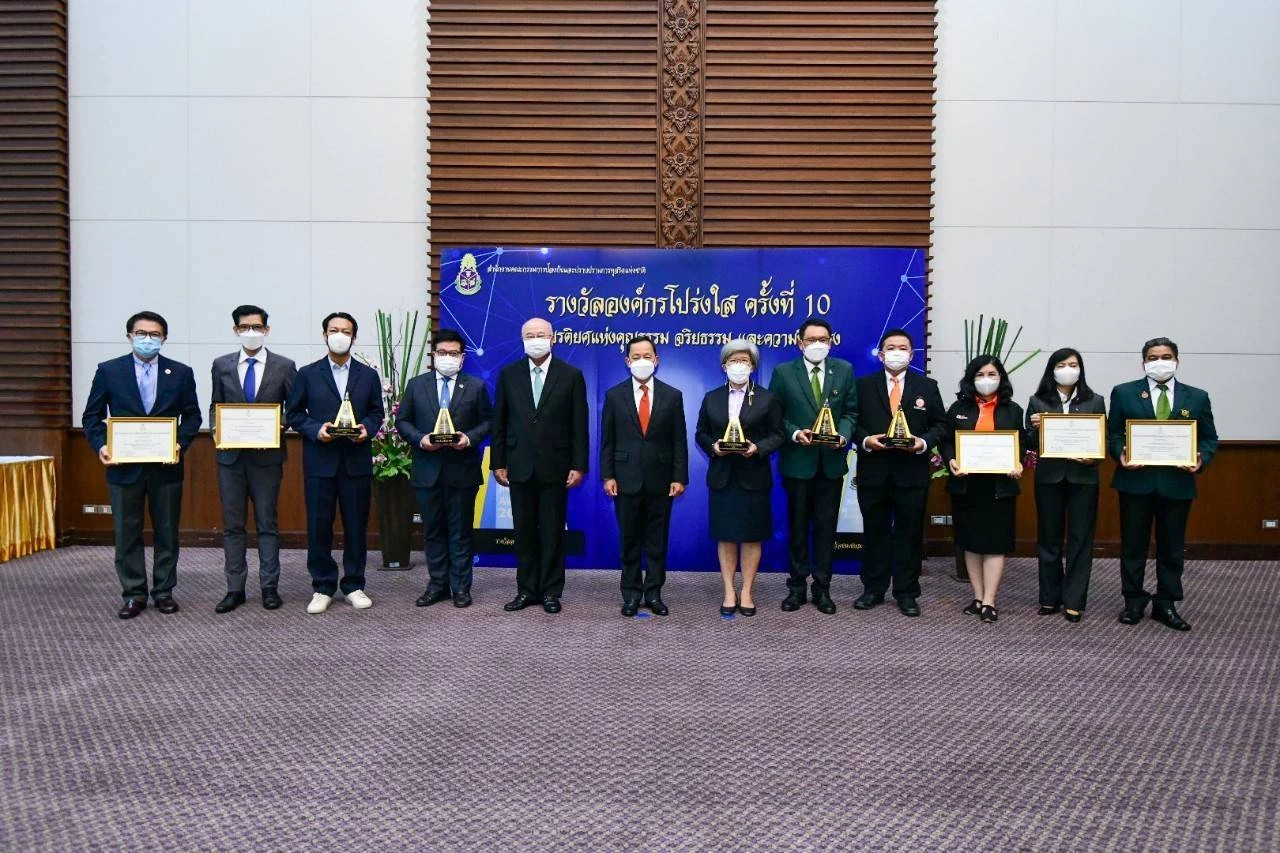
The NACC has been hosting NACC Integrity Awards event for 10 consecutive years to honor agencies that have demonstrated outstanding integrity in their operation throughout the year.
MEA received the prestigious NACC Integrity Award in the 4th year and received honorable mention awards from the 7th to 10th year of the event.
MEA is committed to delivering high-quality services to electricity users under transparent administration and good governance policy.
PT Max Card holders who refuel (oil or LPG) at any PT station nationwide can buy Mee Suk palm cooking oil for THB60 a bottle (1 litre), down from the original price of THB68.
The campaign runs until June 30 with no minimum refuel requirement.
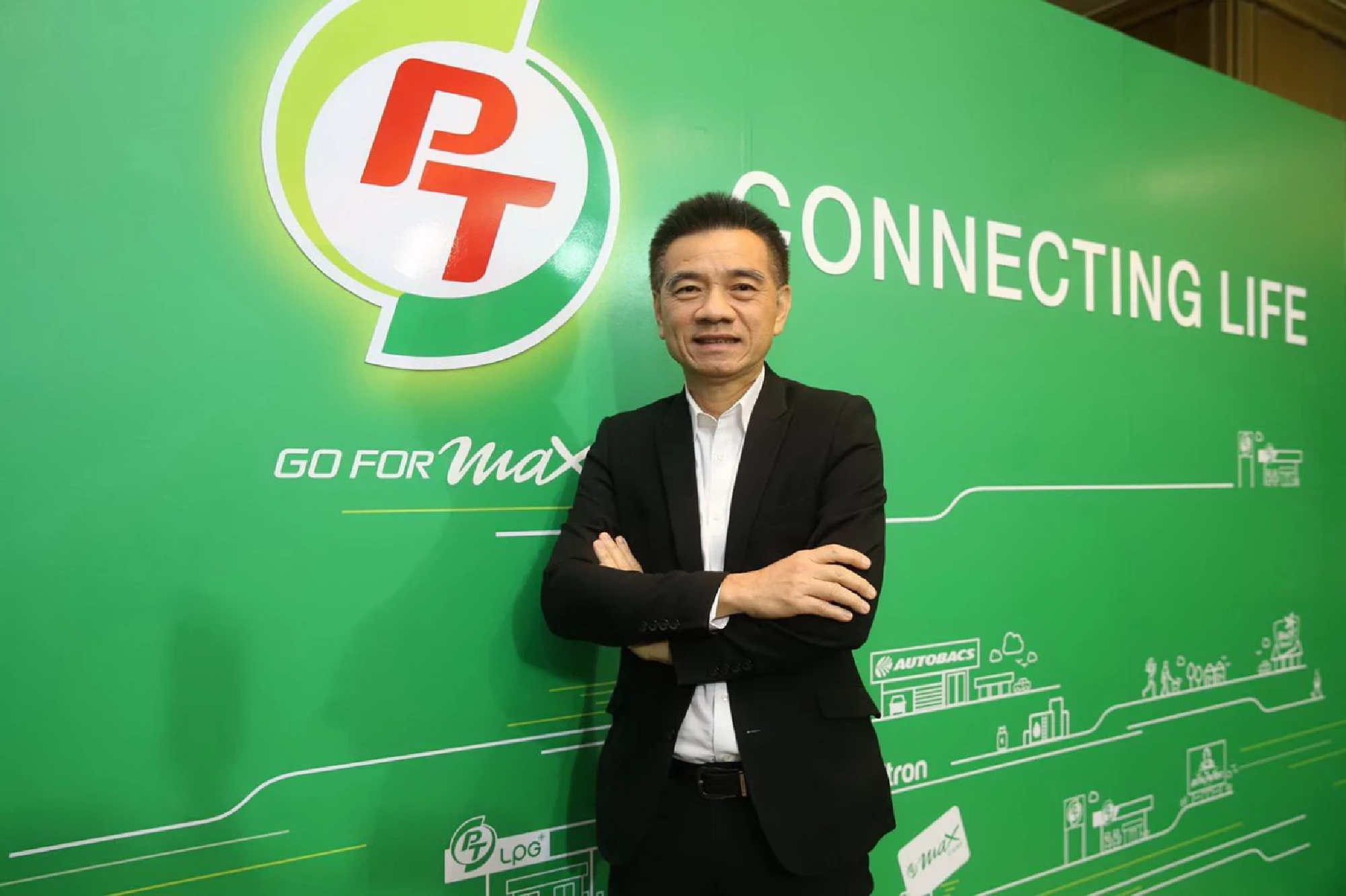
PT Energy president and CEO Pitak Ratchakitprakarn pointed out on Wednesday that the price of bottled palm oil has been rising due to decreasing output and the crude palm oil price hike in global markets, which has affected food costs.
“So, as a leading energy service provider, PTG aims to help reduce the public’s financial burden by selling Mee Suk palm cooking oil at a special price of THB60 for a 1-litre bottle to PT Max Card holders who refuel at any PT station with no minimum requirement,” he explained.
“Each card holder can buy a maximum two bottles per day until June 30, or until supplies last,” Pitak said.
“PTG is committed to helping people during this palm oil price crisis, which corresponds with our vision of ‘enriching the quality of life, well-being and contentedness of the people we serve’,” he added.